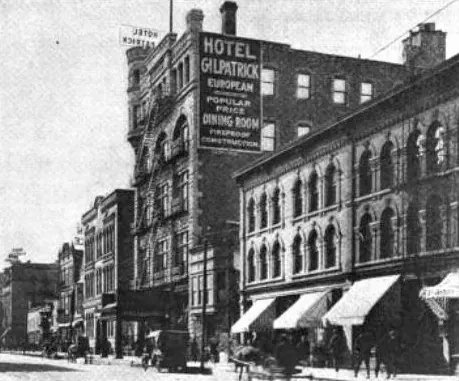
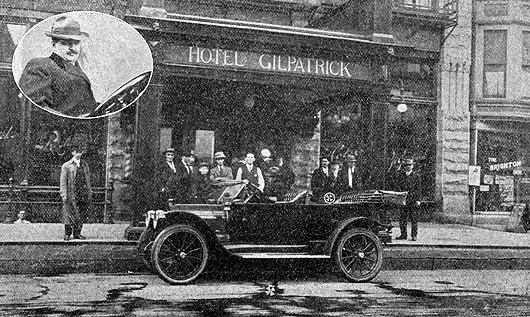
In 1912, Theodore Roosevelt, the former president, ran for the White House again, nominated on the ticket of the Progressive Party, nicknamed the “Bull Moose Party.” On October 14 he was in Milwaukee. He had finished his meal and left the Gilpatrick Hotel to get into an open car, and as the crowd cheered, he stood up and waved his hat to them.
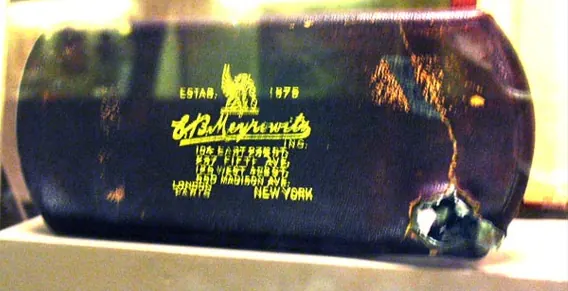
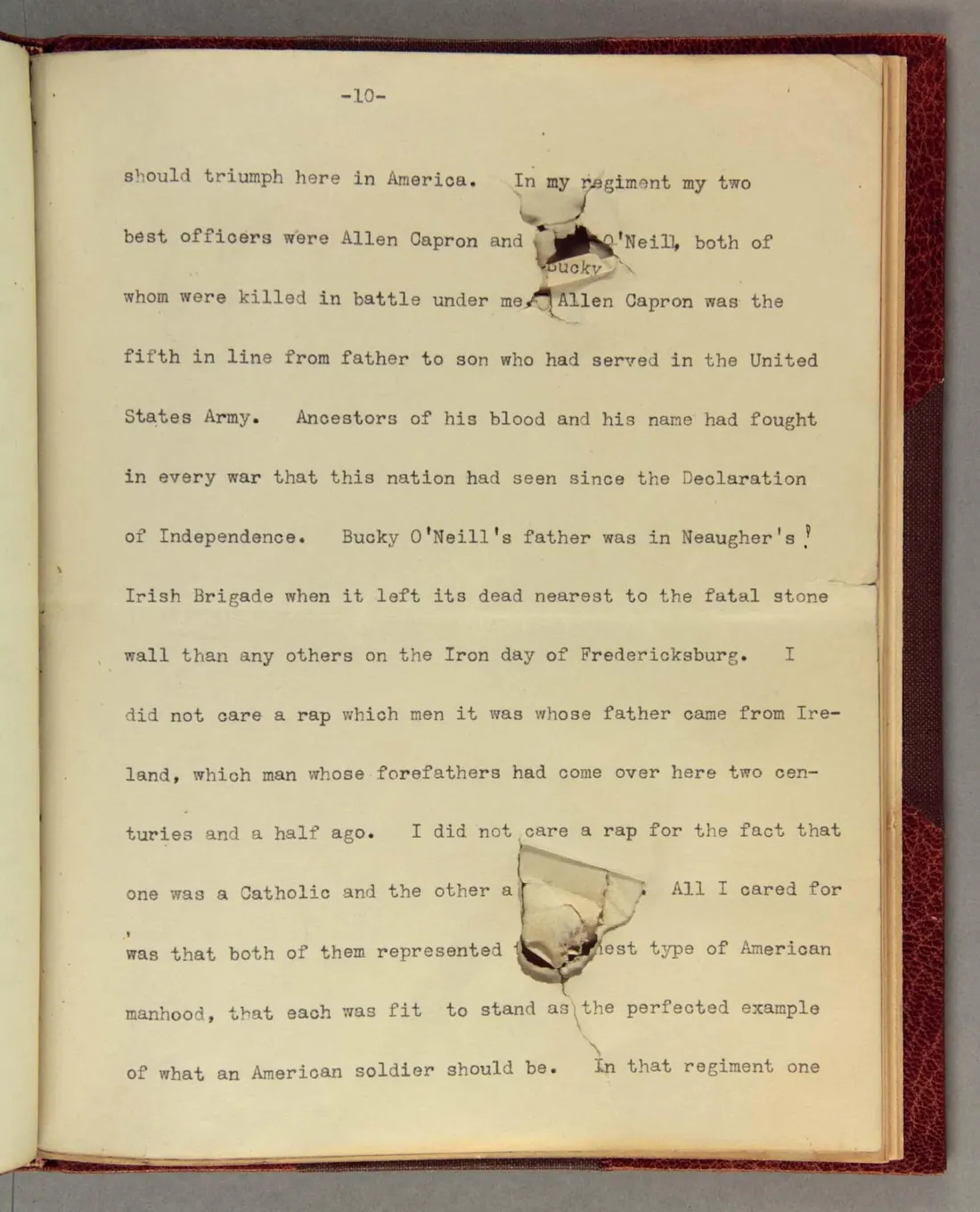
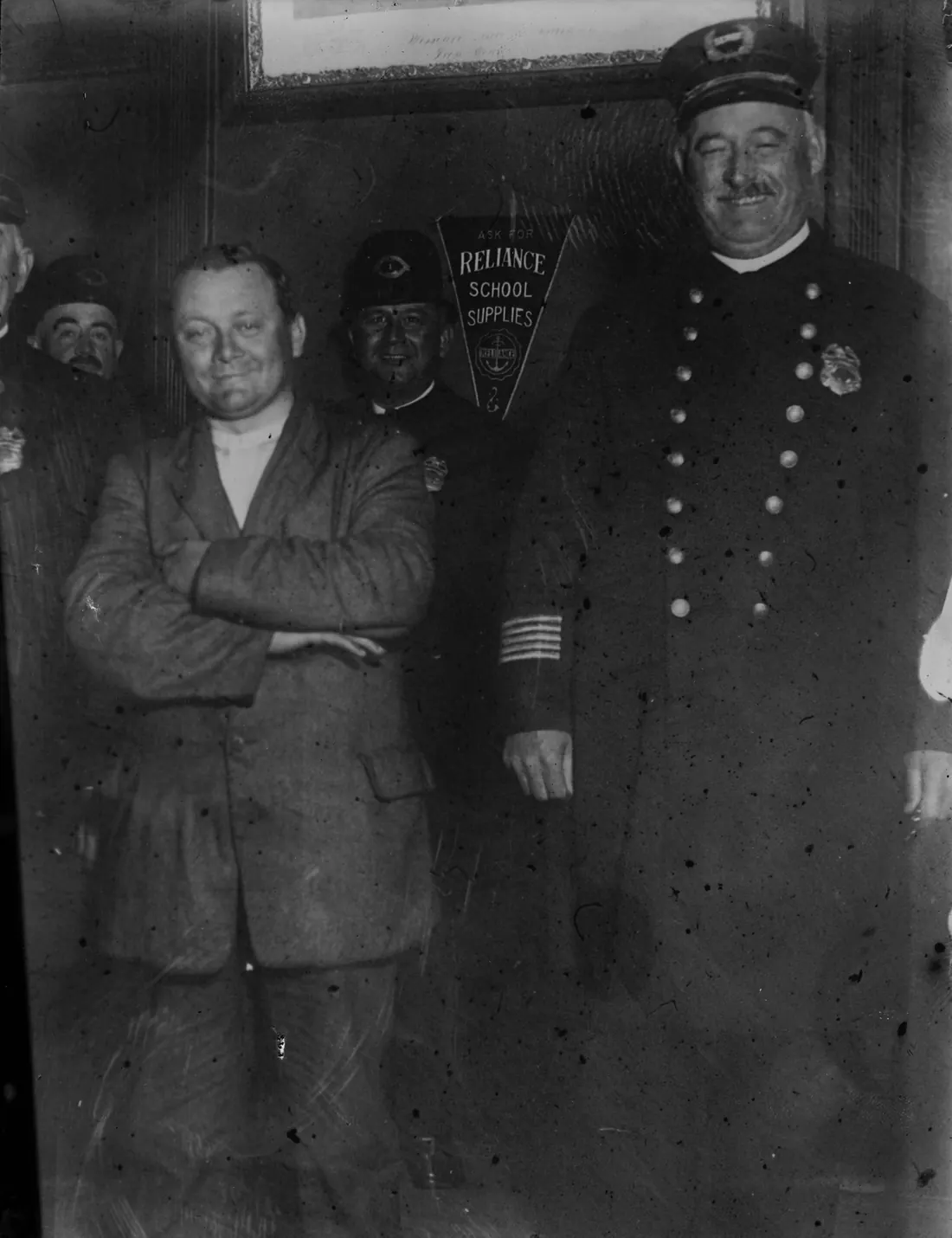
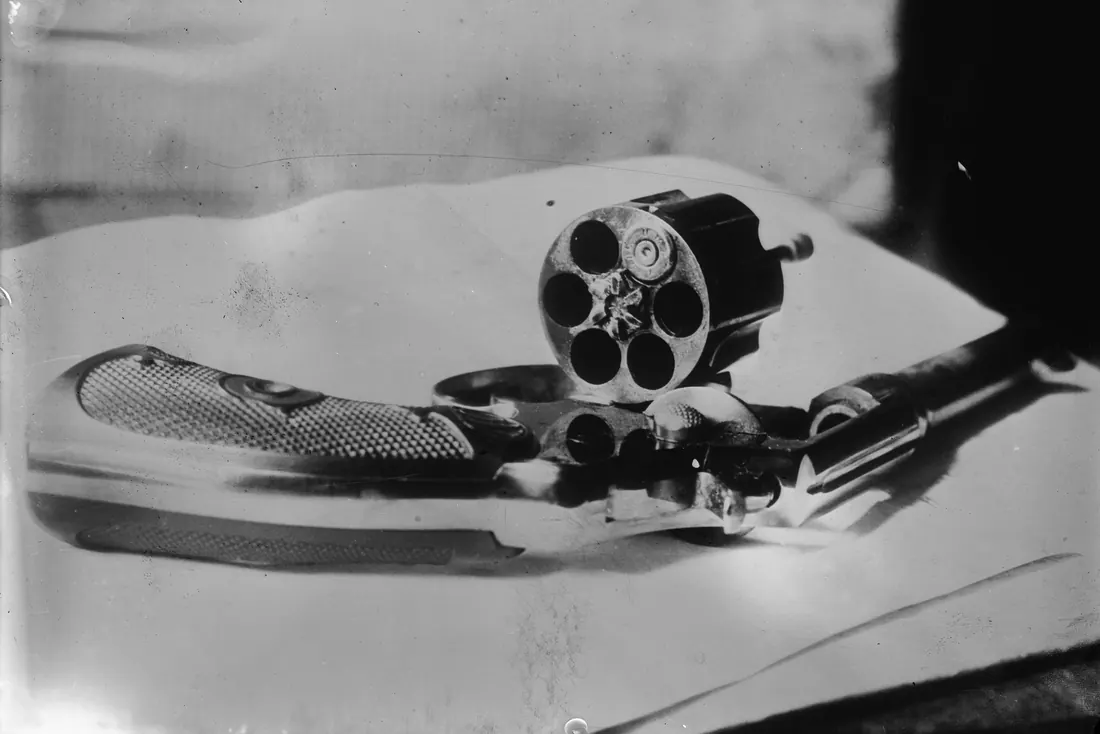
Then, History.com writes, “a flash from a Colt revolver 5 feet away lit up the night.” The man who fired was John Schrank. The bullet went through Roosevelt’s steel glasses case and through the folded 50-page speech in his breast pocket, and lodged in the muscles of his chest. The Theodore Roosevelt Center says the steel case “slowed the bullet immensely.”
Roosevelt coughed, and when no blood came up, he concluded, correctly, that the bullet had not reached his lung. A doctor with him told the driver to head straight to the hospital, but Roosevelt declined and went to the hall to give his scheduled speech.
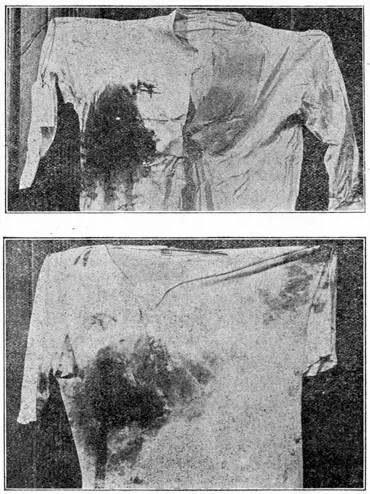
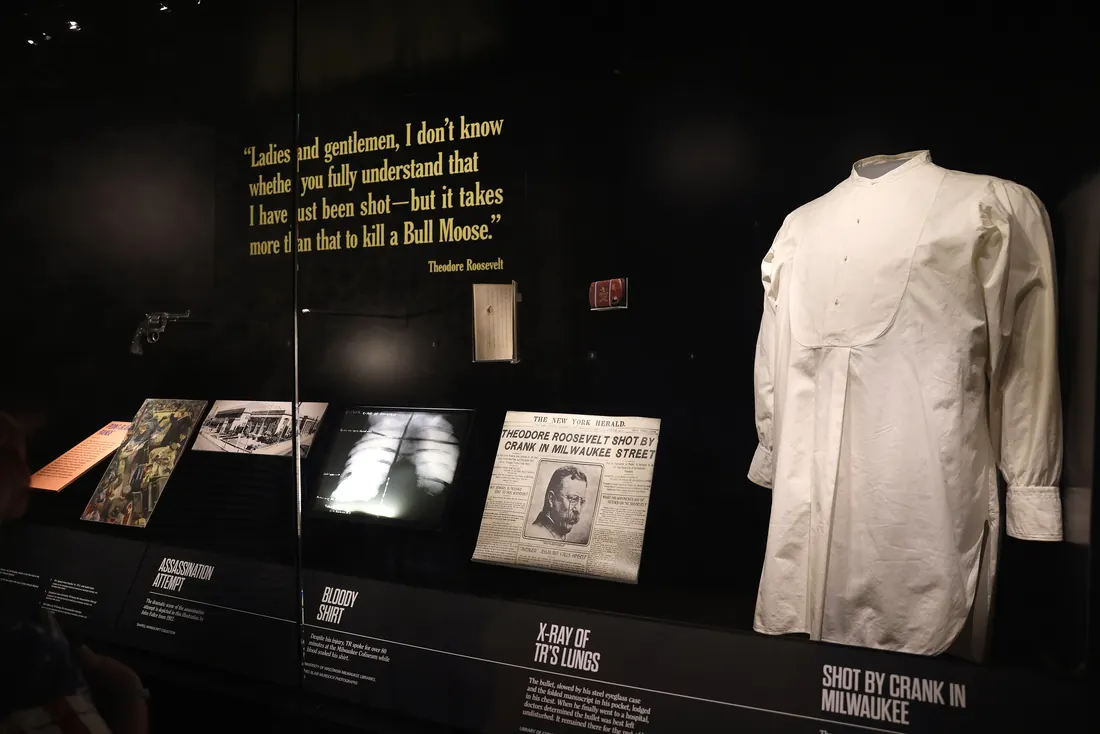
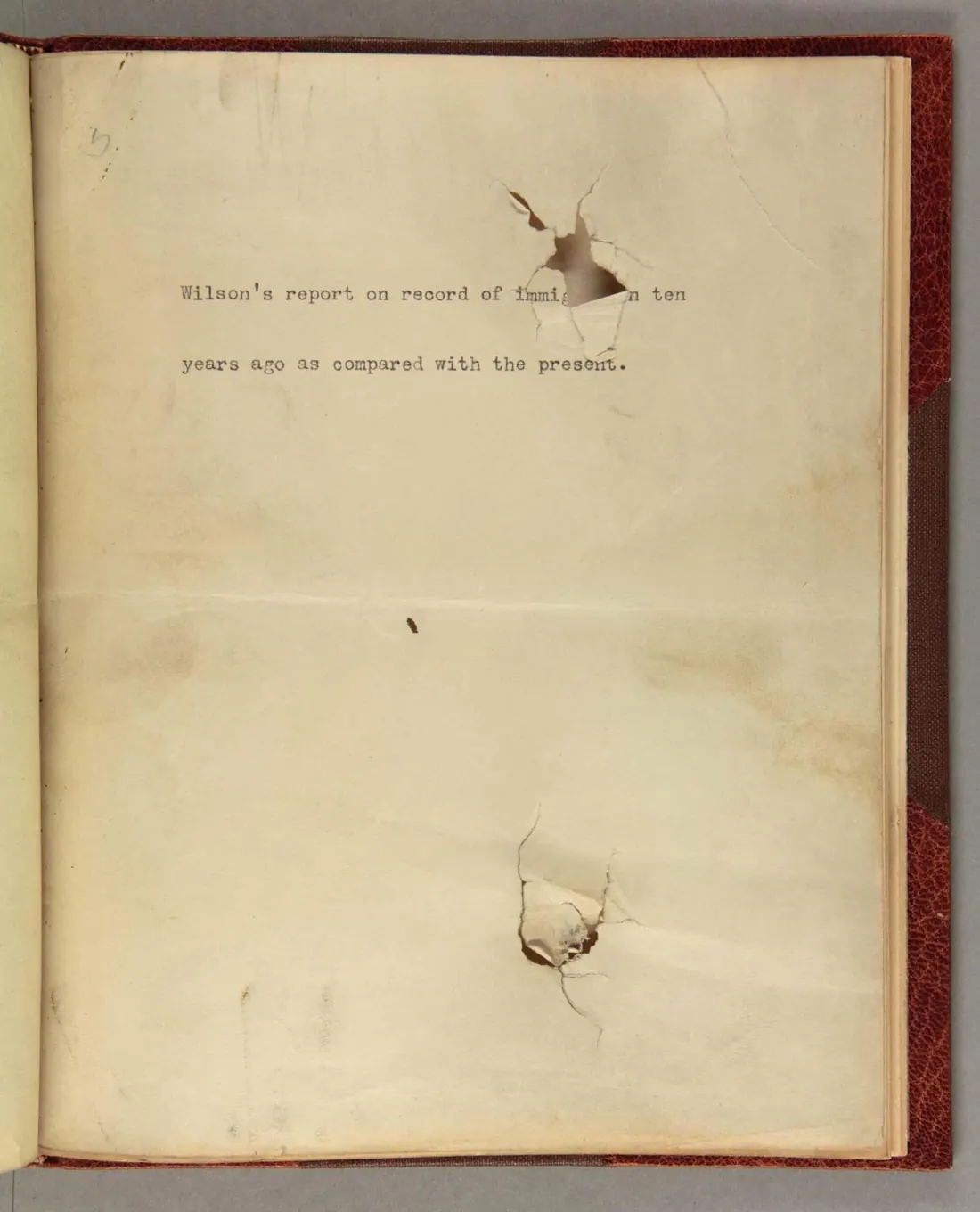
He asked the crowd to be as quiet as possible, and then, in the words of the stenographic report: “I don’t know whether you fully understand that I have just been shot; but it takes more than that to kill a Bull Moose.” He unbuttoned his vest to show his bloodstained shirt and held up his prepared remarks, with two big holes blown through each page. “But fortunately I had my manuscript,” he said, “so you see I was going to make a long speech, and there is a bullet—there is where the bullet went through.” By the time he had finished, the Theodore Roosevelt Center says, he had spoken for nearly ninety minutes, though accounts of the length differ. Only with the speech completed did he agree to visit the hospital.
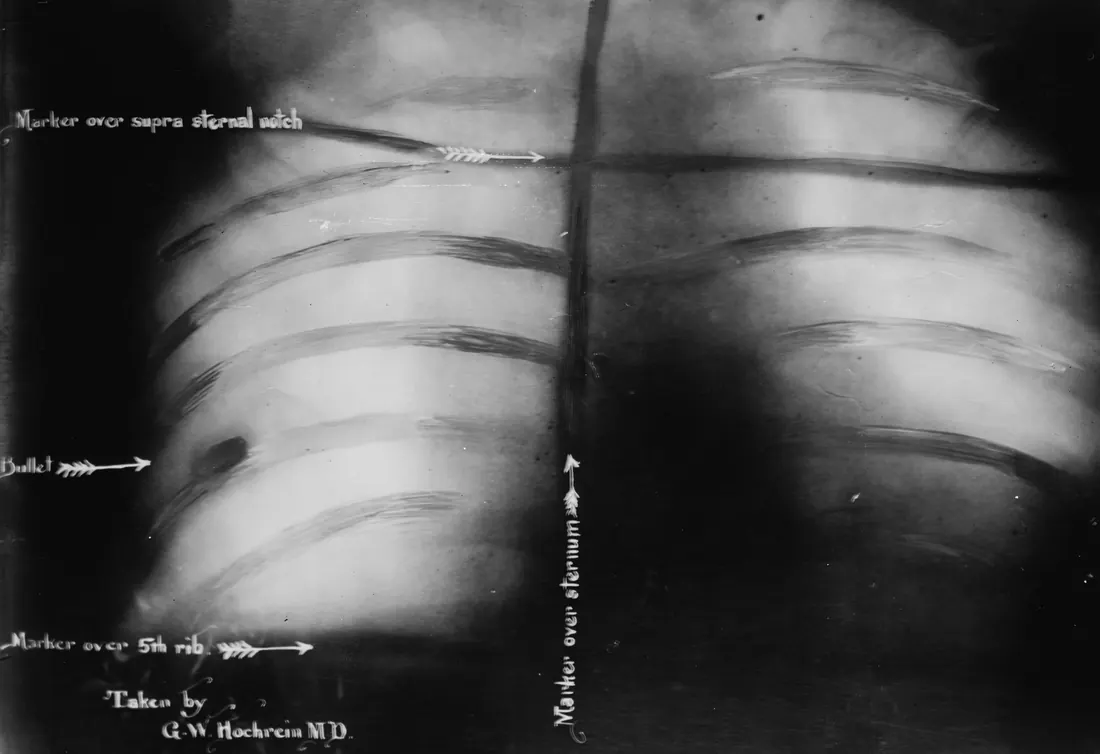
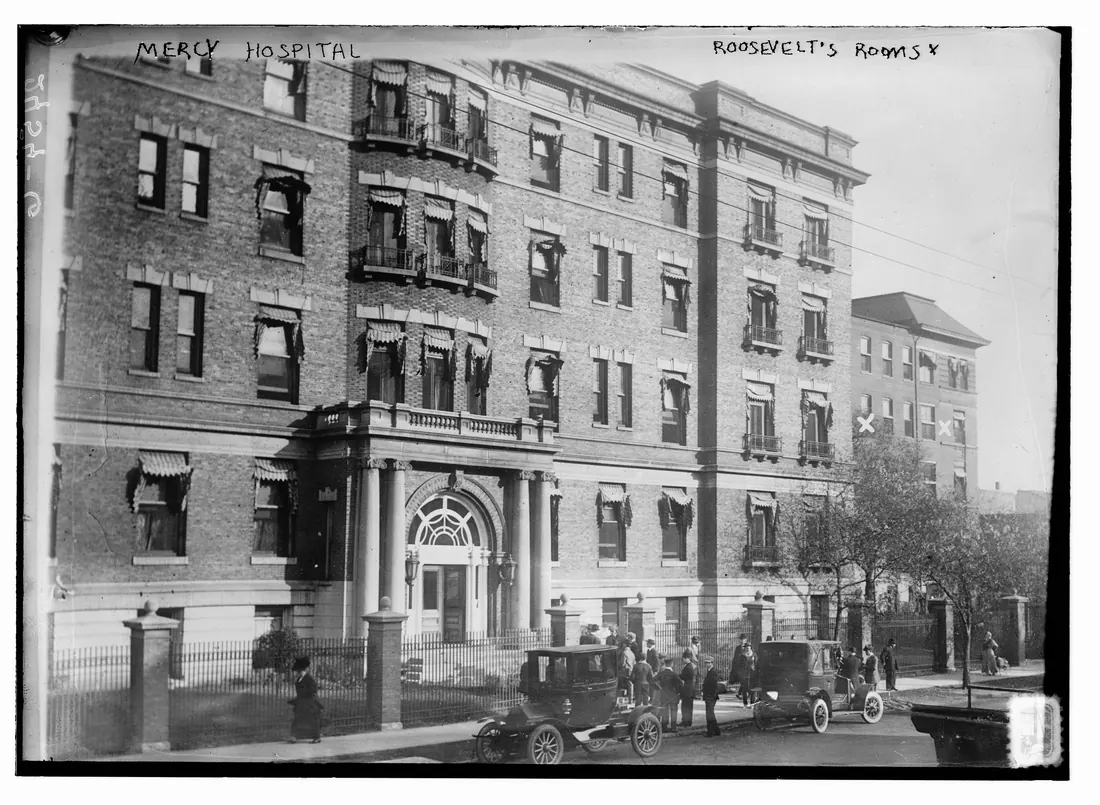
Doctors in Milwaukee and then in Chicago chose not to take the bullet out. They concluded that it would be less dangerous to leave it in place than to try to remove it, and Roosevelt carried it in his chest for the rest of his life.
Fact check
The facts and where they come from
- He was shot in the chest, but he gave his speech anyway. Wikipedia: “Schrank’s bullet lodged in Roosevelt’s chest”; “Instead, he delivered his scheduled speech.” 1
- His name was Theodore Roosevelt, a former president. Wikipedia: “former U.S. president Theodore Roosevelt.” 1
- In 1912 he ran for president again, for the Bull Moose Party. Wikipedia: “nominated him for president on the ticket of the Progressive Party, nicknamed the ‘Bull Moose Party.’” 1
- In Milwaukee he stood in an open car, waving to the crowd. Wikipedia: “He had finished his meal and left the hotel to enter an open car. Roosevelt stood to acknowledge the cheering of the assembled crowd.” History.com: “As he stood up in the open-air automobile and waved his hat with his right hand to the crowd.” 14
- A man shot him from five feet away. History.com: “a flash from a Colt revolver 5 feet away lit up the night.” Wikipedia names the shooter, John Schrank. 41
- The bullet tore through his steel glasses case and a folded 50-page speech. Wikipedia: “after penetrating Roosevelt’s steel glasses case and passing through a 50-page-thick (single-folded) copy of his speech.” Theodore Roosevelt Center: “he had his fifty-page speech folded over in his breast pocket. More importantly, his steel case for his eyeglasses slowed the bullet immensely.” 13
- Then it lodged in his chest. Theodore Roosevelt Center: “before it finally lodged itself in Roosevelt’s chest muscles.” Wikipedia: “Schrank’s bullet lodged in Roosevelt’s chest.” 31
- He coughed, saw no blood, and judged that his lung was safe. Wikipedia: he “correctly concluded that since he was not coughing blood, the bullet had not reached his lung.” Theodore Roosevelt Center: “Roosevelt immediately coughed into a handkerchief to find out if he was hemorrhaging blood. He was not and thus knew that the bullet had not penetrated his lungs.” History.com: “He coughed into his hand three times.” 134
- He refused the hospital. Wikipedia: “he declined suggestions to go to the hospital immediately.” History.com: “An accompanying doctor naturally told the driver to head directly to the hospital, but Colonel Roosevelt gave different marching orders.” 14
- At the hall he told the crowd, “I don’t know whether you fully understand that I have just been shot …” The stenographic report opens: “FRIENDS, I shall ask you to be as quiet as possible. I don’t know whether you fully understand that I have just been shot; but it takes more than that to kill a Bull Moose.” 2
- “… but it takes more than that to kill a Bull Moose.” These are his words in the stenographic report, which joins the two halves with a semicolon: “I have just been shot; but it takes more than that to kill a Bull Moose.” 2
- He showed them his bloodstained shirt. History.com: “the former president unbuttoned his vest to reveal his bloodstained shirt.” 4
- And he held up the speech with the bullet holes. History.com: “Holding up his prepared remarks, which had two big holes blown through each page.” His own words, in the stenographic report: “But fortunately I had my manuscript, so you see I was going to make a long speech, and there is a bullet—there is where the bullet went through.” 42
- He reportedly spoke for nearly ninety minutes. Theodore Roosevelt Center: “By the time he had finished, he had spoken for nearly ninety minutes.” History.com: “for the next 90 minutes.” Other accounts differ (see the notes). 34
- Doctors left the bullet in. Wikipedia: “doctors concluded that it would be less dangerous to leave it in place than to attempt to remove it.” Theodore Roosevelt Center: “doctors in Milwaukee and then Chicago chose not to remove the bullet from his chest.” 13
- And he carried it for the rest of his life. Wikipedia: “Roosevelt carried the bullet with him for the rest of his life.” Wisconsin Public Radio: he “carried the bullet in his chest for the rest of his life.” 15
Sources
- Attempted assassination of Theodore Roosevelt Wikipedia
- “The Progressive Cause is Greater than Any Individual,” Remarks at Milwaukee, October 14, 1912 (stenographic report) The American Presidency Project, UC Santa Barbara
- An Assassination Attempt (The Bully Pulpit, October 13, 2025) Theodore Roosevelt Center, Dickinson State University
- When Teddy Roosevelt Was Shot in 1912, a Speech May Have Saved His Life (Christopher Klein) History.com
- Shot in the chest in Milwaukee, Theodore Roosevelt kept talking (1912) Wisconsin Public Radio
Notes
How long he spoke: the Theodore Roosevelt Center says “nearly ninety minutes” and History.com “90 minutes”; the Theodore Roosevelt Presidential Library’s own display panel (in Gage Skidmore’s photo) says “over 80 minutes”; Wikipedia says 50. There’s no single exact figure, so the Short says “reportedly.”
His opening words: the stenographic report opens “Friends, I shall ask you to be as quiet as possible.” Wikipedia gives both that and “Ladies and gentlemen, I don’t know whether…”, and the museum wall uses “Ladies and gentlemen.” We quote the part every version shares.
He coughed into a handkerchief (Theodore Roosevelt Center) or into his hand three times (History.com); we say only that he coughed.
“Five feet” is History.com’s figure; other accounts say point-blank or close range.
Left out for length: Elbert Martin tackling Schrank, Roosevelt stopping the crowd from lynching him, “He pinked me, Harry,” and the story of McKinley’s ghost.
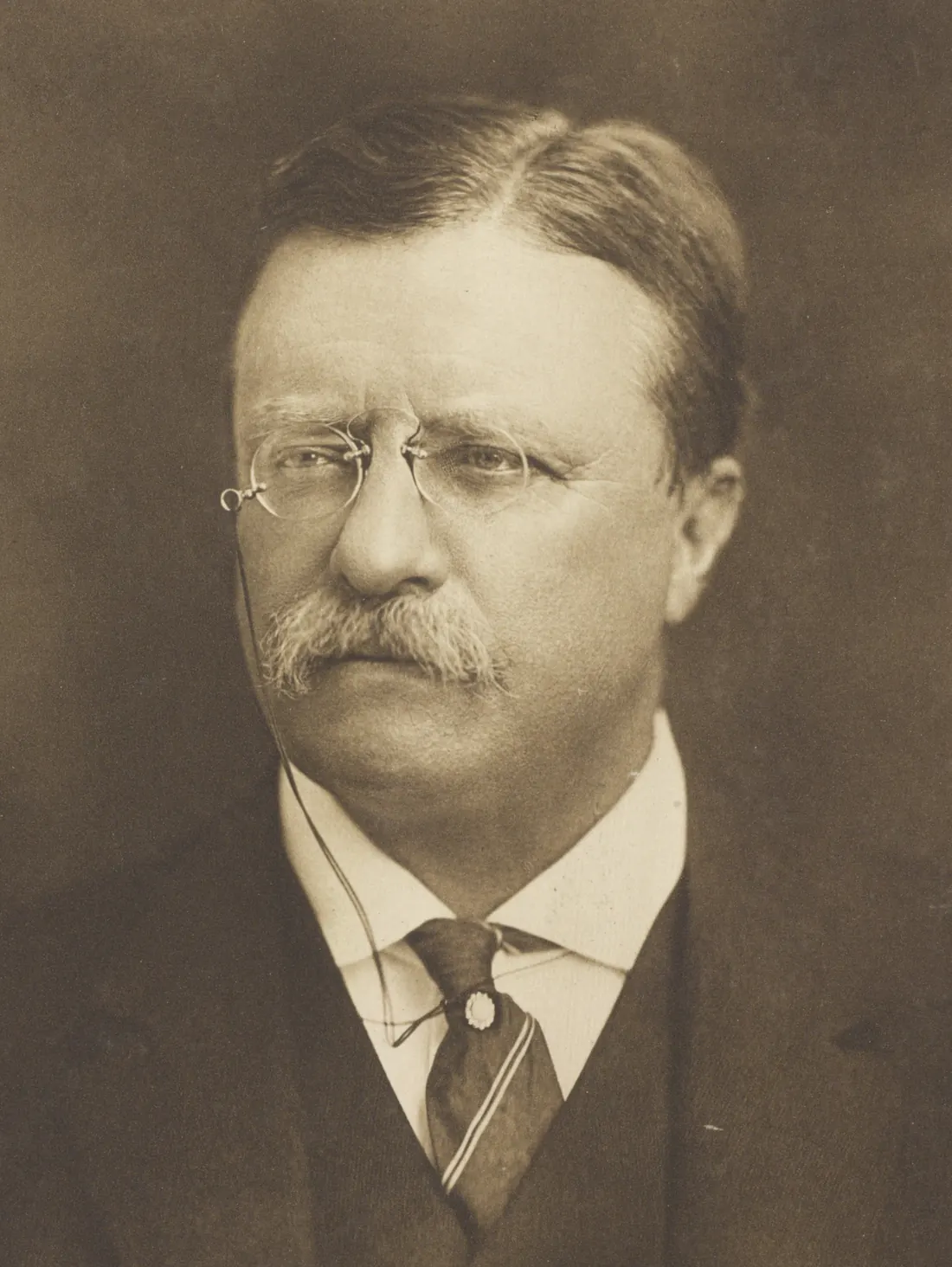
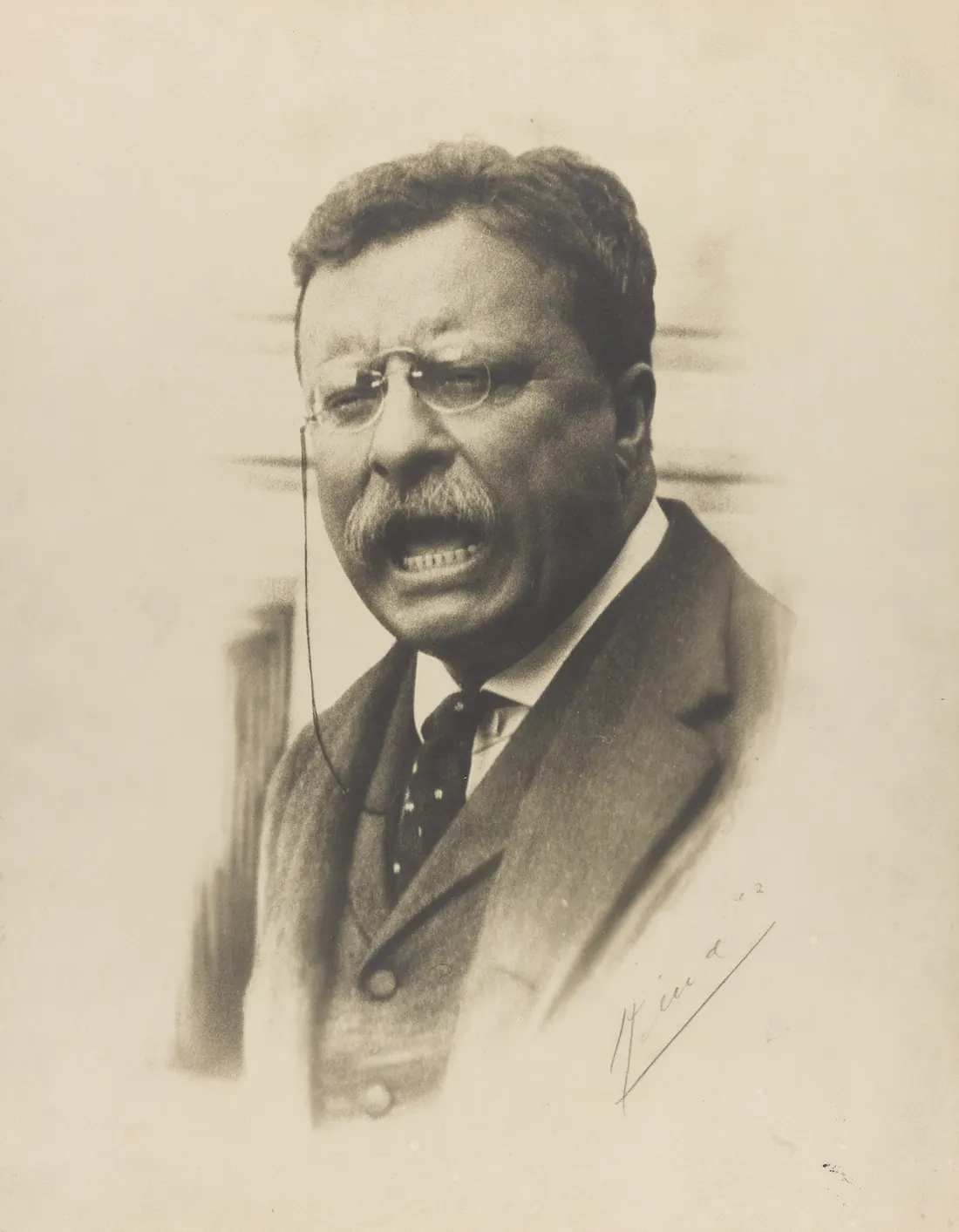
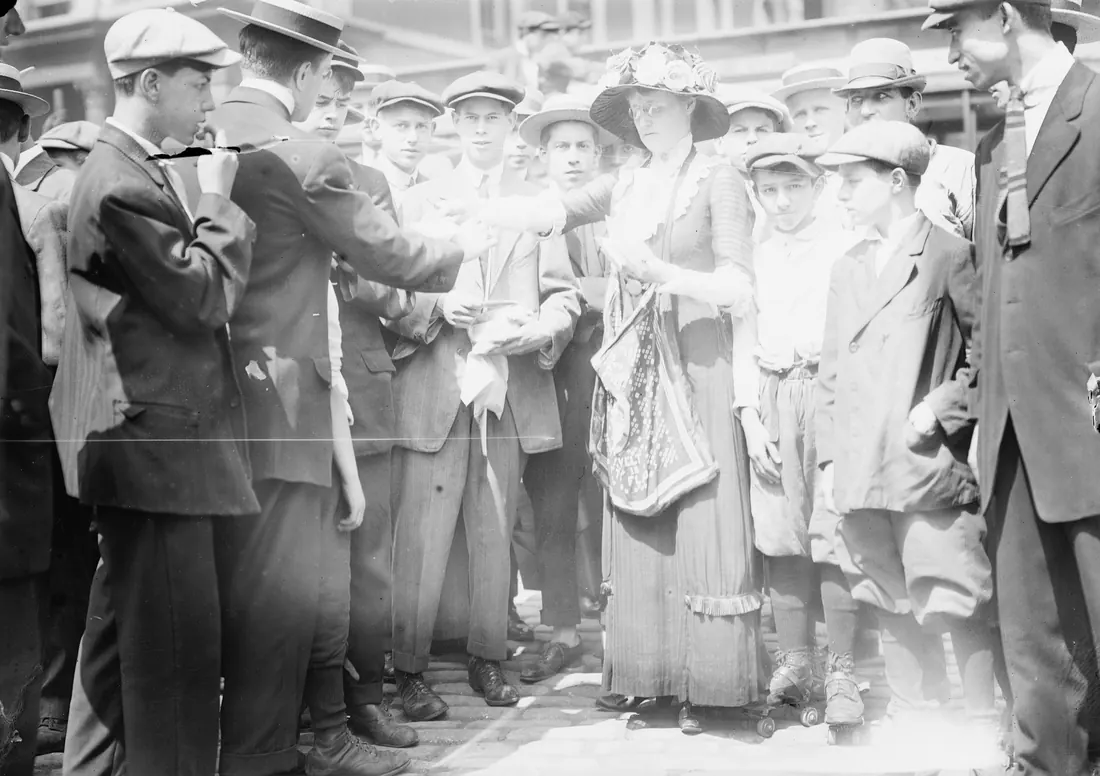
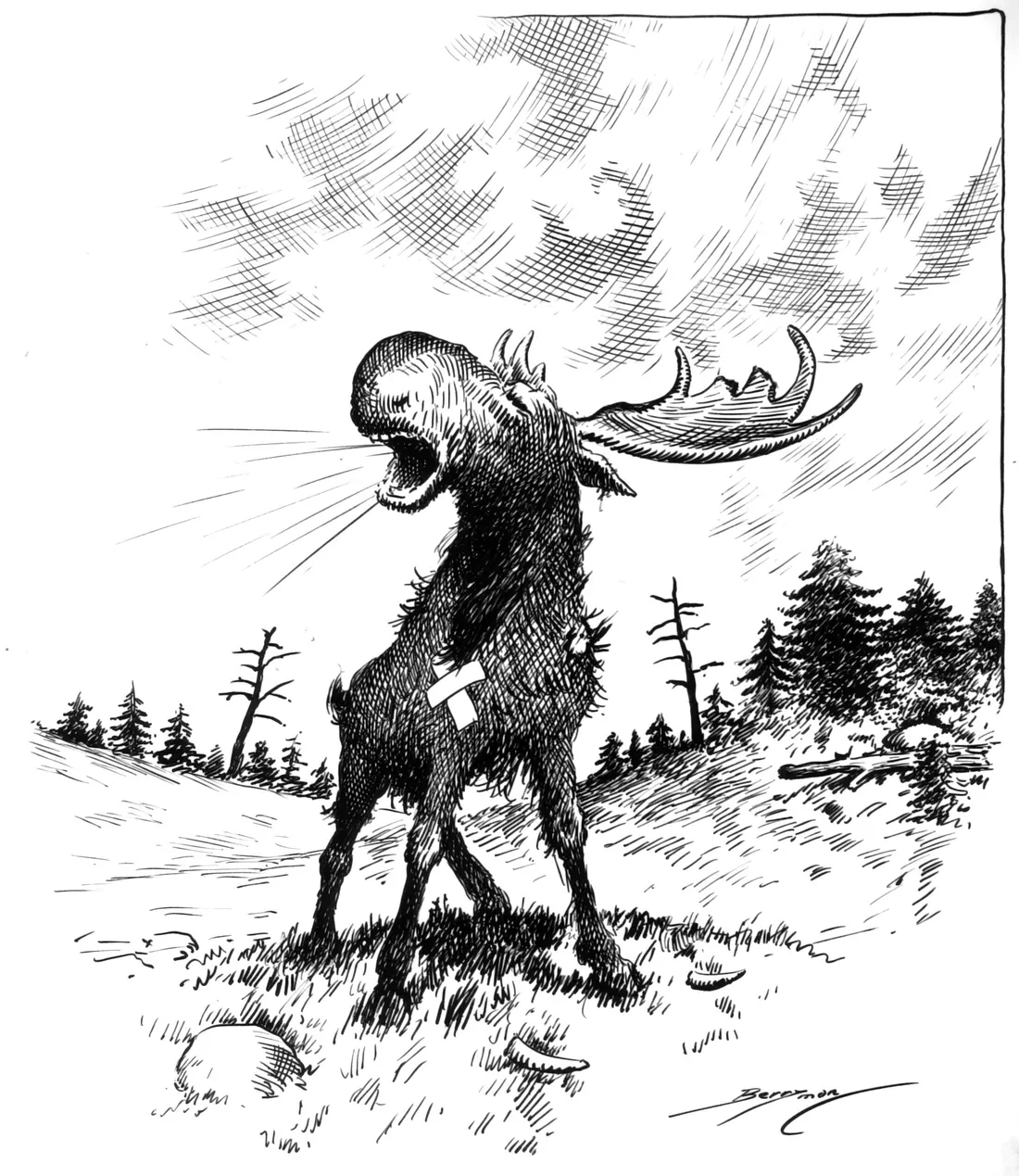
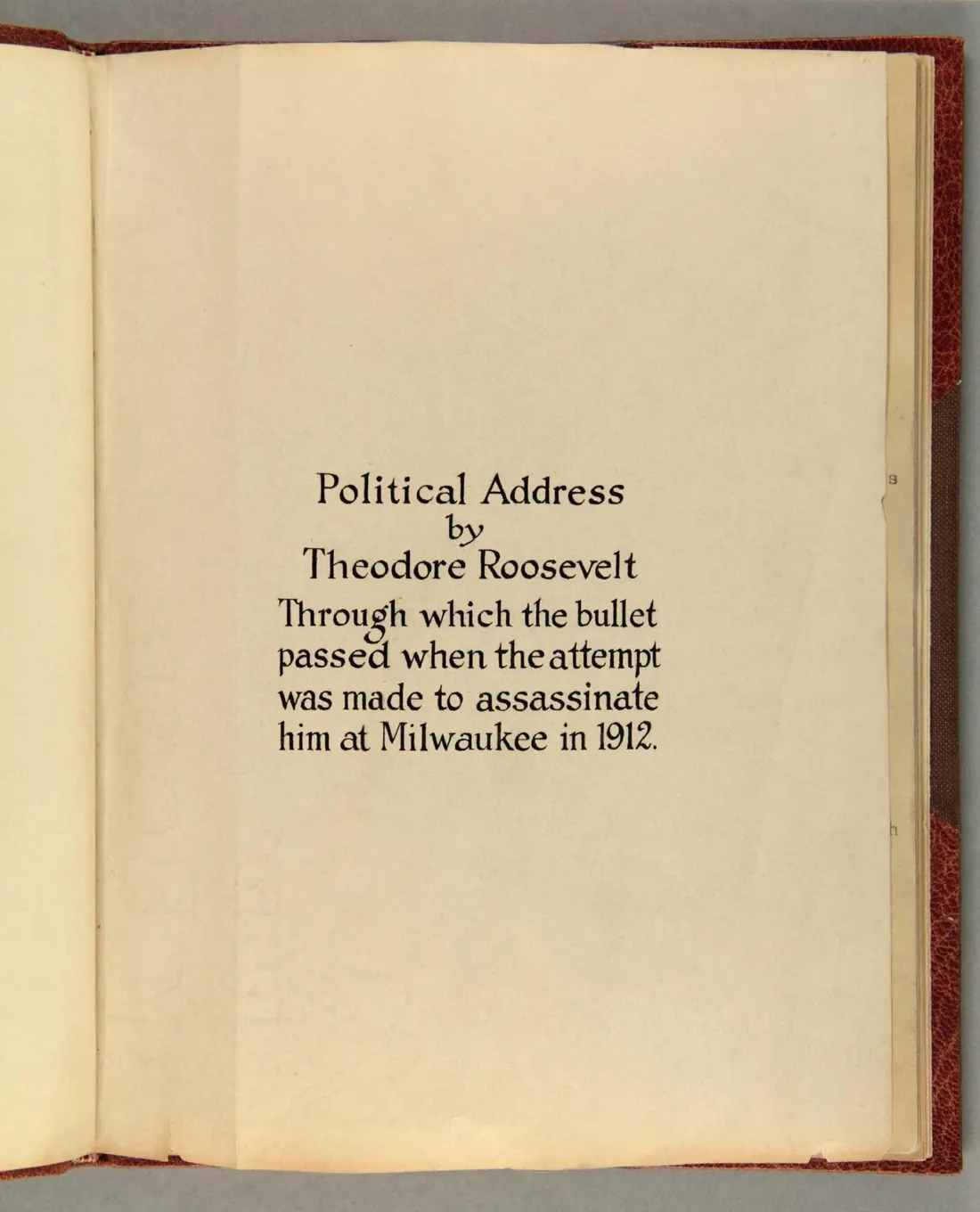
Pictures: Roosevelt himself is in the Pach Brothers portrait of about 1910 (its Commons file name says 1912) and in a 1912 photo of him speaking, which isn’t the Milwaukee speech. The Bull Moose circulars and Clifford Berryman’s cartoon of July 8, 1912, show the campaign, not Milwaukee; the cartoon’s bandaged moose is older than the shooting and isn’t about it. The Hotel Gilpatrick is from Leslie’s Illustrated Weekly of October 31, 1912. The car he stood in, with crosses where he and Schrank stood, was photographed after the shooting, and the photos of the car and of his bloodstained shirt come from a book published in Milwaukee in 1912. Schrank is shown under arrest, and his revolver separately, in 1912 Bain News Service photos. The steel eyeglass case was photographed at the Theodore Roosevelt Birthplace in 2007, and the speech pages are the real bullet-pierced manuscript kept there. The X-ray, taken by G. W. Hochrein, M.D., in 1912, shows the bullet. The Mercy Hospital photo shows Roosevelt’s rooms at the Chicago hospital in October 1912. The museum display at the Theodore Roosevelt Presidential Library in Medora was photographed by Gage Skidmore in 2026.
Photo credits
The archive photos in this story
The photographs and illustrations in this story are in the public domain or shared under open licenses; each one is credited below with its license. Tap one to enlarge it, or follow the link to its Wikimedia Commons page for the full record. The narration, captions and graphics in the Short are our own; its music and sound effects are credited below.
Music and sound effects
Music: Beethoven, Coriolan Overture, Op. 62 (Musopen Symphony Orchestra, CC0); Brahms, Symphony No. 2 in D major, Op. 73: IV. Allegro con spirito (Musopen Symphony Orchestra, CC0).
Sound effects: Freesound, CC0.