
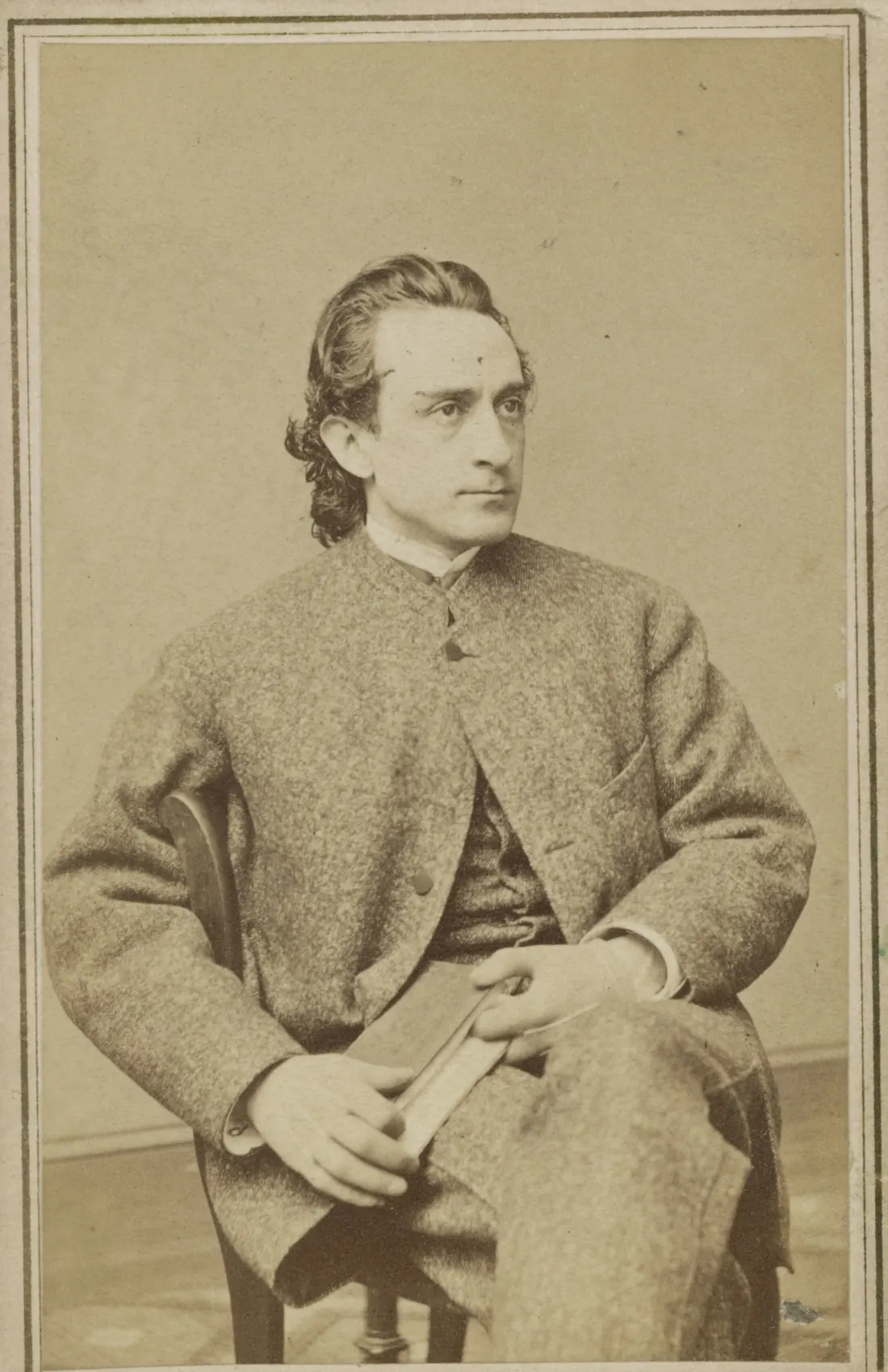
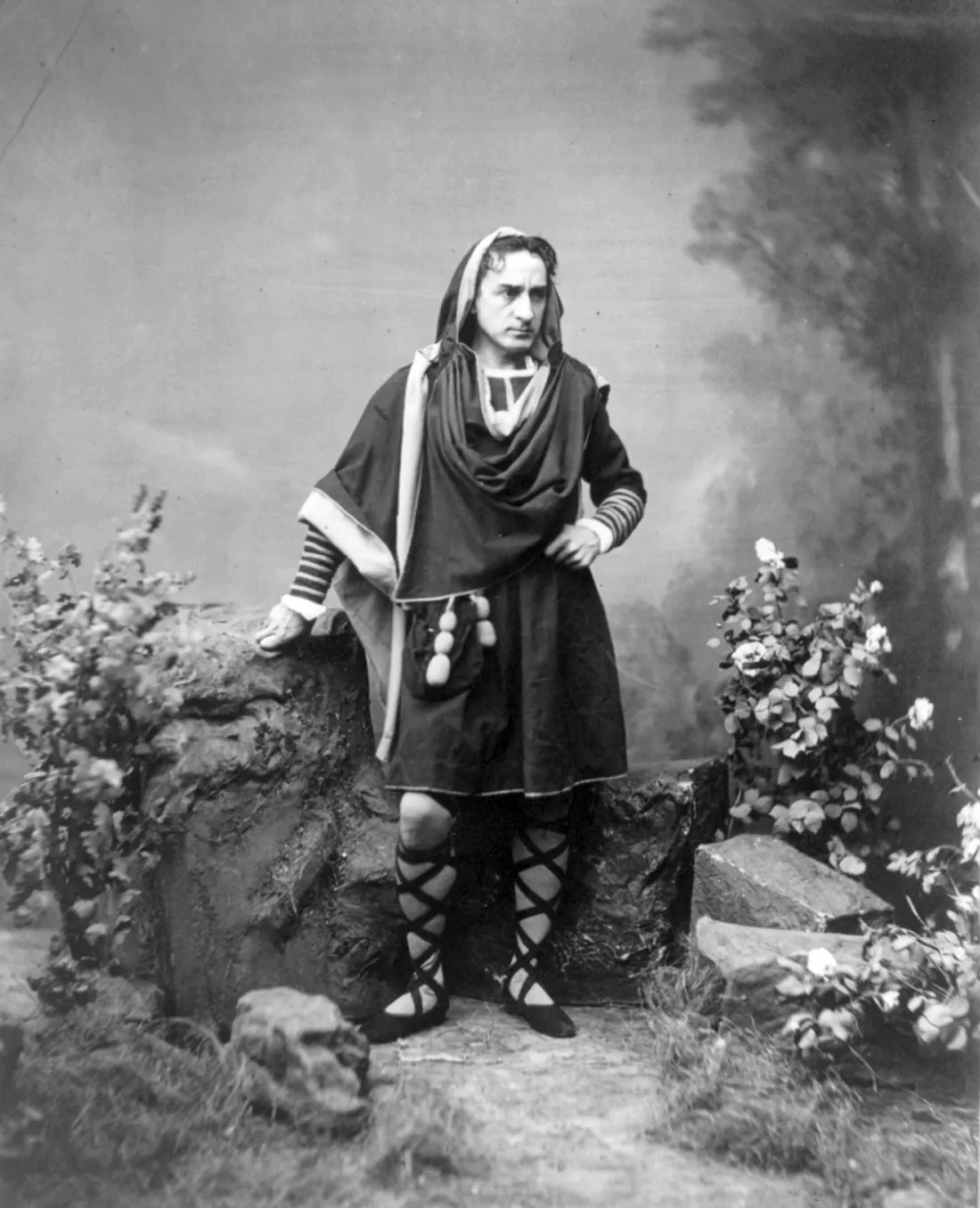
Edwin Booth is considered by many to be the greatest American actor of the 19th century. In the midst of the Civil War, late one night on a train platform in Jersey City, New Jersey, a group of passengers were buying their sleeping-car places, and there was a narrow space between the platform and the car body. One of the passengers was Robert Lincoln, the President’s eldest son, who later consistently recalled it as 1863 or 1864.
In 1909 he described what happened: “There was some crowding, and I happened to be pressed by it against the car body while waiting my turn. In this situation the train began to move, and by the motion I was twisted off my feet, and had dropped somewhat, with feet downward, into the open space, and was personally helpless, when my coat collar was vigorously seized, and I was quickly pulled up and out to a secure footing on the platform. Upon turning to thank my rescuer, I saw it was Edwin Booth, whose face was of course well known to me, and I expressed my gratitude to him, and, in doing so, called him by name.”
Booth had no idea whom he had saved. He reportedly learned it later, from a letter from his friend Adam Badeau, an officer on the staff of General Ulysses S. Grant: in William Bispham’s 1893 account, Badeau “mentioned that Robert Lincoln had told him that it was his life that had thus been saved.” Robert himself wrote in 1918 that the train had made “only a movement of a few feet and not for a start on its journey,” but that Booth had probably saved him “from a very bad injury if not something more.”
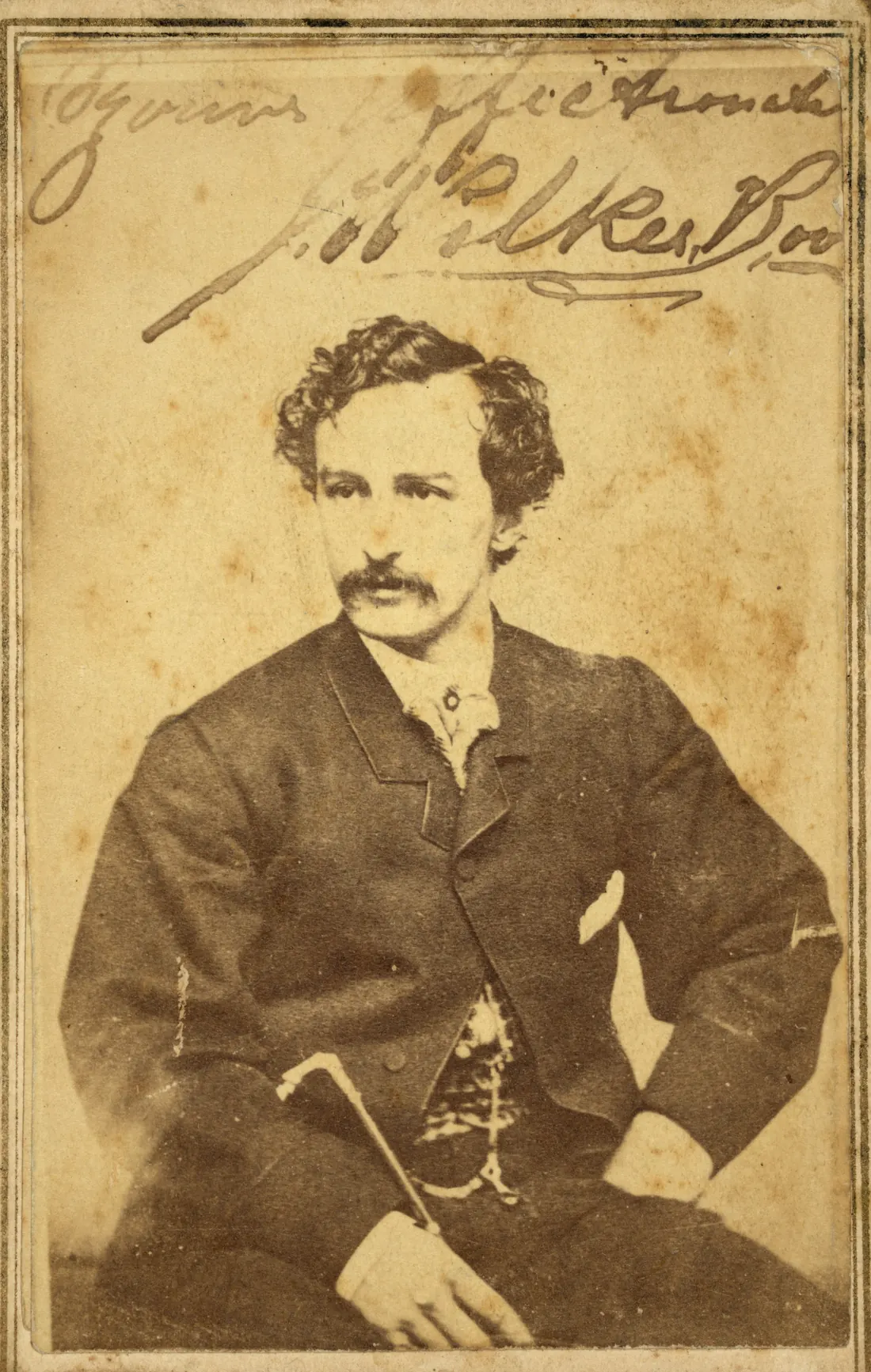
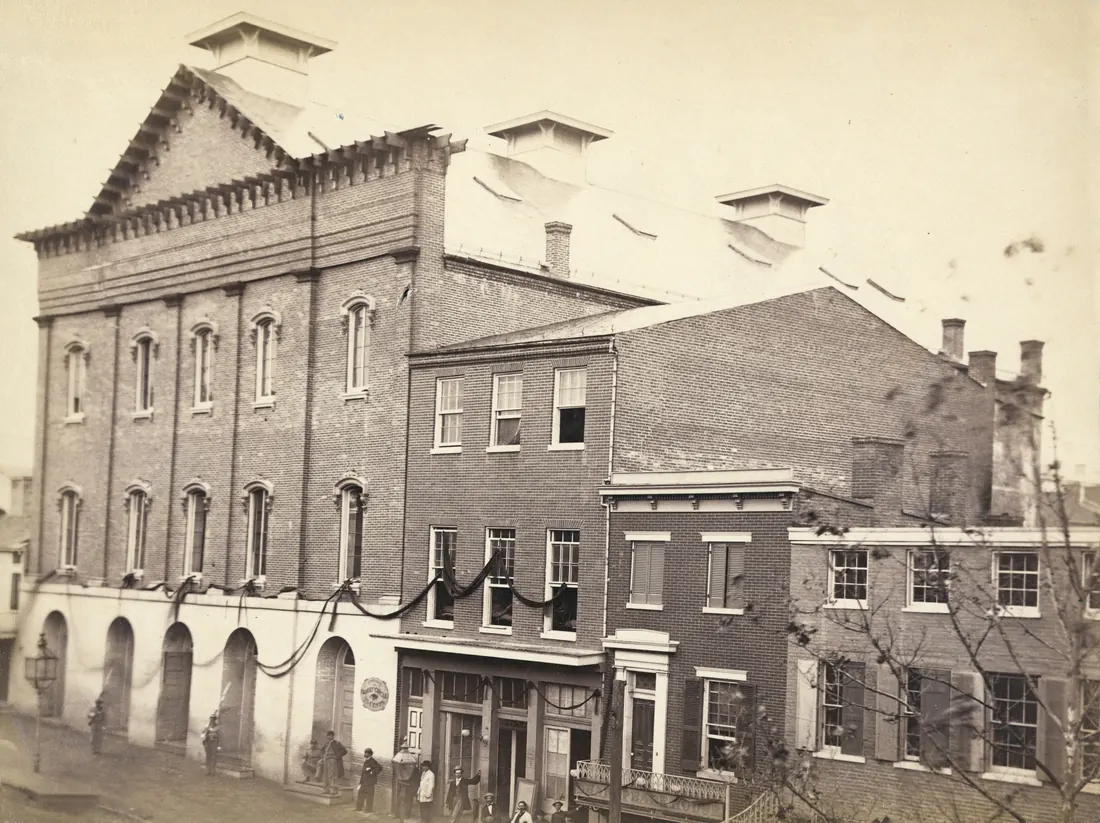
In April 1865 Edwin’s younger brother, the actor John Wilkes Booth, shot President Lincoln at Ford’s Theatre in Washington. Robert had turned down an invitation to accompany his parents to the theater. “The great actor was nearly crushed by this experience,” The Century wrote, “but the affection of his friends sustained him, and after nearly a year he was compelled by public appeal to return to the stage.” Through that terrible time, Jason Emerson writes, only two things gave Edwin comfort: writing his autobiography and, as he told Bispham, “the knowledge that he had saved the slain president’s son.”
Fact check
The facts and where they come from
- He saved the President’s son from a moving train, but his own brother killed the President. Wikipedia: “Edwin Booth saved Abraham Lincoln’s son, Robert Todd Lincoln, from serious injury or even death. The incident occurred on a train platform in Jersey City”; “his younger brother, actor John Wilkes Booth, who assassinated the 16th president.” Robert Lincoln: “the train began to move.” 31
- His name was Edwin Booth, a stage actor; The Century Magazine calls him “the great actor.” 31
- Many called him America’s greatest actor. Wikipedia: “He is considered by many to be the greatest American actor of the 19th century.” 3
- It happened during the Civil War, on a crowded platform in Jersey City. HistoryNet: “Fate brought Lincoln and Booth together in a train station in Jersey City, N.J., in the midst of the Civil War”; “Robert consistently recalled it as having occurred in 1863 or 1864.” Robert Lincoln: “a group of passengers were late at night purchasing their sleeping-car places”; “There was some crowding.” 21
- A young man was pressed against a train car. Robert Lincoln: “I happened to be pressed by it against the car body while waiting my turn.” 1
- The train began to move. Robert Lincoln: “In this situation the train began to move.” 1
- It twisted him off his feet, into the gap below. Robert Lincoln: “by the motion I was twisted off my feet, and had dropped somewhat, with feet downward, into the open space, and was personally helpless”; the open space was “a narrow space between the platform and the car body.” 1
- Edwin grabbed his coat collar and pulled him back up. Robert Lincoln: “my coat collar was vigorously seized, and I was quickly pulled up and out to a secure footing on the platform. Upon turning to thank my rescuer, I saw it was Edwin Booth.” 1
- The young man knew that famous face and thanked him by name. Robert Lincoln: “Edwin Booth, whose face was of course well known to me, and I expressed my gratitude to him, and, in doing so, called him by name.” 1
- Edwin had no idea who it was. Wikipedia: “Before receiving the letter, Booth had been unaware that the man whose life he had saved on the train platform was the president’s son.” The Century, summarizing William Bispham’s account of 1893: “The boy, whom Edwin had never seen before.” 41
- Later, a friend on Grant’s staff reportedly told him. Wikipedia: “when he received a letter from a friend, Colonel Adam Badeau, who was an officer on the staff of General Ulysses S. Grant.” The Century (Bispham): “Edwin received a letter from General Adam Badeau in which the latter mentioned that Robert Lincoln had told him that it was his life that had thus been saved.” HistoryNet: “Badeau supposedly offered Booth his compliments.” 312
- It was Robert Lincoln, the President’s son. The Century: “his saving the life of President Lincoln’s eldest son.” 1
- In April 1865, his brother John Wilkes Booth shot the President, at Ford’s Theatre on April 14. Wikipedia: “After John Wilkes Booth’s assassination of President Lincoln in April 1865.” Wikipedia (Robert Todd Lincoln): Robert “turned down an invitation to accompany the Lincolns to Ford’s Theatre.” 342
- Edwin was crushed and left the stage. The Century: “the great actor was nearly crushed by this experience; but the affection of his friends sustained him, and after nearly a year he was compelled by public appeal to return to the stage.” Wikipedia: it “forced Edwin Booth to abandon the stage for many months”; he was back in January 1866. 13
- One of his few comforts was knowing he had saved Lincoln’s son. HistoryNet: “There were only two things that gave Edwin Booth comfort and helped him persevere through that terrible time: writing his autobiography … and, as he told Bispham, the knowledge that he had saved the slain president’s son.” Wikipedia: it “was said to have been of some comfort to Edwin Booth.” 23
- The Short’s last line, “One Booth took a Lincoln’s life, but another Booth saved one,” sums up the facts above: John Wilkes Booth assassinated President Lincoln, and Edwin pulled Lincoln’s son up from the gap, saving him, Wikipedia says, “from serious injury or even death.” Robert himself put it more modestly in 1918: Booth had probably saved him “from a very bad injury if not something more” (quoted by HistoryNet). 312
Sources
- Edwin Booth and Lincoln, with an unpublished letter by Edwin Booth (The Century Magazine, April 1909, with Robert T. Lincoln’s own account) Internet Archive (Lincoln Financial Foundation Collection)
- Edwin Booth Saved Robert Todd Lincoln’s Life (Jason Emerson, Civil War Times, April 2005) HistoryNet
- Edwin Booth Wikipedia
- Robert Todd Lincoln Wikipedia
Notes
The date: Robert “consistently recalled it as having occurred in 1863 or 1864” (HistoryNet), and both Wikipedia articles say late 1863 or early 1864; William Bispham’s 1893 version says “early in the war.” The assassination came more than a year after the likely date, so we don’t say “months later.”
How dangerous it was: in his 1918 letter to E. C. Benedict (quoted by HistoryNet), Robert said the train made “only a movement of a few feet and not for a start on its journey,” but that Booth had probably saved him “from a very bad injury if not something more.”
When Edwin found out: “two weeks later” (Bispham, 1893), months later, in 1865, after Robert told Badeau at City Point (Jason Emerson, HistoryNet), or “some months later” (Wikipedia). Badeau’s letter is known only from these retellings, so the Short says “reportedly.” Bispham calls Badeau a general; Wikipedia, a colonel.
The station: Bispham calls it the Pennsylvania Railroad station at Jersey City; Robert’s printed letter names no station, so we say only a platform in Jersey City.
“Only two comforts”: HistoryNet names two, his autobiography and saving Robert, so we say “one of his few comforts,” not his only one.
Left out: Grant’s reported letter of thanks and Booth’s reply (one Booth biographer, per HistoryNet); Booth’s “It was just as if I was struck on the forehead by a hammer” (second-hand, through Joseph Jefferson, in The Century); and the 1893 Bowling Green version of the story, which Robert himself showed to be false (HistoryNet).
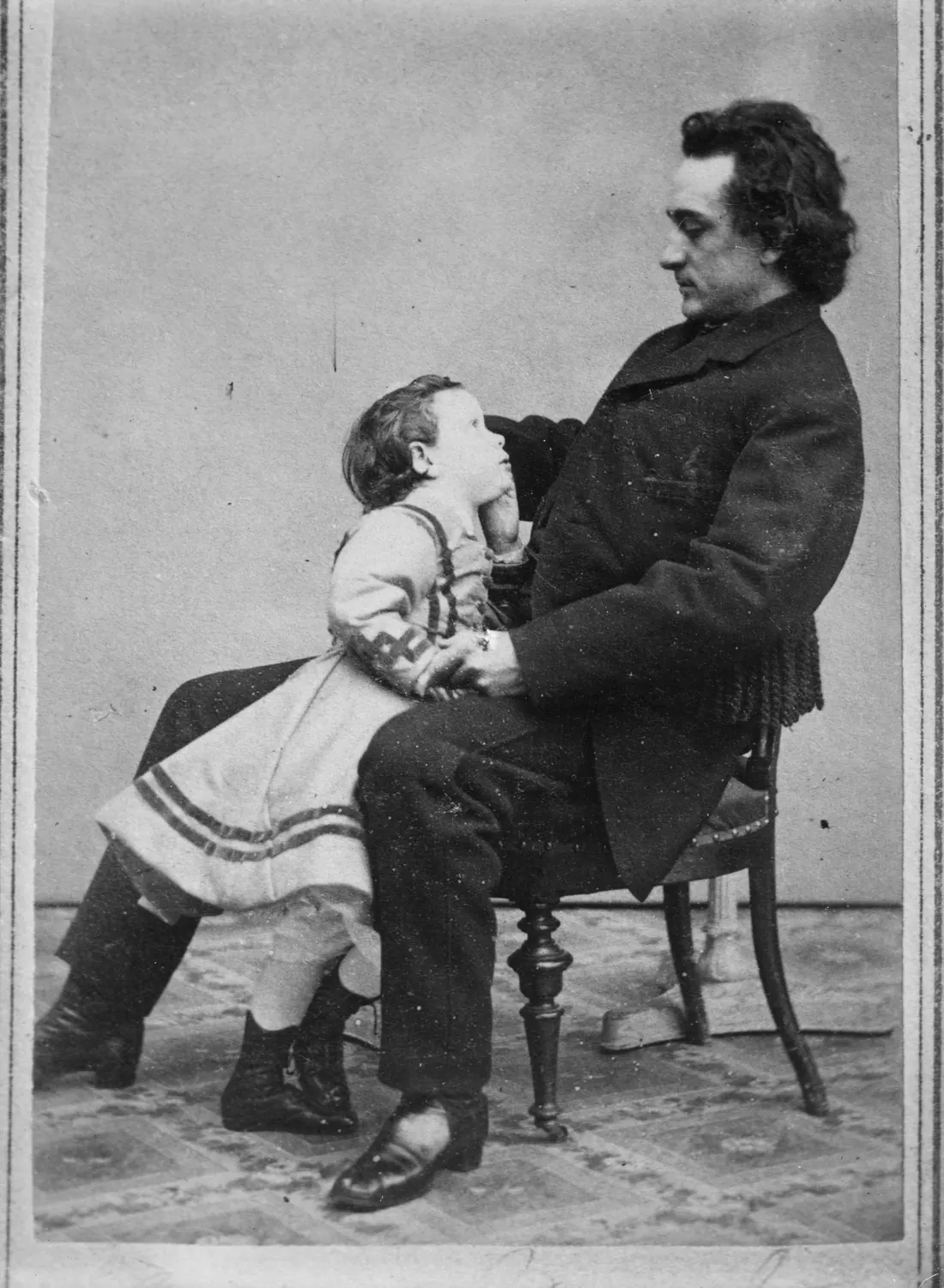
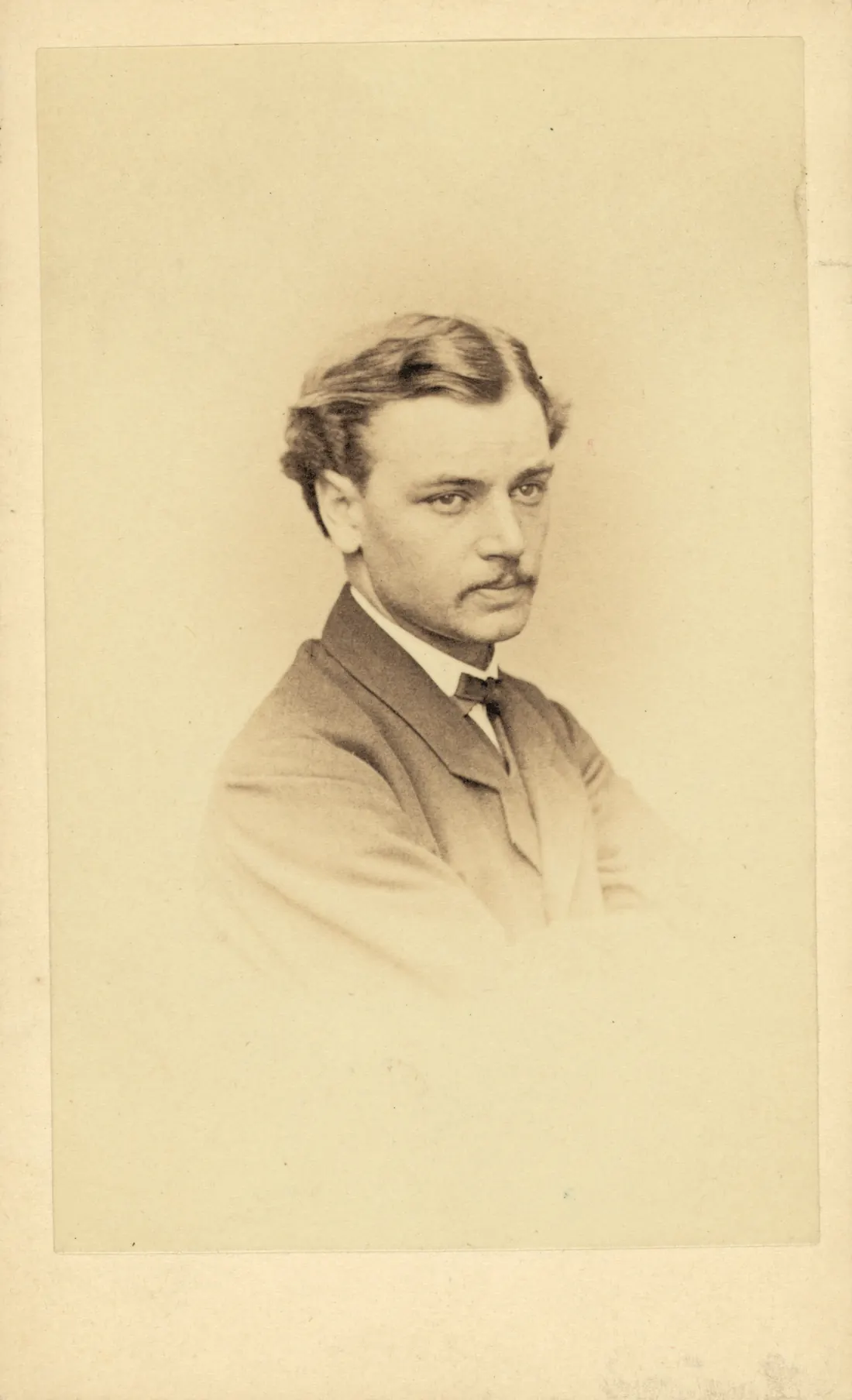
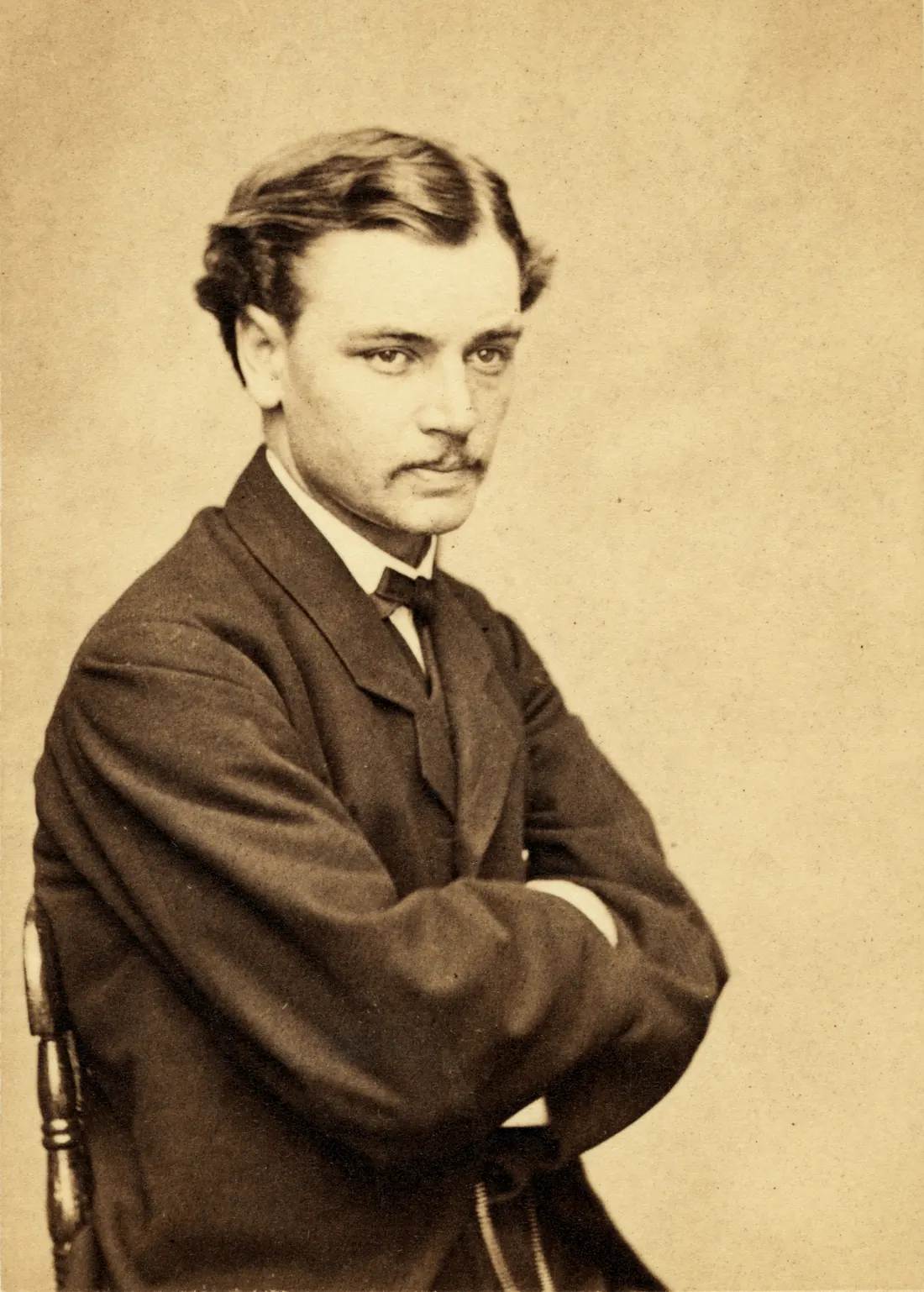
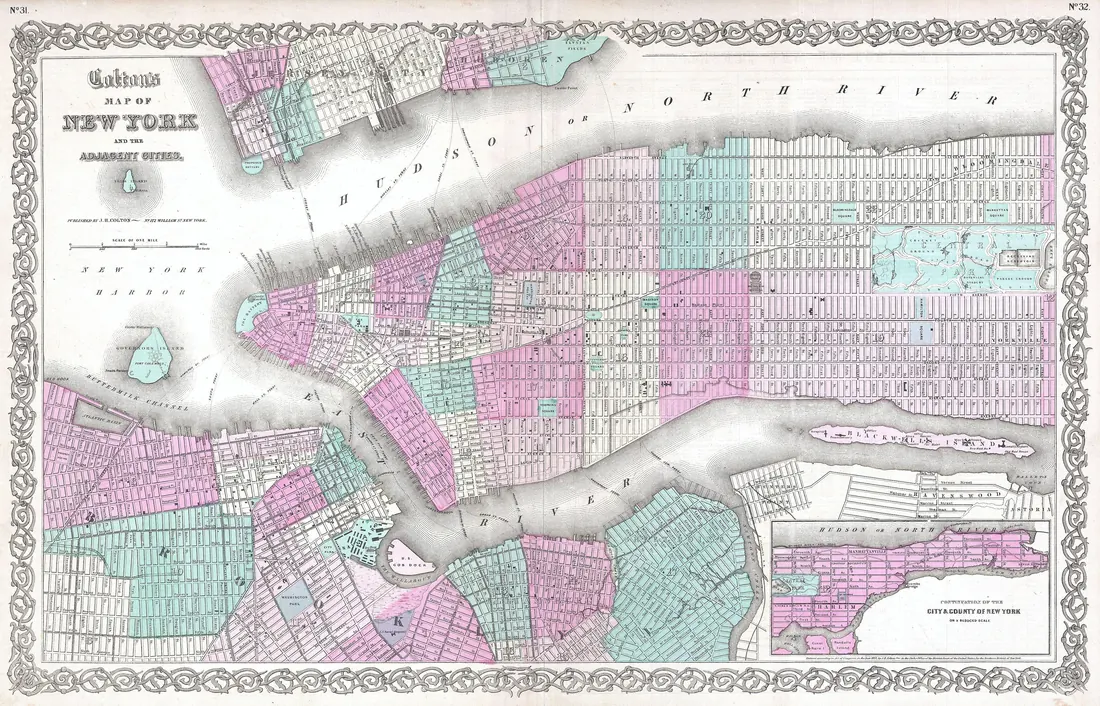
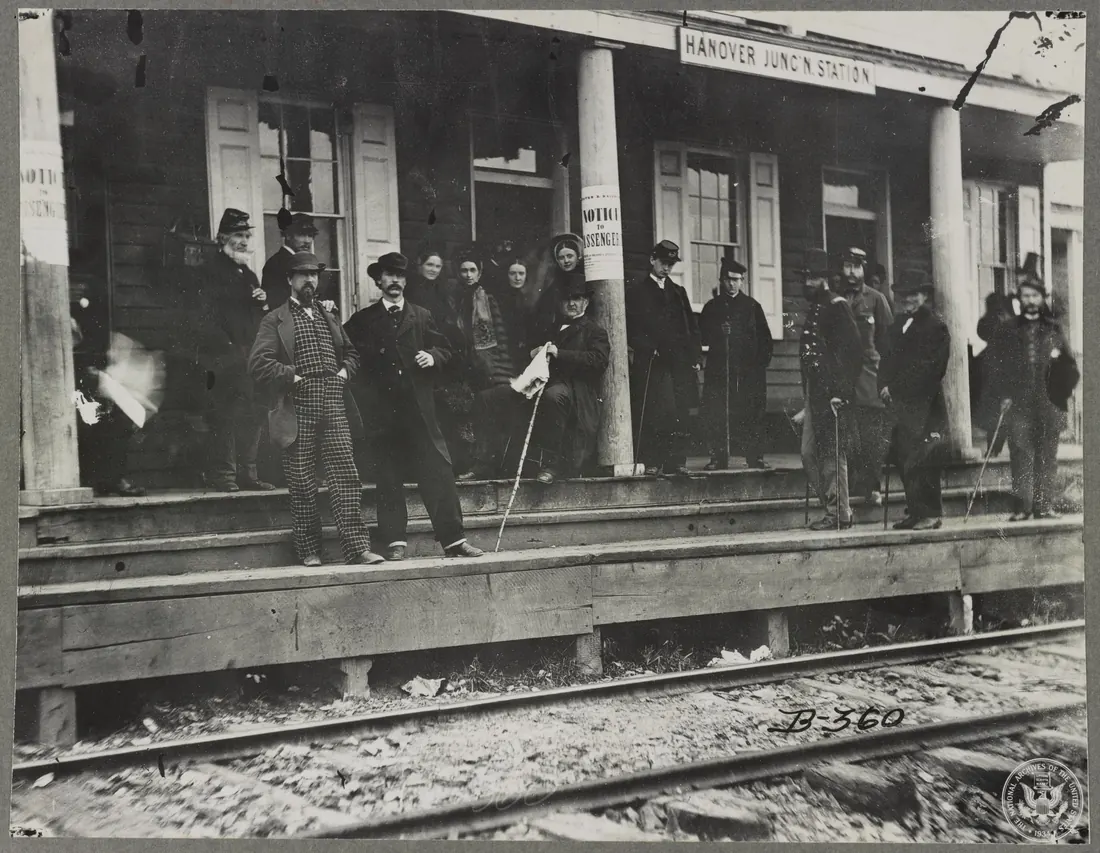
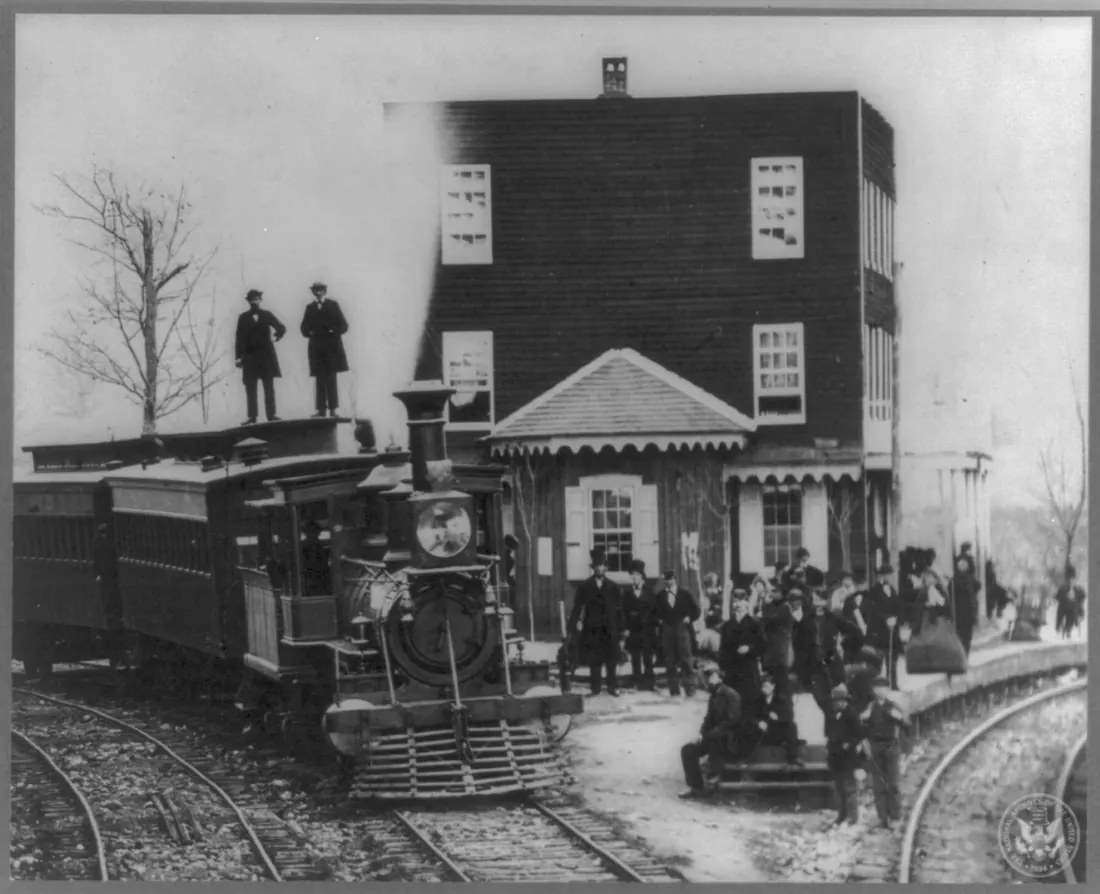
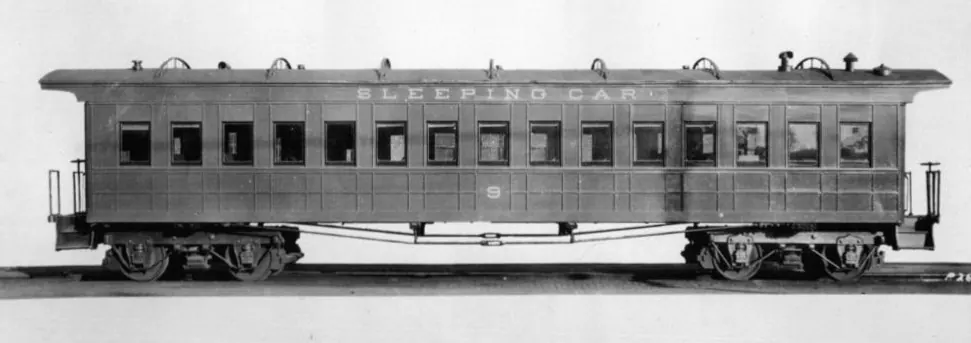
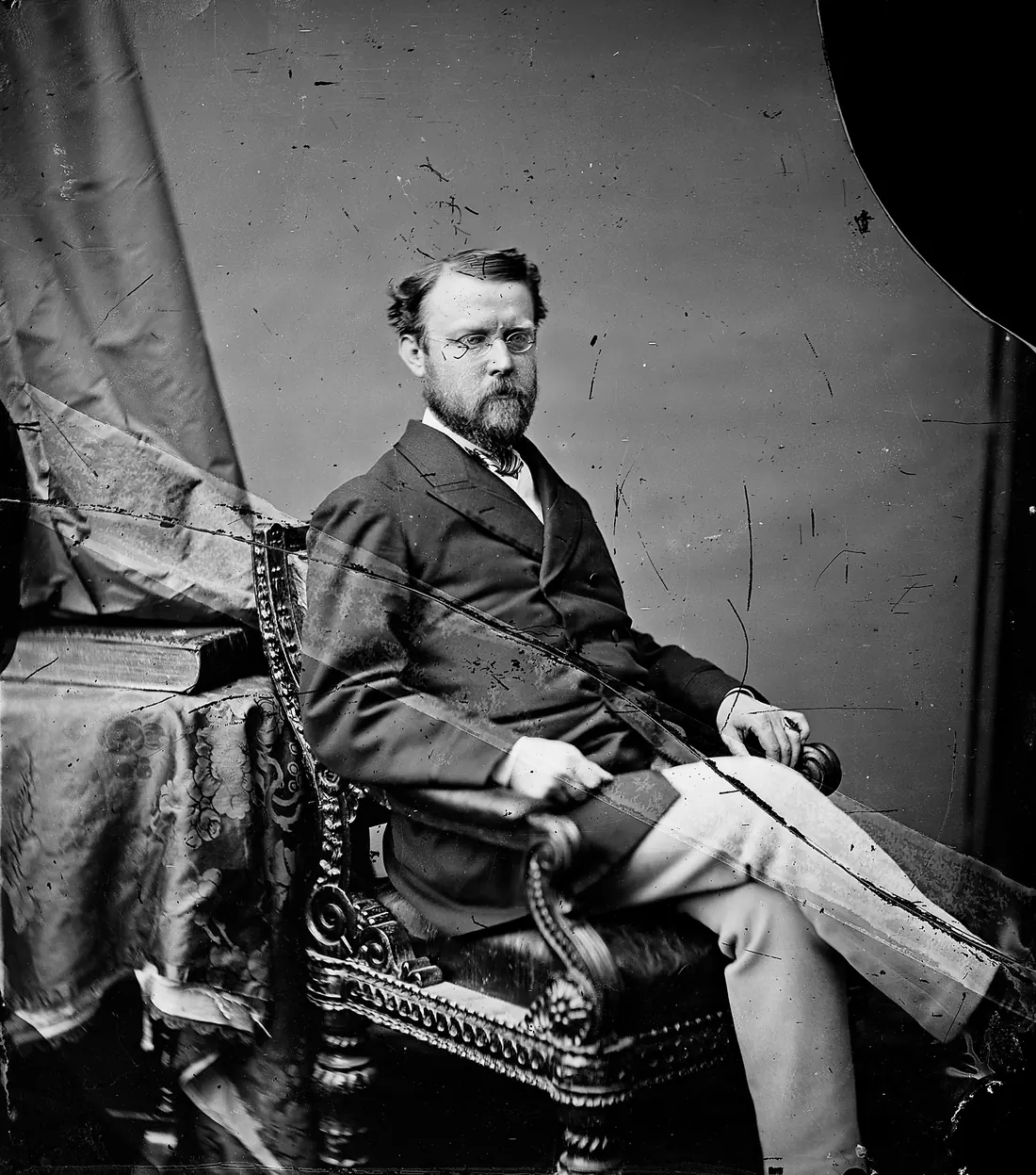
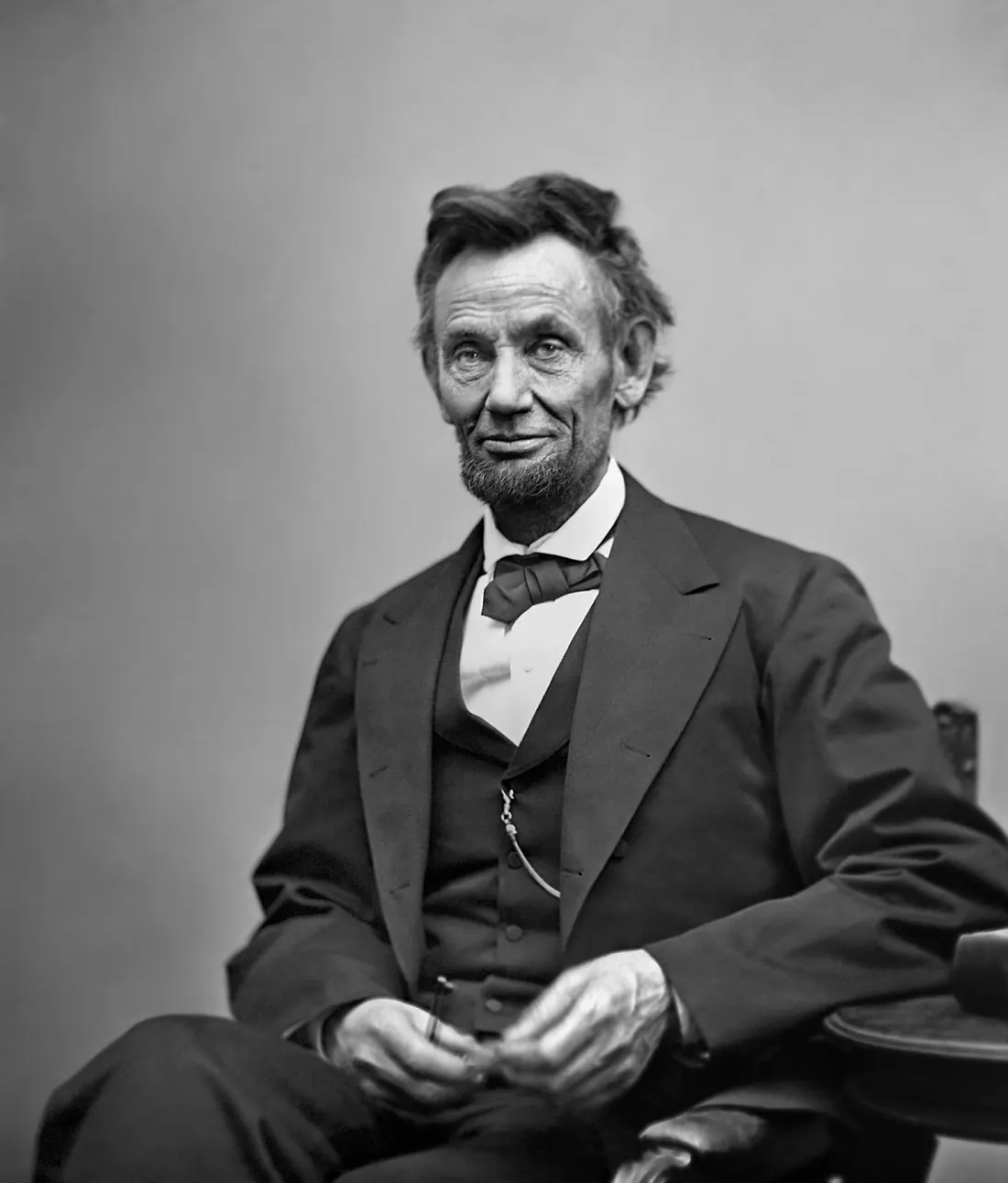
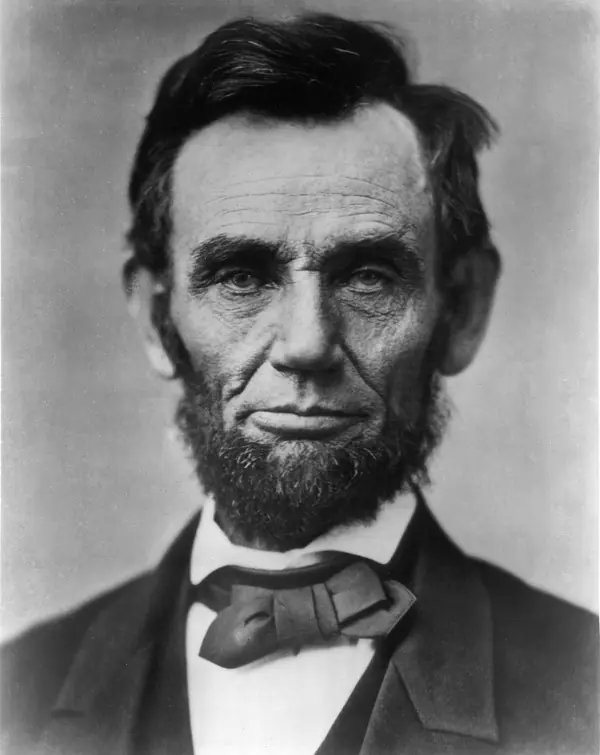
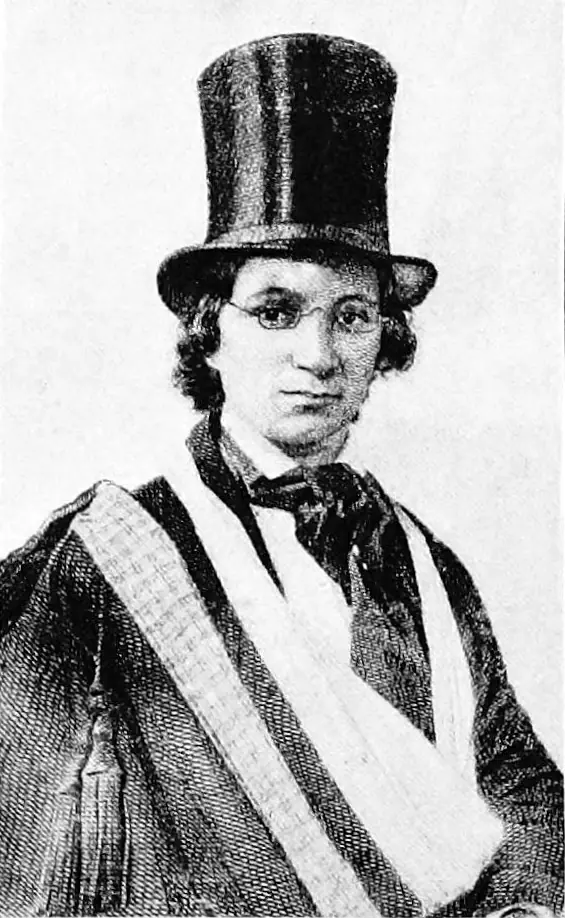
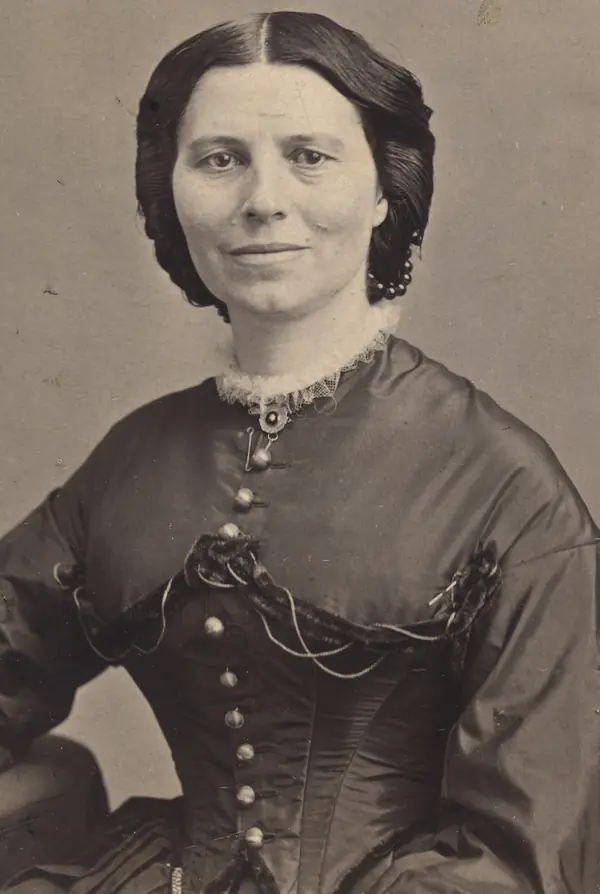
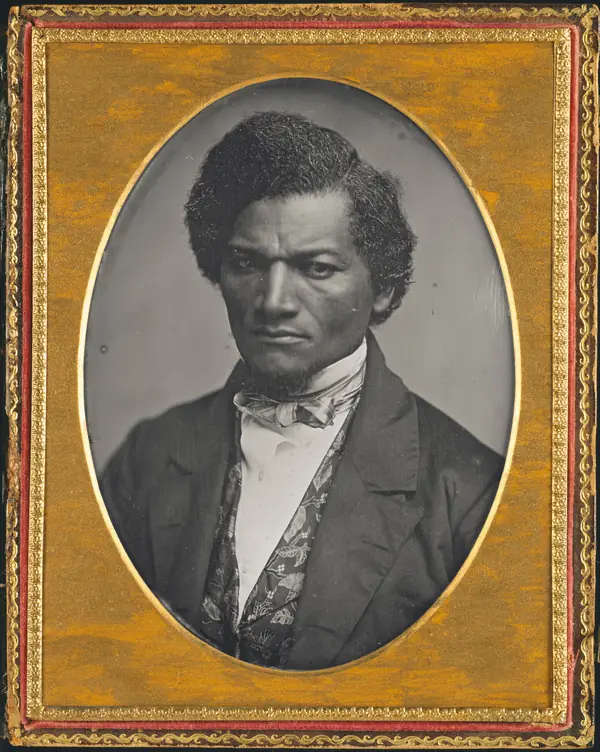
Pictures: Edwin Booth himself is in T. R. Burnham’s carte de visite of 1865, in J. Gurney & Son’s photo of him as Hamlet of about 1870, and with a child, probably his daughter Edwina, in the 1860s. Robert Lincoln is in Mathew Brady’s portraits of about 1865, John Wilkes Booth in his autographed studio portrait of the early 1860s, Abraham Lincoln in Alexander Gardner’s photo of February 5, 1865, and Adam Badeau in Mathew Brady’s portrait of the 1860s. No photo of the Jersey City platform or of the rescue is known: the platform and locomotive photos show Hanover Junction, Pennsylvania, in 1863, the sleeping car is an 1860s car photographed by the Pullman Company in 1924, and J. H. Colton’s 1863 map shows Jersey City as it was then. Ford’s Theatre is shown draped in mourning in 1865. The 1864 photo of the three Booth brothers in Julius Caesar is left out, so that no one mistakes which Booth is which.
Photo credits
The archive photos in this story
All the photographs and illustrations in this story are in the public domain. Tap one to enlarge it, or follow the link to its Wikimedia Commons page for the full record. The narration, captions and graphics in the Short are our own; its music and sound effects are credited below.
Music and sound effects
Music: Grieg, Peer Gynt Suite No. 1, Op. 46: IV. In the Hall of the Mountain King (Musopen Symphony Orchestra, public domain); Dvorak, Symphony No. 9 'From the New World': II. Largo (Musopen, public domain).
Sound effects: Freesound, CC0.

_-_T.R._Burnham,_photographer,_247_Washington_Street,_Boston_LCCN2016652136.jpg)


