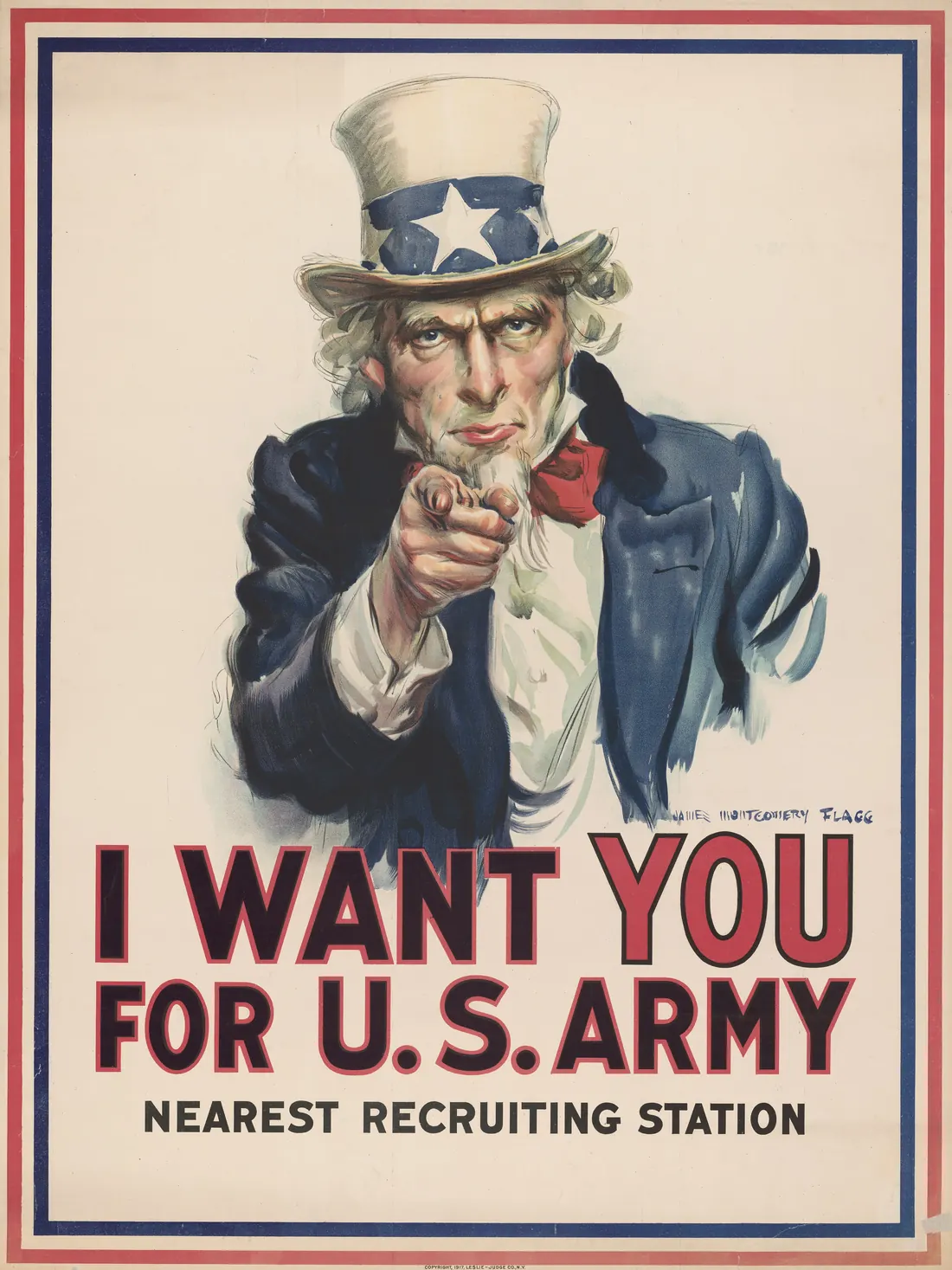
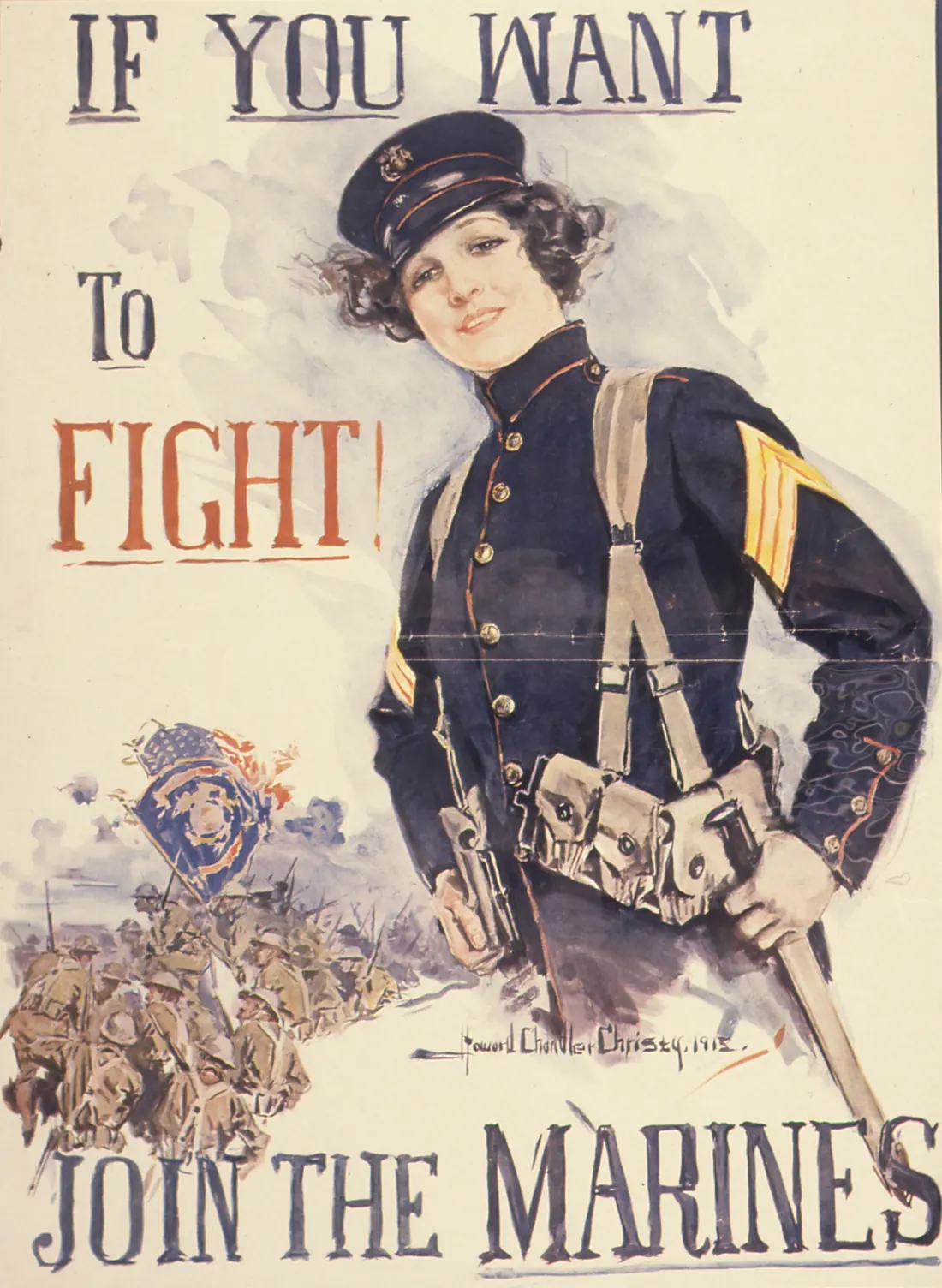
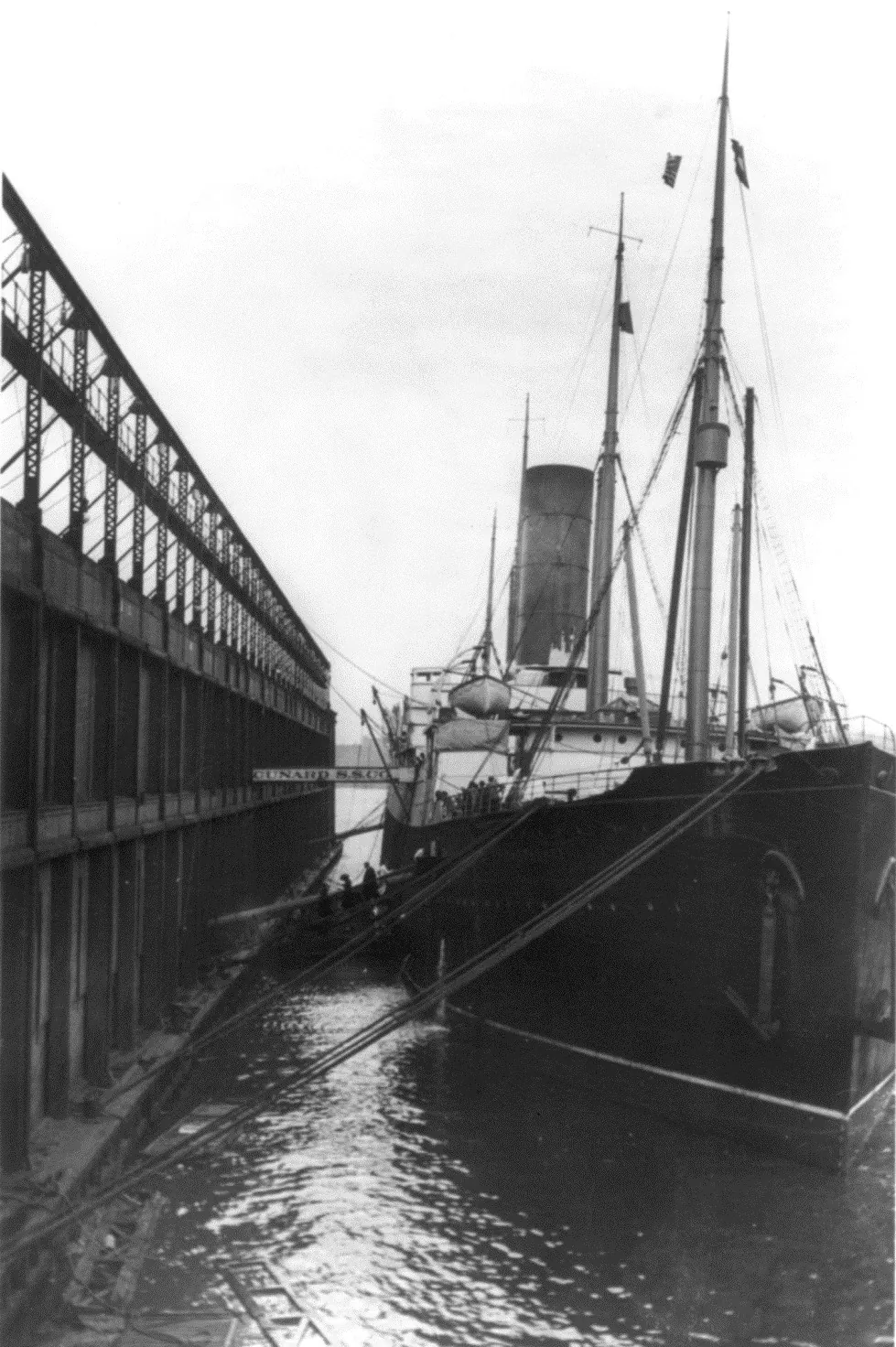
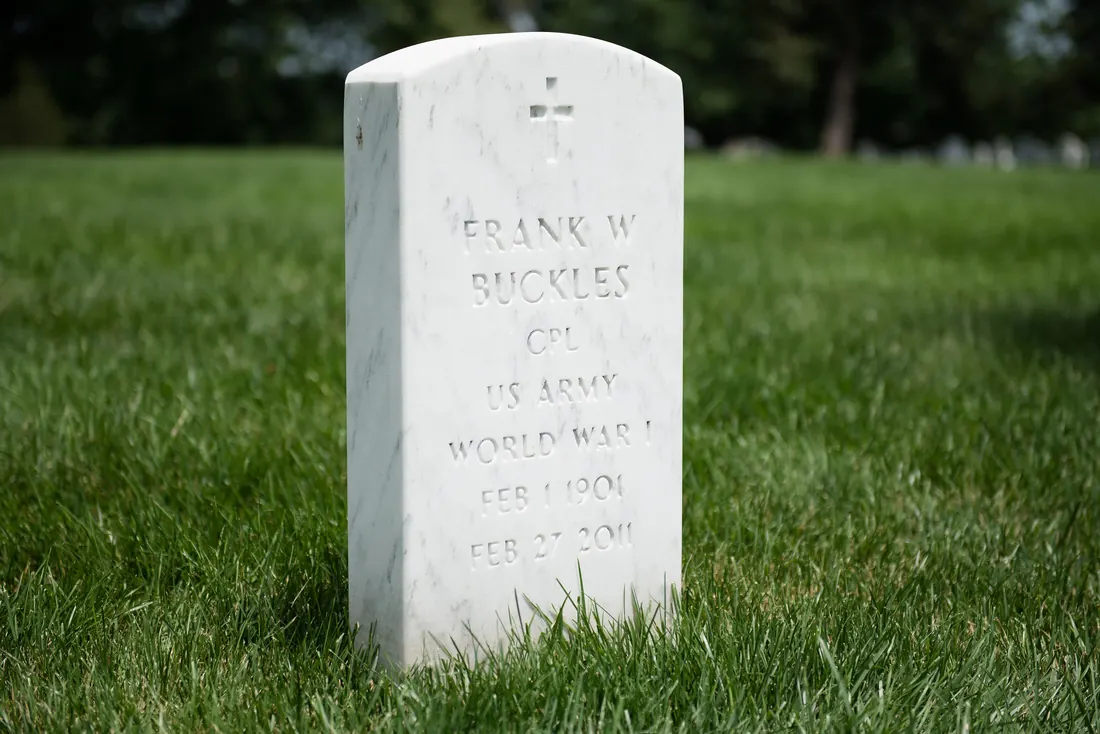
Frank Buckles was born on February 1, 1901. In 1917 he was just 16, and you had to be 18 to enlist. The Marine Corps turned him down for being too small, and the Navy claimed that he had flat feet. So he approached Army recruiters and lied about his age, NPR reported, “telling them the only proof was at home in the family Bible.” He enlisted on August 14, 1917, and sailed for Europe aboard the RMS Carpathia, the ship famous for rescuing the Titanic’s survivors in 1912, then in use as a troop ship.
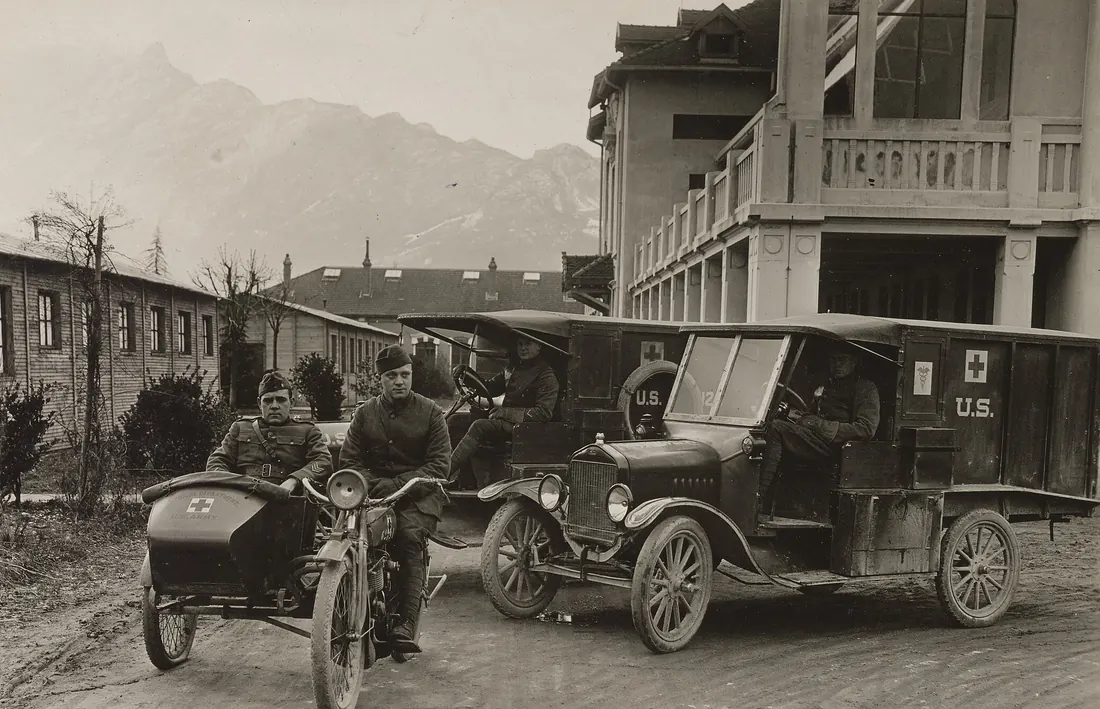
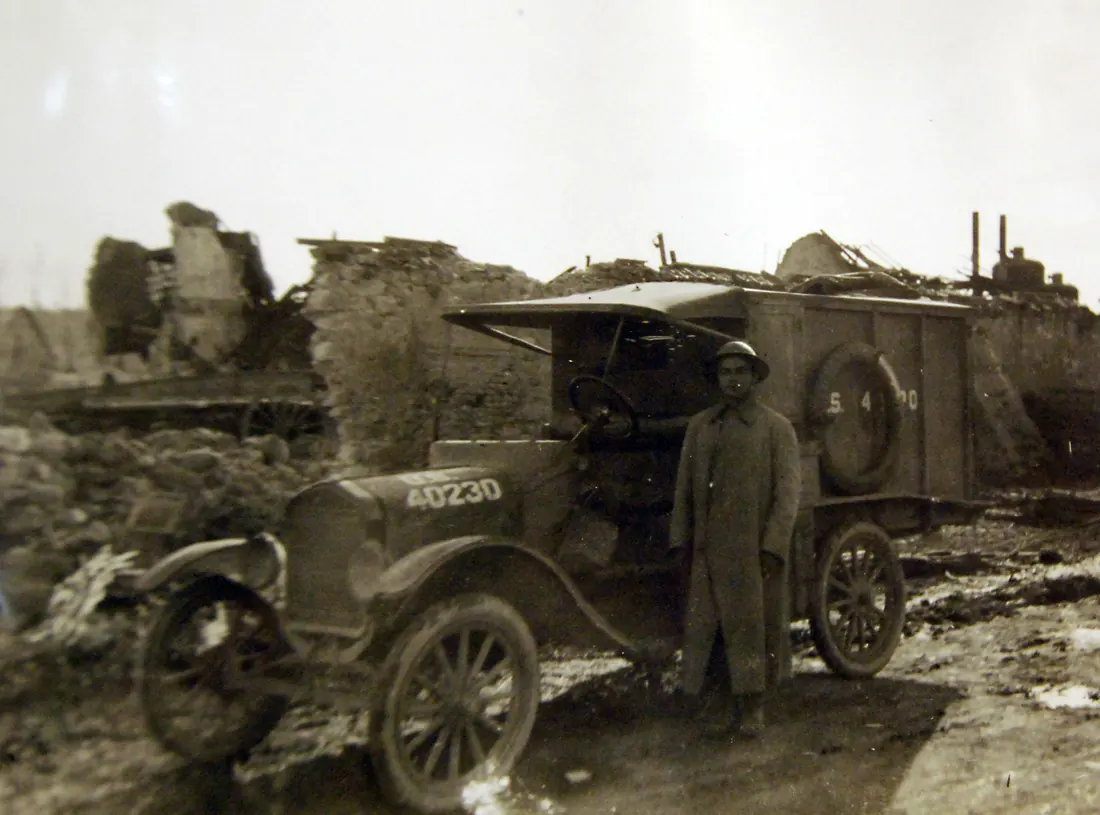
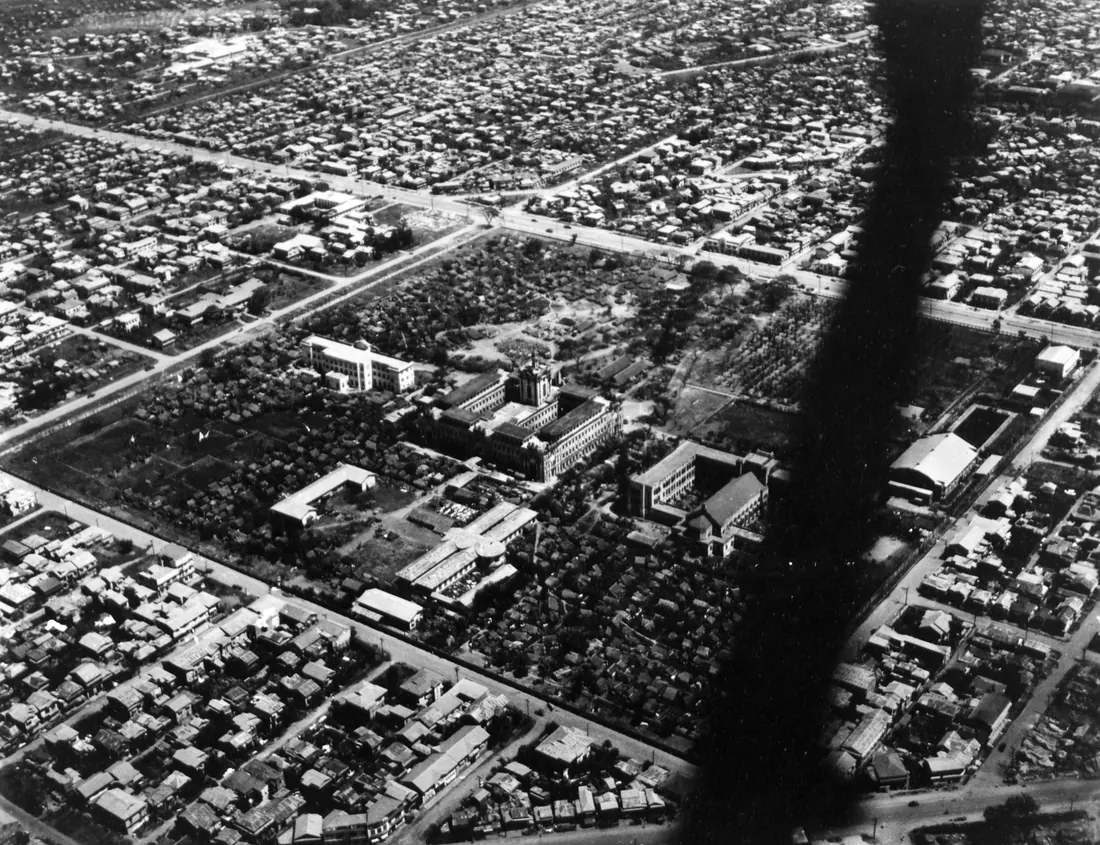
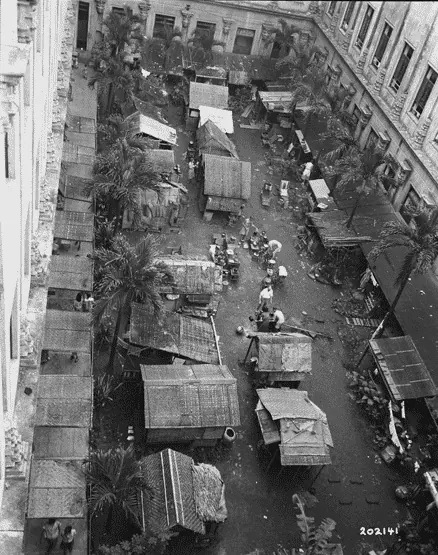
During the war he drove ambulances and motorcycles for the Army’s 1st Fort Riley Casual Detachment, first in England and then in France; in England, the Army News Service says, he drove officers on a motorcycle with a sidecar. In 1940 shipping business took him to Manila, in the Philippines, and at the start of World War II he was a civilian there, working with a steamship company. Japanese forces captured him in January 1942, and he spent the next three years and two months as a civilian internee in the Santo Tomas and Los Baños prison camps. His weight dropped below 100 pounds, and he developed beriberi.
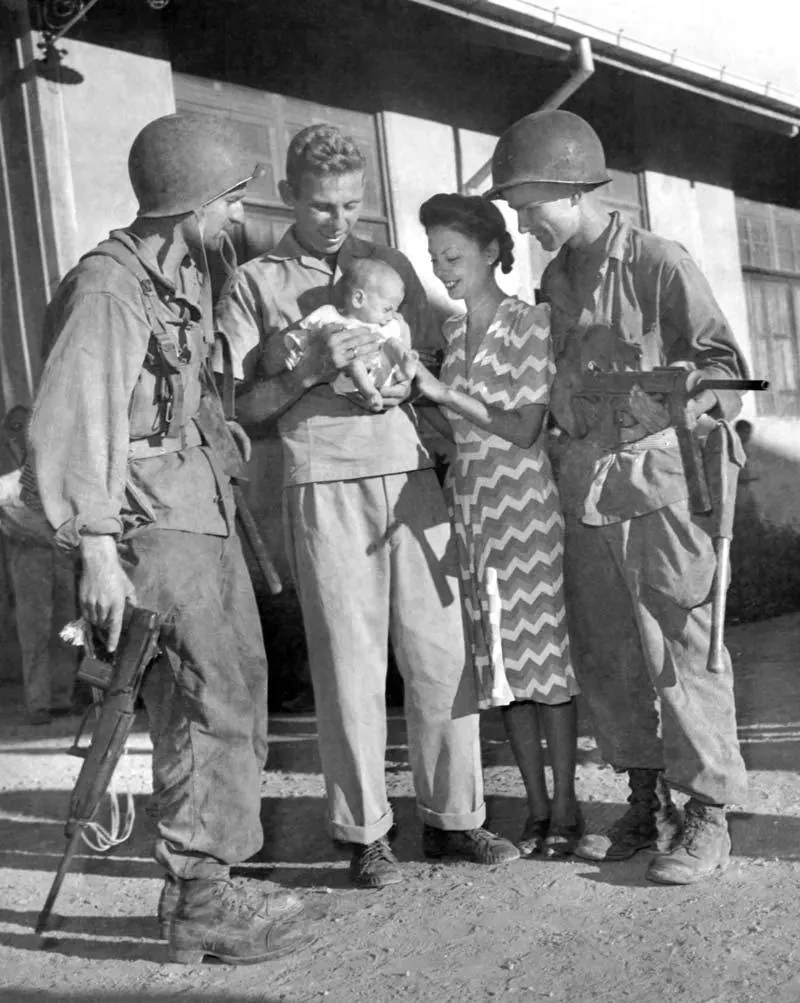
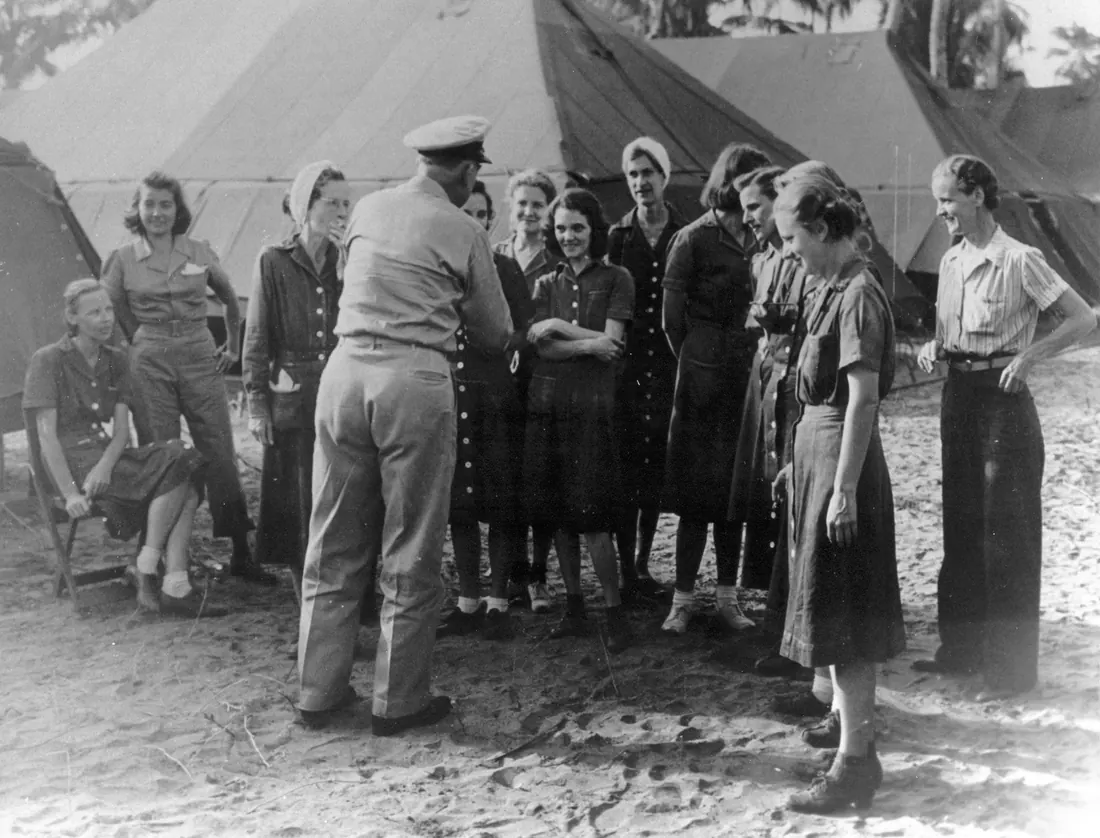
Early on Friday morning, February 23, 1945, a combined US Army Airborne and Filipino guerrilla task force raided Los Baños. Paratroopers dropped from their aircraft, and the raid freed 2,147 Allied civilian and military internees. Buckles remembered that “they rescued all of the 2,200 prisoners without any fatalities.” Japanese reprisals after the raid killed about 1,500 Filipino civilians, Wikipedia says.
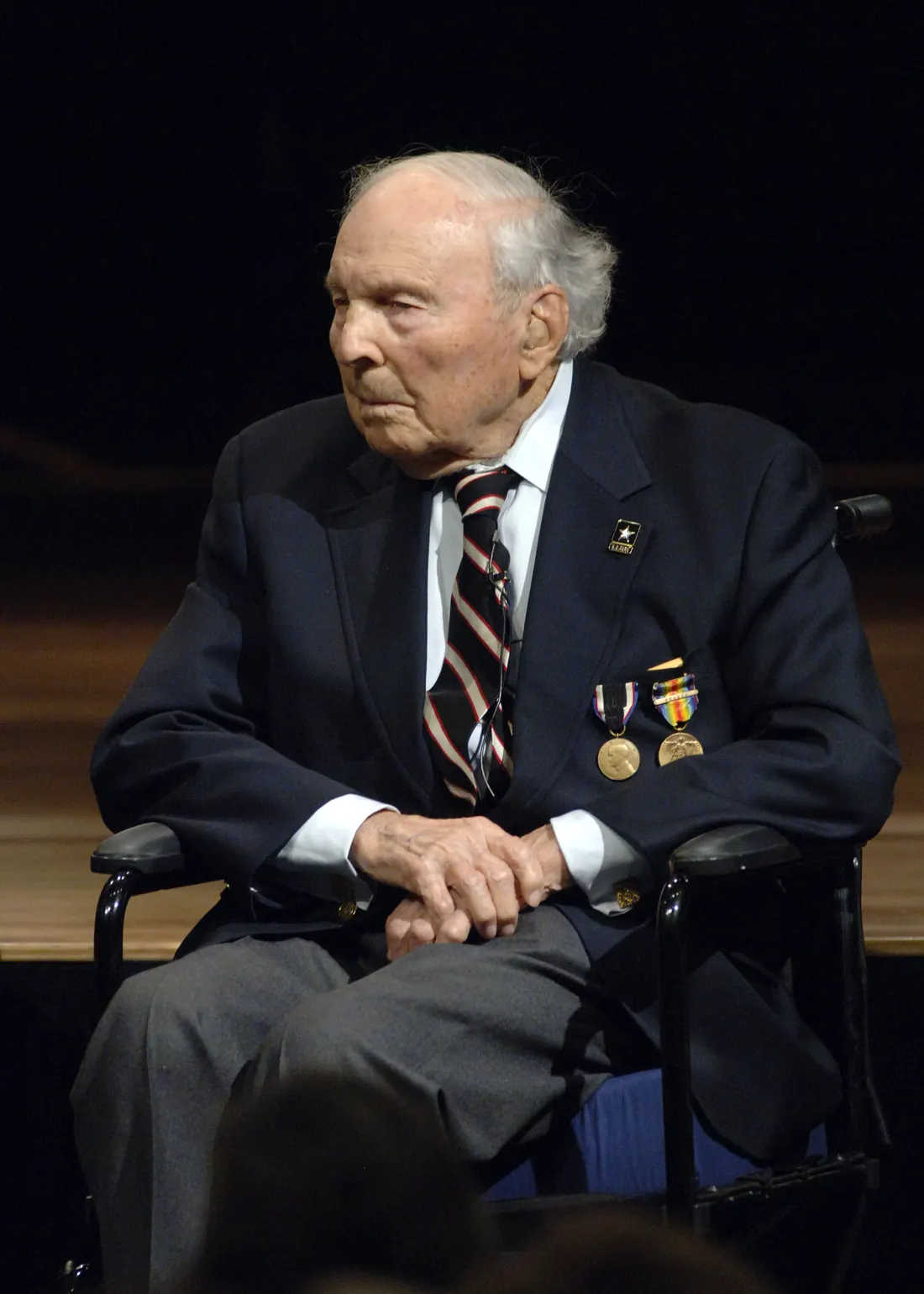
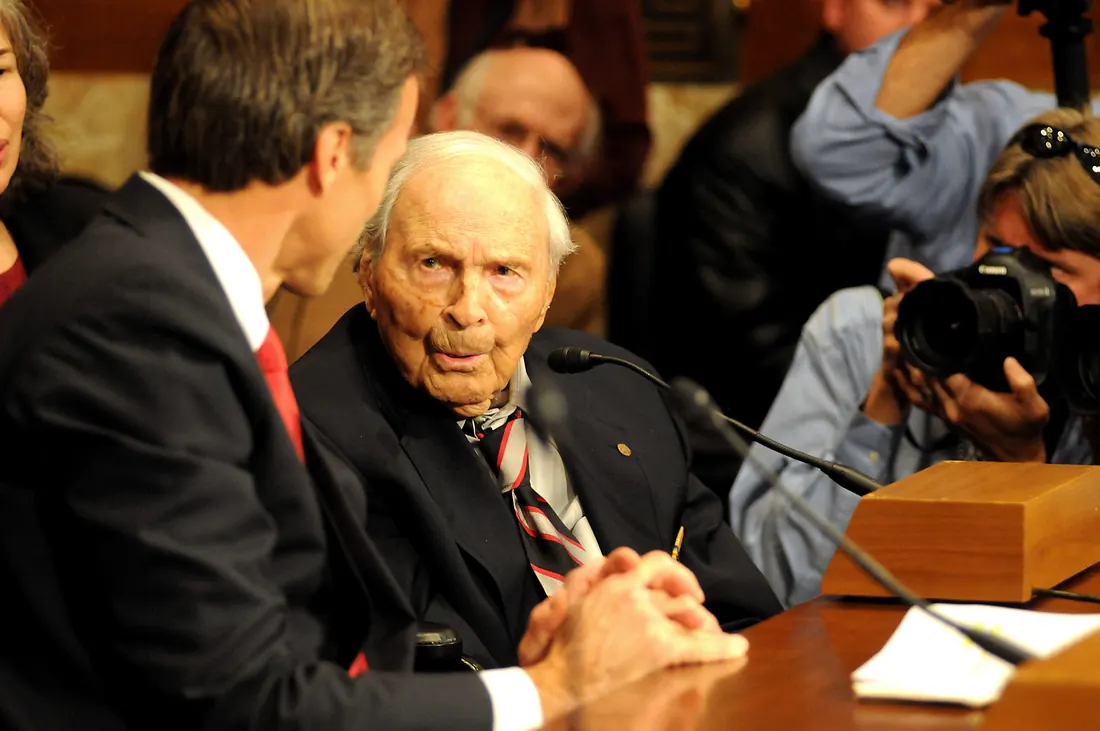
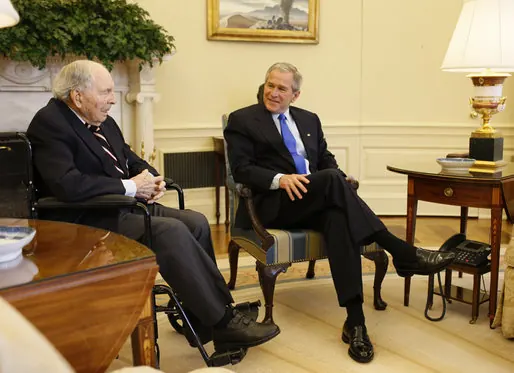
With the death of 108-year-old Harry Richard Landis in February 2008, Buckles became the last surviving American veteran of World War I. On March 6, 2008, President George W. Bush met him in the Oval Office: “Sitting next to me is Mr. Frank Buckles, 107-years-young.” On December 3, 2009, at 108, he spoke before the Senate National Parks Subcommittee in support of Senator John Thune’s bill (S. 2097) to establish a national World War I memorial.
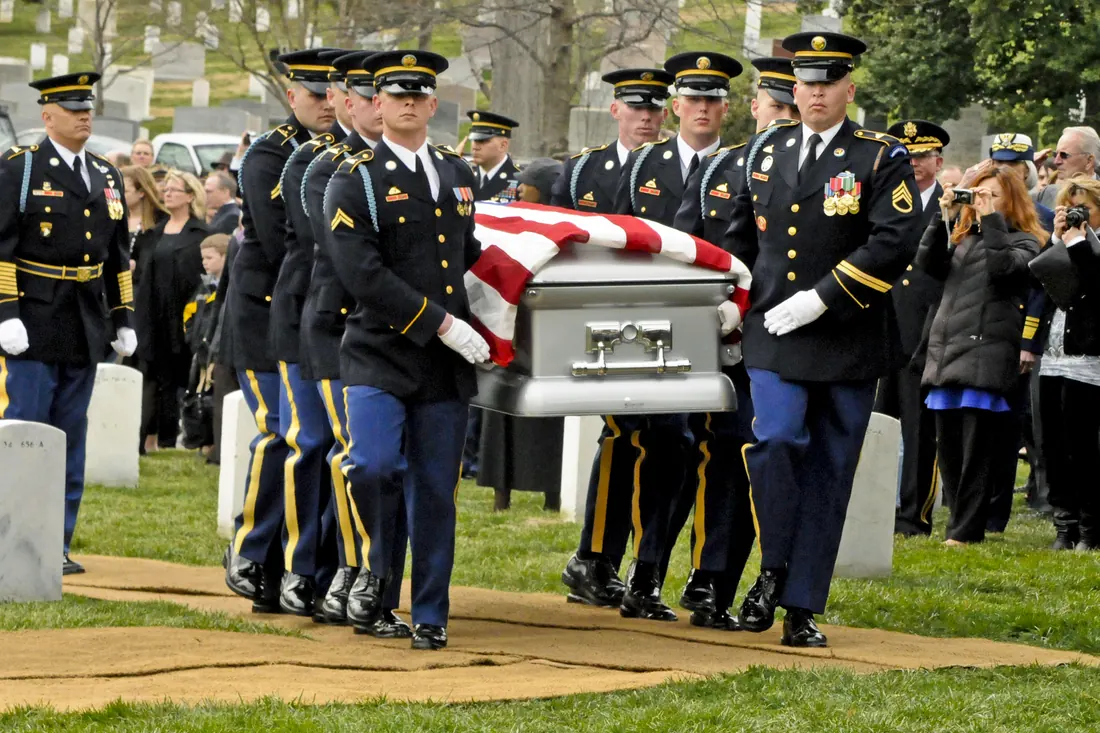
He died on February 27, 2011, at the age of 110, and on March 15 the Old Guard carried his casket at his funeral at Arlington National Cemetery. On April 16, 2021, the American flag was raised over the World War I Memorial in Washington for the first time, at the formal unveiling of the memorial that honors the 4.7 million Americans who served their nation in World War I. He never saw it.
Fact check
The facts and where they come from
- He lied about his age to fight in one World War, and was captured in the next. US Department of Veterans Affairs: “Frank Woodruff Buckles, who lied about his age to enlist in the Army in 1917 and became the last known U.S. veteran of World War I”; “At the start of World War II, he was a civilian working with a steamship company in the Philippines. He was imprisoned in a Japanese prisoner of war camp for three and a half years.” 2
- His name was Frank Buckles. Wikipedia: “a United States Army corporal and the last surviving American veteran of World War I.” 4
- In 1917, he was 16. NPR: “The only problem was that Buckles was underage, just 16 years old. You had to be 18 to enlist.” Wikipedia gives his birth date as February 1, 1901, and says “Buckles enlisted on August 14, 1917.” 14
- The Marines and the Navy turned him away, so he told the Army he was older. Wikipedia: “He was turned down by the Marine Corps for being too small, and by the Navy, which claimed that he had flat feet.” NPR: “So the Marines rejected him, then the Navy. Buckles approached Army recruiters and lied about his age, telling them the only proof was at home in the family Bible.” Army News Service: he joined at 16, “reportedly convincing an Army captain that he was older.” 413
- He sailed to war on the Carpathia, the ship that rescued the Titanic’s survivors. Wikipedia: “he embarked for Europe aboard the RMS Carpathia, famous for rescuing the survivors of Titanic in 1912, which was being used as a troop ship.” NPR: “climbing aboard the HMS Carpathia, the ship that just five years earlier had saved survivors from the Titanic.” 41
- He drove ambulances and motorcycles in Europe. Wikipedia: “During the war, Buckles drove ambulances and motorcycles for the Army’s 1st Fort Riley Casual Detachment, first in England and then France.” Army News Service: in England he was “driving officers on a motorcycle with a side car.” NPR: “Buckles drove an ambulance.” 431
- When the next war came, he was a civilian in Manila. Wikipedia, on 1940: “in that year shipping business took him to Manila in the Philippines.” US Department of Veterans Affairs: “At the start of World War II, he was a civilian working with a steamship company in the Philippines.” 42
- The Japanese captured him. Wikipedia: “He was captured in January 1942 by Japanese forces.” NPR: “When the Japanese invaded, Buckles was among those rounded up and sent to the notorious Los Banos prison camp.” 41
- He spent over three years in prison camps and dropped below 100 pounds. Wikipedia: he “spent the next three years and two months as a civilian internee in the Santo Tomas and Los Baños prison camps”; “With a weight below 100 pounds (45 kg), Buckles developed beriberi.” NPR: “His weight dropped below 100 pounds”; “after more than three years of captivity.” 41
- In February 1945, American paratroopers raided his camp and freed everyone. Wikipedia (Raid on Los Baños): the raid, “early Friday morning on 23 February 1945, was executed by a combined United States Army Airborne and Filipino guerrilla task force, resulting in the liberation of 2,147 Allied civilian and military internees”; “Ringler’s paratroopers dropped from their aircraft.” NPR: “in February 1945 … soldiers from the American 11th Airborne Division liberated Buckles and the other captives,” and Buckles: “they rescued all of the 2,200 prisoners without any fatalities.” Wikipedia (Frank Buckles): “All of the captives were freed following a raid by Allied forces on February 23, 1945.” 914
- In 2008, he became America’s last World War I veteran. Wikipedia: “With the death of 108-year-old Harry Richard Landis in February 2008, Buckles became the last surviving American veteran of World War I.” The White House, March 6, 2008: “he is the last living Doughboy from World War I.” 45
- He met the President and asked Congress for a national memorial. The White House: President Bush, “Sitting next to me is Mr. Frank Buckles, 107-years-young”; its photo page: “President George W. Bush visits with Cpl. Frank Woodruff Buckles in the Oval Office, Thursday, March 6, 2008.” Wikipedia: “Buckles appeared before Congress on December 3, 2009, advocating on behalf of such legislation.” Army News Service: he testified before the Senate backing “the establishment of a national World War I memorial on the mall.” Senator Thune’s press release, quoted on the photo’s Commons page: Buckles, “at 108 years old … spoke before the Senate National Parks Subcommittee in support of Senator Thune’s bipartisan bill (S. 2097) to establish a national World War I memorial.” 56437
- He died at 110 and was buried at Arlington. US Department of Veterans Affairs: he “died on February 27, 2011 at the age of 110”; “Burial with full military honors will be held at Arlington National Cemetery.” The US Army photo caption: the Old Guard “carry the casket of Army Cpl. Frank Woodruff Buckles, the last American World War I veteran, for his funeral ceremony at Arlington National Cemetery, March 15, 2011.” 28
- The memorial opened ten years later. National Park Service, April 16, 2021: “The American flag was raised over the World War I Memorial for the first time on Friday, April 16, the formal unveiling of the memorial that honors the 4.7 million Americans who served their nation in World War I.” Wikipedia: “Ultimately, the World War I Memorial was approved for a nearby site, and was opened in 2021.” 104
- He never saw it. He died on February 27, 2011 (US Department of Veterans Affairs), and the memorial was unveiled on April 16, 2021 (National Park Service). 210
Sources
- Last U.S. Veteran Of World War I Dies At Age 110 (Tom Bowman, All Things Considered, February 28, 2011; transcript) NPR
- Frank Buckles, Last Known U.S. Doughboy, Dies (February 28, 2011) US Department of Veterans Affairs
- Last WWI veteran dies (Elizabeth Collins, Army News Service, February 28, 2011) US Army
- Frank Buckles Wikipedia
- President Bush Meets with World War I Veteran Corporal Frank Woodruff Buckles (March 6, 2008) The White House (archived)
- President George W. Bush visits with Cpl. Frank Woodruff Buckles in the Oval Office (photo page, March 6, 2008) The White House (archived)
- Senator John Thune and Frank Buckles (the photo page, quoting Senator Thune’s press release) Wikimedia Commons
- Final Farewell (US Army photo by Staff Sgt. Adora Gonzalez, March 15, 2011) Wikimedia Commons
- Raid on Los Baños Wikipedia
- World War I Memorial opens in Washington (April 16, 2021) National Park Service
Notes
How long a prisoner: “three years and two months” (Wikipedia), “more than three years” (NPR) or “three and a half years” (the Department of Veterans Affairs). We say over three years.
When he was captured: January 1942 (Wikipedia); NPR and the VA give no date. Which camp: NPR says he was sent to Los Baños; Wikipedia says Santo Tomas and then Los Baños.
“He lied”: Buckles himself told NPR that he had misrepresented his age rather than lied, but the NPR transcript and WBEZ’s written version word his answer differently, so we don’t quote it. The VA and NPR both say he lied about his age.
Who raided the camp: a combined US Army Airborne and Filipino guerrilla task force (Wikipedia). The Short says “American paratroopers,” which is true but leaves out the guerrillas. How many were freed: 2,147 (Wikipedia) or, as Buckles remembered, 2,200 (NPR).
The ship: NPR calls her the HMS Carpathia; Wikipedia, the RMS Carpathia.
The memorial he asked for: Senator Thune’s bill (S. 2097) and the Army News Service speak of a national World War I memorial on the Mall; the World War I Memorial that opened in 2021 “was approved for a nearby site” (Wikipedia).
Left out for length: the German belt buckle, Pershing, the Legion of Honor he received in 1999, the special permission he needed to be buried at Arlington (secured in 2008) and the “oldest person who ever testified before Congress” (Wikipedia only).
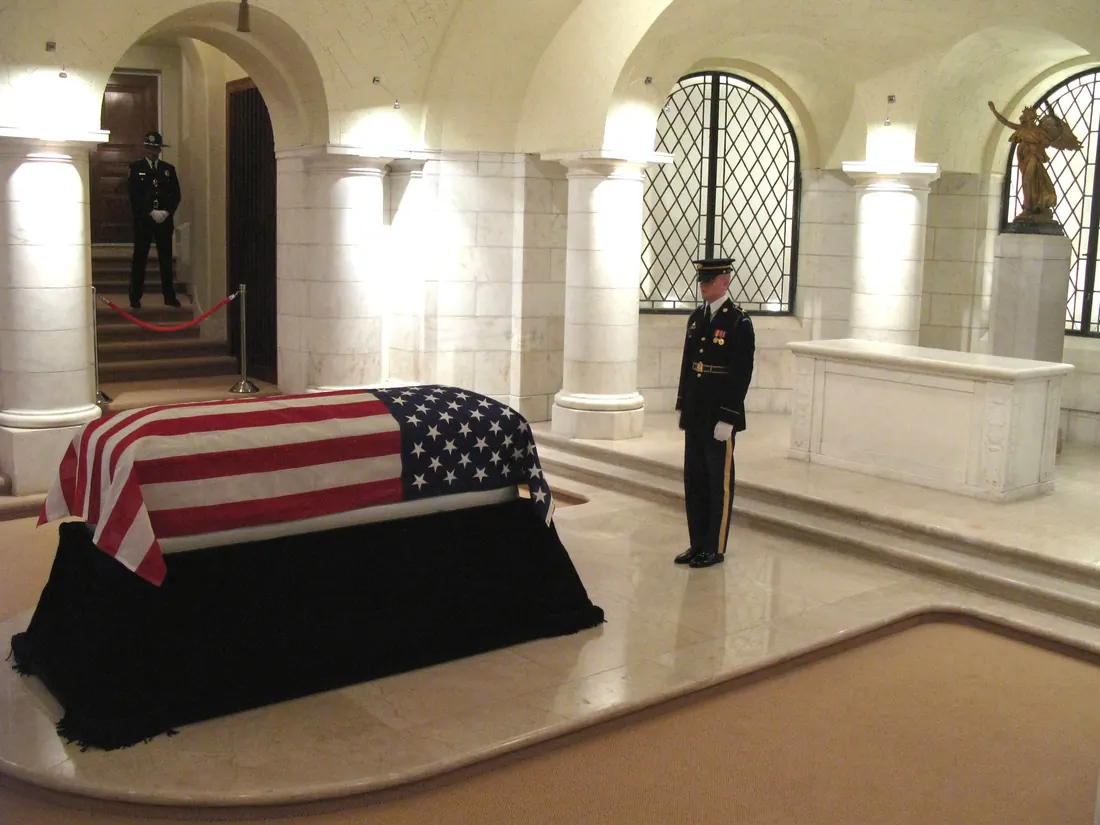
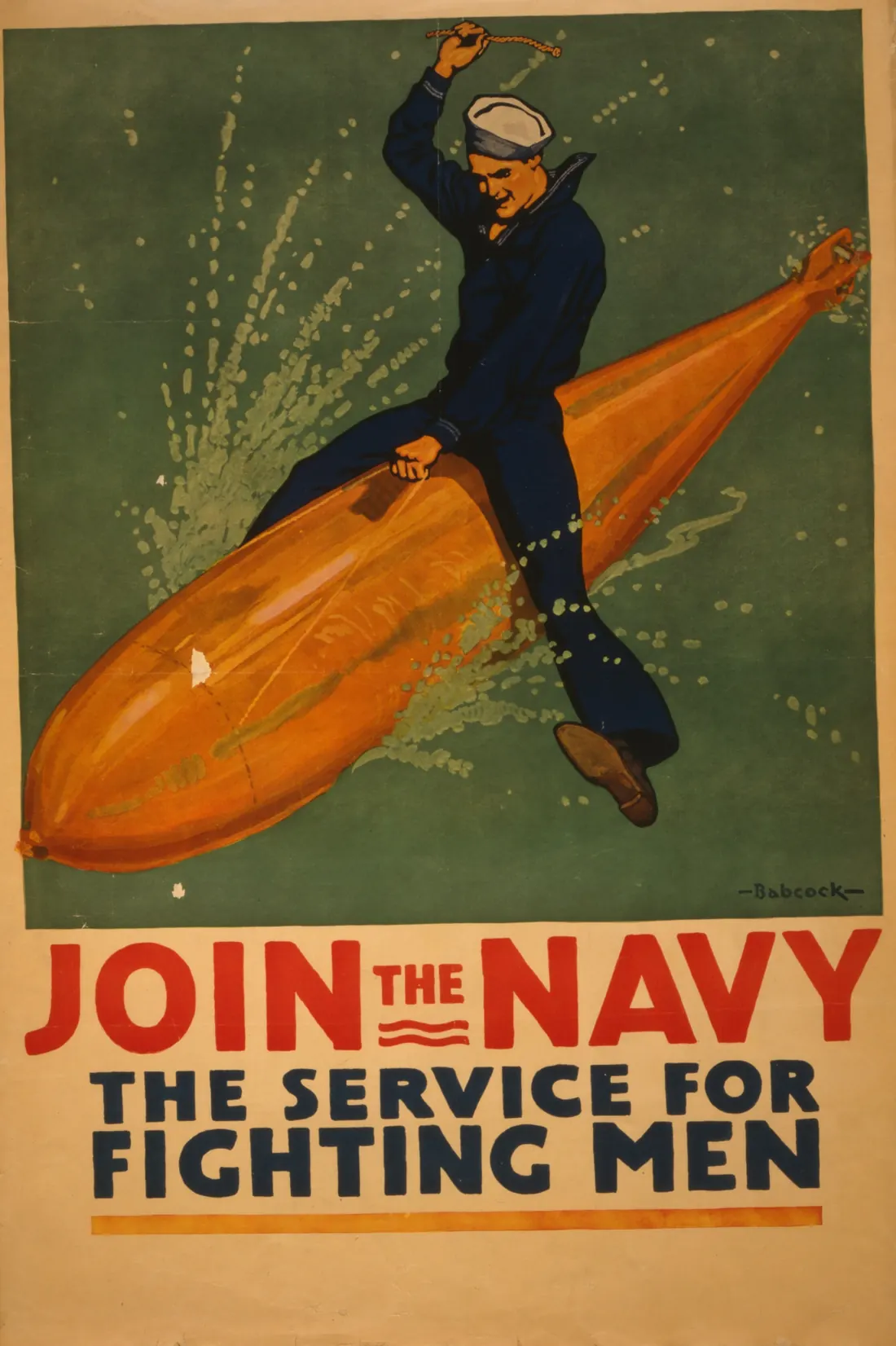
Pictures: the well-known portrait of Buckles at 16 in uniform isn’t shown, because no archive, photographer or early publication is known for it, so its rights are unclear. Buckles himself is in the Department of Defense photo at the Pentagon and Eric Draper’s White House photo with President Bush, both of March 6, 2008, and in C. Todd Lopez’s photo with Senator John Thune at the Senate hearing of December 3, 2009. The three posters are the 1915–17 recruiting posters of the Army, the Marines and the Navy, not his papers; the ambulance photos (Blanzy, 1918, and Aix-les-Bains, 1919) show US Army ambulances and motorcycles in France, not Buckles; the Carpathia was photographed in New York in 1912. Manila and the Santo Tomas camp, one of his two camps, are shown in 1945. The Bowie family and the Navy nurses are fellow internees freed in the same raid. His lying in state and funeral were photographed on March 15, 2011, and his headstone in 2015.
Photo credits
The archive photos in this story
The photographs and illustrations in this story are in the public domain or shared under open licenses; each one is credited below with its license. Tap one to enlarge it, or follow the link to its Wikimedia Commons page for the full record. The narration, captions and graphics in the Short are our own; its music and sound effects are credited below.
Music and sound effects
Music: Grieg, Peer Gynt Suite No. 1, Op. 46: I. Morning Mood (Musopen Symphony Orchestra, public domain); Grieg, Peer Gynt Suite No. 1, Op. 46: II. Ase's Death (Musopen Symphony Orchestra, CC0); Brahms, Symphony No. 2 in D major, Op. 73: IV. Allegro con spirito (Musopen Symphony Orchestra, CC0); Traditional, Taps (US Navy Band, Ceremonial Band, public domain, US government work).
Sound effects: Freesound, CC0.