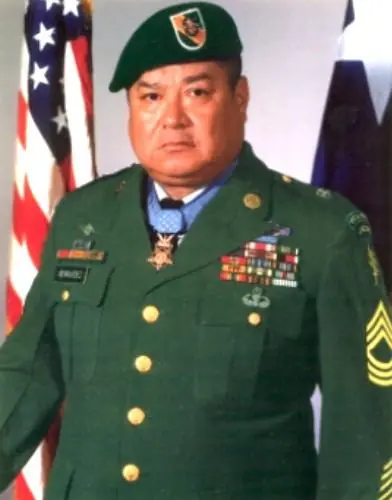
“Here I was, though I was a citizen of the United States,” Daniel Inouye recalled, “I was declared to be an enemy alien and as a result not fit to put on the uniform of the United States.” In the words of his son Ken, quoted by DVIDS, he was “classified as four-C: an enemy alien unfit to serve in the military.” Upon turning 18, the House historians write, Inouye applied to enlist but was denied entry because of his race.
In 1943, when the US Army dropped its enlistment ban on Japanese Americans, Inouye curtailed his premedical studies at the University of Hawaii and enlisted, joining the Army as a private in the 442nd Regimental Combat Team. Many of its soldiers from the mainland had families in internment camps while they fought abroad. Hawaii, where his family lived, had no mass internment, but in training his unit visited the Rohwer War Relocation Center in Arkansas, where, Wikipedia says, Inouye witnessed the internment of Japanese Americans first hand.
On April 21, 1945, Lieutenant Inouye was leading a flanking attack on a heavily defended ridge near San Terenzo in Tuscany, Italy, when he was shot in the stomach. Ignoring the wound, he attacked and destroyed the first German machine-gun nest with hand grenades and his Thompson submachine gun, then rallied his men and destroyed the second. Then a German soldier inside the bunker fired a rifle grenade, which struck his right elbow and nearly severed most of his arm. His own primed grenade was left, in words the National Park Service quotes, “clenched in a fist that suddenly didn’t belong to me anymore.”
Inouye pried the live grenade from his useless right hand, transferred it to his left and tossed it into the bunker, destroying it. He kept going, silencing the last German resistance with a one-handed burst from his Thompson before he was wounded in the leg. The rest of his mutilated right arm was later amputated at a field hospital, which crushed his dream of becoming a surgeon. He was first awarded the Distinguished Service Cross for that day; on June 21, 2000, President Bill Clinton presented him with the Medal of Honor.
When Hawaii achieved statehood in 1959, Inouye was elected its first member of the US House of Representatives, and his election made him the first Japanese-American member of Congress. When he was sworn in on August 24, 1959, he was asked to raise his right hand for the oath. He lifted his left. “There was a gasp,” Inouye said; many members did not know he had lost his right arm. He later became the first Japanese-American senator and served in the Senate for 49 years.
Fact check
The facts and where they come from
- He pried a live grenade from his own useless hand, though America had called him an enemy alien. National Park Service: “Inouye pried the live grenade from his useless right hand and transferred it to his left.” Wikipedia: “Inouye pried the live hand grenade from his severed right hand and tossed it into the bunker.” His own words (US House, History, Art & Archives): “Here I was, though I was a citizen of the United States, I was declared to be an enemy alien and as a result not fit to put on the uniform of the United States.” DVIDS, quoting his son Ken: “classified as four-C: an enemy alien unfit to serve in the military.” 2513
- His name was Daniel Inouye, of the 442nd Regiment, US Army. US House, History, Art & Archives: he “joined the Army as a private, entering the fabled 442nd Regimental Combat Team.” Wikipedia, on the regiment: “Many of the soldiers from the continental U.S. had families in internment camps while they fought abroad.” 16
- After Pearl Harbor, he was turned away for being Japanese American. US House, History, Art & Archives: “Upon turning 18, Inouye applied to enlist in the military but was denied entry because of his race.” National Park Service: “He attempted to enlist in the military but was turned away.” 12
- When the ban was lifted, he volunteered. National Park Service: “In 1943, when the U.S. Army dropped its enlistment ban on Japanese Americans, Inouye curtailed his premedical studies at the University of Hawaii and enlisted in the Army.” US House, History, Art & Archives: “Inouye volunteered again in 1943 and joined the Army as a private.” 21
- In April 1945 he led an attack on German machine guns. National Park Service: “On April 21, 1945 Lieutenant Inouye was leading a flanking attack on a heavily-defended ridge near San Terenzo in Tuscany, Italy.” Wikipedia: “leading an assault on the heavily defended Colle Musatello ridge near San Terenzo Monti, Tuscany”; “During a flanking maneuver against German machine gun nests.” The Medal of Honor citation: “21 April 1945, in the vicinity of San Terenzo, Italy.” 254
- He was shot in the stomach, but took out two machine-gun nests. National Park Service: “when he was shot in the stomach”; “Ignoring his wound, he proceeded to attack and destroy the first machine gun nest with hand grenades and his Thompson submachine gun”; he “rallied his men for an attack on the second machine gun position, which he successfully destroyed.” Wikipedia: “Inouye was shot in the stomach from 40 yards away”; “together with the unit, destroyed the first two machine gun nests.” 25
- Then a German rifle grenade shattered his right arm. National Park Service: “a German soldier inside the bunker fired a rifle grenade, which struck his right elbow, nearly severing most of his arm.” The Medal of Honor citation: “until an exploding grenade shattered his right arm.” 24
- His hand still gripped his own live grenade. National Park Service: “his primed grenade reflexively ‘clenched in a fist that suddenly didn’t belong to me anymore.’” 2
- So he pried it out with his left hand. DVIDS: “With his left hand, he pried the explosive from the grasp of this imposter’s limb and hurled it at the enemy.” National Park Service: “Inouye pried the live grenade from his useless right hand and transferred it to his left.” 32
- And he threw it into the bunker. National Park Service: “Inouye tossed the grenade into the bunker and destroyed it.” 2
- He kept fighting until he was hit in the leg. National Park Service: he “continued forward, silencing the last German resistance with a one-handed burst from his Thompson before being wounded in the leg.” Wikipedia: “sustaining his fifth and final wound of the day in his left leg.” 25
- That day later earned him the Medal of Honor. National Park Service: “Inouye was initially awarded the Distinguished Service Cross for his bravery in this action, with the award later being upgraded to the Medal of Honor by President Bill Clinton.” Wikipedia: “Inouye eventually received the Medal of Honor on June 21, 2000, from President Bill Clinton.” His citation is for April 21, 1945. 254
- But he lost his right arm. National Park Service: “The remainder of Inouye’s mutilated right arm was later amputated at a field hospital.” US House, History, Art & Archives: “Inouye later lost his right arm in a return sweep through Italy, crushing his dream of becoming a surgeon.” 21
- In 1959 he became the first Japanese American in Congress. US House, History, Art & Archives: “His election made him the first Japanese-American Member of Congress.” DVIDS: “He was the first Japanese American to serve in both the House of Representatives and the Senate.” 13
- Taking the oath, he was asked to raise his right hand. US House, History, Art & Archives: “When Inouye was sworn in on August 24, 1959, he was asked to raise his right hand for the oath.” 1
- He raised his left. US House, History, Art & Archives: “Upon lifting his left hand, ‘There was a gasp,’ Inouye said, noting that many Members did not know he had lost his right arm.” 1
Sources
- INOUYE, Daniel Ken US House of Representatives, History, Art & Archives
- Daniel Inouye: A Japanese American Soldier’s Valor in World War II National Park Service
- Go for Broke (PO1 J. Keith Wilson, US Navy) DVIDS
- Daniel K. Inouye (Medal of Honor citation) Go For Broke National Education Center
- Daniel Inouye Wikipedia
- 442nd Infantry Regiment Wikipedia
Notes
Did the rifle grenade explode? Wikipedia says it “failed to detonate” and that its blunt force tore the arm; the Medal of Honor citation says “an exploding grenade shattered his right arm”; the National Park Service says only that it “struck his right elbow.” We say it shattered his arm, which fits every version.
His hand or his elbow: the grenade struck his elbow, not his hand. The Park Service calls the hand “useless” and Wikipedia “severed.”
His words “clenched in a fist that suddenly didn’t belong to me anymore” come to the National Park Service and Wikipedia from later books, such as Bill Yenne’s Rising Sons; the Short doesn’t quote them.
Two refusals: in 1942 he was refused because of his ancestry (House historians, National Park Service); in March 1943 he was first turned down again because his Red Cross work was deemed critical (Wikipedia). We mean the first.
Internment: his family lived in Hawaii, where there was no mass internment, so we don’t say his family was interned; many of the 442nd’s soldiers from the mainland had families in the camps.
How many were honored with him in 2000: “21 other Japanese Americans” (House historians) or “19 other Nisei servicemen” (National Park Service, Wikipedia). We give no number.
Senate service: 49 years (Wikipedia, 1963–2012) or a “50 year career” (National Park Service).
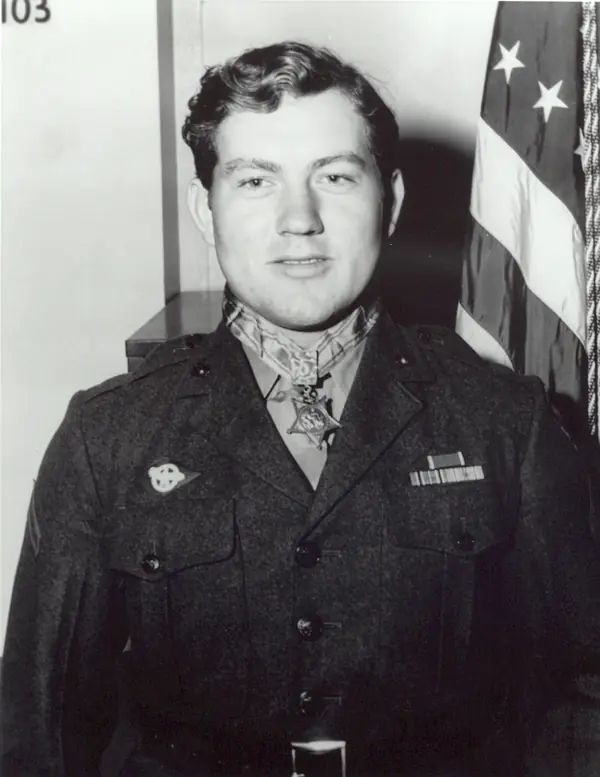
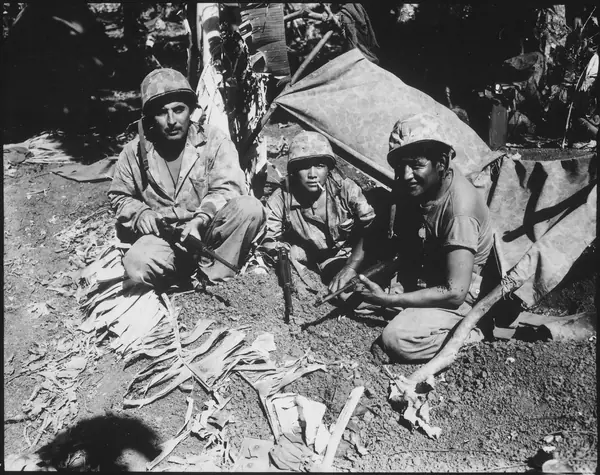
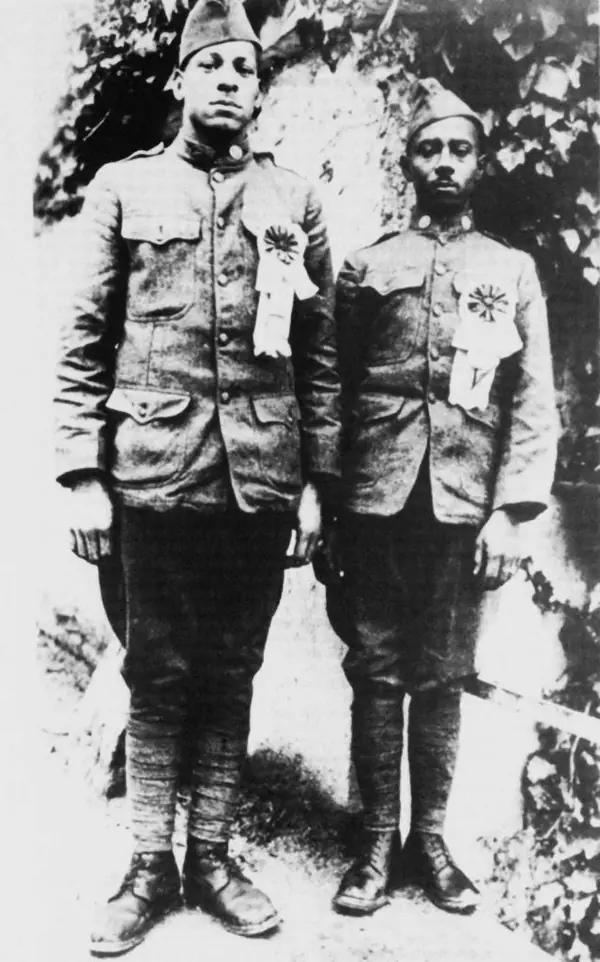
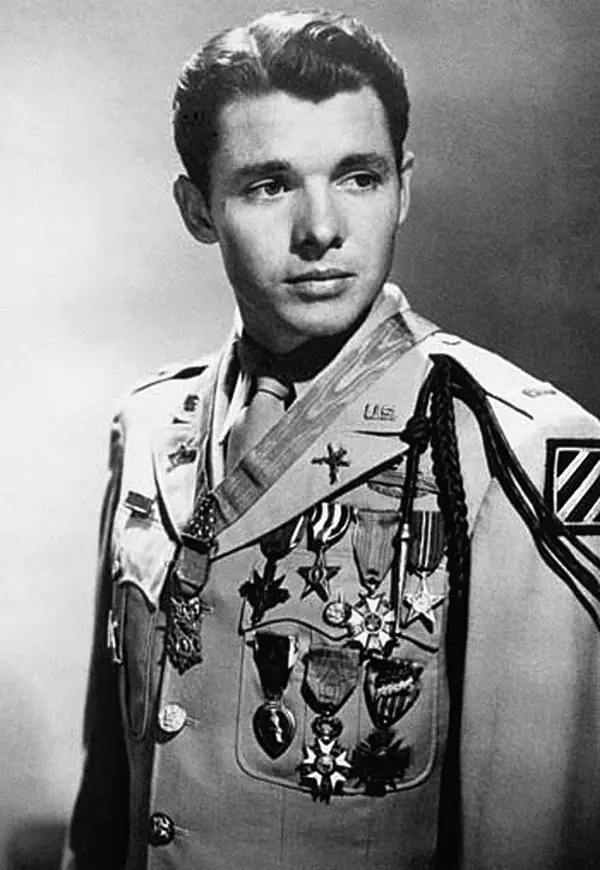
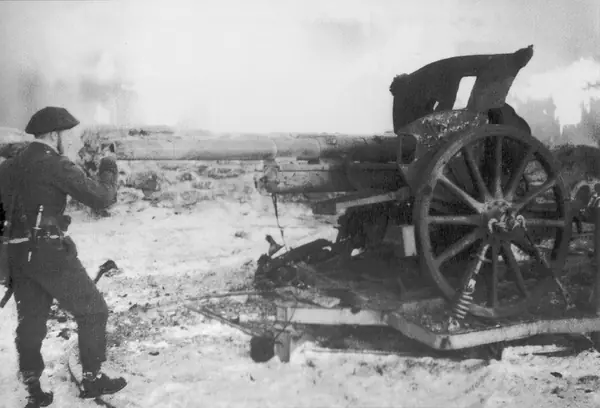
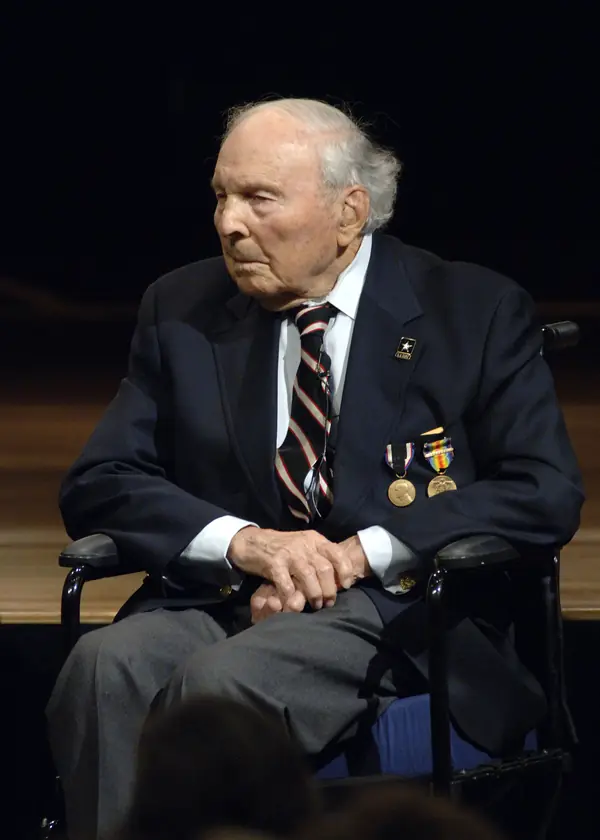
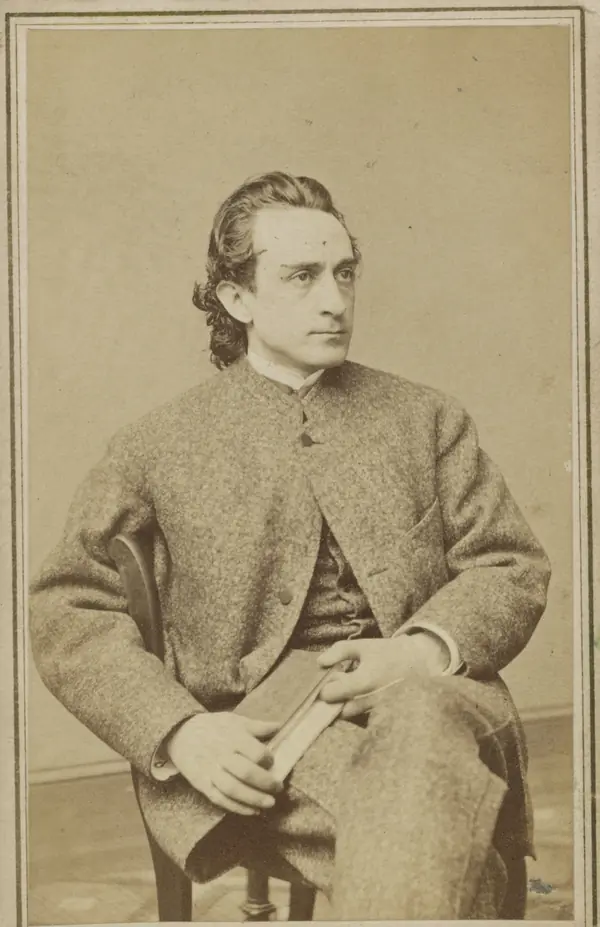
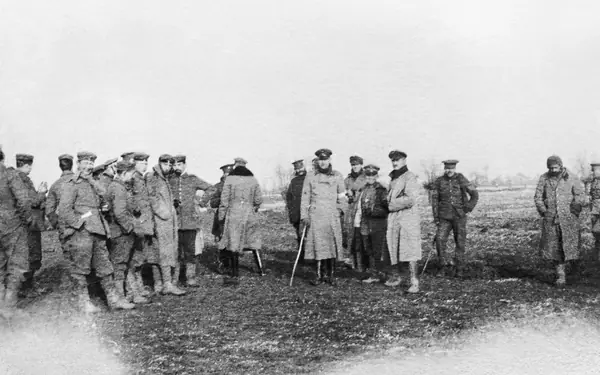
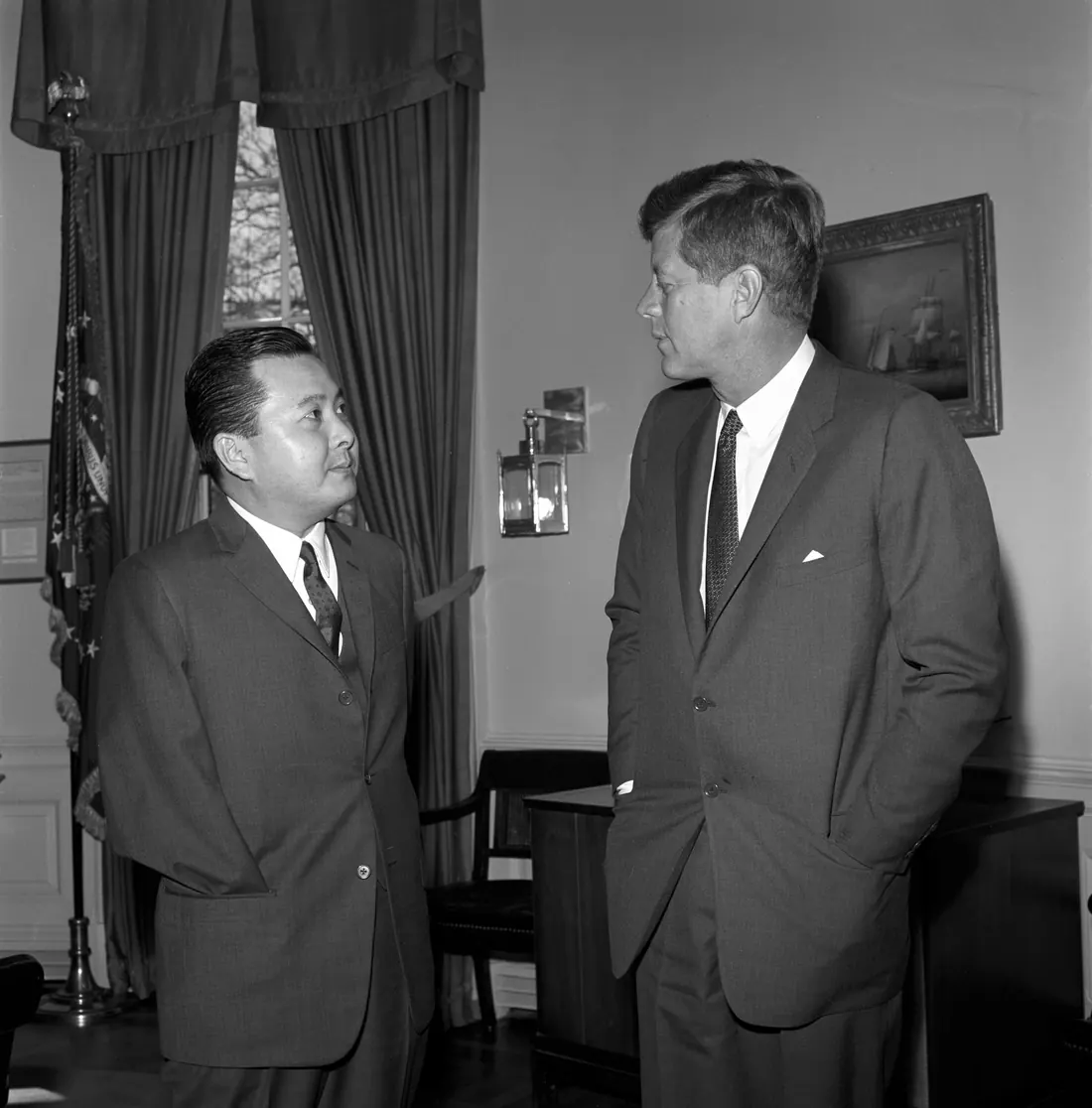
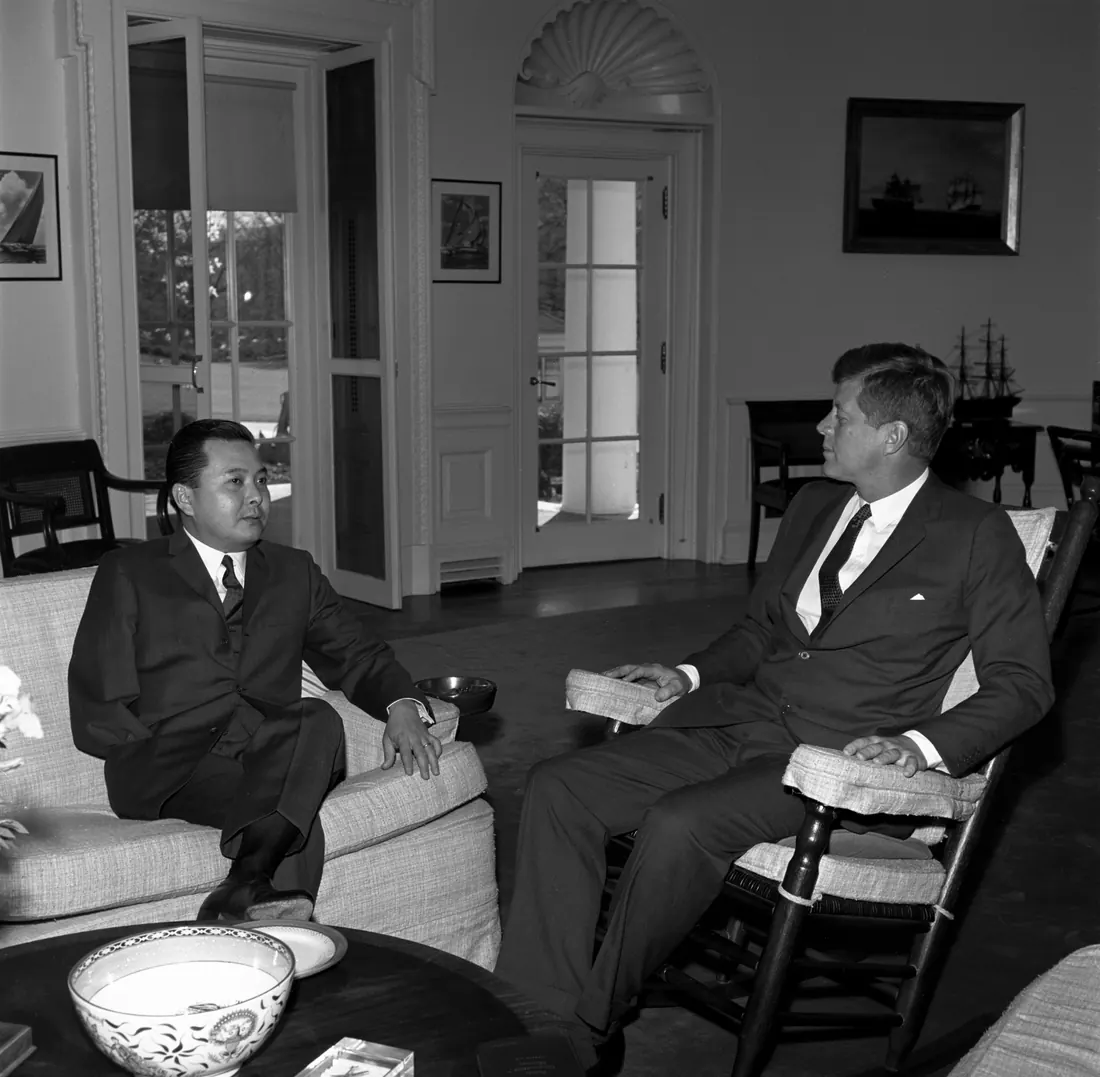
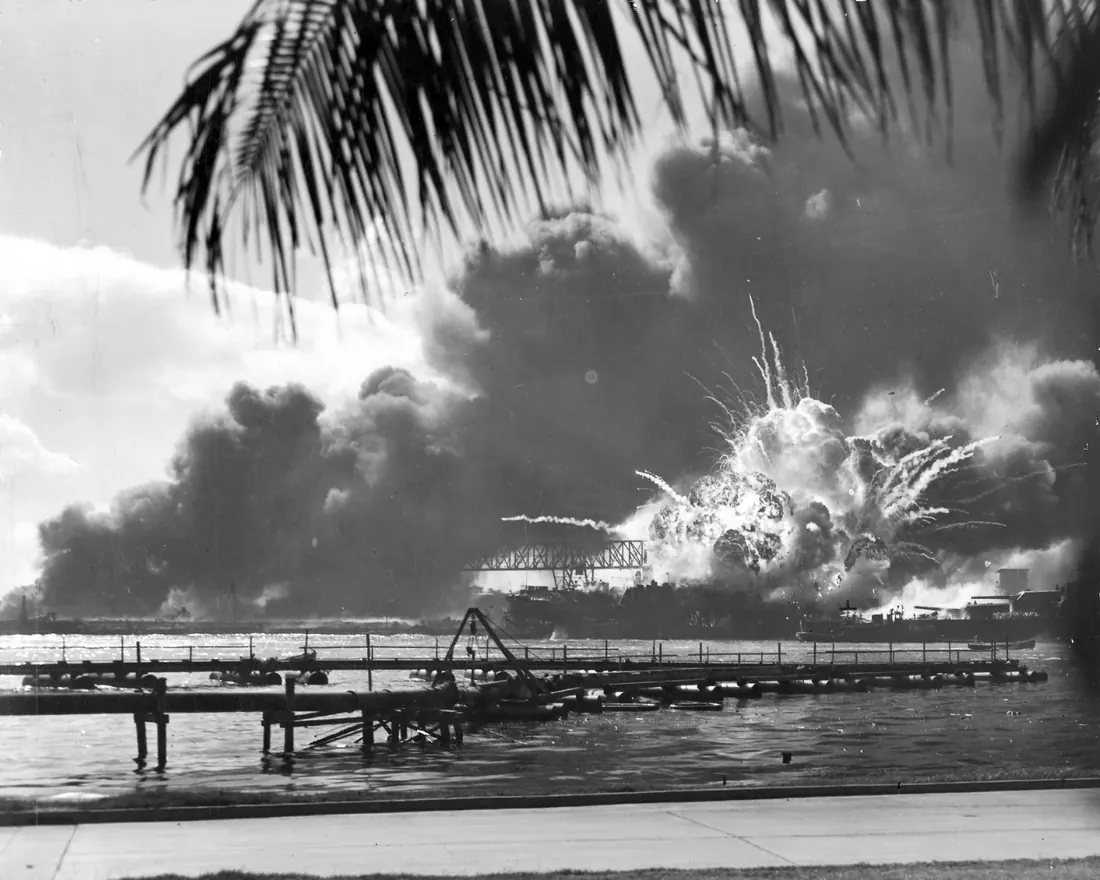
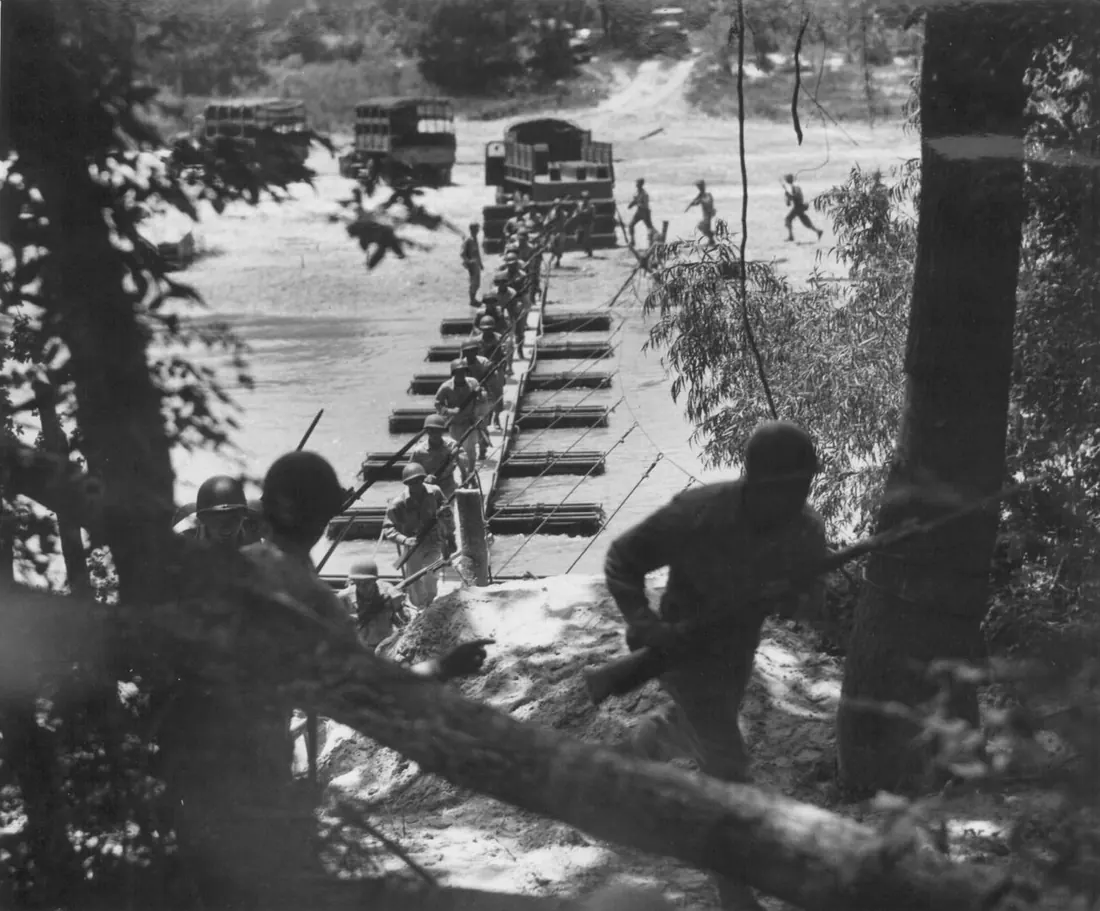
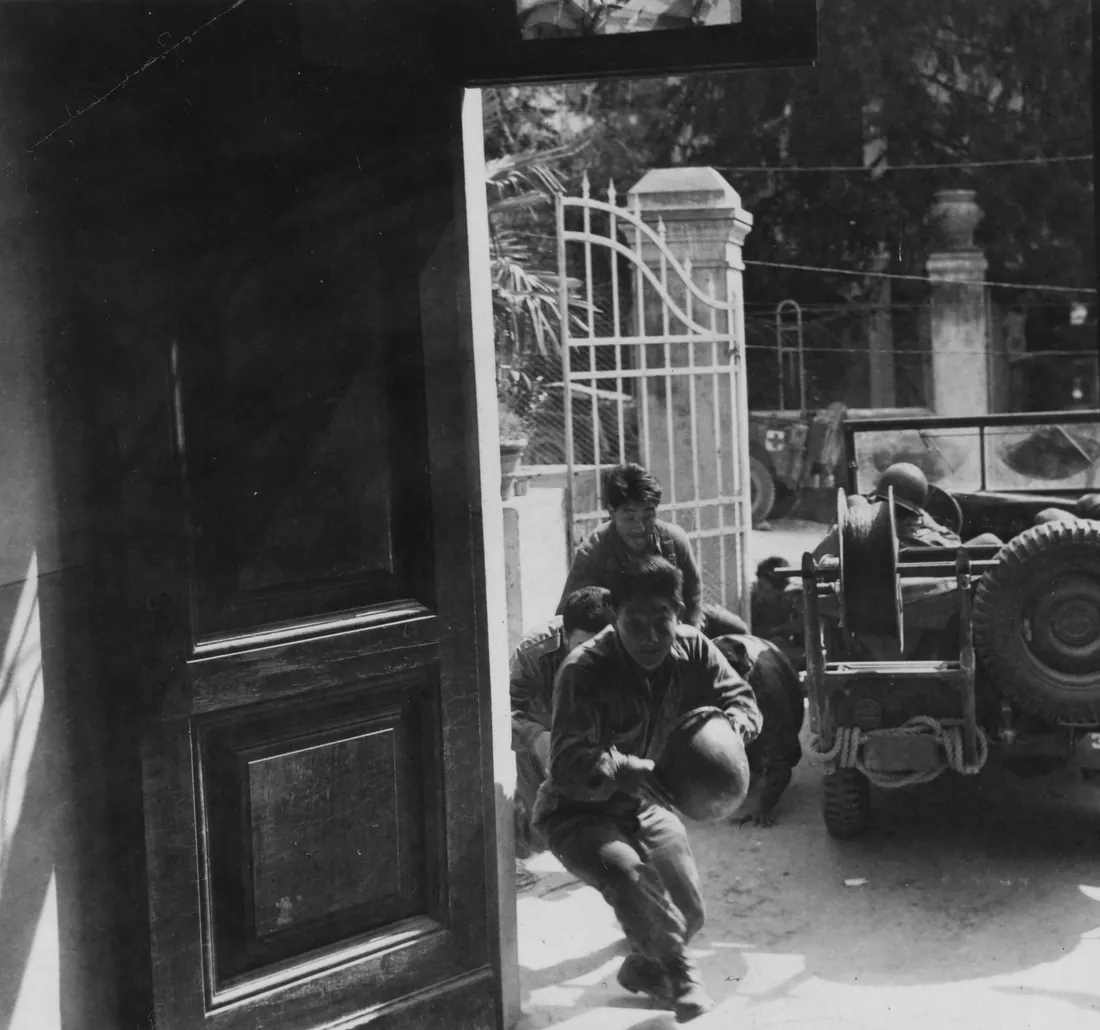
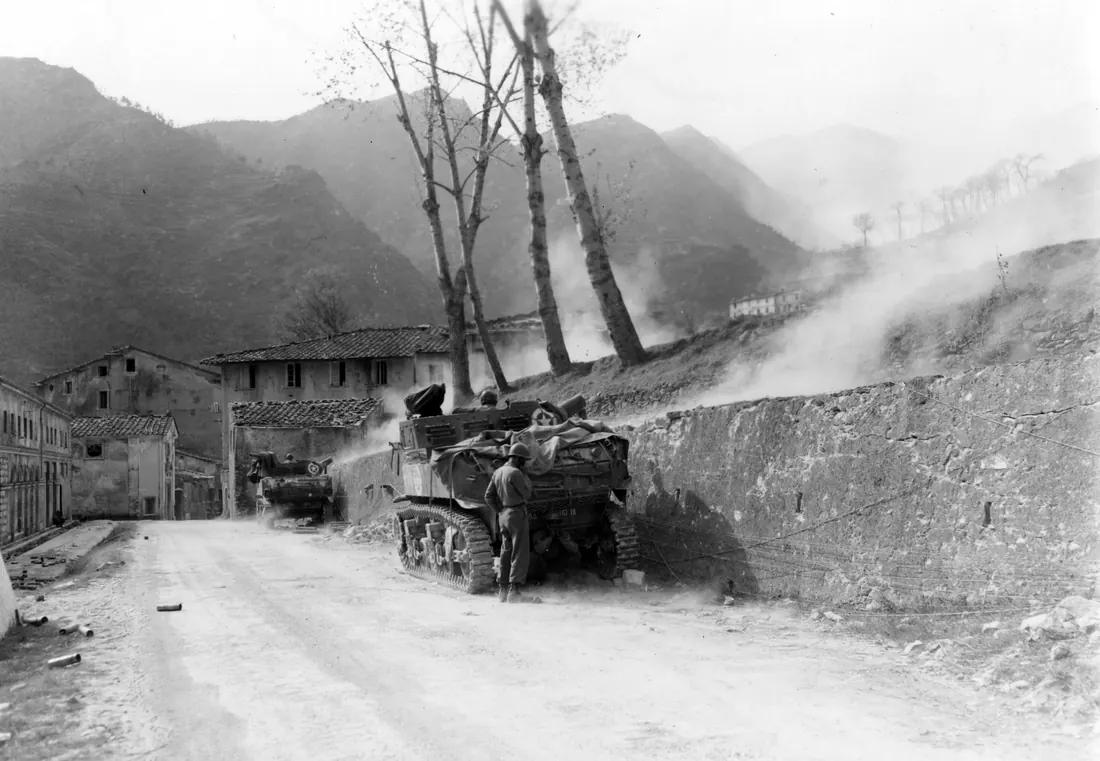
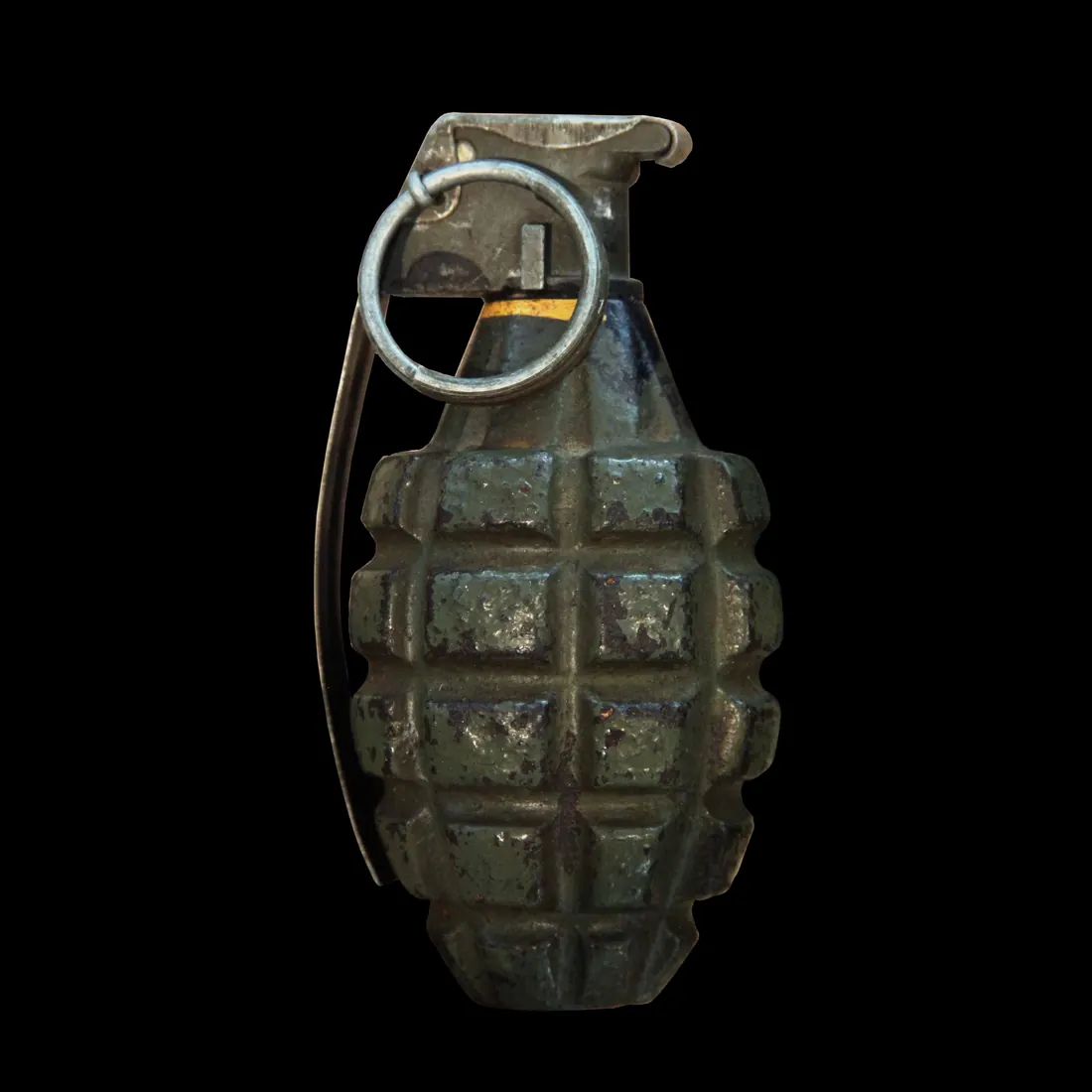
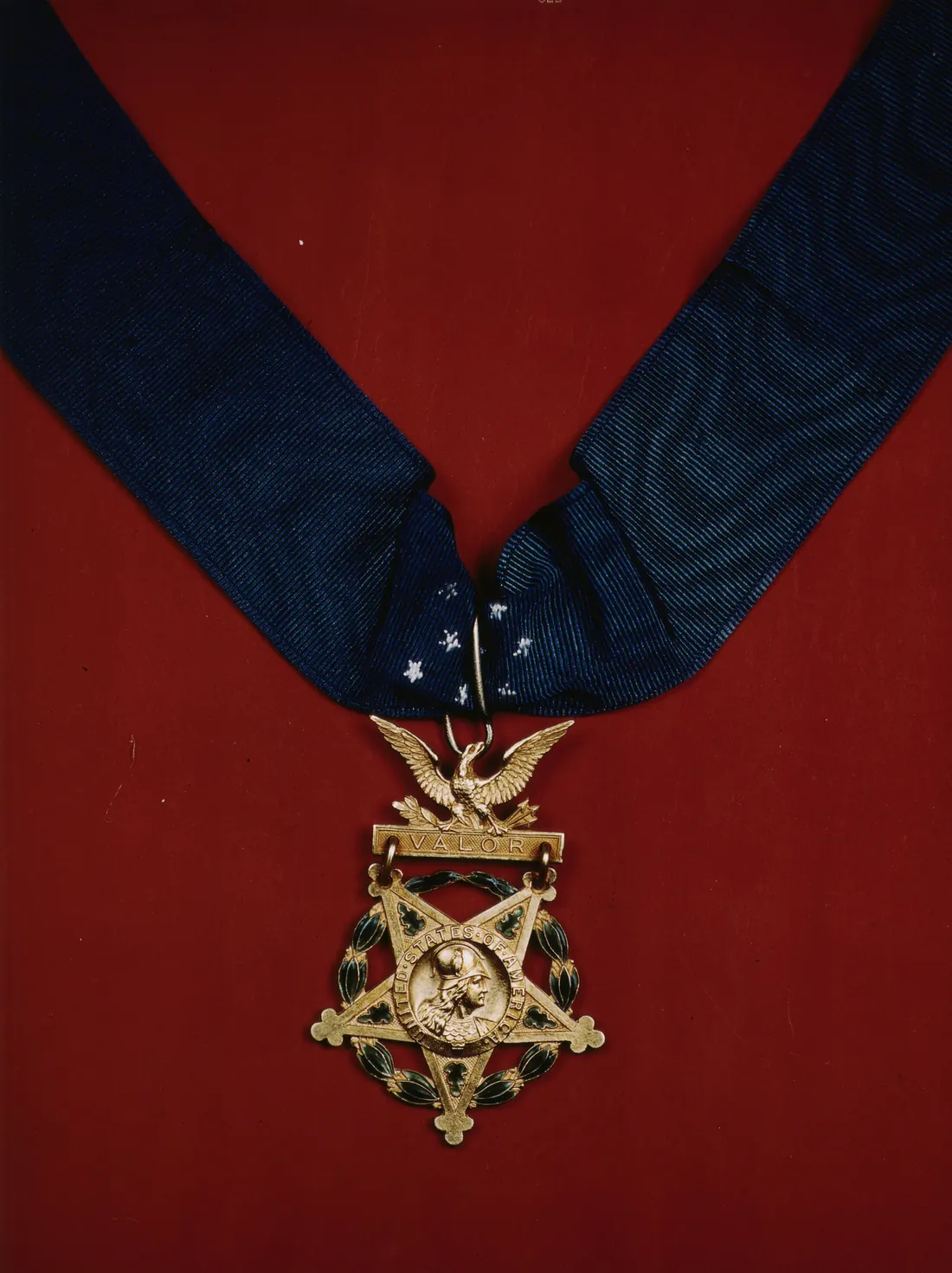
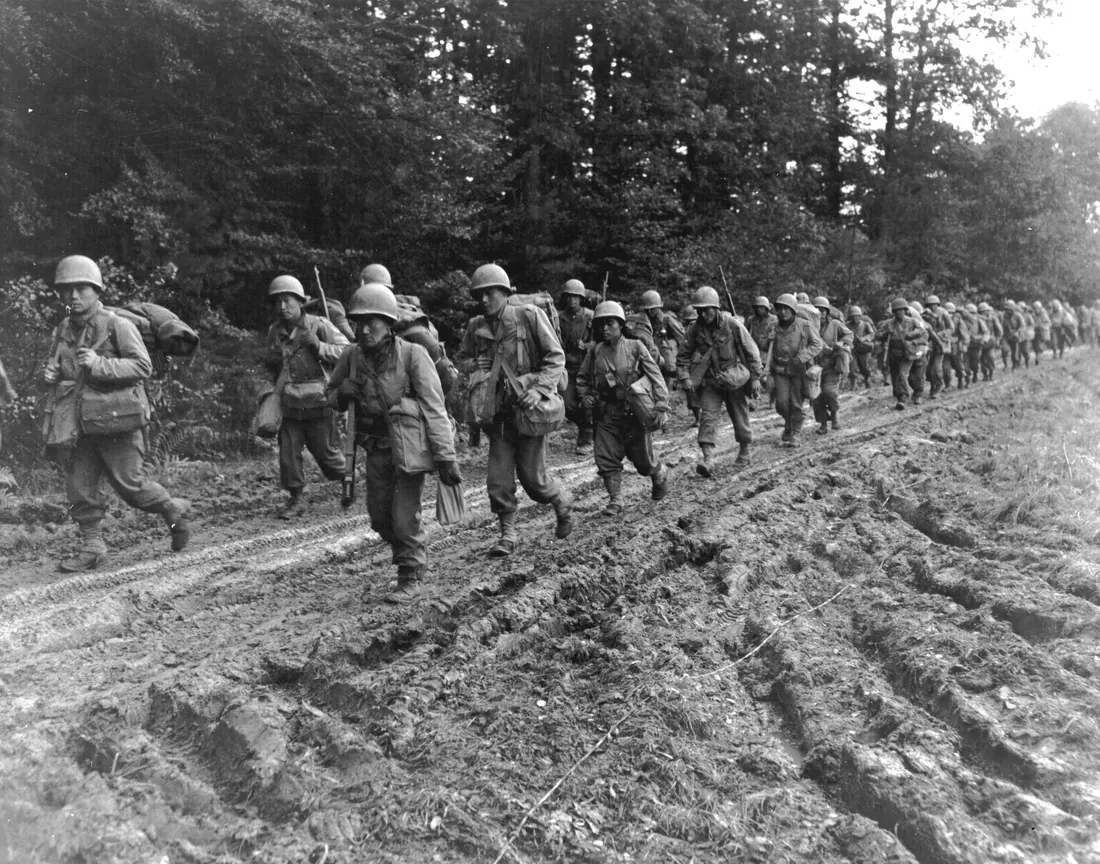
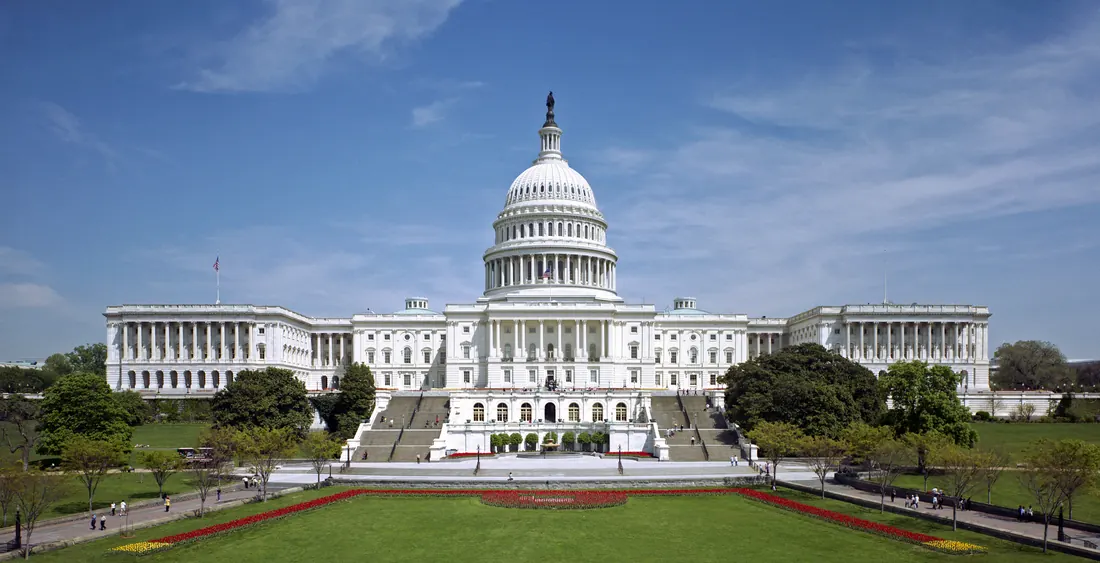
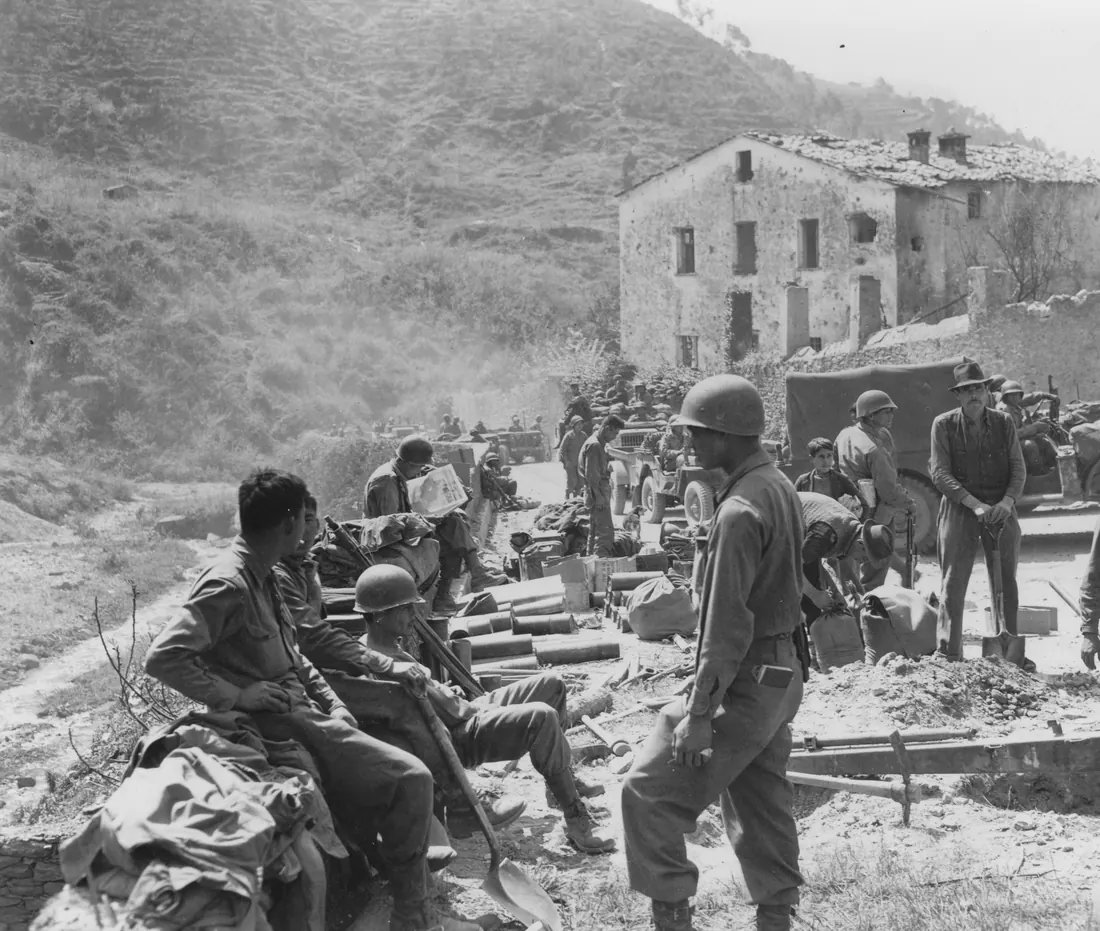
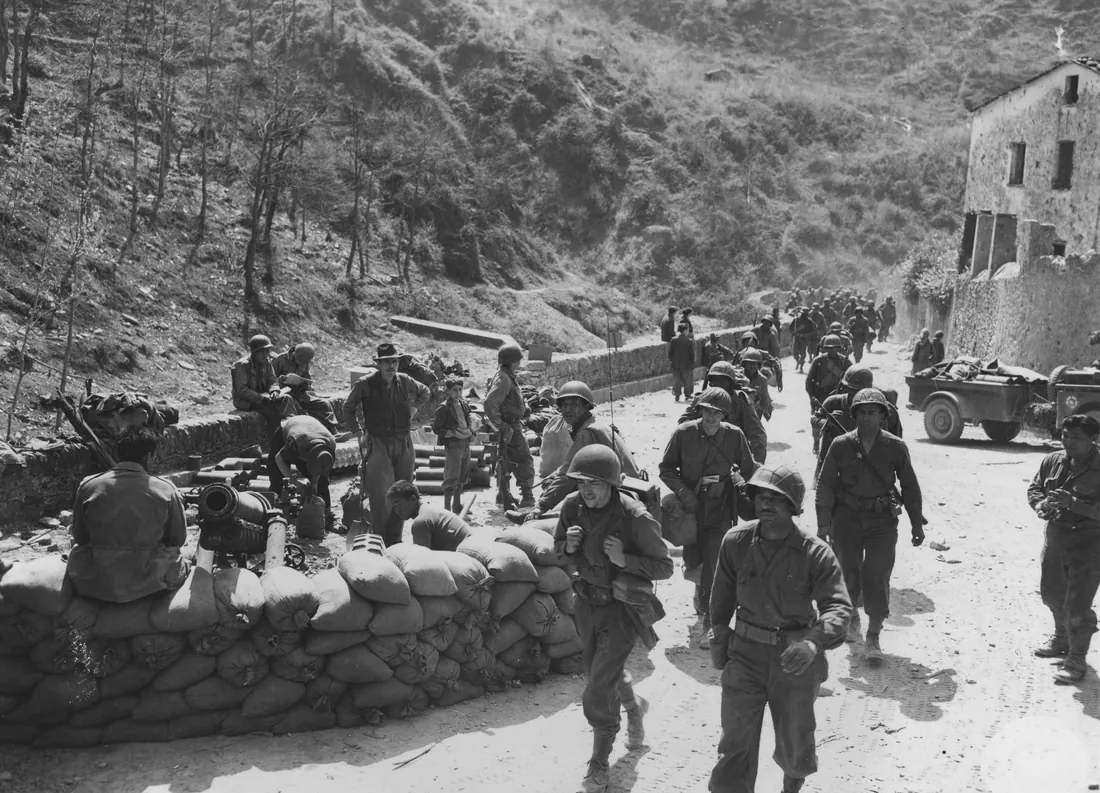
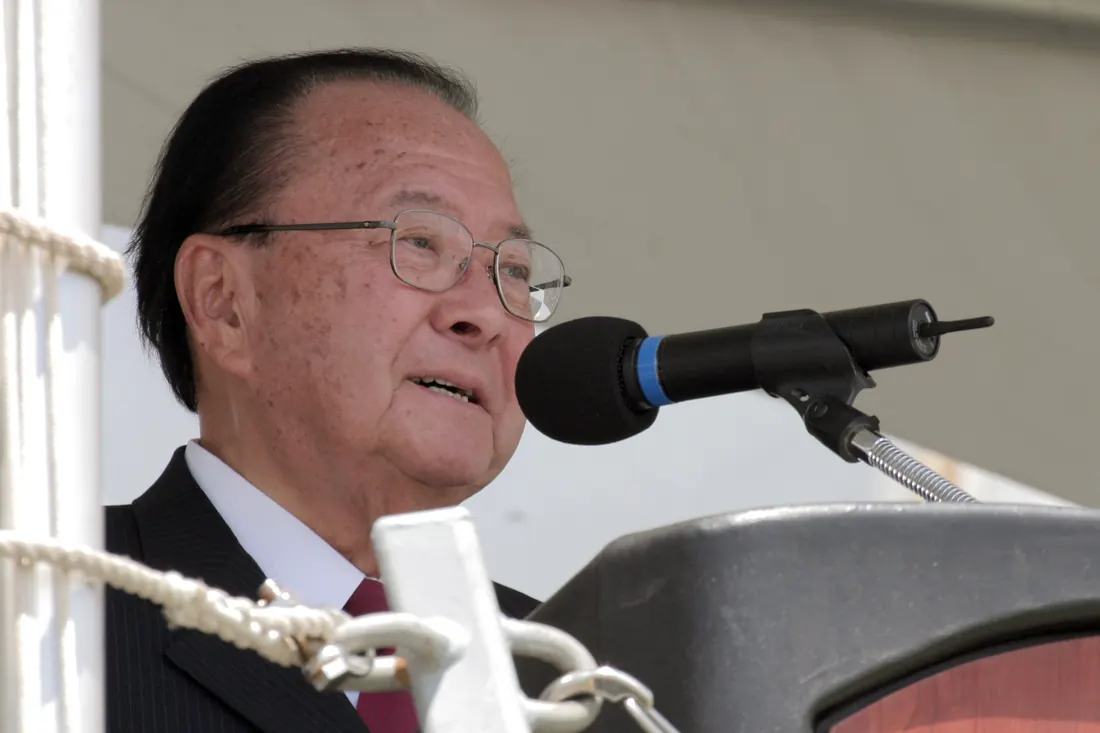
Pictures: Inouye himself is in two White House photos by Robert Knudsen of his meeting with President Kennedy in the Oval Office on April 10, 1962, when he was a Representative, three years after his oath, with his empty right sleeve tucked into his jacket pocket, and in a 2004 US Navy photo of him at Pearl Harbor. USS Shaw explodes in the Pearl Harbor attack of December 7, 1941. No photo shows Inouye in the war or the April 21 attack: the 442nd is shown training at Camp Shelby, Mississippi, in July 1943, on a muddy road in France in late 1944, and in Italy earlier in April 1945, in the same offensive: men running for cover on April 4, tanks firing from Seravezza on April 8, and Cannon Company and its howitzer at Prato on April 9. The grenade is a US Mk 2, the type he carried, in the Musée de l’Armée in Paris; the medal is the World War II–era Army Medal of Honor, not his, which was presented in 2000; and the Capitol photo is modern.
Photo credits
The archive photos in this story
The photographs and illustrations in this story are in the public domain or shared under open licenses; each one is credited below with its license. Tap one to enlarge it, or follow the link to its Wikimedia Commons page for the full record. The narration, captions and graphics in the Short are our own; its music and sound effects are credited below.
Music and sound effects
Music: Brahms, Tragic Overture, Op. 81 (Musopen Symphony Orchestra, CC0); Bach, Orchestral Suite No. 3 in D, BWV 1068: II. Air ('Air on the G String') (US Air Force Band, Air Force Strings, public domain, US government work).
Sound effects: Freesound, CC0.