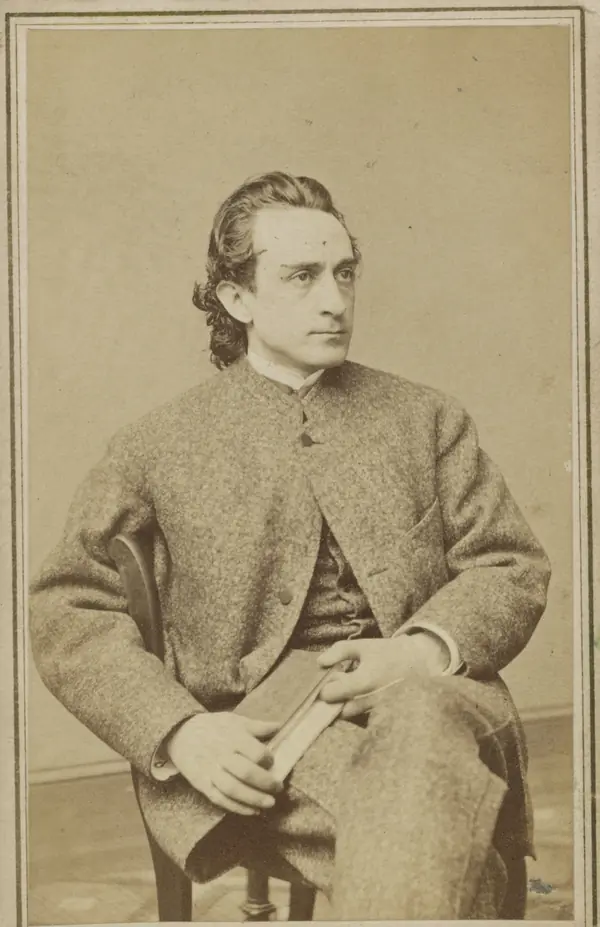
Booker T. Washington was born into slavery in 1856 in Hale’s Ford, Virginia. (He never knew his birthday; the date, April 5, was found after his death, Wikipedia says.) After emancipation he lived in Malden, West Virginia, from age nine to sixteen. “Though I was a mere child, my stepfather put me and my brother at work in one of the furnaces,” he wrote in his autobiography, Up from Slavery (1901). “Often I began work as early as four o’clock in the morning.” Then, “after I had worked in the salt-furnace for some time, work was secured for me in a coal-mine.”
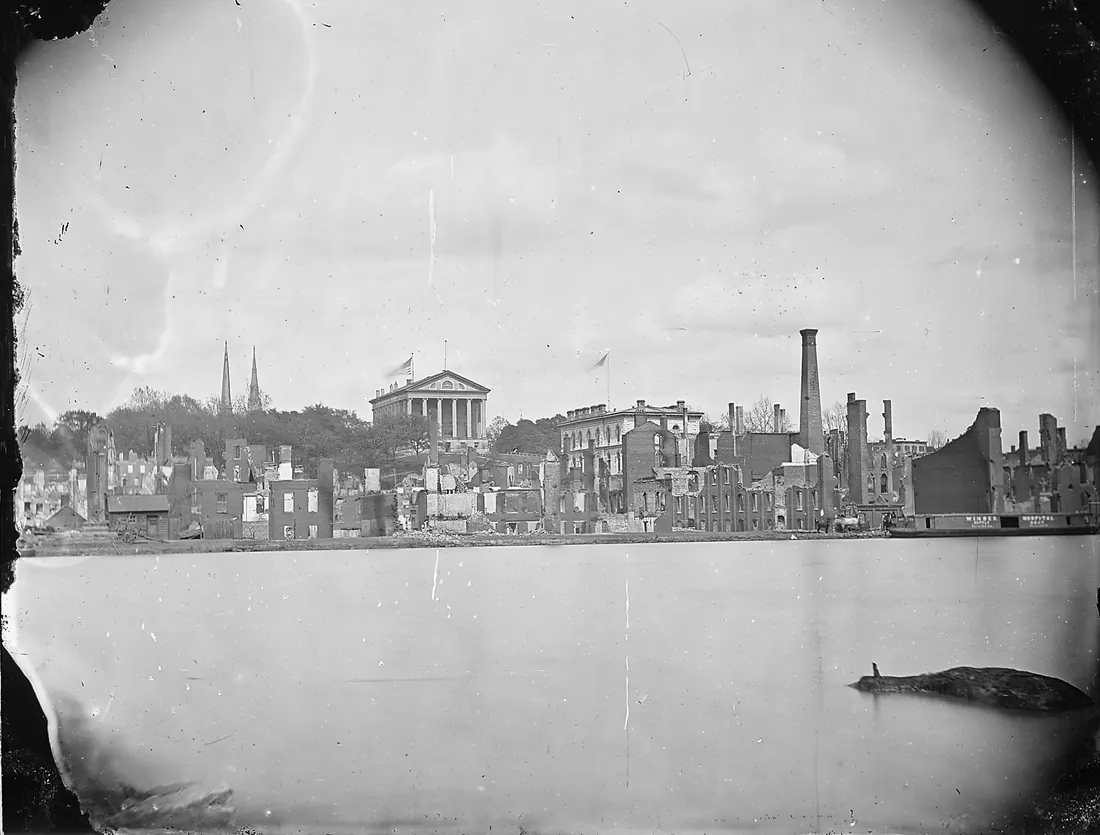
“One day, while at work in the coal-mine, I happened to overhear two miners talking about a great school for coloured people somewhere in Virginia,” he wrote. At 16 he made his way east to Hampton Institute, mostly on foot, Wikipedia says; as Washington put it, “The distance from Malden to Hampton is about five hundred miles.” “By walking, begging rides both in wagons and in the cars, in some way, after a number of days, I reached the city of Richmond, Virginia,” where he “crept under the sidewalk and lay for the night upon the ground.” He reached Hampton “with a surplus of exactly fifty cents with which to begin my education.”
The head teacher had doubts, he wrote: “I could see at once that there were doubts in her mind about the wisdom of admitting me as a student.” Then, “after some hours had passed, the head teacher said to me: ‘The adjoining recitation-room needs sweeping. Take the broom and sweep it.’” “I swept the recitation-room three times. Then I got a dusting-cloth and dusted it four times.” She “took her handkerchief and rubbed it on the woodwork about the walls, and over the table and benches.” When she was unable to find “one bit of dirt on the floor, or a particle of dust on any of the furniture,” she quietly remarked, “I guess you will do to enter this institution.”
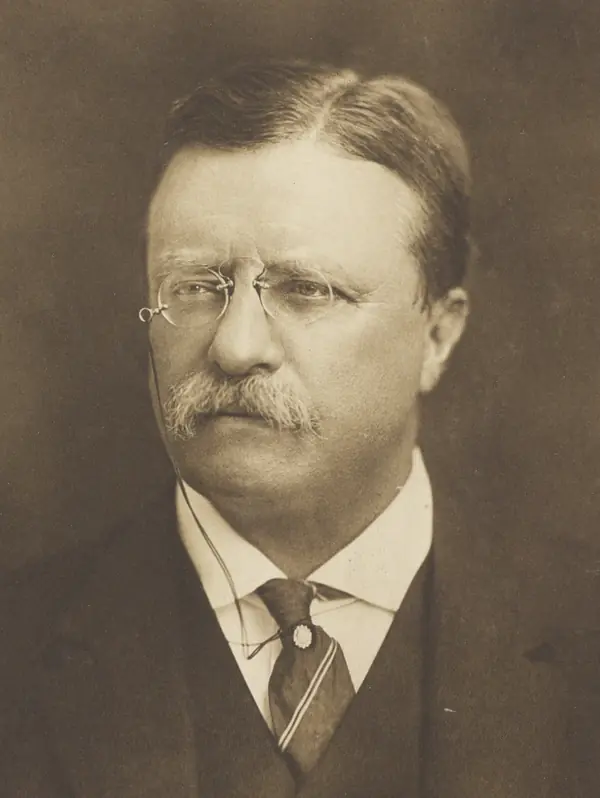
“The sweeping of that room was my college examination,” Washington wrote. The head teacher, Miss Mary F. Mackie, offered him a position as janitor. He went on to become the first leader of Tuskegee Normal and Industrial Institute, which opened on July 4, 1881, with 30 students. On October 16, 1901, shortly after moving into the White House, President Theodore Roosevelt invited him to dine with him and his family, and the dinner provoked an outpouring of condemnation from white politicians and press in the American South.
Fact check
The facts and where they come from
- His entrance exam was sweeping a room, but he ended up dining with the President. Up from Slavery: “The sweeping of that room was my college examination.” Wikipedia: “his entrance exam was to clean a room.” National Park Service: “his entrance examination into the Institute was to clean a recitation room.” Wikipedia: “In that year, he dined with Theodore Roosevelt at the White House.” 143
- His name was Booker T. Washington, later Tuskegee’s first leader. Wikipedia: he went on “to become the first leader of Tuskegee Normal and Industrial Institute.” 4
- He was born enslaved in Virginia. Wikipedia: “Born into slavery on April 5, 1856, in Hale’s Ford, Virginia.” National Park Service: “Booker T. Washington was born enslaved on the James Burroughs plantation in Hale’s Fort, Franklin County, Virginia in 1856.” 43
- After freedom, he packed salt as a boy, often from four in the morning. Up from Slavery: “Though I was a mere child, my stepfather put me and my brother at work in one of the furnaces. Often I began work as early as four o’clock in the morning”; “Each salt-packer had his barrels marked.” National Park Service: he “worked as a salt packer, coal miner and as a butler.” 13
- Then came the coal mine. Up from Slavery: “After I had worked in the salt-furnace for some time, work was secured for me in a coal-mine.” Wikipedia: “Washington worked in salt furnaces and coal mines in West Virginia for several years to earn money.” 14
- He overheard miners talking about a school for Black students. Up from Slavery: “One day, while at work in the coal-mine, I happened to overhear two miners talking about a great school for coloured people somewhere in Virginia.” 1
- At 16, he set out for it, about 500 miles away. Wikipedia: “At age 16, he made his way east—mostly on foot—to Hampton Institute.” Up from Slavery: “The distance from Malden to Hampton is about five hundred miles.” National Park Service: “At the age of 16 with just a few dollars and a small satchel Booker T. Washington travelled over 500 miles to reach Hampton Institute.” 413
- He walked, begged rides, and slept under a sidewalk. Up from Slavery: “By walking, begging rides both in wagons and in the cars, in some way, after a number of days, I reached the city of Richmond, Virginia”; he “then crept under the sidewalk and lay for the night upon the ground.” Wikipedia (Hampton University): he “arrived from West Virginia in 1872 at the age of 16.” 16
- He arrived dirty with fifty cents. Up from Slavery: “I reached Hampton, with a surplus of exactly fifty cents with which to begin my education.” National Park Service: “He arrived in Hampton dirty, hungry and with just fifty cents.” 13
- The head teacher had doubts. Up from Slavery: “I could see at once that there were doubts in her mind about the wisdom of admitting me as a student.” 1
- Hours later, she told him to sweep a room. Up from Slavery: “After some hours had passed, the head teacher said to me: ‘The adjoining recitation-room needs sweeping. Take the broom and sweep it.’” 12
- He swept it three times, and dusted it four times. Up from Slavery: “I swept the recitation-room three times. Then I got a dusting-cloth and dusted it four times.” The 1901 printing reads “and I dusted it four times.” 12
- She checked with her handkerchief. No dust. Up from Slavery: “then she took her handkerchief and rubbed it on the woodwork about the walls, and over the table and benches. When she was unable to find one bit of dirt on the floor, or a particle of dust on any of the furniture.” 12
- She said, “I guess you will do to enter this institution.” Word for word in Up from Slavery, in the Project Gutenberg text and in the 1901 Doubleday printing, where “she quietly remarked” it. 12
- He later led Tuskegee Institute from its first day. Wikipedia: “to become the first leader of Tuskegee Normal and Industrial Institute”; “The new school opened on July 4, 1881.” National Park Service: “The school would open on July 4, 1881 with 30 students.” 43
- In 1901, Theodore Roosevelt dined at the White House with the boy who swept that room. Wikipedia: “On October 16, 1901, shortly after moving into the White House, President Theodore Roosevelt invited his adviser, the African American spokesman Booker T. Washington, to dine with him and his family.” Wikipedia: “In that year, he dined with Theodore Roosevelt at the White House.” 54
Sources
- Up from Slavery: An Autobiography (Booker T. Washington, 1901) Project Gutenberg
- Up from Slavery, the 1901 Doubleday printing (scan) Internet Archive
- Booker T. Washington National Park Service, Tuskegee Institute National Historic Site
- Booker T. Washington Wikipedia
- Booker T. Washington dinner at the White House Wikipedia
- Hampton University Wikipedia
Notes
“The first African American invited to dinner at the White House”: the National Park Service says “In 1901, Booker T. Washington became the first African American to be invited to the White House for dinner,” but Wikipedia says “This instance was not the first time African Americans were invited to dinner at the White House” (John Adams dined with Haiti’s representative Joseph Bunel and his wife in 1798, in the President’s House in Philadelphia) and calls it “the first highly publicized social occasion when an African American was invited there on equal terms by the president.” We make no “first” claim.
How he traveled: Wikipedia says “mostly on foot”; Up from Slavery says he walked and begged rides in wagons and railroad cars, and rode a stagecoach for part of the way. The distance is “about five hundred miles” (Up from Slavery) or “over 500 miles” (National Park Service).
“Hungry”: the National Park Service says he arrived “dirty, hungry”; Up from Slavery describes him as “tired, hungry, and dirty” in Richmond. We say only dirty.
His age at the salt furnace: “a mere child” (Up from Slavery); Wikipedia says he lived in Malden from age nine to sixteen. We say as a boy.
His birthplace is Hale’s Ford to Wikipedia and Hale’s Fort to the National Park Service. Washington never knew his birth date; April 5, 1856, was found after his death (Wikipedia).
Left out: the 1895 Atlanta speech and later criticism of his politics (Wikipedia), which aren’t part of this story.
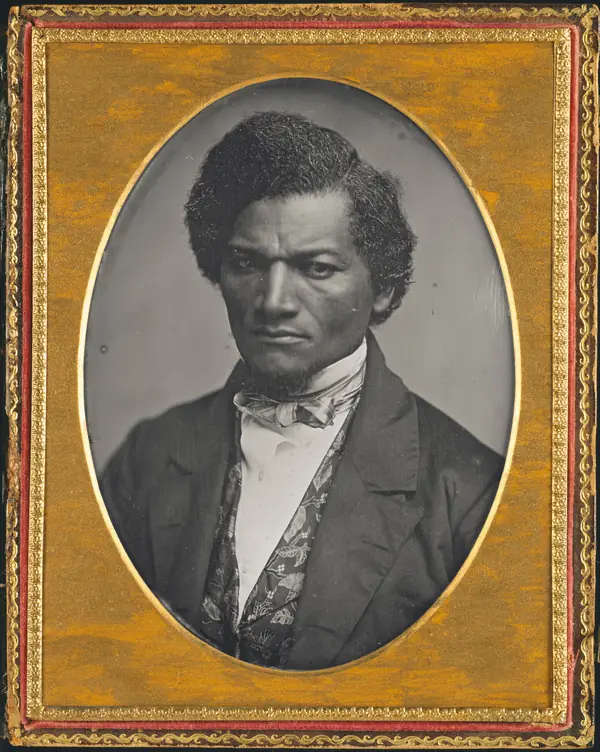
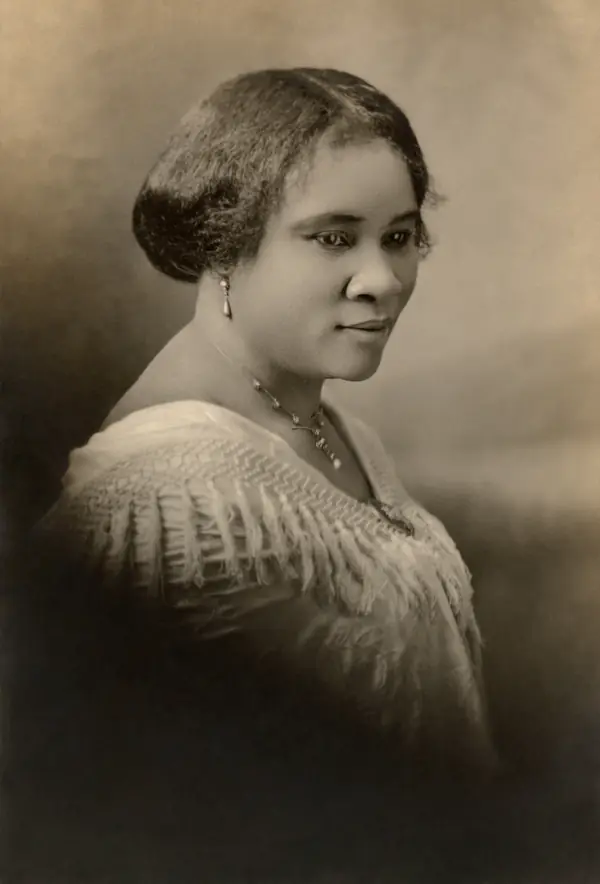
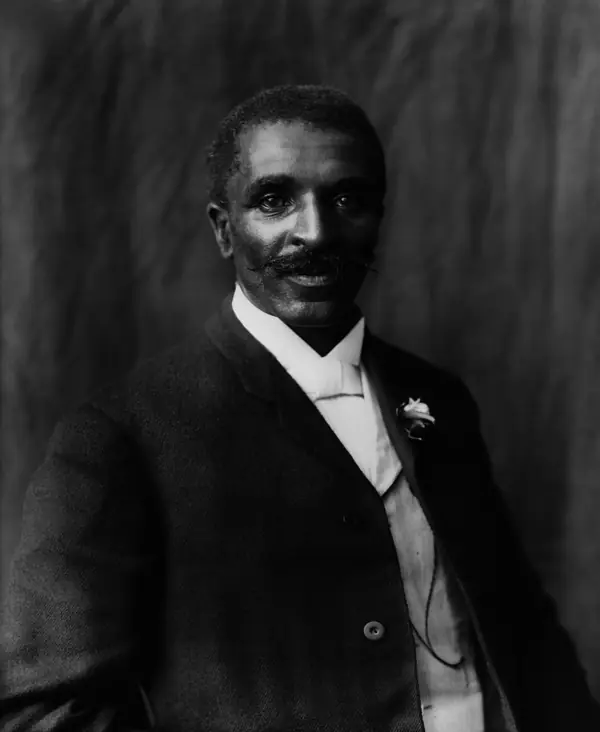
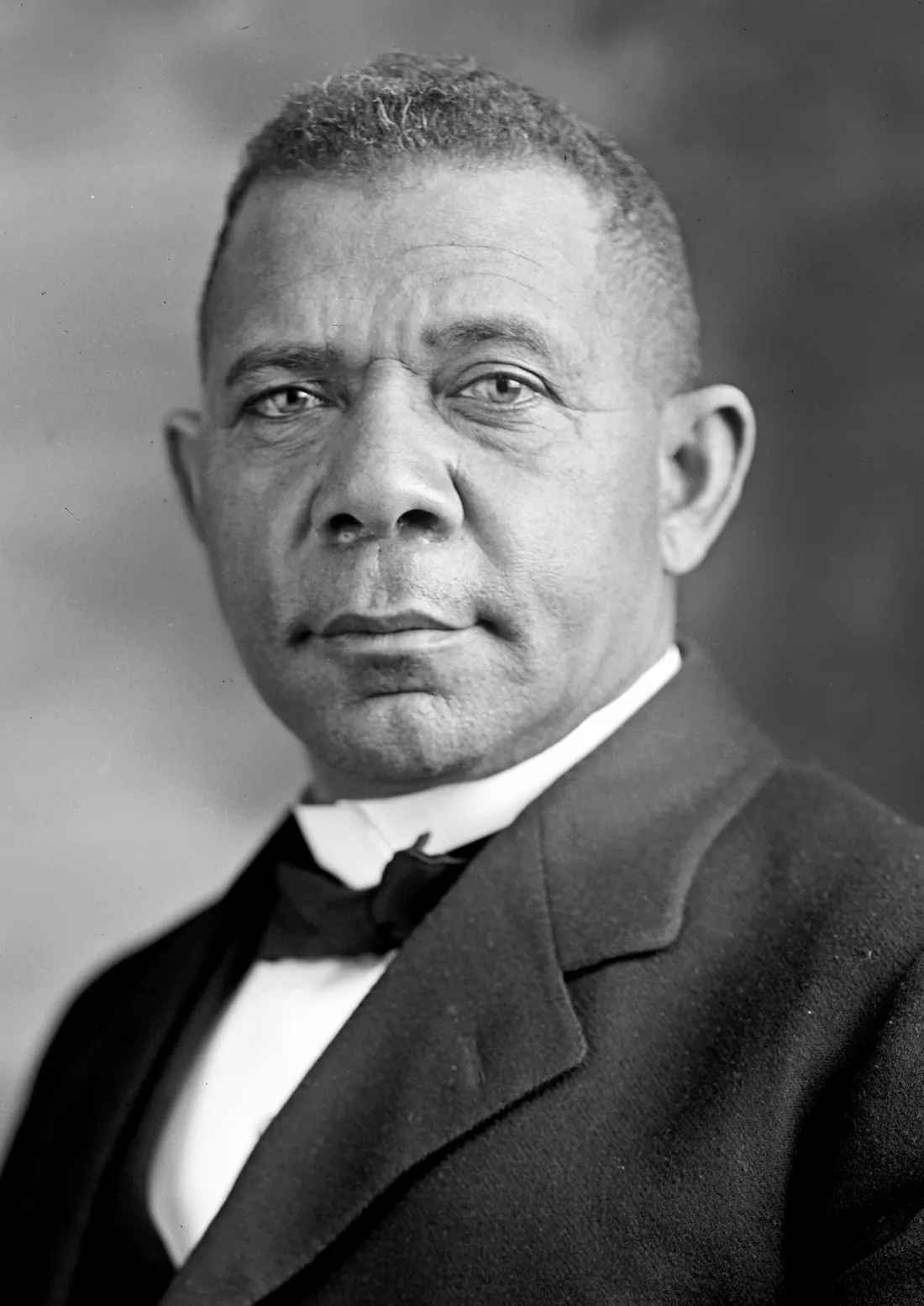
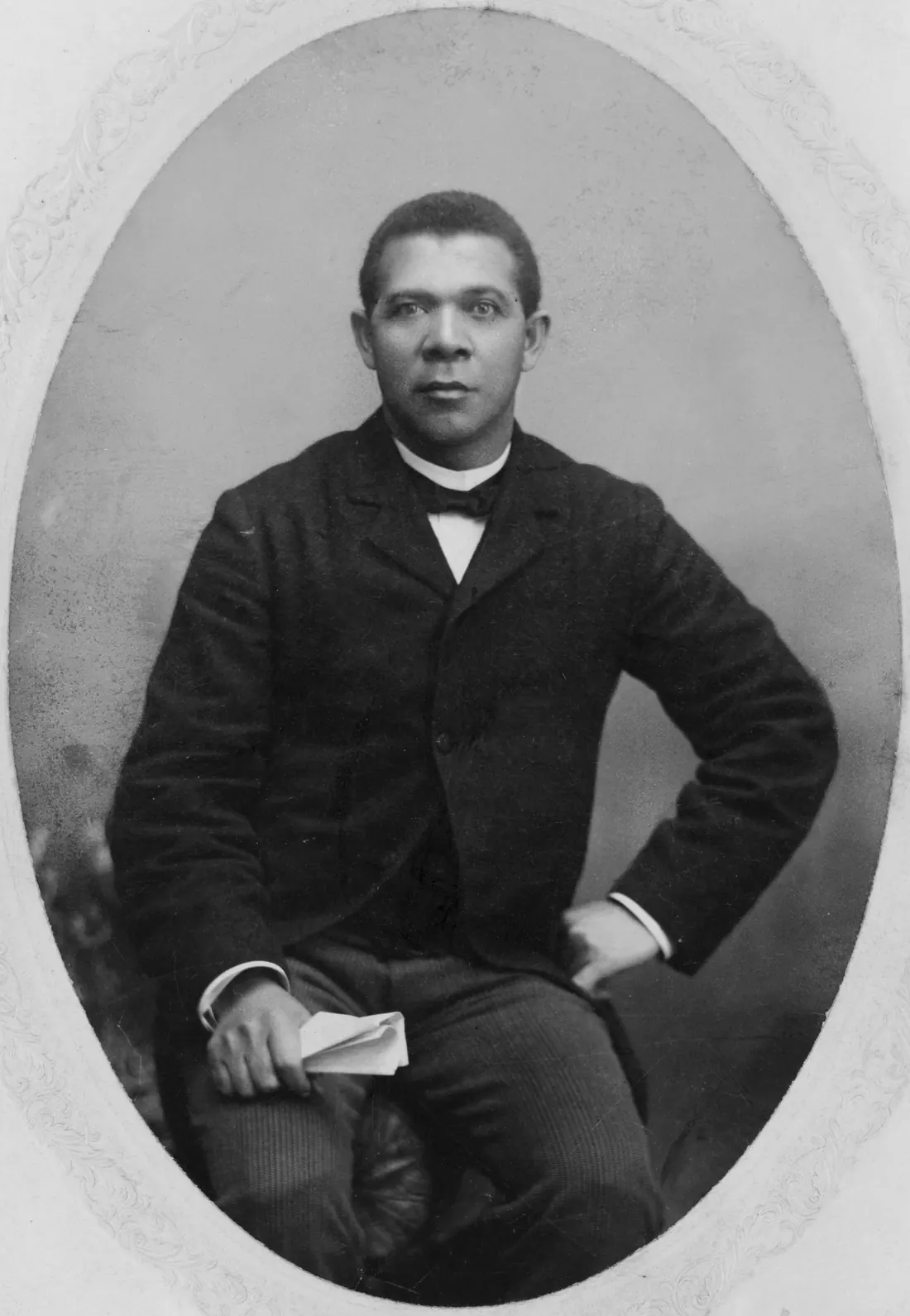
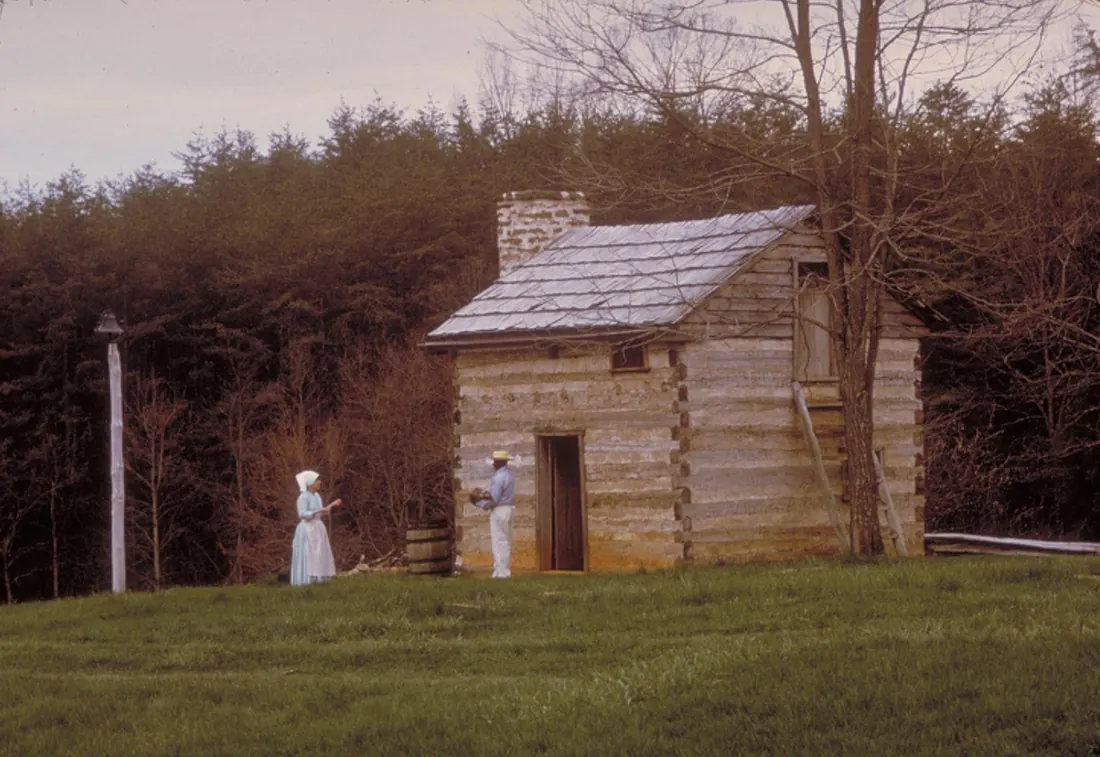
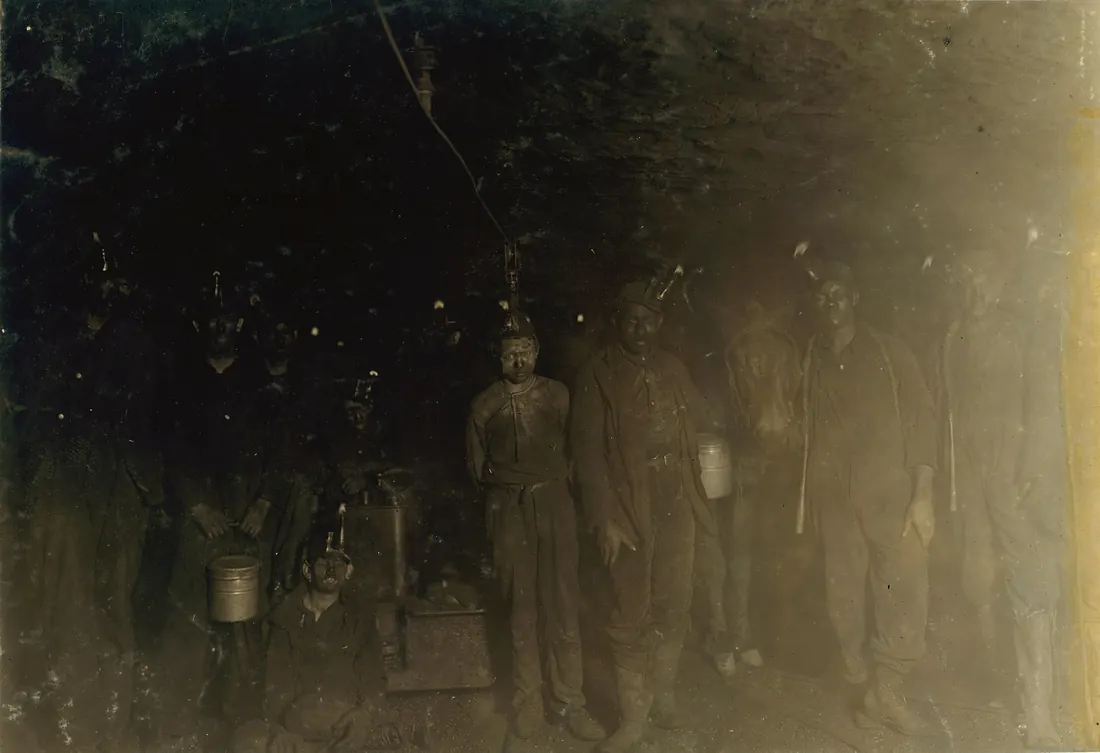
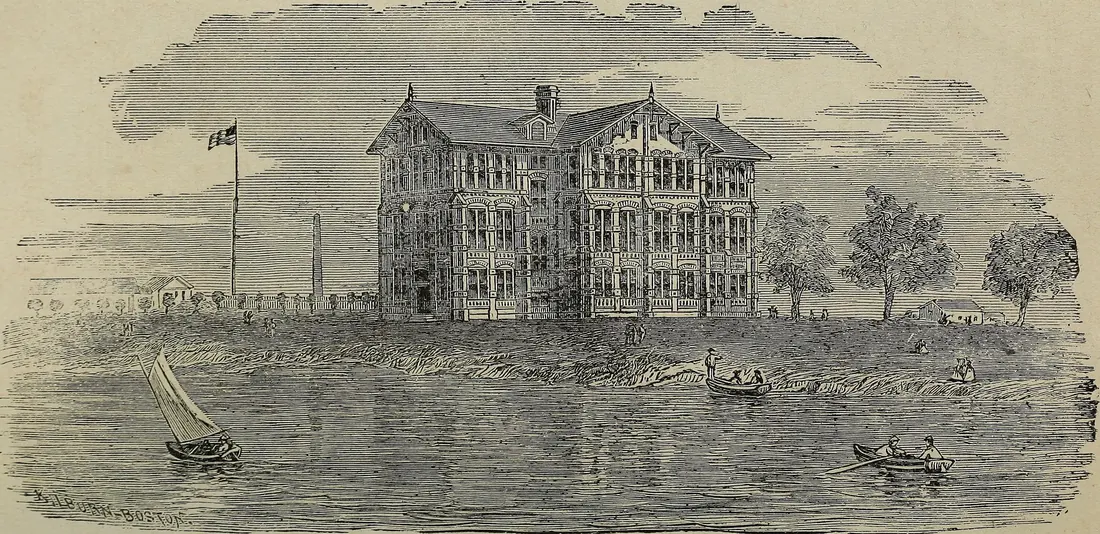
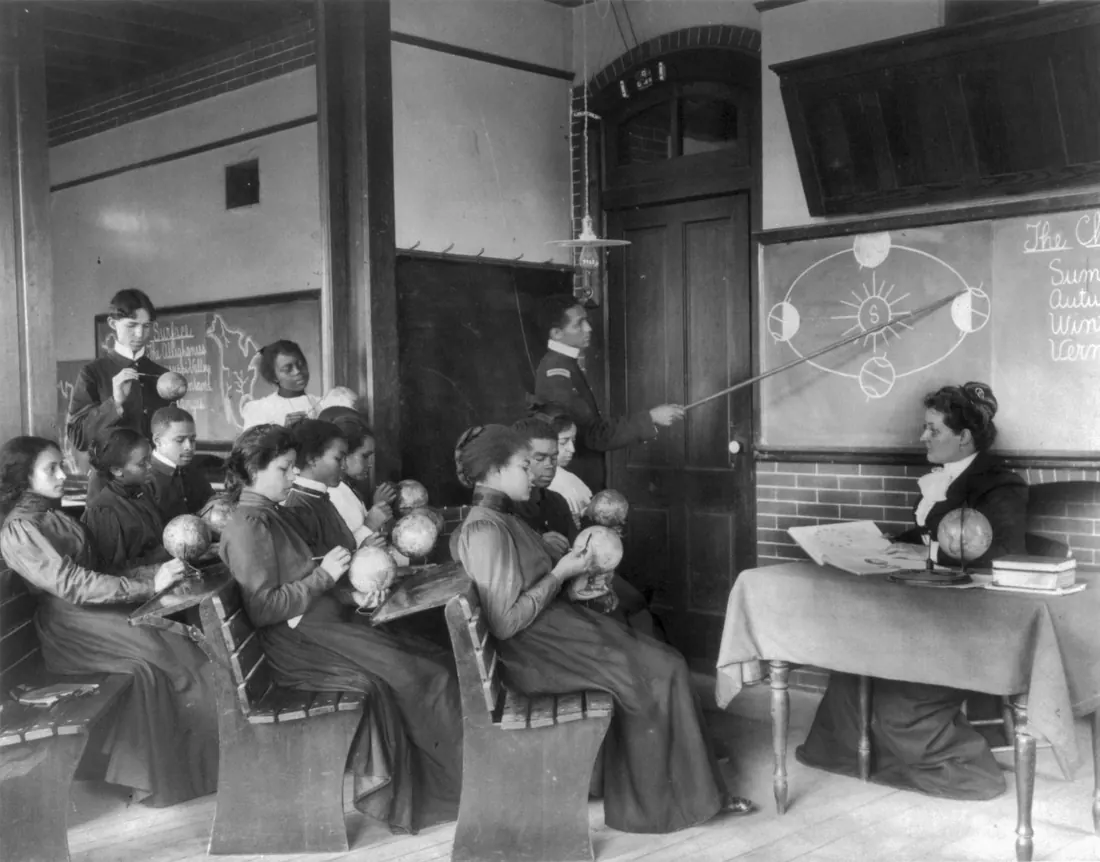
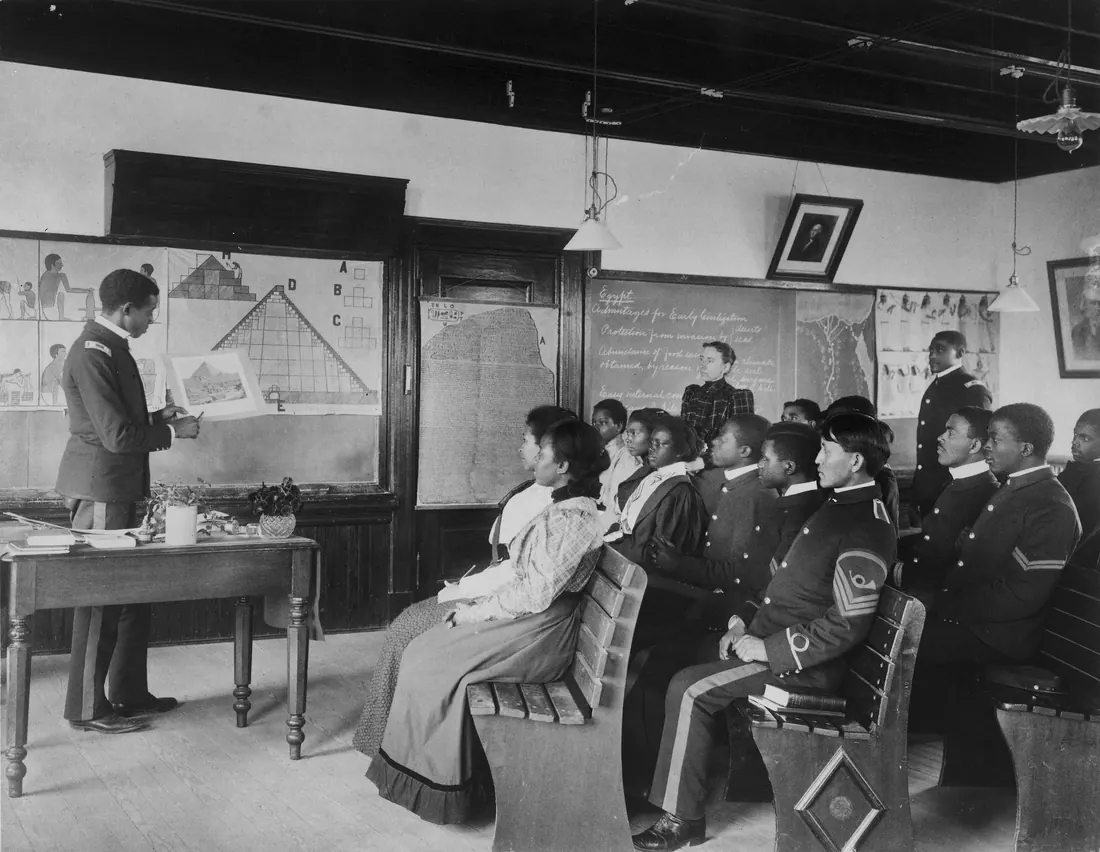
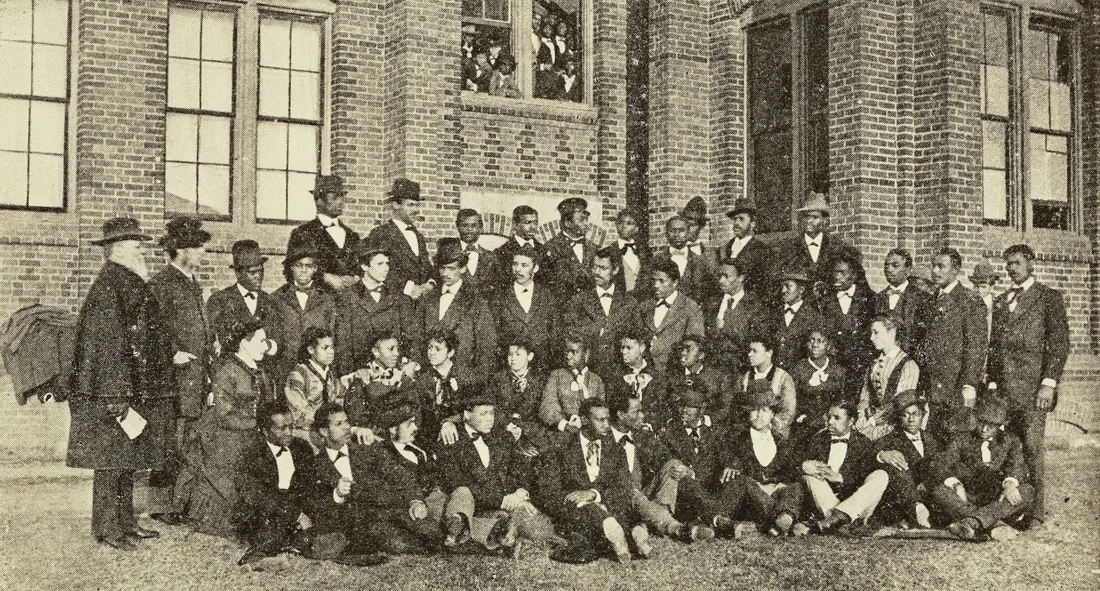
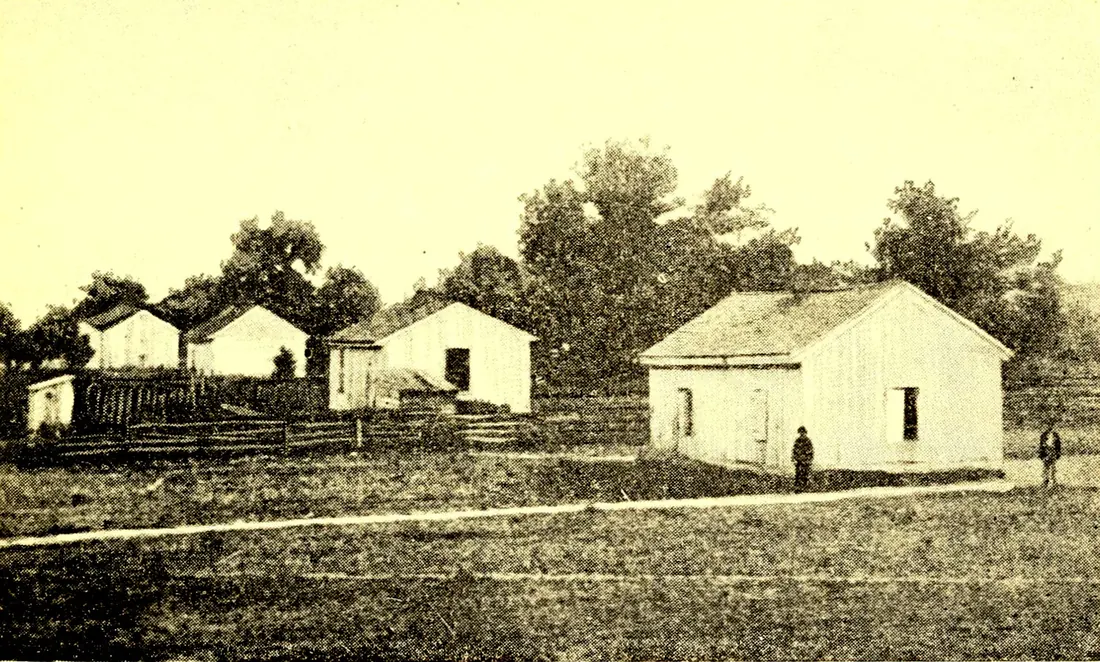
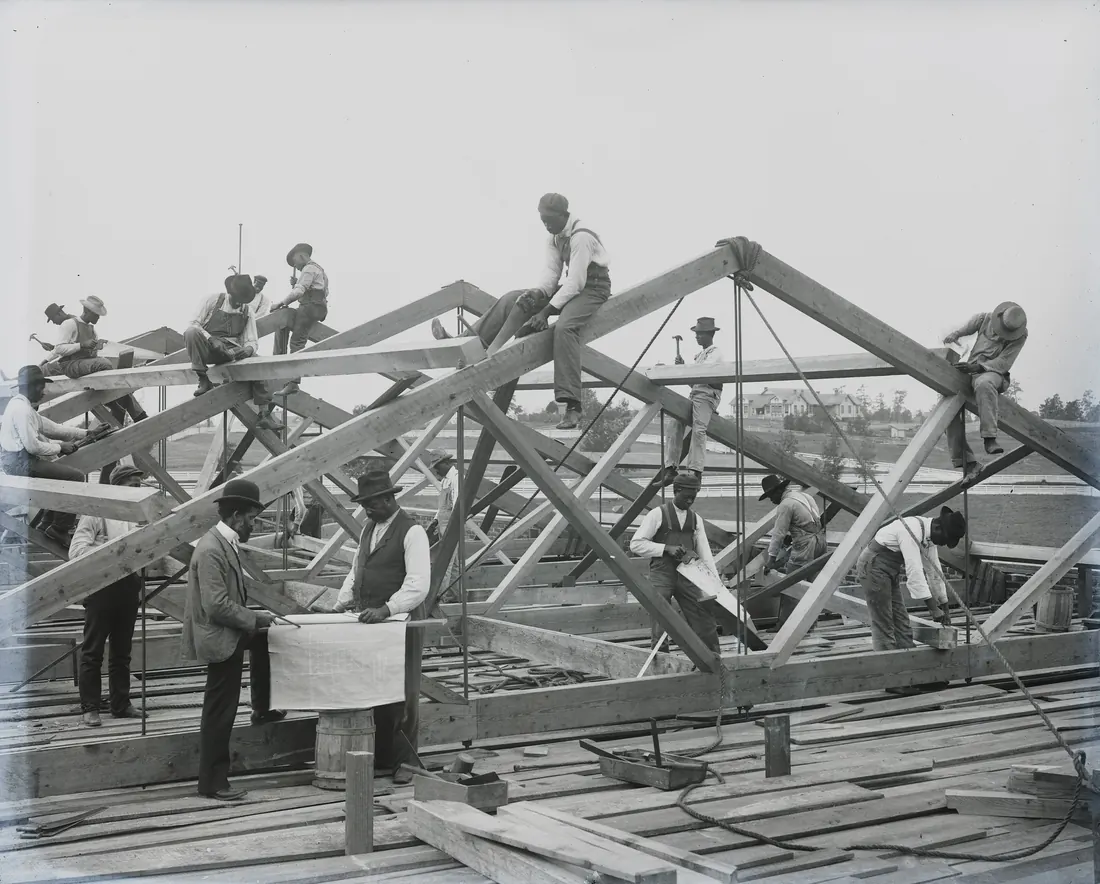
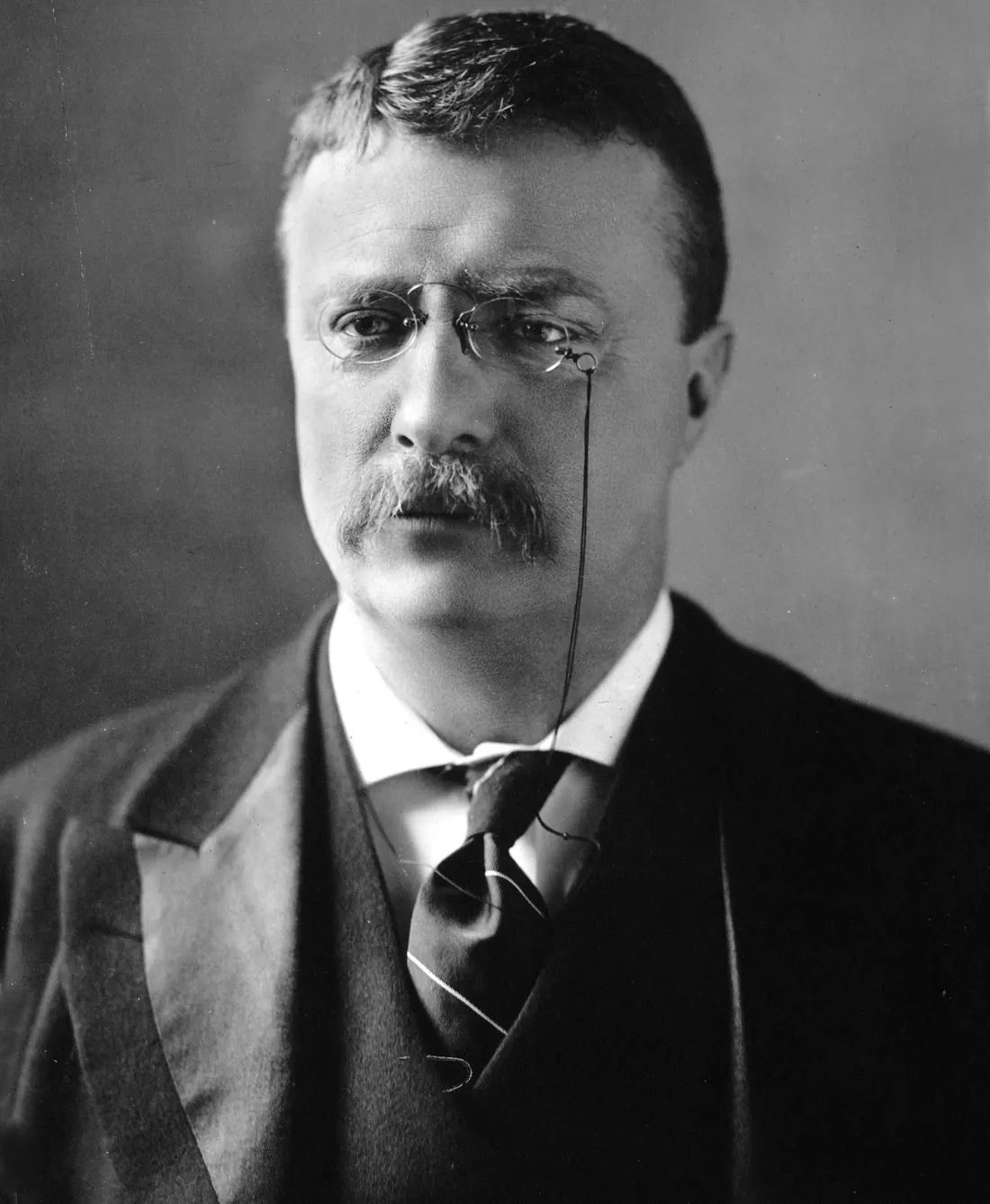
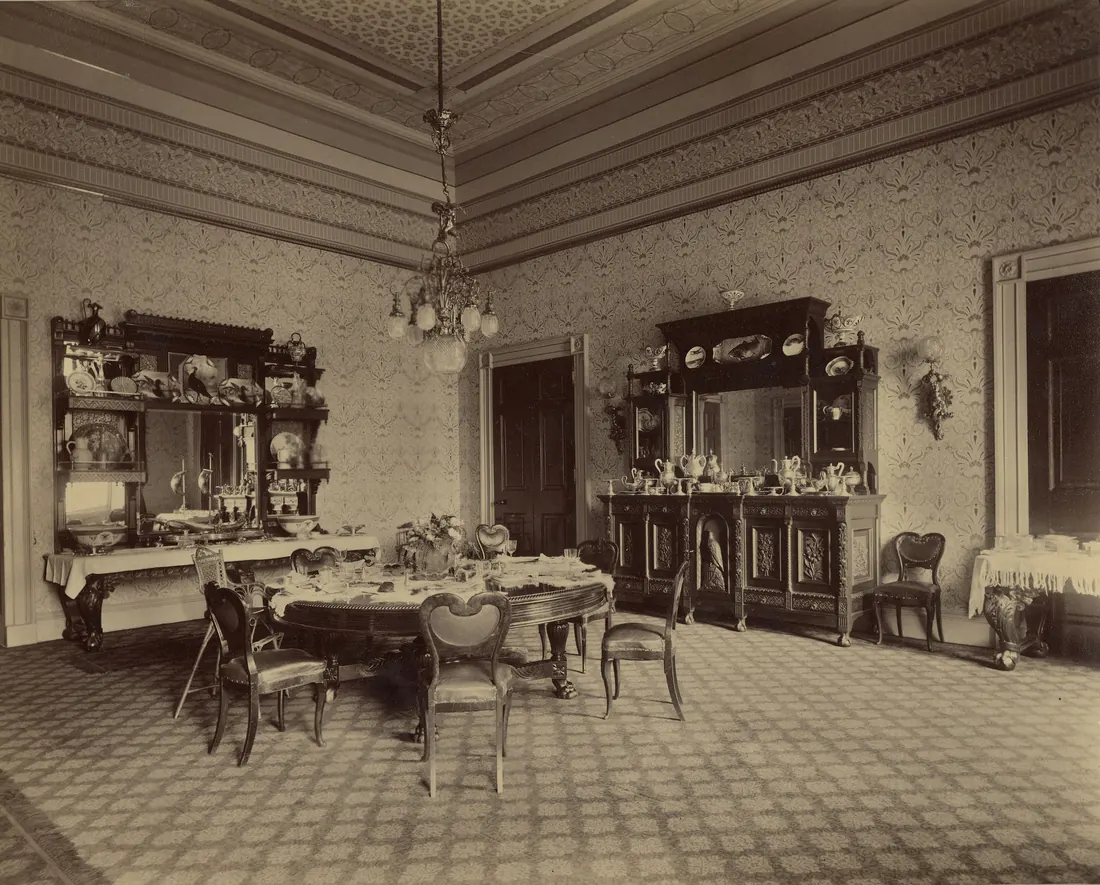
Pictures: Washington himself is in the Harris & Ewing portrait of about 1905 and in the Shepherd studio portrait made in St. Paul between 1880 and 1890, and in the photo of his graduating class at Hampton in 1875 (second from left in the front row; Mary Mackie is first on the left of the row of women), printed in A Boys’ Life of Booker T. Washington in 1922 with the picture of Tuskegee’s first buildings. No photographs exist of his boyhood, the salt furnace, his journey or the sweeping test. The cabin at Booker T. Washington National Monument is the park’s reconstruction, photographed in 2003. The coal mine is the Turkey Knob Mine in Macdonald, West Virginia, photographed by Lewis Hine in October 1908, not his mine. Richmond is shown in 1865. Academic Hall is an engraving from Hampton’s 1875 catalogue. Frances Benjamin Johnston photographed the Hampton classrooms in 1899 (the seated teacher is not Mary Mackie) and students building a roof at Tuskegee about 1902. Theodore Roosevelt was photographed by M. P. Rice about 1902, and the White House family dining room in 1890, not at the 1901 dinner.
Photo credits
The archive photos in this story
All the photographs and illustrations in this story are in the public domain. Tap one to enlarge it, or follow the link to its Wikimedia Commons page for the full record. The narration, captions and graphics in the Short are our own; its music and sound effects are credited below.
Music and sound effects
Music: Mussorgsky, Pictures at an Exhibition: IV. Bydlo (piano) (Musopen, public domain); Brahms, Symphony No. 2 in D major, Op. 73: IV. Allegro con spirito (Musopen Symphony Orchestra, CC0).
Sound effects: Freesound, CC0.