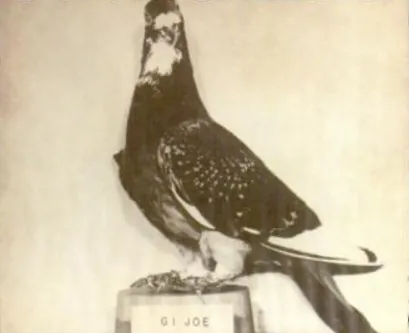
G.I. Joe (Pigeon USA43SC6390) was a member of the United States Army Pigeon Service, “one of the homing pigeons used during World War II for communication and reconnaissance purposes,” in Wikipedia’s words. According to Otto Meyer, a former commander of the Pigeon Service, he was “hatched March 24, 1943, at the Pigeon Section in Algiers, Algeria, North Africa.”
In October 1943, British troops were closing in on the village of Calvi Vecchia, Italy. Meyer writes that a British brigade “was scheduled to attack the city … at 10 a.m., October 18, 1943,” and that “the U.S. Air Support Command was scheduled to bomb the city to soften the entrance for the British Brigade.” But the British won the village back from the Germans ahead of schedule. It was liberated “far earlier than expected,” the PDSA says, and the troops “were now in danger of getting caught up in ‘friendly fire’ if the attack went ahead.”
The brigade was unable to send a message by radio to call off the planned American air raid, Wikipedia says. In Meyer’s words, “All attempts to cancel the bombings of the city, made by radio and other means of communication, had failed.” So G.I. Joe was sent with the message as a last resort. “He flew 20 miles in 20 minutes, reaching Allied lines just as the bombers were preparing to take off,” the PDSA says, and Meyer writes that he “arrived just as our planes were warming up to take off.” The bombing was called off just in time to prevent the Allied air force from bombing its own men.
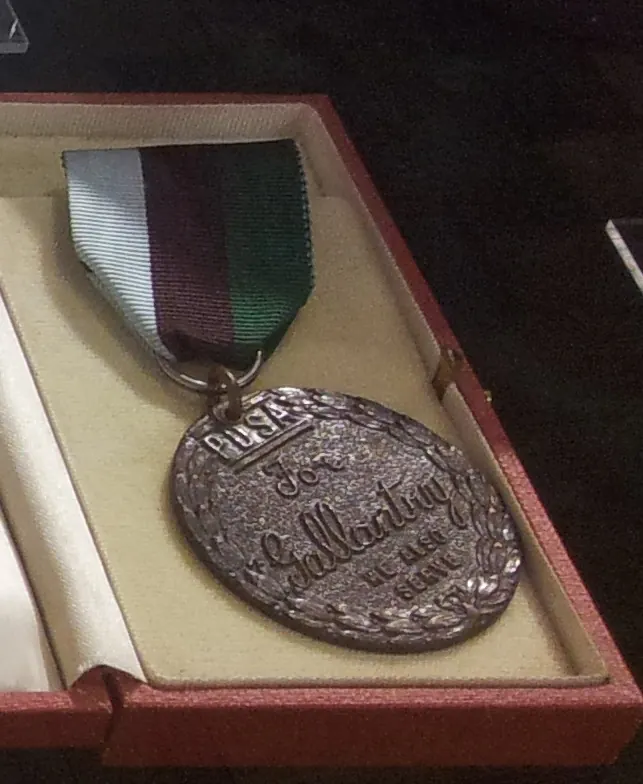
He was not even seven months old. In August 1946 he was awarded the PDSA Dickin Medal, which, Wikipedia says, “is commonly referred to as ‘the animals’ Victoria Cross,’” and the PDSA says he received it from General Charles Keightley at the Tower of London on November 4, 1946. He was the 29th recipient of the medal and the first from outside Britain. His citation says his message “arrived just in time to save the lives of at least 100 Allied soldiers from being bombed by their own planes.” The US Army credits him with saving the lives of 1,000 Allied troops, and Meyer writes that General Mark Clark estimated he saved “at least 1,000 of our British allies.”
Fact check
The facts and where they come from
- This pigeon had to stop an air strike on British troops, because the radio couldn’t. Wikipedia: the brigade “was unable to transmit a message via radio to call off the planned American air raid. G.I. Joe was dispatched as a last resort to carry the message.” Otto Meyer: “All attempts to cancel the bombings of the city, made by radio and other means of communication, had failed.” 54
- His name was G.I. Joe. PDSA: “G.I. Joe (Pigeon USA43SC6390), a member of the United States Army Pigeon Service.” Wikipedia: “one of the homing pigeons used during World War II for communication and reconnaissance purposes.” 15
- In October 1943, British troops were closing in on an Italian village. Otto Meyer: “The British 56th Brigade was scheduled to attack the city of Colvi Vecchia, Italy, at 10 a.m., October 18, 1943.” Wikipedia: “the 169th (London) Infantry Brigade attacked and won back the village from the Germans ahead of schedule.” PDSA: “the village of Calvi Vecchia was liberated by Allied Forces on 18 October 1943.” 451
- American planes were set to bomb it first. Otto Meyer: “The U.S. Air Support Command was scheduled to bomb the city to soften the entrance for the British Brigade.” PDSA: “An air attack had been scheduled to subdue the German positions earlier that day.” Wikipedia: “Air support had been previously requested against German positions at Calvi Vecchia on 18 October 1943.” 415
- But the British took the village early. PDSA: “liberated by Allied Forces on 18 October 1943, far earlier than expected.” Otto Meyer: “occupied it ahead of schedule.” US Army (2023): “The action saved a British brigade, which had entered the city ahead of schedule.” 142
- Now the bombers would hit their own allies. PDSA: “they were now in danger of getting caught up in ‘friendly fire’ if the attack went ahead.” Wikipedia (United States Army Pigeon Service): “preventing a friendly-fire attack.” 16
- They tried the radio, but it couldn’t get through. Wikipedia: “unable to transmit a message via radio.” Otto Meyer: the attempts “made by radio and other means of communication, had failed.” 54
- So G.I. Joe was sent as a last resort, carrying the order to call it off. Wikipedia: “G.I. Joe was dispatched as a last resort to carry the message.” US Army (2023 and 2024): “The pigeon flew 20 miles in as many minutes carrying an order to cancel the scheduled bombing of the city.” PDSA: he “was released with a message to call off the attack.” 2315
- He flew 20 miles in 20 minutes. PDSA: “He flew 20 miles in 20 minutes, reaching Allied lines just as the bombers were preparing to take off.” Wikipedia: “G.I. Joe flew this 20-mile distance in an impressive 20 minutes.” US Army (2023): “flew 20 miles in as many minutes.” Wikipedia (United States Army Pigeon Service): “He flew about 20 miles in 20 minutes.” 1526
- He reached the air base as the bombers were warming up. Otto Meyer: “He flew 20 miles back to the U.S. Air Support Command base in 20 minutes, and arrived just as our planes were warming up to take off.” Wikipedia: “arrived in the air base just in time.” 45
- The air strike was called off. US Army (2023): “carrying an order to cancel the scheduled bombing of the city.” Wikipedia: “just in time to prevent the Allied air force from bombing its own men.” 25
- And G.I. Joe wasn’t even seven months old. Otto Meyer: “hatched March 24, 1943, at the Pigeon Section in Algiers, Algeria, North Africa.” Wikipedia: “He was hatched in March 1943, in Algiers, North Africa.” From March 24 to October 18, 1943, is six months and 24 days. 45
- In 1946, he got the Dickin Medal, the animals’ Victoria Cross. PDSA: “Date of Award: August 1946”; “G.I. Joe received his PDSA Dickin Medal from General Charles Keightley at the Tower of London on 4 November 1946.” Wikipedia (Dickin Medal): “The award is commonly referred to as ‘the animals’ Victoria Cross’.” 17
- He was the first animal from outside Britain to win it. PDSA: “The first non-British recipient.” Wikipedia: “G.I. Joe was the 29th and the first non-British recipient of the medal.” 15
- His medal citation says he saved at least 100 soldiers. PDSA (the citation): “… it brought a message which arrived just in time to save the lives of at least 100 Allied soldiers from being bombed by their own planes.” Wikipedia: “Over 100 men were saved.” 15
- But the US Army says 1,000. US Army (2023): “credited with saving the lives of 1,000 allied troops at Covi Vecchia, Italy.” US Army (2024): “G.I. Joe was credited with saving the lives of 1000 allied troops at Covi Vecchia, Italy.” Otto Meyer, citing General Mark Clark: he “estimated that ‘G.I.JOE’ saved the lives of at least 1,000 of our British allies.” 234
Sources
- G.I. Joe – PDSA Dickin Medal 40 (with the medal citation) PDSA
- Honoring Those Who Served – Pigeon Memorial (Susan Thompson, July 6, 2023) US Army
- Animals in War and Peace: Signal Corps pigeon recognition (Susan Thompson, CECOM Command Historian, August 20, 2024) US Army
- G.I. Joe (Otto Meyer, US Army, retired, former commander of the US Army Pigeon Service) Faircount Pigeon & Dove Club
- G.I. Joe (pigeon) Wikipedia
- United States Army Pigeon Service Wikipedia
- Dickin Medal Wikipedia
Notes
How many he saved: his Dickin Medal citation says “at least 100 Allied soldiers” (PDSA; Wikipedia: “Over 100 men were saved”), but the US Army’s articles say 1,000, and Otto Meyer says General Mark Clark estimated “at least 1,000.” We give both, each with its source.
The village is Calvi Vecchia to the PDSA and Wikipedia, “Colvi Vecchia” to Meyer and “Covi Vecchia” to the US Army. The unit is the 169th (London) Infantry Brigade (Wikipedia), the British 56th Brigade (Meyer) or the 6th London Infantry (PDSA), so we say British troops.
Who sent him: the sources say only that he “was released with a message” (PDSA) and “was dispatched as a last resort” (Wikipedia), not who released him, so we don’t say.
The medal: the PDSA and Wikipedia say General Charles Keightley presented it at the Tower of London on November 4, 1946 (the award is dated August 1946); the US Army and Meyer say the Lord Mayor of London presented it.
The citation says his flight began at “British 10th Army HQ.” No other source says so and it may be a slip, so we leave it out.
Left out: where he is now (the US Army Heritage and Education Center in Carlisle, say Wikipedia and the US Army in 2023, or “stored at the U.S. Army Museum in Ft. Belvoir, VA,” says the US Army in 2024), and, for length, the US Army’s 2024 line that he was the “first and only American recipient during WWII” and his 2019 Animals in War & Peace Medal of Bravery.
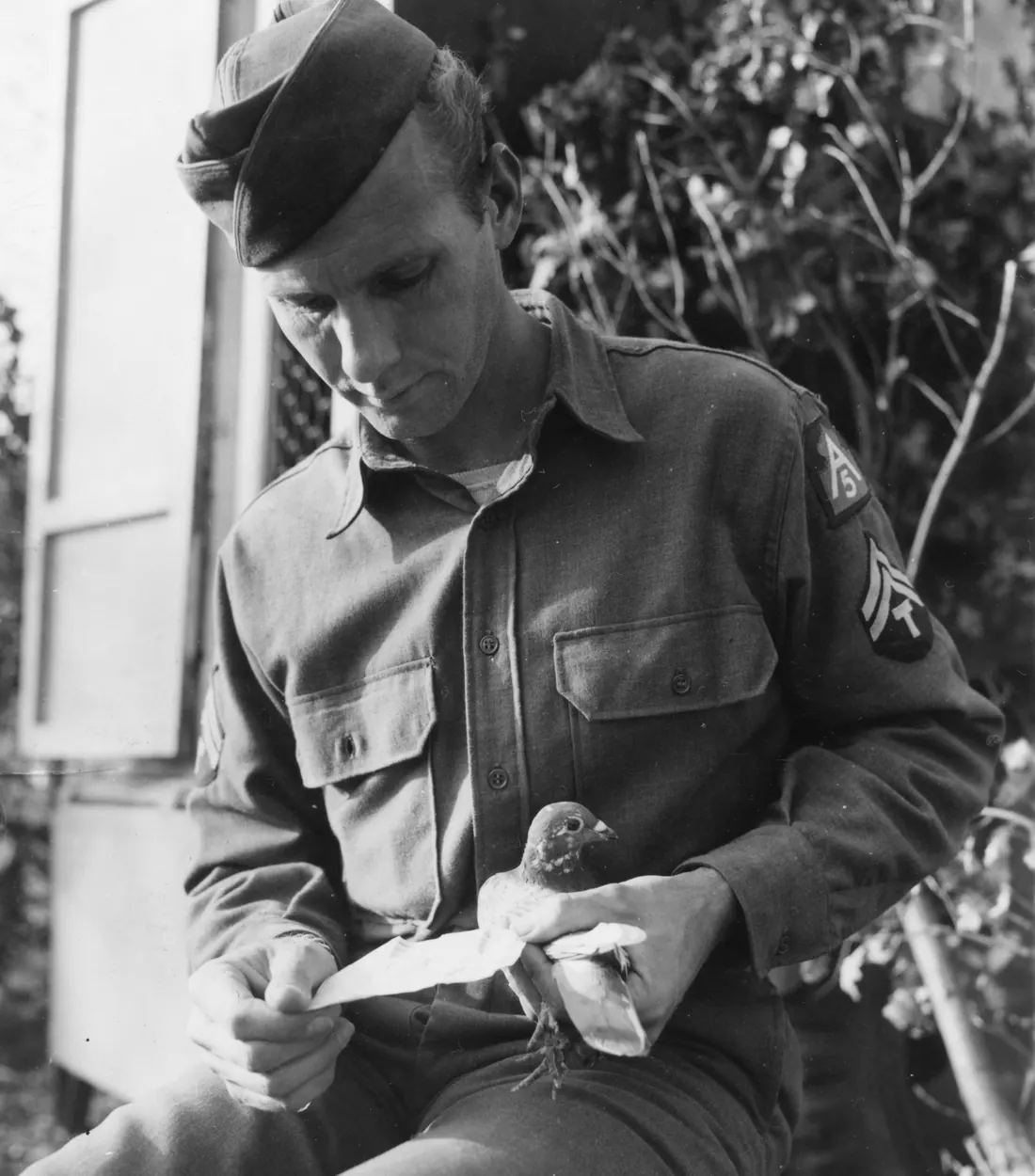
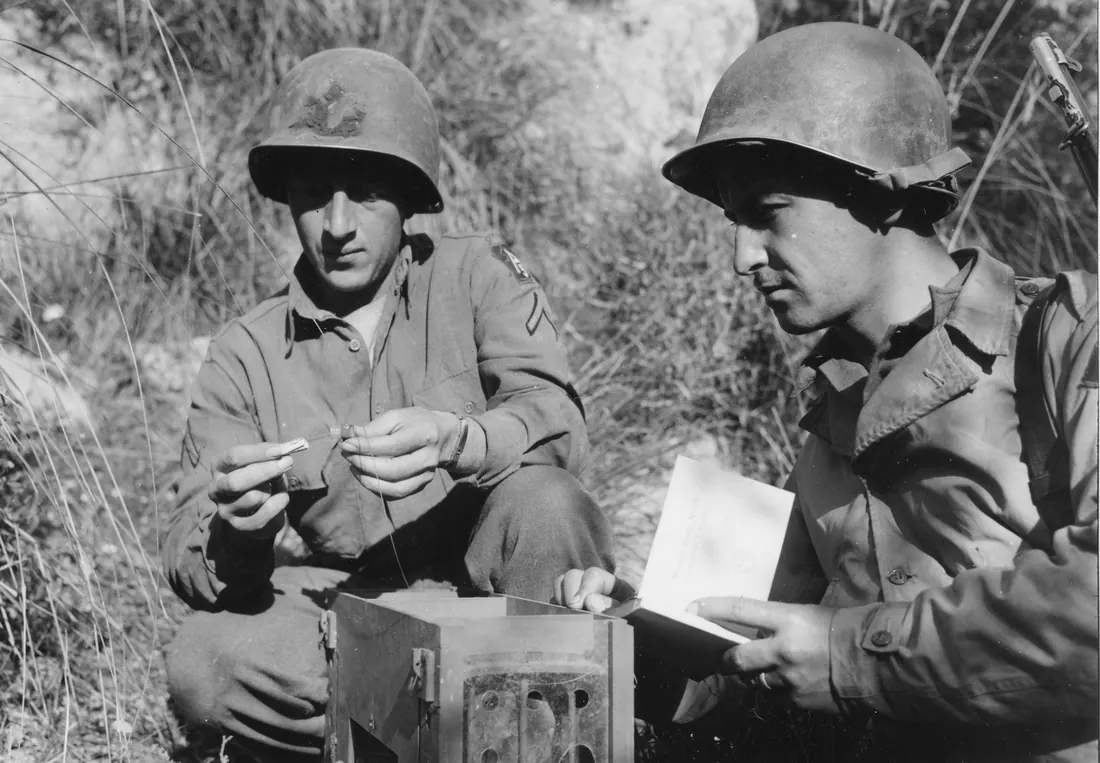
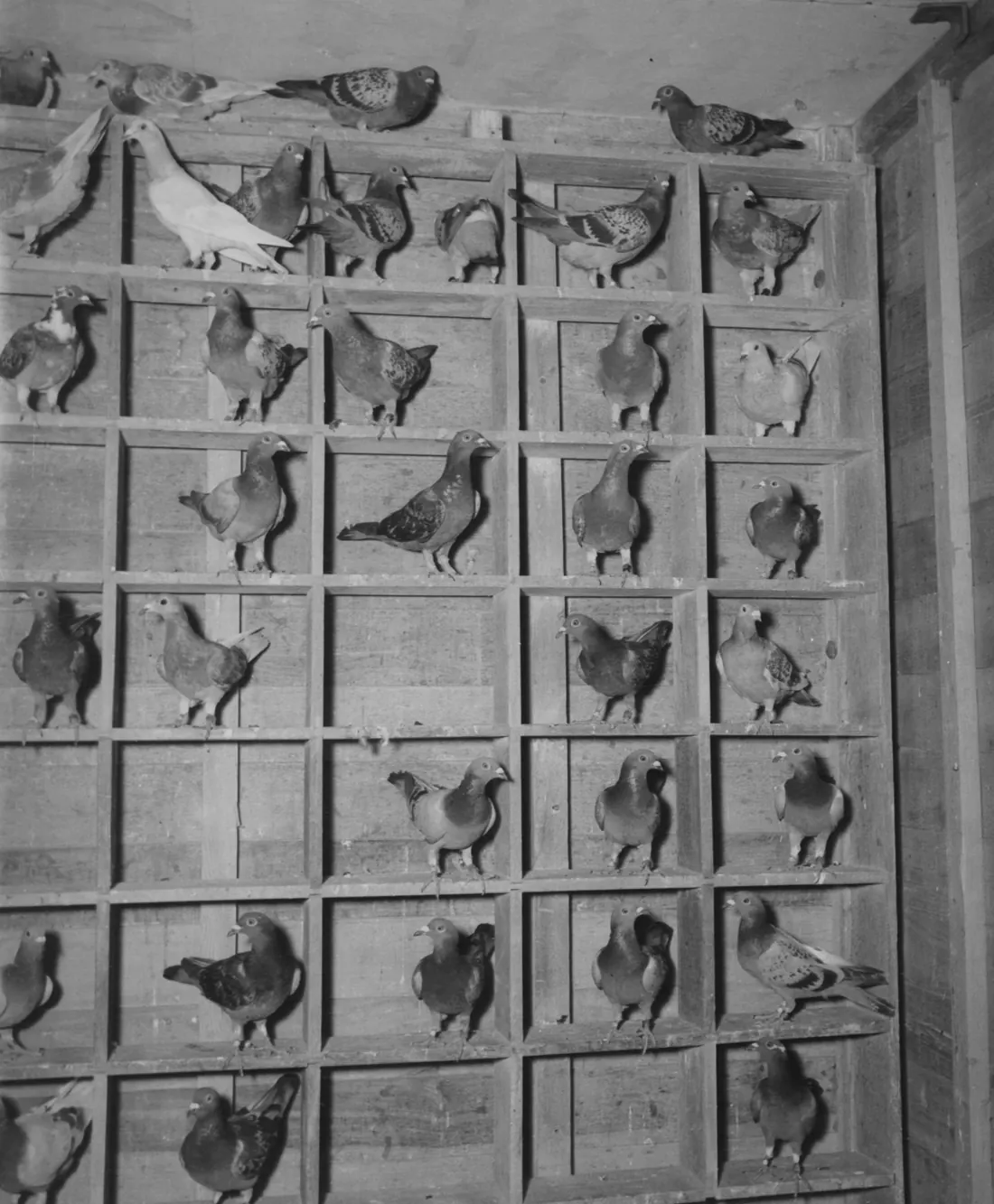
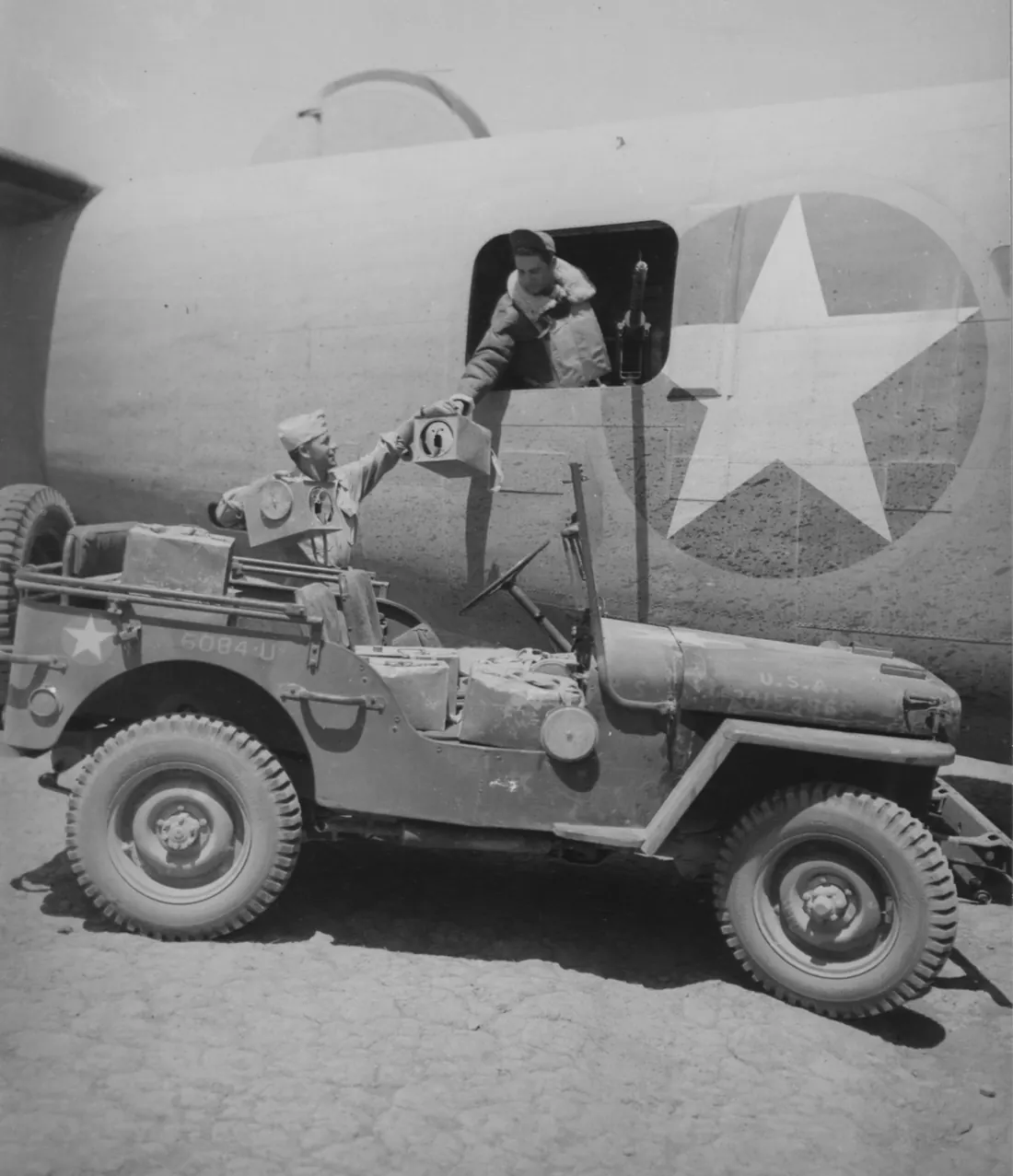
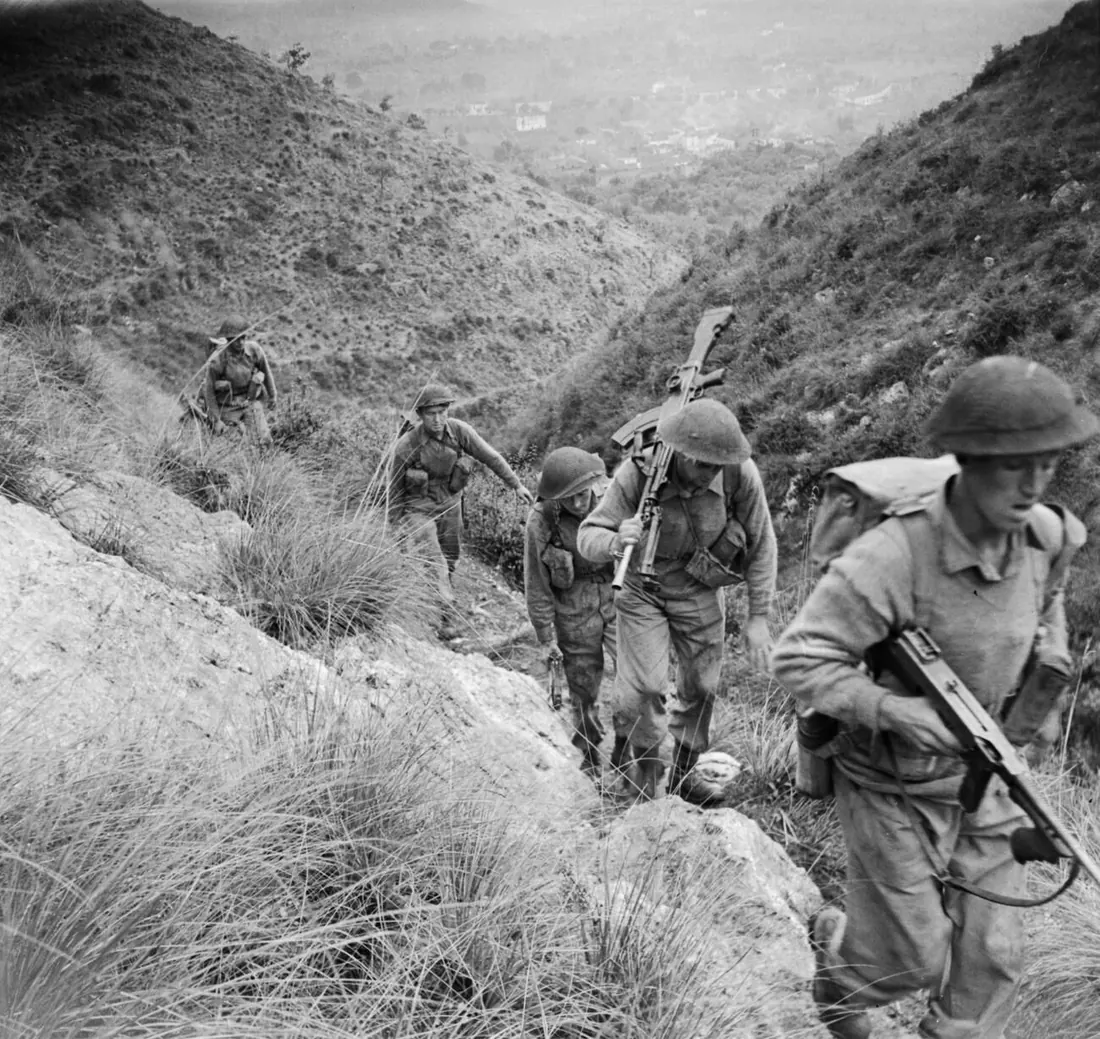
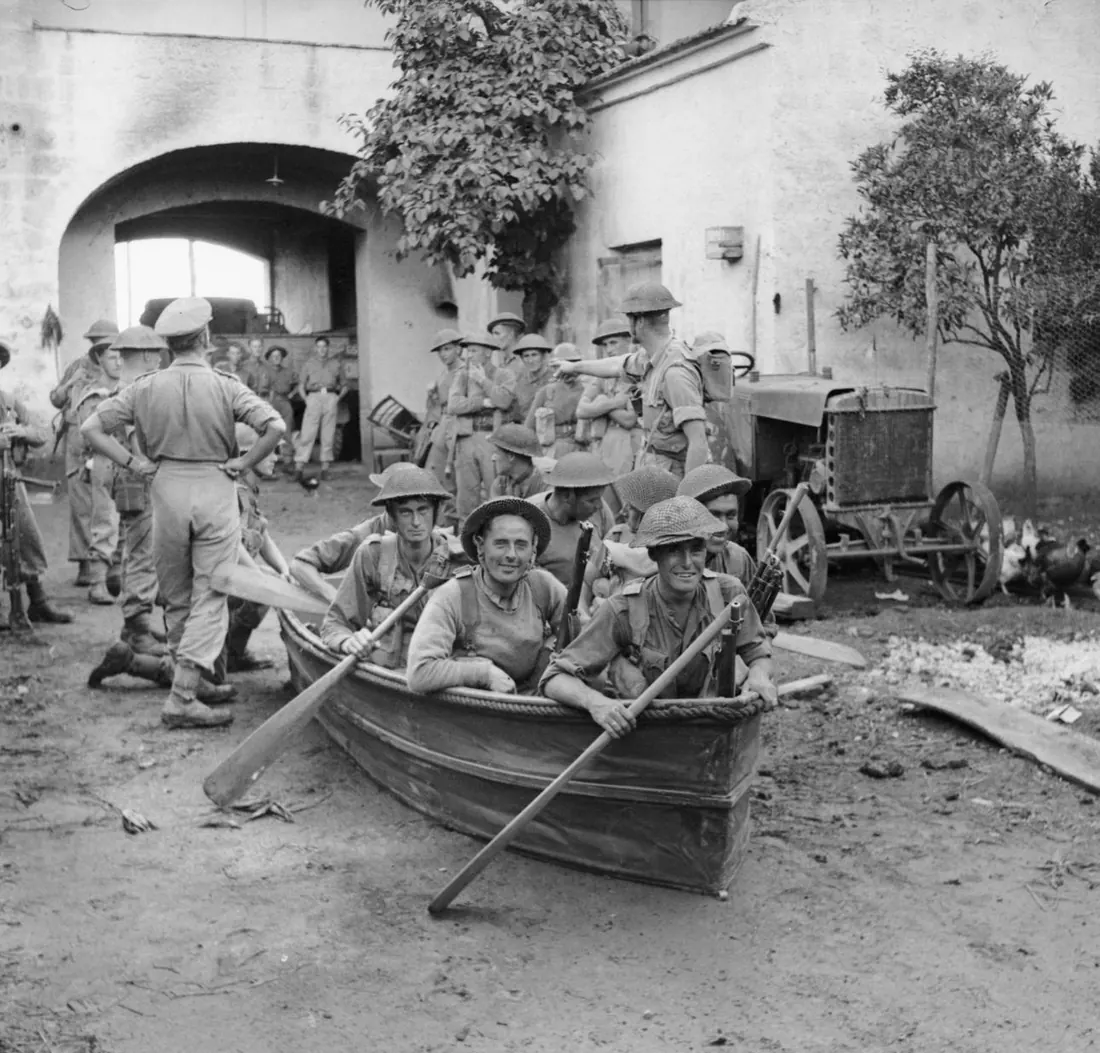
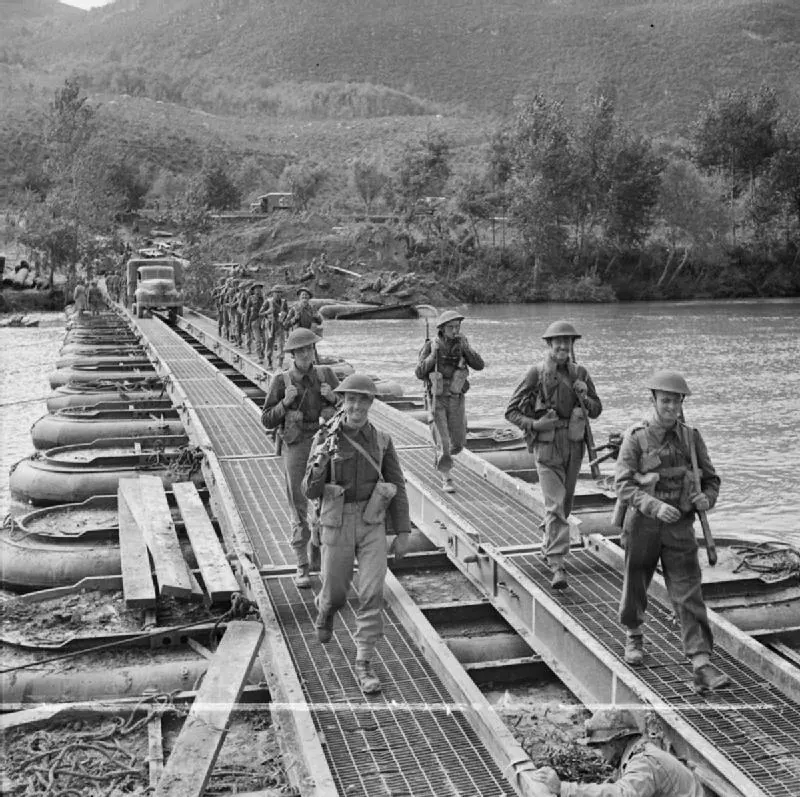
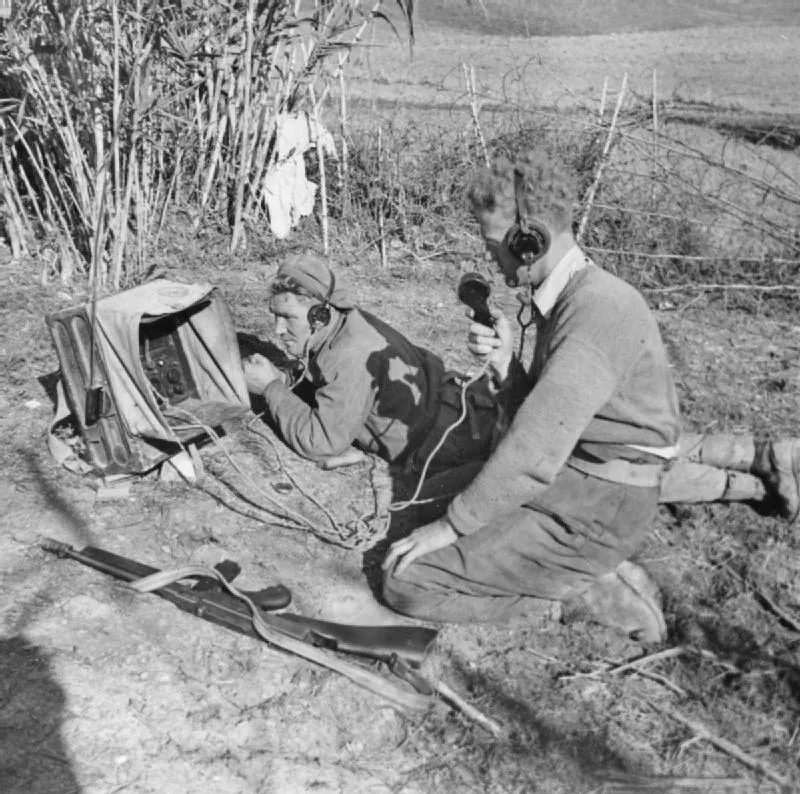
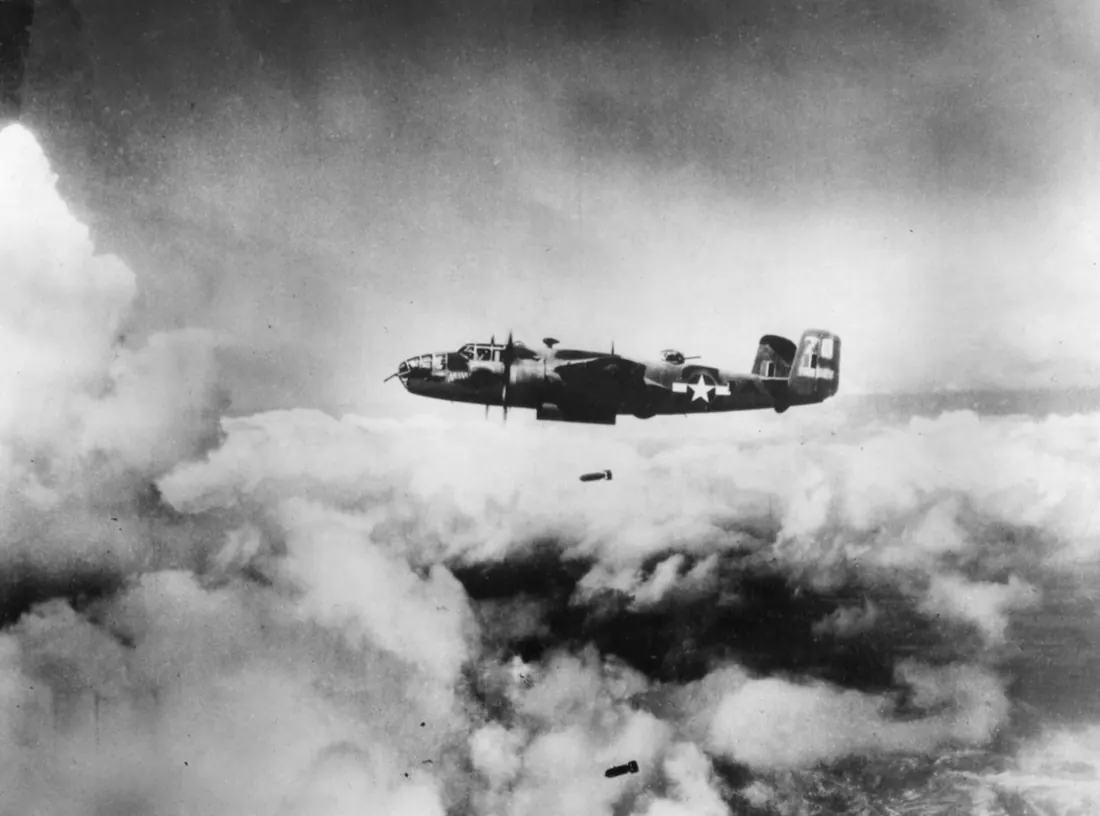
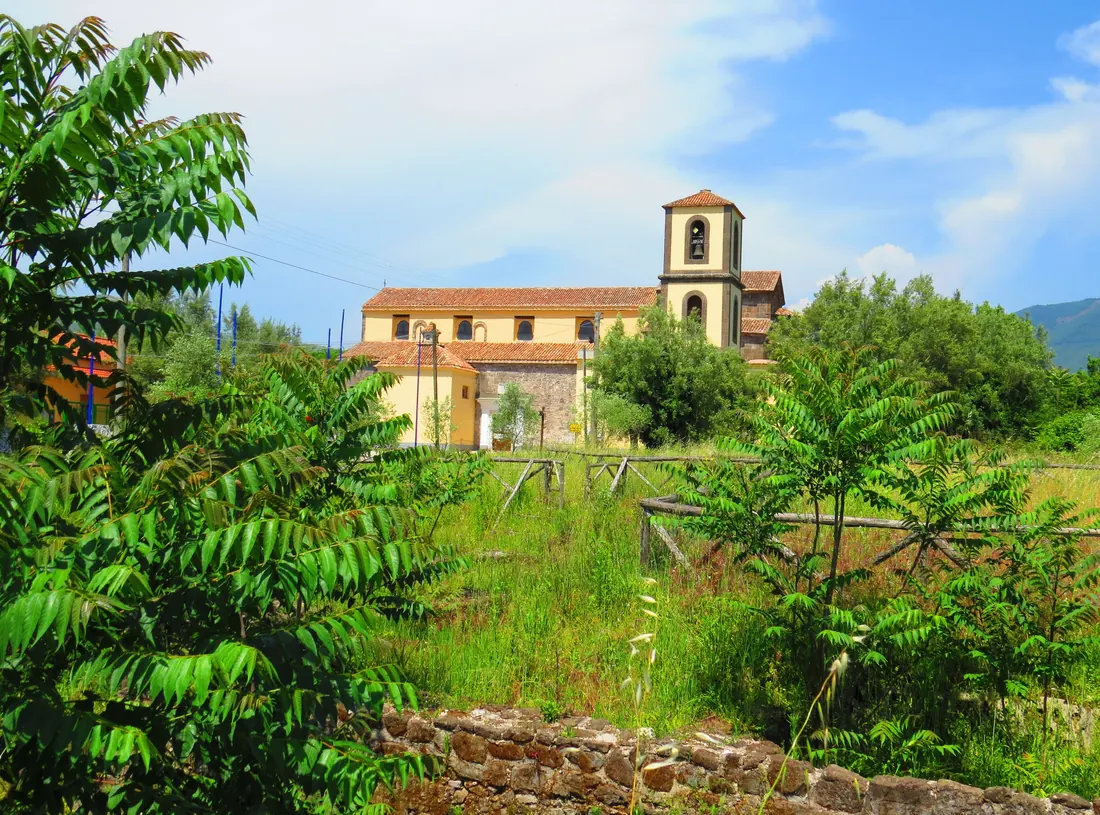
Pictures: G.I. Joe himself is in the US Army photo of him mounted on display at Fort Monmouth, from the Fort Monmouth Historical Office. No other photo shows him or his flight. The Signal Corps photos of pigeon handlers were taken in Italy on December 18, 1943, at the 45th Division command post and in the Pozzilli sector; the homing pigeons of the Ninth Air Force and the pigeons delivered to a 376th Bomb Group bomber near Benghazi were photographed in Libya in 1943; none of these birds is G.I. Joe. The B-25 was photographed bombing on November 29, 1943, and isn’t one of the planes he stopped. The British troops were photographed in Italy by the Army Film and Photographic Unit: trying out boats before the Volturno crossing on October 8, crossing the Volturno on October 15, moving up to the heights of Calvi Risorta on October 27, and at a radio post above the Sangro on November 7–8, 1943. The cathedral of Calvi Vecchia was photographed in 2015. The Dickin Medal is the one awarded to the pigeon Royal Blue, photographed in 2012, not G.I. Joe’s.
Photo credits
The archive photos in this story
The photographs and illustrations in this story are in the public domain or shared under open licenses; each one is credited below with its license. Tap one to enlarge it, or follow the link to its Wikimedia Commons page for the full record. The narration, captions and graphics in the Short are our own; its music and sound effects are credited below.
Music and sound effects
Music: Brahms, Symphony No. 1 in C minor, Op. 68: I. Un poco sostenuto - Allegro (Musopen Symphony Orchestra, CC0); Brahms, Symphony No. 2 in D major, Op. 73: IV. Allegro con spirito (Musopen Symphony Orchestra, CC0).
Sound effects: Freesound, CC0.