
Kate Shelley grew up on a farm beside Honey Creek, near Moingona, Iowa. The Shelley house, HistoryNet says, “was about 200 yards northeast of the Chicago & North Western Railway trestle over the creek,” and Kate had to help support the family, in Wikipedia’s words, “by plowing, planting, harvesting crops.” Her age in 1881 is told two ways: 17 by her baptism record, which Wikipedia dates to December 12, 1863, or 15 by her gravestone, which says she was born on September 25, 1865.
On the afternoon of July 6, 1881, heavy thunderstorms caused a flash flood of Honey Creek. A pusher locomotive sent from Moingona to check track conditions crossed the Des Moines River bridge, but at about 11 p.m. it plunged into Honey Creek when the bridge there fell away, with a crew of four. “The current swept Wood and Agar safely into trees,” HistoryNet writes, “but Donahue and Olmstead drowned.” And an eastbound express passenger train was due in Moingona about midnight.
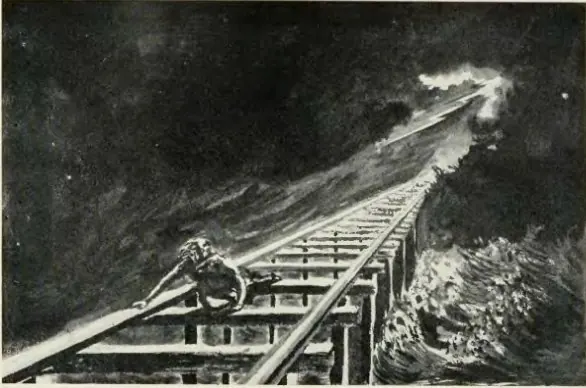
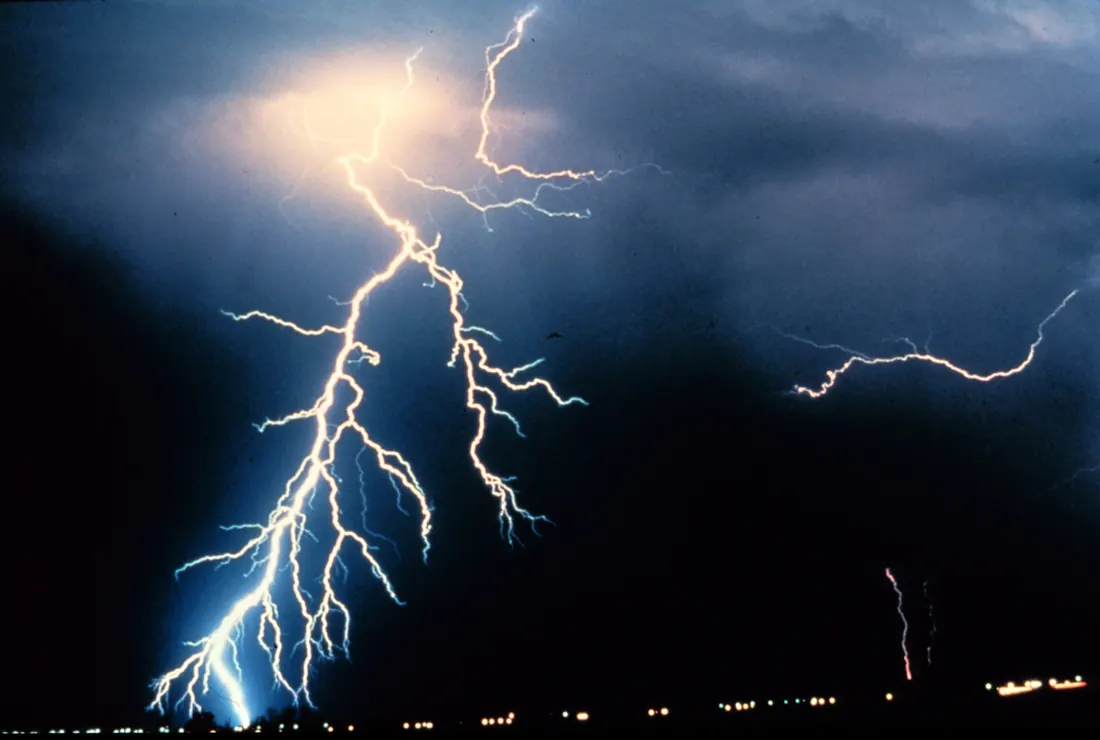
Kate, who could not swim, set out for the Moingona station “with only her father’s old lantern to show the way,” as the Ames Public Library archive puts it, and the way crossed the Des Moines River bridge. The lantern went out. So, in Wikipedia’s words, “she crawled the span on her hands and knees, with only lightning for illumination.” At the station she burst into the depot and shouted out her story, then fainted. Then she led a party back to rescue Wood and Agar.
Newspapers told it as the rescue of the express. In 1899 the Daily Iowa State Press wrote: “She was, however, in time to save the express with the scores of lives it carried.” But her nephew Jack Shelley and Charles Irwin of the Boone County Historical Society told HistoryNet that this part is untrue: “The train already had been stopped about 40 miles west, because of concern about the bridges.” The Ames Public Library archive puts it simply: “Unknown to her, the Midnight Express had already been halted forty miles to the west.”
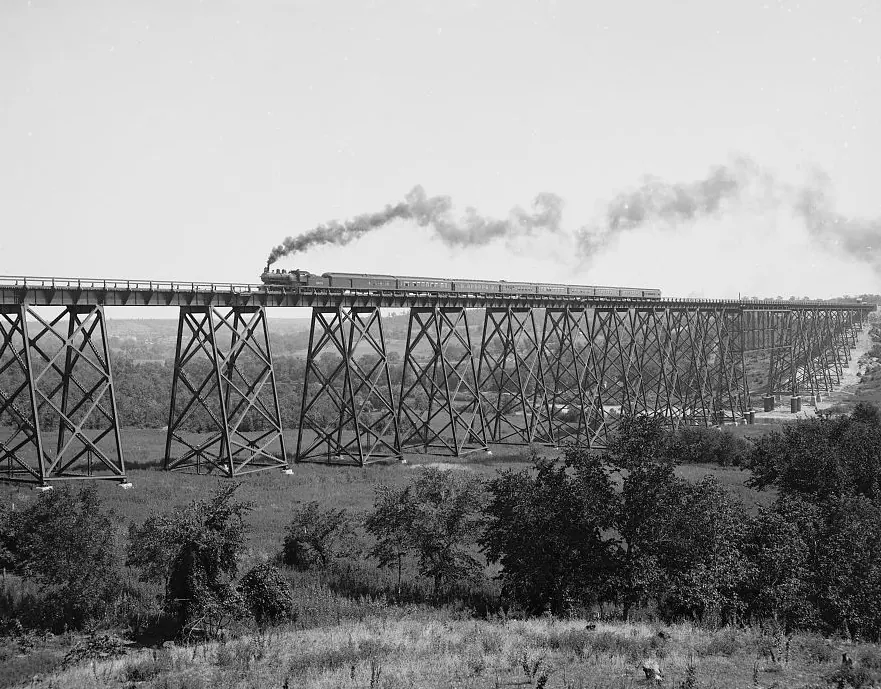
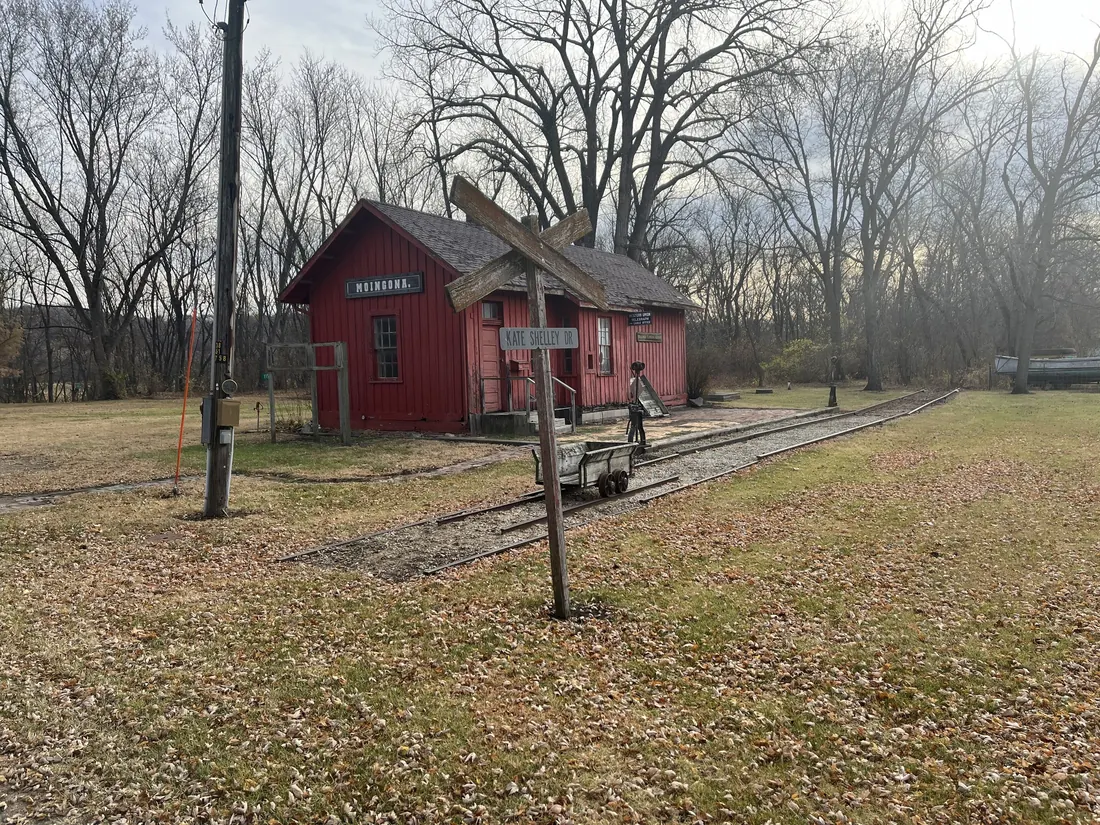
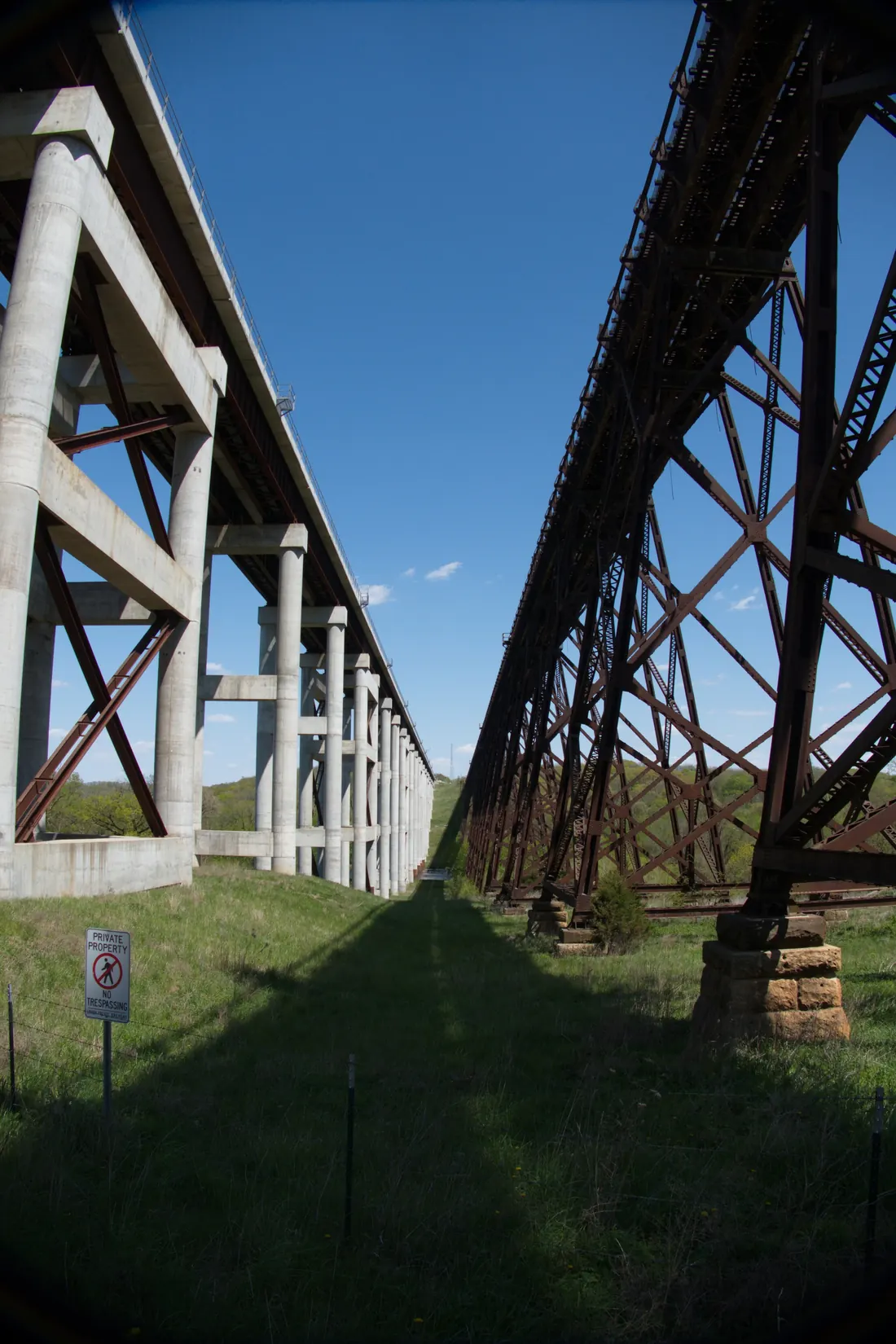
The state of Iowa gave her a gold medal, crafted, Wikipedia says, by Tiffany & Co., and in 1903 the railroad gave her the job of station agent at the new Moingona depot. The railroad bridge built over the Des Moines River in 1901, “officially called the Boone Viaduct,” was nicknamed after her, and on October 1, 2009, Union Pacific opened a new bridge beside it: “The UP officially named the new viaduct the Kate Shelley Bridge.”
Fact check
The facts and where they come from
- She couldn’t swim, but she crawled across a railroad bridge over a flood in the dark. HistoryNet: “Kate—who could not swim—got down on her hands and knees.” Ames Public Library: “None of the Shelley children knew how to swim.” Wikipedia: “she crawled the span on her hands and knees, with only lightning for illumination.” 341
- Her name was Kate Shelley, a teenage farm girl. Wikipedia: “she was baptized on December 12, 1863,” and “Her grave marker says she was born on September 25, 1865”; her biographer calls her the “17-year-old Kate,” HistoryNet “the 15-year-old Iowa girl.” Wikipedia: “Kate had to help support the family by plowing, planting, harvesting crops.” HistoryNet: “The family made ends meet by farming—with Kate shouldering much of the load.” 153
- In July 1881, a storm flooded the creek by her home. Wikipedia: “On the afternoon of July 6, 1881, heavy thunderstorms caused a flash flood of Honey Creek.” HistoryNet: “Honey Creek quickly rose”; the Shelley house “was about 200 yards northeast of the Chicago & North Western Railway trestle over the creek.” 13
- An engine checking the tracks plunged through the washed-out bridge. Wikipedia: “A pusher locomotive sent from Moingona to check track conditions crossed the Des Moines River bridge, but plunged into Honey Creek when the bridge there fell away at about 11pm, with a crew of four.” HistoryNet: the agent at Boone ordered “two engines out to check bridges.” 13
- Its crew of four fell in. Two drowned; two clung to trees. HistoryNet: “The current swept Wood and Agar safely into trees, but Donahue and Olmstead drowned.” Ames Public Library: Agar and Wood were “clinging to tree roots in the creek.” Wikipedia (High Bridge): “Of the four men who fell, two were saved, one was found dead, and the fourth was never found, presumed to be dead.” 342
- And the midnight express was due. Wikipedia: “an eastbound express passenger train was due in Moingona about midnight.” Kate’s own words of 1888, quoted by HistoryNet: “the midnight train from the west.” Her biographer: “a passenger train from Omaha was due through at midnight.” 135
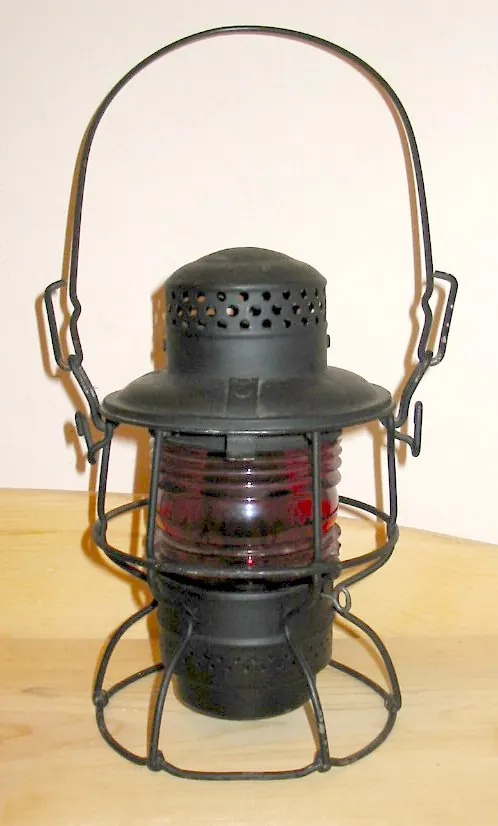
- Kate took her father’s lantern and made for the station, across the long river bridge. Ames Public Library: “With only her father’s old lantern to show the way.” IAGenWeb: “one of her father’s railroad lanterns.” Wikipedia: “having to cross the Des Moines River bridge along the way.” 461
- Then her lantern went out. Wikipedia: “The lantern she brought with her went out.” HistoryNet: “The lantern went out as she crawled.” 13
- So she crawled on her hands and knees, by flashes of lightning. Wikipedia: “she crawled the span on her hands and knees, with only lightning for illumination.” Ames Public Library: “she crawled across the long bridge on her hands and knees.” 14
- She reached the station, shouted her warning and fainted. HistoryNet: she “burst into the depot and shouted out her story.” Her biographer: “shouting the warning … then fainted.” IAGenWeb: “She fainted.” 356
- Then she led rescuers back, and both men were saved. Wikipedia: “She then led a party back to rescue Wood and Agar.” HistoryNet: “But despite her exhaustion, Kate did save Wood and Agar.” 13
- Newspapers said she saved the express. Daily Iowa State Press, 1899: “She was, however, in time to save the express with the scores of lives it carried.” Chief Reporter, 1900: “the young heroine who saved the express train from a terrible calamity.” Wikipedia (High Bridge): “Her bravery was heralded in many newspapers.” 72
- Her nephew later said it had already been stopped, miles away. HistoryNet: “Part of the Shelley legend is that Kate saved the Atlantic Express just as it approached the Moingona depot, but that’s untrue, said Jack Shelley and Irwin. The train already had been stopped about 40 miles west, because of concern about the bridges.” Ames Public Library: “Unknown to her, the Midnight Express had already been halted forty miles to the west.” Wikipedia: “The passenger train was stopped at Scranton.” 341
- She didn’t know, and she crossed anyway. Ames Public Library: “Unknown to her.” 4
- Today, a railroad bridge over that river carries her name. Wikipedia (High Bridge): the 1901 bridge, “officially called the Boone Viaduct,” “was nicknamed after the Iowa railroad heroine”; “The UP officially named the new viaduct the Kate Shelley Bridge.” Wikipedia: “It was opened on October 1, 2009, as the new Kate Shelley Bridge.” Progressive Railroading: “The structure is named after Kate Shelley.” 218
Sources
- Kate Shelley Wikipedia
- Kate Shelley High Bridge Wikipedia
- Kate Shelley: A girl’s heroic journey (Tobin Beck) HistoryNet (American History, December 2006)
- Kate Shelley (Farwell T. Brown photographic archive, 119.654.3-4) Ames Public Library
- About Kate Shelley (Misty McNally) kateshelley.com
- The Kate Shelley Story (archived copy) IAGenWeb Boone County
- Kate Shelley: Iowa newspapers, 1882–1903 (transcriptions) Irish in Iowa (celticcousins.net)
- UP cuts ribbon on new Kate Shelley Bridge in Iowa (October 2, 2009) Progressive Railroading
Notes
Her age: 17 by her baptism record (Wikipedia, her biographer, IAGenWeb) or 15 by her gravestone (HistoryNet, the Ames Public Library archive, Progressive Railroading). We say only that she was a teenager.
Did she save the express? Iowa newspapers of 1899–1903 said so, and Wikipedia’s High Bridge article repeats it; her nephew Jack Shelley and Charles Irwin of the Boone County Historical Society (HistoryNet), the Ames Public Library archive, her biographer and Wikipedia say it had already been stopped. The High Bridge article adds that “no actual evidence has been presented” for either version, so we never say that she stopped the train, or that it was never in danger.
How far she went: from the river bridge to the depot was “approximately two miles” (Wikipedia), “another mile” (her biographer), “a half mile” (Ames Public Library) or “the final eighth of a mile” (HistoryNet), and only HistoryNet gives the bridge’s length (696 feet). We give no distance.
Left out: the number of passengers (“about 200 aboard,” a later newspaper cited by Wikipedia), how her father died (told three ways), the engine’s number (No. 11 or No. 12) and a fifth death that night at another bridge (HistoryNet only).
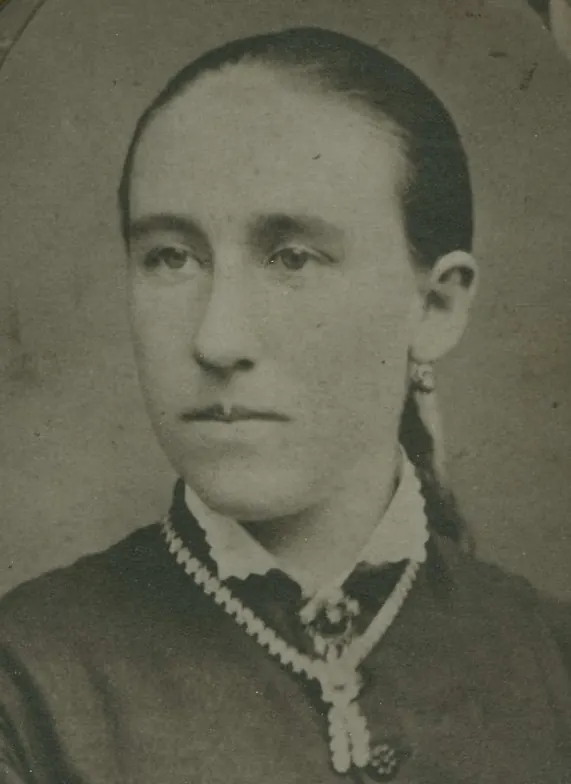
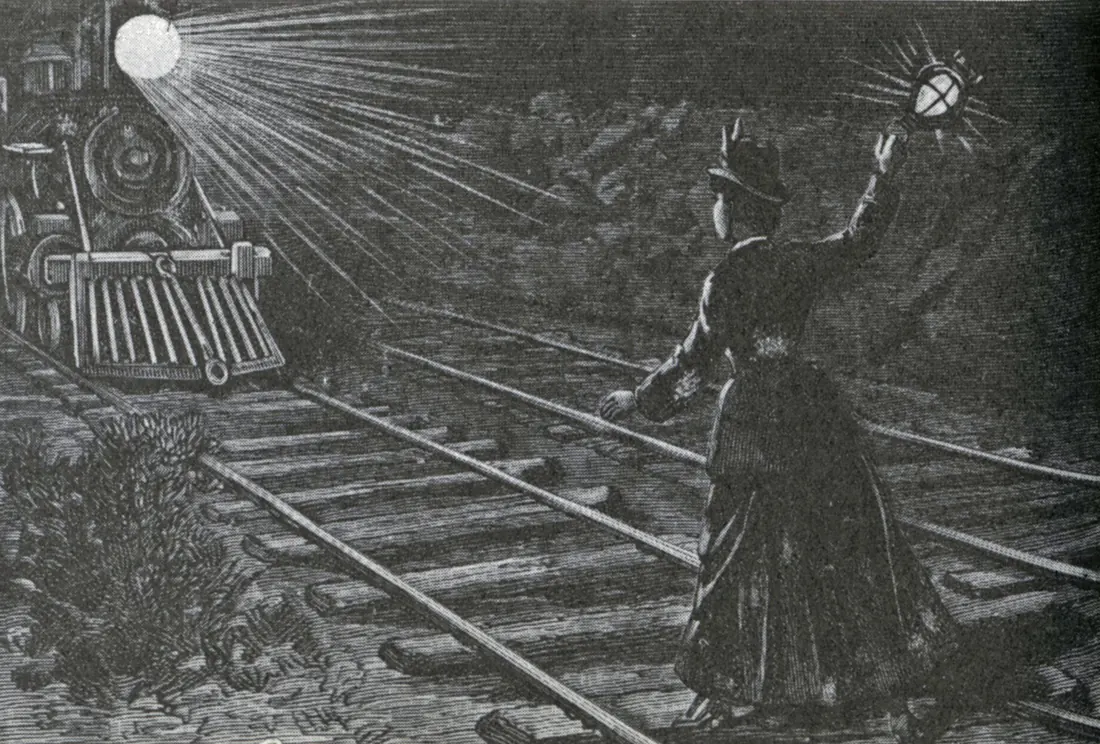
Pictures: Kate Shelley herself is in the portrait from the Kate Shelley Park and Museum collection, made about 1900 or earlier. The two illustrations are artists’ versions of the night: the 1903 plate from Benjamin F. Gue’s History of Iowa shows her crawling, and the 19th-century newspaper engraving shows the legend of her flagging the train. The lantern is a Chicago & North Western brakeman’s lantern, a railroad lantern like her father’s, not hers; the lightning was photographed in Oklahoma, not on the 1881 night; the depot is today’s museum building on the site of the 1881 depot, photographed in 2024; and the bridges are the later ones over the same river (the viaduct about 1900, and the 2009 Kate Shelley Bridge beside the 1901 High Bridge in 2017), not the 1881 bridge she crossed.
Photo credits
The archive photos in this story
The photographs and illustrations in this story are in the public domain or shared under open licenses; each one is credited below with its license. Tap one to enlarge it, or follow the link to its Wikimedia Commons page for the full record. The narration, captions and graphics in the Short are our own; its music and sound effects are credited below.
Music and sound effects
Music: Mussorgsky, Night on Bald Mountain (1886 version) (Musopen, public domain); Dvorak, Symphony No. 9 'From the New World': II. Largo (Musopen, public domain).
Sound effects: Freesound, CC0.


























































































