
Edith Cavell was “a British nurse who operated a medical clinic and nursing school in Brussels,” in the words of the National WWI Museum and Memorial. In 1907 she had been recruited “to be matron of a newly established nursing school” in Ixelles, Brussels, Wikipedia says. In the first month of the war the city was “captured and occupied by the Germans,” HISTORY.com writes, and her clinic and nursing school were taken over by the Red Cross.
She nursed wounded soldiers from both sides “without discrimination,” Wikipedia says. The museum says she “provided medical treatment for injured soldiers, regardless of their nationality,” and HISTORY.com says “Cavell chose to remain at her post, tending to German soldiers and Belgians alike.” But she also “assisted Allied soldiers caught by the rapid German advance to escape via neutral Holland,” as English Heritage puts it. She sheltered most of them in her house, and hosts would “provide them with guides obtained through Philippe Baucq,” Wikipedia says, “funnelling them out of occupied Belgium to the neutral Netherlands.” Wikipedia credits her with “helping some 200 Allied soldiers escape from German-occupied Belgium”; at her trial she said she had channeled “environ deux cents” (“about two hundred”) soldiers to the Dutch border.
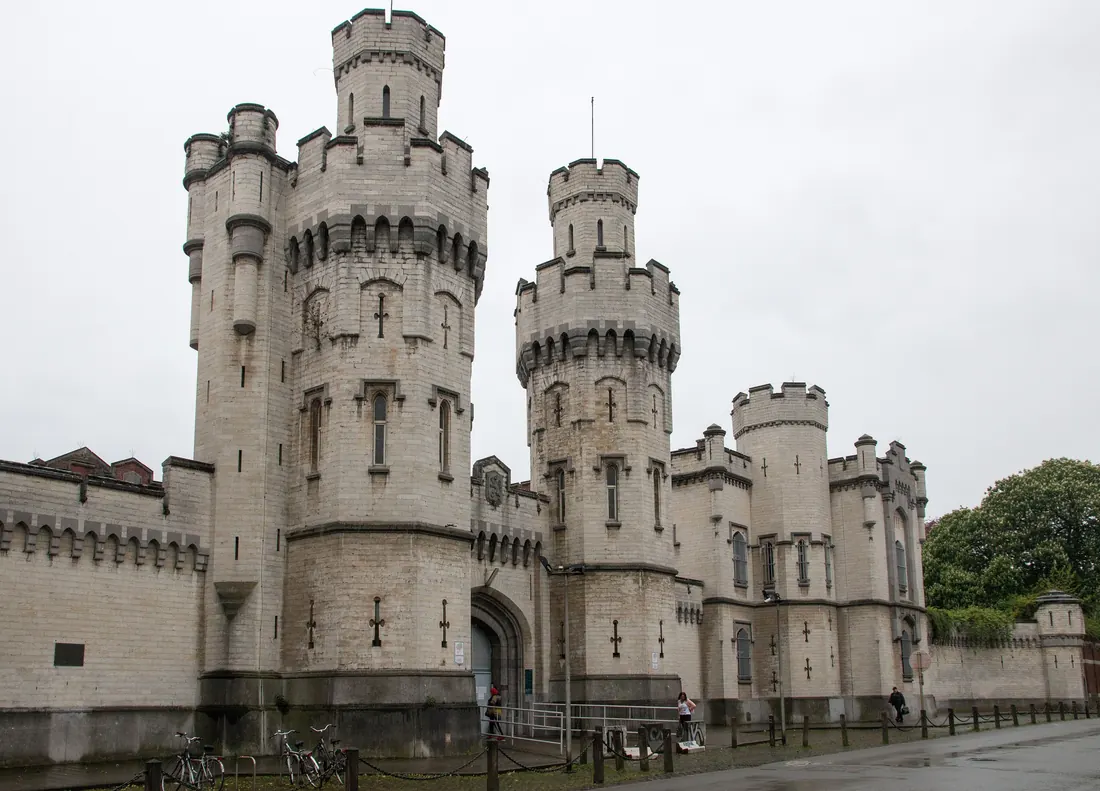
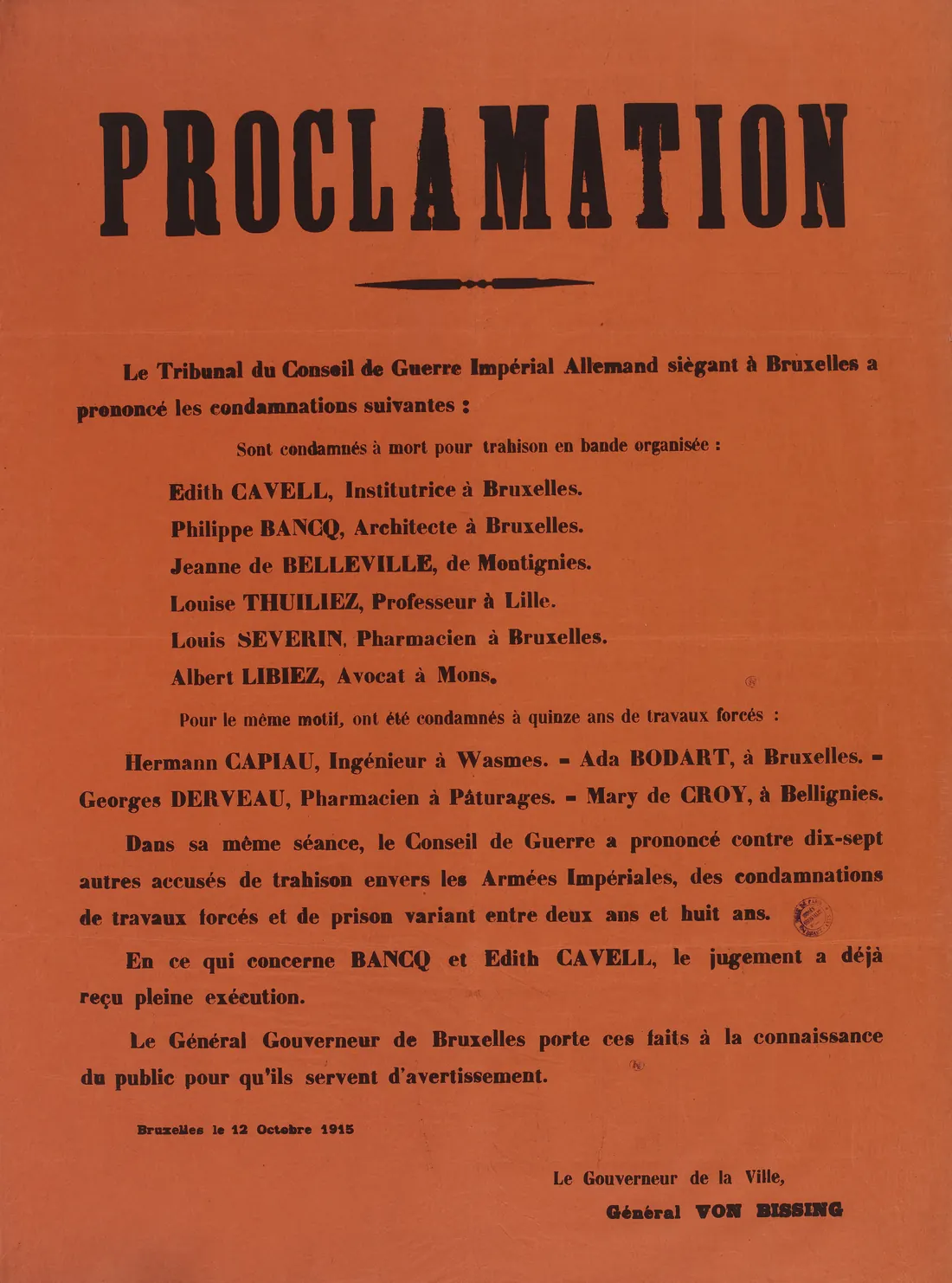
She had been betrayed by Georges Gaston Quien. She was arrested in August 1915 (on the 5th, says English Heritage; on the 6th, says Wikipedia) and held in Saint-Gilles prison for ten weeks. She “admitted the substance of the charge against her,” English Heritage says, and in Wikipedia’s words she “made no attempt to defend herself.” “The penalty, according to German military law, was death.” The German proclamation of the sentences lists her first among those “condamnés à mort.” Diplomats from the neutral governments of the United States and Spain “fought to commute her sentence,” HISTORY.com says, and they “formed a midnight deputation of appeal for mercy” (Wikipedia).
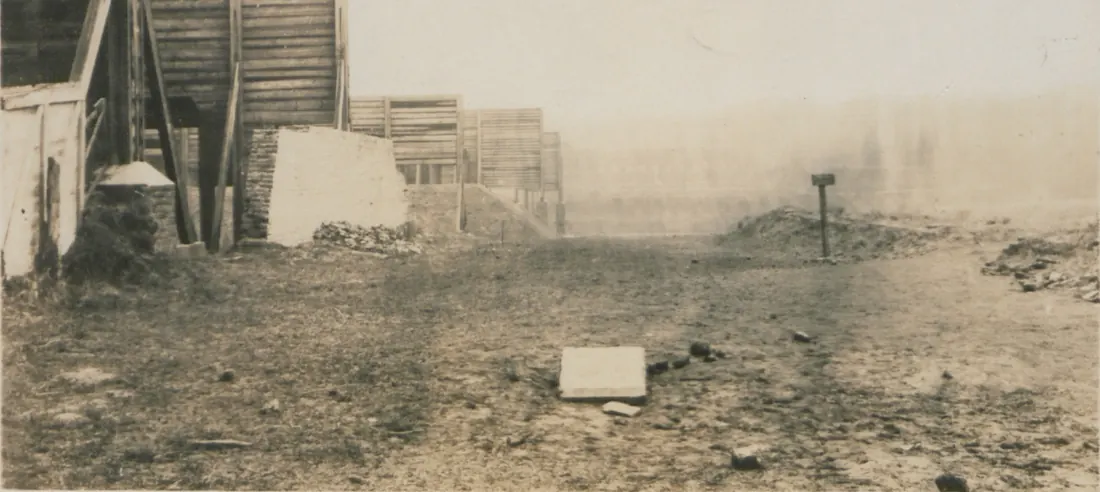
The night before her execution, she told the Reverend H. Stirling Gahan, the Anglican chaplain: “Patriotism is not enough. I must have no hatred or bitterness towards anyone.” At dawn on October 12, 1915, “she was executed by a German firing squad at the Belgian National Shooting Range,” the National WWI Museum says; English Heritage writes that she and Philippe Baucq “were both shot at dawn on 12 October 1915.” She was 49.
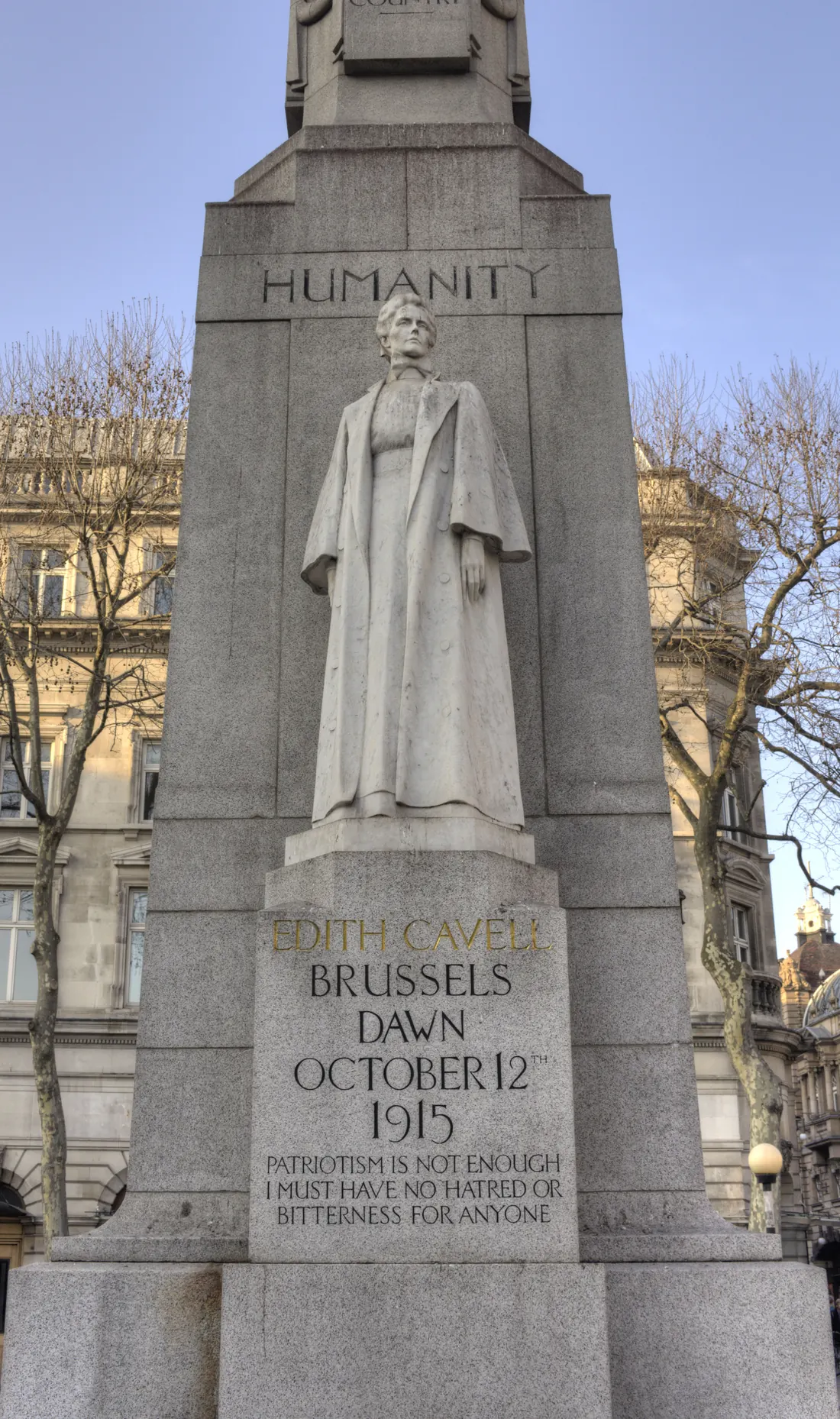
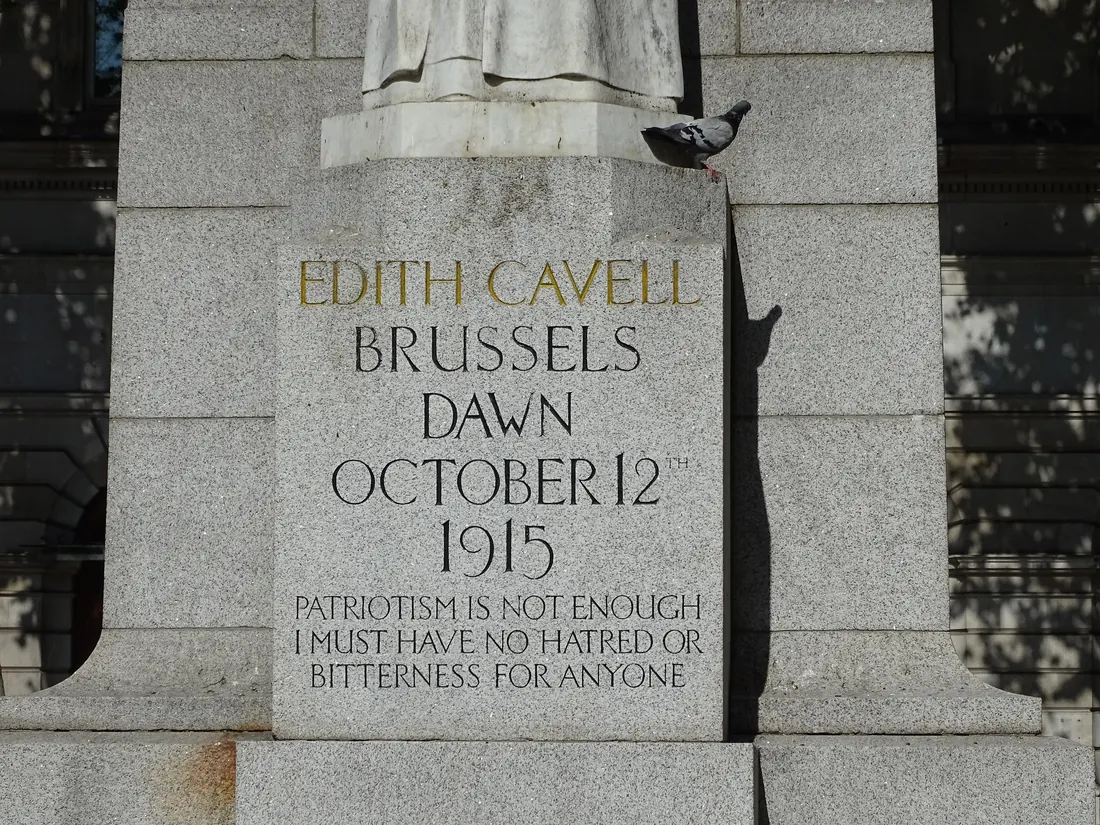
Her statue stands on the Edith Cavell Memorial in London. “On the pedestal beneath the statue of Cavell is an inscription which reads: ‘Edith Cavell // Brussels // Dawn // October 12th 1915 // Patriotism is not enough // I must have no hatred or // bitterness for anyone,’” Wikipedia says. “These words were initially left off, and added in 1924 at the request of the National Council of Women.” English Heritage says the words “were added to the plinth in the late summer of 1924.”
Fact check
The facts and where they come from
- She saved German soldiers’ lives, but a German firing squad shot her. Wikipedia: “She is celebrated for treating wounded soldiers from both sides”; von der Lancken said she should be pardoned “because she had helped save so many lives, German as well as Allied.” History.com: “Cavell chose to remain at her post, tending to German soldiers and Belgians alike.” National WWI Museum and Memorial: “she was executed by a German firing squad at the Belgian National Shooting Range at dawn on Oct. 12, 1915.” 153
- Her name was Edith Cavell. National WWI Museum and Memorial: “a British nurse who operated a medical clinic and nursing school in Brussels.” 3
- She was a British nurse running a nursing school in Brussels. Wikipedia: recruited in 1907 “to be matron of a newly established nursing school” in “Ixelles, Brussels.” 1
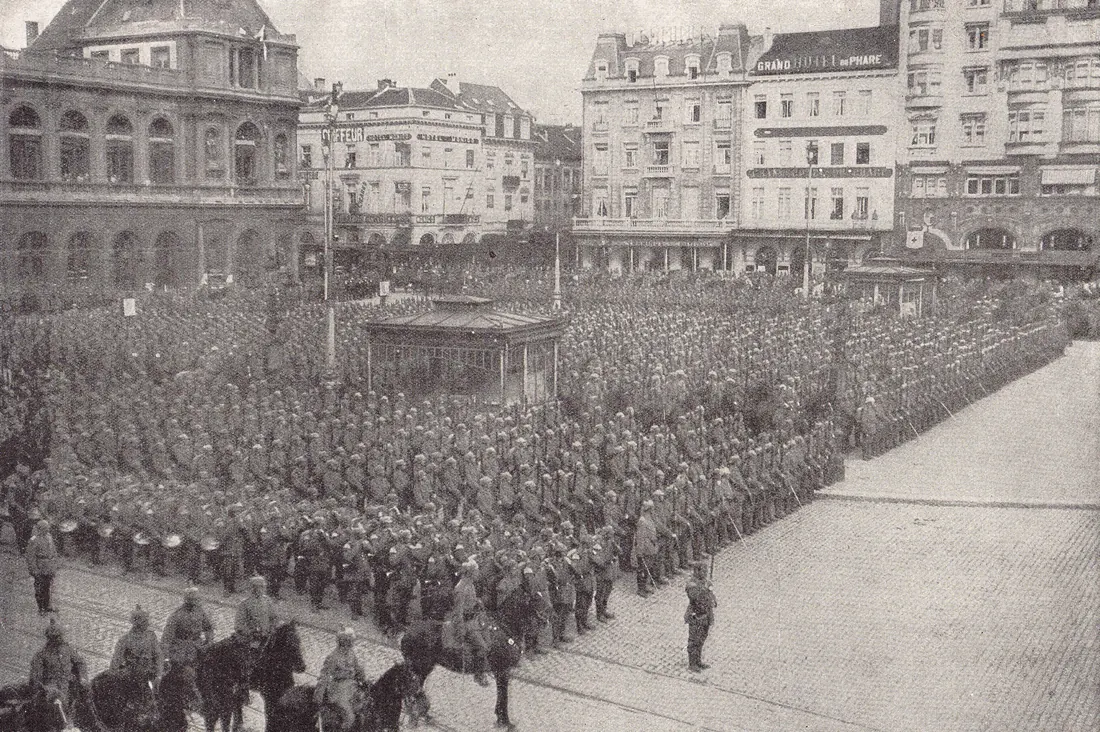
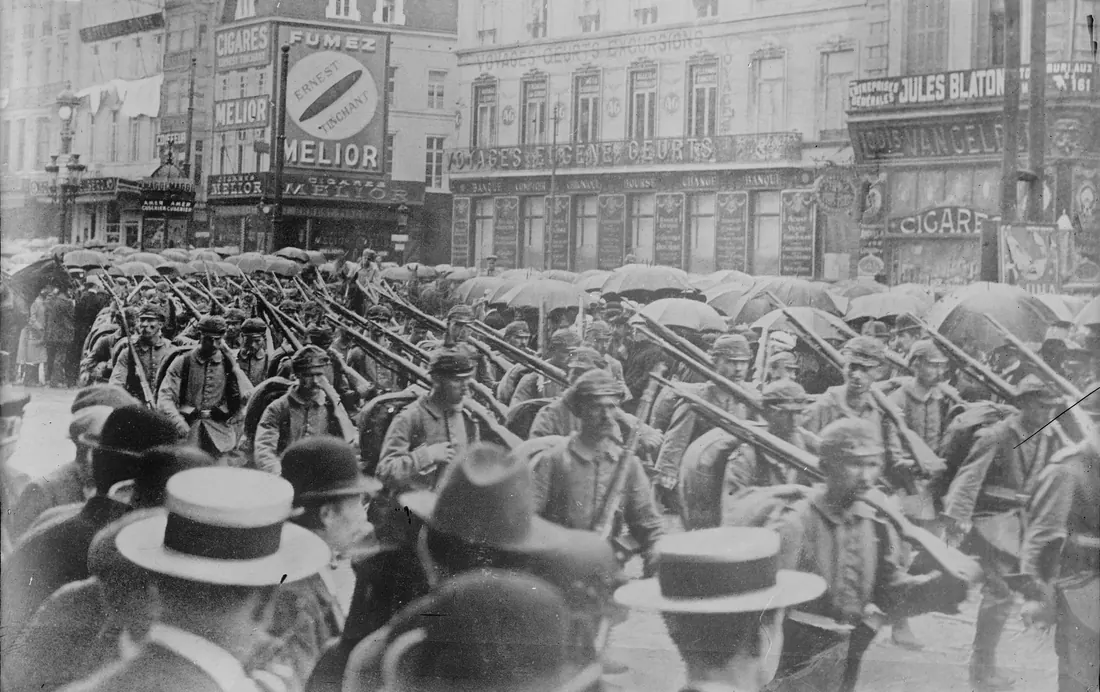
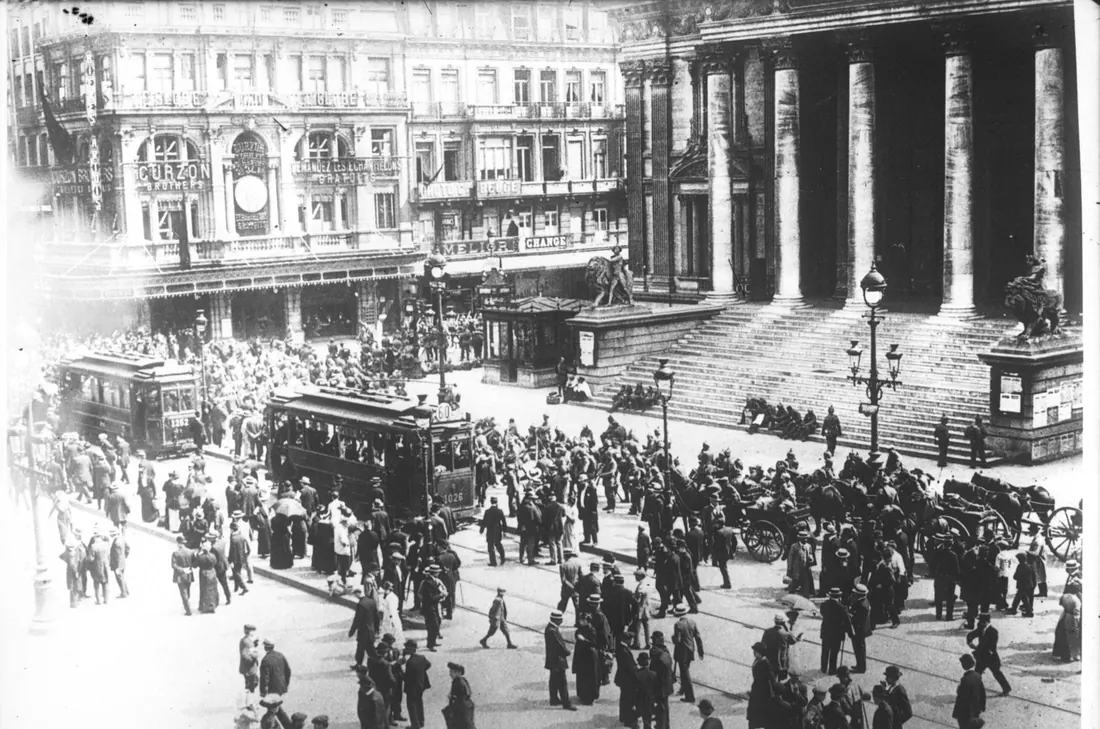
- War came, and the German army took the city. History.com: “After the city was captured and occupied by the Germans in the first month of war.” Wikipedia: “after the German occupation of Brussels.” The Library of Congress titles the Bain News Service photo “Germans crossing Place Charles Rogier, 8/20/14.” 516
- The Red Cross took over her school, and she nursed the wounded from both sides. Wikipedia: “her clinic and nursing school were taken over by the Red Cross”; “treating wounded soldiers from both sides without discrimination.” National WWI Museum and Memorial: she “provided medical treatment for injured soldiers, regardless of their nationality.” 13
- But she had a secret. English Heritage: “she assisted Allied soldiers caught by the rapid German advance to escape via neutral Holland.” 4
- British and French soldiers, trapped behind German lines, hid in her home. Wikipedia: she admitted conveying “about 60 British and 15 French soldiers” … “and had sheltered most of them in her house.” 1
- Guides smuggled them out to the neutral Netherlands. Wikipedia: “funnelling them out of occupied Belgium to the neutral Netherlands”; hosts would “provide them with guides obtained through Philippe Baucq.” 1
- She helped about two hundred men escape. Wikipedia: “helping some 200 Allied soldiers escape from German-occupied Belgium”; at her trial she said she had channeled “environ deux cents” (“about two hundred”) soldiers to the Dutch border. English Heritage: she “enabled hundreds of Allied soldiers to escape the German occupation.” 14
- In August 1915, she was betrayed and arrested. Wikipedia: “Cavell was arrested on 6 August 1915”; “She had been betrayed by Georges Gaston Quien”; “Cavell was held in Saint-Gilles prison for ten weeks.” English Heritage: “On 5 August 1915, Cavell was arrested by the German authorities.” 14
- She didn’t deny it. History.com: “Cavell admitted that she was guilty of the offenses with which she had been charged.” English Heritage: she “admitted the substance of the charge against her.” National WWI Museum and Memorial: “She admitted to having helped the servicemen escape.” Wikipedia: “she made no attempt to defend herself.” 5431
- The sentence was death. Wikipedia: “The penalty, according to German military law, was death.” The German proclamation of the sentences (Musée Carnavalet) lists her first among those “condamnés à mort.” 17
- America and Spain pleaded for her life. History.com: “diplomats from the neutral governments of the United States and Spain fought to commute her sentence.” National WWI Museum and Memorial: “despite protests from the United States and Spain.” Wikipedia: US and Spanish diplomats “formed a midnight deputation of appeal for mercy.” 531
- The night before, she told the chaplain … Wikipedia: “The night before her execution, Cavell told the Reverend H. Stirling Gahan, the Anglican chaplain.” 1
- “Patriotism is not enough. I must have no hatred or bitterness towards anyone.” Wikipedia: “The night before her execution, she said, ‘Patriotism is not enough. I must have no hatred or bitterness towards anyone.’” National WWI Museum and Memorial, from Gahan’s account: “I realize that patriotism is not enough. I must have no hatred or bitterness towards anyone.” 13
- At dawn on October 12, she faced the firing squad. National WWI Museum and Memorial: “at dawn on Oct. 12, 1915.” English Heritage: Cavell and Baucq “were both shot at dawn on 12 October 1915.” Wikipedia: “at 7:00 am on 12 October 1915” at the Tir national. 341
- She was 49. Wikipedia: “Cavell, who was 49 at the time of her execution.” History.com: “the 49-year-old British nurse.” 15
- Today her words are carved beneath her statue in London. Wikipedia (Edith Cavell Memorial): “On the pedestal beneath the statue of Cavell is an inscription which reads: ‘Edith Cavell // Brussels // Dawn // October 12th 1915 // Patriotism is not enough // I must have no hatred or // bitterness for anyone.’”; “These words were initially left off, and added in 1924 at the request of the National Council of Women.” English Heritage: “the words were added to the plinth in the late summer of 1924.” 24
Sources
- Edith Cavell Wikipedia
- Edith Cavell Memorial Wikipedia
- Edith Cavell National WWI Museum and Memorial
- Edith Cavell (London statues and monuments) English Heritage
- British nurse Edith Cavell executed History.com
- Brussels – Germans crossing Place Charles Rogier, 8/20/14 (Bain News Service) Library of Congress
- Proclamation: Le Tribunal du Conseil de Guerre Impérial Allemand siégeant à Bruxelles a prononcé les condamnations suivantes (October 1915, AFF4915) Musée Carnavalet, Paris Musées, via Wikimedia Commons
Notes
The quote: the Short uses the chaplain Gahan’s wording, “towards anyone” (Wikipedia); the National WWI Museum’s longer version opens “I realize that patriotism is not enough.” The London inscription shortens it to “bitterness for anyone” (Wikipedia, Edith Cavell Memorial), so we say her words are carved there, not these exact words.
Not her last words: her last recorded words were to the German chaplain Le Seur, “I am glad to die for my country” (Wikipedia).
The chaplain: History.com names “Reverend Horace Graham, a chaplain from the American Legation”; Wikipedia, English Heritage and the National WWI Museum name the Reverend H. Stirling Gahan, the Anglican chaplain. We follow the three.
How many she helped: “some 200” (Wikipedia), “about two hundred” (her answer at her trial) or “hundreds” (English Heritage). Her depositions list about 60 British and 15 French soldiers plus about 100 French and Belgian civilians of military age, and some later historians argue for more, so the Short says about two hundred men, not soldiers.
Her arrest: 5 August (English Heritage) or 6 August 1915 (Wikipedia), so the Short says only August.
The Red Cross: the Short says her school became a Red Cross hospital; the sources say her clinic and nursing school “were taken over by the Red Cross” (Wikipedia), so this page says that.
Why she was shot: not for nursing German soldiers but for helping Allied soldiers escape. She was charged with “war treason” for conveying troops, not with spying (Wikipedia). Claims by some historians that her network also passed on intelligence are left out.
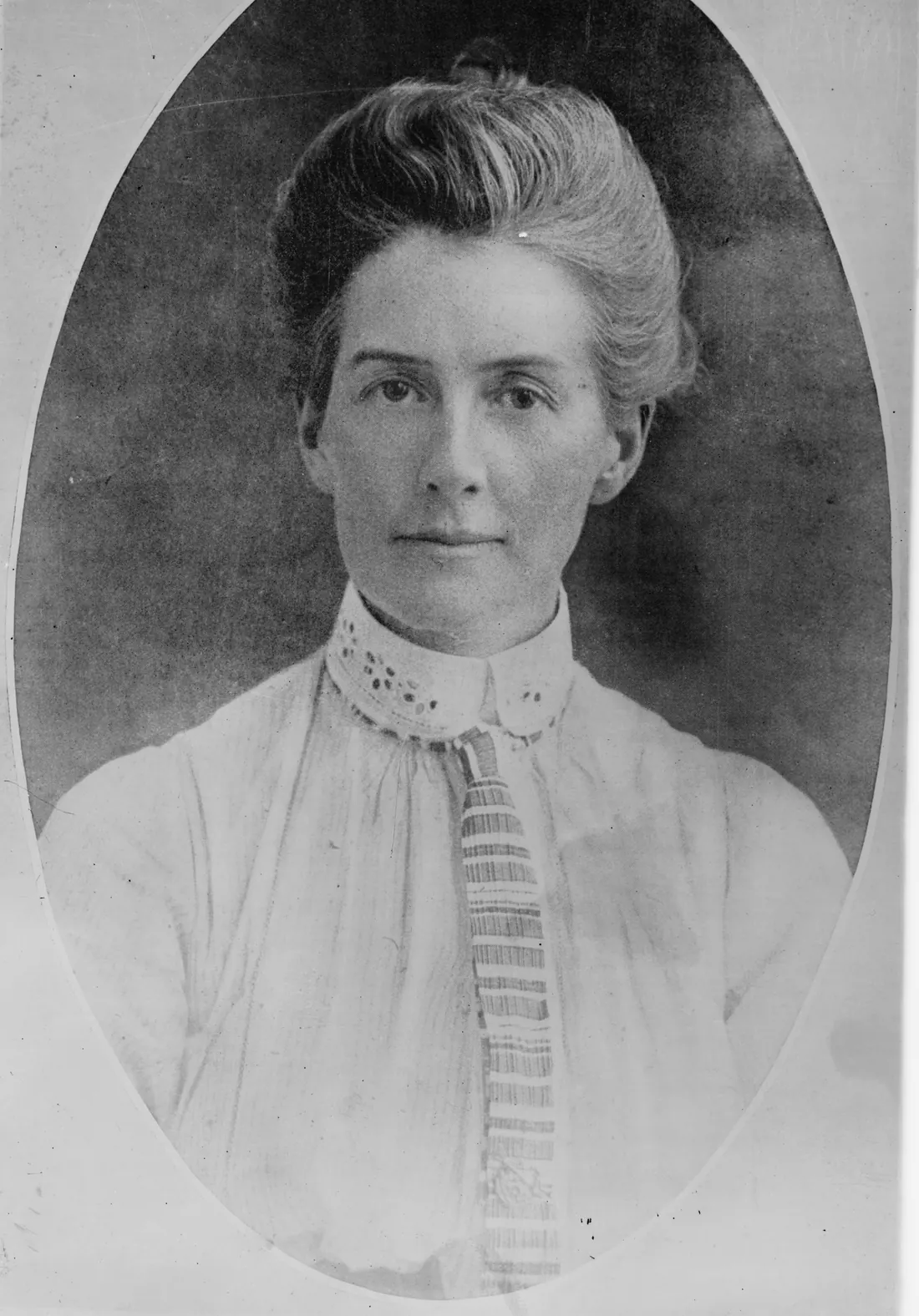
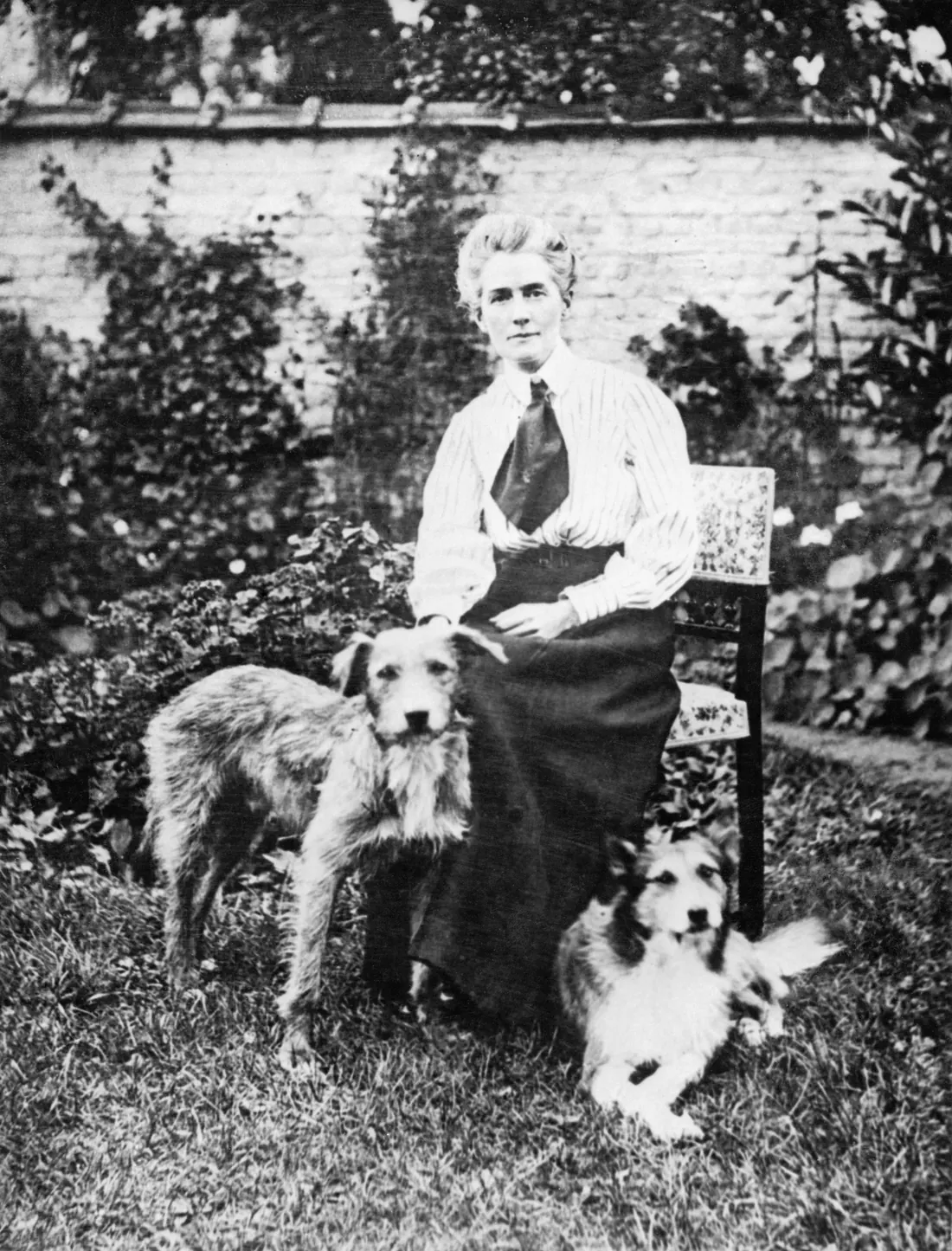
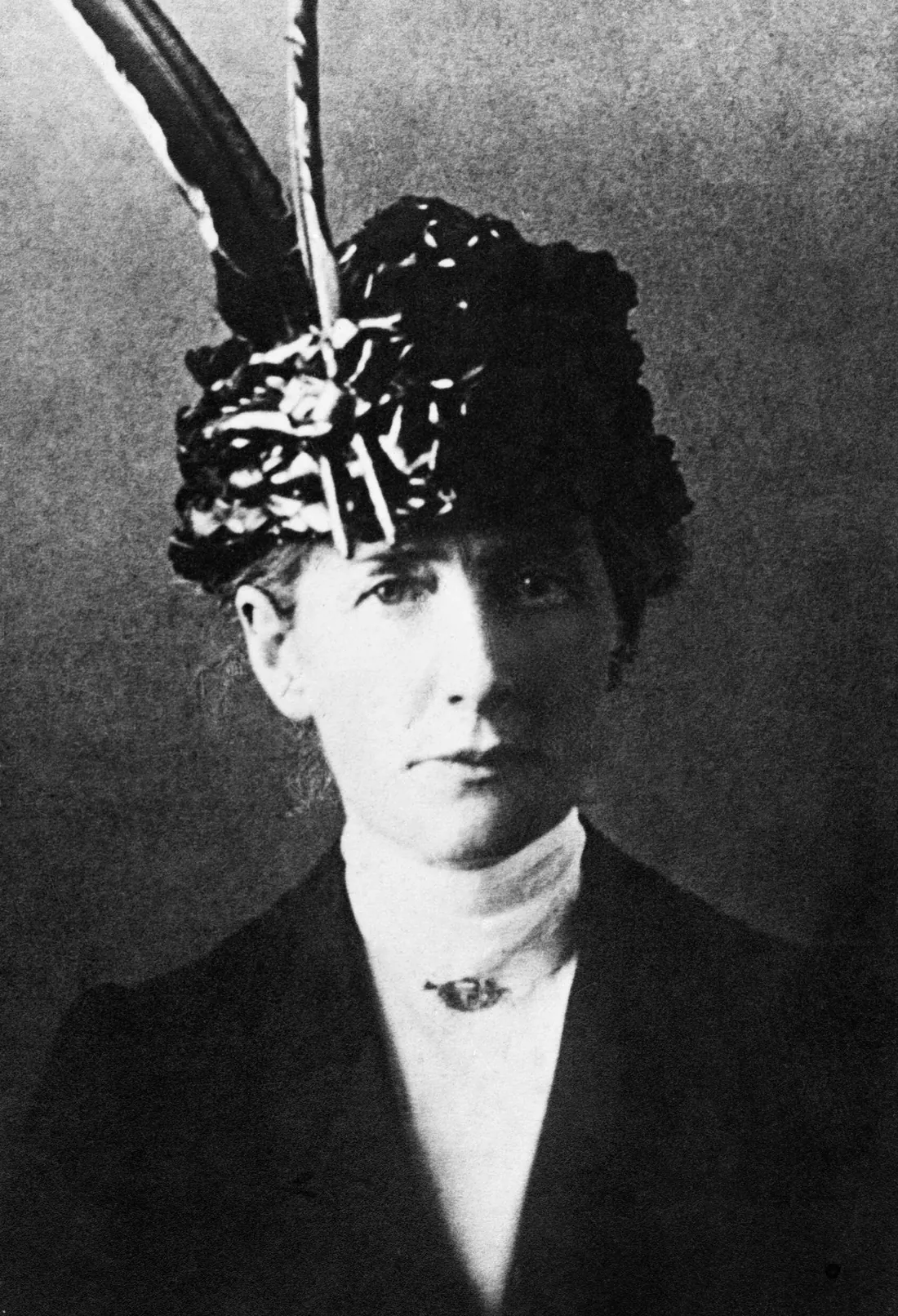
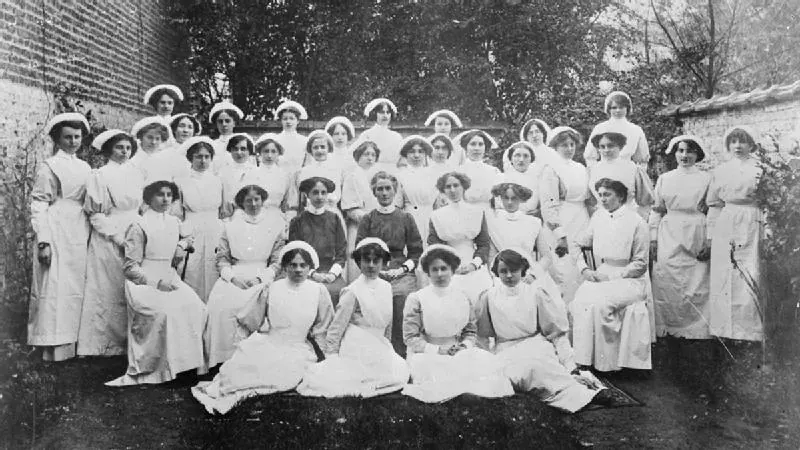
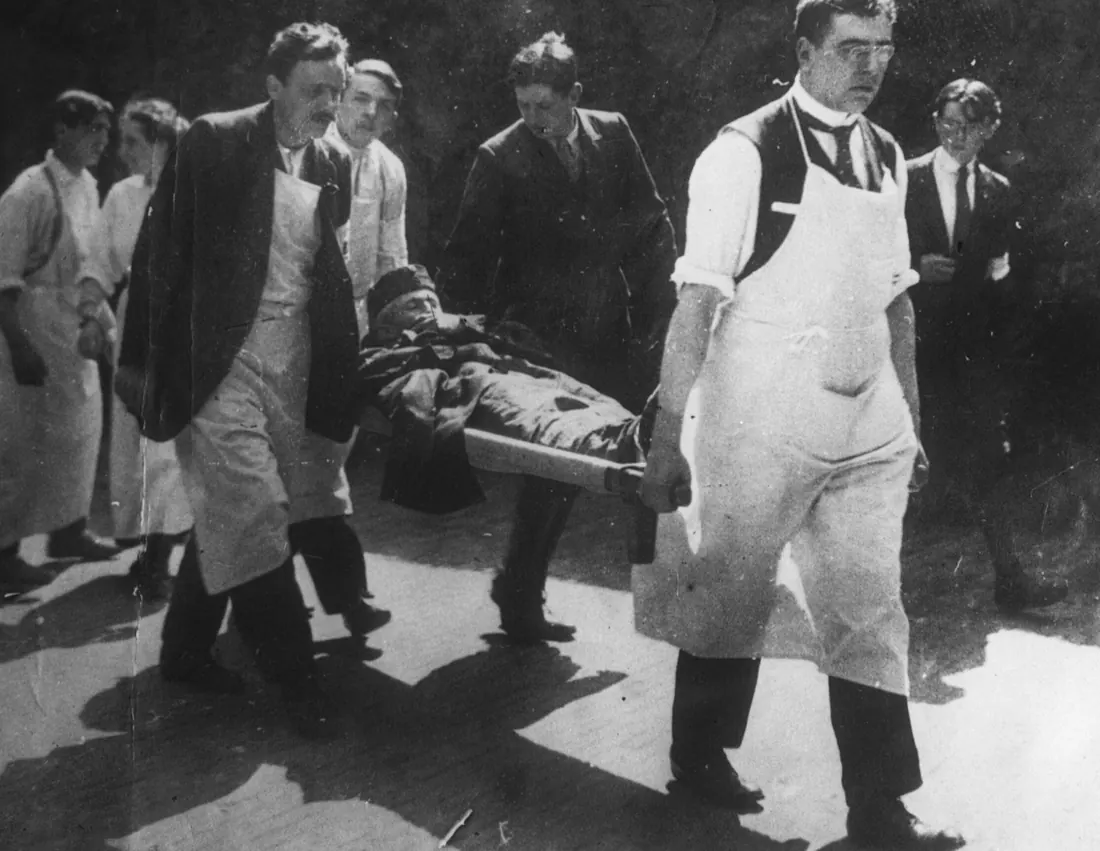
Pictures: the oval portrait is a Bain News Service glass negative (Library of Congress). The photo of Cavell with her two dogs in her Brussels garden was taken before the war (Imperial War Museums; the same photo is in the Spaarnestad press archive dated 1915), the portrait in the feathered hat is also from before the First World War, and the group photo shows her seated in the center among her student nurses in Brussels, 1907–1915. The three street photos show German troops in occupied Brussels (crossing Place Charles Rogier on August 20, 1914, on parade at the Nord station, published in 1919, and on the Place de la Bourse in September 1914), not Cavell’s network, and the wounded Belgian soldier is being carried into a Brussels hospital on August 15, 1914, not into hers. Saint-Gilles Prison, where she was held, was photographed in 2019, and the empty range where she was shot by J. W. Kirby in 1919. The proclamation is the German poster of October 1915 listing the sentences. The statue by George Frampton (1920) and its inscription were photographed in 2015 and 2019.
Photo credits
The archive photos in this story
The photographs and illustrations in this story are in the public domain or shared under open licenses; each one is credited below with its license. Tap one to enlarge it, or follow the link to its Wikimedia Commons page for the full record. The narration, captions and graphics in the Short are our own; its music and sound effects are credited below.
Music and sound effects
Music: Brahms, Tragic Overture, Op. 81 (Musopen Symphony Orchestra, CC0); Grieg, Peer Gynt Suite No. 1, Op. 46: II. Ase's Death (Musopen Symphony Orchestra, CC0).
Sound effects: Freesound, CC0.


























































































