Alfred Nobel “is known for inventing dynamite,” Wikipedia says. “On 3 September 1864, a shed used for preparation of nitroglycerin exploded at the factory in Heleneborg, Stockholm, Sweden, killing five people, including Nobel’s younger brother Emil.” Tekniska museet, Sweden’s National Museum of Science and Technology, says that “Emil was experimenting with the production of nitroglycerine, and he and five others died in the explosion,” and that in the same year “he and his father started Nitroglycerin AB, a Swedish company.” Dynamite “was patented in 1867”; “Alfred was able to put up factories in 90 different places,” NobelPrize.org says, and “By the time of his death in 1896 he had 355 patents.” HISTORY: “By the time he wrote his will, Nobel was hugely wealthy and owned nearly 100 factories that made explosives and munitions.”
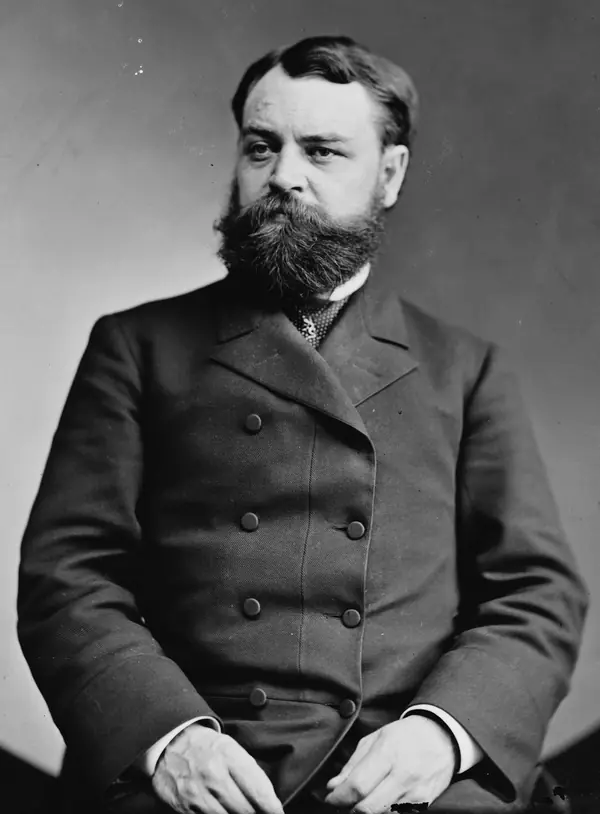
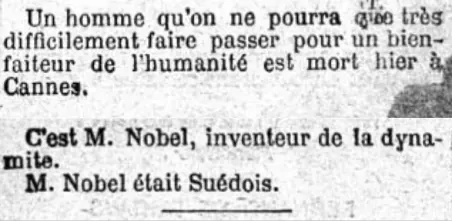
“Alfred had two older brothers, Robert born in 1829, and Ludvig born in 1831,” NobelPrize.org says. “1888 was a year of sorrow as Ludvig Nobel died in Cannes after a period of heart problems,” Branobel History writes; Wikipedia dates his death to April 12, 1888. “In 1888, the death of his brother Ludvig supposedly caused several newspapers to publish obituaries of Alfred in error,” Wikipedia says, and “Thanks to poor reporting, at least one French newspaper believed that it was Alfred who had perished,” HISTORY says. A notice survives, in a scan from the Bibliothèque nationale de France that Wikipedia attributes to “the first page of the Figaro on the 15th of April 1888”: “Un homme qu’on ne pourra que très difficilement faire passer pour un bienfaiteur de l’humanité est mort hier à Cannes. C’est M. Nobel, inventeur de la dynamite. M. Nobel était Suédois.” In Wikipedia’s translation: “A man who can only with the utmost difficulty be considered a benefactor of mankind has died yesterday at Cannes.” A 2024 paper in Substantia says of it: “There is a record of a premature obituary in this newspaper, although its contents do not appear scathing enough to have drastically affected Nobel.”
Then there is the famous version. “Or so the story goes: In 1888, Nobel’s brother Ludvig died. A French newspaper, confusing the two brothers, ran an obituary for Alfred calling him ‘the merchant of death,’” Smithsonian Magazine writes. But “historians have yet to find an original copy of the ‘Merchant of Death’ obituary,” HISTORY says, and Wikipedia calls it “a well-known story about the origin of the Nobel Prize, although historians have been unable to verify it, and some dismiss the story as a myth.” Did he read his death notice? “Nobel read the obituary and was appalled at the idea that he would be remembered in this way,” Wikipedia says, and the Nobel Foundation’s Annika Pontikis, quoted by Smithsonian, said: “Yes, Nobel saw his obituary in advance. And yes, he was unhappy about what he read. Still, it was probably not the only factor that influenced him to create a peace prize.” “Nobel never spoke publicly about the motivations behind the pledge,” HISTORY says.
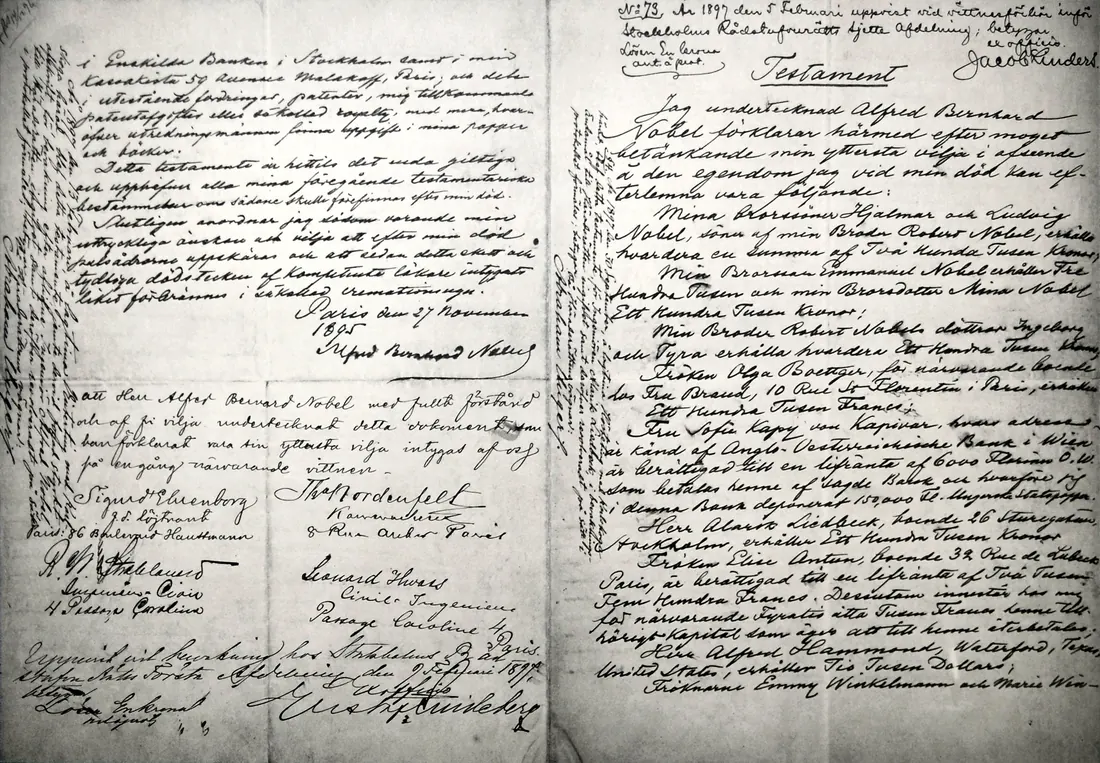
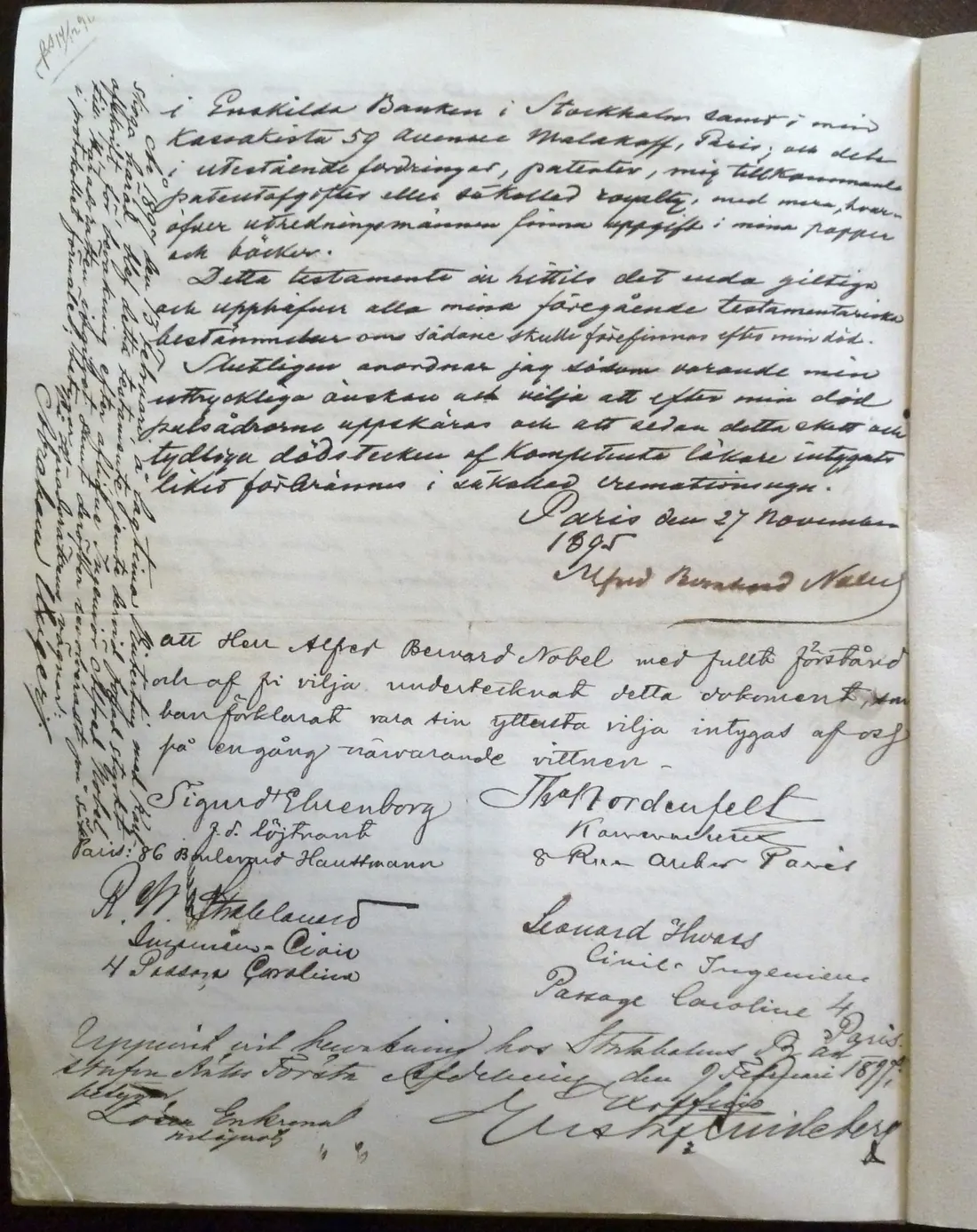
“On November 27, 1895, Alfred Nobel signed his third and last will at the Swedish-Norwegian Club in Paris,” NobelPrize.org says. “Nobel’s will allocated 94% of his total assets, 31,225,000 Swedish kronor, to establish the five Nobel Prizes,” Wikipedia says. “The interest is to be divided into five equal parts,” the will reads: “one part to the person who made the most important discovery or invention in the field of physics,” one for “the most important chemical discovery or improvement,” one “within the domain of physiology or medicine,” one “in the field of literature,” and “one part to the person who has done the most or best to advance fellowship among nations.”
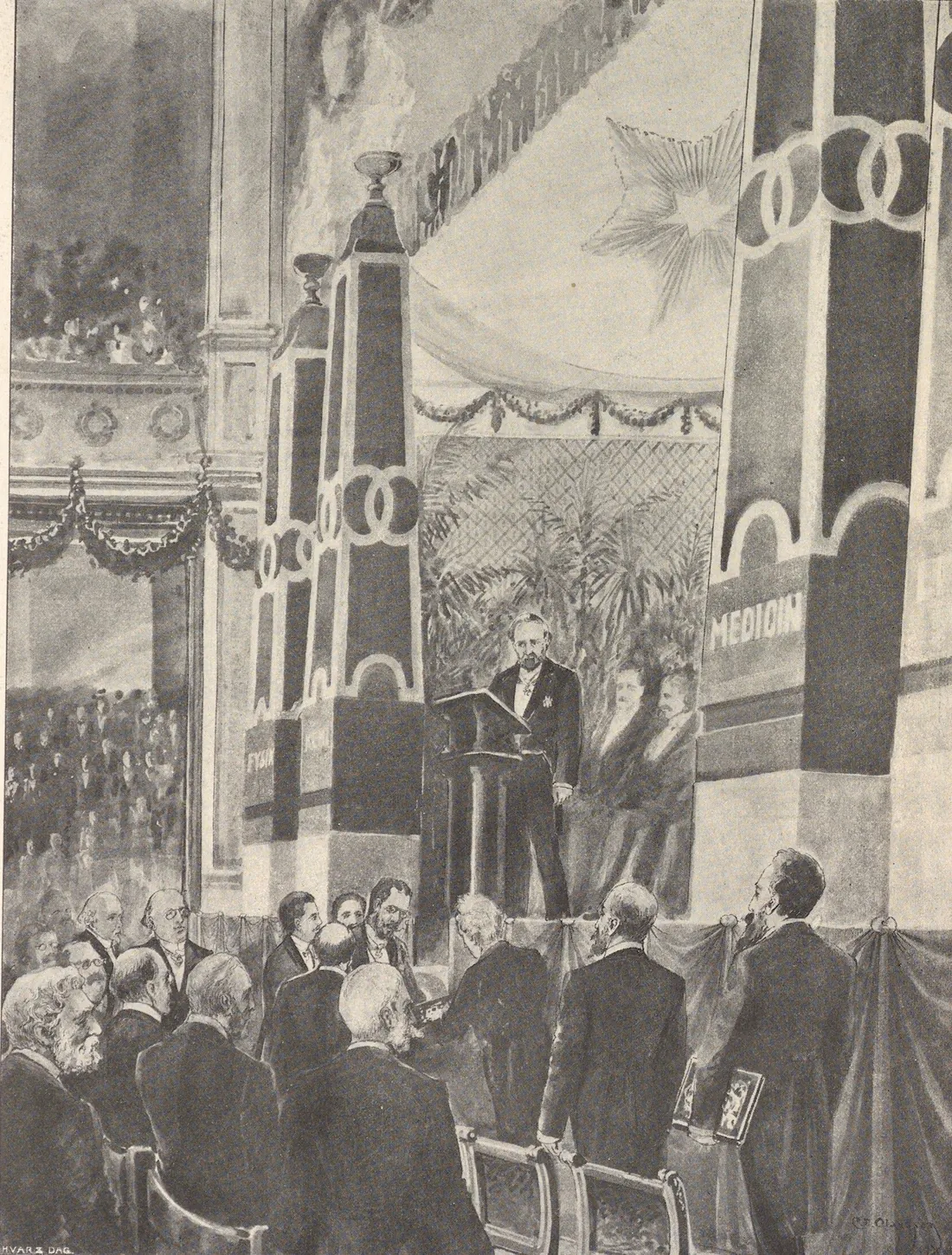
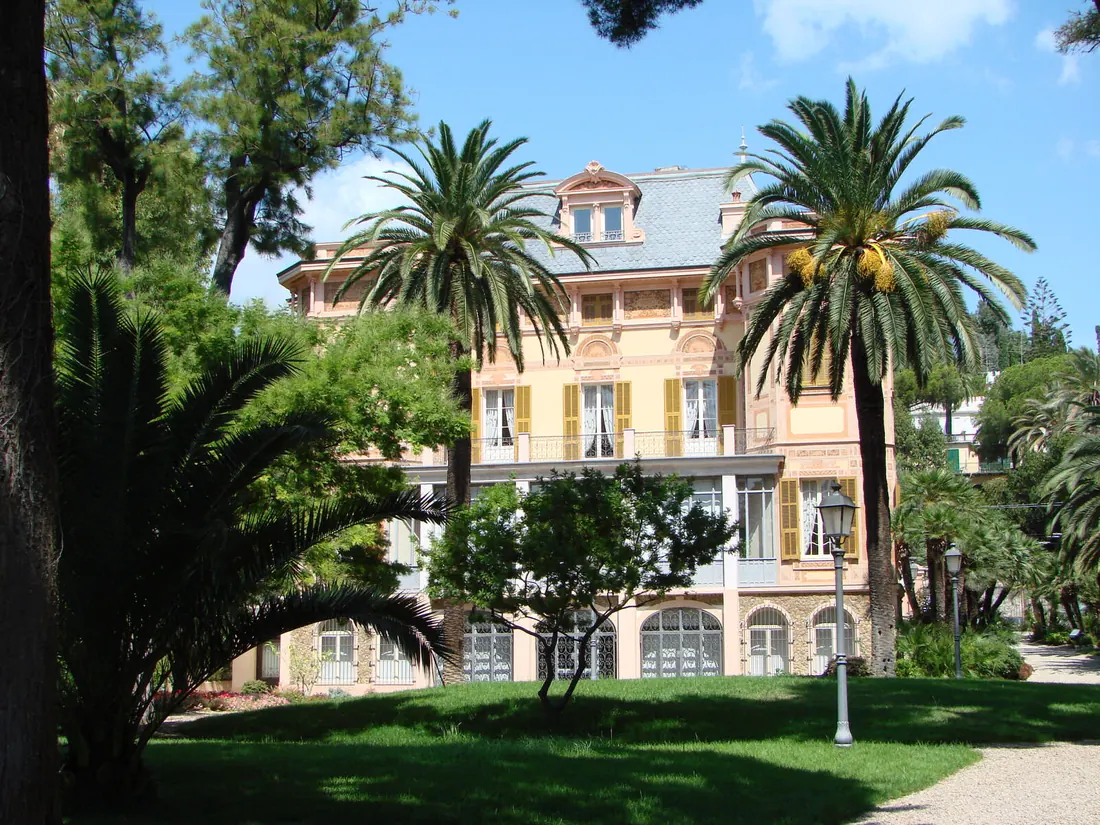
“On December 10, 1896 Alfred Nobel succumbed to a lingering heart ailment, suffered a stroke, and died in the villa” in Sanremo, NobelPrize.org says. “His will was opposed by his relatives”; in HISTORY’s words, “Furious at having been denied the largest piece of his fortune, some of Nobel’s family members tried to have the will overturned.” But “In 1901, the first Nobel Prizes in Physics, Chemistry, Physiology or Medicine and Literature were first awarded in Stockholm, Sweden and the Peace Prize in Kristiania (now Oslo), Norway.” “The inaugural laureates included the likes of Red Cross founder Henry Dunant,” HISTORY says.
Fact check
The facts and where they come from
- He was alive, but a newspaper had already printed his obituary. The 1888 notice: “Un homme qu’on ne pourra que très difficilement faire passer pour un bienfaiteur de l’humanité est mort hier à Cannes. C’est M. Nobel, inventeur de la dynamite. M. Nobel était Suédois.” Wikipedia: “In 1888, the death of his brother Ludvig supposedly caused several newspapers to publish obituaries of Alfred in error.” Substantia, on Le Figaro: “There is a record of a premature obituary in this newspaper, although its contents do not appear scathing enough to have drastically affected Nobel.” HISTORY: “Thanks to poor reporting, at least one French newspaper believed that it was Alfred who had perished.” 11486
- His name was Alfred Nobel, the inventor of dynamite. Wikipedia: “Nobel is known for inventing dynamite.” 4
- He invented dynamite, and got rich on explosives. Wikipedia: dynamite “was patented in 1867.” NobelPrize.org: “Alfred was able to put up factories in 90 different places.” HISTORY: “By the time he wrote his will, Nobel was hugely wealthy and owned nearly 100 factories that made explosives and munitions.” 426
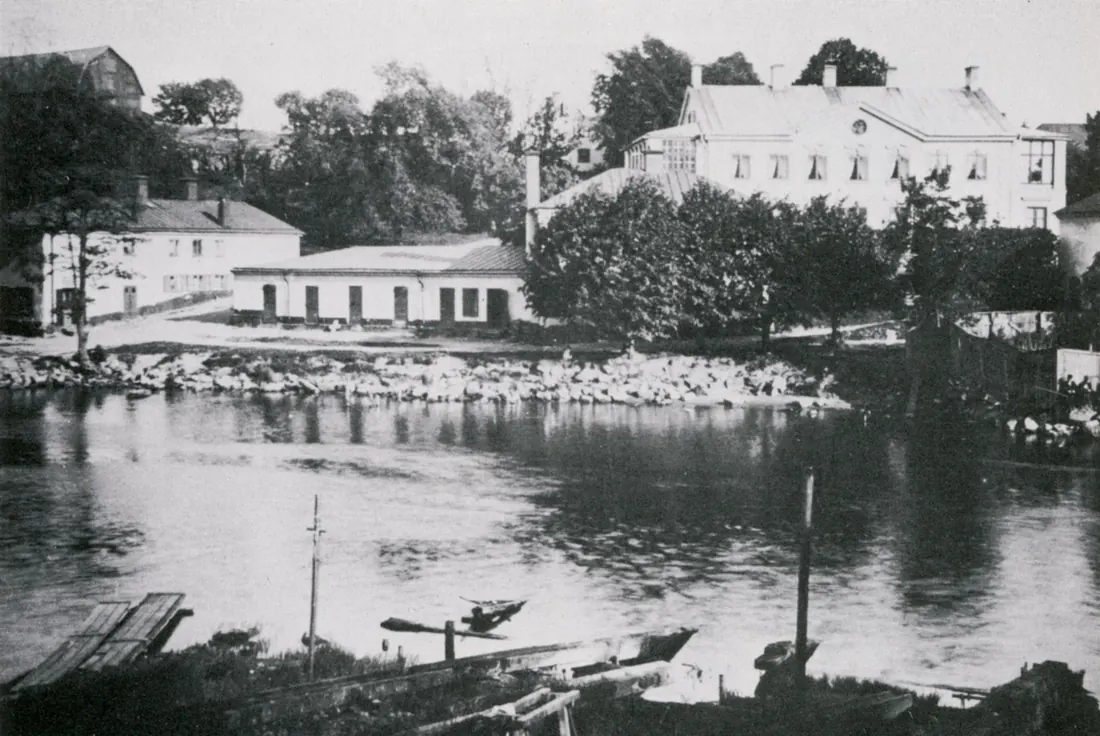
- In 1864, a blast at their factory killed his younger brother, Emil. Wikipedia: “On 3 September 1864, a shed used for preparation of nitroglycerin exploded at the factory in Heleneborg, Stockholm, Sweden, killing five people, including Nobel’s younger brother Emil.” Tekniska museet: “On 3rd September 1864, a violent explosion destroyed the factory in Stockholm. Emil was experimenting with the production of nitroglycerine, and he and five others died in the explosion”; of the family business: “That year, he and his father started Nitroglycerin AB, a Swedish company.” 49
- In 1888, his older brother Ludvig died in Cannes. Wikipedia gives Ludvig’s dates as July 27, 1831 – April 12, 1888, and calls him “the older brother of Alfred Nobel.” Branobel History: “1888 was a year of sorrow as Ludvig Nobel died in Cannes after a period of heart problems.” NobelPrize.org: “Alfred had two older brothers, Robert born in 1829, and Ludvig born in 1831.” 5102
- A French paper mixed them up, and announced Alfred was dead. The notice: “est mort hier à Cannes. C’est M. Nobel, inventeur de la dynamite.” HISTORY: “at least one French newspaper believed that it was Alfred who had perished.” Wikipedia gives the paper and date as “the first page of the Figaro on the 15th of April 1888.” 1164
- It said he could hardly be called a benefactor of humanity. Wikipedia’s translation: “A man who can only with the utmost difficulty be considered a benefactor of mankind has died yesterday at Cannes.” Substantia’s translation: “A man who can not very easily pass for a benefactor of humanity died yesterday in Cannes.” 48
- The story goes, a paper called him the merchant of death. Smithsonian Magazine: “Or so the story goes: In 1888, Nobel’s brother Ludvig died. A French newspaper, confusing the two brothers, ran an obituary for Alfred calling him ‘the merchant of death.’” HISTORY: “historians have yet to find an original copy of the ‘Merchant of Death’ obituary.” Wikipedia: “There is a well-known story about the origin of the Nobel Prize, although historians have been unable to verify it, and some dismiss the story as a myth.” 764
- Reportedly, he read it, and hated how he’d be remembered. The Nobel Foundation’s Annika Pontikis, quoted by Smithsonian Magazine: “Yes, Nobel saw his obituary in advance. And yes, he was unhappy about what he read. Still, it was probably not the only factor that influenced him to create a peace prize.” Wikipedia: “Nobel read the obituary and was appalled at the idea that he would be remembered in this way.” HISTORY: “The error was later corrected, but not before Alfred had the unpleasant experience of reading his own death notice.” 746
- In 1895, in Paris, he signed his final will. NobelPrize.org: “On November 27, 1895, Alfred Nobel signed his third and last will at the Swedish-Norwegian Club in Paris.” 1
- He left 94% of his fortune for five prizes. Wikipedia: “Nobel’s will allocated 94% of his total assets, 31,225,000 Swedish kronor, to establish the five Nobel Prizes.” The will, on NobelPrize.org: “The interest is to be divided into five equal parts.” 41
- Physics, chemistry, medicine, literature. The will: “one part to the person who made the most important discovery or invention in the field of physics” … “the most important chemical discovery or improvement” … “within the domain of physiology or medicine” … “in the field of literature.” 1
- And peace. The will: “one part to the person who has done the most or best to advance fellowship among nations.” 1
- He died the next year, and his family fought the will. NobelPrize.org: “Alfred died in San Remo, Italy on December 10, 1896” … “On December 10, 1896 Alfred Nobel succumbed to a lingering heart ailment, suffered a stroke, and died in the villa” … “His family opposed the establishment of the Nobel Prize” … “His will was opposed by his relatives.” HISTORY: “Furious at having been denied the largest piece of his fortune, some of Nobel’s family members tried to have the will overturned.” 2316
- But in 1901, the first Nobel Prizes were handed out. NobelPrize.org: “In 1901, the first Nobel Prizes in Physics, Chemistry, Physiology or Medicine and Literature were first awarded in Stockholm, Sweden and the Peace Prize in Kristiania (now Oslo), Norway.” The printed title of the drawing in Hvar 8 Dag: “Öfverlämnandet af Nobelprisen i Musikaliska akademiens stora sal, den 10 december 1901.” 212
- Today, his name doesn’t mean dynamite. It means the Nobel Prize. (Our summary, not a quoted claim: Wikipedia says “Nobel is known for inventing dynamite,” and NobelPrize.org says the first Nobel Prizes were awarded in 1901.) 42
Sources
- Alfred Nobel’s will NobelPrize.org
- Alfred Nobel’s life and work NobelPrize.org
- Alfred Nobel’s final years in Sanremo NobelPrize.org
- Alfred Nobel Wikipedia
- Ludvig Nobel Wikipedia
- Did a Premature Obituary Inspire the Nobel Prize? (Evan Andrews) HISTORY
- Blame Sloppy Journalism for the Nobel Prizes (Colin Schultz, 2013) Smithsonian Magazine
- Between Research and Responsibility: The Invention of Dynamite (Jonah Sachs, Substantia 8(2), 2024) Substantia, Firenze University Press
- Alfred Nobel – Dynamite Tekniska museet (Swedish National Museum of Science and Technology)
- Ludvig and Alfred make up and the Tsar visits Baku (Brita Åsbrink) Branobel History
- The 1888 notice, attributed to Le Figaro (scan from Gallica, Bibliothèque nationale de France) Wikimedia Commons
- The first prize ceremony, drawing by C. A. Olausson in Hvar 8 Dag, December 22, 1901 (National Library of Sweden), record Wikimedia Commons
Notes
“The merchant of death”: no copy of that obituary has ever been found. Smithsonian Magazine (2013) says the paper named in the tale, “Ideotie Quotidienne,” “basically doesn’t exist except attached to this tale”; HISTORY says historians “have yet to find an original copy”; and the 2024 Substantia paper says “this myth appears to have been fabricated by biographers” (it names Halasz, 1959, and Fant, 1991). So the Short tells it only as “The story goes,” and so does this page.
Which paper, and when: the surviving notice is a scan on Wikimedia Commons sourced to Gallica (Bibliothèque nationale de France) and dated April 15, 1888, and Wikipedia and Substantia attribute it to Le Figaro. Wikipedia’s page reference and its statement that the paper retracted it the next day rest on a History Stack Exchange answer that Wikipedia itself flags as user-generated, and we could not open the Gallica page, so the paper’s name, the date, the page and the retraction are unconfirmed. The Short says only “A French paper.” One oddity: Ludvig died on April 12, yet the notice says he died “hier” (yesterday).
Did the obituary make him found the prizes? Unproven: “Nobel never spoke publicly about the motivations behind the pledge” (HISTORY), and the Nobel Foundation’s spokeswoman called it “probably not the only factor.” The Short never says the notice caused the will: it puts his reaction behind “Reportedly” and then says what he did.
The 1864 explosion killed “five people, including … Emil” (Wikipedia) or “he and five others” (Tekniska museet), so the Short gives no number. “Their factory”: the Heleneborg works belonged to the Nobel family; Tekniska museet says he and his father started Nitroglycerin AB that year.
Ninety-four percent is Wikipedia’s figure, from Abrams (2001) and Fant (1991); Smithsonian says “over 90%,” HISTORY “the vast majority.” It is kept as the standard figure.
The 1901 drawing shows the prizes handed out in Stockholm; the Peace Prize was awarded in Kristiania (now Oslo).
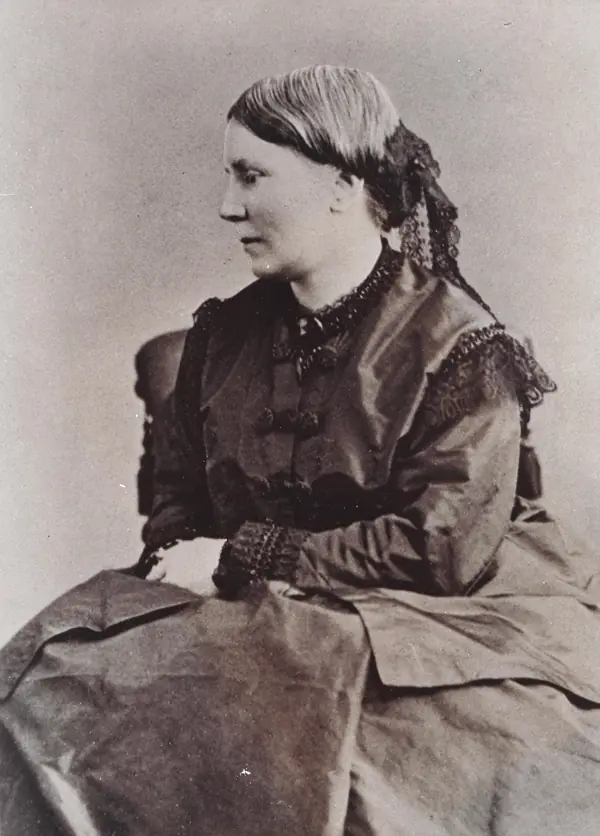
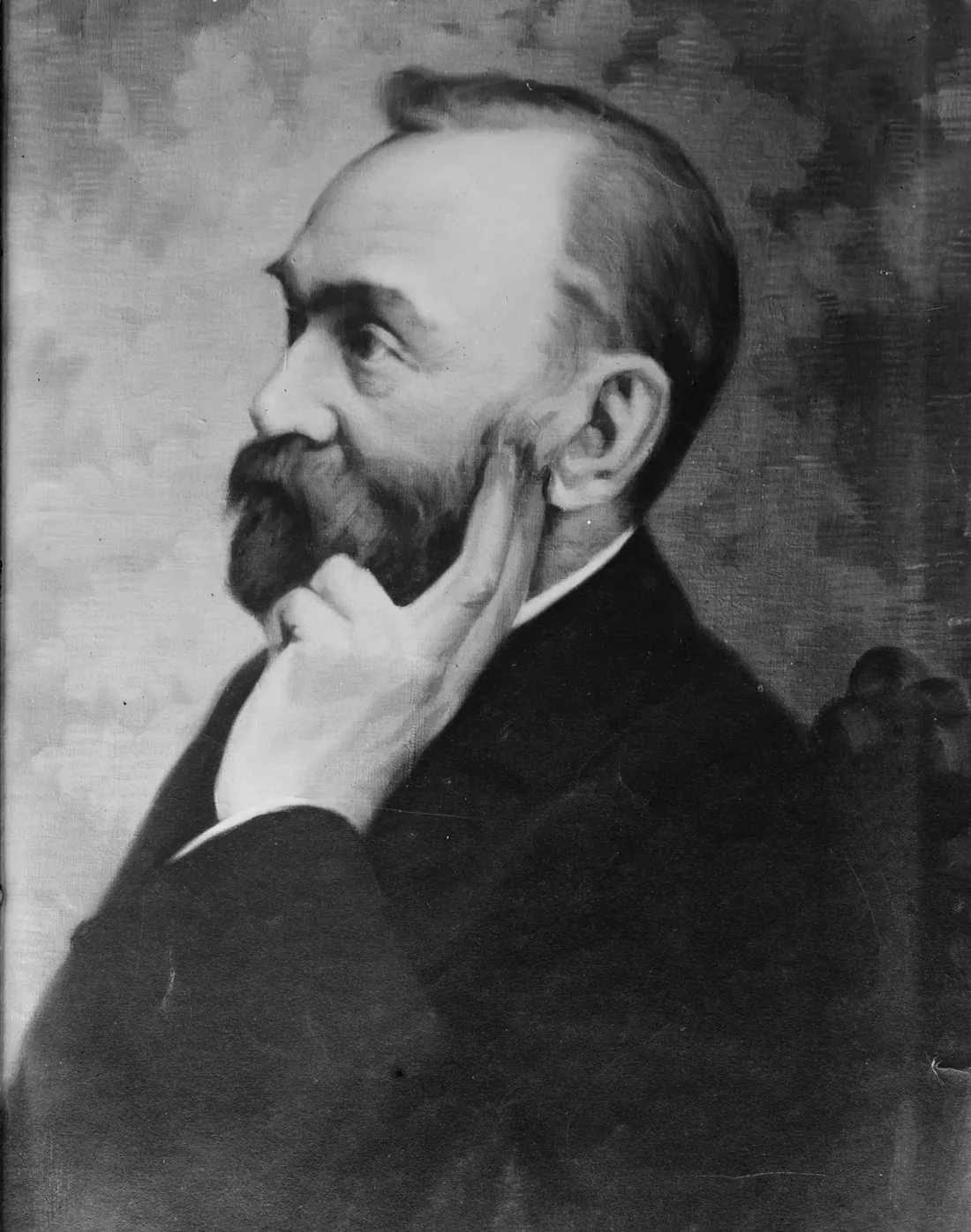
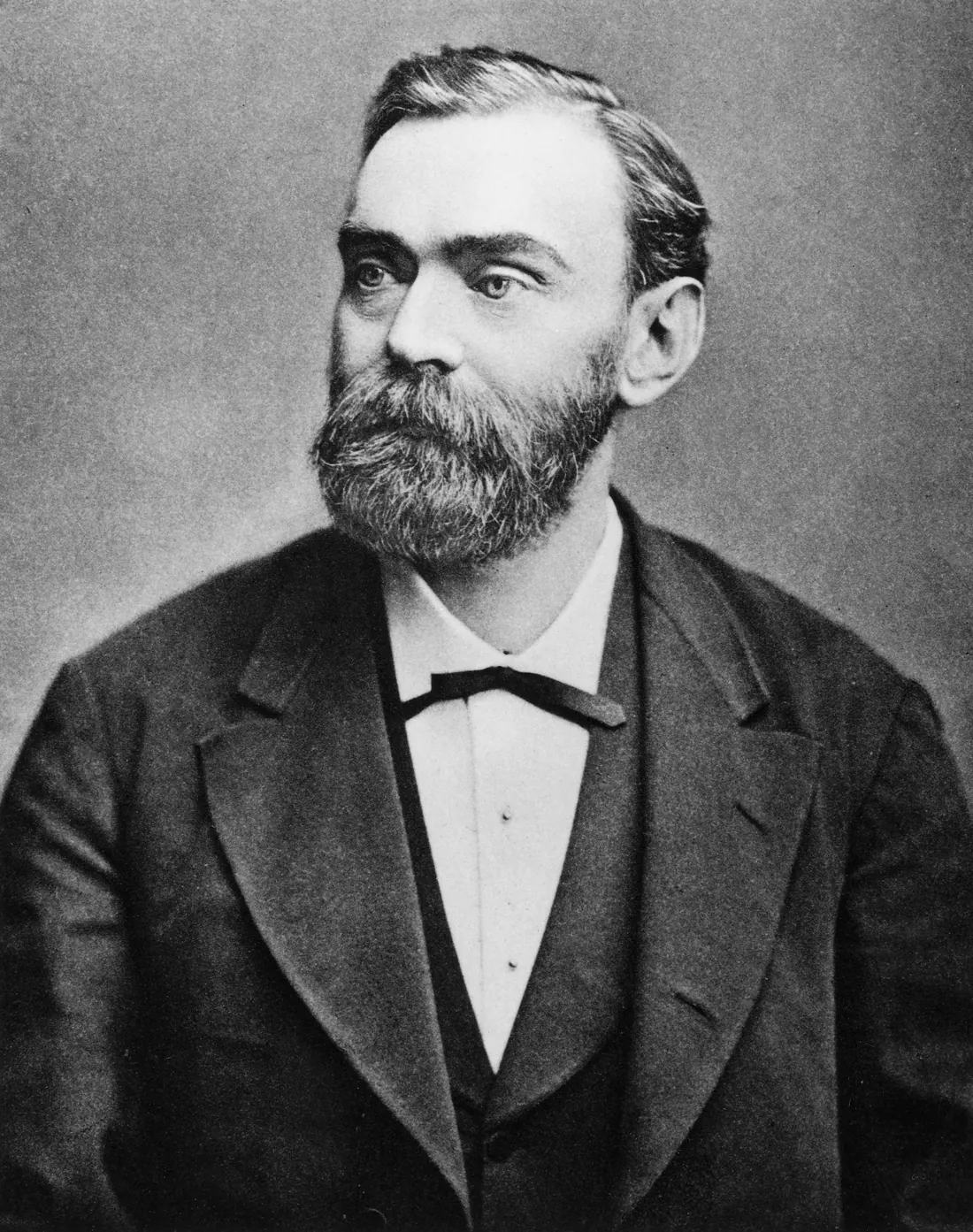
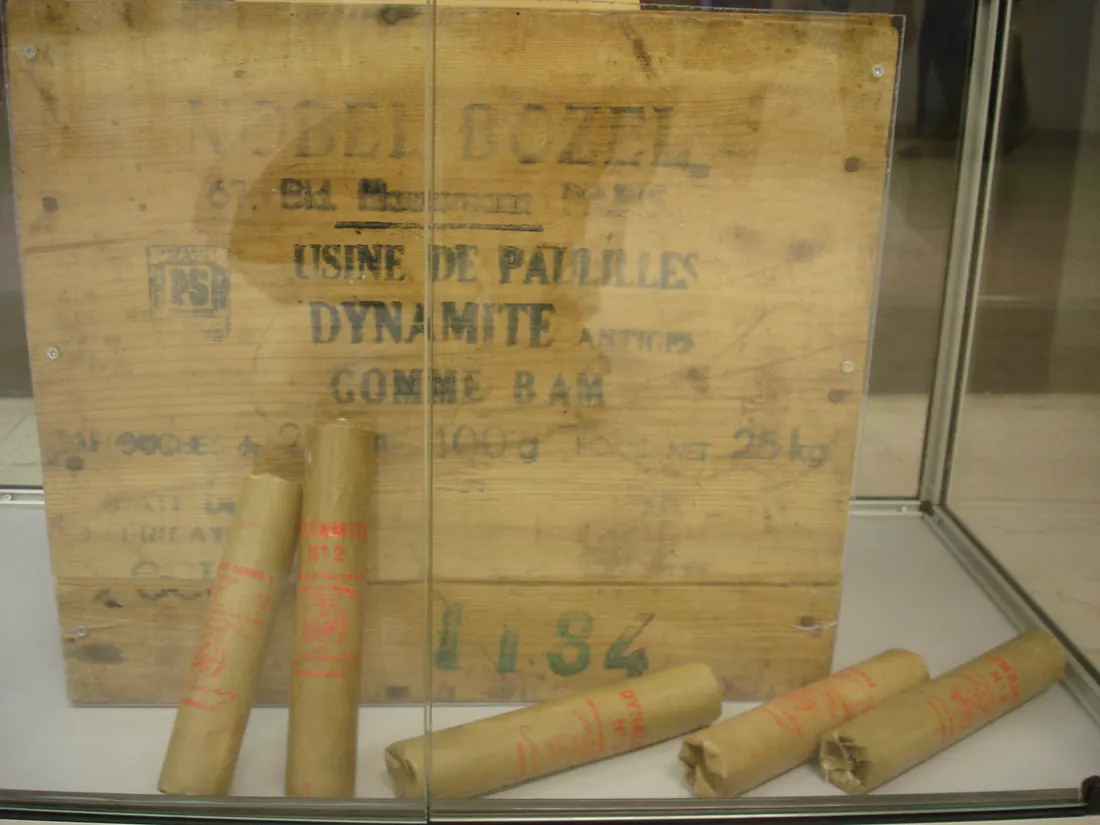
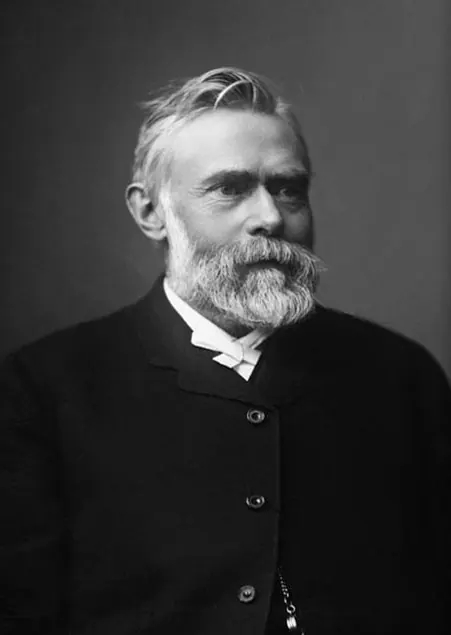
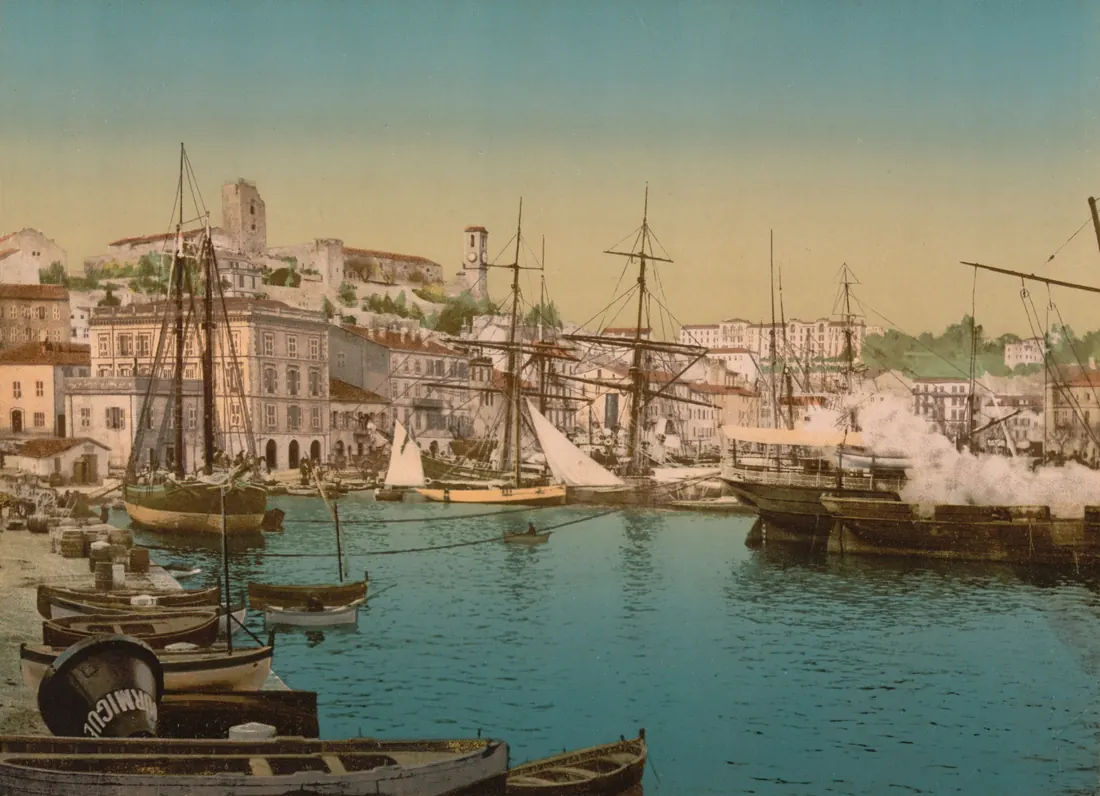
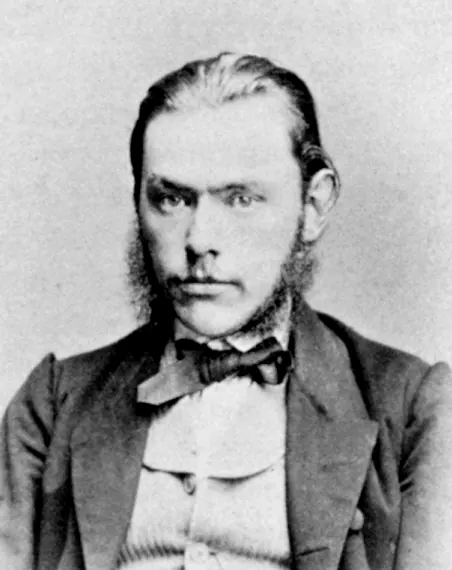
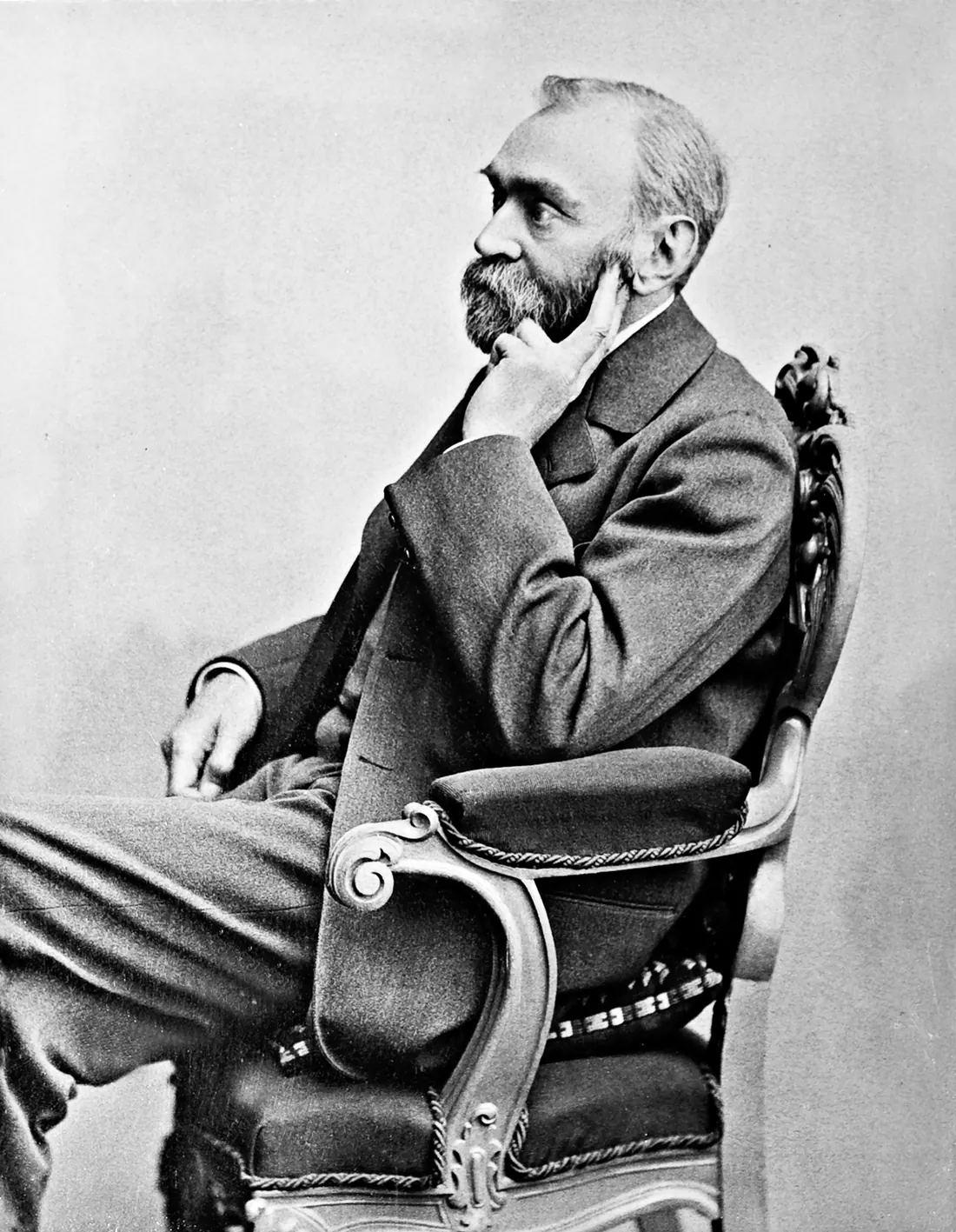
Pictures: Alfred Nobel himself is in Gösta Florman’s profile portrait (Royal Library, Stockholm; a print in the Bain Collection, Library of Congress), the photo of about 1883 (Science Museum) and Florman’s seated portrait, taken before 1896. Emil Nobel is in a photo of the 1860s, Ludvig Nobel in one taken before 1888. Heleneborg is shown about 1900, long after the 1864 explosion. The harbor at Cannes is a Photochrom print of the 1890s (Library of Congress). The clipping is the 1888 notice itself. The will is shown in a photo by Prolineserver (the Commons file name says November 25, but the will is dated November 27, 1895) and its fourth page, with “Paris den 27 November 1895” and his signature, in a photo by Waage of 2011. The dynamite crate is a later Nobel-Bozel crate of 1957–84 at the Paulilles dynamite factory museum, photographed by Olecrab in 2006, not one of his own. Villa Nobel in Sanremo, where he died, is seen from the rear in 2007. The first prize ceremony, in Stockholm on December 10, 1901, is a drawing by C. A. Olausson in Hvar 8 Dag of December 22, 1901 (National Library of Sweden).
Photo credits
The archive photos in this story
The photographs and illustrations in this story are in the public domain or shared under open licenses; each one is credited below with its license. Tap one to enlarge it, or follow the link to its Wikimedia Commons page for the full record. The narration, captions and graphics in the Short are our own; its music and sound effects are credited below.
Music and sound effects
Music: Brahms, Tragic Overture, Op. 81 (Musopen Symphony Orchestra, CC0); Brahms, Symphony No. 2 in D major, Op. 73: IV. Allegro con spirito (Musopen Symphony Orchestra, CC0); Brahms, Symphony No. 1 in C minor, Op. 68: IV. Adagio - Piu andante - Allegro non troppo, ma con brio (Musopen Symphony Orchestra, CC0).
Sound effects: Freesound, CC0.