“In June 1884, Tesla emigrated and began working almost immediately at the Machine Works on Manhattan’s Lower East Side,” Wikipedia says. PBS lists what he arrived with: “The Serbian immigrant had four cents in his pocket, some mathematical computations, a drawing of an idea for a flying machine, and a letter of introduction from Charles Batchelor.” “Edison immediately hired him to make improvements in his DC generation plants,” PBS says, but Tesla “had been working at the Machine Works for a total of six months when he quit,” in Wikipedia’s words. By 1886, after his investors pushed him out of his own company, “He had to work at various electrical repair jobs and as a ditch digger for $2 per day.” PBS: “Word began to spread that a foreigner of unusual talent was digging ditches to stay alive.”
His better idea was alternating current. “Tesla quickly developed all the components for the system of AC power generation and transmission that is used universally throughout the world today,” PBS says. Of George Westinghouse, it says: “He came to Tesla’s lab and made an offer, purchasing the patents for $60,000.” Wikipedia calls it a license: “In July 1888, Brown and Peck negotiated a licensing deal with George Westinghouse for Tesla’s polyphase induction motor and transformer designs.” Then, “In early 1891, George Westinghouse explained his financial difficulties to Tesla in stark terms,” and Tesla “agreed to release the company from the royalty payment clause in the contract.” In all, “Tesla obtained around 300 patents worldwide for his inventions,” Wikipedia says.
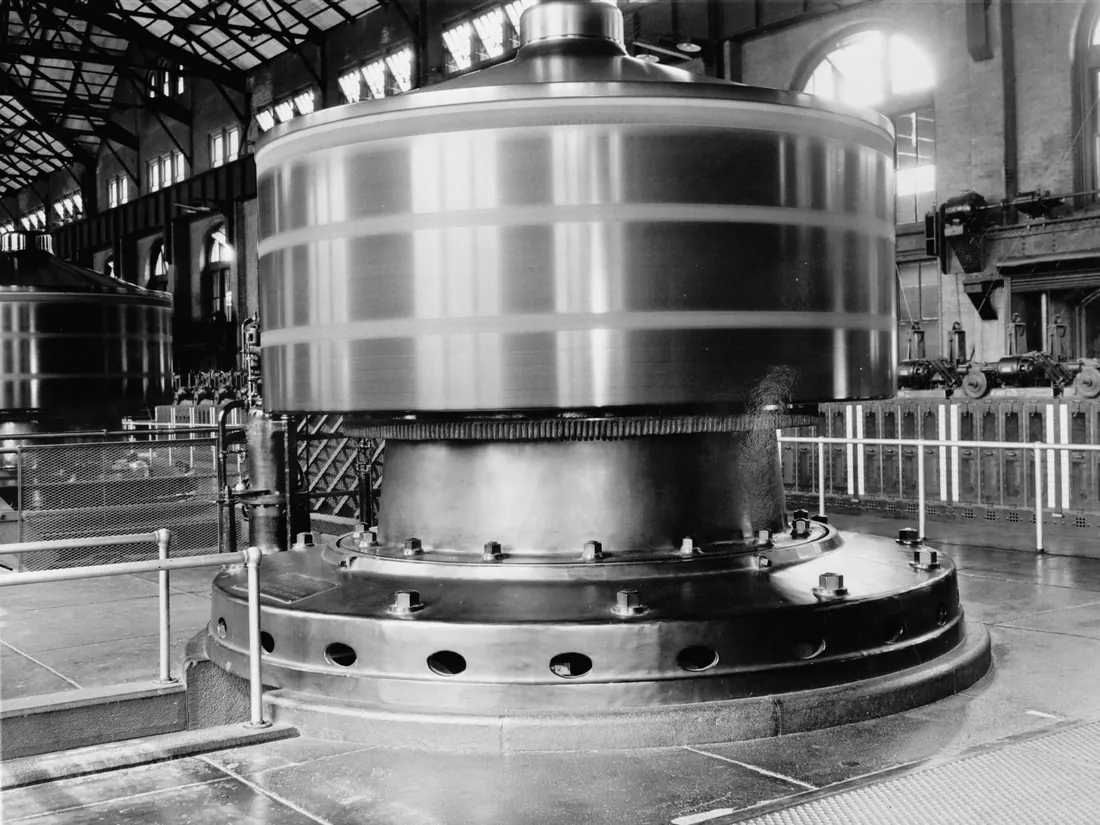
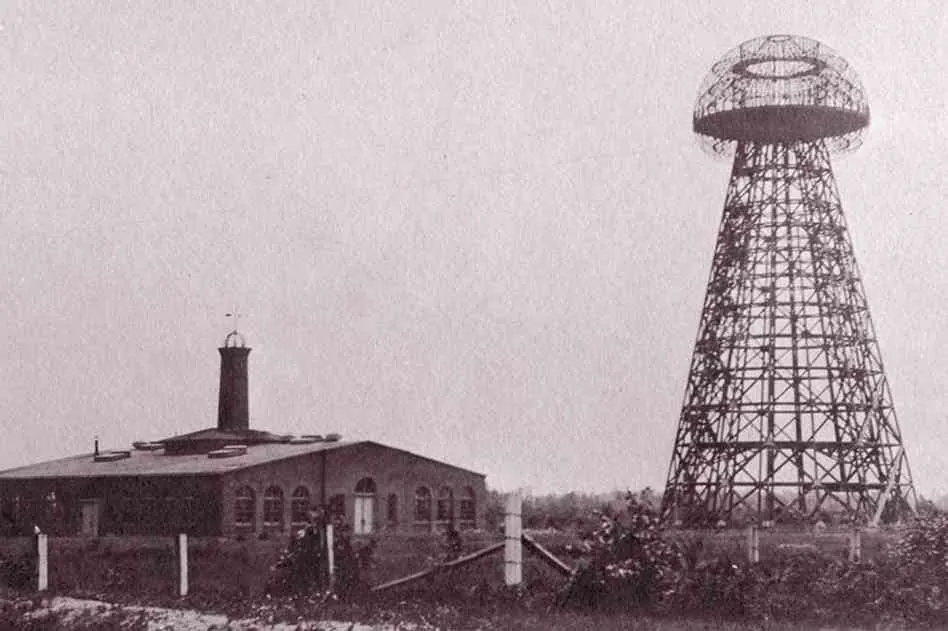
At Niagara Falls, PBS says, “in late 1893, his dream became a reality, when Westinghouse was awarded the contract to create the powerhouse,” and “When the switch was thrown, the first power reached Buffalo at midnight, November 16, 1896.” Wikipedia says the two-phase AC system there was “based on Tesla’s advice.” Then “From the 1890s through 1906, Tesla spent a great deal of his time and fortune on a series of projects trying to develop the transmission of electrical power without wires,” Wikipedia says, and his Wardenclyffe Tower project “ran out of funding before he could complete it.” PBS: “In 1905, after some amazing electrical displays, Tesla and his team had to abandon the project forever.”
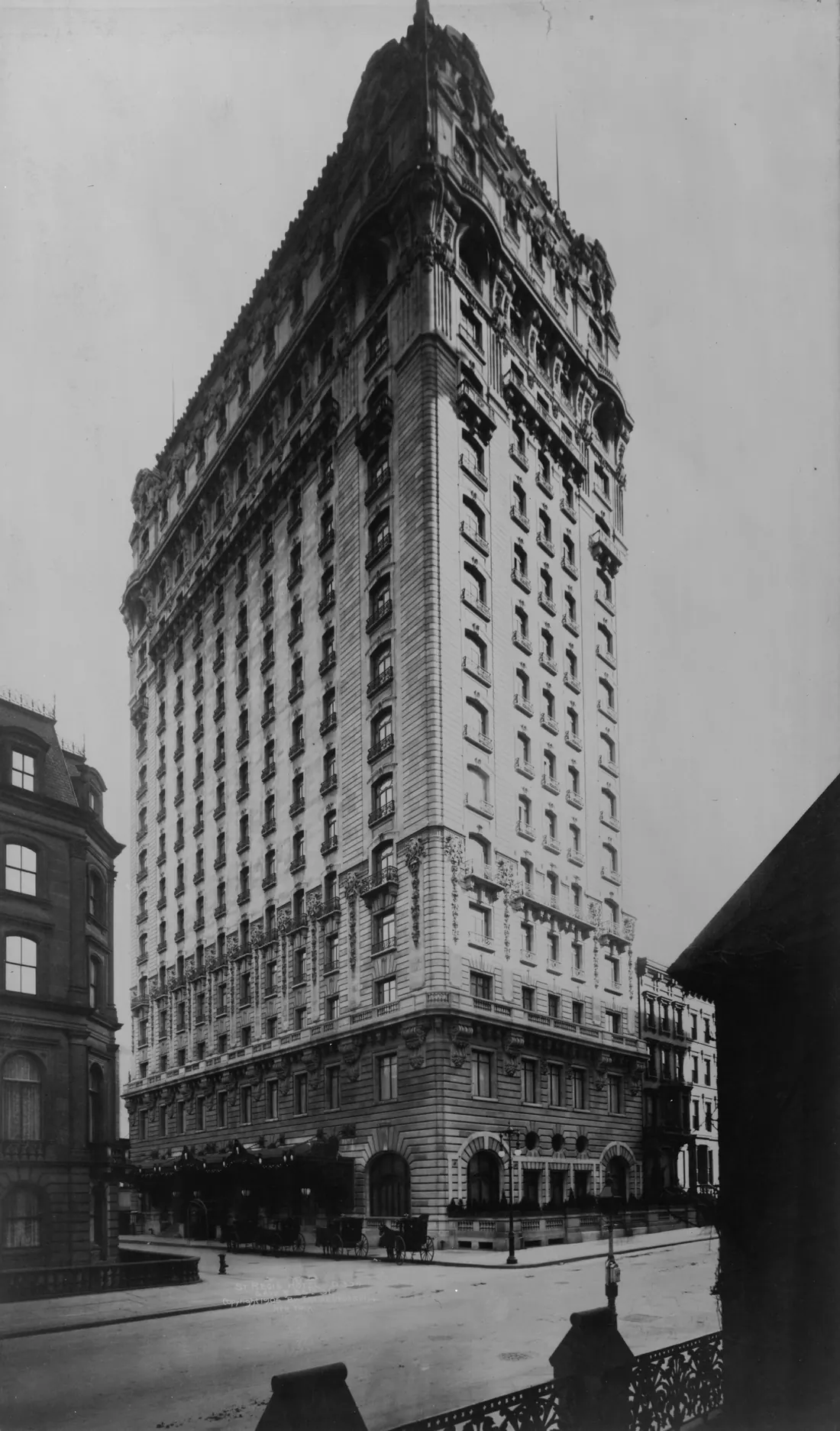
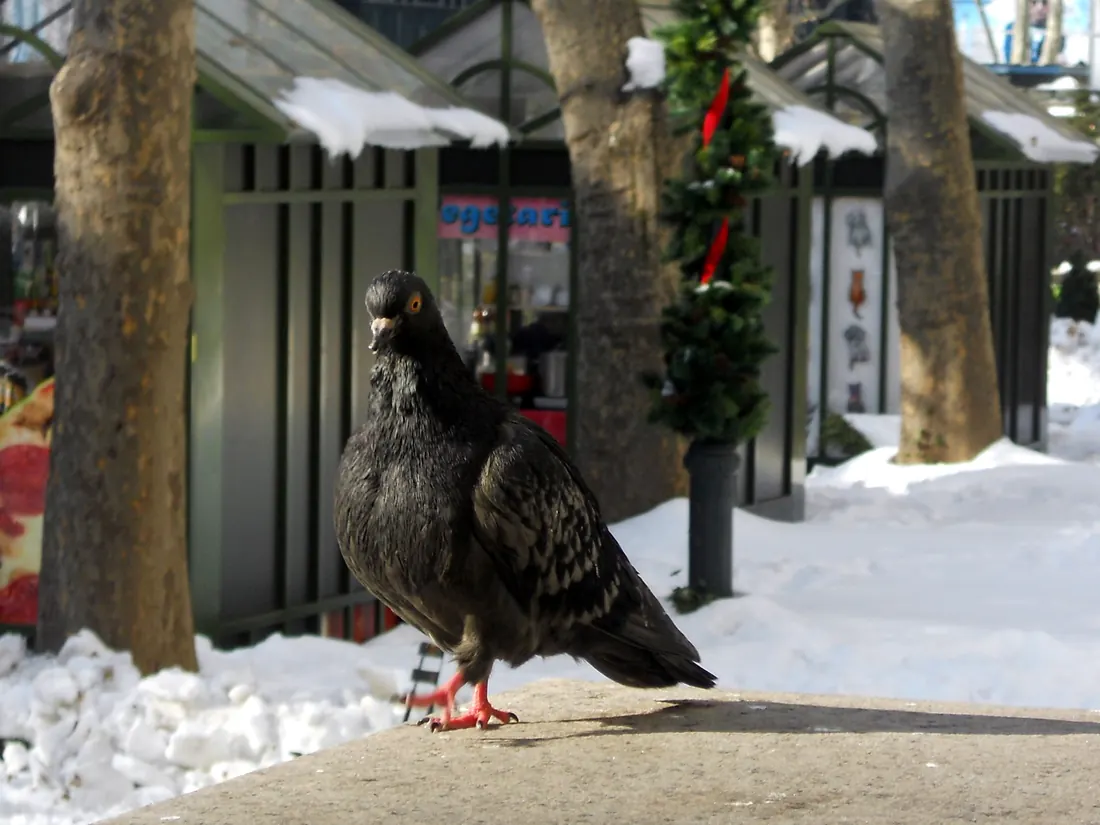
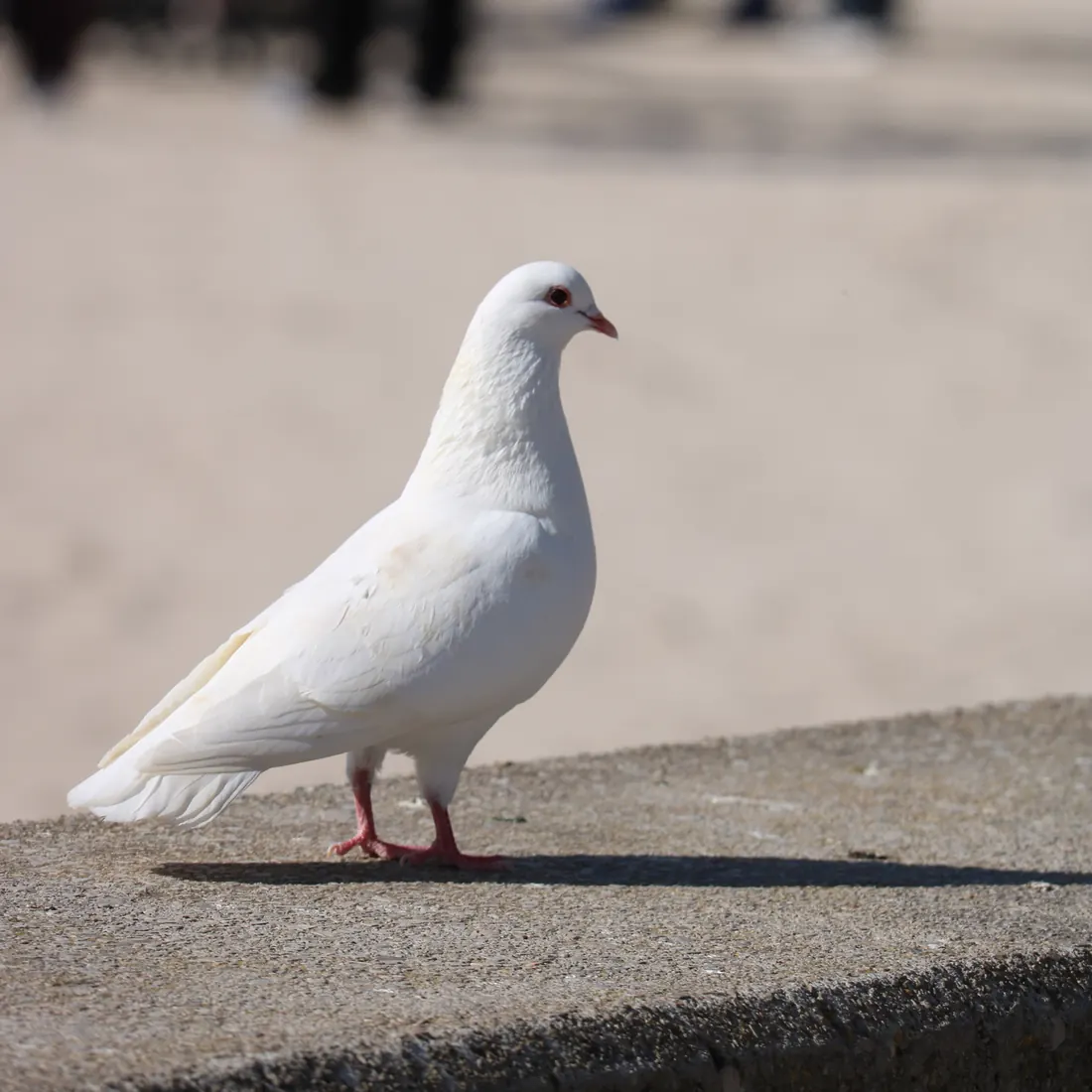
“Having spent most of his money, Tesla lived in a series of New York hotels, leaving behind unpaid bills,” Wikipedia says, and “Tesla’s unpaid bills, as well as complaints about the mess made by pigeons, led to his eviction from St. Regis in 1923.” “Tesla walked to the park every day to feed the pigeons.” Nautilus says that “He had no family or close friends, except for the birds.” He said, Wikipedia writes, “that he had been visited by a certain injured white pigeon daily,” and he spent over $2,000 “to care for the bird.” Nautilus quotes what he told his biographer, John O’Neill: “I loved that pigeon.” And: “When that pigeon died, something went out of my life. … I knew my life’s work was finished.”
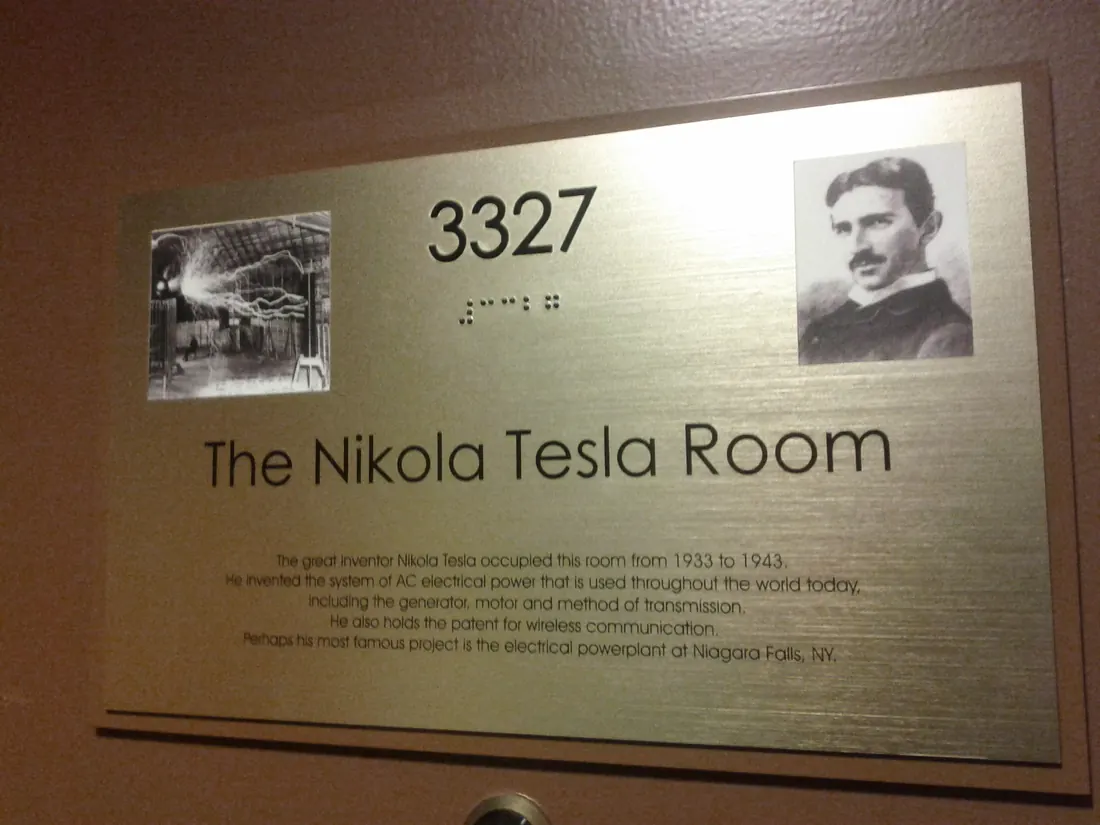
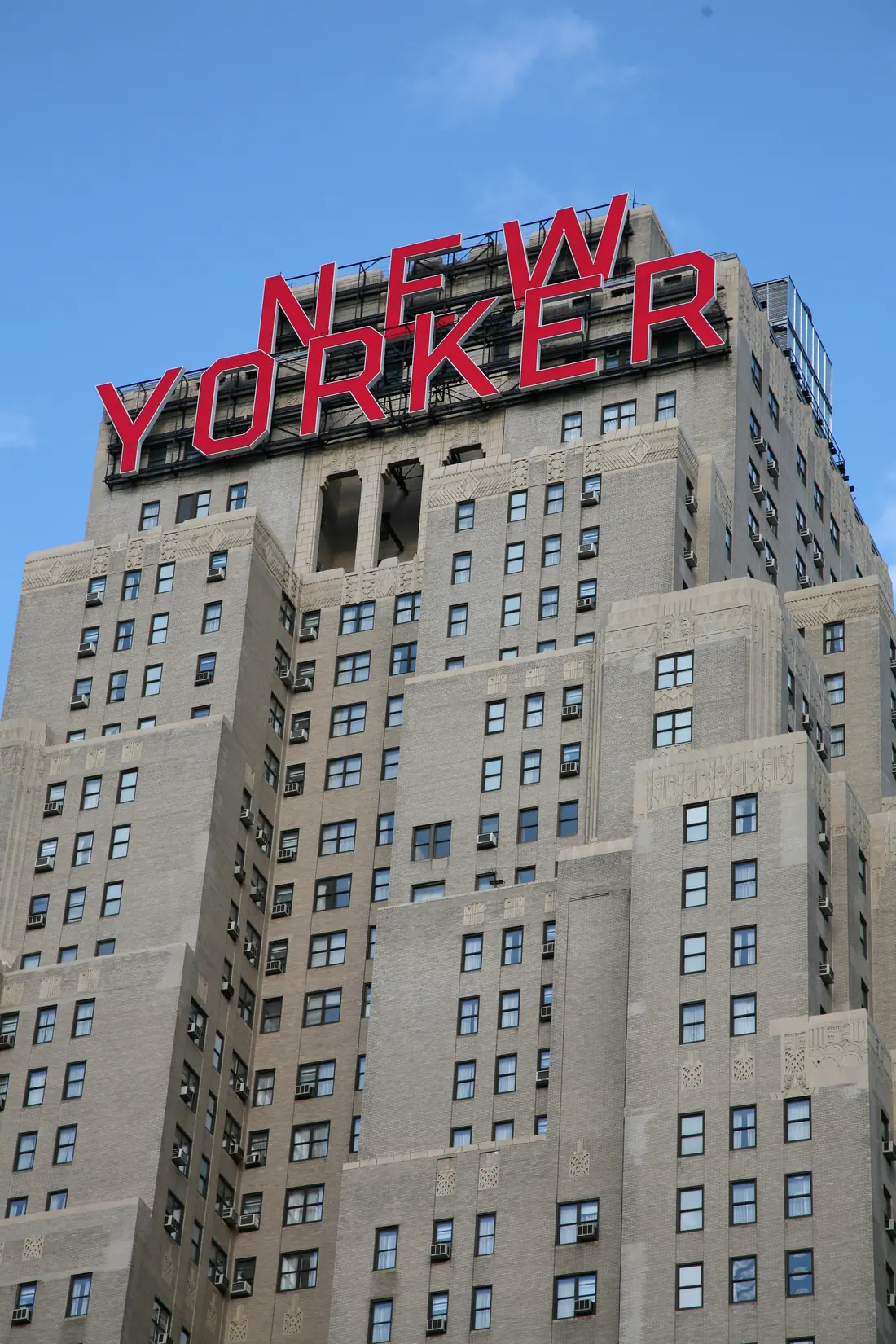
“On the night of 7 January 1943, at the age of 86, Tesla died alone in his hotel room. His body was found by a maid on the next day,” Wikipedia says. History Today, which notes that “his financial troubles returned, leaving him heavily in debt,” puts it in “Room 3327 of the New Yorker Hotel.” Nautilus: “A spokesman for the hotel said that ‘Dr. Tesla died as he had spent the last years of his life—alone.’”
Fact check
The facts and where they come from
- He lit up the world, but he died broke and alone. History Today: “his financial troubles returned, leaving him heavily in debt” … “He died alone on 7 January 1943, at the age of 86, in Room 3327 of the New Yorker Hotel.” Nautilus, of the mid-1930s: “He was gaunt and broke—living off of debt and good graces.” Wikipedia: “He is known for his contributions to the design of the modern alternating current (AC) electricity supply system.” 231
- His name was Nikola Tesla. Wikipedia: a Serbian-American “engineer, futurist, and inventor.” 1
- In 1884, he reached New York with almost nothing. Wikipedia: “In June 1884, Tesla emigrated and began working almost immediately at the Machine Works on Manhattan’s Lower East Side.” PBS: “The Serbian immigrant had four cents in his pocket, some mathematical computations, a drawing of an idea for a flying machine, and a letter of introduction from Charles Batchelor.” 14
- He worked for Thomas Edison, and quit within six months. PBS: “Edison immediately hired him to make improvements in his DC generation plants.” Wikipedia: he “had been working at the Machine Works for a total of six months when he quit.” 41
- By 1886, he was digging ditches for two dollars a day. Wikipedia, after his investors pushed him out of his own company: “He had to work at various electrical repair jobs and as a ditch digger for $2 per day.” PBS: “Word began to spread that a foreigner of unusual talent was digging ditches to stay alive.” History Today: “being reduced to taking work as a manual labourer.” 142
- But he had a better idea: alternating current. PBS: “Tesla quickly developed all the components for the system of AC power generation and transmission that is used universally throughout the world today.” 4
- Westinghouse bought his patents. PBS: “He came to Tesla’s lab and made an offer, purchasing the patents for $60,000.” History Today: “the AC induction motor, the patent that would make his fortune, being purchased by Westinghouse for $216,000.” Wikipedia: “In July 1888, Brown and Peck negotiated a licensing deal with George Westinghouse for Tesla’s polyphase induction motor and transformer designs.” 521
- When the company hit hard times, Tesla gave up his royalties. Wikipedia: “In early 1891, George Westinghouse explained his financial difficulties to Tesla in stark terms” … “he agreed to release the company from the royalty payment clause in the contract.” PBS: “Westinghouse called on the inventor, pleading for an escape from the initial contract that gave Tesla generous royalties.” 16
- Then his system harnessed Niagara Falls. PBS: “in late 1893, his dream became a reality, when Westinghouse was awarded the contract to create the powerhouse” … “When the switch was thrown, the first power reached Buffalo at midnight, November 16, 1896.” Wikipedia: “The company awarded a contract to Westinghouse Electric for building a two-phase AC generating system at the Niagara Falls, based on Tesla’s advice.” 61
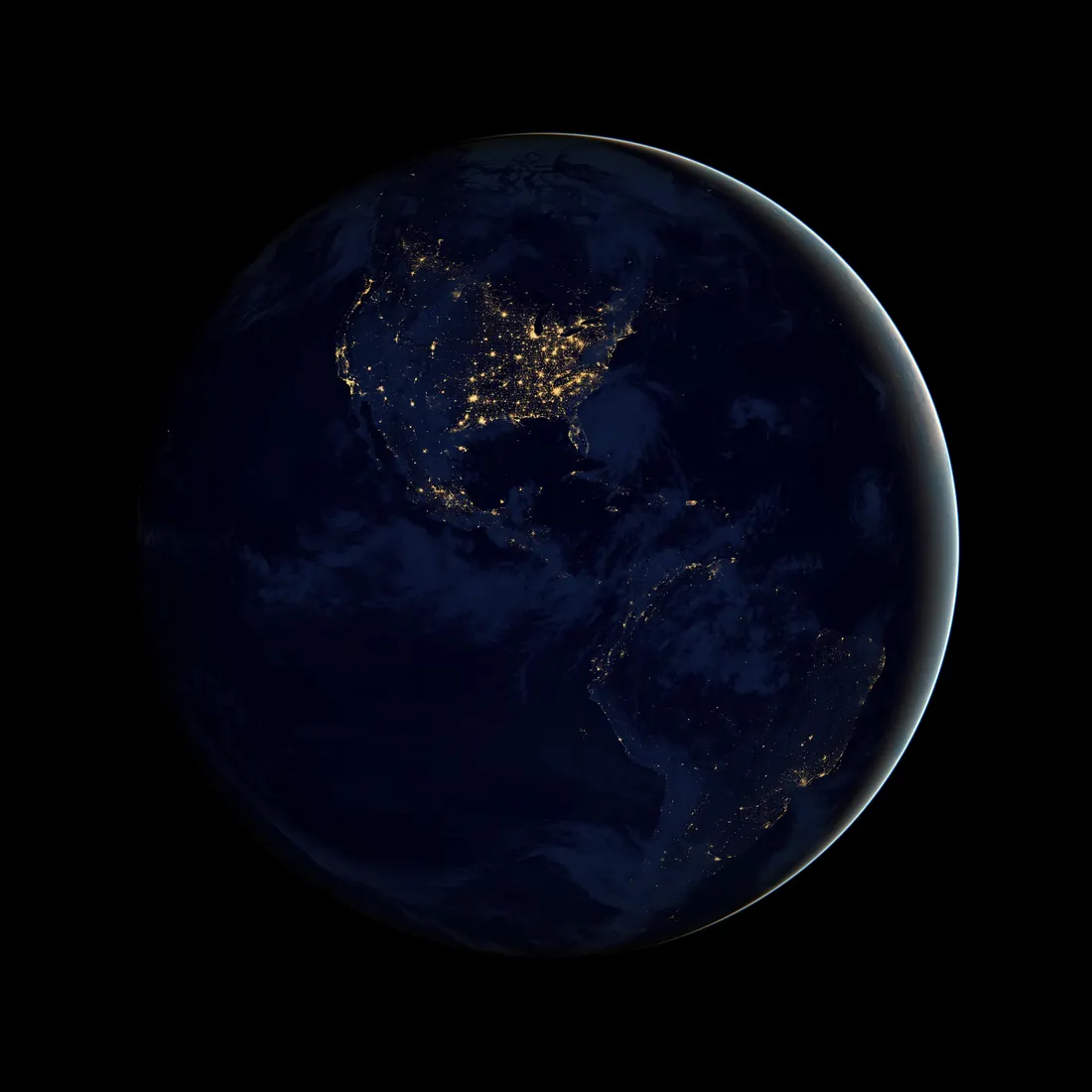
- The world still runs on it today. PBS: “the system of AC power generation and transmission that is used universally throughout the world today.” Wikipedia: “the modern alternating current (AC) electricity supply system.” 41
- His fortune went into a wireless tower that was never finished. Wikipedia: “From the 1890s through 1906, Tesla spent a great deal of his time and fortune on a series of projects trying to develop the transmission of electrical power without wires” … the Wardenclyffe Tower project “ran out of funding before he could complete it.” PBS: “In 1905, after some amazing electrical displays, Tesla and his team had to abandon the project forever.” 17
- He drifted from hotel to hotel, leaving unpaid bills. Wikipedia: “Having spent most of his money, Tesla lived in a series of New York hotels, leaving behind unpaid bills” … “Tesla’s unpaid bills, as well as complaints about the mess made by pigeons, led to his eviction from St. Regis in 1923.” 1
- His closest friends were pigeons. Nautilus: “He had no family or close friends, except for the birds.” Wikipedia: “Tesla walked to the park every day to feed the pigeons.” 31
- When the white pigeon he loved died, he said his life’s work was finished. Nautilus, quoting what Tesla told his biographer John O’Neill: “I loved that pigeon.” … “When that pigeon died, something went out of my life. … I knew my life’s work was finished.” Wikipedia: “He said that he had been visited by a certain injured white pigeon daily,” and he spent over $2,000 “to care for the bird.” 31
- In January 1943, a maid found him dead in room 3327. Wikipedia: “On the night of 7 January 1943, at the age of 86, Tesla died alone in his hotel room. His body was found by a maid on the next day.” History Today: “in Room 3327 of the New Yorker Hotel.” Nautilus: “On Jan. 7, 1943, at 10:45 pm, Nikola Tesla was found dead in his room by a hotel maid.” 123
- The hotel said he died as he had spent his last years: alone. Nautilus: “A spokesman for the hotel said that ‘Dr. Tesla died as he had spent the last years of his life—alone.’” (The Short’s line is our paraphrase of the spokesman’s words.) 3
Sources
- Nikola Tesla Wikipedia
- Death of Nikola Tesla (Justin and Stephanie Pollard, 2018) History Today
- Tesla’s Pigeon (Amanda Gefter, 2023) Nautilus
- Tesla: Master of Lightning: Coming to America PBS
- Tesla: Master of Lightning: War of the Currents PBS
- Tesla: Master of Lightning: Harnessing Niagara PBS
- Tesla: Master of Lightning: Tower of Dreams PBS
Notes
The “$50,000 Edison promise” is left out. Wikipedia says that in Tesla’s autobiography the Machine Works manager offered the bonus, “but it turned out to be a practical joke,” and that only later versions have Edison himself joking about “American humor”; the size of the bonus is called odd, because the company did not have that cash. PBS repeats the Edison version as “Tesla claimed.”
“Four cents in his pocket” (PBS) comes from Tesla’s later recollections, as retold by his biographer John O’Neill, so the Short says only “almost nothing.”
The patents and the royalties: PBS says Westinghouse bought the patents for $60,000, and Wikipedia calls the 1888 agreement a licensing deal; the Short says he “bought his patents.” PBS reports the royalties only as “Tesla said he tore up the contract,” so the Short follows Wikipedia’s documented version, that in 1891 he agreed to release Westinghouse from the royalty clause. In 1897 Westinghouse bought the patent outright for a lump sum of $216,000 (Wikipedia, History Today).
“Broke”: from 1934, Westinghouse paid his hotel rent and $125 a month (Wikipedia), so he was not destitute. The Short’s “broke” means in debt, as History Today (“heavily in debt”) and Nautilus (“broke—living off of debt and good graces”) say; “died alone” is in Wikipedia and History Today.
When he was found: the next day, January 8 (Wikipedia), or at 10:45 p.m. on January 7 (Nautilus), so the Short says only that in January 1943 a maid found him. He rented rooms 3327 and 3328 and died in 3327 (History Today).
The pigeon quotes come from one source, John J. O’Neill’s 1944 biography Prodigal Genius, recounting what Tesla told him, so the Short frames them as “he said.” The often-quoted line “I loved that pigeon as a man loves a woman” was not found in any source checked, and it is not used.
Niagara: Westinghouse built the generators to Tesla’s two-phase AC design, and General Electric built the distribution. Some of Wikipedia’s Niagara sentences are tagged “citation needed,” so PBS is the main source; the Short says “his system,” which both support.
“His closest friends were pigeons”: Nautilus says he had “no family or close friends, except for the birds,” but he did keep a few friends, among them the journalist Kenneth Swezey and his biographer O’Neill, so the Short says “closest,” not “only.”
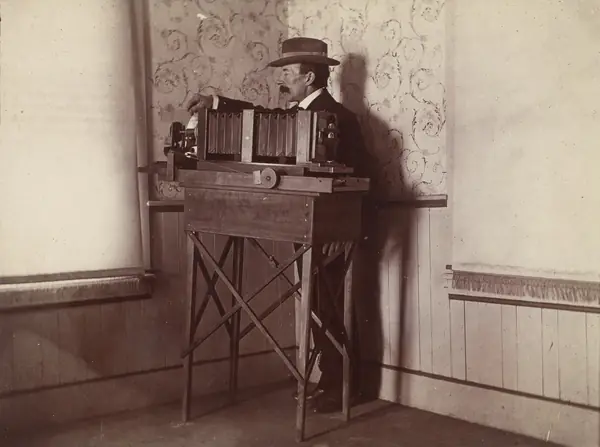
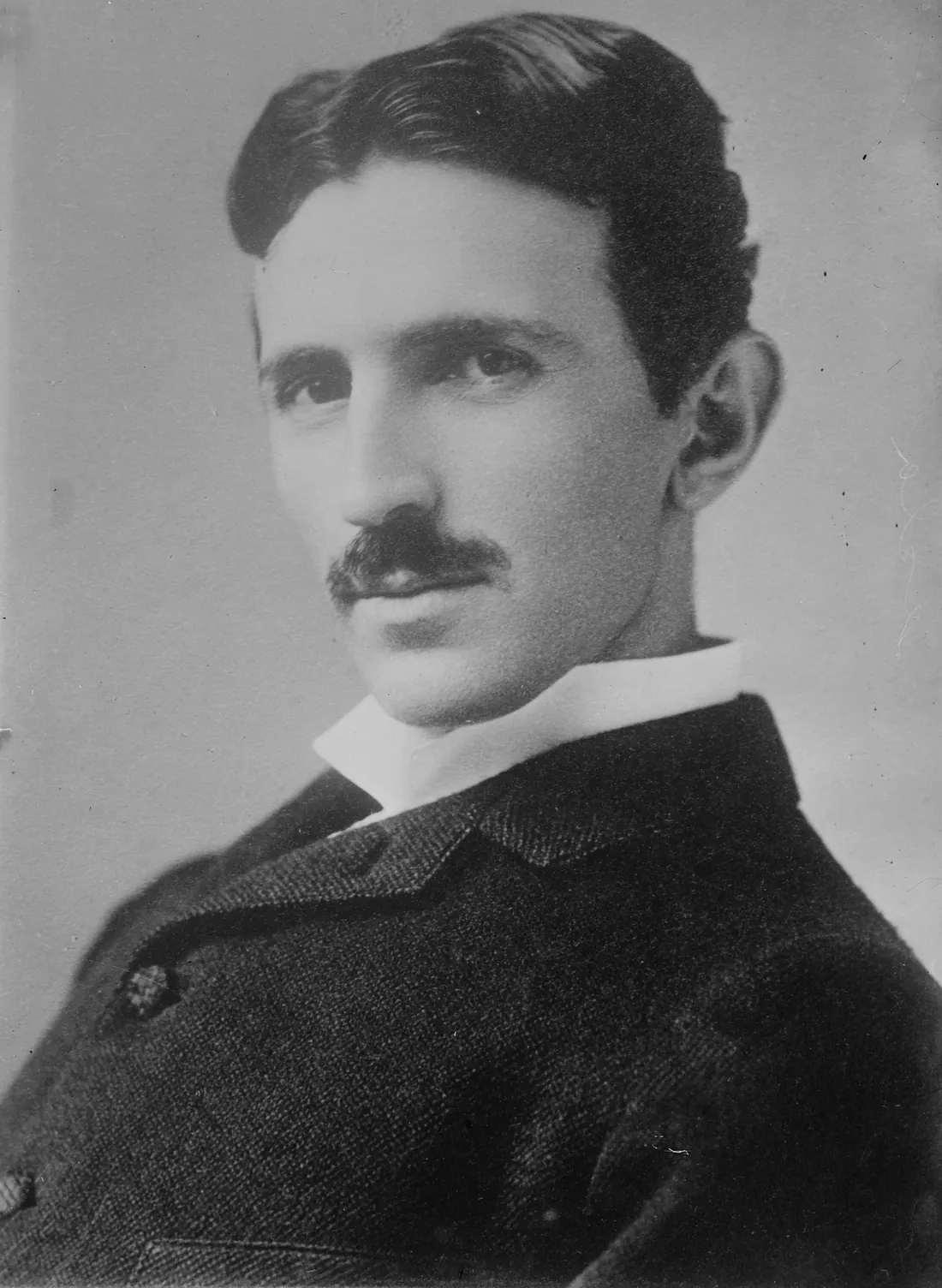
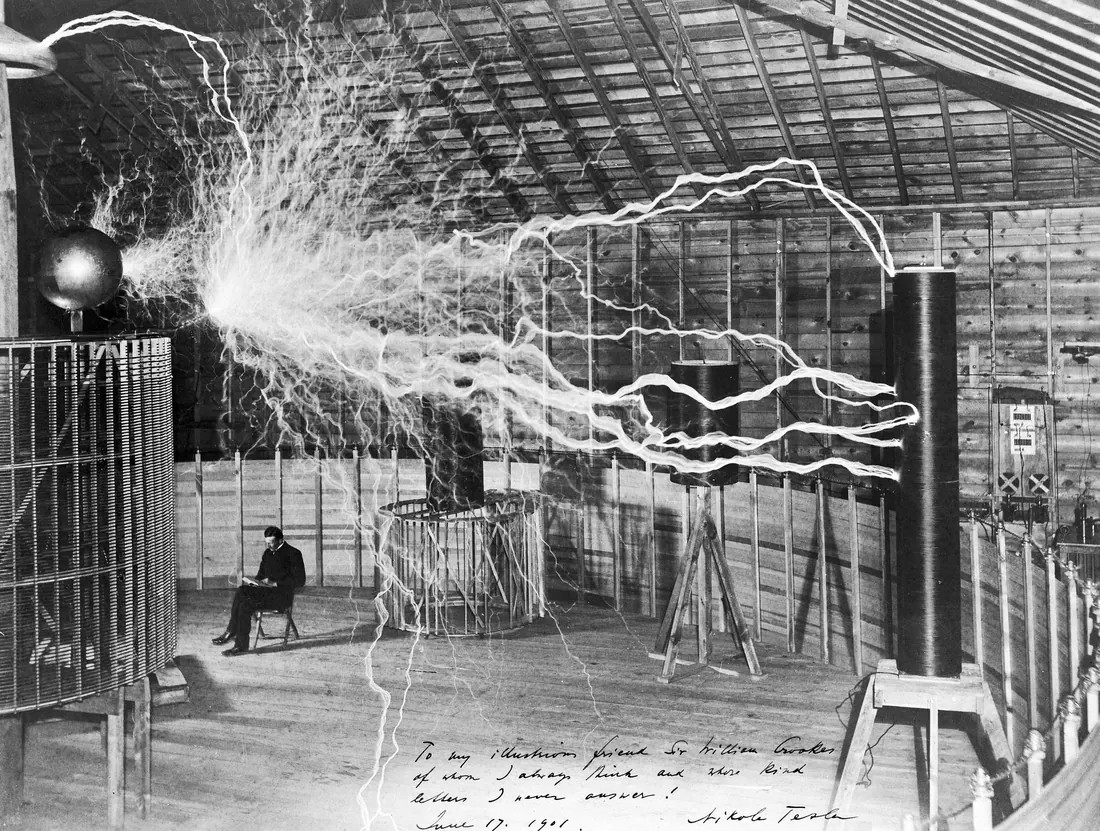
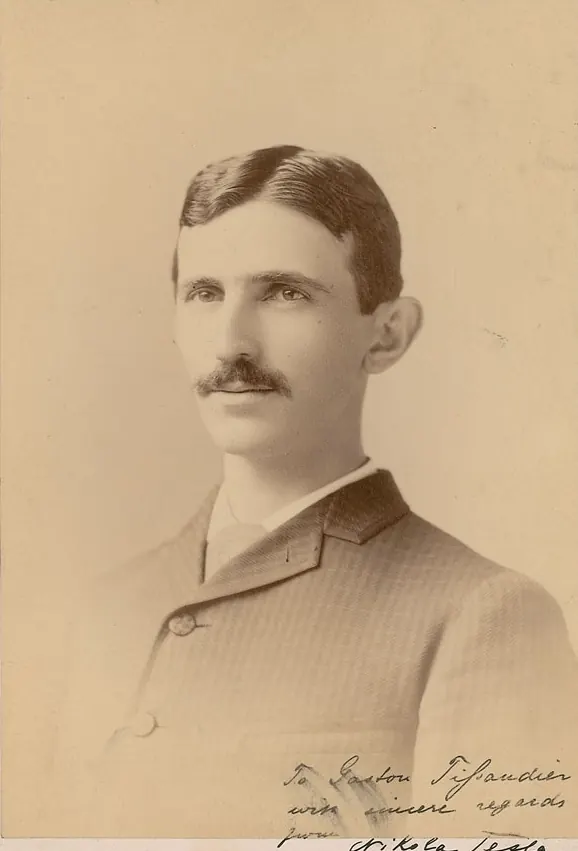
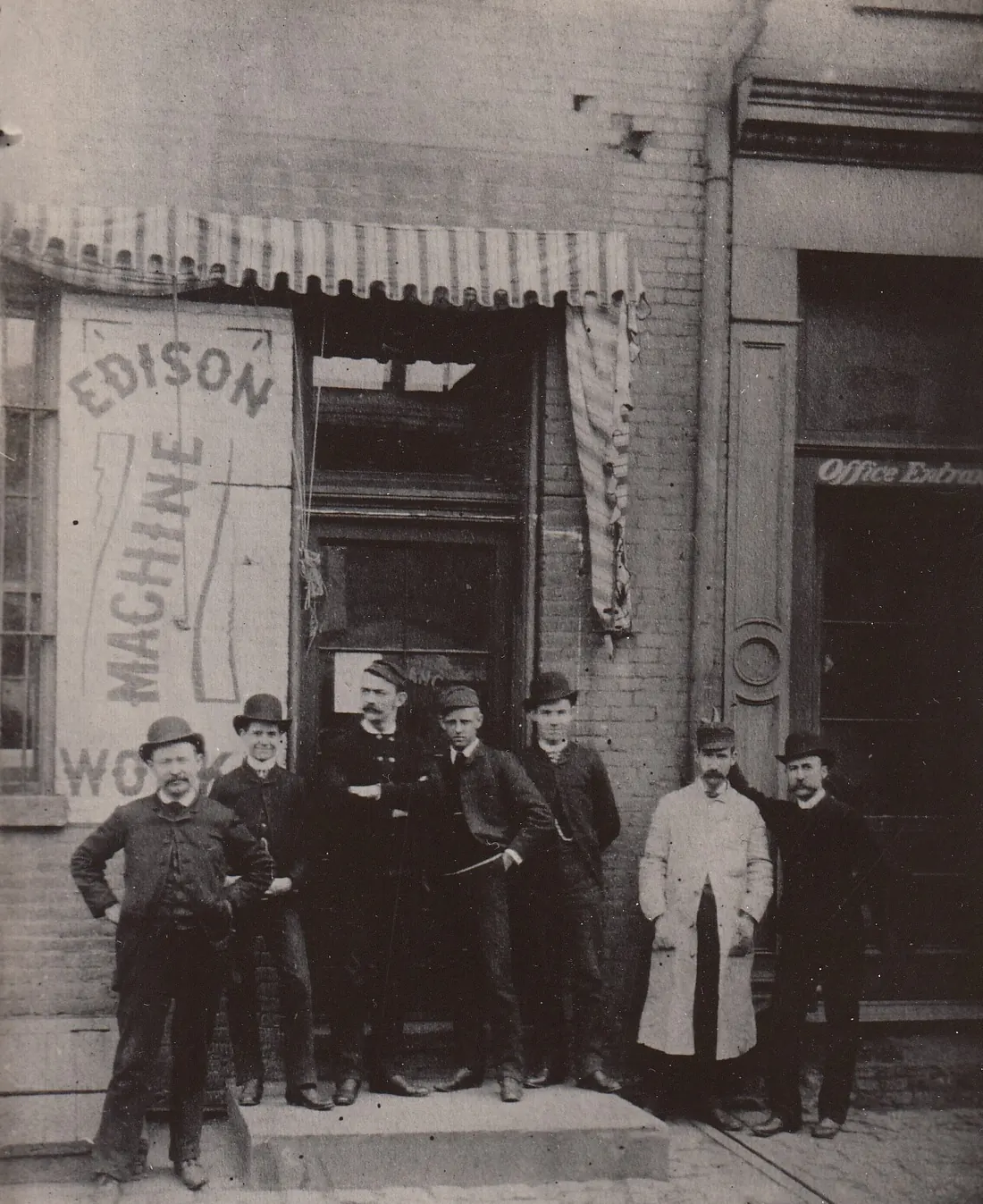
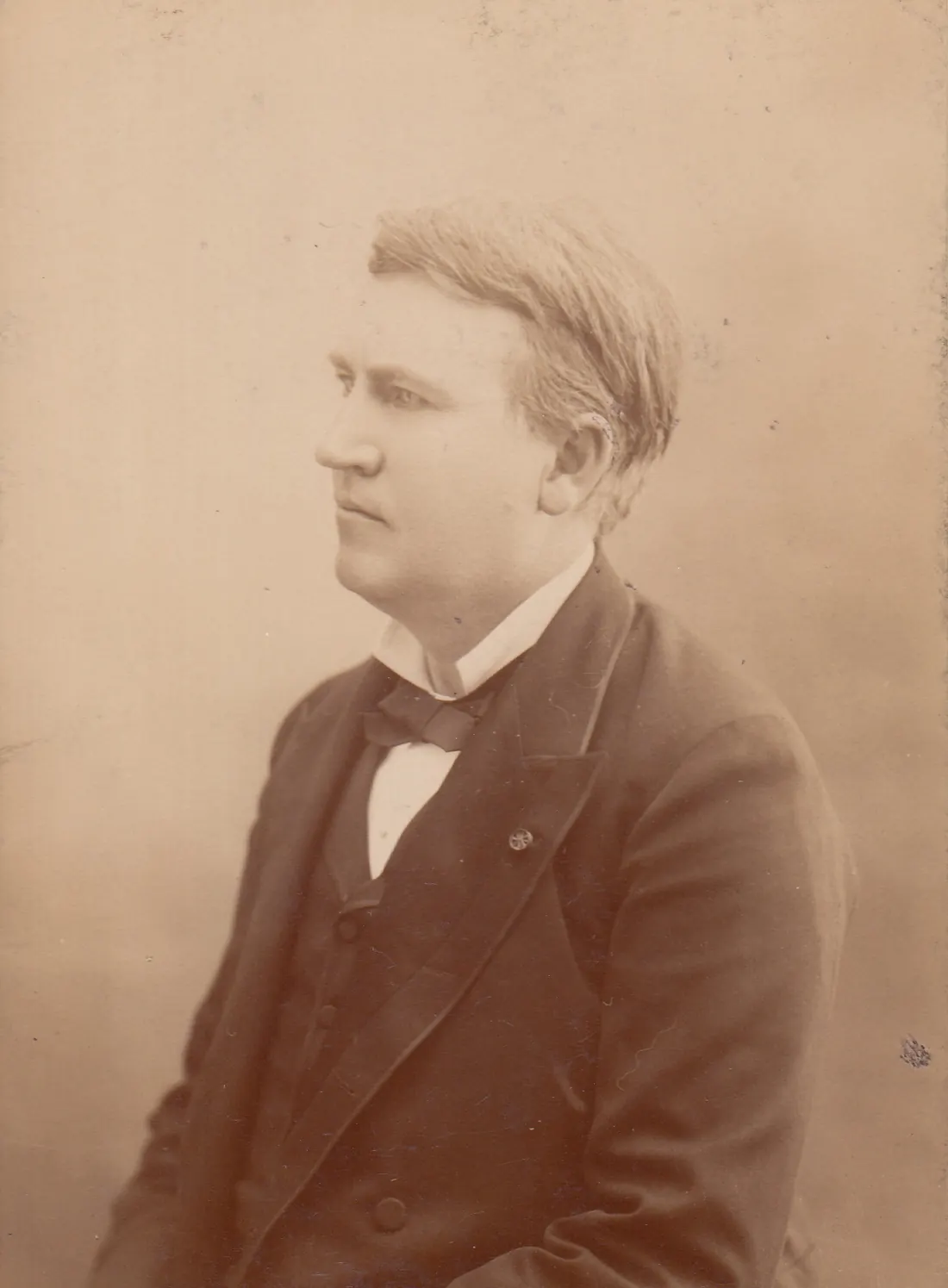
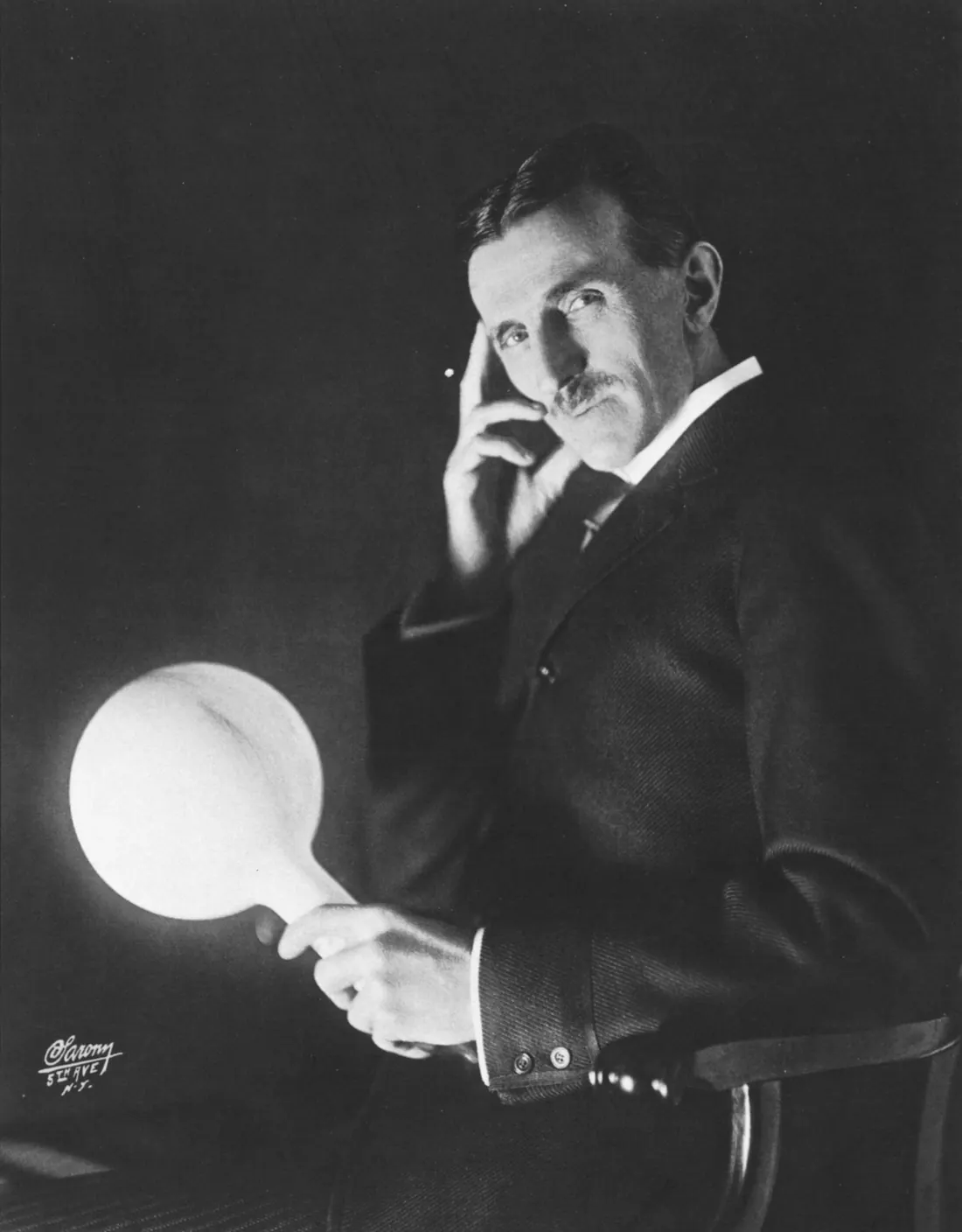
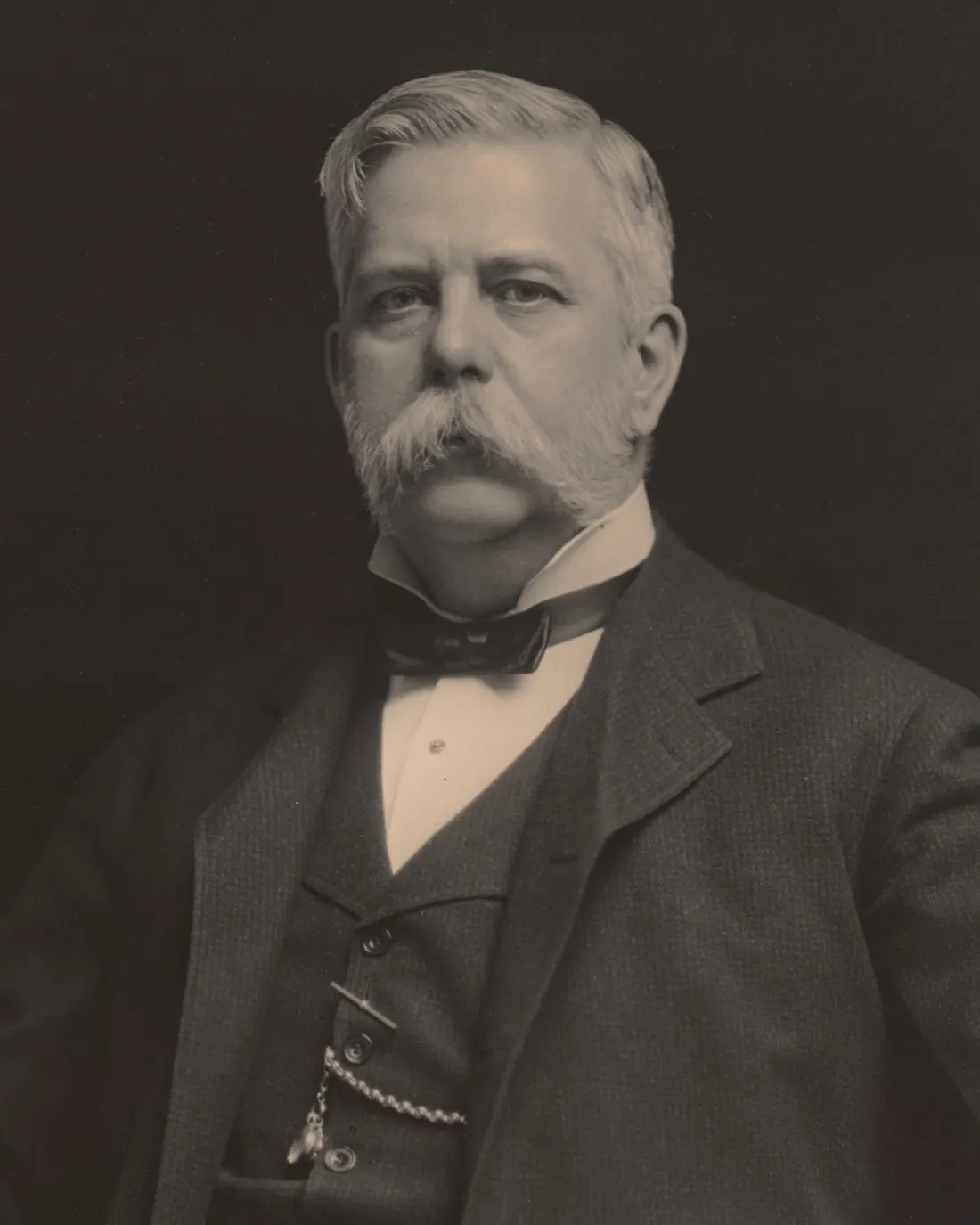
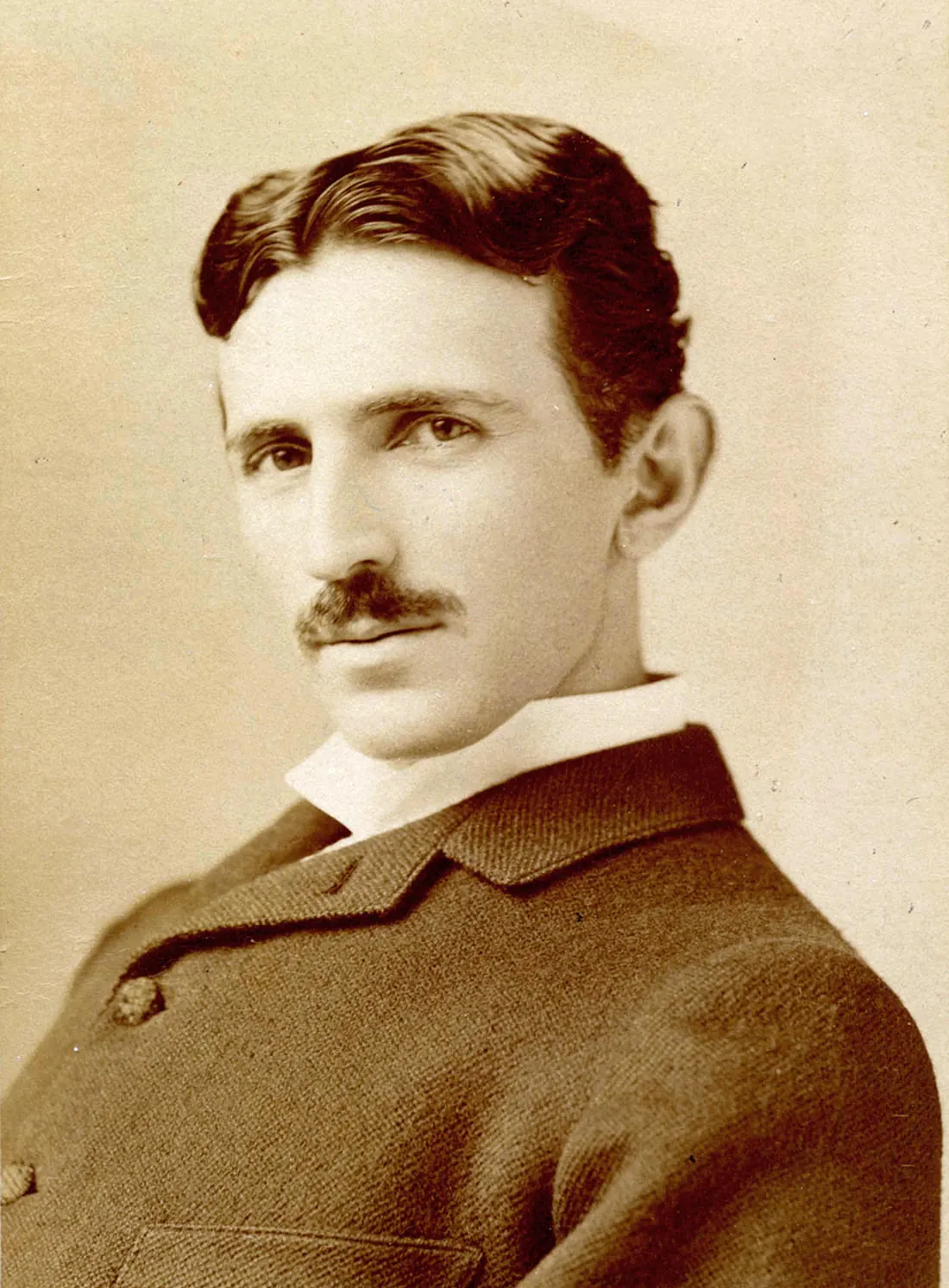
Pictures: Tesla himself is in Napoleon Sarony’s cabinet card of about 1885, signed by Tesla to Gaston Tissandier, the nearest portrait to his arrival; Sarony’s portraits of about 1893 and of the 1890s (a Bain Collection glass negative at the Library of Congress); Sarony’s photo of about 1898 with a glowing lamp; and Dickenson V. Alley’s multiple exposure of him in his Colorado Springs laboratory, December 1899. There is no usable free photo from his last years, because the 1930s press photos are not clearly public domain. Thomas Edison is in V. Daireaux’s portrait, taken in Paris about 1889, and George Westinghouse in Joseph G. Gessford’s portrait of 1906. The Edison Machine Works photo is from 1885, just as Tesla left. The Niagara generator is an undated Historic American Buildings Survey copy of a historic photo of the Adams power station. The Wardenclyffe tower is shown in 1904, and the St. Regis Hotel in Irving Underhill’s photo of 1905. The New Yorker Hotel (2008) and the plaque on the door of room 3327 (2012) are modern photos, and so are the pigeons: a pigeon in Bryant Park, New York (2010), and a white pigeon in Palma (2022), not Tesla’s birds. The night view of the Americas is NASA’s 2012 composite.
Photo credits
The archive photos in this story
The photographs and illustrations in this story are in the public domain or shared under open licenses; each one is credited below with its license. Tap one to enlarge it, or follow the link to its Wikimedia Commons page for the full record. The narration, captions and graphics in the Short are our own; its music and sound effects are credited below.
Music and sound effects
Music: Beethoven, Coriolan Overture, Op. 62 (Musopen Symphony Orchestra, CC0); Brahms, Symphony No. 1 in C minor, Op. 68: IV. Adagio - Piu andante - Allegro non troppo, ma con brio (Musopen Symphony Orchestra, CC0); Tchaikovsky, Symphony No. 6 'Pathetique', Op. 74: IV. Finale: Adagio lamentoso (Musopen Symphony Orchestra, CC0).
Sound effects: Freesound, CC0.