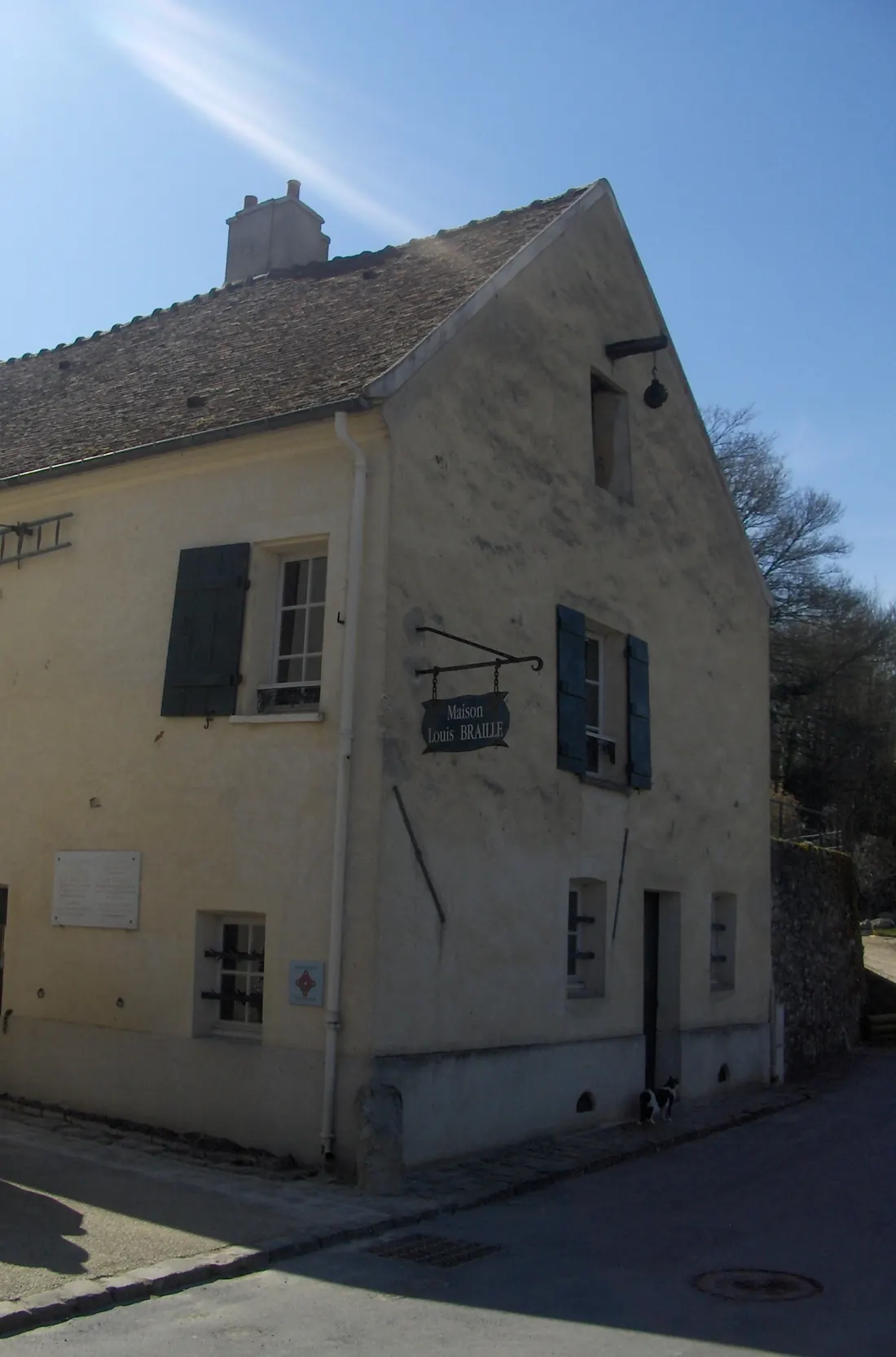
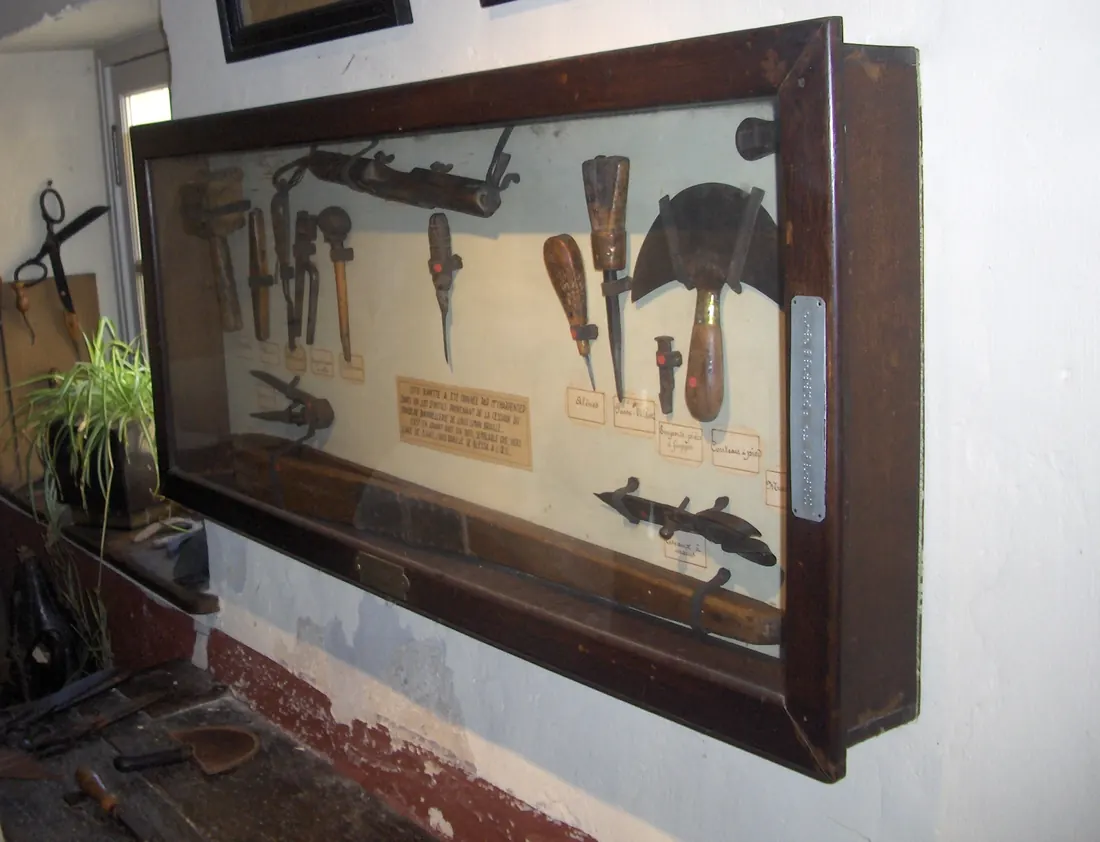
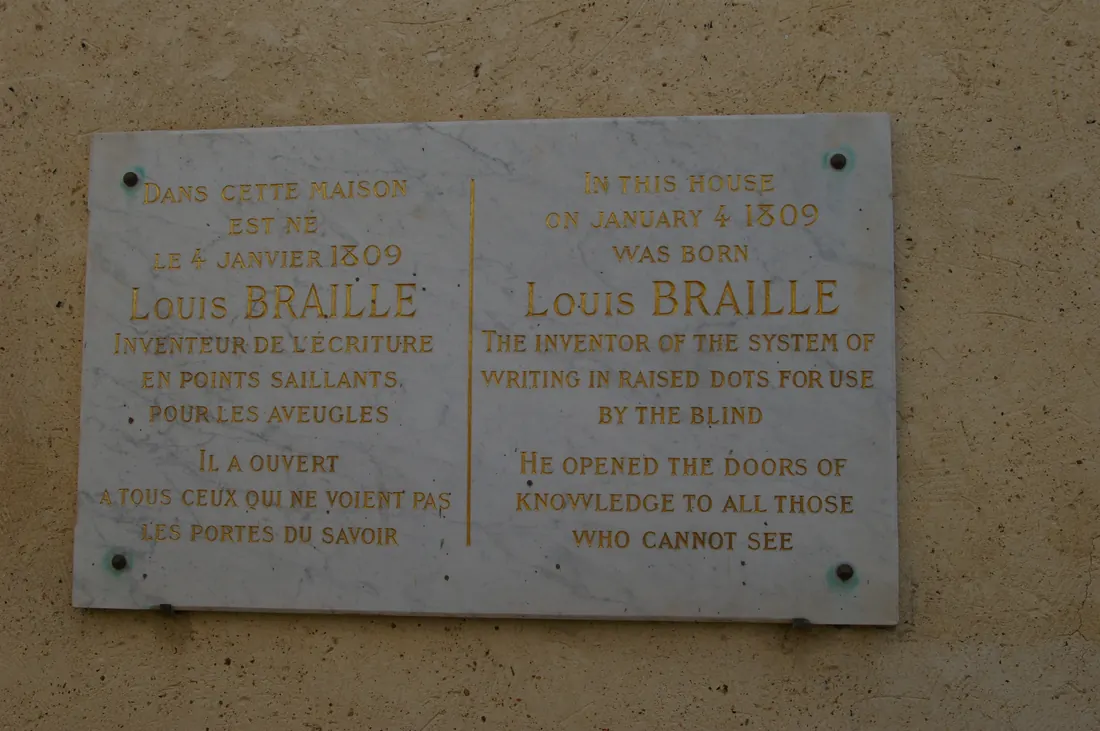
“Louis Braille was born on 4 January 1809 in Coupvray,” the Musée Louis Braille says, and at his birth house, “Along the street is the workshop of Louis’s father, a saddler, who made horse harness parts.” “One day when Louis was 3 years old and was playing in his father’s workshop, he picked up a sharp awl and tried to make a hole in a piece of leather as he had seen his father do many times,” the American Foundation for the Blind writes. “The young child lost control of the tool and stabbed himself in his right eye, crying out in pain.” Then “an infection spread to both eyes, and by the age of five Louis was completely blind,” the museum says.
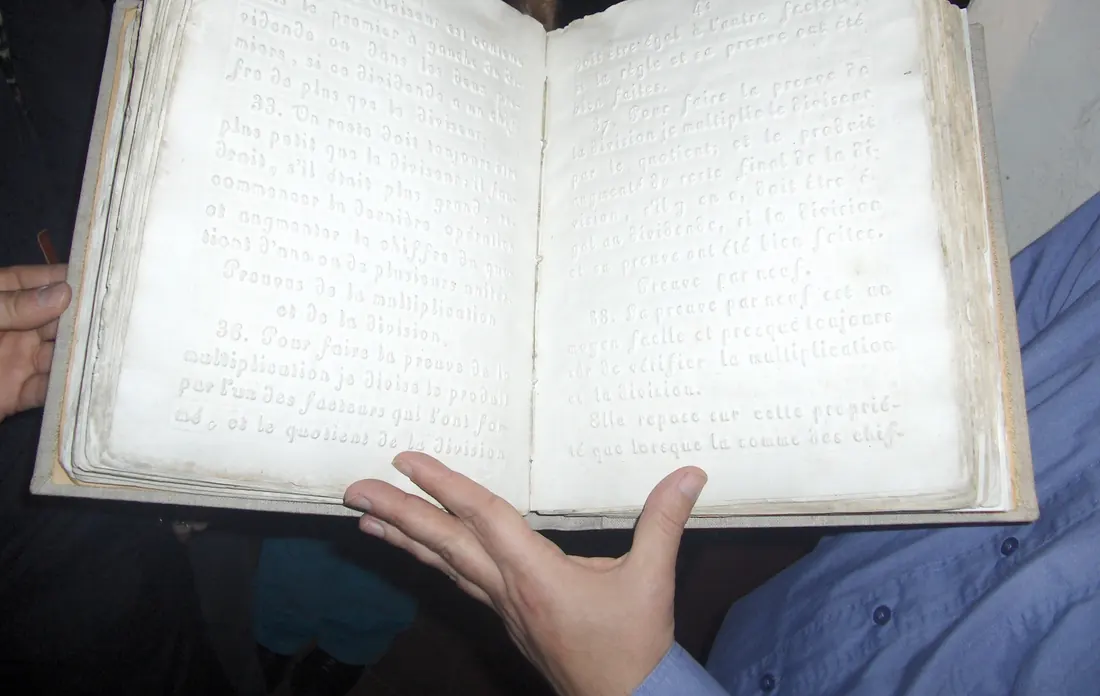
“Louis Braille was only 10 when he traveled to Paris with his father on February 15, 1819, to enroll at the Institute for Blind Youth,” the American Foundation for the Blind says; Wikipedia says he “received a scholarship to France’s Royal Institute for Blind Youth.” Its books were made by “embossing heavy paper with the raised imprints of Latin letters. Readers would trace their fingers over the text, comprehending slowly,” Wikipedia says, and “The handcrafted Haüy books all came in uncomfortable sizes and weights for children.” The Musée Louis Braille: “They were however very difficult to read by touch, because they were very close together.”
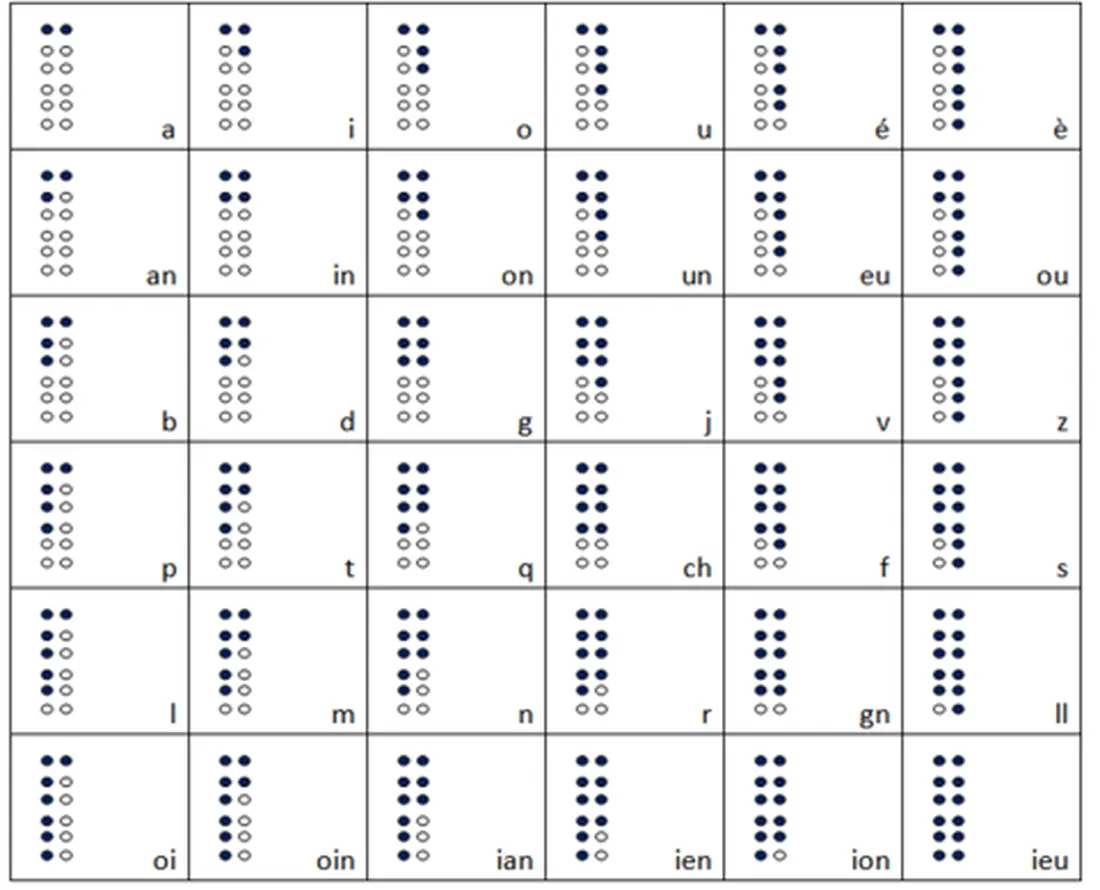
“In 1821, shortly after becoming the Institute’s new director, Dr. Alexandre François-René Pignier invited Charles Barbier to address his students. Barbier was an artillery captain in the French Army,” the American Foundation for the Blind says. “Barbier’s invention was a code of up to twelve dots in two columns, impressed into thick paper,” Wikipedia says, but “the 12-dot symbols could not easily fit beneath the pad of the reading finger.” Braille made his own. “When at age 15 he felt he had an adequate code, he shared it with Dr. Pignier, who had become his mentor. Louis’ system, based on a six-dot cell, was both simple and elegant,” the foundation says, and the museum: “The first thing Braille did was reduce the number of raised dots from twelve to six, so that they all fit under the index finger and were easier and quicker to read.”
Then came the ban. “On May 7, 1840, Dr. Pignier was forced to retire from the position of director of the Institute and was succeeded by his former assistant, Pierre-Armand Dufau. Dufau did not approve of Louis Braille’s code and banned its use by students and teachers at the Institute,” the foundation says. “Dufau suppressed its use in 1840, except for musical notation, and reintroduced raised letters for books used in the school,” says Wikipedia. “Averse to Braille, he had it banned, but the students continued to use it in secret,” the Musée Louis Braille says. “Eventually however, Dufau recognized its value, in particular thanks to his assistant Joseph Guadet’s action.” “For the inauguration of the new premises in 1844, reading and writing demonstrations were organized to show the system’s superiority,” and there, Wikipedia says, “Guadet gave a speech about the merits of braille, including a demonstration of its use, and from that point on, braille was once again used at the school.”
“Louis Braille died on January 6th, 1852, two days after his 43rd birthday,” the foundation says. “Because of the overwhelming insistence of the blind pupils, Braille’s system was finally adopted by the Institute in 1854, two years after his death,” Wikipedia says. “His system is used worldwide and remains virtually unchanged to this day.”
Fact check
The facts and where they come from
- This blind boy invented a new way to read, but his own school banned it. Wikipedia: “the inventor of a reading and writing system named after him, braille, intended for use by visually impaired people.” American Foundation for the Blind: “Dufau did not approve of Louis Braille’s code and banned its use by students and teachers at the Institute.” Musée Louis Braille: “Averse to Braille, he had it banned.” 1813
- His name was Louis Braille. Musée Louis Braille: “Louis Braille was born on 4 January 1809 in Coupvray.” 10
- When he was three, he played in his father’s harness workshop. American Foundation for the Blind: “One day when Louis was 3 years old and was playing in his father’s workshop, he picked up a sharp awl and tried to make a hole in a piece of leather as he had seen his father do many times.” Wikipedia: “an accident with a stitching awl in his father’s harness-making shop.” Musée Louis Braille: “Along the street is the workshop of Louis’s father, a saddler, who made horse harness parts.” 5114
- A sharp tool slipped and stabbed his eye. Musée Louis Braille: “Imitating his father and holding a sharp tool, he severely injured his right eye.” American Foundation for the Blind: “The young child lost control of the tool and stabbed himself in his right eye, crying out in pain.” 105
- By five, he was completely blind. Musée Louis Braille: “an infection spread to both eyes, and by the age of five Louis was completely blind.” Wikipedia: “by the age of five he was completely blind in both eyes.” 101
- He went to Paris, to the Royal Institute for Blind Youth. American Foundation for the Blind: “Louis Braille was only 10 when he traveled to Paris with his father on February 15, 1819, to enroll at the Institute for Blind Youth.” Wikipedia: he “received a scholarship to France’s Royal Institute for Blind Youth.” Musée Louis Braille: the school “moved to Rue Saint Victor (now Rue des Écoles) … This is where Louis Braille became first a pupil and then a teacher.” 6113
- Its heavy books had raised letters, painfully slow to read. Wikipedia: “embossing heavy paper with the raised imprints of Latin letters. Readers would trace their fingers over the text, comprehending slowly” and “The handcrafted Haüy books all came in uncomfortable sizes and weights for children.” Wikipedia (Charles Barbier): “books with raised letters that were difficult to decipher and that took up a great deal of space.” Musée Louis Braille: “They were however very difficult to read by touch, because they were very close together.” 1312
- Then an army captain, Charles Barbier, brought a code of raised dots. American Foundation for the Blind: “In 1821, shortly after becoming the Institute’s new director, Dr. Alexandre François-René Pignier invited Charles Barbier to address his students. Barbier was an artillery captain in the French Army.” Musée Louis Braille: “He began an active military career in 1784, eventually becoming an artillery captain” and “He sent instructions and tools for raised-pointed writing to the director of the Royal Institute for Blind Youth in 1821, when Louis Braille was a pupil and boarder there.” 711
- But each sign used up to twelve dots, too big for one fingertip. Wikipedia: “Barbier’s invention was a code of up to twelve dots in two columns, impressed into thick paper.” Wikipedia (Braille): “the 12-dot symbols could not easily fit beneath the pad of the reading finger.” Musée Louis Braille: “he found the symbols used more dots than could comfortably fit under a finger.” 1211
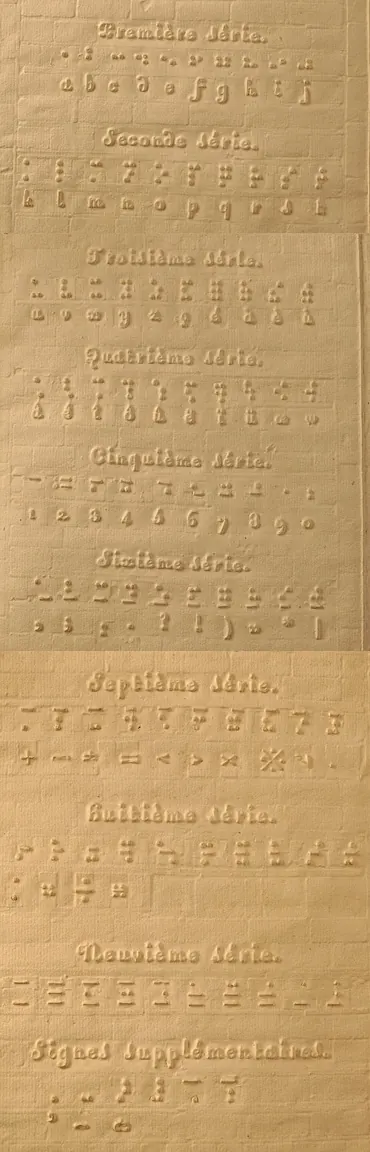
- So at fifteen, Louis made his own, with just six dots. Wikipedia (Braille): “In 1824, at the age of fifteen, he developed the braille code based on the French alphabet as an improvement on night writing.” American Foundation for the Blind: “When at age 15 he felt he had an adequate code, he shared it with Dr. Pignier, who had become his mentor. Louis’ system, based on a six-dot cell, was both simple and elegant.” Musée Louis Braille: “The first thing Braille did was reduce the number of raised dots from twelve to six, so that they all fit under the index finger and were easier and quicker to read.” 2712
- But in 1840, a new director banned it. American Foundation for the Blind: “On May 7, 1840, Dr. Pignier was forced to retire from the position of director of the Institute and was succeeded by his former assistant, Pierre-Armand Dufau. Dufau did not approve of Louis Braille’s code and banned its use by students and teachers at the Institute.” Wikipedia (Pierre-Armand Dufau): “Dufau suppressed its use in 1840, except for musical notation, and reintroduced raised letters for books used in the school.” 84
- Students kept using it in secret, until he changed his mind. Musée Louis Braille: “Averse to Braille, he had it banned, but the students continued to use it in secret. Eventually however, Dufau recognized its value, in particular thanks to his assistant Joseph Guadet’s action” and “For the inauguration of the new premises in 1844, reading and writing demonstrations were organized to show the system’s superiority.” Wikipedia (Pierre-Armand Dufau): “On the day of the ceremony, Guadet gave a speech about the merits of braille, including a demonstration of its use, and from that point on, braille was once again used at the school.” 134
- Louis died in 1852, at 43. American Foundation for the Blind: “Louis Braille died on January 6th, 1852, two days after his 43rd birthday.” Wikipedia: “where he died in 1852, two days after he turned 43.” Musée Louis Braille: “Of delicate health, Louis Braille died of tuberculosis at the Royal Institute for Blind Youth on 6 January 1852 at the age of 43.” 9110
- Just two years later, his school made his code official. Wikipedia: “Because of the overwhelming insistence of the blind pupils, Braille’s system was finally adopted by the Institute in 1854, two years after his death.” 1
- Today, his six dots are read worldwide, and carry his name. Wikipedia: “His system is used worldwide and remains virtually unchanged to this day.” 1
Sources
- Louis Braille Wikipedia
- Braille Wikipedia
- Charles Barbier Wikipedia
- Pierre-Armand Dufau Wikipedia
- The Life and Legacy of Louis Braille: the accident in the workshop American Foundation for the Blind
- The Life and Legacy of Louis Braille: arrival at the Institute for Blind Youth American Foundation for the Blind
- The Life and Legacy of Louis Braille: Braille invents his code American Foundation for the Blind
- The Life and Legacy of Louis Braille: Braille recognized American Foundation for the Blind
- The Life and Legacy of Louis Braille: final years American Foundation for the Blind
- Biography Musée Louis Braille, Coupvray
- Barbier, the intuitive Musée Louis Braille, Coupvray
- Braille, the inventor Musée Louis Braille, Coupvray
- The Institute for Blind Youth Musée Louis Braille, Coupvray
- The birth house Musée Louis Braille, Coupvray
Notes
The ban was not permanent. Dufau banned braille in 1840, and after Joseph Guadet’s demonstration at the opening of the new building in 1844 it was back in use (Wikipedia’s article on Pierre-Armand Dufau; the Musée Louis Braille). It became official only in 1854, two years after Braille died. So the Short says the students kept using it “until he changed his mind,” and it never claims the ban lasted until his death.
“Night writing” for soldiers: the American Foundation for the Blind says Barbier “had devised a system for soldiers to communicate at night without a sound,” but Wikipedia’s article on Barbier says: “Although for many years it was assumed that Barbier had created this form of writing for the army to use at night, his 1815 book makes it clear that he intended the writing with raised dots for people who were blind.” Wikipedia’s article on braille adds that “Barbier’s writings do not use this term.” So the Short calls him only an army captain who brought “a code of raised dots.”
The age and year of the code: 1824, at fifteen (Wikipedia’s article on braille), or “at age 15” (the American Foundation for the Blind); Wikipedia’s article on Louis Braille says he presented it to his peers for the first time in 1825, and the Musée Louis Braille says he worked on it between the ages of 12 and 16. The Short says “at fifteen” and gives no year.
The book burning in popular retellings is left out: the 73 books Dufau burned were in Haüy’s raised letters, not braille (the American Foundation for the Blind; Wikipedia: “Dufau had burned 73 books produced by Guillié and Pignier using Haüy’s embossing method”).
The eye and the tool: his right eye (the American Foundation for the Blind, the Musée Louis Braille), hurt with an awl (the American Foundation for the Blind, Wikipedia). The Short says “a sharp tool,” the museum’s words, and “his eye.”
The cause of his death: tuberculosis (the Musée Louis Braille; the American Foundation for the Blind says he was “officially diagnosed with tuberculosis in 1835”), though Wikipedia says it was “long believed to be tuberculosis.” It isn’t in the Short.
Left out for length: his move to the Panthéon in 1952, without his hands (the Musée Louis Braille: “Louis Braille was transferred to the Panthéon on June 21, 1952, excluding his hands which were kept in the cemetery as relics.”), and the 1878 Paris congress.
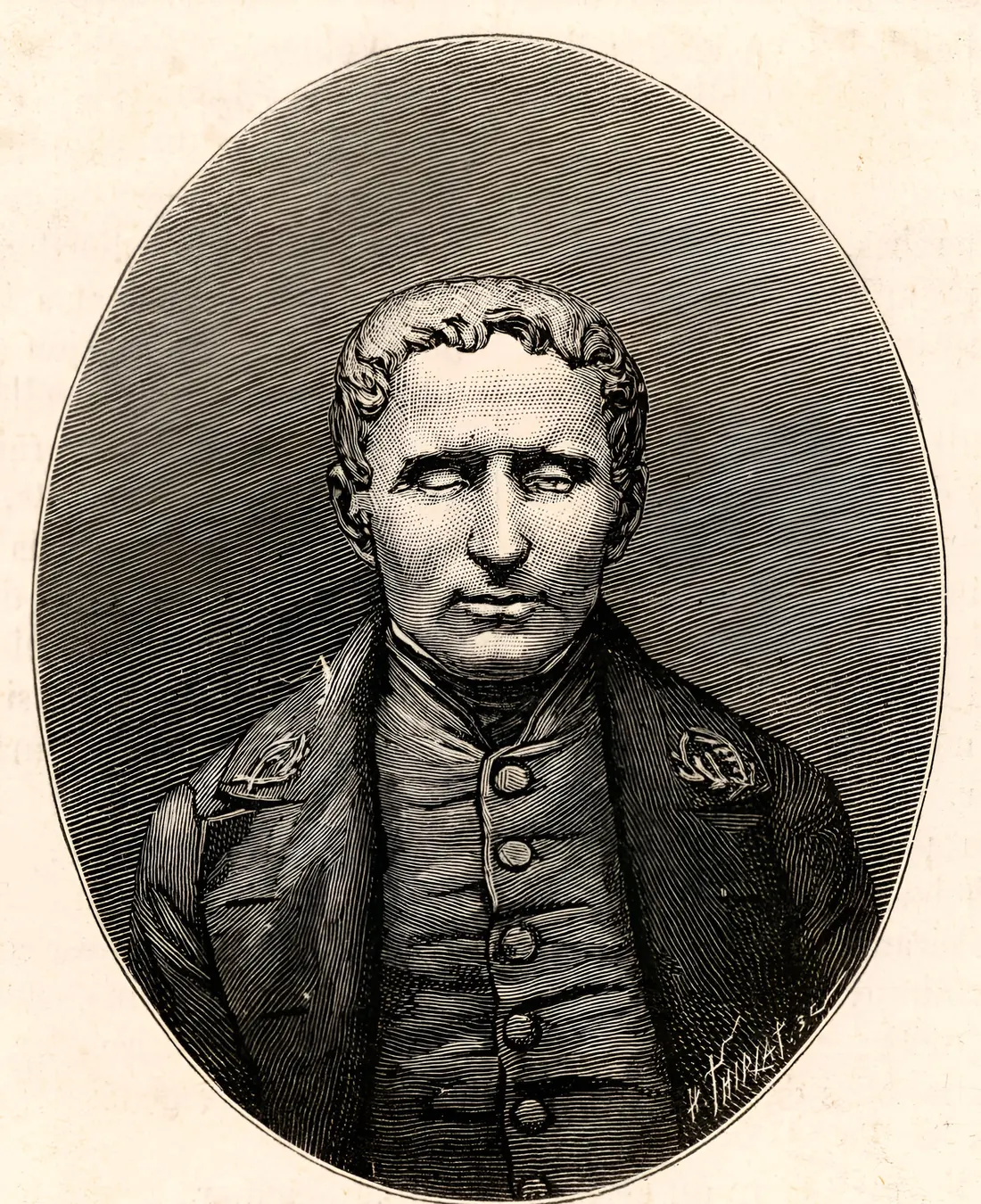
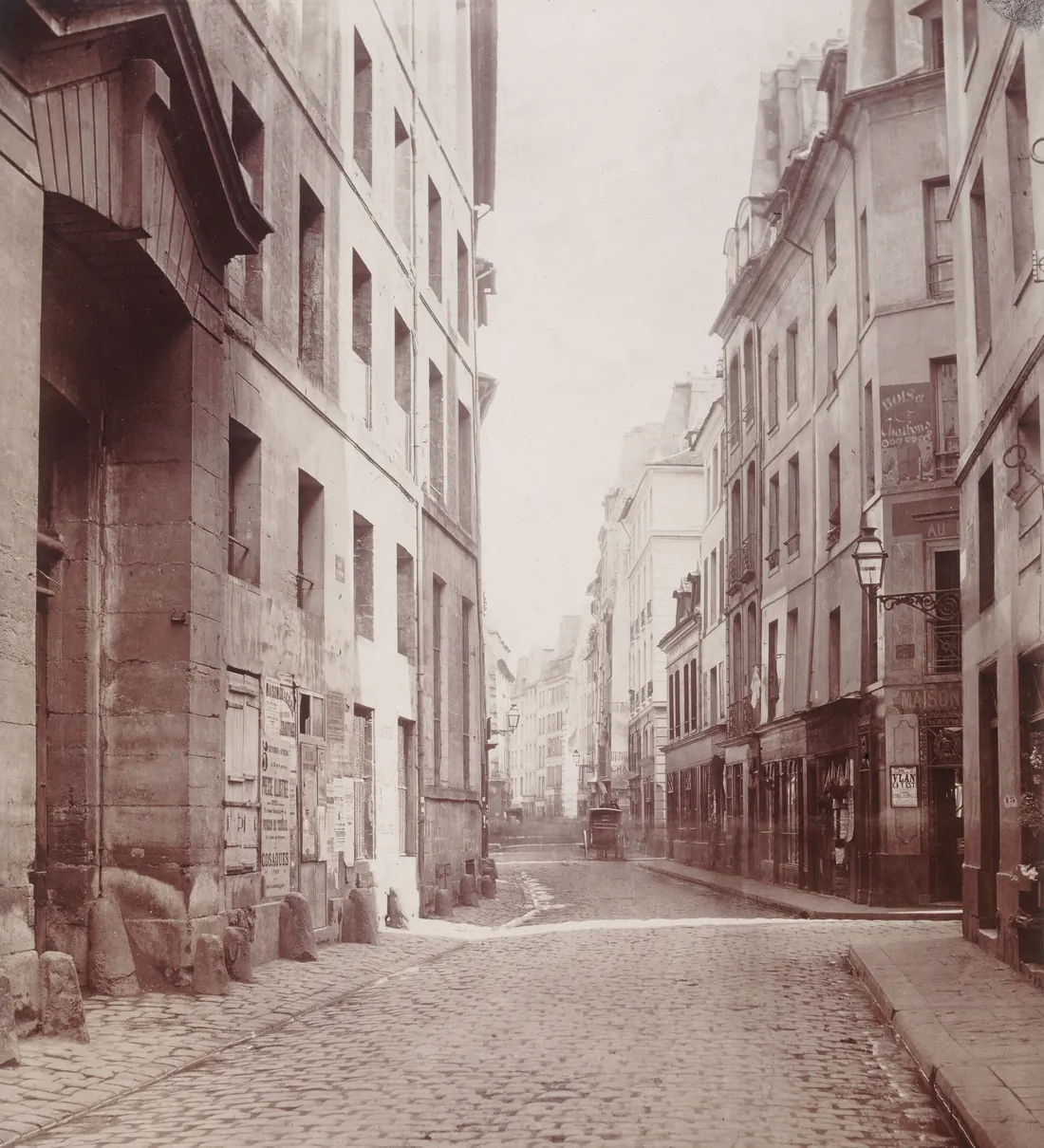
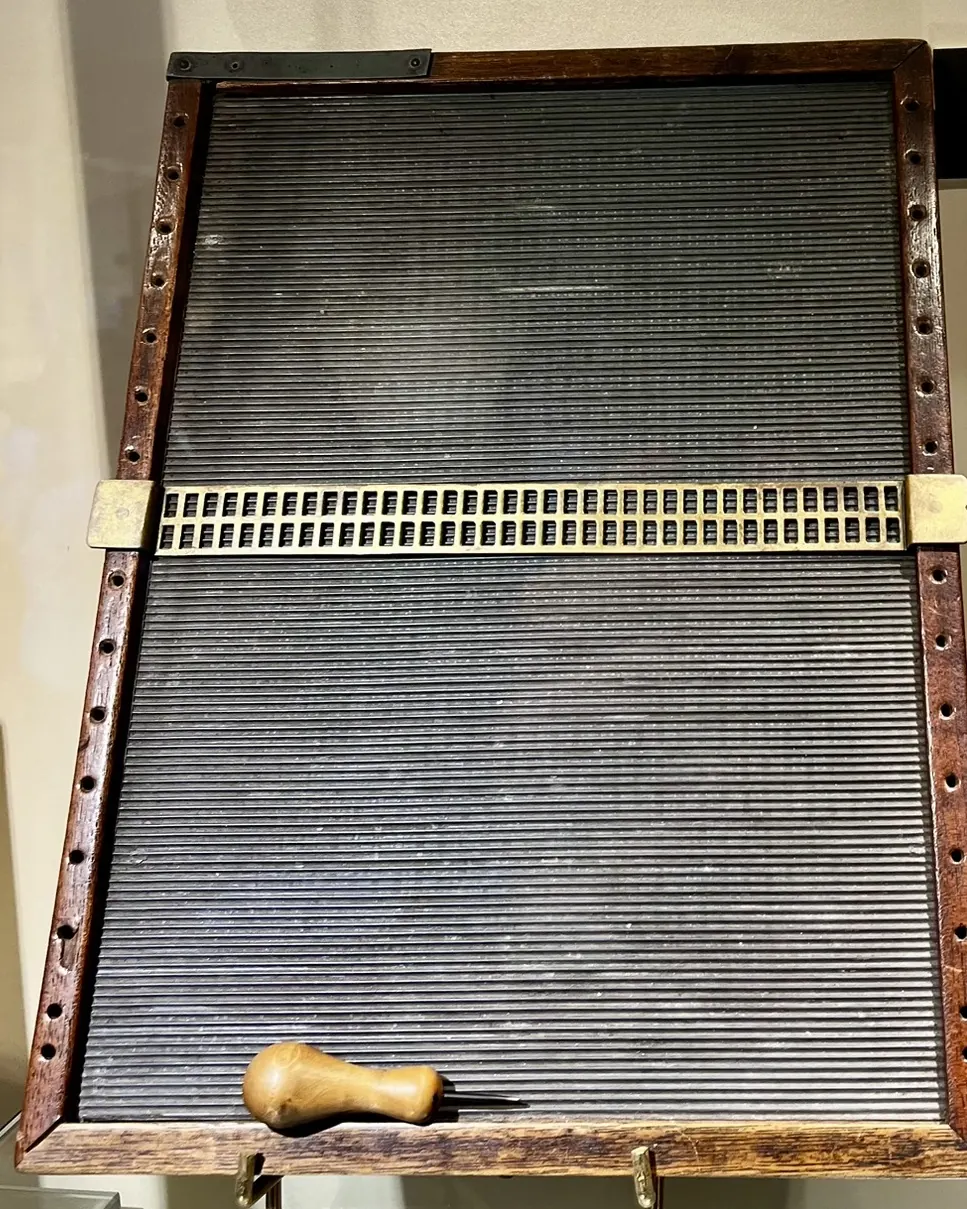
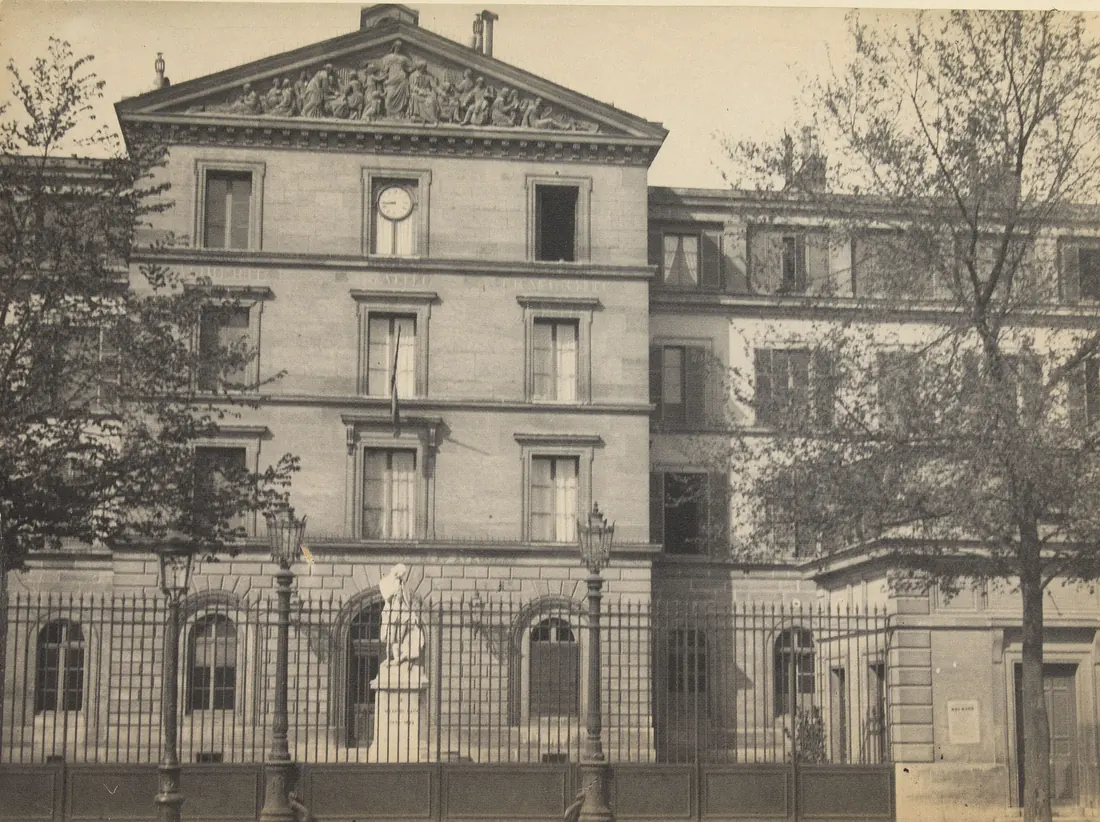
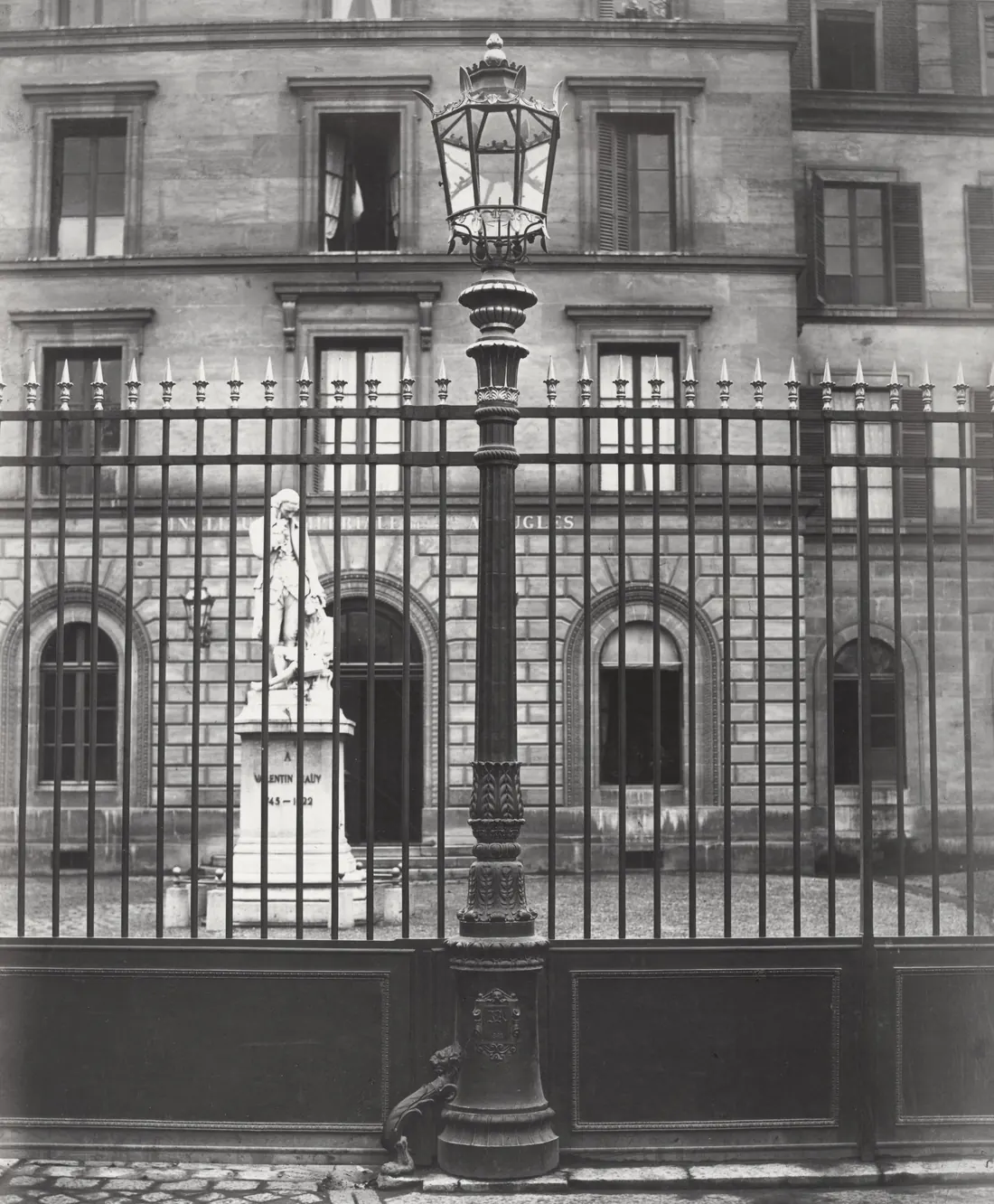
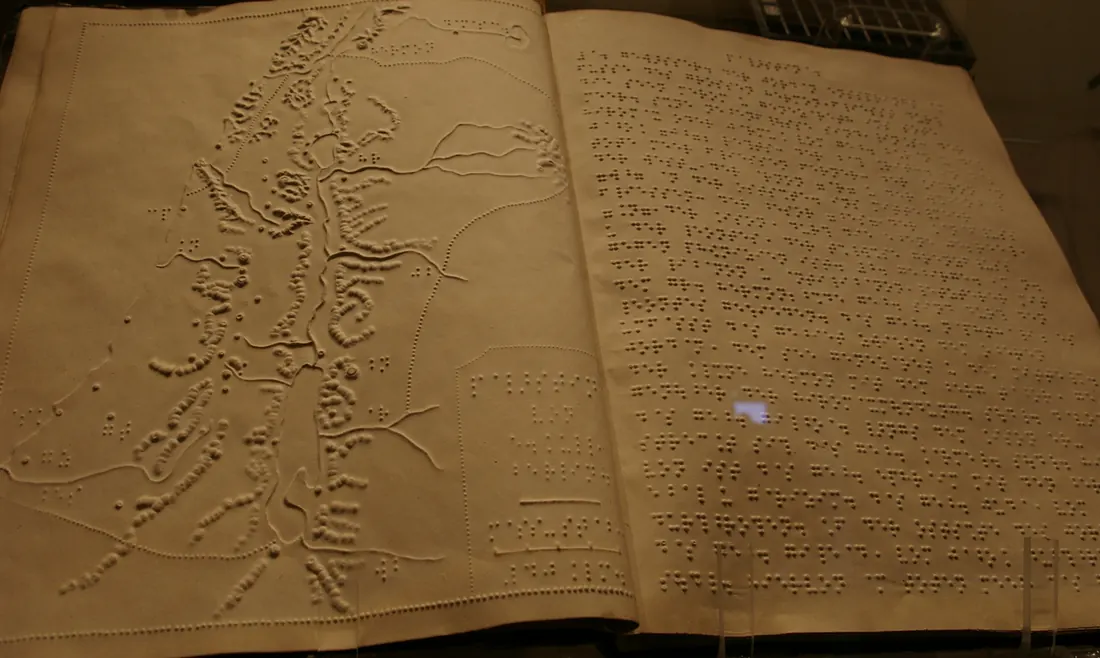
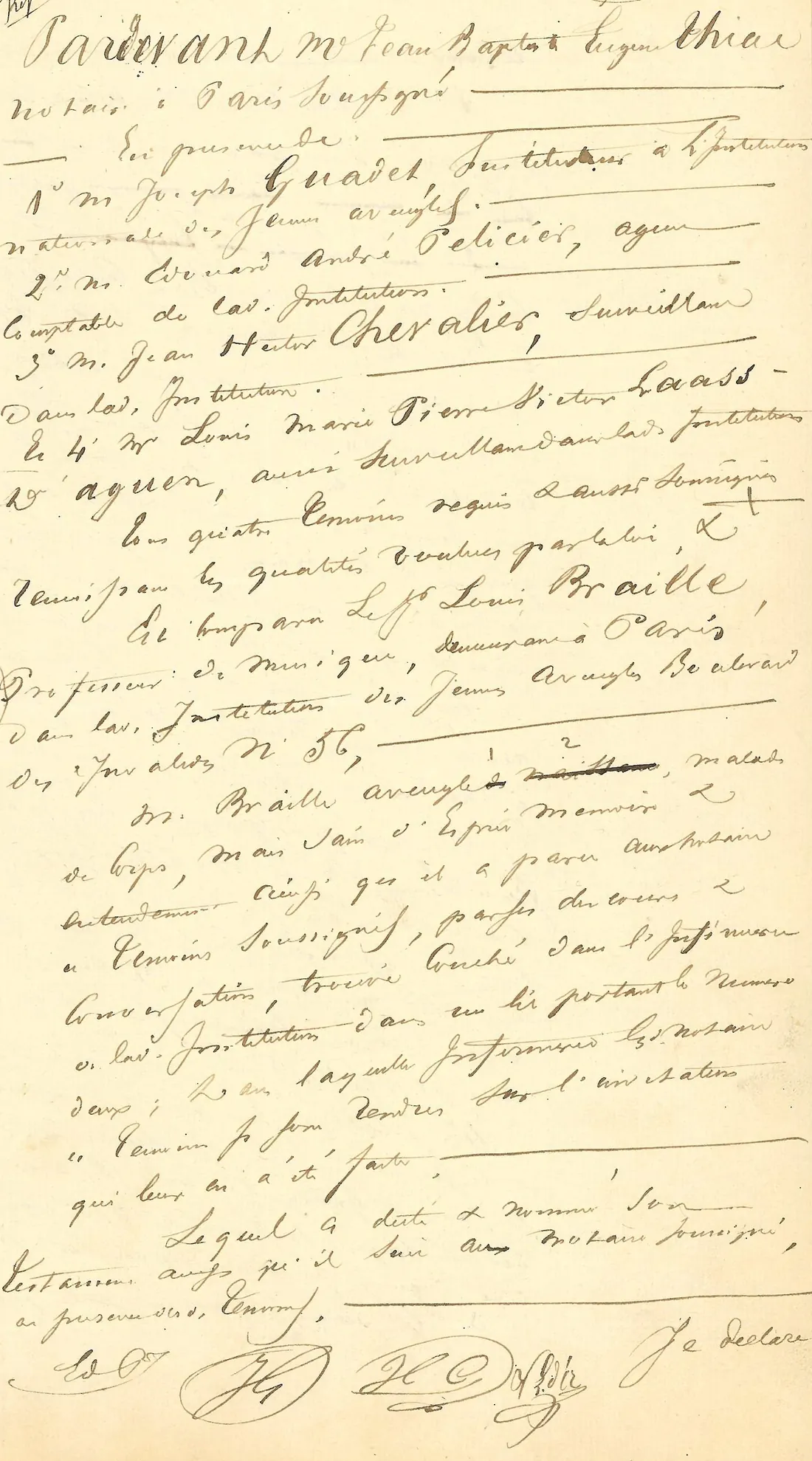
Pictures: Louis Braille himself is in Henri Thiriat’s wood engraving in La Nature (1887), made after the well-known daguerreotype portrait. No free portrait of Charles Barbier exists, so his line shows a modern table of his 12-dot code (2015), and no one is shown as him. Braille’s birth house in Coupvray, his father’s harness-maker tools, a book in raised letters, a braille book with a tactile map, his slate and stylus and the plaque on his birth house are museum objects and places photographed from 2009 to 2024. Charles Marville’s photo of the rue Saint-Victor (1865–68) shows the street where the institute stood when Braille was a pupil there, taken after the school had left; Marville’s 1878 photo of the institute’s gate and Valentin Haüy’s statue, and Hippolyte Blancard’s of about 1890, show the institute’s building on the boulevard des Invalides, its home from 1844. The 1829 pages are the first publication of his code, and the will is the first page of his will of December 26, 1851, at the Archives nationales.
Photo credits
The archive photos in this story
The photographs and illustrations in this story are in the public domain or shared under open licenses; each one is credited below with its license. Tap one to enlarge it, or follow the link to its Wikimedia Commons page for the full record. The narration, captions and graphics in the Short are our own; its music and sound effects are credited below.
Music and sound effects
Music: Satie, Gymnopedie No. 1 (Lent et douloureux) (Robin Alciatore, piano, public domain); Brahms, Symphony No. 2 in D major, Op. 73: IV. Allegro con spirito (Musopen Symphony Orchestra, CC0); Brahms, Symphony No. 1 in C minor, Op. 68: IV. Adagio - Piu andante - Allegro non troppo, ma con brio (Musopen Symphony Orchestra, CC0).
Sound effects: Freesound, CC0.