
Vincent van Gogh, born on March 30, 1853, “was a Dutch Post-Impressionist painter,” Wikipedia says. “In 1878, Van Gogh already had three failed careers under his belt, as an art dealer, a teacher and a bookseller,” the Van Gogh Museum says, and “his appointment as a lay preacher (a position that required no official training) wasn’t even renewed.” “He eventually decided to take Theo’s advice and become an artist.” His brother Theo, Martin Bailey writes in The Art Newspaper, “was an art dealer working for the leading Boussod & Valadon gallery,” and “Theo had the resources to provide Vincent with a regular allowance, which enabled him to paint.”
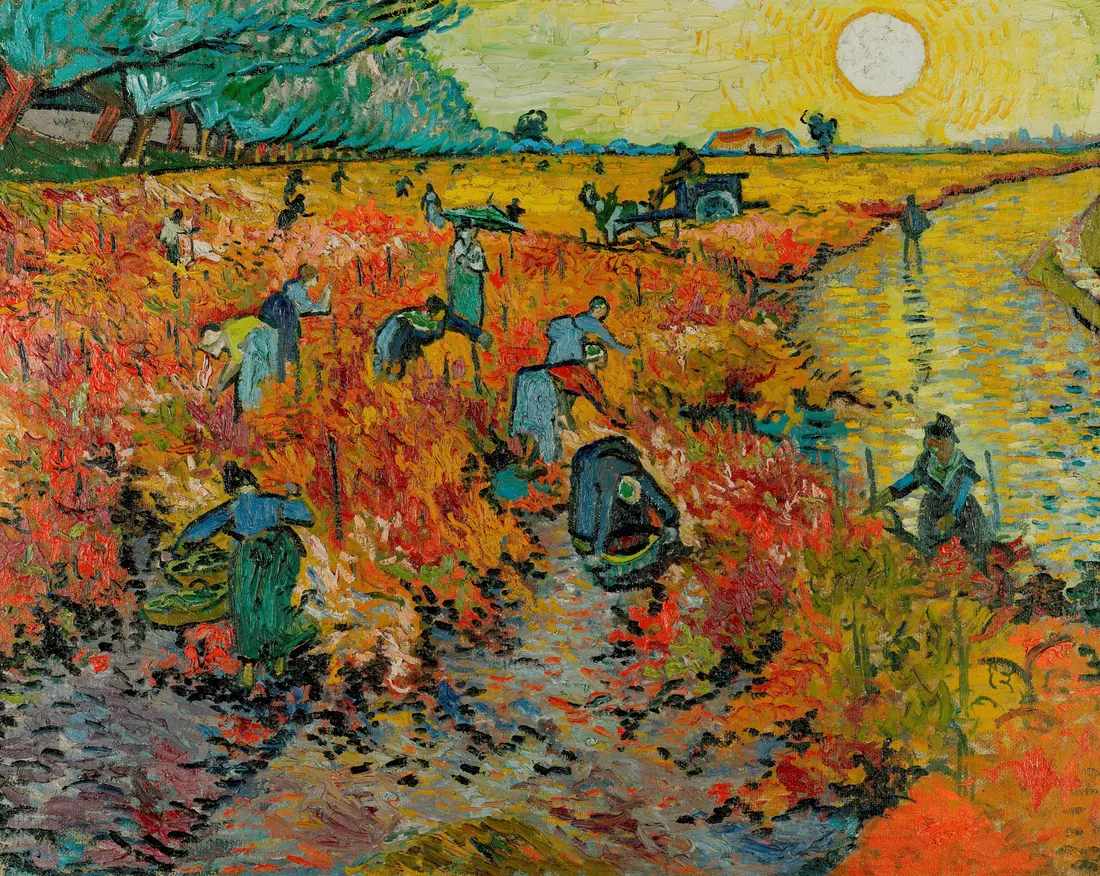
“In just over a decade he created about 2,100 artworks, including around 860 oil paintings,” Wikipedia says. But “Despite encouragement from his avant-garde colleagues, most people simply rejected his work,” Bailey writes, and “even if Van Gogh managed to sell a handful or two of his paintings, this still represents a minute proportion of the almost 1,000 that he completed.” The Van Gogh Museum: “We don’t know exactly how many paintings Van Gogh sold during this lifetime, but in any case, it was more than a couple.” The best documented sale: “In March 1890 the Belgian artist Anna Boch bought The Red Vineyard (November 1888) at an exhibition in Brussels.”
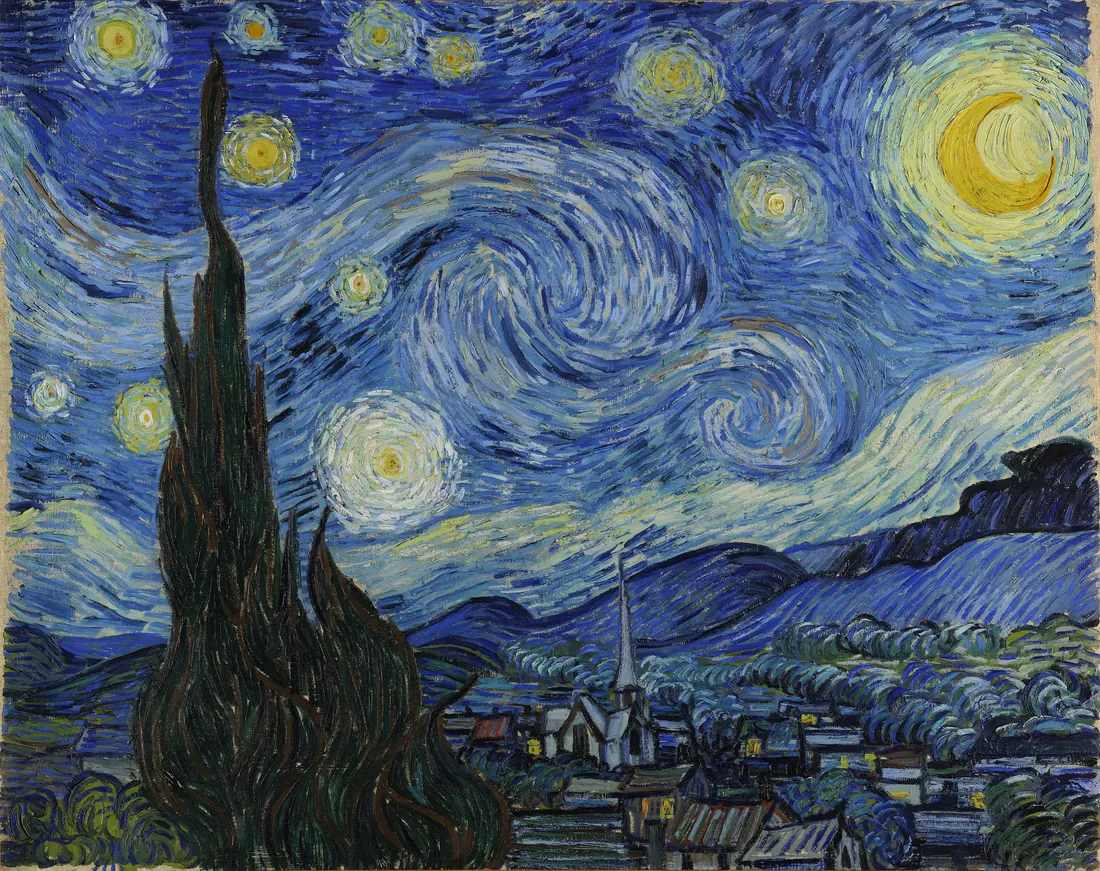
Struggling with mental illness (Wikipedia speaks of “years of mental illness and poverty”), he went into the asylum at Saint-Rémy-de-Provence, “where Van Gogh voluntarily admitted himself on 8 May 1889.” Of The Starry Night, Wikipedia says: “Painted in June 1889, it depicts the view from the east-facing window of his asylum room at Saint-Rémy-de-Provence.” On May 24, 1890, in Auvers-sur-Oise, he wrote to Theo and Jo: “I feel – a failure – that’s it as regards me – I feel that that’s the fate I’m accepting.” The editors of his letters note: “According to Hulsker, who dates this piece of writing to Saturday, 24 May 1890, it was never sent.” “The fact that this letter nevertheless survived means that Theo found it after Vincent’s death and saved it.” He died in July 1890, at 37.
“But just six months later, Theo also passed away,” the Van Gogh Museum says; Wikipedia dates his death to January 25, 1891. “Johanna was left a widow with her infant son to support. She was left with only an apartment in Paris filled with a few items of furniture and about 200 then-valueless works of her brother-in-law Vincent,” Wikipedia says. “She sold some of Vincent’s works, loaned others out for exhibitions and – also very importantly – published his letters to Theo,” the museum says. “She edited the brothers’ correspondence, publishing the first volume in Dutch in 1914.” “Van Gogh’s fascinating life story is one of the reasons why his work gradually took the whole world by storm. Without Jo’s dedication, this would never have been possible.”
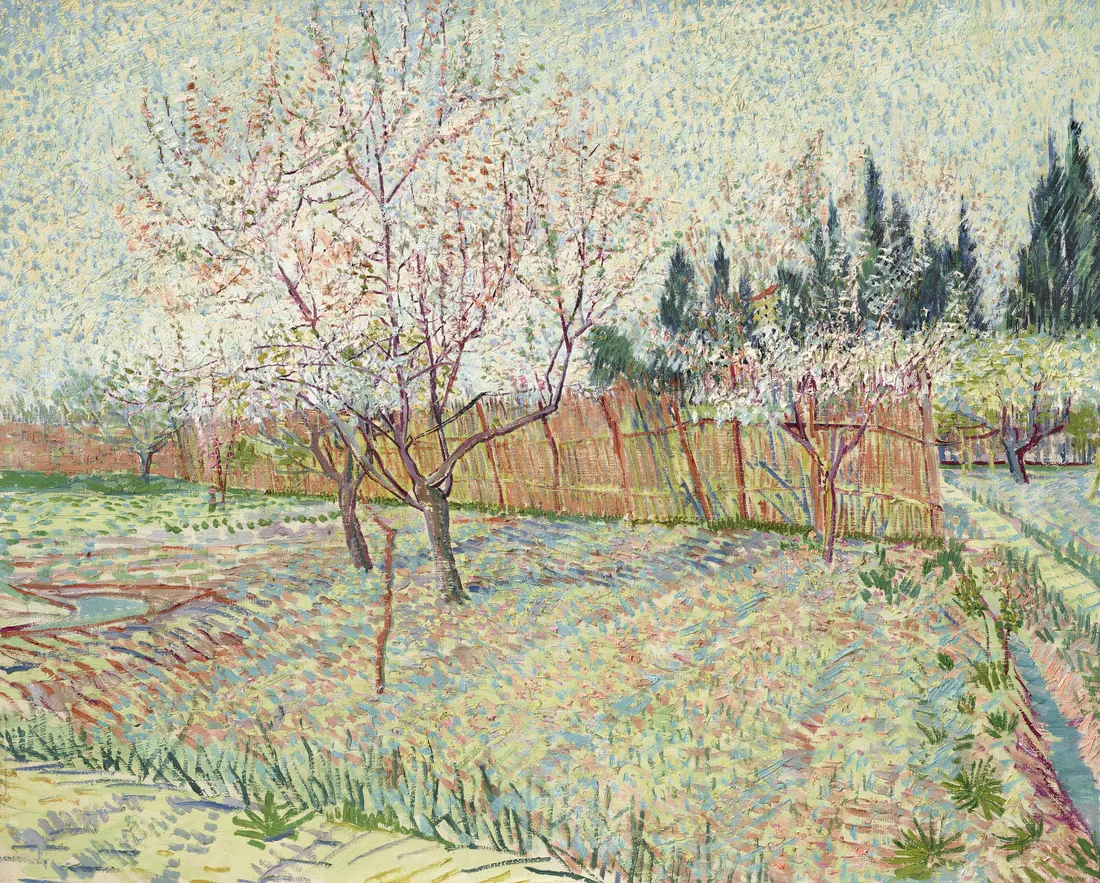
In November 2022, at Christie’s in New York, Verger avec cyprès, “Painted in Arles in April 1888,” sold for “USD 117,180,000.” Its provenance runs: “Theo van Gogh, Paris (acquired from the artist, 7 May 1888). Johanna van Gogh-Bonger, Paris (by descent from the above).” Around October 25, 1888, Vincent had written to Theo from Arles: “I can do nothing about it if my paintings don’t sell. The day will come, though, when people will see that they’re worth more than the cost of the paint and my subsistence, very meagre in fact, that we put into them.”
Fact check
The facts and where they come from
- He felt like a failure, but today his paintings sell for millions. Letter RM20: “I feel – a failure – that’s it as regards me – I feel that that’s the fate I’m accepting.” Wikipedia: “Van Gogh was unsuccessful during his lifetime and was considered a madman and a failure.” The Conversation: “Most recently this record was smashed in November 2022, when a Van Gogh landscape of Arles from Microsoft co-founder Paul Allen’s collection sold for US$117 million to an anonymous bidder.” 497
- His name was Vincent van Gogh, a Dutch painter. Wikipedia: he “was a Dutch Post-Impressionist painter,” born on March 30, 1853. 9
- He failed as an art dealer, teacher and preacher. Van Gogh Museum: “In 1878, Van Gogh already had three failed careers under his belt, as an art dealer, a teacher and a bookseller” … “his appointment as a lay preacher (a position that required no official training) wasn’t even renewed.” 1
- His brother Theo urged him to paint, and sent him money every month. Van Gogh Museum: “He eventually decided to take Theo’s advice and become an artist.” Wikipedia: “after Theo’s suggestion that he take up art in earnest.” The Art Newspaper: Theo “was an art dealer working for the leading Boussod & Valadon gallery” … “It meant that Theo had the resources to provide Vincent with a regular allowance, which enabled him to paint.” In letter RM20 Vincent writes of the allowance, “à 150 par mois” (150 a month). 1964
- In about ten years, he made more than 800 paintings. Wikipedia: “In just over a decade he created about 2,100 artworks, including around 860 oil paintings.” The Art Newspaper: “the almost 1,000 that he completed.” 96
- Most people rejected them. The Art Newspaper: “Despite encouragement from his avant-garde colleagues, most people simply rejected his work.” 6
- Only a handful sold. The Art Newspaper: “But even if Van Gogh managed to sell a handful or two of his paintings, this still represents a minute proportion of the almost 1,000 that he completed.” Van Gogh Museum: “We don’t know exactly how many paintings Van Gogh sold during this lifetime, but in any case, it was more than a couple.” 62
- Struggling with mental illness, he painted The Starry Night in an asylum. Wikipedia: “years of mental illness and poverty.” Wikipedia, The Starry Night: “Painted in June 1889, it depicts the view from the east-facing window of his asylum room at Saint-Rémy-de-Provence,” the asylum “where Van Gogh voluntarily admitted himself on 8 May 1889.” 910
- In a letter he never sent, he wrote, “I feel a failure.” Letter RM20, to Theo and Jo, May 24, 1890: “I feel – a failure – that’s it as regards me – I feel that that’s the fate I’m accepting.” Its editors: “According to Hulsker, who dates this piece of writing to Saturday, 24 May 1890, it was never sent.” … “The fact that this letter nevertheless survived means that Theo found it after Vincent’s death and saved it.” 4
- In July 1890, he died at 37. Wikipedia gives his dates as “30 March 1853 – 29 July 1890.” 9
- Just six months later, Theo died too. Van Gogh Museum: “But just six months later, Theo also passed away.” Wikipedia: “With her husband’s death six months after Vincent’s.” Wikipedia dates Theo’s death to January 25, 1891. 31112
- His widow, Jo, was left with a baby and about 200 worthless paintings. Wikipedia: “Johanna was left a widow with her infant son to support. She was left with only an apartment in Paris filled with a few items of furniture and about 200 then-valueless works of her brother-in-law Vincent.” Van Gogh Museum: “Her husband Theo van Gogh died, leaving Jo with their baby son and an apartment filled with his brother Vincent’s artworks.” 113
- She lent them to exhibitions and published his letters. Van Gogh Museum: “She sold some of Vincent’s works, loaned others out for exhibitions and – also very importantly – published his letters to Theo.” Wikipedia: “She edited the brothers’ correspondence, publishing the first volume in Dutch in 1914” … “strategic lending some of Vincent’s work to various early retrospective exhibitions.” 311
- Over a century later, one sold for $117 million. Christie’s: Verger avec cyprès, “Painted in Arles in April 1888,” sold in New York on November 9, 2022, for “USD 117,180,000”; provenance: “Theo van Gogh, Paris (acquired from the artist, 7 May 1888). Johanna van Gogh-Bonger, Paris (by descent from the above).” The Conversation: it “sold for US$117 million.” 87
- He once wrote that one day, people would see they were worth more than the paint. Letter 712, to Theo, Arles, about October 25, 1888: “I can do nothing about it if my paintings don’t sell. The day will come, though, when people will see that they’re worth more than the cost of the paint and my subsistence, very meagre in fact, that we put into them.” 5
Sources
- Why Did Van Gogh Become an Artist? Van Gogh Museum
- How Many Paintings Did Vincent Sell during His Lifetime? Van Gogh Museum
- How Did Vincent van Gogh Become Famous after His Death? Van Gogh Museum
- Letter RM20, to Theo van Gogh and Jo van Gogh-Bonger, Auvers-sur-Oise, May 24, 1890 (never sent) Vincent van Gogh – The Letters (Van Gogh Museum and Huygens ING)
- Letter 712, to Theo van Gogh, Arles, about October 25, 1888 Vincent van Gogh – The Letters (Van Gogh Museum and Huygens ING)
- Why did Van Gogh fail to sell his work? (Martin Bailey, June 3, 2022) The Art Newspaper
- Van Gogh Museum at 50: Vincent van Gogh and the art market (Frances Fowle, March 22, 2023) The Conversation
- Verger avec cyprès, lot 22, Visionary: The Paul G. Allen Collection Part I Christie’s
- Vincent van Gogh Wikipedia
- The Starry Night Wikipedia
- Johanna van Gogh-Bonger Wikipedia
- Theo van Gogh (art dealer) Wikipedia
Notes
Only one painting sold? Many retellings say so, but by the Van Gogh Museum’s account that is a myth: the number is unknown, but “it was more than a couple,” and The Art Newspaper’s Martin Bailey lists a handful of other sales and trades. The Conversation calls The Red Vineyard his one documented sale (“Vincent van Gogh allegedly made only one documented sale of a painting during his lifetime”). So the Short says only that a handful sold, and The Red Vineyard, bought by Anna Boch in March 1890, is called only the best documented.
The title, He Thought He Was a Failure, rests on what he wrote: the unsent letter of May 24, 1890, “I feel – a failure.” That he died believing it is an inference we don’t make. The Art Newspaper also notes that in his last two years he was “beginning to win recognition” among the avant-garde; that is left out of the Short for length.
His careers: the Van Gogh Museum names art dealer, teacher and bookseller as his three failed careers, and says his appointment as a lay preacher wasn’t renewed. The Short shortens this to art dealer, teacher and preacher.
How many paintings: around 860 oil paintings (Wikipedia) or “almost 1,000” (The Art Newspaper, which may count differently). The Short says “more than eight hundred,” true by both, and “about ten years” for Wikipedia’s “just over a decade.” Jo’s “about 200” works are Wikipedia’s figure; other counts differ.
The $117 million painting is Verger avec cyprès (April 1888), sold at Christie’s in New York on November 9, 2022, for USD 117,180,000. Its provenance runs from Theo to Jo “by descent,” so it was one of the paintings she inherited.
His death: like the Short, this page gives only the month, the place and his age.
“I feel – a failure”: the English is the translation on Vincent van Gogh – The Letters (his French: “Je me sens – raté –”); the Short reads it without the dashes.
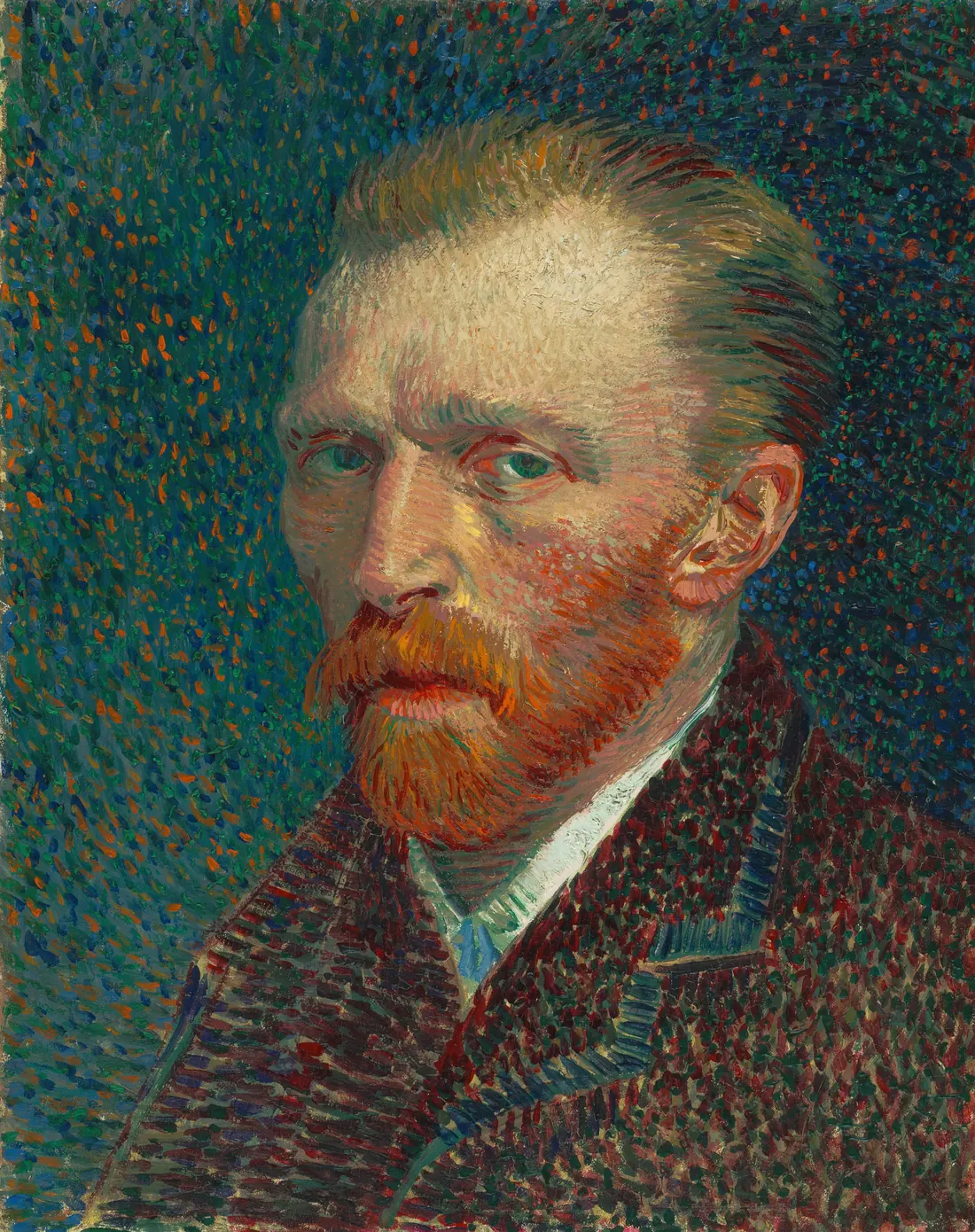
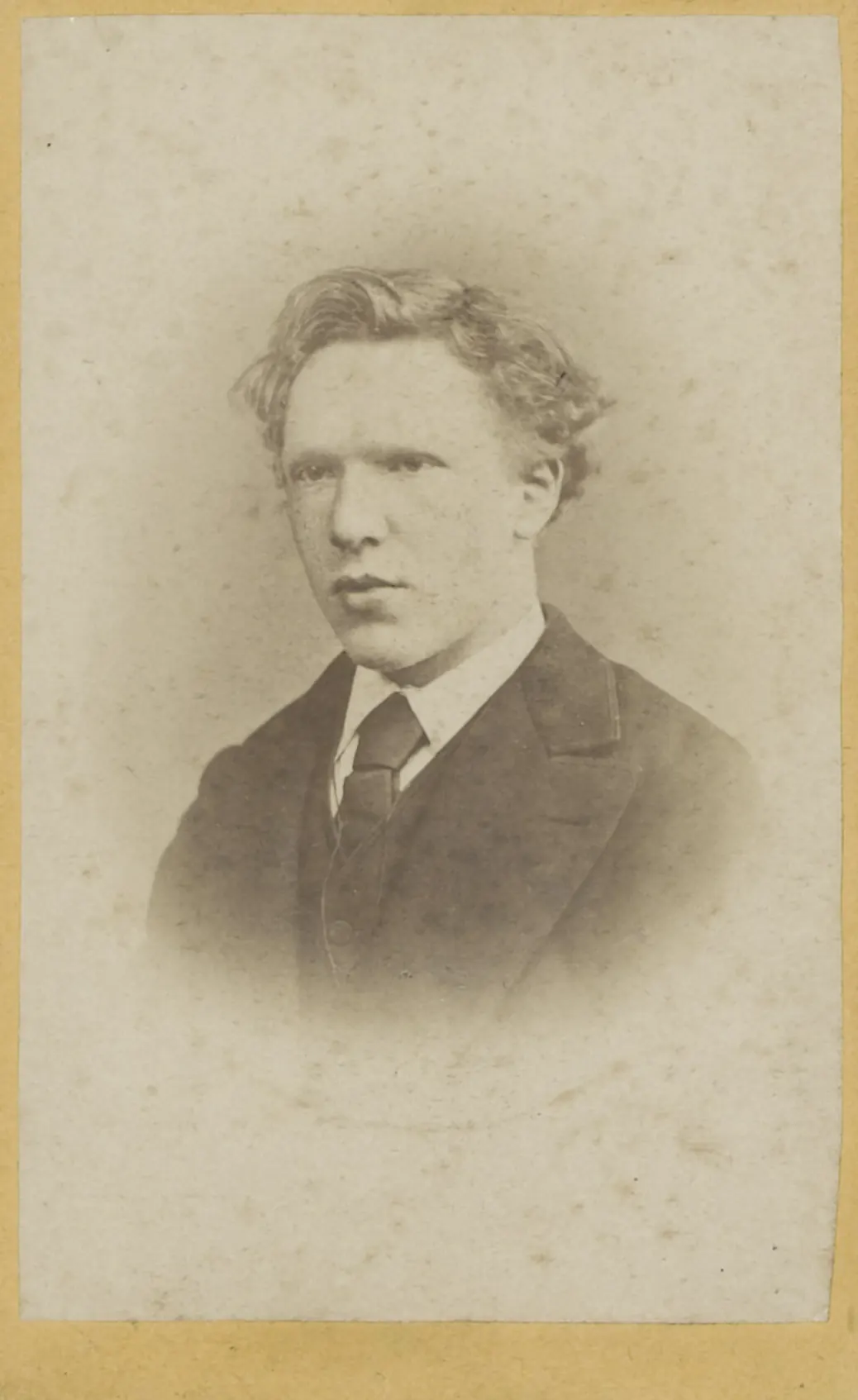
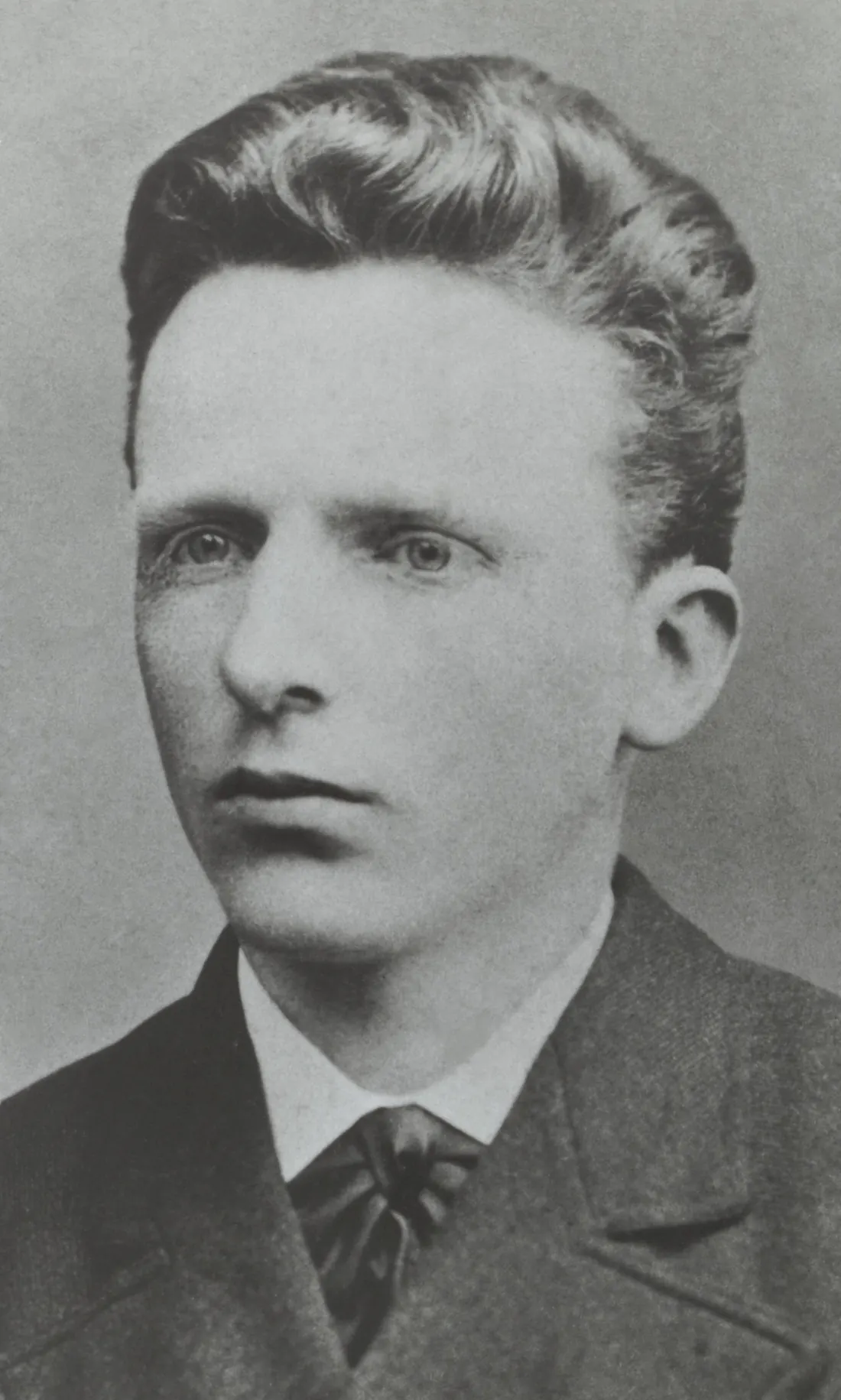
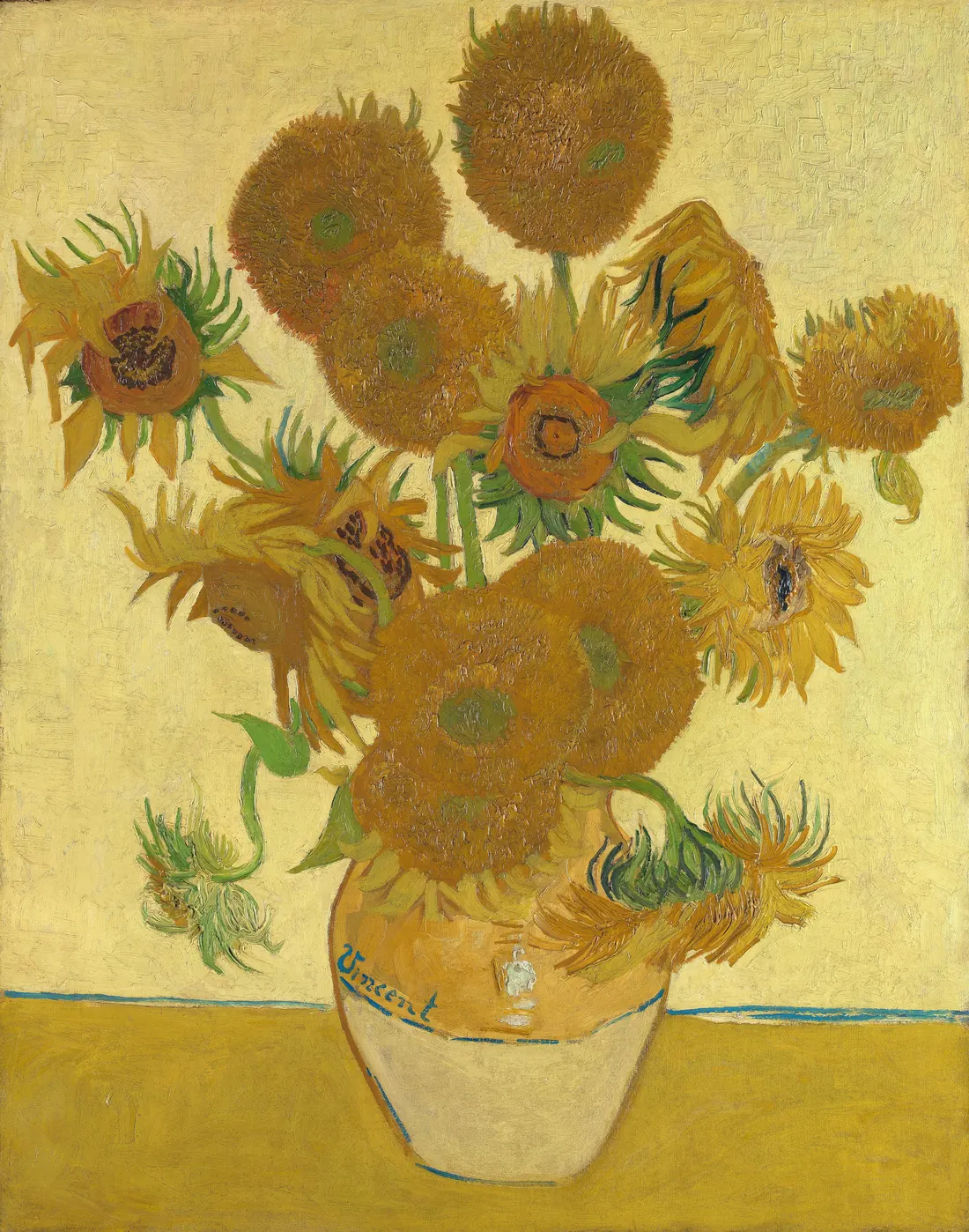
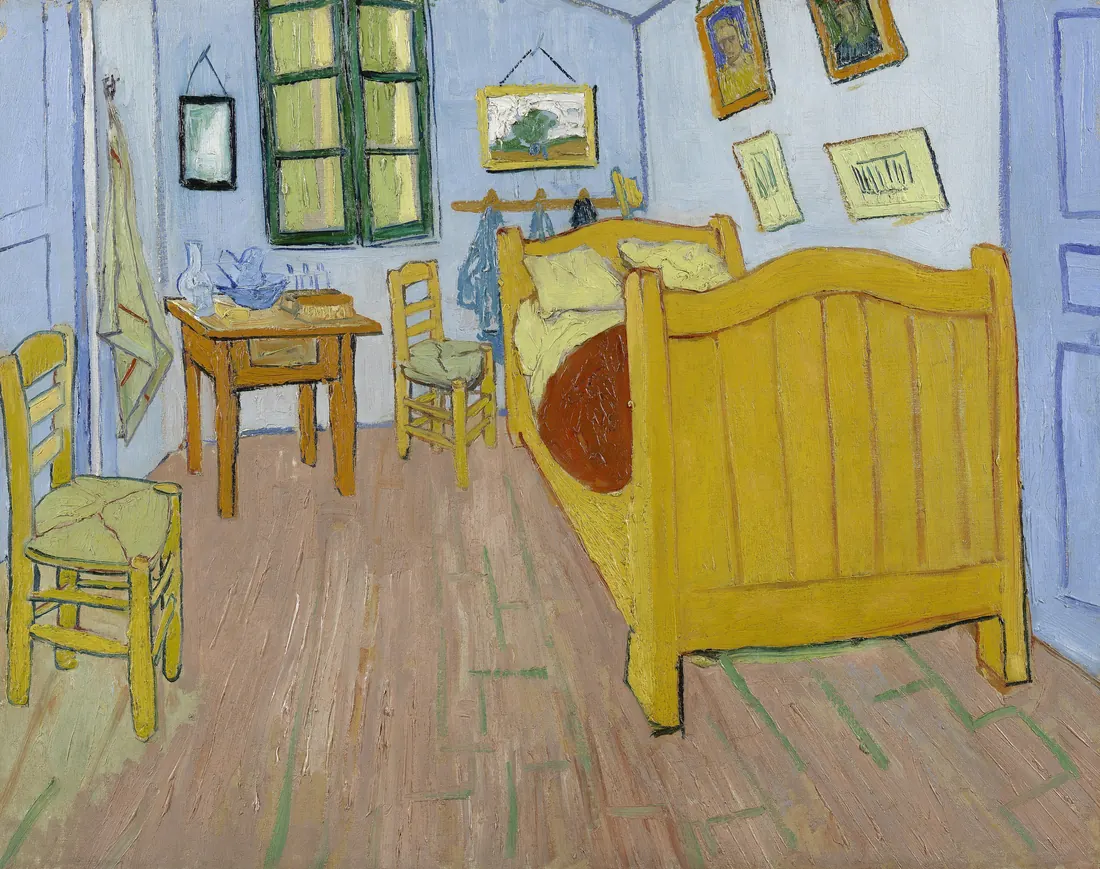
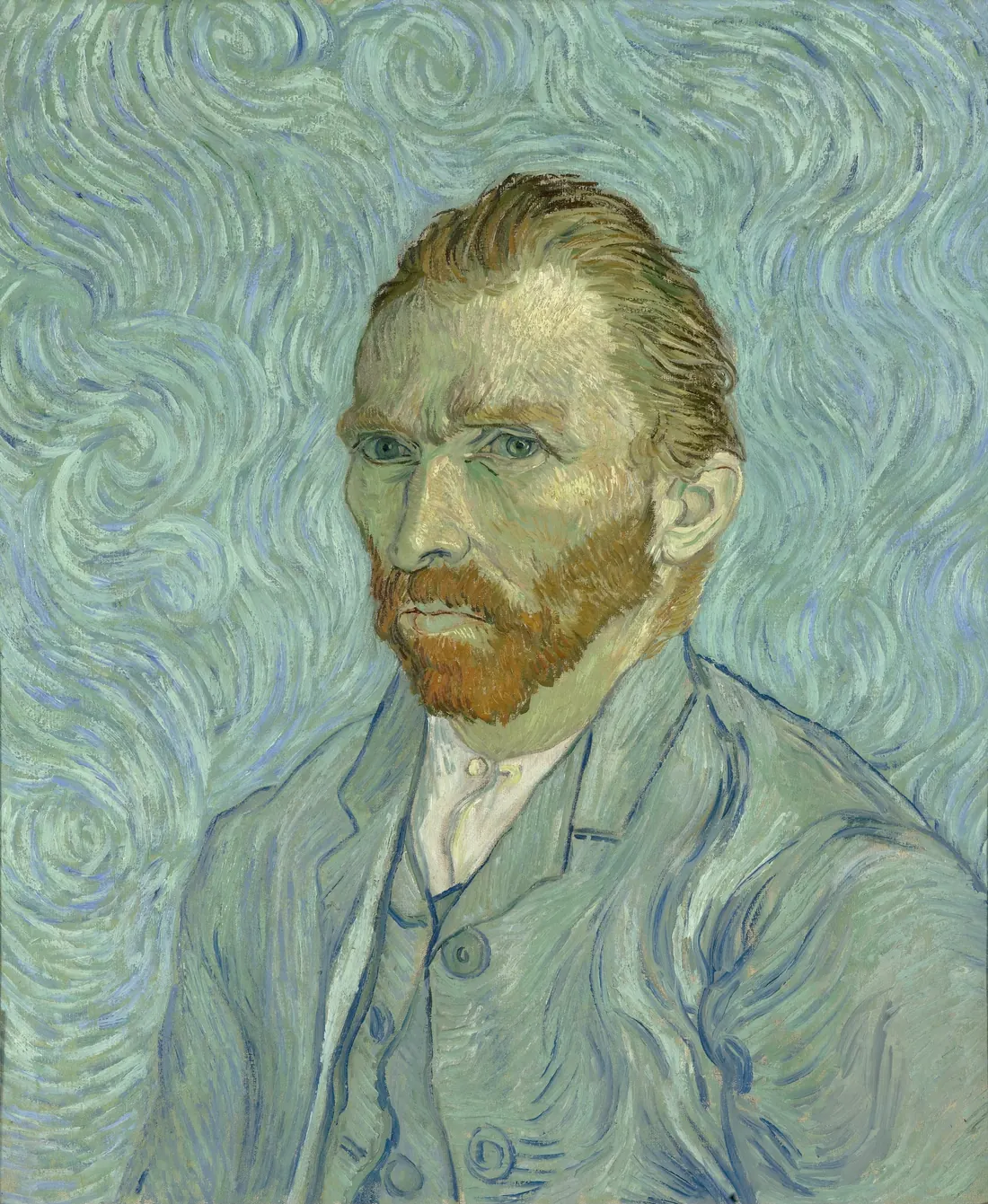
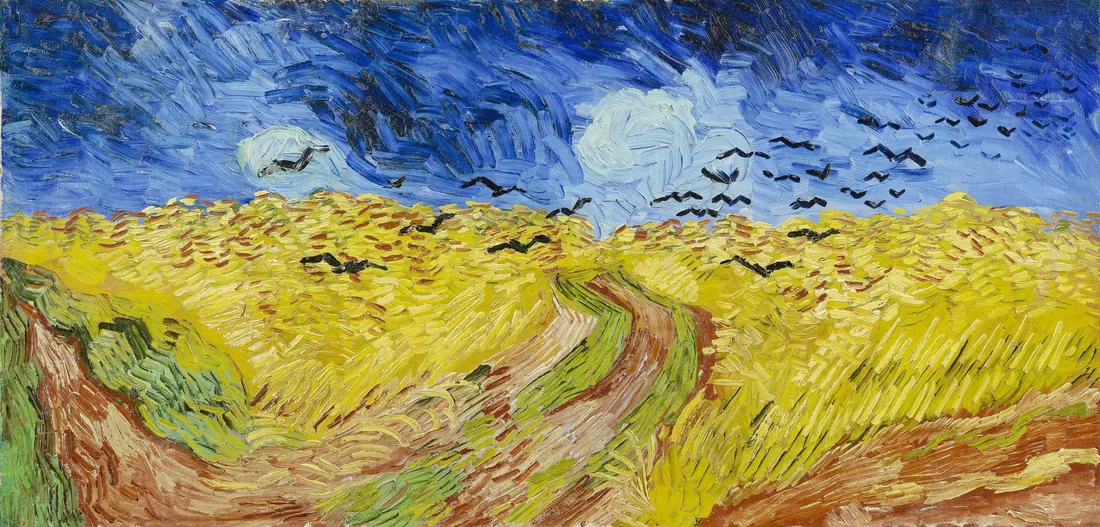
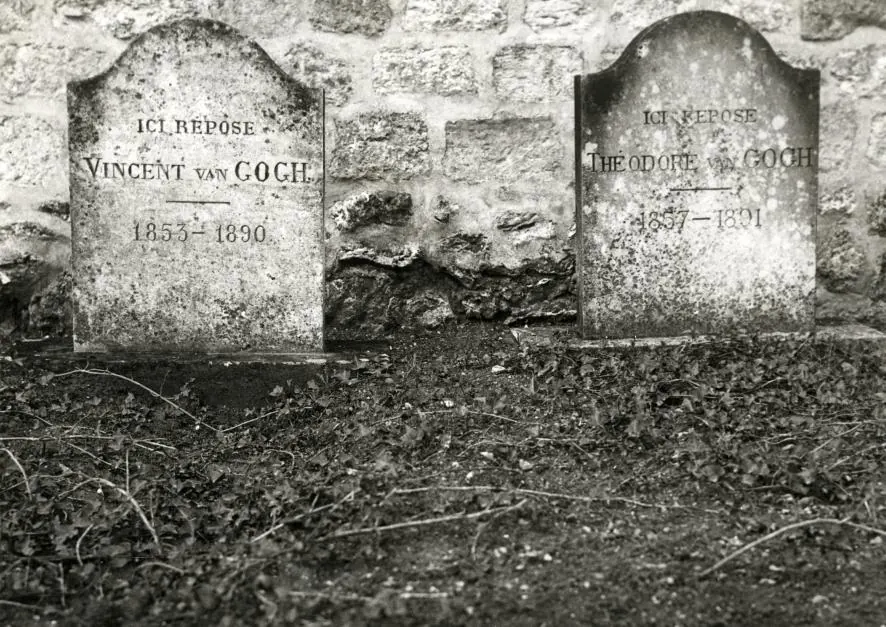
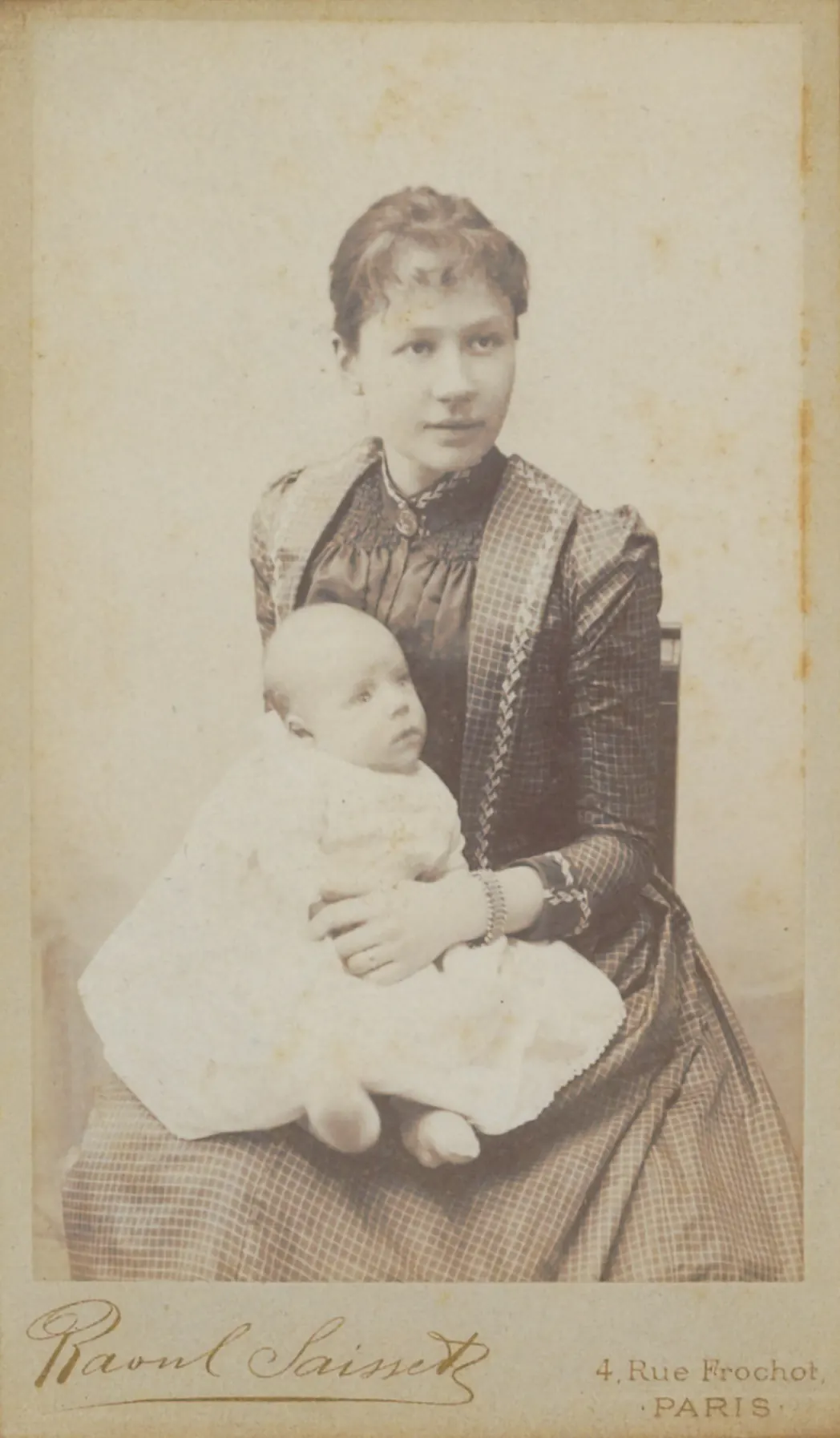
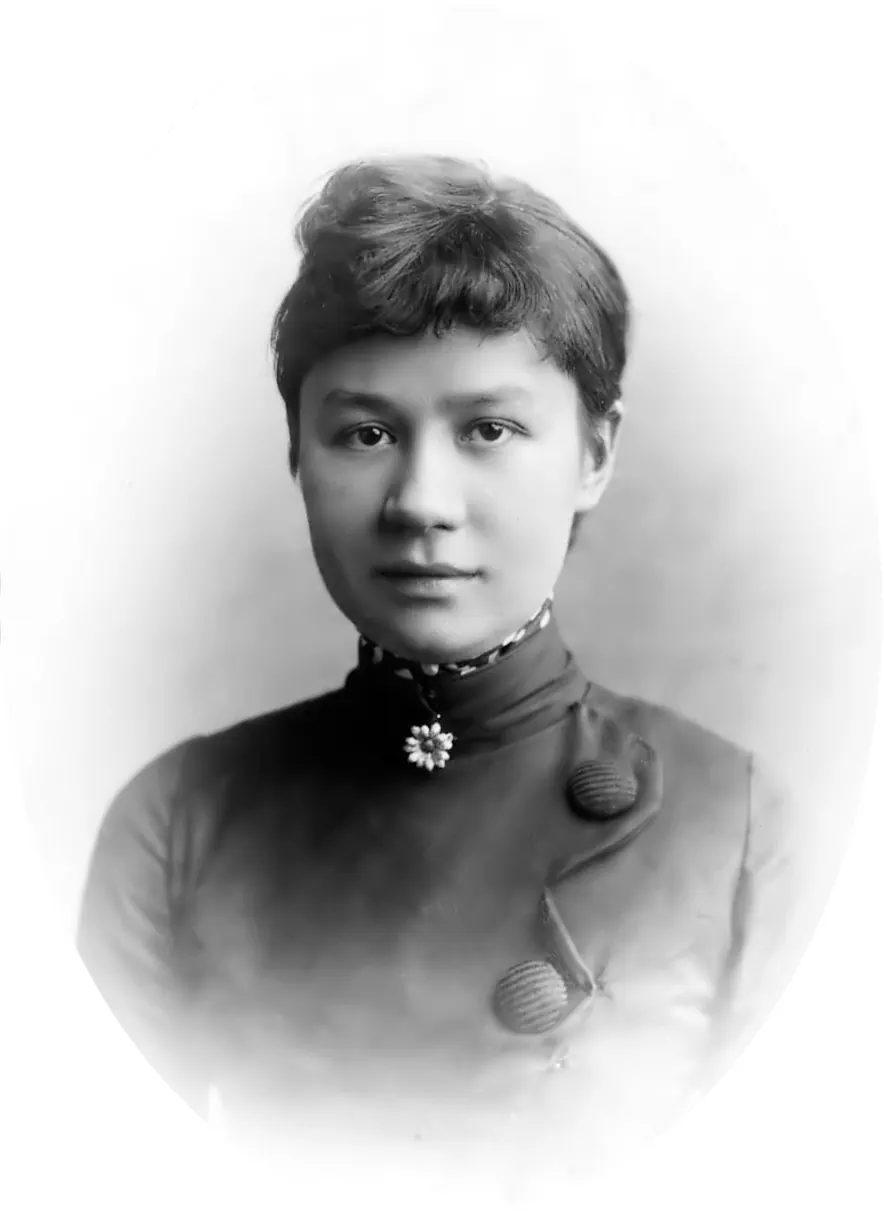
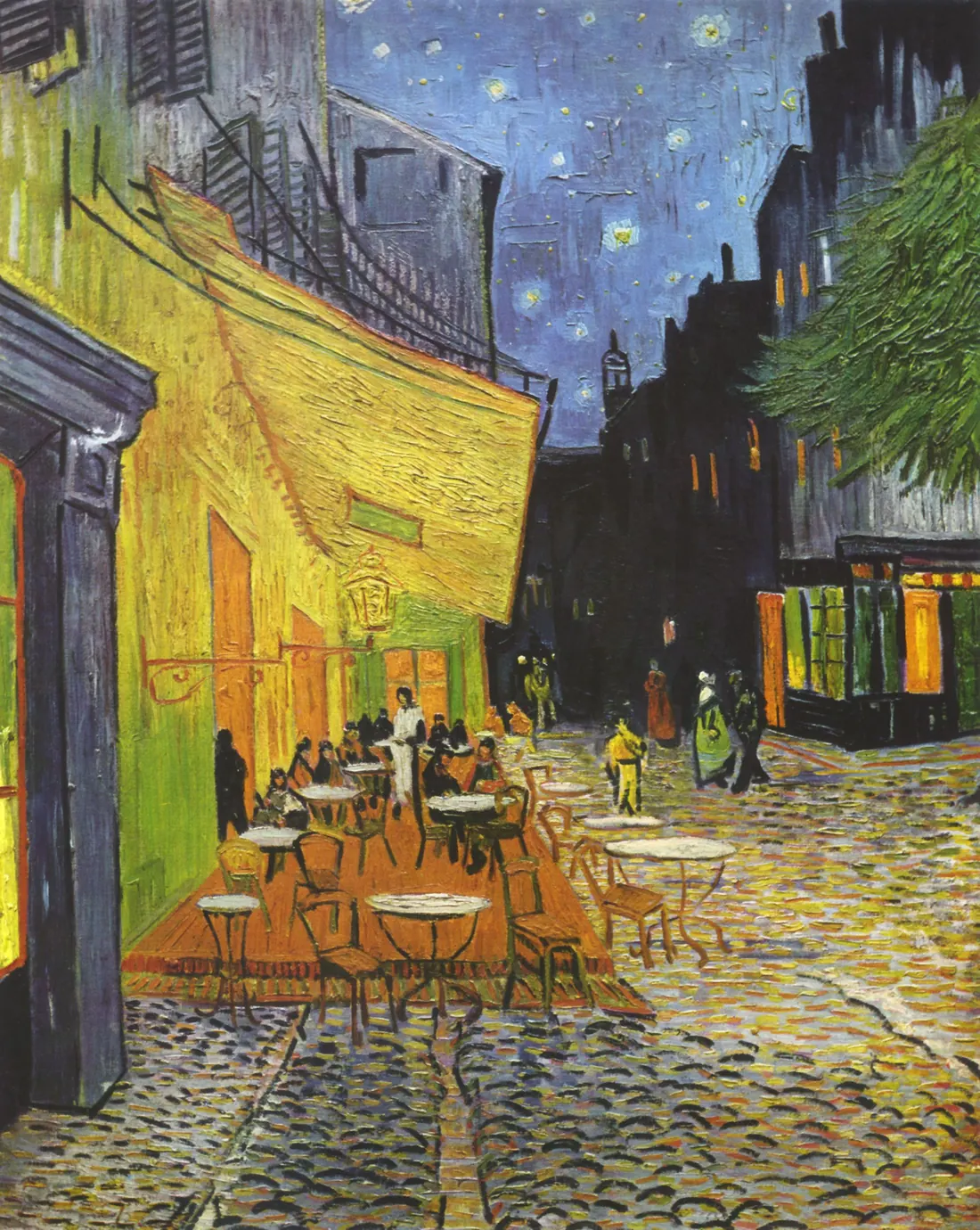
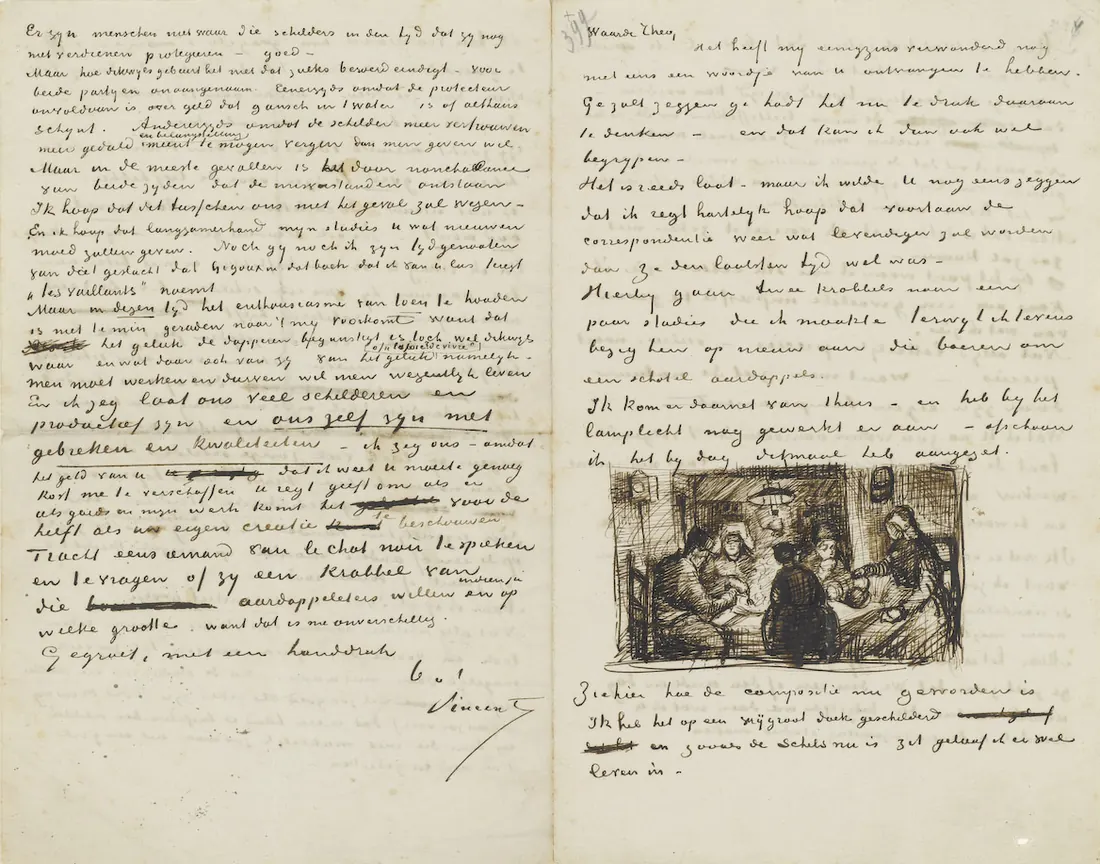
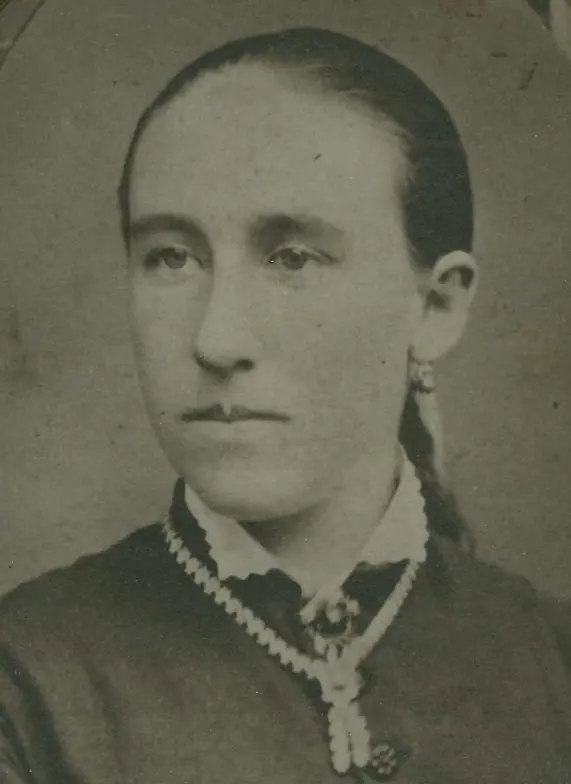
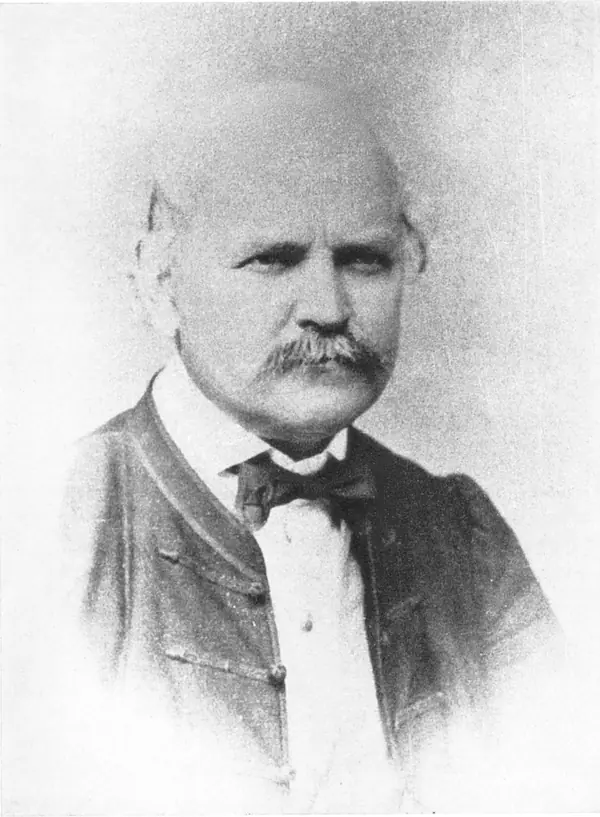
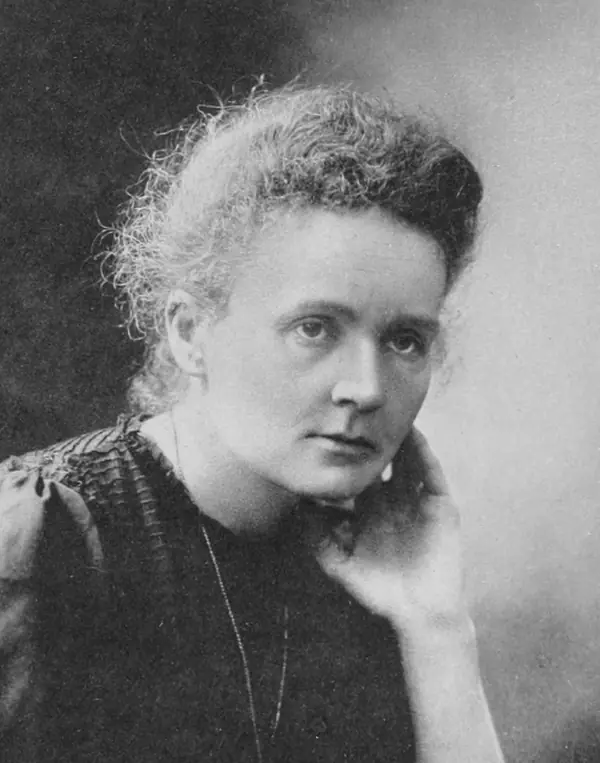
Pictures: the paintings are Van Gogh’s own: Self-Portrait, 1887 (Art Institute of Chicago); Sunflowers, August 1888 (National Gallery, London); Café Terrace at Night, September 1888 (Kröller-Müller Museum); The Bedroom, October 1888 (Van Gogh Museum); The Red Vineyard, November 1888 (Pushkin Museum, Moscow); The Starry Night, June 1889 (Museum of Modern Art); Self-Portrait, September 1889 (Musée d’Orsay); Wheatfield with Crows, July 1890 (Van Gogh Museum), which we don’t call his last painting; and Verger avec cyprès, April 1888, the painting sold in 2022 (image from the Christie’s lot page). Vincent himself is in J. M. W. de Louw’s photo of January 1873, at 19, from his art-dealer years. Theo is in De Lavieter & Co’s photo of May 1878 (the back of the print wrongly names Vincent). Jo was photographed by Woodbury & Page in Amsterdam in April 1889, and with her son Vincent Willem by Raoul Saisset in Paris in 1890 (his imprint is on the card). The letter is Vincent’s to Theo from Nuenen of April 9, 1885, with a sketch of The Potato Eaters, not the unsent letter of 1890. The graves of Vincent and Theo at Auvers-sur-Oise were photographed in 1927 (Nationaal Archief).
Photo credits
The archive photos in this story
All the photographs and illustrations in this story are in the public domain. Tap one to enlarge it, or follow the link to its Wikimedia Commons page for the full record. The narration, captions and graphics in the Short are our own; its music and sound effects are credited below.
Music and sound effects
Music: Satie, Gymnopedie No. 1 (Lent et douloureux) (Robin Alciatore, piano, public domain); Grieg, Peer Gynt Suite No. 1, Op. 46: II. Ase's Death (Musopen Symphony Orchestra, CC0); Grieg, Peer Gynt Suite No. 1, Op. 46: I. Morning Mood (Musopen Symphony Orchestra, public domain).
Sound effects: Freesound, CC0.



































































.jpg)

