Tom Crean “was an Irish seaman and Antarctic explorer,” Wikipedia says, and “Crean departed with Scott in November 1911, for the attempt at the South Pole.” They were “168 statute miles (270 km) from the pole” when, “on 4 January 1912, Scott selected his final polar party: Crean, William Lashly and Edward Evans were ordered to return to base.” Scott wrote in his diary that day: “Poor old Crean wept and even Lashly was affected.”
“On the return journey, he and William Lashly pulled Lieutenant Teddy Evans, who was terribly sick with scurvy, on a sledge for many days,” the Scott Polar Research Institute says; Wikipedia: “Evans began to display the first symptoms of scurvy.” When Evans collapsed, he remembered in his book South with Scott, “Crean and Lashly picked me up, and Crean thought I was dead. His hot tears fell on my face.” Then “they put me on the sledge, bag and all.” “Crean and Lashly refused to leave him and pulled him on the sledge to within 35 miles of Hut Point,” the Kerry County Museum says.
“On 18 February they arrived at Corner Camp, still 35 statute miles (56 km) from Hut Point, with only one or two days’ food rations left,” Wikipedia says. “They then decided that Crean should go on alone, to fetch help.” “While Lashly stayed behind to care for the dying Evans, Crean set out alone,” in the Kerry County Museum’s words. In Evans’s, “he therefore set out to march thirty-five miles with no food but a few biscuits and a little stick of chocolate”; Wikipedia adds that he went “without a tent or survival equipment.” “It had taken him eighteen hours’ plodding through those awful snows from our camp to Hut Point,” Evans wrote, and “Crean reached safety just ahead of a fierce blizzard, which probably would have killed him,” Wikipedia says.
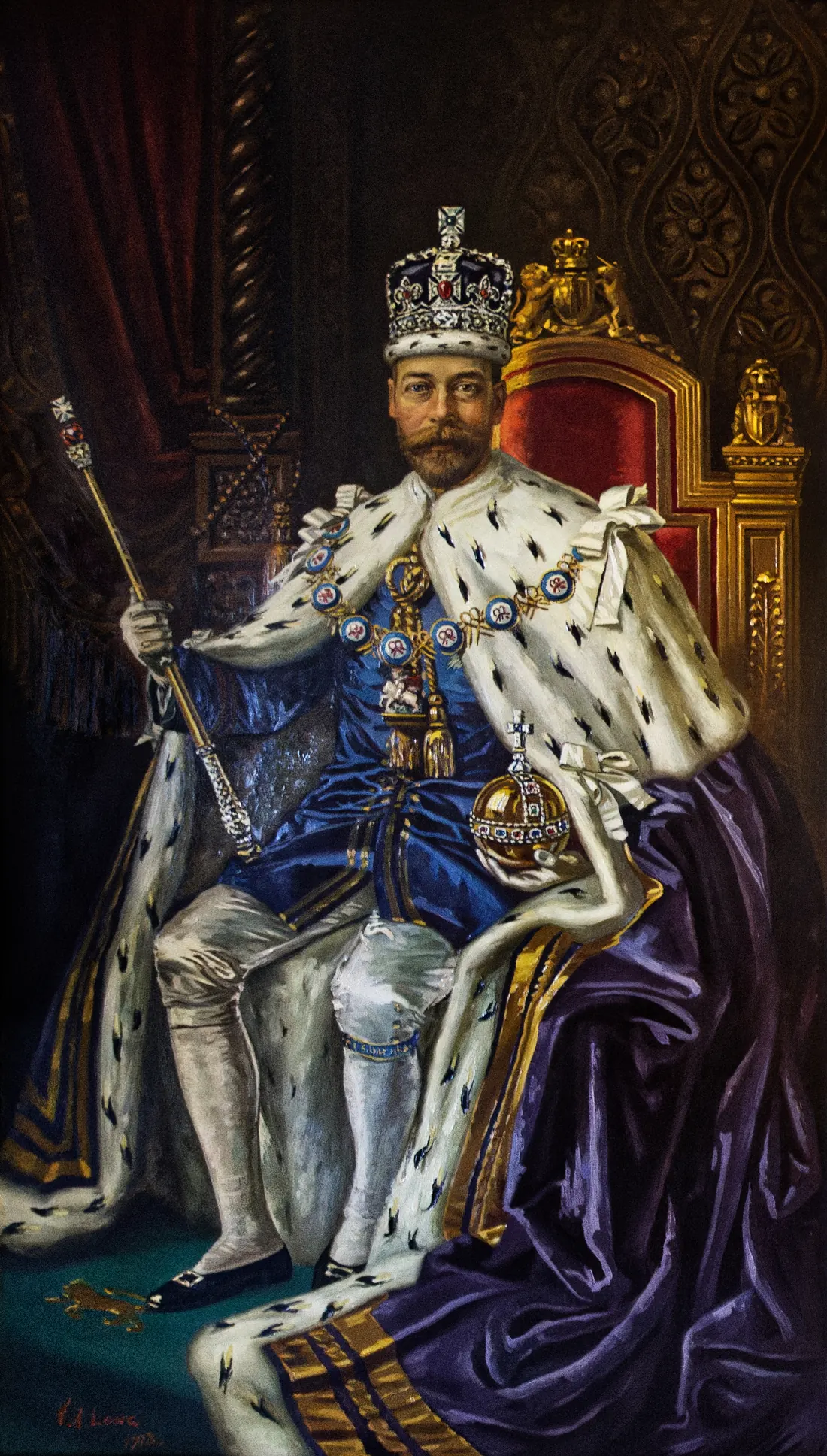
He arrived “in a state of collapse to find Atkinson there, with the dog driver Dmtri Gerov,” Wikipedia says; Atkinson was “the surgeon Edward L. Atkinson,” and Evans calls the dog driver Dimitri. In Evans’s account, Atkinson “was kept in camp by bad weather until 19th, when Crean reached the Hut and brought in the news of my breakdown and collapse at Corner Camp. A blizzard precluded a start,” and Wikipedia says it “delayed the rescue party by a day and a half.” Then “Atkinson and the Russian dog-boy, Dimitri, had come out hot-foot to save us,” Evans wrote. “Atkinson led a successful rescue, and Lashly and Evans were both brought to base camp alive.” “After the Expedition was over the King gave Lashly and Crean the Albert Medal for their bravery in helping me win through”; the medals were “presented by the King at Buckingham Palace on 26 July” 1913, Wikipedia says.
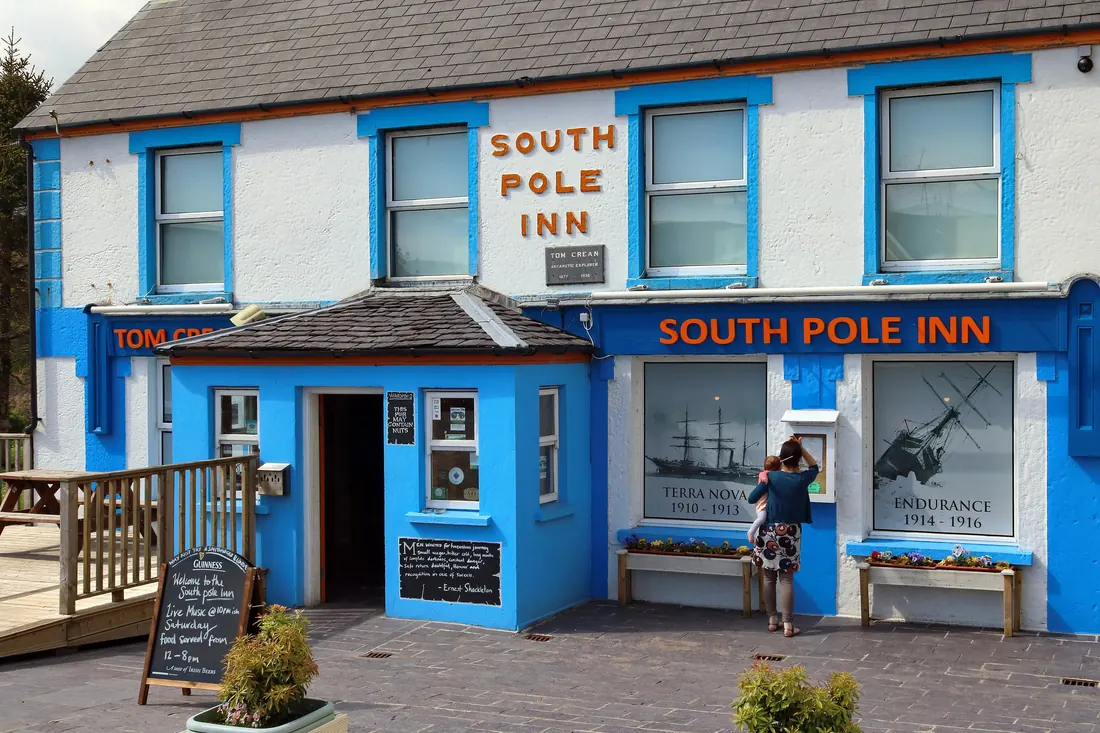
Later, “Selected for the attempt to reach South Georgia in James Caird, Crean then accompanied Shackleton and Frank Worsley on the epic trek,” the Scott Polar Research Institute says. Back in Kerry, “He and Eileen opened a small public house in Annascaul, which he called the South Pole Inn,” Wikipedia says; Annascaul is “on the Dingle Peninsula in County Kerry.” “Crean modestly played down the significance of his feat of endurance,” and “When he returned to Kerry, he put all of his medals away and never again spoke about his experiences in the Antarctic.” The Irish Catholic puts it more gently: “Tom maintained a low profile, seldom referring to his previous naval career.” “After a week in the hospital he died on 27 July 1938,” Wikipedia says.
Fact check
The facts and where they come from
- He walked 35 miles alone across the Antarctic ice to save a dying man, but rarely spoke of it. Wikipedia: “Crean’s 35-statute-mile (56 km) solo walk across the Ross Ice Shelf to save the life of Edward Evans led to him receiving the Albert Medal” … “Crean modestly played down the significance of his feat of endurance.” Kerry County Museum: “While Lashly stayed behind to care for the dying Evans, Crean set out alone.” 15
- His name was Tom Crean, an Irish seaman. Wikipedia: he “was an Irish seaman and Antarctic explorer.” 1
- In 1911, he marched for the South Pole with Captain Scott. Wikipedia: “Crean departed with Scott in November 1911, for the attempt at the South Pole.” 1
- Near the Pole, Scott sent him and two men back. Wikipedia: “168 statute miles (270 km) from the pole. Here, on 4 January 1912, Scott selected his final polar party: Crean, William Lashly and Edward Evans were ordered to return to base.” Scott’s diary, January 4: “Poor old Crean wept and even Lashly was affected.” 13
- Then their officer, Teddy Evans, got scurvy. Scott Polar Research Institute: “On the return journey, he and William Lashly pulled Lieutenant Teddy Evans, who was terribly sick with scurvy, on a sledge for many days.” Wikipedia: “Evans began to display the first symptoms of scurvy.” 41
- When Evans collapsed, Crean wept, thinking he was dead. Edward Evans, South with Scott: “Crean and Lashly picked me up, and Crean thought I was dead. His hot tears fell on my face.” Wikipedia: “At this point, Evans collapsed; Crean thought he had died.” 21
- Crean and Lashly hauled him on the sledge for days. Scott Polar Research Institute: “on a sledge for many days.” Evans: “they put me on the sledge, bag and all.” Kerry County Museum: “Crean and Lashly refused to leave him and pulled him on the sledge to within 35 miles of Hut Point.” Wikipedia: “Crean and Lashly began hauling Evans on the sledge.” 4251
- With 35 miles left and almost no food, Crean went on alone. Wikipedia: “On 18 February they arrived at Corner Camp, still 35 statute miles (56 km) from Hut Point, with only one or two days’ food rations left” … “They then decided that Crean should go on alone, to fetch help.” Scott Polar Research Institute: “Crean walked the last 35 miles to Hut Point alone to summon help.” 14
- No tent, just a few biscuits and a stick of chocolate. Wikipedia: “With only a little chocolate and three biscuits to sustain him, without a tent or survival equipment.” Evans: “he therefore set out to march thirty-five miles with no food but a few biscuits and a little stick of chocolate.” 12
- He walked for 18 hours. Evans: “It had taken him eighteen hours’ plodding through those awful snows from our camp to Hut Point.” Wikipedia: “Crean walked the distance to Hut Point in 18 hours.” Kerry County Museum: “an eighteen hour non-stop march.” 215
- He reached the hut and collapsed, just ahead of a blizzard. Wikipedia: “arriving in a state of collapse” … “Crean reached safety just ahead of a fierce blizzard, which probably would have killed him.” Evans: Atkinson “was kept in camp by bad weather until 19th, when Crean reached the Hut and brought in the news of my breakdown and collapse at Corner Camp. A blizzard precluded a start.” 12
- Then a dog team raced out and saved them both. Evans: “Atkinson and the Russian dog-boy, Dimitri, had come out hot-foot to save us” … “the dogs were given their head.” Wikipedia: “Atkinson led a successful rescue, and Lashly and Evans were both brought to base camp alive.” Kerry County Museum: “Evans was saved.” 215
- The King gave Crean the Albert Medal. Evans: “After the Expedition was over the King gave Lashly and Crean the Albert Medal for their bravery in helping me win through.” Wikipedia: “Crean and Lashly were both awarded the Albert Medal, 2nd Class for saving Evans’s life, these were presented by the King at Buckingham Palace on 26 July” (1913). Kerry County Museum: “Tom Crean and William Lashly were each awarded the Albert Medal.” 215
- Back in Ireland, he opened a pub, the South Pole Inn. Wikipedia: “He and Eileen opened a small public house in Annascaul, which he called the South Pole Inn.” Scott Polar Research Institute: “in 1927 he opened a pub named the South Pole Inn.” 14
- He put his medals away, and almost never spoke of it again. Wikipedia: “When he returned to Kerry, he put all of his medals away and never again spoke about his experiences in the Antarctic.” The Irish Catholic: “Tom maintained a low profile, seldom referring to his previous naval career.” 16
Sources
- Tom Crean (explorer) Wikipedia
- South with Scott (Edward R. G. R. Evans, 1921), the man Crean saved Project Gutenberg
- Scott’s Last Expedition, Vol. I (Robert Falcon Scott’s diaries, 1913) Project Gutenberg
- Crean, Thomas Scott Polar Research Institute
- Albert Medal awarded to Tom Crean Kerry County Museum
- An Irish explorer who defied nature at its fiercest The Irish Catholic
Notes
“Across Antarctica,” as the Short puts it: the walk was 35 miles across the Ross Ice Shelf, from Corner Camp to the hut at Hut Point (Wikipedia), not a crossing of the continent.
35 or 30 miles: Wikipedia, the Scott Polar Research Institute, the Kerry County Museum and Evans’s own book (“thirty-five miles”) all give 35. Crean’s own letter, quoted by Wikipedia, says “So it fell to my lot to do the 30 miles for help.” The Short uses 35, as every account except his own does.
The food: “a little chocolate and three biscuits” (Wikipedia, after Michael Smith’s biographies), “a few biscuits and a little stick of chocolate” (Evans) and “a couple of biscuits and a stick of chocolate” (Crean’s letter). The Short says “a few biscuits and a stick of chocolate,” which fits all three. Only the Kerry County Museum calls the 18-hour march “non-stop,” so the Short says only that he walked for 18 hours.
The tears: Scott’s diary records that Crean wept on January 4, 1912, when Scott sent him back, but the Short’s “Crean wept, thinking he was dead” is Evans’s account of his own collapse. Wikipedia places the collapse near One Ton Depot, reached on February 11; Evans says only “one day,” so the Short gives no date for it.
“Never” or “seldom”: Wikipedia says he “never again spoke about his experiences in the Antarctic”; The Irish Catholic says he was “seldom referring to his previous naval career.” The Short says “rarely spoke of it” and “almost never spoke of it again,” which covers both.
The pub’s year: Wikipedia puts it after his retirement in 1920; the Scott Polar Research Institute says 1927. The Short gives no year.
The rescuers: Evans names the surgeon Edward Atkinson and “the Russian dog-boy, Dimitri”; Wikipedia writes “the dog driver Dmtri Gerov.”
Left out for length: that he joined the navy at 16 (Wikipedia; the Scott Polar Research Institute says “shortly before his sixteenth birthday”). Shackleton, the James Caird and the trek across South Georgia are only mentioned here; Shackleton has his own story on this site.
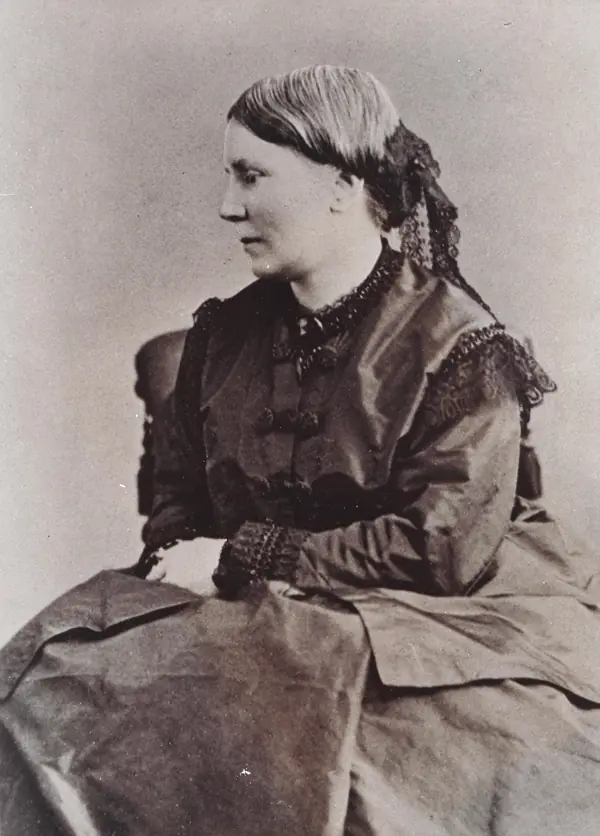
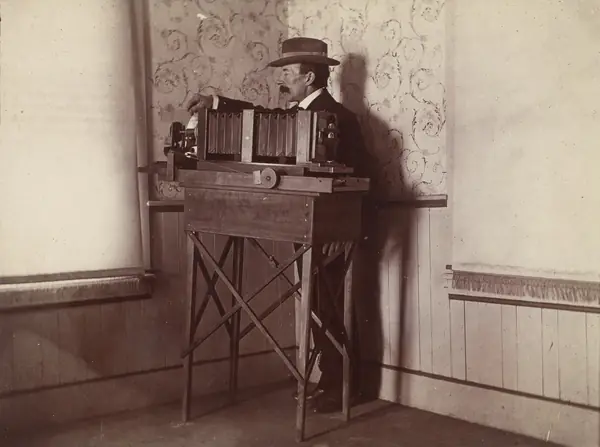
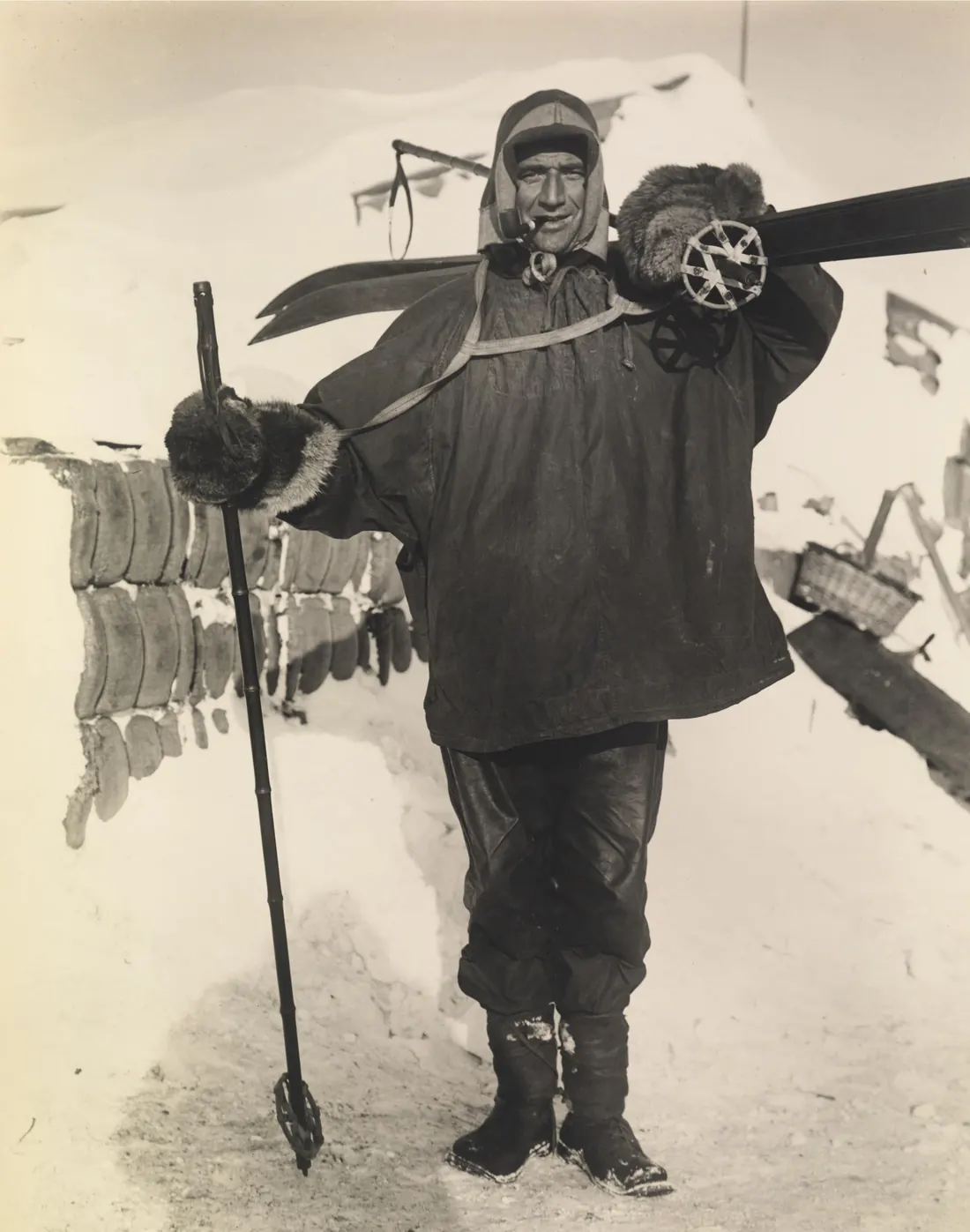
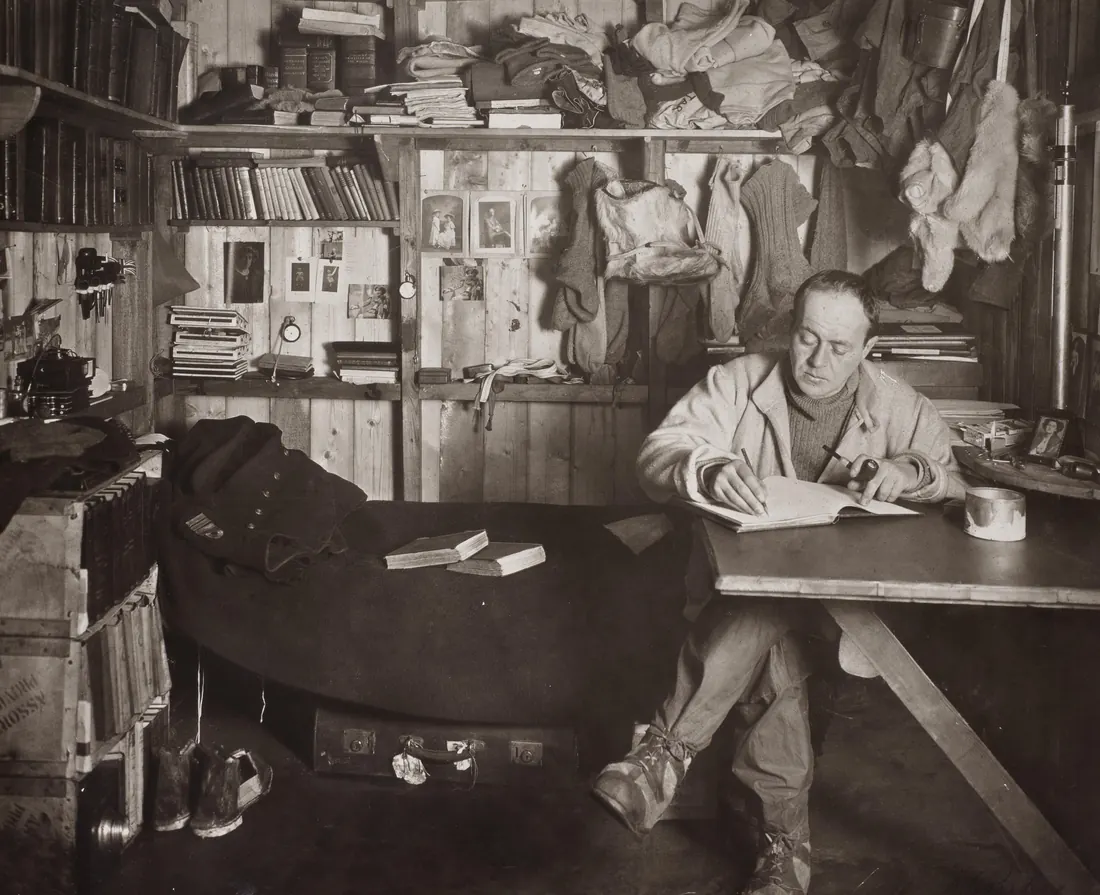
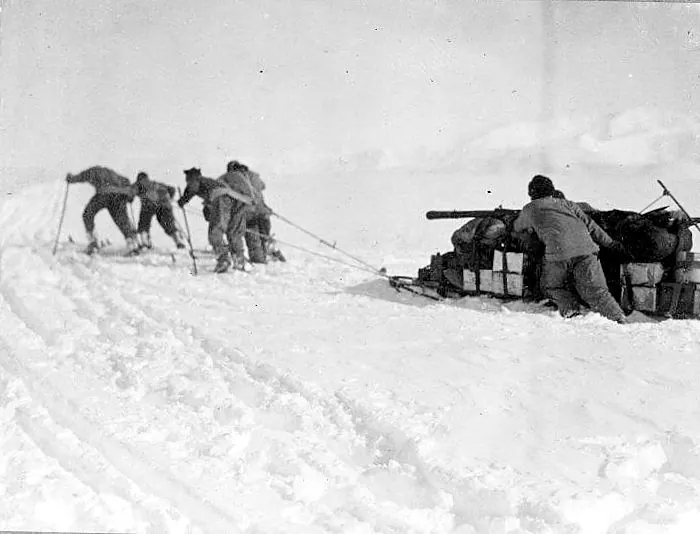
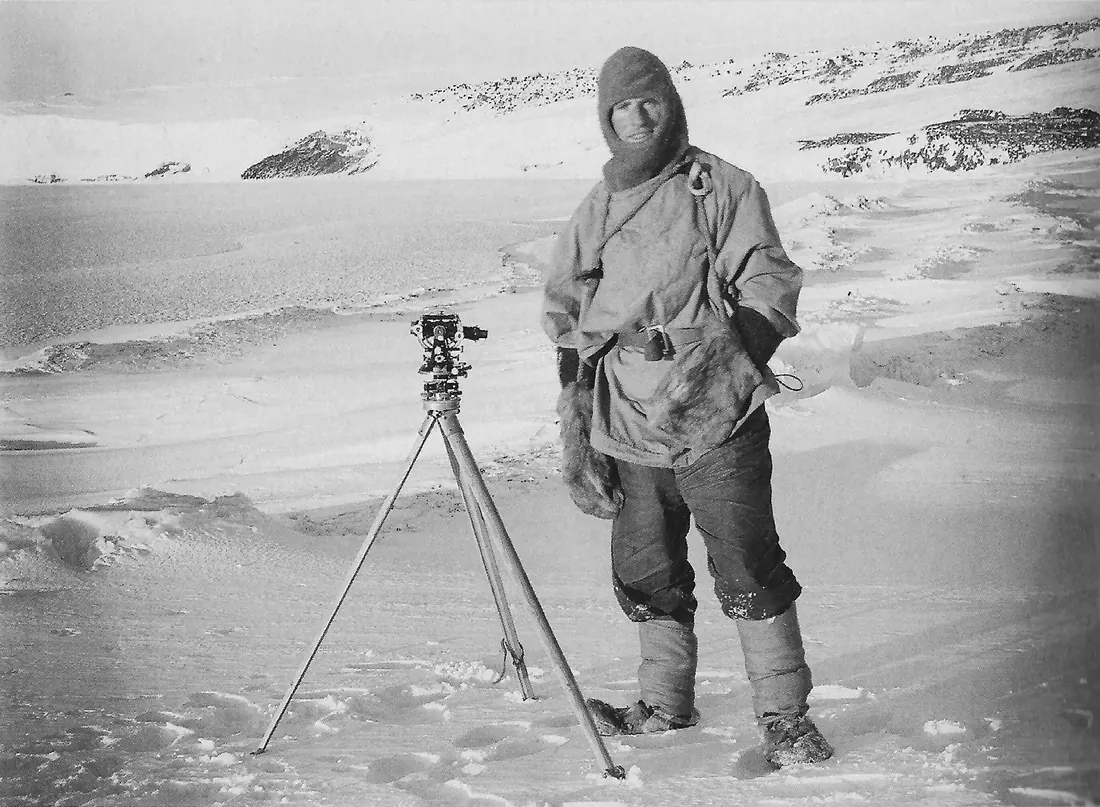
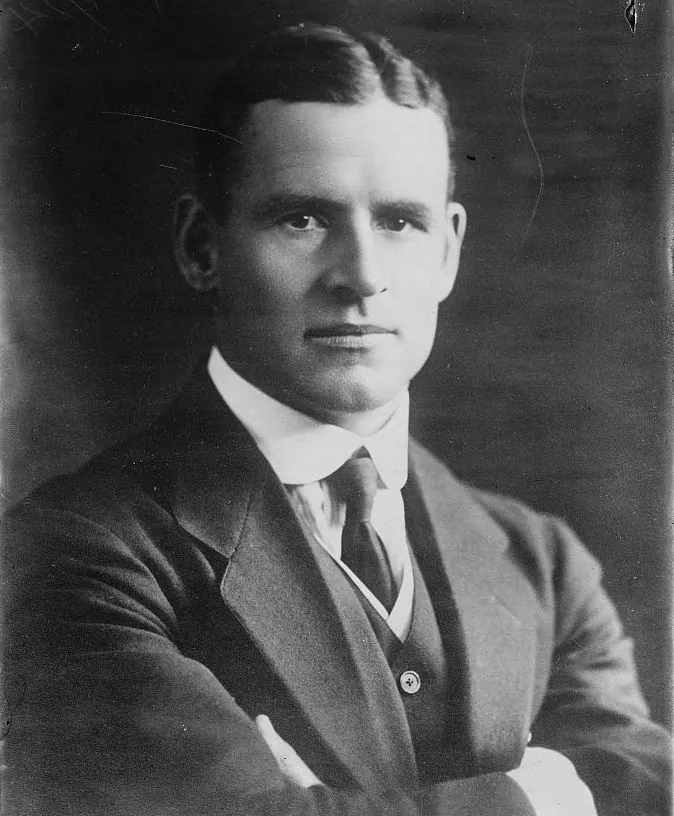
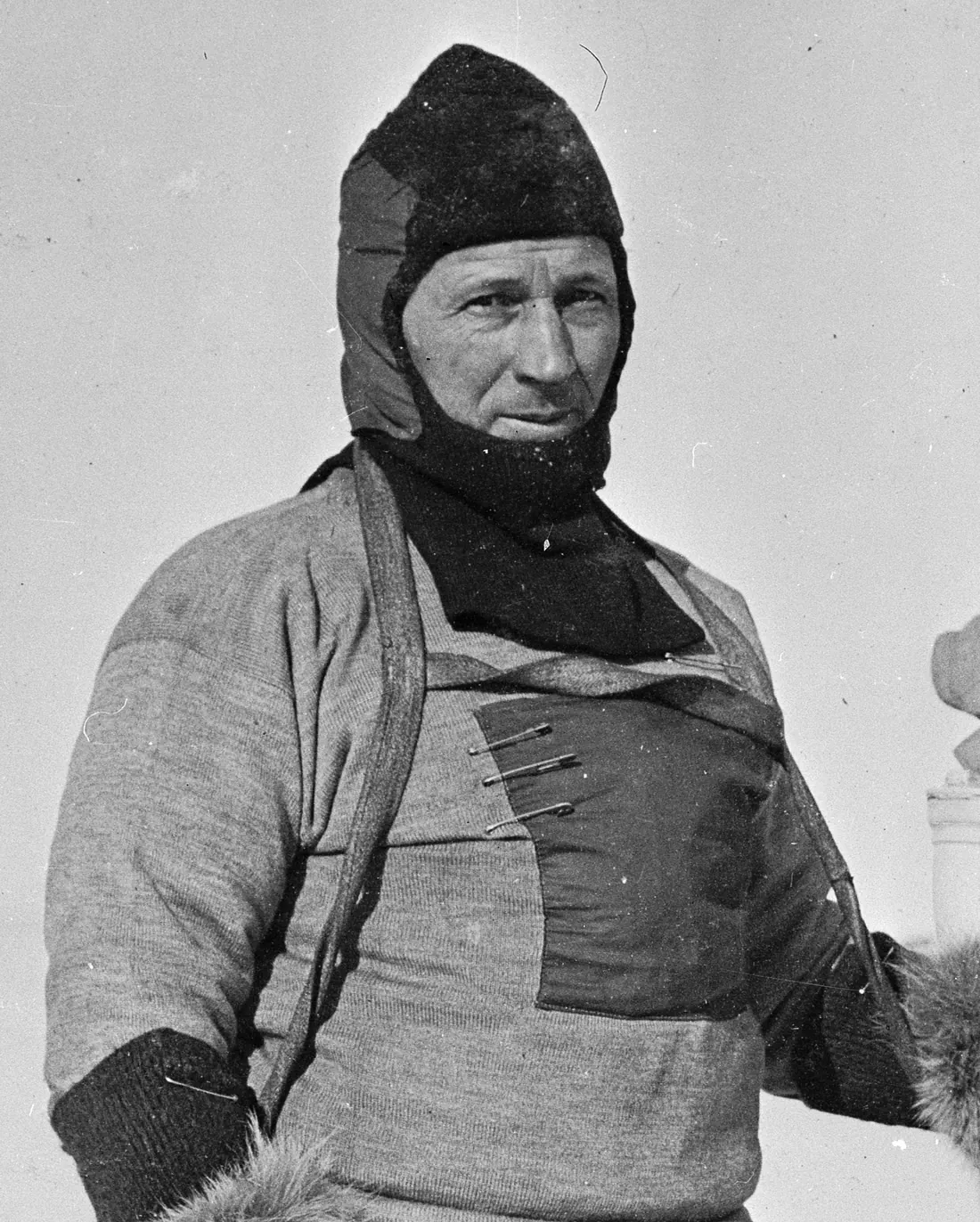
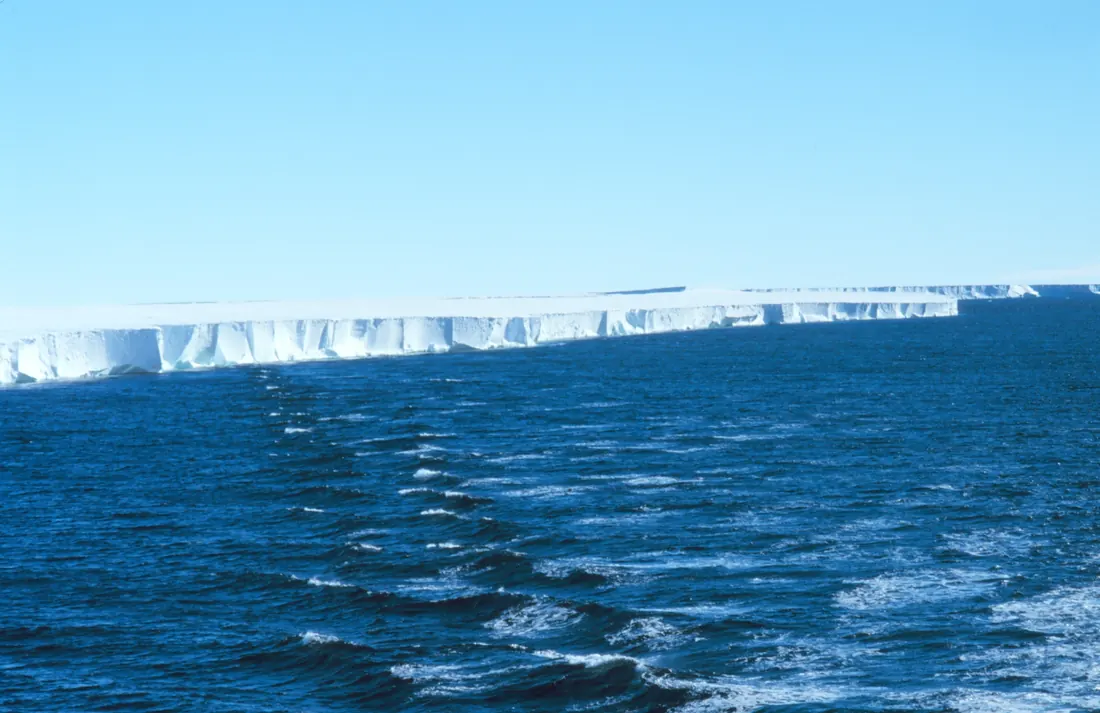
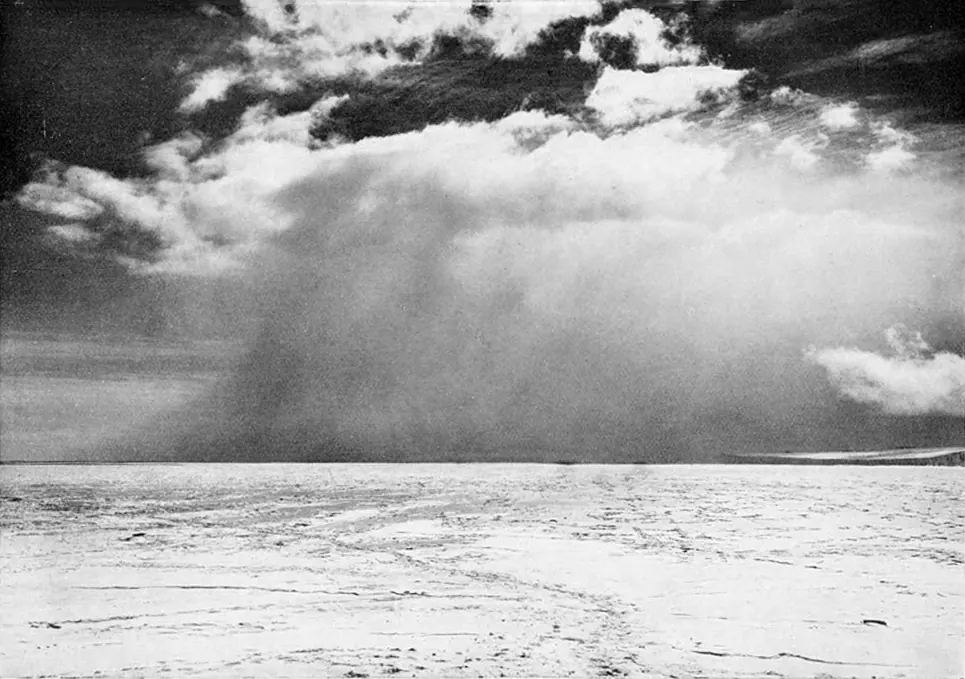
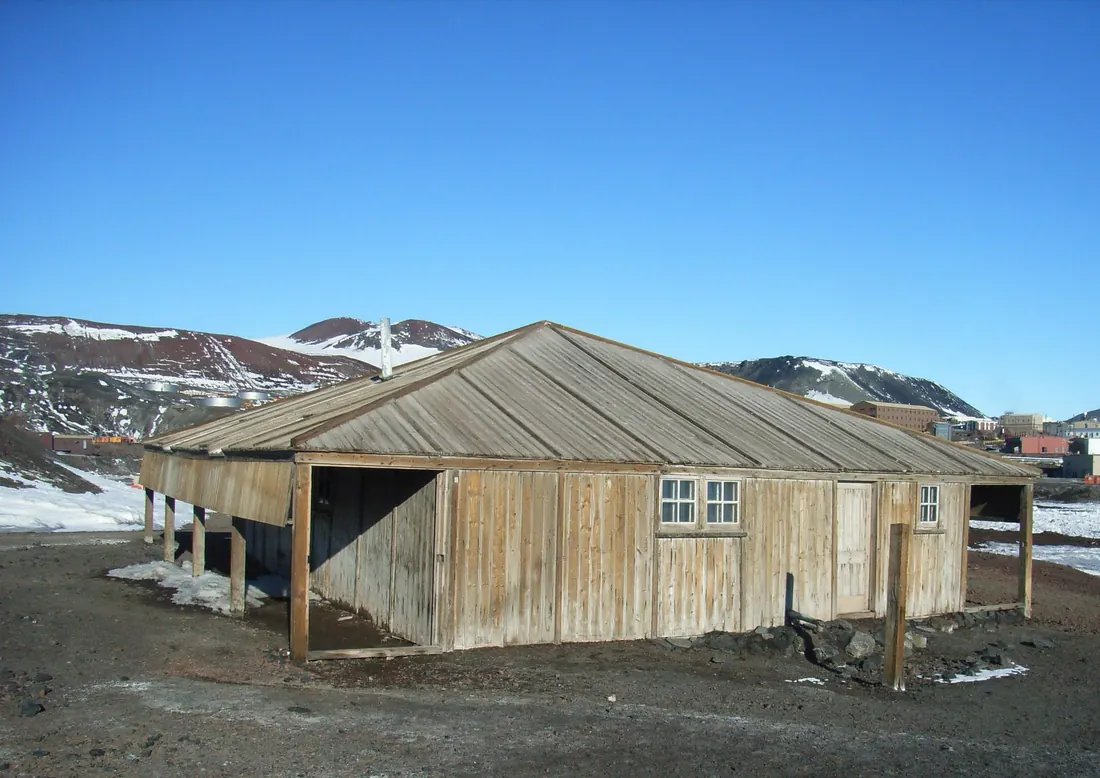
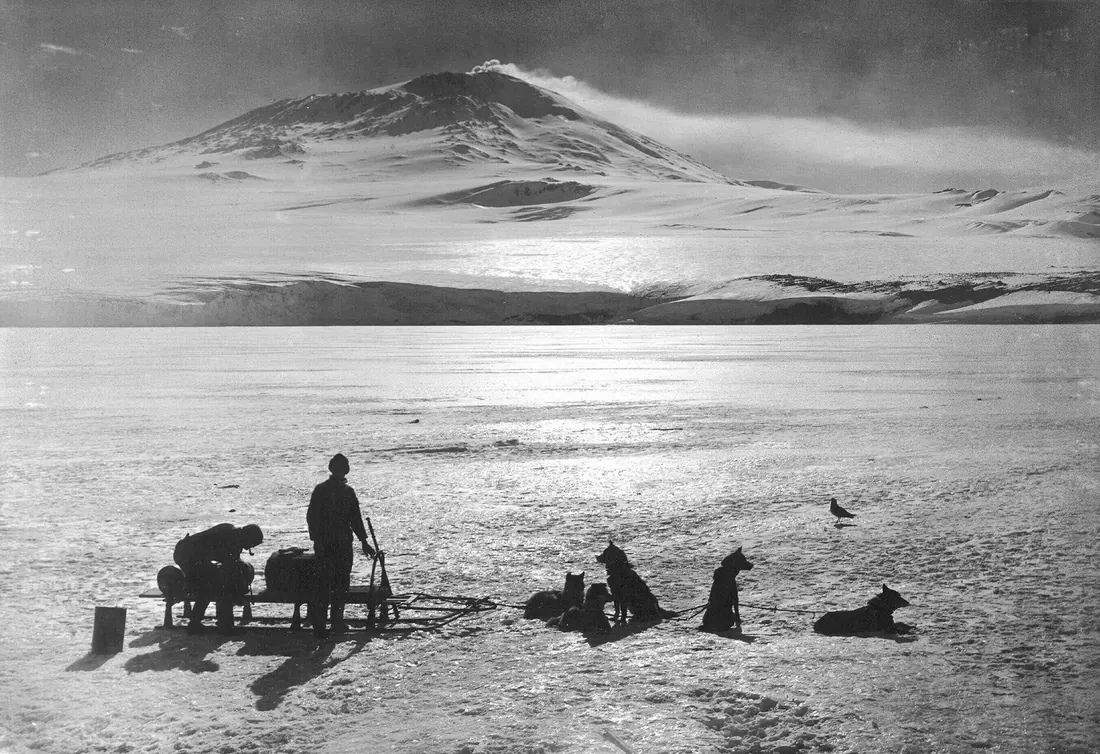
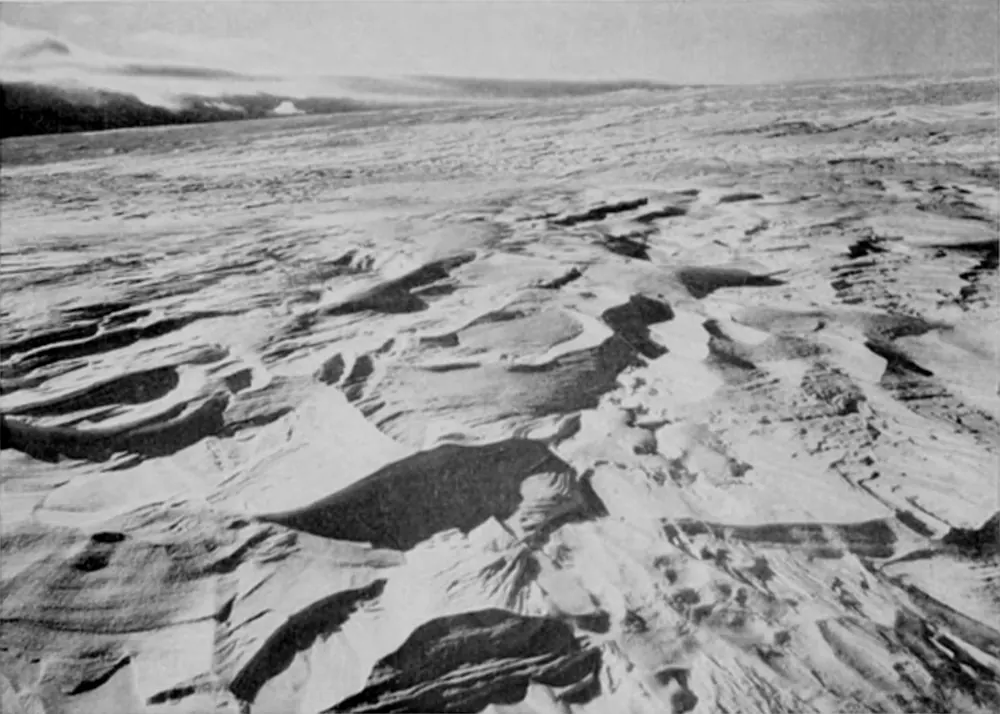
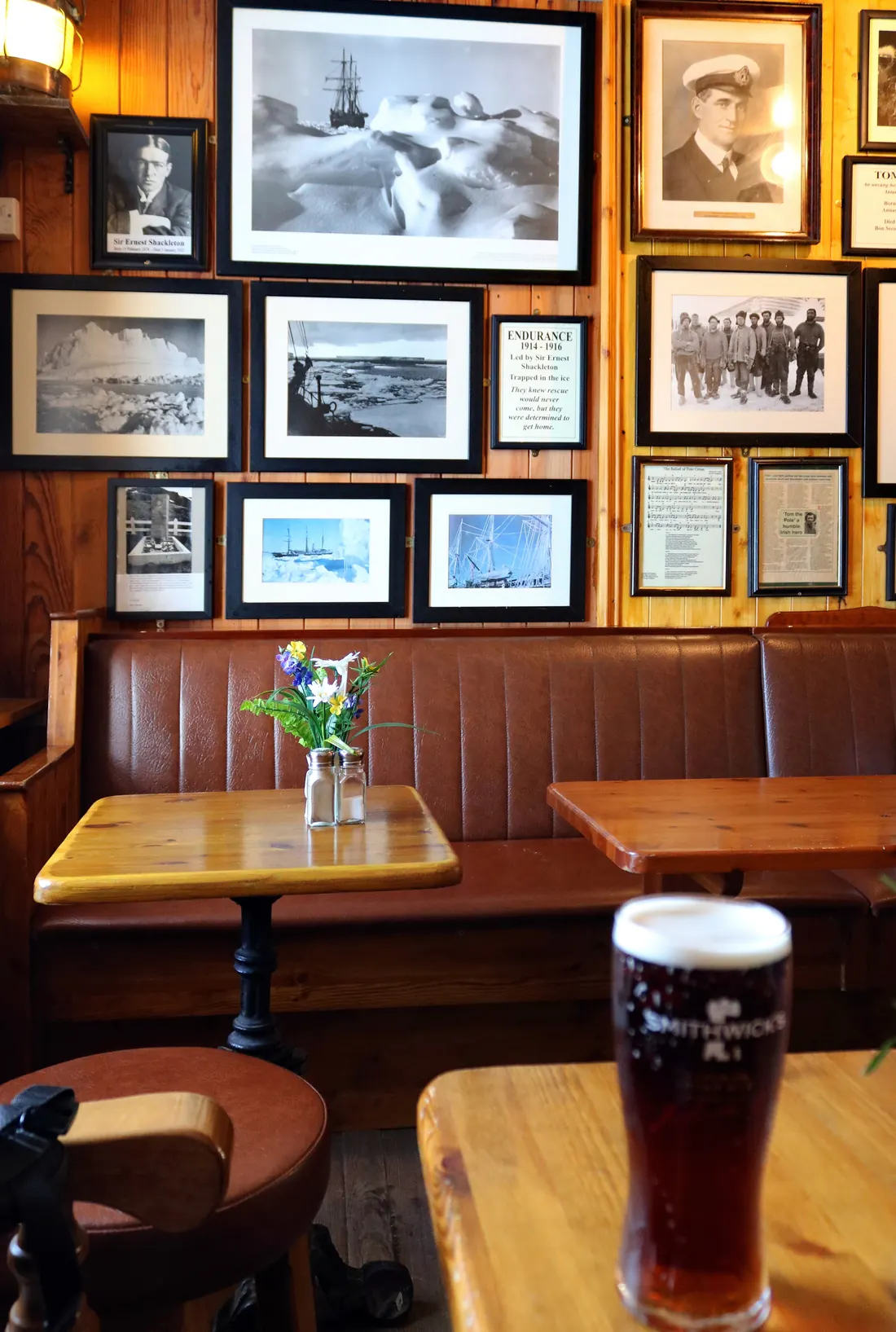
Pictures: Tom Crean himself is in Herbert Ponting’s portrait of about 1911. Captain Scott is writing his diary in the hut at Cape Evans on October 7, 1911 (Ponting). Teddy Evans is with a theodolite in October 1911 (Ponting) and in a Bain News Service portrait of about 1910–1915. William Lashly was photographed by Ponting in November 1911. The man-hauling party was photographed by Scott in December 1911 on the way south, not on the return with Evans on the sledge. Ponting’s sastrugi on the Barrier (February 21, 1911), approaching blizzard (1911) and dog-sledge team below Mount Erebus (January 15, 1911) are from the year before the walk, not the walk, the blizzard or the rescue of 1912. The Ross Ice Shelf is seen from the sea in February 1997 (NOAA), not along his route. Scott’s Discovery Hut at Hut Point, the hut Crean reached, was photographed in 2006. King George V is in Victor Albert Long’s coronation portrait of 1913. The South Pole Inn in Annascaul and its bar were photographed in 2016.
Photo credits
The archive photos in this story
The photographs and illustrations in this story are in the public domain or shared under open licenses; each one is credited below with its license. Tap one to enlarge it, or follow the link to its Wikimedia Commons page for the full record. The narration, captions and graphics in the Short are our own; its music and sound effects are credited below.
Music and sound effects
Music: Mendelssohn, The Hebrides (Fingal's Cave), Overture, Op. 26 (Musopen Symphony Orchestra, public domain); Mussorgsky, Night on Bald Mountain (1886 version) (Musopen, public domain); Brahms, Symphony No. 1 in C minor, Op. 68: IV. Adagio - Piu andante - Allegro non troppo, ma con brio (Musopen Symphony Orchestra, CC0).
Sound effects: Freesound, CC0.