The Unlikely Ones Watch on YouTube
All stories Old Trafford · 2001

David Beckham

His Country Blamed Him, Then His Free Kick Sent England to the World Cup

At the 1998 World Cup in Saint-Étienne, David Beckham, 23, was barged to the ground by Diego Simeone two minutes into the second half, kicked out at him from the grass and was sent off, and England lost to Argentina on penalties. The press turned on him, fans hung an effigy of him outside a London pub, he got death threats and bullets in the post, and he later said, “I was a mess.” He stayed, became England’s captain, and on October 6, 2001, at Old Trafford, with England losing 2-1 to Greece in stoppage time of the last qualifier, he curled a free kick from more than 30 yards into the top corner to send England to the 2002 World Cup.

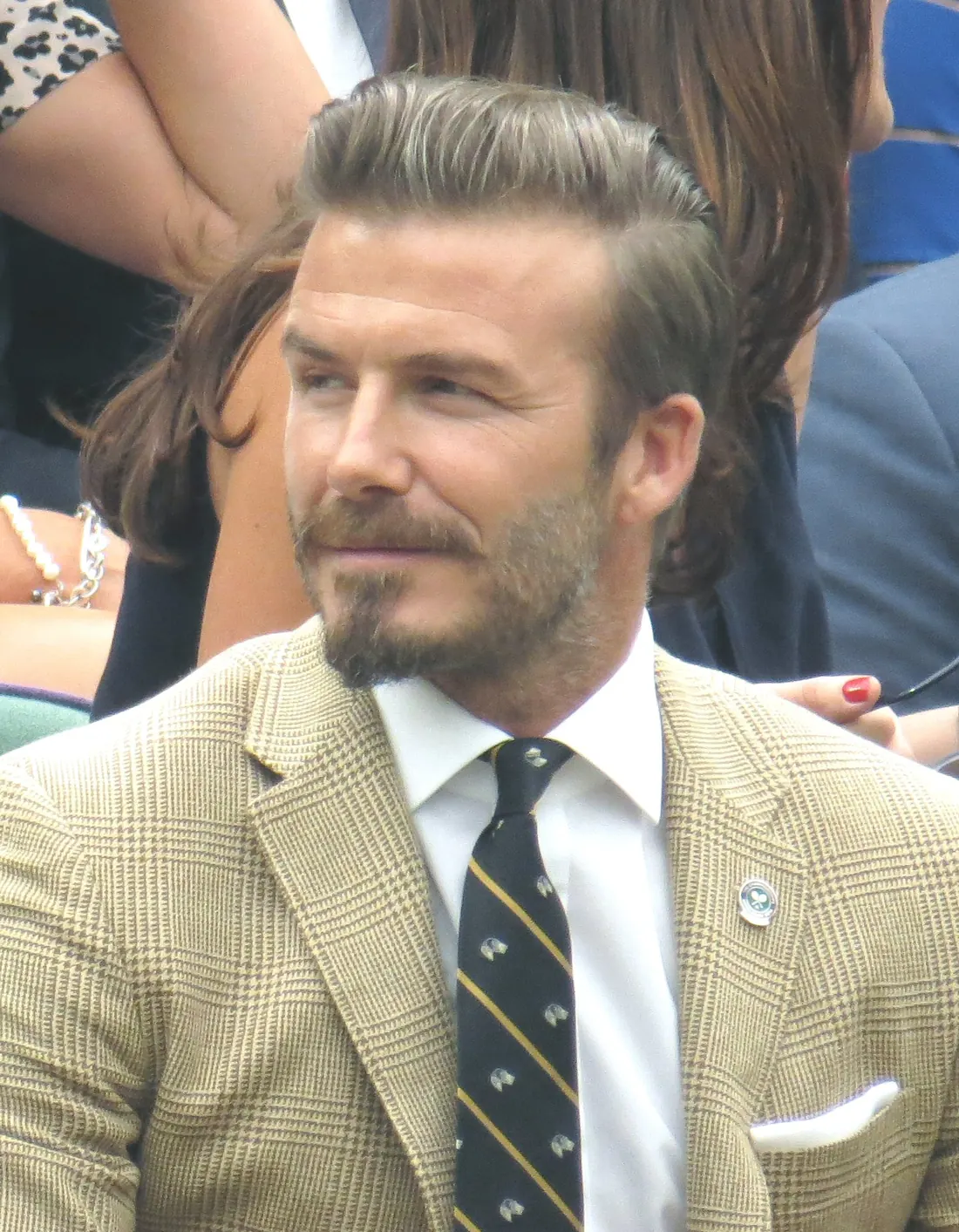
David Beckham in the royal box at Wimbledon, June 28, 2014

On June 30, 1998, in Saint-Étienne, England met Argentina in “this Round-of-16 clash,” as FIFA calls it, with David Beckham, “the then 23-year-old,” in England’s team. “Two minutes into the second period came the barge in the back from Diego Simeone, and the petulant flick with the right foot,” FourFourTwo writes. FIFA says “a prone Beckham raised his foot in retaliation,” and PA says he was sent off “for kicking the back of Diego Simeone’s leg,” “with Danish referee Kim Milton Nielsen unmoved in awarding the red card.” Simeone’s own view, as FIFA reports it: “In fact, the most appropriate punishment was a yellow.”

The match ended “Argentina 2-2 (PEN 4-3) England,” and “Beckham was slaughtered by the English press after their 1998 exit,” FIFA says: “‘Ten heroic lions, one stupid boy’ It was to this famous headline in England’s Daily Mirror that David Beckham returned home in 1998.” PA reported “fans even hanging an effigy of him outside a London pub,” a “lifesize dummy dressed in a sarong and an England shirt,” in FourFourTwo’s words, and FIFA says the frenzy “took on a darker edge in the months that followed, peaking with death threats and the burning of effigies.” “Beckham received death threats and bullets delivered through the post,” FourFourTwo says; his father, Ted, recalled in the 2023 Netflix series that bullets came “in letters. So the club had to get the police in because of the threats to him,” Goal reports.

“I wasn’t eating, I wasn’t sleeping. I was a mess. I didn’t know what to do,” Beckham said in that series, as PA reported. By FourFourTwo’s account, “he was starting to fear he’d have to leave the Premier League and seek refuge in Spain or Italy,” and he “received a hostile reception from rival fans around the country when he returned to action for United the following season,” PA says. He stayed, and he became England’s captain: by October 2001, PA says, he had been “awarded the captaincy 11 months earlier.”

England’s road to the 2002 World Cup “all came down to the last match against Greece,” at Old Trafford on October 6, 2001, PA wrote, and “Greece were 2-1 up despite substitute Teddy Sheringham’s 68th-minute effort.” PA again: “entering stoppage time at Old Trafford it was going horribly wrong for the hosts,” and “England were facing the prospect of a tricky two-legged play-off against Ukraine.” Their captain had been wasting free kicks: “The captain had missed one from a similar distance 10 minutes earlier,” The Observer reported, but “The abundance of free-kicks he had already wasted in this game changed nothing,” as Planet Football puts it.

Then “Teddy Sheringham was nudged in the back more than 30 yards from goal,” and “Beckham struck three minutes into stoppage time,” PA says: “Beckham unleashed an unstoppable right-foot effort into the top left corner at the Stretford End.” “Old Trafford erupted,” FourFourTwo says. The 2-2 draw “was sufficient for Sven-Goran Eriksson’s relieved side to top their qualifying group ahead of Germany on goal difference,” after “Germany 0 - 0 Finland,” as The Observer reported. Beckham called that free kick, “without doubt,” the greatest moment of his England career, PA says.

Watch on YouTubeSources and photo credits are below.

Fact check

The facts and where they come from

  1. He was blamed for England’s World Cup exit, but three years later, he saved them. FIFA: “their young midfielder – red-carded for kicking out at Diego Simeone – found himself in the firing line”; Beckham, in his autobiography, as FIFA quotes it: “he made it clear that he thought that my mistake cost England the game.” PA (2021): “he curled home a last-gasp free kick to book England’s place in the 2002 World Cup in Japan and South Korea.” 29
  2. His name is David Beckham. FIFA’s line-up: “England: David Seaman; … David Beckham.” PA: “the former Manchester United and Real Madrid midfielder.” 13
  3. In 1998, England played Argentina at the World Cup. FIFA: “this Round-of-16 clash between Argentina and England” … “30 June 1998 | Saint Etienne, Stade Geoffroy-Guichard.” 1
  4. Diego Simeone barged him to the ground. FourFourTwo: “Two minutes into the second period came the barge in the back from Diego Simeone, and the petulant flick with the right foot.” FIFA: “two minutes after the restart. Following a foul by Simeone, a prone Beckham …” Associated Press: “He lashed out after the Argentina captain pushed him to the ground.” 615
  5. Lying there, he kicked out at Simeone. FIFA: “a prone Beckham raised his foot in retaliation.” PA: “he was sent off for kicking the back of Diego Simeone’s leg during the last-16 clash against Argentina in Saint-Etienne.” 13
  6. He was sent off. FIFA: the referee, “who deemed it a red card.” PA: “with Danish referee Kim Milton Nielsen unmoved in awarding the red card.” 14
  7. England lost on penalties, and the papers turned on him. FIFA: “Argentina 2-2 (PEN 4-3) England.” PA: “England lost 4-3 on penalties after grinding to 2-2 at the end of extra time.” FIFA: “Beckham was slaughtered by the English press after their 1998 exit” and “‘Ten heroic lions, one stupid boy’ It was to this famous headline in England’s Daily Mirror that David Beckham returned home in 1998.” 142
  8. Fans hung a dummy of him outside a London pub. PA: “fans even hanging an effigy of him outside a London pub.” Associated Press: “one who hung his effigy from a noose outside a London pub.” FourFourTwo: a “lifesize dummy dressed in a sarong and an England shirt.” PA (2023): “including a pub hanging up an effigy of the midfielder.” 4563
  9. He got death threats, and bullets in the post. FIFA: the frenzy “took on a darker edge in the months that followed, peaking with death threats and the burning of effigies.” FourFourTwo: “Beckham received death threats and bullets delivered through the post.” His father, Ted, in the 2023 Netflix series, as Goal quotes him: bullets “in letters. So the club had to get the police in because of the threats to him.” 267
  10. “I wasn’t sleeping,” he said. “I was a mess.” PA (his words in the 2023 Netflix series “Beckham”): “I wasn’t eating, I wasn’t sleeping. I was a mess. I didn’t know what to do.” 3
  11. He stayed, and became England’s captain. FourFourTwo: “he was starting to fear he’d have to leave the Premier League and seek refuge in Spain or Italy.” PA (2023): he “received a hostile reception from rival fans around the country when he returned to action for United the following season.” PA (2020), on October 2001: “After only being awarded the captaincy 11 months earlier.” 638
  12. Against Greece, in the final qualifier, England was losing 2-1. PA (2020): “It all came down to the last match against Greece” … “Greece were 2-1 up despite substitute Teddy Sheringham’s 68th-minute effort.” The Observer: “England 2 - 2 Greece,” from “Paul Wilson at Old Trafford.” PA, October 6, 2021: “on this day in 2001.” 8109
  13. In stoppage time, England was heading for a playoff. PA (2020): “entering stoppage time at Old Trafford it was going horribly wrong for the hosts.” PA (2021): “England were facing the prospect of a tricky two-legged play-off against Ukraine before … Beckham struck three minutes into stoppage time.” 89
  14. He had missed free kick after free kick. The Observer: “The captain had missed one from a similar distance 10 minutes earlier.” Planet Football: “The abundance of free-kicks he had already wasted in this game changed nothing.” FourFourTwo: “as the free-kicks racked up … Eight dead balls in, inspiration struck.” 101213
  15. Then, 30 yards out, he got one more. PA (2021): “After Teddy Sheringham was nudged in the back more than 30 yards from goal.” The Observer: “After three of them Sheringham was pushed and the referee awarded a free-kick in Beckham territory.” 910
  16. He curled it into the top corner. PA (2021): “curled home a last-gasp free kick” and “Beckham unleashed an unstoppable right-foot effort into the top left corner at the Stretford End.” 9
  17. Old Trafford erupted. FourFourTwo: “Old Trafford erupted all the same.” 13
  18. The man they had hated sent England to the World Cup. PA (2021): the point “was sufficient for Sven-Goran Eriksson’s relieved side to top their qualifying group ahead of Germany on goal difference.” The Observer: “Germany 0 - 0 Finland.” FourFourTwo: “David Beckham was the most hated man in England.” 9116

Sources

  1. #WorldCupAtHome: Argentina frustrate England again (match summary and line-ups, April 22, 2020) FIFA
  2. When David met Diego (November 17, 2016) FIFA
  3. ‘I was a mess’ – David Beckham lays bare pain he suffered after World Cup red card (PA, Jim van Wijk, October 2, 2023) Waterford News & Star
  4. Picture of the day – June 30 (PA News Agency) Isle of Wight County Press
  5. David Beckham reflects on ‘emotional rollercoaster’ in ‘Beckham’ documentary (Associated Press, October 2, 2023) NBC New York
  6. After his red card vs Argentina in 1998 David Beckham was the most hated man in England, but went on to have the greatest season of his life (Chris Flanagan, August 20, 2018) FourFourTwo
  7. Man Utd receptionist recalls receiving bullets in letters following David Beckham’s red card for England in 1998 World Cup (Gill Clark, October 3, 2023) Goal
  8. On this day in 2001: David Beckham fires England to 2002 World Cup (PA, October 6, 2020) Jersey Evening Post
  9. On this day in 2001: David Beckham takes England to the World Cup (PA, October 6, 2021) Jersey Evening Post
  10. Beckham’s rescue seals England glory (Paul Wilson, October 7, 2001) The Observer
  11. Goalless Germany resigned to their fate in play-off lottery (Diana Dargie, October 7, 2001) The Observer
  12. An ode to David Beckham vs Greece & a free-kick that defined a legacy Planet Football
  13. 25 years on, David Beckham’s Greece masterpiece is still England’s greatest-ever performance (Mark White, October 6, 2026) FourFourTwo

Notes

When the red card came: FIFA says “two minutes after the restart” and FourFourTwo “Two minutes into the second period.” One popular retelling puts it “in the final moments of the match,” which is wrong and is not used.

Pushed or barged: FIFA says “a foul by Simeone,” FourFourTwo “the barge in the back,” the Associated Press “pushed him to the ground.” The AP calls Simeone “the Argentina captain”; FIFA’s line-up does not say so, so the Short and this page don’t either.

The effigy: PA and the AP say it hung outside a London pub, the AP “from a noose”; FourFourTwo names the pub and says the dummy hung from scaffolding. The Short says only “outside a London pub,” and the pub is not named or shown here.

The bullets: FourFourTwo says they came “through the post”; his father says they came in letters to the club, which called in the police. “Bullets in the post” is true to both.

The missed free kicks: the number is uncertain (FourFourTwo counts “Eight dead balls”; The Observer names earlier misses), so the Short says only “free kick after free kick.” The minute of the goal: PA and The Observer say three minutes into stoppage time, one other report the 90th minute; the Short says only “in stoppage time.”

“He saved them”: the free kick sent England straight to the World Cup instead of into “a tricky two-legged play-off against Ukraine” (PA), so our headline says only that it sent England to the World Cup. “Three years later” is June 1998 to October 2001.

Left out: other lines from the 2023 documentary series, including Victoria Beckham’s account of how the abuse affected him, which is hers to tell; other newspaper stunts; the pub’s name; and Simeone’s other later remarks. David Beckham, Victoria Beckham, his parents and Diego Simeone are alive. Only public facts and their own published words are used, and nothing about private life, health or money; Simeone is described only as FIFA and FourFourTwo describe the foul.

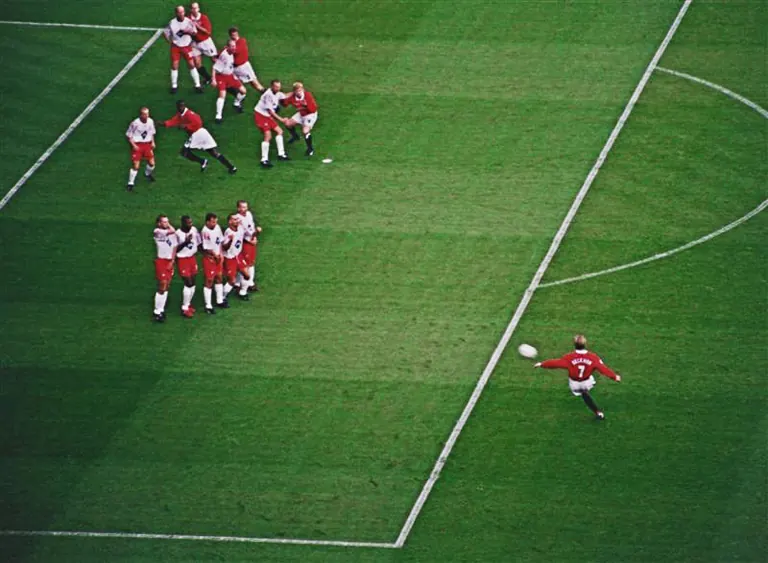
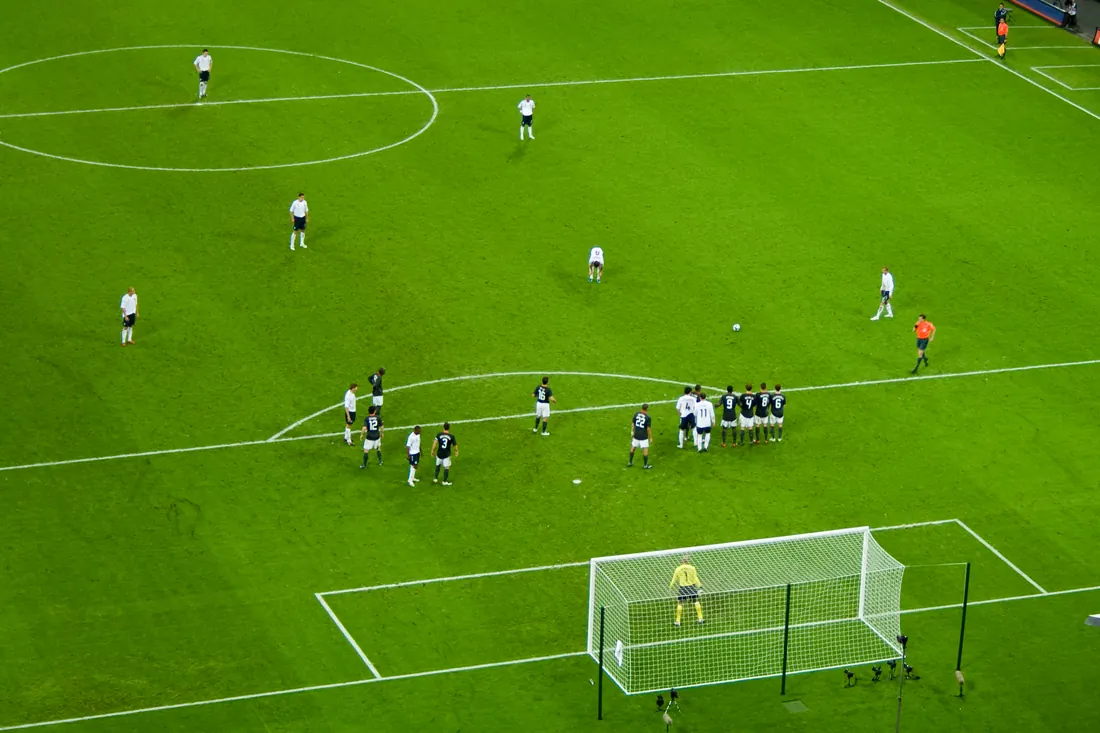
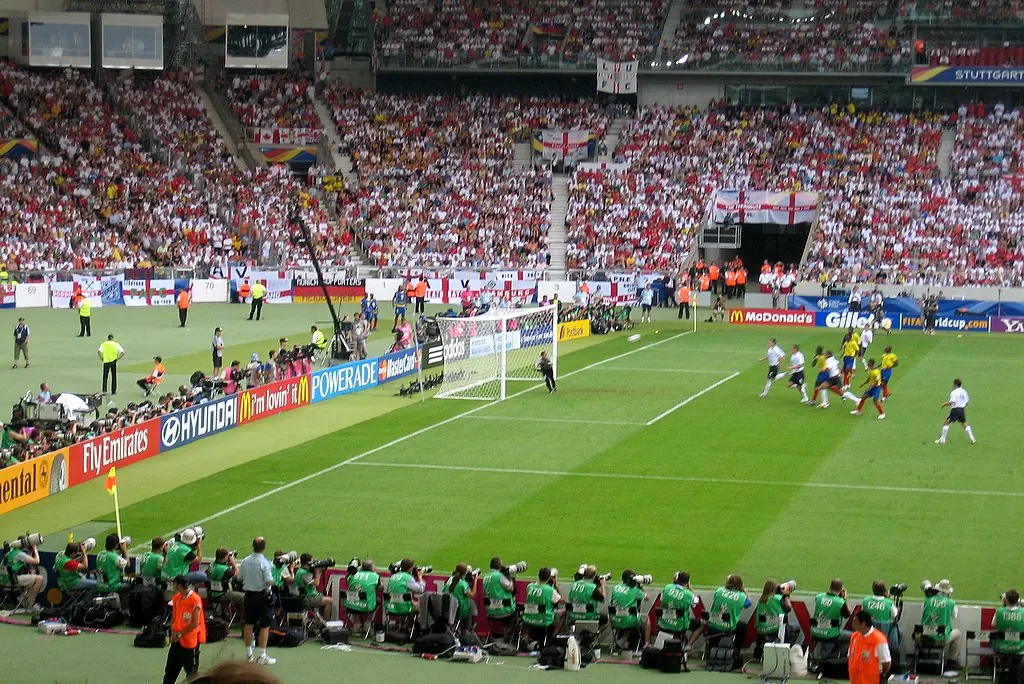
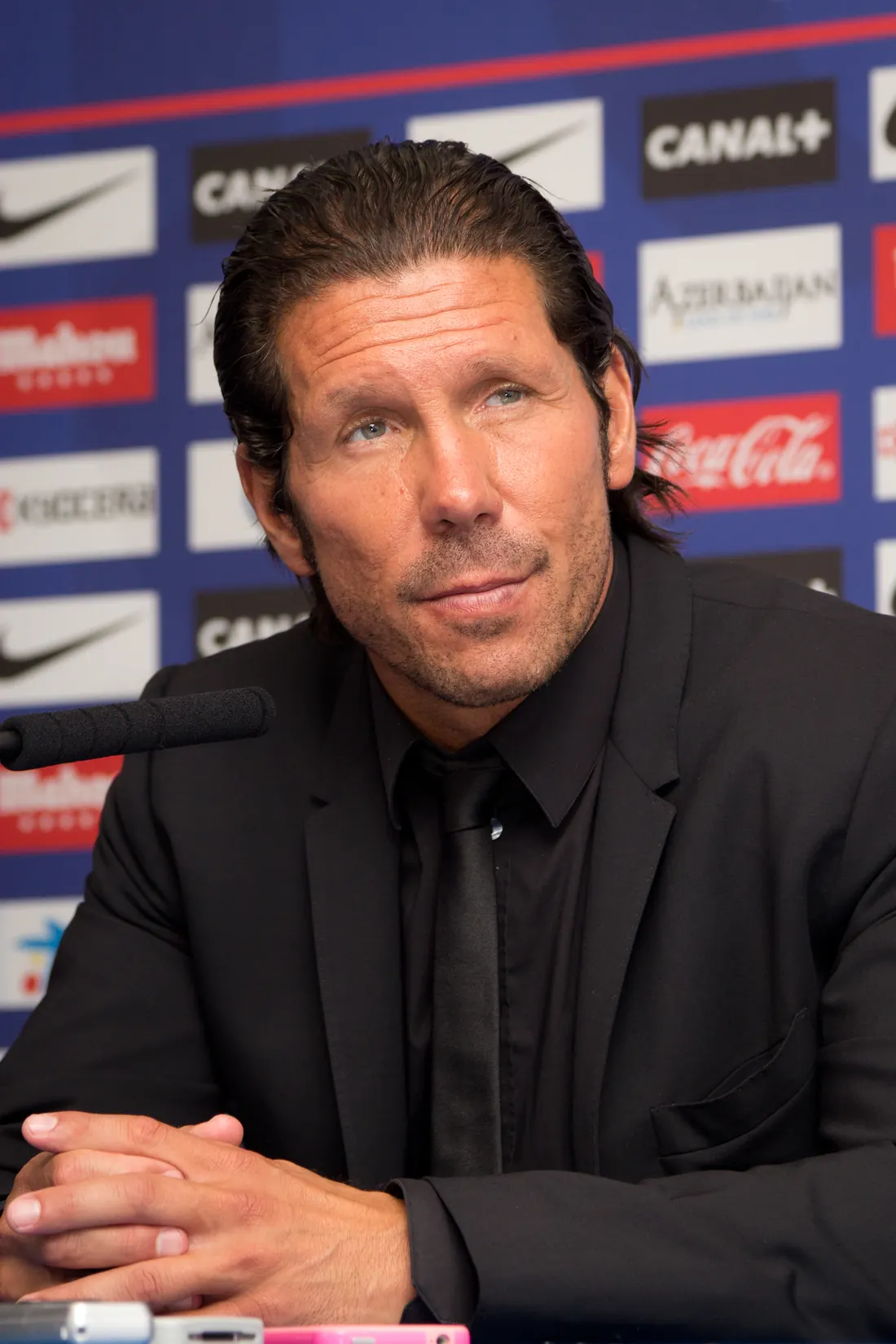
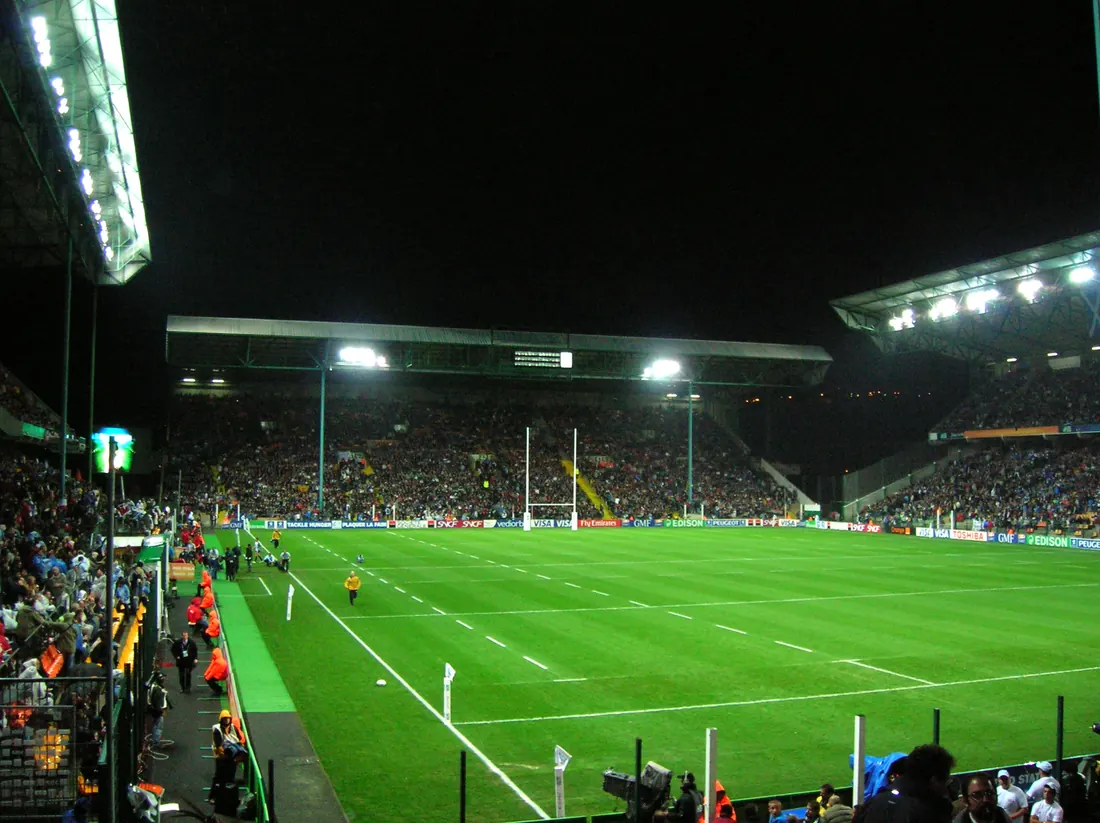
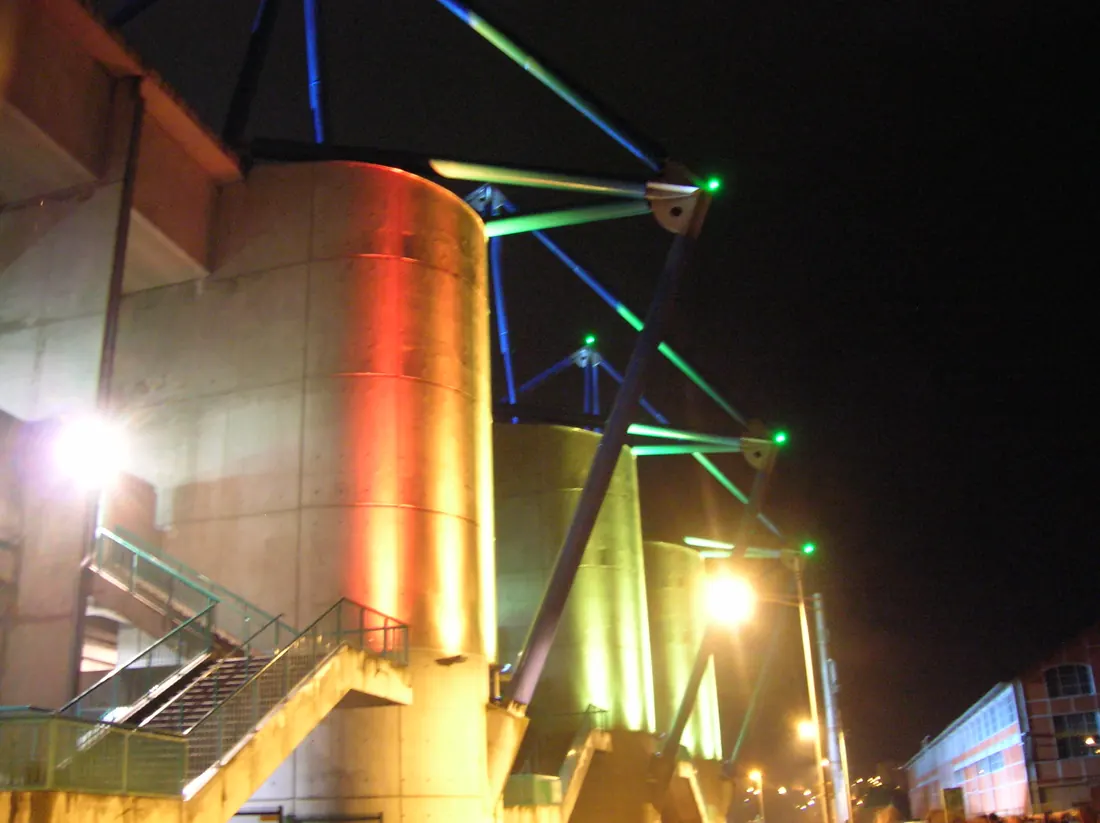
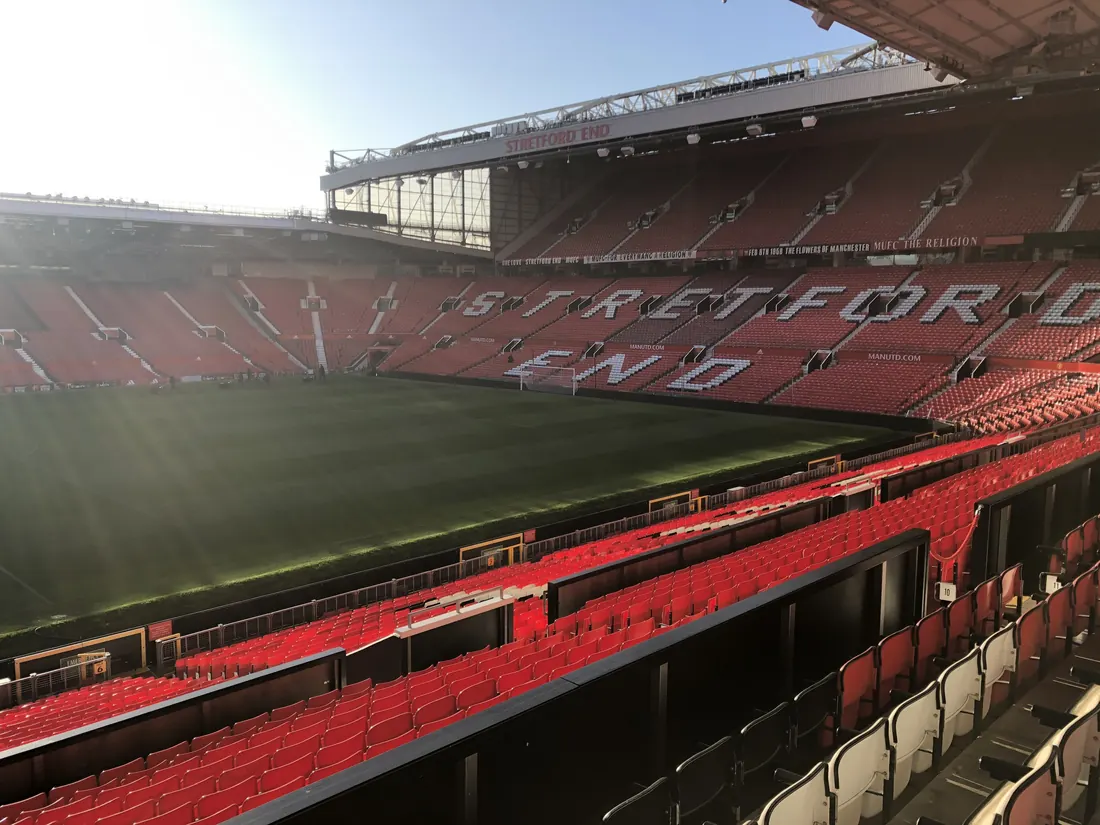
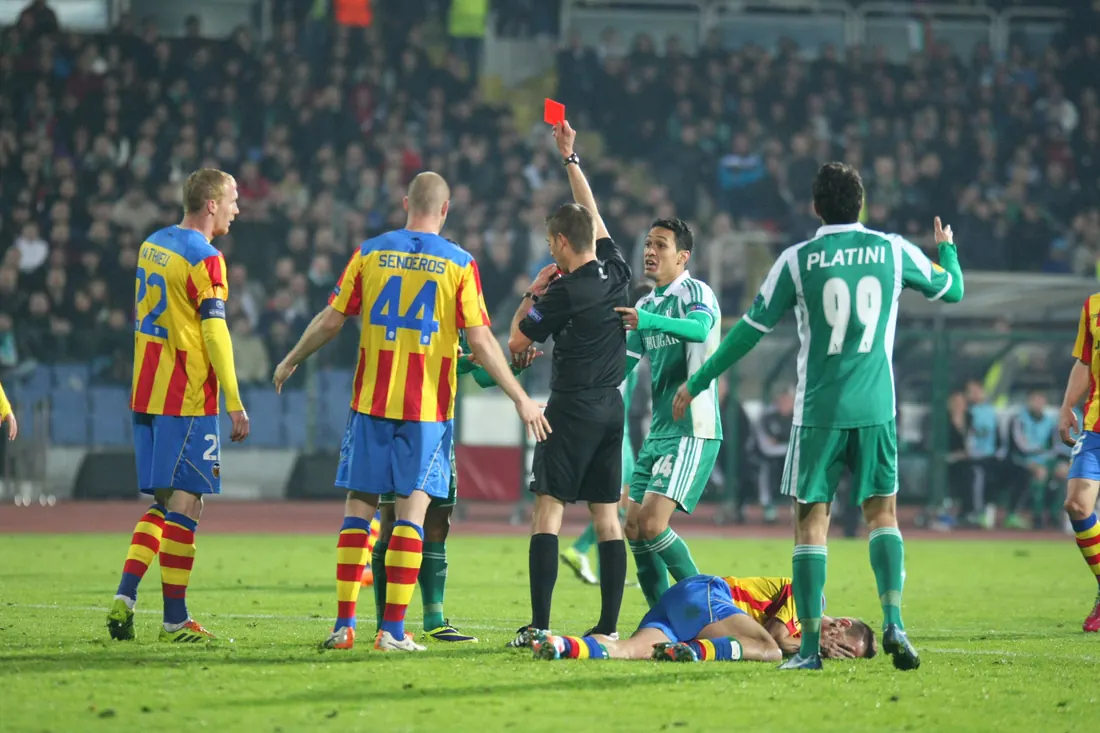
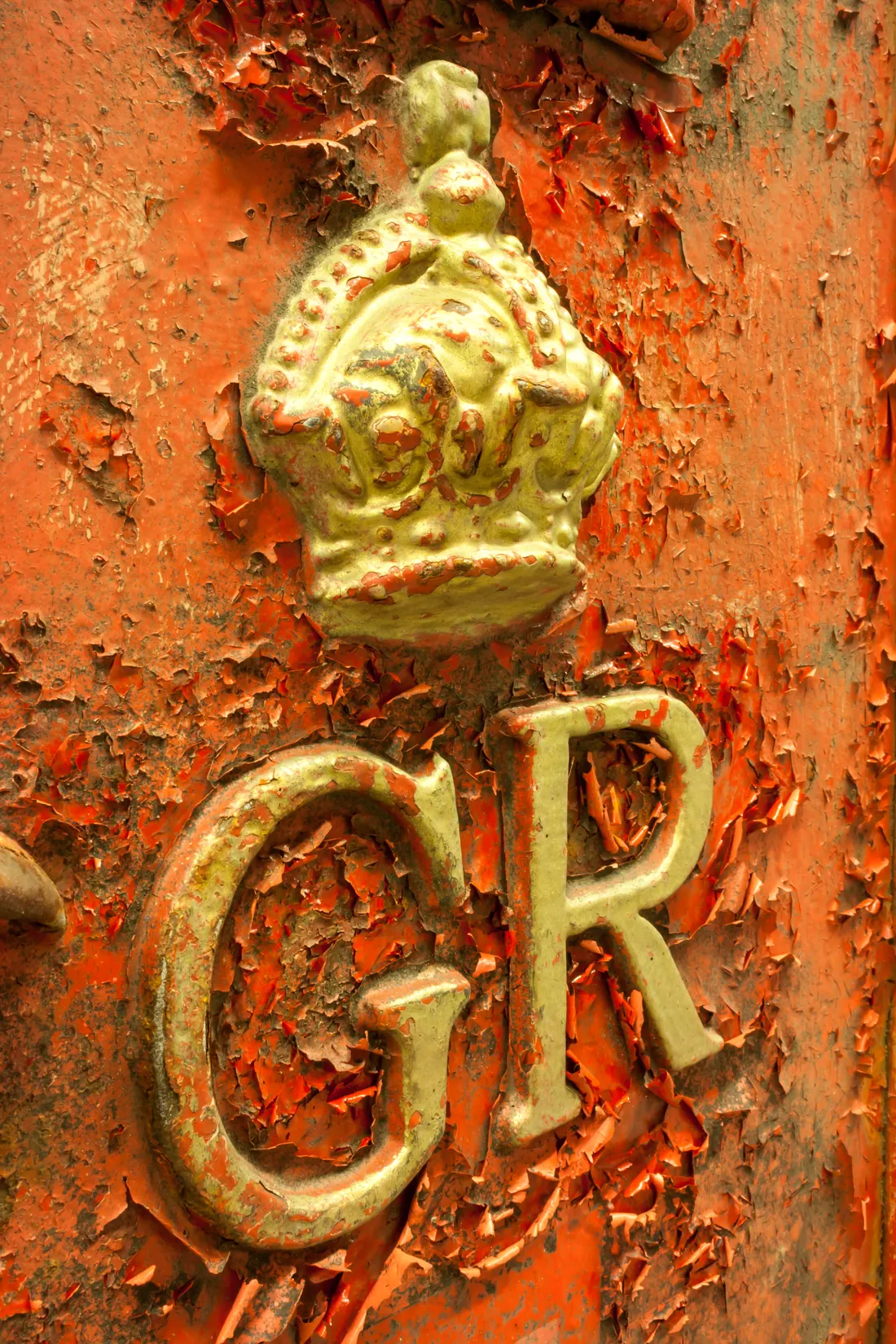
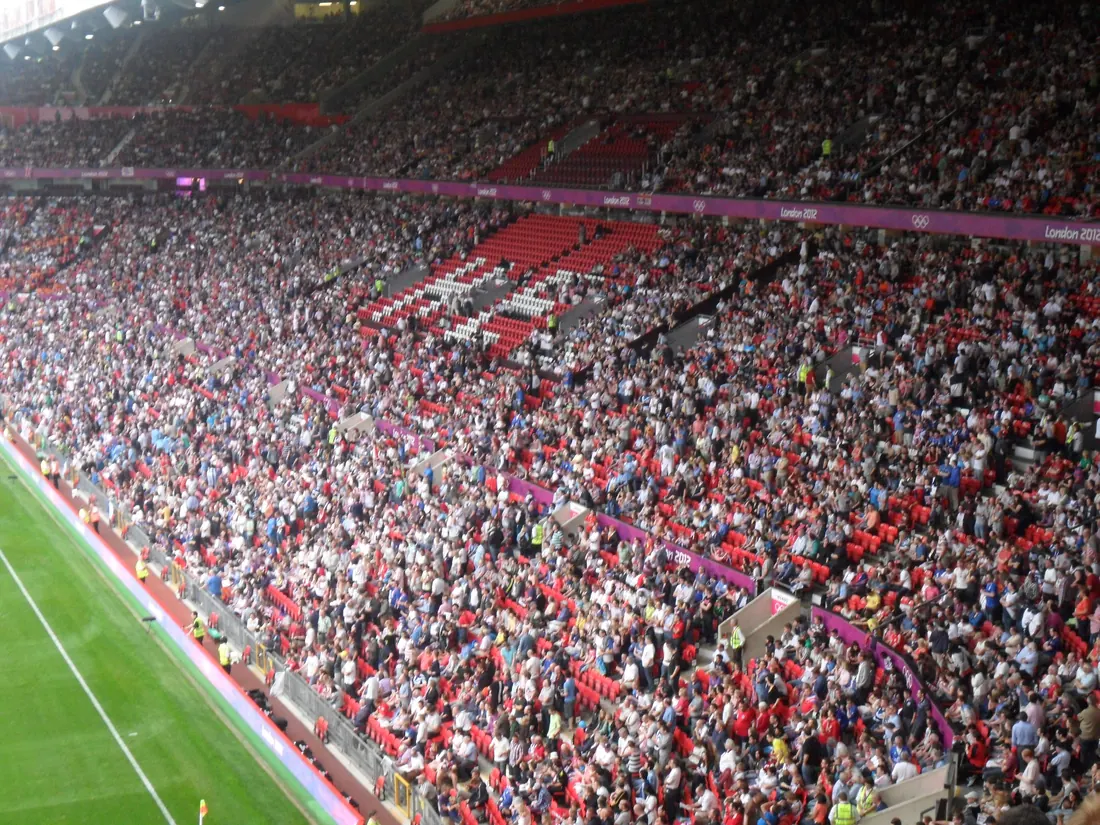
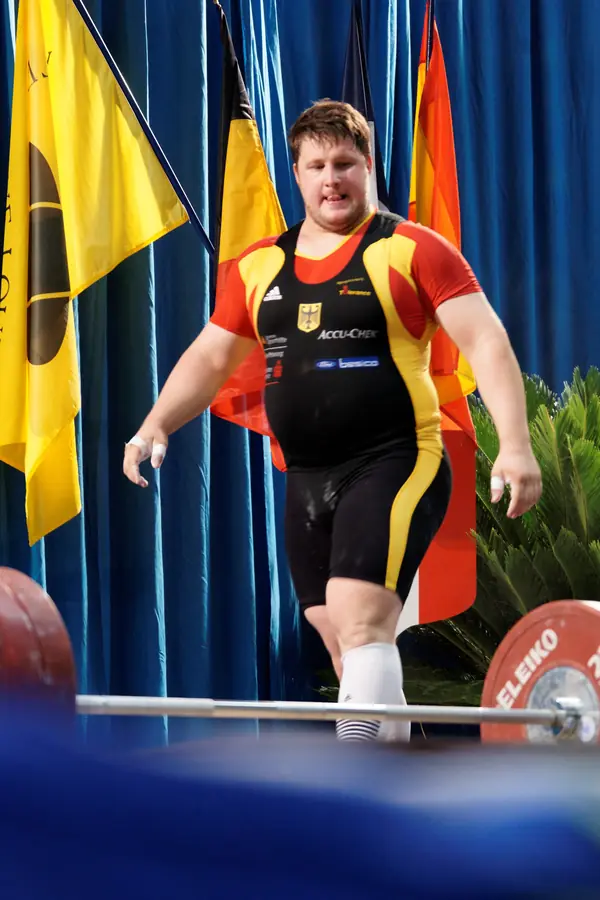
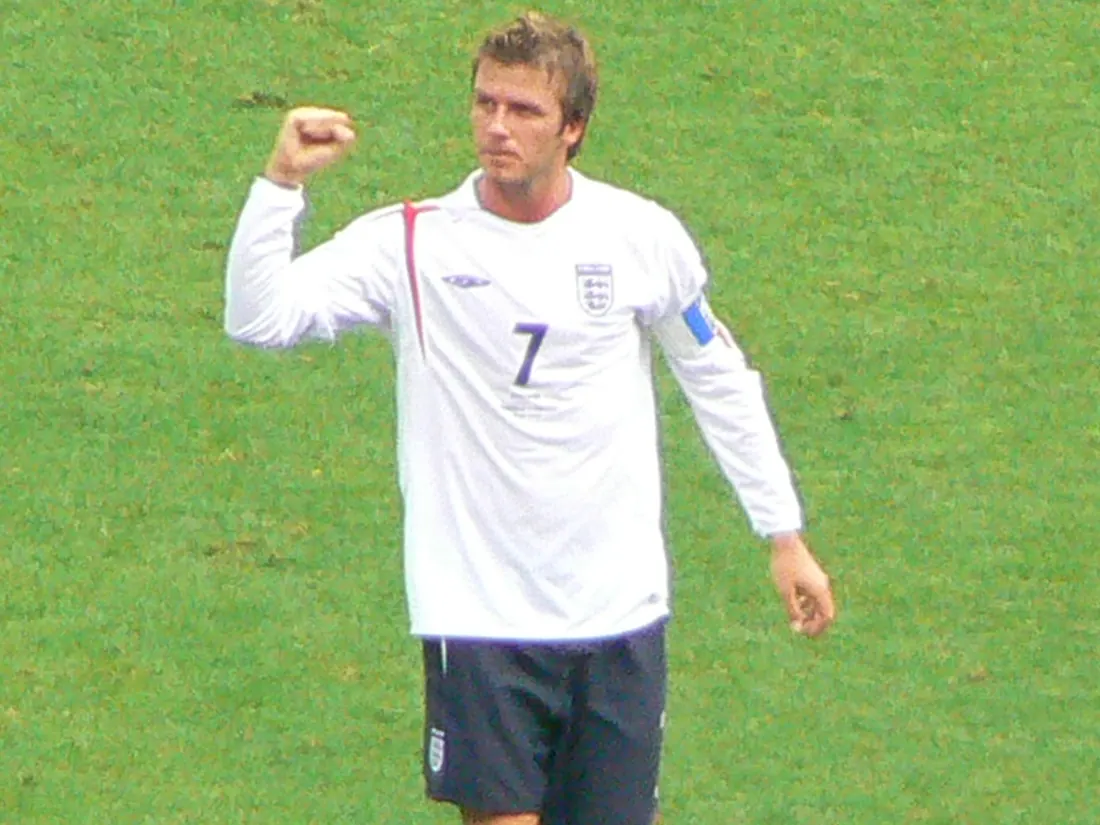
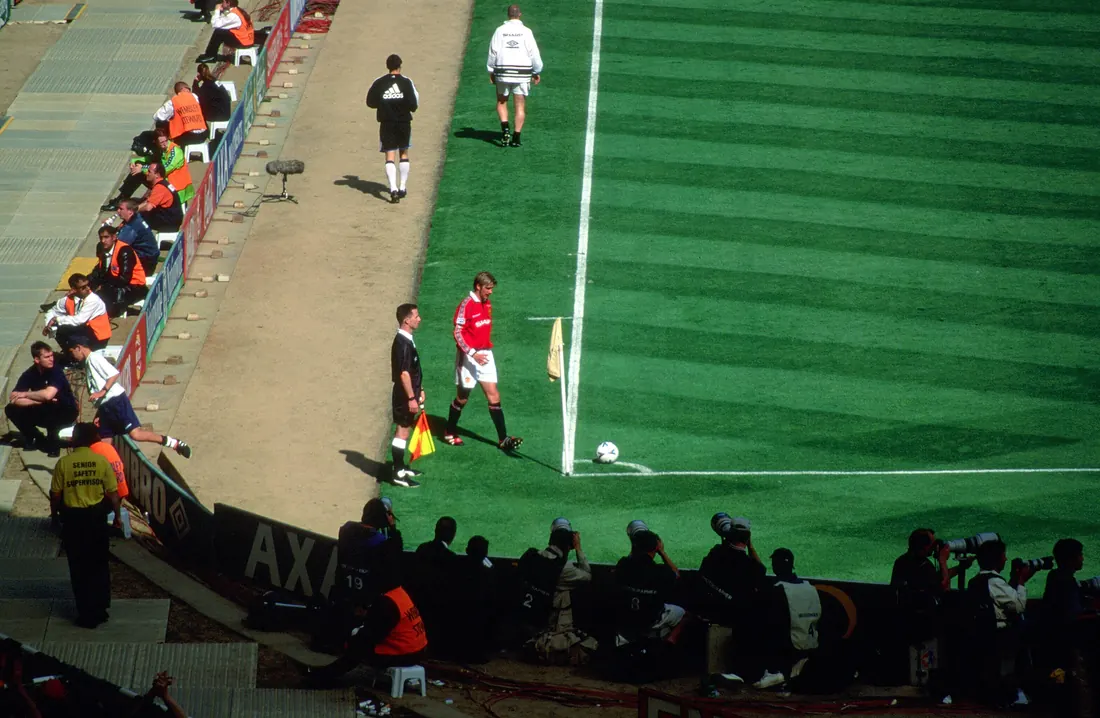
Pictures: there is no free photo of the 1998 match, the red card, the effigy or the 2001 free kick, so none of these photos shows them. David Beckham himself is in ger1axg’s photo of him in England’s kit with the captain’s armband on June 6, 2006; Michael Cairns’s photo of him about to take a corner for Manchester United at the FA Cup final at Wembley on May 22, 1999; Paul Foster’s photo of him taking a free kick at Old Trafford on December 5, 1999; Sukhjeet Batth’s photo of him preparing a set piece for England against the USA at Wembley on May 28, 2008; georgio’s photo of his free kick going in against Ecuador at the 2006 World Cup in Stuttgart; and Brian Minkoff-London Pixels’s photo of him in the royal box at Wimbledon on June 28, 2014. Diego Simeone is at a press conference as Atlético Madrid coach on September 14, 2013. The Stade Geoffroy-Guichard in Saint-Étienne, where the 1998 match was played, is seen lit at night and during a Rugby World Cup match, both on September 29, 2007. The red card is shown by a referee in a Europa League match between Ludogorets and Valencia on March 13, 2014. The postbox is a George V Royal Mail box at the British Postal Museum & Archive, photographed on February 20, 2010. The Stretford End at Old Trafford is seen empty on November 29, 2019, and the Old Trafford crowd during the London 2012 Olympic football on July 26, 2012.

Photo credits

The archive photos in this story

The photographs and illustrations in this story are in the public domain or shared under open licenses; each one is credited below with its license. Tap one to enlarge it, or follow the link to its Wikimedia Commons page for the full record. The narration, captions and graphics in the Short are our own; its music and sound effects are credited below.
Music and sound effects

Music: Brahms, Tragic Overture, Op. 81 (Musopen Symphony Orchestra, CC0); Grieg, Peer Gynt Suite No. 1, Op. 46: II. Ase's Death (Musopen Symphony Orchestra, CC0); Beethoven, Coriolan Overture, Op. 62 (Musopen Symphony Orchestra, CC0); Brahms, Symphony No. 1 in C minor, Op. 68: IV. Adagio - Piu andante - Allegro non troppo, ma con brio (Musopen Symphony Orchestra, CC0).

Sound effects: Freesound, CC0.

More stories

Vietnam · 1968 Roy Benavidez

Zipped Into a Body Bag, Still Alive

Sources & photo credits
At sea · 1911–1916 Violet Jessop

Miss Unsinkable

Sources & photo credits
Space · 1970 Apollo 13

Houston, We’ve Had a Problem

Sources & photo credits
Antarctica · 1915 Ernest Shackleton

The Ship Crushed by Ice

Sources & photo credits
Okinawa · 1945 Desmond Doss

The Medic Who Refused to Carry a Gun

Sources & photo credits
The Moon · 1969 Apollo 11

The Landing That Almost Didn’t Happen

Sources & photo credits
South Carolina · 1863 Harriet Tubman

The Raid That Freed More Than 750

Sources & photo credits
New York · 1860 Grace Bedell

The Girl Who Told Lincoln to Grow a Beard

Sources & photo credits
Charleston · 1862 Robert Smalls

Past Fort Sumter in the Captain’s Straw Hat

Sources & photo credits
Argonne Forest · 1918 Cher Ami

Shelled by Their Own Guns, They Sent a Pigeon

Sources & photo credits
Iwo Jima · 1945 Jack Lucas

The Stowaway Who Covered Two Grenades

Sources & photo credits
Richmond · 1849 Henry “Box” Brown

Nailed in a Box, Shipped to Freedom

Sources & photo credits
Iran to Scotland · 1942–1963 Wojtek the Bear

The Bear Who Was Enlisted as a Private

Sources & photo credits
Berlin · 1936 Jesse Owens and Luz Long

The Rival Who Hugged Jesse Owens

Sources & photo credits
Alaska · 1925 The 1925 Serum Run

The Dog Who Ran the Most Dangerous Leg

Sources & photo credits
Niagara Falls · 1901 Annie Edson Taylor

Over Niagara Falls in a Barrel, at 63

Sources & photo credits
Tokyo · 1925–1935 Hachikō

The Dog Who Waited Almost Ten Years

Sources & photo credits
New Orleans · 1960 Ruby Bridges

Four Marshals Walked Her Into First Grade

Sources & photo credits
Indian Territory · 1875–1902 Bass Reeves

The Lawman Who Took the Warrant for His Son

Sources & photo credits
Rome · 1960 Wilma Rudolph

From a Leg Brace to Three Olympic Golds

Sources & photo credits
Kaunas · 1940 Chiune Sugihara

Told Not To, He Wrote Visas by Hand

Sources & photo credits
Yale to France · 1917–1918 Stubby

Smuggled to France in a Coal Bin

Sources & photo credits
Arctic Ocean · 1909 Matthew Henson

Forty-Five Minutes Ahead of Peary

Sources & photo credits
Tuscumbia · 1887 Helen Keller and Anne Sullivan

Water, Spelled Into Her Hand

Sources & photo credits
Korea · 1952–1953 Sergeant Reckless

Bought for $250, Promoted to Staff Sergeant

Sources & photo credits
Pearl Harbor · 1941 Dorie Miller

He Fired a Gun He Was Never Trained to Use

Sources & photo credits
Cleveland · 1916 Garrett Morgan

The Real Inventor Posed as the Sidekick

Sources & photo credits
Chicago to France · 1920–1921 Bessie Coleman

Refused at Home, She Learned to Fly in France

Sources & photo credits
Warsaw · 1942–1943 Irena Sendler

She Buried the Children’s Names in Jars

Sources & photo credits
Albany, New York · 1888–1897 Owney

The Stray Who Rode the Mail Around the World

Sources & photo credits
Brooklyn · 1947 Jackie Robinson

He Promised Not to Fight Back

Sources & photo credits
Lubang Island · 1944–1974 Hiroo Onoda

The War Ended in 1945. He Stopped in 1974.

Sources & photo credits
Indiana to Oregon · 1923–24 Bobbie the Wonder Dog

Lost in Indiana, He Walked Home to Oregon

Sources & photo credits
Stockholm · 1912 Jim Thorpe

Stripped of His Golds Over Baseball Pay

Sources & photo credits
Pacific War · 1942–1945 The Navajo Code Talkers

Their Language Became a Code Nobody Broke

Sources & photo credits
Yangtze River · 1949 Simon the Cat

The Wounded Ship’s Cat Who Won a War Medal

Sources & photo credits
Hollywood · 1942 Hedy Lamarr

The Movie Star Who Invented Between Takes

Sources & photo credits
France · 1918 Henry Johnson

He Fought Off German Raiders With a Knife

Sources & photo credits
New York City · 1854 Elizabeth Jennings

A Century Before Rosa Parks, She Sued and Won

Sources & photo credits
Civil War · 1861–1865 Mary Edwards Walker

Stripped of Her Medal, She Wore It Anyway

Sources & photo credits
Cape Canaveral · 1961 Ham the Chimp

The Chimp Who Flew to Space Before Any Human

Sources & photo credits
Montreal · 1899 Major Taylor

Banned at Home, He Became World Champion

Sources & photo credits
Blackwell’s Island · 1887 Nellie Bly

She Faked Insanity to Expose an Asylum

Sources & photo credits
Sicily · 1943 Chips the Dog

The Hero Who Lost His Medals for Being a Dog

Sources & photo credits
NASA Langley · 1962 Katherine Johnson

John Glenn Trusted Her Over NASA’s Computers

Sources & photo credits
Fort Wagner · 1863 William Carney

He Was Shot but Wouldn’t Give Up the Flag

Sources & photo credits
Around the World · 1894–1895 Annie Londonderry

Barely a Cyclist, She Set Off Around the World

Sources & photo credits
Lyme Regis · 1823 Mary Anning

Shut Out of the Meeting on Her Own Find

Sources & photo credits
Dunkirk · 1940 Charles Lightoller

The Titanic Survivor Who Took His Boat to War

Sources & photo credits
Cavendish, Vermont · 1848 Phineas Gage

An Iron Bar Shot Through His Head. He Lived.

Sources & photo credits
Holtzwihr, France · 1945 Audie Murphy

He Fought Alone on a Burning Tank Destroyer

Sources & photo credits
Europe · 1940–1945 “Mad Jack” Churchill

He Went to War With a Sword and a Longbow

Sources & photo credits
Toledo · 1884 Moses Fleetwood Walker

In the Majors 63 Years Before Jackie Robinson

Sources & photo credits
North Atlantic · 1912 Margaret “Molly” Brown

She Begged Her Titanic Lifeboat to Go Back

Sources & photo credits
Argonne Forest · 1918 Alvin York

His Draft Card Said “Don’t Want to Fight”

Sources & photo credits
Great Barrington · 1781 Elizabeth Freeman

She Heard “Born Free” and Sued Her Owner

Sources & photo credits
Central Pacific · 1942 Eddie Rickenbacker

America’s Top Ace Was Saved by a Seagull

Sources & photo credits
Tarrytown, New York · 1782 Deborah Sampson

She Dug Out Her Own Bullet to Keep Her Secret

Sources & photo credits
Shenandoah · 1942–1977 Roy Sullivan

Lightning Hit Him Seven Times, and He Survived

Sources & photo credits
Corinth, Mississippi · 1862 Old Abe

The War Eagle the Confederates Wanted Dead

Sources & photo credits
Balaclava, Crimea · 1855 Mary Seacole

Refused as a War Nurse, She Went Anyway

Sources & photo credits
Central Pacific · 1943 Louis Zamperini

He Survived 47 Days on a Raft. Then It Got Worse

Sources & photo credits
Chickamauga · 1863 John Clem

He Went to War at Nine and Retired a General

Sources & photo credits
Cascade, Montana · 1895 Mary Fields

Born Enslaved, She Carried Montana’s Mail in Her Sixties

Sources & photo credits
Aboard the Titanic · 1912 Richard Norris Williams

The Legs a Doctor Wanted to Cut Off Won Olympic Gold

Sources & photo credits
Kingston, New York · 1828 Sojourner Truth

She Took a White Man to Court to Win Back Her Son

Sources & photo credits
Lyon, France · 1941 Virginia Hall

She Crossed the Pyrenees on a Wooden Leg Named Cuthbert

Sources & photo credits
Germany · World War II Joseph Medicine Crow

He Came Home From World War II a Crow War Chief

Sources & photo credits
Macon, Georgia · 1848 Ellen Craft

She Escaped Slavery Disguised as a White Master

Sources & photo credits
Antietam, Maryland · 1862 Clara Barton

A Bullet Through Her Sleeve Killed the Man in Her Arms

Sources & photo credits
Iwo Jima · 1945 Ira Hayes

The Iwo Jima Flag Raiser Who Never Felt Like a Hero

Sources & photo credits
Baltimore, Maryland · 1838 Frederick Douglass

He Escaped Slavery on Another Man’s Papers

Sources & photo credits
Chosin Reservoir · 1950 Jesse Brown and Tom Hudner

He Crashed His Own Plane on Purpose to Save His Friend

Sources & photo credits
Milwaukee · 1912 Theodore Roosevelt

He Was Shot in the Chest, Then Gave His Speech Anyway

Sources & photo credits
San Terenzo, Italy · 1945 Daniel Inouye

He Pried a Live Grenade From His Own Right Hand

Sources & photo credits
Dover, England · 1912 Harriet Quimby

She Flew the English Channel, but the Titanic Buried It

Sources & photo credits
Saint-Nazaire, France · 1943 Alan Magee

He Fell Four Miles With No Parachute and Lived

Sources & photo credits
Delta, Louisiana · 1867 Madam C. J. Walker

She Washed Clothes for a Living, Then Built an Empire

Sources & photo credits
Los Baños · 1945 Frank Buckles

He Lied to Fight in One World War, Then Got Captured in the Next

Sources & photo credits
Jersey City · 1863–64 Edwin Booth

He Saved Lincoln’s Son, Then His Brother Shot Lincoln

Sources & photo credits
Boone County, Iowa · 1881 Kate Shelley

She Couldn’t Swim, but She Crawled Over a Flood in the Dark

Sources & photo credits
Brussels, Belgium · 1915 Edith Cavell

She Saved German Lives, but a German Firing Squad Shot Her

Sources & photo credits
English Channel · 1926 Gertrude Ederle

She Beat Every Man’s Channel Record by Two Hours

Sources & photo credits
Vaughan, Mississippi · 1900 Casey Jones

He Told His Fireman to Jump, Then Stayed on the Train

Sources & photo credits
Calvi Vecchia, Italy · 1943 G.I. Joe

This Pigeon Beat the Bombers by Minutes

Sources & photo credits
Diamond, Missouri · c. 1864 George Washington Carver

He Was Traded for a Horse as a Baby

Sources & photo credits
Newport, Rhode Island · 1869 Ida Lewis

She Rowed Into Storms to Save Strangers

Sources & photo credits
Hampton, Virginia · 1872 Booker T. Washington

His Entrance Exam Was Sweeping a Room

Sources & photo credits
Darke County, Ohio · 1870 Annie Oakley

She Outshot Him, Then He Married Her

Sources & photo credits
France · 1917 Eugene Bullard

His Own Country Wouldn’t Let Him Fly

Sources & photo credits
London · 1886 Joseph Merrick

He Couldn’t Even Lie Down to Sleep

Sources & photo credits
Washington, D.C. · 1881 Robert Todd Lincoln

This Man Was Near Three Presidential Assassinations

Sources & photo credits
Geneva, New York · 1847 Elizabeth Blackwell

Her Medical School Admitted Her as a Joke

Sources & photo credits
Meuse-Argonne, France · 1918 Rags

This Stray Dog Carried a Message Through Poison Gas

Sources & photo credits
Jericho, Vermont · 1885 Wilson Bentley

His Neighbors Laughed at His Snowflakes

Sources & photo credits
Patuxet (Plymouth) · 1619 Tisquantum (Squanto)

He Came Home from Slavery to Find His Village Gone

Sources & photo credits
Edinburgh, Scotland · 1858 Greyfriars Bobby

The Dog Said to Have Refused to Leave His Master’s Grave

Sources & photo credits
New York · 1884 Nikola Tesla

He Lit Up the World, Then Died Alone

Sources & photo credits
Paris · 1840 Louis Braille

His School Banned This Blind Boy’s Invention

Sources & photo credits
Ross Ice Shelf · 1912 Tom Crean

He Walked 35 Miles Alone Across the Antarctic Ice to Save Him

Sources & photo credits
Auvers-sur-Oise · 1890 Vincent van Gogh

He Thought He Was a Failure

Sources & photo credits
Cannes, France · 1888 Alfred Nobel

His Obituary Came Out While He Was Alive

Sources & photo credits
Vienna · 1847 Ignaz Semmelweis

His Crime Was Telling Doctors to Wash Their Hands

Sources & photo credits
Paris · 1898 Marie Curie

Her Notebooks Are Still Radioactive Today

Sources & photo credits
Brno, Moravia · 1865 Gregor Mendel

He Failed His Teaching Exam, Then Founded Genetics

Sources & photo credits
Memphis · 1892 Ida B. Wells

They Destroyed Her Newspaper, but She Kept Writing

Sources & photo credits
Antarctica · 1912 Douglas Mawson

He Survived Antarctica Alone, Then Missed His Ship by Hours

Sources & photo credits
Boston · 1773 Phillis Wheatley

They Didn’t Believe She Wrote Her Own Poems

Sources & photo credits
Soho, London · 1854 John Snow

He Traced a Killer to One Pump, and Experts Mocked Him

Sources & photo credits
Boston · 1842 Lewis Latimer

His Father Was Jailed as a Runaway Slave

Sources & photo credits
Greenland · 1930 Alfred Wegener

He Was Right About the Continents, but Most Experts Laughed

Sources & photo credits
Scutari · 1854 Florence Nightingale

Her Real Weapon Wasn’t the Lamp

Sources & photo credits
Beijing · 2008 Usain Bolt

He Has a Curved Spine, but No Human Has Ever Run Faster

Sources & photo credits
Coronado, California · 2001 David Goggins

He Weighed Almost 300 Pounds, Then Became a Navy SEAL

Sources & photo credits
Tokyo · 2021 Mutaz Barshim and Gianmarco Tamberi

Offered a Jump-Off, He Asked to Share the Gold With His Best Friend

Sources & photo credits
Milan · 2026 Alysa Liu

She Quit at 16, Then Came Back for Olympic Gold

Sources & photo credits
Tokyo · 2021 Sifan Hassan

She Fell, Then Won Olympic Gold 12 Hours Later

Sources & photo credits
Helmand, Afghanistan · 2010 Kyle Carpenter

He Moved Toward the Grenade Instead

Sources & photo credits
Mexico City · 1968 Dick Fosbury

He Was Warned His Jump Would Break Necks

Sources & photo credits
Budapest · 2023 Femke Bol

She Fell Just Strides From Gold

Sources & photo credits
Rio de Janeiro · 2016 Mo Farah

He Fell Mid-Race With a Promise to Keep

Sources & photo credits
Prague · 1939 Nicholas Winton

He Saved 669 Children, Then Kept Quiet

Sources & photo credits
Bahrain · 2020 Romain Grosjean

His Car Split in Two and Caught Fire

Sources & photo credits
Gothenburg · 1995 Jonathan Edwards

He Out-Jumped the Record, but It Didn’t Count

Sources & photo credits
Beijing · 2008 Matthias Steiner

His Wife Didn’t Live to See the Gold He Promised Her

Sources & photo credits
Beijing · 2008 Yelena Isinbayeva

She Lay Under a Towel While Her Rivals Jumped

Sources & photo credits
Cozumel, Mexico · 2016 Jonny and Alistair Brownlee

His Brother Collapsed, So He Stopped Racing

Sources & photo credits
Western Front · 1914 The Christmas Truce

The Night the Trenches Sang

Sources & photo credits