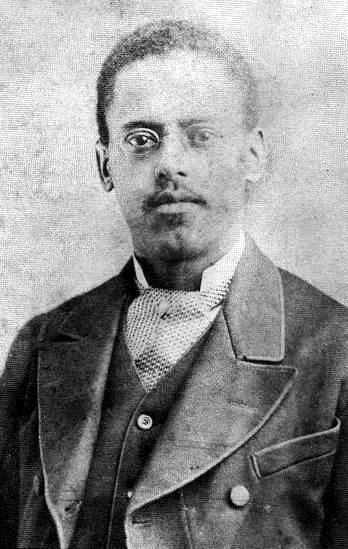
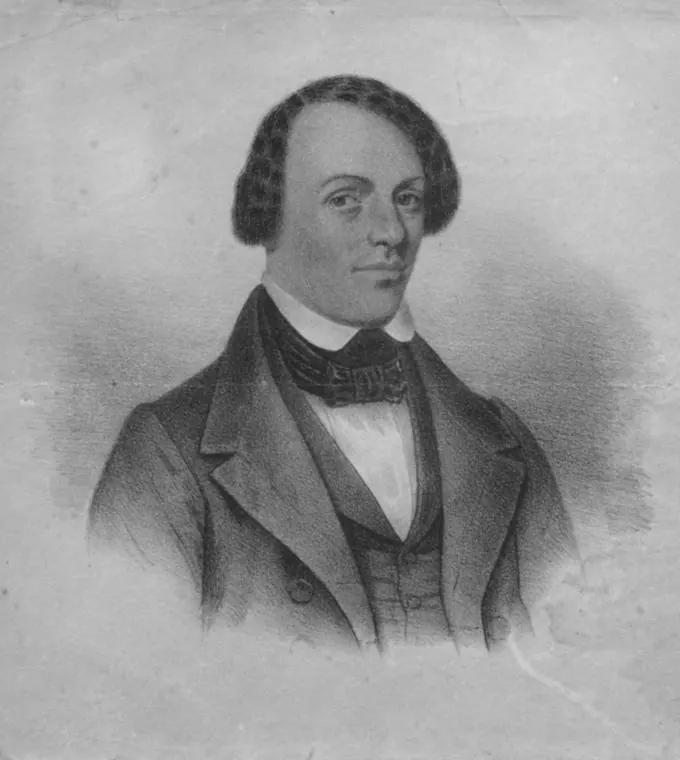
Lewis Howard Latimer (September 4, 1848 – December 11, 1928) “was an American inventor and patent draftsman,” Wikipedia says, and he “was born in Chelsea, Massachusetts.” “Before his birth, his parents escaped from slavery in Virginia and fled to Boston in October 1842,” Wikipedia says; the IEEE history wiki says “In October 1842, George escaped for a second time, taking with him, Rebecca Smith, a slave whom he married in January 1842.” “Shortly after their arrival, George Latimer was arrested under the Fugitive Slave Act of 1793, and his case became a widely publicized abolitionist cause,” Wikipedia says. “Authorities used Leverett Street Jail to imprison the freedom seeker George Latimer,” the National Park Service says, and “Bostonians protested the arrest and ‘angry crowds milled continuously around the jail.’”
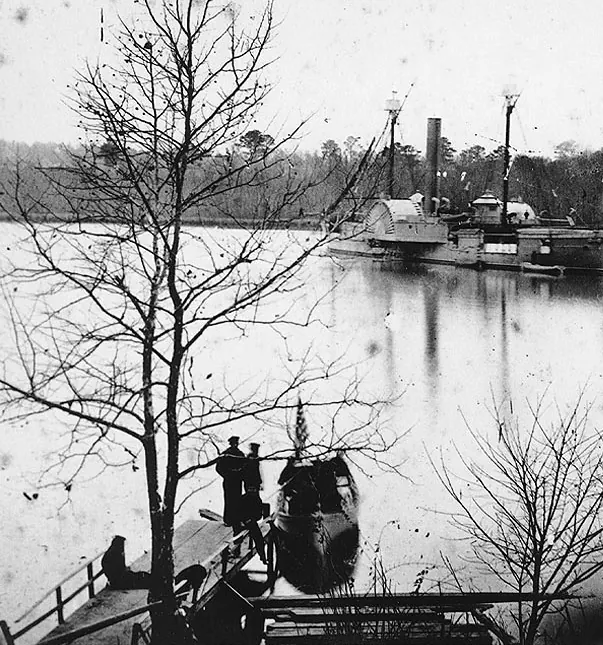
“A black minister, Reverend Samuel Caldwell, and others raised four hundred dollars and successfully negotiated for George’s freedom,” the IEEE history wiki says; in Wikipedia’s words, “George Latimer ultimately secured his freedom after a local Black minister, Samuel Caldwell, raised funds to purchase his release.” Their son grew up to serve in the Civil War: “On September 16, 1864, at the age of sixteen, Latimer enlisted in the United States Navy and served as a Landsman aboard the USS Massasoit,” Wikipedia says, and he “was discharged honorably on 3 July 1865,” the IEEE history wiki says. Then “he gained employment as an office boy with a patent law firm, Crosby Halstead and Gould, with a $3.00 per week salary,” Wikipedia says.
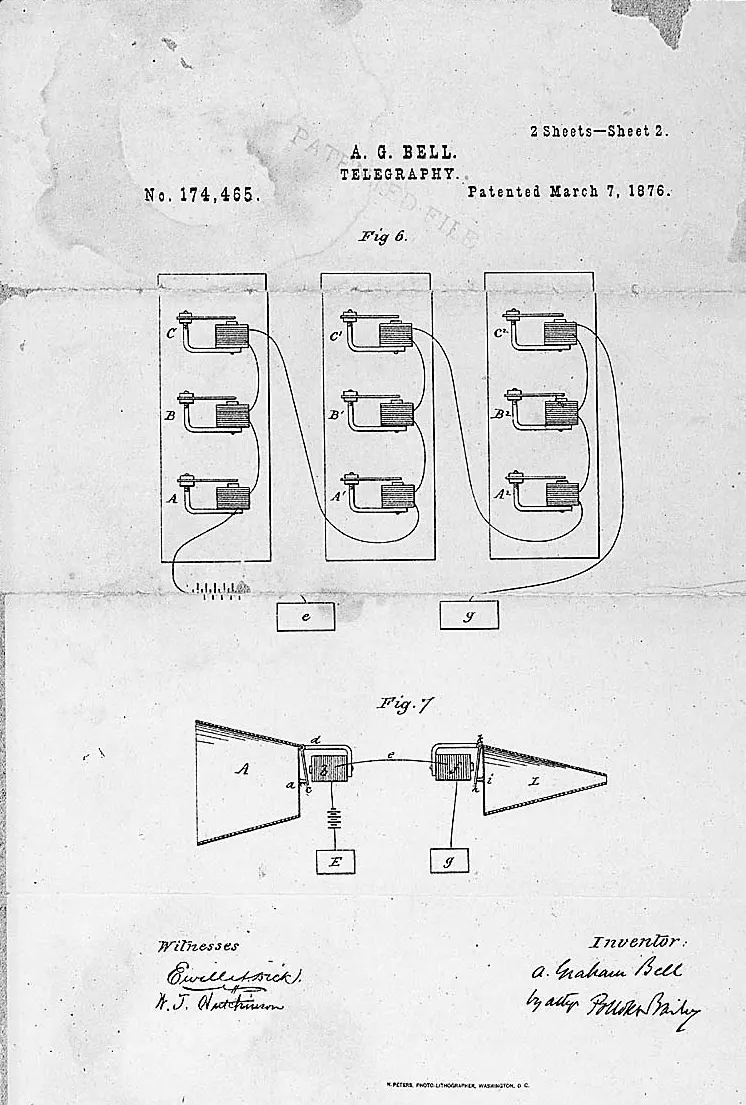
“While working as an office boy, he watched the draftsman, bought second-hand books, and learned the skills of drafting,” the IEEE history wiki says. Luvenia George, in the Smithsonian Lemelson Center’s materials, writes that “By closely observing draftsmen at work and reading books on the subject, Latimer taught himself mechanical drawing,” and “After several months of studying on his own, he requested and was given an opportunity by the firm to show what he could do.” “Officials at the law firm recognized Lewis’s drafting skills and when the draftsman resigned, they appointed him to the post,” the IEEE history wiki says; he rose “from office boy, earning a salary of $3.00 per week, to draftsman at $20.00,” Luvenia George writes, and Wikipedia says “Latimer was promoted to the position of head draftsman.” “In Latimer’s later years, he recalled that he had made ‘the drawings for the application for a patent upon the telephone’ for Alexander Graham Bell,” the Thomas A. Edison Papers at Rutgers say, but “It is not clear exactly which patent Latimer might be referring to,” and “no supporting evidence has been found in either the Bell family papers or the patent applications themselves.”
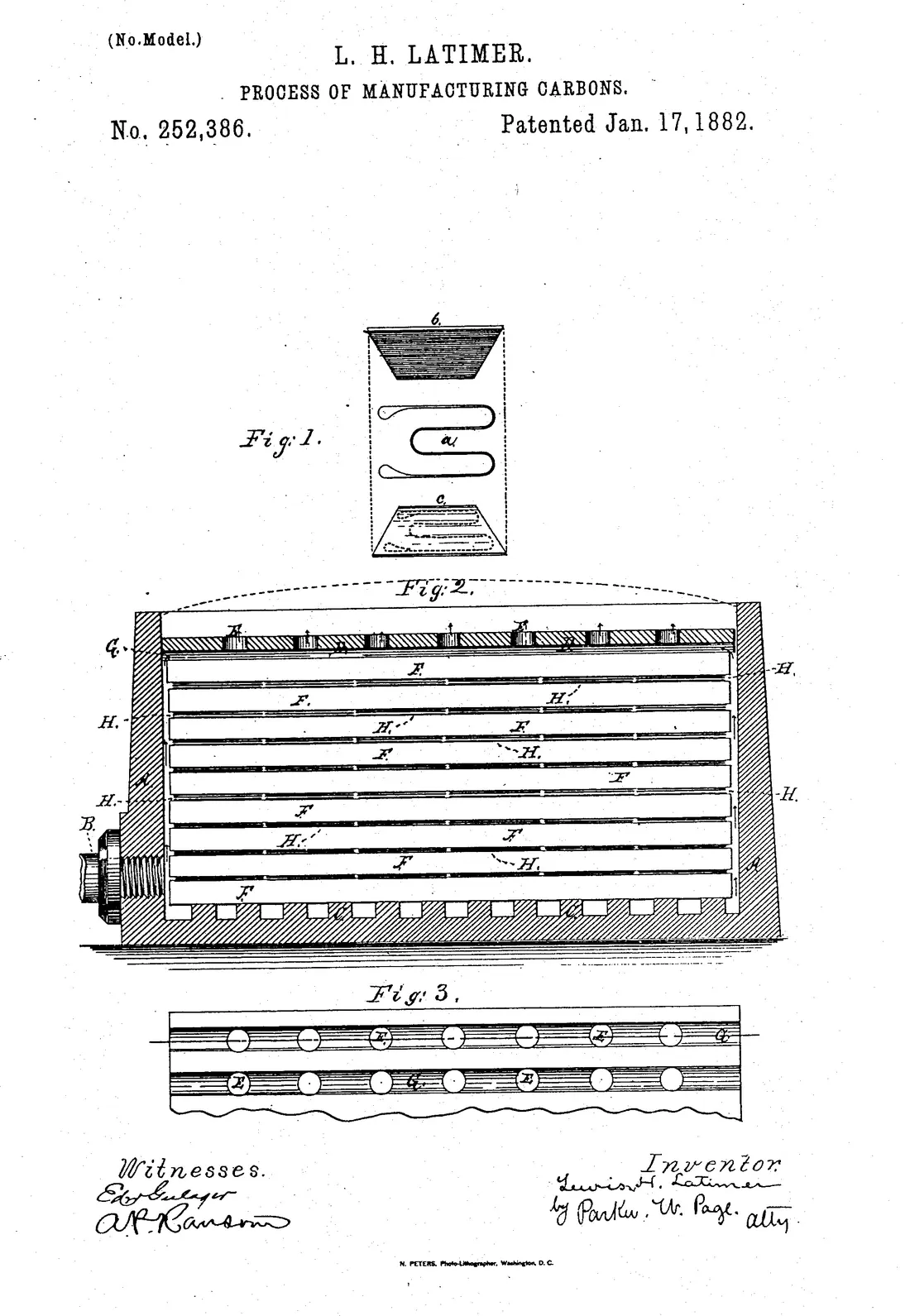
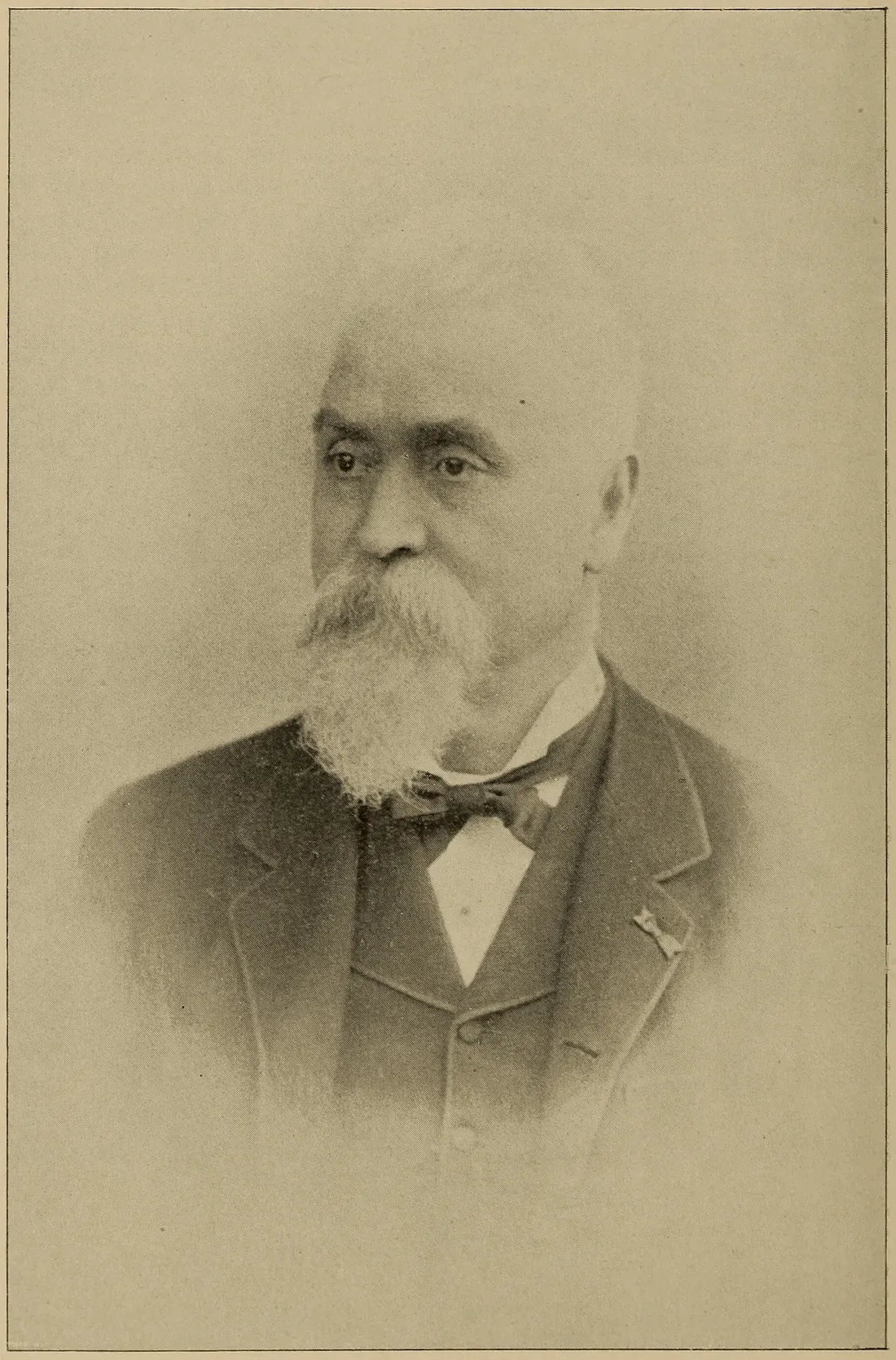
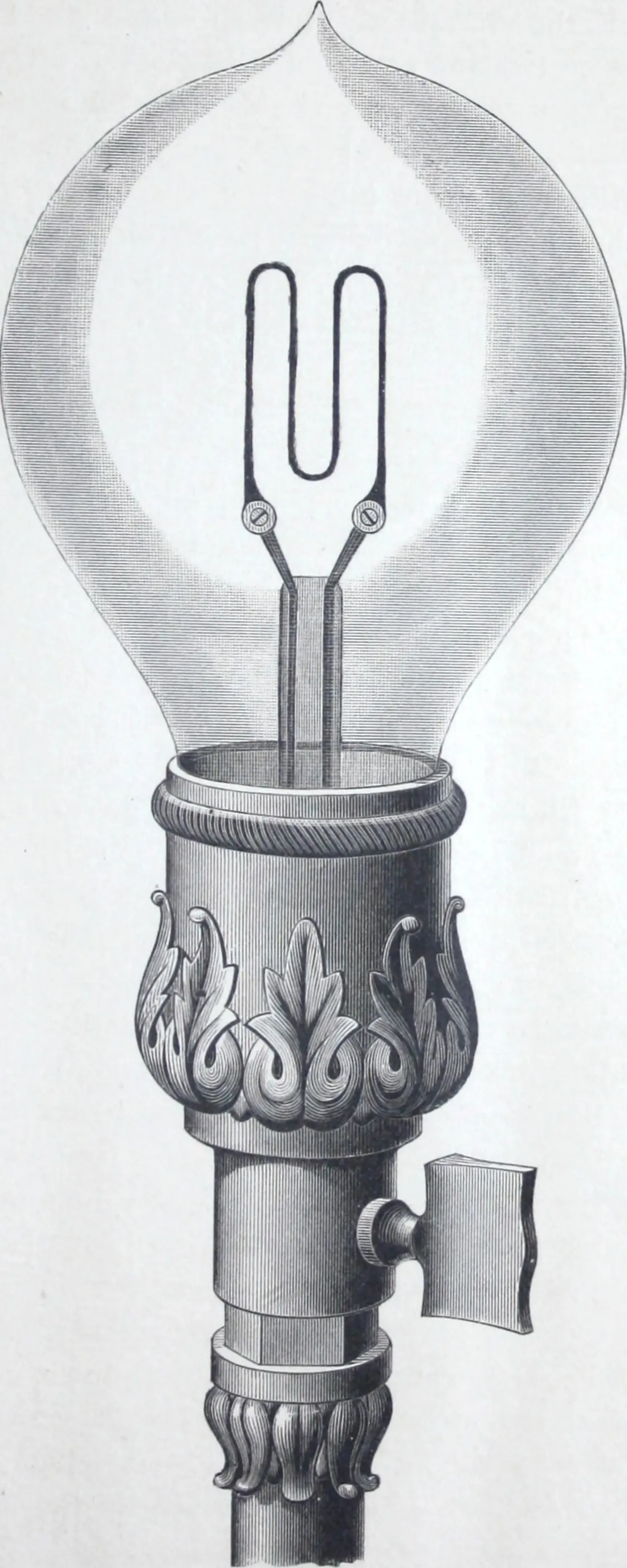
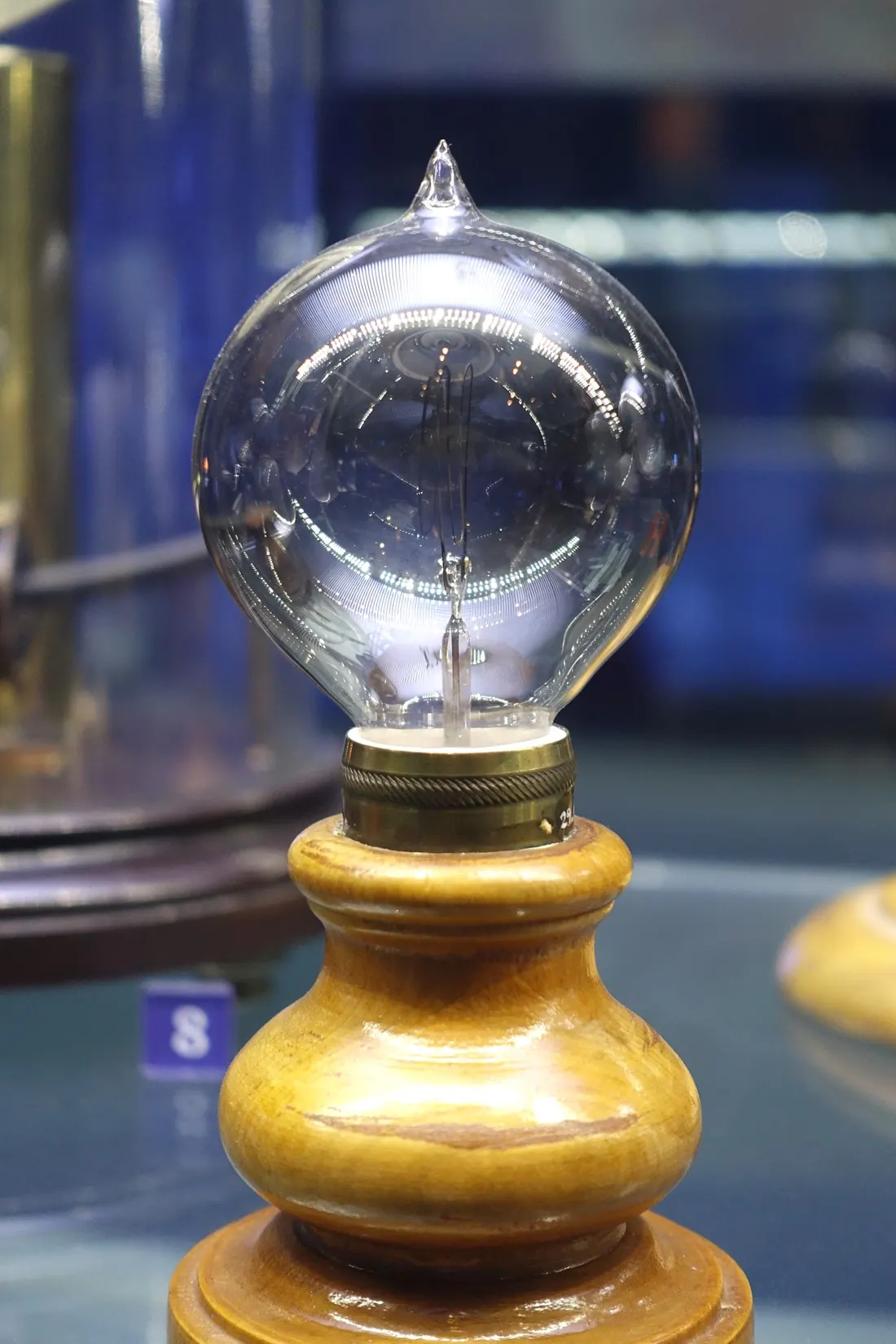
“In 1879, he moved to Bridgeport, Connecticut, and was hired as assistant manager and draftsman for the US Electric Lighting Co., a company owned by Hiram Maxim, a rival of Thomas Edison,” Wikipedia says; in the Edison Papers’ words, “The U.S. Electric Lighting Company was only one of Edison’s competitors in the race to develop a successful incandescent light.” Wikipedia says he received “another patent on January 17, 1882, for a ‘process of manufacturing carbons’, a method for the production of carbon filaments for light bulbs which reduced breakages during the production process by wrapping the filaments in a cardboard envelope”; the Edison Papers call it “an improvement to Maxim’s method of manufacturing filaments for incandescent bulbs.” They say “he went out into the field assisting in arc and incandescent installations of Maxim equipment in New York, Philadelphia, and Montreal,” and “His last assignment for U.S. Electric Lighting was in London, to advise the English on setting up a lamp factory.”
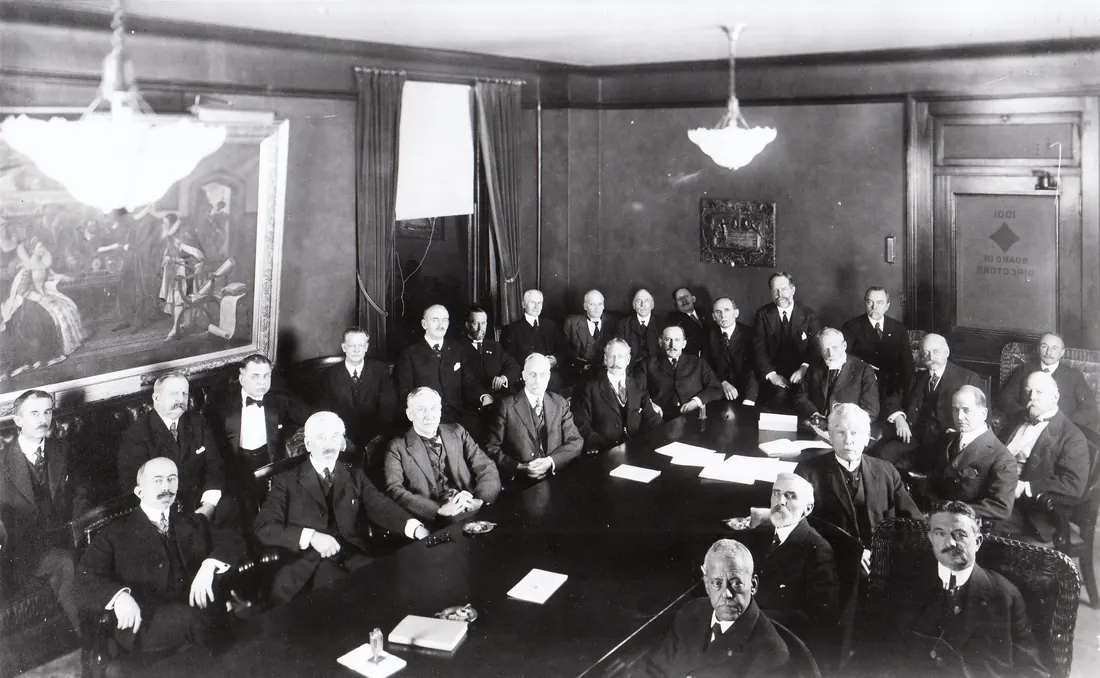
“The Edison Electric Light Company in New York City hired Latimer in 1884 as a draftsman and an expert witness in patent litigation on electric lights,” Wikipedia says; the Edison Papers say “About 1885.” “In 1918, Latimer became a founding member of a rather exclusive social group: the Edison Pioneers,” they say, and Luvenia George writes that “On February 11, 1918, Latimer became one of the 28 charter members of the Edison Pioneers, the only African-American in this prestigious, highly selective group.” The Pioneers’ own obituary of him, quoted by the IEEE history wiki, says: “He was of the colored race, the only one in our organization, and was one of those to respond to the initial call that led to the formation of the Edison Pioneers, January 24th 1918.” Today, Wikipedia says, “Latimer is an inductee of the National Inventors Hall of Fame for his work on electric filament manufacturing techniques.”
Fact check
The facts and where they come from
- His father was jailed as a runaway slave, but he grew up to work for Edison. National Park Service: “Authorities used Leverett Street Jail to imprison the freedom seeker George Latimer.” Wikipedia: “Shortly after their arrival, George Latimer was arrested under the Fugitive Slave Act of 1793, and his case became a widely publicized abolitionist cause.” Wikipedia’s article on George Latimer: “On October 20, Latimer was arrested.” Wikipedia: “The Edison Electric Light Company in New York City hired Latimer in 1884 as a draftsman and an expert witness in patent litigation on electric lights.” IEEE history wiki: “In 1885, he began his association with Thomas Edison, serving as an engineer, chief draftsman, and expert witness.” 3124
- His name was Lewis Latimer, inventor and draftsman. Wikipedia: “Lewis Howard Latimer (September 4, 1848 – December 11, 1928) was an American inventor and patent draftsman.” 1
- In 1842, his parents escaped slavery in Virginia. Wikipedia: “Before his birth, his parents escaped from slavery in Virginia and fled to Boston in October 1842.” IEEE history wiki: “In October 1842, George escaped for a second time, taking with him, Rebecca Smith, a slave whom he married in January 1842.” 14
- In Boston, his father was jailed, until a Black minister helped buy his freedom. Wikipedia: “George Latimer ultimately secured his freedom after a local Black minister, Samuel Caldwell, raised funds to purchase his release.” IEEE history wiki: “A black minister, Reverend Samuel Caldwell, and others raised four hundred dollars and successfully negotiated for George’s freedom.” National Park Service: “Gray knew that he could not hold Latimer himself and quickly allowed Bostonians to purchase Latimer’s freedom.” Wikipedia’s article on George Latimer: “Latimer’s freedom was eventually purchased from Gray for $400.” The Latimer Journal of 1842, at the Edison Papers, also records a minister paying $400. 14326
- At sixteen, Lewis joined the Navy in the Civil War. Wikipedia: “On September 16, 1864, at the age of sixteen, Latimer enlisted in the United States Navy and served as a Landsman aboard the USS Massasoit.” IEEE history wiki: “During the Civil War, Lewis Latimer enlisted in the Union Navy on 16 September 1864 and was discharged honorably on 3 July 1865.” 14
- Then he became a patent firm’s office boy, for three dollars a week. Wikipedia: “he gained employment as an office boy with a patent law firm, Crosby Halstead and Gould, with a $3.00 per week salary.” Luvenia George (Lemelson Center): “from office boy, earning a salary of $3.00 per week, to draftsman at $20.00.” 17
- He watched the draftsmen and taught himself to draw. IEEE history wiki: “While working as an office boy, he watched the draftsman, bought second-hand books, and learned the skills of drafting.” Luvenia George: “By closely observing draftsmen at work and reading books on the subject, Latimer taught himself mechanical drawing.” 47
- Soon, the firm made him its draftsman. IEEE history wiki: “Officials at the law firm recognized Lewis’s drafting skills and when the draftsman resigned, they appointed him to the post.” Luvenia George: “After several months of studying on his own, he requested and was given an opportunity by the firm to show what he could do.” Wikipedia: “Latimer was promoted to the position of head draftsman.” 471
- He later said he made the drawings for one of Alexander Graham Bell’s telephone patents. Edison Papers: “In Latimer’s later years, he recalled that he had made ‘the drawings for the application for a patent upon the telephone’ for Alexander Graham Bell. It is not clear exactly which patent Latimer might be referring to” … “although no supporting evidence has been found in either the Bell family papers or the patent applications themselves.” IEEE history wiki: “One of his assignments was to make the initial drawings for one of Alexander Graham Bell’s telephone patents.” 54
- Edison’s rival, Hiram Maxim, hired him into the race for electric light. Wikipedia: “In 1879, he moved to Bridgeport, Connecticut, and was hired as assistant manager and draftsman for the US Electric Lighting Co., a company owned by Hiram Maxim, a rival of Thomas Edison.” Edison Papers: “The U.S. Electric Lighting Company was only one of Edison’s competitors in the race to develop a successful incandescent light.” 15
- In 1882, he patented a better way to make light bulb filaments. Wikipedia: “another patent on January 17, 1882, for a ‘process of manufacturing carbons’, a method for the production of carbon filaments for light bulbs which reduced breakages during the production process by wrapping the filaments in a cardboard envelope.” Edison Papers: “an improvement to Maxim’s method of manufacturing filaments for incandescent bulbs.” The patent itself: US 252,386, “Process of Manufacturing Carbons,” patented Jan. 17, 1882. 158
- Then Edison’s company hired him. Wikipedia: “The Edison Electric Light Company in New York City hired Latimer in 1884 as a draftsman and an expert witness in patent litigation on electric lights.” Edison Papers: “About 1885, Latimer found stable employment with the Edison Electric Light Company of New York.” 15
- He became a founding Edison Pioneer. Edison Papers: “In 1918, Latimer became a founding member of a rather exclusive social group: the Edison Pioneers.” Luvenia George: “On February 11, 1918, Latimer became one of the 28 charter members of the Edison Pioneers, the only African-American in this prestigious, highly selective group.” 57
- He was the only Black man among them. The Edison Pioneers’ obituary of him, quoted by the IEEE history wiki: “He was of the colored race, the only one in our organization, and was one of those to respond to the initial call that led to the formation of the Edison Pioneers, January 24th 1918.” IEEE history wiki: “Latimer, in fact, holds the distinction of being the only African American member of the Edison Pioneers.” Wikipedia: “On February 11, 1918, Latimer joined the Edison Pioneers, becoming the first person of color to do so.” 41
- The son of runaway slaves had helped light up the world. Edison Papers: “he went out into the field assisting in arc and incandescent installations of Maxim equipment in New York, Philadelphia, and Montreal”; “His last assignment for U.S. Electric Lighting was in London, to advise the English on setting up a lamp factory.” Wikipedia: he “supervised the installation of public electric lights throughout New York, Philadelphia, Montreal, and London”; “Latimer is an inductee of the National Inventors Hall of Fame for his work on electric filament manufacturing techniques.” 51
Sources
- Lewis Howard Latimer Wikipedia
- George Latimer (escaped slave) Wikipedia
- Leverett Street Jail National Park Service
- Lewis Latimer IEEE Engineering and Technology History Wiki
- Inventing a Better Life: Latimer’s Technical Career, by Bayla Singer Thomas A. Edison Papers, Rutgers University
- The George Latimer Case Thomas A. Edison Papers, Rutgers University
- Lewis Latimer educational materials, by Luvenia George Smithsonian Lemelson Center
- Lewis H. Latimer, US Patent 252,386, Process of Manufacturing Carbons (1882) Wikimedia Commons
Notes
The Bell drawings rest on Latimer’s own word. The Edison Papers say that his detailed memories of meeting Bell “add credibility,” but that no supporting evidence has been found in the Bell papers or the patent applications, and that it is not clear which of Bell’s telephone patents he meant. Wikipedia and the Lemelson-MIT and Lemelson Center pages state it flatly, and Luvenia George adds a race with a rival inventor “a few hours” before Bell’s filing of February 14, 1876. The Short says only that he later said he made the drawings, and leaves out the date, the famous patent number and the race.
His age: Luvenia George says he “falsified his age and joined the U.S. Navy in 1864 when he was sixteen years old”; Wikipedia and the IEEE history wiki give only the date (he was sixteen years and twelve days old). The Short says only “At sixteen.”
When he joined the patent firm and became its draftsman: 1865, after his discharge (Wikipedia), or 1868 (Luvenia George); head draftsman “by 1872” (Wikipedia). The Short says “Soon,” after Luvenia George’s “several months of studying on his own.”
Edison: 1884 (Wikipedia and Luvenia George) or about 1885 (the IEEE history wiki and the Edison Papers); the Short gives no year. He worked for Edison’s company (the Edison Electric Light Company and its legal department), not in Edison’s own laboratory, so the Short says “Edison’s company hired him.”
Who bought George Latimer’s freedom: Wikipedia and the IEEE history wiki name the Black minister Samuel Caldwell, who raised the money; the National Park Service says Bostonians bought it; the Latimer Journal of 1842 (Edison Papers) records a minister paying $400. The Short follows Wikipedia and the IEEE history wiki: a Black minister “helped buy his freedom.”
“Founding” and “only”: the Edison Papers and Luvenia George call him a founding (charter) member, and the Pioneers’ own obituary says he answered the initial call and was “the only one” of his race. Wikipedia’s “first person of color” is not used.
“Helped light up the world” is the Short’s closing summary, not a claim that he invented the light bulb. The Edison Papers warn that it “may never be clear, just how much of Latimer’s abundant invention was actually adopted,” so Lemelson-MIT’s claim that his filament made electric light “practical and affordable” is not used. Also left out: Wikipedia’s claim that he wrote the first book on electric lighting, which the Edison Papers trace to Latimer’s own inscription.
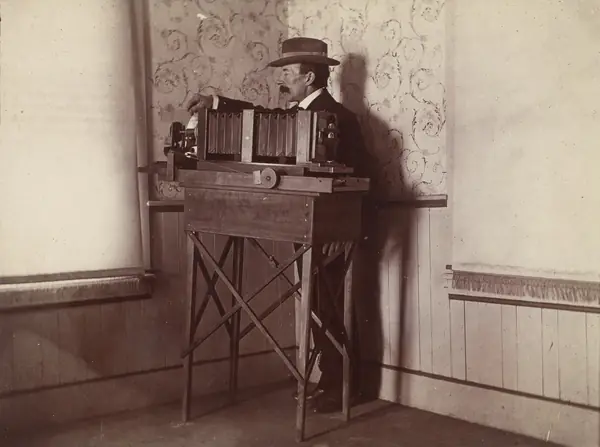
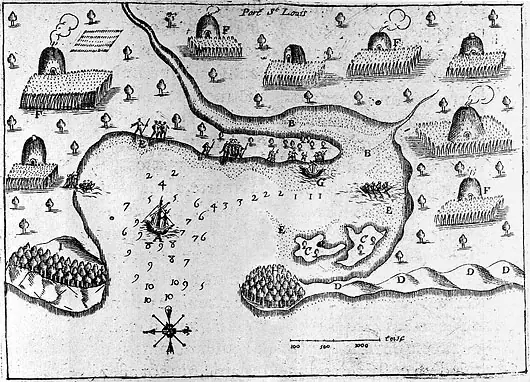
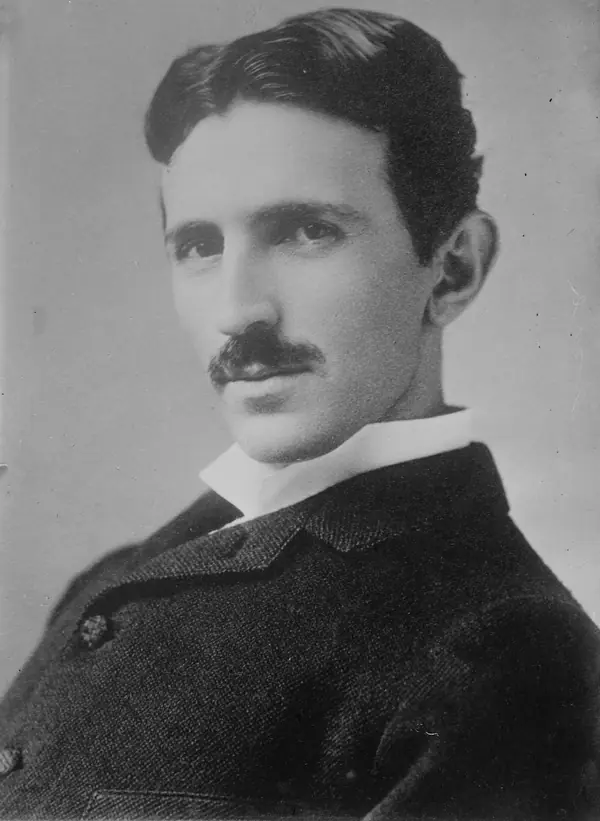
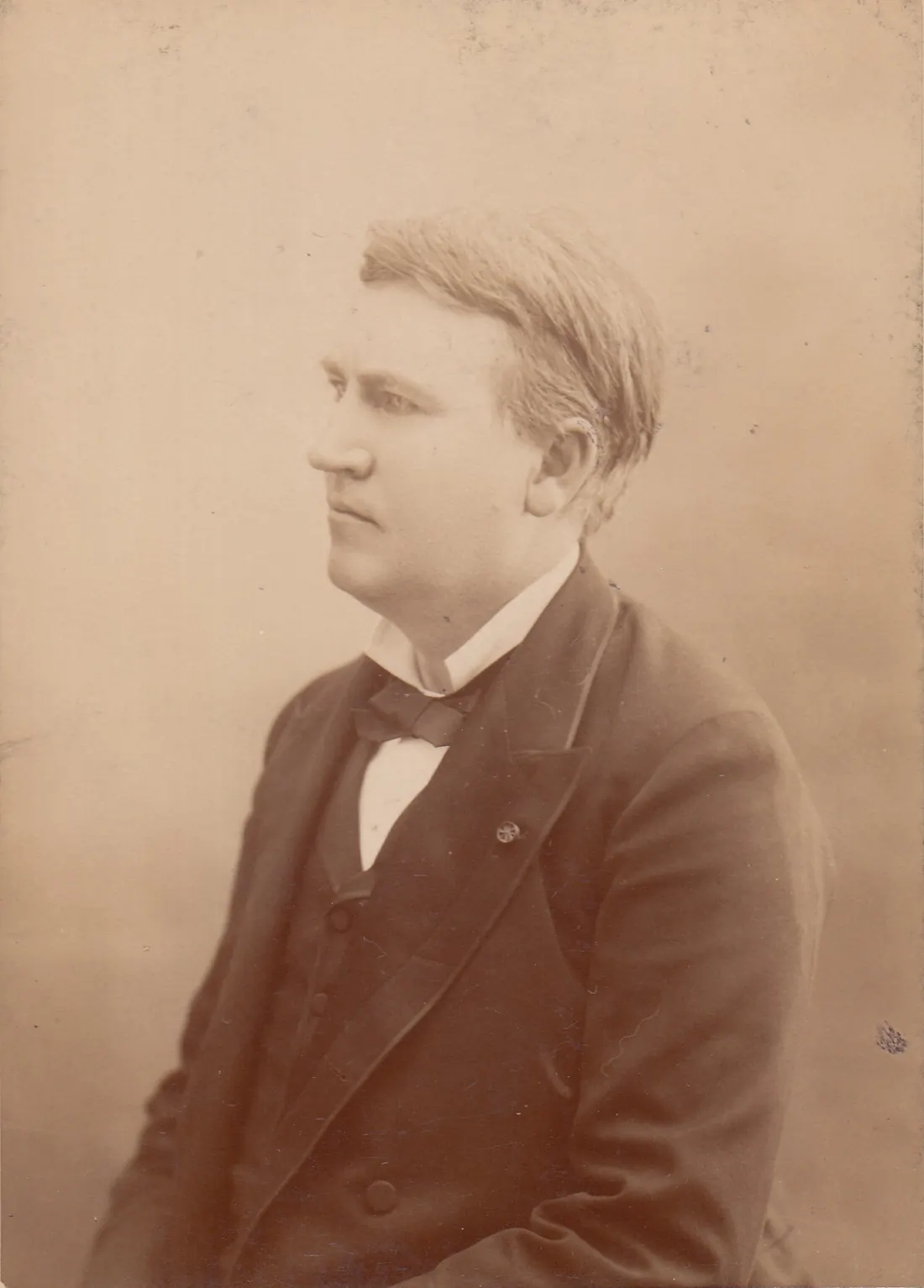
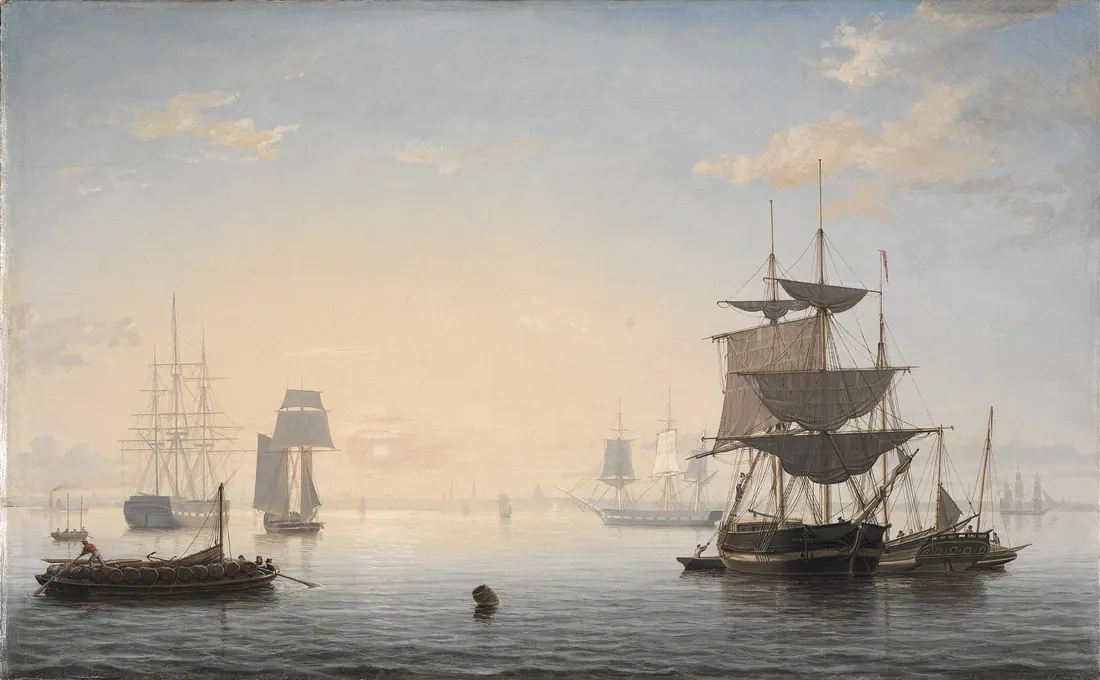
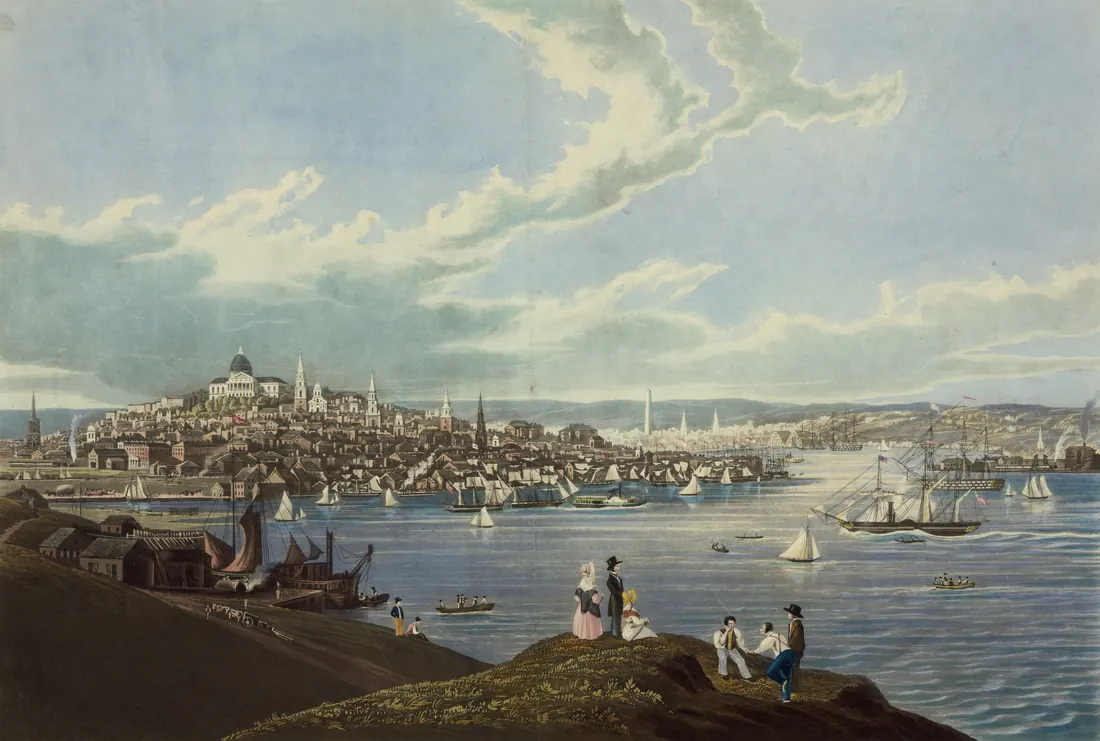
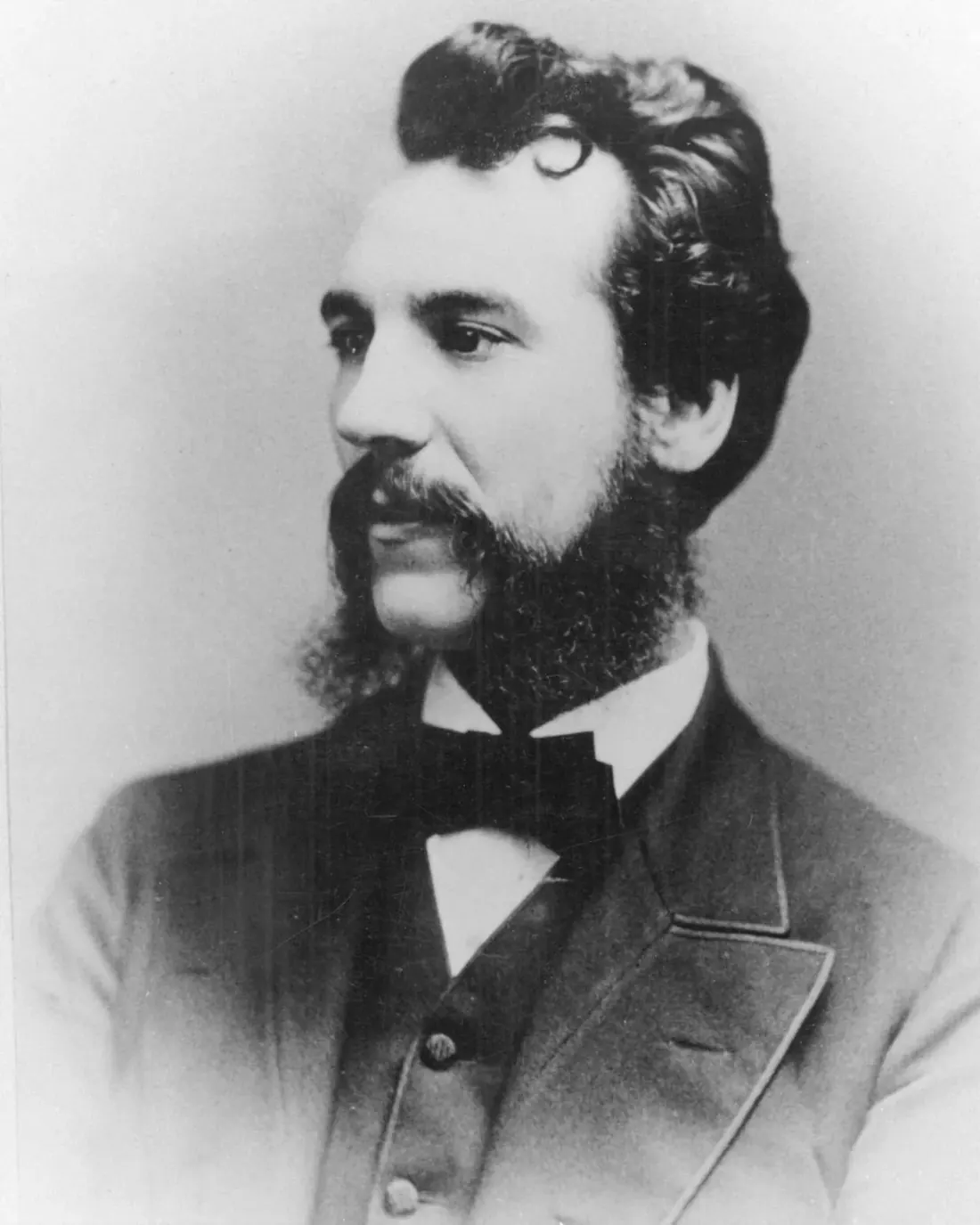
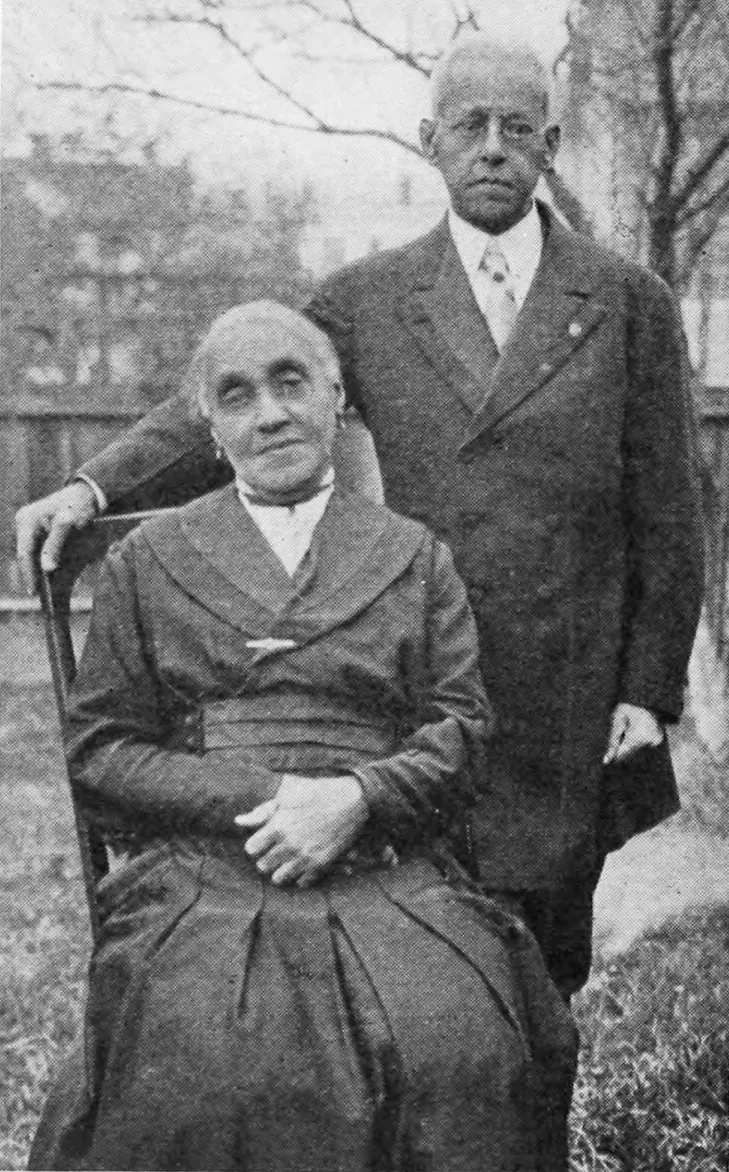
Pictures: Lewis Latimer himself is in a photograph of about 1882, and with his wife in The Crisis of June 1924. His father, George Latimer, is in a lithograph of about 1842 by Thayer & Co. of Boston (New York Public Library). Boston is shown in Fitz Henry Lane’s Harbor of Boston (1846–47) and Robert Havell’s view of the city from Dorchester Heights (1841), not the escape, the jail or the patent firm. The USS Massasoit, the ship he served on, is shown on the James River in 1864–65. His own patent is US 252,386 of 1882. The Bell drawing is sheet 2 of Bell’s US Patent 174,465 (March 7, 1876, National Archives), shown as an example, because the patent Latimer drew for is not recorded; Bell himself was photographed by E. A. Holton in Boston in 1876. Hiram Maxim is in a portrait by Maull and Fox printed in Cassier’s Magazine in 1895, and the lamp is a Maxim incandescent lamp from an 1882 catalogue. The bulb is a light bulb by Lewis Latimer, 1883, at the Museum of Science and Industry in Chicago, photographed in 2014. Thomas Edison was photographed in Paris in about 1889, and the 1918 photograph is the Edison Pioneers’ founding meeting of January 24, 1918, in which Latimer is not identified.
Photo credits
The archive photos in this story
All the photographs and illustrations in this story are in the public domain. Tap one to enlarge it, or follow the link to its Wikimedia Commons page for the full record. The narration, captions and graphics in the Short are our own; its music and sound effects are credited below.
Music and sound effects
Music: Schumann, Kinderszenen, Op. 15: No. 1 'Of Foreign Lands and Peoples (Musopen, public domain); Brahms, Symphony No. 2 in D major, Op. 73: IV. Allegro con spirito (Musopen Symphony Orchestra, CC0); Brahms, Symphony No. 1 in C minor, Op. 68: IV. Adagio - Piu andante - Allegro non troppo, ma con brio (Musopen Symphony Orchestra, CC0).
Sound effects: Freesound, CC0.