Nicholas Winton was a stockbroker in London: “he became a stockbroker at the London Stock Exchange,” the Winton family’s trust says. “Just before Christmas 1938, Nicky had a phone call from his good friend Martin Blake,” who “had phoned to cancel and tell Nicky that he was in Prague and Nicky should come out to see what he was up to.” “Winton arrived on New Year’s Eve,” The Guardian says. In Prague he “visited refugee camps that surrounded the capital. Having seen the appalling conditions families were forced to endure in the camps, he felt compelled to try and help,” the trust says. The Guardian describes people “who were fleeing Germany, Austria and the German-speaking Sudetenland, which the Nazis had annexed the previous October”: “Their living conditions in camps were pitiful and most were clamouring to get away.”
“After three weeks in Czechoslovakia, Nicky returned back to work but lost no time in getting his project off the ground,” the trust says. “He had to find a foster home and a £50 guarantee (£2500 today) for each child he brought over,” and “he wrote to newspapers and magazines to ask for foster parents to come forward and for guarantors to pay the £50 per child.” In Prague, Trevor Chadwick “offered to manage the Prague end of the operation.” “But even after a family chose a child, British authorities were slow in issuing travel documents. So Winton started having them forged,” CBS News’ 60 Minutes reported. “It worked. That’s the main thing,” Winton said.
“The first group of children left the day before the Germans invaded the whole of the country on 15th March 1939,” the trust says. “As foster families and guarantors came forward to offer help through the spring and summer, eight transports bringing 669 children left Prague for London.” “Most of them, sent across Europe alone or with their brothers and sisters, would never see their parents and relatives again,” The Guardian says. “The largest transport of 250 children, organised to leave on 1st September, was cancelled on that day by the Germans. They had invaded Poland and all borders were closed.” “They were all at the station. Even on the train, waiting to go, and war was declared. So the train never left,” Winton told 60 Minutes. “It is thought that nearly all the children due to leave on that train were eventually sent to Terezin concentration camp just north of Prague, and later to Auschwitz,” the trust says.
Then, CBS News says, “for almost 50 years, he hardly told anyone about what he had accomplished.” “I didn’t really keep it secret, I just didn’t talk about it,” he said. “Fifty years later the scrapbook became the catalyst that brought the story of the Czech and Slovak Kindertransport into public view,” the trust says. “In 1988, the BBC learned about Winton’s story and invited him to be part of a program. He had no idea, that the people sitting around him were people he had saved,” CBS News reported. The program was That’s Life!, presented by Esther Rantzen. “Can I ask, is there anyone in our audience tonight who owes their life to Nicholas Winton? If so, could you stand up please?” she asked, and “they all did so,” The Guardian says. “I suppose it was the most emotional moment of my life,” Winton said.
“Sir Nicholas was knighted by the Queen in March 2003,” BBC News reported, and “He died on 1st July 2015 aged 106,” the trust says. “Nicky’s legacy is primarily that more than 6000 people are now alive because of the Kindertransport rescue.”
Fact check
The facts and where they come from
- He saved 669 children from the Nazis, but for almost 50 years, he hardly told anyone. BBC News: “Sir Nicholas Winton, who organised the rescue of 669 children destined for Nazi concentration camps, has died aged 106” … “and then kept quiet about his exploits for a half-century.” CBS News: “What’s strange is that for almost 50 years, he hardly told anyone about what he had accomplished.” 68
- His name was Nicholas Winton. BBC News: “Sir Nicholas, then a stockbroker, arranged for trains to carry Jewish children out of occupied Prague.” Winton family trust: “he became a stockbroker at the London Stock Exchange.” 63
- In 1938, a friend called him to Prague. Winton family trust: “Just before Christmas 1938, Nicky had a phone call from his good friend Martin Blake” … “Martin had phoned to cancel and tell Nicky that he was in Prague and Nicky should come out to see what he was up to.” The Guardian: “Winton arrived on New Year’s Eve.” 17
- He found camps full of families fleeing Hitler. Winton family trust: he “visited refugee camps that surrounded the capital. Having seen the appalling conditions families were forced to endure in the camps, he felt compelled to try and help.” The Guardian: people “who were fleeing Germany, Austria and the German-speaking Sudetenland, which the Nazis had annexed the previous October” … “Their living conditions in camps were pitiful and most were clamouring to get away.” 17
- Back in London, he hunted for families to take their children. Winton family trust: “After three weeks in Czechoslovakia, Nicky returned back to work but lost no time in getting his project off the ground” … “He had to find a foster home and a £50 guarantee (£2500 today) for each child he brought over” … “he wrote to newspapers and magazines to ask for foster parents to come forward and for guarantors to pay the £50 per child.” 1
- When officials were too slow, he had the papers forged. CBS News: “But even after a family chose a child, British authorities were slow in issuing travel documents. So Winton started having them forged.” Winton: “It worked. That’s the main thing.” The Guardian: “he took to forging the Home Office entry permits.” 87
- That spring and summer, his trains carried 669 children to Britain. Winton family trust: “The first group of children left the day before the Germans invaded the whole of the country on 15th March 1939” and “As foster families and guarantors came forward to offer help through the spring and summer, eight transports bringing 669 children left Prague for London.” BBC News: “He organised a total of eight trains from Prague.” 16
- Most of them never saw their parents again. The Guardian: “Most of them, sent across Europe alone or with their brothers and sisters, would never see their parents and relatives again.” Winton family trust: “since most of their families and contempories who remained in Czechoslovakia perished.” 74
- The biggest train was due on the day the war began. Winton family trust: “The largest transport of 250 children, organised to leave on 1st September, was cancelled on that day by the Germans. They had invaded Poland and all borders were closed.” CBS News: “An eighth train — carrying 250 more — was scheduled to leave Prague on September 1st. But that’s the day the war began.” 18
- Its 250 children never left. Winton, to CBS News: “They were all at the station. Even on the train, waiting to go, and war was declared. So the train never left.” Winton family trust: “It is thought that nearly all the children due to leave on that train were eventually sent to Terezin concentration camp just north of Prague, and later to Auschwitz.” 81
- Almost 50 years later, his old scrapbook came to light. Winton family trust: “Fifty years later the scrapbook became the catalyst that brought the story of the Czech and Slovak Kindertransport into public view” and “In 1987 Nicky was introduced to Dr Elizabeth Maxwell while trying to find a suitable home for his Kindertransport papers enclosed in a scrapbook.” The Guardian: “He was moved to do so by the discovery by his wife, Grete, of a scrapbook in which he had inscribed the names, addresses and birthdates, together with photographs, of the children at the time of their rescue.” 17
- A BBC show invited him into its audience. CBS News: “In 1988, the BBC learned about Winton’s story and invited him to be part of a program. He had no idea, that the people sitting around him were people he had saved.” Winton family trust: “Nicky was invited to attend the live filming of That’s Life!” and “Video clip of BBC That’s Life! programmes presented by Esther Rantzen on 28th February 1988 and 3rd July 1988.” 82
- Then the host asked anyone who owed their life to him to stand. CBS News, quoting Esther Rantzen on the program: “Can I ask, is there anyone in our audience tonight who owes their life to Nicholas Winton? If so, could you stand up please?” 8
- All around him, people stood up. The Guardian: “Unbeknown to him he was surrounded in the audience by the adults whose lives he had saved” and, when Rantzen asked them to stand, “they all did so.” Winton family trust: “On a further programme, Nicky discovered that most of the audience was comprised of his rescued children, who had come forward after the initial publicity.” Winton, to CBS News: “I suppose it was the most emotional moment of my life.” 728
- More than 6,000 people are alive because of him. Winton family trust: “Nicky’s legacy is primarily that more than 6000 people are now alive because of the Kindertransport rescue.” 1
Sources
- Kindertransport (exhibition) Sir Nicholas Winton Memorial Trust
- Recognition – 1988 (exhibition) Sir Nicholas Winton Memorial Trust
- Early life (exhibition) Sir Nicholas Winton Memorial Trust
- Winton’s children Sir Nicholas Winton Memorial Trust
- Sir Nicholas Winton (home page) Sir Nicholas Winton Memorial Trust
- Holocaust ‘hero’ Sir Nicholas Winton dies aged 106 (July 1, 2015) BBC News
- Sir Nicholas Winton obituary (Stephen Bates, July 1, 2015) The Guardian
- Saving the children (60 Minutes, Bob Simon; aired April 27, 2014) CBS News
Notes
The scrapbook: The Guardian and Wikipedia say his wife, Grete, found it; the Winton family’s trust says that in 1987 Winton himself was “trying to find a suitable home for his Kindertransport papers enclosed in a scrapbook.” The Short says only that it “came to light,” almost 50 years later.
“He never told anyone” would be too strong: Wikipedia notes that he mentioned the rescue in his 1954 election leaflet for Maidenhead council, and he said, “I didn’t really keep it secret, I just didn’t talk about it.” The Short says “he hardly told anyone” (CBS News’ words); our headline says he “kept quiet” (BBC News’ words).
A team effort: Winton ran the London end; Trevor Chadwick, Doreen Warriner, Beatrice Wellington and others ran the Prague end, and Winton himself called Chadwick the real hero (The Guardian). Winton spent about three weeks in Prague and never saw the trains leave. The Short says “his trains,” as BBC News does (“He organised a total of eight trains from Prague”).
How many trains and children: the trust and BBC News say eight transports carried the 669 children; CBS News counts seven trains plus the cancelled eighth, so the Short gives no train count. The Guardian says “at least 664” children; the trust, BBC News and CBS News say 669, which the Short uses.
When he reached Prague: the trust says “at New Year,” The Guardian “New Year’s Eve,” and Wikipedia “shortly before Christmas.” The Short says only that a friend called him there in 1938.
The 250 children on the cancelled train: the trust says “It is thought that nearly all” of them were sent to Terezín and later to Auschwitz; Wikipedia says only two survived the war. The Short says only that the train “never left.”
That’s Life!: there were two programs, on February 28 and July 3, 1988 (the trust). In the first he sat in the front row beside some of the children; in the later one most of the audience were his rescued children, and they stood. The Short doesn’t date the moment and puts the host’s question in its own words.
No picture on this page shows a camp, a deportation, a Nazi flag or the occupation.
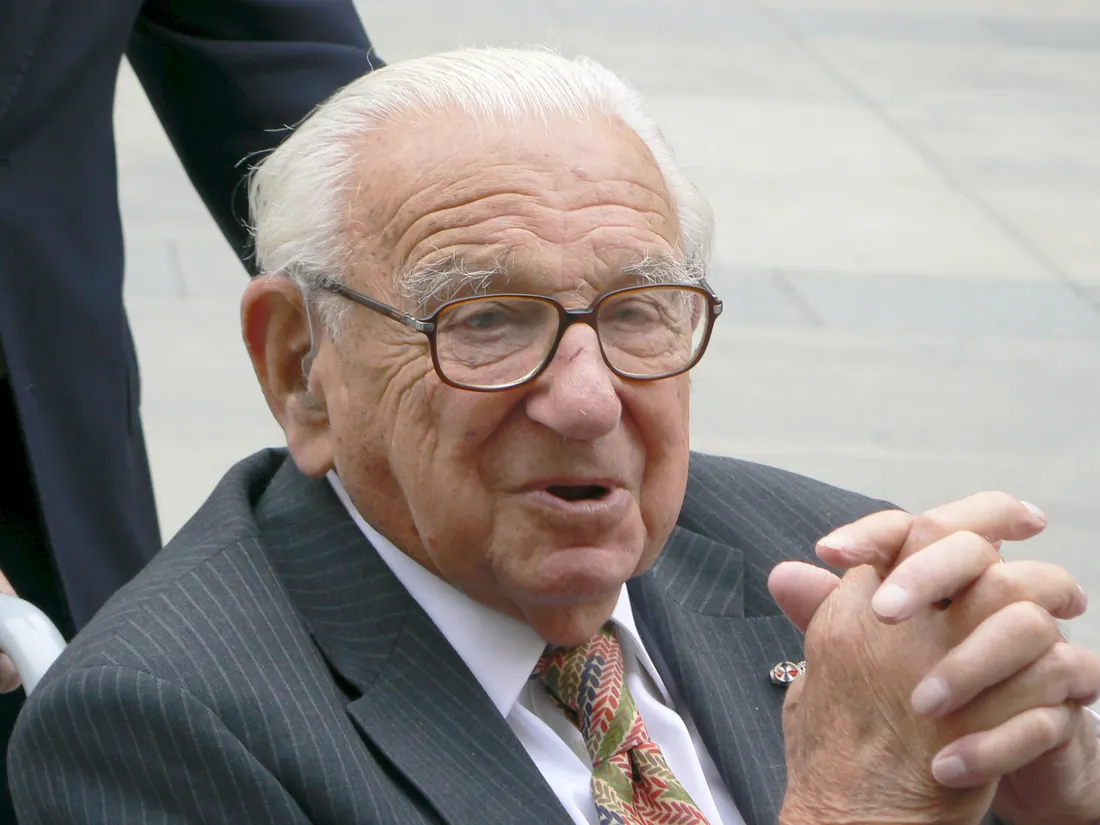
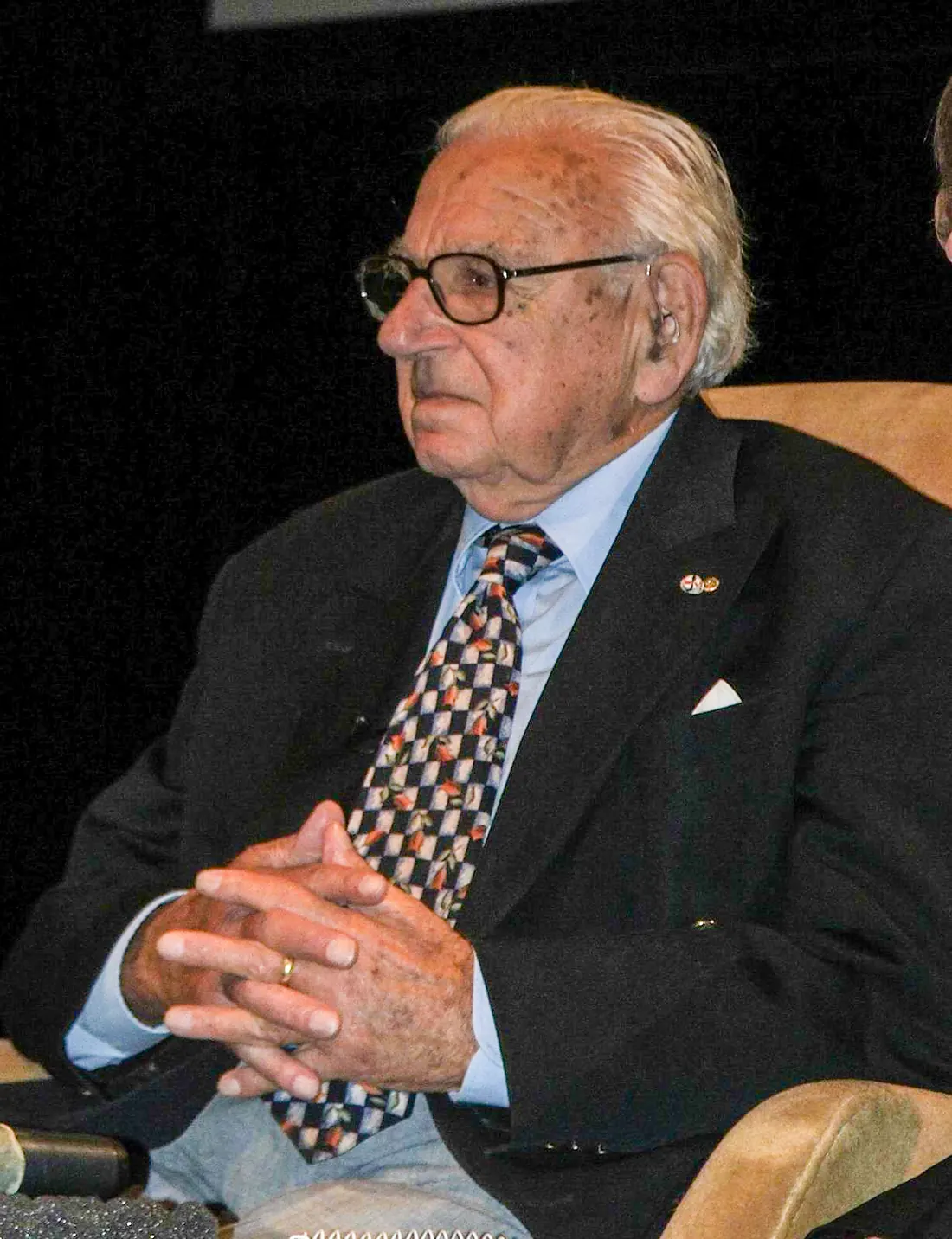
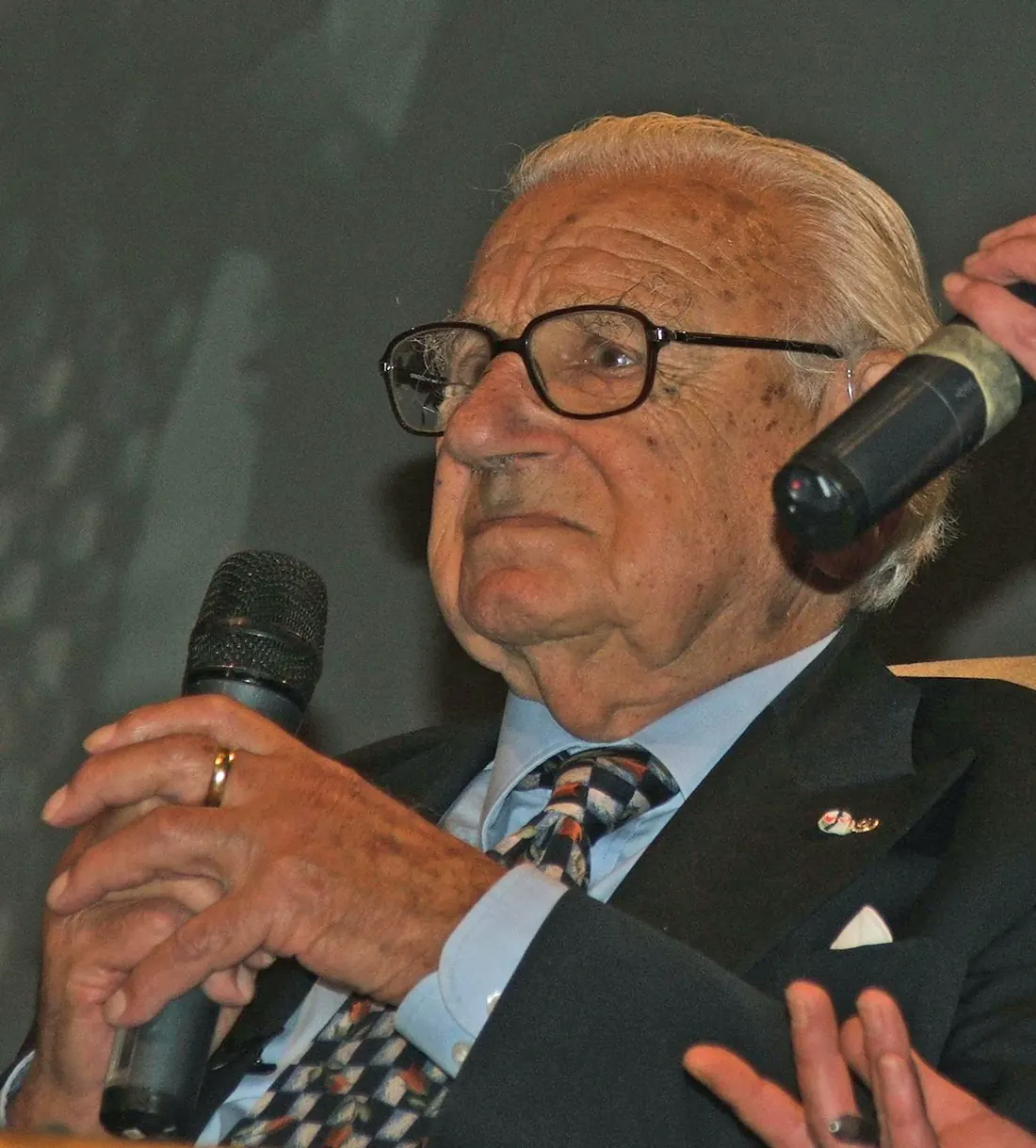
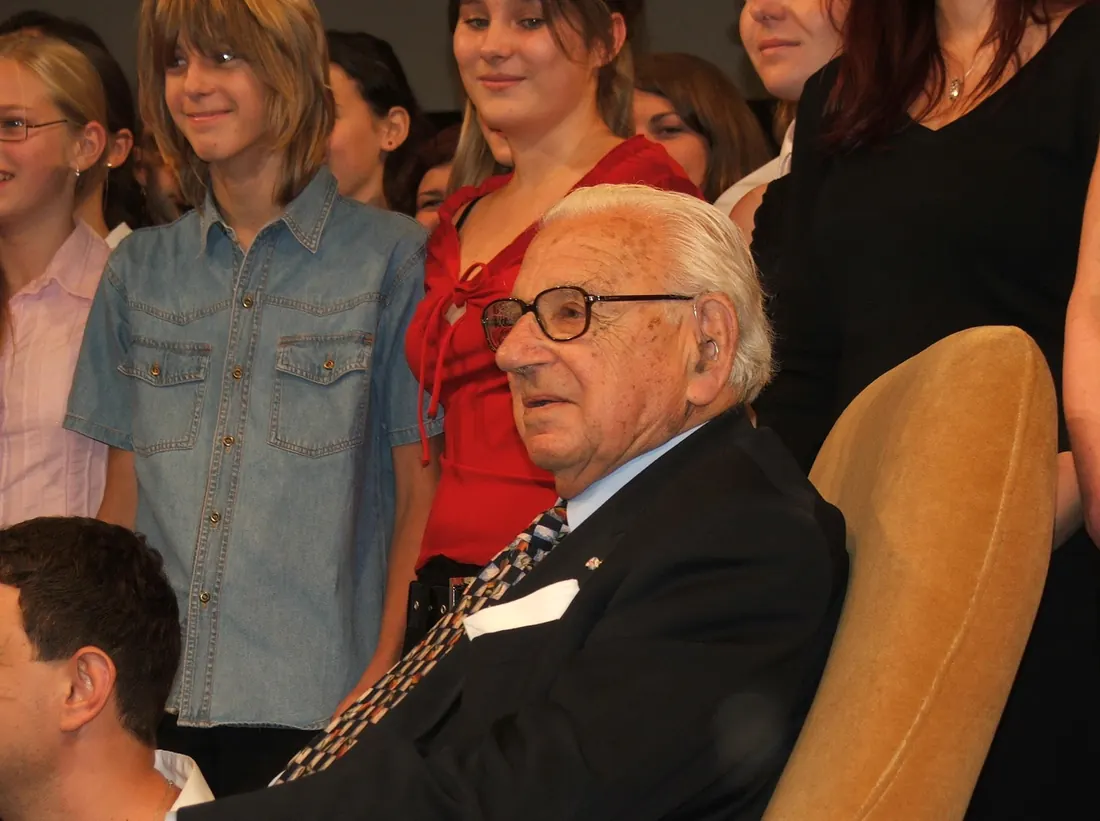
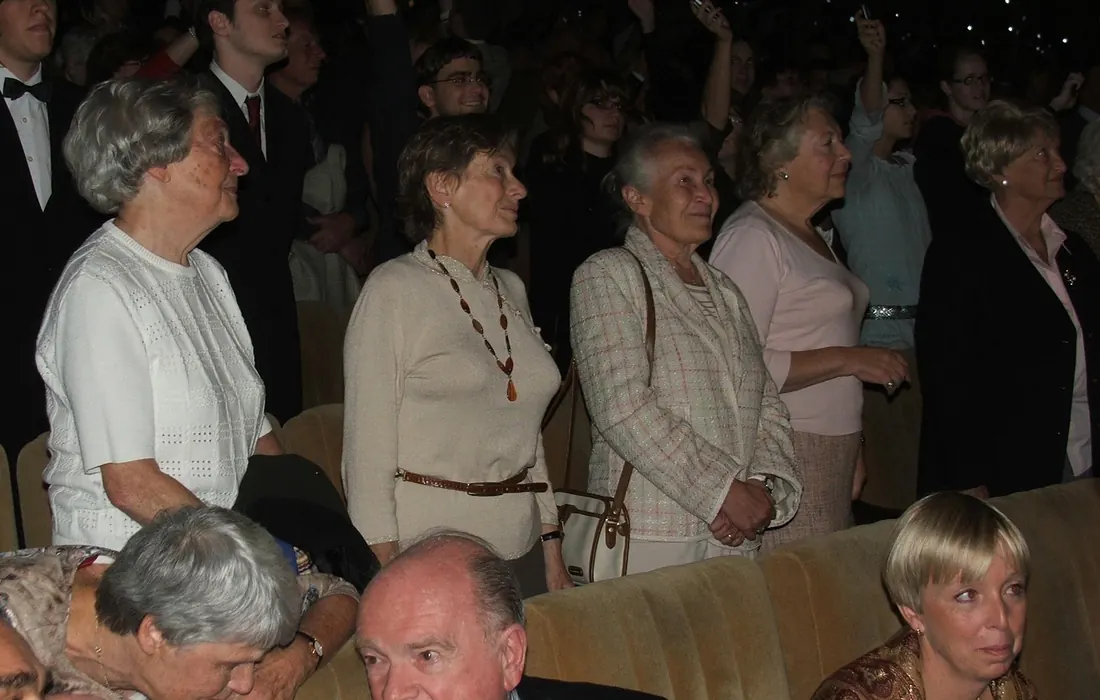
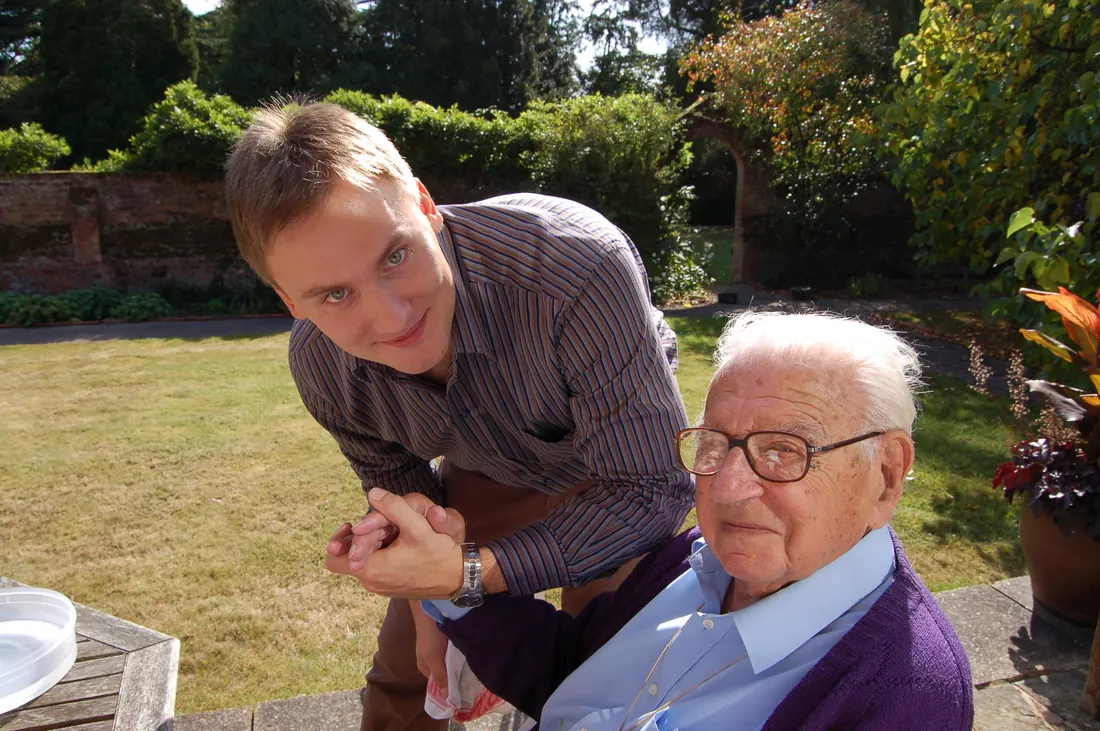
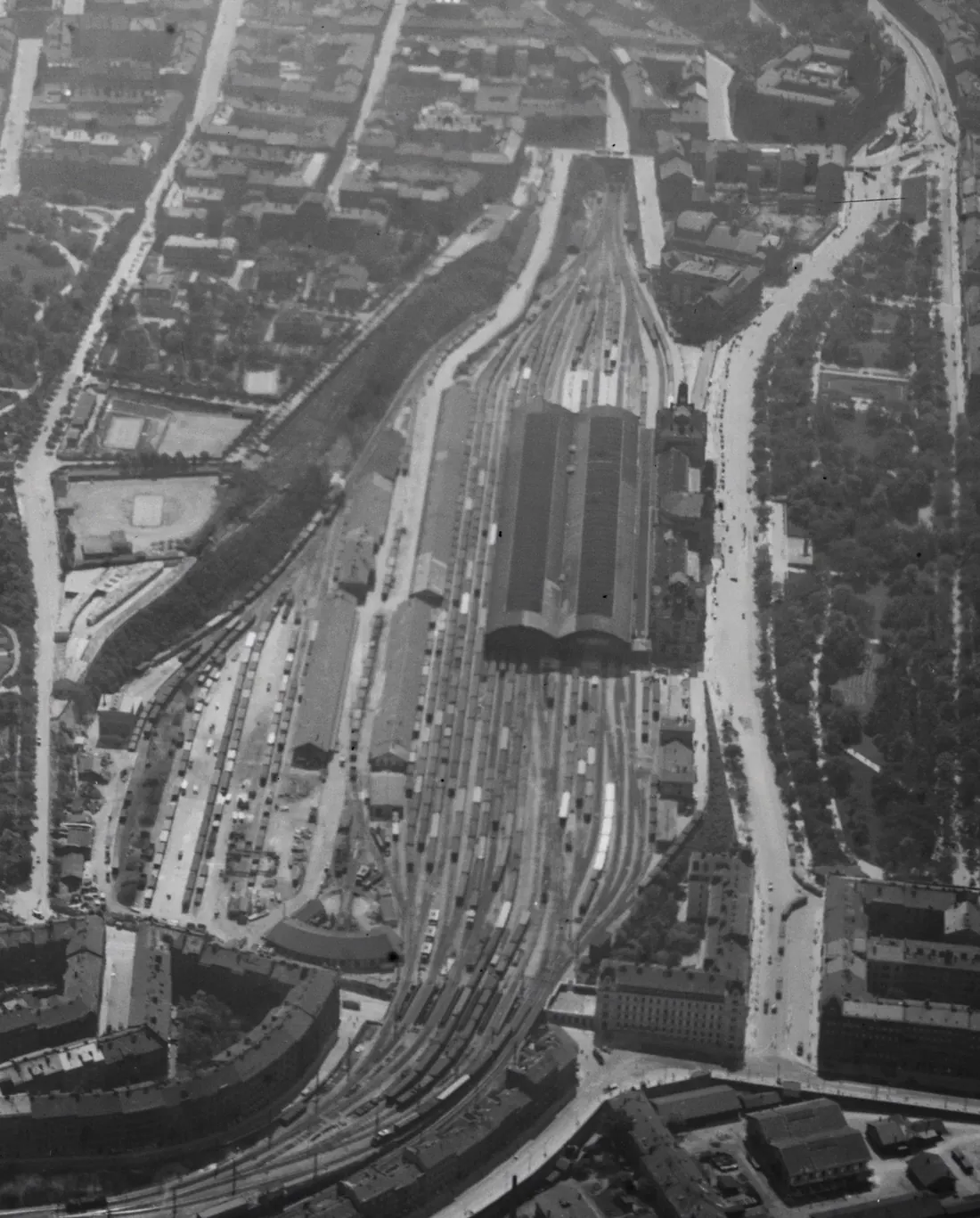
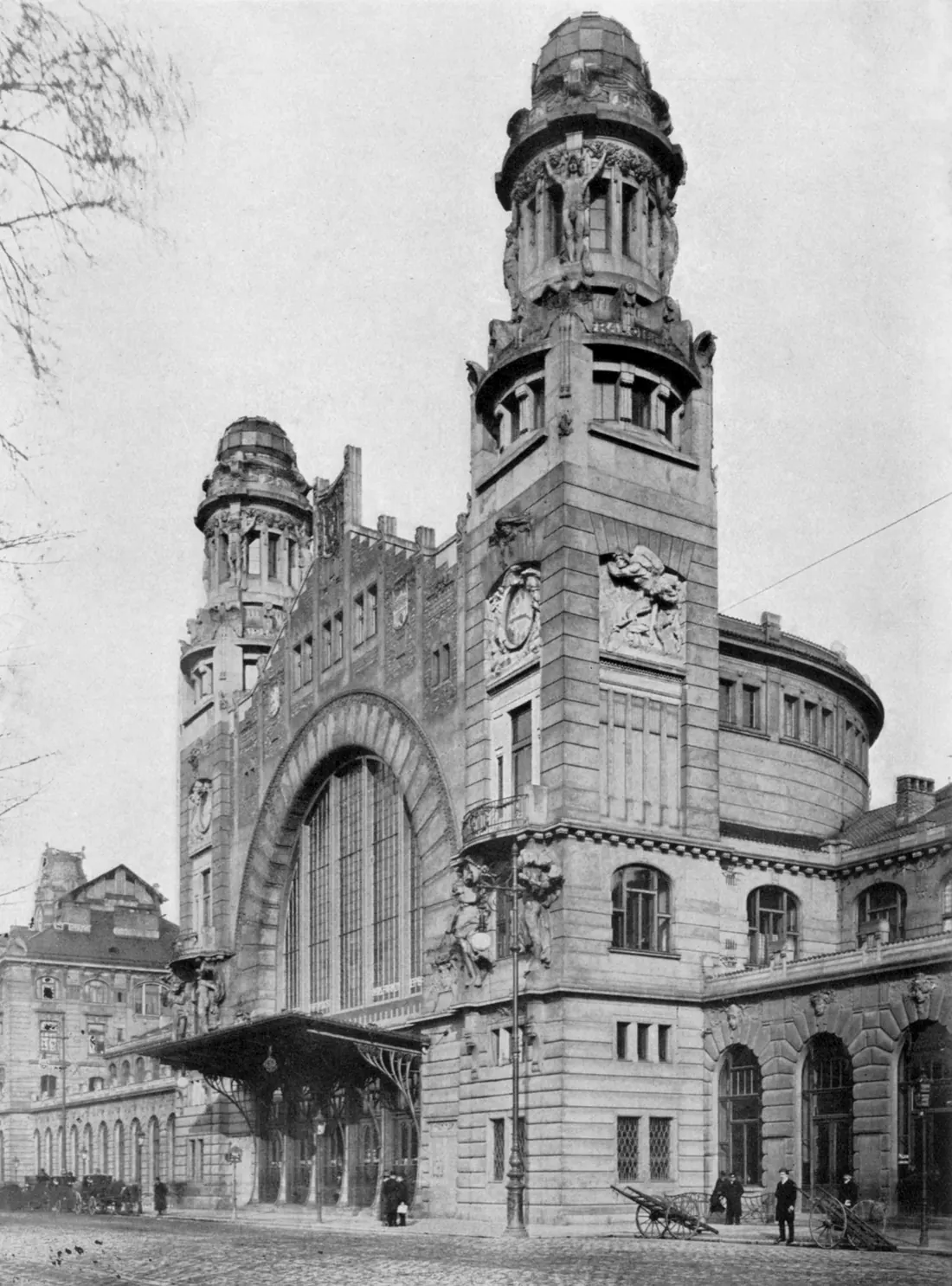
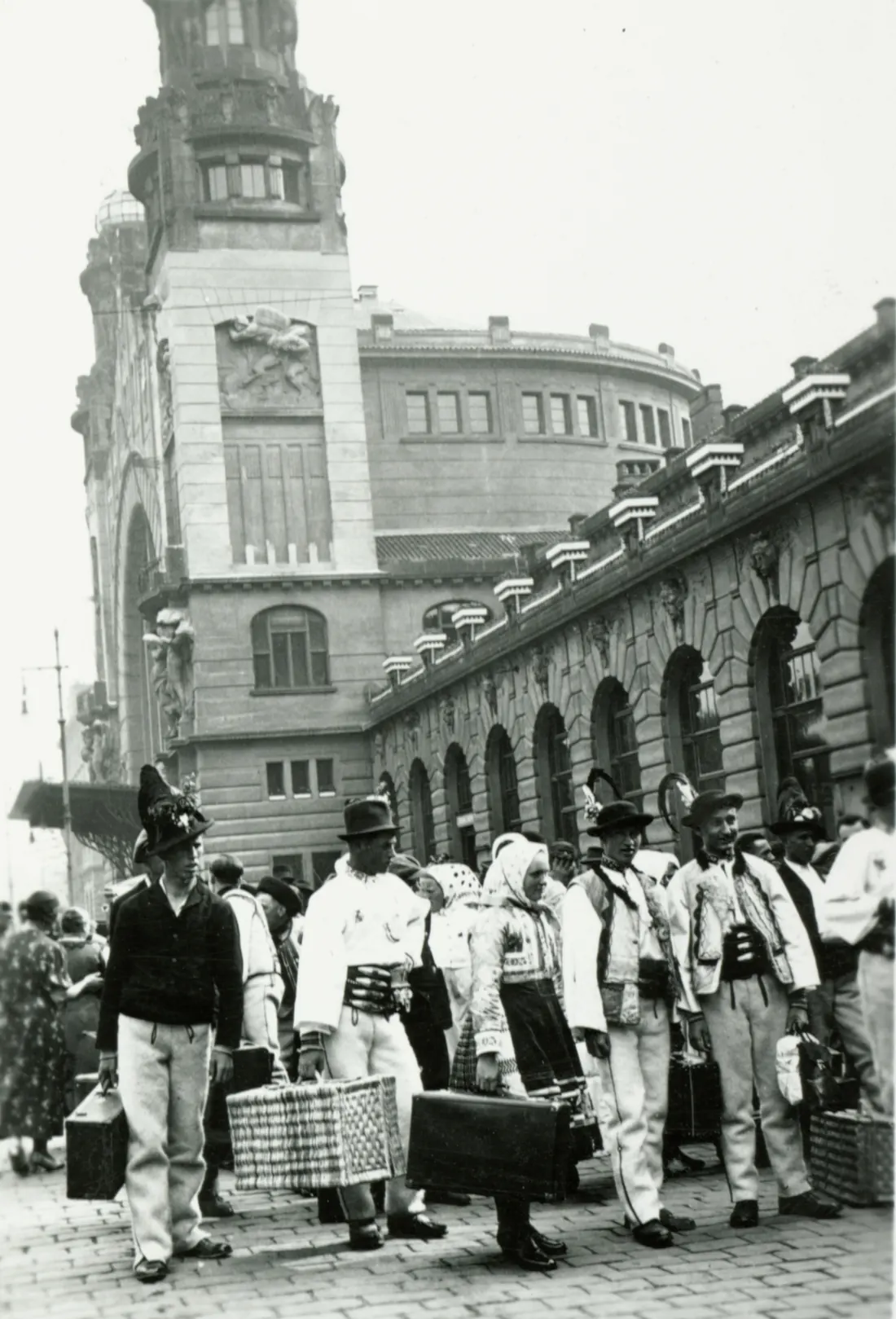
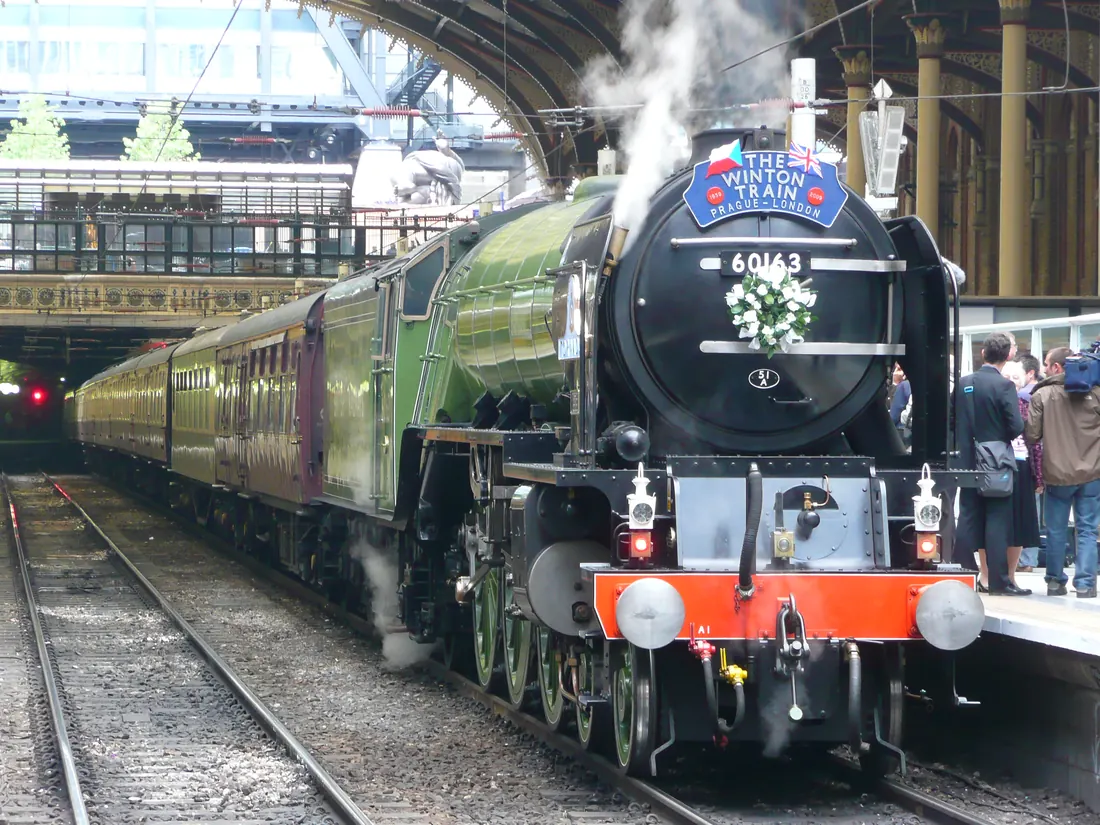
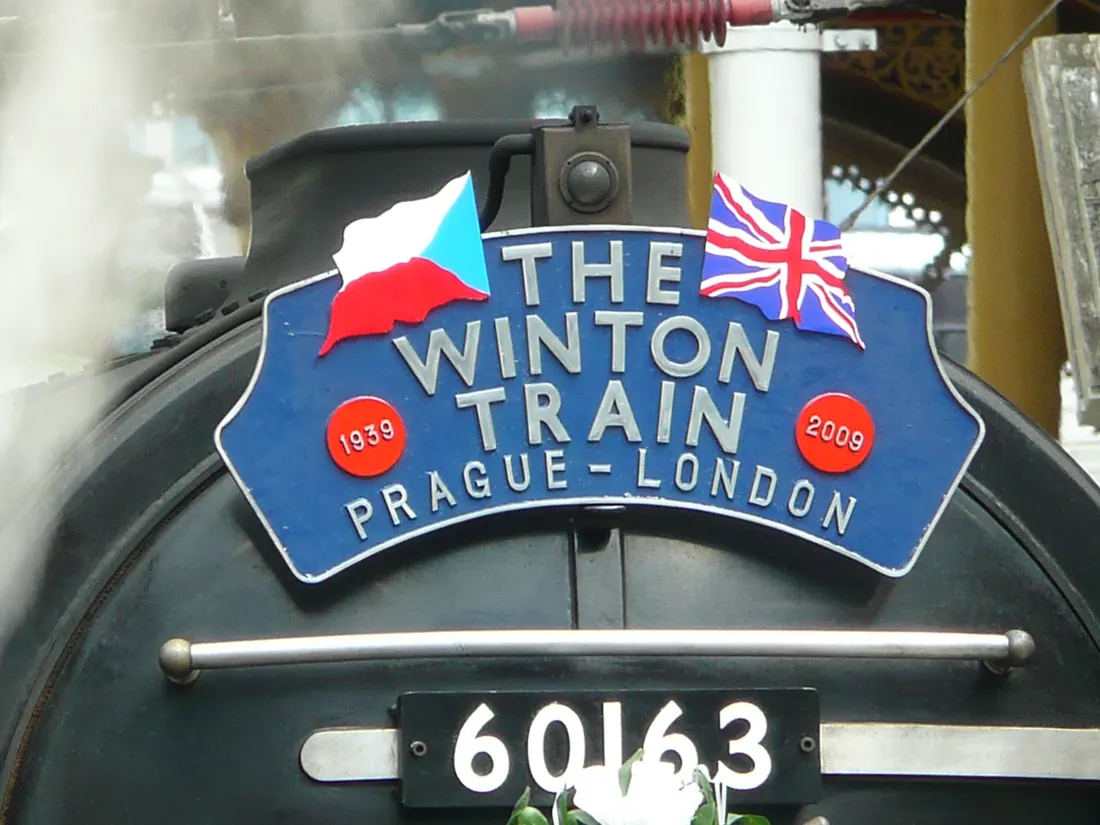
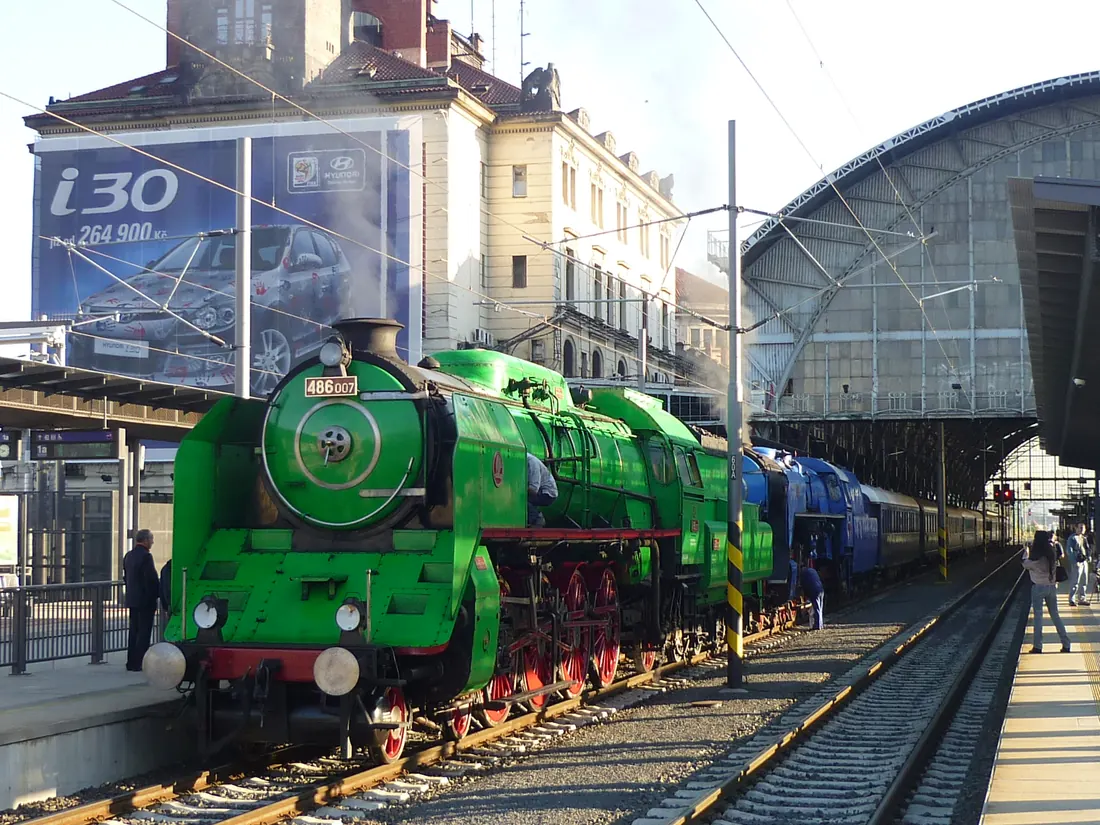
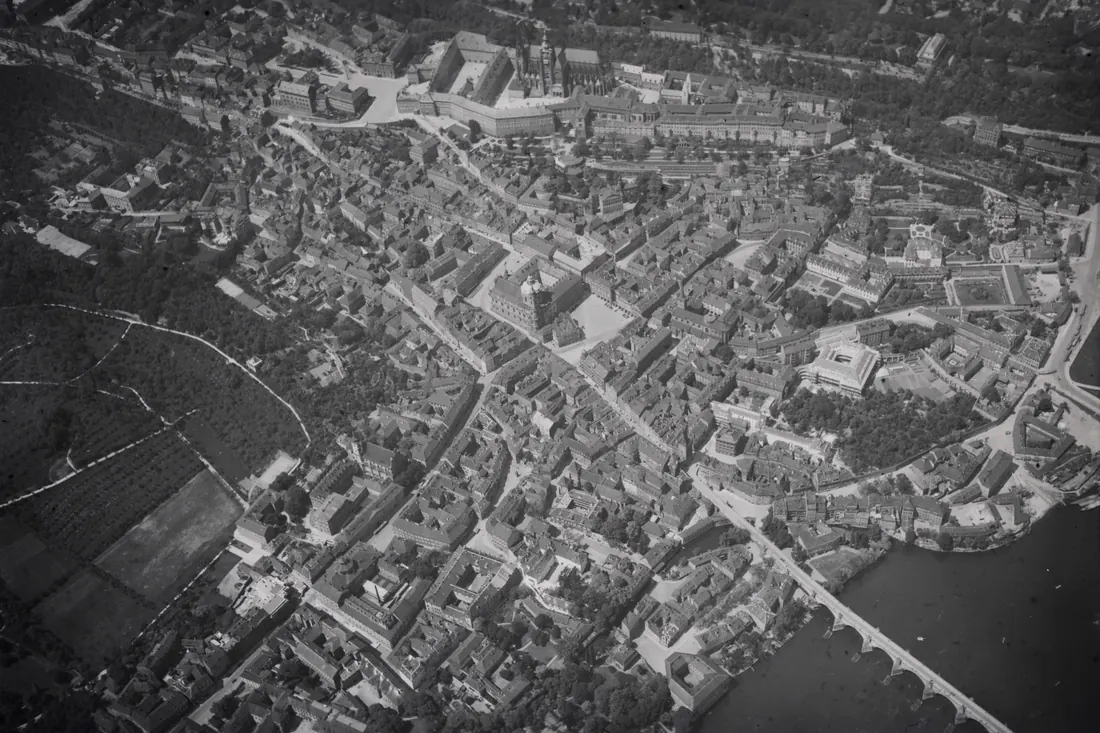
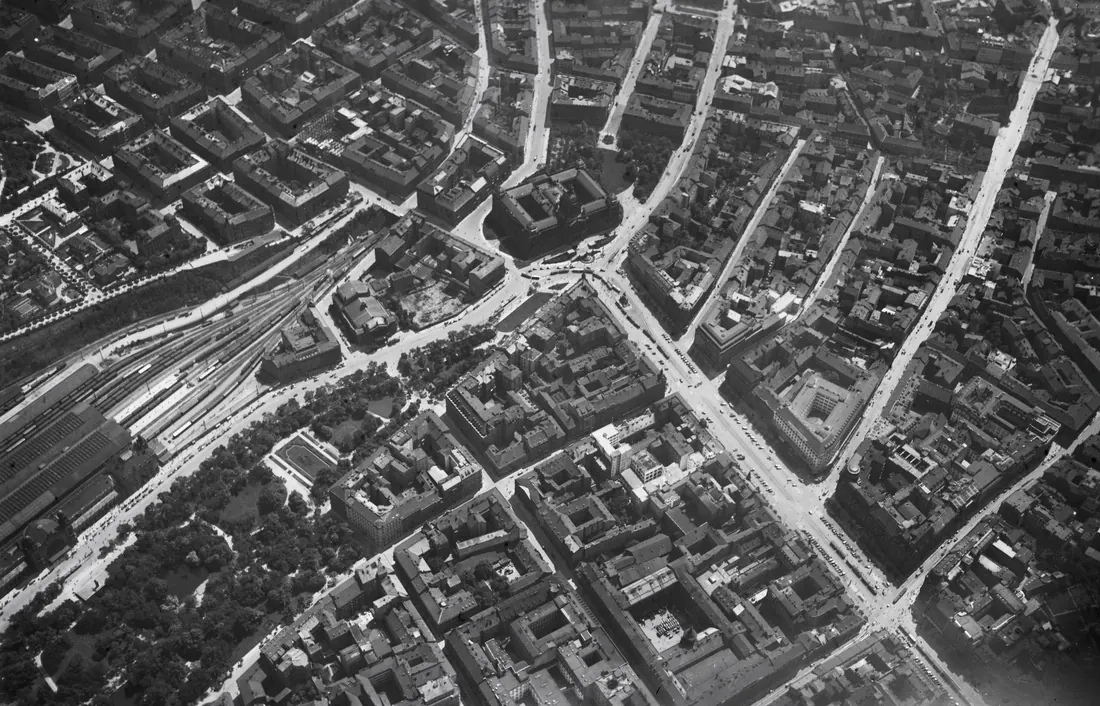
Pictures: no photo shows 1938–39, the real trains, the scrapbook or the 1988 BBC program. Nicholas Winton himself is in Li-sung’s photo at Prague Castle on October 10, 2007; in Hynek Moravec’s photos of his meeting with students at the Congress Centre in Prague in October 2007 (two portraits, and one seated with students behind him); and in Jan Huňát’s photo of October 2, 2009, with Huňát beside him. Moravec’s photo of some of the rescued “Winton children,” now elderly, is from the same 2007 meeting in Prague, not from the BBC program. Prague before the war is Walter Mittelholzer’s aerial photos of 1931 (the Castle district and the Charles Bridge; Wenceslas Square, the National Museum and the main station; the main station’s rail yard), the Wilson station, as the main station was then called, in a 1924 book, and a 1937 Fortepan photo of people with luggage outside it. The trains are the 2009 Winton Train, a commemorative steam train that retraced the route: at Prague main station before it left on September 1, 2009, and at London Liverpool Street on September 4, 2009, with its headboard.
Photo credits
The archive photos in this story
The photographs and illustrations in this story are in the public domain or shared under open licenses; each one is credited below with its license. Tap one to enlarge it, or follow the link to its Wikimedia Commons page for the full record. The narration, captions and graphics in the Short are our own; its music and sound effects are credited below.
Music and sound effects
Music: Brahms, Tragic Overture, Op. 81 (Musopen Symphony Orchestra, CC0); Grieg, Peer Gynt Suite No. 1, Op. 46: II. Ase's Death (Musopen Symphony Orchestra, CC0); Dvorak, Symphony No. 9 'From the New World': II. Largo (Musopen, public domain).
Sound effects: Freesound, CC0.