Douglas Mawson “was an Australian geologist, Antarctic explorer and academic,” Wikipedia says. “Blizzards prevented the parties from leaving Cape Denison until 10 November 1912,” its article on the Far Eastern Party says, and then “Mawson, Ninnis, Mertz and the seventeen dogs left Cape Denison”: “Belgrave Edward Ninnis, a lieutenant in the Royal Fusiliers, and Swiss ski expert Xavier Mertz.” “On 14 December 1912, with the party more than 311 miles (501 km) from the safety of the main base at Cape Denison,” “Ninnis, his sledge and dog team had fallen through a crevasse.” “Along with the heavy-weather tent, most of their own food and all of the dogs’ food, they had lost the pickaxe, the shovel.” As the Australian Antarctic Division tells it, “Six of the best dogs, most of the party’s rations, their tent and other essential supplies disappeared into a massive crevasse 480km east of the main base,” and “Ninnis was never seen again.”
“Mawson and Mertz turned back west, gradually shooting the remaining sledge dogs for food to supplement their scarce rations.” Mertz died, “eventually falling into a coma and dying on 8 January 1913,” Wikipedia says; Mawson’s diary reads, “He dies peacefully at about 2 am on morning of 8th.” Why is still argued: “a 1969 study suggested hypervitaminosis A, presumably caused by the men eating the livers of their Greenland huskies, which are now known to be unusually high in vitamin A. While this is considered the most likely theory, dissenting opinions suggest prolonged cold exposure or psychological stresses.” The Australian Antarctic Division points to “possible toxicity from eating dogs’ livers.”
“He continued the final 160 kilometres (99 mi) alone and slowly, back to Main Base,” Wikipedia says; Mawson himself was “estimating the distance back to Cape Denison at 100 miles (160 km).” “Mawson cut his remaining sledge in half to make it lighter and easier to single man-haul,” Wikipedia says; he did it “sawing it in halves with a pocket tool,” he wrote in The Home of the Blizzard. His feet gave way: “the thickened skin of the soles had separated in each case as a complete layer.” Then, in his diary for January 17: “found myself dangling fourteen feet below on end of rope in crevasse.” He wrote that “it would be but the work of a moment to slip from the harness, then all the pain and toil would be over.” Instead, “A great effort brought a knot in the rope within my grasp, and, after a moment’s rest, I was able to draw myself up and reach another.”
“Only on 8 February was he able to begin the descent. Nearing the hut, he was spotted by three men working outside,” the Far Eastern Party article says. But “the SY Aurora had sailed on 8 February, just hours before his return to Cape Denison, after waiting for more than three weeks.” Mawson wrote that “a speck on the north-west horizon caught my eye and my hopes went down. It looked like a distant ship; it might well have been the ‘Aurora.’” At the hut, “I learned that the Ship had left earlier in the day.” “Upon Mawson’s return, the Aurora was recalled by Wireless radio, but powerful katabatic winds sweeping down from the plateau prevented the ship’s boat from reaching the shore to collect the men.” “Mawson and six men who had remained behind to look for him wintered a second year until December 1913,” Wikipedia says.
“The two glaciers the Far Eastern Party crossed—previously unnamed—were named by Mawson for Mertz and Ninnis.” Sir Edmund Hillary described Mawson’s journey as “probably the greatest story of lone survival in Polar exploration.”
Fact check
The facts and where they come from
- He crossed 100 miles of Antarctica alone, but his ship sailed away without him. Far Eastern Party (Wikipedia): “estimating the distance back to Cape Denison at 100 miles (160 km).” Wikipedia: “He continued the final 160 kilometres (99 mi) alone and slowly, back to Main Base,” and “When he finally made it back to Cape Denison, the ship Aurora had left only a few hours before.” Australian Antarctic Division (2012): “only to see the ship Aurora, departing on the horizon.” 125
- His name was Douglas Mawson. Wikipedia: he “was an Australian geologist, Antarctic explorer and academic.” 2
- In 1912, he set out with two men and their dogs. Far Eastern Party: “Blizzards prevented the parties from leaving Cape Denison until 10 November 1912,” and “Mawson, Ninnis, Mertz and the seventeen dogs left Cape Denison.” 1
- Then Belgrave Ninnis vanished down a crevasse, with their tent and most of their food. Far Eastern Party: “Ninnis, his sledge and dog team had fallen through a crevasse,” and “Along with the heavy-weather tent, most of their own food and all of the dogs’ food, they had lost the pickaxe, the shovel.” Australian Antarctic Division (2012): “Six of the best dogs, most of the party’s rations, their tent and other essential supplies disappeared into a massive crevasse 480km east of the main base,” and “Ninnis was never seen again.” 15
- Mawson and Xavier Mertz turned back, eating their dogs to survive. Far Eastern Party: “Mawson and Mertz turned back west, gradually shooting the remaining sledge dogs for food to supplement their scarce rations,” and “they would have to resort to eating their remaining dogs.” 1
- In January, Mertz died, probably poisoned by the dogs’ livers. Mawson’s diary, quoted in Far Eastern Party: “He dies peacefully at about 2 am on morning of 8th.” Wikipedia: “eventually falling into a coma and dying on 8 January 1913.” Far Eastern Party: “a 1969 study suggested hypervitaminosis A, presumably caused by the men eating the livers of their Greenland huskies, which are now known to be unusually high in vitamin A. While this is considered the most likely theory, dissenting opinions suggest prolonged cold exposure or psychological stresses.” Australian Antarctic Division: “possible toxicity from eating dogs’ livers.” 124
- Mawson was alone, 100 miles from base. Far Eastern Party: “estimating the distance back to Cape Denison at 100 miles (160 km).” 1
- He sawed his sledge in half. The Home of the Blizzard: “sawing it in halves with a pocket tool.” Wikipedia: “Mawson cut his remaining sledge in half to make it lighter and easier to single man-haul.” 32
- The soles of his feet peeled away. The Home of the Blizzard: “the thickened skin of the soles had separated in each case as a complete layer.” Far Eastern Party: “he found that the soles of his feet had separated as a complete layer.” 31
- Then he fell into a crevasse, dangling 14 feet down. The Home of the Blizzard, his diary for January 17: “found myself dangling fourteen feet below on end of rope in crevasse.” 3
- He thought about slipping out of the harness. The Home of the Blizzard: “it would be but the work of a moment to slip from the harness, then all the pain and toil would be over.” 3
- Instead, he climbed out, knot by knot. The Home of the Blizzard: “A great effort brought a knot in the rope within my grasp, and, after a moment’s rest, I was able to draw myself up and reach another.” 3
- On February 8, 1913, he finally reached the hut. Far Eastern Party: “only on 8 February was he able to begin the descent. Nearing the hut, he was spotted by three men working outside.” 1
- But his ship had left just hours before. Far Eastern Party: “the SY Aurora had sailed on 8 February, just hours before his return to Cape Denison, after waiting for more than three weeks.” The Home of the Blizzard: “I learned that the Ship had left earlier in the day.” Australian Antarctic Division: “reaching the base only to miss the ship retrieving the men by hours.” 134
- He was stuck for another winter. Wikipedia: “Mawson and six men who had remained behind to look for him wintered a second year until December 1913.” Australian Antarctic Division (2012): “He was forced to remain at Cape Denison for another year.” Far Eastern Party: “Upon Mawson’s return, the Aurora was recalled by Wireless radio, but powerful katabatic winds sweeping down from the plateau prevented the ship’s boat from reaching the shore to collect the men.” 251
- Later, he named two glaciers after the friends he lost. Far Eastern Party: “The two glaciers the Far Eastern Party crossed—previously unnamed—were named by Mawson for Mertz and Ninnis.” 1
Sources
- Far Eastern Party Wikipedia
- Douglas Mawson Wikipedia
- The Home of the Blizzard (Douglas Mawson, 1915) Project Gutenberg
- Douglas Mawson Australian Antarctic Division
- Remembering an heroic explorer (December 14, 2012) Australian Antarctic Division
Notes
What killed Mertz: too much vitamin A from the huskies’ livers is the most likely theory (a 1969 study), but it is disputed; Wikipedia’s Far Eastern Party article also cites cold exposure, a change from a vegetarian diet and stress. At the time, Mawson blamed fever and appendicitis, and Archibald McLean blamed colitis. So the Short says “probably.”
The distances: “a hundred miles” is Mawson’s own estimate when he went on alone (Far Eastern Party); Wikipedia gives “160 kilometres (99 mi).” At the accident the party was “more than 311 miles” from the hut (Far Eastern Party), “three hundred and fifteen and three-quarter miles” (The Home of the Blizzard) or 480 km (Australian Antarctic Division). The food left after the accident is “a bare one and a half weeks’ food” (The Home of the Blizzard), “ten days’ worth of food” (Far Eastern Party) or “one week’s provisions” (Wikipedia); the Short leaves it out.
“Hours”: “just hours” (Far Eastern Party), “only a few hours” (Wikipedia), “by hours” (Australian Antarctic Division); Mawson’s own book says only “earlier in the day.” The Australian Antarctic Division says he arrived “only to see the ship Aurora, departing on the horizon”; Mawson wrote only that a speck “might well have been the ‘Aurora.’” The Short says his ship sailed away without him, which is true either way.
The climb: he fell back once and got out on a second try (The Home of the Blizzard). The second winter: six men stayed with him, five volunteers and the new wireless operator, Jeffryes (The Home of the Blizzard), so the Short says only that he was stuck for another winter, not that he was alone. A cannibalism rumor in U.S. newspapers, which Mawson denied, is left out.
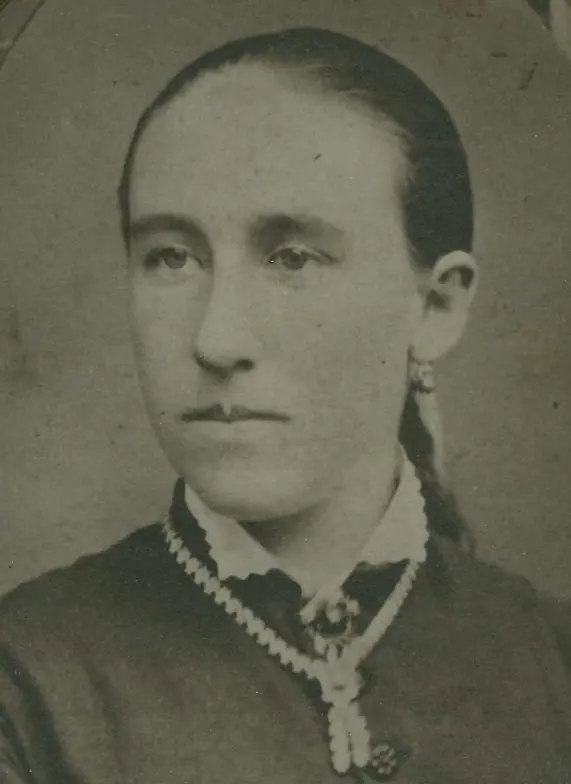
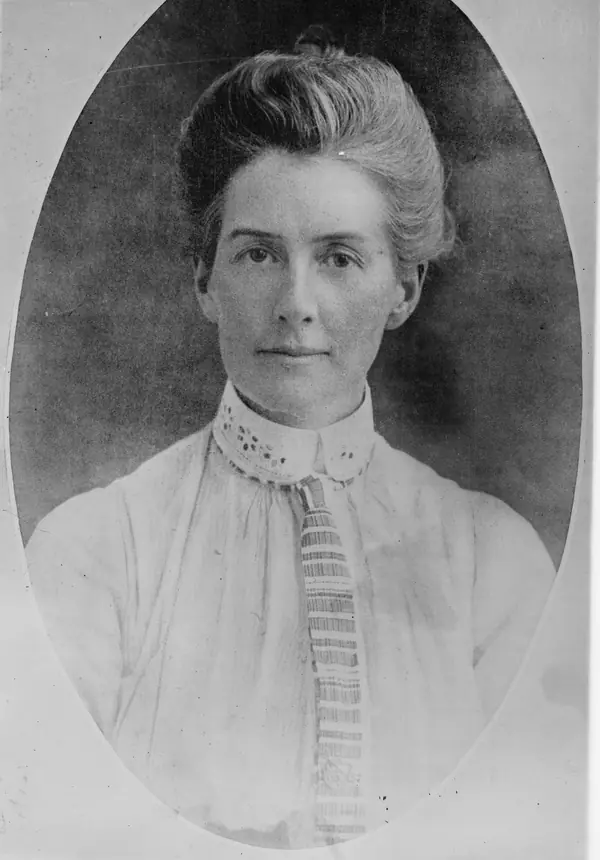
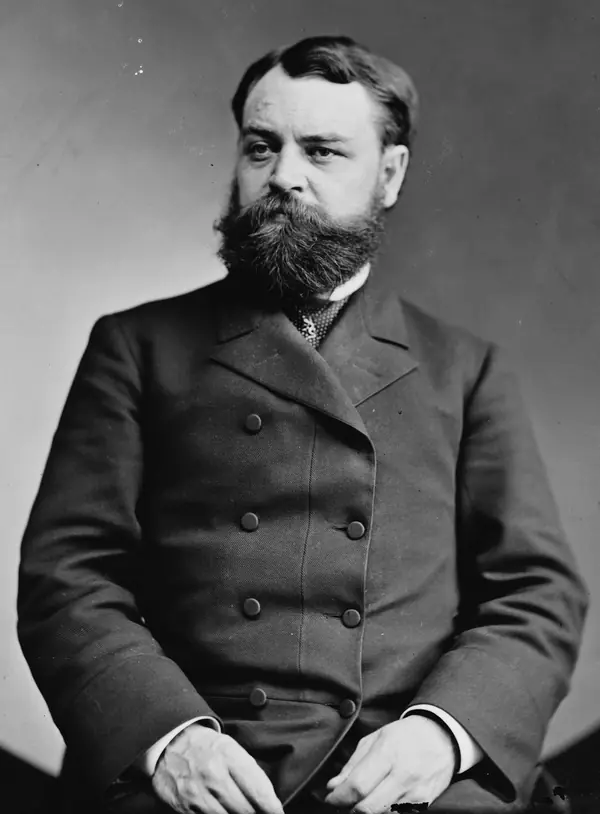
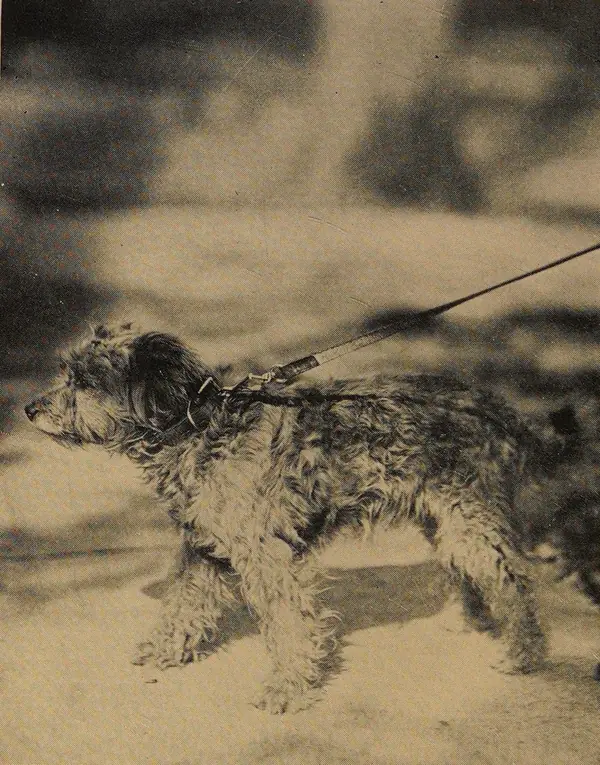
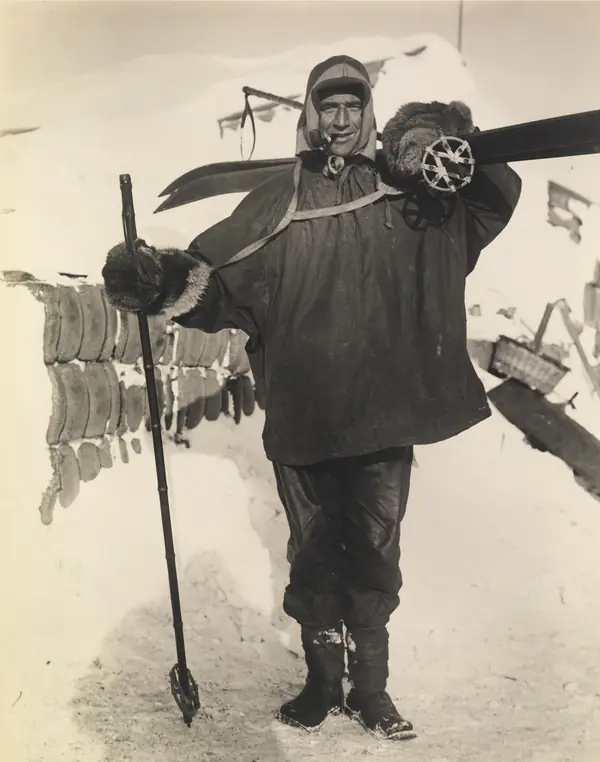
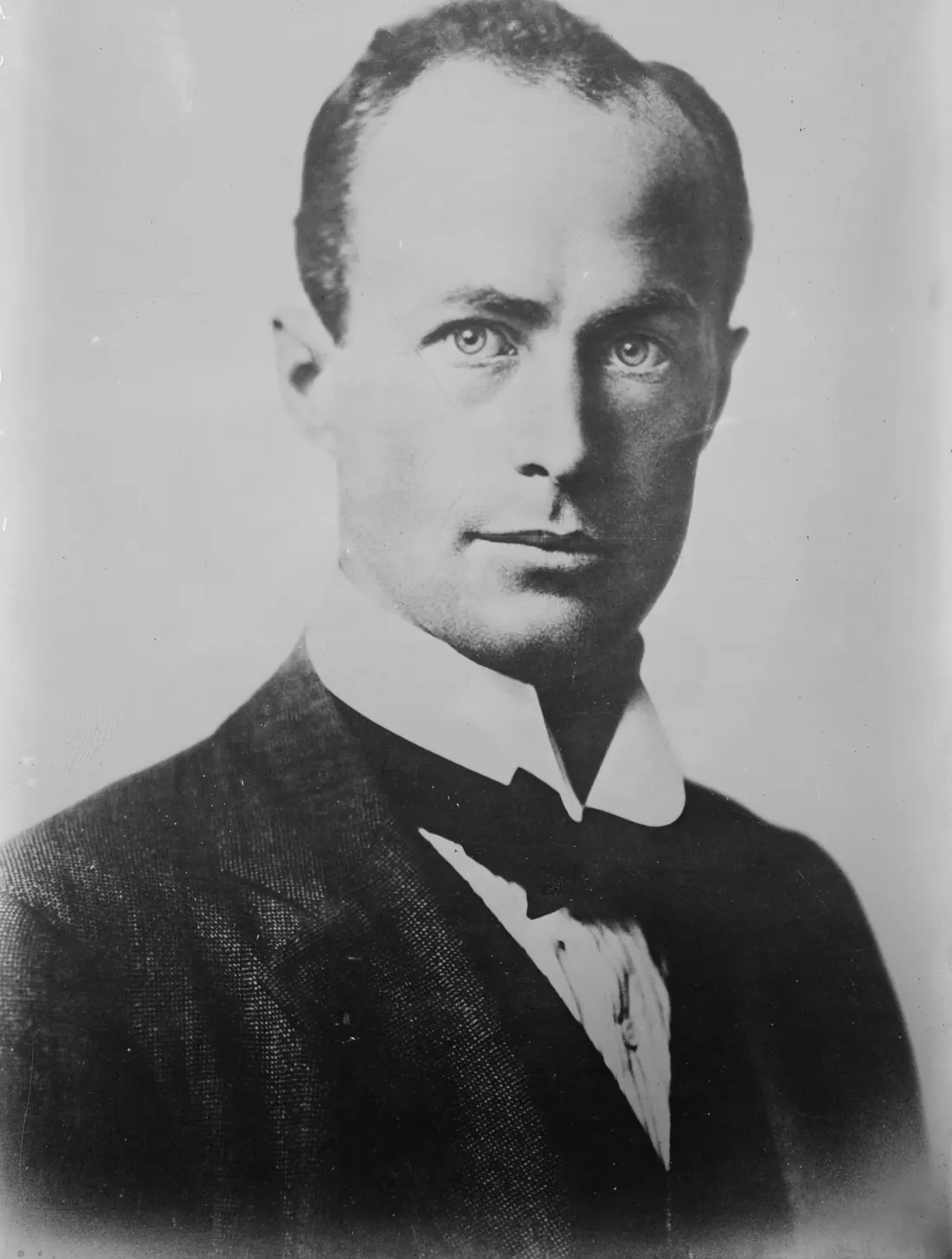
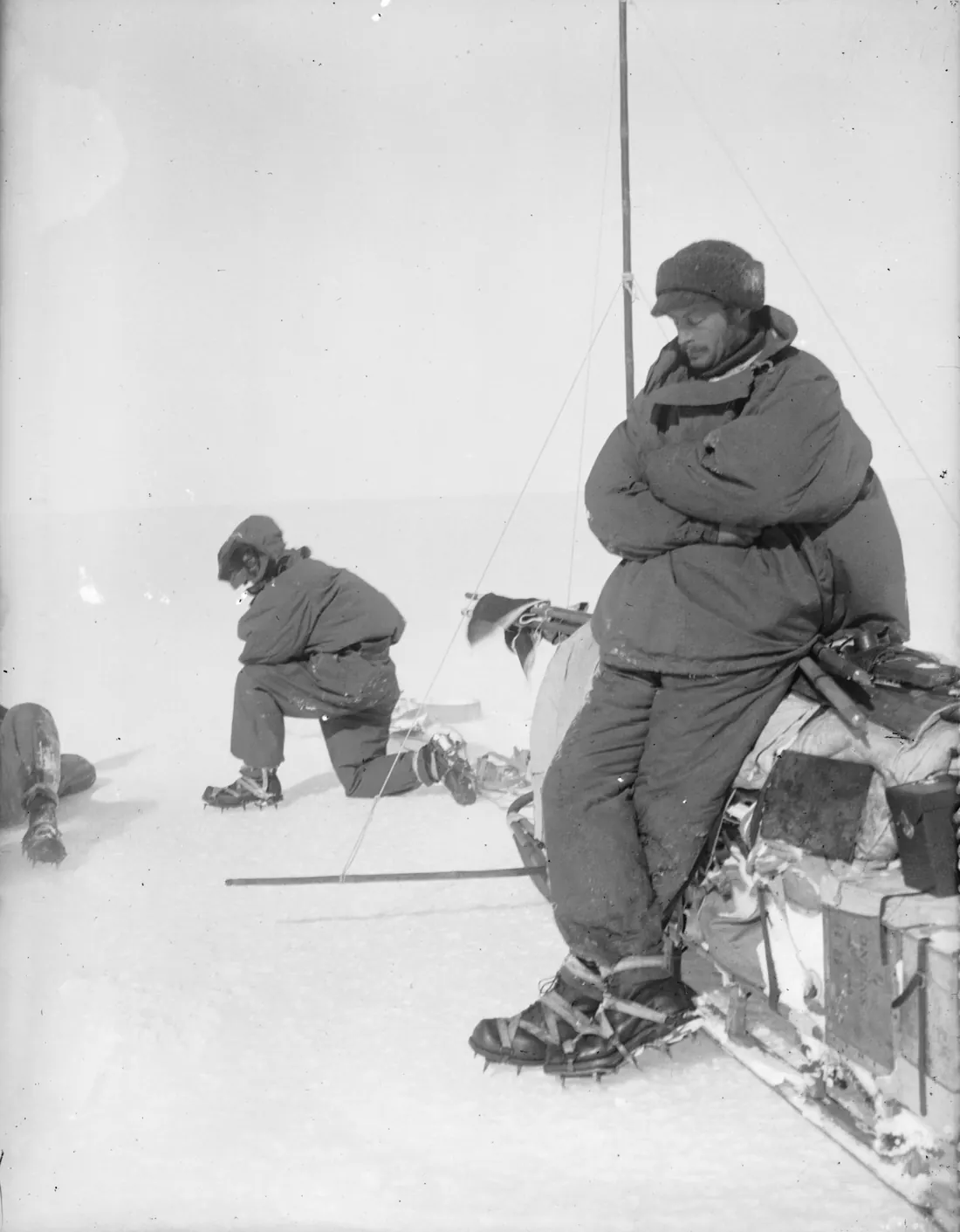
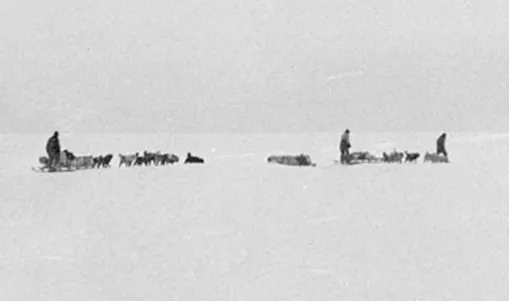
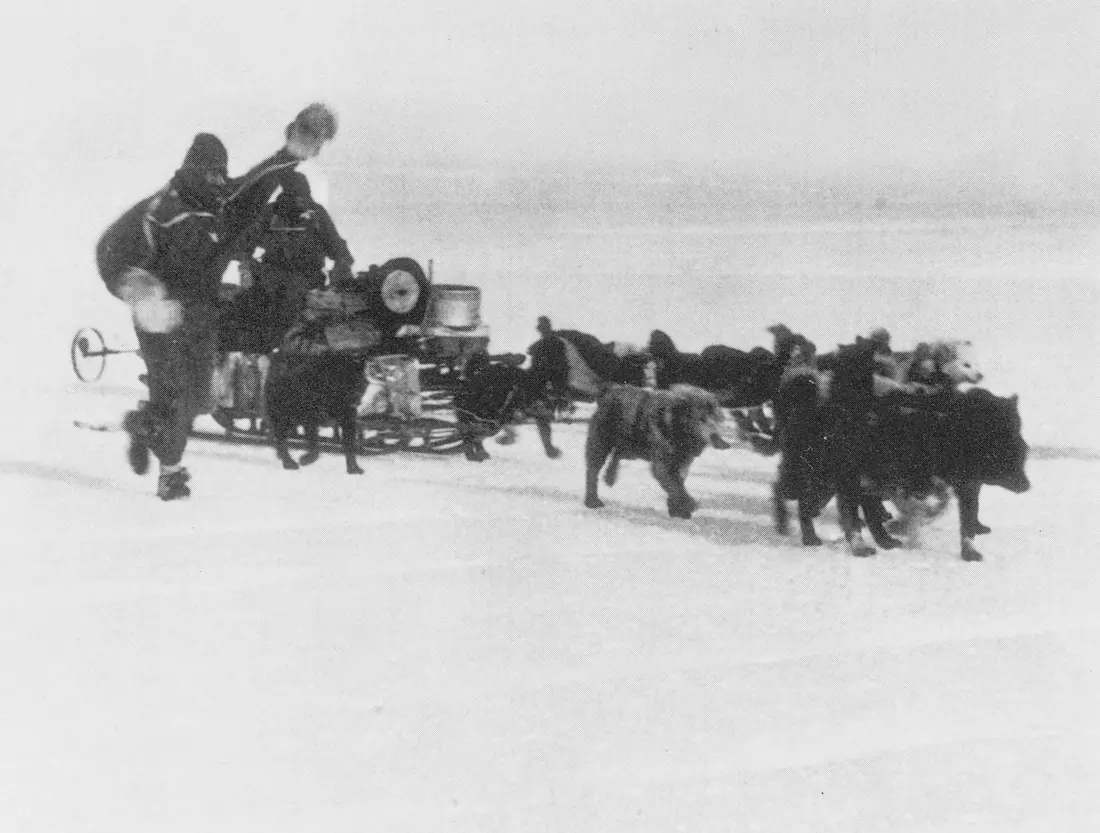
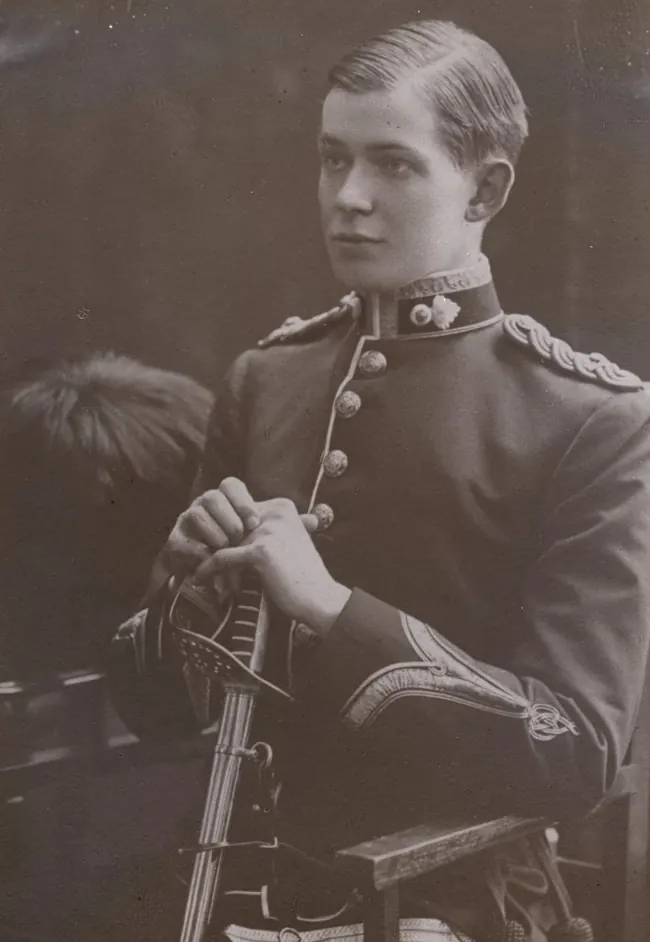
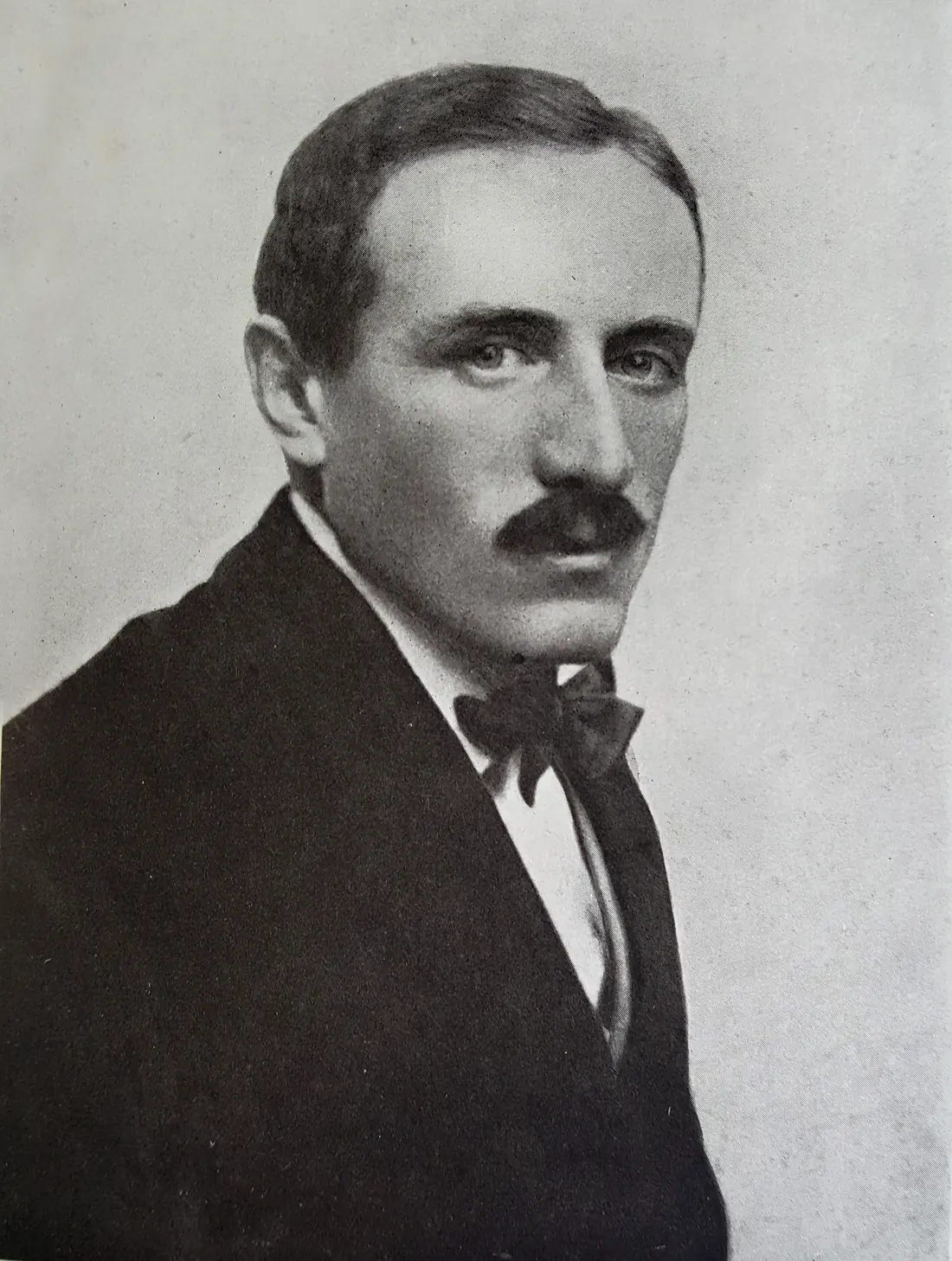
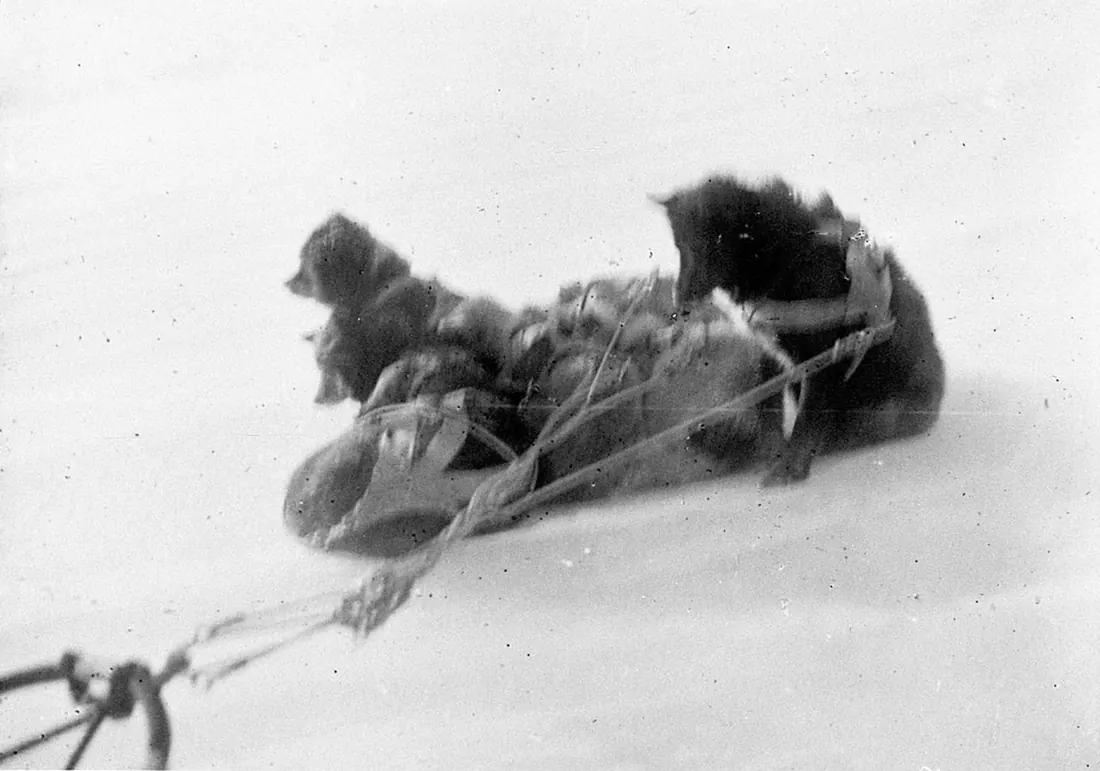
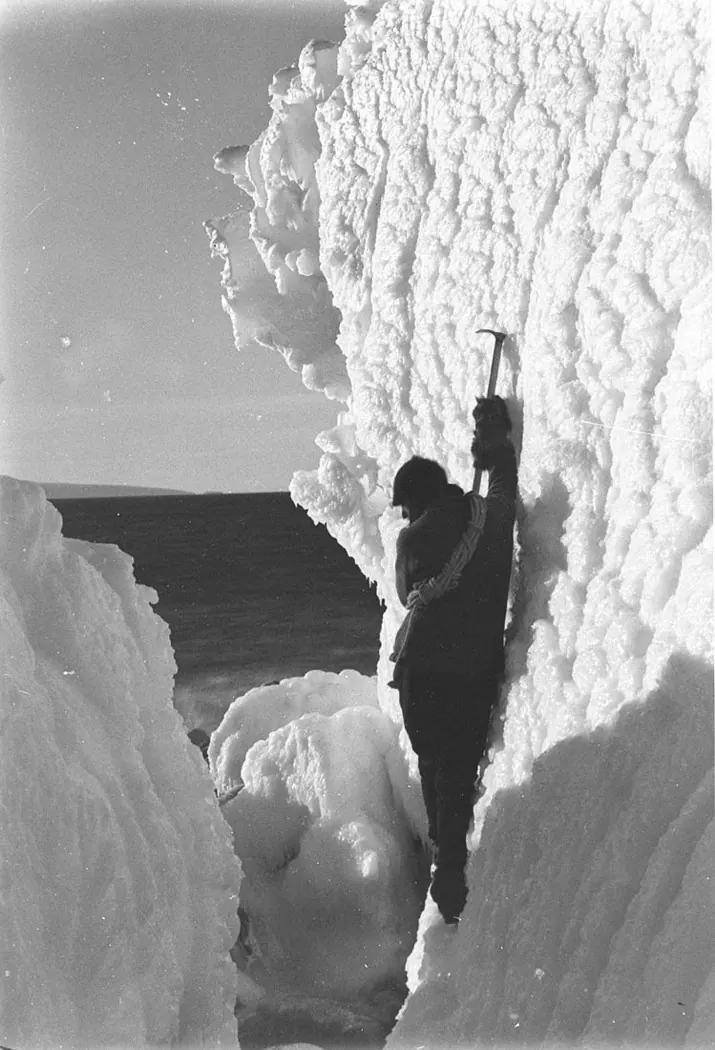
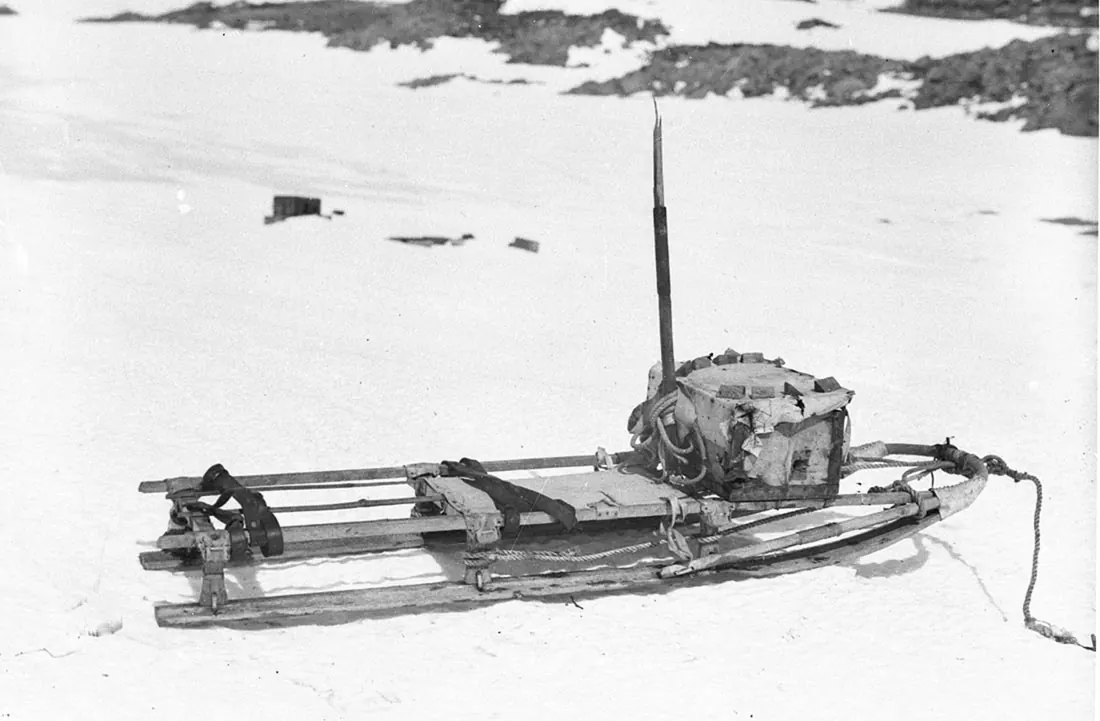
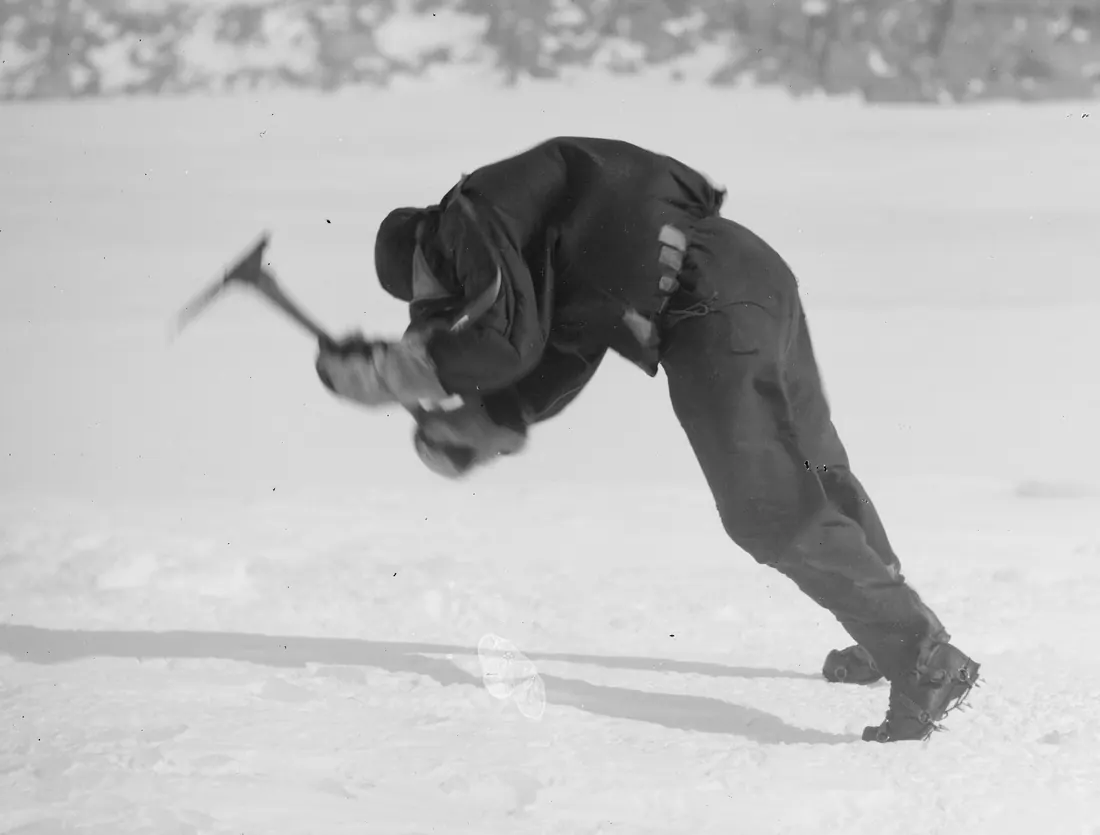
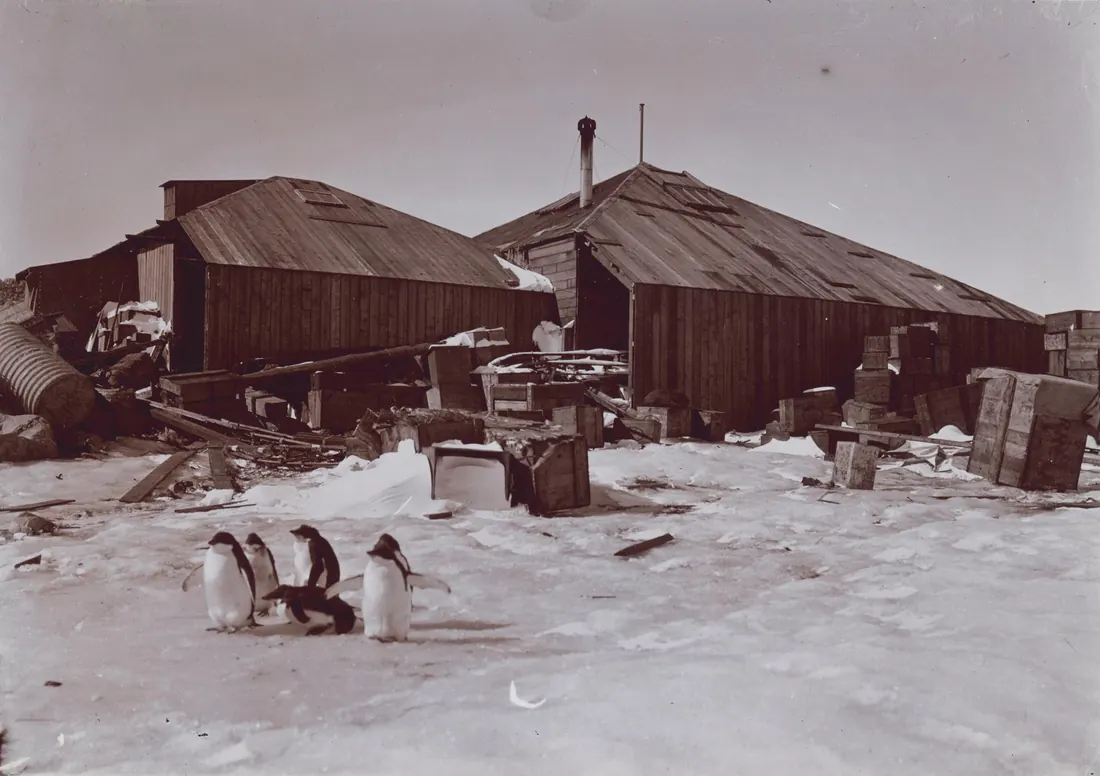
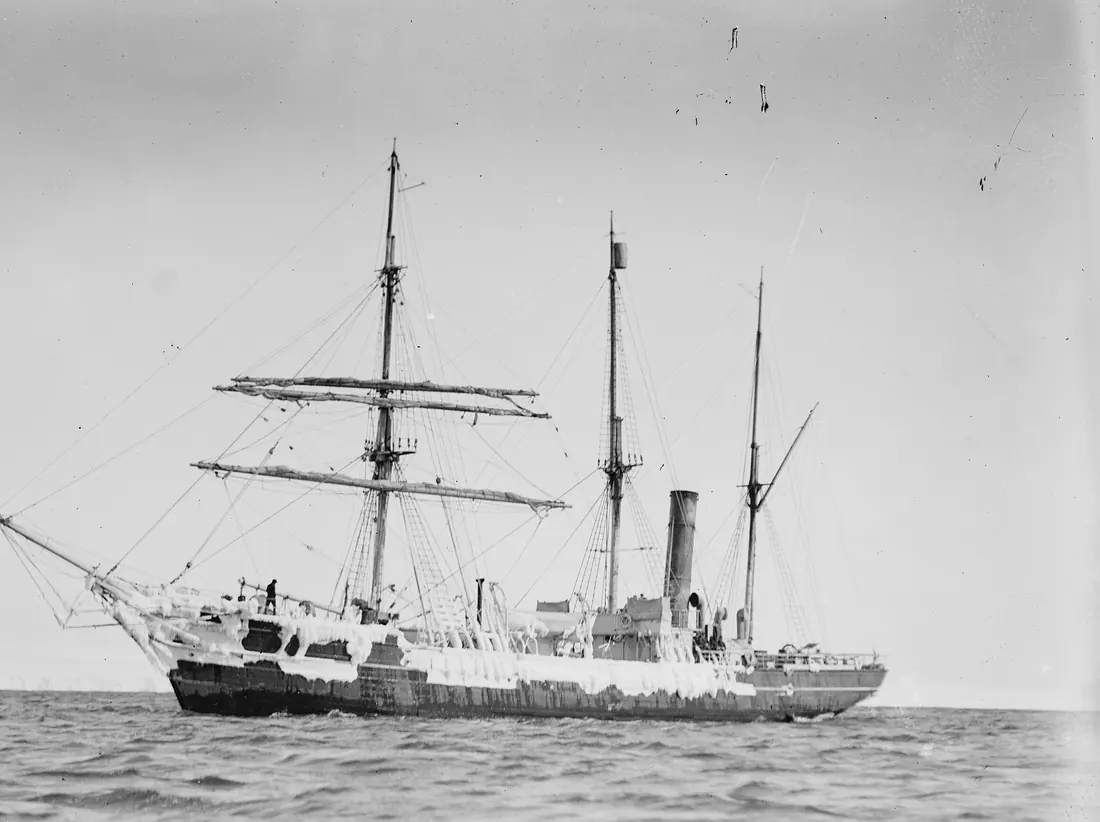
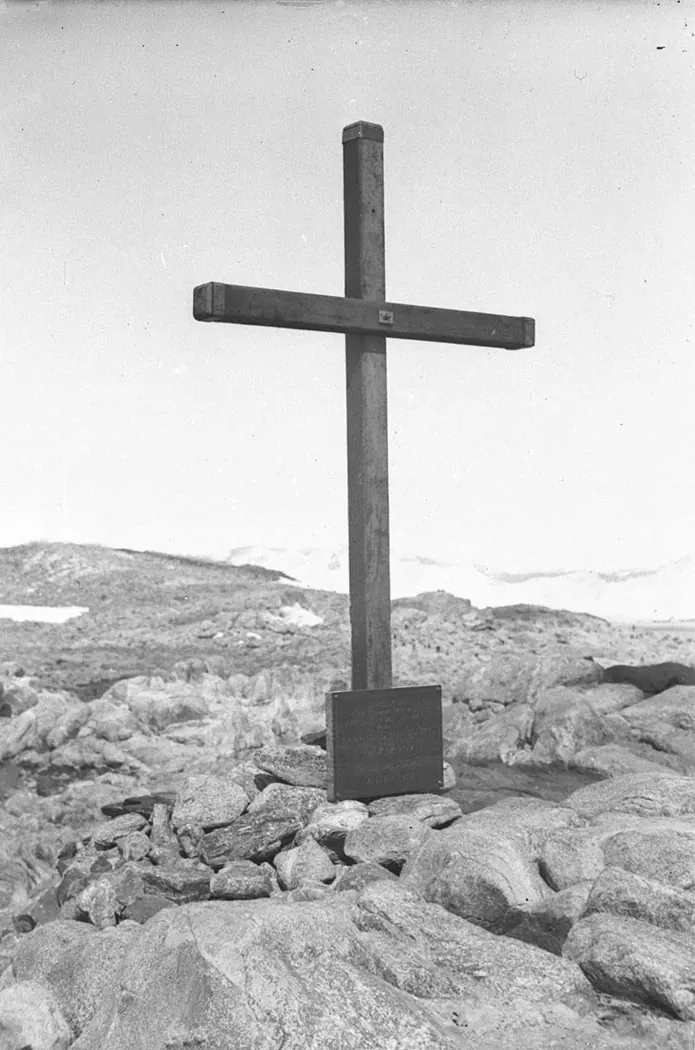
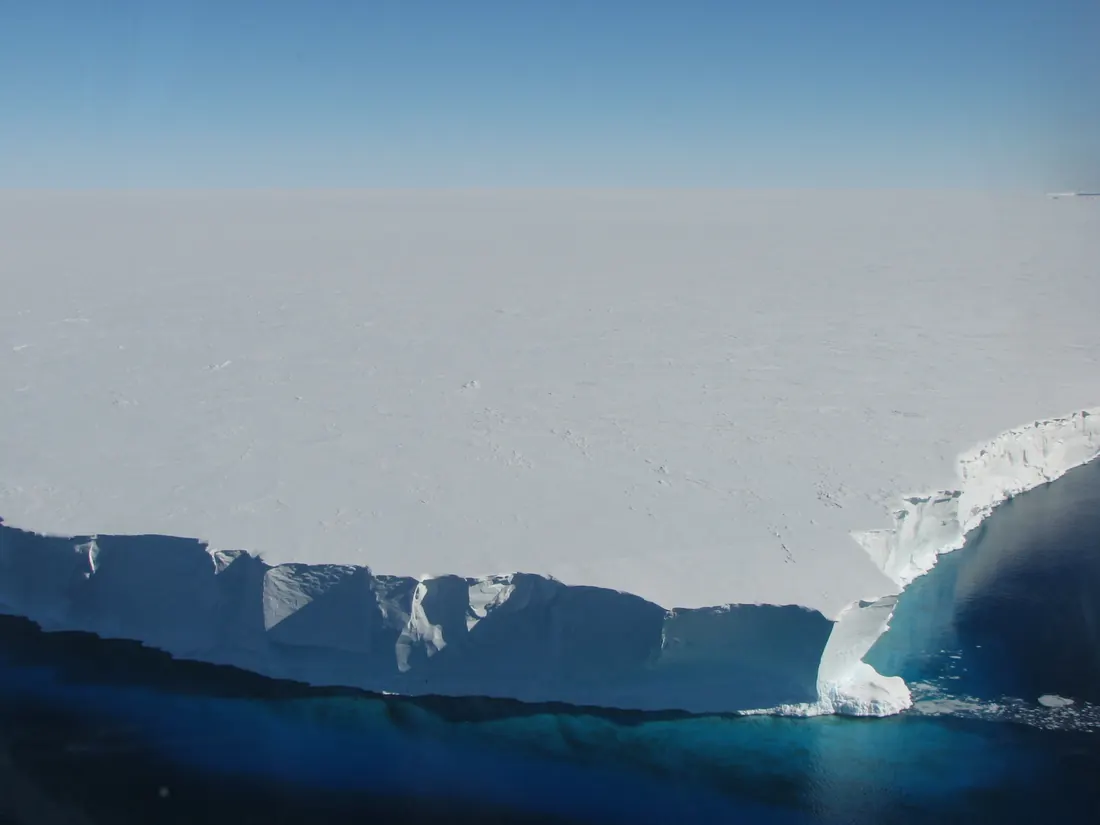
Pictures: Douglas Mawson himself is in the Bain News Service portrait of 1915 (Library of Congress) and in Xavier Mertz’s photograph of him resting on a sledge in Adelie Land, which the State Library of New South Wales dates to March 1912, his first sledge journey, not the Far Eastern Party. Belgrave Ninnis is in a portrait in uniform from before 1912 (National Library of Australia), and Xavier Mertz in a portrait of about 1911 printed in The Home of the Blizzard (1915). The last photograph of the Far Eastern Party was taken by Archibald McLean in November 1912, and Frank Hurley photographed Mertz and Ninnis arriving with the dogs at Aladdin’s Cave that month. Mertz photographed the sledge dogs curled up in a high wind in 1912. The man leaning on the wind while picking ice is another expedition member, at Cape Denison in 1912, not Mawson, and the climber in the icy ravine is Mertz near the hut in 1912, not Mawson’s fall. The main hut with Adélie penguins and the ice-encased Aurora are Hurley’s photographs of 1912, and the half sledge Mawson used on the last stage of his journey and the memorial cross for Mertz and Ninnis are Hurley’s of 1913. The Mertz Glacier was photographed by Jacques Verron in 2007.
Photo credits
The archive photos in this story
The photographs and illustrations in this story are in the public domain or shared under open licenses; each one is credited below with its license. Tap one to enlarge it, or follow the link to its Wikimedia Commons page for the full record. The narration, captions and graphics in the Short are our own; its music and sound effects are credited below.
Music and sound effects
Music: Brahms, Symphony No. 1 in C minor, Op. 68: I. Un poco sostenuto - Allegro (Musopen Symphony Orchestra, CC0); Mussorgsky, Night on Bald Mountain (1886 version) (Musopen, public domain); Grieg, Peer Gynt Suite No. 1, Op. 46: II. Ase's Death (Musopen Symphony Orchestra, CC0).
Sound effects: Freesound, CC0.