The Unlikely Ones Watch on YouTube
All stories Boston · 1773

Phillis Wheatley

They Didn’t Believe She Wrote Her Own Poems

At seven or eight, a girl from West Africa was carried to Boston on the slave ship Phillis in 1761, and the Wheatley family who bought her named her after it; within sixteen months she could read “the most difficult Parts of the Sacred Writings,” and her poems soon made her famous. But “Many colonists found it difficult to believe that an African slave was writing ‘excellent’ poetry,” so when her Poems on Various Subjects, Religious and Moral was published in London in 1773, its preface carried a statement signed by eighteen Boston men, Governor Thomas Hutchinson and John Hancock among them, saying she “has been examined by some of the best Judges, and is thought qualified to write them,” though scholars question whether a group examination ever took place. She is considered the first African American author of a published book of poetry; she was freed soon after, but died in poverty in 1784, at about 31, unable to publish a second book, and today she is often praised as “the mother of African American literature.”

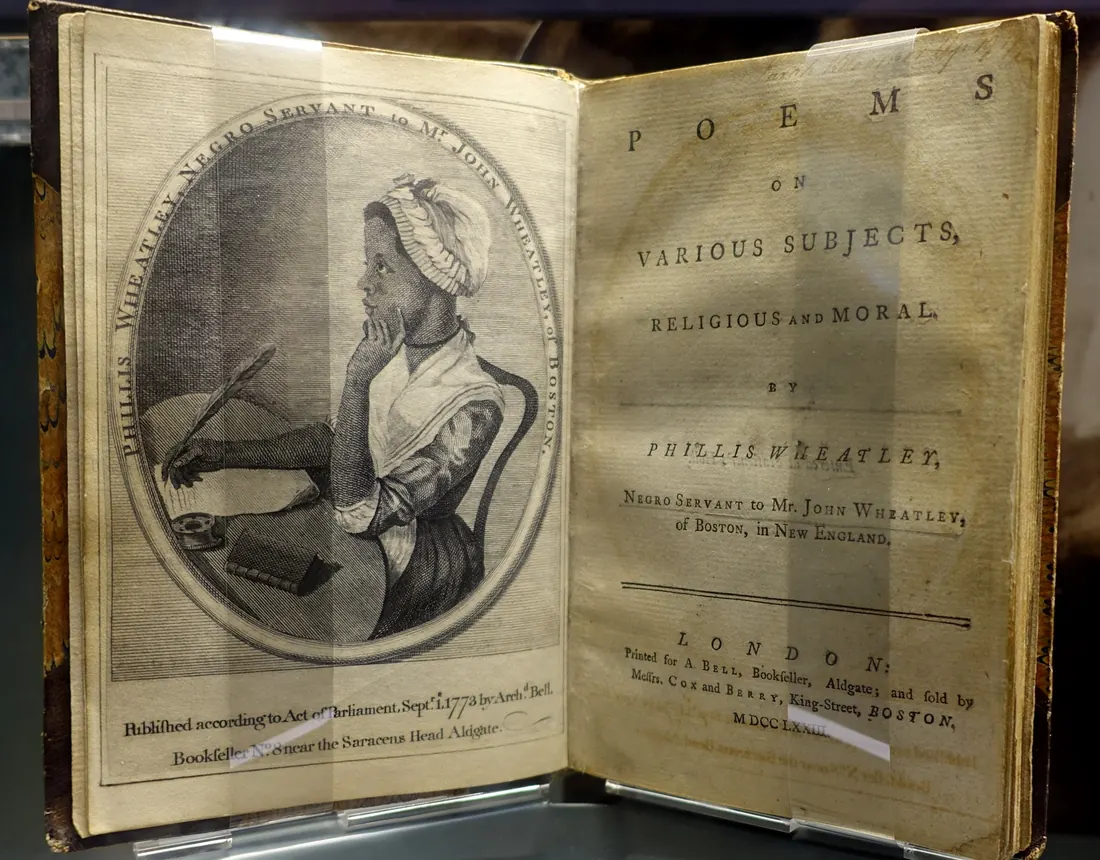
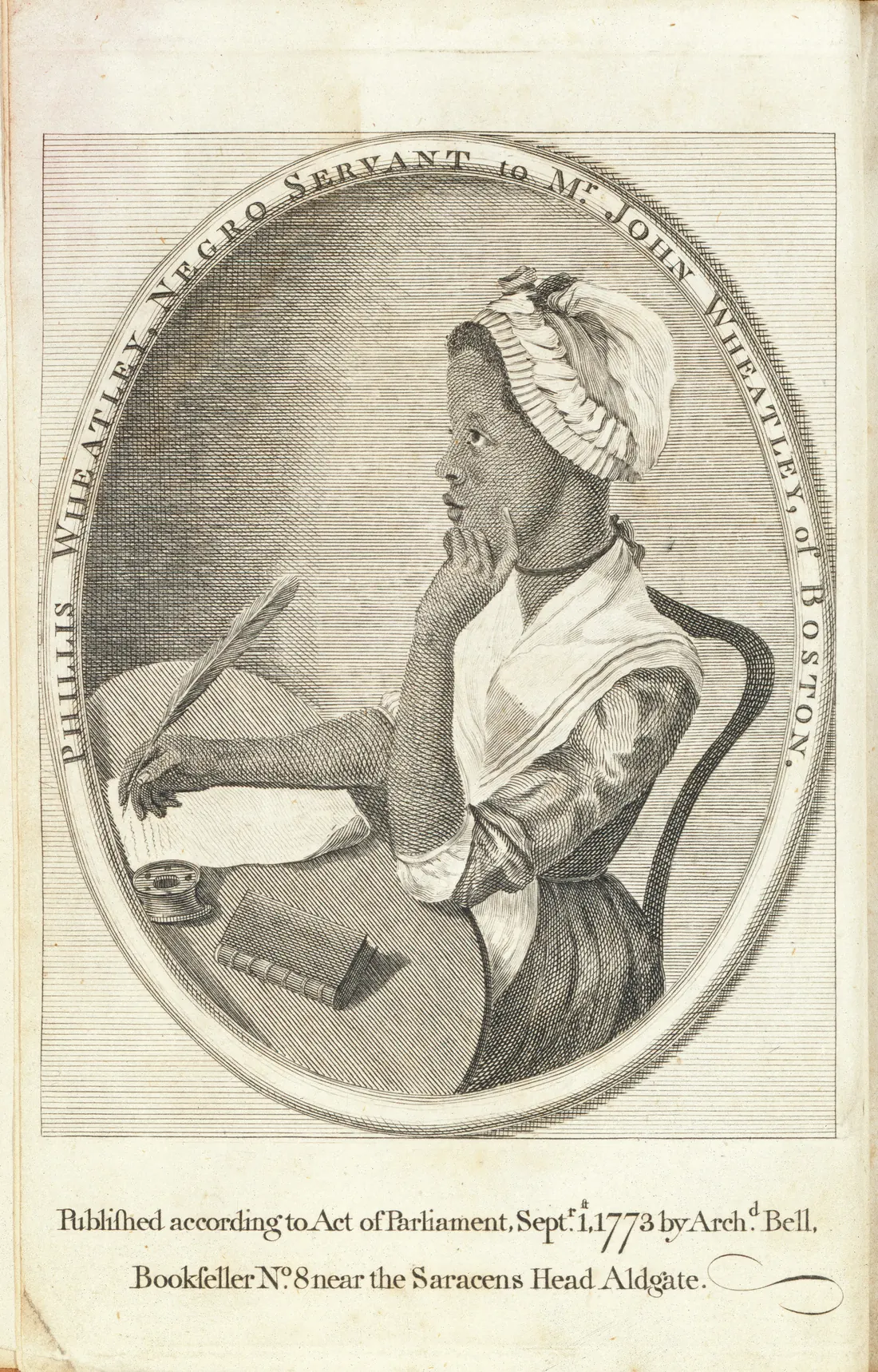
Phillis Wheatley, the frontispiece engraving of her book, 1773

Phillis Wheatley “was an American writer who is considered the first African-American author of a published book of poetry,” Wikipedia says. “Born in West Africa, she was sold into slavery at the age of seven or eight and transported to North America, where she was bought by the Wheatley family of Boston.” “She was sold by a local chief to a visiting trader, who took her to Boston in the Province of Massachusetts Bay, on July 11, 1761, on the slave ship Phillis,” and “The Wheatleys named her Phillis, after the ship that had transported her to North America.” The National Women’s History Museum says her first name “was derived from the ship that brought her to North America, ‘the Phillis.’”

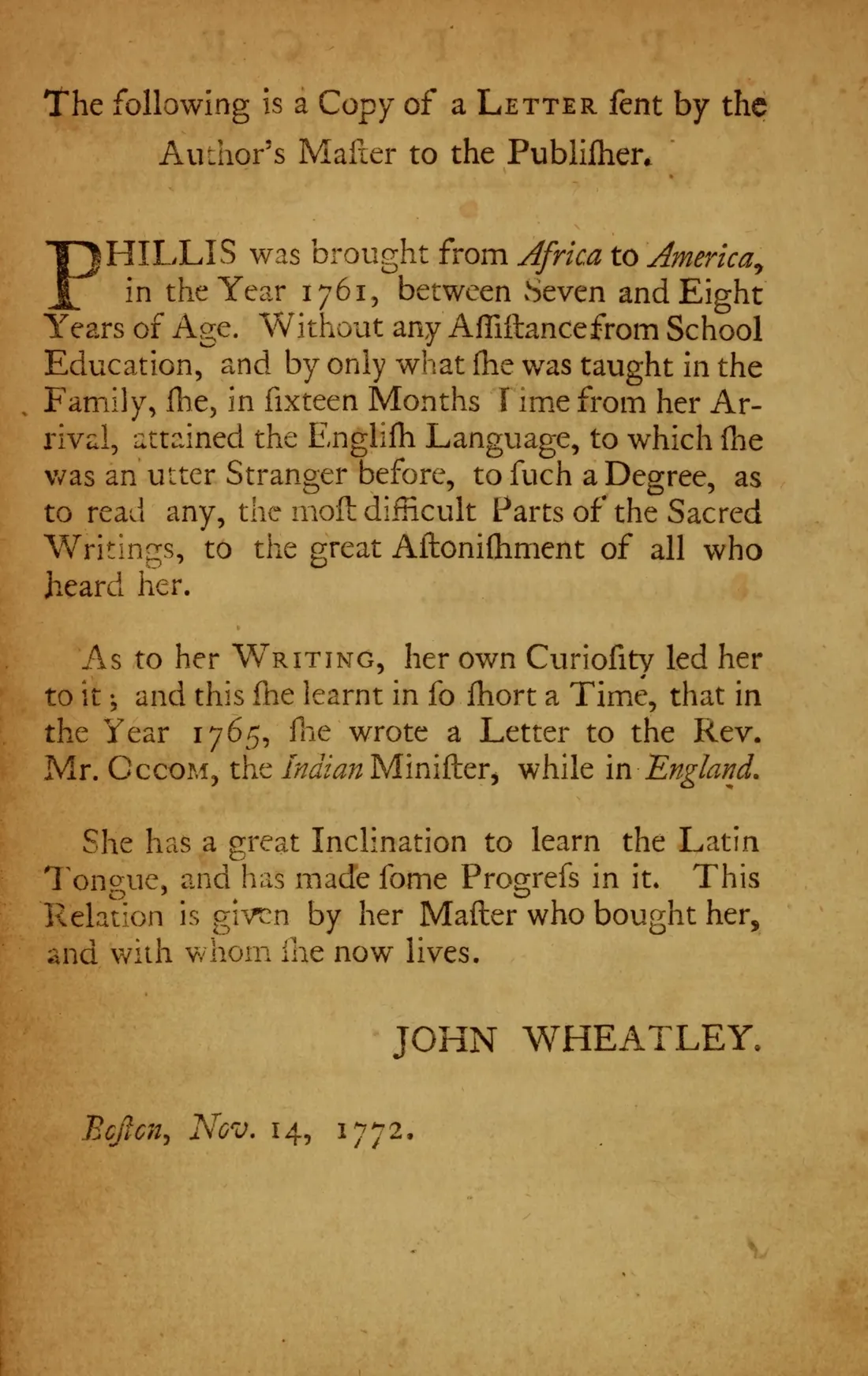
John Wheatley, her master, wrote in a letter printed in her book that “PHILLIS was brought from Africa to America, in the Year 1761, between seven and eight Years of Age,” and that “she, in sixteen Months Time from her Arrival, attained the English language, to which she was an utter Stranger before, to such a degree, as to read any, the most difficult Parts of the Sacred Writings, to the great Astonishment of all who heard her.” “Within sixteen months of beginning her lessons, she could read the Bible, Greek and Latin classics, and British literature,” the National Women’s History Museum says, and her elegy of 1770 on George Whitefield, “dedicated to a famous English preacher, made her a household name.”

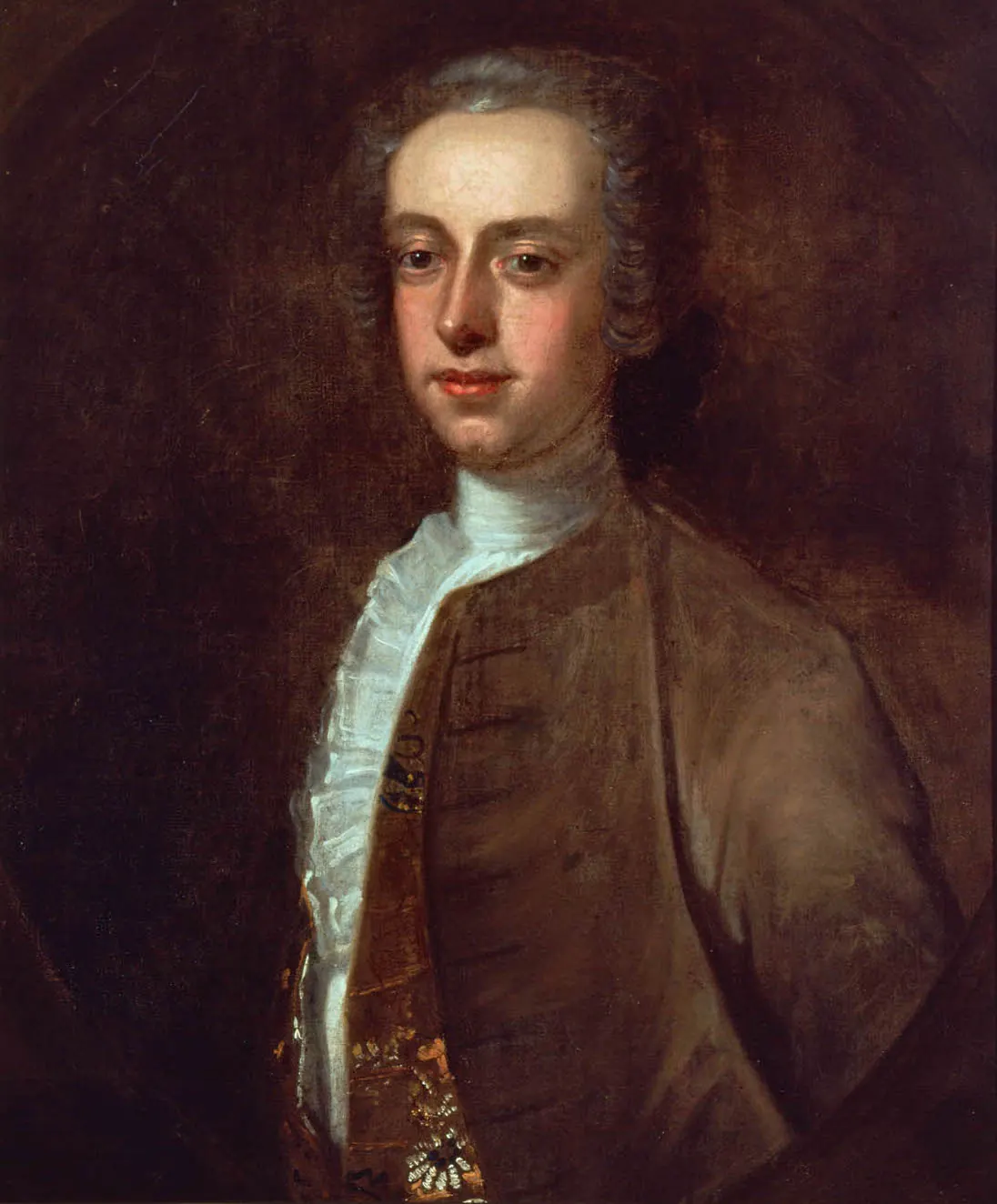
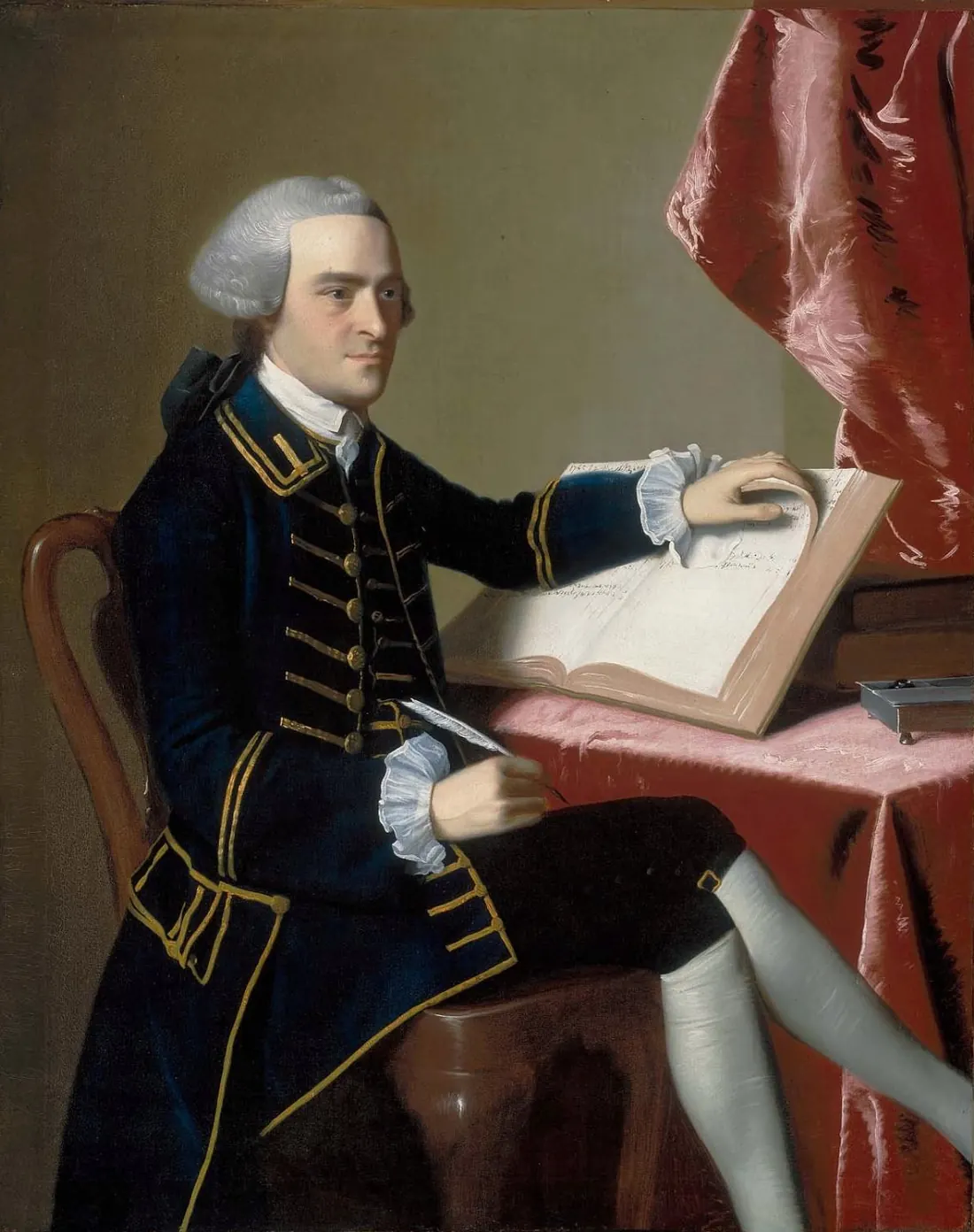
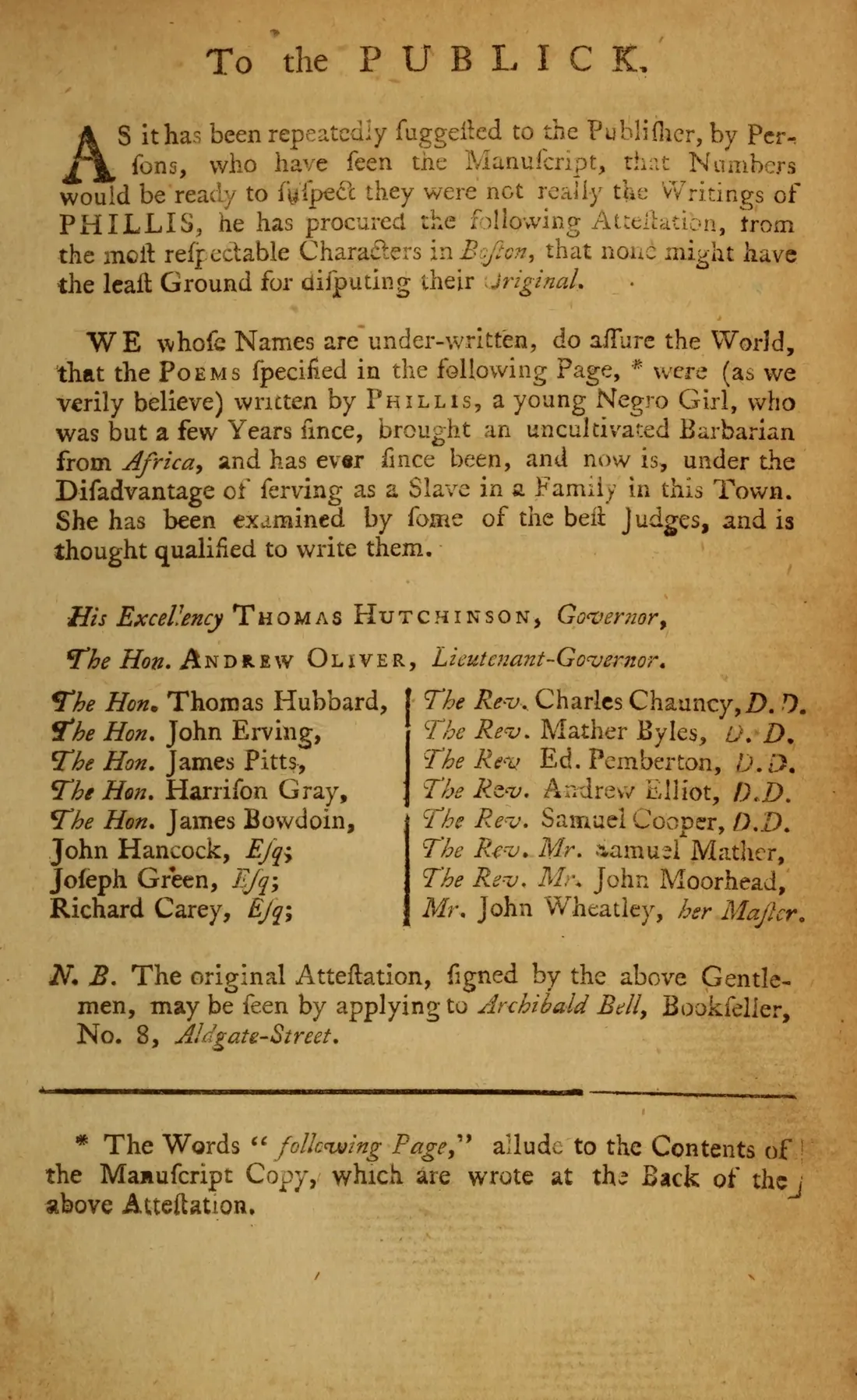
But “Many colonists found it difficult to believe that an African slave was writing ‘excellent’ poetry,” Wikipedia says; in the words of Revolutionary Spaces, at Boston’s Old South Meeting House, “there were many who doubted that an enslaved Black woman was capable of such an accomplishment.” “Publishers in Boston had declined to publish it.” In the preface, “To the PUBLICK,” the publisher explains that because “Numbers would be ready to suspect they were not really the Writings of PHILLIS, he has procured the following Attestation, from the most respectable Characters in Boston, that none might have the least Ground for disputing their Original.” It reads: “WE whose Names are under-written, do assure the World, that the POEMS specified in the following Page” … “were (as we verily believe) written by Phillis, a young Negro Girl” … “She has been examined by some of the best Judges, and is thought qualified to write them.” Eighteen names follow, from “His Excellency THOMAS HUTCHINSON, Governor” and “John Hancock, Esq;” to “Mr. John Wheatley, her Master.”

The men “signed an attestation, which was included in the preface of her book of collected works: Poems on Various Subjects, Religious and Moral, published in London in 1773,” Wikipedia says, and “The publication in London of her Poems on Various Subjects, Religious and Moral on September 1, 1773, brought her fame both in England and the American colonies.” How the examination happened, if it did, is unknown. “Scholars have rightly questioned whether a group examination ever took place,” Hollis Robbins writes in the Los Angeles Review of Books, and “None of us knows how Wheatley’s ‘examination’ took place.” Revolutionary Spaces says “it is unlikely Phillis Wheatley herself was interrogated,” but “it is undoubtedly true that her book contains a statement from prominent town leaders vouching for her work.”

“Wheatley was emancipated by the Wheatleys shortly after the publication of her book of poems,” Wikipedia says; the U.S. Postal Service says “Wheatley was freed from slavery in 1773.” “In 1779, Wheatley issued a proposal for a second volume of poems but was unable to publish it,” and “she developed pneumonia and died on December 5, 1784, at the age of 31”; “Wheatley-Peters died in poverty and obscurity at the age of 31.” “Phillis Wheatley Peters is broadly recognized as the first African American and the second U.S. woman to publish a book of poetry,” the National Women’s History Museum says, and the Postal Service calls her “the poet often praised as ‘the mother of African American literature.’”

Watch on YouTubeSources and photo credits are below.

Fact check

The facts and where they come from

  1. She wrote poems, but eighteen men had to sign that she really wrote them. Poems on Various Subjects (1773), “To the PUBLICK”: “that Numbers would be ready to suspect they were not really the Writings of PHILLIS, he has procured the following Attestation, from the most respectable Characters in Boston, that none might have the least Ground for disputing their Original”; “WE whose Names are under-written, do assure the World, that the POEMS specified in the following Page” … “were (as we verily believe) written by Phillis, a young Negro Girl.” Eighteen names follow. Revolutionary Spaces: “a document signed by 18 ‘up-standing’ gentlemen from the American colonies confirming that these poems were indeed written by a young African woman who was enslaved in Boston.” 345
  2. Her name was Phillis Wheatley. Wikipedia: she “was an American writer who is considered the first African-American author of a published book of poetry.” 1
  3. At seven or eight, she was taken from Africa to Boston. Wikipedia: “Born in West Africa, she was sold into slavery at the age of seven or eight and transported to North America, where she was bought by the Wheatley family of Boston,” and “She was sold by a local chief to a visiting trader, who took her to Boston in the Province of Massachusetts Bay, on July 11, 1761, on the slave ship Phillis.” John Wheatley’s letter in her book: “PHILLIS was brought from Africa to America, in the Year 1761, between seven and eight Years of Age.” 13
  4. The family that bought her named her after the slave ship, the Phillis. Wikipedia: “The Wheatleys named her Phillis, after the ship that had transported her to North America.” National Women’s History Museum: “The first name ‘Phillis’, was derived from the ship that brought her to North America, ‘the Phillis.’” 12
  5. Within sixteen months, she could read the hardest parts of the Bible. John Wheatley’s letter in her book: “she, in sixteen Months Time from her Arrival, attained the English language, to which she was an utter Stranger before, to such a degree, as to read any, the most difficult Parts of the Sacred Writings, to the great Astonishment of all who heard her.” National Women’s History Museum: “Within sixteen months of beginning her lessons, she could read the Bible, Greek and Latin classics, and British literature.” 342
  6. Her poems soon made her famous. National Women’s History Museum: her 1770 elegy on George Whitefield, “dedicated to a famous English preacher, made her a household name.” 2
  7. But many doubted an enslaved African girl could write poetry. Wikipedia: “Many colonists found it difficult to believe that an African slave was writing ‘excellent’ poetry.” Revolutionary Spaces: “there were many who doubted that an enslaved Black woman was capable of such an accomplishment.” 15
  8. So eighteen of Boston’s leading men signed a statement. Poems on Various Subjects: an attestation “from the most respectable Characters in Boston,” followed by eighteen names. Revolutionary Spaces: “it is undoubtedly true that her book contains a statement from prominent town leaders vouching for her work.” 345
  9. Among them, the governor, and John Hancock. The signatures include “His Excellency THOMAS HUTCHINSON, Governor” and “John Hancock, Esq;”. Wikipedia: “including John Erving, Reverend Charles Chauncey, John Hancock, Thomas Hutchinson, the governor of Massachusetts, and his lieutenant governor Andrew Oliver.” 341
  10. It said she had been examined, and was qualified to write them. Poems on Various Subjects: “She has been examined by some of the best Judges, and is thought qualified to write them.” Los Angeles Review of Books: “Scholars have rightly questioned whether a group examination ever took place.” 346
  11. In 1773, it was printed in her book, in London. Wikipedia: the men “signed an attestation, which was included in the preface of her book of collected works: Poems on Various Subjects, Religious and Moral, published in London in 1773,” and “The publication in London of her Poems on Various Subjects, Religious and Moral on September 1, 1773, brought her fame both in England and the American colonies.” 1
  12. It was the first book of poetry by an African American. Wikipedia: she “is considered the first African-American author of a published book of poetry.” National Women’s History Museum: “Phillis Wheatley Peters is broadly recognized as the first African American and the second U.S. woman to publish a book of poetry.” U.S. Postal Service: “the first author of African descent in the American Colonies to publish a book.” 127
  13. She was freed soon after. Wikipedia: “Wheatley was emancipated by the Wheatleys shortly after the publication of her book of poems.” U.S. Postal Service: “Wheatley was freed from slavery in 1773.” 17
  14. But she died poor, at about 31, her second book never published. Wikipedia: “she developed pneumonia and died on December 5, 1784, at the age of 31”; “Wheatley-Peters died in poverty and obscurity at the age of 31”; “In 1779, Wheatley issued a proposal for a second volume of poems but was unable to publish it.” U.S. Postal Service: “Wheatley kept writing but was unable to publish a second book before her death in her early 30s.” 17
  15. Today, she is called the mother of African American literature. U.S. Postal Service: “the poet often praised as ‘the mother of African American literature.’” 7

Sources

  1. Phillis Wheatley Wikipedia
  2. Phillis Wheatley National Women’s History Museum
  3. Poems on Various Subjects, Religious and Moral (Phillis Wheatley, London, 1773) Project Gutenberg
  4. Poems on Various Subjects, Religious and Moral, the 1773 first edition (Boston Public Library copy) Internet Archive
  5. How Phillis Wheatley Might Have Obtained the Approval of Eighteen Prominent White Men of Boston to Publish Her Book of Poetry Revolutionary Spaces (Old South Meeting House)
  6. Examining Phillis Wheatley (Hollis Robbins) Los Angeles Review of Books
  7. U.S. Postal Service Commemorates the Life of Phillis Wheatley (January 29, 2026) U.S. Postal Service

Notes

The examination: the attestation is real, printed in the 1773 book and signed by eighteen men, and it says she “has been examined by some of the best Judges.” Whether a group ever questioned her in person is disputed. The Los Angeles Review of Books notes that a Boston advertisement of February 1772 already claimed a “critical examination” of the poems, but “None of us knows how Wheatley’s ‘examination’ took place”; Revolutionary Spaces says “it is unlikely Phillis Wheatley herself was interrogated,” and that “many names on the attestation are of those that are related by blood or marriage to the Wheatleys.” So the Short never says men questioned her in a room; it says only what the printed statement says, and the eighteen include her enslaver, “Mr. John Wheatley, her Master.”

How she was taken: “kidnapped and trafficked” (the National Women’s History Museum) or “sold by a local chief to a visiting trader” (Wikipedia). The Short says “taken from Africa to Boston.”

“First”: every source limits it to a book of poetry (Wikipedia: “considered”; the National Women’s History Museum: “broadly recognized”), and the U.S. Postal Service words it as “the first author of African descent in the American Colonies to publish a book.” Her age: she was born about 1753, on a date no one knows, and died on December 5, 1784; Wikipedia says 31 and the Postal Service “her early 30s,” so the Short says “about thirty-one.”

Left out: Wikipedia’s statement that she “had to defend her authorship of her poetry in court in 1772,” because no other source documents a court hearing. Left out for length: her trip to London in 1773, George Washington’s letter of 1776 praising her, her marriage to John Peters and the deaths of their children (Wikipedia: “They lost three children, who all died young”), her work as a scullery maid (Wikipedia: “Phillis became a scullery maid at a boarding house”) and the 2026 stamp (the U.S. Postal Service: “The 49th stamp in the Black Heritage series honors poet Phillis Wheatley (ca 1753-1784)”).

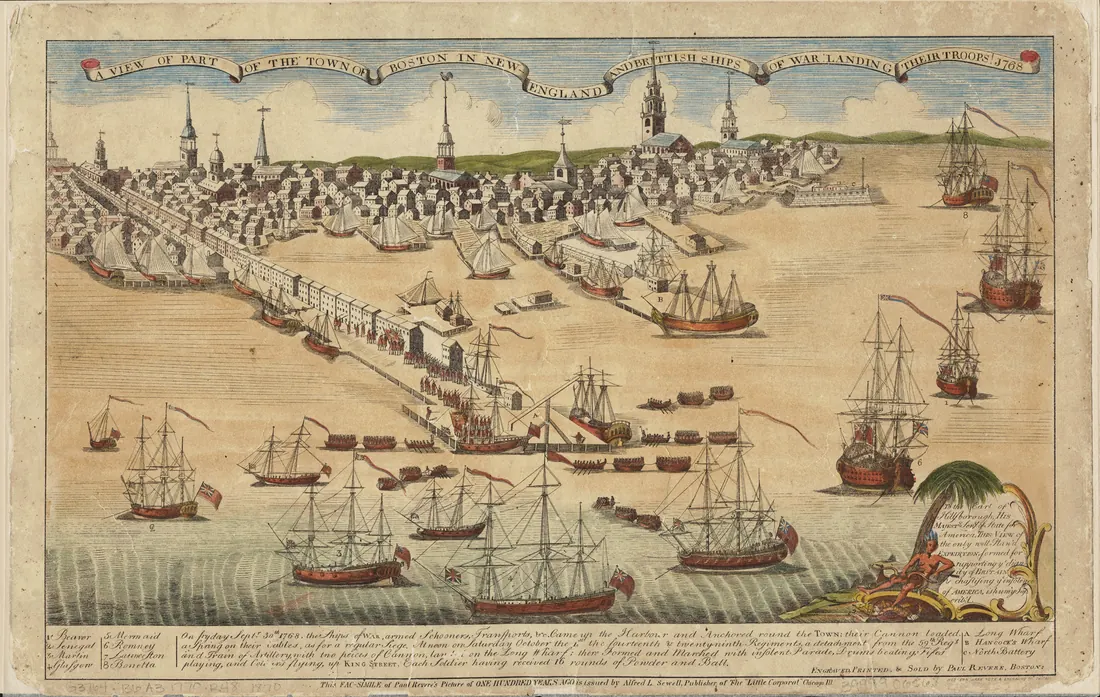
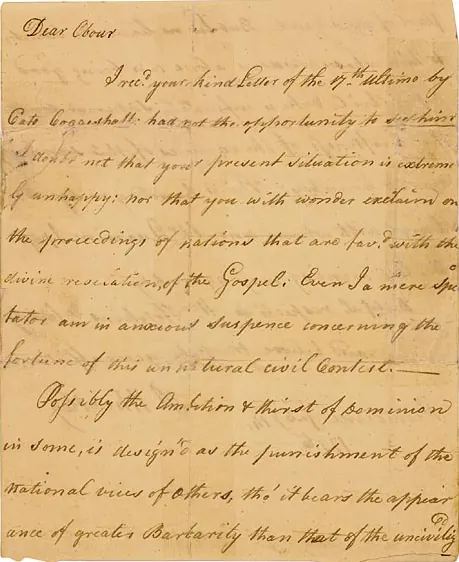
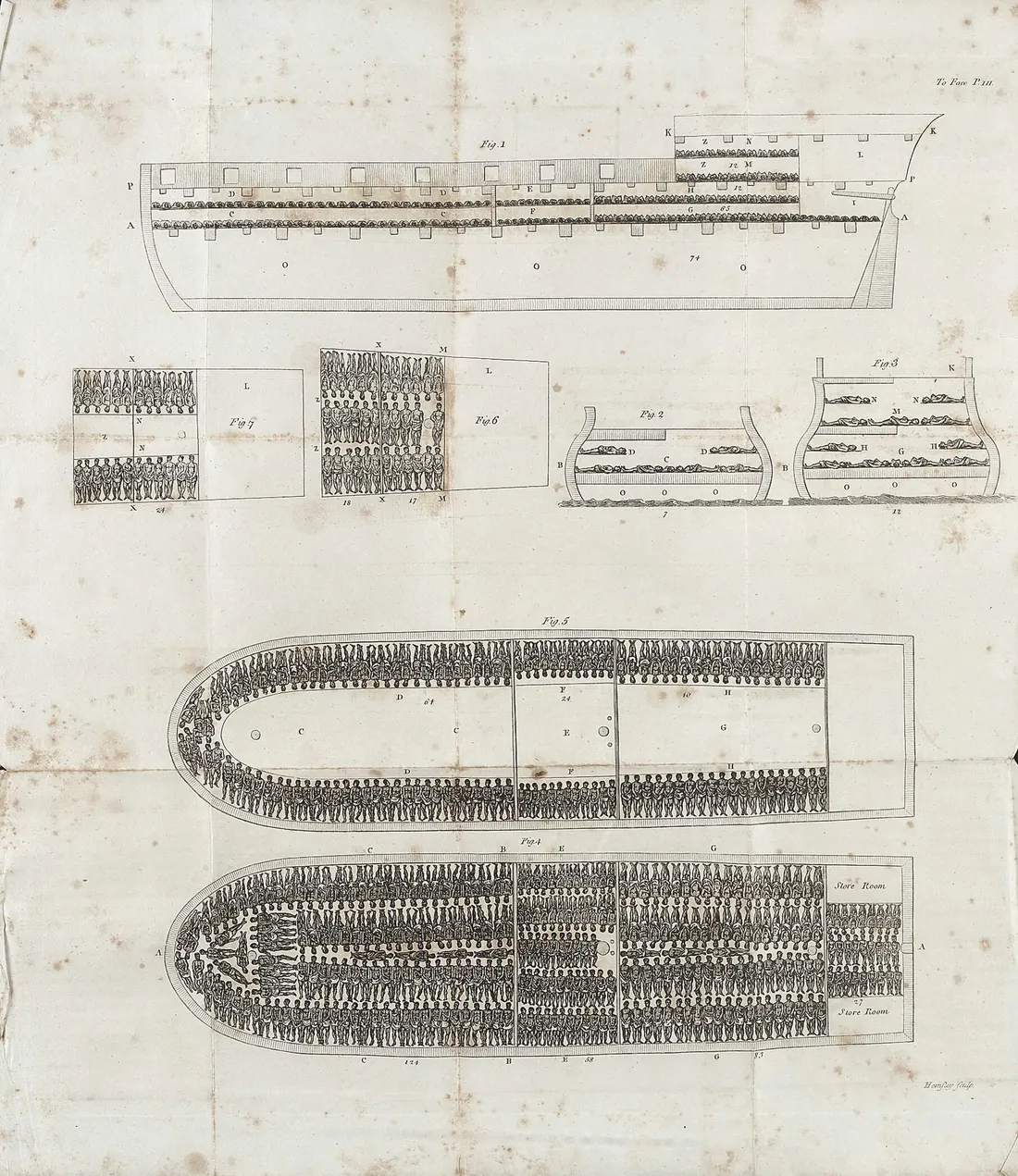
Pictures: Phillis Wheatley herself is in the frontispiece engraving of her 1773 book (the National Portrait Gallery’s copy), after a drawing attributed to Scipio Moorhead, the only portrait made in her lifetime. John Wheatley’s letter to the publisher, dated Boston, November 14, 1772, and the signed attestation “To the PUBLICK” are pages of the 1773 first edition, from the Boston Public Library’s copy; the open book, with the frontispiece and title page, is the first edition shown at the Old South Meeting House, photographed by Daderot in 2018. The slave ship is the 1814 print of the 1789 plan of the British ship Brooks (Royal Museums Greenwich), not the Phillis. Boston is Paul Revere’s view of British ships landing troops in 1768, seven years after she arrived, in a later hand-colored impression. Thomas Hutchinson was painted by Edward Truman in 1741, decades before he was governor (1771–74), and John Hancock by John Singleton Copley in 1765. Her letter to Obour Tanner, 1776, is in her own hand; it is not the lost second book.

Photo credits

The archive photos in this story

All the photographs and illustrations in this story are in the public domain. Tap one to enlarge it, or follow the link to its Wikimedia Commons page for the full record. The narration, captions and graphics in the Short are our own; its music and sound effects are credited below.
Music and sound effects

Music: Mussorgsky, Pictures at an Exhibition: IV. Bydlo (piano) (Musopen, public domain); Brahms, Symphony No. 2 in D major, Op. 73: IV. Allegro con spirito (Musopen Symphony Orchestra, CC0); Dvorak, Symphony No. 9 'From the New World': II. Largo (Musopen, public domain).

Sound effects: Freesound, CC0.

More stories

Vietnam · 1968 Roy Benavidez

Zipped Into a Body Bag, Still Alive

Sources & photo credits
At sea · 1911–1916 Violet Jessop

Miss Unsinkable

Sources & photo credits
Space · 1970 Apollo 13

Houston, We’ve Had a Problem

Sources & photo credits
Antarctica · 1915 Ernest Shackleton

The Ship Crushed by Ice

Sources & photo credits
Okinawa · 1945 Desmond Doss

The Medic Who Refused to Carry a Gun

Sources & photo credits
The Moon · 1969 Apollo 11

The Landing That Almost Didn’t Happen

Sources & photo credits
South Carolina · 1863 Harriet Tubman

The Raid That Freed More Than 750

Sources & photo credits
New York · 1860 Grace Bedell

The Girl Who Told Lincoln to Grow a Beard

Sources & photo credits
Charleston · 1862 Robert Smalls

Past Fort Sumter in the Captain’s Straw Hat

Sources & photo credits
Argonne Forest · 1918 Cher Ami

Shelled by Their Own Guns, They Sent a Pigeon

Sources & photo credits
Iwo Jima · 1945 Jack Lucas

The Stowaway Who Covered Two Grenades

Sources & photo credits
Richmond · 1849 Henry “Box” Brown

Nailed in a Box, Shipped to Freedom

Sources & photo credits
Iran to Scotland · 1942–1963 Wojtek the Bear

The Bear Who Was Enlisted as a Private

Sources & photo credits
Berlin · 1936 Jesse Owens and Luz Long

The Rival Who Hugged Jesse Owens

Sources & photo credits
Alaska · 1925 The 1925 Serum Run

The Dog Who Ran the Most Dangerous Leg

Sources & photo credits
Niagara Falls · 1901 Annie Edson Taylor

Over Niagara Falls in a Barrel, at 63

Sources & photo credits
Tokyo · 1925–1935 Hachikō

The Dog Who Waited Almost Ten Years

Sources & photo credits
New Orleans · 1960 Ruby Bridges

Four Marshals Walked Her Into First Grade

Sources & photo credits
Indian Territory · 1875–1902 Bass Reeves

The Lawman Who Took the Warrant for His Son

Sources & photo credits
Rome · 1960 Wilma Rudolph

From a Leg Brace to Three Olympic Golds

Sources & photo credits
Kaunas · 1940 Chiune Sugihara

Told Not To, He Wrote Visas by Hand

Sources & photo credits
Yale to France · 1917–1918 Stubby

Smuggled to France in a Coal Bin

Sources & photo credits
Arctic Ocean · 1909 Matthew Henson

Forty-Five Minutes Ahead of Peary

Sources & photo credits
Tuscumbia · 1887 Helen Keller and Anne Sullivan

Water, Spelled Into Her Hand

Sources & photo credits
Korea · 1952–1953 Sergeant Reckless

Bought for $250, Promoted to Staff Sergeant

Sources & photo credits
Pearl Harbor · 1941 Dorie Miller

He Fired a Gun He Was Never Trained to Use

Sources & photo credits
Cleveland · 1916 Garrett Morgan

The Real Inventor Posed as the Sidekick

Sources & photo credits
Chicago to France · 1920–1921 Bessie Coleman

Refused at Home, She Learned to Fly in France

Sources & photo credits
Warsaw · 1942–1943 Irena Sendler

She Buried the Children’s Names in Jars

Sources & photo credits
Albany, New York · 1888–1897 Owney

The Stray Who Rode the Mail Around the World

Sources & photo credits
Brooklyn · 1947 Jackie Robinson

He Promised Not to Fight Back

Sources & photo credits
Lubang Island · 1944–1974 Hiroo Onoda

The War Ended in 1945. He Stopped in 1974.

Sources & photo credits
Indiana to Oregon · 1923–24 Bobbie the Wonder Dog

Lost in Indiana, He Walked Home to Oregon

Sources & photo credits
Stockholm · 1912 Jim Thorpe

Stripped of His Golds Over Baseball Pay

Sources & photo credits
Pacific War · 1942–1945 The Navajo Code Talkers

Their Language Became a Code Nobody Broke

Sources & photo credits
Yangtze River · 1949 Simon the Cat

The Wounded Ship’s Cat Who Won a War Medal

Sources & photo credits
Hollywood · 1942 Hedy Lamarr

The Movie Star Who Invented Between Takes

Sources & photo credits
France · 1918 Henry Johnson

He Fought Off German Raiders With a Knife

Sources & photo credits
New York City · 1854 Elizabeth Jennings

A Century Before Rosa Parks, She Sued and Won

Sources & photo credits
Civil War · 1861–1865 Mary Edwards Walker

Stripped of Her Medal, She Wore It Anyway

Sources & photo credits
Cape Canaveral · 1961 Ham the Chimp

The Chimp Who Flew to Space Before Any Human

Sources & photo credits
Montreal · 1899 Major Taylor

Banned at Home, He Became World Champion

Sources & photo credits
Blackwell’s Island · 1887 Nellie Bly

She Faked Insanity to Expose an Asylum

Sources & photo credits
Sicily · 1943 Chips the Dog

The Hero Who Lost His Medals for Being a Dog

Sources & photo credits
NASA Langley · 1962 Katherine Johnson

John Glenn Trusted Her Over NASA’s Computers

Sources & photo credits
Fort Wagner · 1863 William Carney

He Was Shot but Wouldn’t Give Up the Flag

Sources & photo credits
Around the World · 1894–1895 Annie Londonderry

Barely a Cyclist, She Set Off Around the World

Sources & photo credits
Lyme Regis · 1823 Mary Anning

Shut Out of the Meeting on Her Own Find

Sources & photo credits
Dunkirk · 1940 Charles Lightoller

The Titanic Survivor Who Took His Boat to War

Sources & photo credits
Cavendish, Vermont · 1848 Phineas Gage

An Iron Bar Shot Through His Head. He Lived.

Sources & photo credits
Holtzwihr, France · 1945 Audie Murphy

He Fought Alone on a Burning Tank Destroyer

Sources & photo credits
Europe · 1940–1945 “Mad Jack” Churchill

He Went to War With a Sword and a Longbow

Sources & photo credits
Toledo · 1884 Moses Fleetwood Walker

In the Majors 63 Years Before Jackie Robinson

Sources & photo credits
North Atlantic · 1912 Margaret “Molly” Brown

She Begged Her Titanic Lifeboat to Go Back

Sources & photo credits
Argonne Forest · 1918 Alvin York

His Draft Card Said “Don’t Want to Fight”

Sources & photo credits
Great Barrington · 1781 Elizabeth Freeman

She Heard “Born Free” and Sued Her Owner

Sources & photo credits
Central Pacific · 1942 Eddie Rickenbacker

America’s Top Ace Was Saved by a Seagull

Sources & photo credits
Tarrytown, New York · 1782 Deborah Sampson

She Dug Out Her Own Bullet to Keep Her Secret

Sources & photo credits
Shenandoah · 1942–1977 Roy Sullivan

Lightning Hit Him Seven Times, and He Survived

Sources & photo credits
Corinth, Mississippi · 1862 Old Abe

The War Eagle the Confederates Wanted Dead

Sources & photo credits
Balaclava, Crimea · 1855 Mary Seacole

Refused as a War Nurse, She Went Anyway

Sources & photo credits
Central Pacific · 1943 Louis Zamperini

He Survived 47 Days on a Raft. Then It Got Worse

Sources & photo credits
Chickamauga · 1863 John Clem

He Went to War at Nine and Retired a General

Sources & photo credits
Cascade, Montana · 1895 Mary Fields

Born Enslaved, She Carried Montana’s Mail in Her Sixties

Sources & photo credits
Aboard the Titanic · 1912 Richard Norris Williams

The Legs a Doctor Wanted to Cut Off Won Olympic Gold

Sources & photo credits
Kingston, New York · 1828 Sojourner Truth

She Took a White Man to Court to Win Back Her Son

Sources & photo credits
Lyon, France · 1941 Virginia Hall

She Crossed the Pyrenees on a Wooden Leg Named Cuthbert

Sources & photo credits
Germany · World War II Joseph Medicine Crow

He Came Home From World War II a Crow War Chief

Sources & photo credits
Macon, Georgia · 1848 Ellen Craft

She Escaped Slavery Disguised as a White Master

Sources & photo credits
Antietam, Maryland · 1862 Clara Barton

A Bullet Through Her Sleeve Killed the Man in Her Arms

Sources & photo credits
Iwo Jima · 1945 Ira Hayes

The Iwo Jima Flag Raiser Who Never Felt Like a Hero

Sources & photo credits
Baltimore, Maryland · 1838 Frederick Douglass

He Escaped Slavery on Another Man’s Papers

Sources & photo credits
Chosin Reservoir · 1950 Jesse Brown and Tom Hudner

He Crashed His Own Plane on Purpose to Save His Friend

Sources & photo credits
Milwaukee · 1912 Theodore Roosevelt

He Was Shot in the Chest, Then Gave His Speech Anyway

Sources & photo credits
San Terenzo, Italy · 1945 Daniel Inouye

He Pried a Live Grenade From His Own Right Hand

Sources & photo credits
Dover, England · 1912 Harriet Quimby

She Flew the English Channel, but the Titanic Buried It

Sources & photo credits
Saint-Nazaire, France · 1943 Alan Magee

He Fell Four Miles With No Parachute and Lived

Sources & photo credits
Delta, Louisiana · 1867 Madam C. J. Walker

She Washed Clothes for a Living, Then Built an Empire

Sources & photo credits
Los Baños · 1945 Frank Buckles

He Lied to Fight in One World War, Then Got Captured in the Next

Sources & photo credits
Jersey City · 1863–64 Edwin Booth

He Saved Lincoln’s Son, Then His Brother Shot Lincoln

Sources & photo credits
Boone County, Iowa · 1881 Kate Shelley

She Couldn’t Swim, but She Crawled Over a Flood in the Dark

Sources & photo credits
Brussels, Belgium · 1915 Edith Cavell

She Saved German Lives, but a German Firing Squad Shot Her

Sources & photo credits
English Channel · 1926 Gertrude Ederle

She Beat Every Man’s Channel Record by Two Hours

Sources & photo credits
Vaughan, Mississippi · 1900 Casey Jones

He Told His Fireman to Jump, Then Stayed on the Train

Sources & photo credits
Calvi Vecchia, Italy · 1943 G.I. Joe

This Pigeon Beat the Bombers by Minutes

Sources & photo credits
Diamond, Missouri · c. 1864 George Washington Carver

He Was Traded for a Horse as a Baby

Sources & photo credits
Newport, Rhode Island · 1869 Ida Lewis

She Rowed Into Storms to Save Strangers

Sources & photo credits
Hampton, Virginia · 1872 Booker T. Washington

His Entrance Exam Was Sweeping a Room

Sources & photo credits
Darke County, Ohio · 1870 Annie Oakley

She Outshot Him, Then He Married Her

Sources & photo credits
France · 1917 Eugene Bullard

His Own Country Wouldn’t Let Him Fly

Sources & photo credits
London · 1886 Joseph Merrick

He Couldn’t Even Lie Down to Sleep

Sources & photo credits
Washington, D.C. · 1881 Robert Todd Lincoln

This Man Was Near Three Presidential Assassinations

Sources & photo credits
Geneva, New York · 1847 Elizabeth Blackwell

Her Medical School Admitted Her as a Joke

Sources & photo credits
Meuse-Argonne, France · 1918 Rags

This Stray Dog Carried a Message Through Poison Gas

Sources & photo credits
Jericho, Vermont · 1885 Wilson Bentley

His Neighbors Laughed at His Snowflakes

Sources & photo credits
Patuxet (Plymouth) · 1619 Tisquantum (Squanto)

He Came Home from Slavery to Find His Village Gone

Sources & photo credits
Edinburgh, Scotland · 1858 Greyfriars Bobby

The Dog Said to Have Refused to Leave His Master’s Grave

Sources & photo credits
New York · 1884 Nikola Tesla

He Lit Up the World, Then Died Alone

Sources & photo credits
Paris · 1840 Louis Braille

His School Banned This Blind Boy’s Invention

Sources & photo credits
Ross Ice Shelf · 1912 Tom Crean

He Walked 35 Miles Alone Across the Antarctic Ice to Save Him

Sources & photo credits
Auvers-sur-Oise · 1890 Vincent van Gogh

He Thought He Was a Failure

Sources & photo credits
Cannes, France · 1888 Alfred Nobel

His Obituary Came Out While He Was Alive

Sources & photo credits
Vienna · 1847 Ignaz Semmelweis

His Crime Was Telling Doctors to Wash Their Hands

Sources & photo credits
Paris · 1898 Marie Curie

Her Notebooks Are Still Radioactive Today

Sources & photo credits
Brno, Moravia · 1865 Gregor Mendel

He Failed His Teaching Exam, Then Founded Genetics

Sources & photo credits
Memphis · 1892 Ida B. Wells

They Destroyed Her Newspaper, but She Kept Writing

Sources & photo credits
Antarctica · 1912 Douglas Mawson

He Survived Antarctica Alone, Then Missed His Ship by Hours

Sources & photo credits
Soho, London · 1854 John Snow

He Traced a Killer to One Pump, and Experts Mocked Him

Sources & photo credits
Boston · 1842 Lewis Latimer

His Father Was Jailed as a Runaway Slave

Sources & photo credits
Greenland · 1930 Alfred Wegener

He Was Right About the Continents, but Most Experts Laughed

Sources & photo credits
Scutari · 1854 Florence Nightingale

Her Real Weapon Wasn’t the Lamp

Sources & photo credits
Beijing · 2008 Usain Bolt

He Has a Curved Spine, but No Human Has Ever Run Faster

Sources & photo credits
Coronado, California · 2001 David Goggins

He Weighed Almost 300 Pounds, Then Became a Navy SEAL

Sources & photo credits
Tokyo · 2021 Mutaz Barshim and Gianmarco Tamberi

Offered a Jump-Off, He Asked to Share the Gold With His Best Friend

Sources & photo credits
Milan · 2026 Alysa Liu

She Quit at 16, Then Came Back for Olympic Gold

Sources & photo credits
Tokyo · 2021 Sifan Hassan

She Fell, Then Won Olympic Gold 12 Hours Later

Sources & photo credits
Helmand, Afghanistan · 2010 Kyle Carpenter

He Moved Toward the Grenade Instead

Sources & photo credits
Mexico City · 1968 Dick Fosbury

He Was Warned His Jump Would Break Necks

Sources & photo credits
Budapest · 2023 Femke Bol

She Fell Just Strides From Gold

Sources & photo credits
Rio de Janeiro · 2016 Mo Farah

He Fell Mid-Race With a Promise to Keep

Sources & photo credits
Prague · 1939 Nicholas Winton

He Saved 669 Children, Then Kept Quiet

Sources & photo credits
Bahrain · 2020 Romain Grosjean

His Car Split in Two and Caught Fire

Sources & photo credits
Gothenburg · 1995 Jonathan Edwards

He Out-Jumped the Record, but It Didn’t Count

Sources & photo credits
Old Trafford · 2001 David Beckham

His Country Blamed Him, Then His Free Kick Sent England to the World Cup

Sources & photo credits
Beijing · 2008 Matthias Steiner

His Wife Didn’t Live to See the Gold He Promised Her

Sources & photo credits
Beijing · 2008 Yelena Isinbayeva

She Lay Under a Towel While Her Rivals Jumped

Sources & photo credits
Cozumel, Mexico · 2016 Jonny and Alistair Brownlee

His Brother Collapsed, So He Stopped Racing

Sources & photo credits
Western Front · 1914 The Christmas Truce

The Night the Trenches Sang

Sources & photo credits