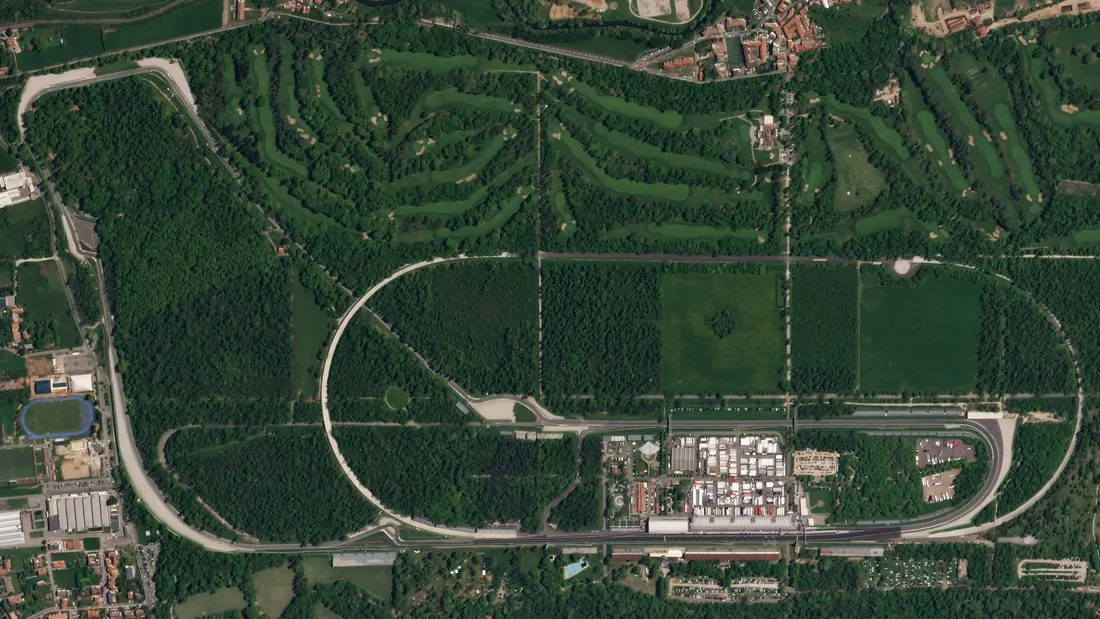
As a boy in Kenya, Runner’s World says, Eliud Kipchoge “was unwittingly honing his talent from an early age, running two miles to school each day.” As a man he went after a marathon in under two hours. His first try came in Nike’s Breaking2 event, “Clocking 2:00:25 for 26.2 miles in a controversial ‘Breaking2’ event organised by sportswear giant Nike,” Athletics Weekly reported on May 6, 2017. His time, set on “a Formula One track in Monza in Italy,” was “an incredible two minutes and 32 seconds faster than the official world record mark set by Kipchoge’s countryman Dennis Kimetto in Berlin in 2014.”
But he “missed out by 25 seconds,” as BBC Sport later put it. “I feel good. I am a happy man to run a marathon in two hours,” Kipchoge said. “Now, it’s just 25 seconds.”
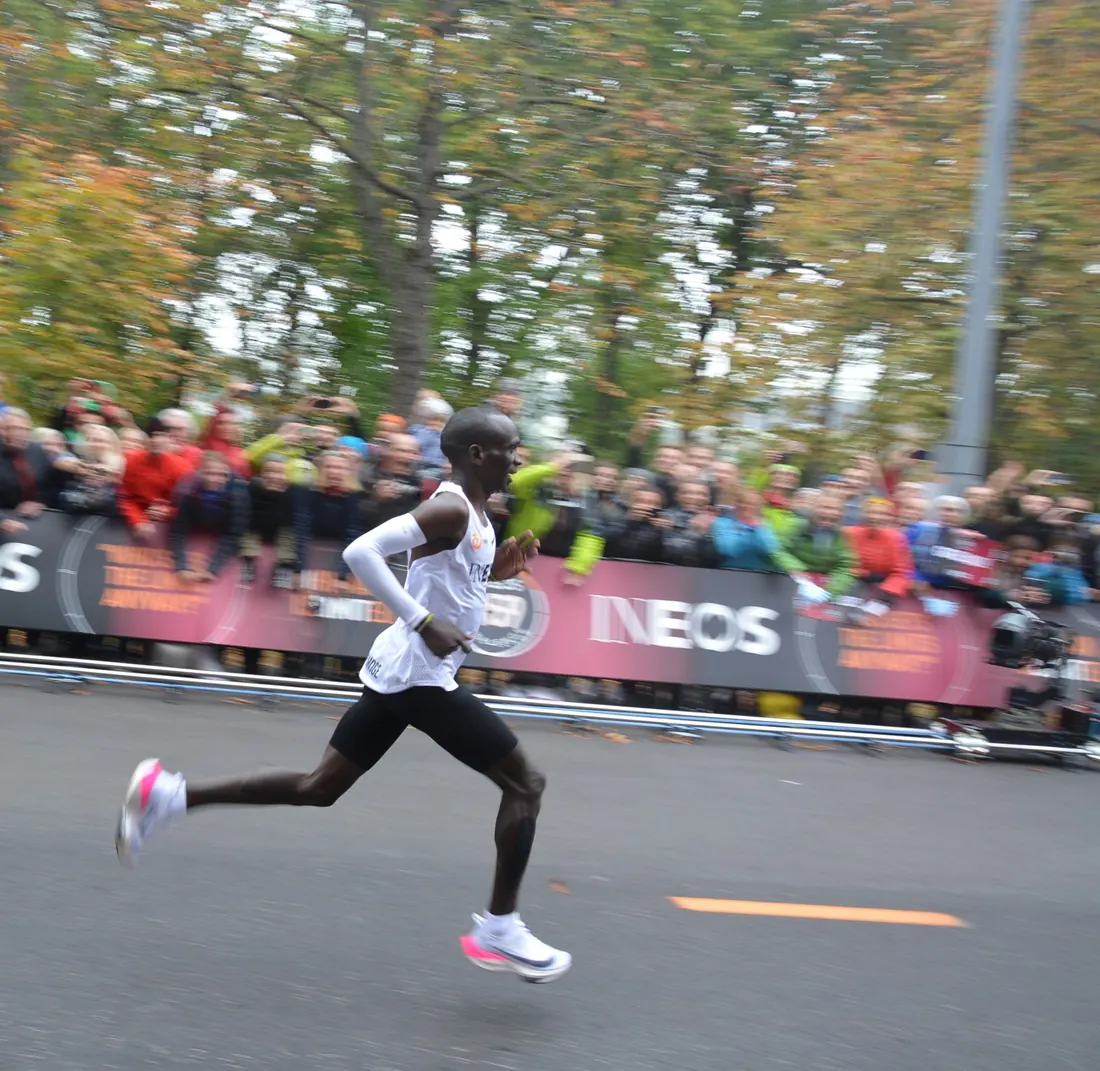
He tried again “at the INEOS 1:59 Challenge, in Vienna, Austria, on 12 October 2019,” in Guinness World Records’ words, with “thousands of spectators lining the course to support Kipchoge and his team of 41 pacemakers,” says INEOS, the organizer. “They rotated in and out, running in formation around Kipchoge,” BBC Sport reported, “With a leading pace car beaming green lasers on to the road to indicate the required pace of 2:50 per kilometre,” and “Kipchoge’s coaches delivered him water and energy gels by bike.” “At Kipchoge’s request, the course … was lined with spectators, unlike his previous attempt in Nike’s Breaking 2 project in Monza.”
“Knowing he was about to make history on the home straight, the pacemakers dropped back to let Kipchoge sprint over the line alone,” the BBC says; the Associated Press says they “left him for the final 500 meters, where he sped up.” “Kipchoge was understandably delighted and twice punched his chest in celebration while smiling when he finished,” the AP wrote; his time was “1 hour, 59 minutes, 40.2 seconds.” “The Kenyan, 34, covered the 26.2 miles (42.2km) in one hour 59 minutes 40 seconds,” the BBC reported.
“It will not be recognised as the official marathon world record because it was not in open competition and he used a team of rotating pacemakers,” the BBC says. But Guinness World Records says “The first marathon distance run under two hours was completed by Eliud Kipchoge (Kenya),” and the AP wrote that “running a marathon in less than two hours had seemed impossible — until Saturday.” “I am the happiest man in the world to be the first human to run under two hours and I can tell people that no human is limited,” Kipchoge said. In April 2026, ESPN reported, Sabastian Sawe “became the first man to break the two-hour barrier in an official competition to win the London Marathon in one hour, 59 minutes and 30 seconds.”
Fact check
The facts and where they come from
- He missed history by 25 seconds, but he wasn’t finished. BBC Sport: he “missed out by 25 seconds in a previous attempt at the Italian Grand Prix circuit at Monza in 2017.” 1
- His name is Eliud Kipchoge. BBC Sport: “The Kenyan, 34, covered the 26.2 miles (42.2km) in one hour 59 minutes 40 seconds.” 1
- As a boy in Kenya, he ran two miles to school every day. Runner’s World: “he was unwittingly honing his talent from an early age, running two miles to school each day.” 6
- Later, he chased the impossible: a marathon under two hours. Associated Press: “running a marathon in less than two hours had seemed impossible — until Saturday.” 2
- In May 2017, at a racetrack in Italy, he tried. Athletics Weekly (May 6, 2017): “Kipchoge’s time, set on a Formula One track in Monza in Italy.” 4
- His time was two hours and 25 seconds. Athletics Weekly: “Clocking 2:00:25 for 26.2 miles in a controversial ‘Breaking2’ event organised by sportswear giant Nike.” 4
- “Now, it’s just 25 seconds,” he said. Kipchoge, to Athletics Weekly: “I feel good. I am a happy man to run a marathon in two hours … Now, it’s just 25 seconds.” 4
- In October 2019, he tried again in Vienna. Guinness World Records: “at the INEOS 1:59 Challenge, in Vienna, Austria, on 12 October 2019.” 5
- This time, 41 pacers took turns around him. INEOS: “thousands of spectators lining the course to support Kipchoge and his team of 41 pacemakers.” BBC Sport: “They rotated in and out, running in formation around Kipchoge.” 31
- A car’s lasers marked the pace on the road. BBC Sport: “With a leading pace car beaming green lasers on to the road to indicate the required pace of 2:50 per kilometre.” 1
- And thousands of fans lined the course. INEOS: “thousands of spectators lining the course.” BBC Sport: “At Kipchoge’s request, the course … was lined with spectators, unlike his previous attempt in Nike’s Breaking 2 project in Monza.” 31
- Near the end, the pacers dropped back. BBC Sport: “Knowing he was about to make history on the home straight, the pacemakers dropped back to let Kipchoge sprint over the line alone.” Associated Press: “until the pacemakers left him for the final 500 meters, where he sped up.” 12
- He crossed the line alone, beating his chest. BBC Sport: “to let Kipchoge sprint over the line alone.” Associated Press: “Kipchoge was understandably delighted and twice punched his chest in celebration while smiling when he finished.” 12
- The clock read 1:59:40. Associated Press: “in 1 hour, 59 minutes, 40.2 seconds at the INEOS 1:59 Challenge.” Guinness World Records: “in 1 hr 59 min 40 sec.” 25
- It wasn’t an official record, because of the rotating pacers. BBC Sport: “It will not be recognised as the official marathon world record because it was not in open competition and he used a team of rotating pacemakers.” 1
- But no human had ever run the distance under two hours. Guinness World Records: “The first marathon distance run under two hours was completed by Eliud Kipchoge (Kenya).” Associated Press: “He is the first human ever to run a marathon under two hours.” 52
- “I can tell people that no human is limited,” he said. Associated Press (the same words on INEOS): “I am the happiest man in the world to be the first human to run under two hours and I can tell people that no human is limited.” 23
Sources
- Eliud Kipchoge becomes first athlete to run a marathon in under two hours (October 12, 2019) BBC Sport
- ‘No human is limited’: Kipchoge runs marathon in under 2 hours (Associated Press, October 12, 2019) MPR News
- History is made INEOS
- Eliud Kipchoge runs incredible 2:00:25 marathon in Breaking2 attempt (May 6, 2017) Athletics Weekly
- First marathon distance run under two hours Guinness World Records
- The Simple Life of One of the World’s Best Marathoners (Cathal Dennehy, April 19, 2016) Runner’s World
- London Marathon 2026: Sabastian Sawe breaks marathon world record, first man to run a race under two hours (April 2026) ESPN
Notes
Pacers: INEOS, the organizer, says 41 pacemakers, and Wikipedia lists 41 names; BBC Sport and Guinness World Records say 42 and the Associated Press 36. The Short uses the organizer’s 41.
Monza’s margin: 2:00:25 is 25 seconds over two hours (Athletics Weekly, BBC Sport, and Kipchoge’s own “just 25 seconds”); the AP and Slowtwitch say 26 seconds. The Short follows the time and his words. Monza wasn’t an official record either, so the Short doesn’t call it the fastest marathon ever.
Not a record: the Vienna run wasn’t recognized as a world record. In April 2026, Sabastian Sawe ran 1:59:30 at the London Marathon, the first sub-two-hour marathon in an official race (ESPN); the Short’s “no human had ever” refers to 2019.
“Impossible”: popular clips say scientists had predicted the first sub-two-hour marathon for 2075; the origin of that figure is unclear, so it isn’t used. The Short’s “the impossible” follows the AP: it “had seemed impossible.”
The school run: Runner’s World says two miles each day; Wikipedia says three kilometers, and other profiles five to six. The Short uses Runner’s World’s two miles.
Eliud Kipchoge is alive and still racing. Only race facts, official statements and his own published words are used; nothing here goes into his family, his private life, money or the debate over his shoes. Sabastian Sawe is named only for his 2026 race.
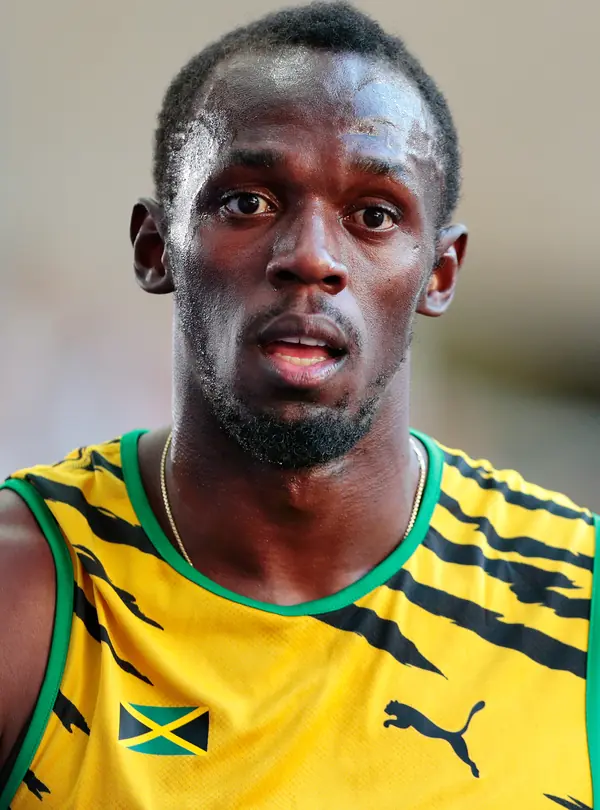
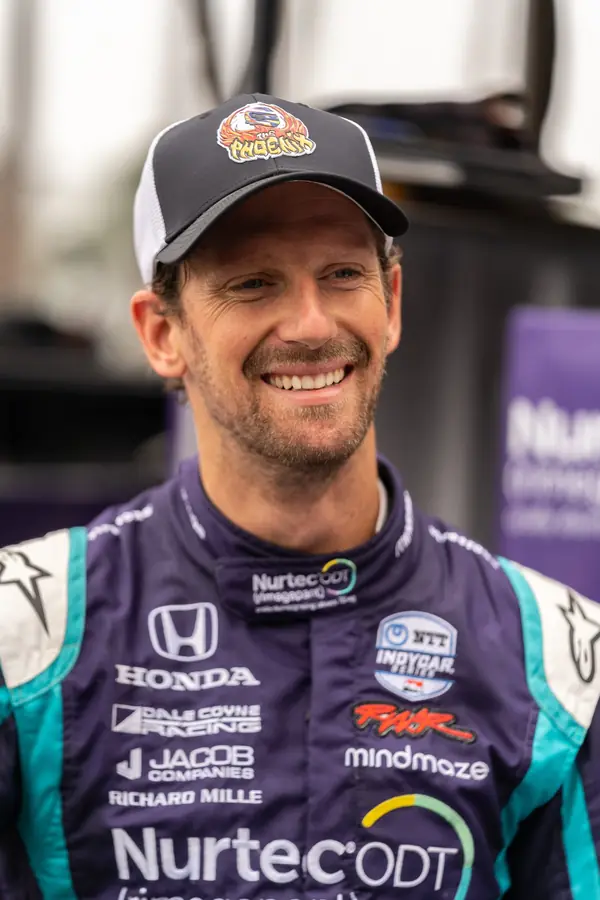
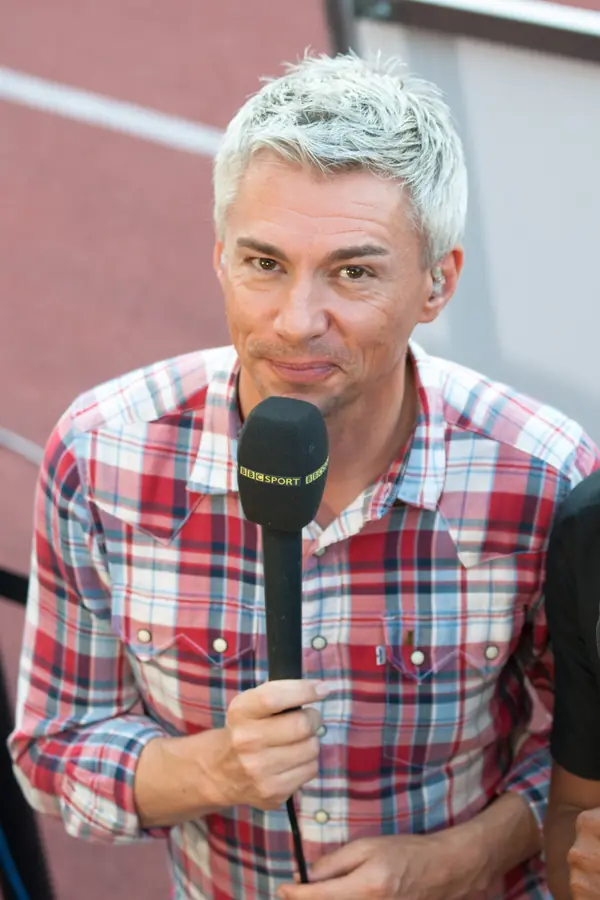
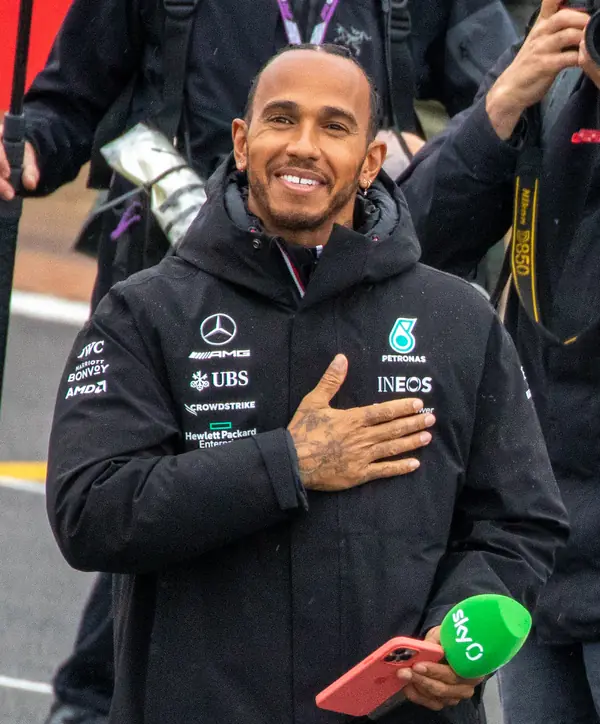
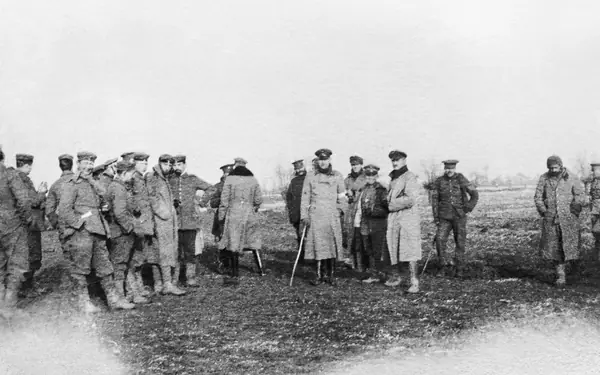
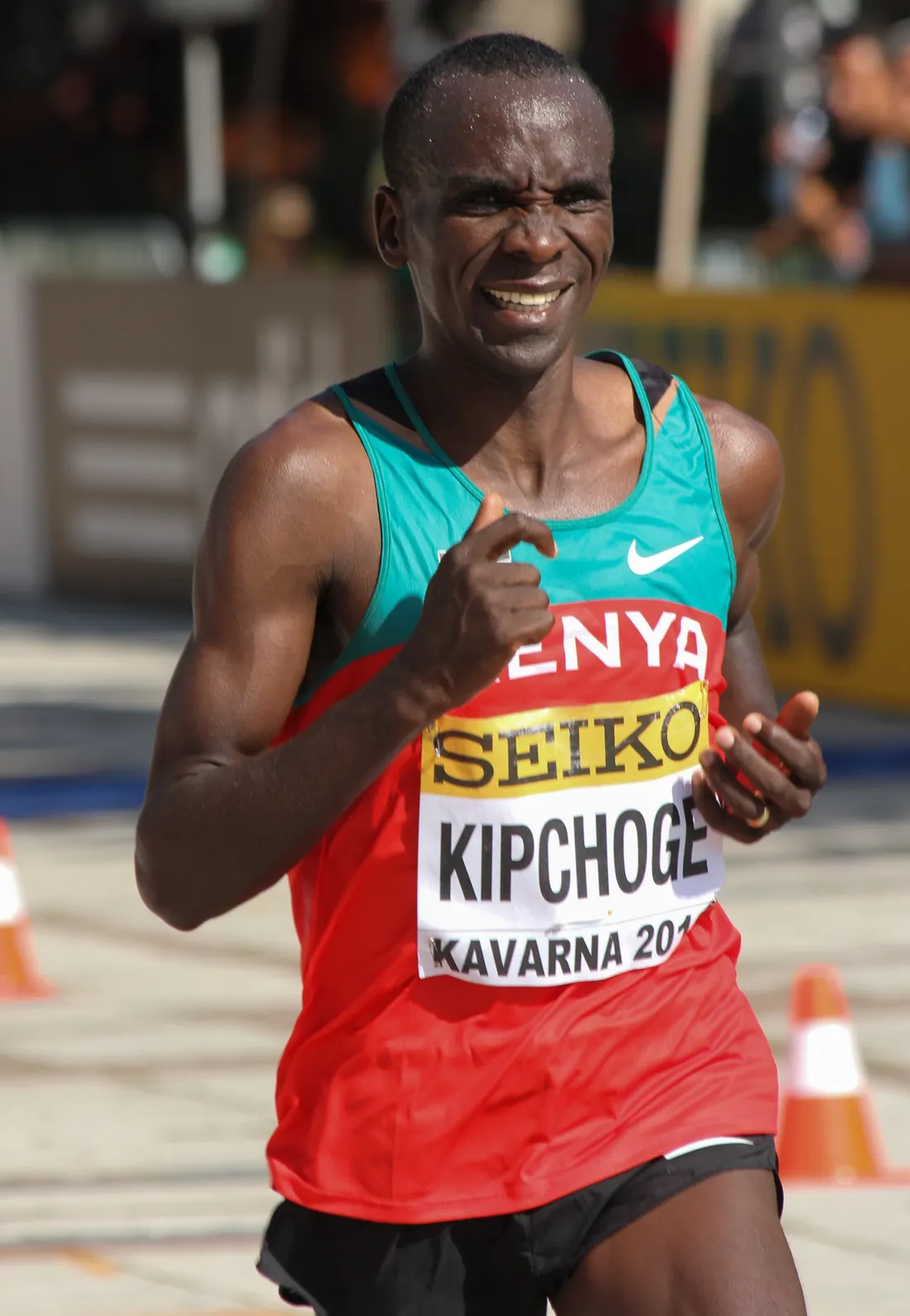
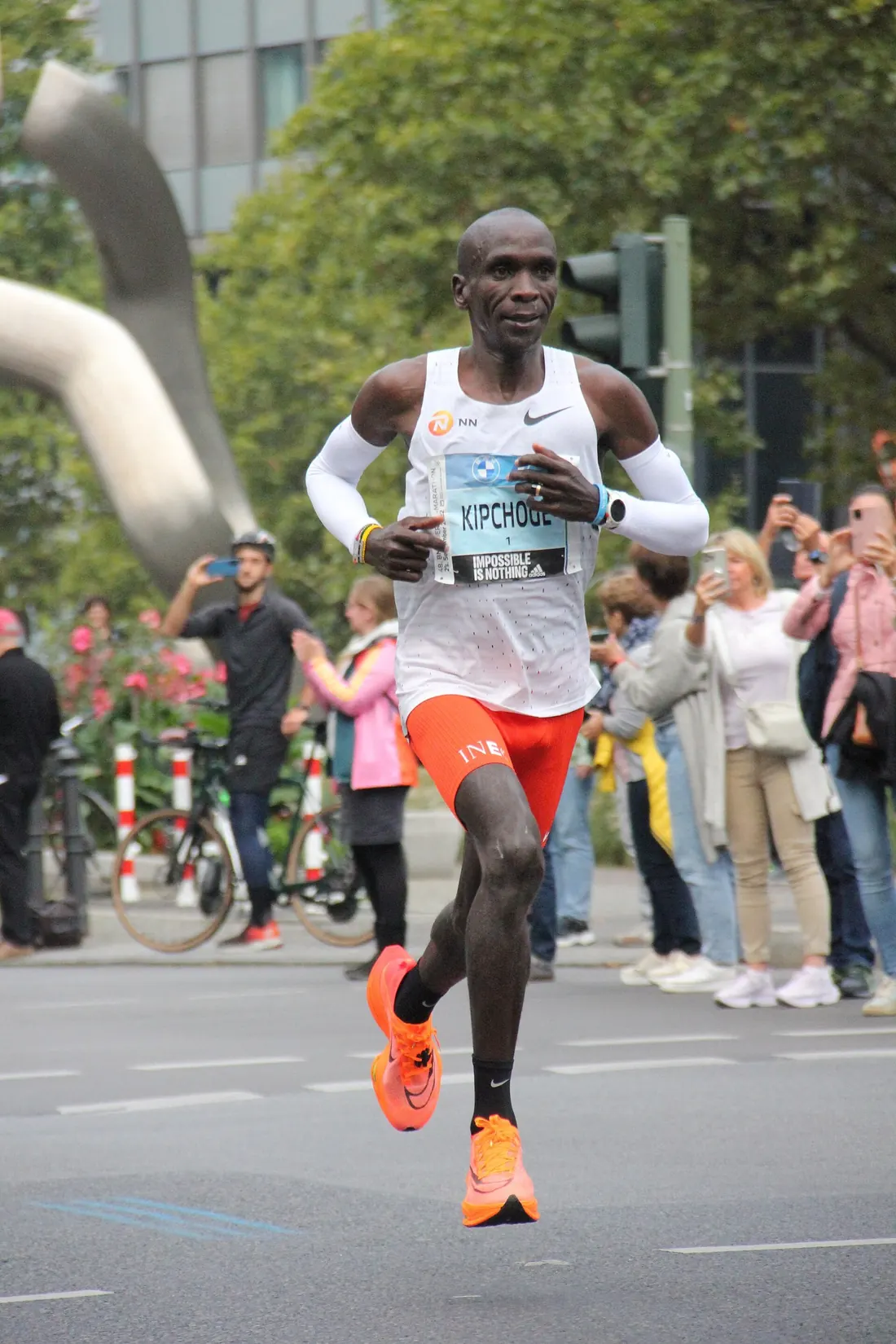
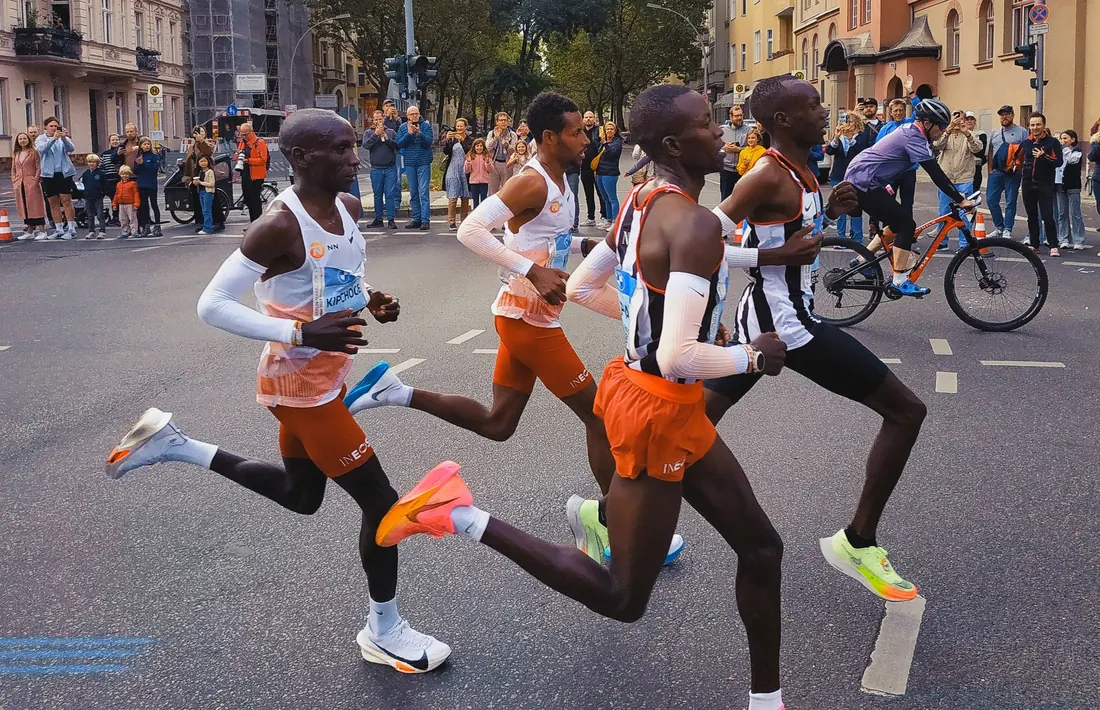
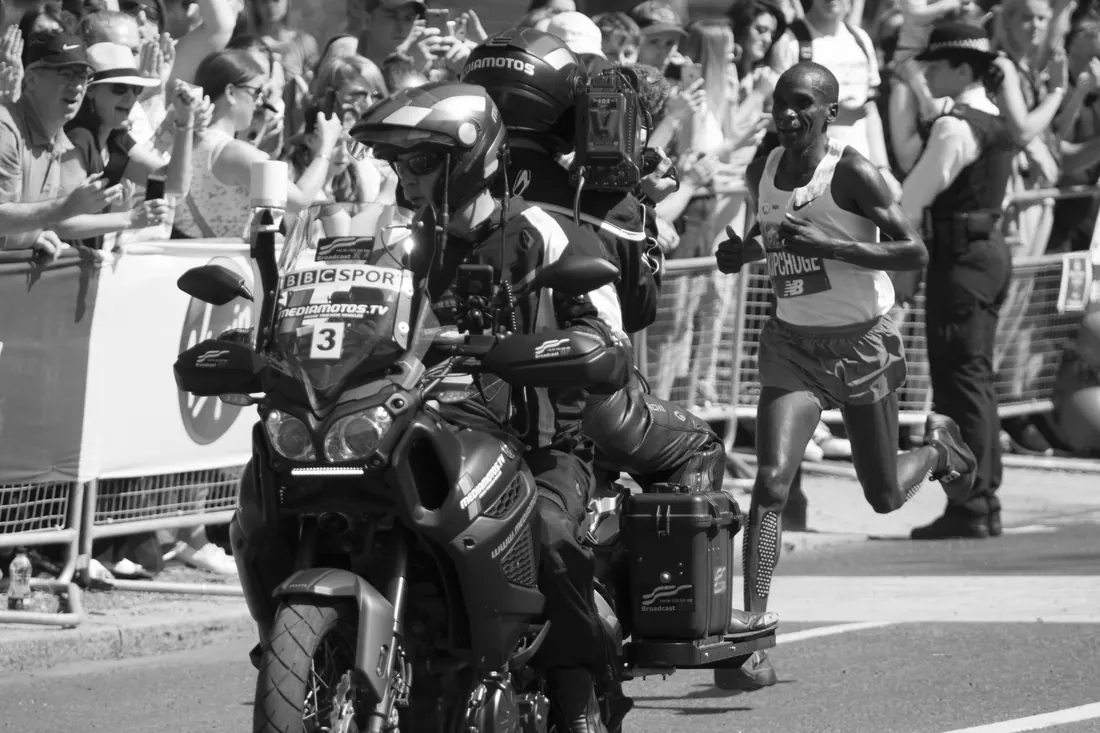
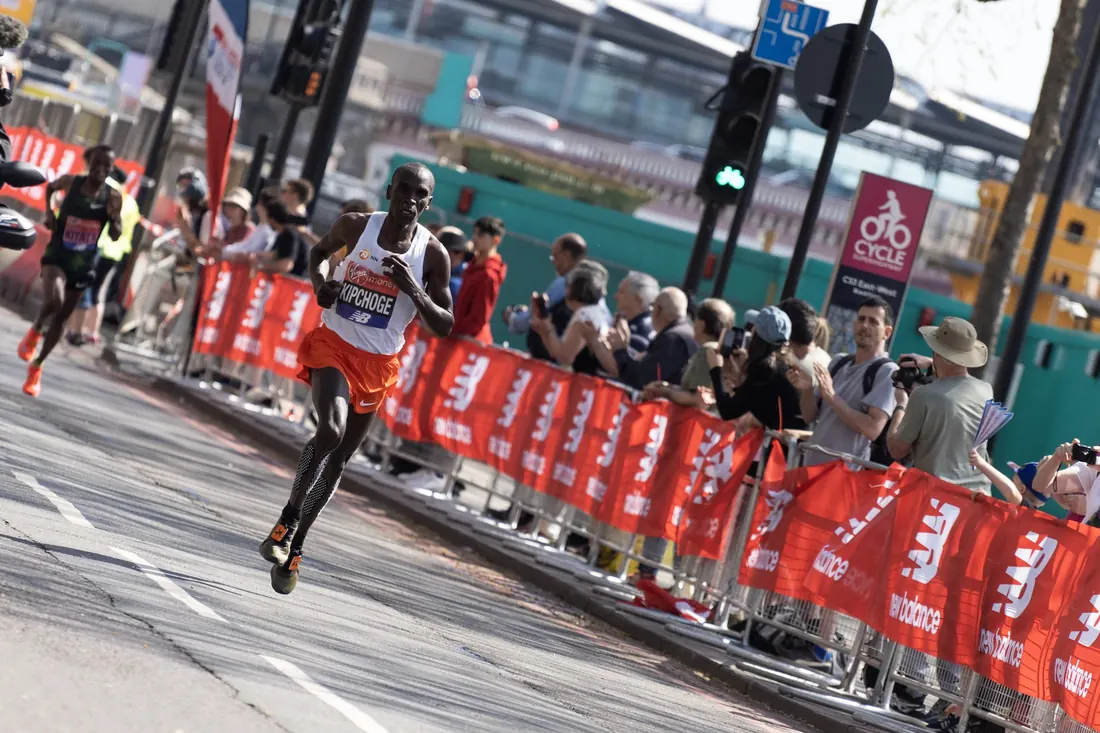
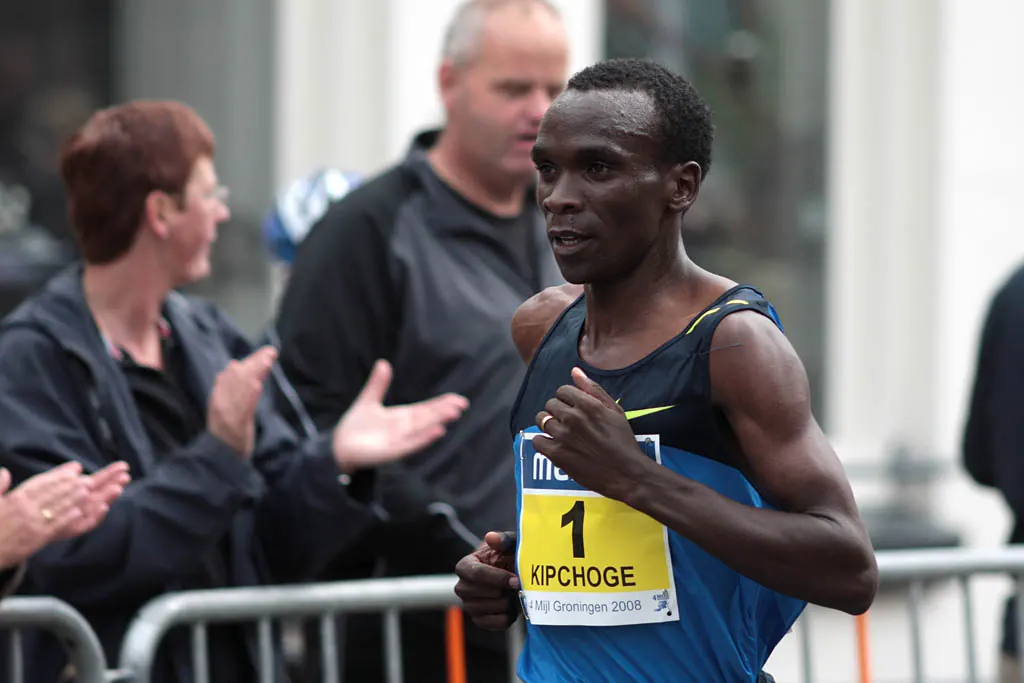
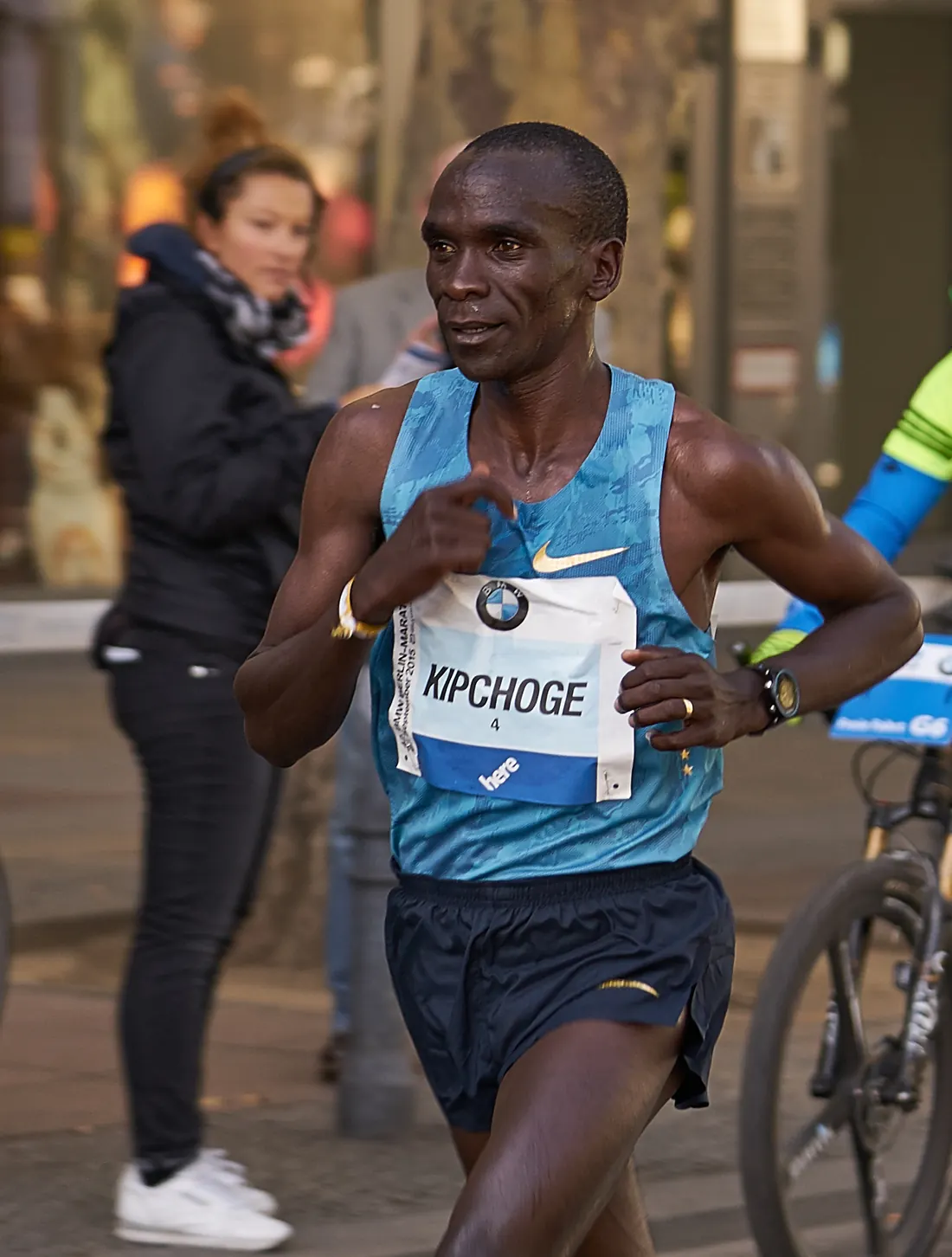
Pictures: only one photo here shows the Vienna run: Kipchoge alone in the last 200 meters of the INEOS 1:59 Challenge on October 12, 2019, taken by a spectator, Triathlet 79. There is no free photo of the Monza attempt; the circuit is seen from a Planet Labs SkySat satellite on April 22, 2018. The other photos of Kipchoge are from other races: the 4 Mijl van Groningen on October 12, 2008 (Michiel Jelijs), the World Half Marathon Championships in Kavarna, Bulgaria, on October 6, 2012 (Bob Ramsak), the Berlin Marathon on September 27, 2015 (Denis Barthel), the London Marathon on April 22, 2018 (leading, Paul Hudson; in black and white beside a camera motorbike, ianwakefield1967), the Berlin Marathon on September 25, 2022 (Desitlicheresguruweil), and the lead group at kilometer 25 of the Berlin Marathon on September 24, 2023 (IgorCalzone1; the runners around him are not his Vienna pacers). The Hauptallee in Vienna’s Prater park is seen in October 2008 (HatschiKa), and Kaptumo, in Nandi County, Kenya, on December 31, 2019 (Wktoo); it is not his school road.
Photo credits
The archive photos in this story
The photographs and illustrations in this story are in the public domain or shared under open licenses; each one is credited below with its license. Tap one to enlarge it, or follow the link to its Wikimedia Commons page for the full record. The narration, captions and graphics in the Short are our own; its music and sound effects are credited below.


Music and sound effects
Music: Mendelssohn, The Hebrides (Fingal's Cave), Overture, Op. 26 (Musopen Symphony Orchestra, public domain); Beethoven, Coriolan Overture, Op. 62 (Musopen Symphony Orchestra, CC0); Dvorak, Symphony No. 9 'From the New World': II. Largo (Musopen, public domain).
Sound effects: Freesound, CC0.