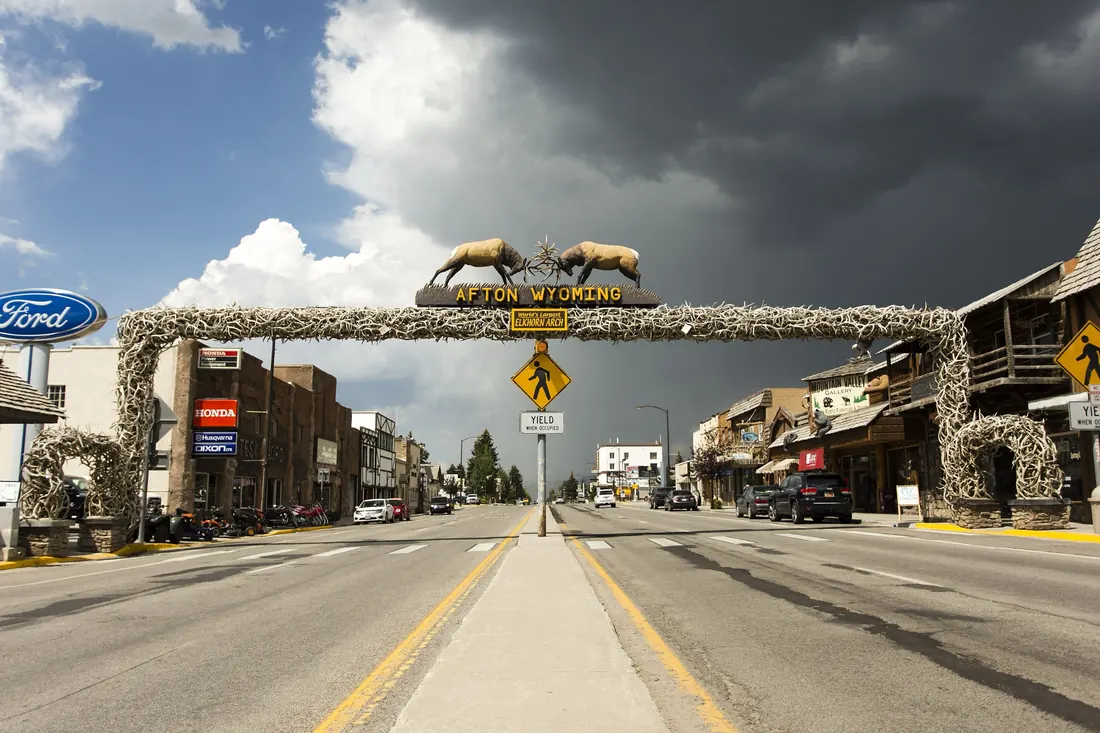
Rulon Gardner was “Born in 1971 in rural Afton, Wyoming,” The Guardian says, “the youngest of nine children.” Sports Illustrated described “the 250-acre dairy farm in Afton, Wyo., where Reed and Virginia Gardner raised their nine children,” and for the youngest, the Associated Press says, “childhood was all about hard work and chores.” “Among classmates he was an object of ridicule for being overweight and having a learning disability that put him at a fifth-grade reading level when he graduated from high school,” the AP says. “A learning disability made school difficult, as did his weight,” The Guardian says.
At the Sydney Olympics on September 27, 2000, he faced Russia’s Alexander Karelin in what an AP photo caption calls “the Greco-Roman 130 kg final wrestling match.” Karelin was “a three-time Olympic champion who had never been defeated in a 13-year international career,” USA Today wrote; “The ‘Russian Bear’ had an unrivaled 13-year unbeaten streak in international wrestling competition,” United World Wrestling says. In 1997, “during their only previous meeting Karelin drubbed him 5-0,” Sports Illustrated wrote. Gardner was, as the AP put it in 2020, “a 2,000-to-1 underdog.”
Gardner “takes a 1-0 lead early in the second period when Karelin makes a small, rare mistake,” SI wrote in its present-tense account of the final: “Gardner picked up the lone point of the match … when Karelin released his grip during the clinch that began Round 2, and thereafter Gardner repelled every offensive.” Then “the match goes into overtime (mandatory when neither wrestler has scored at least three points), and soon something more telling appears: fatigue.” Karelin, SI said, “At every break in the action he puts his hands on his hips and gasps for oxygen.” “Then, with five seconds left in the overtime, Karelin simply bows his head in resignation.”
“Gardner celebrated with a cartwheel on the mat after he pulled off a 1-0 victory in overtime in his gold medal match against Russia’s Alexander Karelin,” USA Today recalled four years later.
“In February of 2002, Gardner went snowmobiling,” the National Weather Service’s office in Riverton, Wyoming, says, and he was “lost in sub-zero temperatures,” USA Today wrote, for 17 hours “in temperatures that dropped to around -10 F.” “The all-night ordeal cost Gardner his right middle toe,” the Weather Service says. He came back: at the Athens 2004 Olympics he won “a 3-0 victory in overtime in his bronze medal match against Iran’s Sajad Barzi,” USA Today reported, and then “an emotional Rulon Gardner left his wrestling shoes at the center of the mat as a ceremonial farewell to his sport.” “To leave them on the mat meant I left everything on the mat as a wrestler,” he said. “Gardner heads into retirement with a bronze medal.”
Fact check
The facts and where they come from
- He was called a 2,000-to-1 underdog, but he beat a man unbeaten in 13 years. Associated Press: “Gardner, a 2,000-to-1 underdog, beat three-time gold medalist Aleksandr Karelin in the Greco Roman heavyweight final at the Sydney Games.” United World Wrestling: “The ‘Russian Bear’ had an unrivaled 13-year unbeaten streak in international wrestling competition.” USA Today: “a three-time Olympic champion who had never been defeated in a 13-year international career.” 352
- His name is Rulon Gardner. Sports Illustrated, in its headline: “By Beating the Unbeatable Karelin, U.S. Farm Boy Rulon Gardner Reaped a Stunning Golden Harvest.” 1
- The youngest of nine, he grew up on a dairy farm in Afton, Wyoming. Associated Press: “For the youngest of Reed and Virginia Gardner’s nine children, childhood was all about hard work and chores.” Sports Illustrated: “On the 250-acre dairy farm in Afton, Wyo., where Reed and Virginia Gardner raised their nine children.” The Guardian: “Born in 1971 in rural Afton, Wyoming, Gardner is … the youngest of nine children.” 314
- Kids teased him about his weight, and a learning disability made reading hard. Associated Press: “Among classmates he was an object of ridicule for being overweight and having a learning disability that put him at a fifth-grade reading level when he graduated from high school.” The Guardian: “A learning disability made school difficult, as did his weight.” 34
- In Sydney, he made the Olympic final. Sports Illustrated: “In the audience on Sept. 27 is IOC president Juan Antonio Samaranch” … “this gold medal Greco-Roman heavyweight match.” Associated Press photo caption: “In this Sept. 27, 2000, file photo … in the Greco-Roman 130 kg final wrestling match at the Summer Games in Sydney.” 13
- His opponent was Russia’s Alexander Karelin, with three Olympic golds. USA Today: “Russia’s Alexander Karelin, a three-time Olympic champion.” United World Wrestling: “Karelin claimed eight of his nine world titles during the 1990’s, along with two of his three Olympic titles.” Foundation of the Hellenic World: “the gold medal in the Olympic Games of Barcelona in 1992 and of Atlanta in 1996.” 257
- When they first met, Karelin had beaten him 5-0. Sports Illustrated: “That’s what Karelin did to Gardner three times in 1997, when during their only previous meeting Karelin drubbed him 5-0.” 1
- Early in the second period, Karelin let go in the clinch. Sports Illustrated: “takes a 1-0 lead early in the second period when Karelin makes a small, rare mistake” … “Gardner picked up the lone point of the match … when Karelin released his grip during the clinch that began Round 2, and thereafter Gardner repelled every offensive.” 1
- That gave Gardner one point. Sports Illustrated: “the lone point of the match.” 1
- In overtime, the great Russian was gasping for air. Sports Illustrated: “as the match goes into overtime (mandatory when neither wrestler has scored at least three points), and soon something more telling appears: fatigue” … “At every break in the action he puts his hands on his hips and gasps for oxygen.” 1
- With five seconds to go, he hung his head. Sports Illustrated: “Then, with five seconds left in the overtime, Karelin simply bows his head in resignation.” 1
- The farm boy had won, 1-0. USA Today: “Gardner celebrated with a cartwheel on the mat after he pulled off a 1-0 victory in overtime in his gold medal match against Russia’s Alexander Karelin.” 2
- Frostbite later cost him a toe, but he won bronze in Athens. National Weather Service: “In February of 2002, Gardner went snowmobiling” … “After 17 hours in temperatures that dropped to around -10 F” … “The all-night ordeal cost Gardner his right middle toe.” USA Today: “He lost a toe on his right foot to frostbite after being lost in sub-zero temperatures in February of 2002” … “Gardner heads into retirement with a bronze medal.” 62
- Then he left his shoes on the mat. USA Today: “an emotional Rulon Gardner left his wrestling shoes at the center of the mat as a ceremonial farewell to his sport.” 2
- “I left everything on the mat,” he said. USA Today: “To leave them on the mat meant I left everything on the mat as a wrestler,” said Gardner. 2
Sources
- Bumper Crop: By Beating the Unbeatable Karelin, U.S. Farm Boy Rulon Gardner Reaped a Stunning Golden Harvest (Jack McCallum, October 9, 2000) Sports Illustrated
- Gardner taking his moves home (Gary Mihoces, August 26, 2004) USA Today
- Associated Press profile of Rulon Gardner (Eric Olson, July 21, 2020) Insurance Journal
- Rulon Gardner and the lonely afterglow of Olympic gold (Joan Niesen, November 18, 2020) The Guardian
- UWW LIVE: Aleksandr Karelin: Three-Time Olympic Champion, Nine-Time World Champion (August 12, 2020) United World Wrestling
- Rulon Gardner: Olympic Champion and Wyoming Native US National Weather Service, Riverton, Wyoming
- Aleksandr Karelin Foundation of the Hellenic World
Notes
“2,000 to 1”: the figure is widely reported, by the Associated Press among others, but we found no bookmaker or original source for it, so the Short says he “was called” a 2,000-to-1 underdog.
How long Karelin was unbeaten: 13 years in international competition, say United World Wrestling and USA Today; Sports Illustrated says he “last lost in 1986,” and the Associated Press says he hadn’t “been beaten in 14.” The Short uses 13.
Points Karelin gave up: United World Wrestling says he went six years without surrendering a point; Sports Illustrated says Gardner’s was “only the second Karelin had yielded in two years.” Neither is in the Short.
The point: under the 2000 rules, letting go of the clinch gave the opponent a point (Sports Illustrated: “Karelin released his grip during the clinch”). Some later accounts call it a penalty point; the Foundation of the Hellenic World says “due to a penalty point for foul play.” The Short says only that Karelin let go in the clinch and that it gave Gardner one point.
The end: Sports Illustrated says Karelin bowed his head with five seconds left in overtime; the match went to time, and Gardner won 1-0 (USA Today). The Short doesn’t say Karelin quit.
The toe: his right middle toe, the National Weather Service says; the Short says “a toe.”
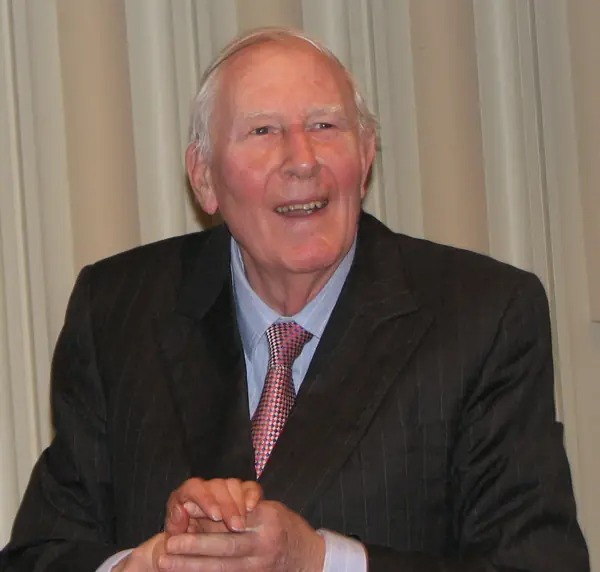
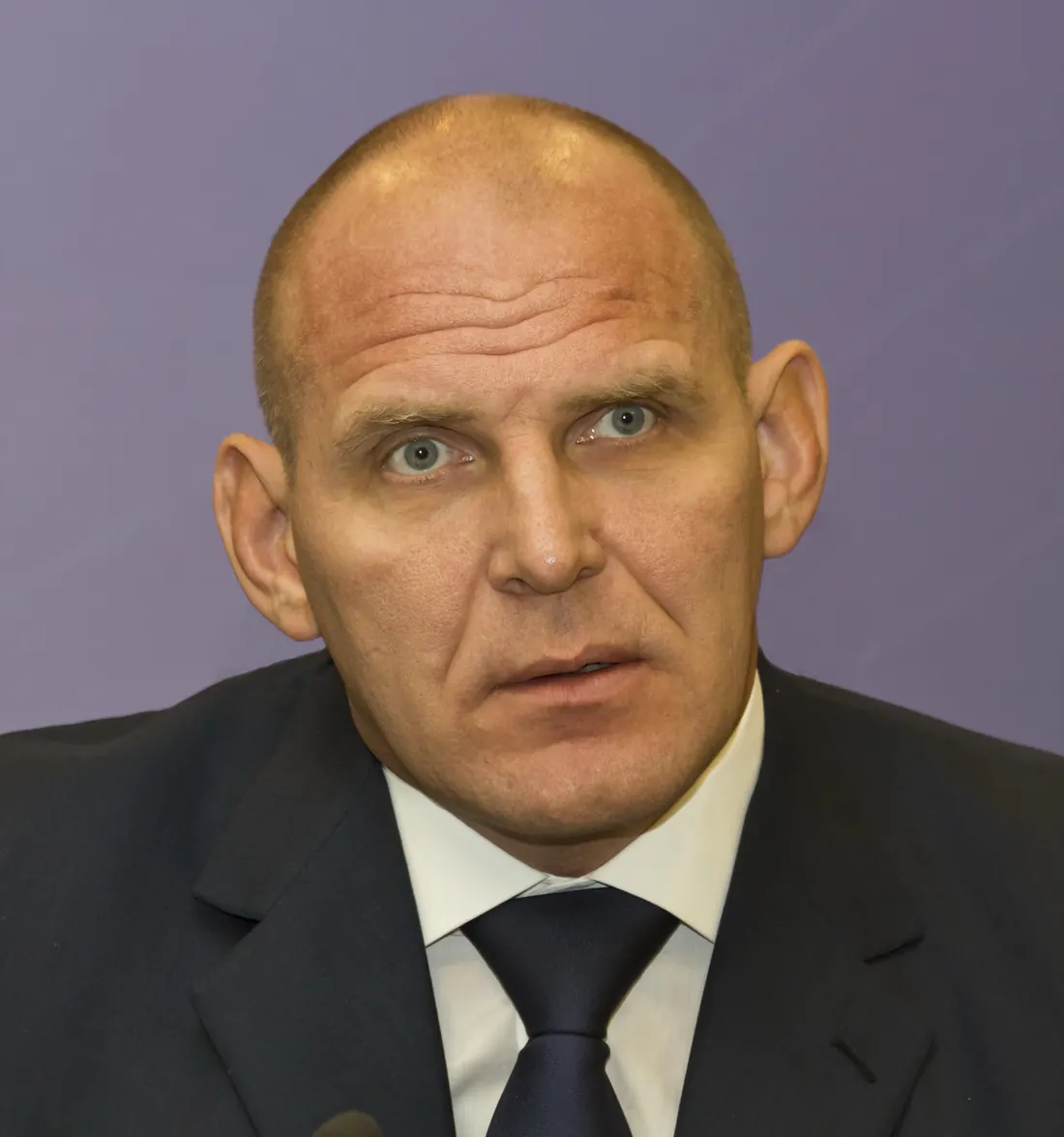
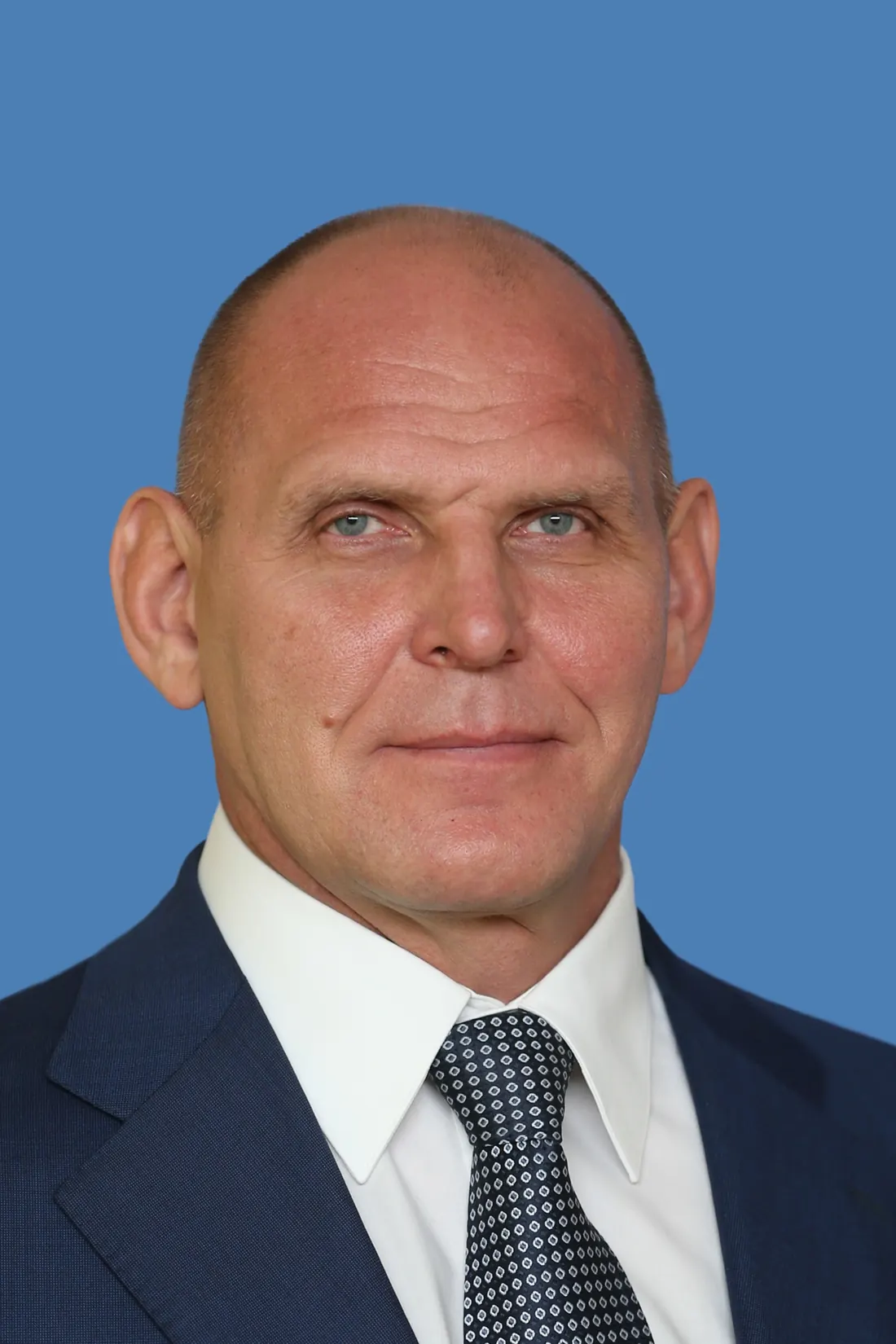
Rulon Gardner and Alexander Karelin are alive. Gardner’s weight and learning disability are told only as he has told them in public, and in a gentle line; nothing else about his health, money or family is used. Karelin is shown only in neutral portraits.
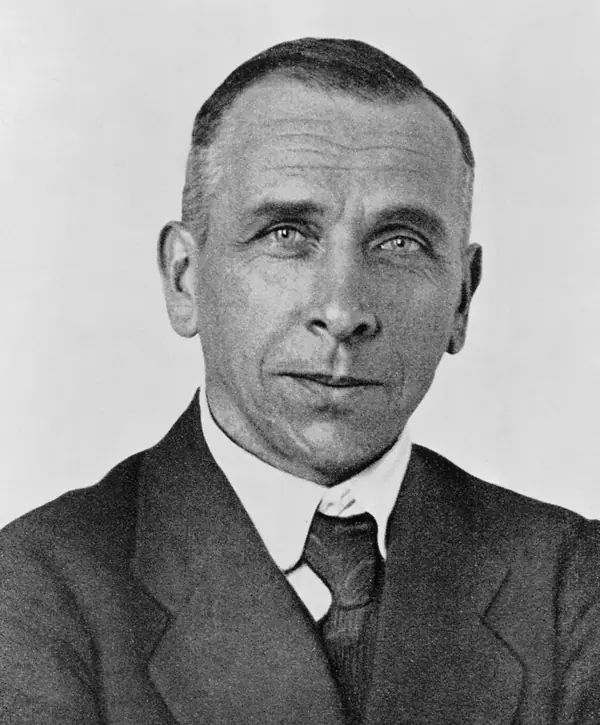
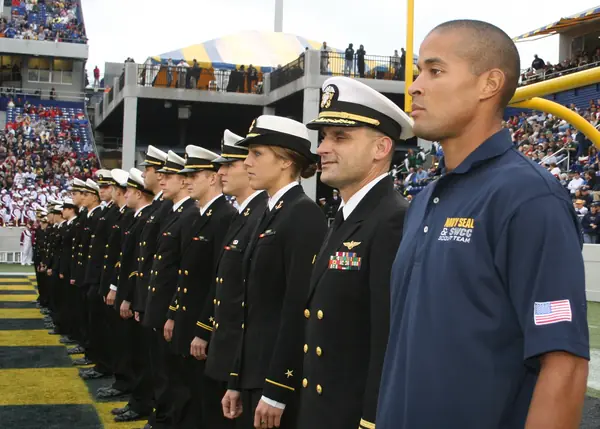
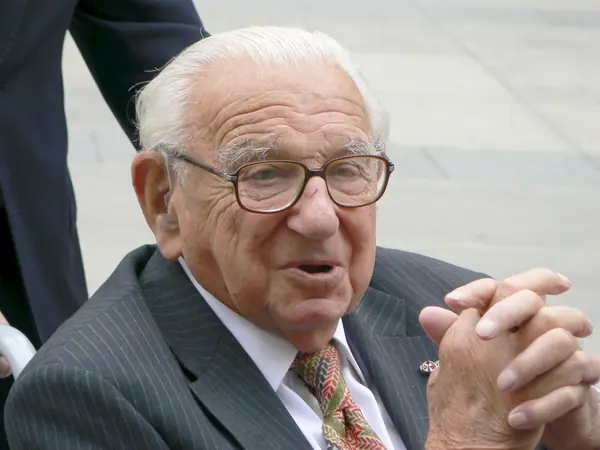
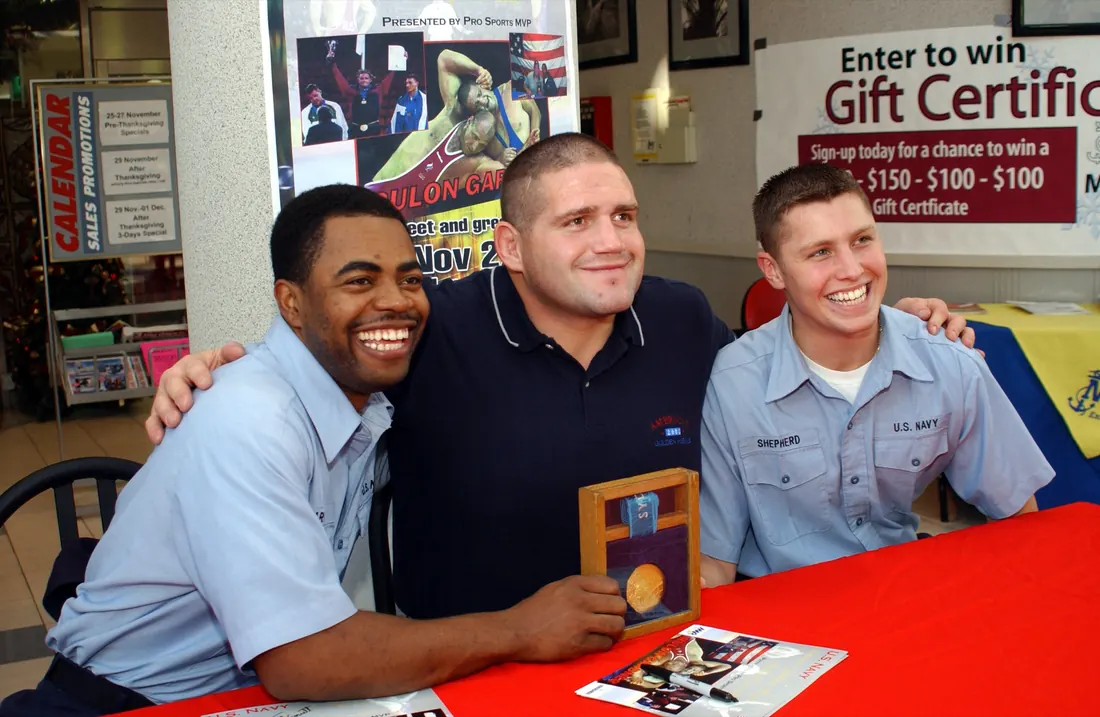
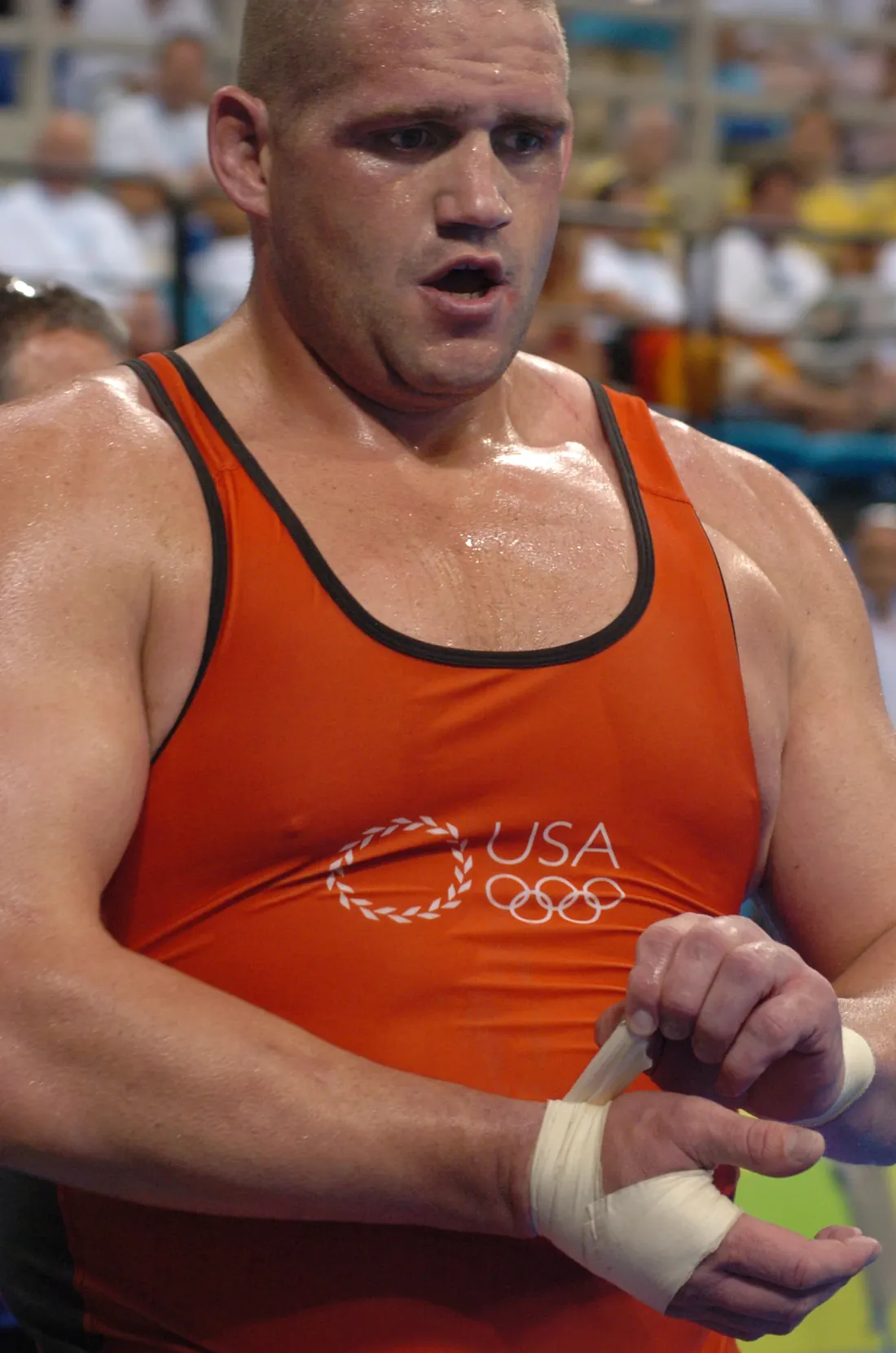
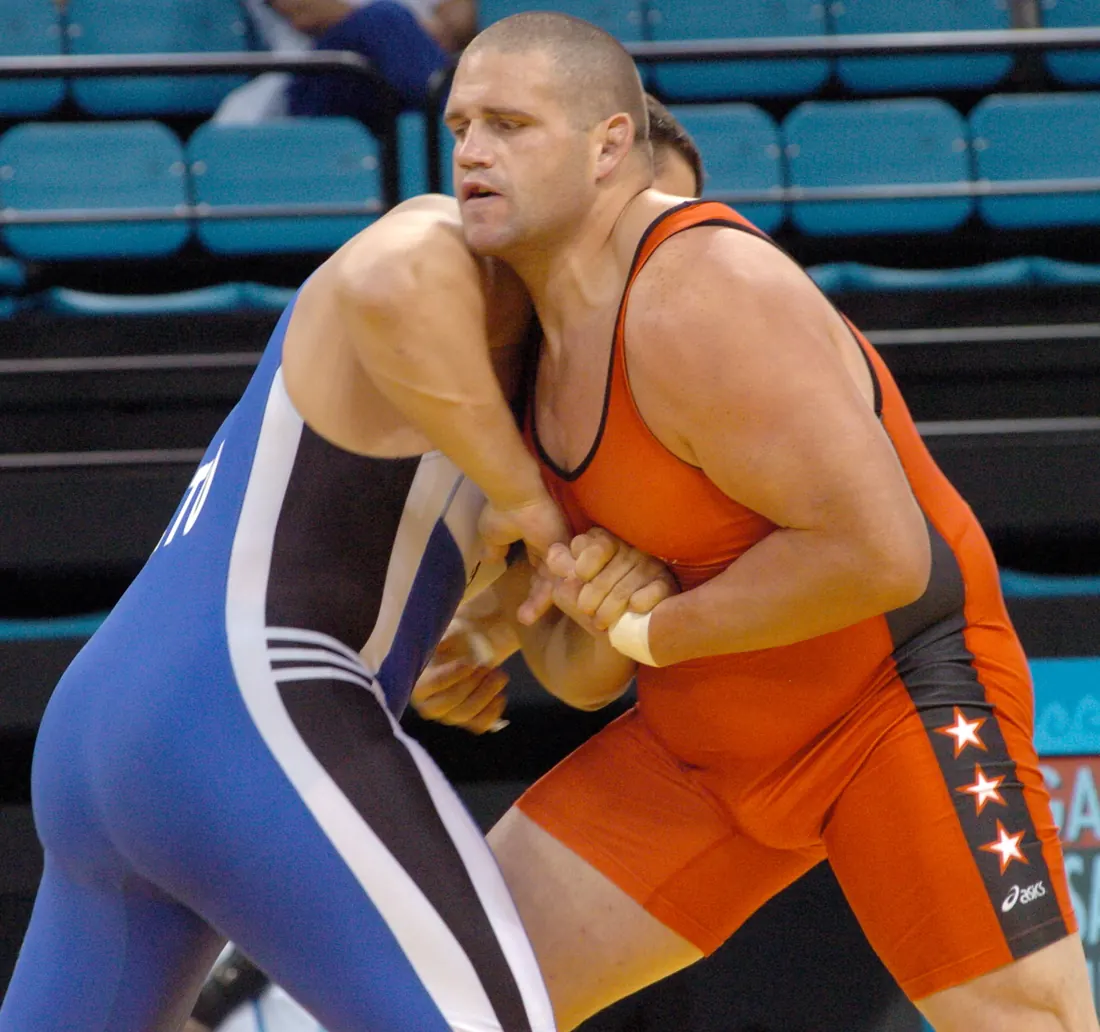
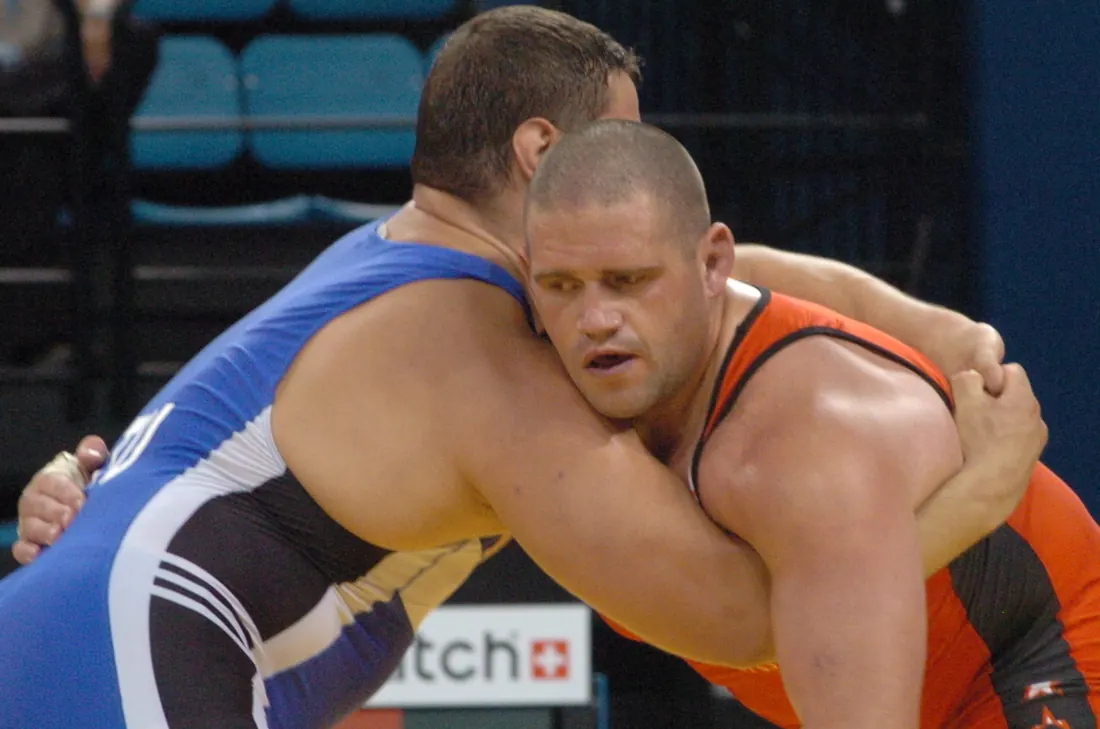
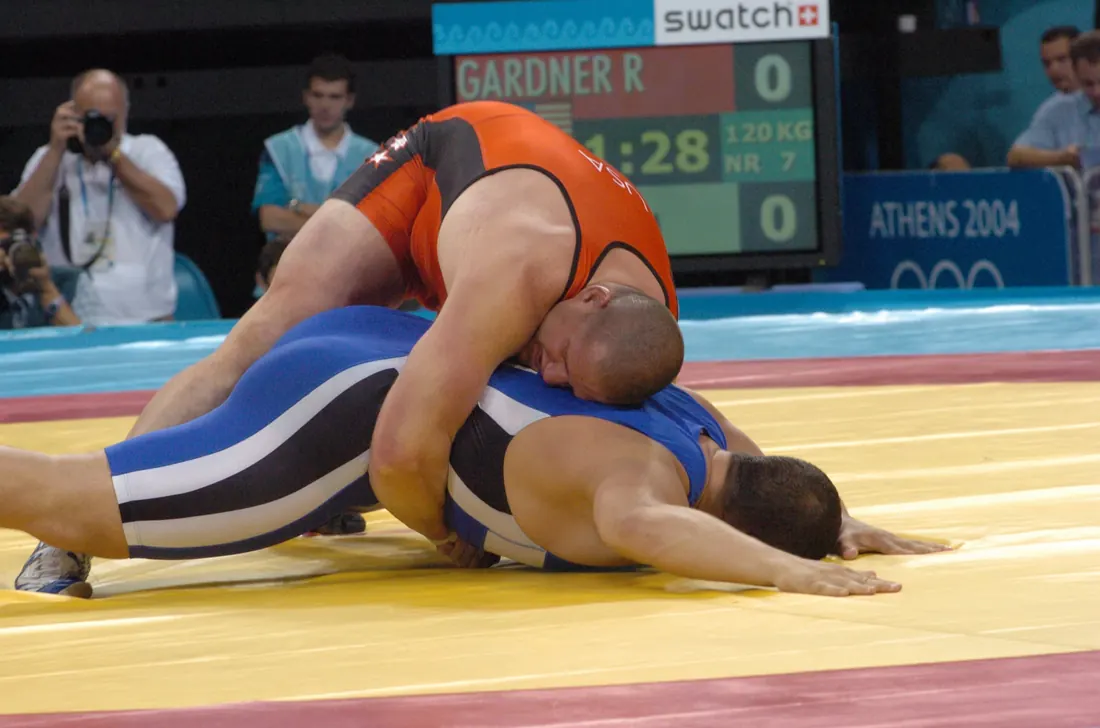
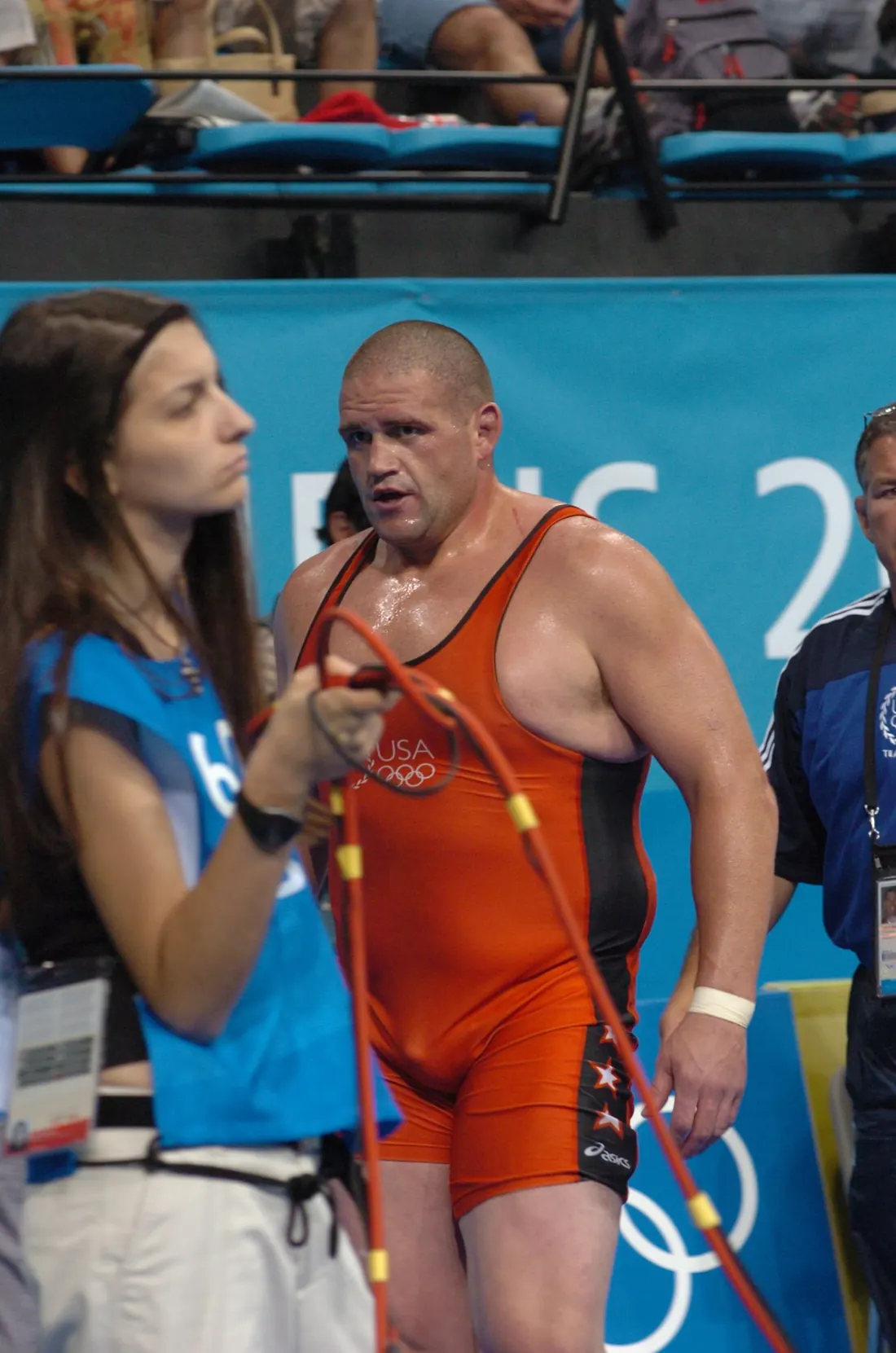
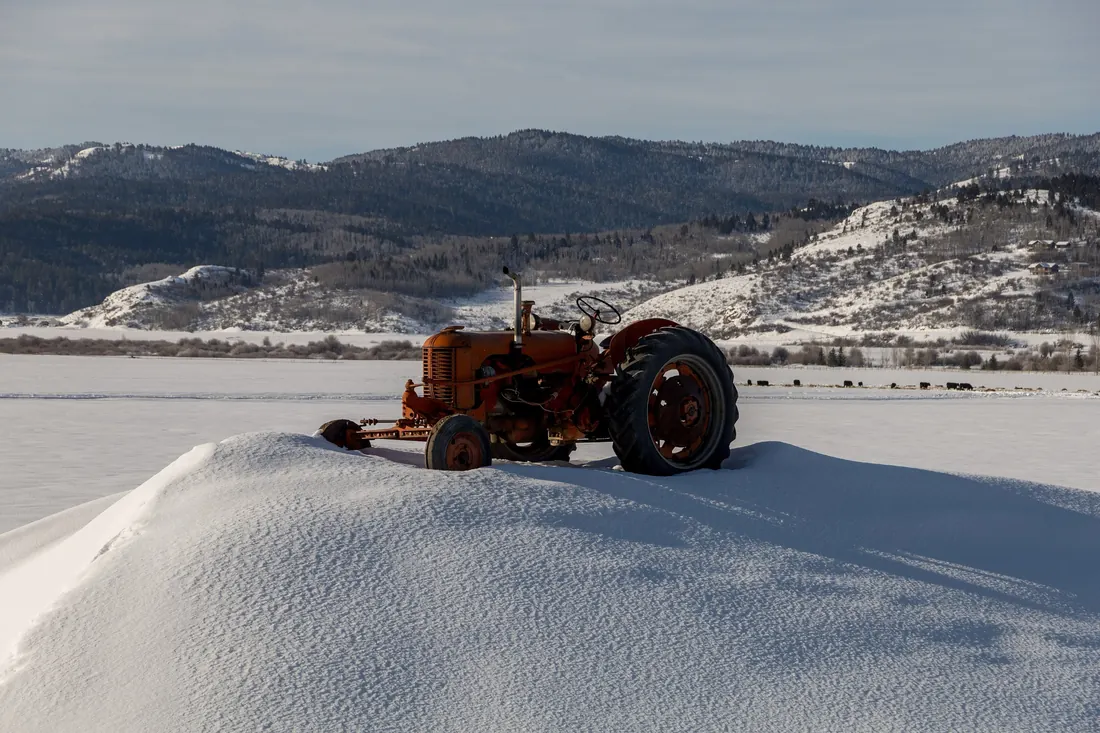
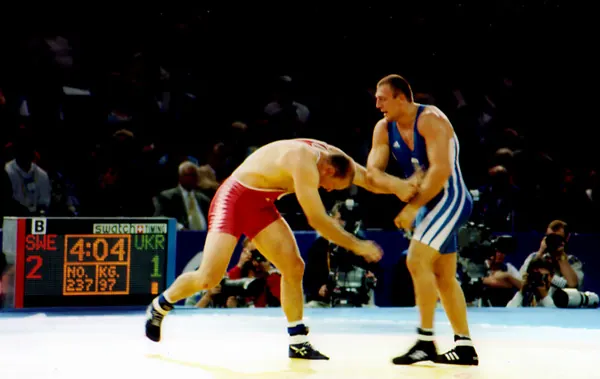
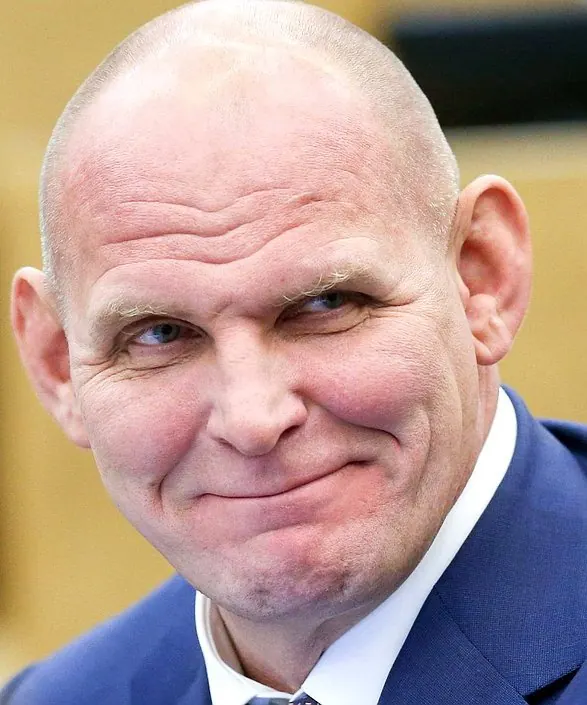
Pictures: no free photo shows the Sydney final. Gardner is shown at the Athens 2004 Olympics in August 2004 in five U.S. Army photos (wrapping his hand, at the mat side, in two clinches with opponents who are not Karelin, and on the mat under a scoreboard reading “GARDNER R”), and with his Olympic gold medal and two U.S. Navy dental technicians at Naval Air Facility Atsugi, Japan, on November 27, 2002. The Sydney 2000 photo shows a Greco-Roman gold-medal match between two other wrestlers in the same hall on September 26, 2000, the day before Gardner’s final. Karelin is shown in Moscow on September 13, 2013, on September 25, 2018 (a State Duma photo) and in his official Federation Council portrait of September 30, 2020. The “Home of Rulon Gardner · 2000 Olympic Gold Medalist” sign in Afton was photographed about 2001; the elk antler arch on Afton’s Main Street on July 31, 2013; and the snowy field in Star Valley, Wyoming, on January 9, 2022.
Photo credits
The archive photos in this story
The photographs and illustrations in this story are in the public domain or shared under open licenses; each one is credited below with its license. Tap one to enlarge it, or follow the link to its Wikimedia Commons page for the full record. The narration, captions and graphics in the Short are our own; its music and sound effects are credited below.

Music and sound effects
Music: Schumann, Kinderszenen, Op. 15: No. 1 'Of Foreign Lands and Peoples (Musopen, public domain); Beethoven, Coriolan Overture, Op. 62 (Musopen Symphony Orchestra, CC0); Brahms, Symphony No. 1 in C minor, Op. 68: IV. Adagio - Piu andante - Allegro non troppo, ma con brio (Musopen Symphony Orchestra, CC0); Dvorak, Symphony No. 9 'From the New World': II. Largo (Musopen, public domain).
Sound effects: Freesound, CC0.