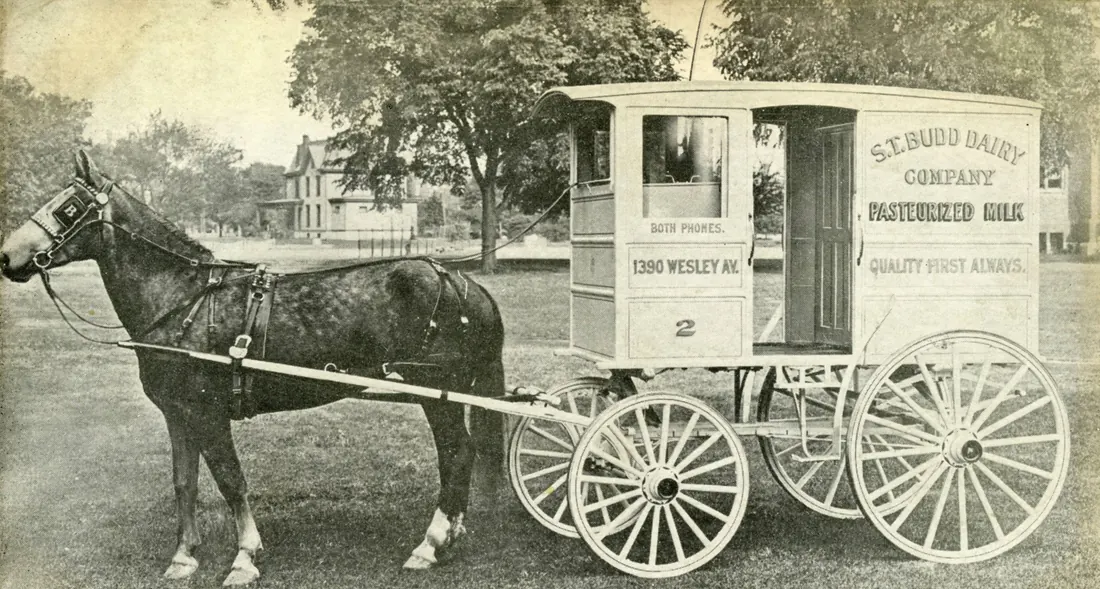
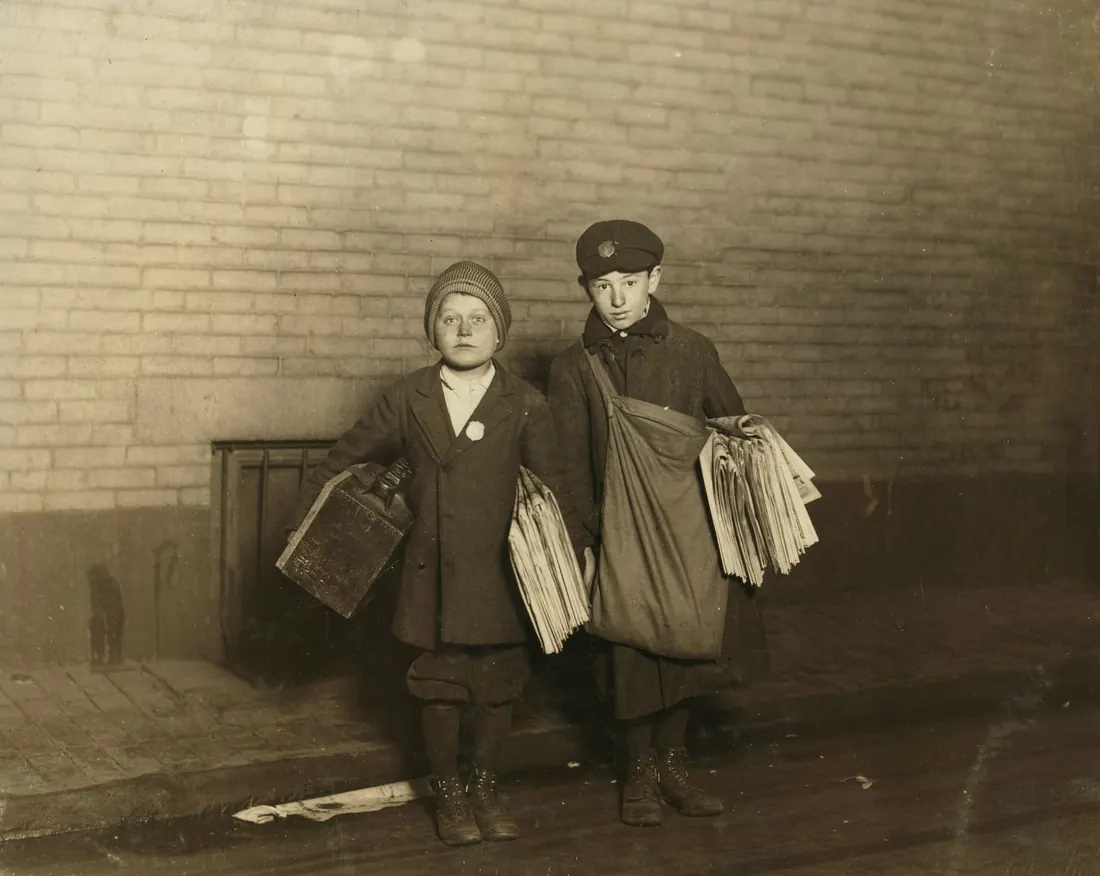
Frank Caprio’s parents were “Italian immigrants Antonio ‘Tup’ Caprio and Filomena Caprio,” the introduction to his memoir says, and “Mr. Caprio grew up in Providence’s Federal Hill neighborhood, the second of three boys,” The Boston Globe says. “Caprio’s father sold fruit from a pushcart and then worked as a milkman,” the ABA Journal says. “As a youngster, Caprio awoke at 4 a.m. to help him with his deliveries.” “When I was sixteen, I worked so many jobs that one might honestly lose track,” Caprio wrote. “Aside from helping my dad with the milk truck, I also worked shining shoes on the corner and delivering newspapers.”
In his memoir, Compassion in the Court, he remembered an evening at home: “It was a Monday, and it was freezing cold. We were at home about to have dinner … This Monday, my father stood next to me. He put his hand on my shoulder and said to me…” “Someday you’re going to be a lawyer. You’re a good talker. You’re going to be a lawyer someday. But,” he added, “there’s one thing: you can’t charge poor people like us. There will be enough rich people to pay you.”
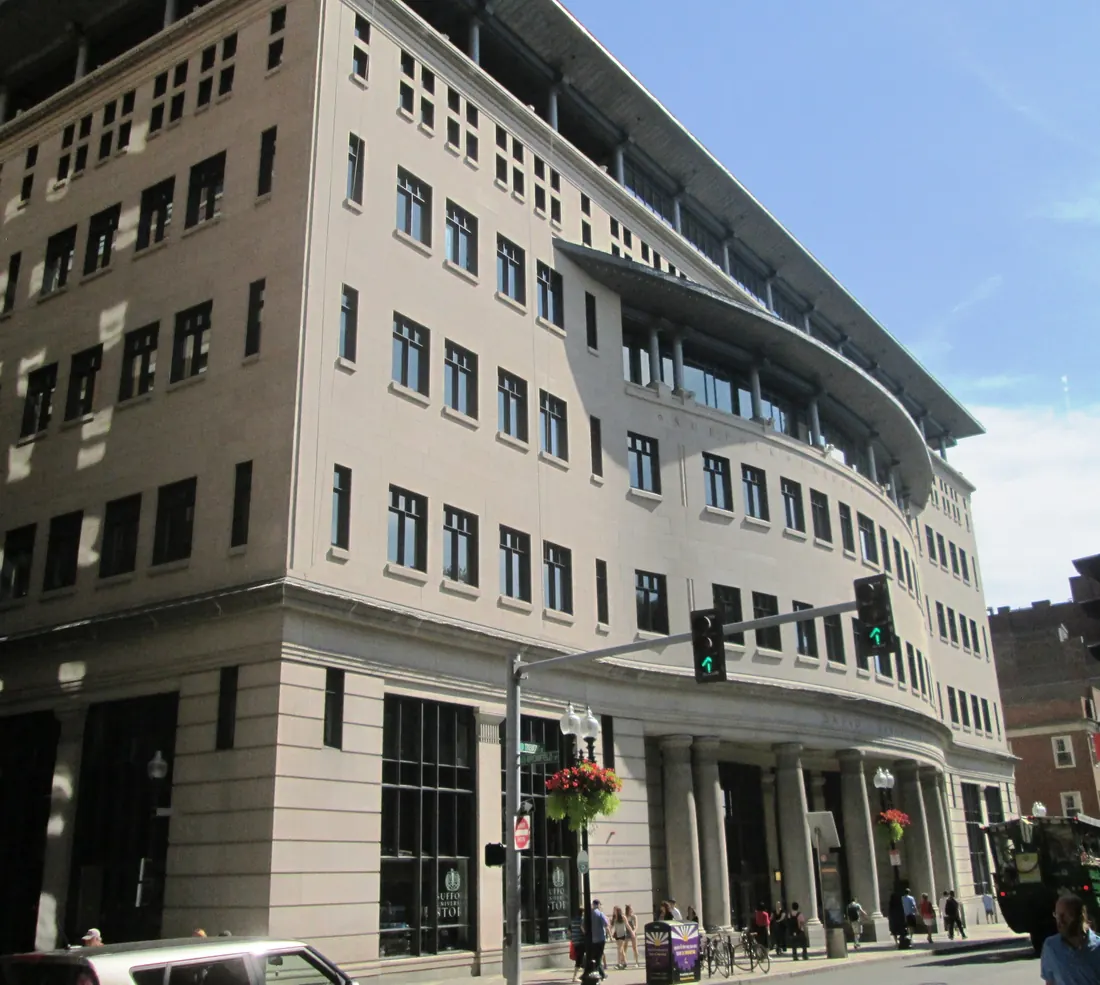
Caprio “began teaching at a high school in the city while he attended night classes at Suffolk University School of Law in Boston,” The Washington Post says. “He took the bench in 1985 and remained for nearly four decades,” in the ABA Journal’s words. “Caprio had invited his father—‘maybe the most decent man I ever met in my life,’ Caprio said—to watch him on his first day on the bench,” Upworthy says, retelling his own video, and “a woman was brought before him owing $300 in parking tickets. She said she couldn’t pay them because she didn’t have the money.” He “told her she had to pay the $300 or have her car booted.” “I said to her: ‘I’m charging you the full amount and your car’s gonna get booted,’” he told EWTN News.
His father, as Caprio told it in the video, said: “Frank, that woman … You fined her…she was scared.” In the EWTN interview, the words were: “She was scared. She has three kids. How’s she gonna to feed them?” “It never happened again after that. Never,” Judge Caprio said in the video, The Washington Post reported. “When other judges asked him why he would be so lenient, he said: ‘I would just place myself in the shoes of the person before me,’” CNA reported. “Under my robe, I have a heart, not a badge,” the ABA Journal quotes him. The hearings became television: “In 1998, those judicial goings on became a program called Caught in Providence,” the ABA Journal says, and CNA says, “The program began in 1999 and went viral in 2017.”
Frank Caprio “has died at the age of 88,” The Boston Globe reported. “Mr. Caprio had been battling pancreatic cancer.” The editors of his memoir’s excerpt mark “Judge Frank Caprio’s passing on August 20, 2025.” Of the evening his father put a hand on his shoulder, he wrote: “Every day since, I still feel his hand on my shoulder.”
Fact check
The facts and where they come from
- The world’s nicest judge turned down a mother’s plea, as his father watched. The Washington Post: the nickname “the nicest judge in the world”; “his father came to watch him on his first day sitting on the bench and reprimanded him after he failed to hear a mother’s pleas that she could not afford to pay $300 in parking tickets.” 2
- His name was Frank Caprio. The Washington Post: “Mr. Caprio, who served as chief judge in his nearly four decades at the Providence Municipal Court.” 2
- His father, an Italian immigrant, sold fruit, then delivered milk. Memoir introduction: “his parents — Italian immigrants Antonio ‘Tup’ Caprio and Filomena Caprio.” ABA Journal: “Caprio’s father sold fruit from a pushcart and then worked as a milkman.” The Boston Globe: “Mr. Caprio grew up in Providence’s Federal Hill neighborhood, the second of three boys.” 143
- Frank helped on the milk truck and shined shoes. Caprio, in his memoir: “When I was sixteen, I worked so many jobs that one might honestly lose track. Aside from helping my dad with the milk truck, I also worked shining shoes on the corner and delivering newspapers.” ABA Journal: “As a youngster, Caprio awoke at 4 a.m. to help him with his deliveries.” The Washington Post: “a fruit peddler, a milkman, a newspaper delivery man and a shoeshiner in his youth, according to his website.” 142
- On a freezing evening, his father put a hand on his shoulder. Caprio, in his memoir: “It was a Monday, and it was freezing cold. We were at home about to have dinner … This Monday, my father stood next to me. He put his hand on my shoulder and said to me…” 1
- “Someday you’re going to be a lawyer,” he said. “You can’t charge poor people like us.” Caprio, in his memoir: “Someday you’re going to be a lawyer. You’re a good talker. You’re going to be a lawyer someday. But,” he added, “there’s one thing: you can’t charge poor people like us. There will be enough rich people to pay you.” 1
- He studied law at night, and in 1985 became a Providence judge. The Washington Post: he “began teaching at a high school in the city while he attended night classes at Suffolk University School of Law in Boston.” Memoir introduction: “since he first took the bench in 1985.” ABA Journal: “He took the bench in 1985 and remained for nearly four decades.” 214
- His father came to watch his first day. The Washington Post: “his father came to watch him on his first day sitting on the bench.” Upworthy: “Caprio had invited his father—‘maybe the most decent man I ever met in my life,’ Caprio said—to watch him on his first day on the bench.” 27
- A mother couldn’t pay $300 in parking tickets. The Washington Post: “a mother’s pleas that she could not afford to pay $300 in parking tickets.” Upworthy: “a woman was brought before him owing $300 in parking tickets. She said she couldn’t pay them because she didn’t have the money.” 27
- He ordered her to pay, or have her car booted. Upworthy: he “told her she had to pay the $300 or have her car booted.” Caprio, to EWTN News: “I said to her: ‘I’m charging you the full amount and your car’s gonna get booted.’” 75
- His father told him, “She was scared.” Upworthy (his father, as Caprio told it in his video): “Frank, that woman … You fined her…she was scared.” Caprio, to EWTN News: “my father … said to me, ‘She was scared. She has three kids. How’s she gonna to feed them?’” 75
- “It never happened again,” Caprio said. “Never.” The Washington Post: “‘It never happened again after that. Never,’ Judge Caprio said in the video.” 2
- For nearly 40 years, he put himself in people’s shoes. The Washington Post: “his nearly four decades at the Providence Municipal Court.” CNA: “When other judges asked him why he would be so lenient, he said: ‘I would just place myself in the shoes of the person before me.’” Caprio, to EWTN News: “I just place myself in their shoes, of the person in front of me.” 265
- He died in 2025, at 88. The Washington Post: “has died. He was 88.” … “after a long and courageous battle with pancreatic cancer.” The Boston Globe: “has died at the age of 88. Mr. Caprio had been battling pancreatic cancer.” Rhode Island Monthly (editor’s note): “Judge Frank Caprio’s passing on August 20, 2025.” 231
- “Every day since, I still feel his hand on my shoulder,” he wrote. Caprio, in his memoir: “Every day since, I still feel his hand on my shoulder.” 1
Sources
- Compassion in the Court: Read an Excerpt from Judge Frank Caprio’s New Memoir (August 21, 2025) Rhode Island Monthly
- Frank Caprio, judge whose kindness led to online fame, dies at 88 (Kelly Kasulis Cho, August 21, 2025) The Washington Post, on the ABA Journal
- Judge Frank Caprio, America’s ‘nicest judge,’ dies at 88 (August 20, 2025) The Boston Globe
- An interview with Frank Caprio, America’s nicest judge (Randy Maniloff, 2025) ABA Journal
- Frank Caprio: ‘The world’s kindest judge’ faces toughest battle of his life with cancer (Diego López Marina, February 23, 2025) EWTN News / CNA
- Frank Caprio, famed judge known for showing mercy, dies at 88 (Amira Abuzeid, August 20, 2025) CNA, on Catholic World Report
- ‘Nicest judge in the world’ reveals the $300 case that pushed him to rule with compassion (Annie Reneau, February 16, 2024) Upworthy
- Judge Caprio is kinda, sorta retiring. But not exactly. (January 3, 2023) The Boston Globe
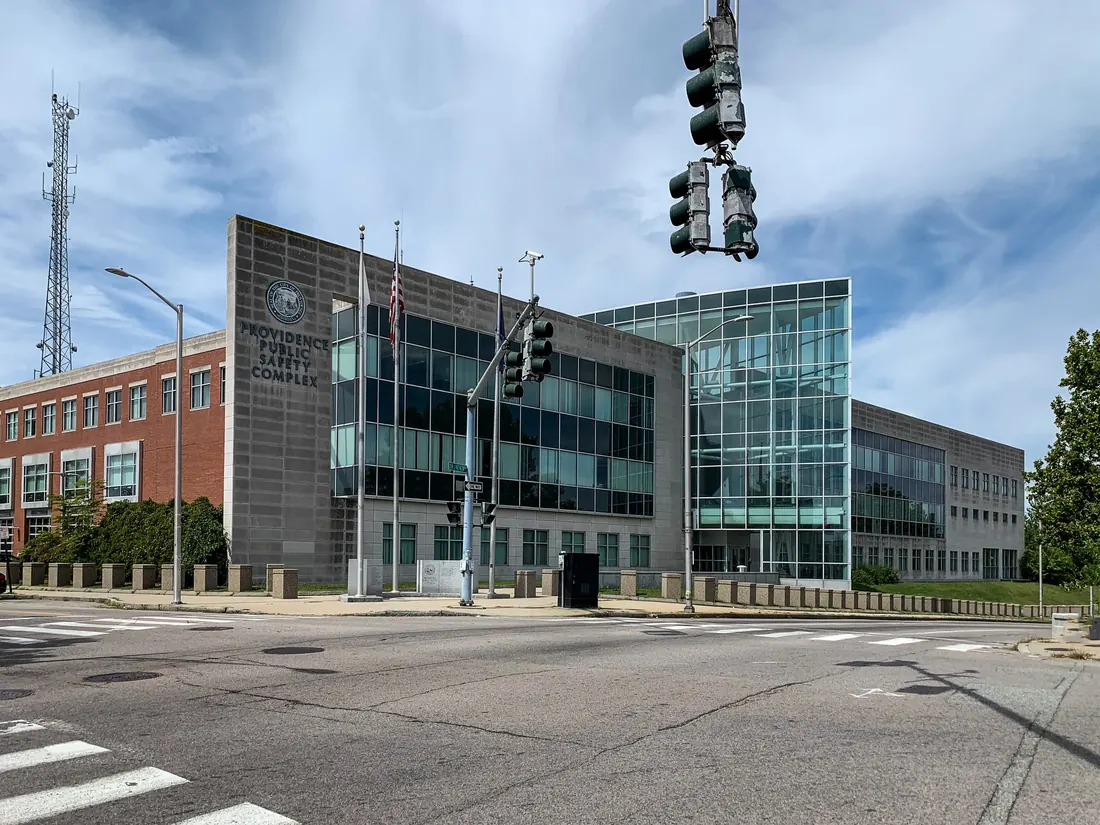
- Contact: Public Safety Complex, 325 Washington Street Providence Police Department
Notes
Was his father in the courtroom? The Washington Post and his own video, as Upworthy retells it, say his father came to watch his first day. In an EWTN interview he said the woman was “one of the first people who appeared before me” and that his father spoke “when he heard about it.” The Short says only that his father came to watch his first day, not that his father spoke up in court.
How harsh was he? Upworthy says he first offered her a payment plan, which she said she couldn’t keep, and that he found her “rude and arrogant”; EWTN has her “obstinate, insulting.” So the Short says he “turned down a mother’s plea,” after the Post’s “failed to hear a mother’s pleas,” and not that he showed no mercy.
His father’s words differ from one telling to the next (“three kids” is in the EWTN version only); the Short quotes only “She was scared,” which is in both.
The show: the ABA Journal says the hearings became Caught in Providence in 1998, CNA says the program began in 1999, and other reports say 2000. The Short gives no date.
Left out: clips and stills of Caught in Providence, his 1970 race for attorney general and his children’s careers. The mother is unnamed in every source and stays unnamed. Frank Caprio and his father, Antonio “Tup” Caprio, have died; no living person is named.
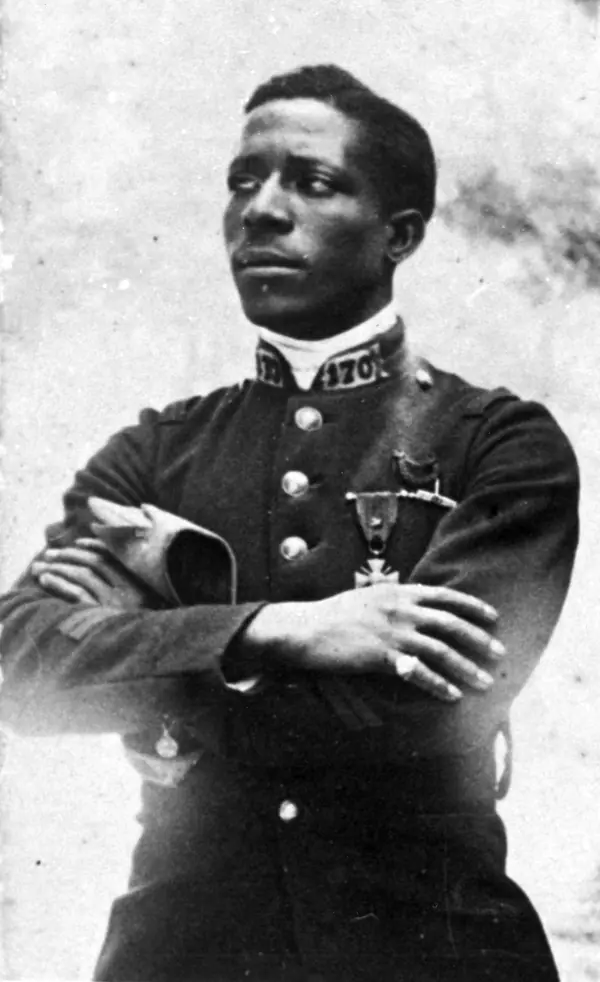
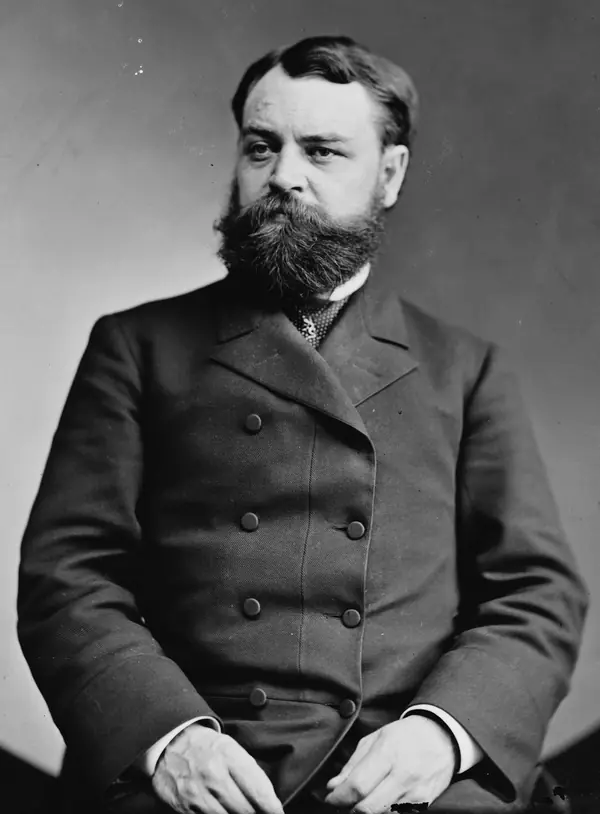
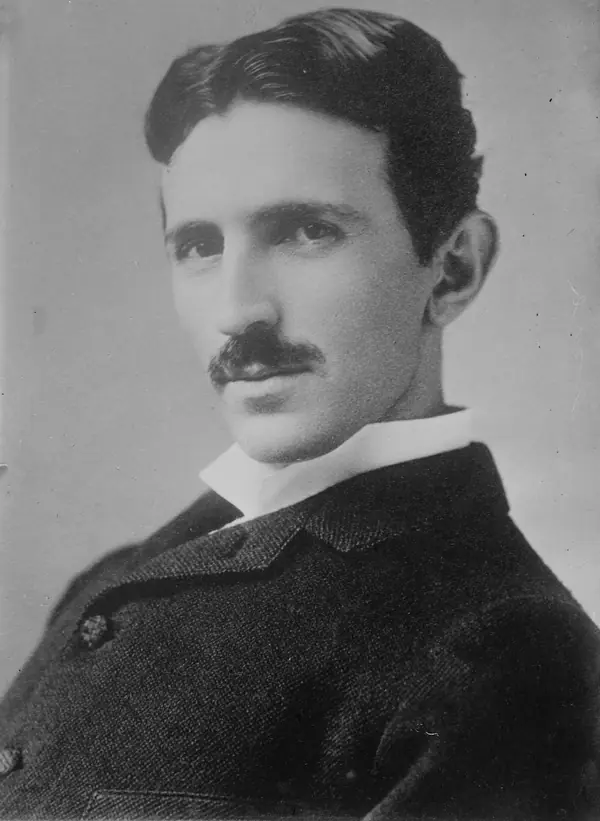
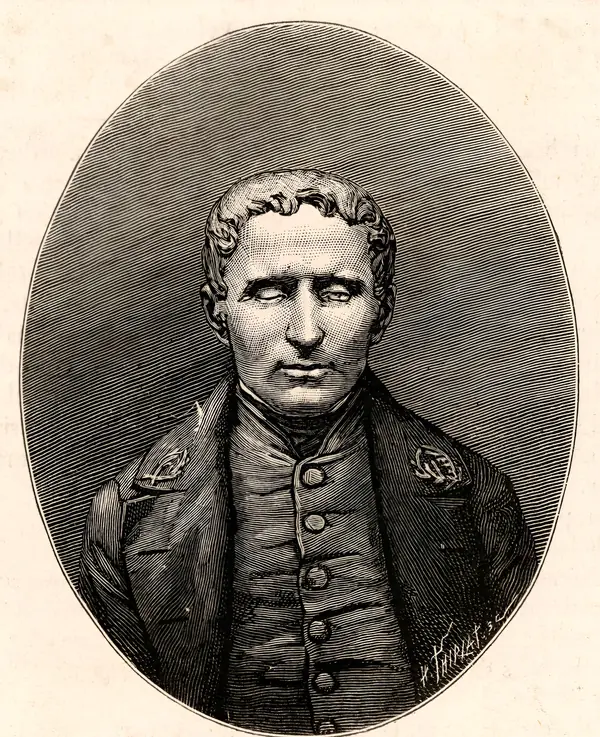
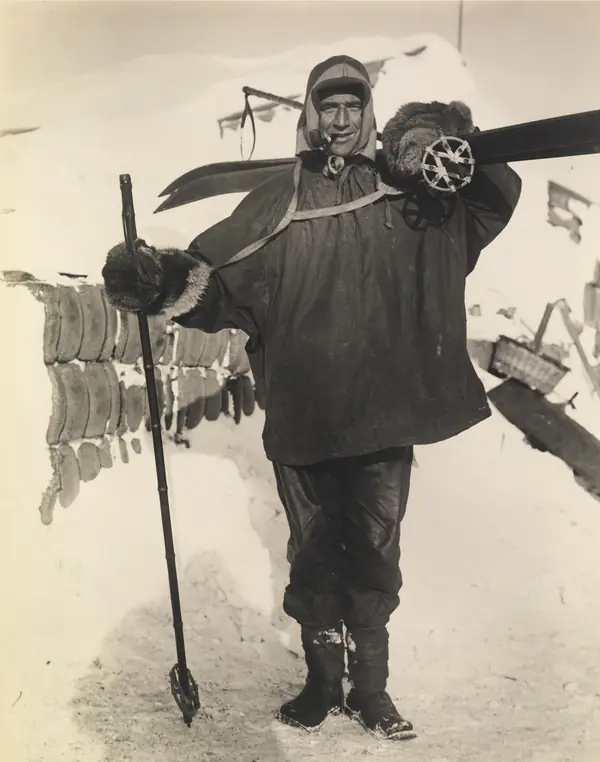
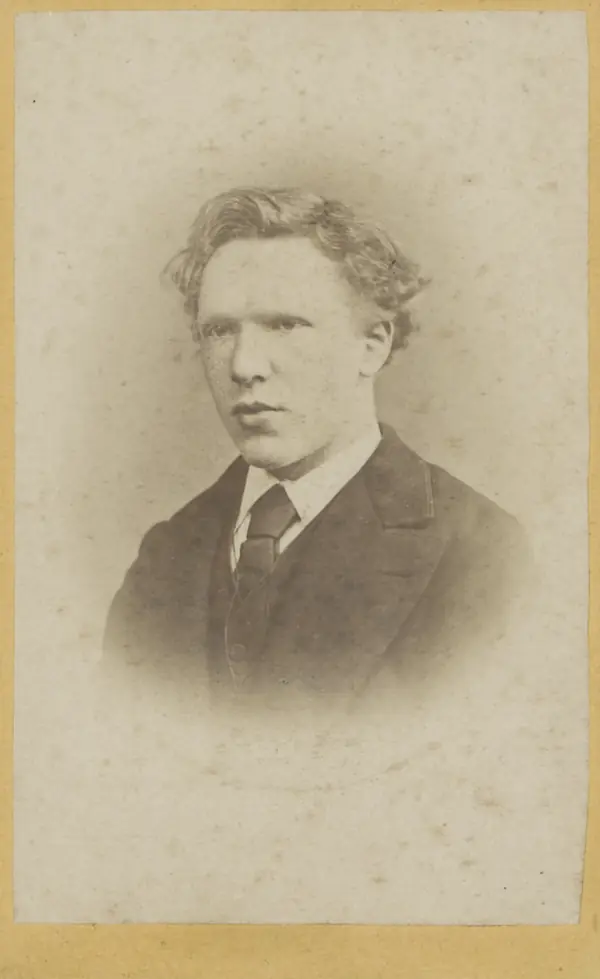
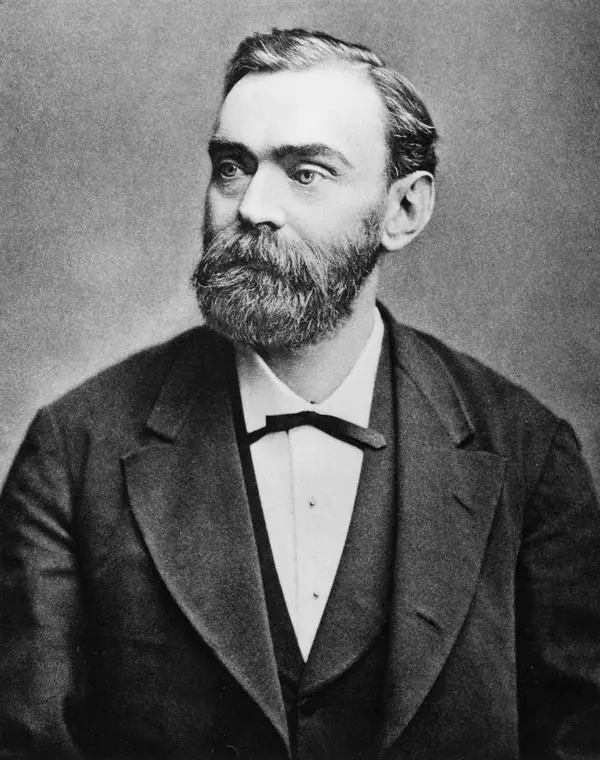
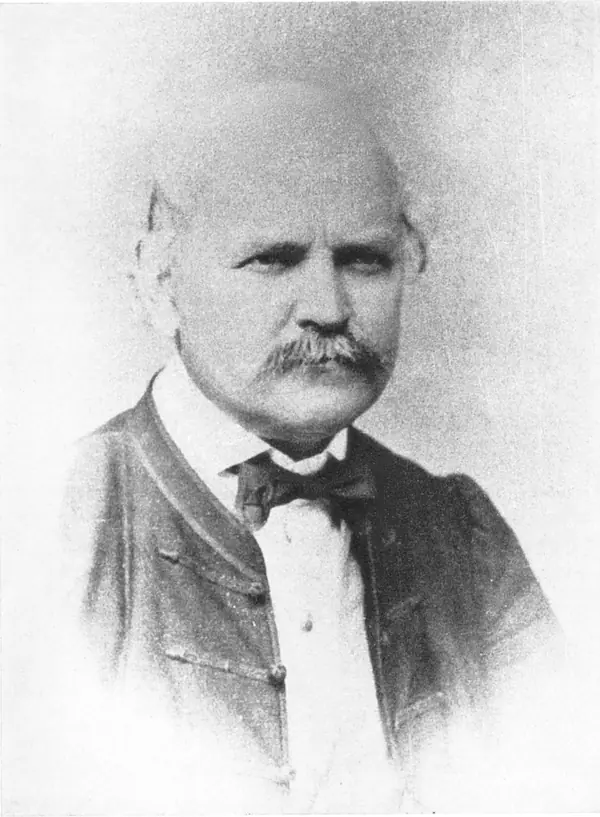
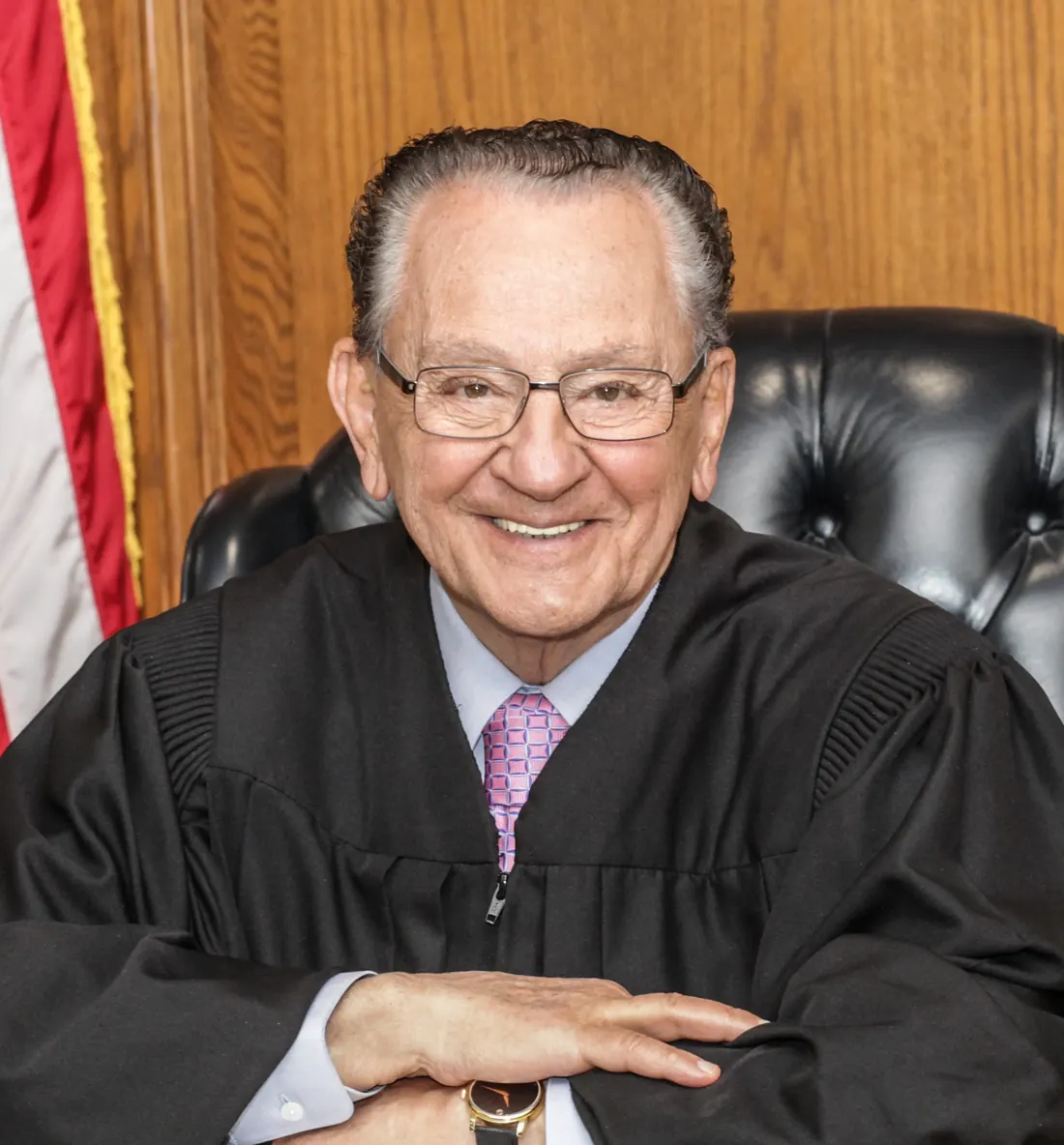
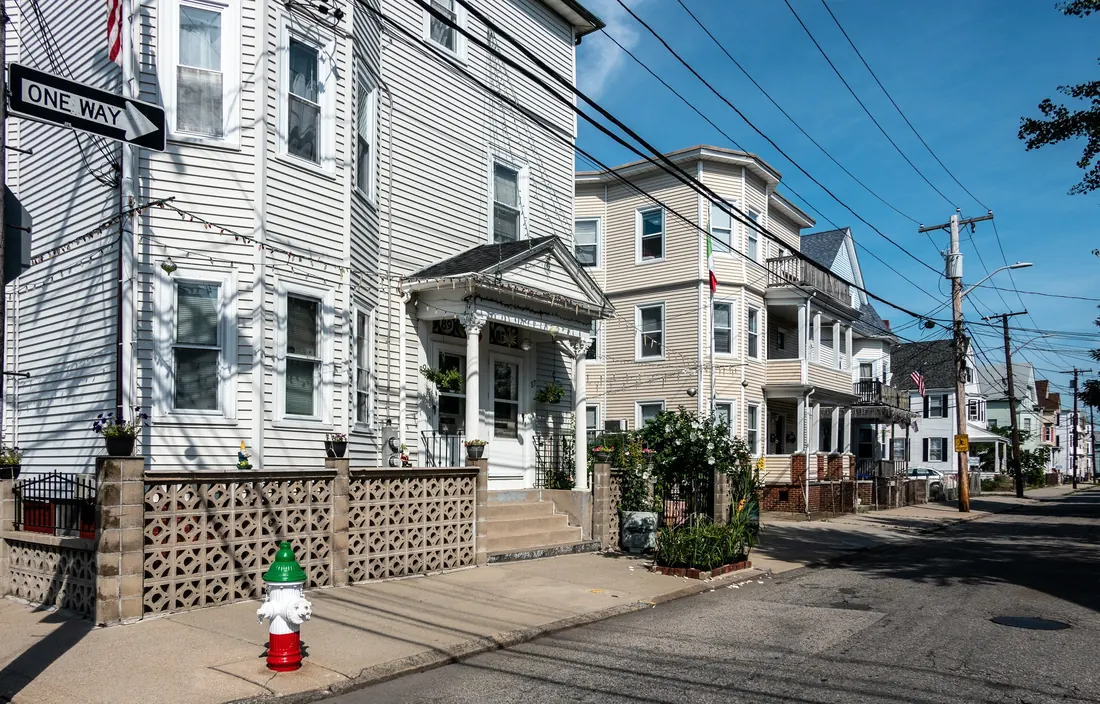
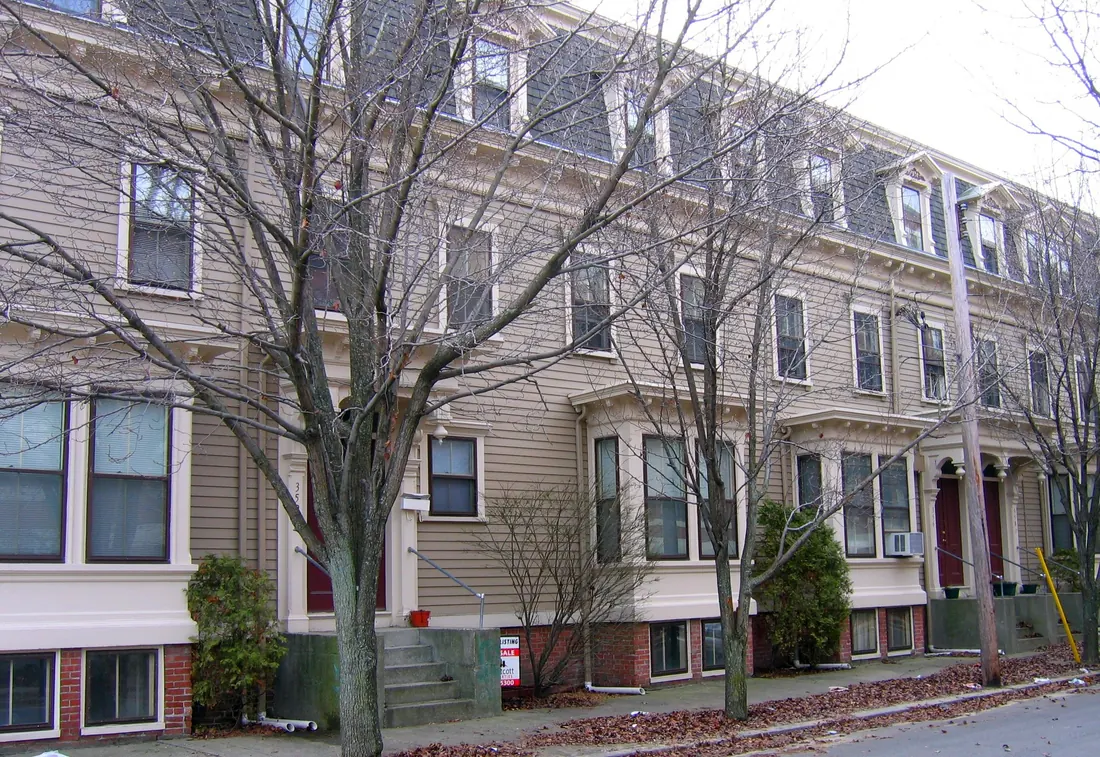
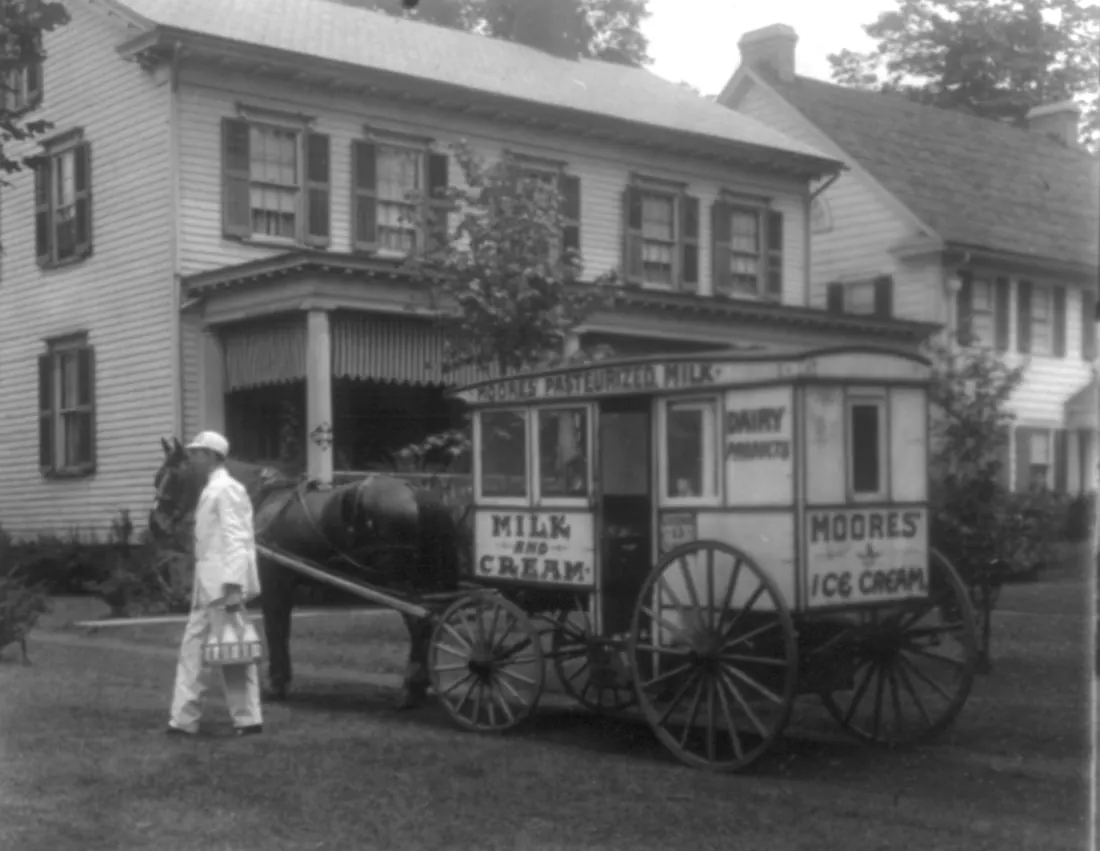
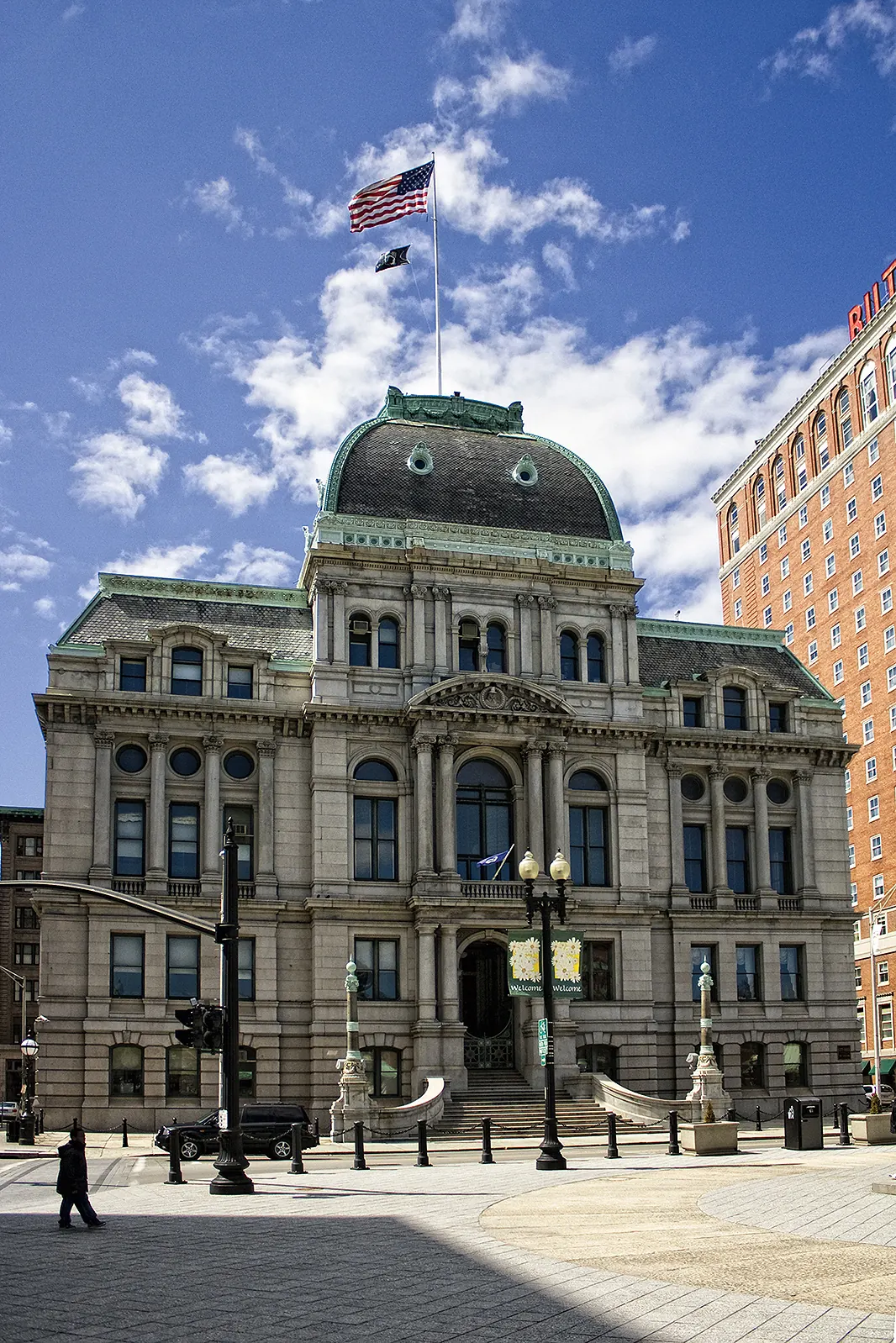
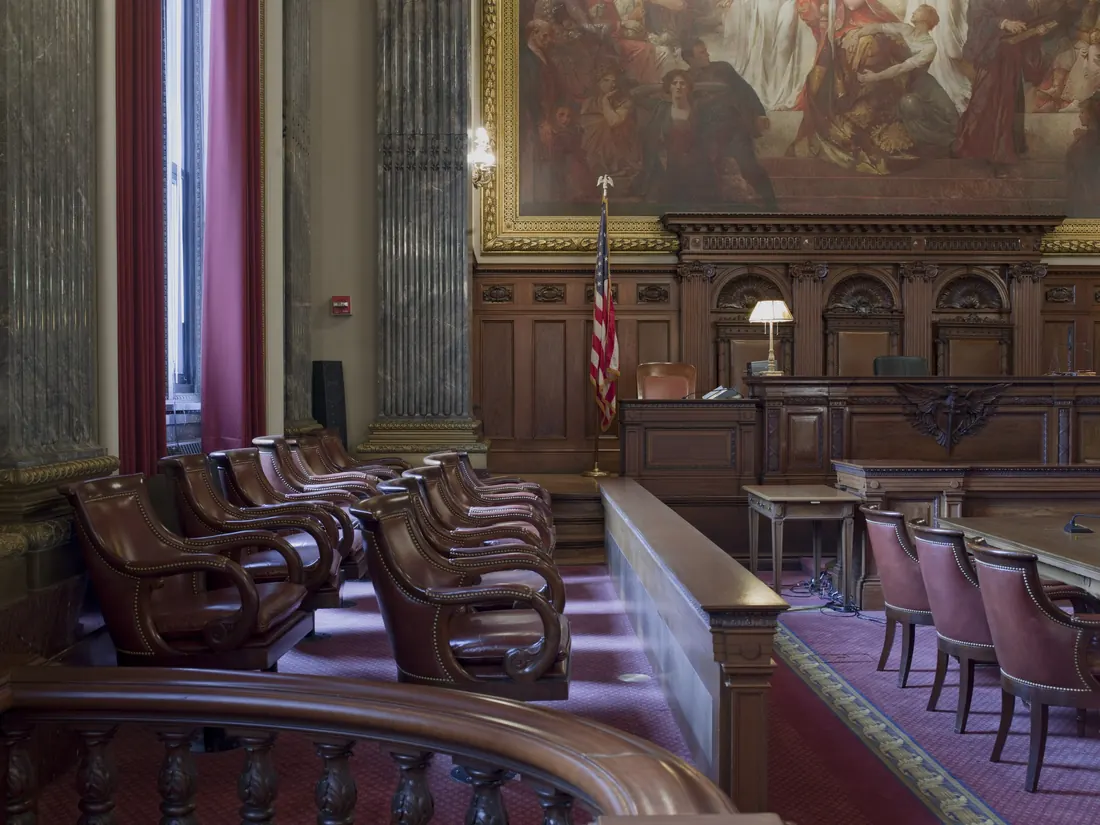
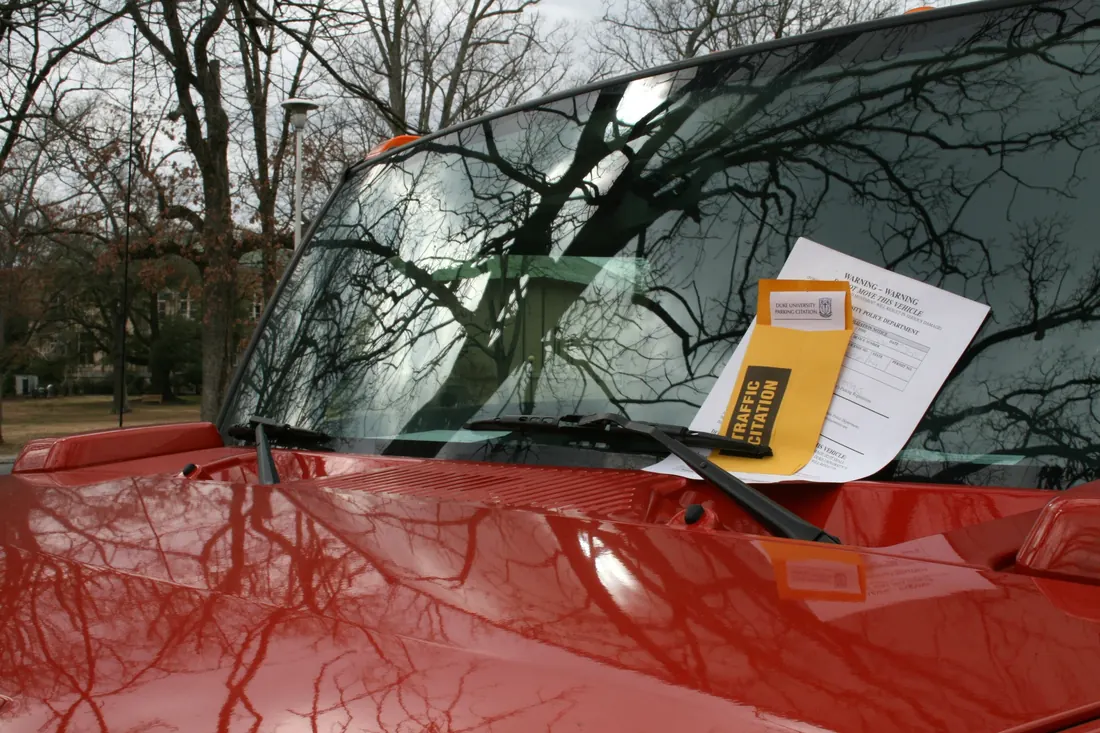
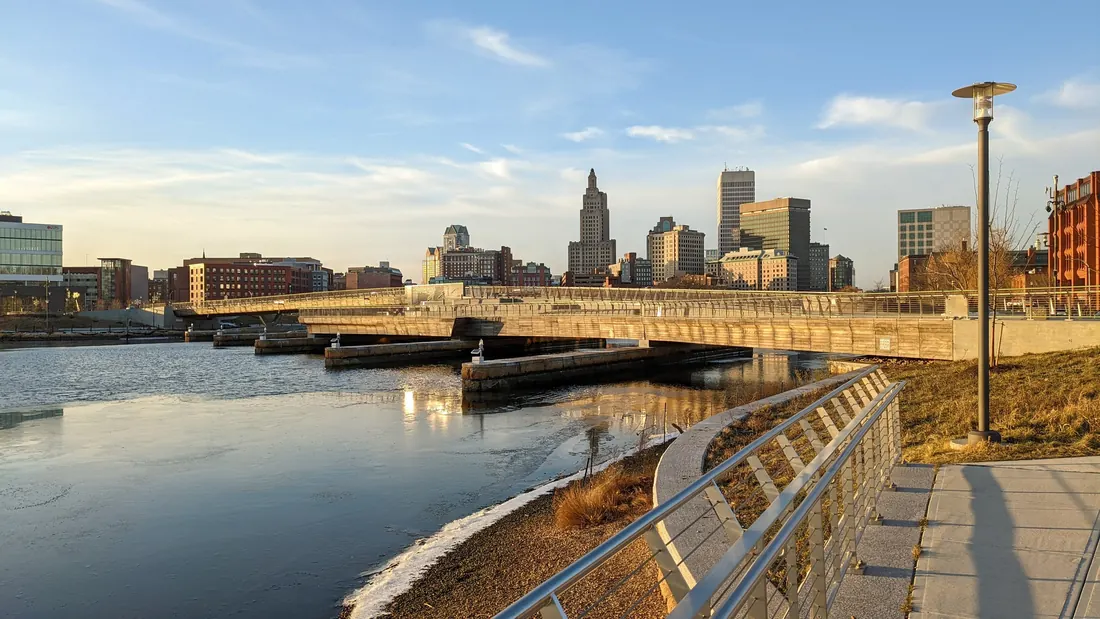
Pictures: no photo on this page shows his 1985 case, his courtroom, the mother, his father or Caprio as a boy, and there are no stills from Caught in Providence or any TV show; the people in the old photos are not Caprio or his family. Frank Caprio himself is in StephanieRPereira’s portrait of him in his robe in his chambers on April 17, 2018, and in Kenneth C. Zirkel’s photo of him at the Bristol, Rhode Island, Fourth of July Parade on July 5, 2021. Federal Hill is seen in Zirkel’s photo of its houses on July 25, 2020, and in Jef Nickerson’s of row houses on Carpenter Street on December 28, 2005. The milk wagons are a Keystone View Co. stereograph, “Delivering Milk to City Homes,” from about 1925, and a 1914 postcard of the S. T. Budd Dairy’s wagon in Columbus, Ohio; the boys are Lewis Hine’s photo of a ten-year-old bootblack and newsboy and a friend in Providence on November 24, 1912. Suffolk University Law School’s Sargent Hall in Boston, built in 1999, after his time, is seen on August 17, 2017 (Beyond My Ken), and Providence City Hall on April 12, 2009 (Anatoli Lvov). The courtroom is the east courtroom of the Howard M. Metzenbaum U.S. Courthouse in Cleveland, Ohio, on April 13, 2009 (Carol M. Highsmith), not his. The parking ticket and the wheel boot are on one car in Durham, North Carolina, on February 26, 2009 (Ildar Sagdejev), not the mother’s. The Providence Public Safety Complex, where the municipal court sits today (The Boston Globe; Providence police), is seen on August 27, 2019 (Zirkel), and Providence from the pedestrian bridge at dusk on January 12, 2022 (Epicenter22).
Photo credits
The archive photos in this story
The photographs and illustrations in this story are in the public domain or shared under open licenses; each one is credited below with its license. Tap one to enlarge it, or follow the link to its Wikimedia Commons page for the full record. The narration, captions and graphics in the Short are our own; its music and sound effects are credited below.



Music and sound effects
Music: Schumann, Kinderszenen, Op. 15: No. 1 'Of Foreign Lands and Peoples (Musopen, public domain); Mussorgsky, Pictures at an Exhibition: IV. Bydlo (piano) (Musopen, public domain); Dvorak, Symphony No. 9 'From the New World': II. Largo (Musopen, public domain).
Sound effects: Freesound, CC0.