“Normally our film crews do not intervene to try to save animals’ lives,” Will Lawson wrote for the BBC. CBS News, which calls him “the show’s director,” puts it this way: “There’s an unwritten rule among documentary filmmakers to observe, but not participate.” Lawson was “living in Antarctica, while filming BBC Dynasties’ Emperor Penguins episode,” with “Lindsay McCrae the cameraman, Stefan Christmann our camera assistant and I.” The BBC’s own page names “The Atka Bay emperor penguin colony that the BBC Dynasties crew filmed,” and, i reported, “the team spent almost a year on a German analysis station in Antarctica.”
“Following a major spring storm – the first to hit the penguins since the chicks had hatched - we headed down to the colony and it was a chaotic sight,” Lawson wrote. “We also noticed small mounds of snow; as we got closer my heart sank; each was a chick, which had succumbed to the cold, encased in snow. The more we looked the more bumps we saw.” “Some chicks had already frozen to death,” BBC Wildlife says. Then “we made our way to the edge of the ice shelf to look over the colony,” and “below us where the snow had been blown, a large, steep sided gully had formed.” “In it were around 50 mother penguins, each with a chick on her feet.” BBC News described females “getting blown into a gully in a storm,” held there “because of the steep walls of snow and ice they were surrounded by.”
“It was clear that the only penguins that could climb out were those without chicks on their feet,” Lawson wrote; “others were trapped alive because their mothers had already made the terrible choice and abandoned them.” The crew had to leave: “we had no choice but to head back to base. Once home, we talked about nothing else but the penguins’ situation and the inevitable question arose; ‘What happens if they can’t get out? Should we help them?’” “Two days later when the weather had improved again, and after more discussion, we finally made it back to the colony. Reaching the gully our hearts sank again; there were fewer adults but more small mounds of snow – the mothers were abandoning their chicks. We knew another storm was fast approaching.”
“All we had to do was to spend a few minutes digging some ‘steps’ in the ice to help the mothers climb out with their young,” Lawson wrote. “We were unanimous in our decision so we each grabbed a shovel and set to work.” In the BBC’s own words, “the crew cut steps in the ice for the penguins to escape.” “Once we’d dug that little ramp, which took very little time, we left it to the birds,” he told i, and the executive producer, Mike Gunton, told BBC News, “You weren’t touching the animals.”
“Expecting nothing, we had one last check over the ice shelf edge and to our utter amazement the first mother was already making her way to the ramp!” Lawson wrote. “In delight we watched as each and every female slowly, cautiously climb the route we’d dug, out of the gully!” “The three of us stood there and watched as the line of mothers, with their chicks safely on their feet, made their way straight back to the safety of the colony! There is no doubt in my mind that we made the right decision.” After “Sunday’s episode of Dynasties,” BBC News reported on November 19, 2018, “Many on Twitter also praised the action of the film crew.”
Fact check
The facts and where they come from
- Their one rule was never to help, but below them, chicks were freezing to death. CBS News: “There’s an unwritten rule among documentary filmmakers to observe, but not participate.” Will Lawson, for the BBC: “Normally our film crews do not intervene to try to save animals’ lives”; “below us where the snow had been blown, a large, steep sided gully had formed.” BBC Wildlife: “Some chicks had already frozen to death.” 618
- Their names are Will Lawson, Lindsay McCrae and Stefan Christmann, a BBC film crew in Antarctica. Will Lawson, for the BBC: “living in Antarctica, while filming BBC Dynasties’ Emperor Penguins episode”; “Lindsay McCrae the cameraman, Stefan Christmann our camera assistant and I”; “Cameraman Lindsay McCrae and camera assistant Stefan Christmann were ahead of me.” CBS News: “the show’s director, Will Lawson.” 316
- A major spring storm hit the emperor penguin colony. Will Lawson: “Following a major spring storm – the first to hit the penguins since the chicks had hatched - we headed down to the colony and it was a chaotic sight.” BBC One’s Dynasties page: “The Atka Bay emperor penguin colony that the BBC Dynasties crew filmed.” 12
- Afterward, small mounds dotted the snow. Each was a dead chick. Will Lawson: “We also noticed small mounds of snow; as we got closer my heart sank; each was a chick, which had succumbed to the cold, encased in snow. The more we looked the more bumps we saw.” 1
- Below the ice shelf, the storm had formed a steep gully. Will Lawson: “we made our way to the edge of the ice shelf to look over the colony … below us where the snow had been blown, a large, steep sided gully had formed.” 1
- About 50 mothers were trapped inside, each with a chick on her feet. Will Lawson: “In it were around 50 mother penguins, each with a chick on her feet. As we stood there in shock we could see some attempting to escape but without any success.” BBC News: “A number of females were seen getting blown into a gully in a storm” … “because of the steep walls of snow and ice they were surrounded by.” 15
- Most could only escape by leaving their chicks behind. Will Lawson: “It was clear that the only penguins that could climb out were those without chicks on their feet”; “others were trapped alive because their mothers had already made the terrible choice and abandoned them.” 1
- Back at base, they asked: should we help them? Will Lawson: “we had no choice but to head back to base. Once home, we talked about nothing else but the penguins’ situation and the inevitable question arose; ‘What happens if they can’t get out? Should we help them?’” 1
- Returning two days later, they found more buried chicks, and another storm coming. Will Lawson: “Two days later when the weather had improved again, and after more discussion, we finally made it back to the colony. Reaching the gully our hearts sank again; there were fewer adults but more small mounds of snow – the mothers were abandoning their chicks. We knew another storm was fast approaching.” 1
- So they grabbed shovels and dug steps into the ice. Will Lawson: “All we had to do was to spend a few minutes digging some ‘steps’ in the ice to help the mothers climb out with their young”; “We were unanimous in our decision so we each grabbed a shovel and set to work.” BBC One’s Dynasties clip: “the crew cut steps in the ice for the penguins to escape.” Lawson, to i: “Once we’d dug that little ramp, which took very little time, we left it to the birds.” Mike Gunton, executive producer, to BBC News: “You weren’t touching the animals.” 1475
- Taking one last look, they saw the first mother already heading for the steps. Will Lawson: “Expecting nothing, we had one last check over the ice shelf edge and to our utter amazement the first mother was already making her way to the ramp!” 1
- Then, one by one, every mother climbed out. Will Lawson: “In delight we watched as each and every female slowly, cautiously climb the route we’d dug, out of the gully!” 1
- They broke the rule, and the mothers walked home with their chicks. Will Lawson: “The three of us stood there and watched as the line of mothers, with their chicks safely on their feet, made their way straight back to the safety of the colony! There is no doubt in my mind that we made the right decision.” BBC News: “Many on Twitter also praised the action of the film crew.” 15
Sources
- A filmmaker’s dilemma (Will Lawson) BBC One, Dynasties
- Exploring our new home (Will Lawson) BBC One, Dynasties
- The end of the polar night (Will Lawson) BBC One, Dynasties
- Penguins escape from gully (clip) BBC One, Dynasties
- Report on the Dynasties film crew’s penguin rescue (November 19, 2018) BBC News
- Nature film crew breaks ‘no interference’ rule to rescue penguins CBS News
- Dynasties BBC film crew saved family of emperor penguins i
- There’s one rule in wildlife filmmaking – but this BBC team broke it BBC Wildlife (Discover Wildlife)
Notes
The year: the BBC’s accounts give no year for the rescue, so neither the Short nor this page gives one. The episode was shown on BBC One on Sunday, November 18, 2018: BBC News wrote of “Sunday’s episode of Dynasties” the next day. The 2018 on this page is the year of the broadcast.
The crew: the BBC’s own pages name Lindsay McCrae as the cameraman and Stefan Christmann as the camera assistant; the accounts are written by Will Lawson, whom CBS News and i call the director. Lawson says “the three of us” watched the mothers climb out.
How many: Lawson says “around 50” mother penguins; BBC Wildlife says “Around 50 Emperor penguins and their chicks.” The Short says “about fifty mothers.”
Steps or ramp: Lawson uses both words, and the BBC’s clip says the crew “cut steps in the ice,” so the Short says “steps.” How long it took: “a few minutes,” Lawson wrote, and “very little time,” he told i. A popular retelling says it took hours of digging; the director’s own account says otherwise, so that isn’t used.
One mother had already gotten out: Lawson tells of one “defiant mother” who climbed out of the gully with her chick on her own, so the Short says “Most could only escape by leaving their chicks behind.”
Left out: the BBC’s footage and its narration, the number of chicks that died (no source gives one), and second-hand claims about what other people would have done, on which reports differ.
Will Lawson, Lindsay McCrae and Stefan Christmann are alive. Only their BBC roles and Lawson’s published account are used; nothing about their private lives.
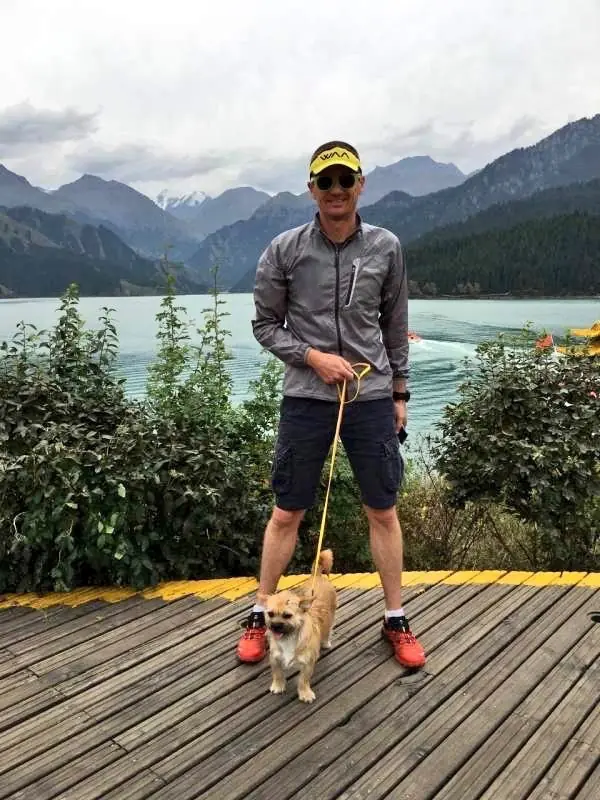
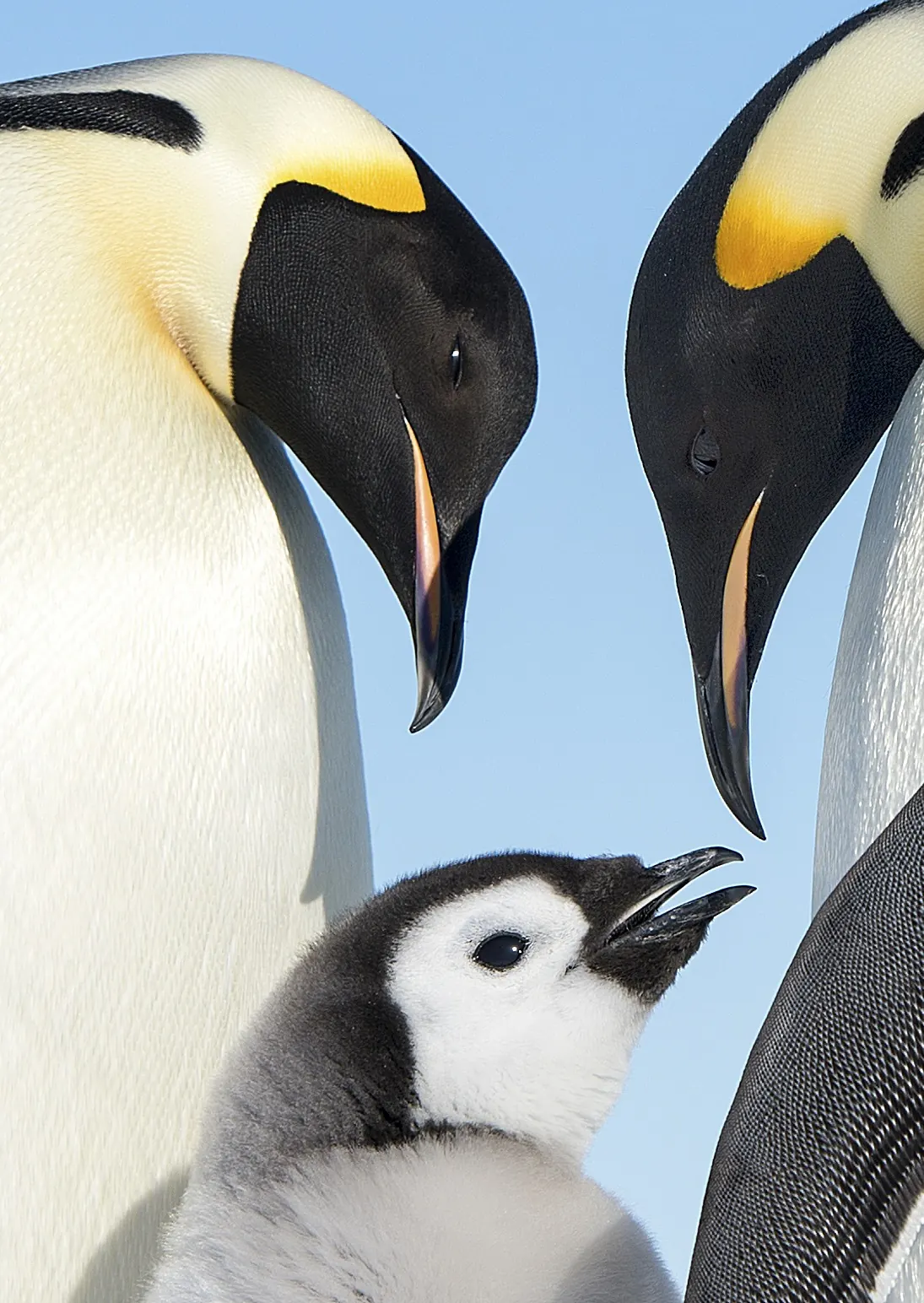
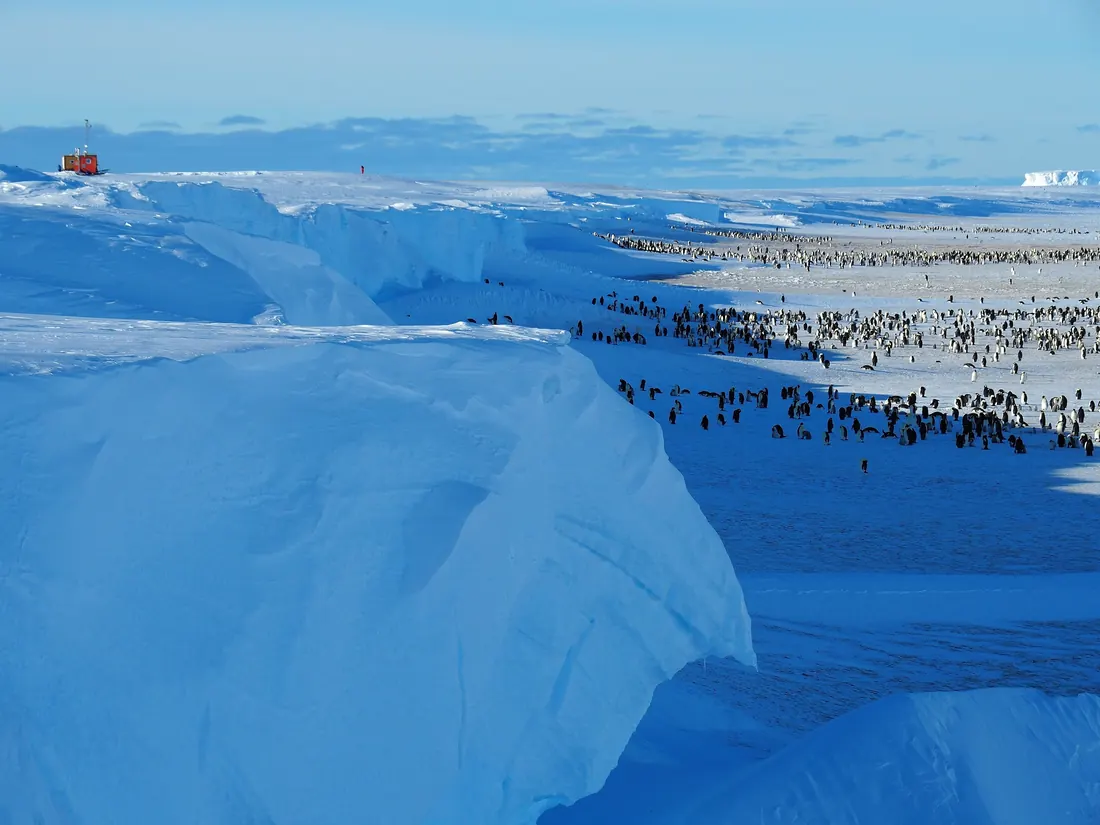
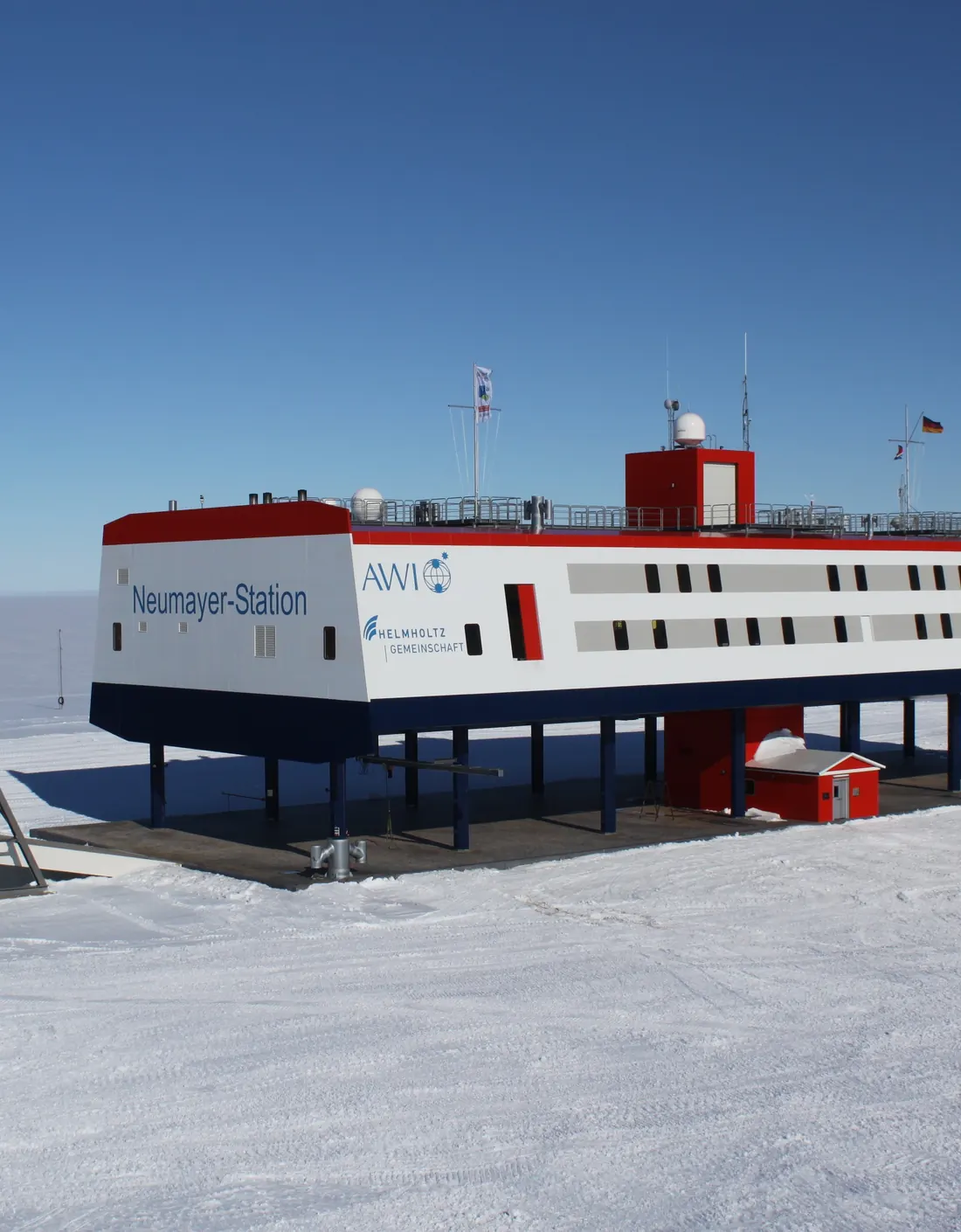
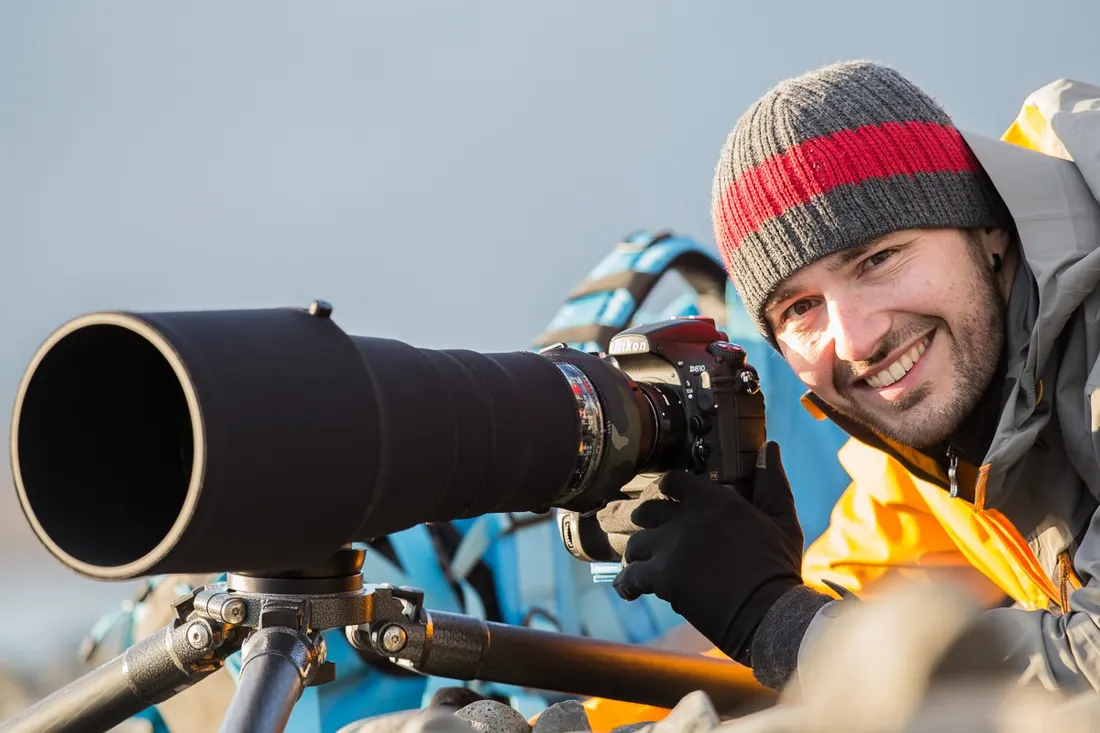
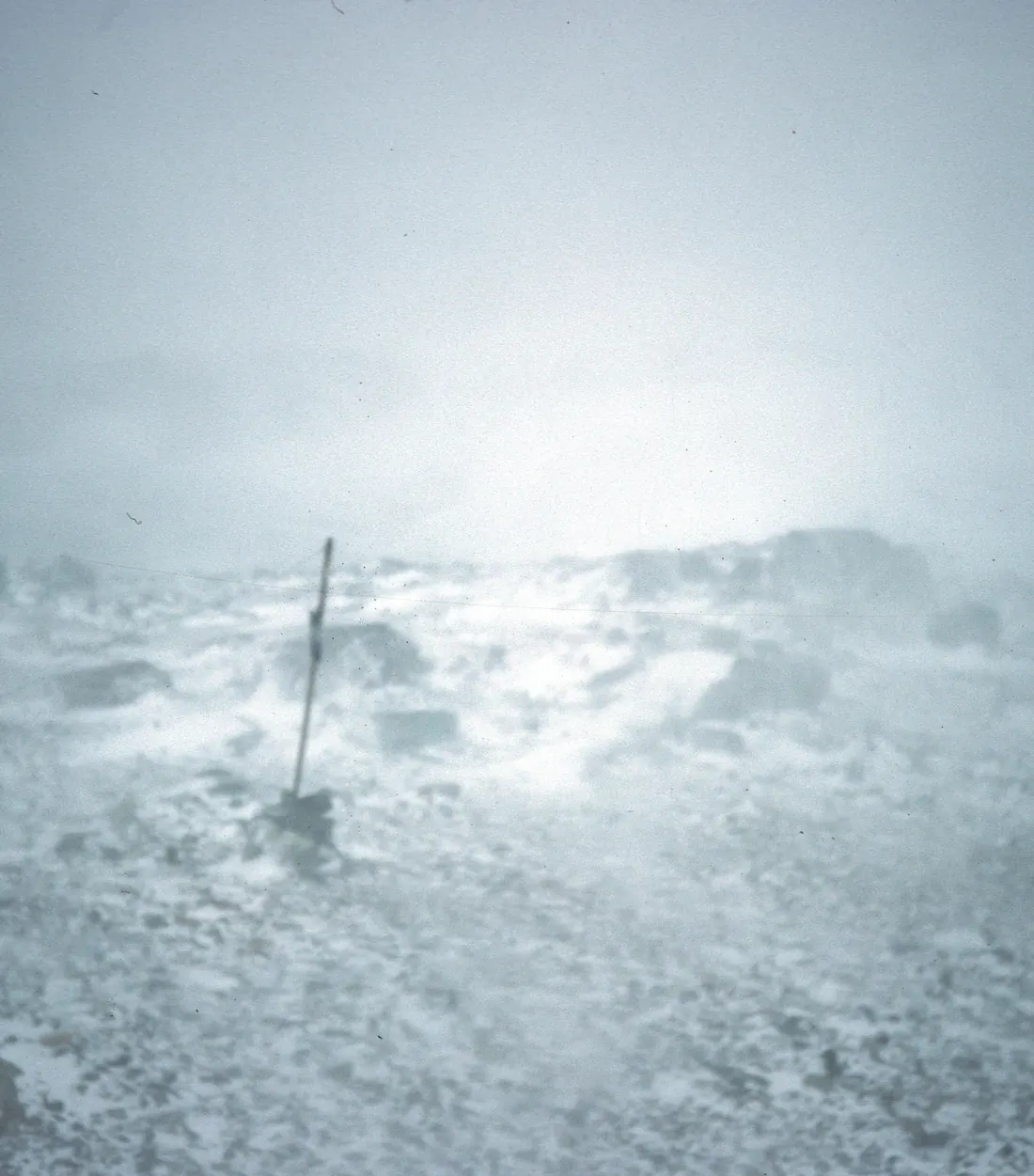
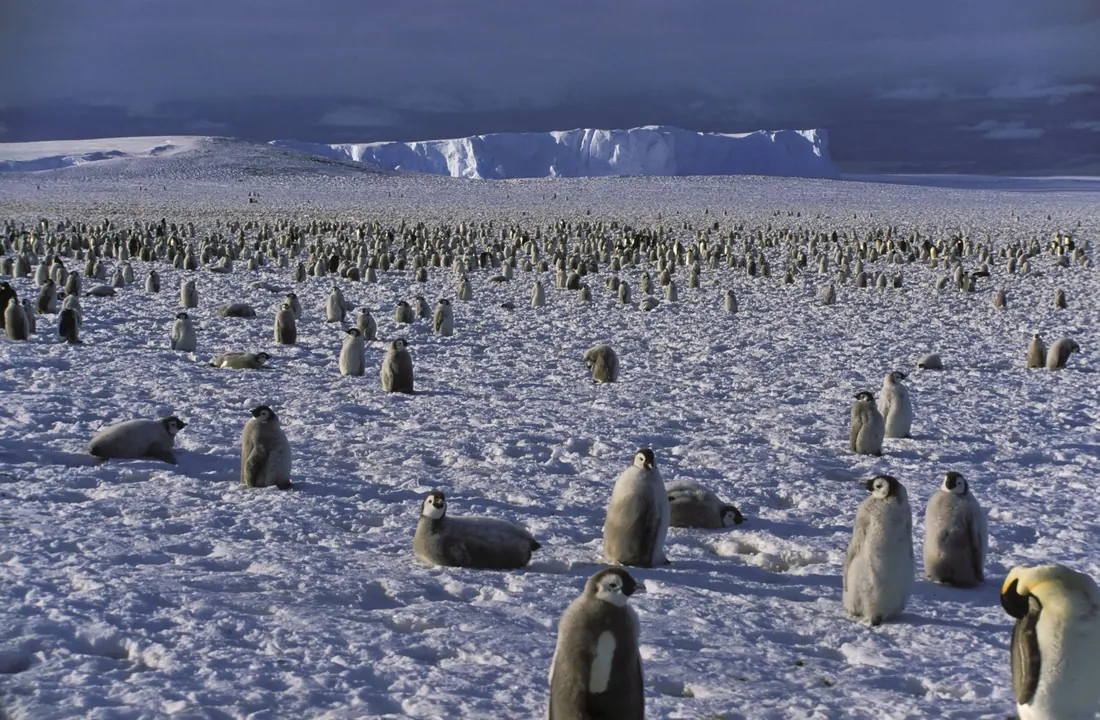
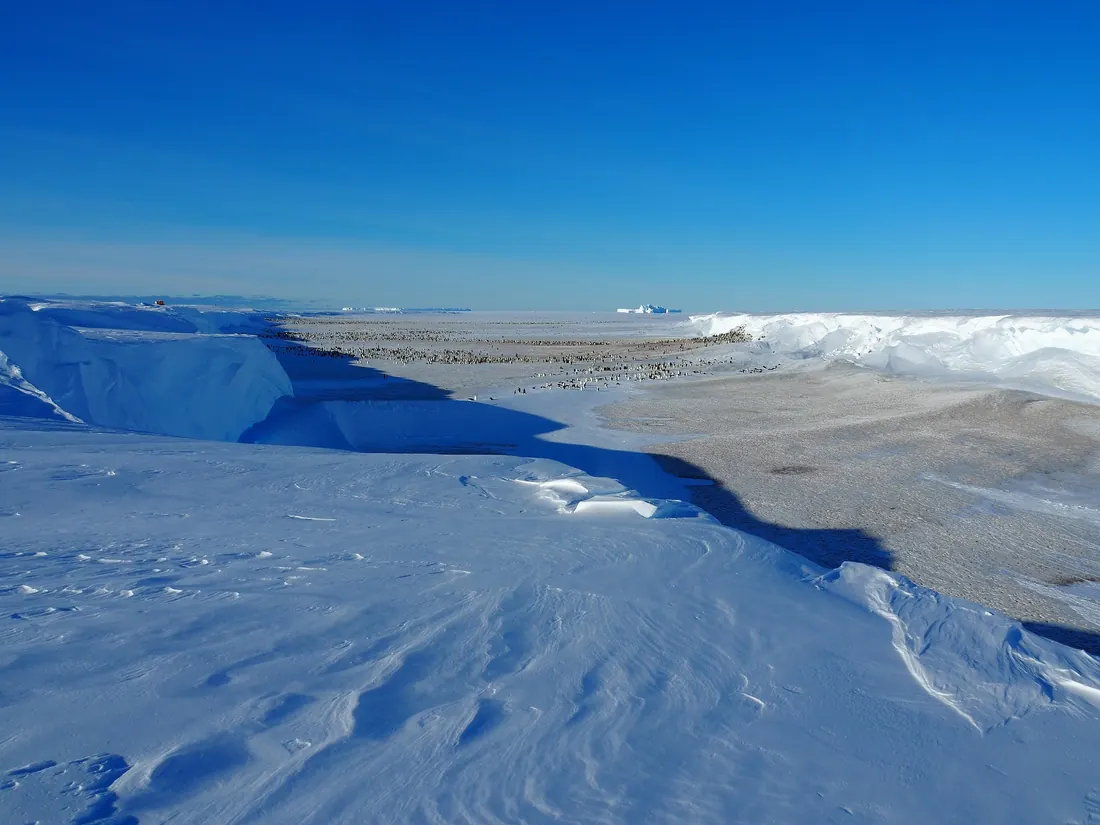
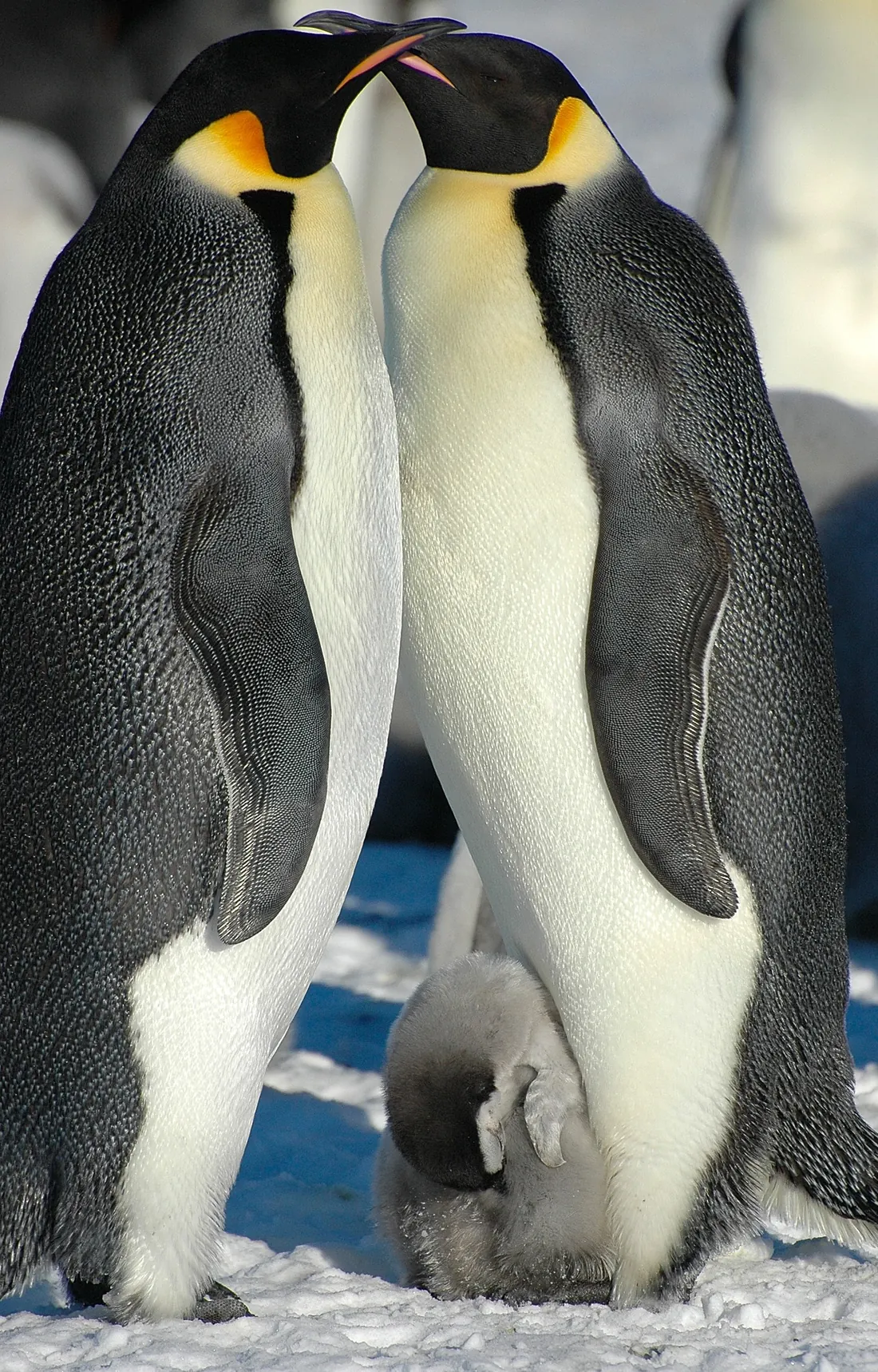
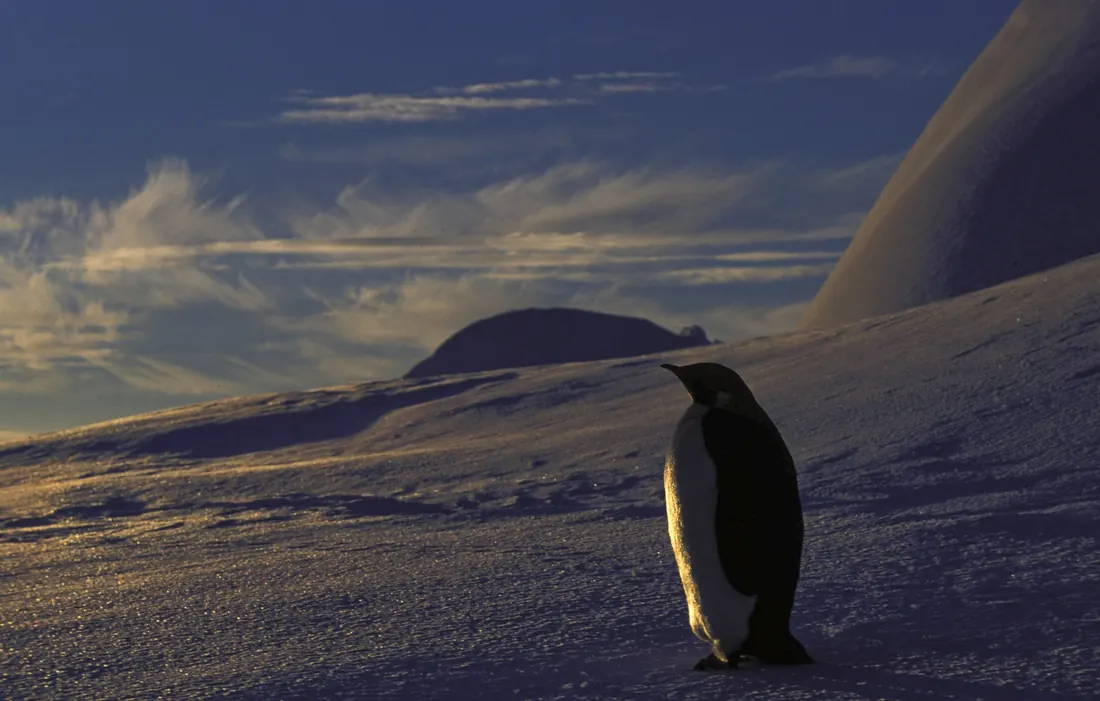
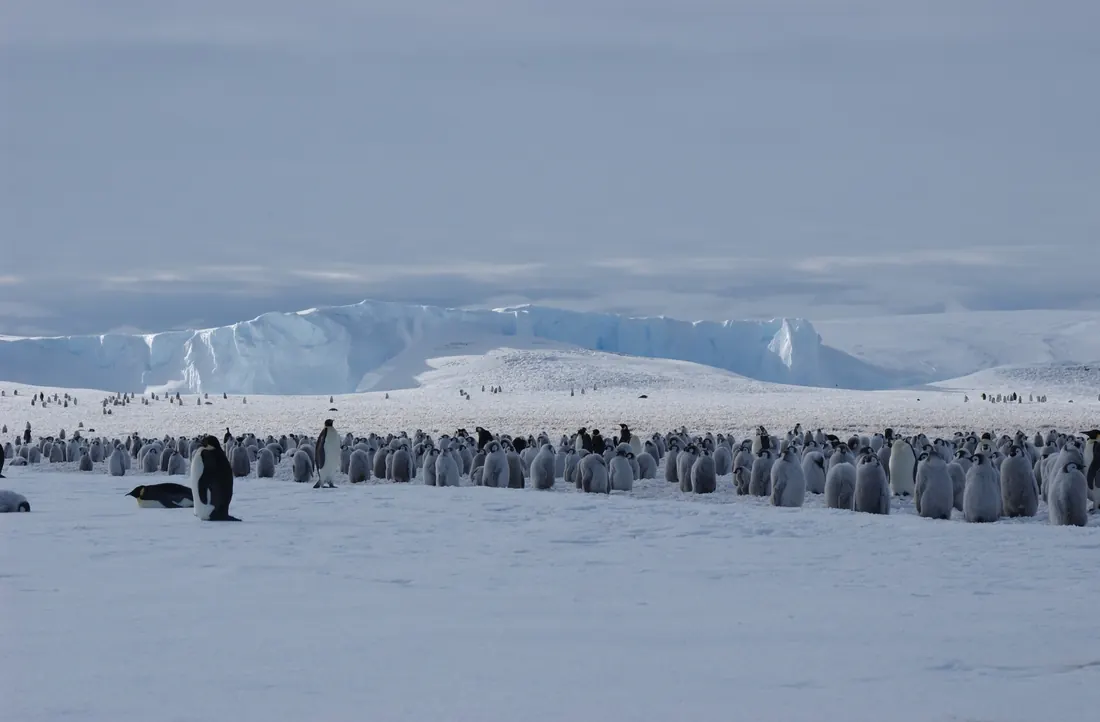
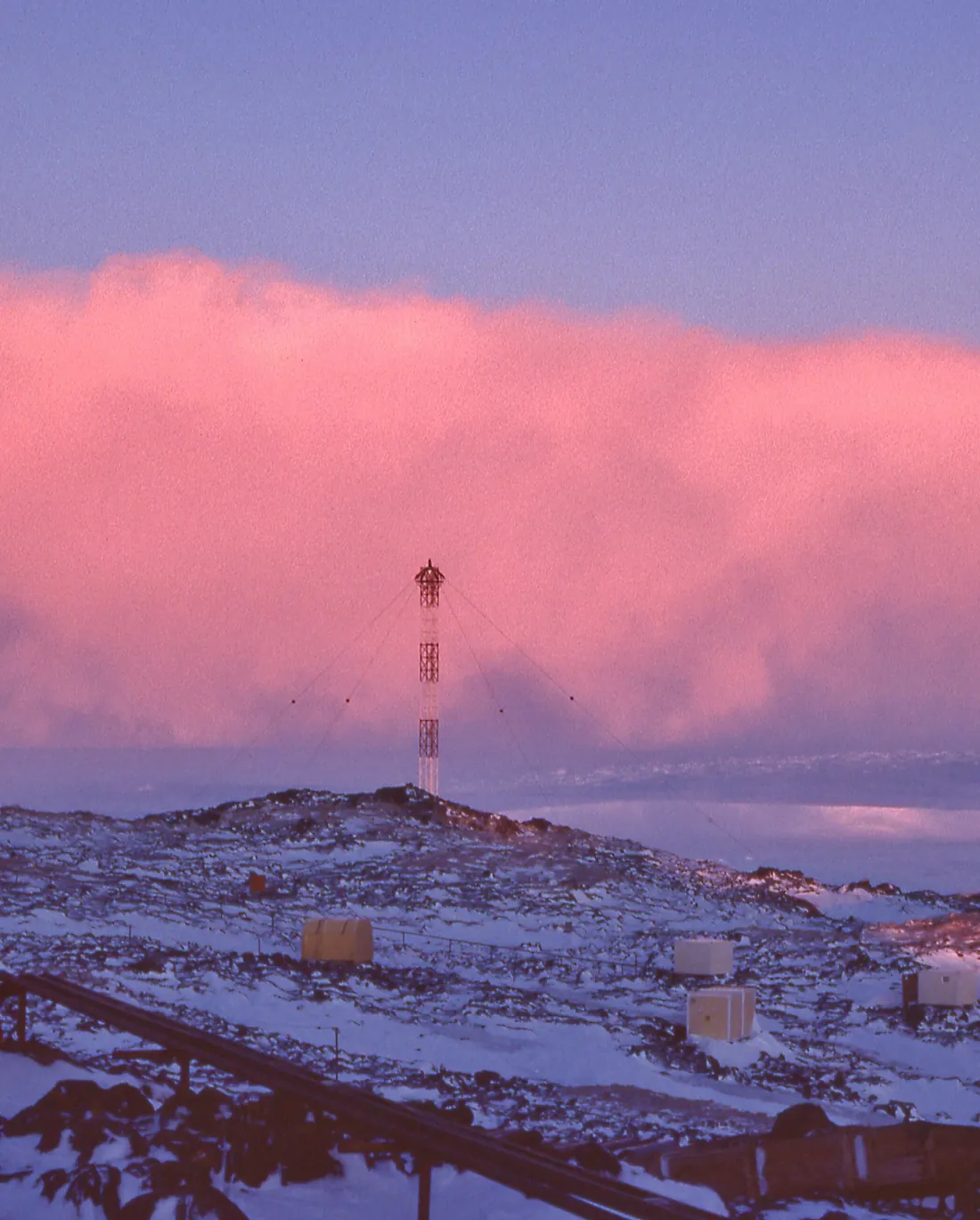
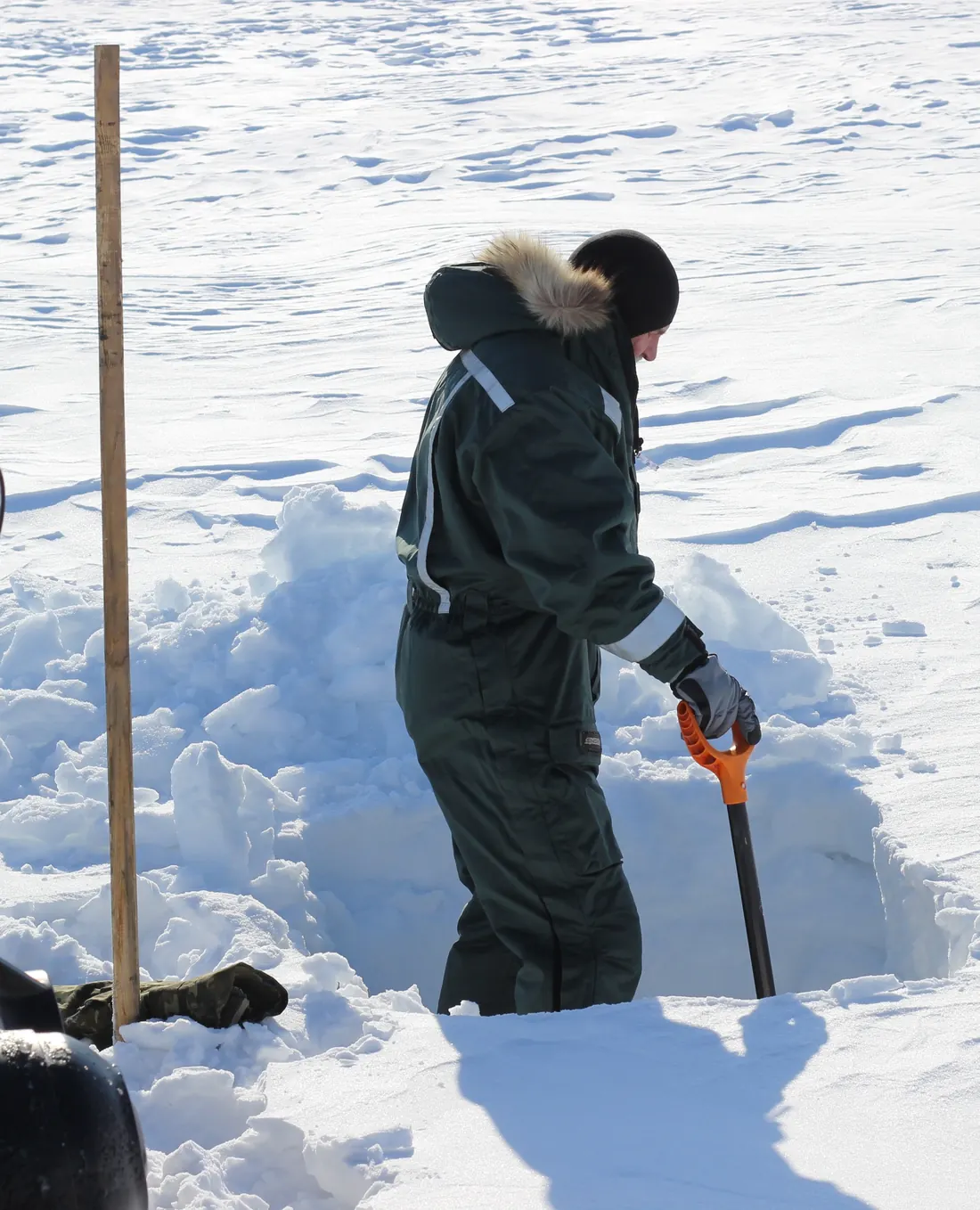
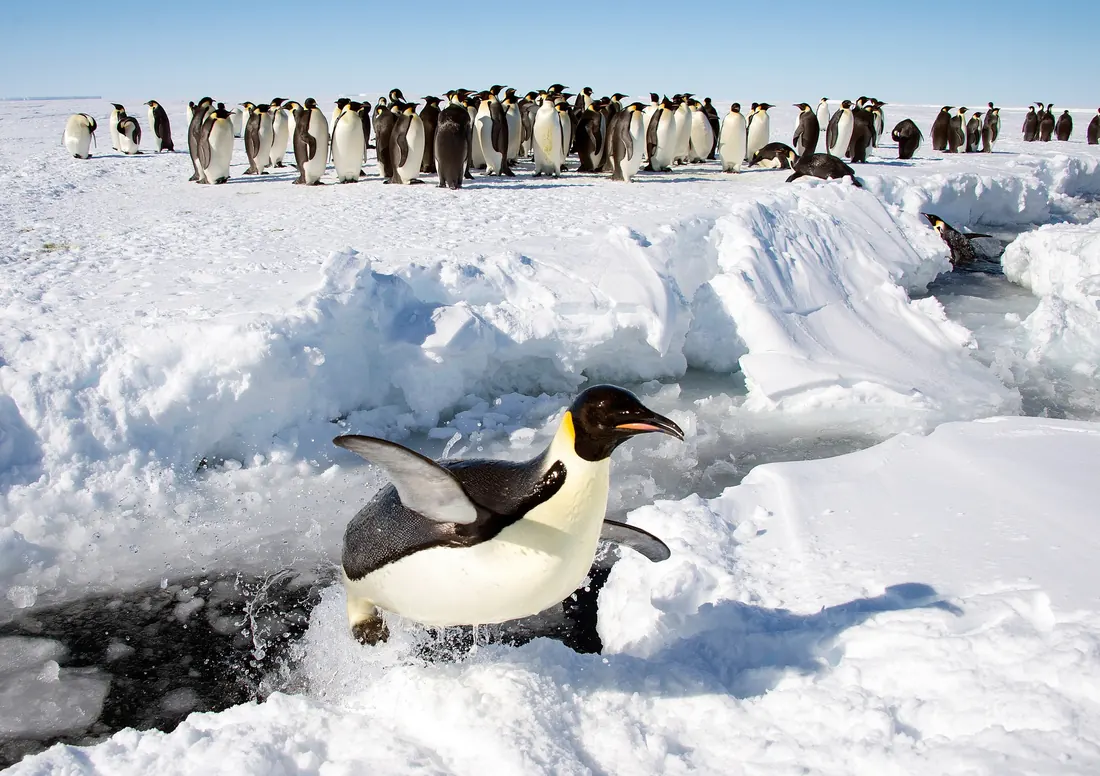
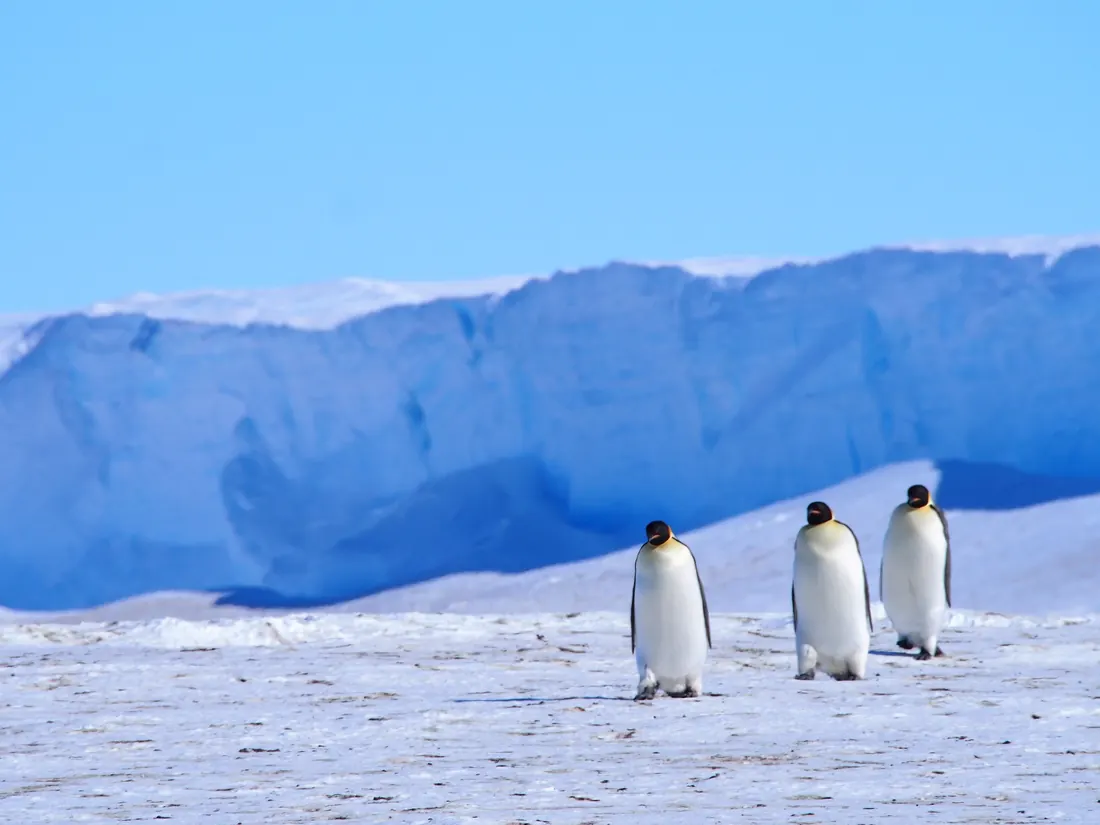
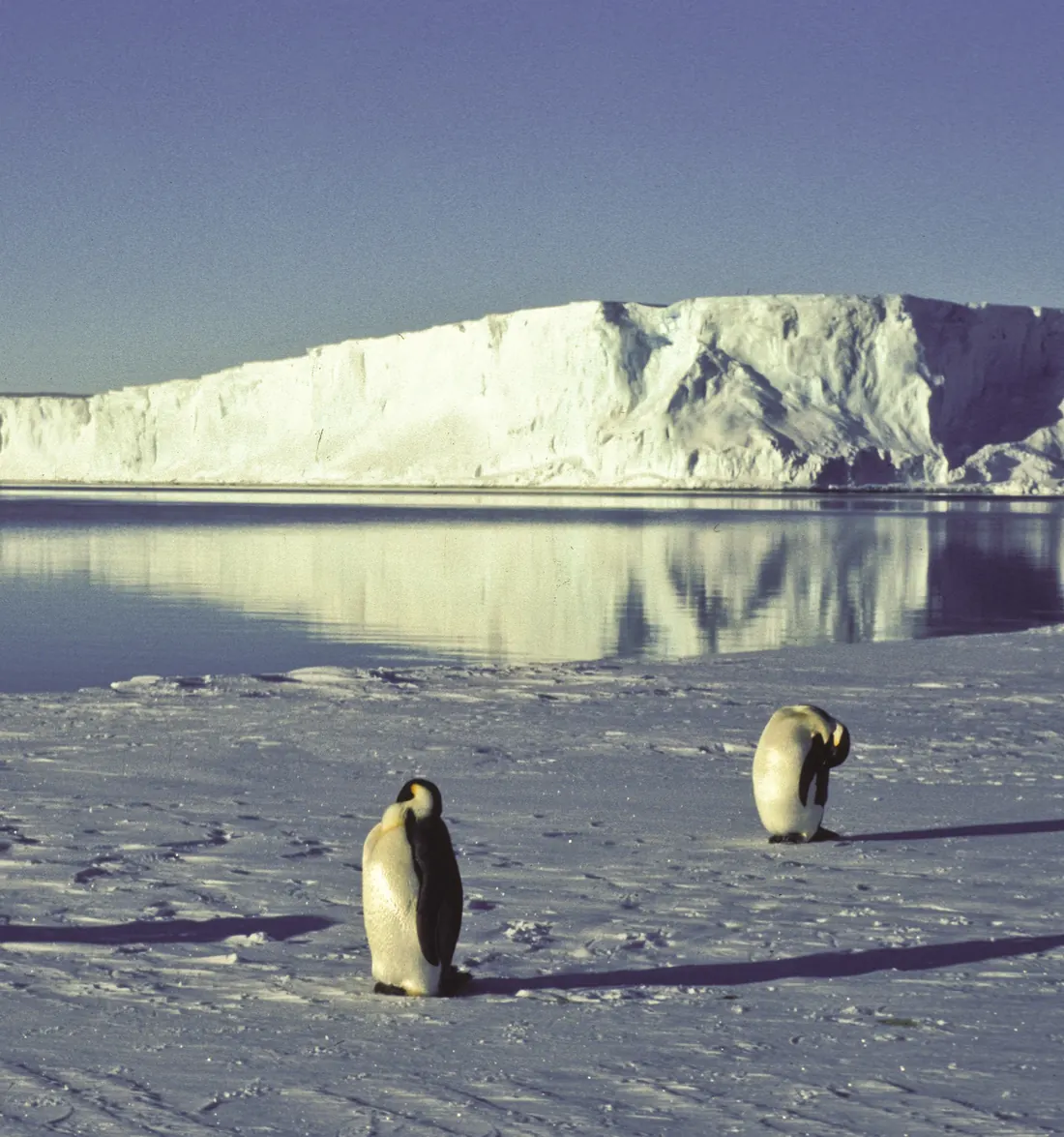
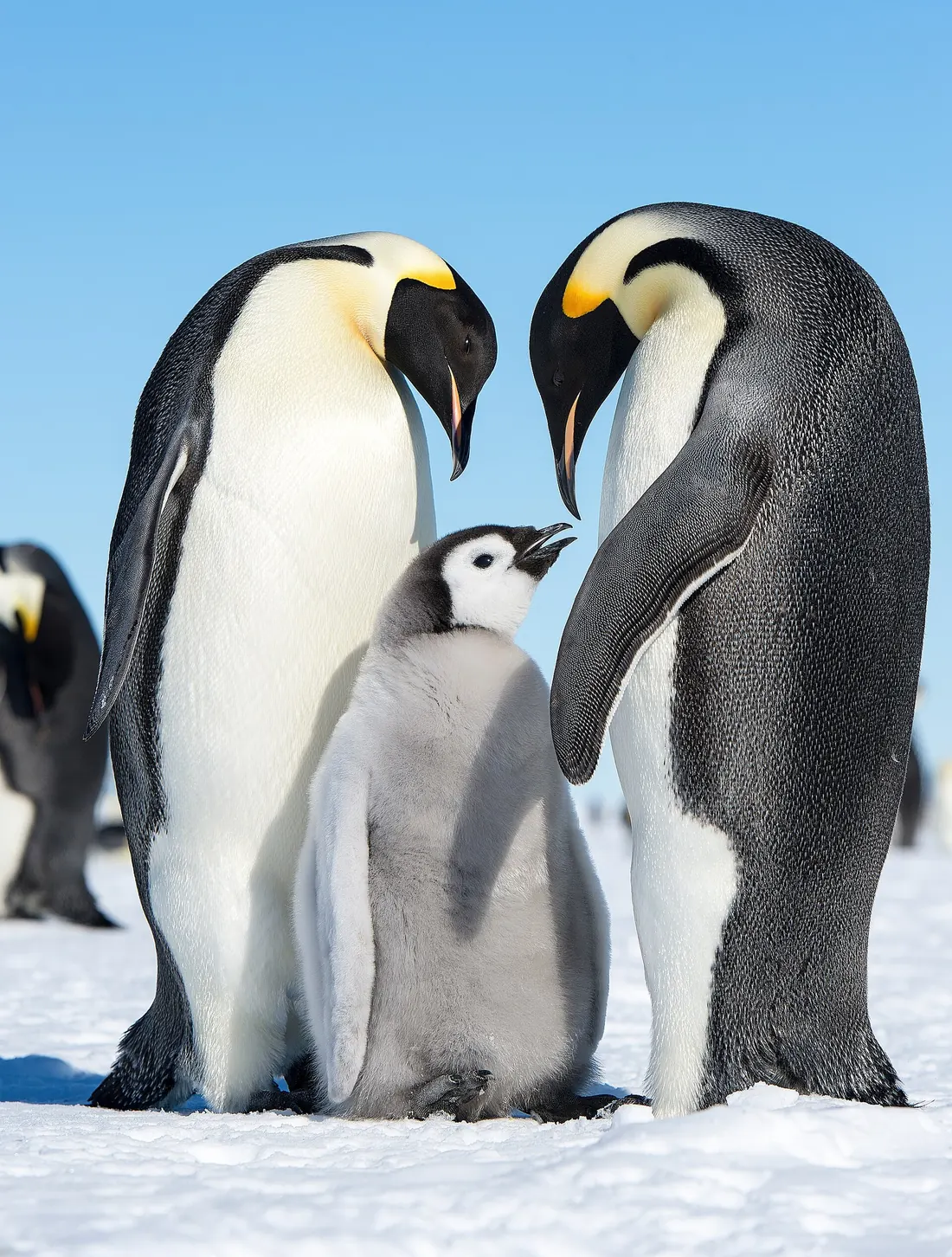
Pictures: no photo on this page shows the gully, the steps, the rescue or the crew at work; that footage and those photos belong to the BBC, so none is used, and there is no free photo of Will Lawson or Lindsay McCrae. Stefan Christmann himself is in Lars.lehnert’s photo of him in Iceland on May 17, 2016. The Atka Bay colony, the colony the crew filmed, is in Hannes Grobe’s photos of 2004 (the colony; its chicks with the ice shelf behind; a lone emperor at dusk; emperors on the sea ice with an iceberg) and in Céline Le Bohec’s of November 18, 2017 (three emperors below the ice-shelf wall) and November 30, 2018 (the colony below the ice-shelf edge, and wind-carved snow on the ice shelf above it); none of them shows the storm, the gully or the trapped mothers. The other penguins are at Gould Bay on December 2 and 3, 2013 (Christopher Michel: a chick with adults, a family of three, and a penguin hopping out of a crack in the sea ice) and at Snow Hill Island on November 3, 2007 (Denis Luyten: a chick at its parents’ feet). The storms are a blizzard on Horseshoe Island on February 23, 2004 (euphro) and a katabatic snow cloud at Dumont d’Urville station in 1977 (Pepys), neither at Atka Bay. Neumayer Station III is seen on December 17, 2009 (Felix Riess). The digger is a hydrologist on the Aldegonda glacier, Svalbard, on May 1, 2023 (Vasilevich Igor Igorevich), not the BBC crew.
Photo credits
The archive photos in this story
The photographs and illustrations in this story are in the public domain or shared under open licenses; each one is credited below with its license. Tap one to enlarge it, or follow the link to its Wikimedia Commons page for the full record. The narration, captions and graphics in the Short are our own; its music and sound effects are credited below.
Music and sound effects
Music: Grieg, Peer Gynt Suite No. 1, Op. 46: II. Ase's Death (Musopen Symphony Orchestra, CC0); Grieg, Peer Gynt Suite No. 1, Op. 46: I. Morning Mood (Musopen Symphony Orchestra, public domain).
Sound effects: Freesound, CC0.