“Raised predominantly by his grandmother,” as BBC Sport puts it, Sabastian Sawe was “born in Kenya’s Rift Valley.” “He grew up in a remote village in Kenya, in a house with mud walls and no electricity, but always loved running,” The Guardian wrote, yet “he was so shy he would often hide in the school kitchen before races.” Then “one of his early teachers … forced him to compete and told him: ‘Running is not just talent, it’s your fortune, and your future.’”
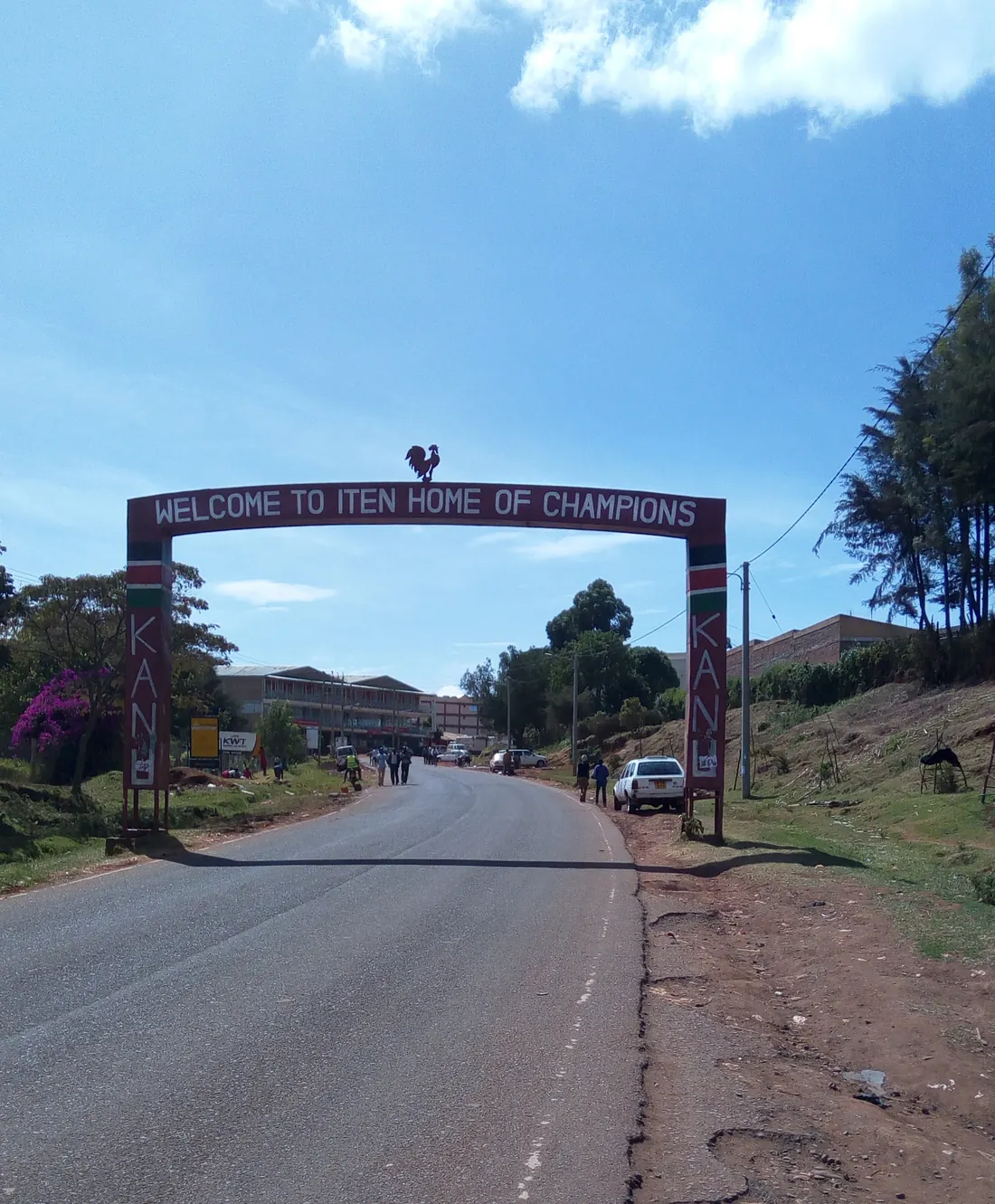
BBC Sport says “he moved to Iten to pursue his running ambitions in 2017, but his time in Kenya’s ‘home of champions’ failed to produce the desired results,” and The Guardian that “it was only in his mid-20s … that he really began to fly.” In the BBC’s words, “injury and the postponement of races caused by the coronavirus pandemic left Sawe struggling to make a living through running.” Then came Seville: “Having never competed on the road, the Kenyan began the 2022 Seville half marathon as a pacemaker, proceeded to drop everybody within the first 10km, and carried on to claim victory in a course record time.”
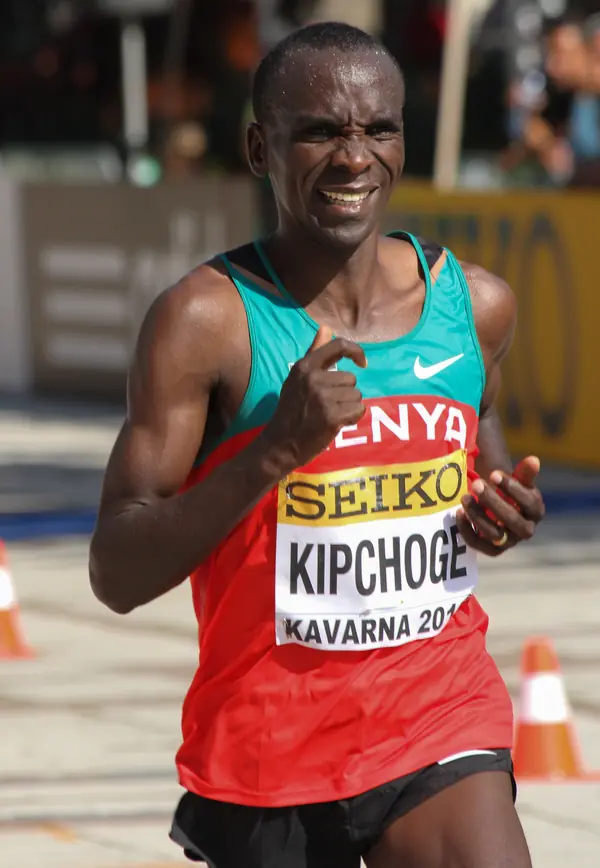
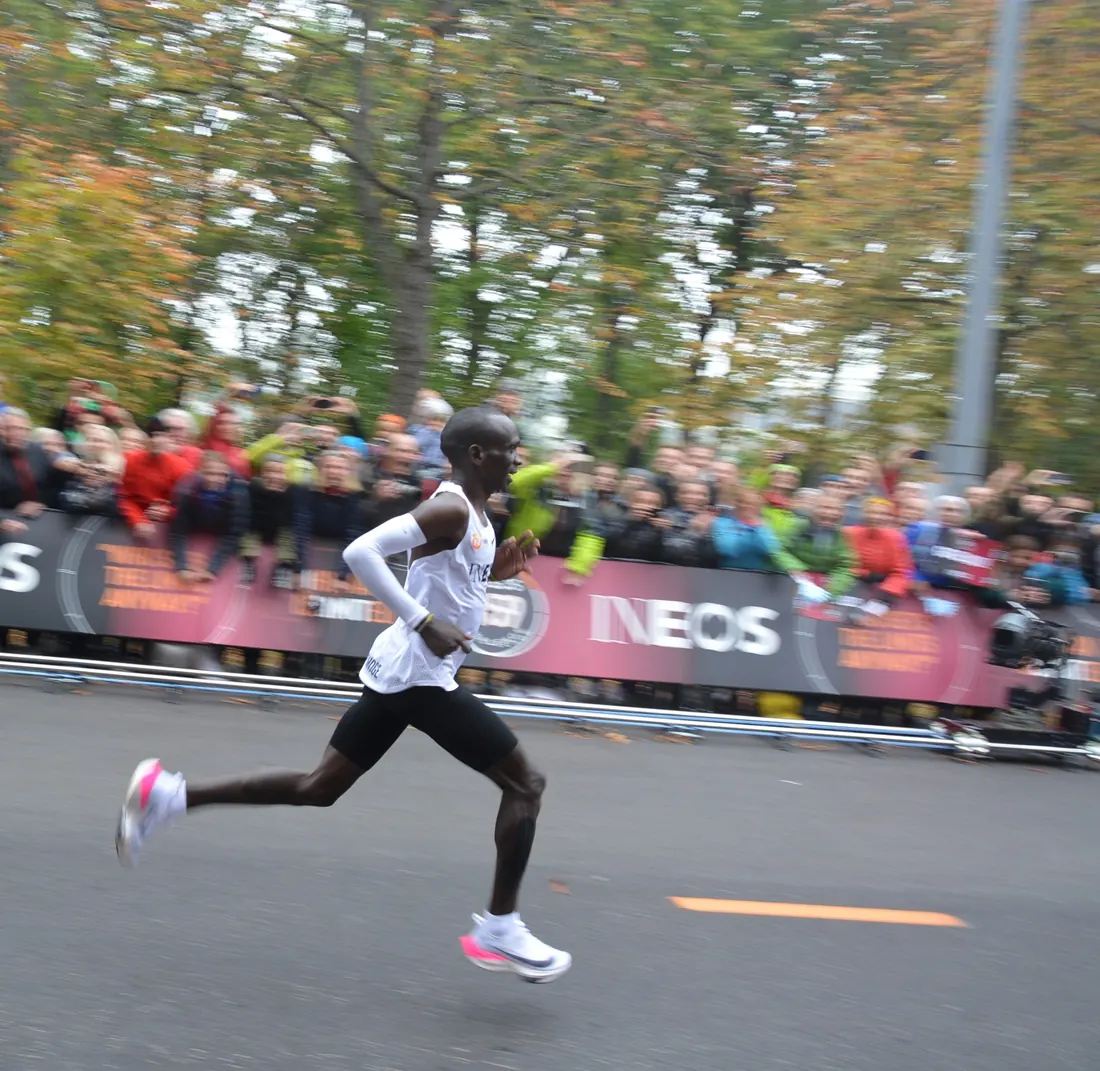
No man had yet broken two hours in a record-eligible marathon. The Associated Press explained that “when Eliud Kipchoge … achieved the feat in Vienna in 2019, it was in a specially tailored race called the ‘1.59 Challenge’ … using rotating pacemakers.” “That meant it wasn’t classed as an official race setting, so Kipchoge’s time of 1:59:40 didn’t go in the record book.” BBC Sport calls that run one “which was not record-eligible as it was held under controlled conditions,” and London race director Hugh Brasher said, as BBC Sport reported: “Nobody thought that a sub-two-hour marathon under World Athletics conditions would be done in their lifetime.”
On April 26, 2026, at the “TCS London Marathon,” as World Athletics calls it, “A 13:54 5km split saw Sawe and Kejelcha edge clear … The leading duo then accelerated again, covering the next 5km in 13:42.” Yomif Kejelcha was “running in his first-ever marathon,” the AP noted. Then “Defending champion Sawe made his move with one mile remaining, finally breaking clear of Kejelcha and pressing on alone,” World Athletics reported.
He won “in a world record* of 1:59:30, taking 65 seconds off the previous world record set by the late Kelvin Kiptum in Chicago in 2023,” World Athletics wrote, the asterisk marking a record still to be ratified, and “Yomif Kejelcha finished second in 1:59:41 – the second-fastest time in history and the fastest marathon debut ever.” On July 23, 2026, a World Athletics press release headed “Ratified: world records for Sawe, Ehammer, Charlton and more” confirmed it: “Sawe became the first man to break two hours in a record-eligible marathon.” “I am feeling good, I am so happy. It is a day to remember. I have shown that nothing is not possible,” Sawe said, as The Guardian reported.
Fact check
The facts and where they come from
- He was so shy he hid before races, but he broke the marathon’s two-hour barrier. The Guardian: “he was so shy he would often hide in the school kitchen before races.” World Athletics: “becoming the first man to officially break two hours for the distance.” 51
- His name is Sabastian Sawe. World Athletics’ athlete profile: “Sabastian Kimaru SAWE,” of Kenya. 3
- Raised mostly by his grandmother, he grew up in a house with mud walls and no electricity. BBC Sport: “Raised predominantly by his grandmother”; “born in Kenya’s Rift Valley.” The Guardian: “He grew up in a remote village in Kenya, in a house with mud walls and no electricity, but always loved running.” 45
- “Running is not just talent, it’s your fortune, and your future,” a teacher told him. The Guardian: “one of his early teachers … forced him to compete and told him: ‘Running is not just talent, it’s your fortune, and your future.’” 5
- But for years, results never came. BBC Sport: “he moved to Iten to pursue his running ambitions in 2017, but his time in Kenya’s ‘home of champions’ failed to produce the desired results.” The Guardian: “it was only in his mid-20s … that he really began to fly.” 45
- Injury and the pandemic left him barely making a living. BBC Sport: “As injury and the postponement of races caused by the coronavirus pandemic left Sawe struggling to make a living through running.” 4
- In his first half marathon, he started as a pacemaker and won. BBC Sport: “Having never competed on the road, the Kenyan began the 2022 Seville half marathon as a pacemaker, proceeded to drop everybody within the first 10km, and carried on to claim victory in a course record time.” 4
- Nobody had ever broken two hours in a record race. World Athletics (July 23, 2026): “Sawe became the first man to break two hours in a record-eligible marathon.” 2
- Years earlier, Eliud Kipchoge did it, but in a staged run. The Associated Press: “when Eliud Kipchoge … achieved the feat in Vienna in 2019, it was in a specially tailored race called the ‘1.59 Challenge’ … using rotating pacemakers. That meant it wasn’t classed as an official race setting, so Kipchoge’s time of 1:59:40 didn’t go in the record book.” BBC Sport: “which was not record-eligible as it was held under controlled conditions.” 64
- In April 2026, he raced London. World Athletics: “TCS London Marathon”; “1:59:30 Sabastian Sawe (KEN) London, 26 April 2026.” 12
- Running his first marathon, Yomif Kejelcha matched him stride for stride. World Athletics: “A 13:54 5km split saw Sawe and Kejelcha edge clear … The leading duo then accelerated again, covering the next 5km in 13:42”; “Yomif Kejelcha finished second in 1:59:41 – the second-fastest time in history and the fastest marathon debut ever.” The Associated Press: “running in his first-ever marathon.” 16
- With a mile left, he broke away. World Athletics: “Defending champion Sawe made his move with one mile remaining, finally breaking clear of Kejelcha and pressing on alone”; “Sawe made his decisive move with one mile remaining and pulled away to win in 1:59:30.” 12
- He ran 1:59:30, a world record. World Athletics: “in a world record* of 1:59:30, taking 65 seconds off the previous world record set by the late Kelvin Kiptum in Chicago in 2023.” World Athletics (July 23, 2026): “Ratified: world records for Sawe, Ehammer, Charlton and more.” 12
- “I have shown that nothing is not possible,” he said. Sawe, as The Guardian quotes him: “I am feeling good, I am so happy. It is a day to remember. I have shown that nothing is not possible.” 5
Sources
- Sawe breaks two-hour barrier with 1:59:30 world record at London Marathon (April 26, 2026) World Athletics
- Ratified: world records for Sawe, Ehammer, Charlton and more (press release, July 23, 2026) World Athletics
- Athlete profile: Sabastian Kimaru Sawe World Athletics
- Sabastian Sawe: How Kenyan broke two-hour barrier to make history at London Marathon (Harry Poole, April 27, 2026) BBC Sport
- Sabastian Sawe breaks two-hour barrier to make history in London Marathon (Sean Ingle, April 26, 2026) The Guardian
- Sabastian Sawe breaks fabled 2-hour barrier in the marathon to shatter world record by 65 seconds (April 26, 2026) The Associated Press, on the Anchorage Daily News
Notes
His name: World Athletics, BBC Sport, The Guardian and the AP spell it Sabastian; his full name is Sabastian Kimaru Sawe.
The breakaway: World Athletics says twice that he moved “with one mile remaining”; the AP says he “made his solo break in the final two kilometers”; and Kejelcha said, as The Guardian reported: “At exactly 41 kilometres, my body stopped. I tried to push, but my legs were done.” The Short follows World Athletics.
The record: World Athletics’ race report marked it “world record*,” pending ratification; it was ratified in a World Athletics press release on July 23, 2026. The Short says “a world record.”
Kipchoge’s Vienna time: 1:59:40 (the AP), or 1:59:41 in World Athletics’ 2026 report, which calls it an “exhibition performance.” The Short gives no time, and says only that it was a staged run.
“First half marathon”: BBC Sport says he had “never competed on the road” before the 2022 Seville half marathon; the Short calls it his first half marathon.
Popular clips claim that for 70 years experts believed a sub-two-hour marathon would destroy the human body, and that Kejelcha pushed the pace to 4:17 a mile; no source was found for either, so neither is used. A widely reported 4:12 split for the 24th mile was likely mismeasured, an analysis found on May 1, so it isn’t used either.
Sabastian Sawe, Yomif Kejelcha and Eliud Kipchoge are alive. Only race results, World Athletics’ statements, reporting by major outlets and Sawe’s own published words are used; his grandmother and his teacher are not named, and nothing here goes into his private life or money. Eliud Kipchoge is named only for his 2019 Vienna run. Left out: his age, on which reports differ, the prize money, his shoes and the name of his village.
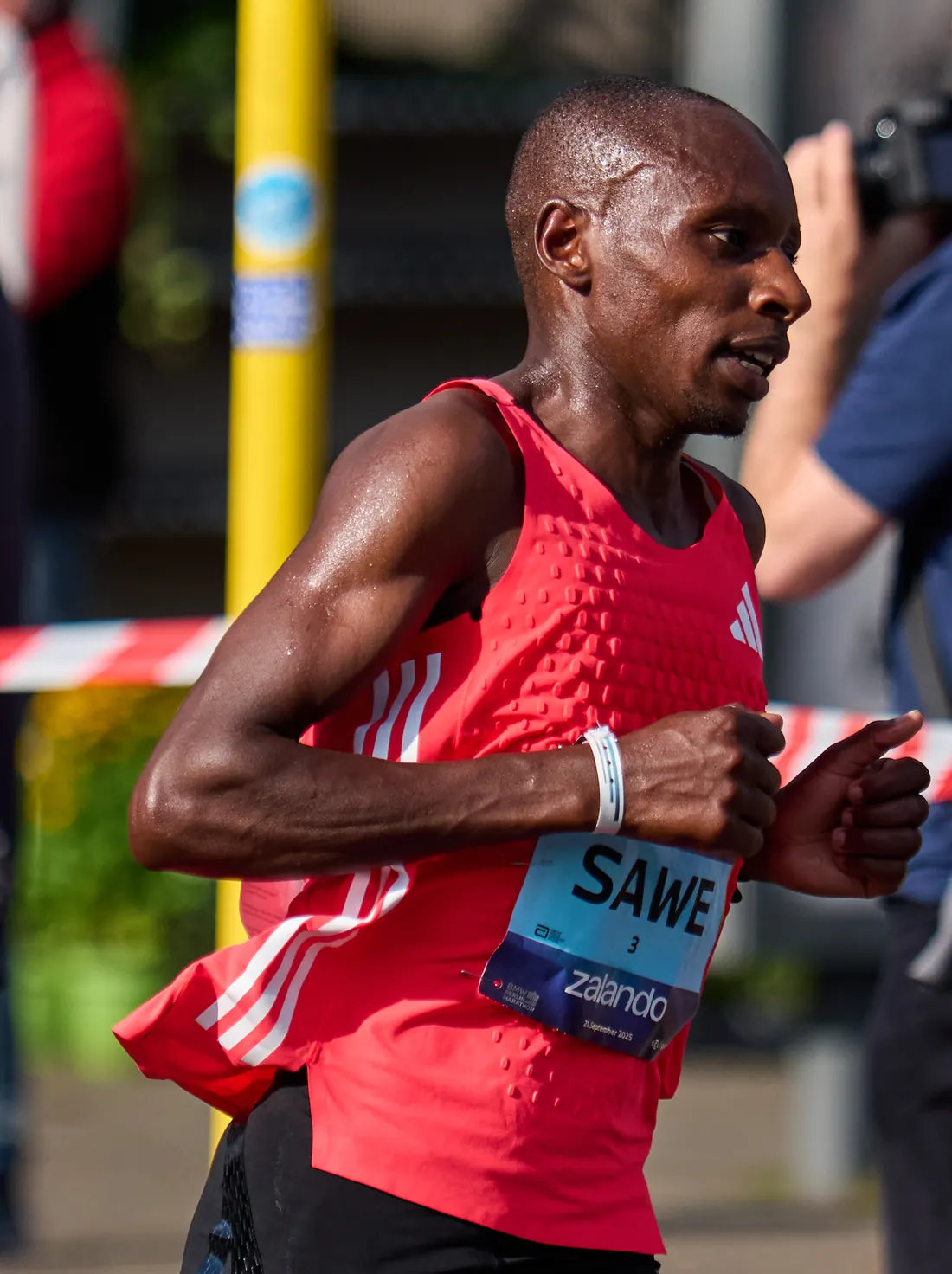
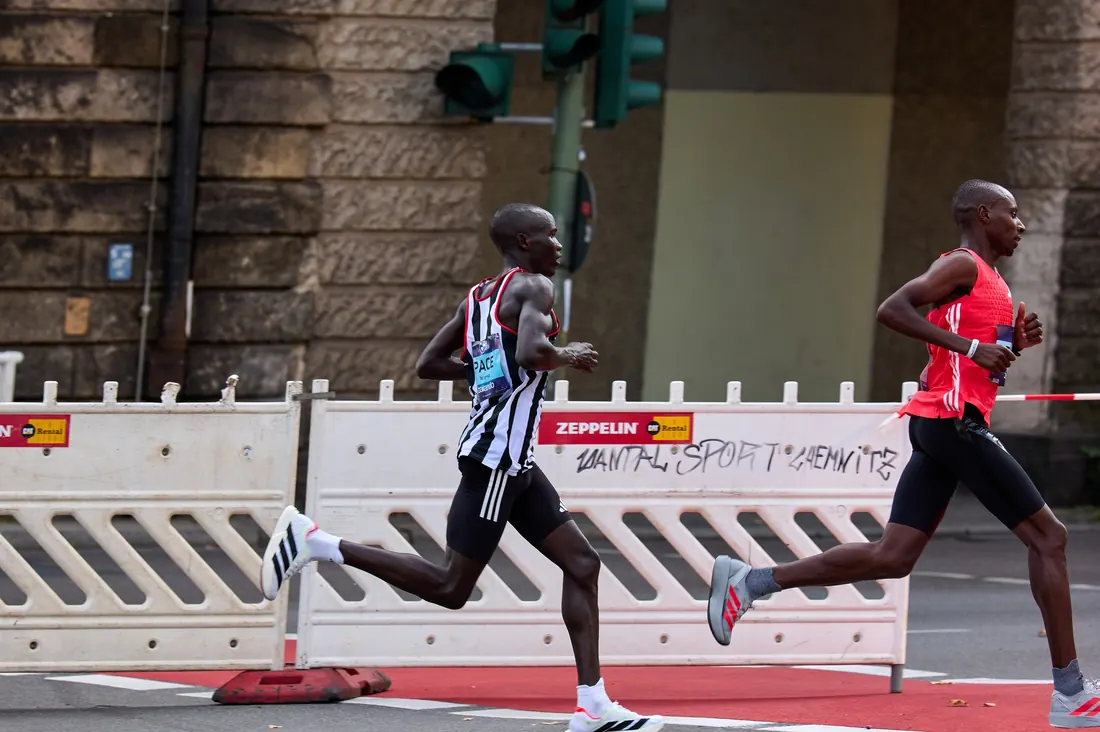
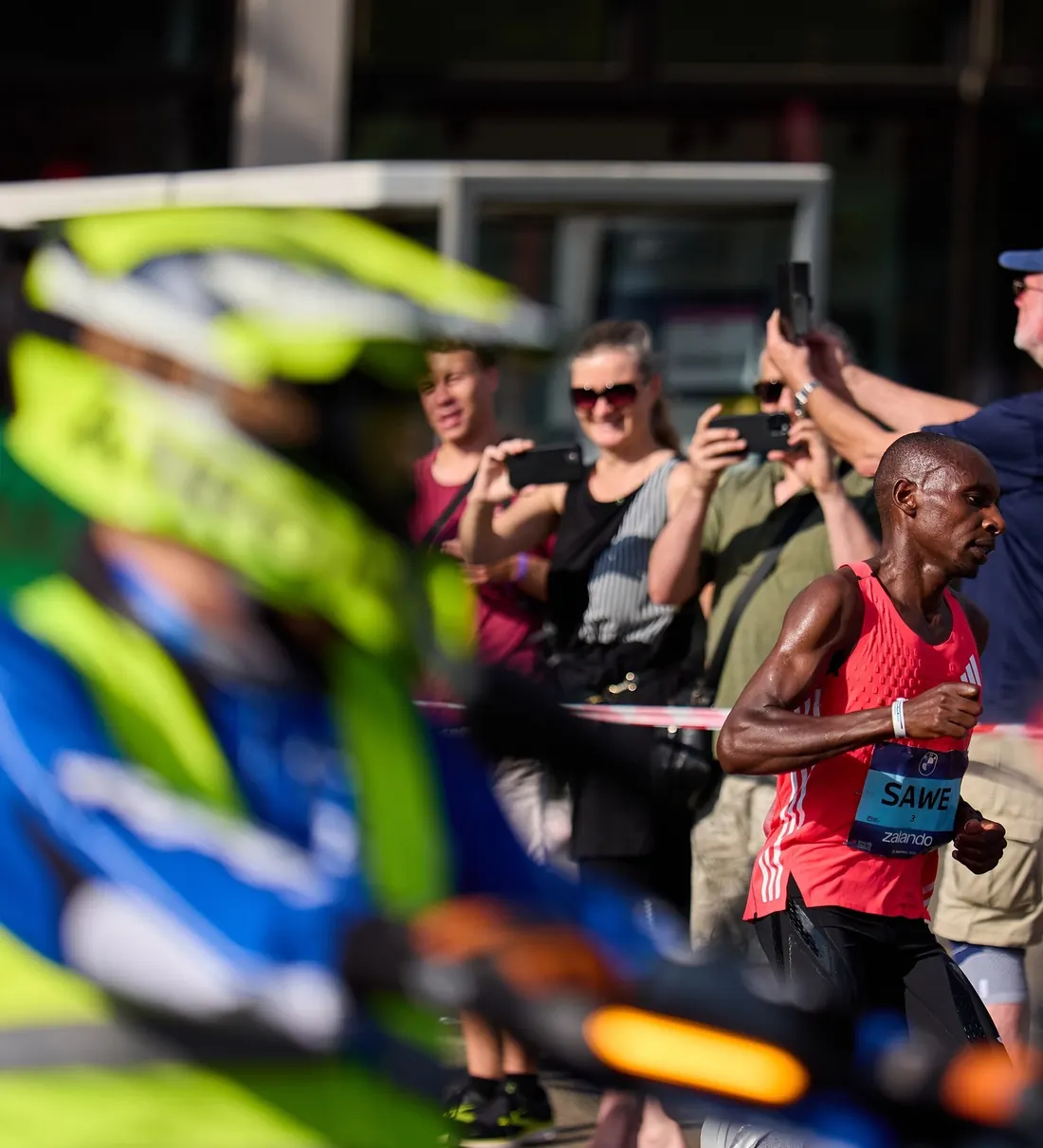
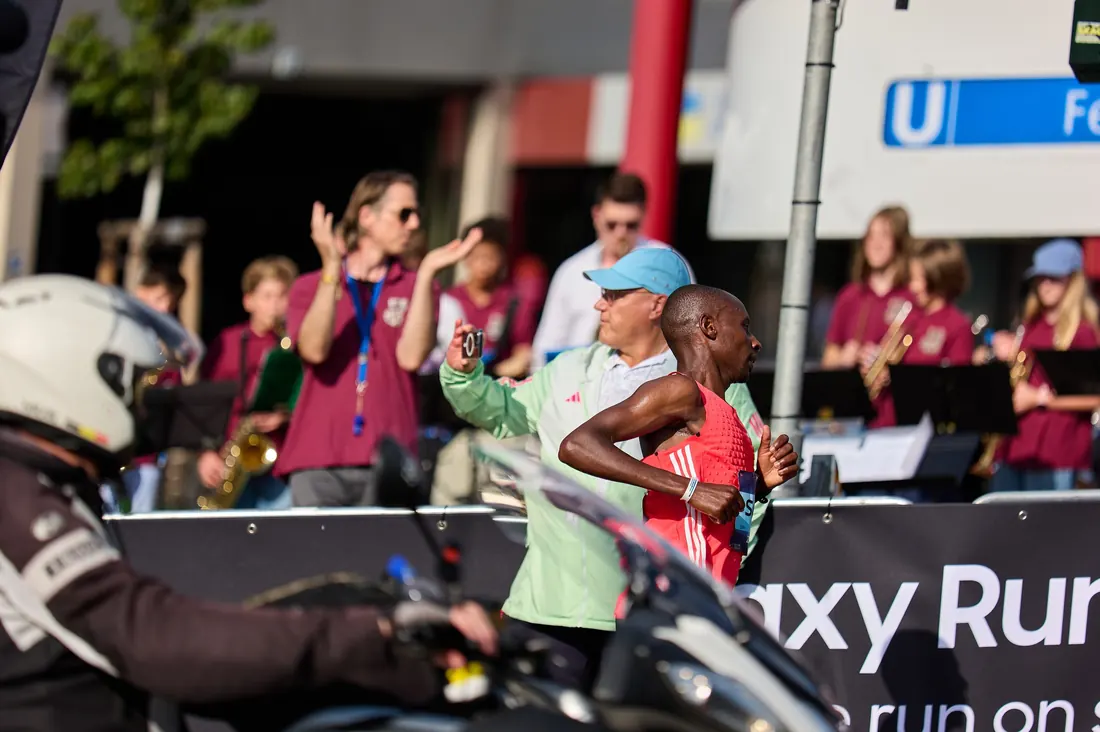
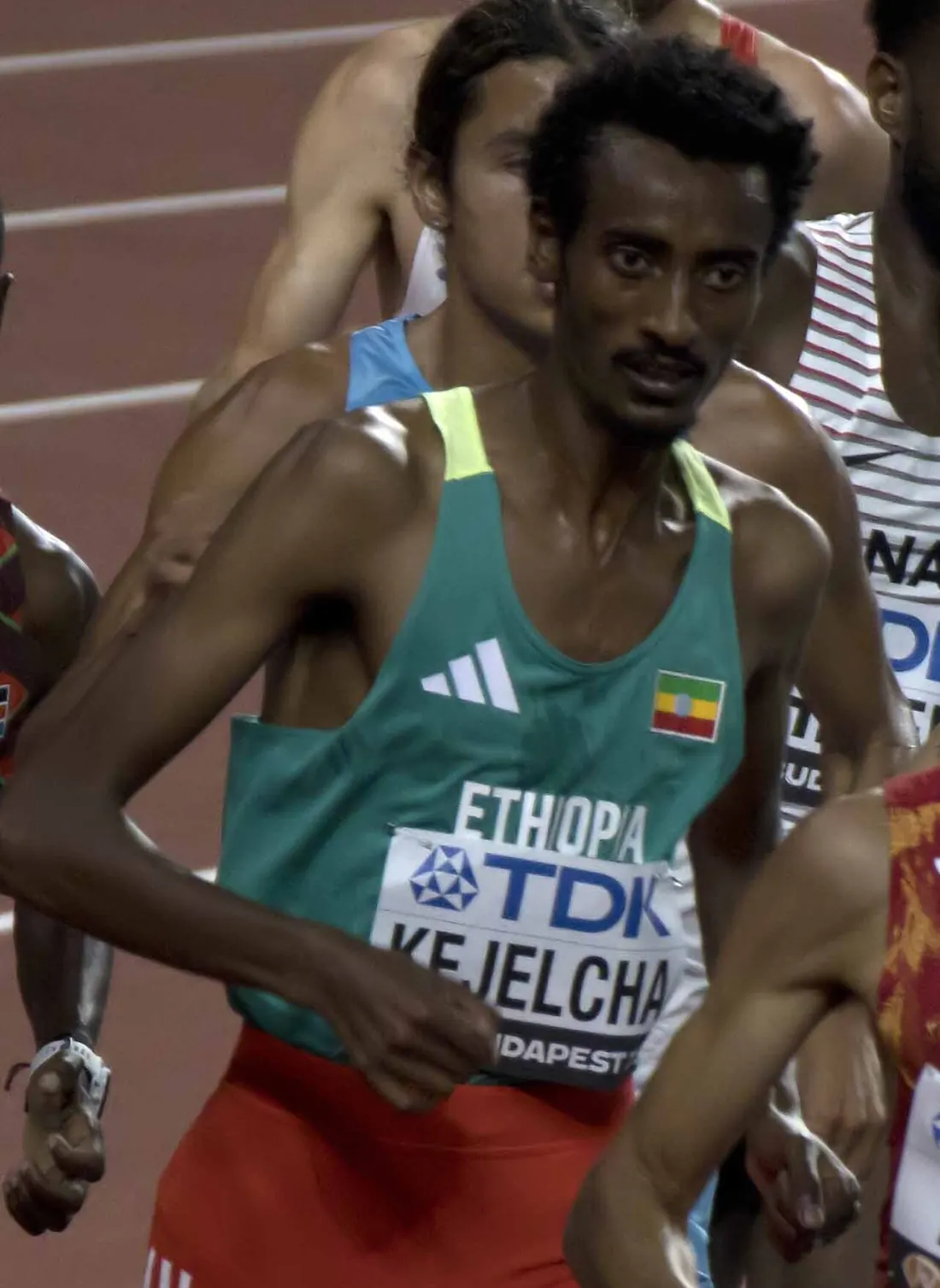
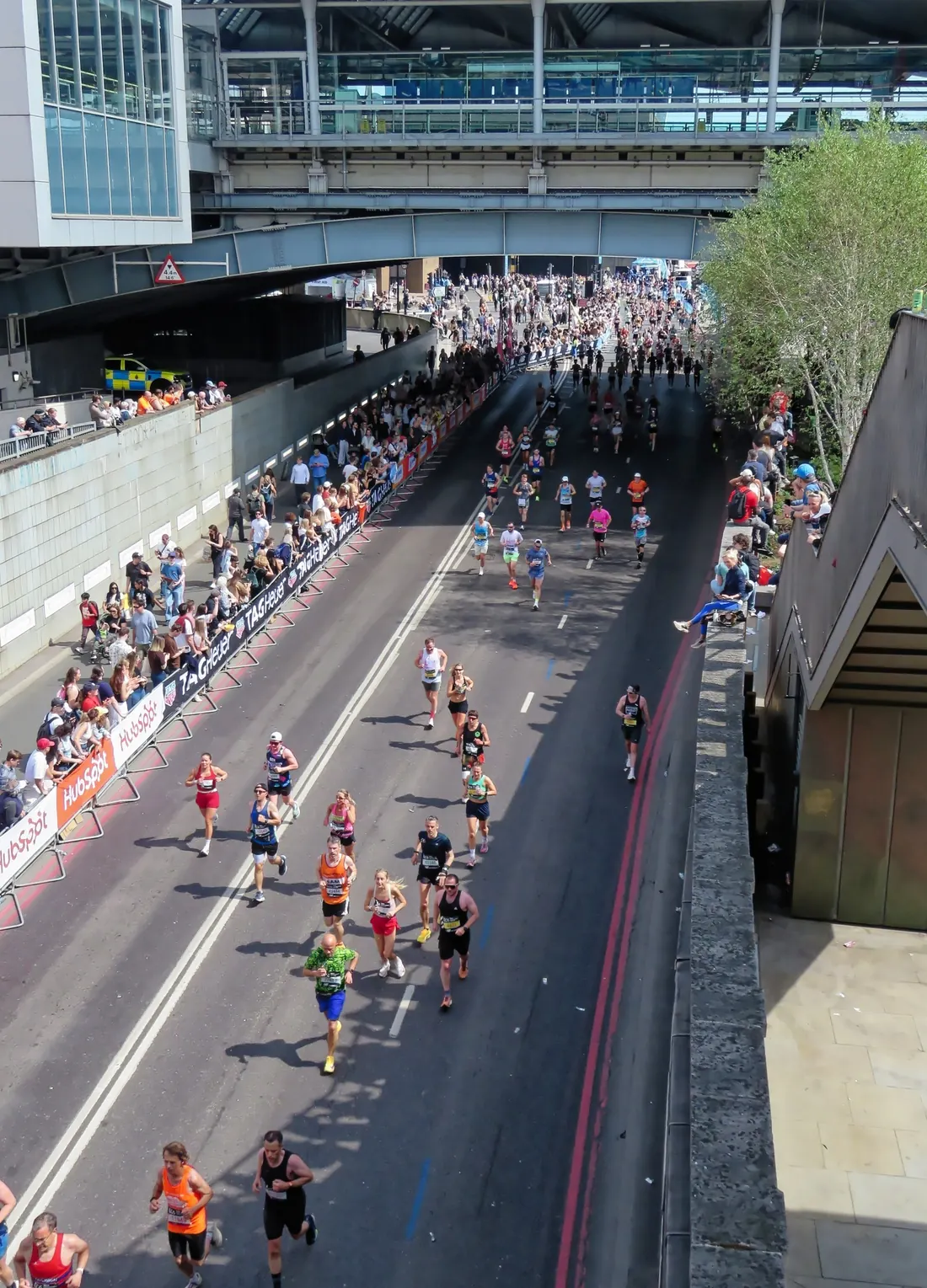
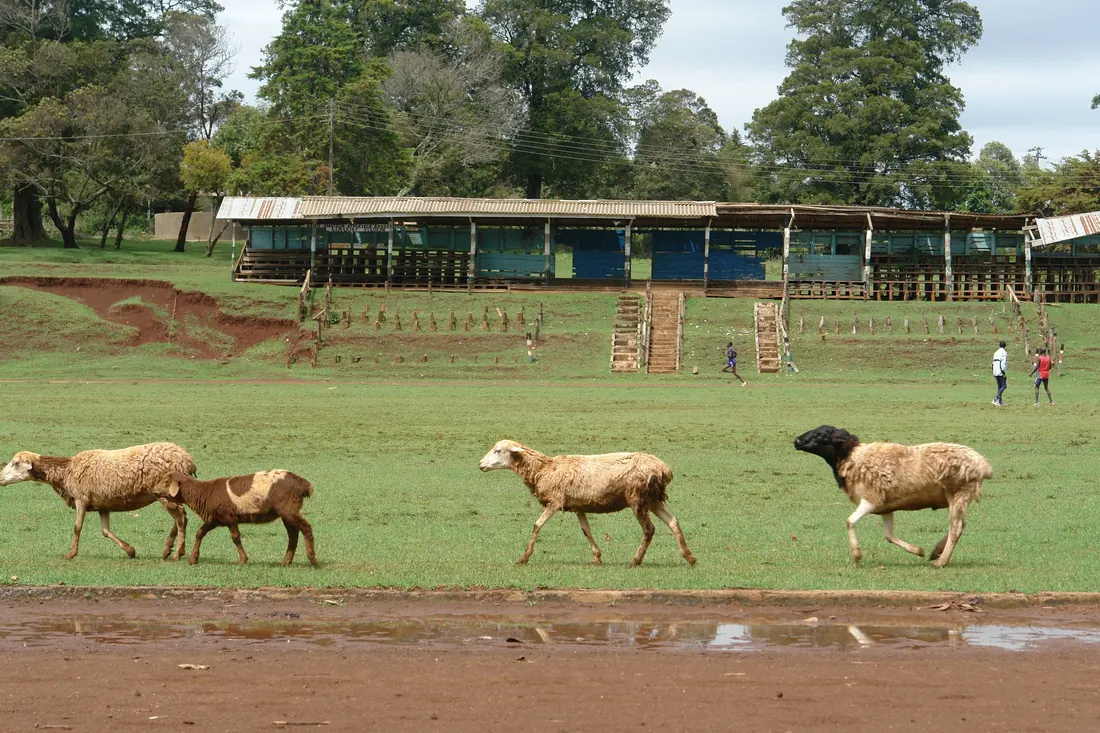
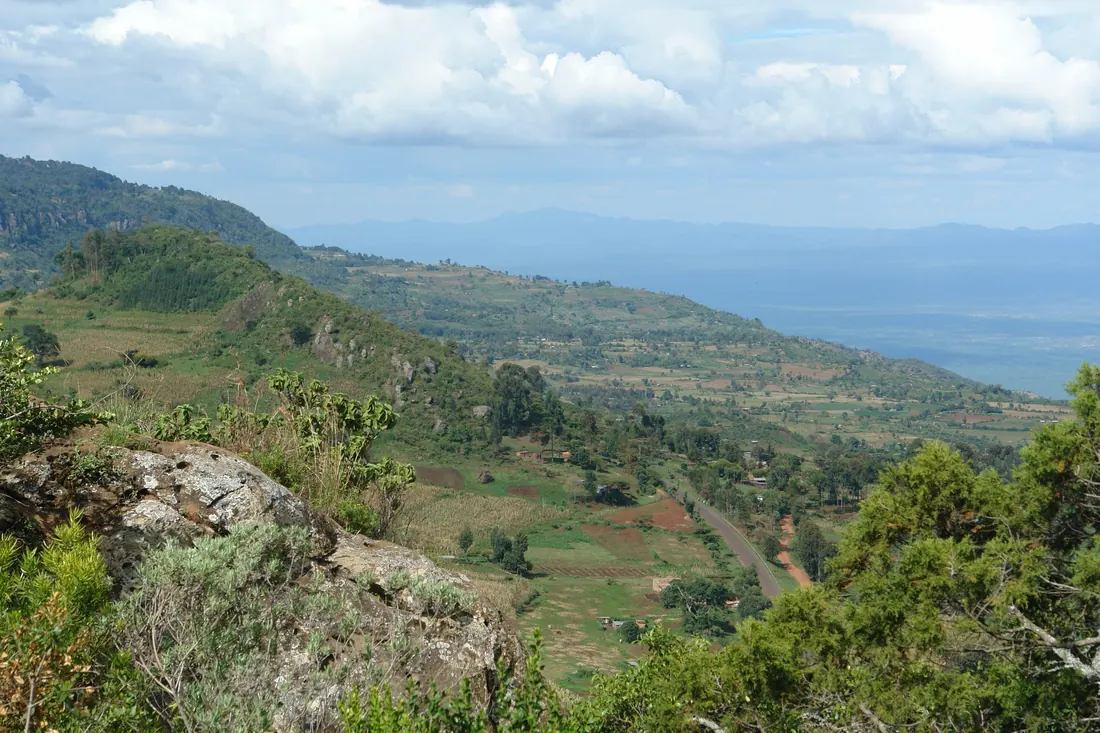
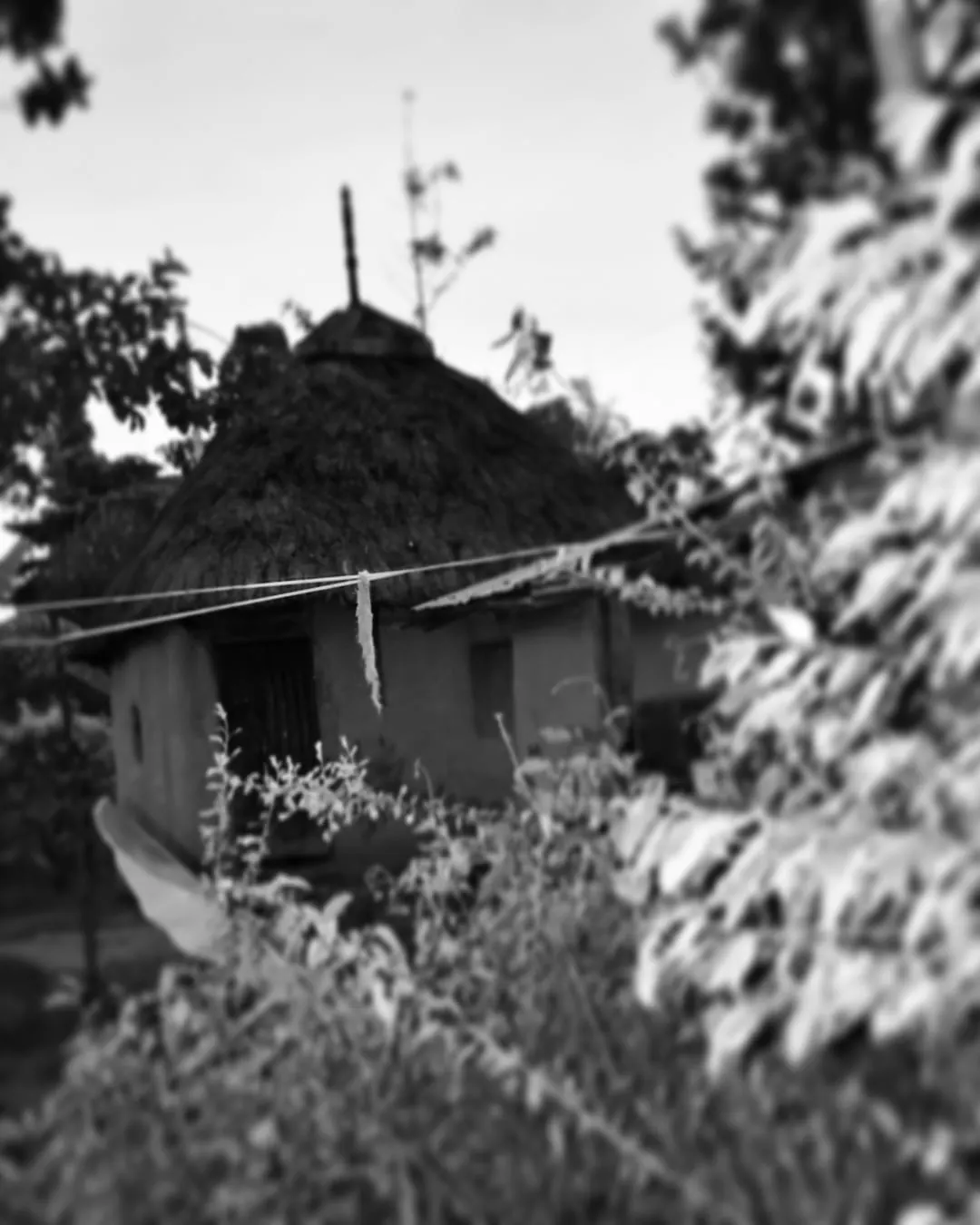
Pictures: no free photo shows the 2026 elite race, the finish, the 2022 Seville half marathon, his home, his grandmother or his teacher; every picture of those we found is agency, organizer or broadcast work, so none is used. Sabastian Sawe is at the Berlin Marathon on September 21, 2025, in four photos by Leonhard Lenz: a close portrait; running ahead of a pacemaker (not Kejelcha, and not the Seville half marathon); passing fans with phones (cropped); and passing a brass band and fans. Yomif Kejelcha is in the 5,000 meters at the World Championships in Budapest on August 27, 2023 (filip bossuyt), and Eliud Kipchoge in the last 200 meters of the INEOS 1:59 Challenge in Vienna on October 12, 2019 (Triathlet 79). Upper Thames Street, seen from Blackfriars Bridge, is on London Marathon race day, April 26, 2026, during the mass race, after the elite runners had passed (Acabashi). The “Welcome to Iten Home of Champions” arch in Iten is undated (Shadychiri). A grass and dirt track in Iten with sheep crossing, on October 29, 2009, is not a track Sawe is known to have used, and the farms of the Rift Valley seen from Iten, on October 30, 2009, are not his village (edskoch). A traditional thatched Kalenjin house, in black and white, on July 10, 2021, is not his home (Innowcent5).
Photo credits
The archive photos in this story
The photographs and illustrations in this story are in the public domain or shared under open licenses; each one is credited below with its license. Tap one to enlarge it, or follow the link to its Wikimedia Commons page for the full record. The narration, captions and graphics in the Short are our own; its music and sound effects are credited below.
Music and sound effects
Music: Schumann, Kinderszenen, Op. 15: No. 1 'Of Foreign Lands and Peoples (Musopen, public domain); Mussorgsky, Pictures at an Exhibition: IV. Bydlo (piano) (Musopen, public domain); Dvorak, Symphony No. 9 'From the New World': II. Largo (Musopen, public domain).
Sound effects: Freesound, CC0.