Tiger Woods “came to the Canadian Open at Glen Abbey in pursuit of golf’s Triple Crown – victories at all three of Canada’s, Britain’s and the U.S.’s national opens,” CBC Sports writes. “Only Lee Trevino, in 1971, had previously achieved the feat.” “Woods already had won the U.S. Open and British Open in 2000,” the Associated Press recalled, and CBC adds that “he had won the U.S. Open by a record 15 strokes, the Open Championship by eight.” A CBC photo caption puts him “at Glen Abbey in Oakville, Ont., on Sunday, Sept.10, 2000.”
He and Grant Waite “were still separated by a shot as they came to the 508-yard, par-5 18th,” the PGA Tour’s oral history says. “With the skies gray and fans holding umbrellas, Woods lost his tee shot into the right fairway bunker. Waite split the fairway.” “I remember it being cloudy and it was drizzling; the rain was starting,” said Bill Paul, a former tournament director. “Waite hit 5-iron to the fat of the green, well left of the pin,” the PGA Tour says, and The Globe and Mail’s Lorne Rubenstein told CBC: “[Waite] put it on the green about 30, 35 feet away. So he had a putt for eagle.”
“Clinging to a one-stroke lead on the par-5 18th at Glen Abbey, he was in a fairway bunker 218 yards from the hole, the final 100 yards over water,” ESPN reported two days later. “Woods could not see the pin,” the PGA Tour says; CBC writes that “trees beside the bunker partially block his view,” “As rain begins to fall and soak the sand.” “I was standing behind the green and everyone thought he was going to bail out,” Bill Paul remembered. Instead, “He set up left of it, took a mighty rip – and absolutely flushed his 6-iron,” in the PGA Tour’s words. “The guy takes out a 6-iron, fires at the flag, with the tournament on the line,” Waite told the AP.
“When he made contact and the ball was to the right, I thought, ‘Oh, his ball is going to go in the water,’” Waite said. It “rocketed into the gray sky and dropped 18 feet behind the flag,” ESPN reported; it “landed 18 feet behind the flag in the first cut of rough.” “Waite missed his eagle putt, settling for a birdie that Woods matched after chipping his third shot to tap-in range,” the PGA Tour says, and Waite “finished one stroke behind when his 20-foot eagle putt curled off at the end,” ESPN wrote. Scott Verplank called it “the greatest shot I’ve ever seen in my life.”
“On the phone that evening was his father, Earl Woods,” the AP wrote in 2025. “In every tournament,” Earl said, “he’ll hit shots that people will be talking about for 30 years.” ESPN carried the same words in 2000. “Tiger Woods had just won the Canadian Open in 2000 with a shot no one can forget,” the AP wrote twenty-five years later. “But his father was right. Woods … hit shots that are still talked about to this day.”
Fact check
The facts and where they come from
- He was stuck in a bunker behind a lake, with the title on the line. ESPN (Associated Press, September 12, 2000): “Clinging to a one-stroke lead on the par-5 18th at Glen Abbey, he was in a fairway bunker 218 yards from the hole, the final 100 yards over water.” 3
- His name is Tiger Woods. Associated Press (December 29, 2025): “Tiger Woods had just won the Canadian Open in 2000 with a shot no one can forget”; “Woods turns 50 on Tuesday.” 4
- In September 2000, he came to Canada chasing history. CBC Sports: “Woods came to the Canadian Open at Glen Abbey in pursuit of golf’s Triple Crown – victories at all three of Canada’s, Britain’s and the U.S.’s national opens. Only Lee Trevino, in 1971, had previously achieved the feat.” A CBC photo caption: “at Glen Abbey in Oakville, Ont., on Sunday, Sept.10, 2000.” 2
- He’d already won the US and British Opens. Associated Press: “Woods already had won the U.S. Open and British Open in 2000.” CBC Sports: “he had won the U.S. Open by a record 15 strokes, the Open Championship by eight.” 42
- On the last hole, in the rain, he led by one. PGA Tour: “They were still separated by a shot as they came to the 508-yard, par-5 18th. With the skies gray and fans holding umbrellas.” Bill Paul, a former tournament director: “I remember it being cloudy and it was drizzling; the rain was starting.” CBC Sports: “As rain begins to fall and soak the sand.” ESPN: “Clinging to a one-stroke lead.” 123
- Then his drive found a fairway bunker. PGA Tour: “Woods lost his tee shot into the right fairway bunker. Waite split the fairway.” 1
- His rival, Grant Waite, was on the green, putting for eagle. PGA Tour: “Waite hit 5-iron to the fat of the green, well left of the pin.” Lorne Rubenstein, to CBC Sports: “[Waite] put it on the green about 30, 35 feet away. So he had a putt for eagle.” Associated Press: “Grant Waite, who already had found the green on the par-5 18th.” 124
- Tiger was 218 yards out, and couldn’t see the flag. ESPN: “218 yards from the hole.” PGA Tour: “Woods could not see the pin.” CBC Sports: “trees beside the bunker partially block his view.” 312
- The last hundred yards were water. ESPN: “the final 100 yards over water.” 3
- Everyone thought he would play it safe. Bill Paul, a former tournament director, to the PGA Tour: “I was standing behind the green and everyone thought he was going to bail out.” 1
- He pulled a 6-iron and went straight for the flag. PGA Tour: “He set up left of it, took a mighty rip – and absolutely flushed his 6-iron.” ESPN: “that 6-iron from 218 yards that Tiger Woods hit from a fairway bunker, over water and right at the flag.” Waite, to the Associated Press: “The guy takes out a 6-iron, fires at the flag, with the tournament on the line.” 134
- It started right, and Waite thought it was going in the water. Waite, to the PGA Tour: “When he made contact and the ball was to the right, I thought, ‘Oh, his ball is going to go in the water.’” 1
- It flew the lake and landed behind the flag. ESPN: “rocketed into the gray sky and dropped 18 feet behind the flag”; “landed 18 feet behind the flag in the first cut of rough.” 3
- He made birdie and won by one. PGA Tour: “Waite missed his eagle putt, settling for a birdie that Woods matched after chipping his third shot to tap-in range.” ESPN: “Waite, who finished one stroke behind when his 20-foot eagle putt curled off at the end.” 13
- His father said people would talk about his shots for 30 years. Associated Press: “On the phone that evening was his father, Earl Woods”; “‘In every tournament,’ Earl said, ‘he’ll hit shots that people will be talking about for 30 years.’” ESPN (2000) has the same words. 43
- They still talk about this one. Associated Press (2025): “Tiger Woods had just won the Canadian Open in 2000 with a shot no one can forget”; “But his father was right. Woods … hit shots that are still talked about to this day.” The PGA Tour (2020) and CBC Sports have both published oral histories of this one shot. 412
Sources
- Oral history of Tiger’s (arguably) greatest shot (Cameron Morfit, May 26, 2020) PGA Tour
- CBC Sports Oral Histories: Tiger Woods’ iconic shot at the 2000 Canadian Open (Myles Dichter) CBC Sports
- Woods’ legend growing with each event (Associated Press, September 12, 2000) ESPN
- Tiger Woods’ father said Woods will hit shots people talk about for 30 years. Earl was right (Associated Press, December 29, 2025) Fox Sports
- The wow factor (Lorne Rubenstein, 2012) The Globe and Mail
Notes
The drive: popular clips say a heckler made him miss the fairway; none of the accounts we read (the PGA Tour and CBC Sports oral histories, ESPN, the AP and The Globe and Mail) mentions one. The PGA Tour says only, “With the skies gray and fans holding umbrellas, Woods lost his tee shot into the right fairway bunker.” The Short says “Then his drive found a fairway bunker.”
The distance: 218 yards (the PGA Tour, ESPN, CBC Sports and the AP); The Globe and Mail said 214. The Short says 218.
Where it finished: “18 feet behind the flag in the first cut of rough” (ESPN, 2000); the AP in 2025 says it “settled on the fringe 20 feet away”; Woods himself said, “I didn’t hit the green; I hit it over the green, so it wasn’t really that good” (PGA Tour). The Short says only that it landed behind the flag.
The birdie: the PGA Tour says he chipped his third shot to tap-in range; the AP in 2025 says “a two-putt birdie.” The Short says only “He made birdie.”
Where he aimed: he set up left of the hidden pin (PGA Tour), and the ball started right (Waite); every account says he went at the flag (ESPN: “right at the flag”; Waite: “fires at the flag”). The Short says “went straight for the flag.”
His age: the AP wrote on December 29, 2025, that “Woods turns 50 on Tuesday,” so he was 24 in September 2000.
Tiger Woods and Grant Waite are alive. Only the 2000 shot is covered, from the PGA Tour and CBC Sports oral histories, reporting by ESPN, the AP and The Globe and Mail, and the golfers’ own published words. Earl Woods appears for his words that evening; Bill Paul, Lorne Rubenstein and Scott Verplank only for their words about the shot.
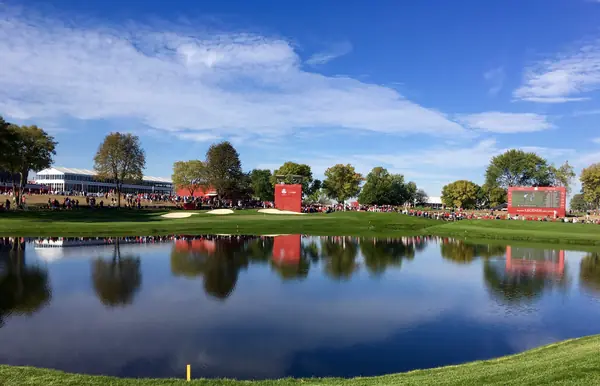
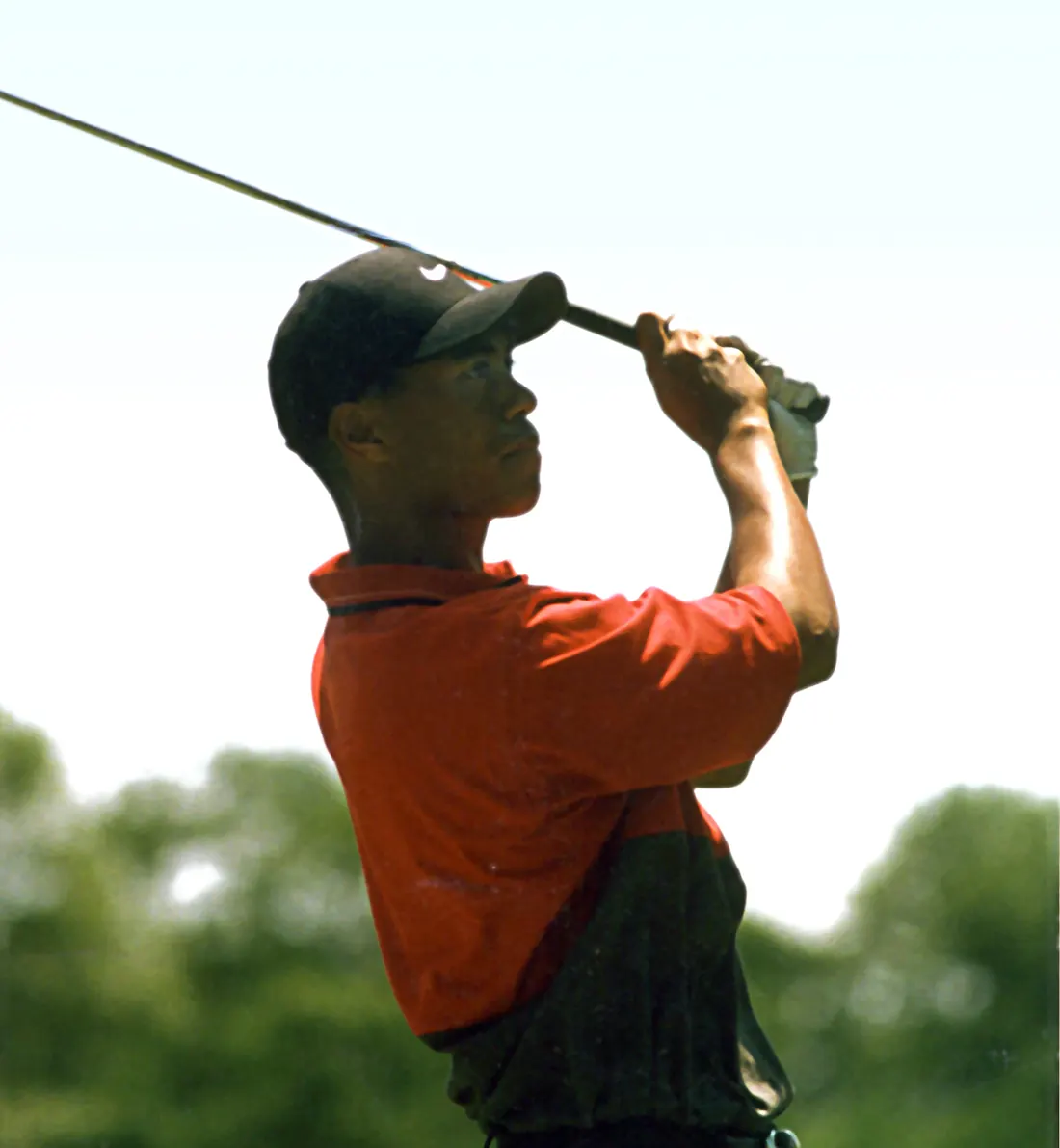
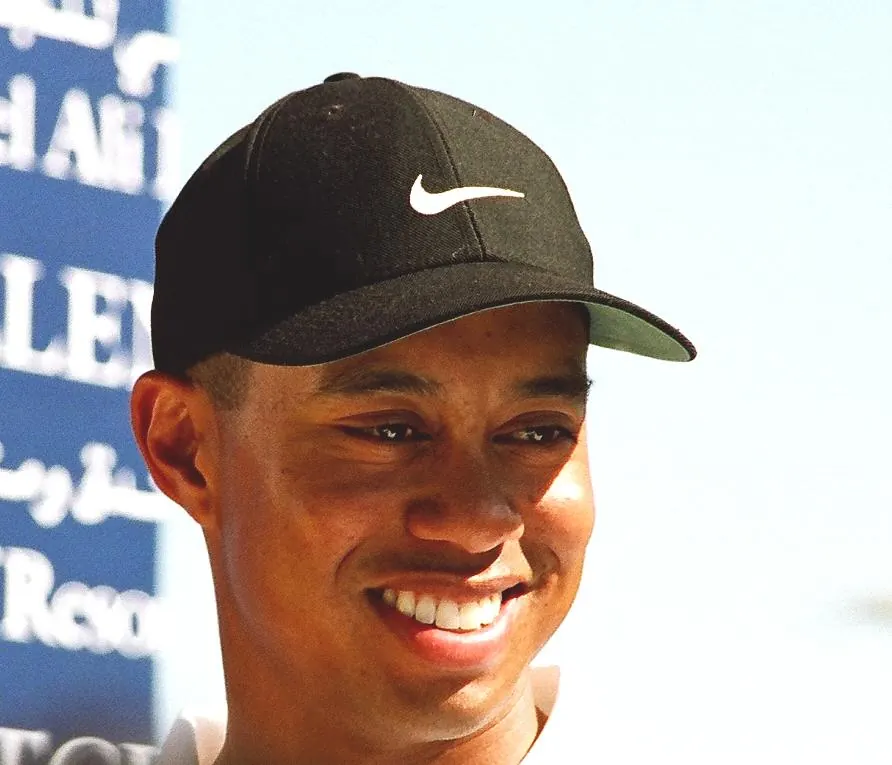
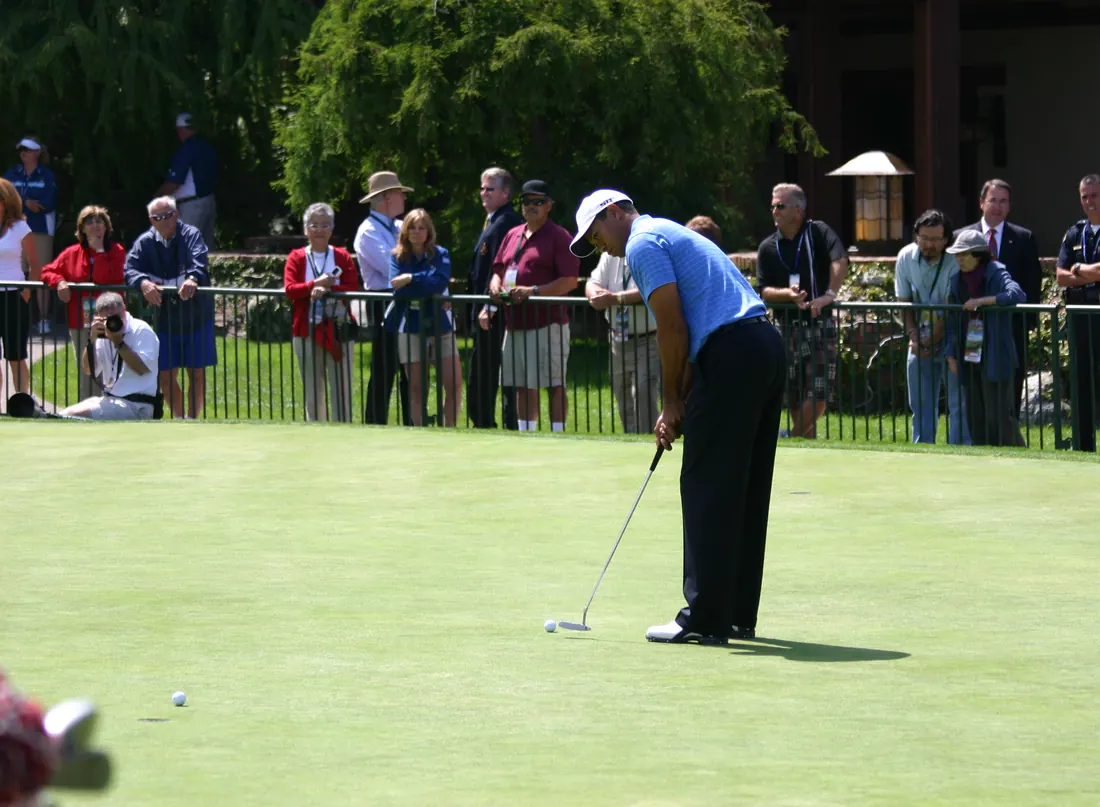
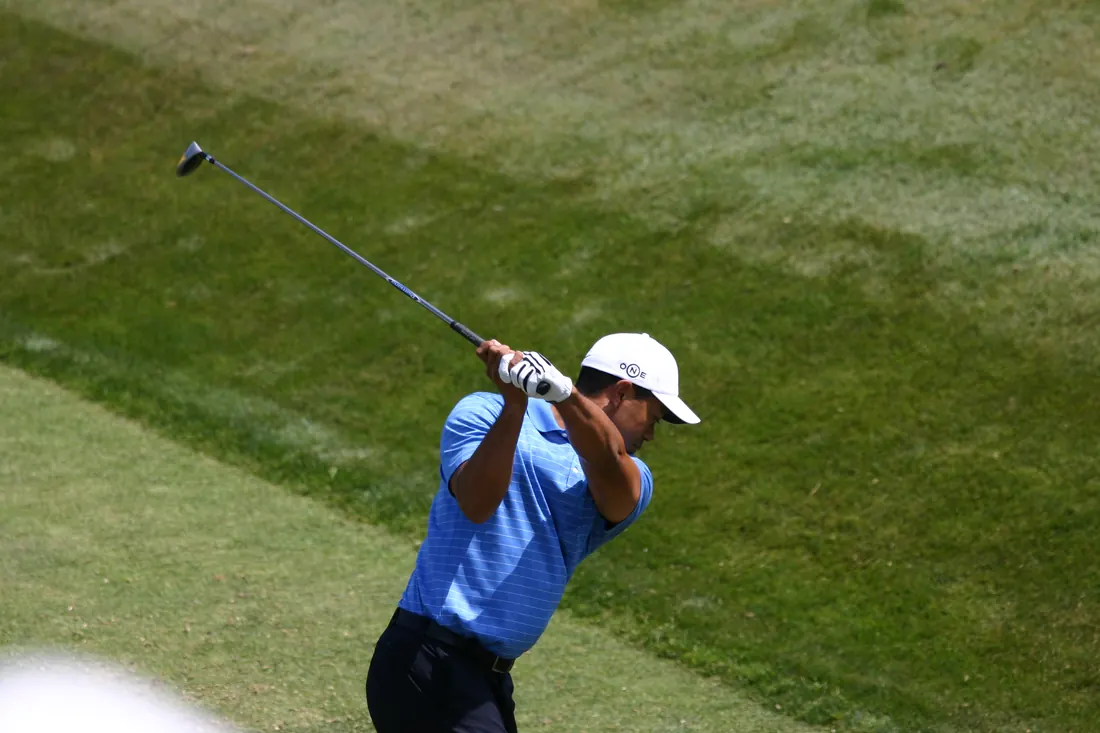
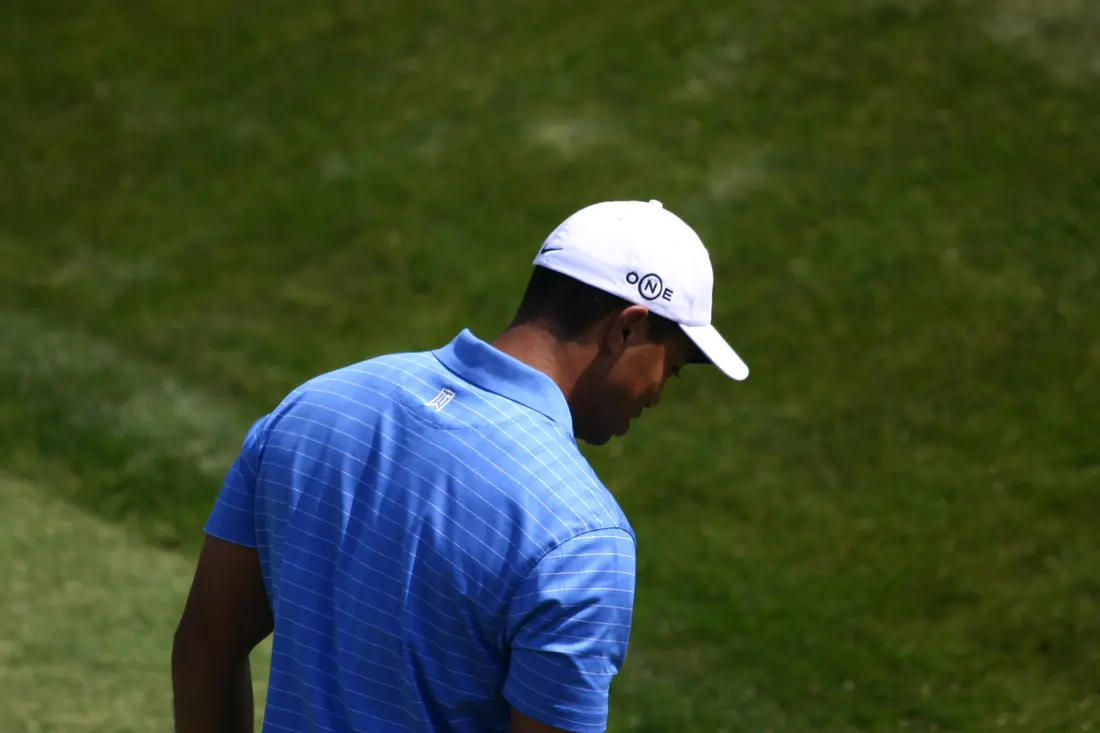
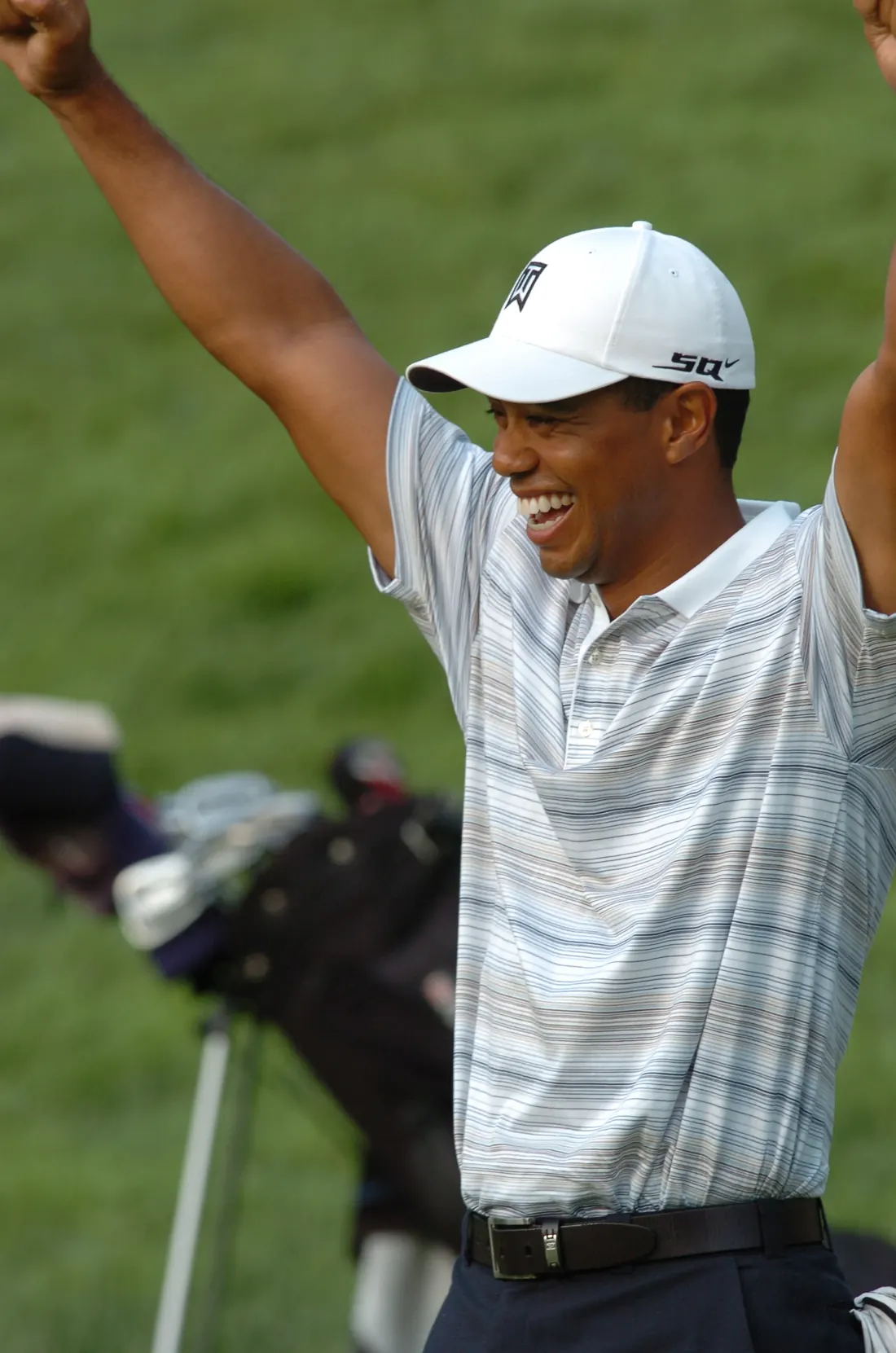
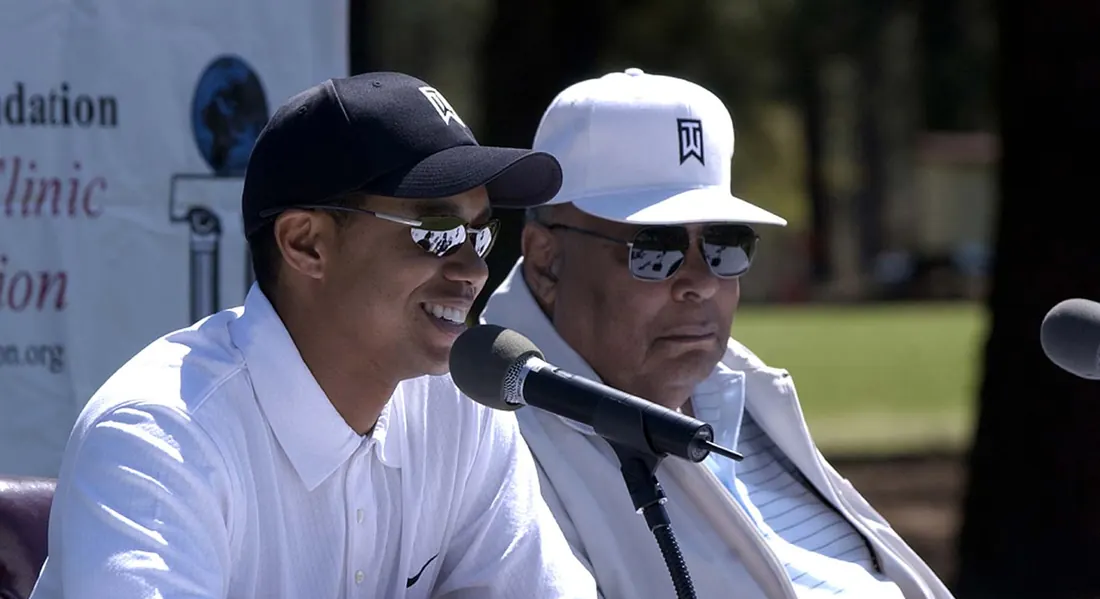
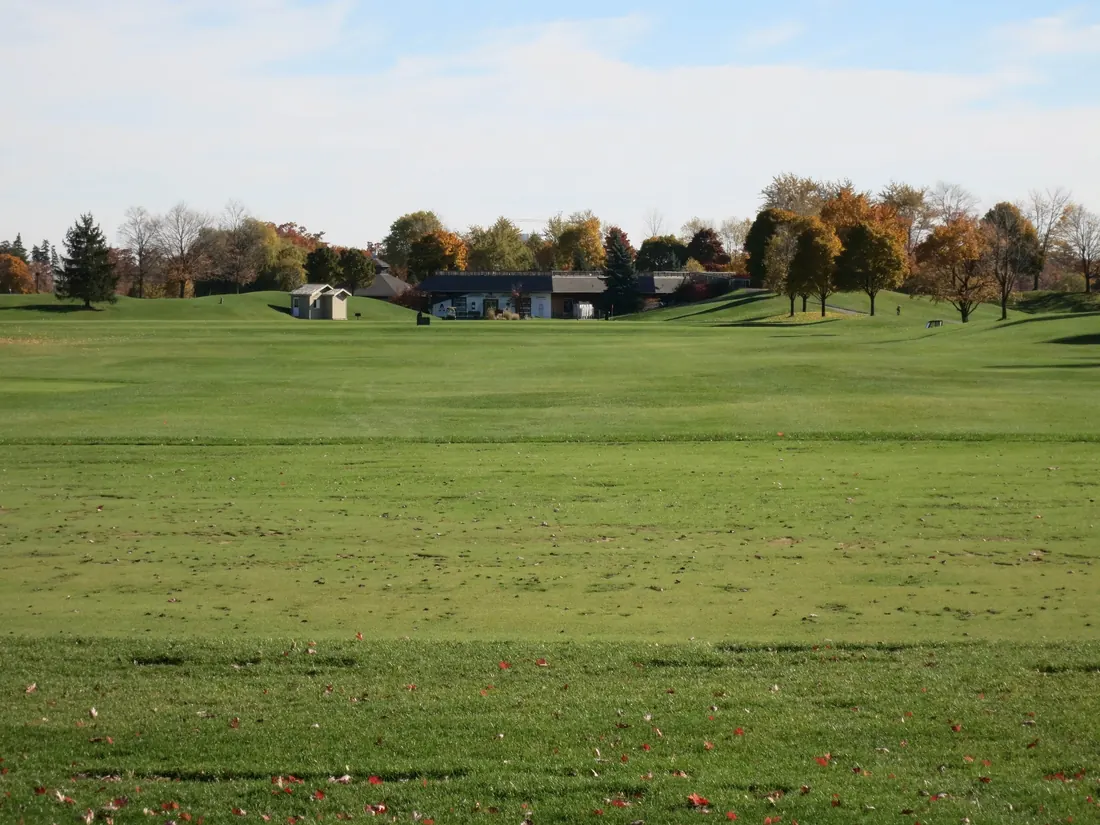
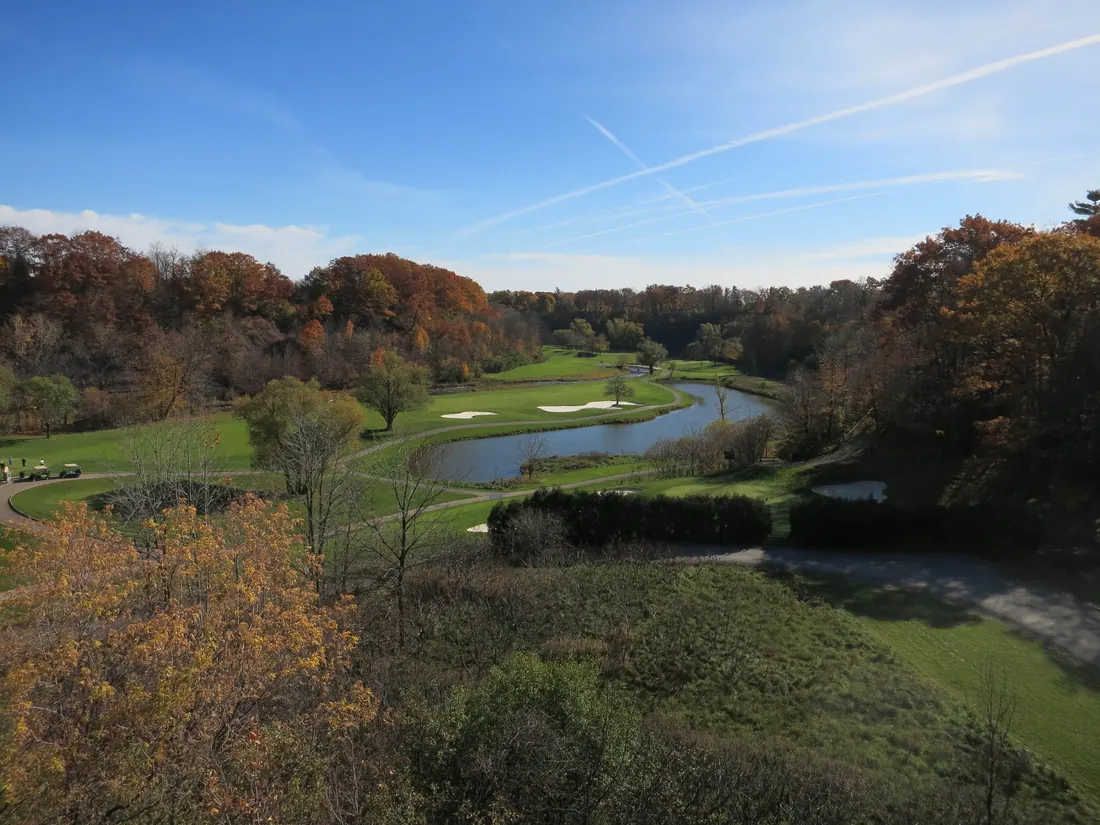
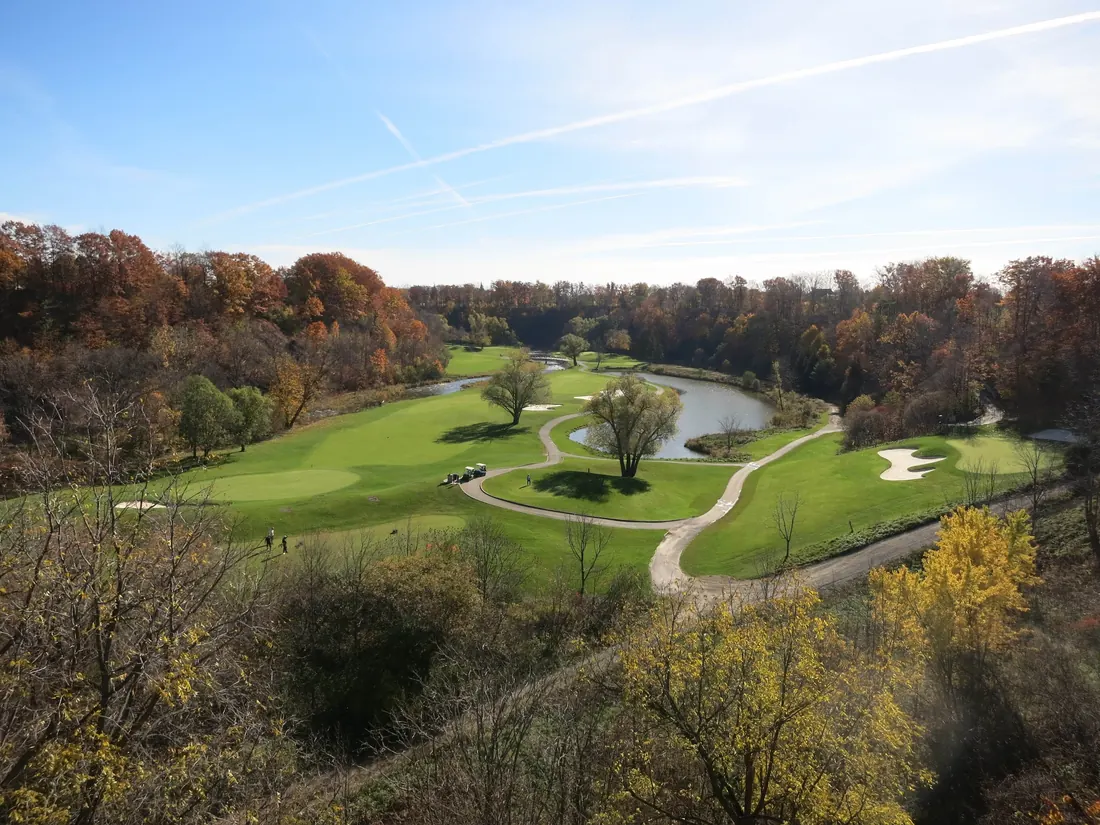
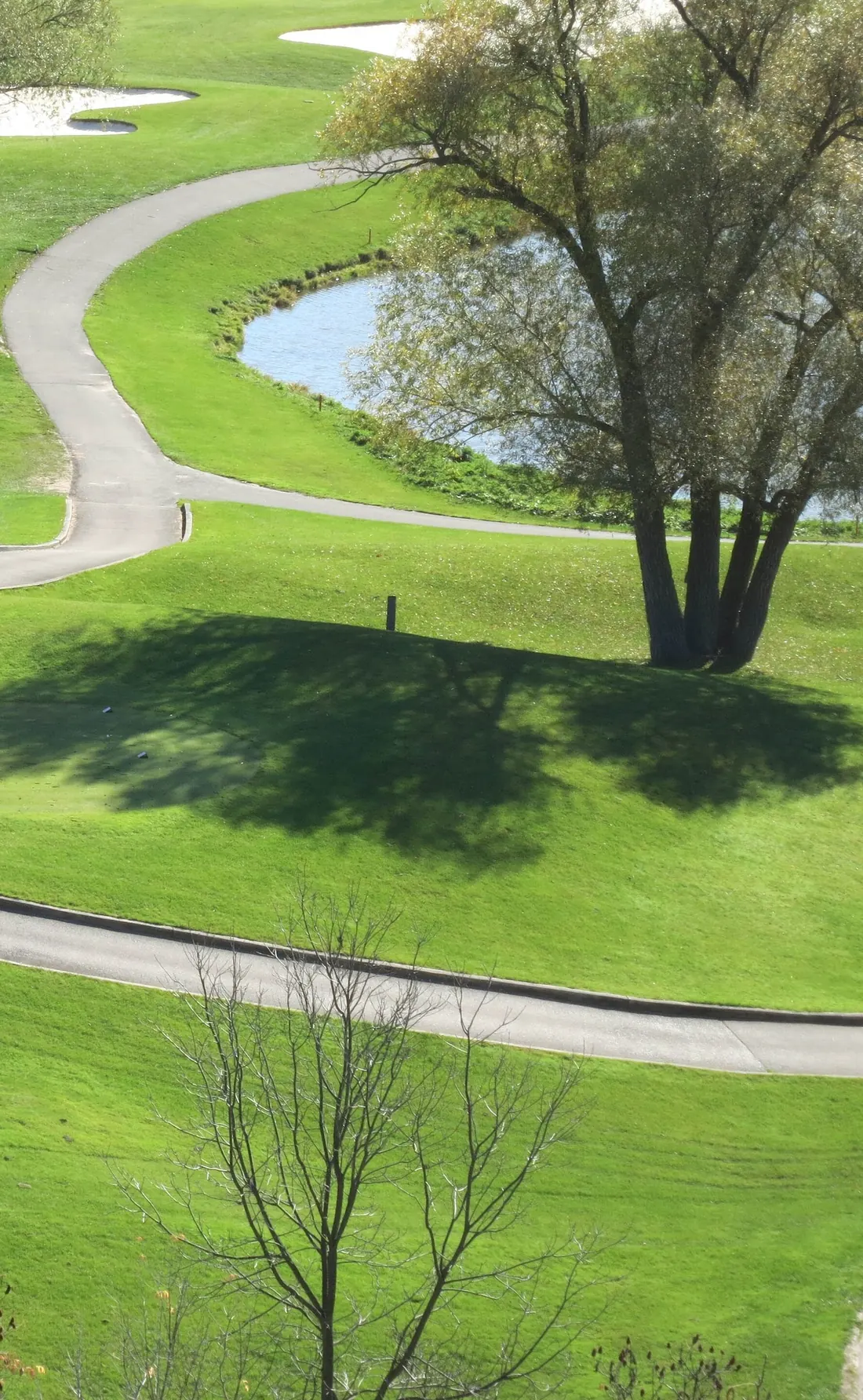
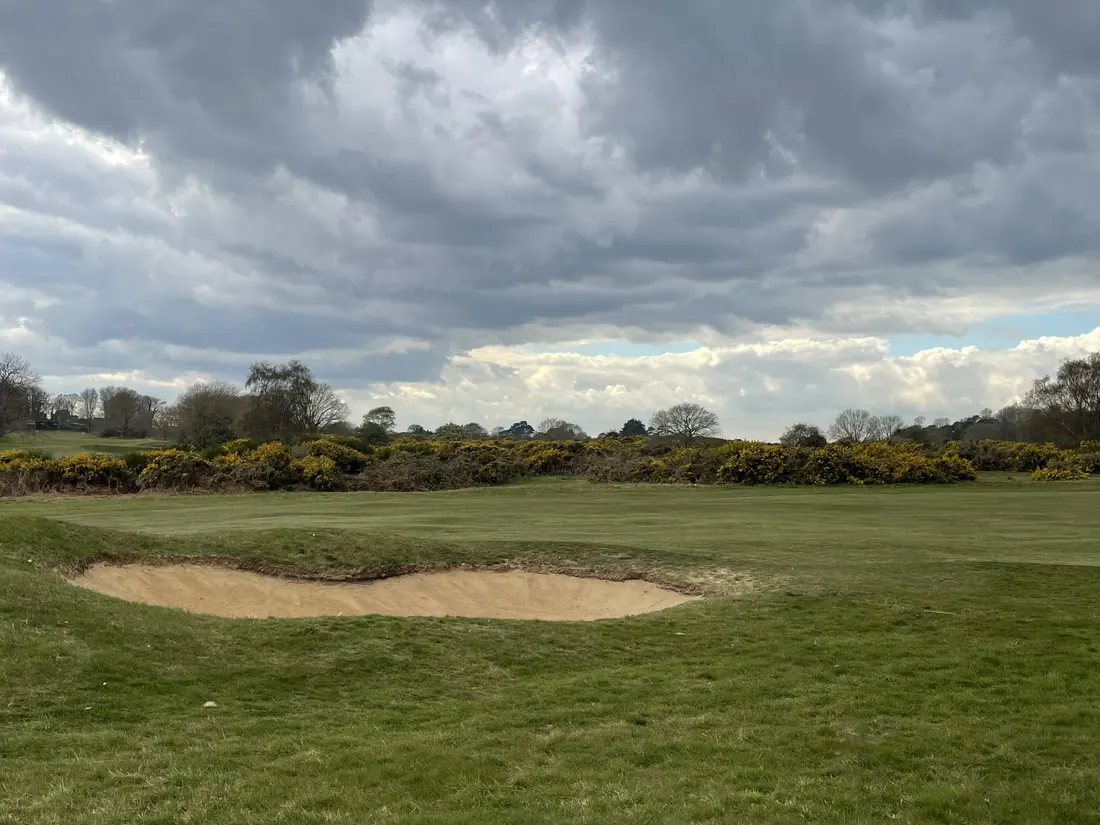
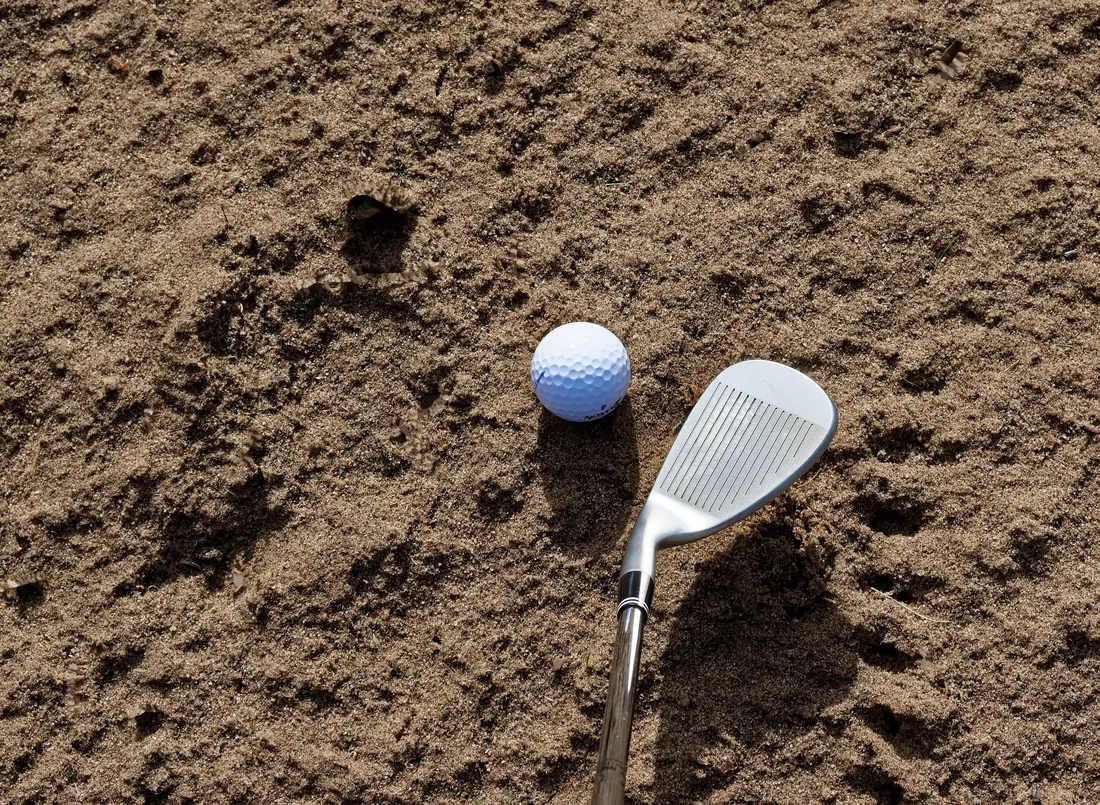
Pictures: no free photo shows the 2000 Canadian Open, the shot or Glen Abbey’s 18th hole; every picture of the moment we found is Canadian Press, Getty or TV work, so none is used, and there is no free photo of Grant Waite. Tiger Woods is seen mid-swing at the 1997 US Open at Congressional Country Club in June 1997 (Tim Hipps, US Army); smiling at the 2001 Dubai Desert Classic (Paddy Briggs); putting, at the top of an iron swing and looking down in US Open practice at Torrey Pines on June 11, 2008 (three photos by Flash and Mel; the swing is not the 6-iron at Glen Abbey); raising his arms as his honorary caddie holes a birdie putt at a pro-am at Congressional on July 4, 2007, not the 2000 win (Tim Hipps, US Army); and with his father, Earl Woods (right, in the white cap), at a press conference after a youth golf clinic at Fort Bragg on April 16, 2004 (K. Kassens, US Army). Glen Abbey Golf Club in Oakville is seen on November 6, 2016, in four photos by Whpq: a fairway, the valley holes with a pond, the valley with its greens and bunkers, and a green and path beside a pond; none is the 18th hole or its lake. The fairway bunker under gray clouds is at Aldeburgh Golf Club in Suffolk, England, on April 13, 2022 (Simon Mortimer), and the ball and wedge in sand are a stock photo (27707, Pixabay), not his ball or club. The other people in these photos are not named.
Photo credits
The archive photos in this story
The photographs and illustrations in this story are in the public domain or shared under open licenses; each one is credited below with its license. Tap one to enlarge it, or follow the link to its Wikimedia Commons page for the full record. The narration, captions and graphics in the Short are our own; its music and sound effects are credited below.
Music and sound effects
Music: Schumann, Kinderszenen, Op. 15: No. 1 'Of Foreign Lands and Peoples (Musopen, public domain); Mussorgsky, Pictures at an Exhibition: IV. Bydlo (piano) (Musopen, public domain); Dvorak, Symphony No. 9 'From the New World': II. Largo (Musopen, public domain).
Sound effects: Freesound, CC0.