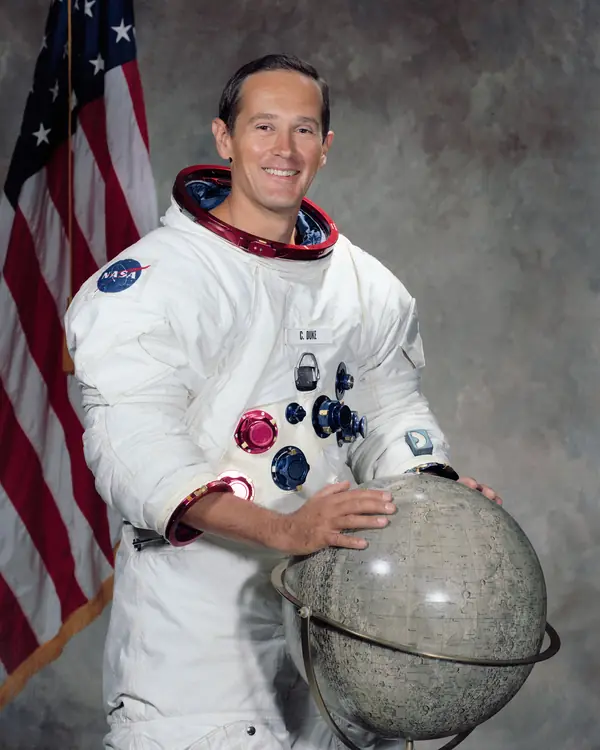
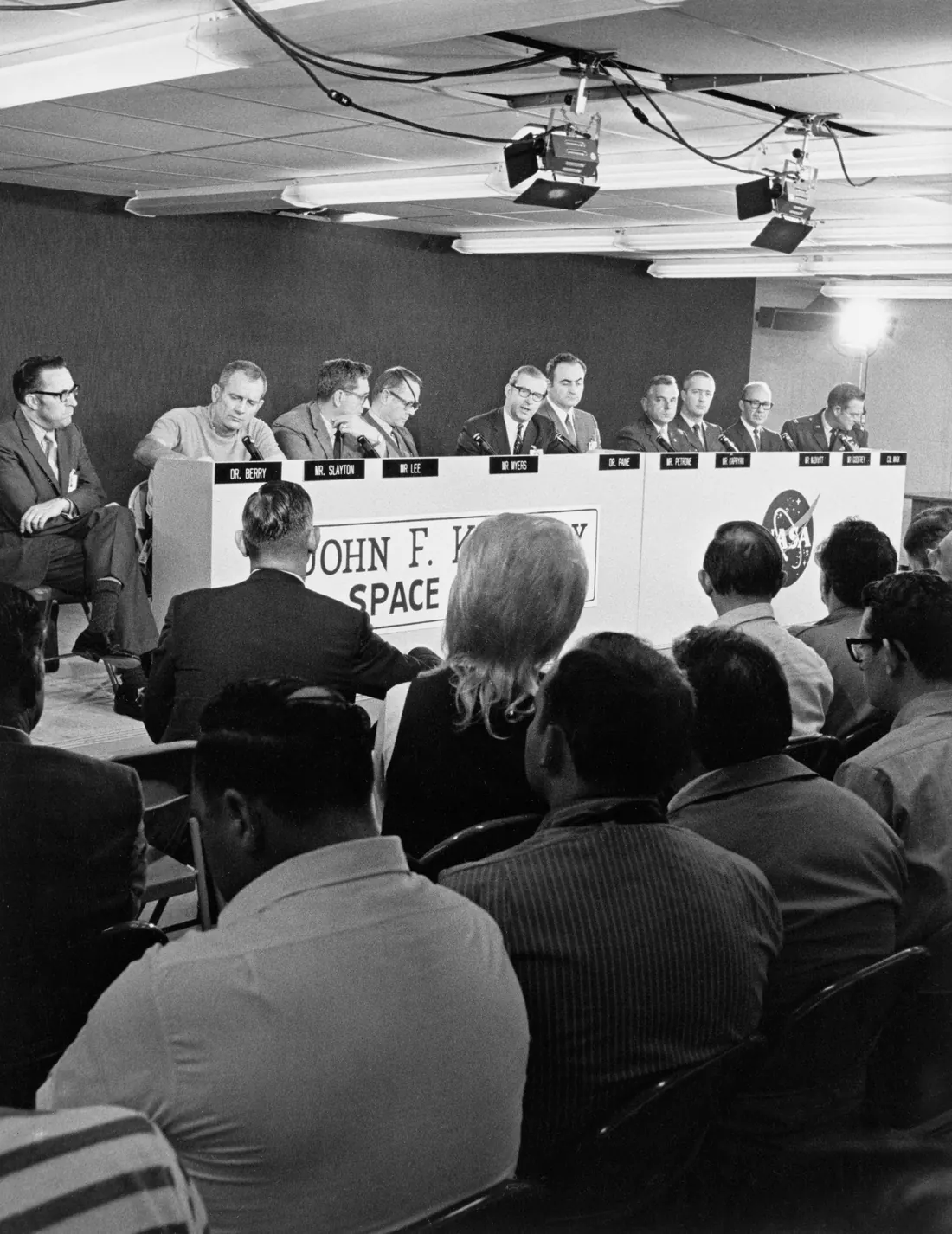
Days before Apollo 13 launched, NASA made what its historians call “an unprecedented change of crewmembers.” Backup astronaut Charlie Duke had come down with German measles, and blood tests were “good news for Lovell and Haise, who had immunity probably from childhood exposures, but Mattingly did not.” Dr. Charles A. Berry, NASA’s director of medical research and operations, “was concerned that if Mattingly were to come down with German measles, given the virus’ incubation period it would likely be around the time they were in lunar orbit, possibly while he was alone in the CM.” On April 10, the day before liftoff, NASA Administrator Thomas O. Paine announced the decision.
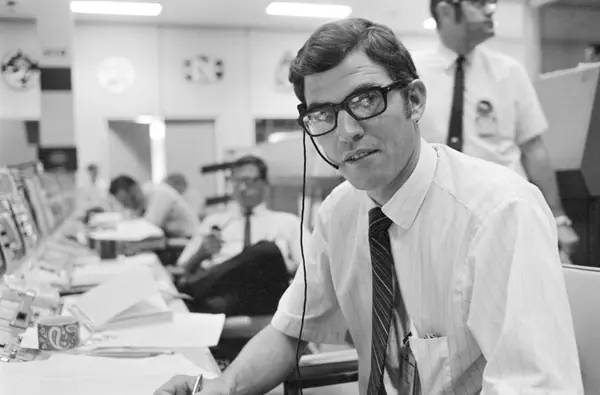
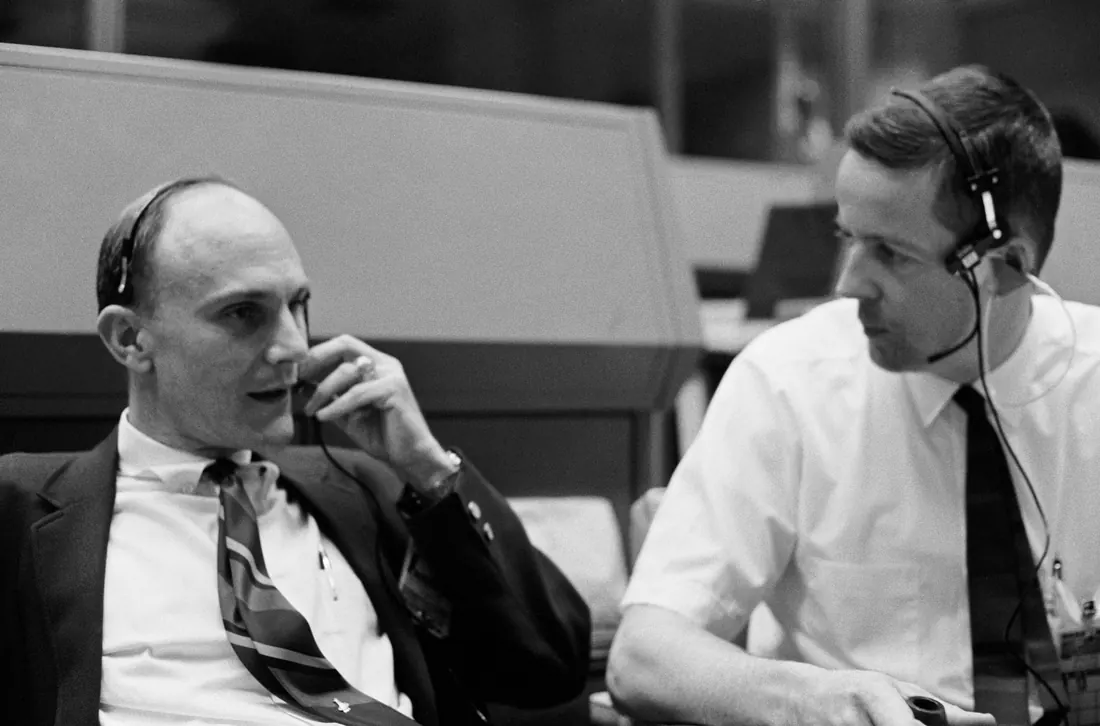
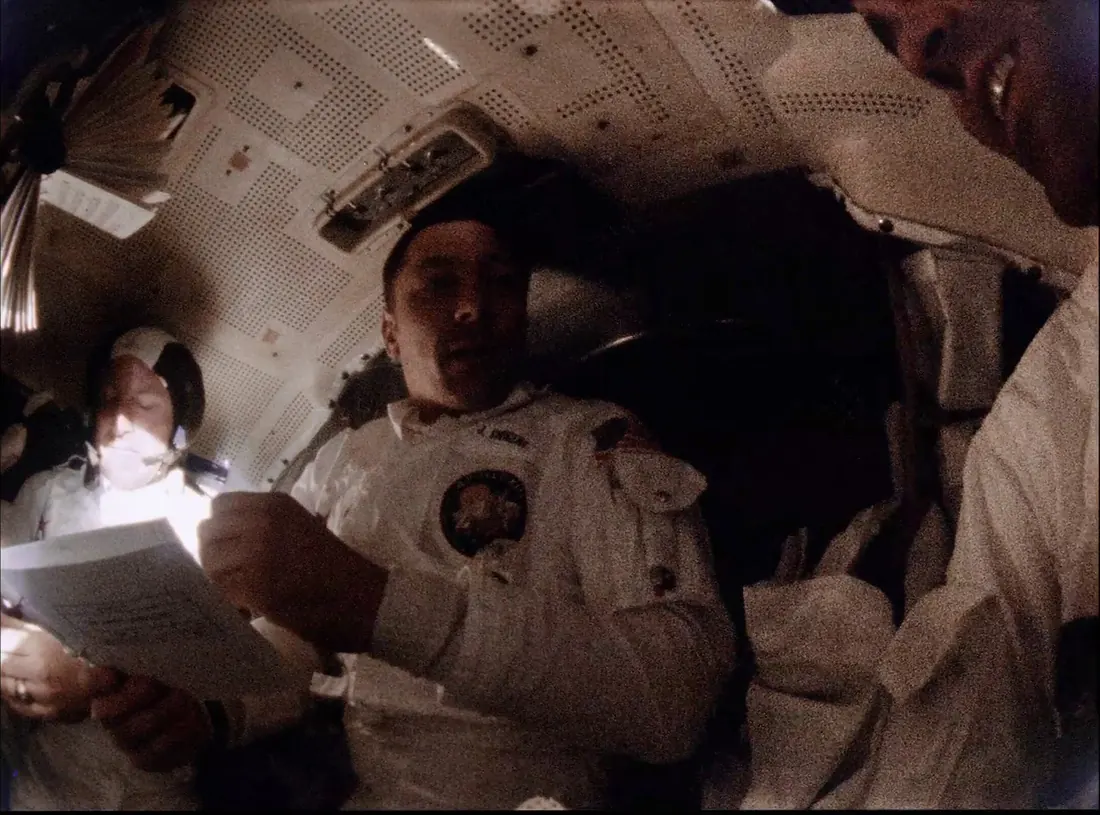
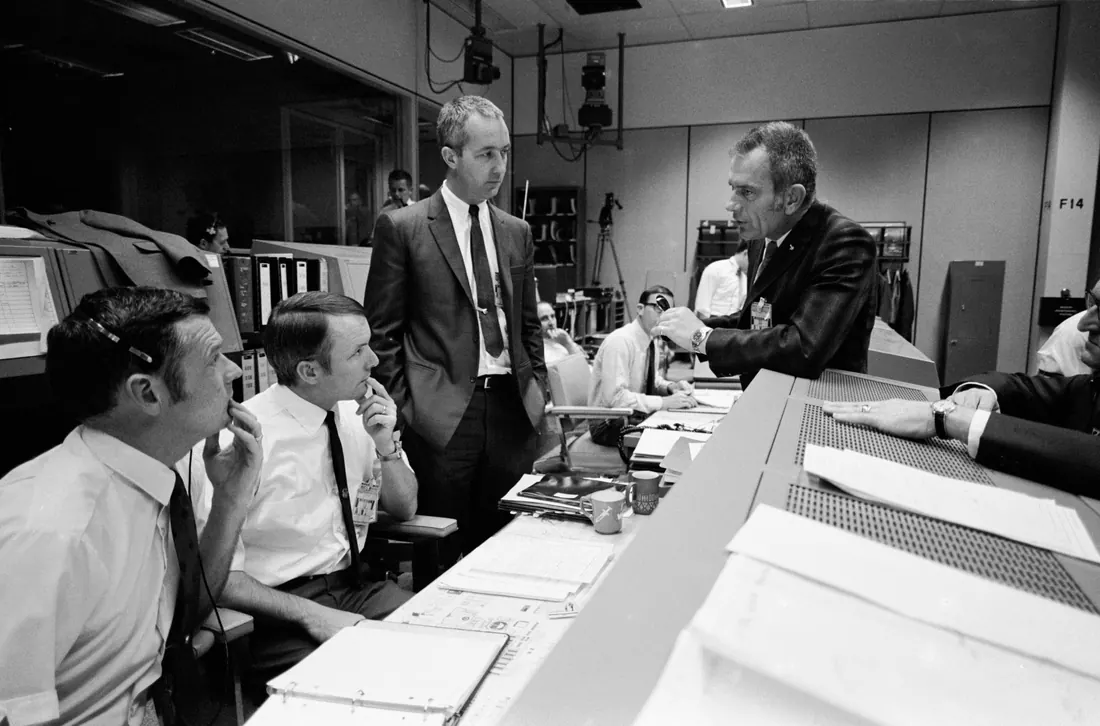
So Mattingly, who “was scheduled as a prime crew member,” watched the liftoff from a console in Mission Control, and his crew flew without him. Then their ship exploded. “The CM’s systems had to be shut down to conserve its remaining resources for reentry,” and, as Jim Lovell wrote, “When we turned off the electrical systems, we lost our source of heat.” The crew called the command module the refrigerator. “Now you see why we call it the refrigerator,” Fred Haise said. “It wasn’t simply that the temperature dropped to 38 F,” Lovell wrote. “The walls, ceiling, floor, wire harnesses, and panels were all covered with droplets of water.” Haise “began to experience chills,” and he “was feverish during the final day.”
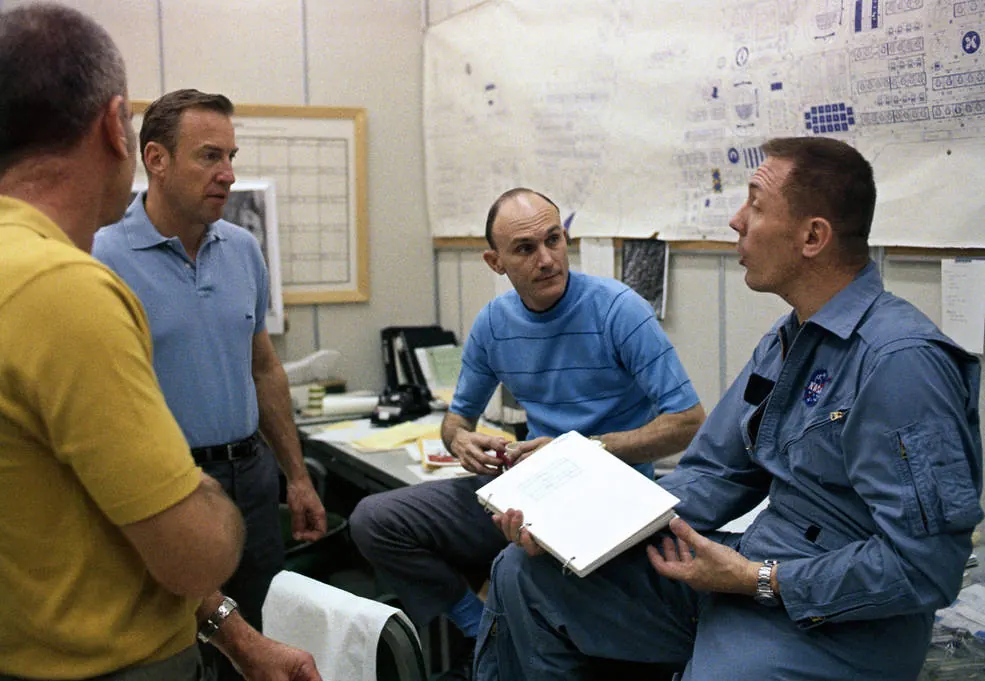
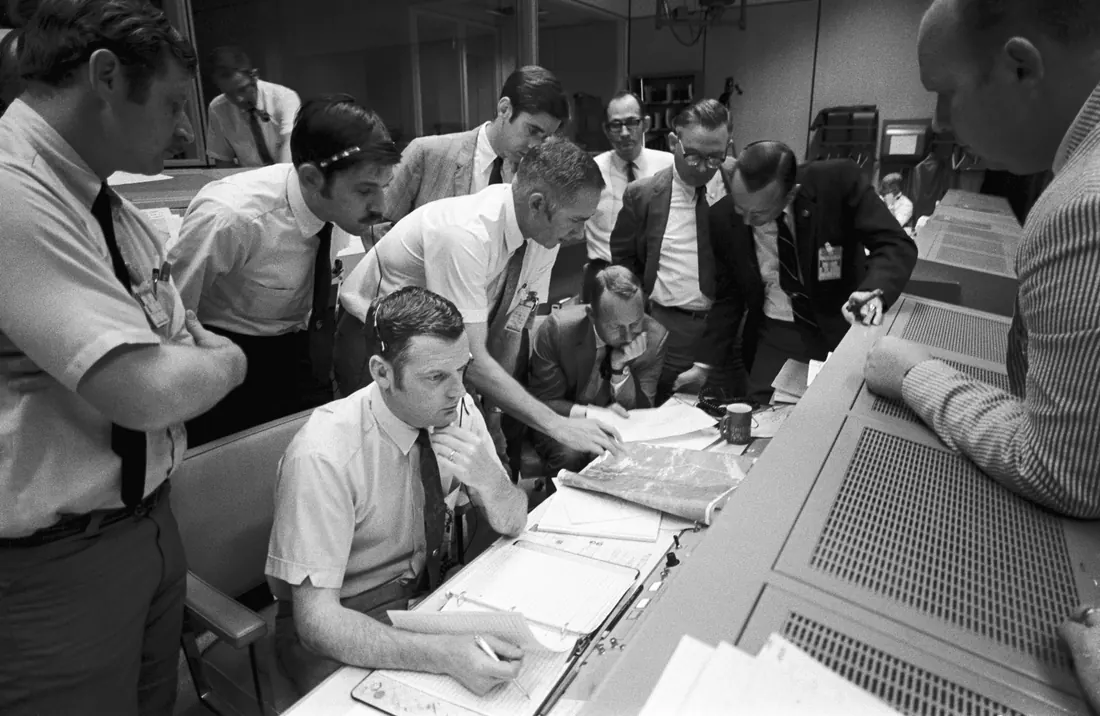
To bring the crew home, the cold command module had to be powered up again. “A most remarkable achievement of Mission Control was quickly developing procedures for powering up the CM after its long cold sleep,” Lovell wrote. “They wrote the documents for this innovation in three days, instead of the usual three months.” Then Mission Control told the crew: “And Ken’s back. He’s a local expert on this now, so we’ll turn you over to him and he’ll read it off.” Mattingly “took over the Capcom duties” and began: “I’ll go line at a time and wait for your verification before I go on to the next one.”
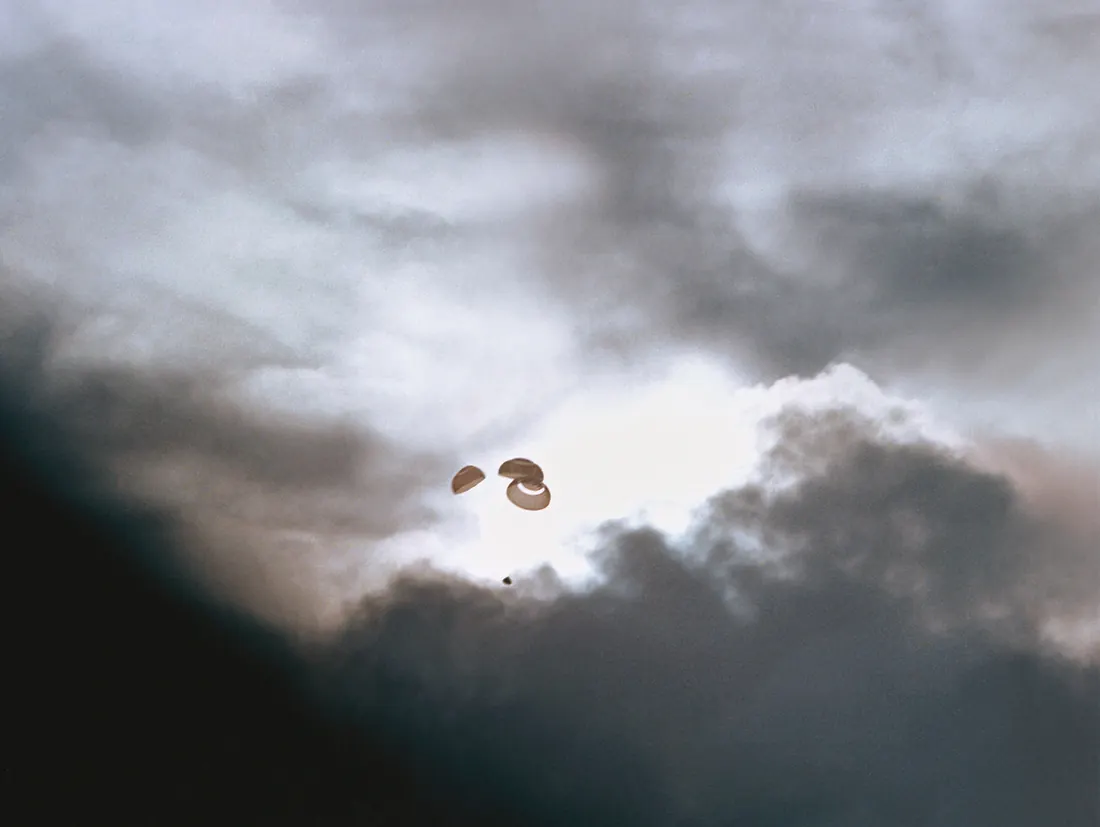
On the way down, “it rained inside the CM,” Lovell wrote. The radio blackout of reentry ran past its predicted end: “It has taken them longer than predicted to report in, only adding to the nervous waiting,” the Flight Journal says. Then CAPCOM Joe Kerwin called, and Jack Swigert answered: “Okay, Joe.” “The crew of Apollo 13 had made it back to Earth safely.”
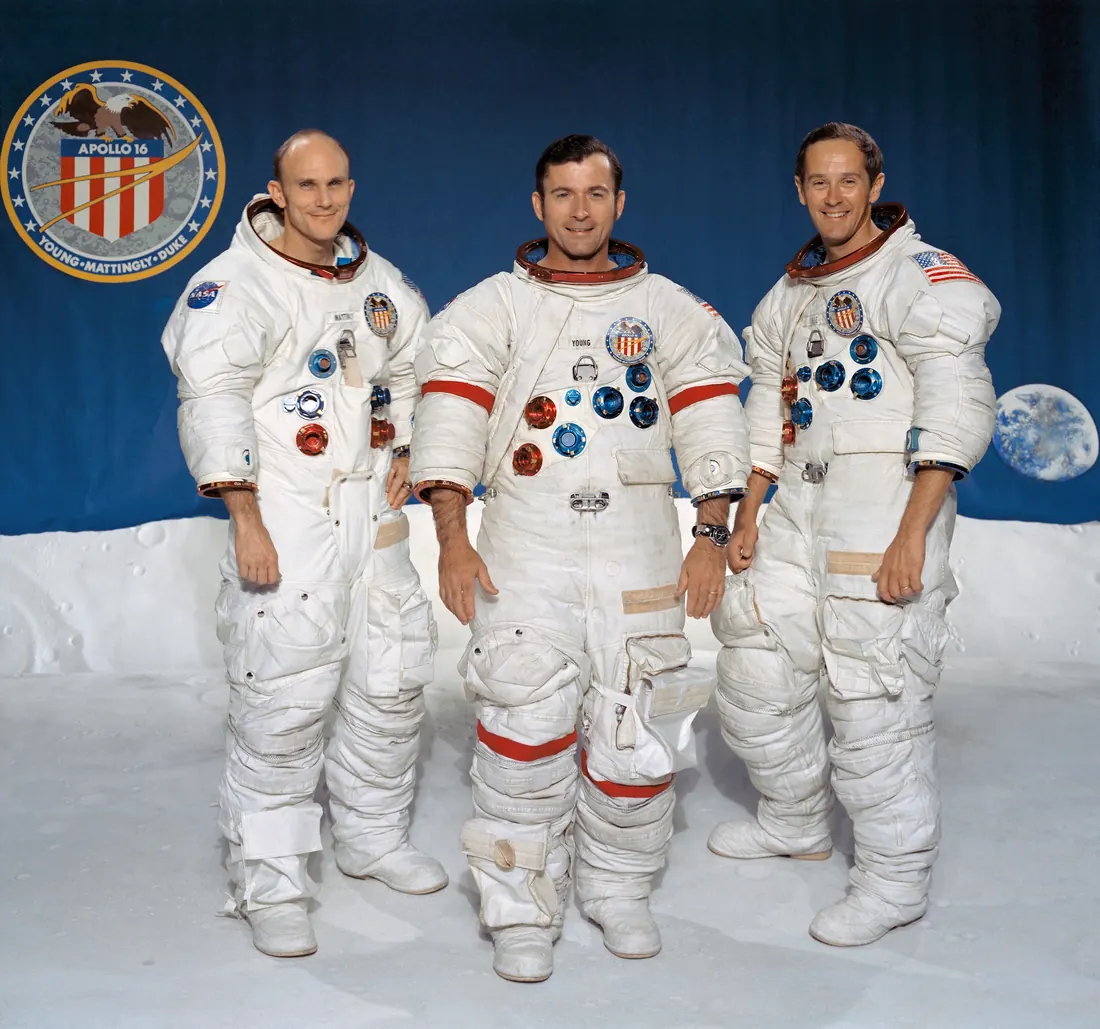
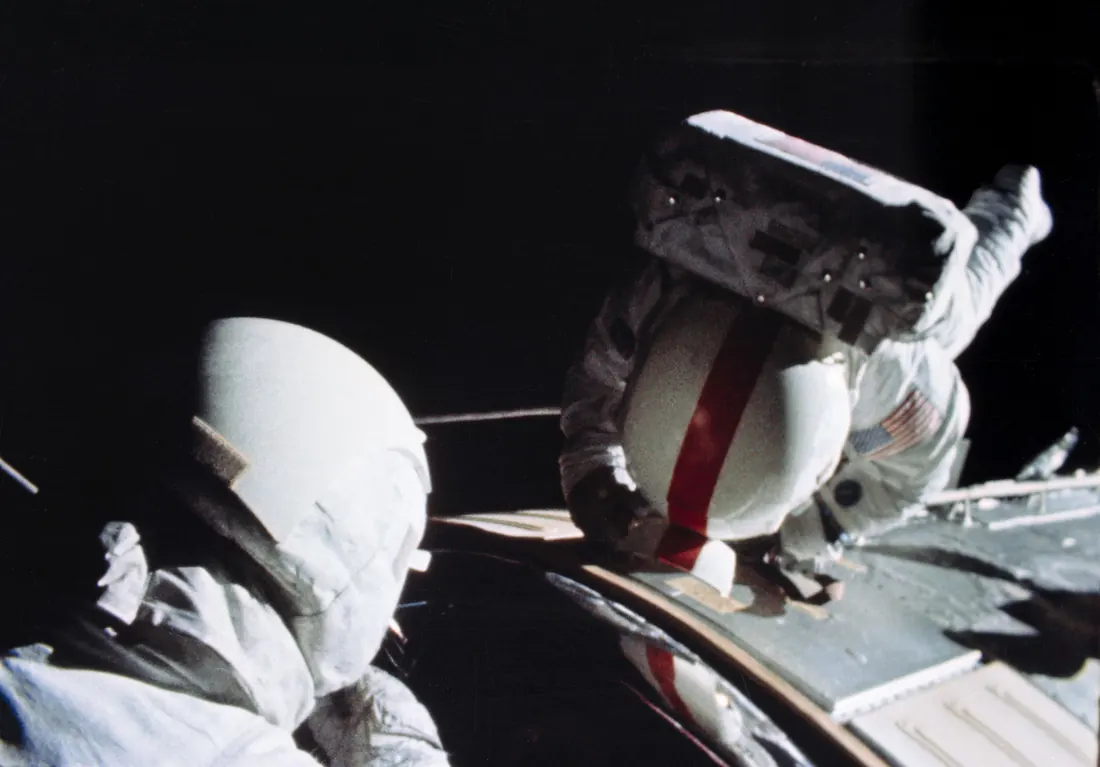
Mattingly never caught the measles. In 1975 Lovell wrote: “Ken doesn’t have the measles now, and he may never get them. (Five years later, he still hadn’t.)” In April 1972, Mattingly finally flew to the Moon, as the command module pilot of Apollo 16, with Charlie Duke as its lunar module pilot. He “made 64 lunar orbits,” and on the way home he made a spacewalk, “assisted by astronaut Charles M. Duke Jr.”
Fact check
The facts and where they come from
- Days before launch, NASA pulled Ken Mattingly off Apollo 13 for German measles, which he never caught. NASA History: “an unprecedented change of crewmembers two days before launch”; “During a press conference on April 10, the day before liftoff, Thomas O. Paine, NASA Administrator, announced the decision.” Wikipedia: he was “replaced as Apollo 13 command module pilot (CMP) three days before launch.” Jim Lovell (NASA SP-350): “Dr. Paine said no, the risk was too great.” 1113
- His name was Ken Mattingly, of Apollo 13’s original crew. NASA’s caption for photo S70-34628 calls him the astronaut “who was scheduled as a prime crew member.” 1211
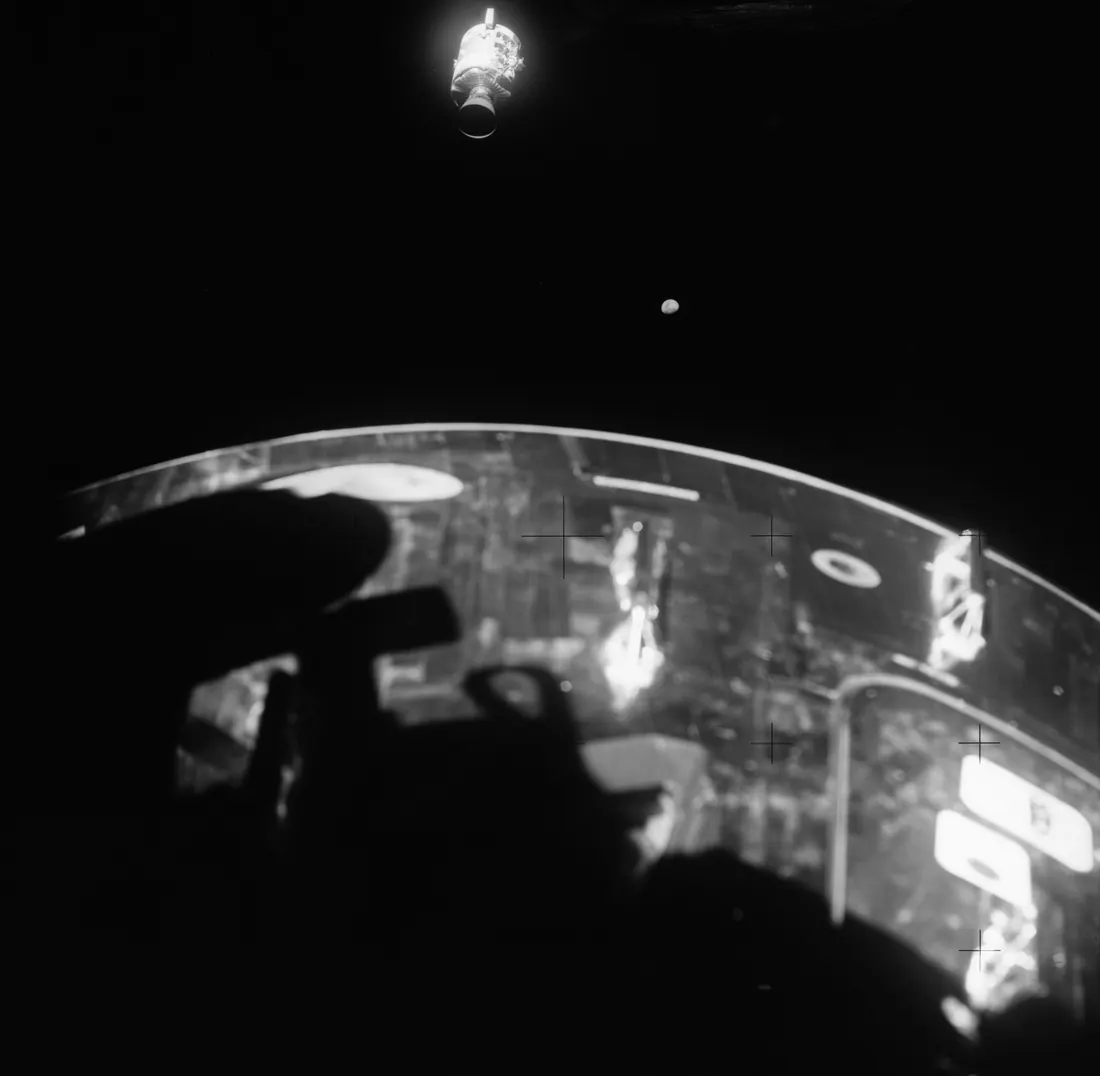
- His crew flew without him, and their ship exploded: the oxygen tank in the service module failed. Wikipedia: “The CM’s systems had to be shut down to conserve its remaining resources for reentry, forcing the crew to transfer to the LM as a lifeboat.” 10
- Backup astronaut Charlie Duke had caught German measles, and tests showed Mattingly wasn’t immune. NASA History: Duke “came down with the disease,” and the blood tests were “good news for Lovell and Haise, who had immunity probably from childhood exposures, but Mattingly did not.” Lovell (NASA SP-350): Mattingly “turned out to have no immunity to German measles (a minor disease the backup LM pilot, Charlie Duke, had inadvertently exposed us to).” 13
- NASA’s doctor feared Mattingly would fall sick alone, circling the Moon. NASA History: Dr. Charles A. Berry, “Director of Medical Research and Operations at the Manned Spacecraft Center … was concerned that if Mattingly were to come down with German measles, given the virus’ incubation period it would likely be around the time they were in lunar orbit, possibly while he was alone in the CM.” Berry sits at the dais in NASA photo S70-36782, at the briefing of April 10, 1970. 113
- So he watched the launch from Mission Control. NASA’s caption for photo S70-34628: Mattingly “watches the liftoff phase of the mission. He is seated at a console in the Mission Control Center’s (MCC) Mission Operations Control Room (MOCR).” 12
- After the explosion, their command module was shut down to save power. Wikipedia: “The CM’s systems had to be shut down to conserve its remaining resources for reentry.” Lovell (NASA SP-350): “When we turned off the electrical systems, we lost our source of heat.” 104
- They called it the refrigerator. Flight Journal, Swigert: “Okay; going back up into the refrigerator.” Haise: “Now you see why we call it the refrigerator.” 6
- It hit 38 °F, and water covered the walls. Lovell (NASA SP-350): “It wasn’t simply that the temperature dropped to 38 F”; “The walls, ceiling, floor, wire harnesses, and panels were all covered with droplets of water.” NASA History: telemetry at reactivation showed “a cabin temperature of 38° F!” 42
- Fred Haise was shaking with fever. NASA History: “Haise began to experience chills.” Flight Journal (postflight): he “was feverish during the final day.” 29
- Houston wrote a plan to power the command module up again in three days, not the usual three months. Lovell (NASA SP-350): “A most remarkable achievement of Mission Control was quickly developing procedures for powering up the CM after its long cold sleep. They wrote the documents for this innovation in three days, instead of the usual three months.” 4
- And the voice reading it to them, line by line, was Mattingly’s. Flight Journal, Mission Control (Brand): “And Ken’s back. He’s a local expert on this now, so we’ll turn you over to him and he’ll read it off.” Mattingly: “I’ll go line at a time and wait for your verification before I go on to the next one.” NASA History: “astronaut Thomas K. ‘Ken’ Mattingly took over the Capcom duties.” 72
- It rained inside the capsule on the way down. Lovell (NASA SP-350): “The droplets furnished one sensation as we decelerated in the atmosphere: it rained inside the CM.” 4
- The radio blackout ran longer than expected. Flight Journal: the final PAD put the end of the blackout 3 minutes 38 seconds after entry interface, and CAPCOM Joe Kerwin called at 142:46:03; its commentary: “It has taken them longer than predicted to report in, only adding to the nervous waiting.” 8
- Then a voice came back: “Okay, Joe.” Flight Journal (142:46:08): Swigert, to CAPCOM Joe Kerwin, “Okay, Joe.” 8
- All three were alive, and Mattingly never caught the measles. NASA History: splashdown came after 142 hours, 54 minutes and 41 seconds, and “The crew of Apollo 13 had made it back to Earth safely”; it was “confirmed that Mattingly did not contract the infectious disease.” Lovell (NASA SP-350): “Ken doesn’t have the measles now, and he may never get them. (Five years later, he still hadn’t.)” 23
- In 1972 he finally flew to the Moon, beside Charlie Duke. Wikipedia: Apollo 16 flew “April 16–27, 1972,” with Young (Commander), “Mattingly (Command Module Pilot), and Charlie Duke (Lunar Module Pilot),” and Mattingly “made 64 lunar orbits.” NASA’s caption for S72-37001: his spacewalk on the way home, “assisted by astronaut Charles M. Duke Jr.” 111415
Sources
- 50 Years Ago: Apollo 13 and German Measles (John Uri, April 2, 2020) NASA History
- Apollo 13 Crew Returns Safely to Earth NASA History
- James A. Lovell, “Houston, We’ve Had a Problem,” in Apollo Expeditions to the Moon (NASA SP-350, 1975), chapter 13.1 NASA SP-350, via Apollo Explorer
- James A. Lovell, “Houston, We’ve Had a Problem,” in Apollo Expeditions to the Moon (NASA SP-350, 1975), chapter 13.5 NASA SP-350, via Apollo Explorer
- Apollo 13 Flight Journal: the crew change NASA Apollo Flight Journal, via apollojournals.org
- Apollo 13 Flight Journal: Day 6, packing up NASA Apollo Flight Journal, via apollojournals.org
- Apollo 13 Flight Journal: Day 6, the reactivation checklist NASA Apollo Flight Journal, via apollojournals.org
- Apollo 13 Flight Journal: Day 6, return home NASA Apollo Flight Journal, via apollojournals.org
- Apollo 13 Flight Journal: postflight NASA Apollo Flight Journal, via apollojournals.org
- Apollo 13 Wikipedia
- Ken Mattingly Wikipedia
- NASA caption S70-34628: Mattingly and Kerwin in Mission Control Wikimedia Commons
- NASA caption S70-36782: Apollo 13 prelaunch briefing, Kennedy Space Center Wikimedia Commons
- NASA caption S72-37001: Mattingly’s Apollo 16 spacewalk Wikimedia Commons
- NASA photo GPN-2006-000023: the Apollo 16 crew Wikimedia Commons
Notes
Days before launch: NASA History says the crew change came “two days before launch” and was announced on April 10, the day before liftoff; Wikipedia and the Flight Journal say three days. The Short says only “days before launch.”
Immunity: the Flight Journal calls Mattingly’s test results “inconclusive”; NASA History and Lovell both say he had no immunity, and the Short follows them.
What Mattingly did: the Flight Journal shows that the voice reading the power-up procedures to the crew, line by line, was his. The Short doesn’t say he wrote them or worked them out alone in a simulator, as the film version has it.
“Okay, Joe” was Jack Swigert’s answer to CAPCOM Joe Kerwin, at 142:46:08 in the Flight Journal; the Short says only “a voice came back.” By the Flight Journal’s times, Kerwin’s call came about a minute and 40 seconds after the predicted end of the blackout (our calculation); Wikipedia’s “six minutes” is a rounder figure and isn’t used.
Left out: the name of Fred Haise’s illness (the Short says only that he had a fever), and any claim that Apollo 13 “still holds” the distance record: Artemis II passed it on April 6, 2026.
Only NASA’s published mission facts, the Flight Journal transcript and Jim Lovell’s own account are used, and nothing about anyone’s health or private life beyond the mission itself.
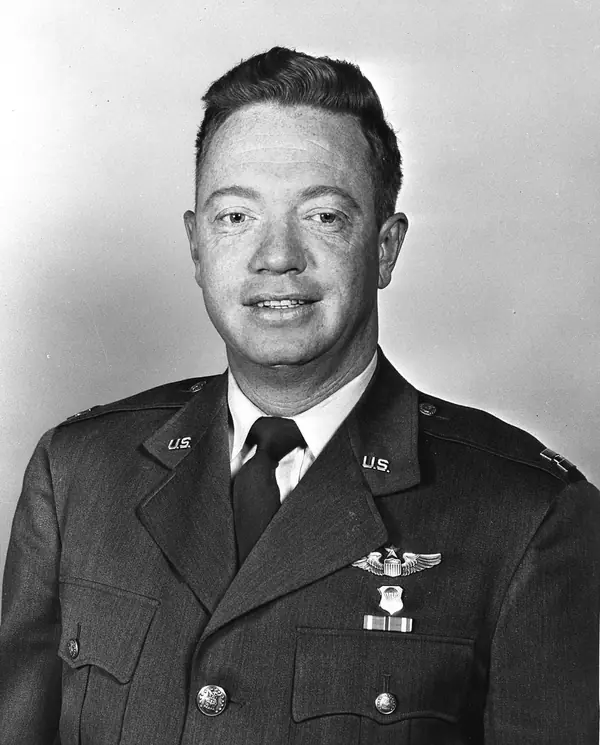
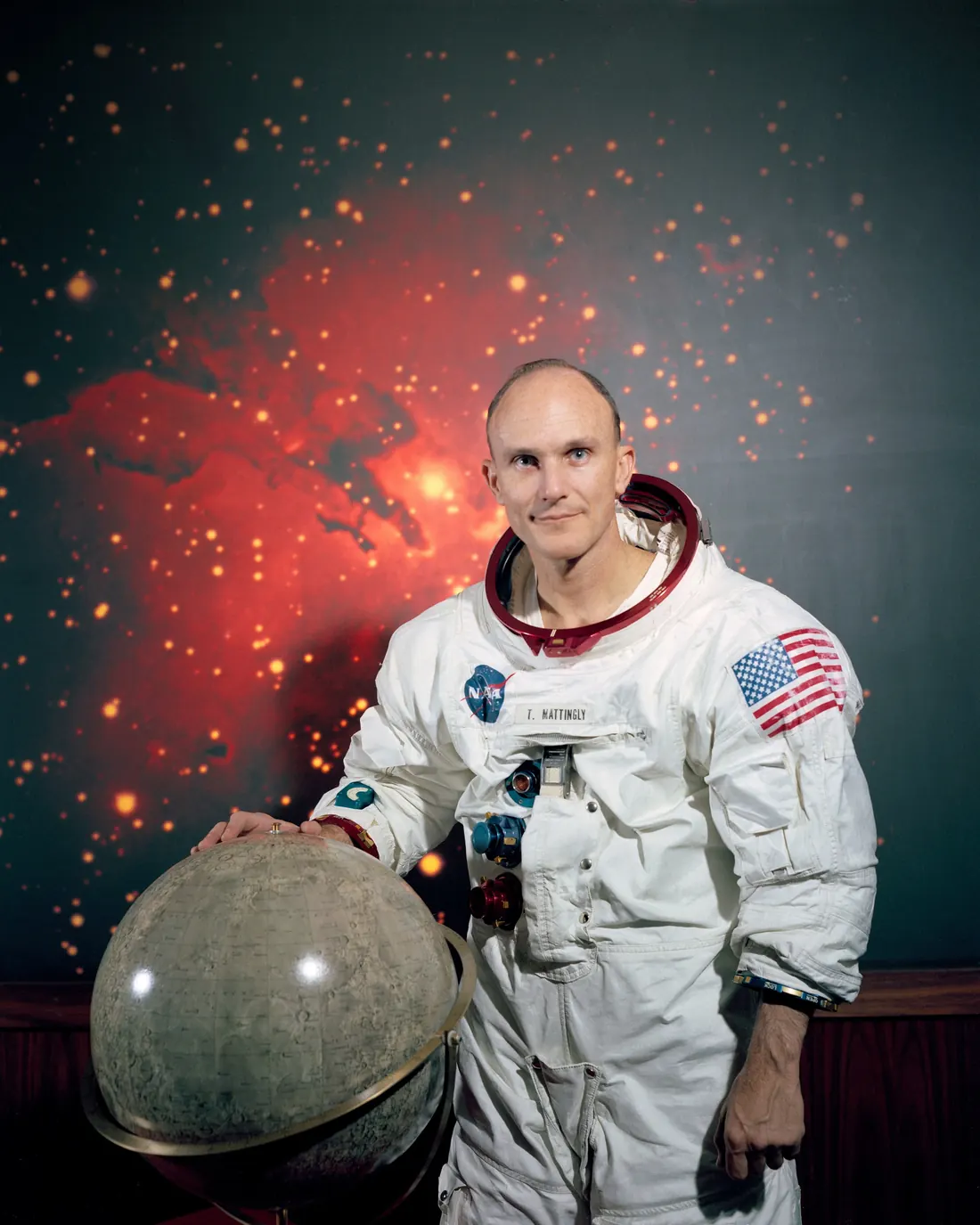
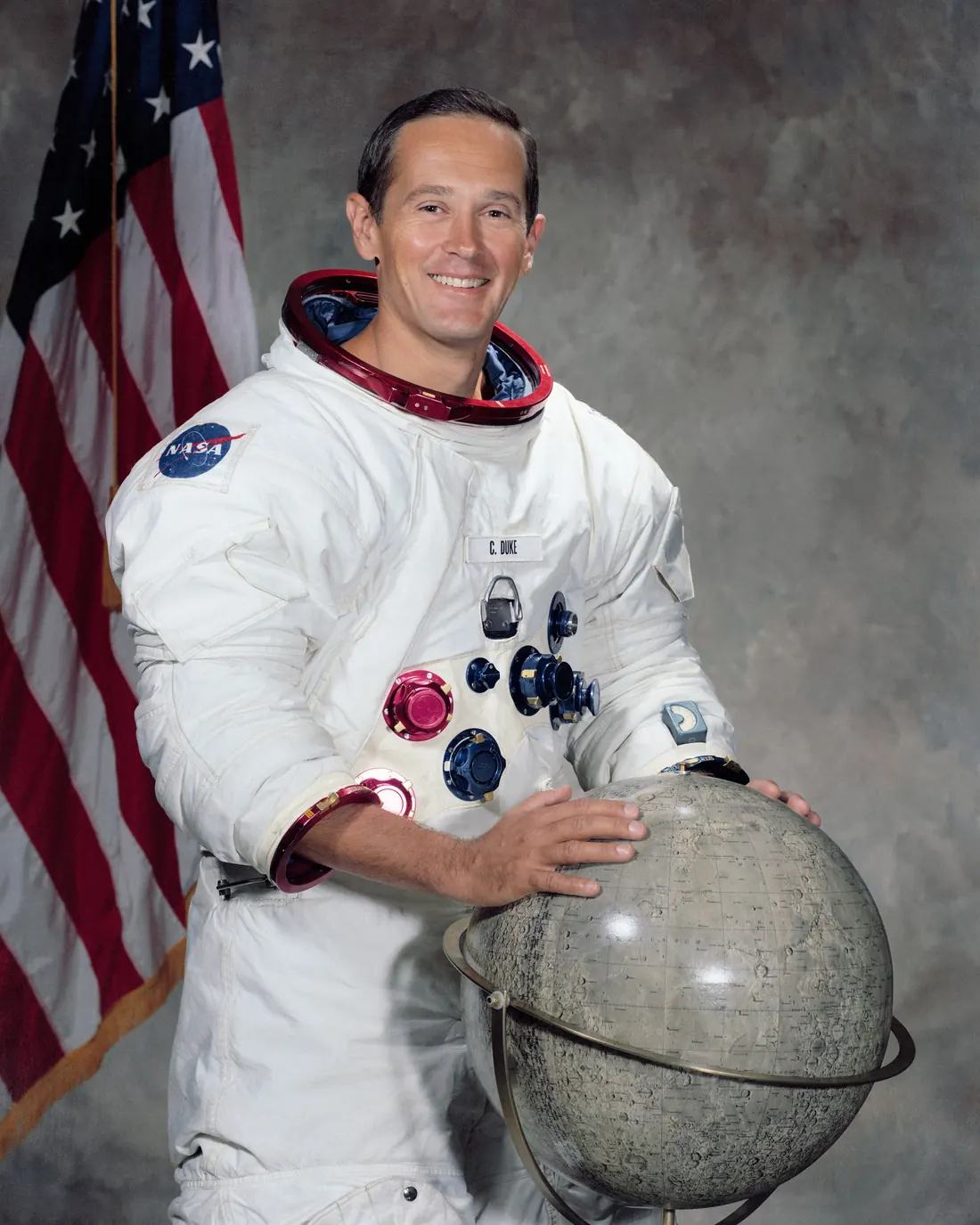
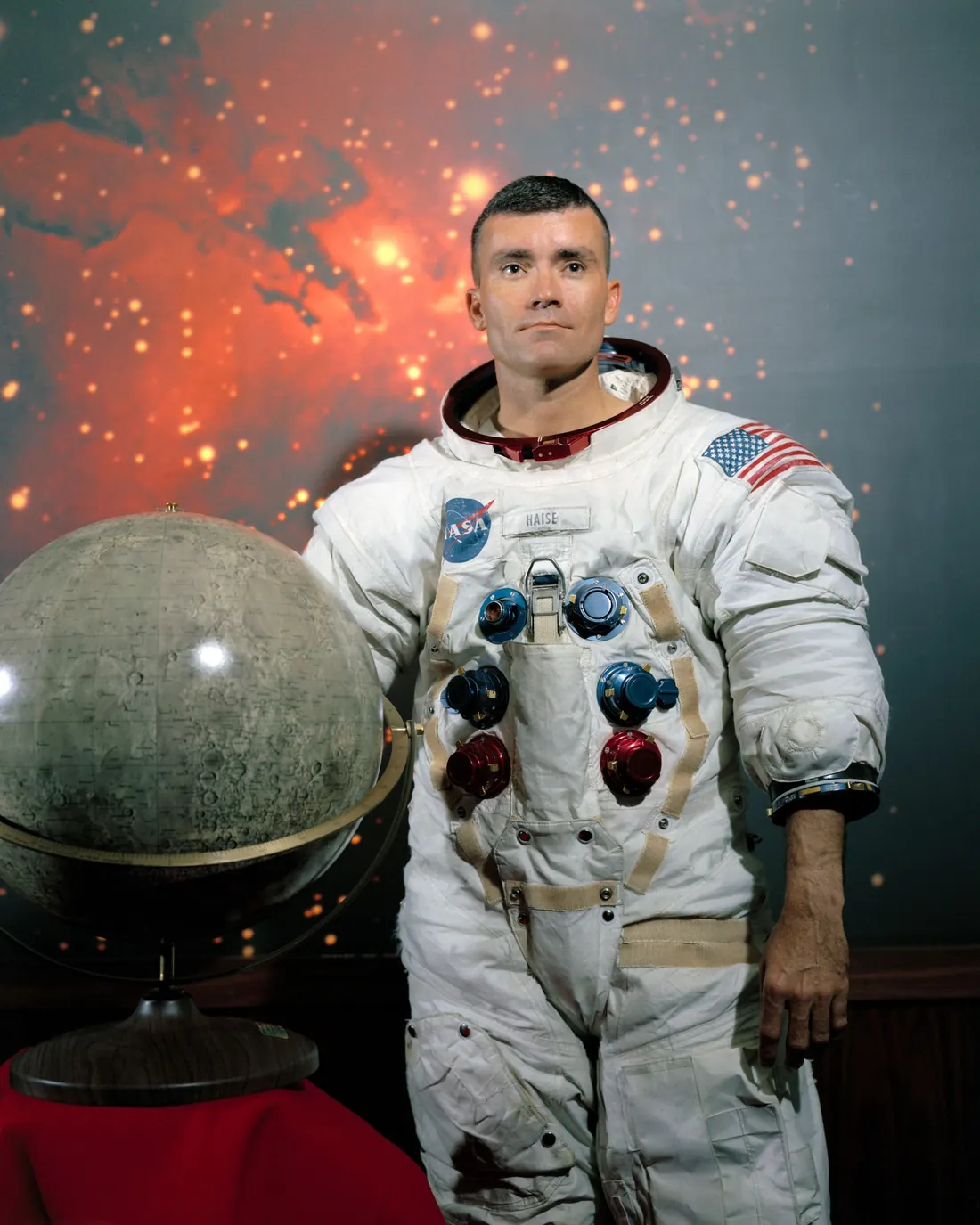
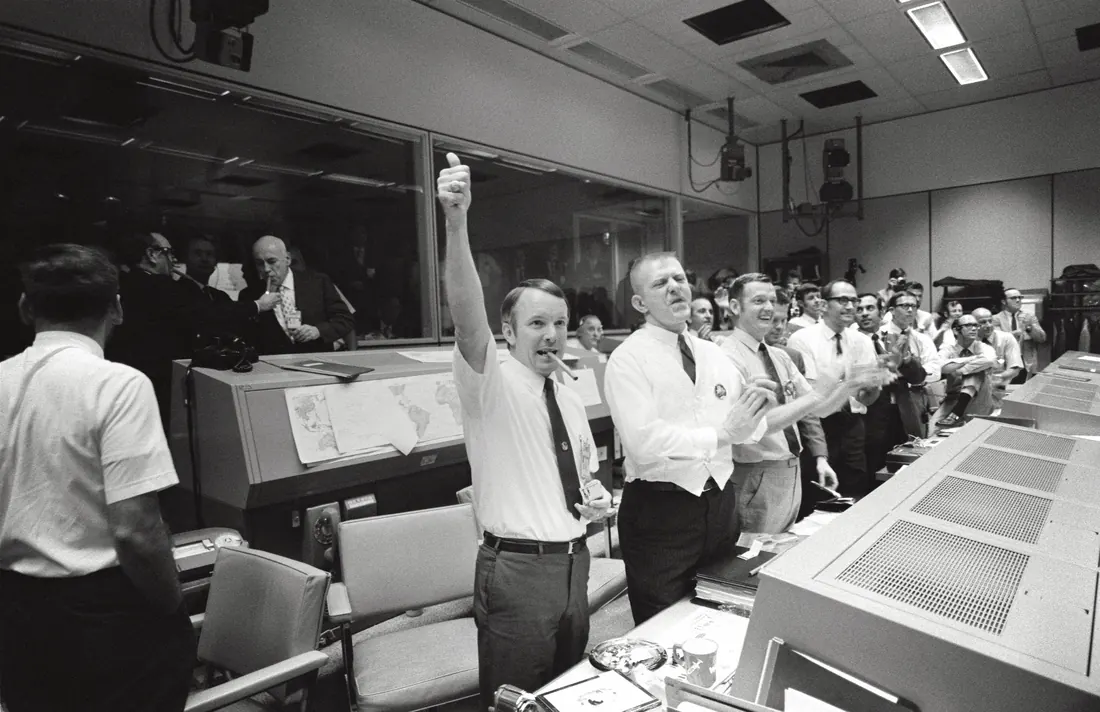
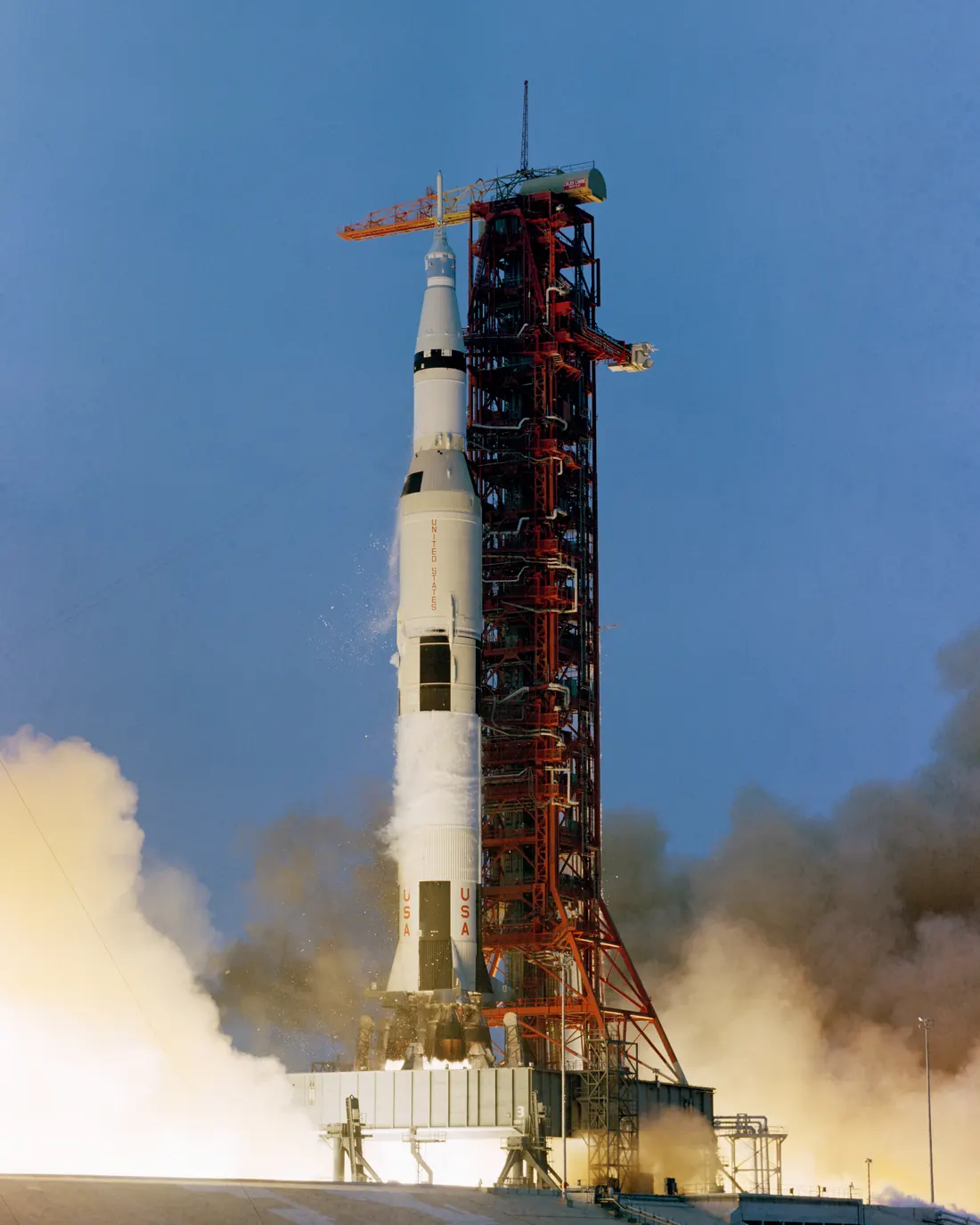
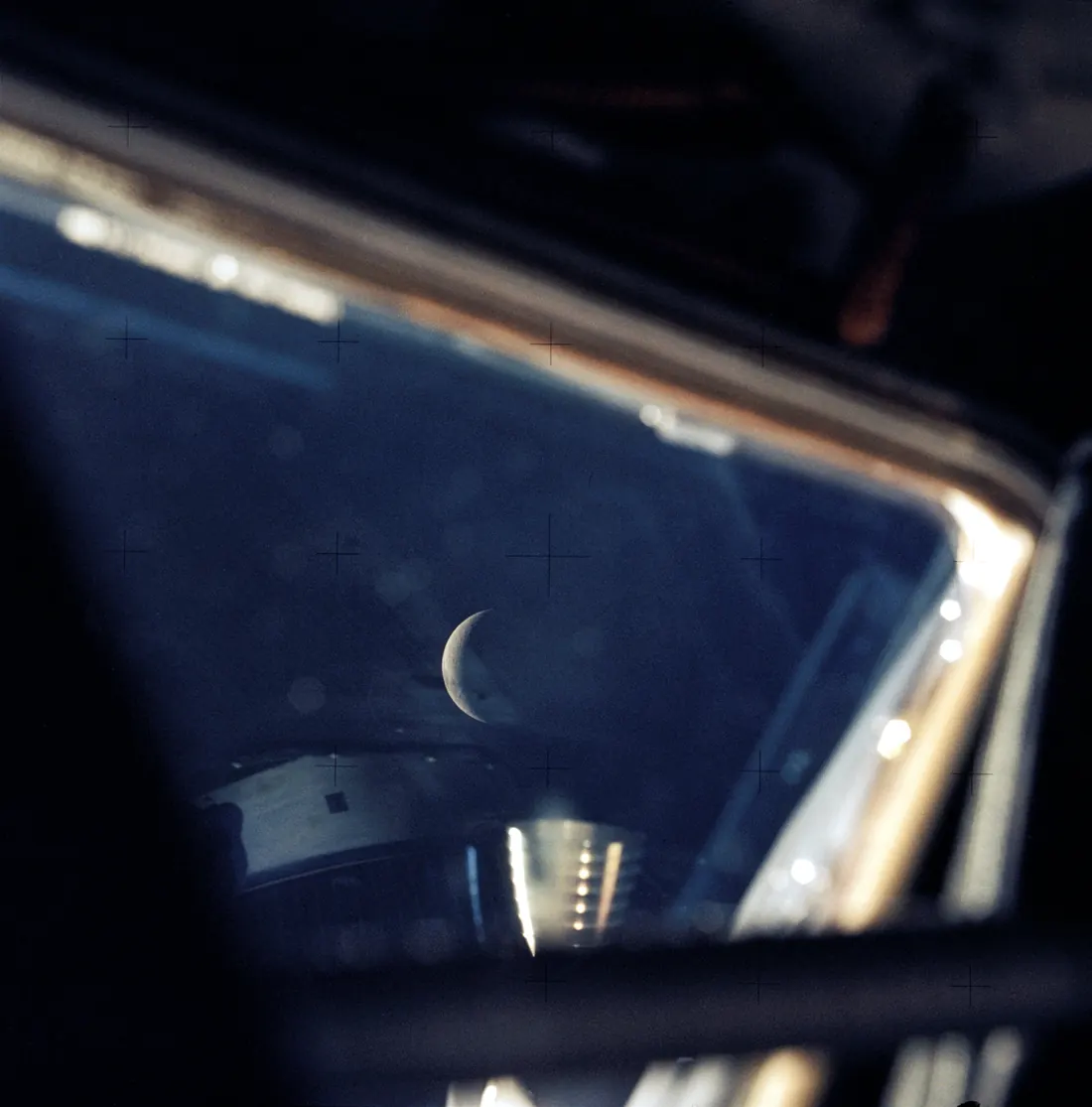
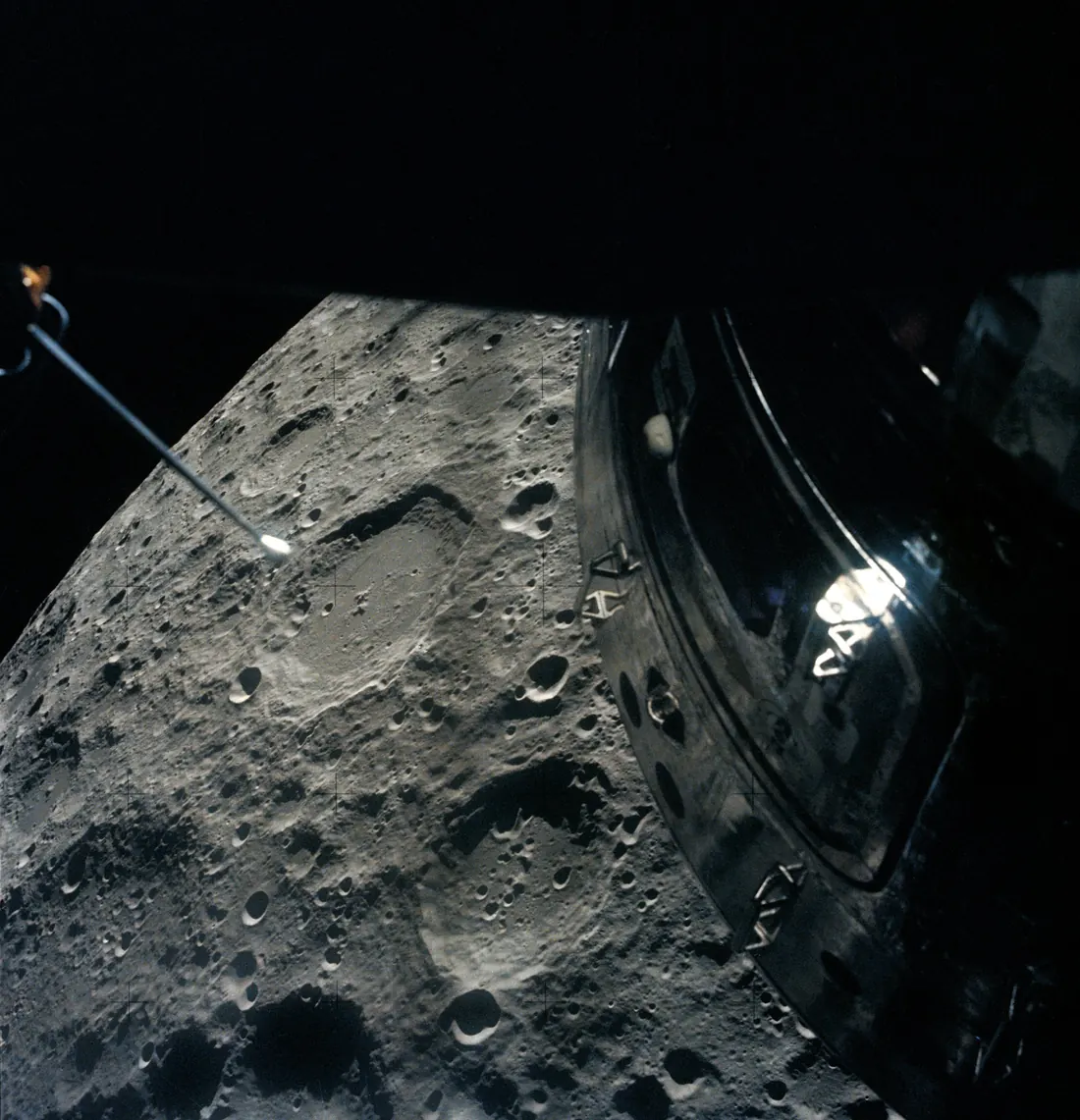
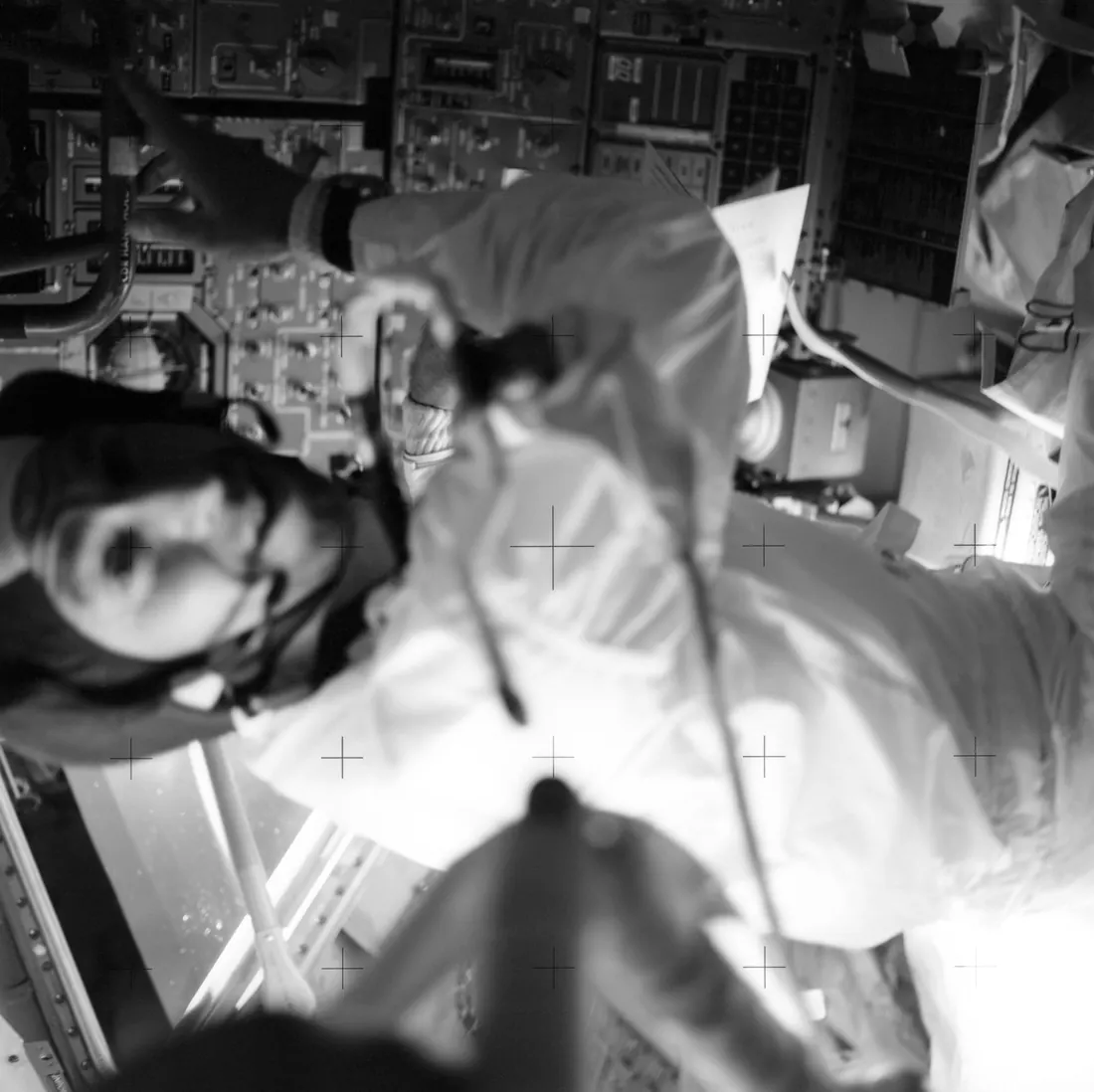
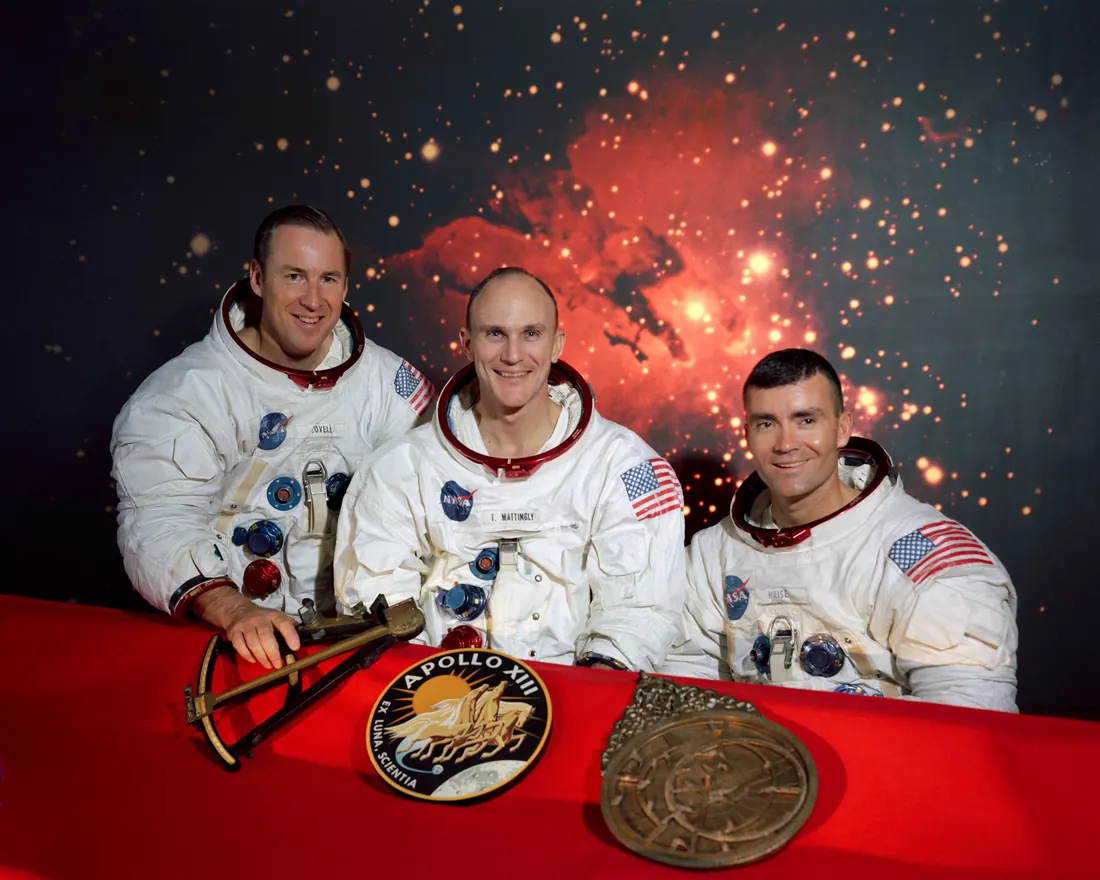
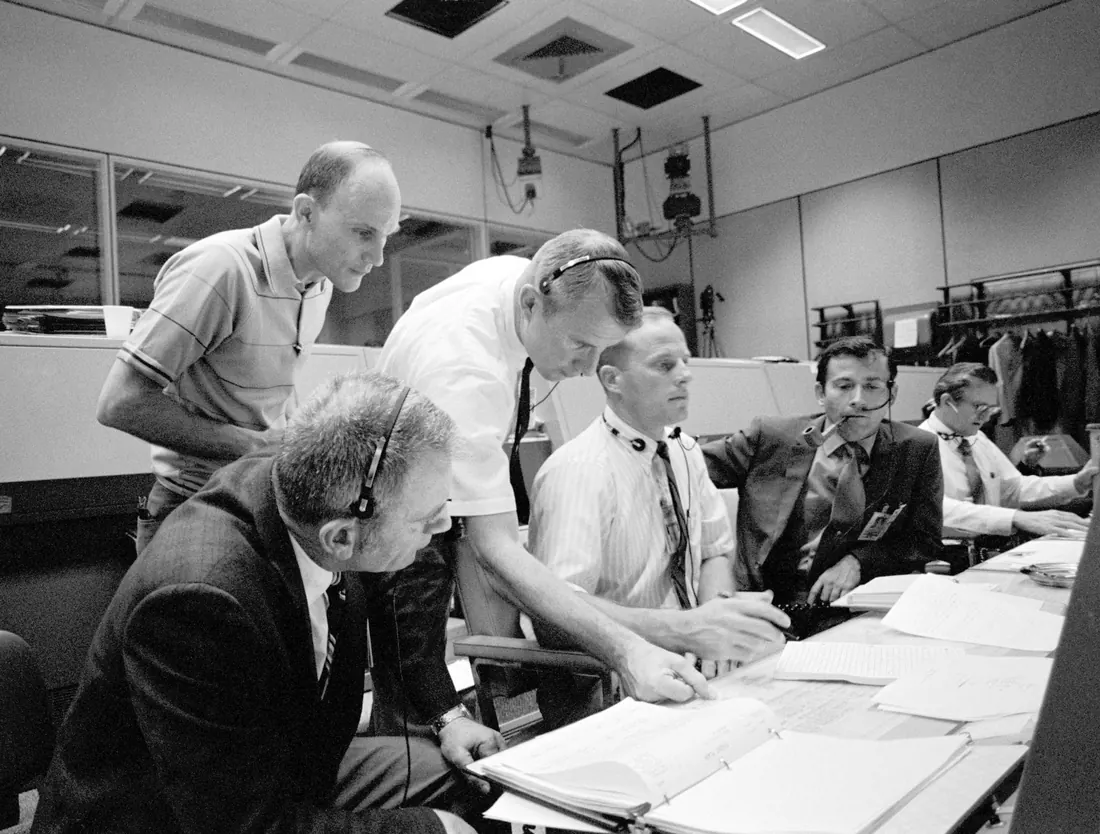
Pictures: all are NASA photos, in the public domain. Ken Mattingly is in his official portrait (1969); in Apollo 13’s original crew portrait with Jim Lovell and Fred Haise (December 1969); at a briefing on April 9, 1970, with Jack Swigert, Slayton and Lovell; at a Mission Control console with Joe Kerwin during the launch on April 11, 1970; standing in Mission Control on April 14, 1970, not the moment he read the checklist; in the Apollo 16 crew portrait with Young and Charlie Duke (January 1972); and on his Apollo 16 spacewalk on April 25, 1972, with Duke assisting. Charlie Duke’s official portrait is from 1971 and Fred Haise’s from 1969, not the flight. The briefing at Kennedy Space Center on April 10, 1970, shows Dr. Charles Berry, Slayton and Thomas Paine at the dais. From the flight, in April 1970: the launch, the damaged service module, the Moon past the windows, the Earth, and Swigert with a checklist and Lovell at his post, both in the lunar module Aquarius, not the cold command module. Controllers discuss the return in Mission Control, and gather at Lunney’s console on April 15, 1970, not during the blackout; flight directors Griffin, Kranz and Lunney applaud the splashdown on April 17, 1970, the day the command module Odyssey came down under its parachutes.
Photo credits
The archive photos in this story
All the photographs and illustrations in this story are in the public domain. Tap one to enlarge it, or follow the link to its Wikimedia Commons page for the full record. The narration, captions and graphics in the Short are our own; its music and sound effects are credited below.

Music and sound effects
Music: Schumann, Kinderszenen, Op. 15: No. 1 'Of Foreign Lands and Peoples (Musopen, public domain); Mussorgsky, Pictures at an Exhibition: IV. Bydlo (piano) (Musopen, public domain); Dvorak, Symphony No. 9 'From the New World': II. Largo (Musopen, public domain).
Sound effects: Freesound, CC0.