In 2016, Al Jazeera reported, “A five-year-old Afghan boy photographed wearing an improvised Lionel Messi shirt made out of a plastic bag” caught the world’s eye. His name was Murtaza, and his family couldn’t buy the real thing. “We can’t even imagine buying the original Messi jersey. We just can’t afford it so, to make my brother happy, I made a shirt out of that plastic bag for him,” his brother said. Their father added “that his son only had a punctured ball to play,” as an Al Jazeera photo caption put it; The National described the boy as being from “… rural eastern Afghanistan.”
The shirt was “made of a blue and white striped plastic bag and with Messi’s name and famous number 10 written carefully on the back in felt-tip pen,” Arab News (AFP) later wrote. In Al Jazeera’s words, “Murtaza’s brother … made the improvised shirt – that perfectly fitted the little boy – and scribbled Messi’s name and his No 10 in it.” The photos “went viral in January, prompting people to try to track him down.”
“According to Sky News, Messi’s father said his son caught wind of the story and vowed to ‘do something,’” CBS News reported, and on February 25, 2016: “UNICEF Afghanistan confirmed the soccer star sent the youngster two signed jerseys and a ball to ‘make his dream come true.’” “I love Messi and my shirt says Messi loves me,” UNICEF quoted Murtaza as saying. But the fame turned dangerous: his father “said in May that the family was forced to leave Afghanistan amid constant telephone threats and fears that Murtaza would be kidnapped because of his sudden fame,” The National reported, speaking “from the Pakistani city … where the family had settled.”
That December, Murtaza “met the Barcelona forward in Doha,” Gulf Times reported, “AFP/Doha Published on December 13, 2016.” There, Arab News recalled, “he walked out onto the pitch clutching Messi’s hand as a mascot for a Barcelona friendly.” “Murtaza also joined the Barcelona team photograph and placed the ball on the centre circle before running back to Messi’s side, with the referee having to take the grinning boy from the field,” The National wrote. In quotes supplied by the World Cup organizers, he said: “I’m very happy to have met my hero. It is a dream for me.”
The years since have been hard. In December 2018, Arab News (AFP) reported that “Murtaza and his family abandoned their home … in November, along with hundreds of others fleeing intense fighting after the Taliban launched an offensive in the previously safe area,” and that “Among their belongings left behind are the football and jersey signed by Messi.” In September 2021, EFE reported that the boy “se encuentra ahora oculto … por temor a posibles represalias de los talibanes” (he is now in hiding, for fear of possible reprisals by the Taliban).
Fact check
The facts and where they come from
- His family couldn’t afford a Messi shirt, so his brother made one from a plastic bag. Al Jazeera: “A five-year-old Afghan boy photographed wearing an improvised Lionel Messi shirt made out of a plastic bag.” His brother (Al Jazeera): “We can’t even imagine buying the original Messi jersey. We just can’t afford it so, to make my brother happy, I made a shirt out of that plastic bag for him.” 1
- The boy was Murtaza, and he was five. Al Jazeera: “A five-year-old Afghan boy”; “UNICEF quoted Murtaza as saying.” 1
- He played with a punctured ball in rural Afghanistan. Al Jazeera (photo caption): his father “could not afford to buy him a replica jersey, adding that his son only had a punctured ball to play.” The National: “… rural eastern Afghanistan.” 13
- His brother wrote Messi’s name and number 10 on the stripes. Al Jazeera: “Murtaza’s brother … made the improvised shirt – that perfectly fitted the little boy – and scribbled Messi’s name and his No 10 in it.” Arab News: “made of a blue and white striped plastic bag and with Messi’s name and famous number 10 written carefully on the back in felt-tip pen.” 15
- The photos went viral, and people searched for him. Al Jazeera: they “went viral in January, prompting people to try to track him down.” 1
- Messi’s father said his son vowed to do something. CBS News: “According to Sky News, Messi’s father said his son caught wind of the story and vowed to ‘do something.’” 2
- Weeks later, Messi sent him two signed shirts and a football. CBS News (February 25, 2016): “UNICEF Afghanistan confirmed the soccer star sent the youngster two signed jerseys and a ball to ‘make his dream come true.’” 2
- “I love Messi, and my shirt says Messi loves me,” Murtaza said. Al Jazeera: “‘I love Messi and my shirt says Messi loves me,’ UNICEF quoted Murtaza as saying.” CBS News: “I love Messi and my shirt says Messi loves me.” 12
- Fame brought threats, and his family fled to Pakistan. The National: his father “said in May that the family was forced to leave Afghanistan amid constant telephone threats and fears that Murtaza would be kidnapped because of his sudden fame”; speaking “from the Pakistani city … where the family had settled.” 3
- That December in Qatar, he finally met his hero. Gulf Times: “AFP/Doha Published on December 13, 2016”; Murtaza “met the Barcelona forward in Doha.” 4
- He walked onto the pitch holding Messi’s hand. Arab News: “that year Murtaza met his idol in Qatar, where he walked out onto the pitch clutching Messi’s hand as a mascot for a Barcelona friendly.” 5
- He placed the ball on the center circle and ran back to Messi. The National: “Murtaza also joined the Barcelona team photograph and placed the ball on the centre circle before running back to Messi’s side.” 3
- The referee had to take him off, still grinning. The National: “with the referee having to take the grinning boy from the field.” 3
- “I’m very happy to have met my hero,” he said. “It is a dream for me.” The National: “Murtaza, in quotes supplied by the World Cup organising committee, said: ‘I’m very happy to have met my hero. It is a dream for me.’” Gulf Times: the same words, “according to a statement released by Qatar’s Supreme Committee for Delivery and Legacy.” 34
Sources
- Messi sends Afghan ‘plastic shirt boy’ a signed jersey (DPA, February 25, 2016) Al Jazeera
- Messi sends signed shirts to Afghan boy who wore homemade jersey (February 25, 2016) CBS News
- Afghan boy famed for plastic bag Lionel Messi shirt meets his hero (AFP, Reuters, AP, December 2016) The National
- Afghan bag shirt boy meets his idol Messi (AFP, December 13, 2016) Gulf Times
- From dream to nightmare: Afghan ‘Little Messi’ forced to flee (AFP, December 6, 2018) Arab News
- El niño afgano de la camiseta de plástico de Leo Messi está escondido y teme a los talibanes (EFE, September 2, 2021) ESPN Deportes, from EFE
Notes
The shirt: Al Jazeera (2016) says his brother “scribbled Messi’s name and his No 10 in it,” and Arab News (AFP, 2018) says they were “written carefully on the back in felt-tip pen”; the Short says only that he wrote them on the stripes. The gifts: CBS News says UNICEF Afghanistan “confirmed” that Messi sent two signed shirts and a ball; who delivered them isn’t claimed.
Doha: Gulf Times and The National report the meeting on December 13, 2016, and his words come from a statement by Qatar’s World Cup organizers. Who arranged his trip and whom Barcelona played that night aren’t in the sources used here, so they aren’t given.
After Doha: the Short ends that night. What came later is only as Arab News (AFP) reported it in 2018 and EFE, in Spanish, in 2021; the English in parentheses is our translation.
Lionel Messi is alive. Murtaza was a child, five in early 2016: he is named only by his first name, as his family and the outlets named him, with his age; he is not shown, no stand-in child is, and nothing about his surname, his parents’ or brother’s names, his school or where he has lived is given beyond the country, because his family has reported threats against him. His brother, also a child then, is not named. One report (Africanews) isn’t used, because its web address carries his full name. Only Messi’s father’s reported words and the reporting of 2016 to 2021 are used; nothing about Messi’s life beyond this story is told.
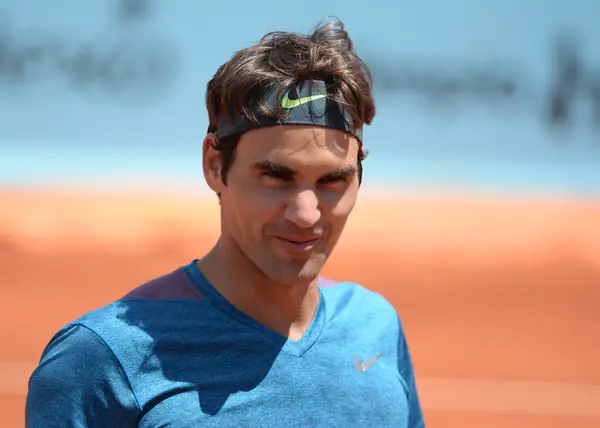
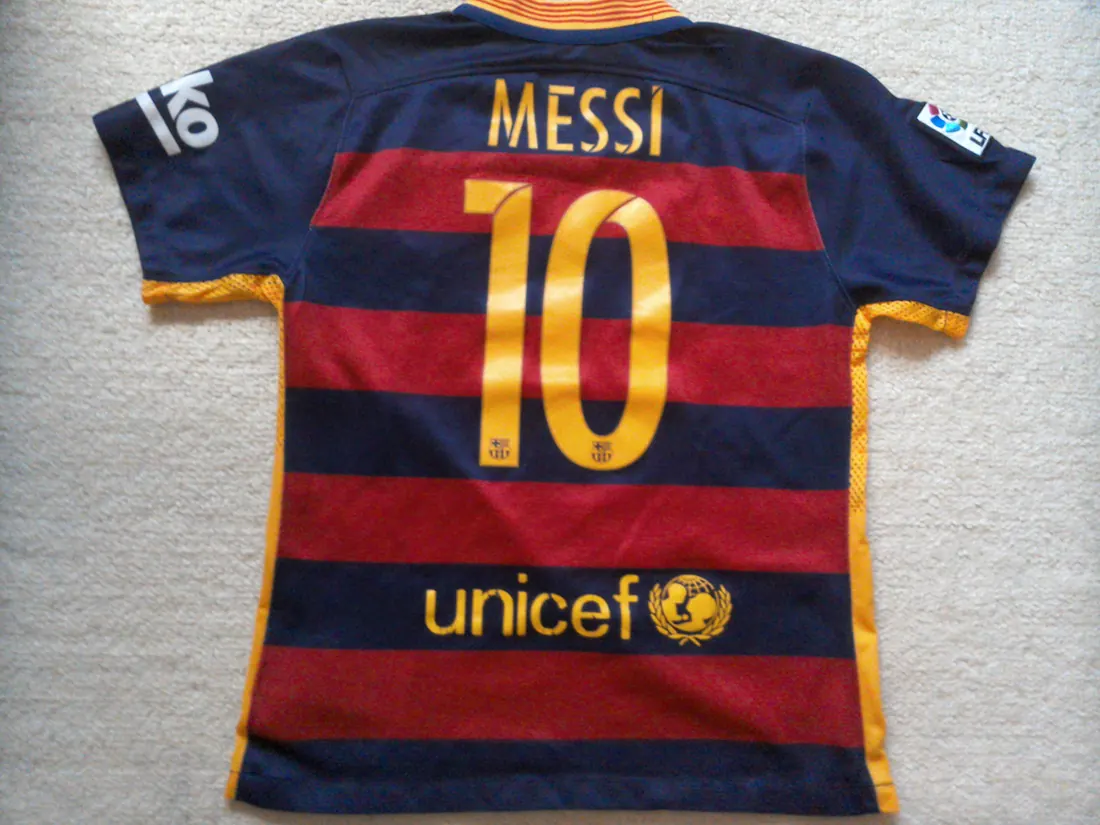
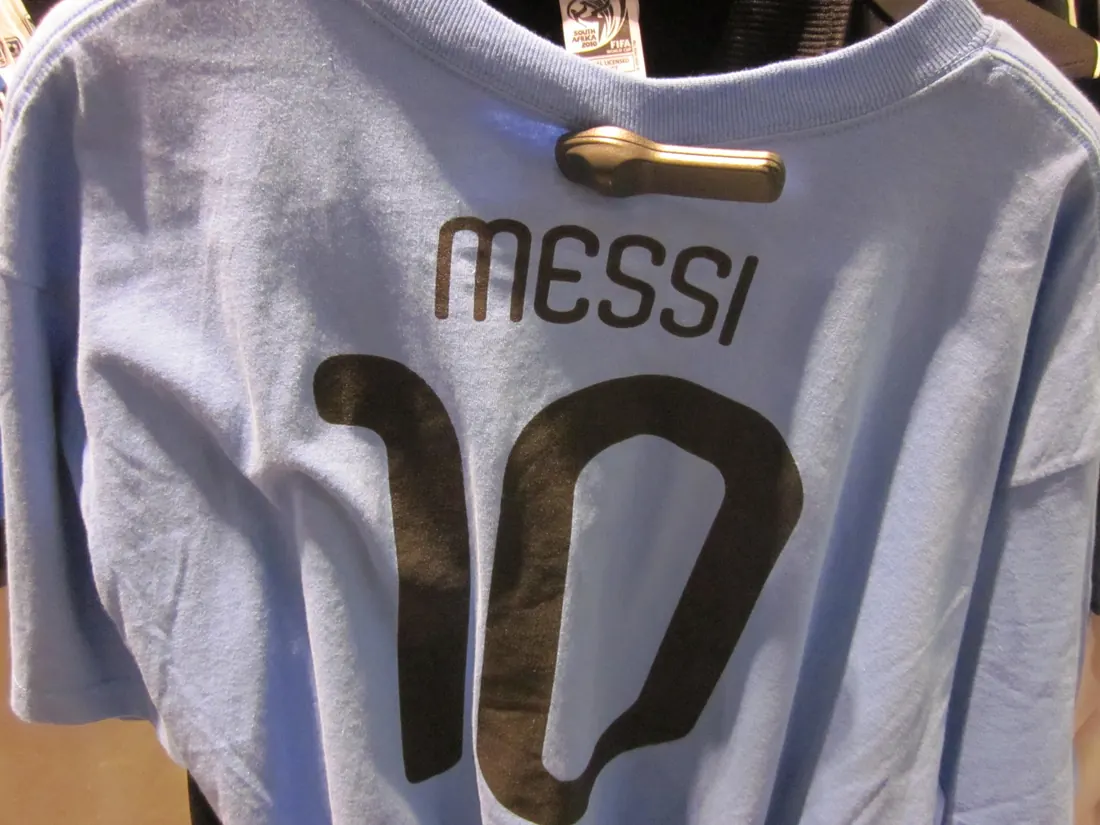
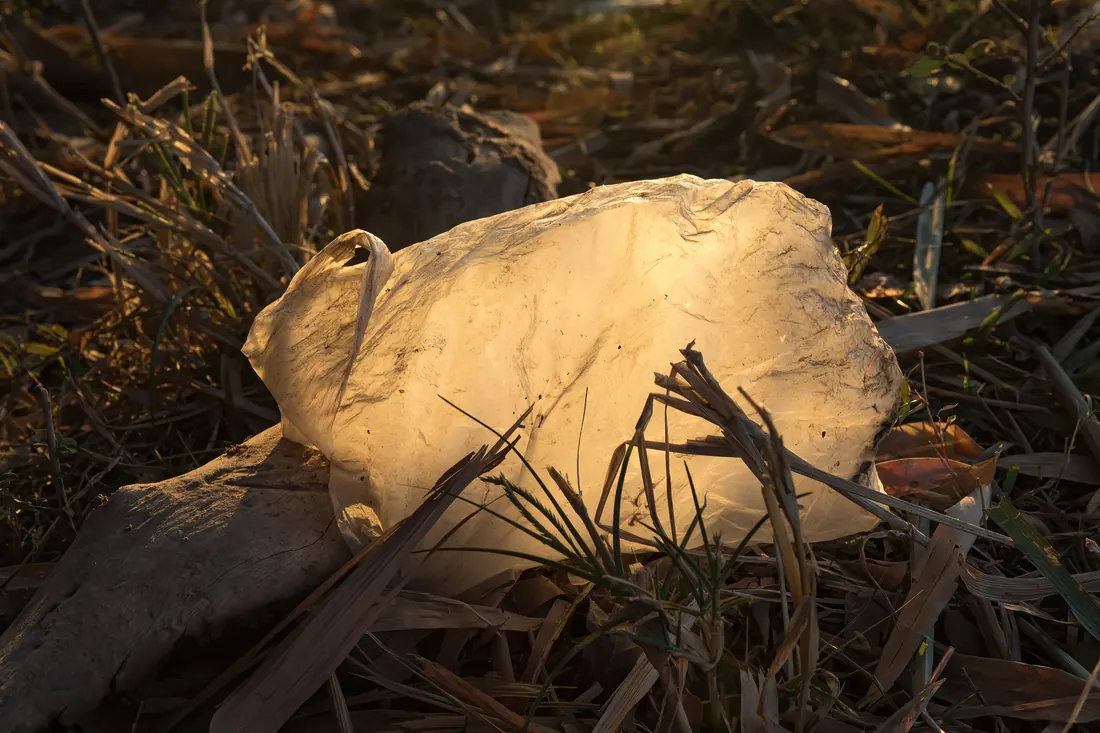
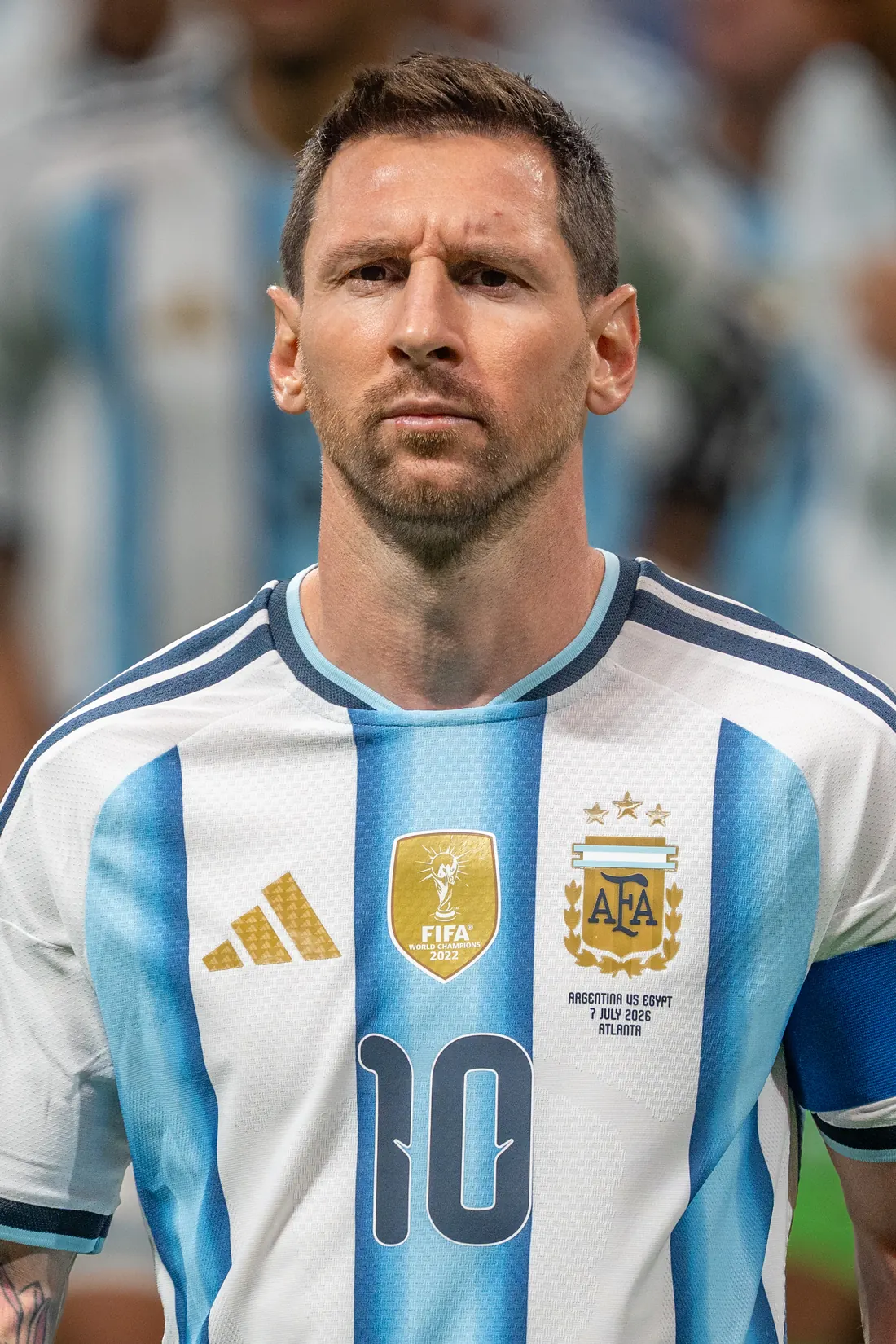
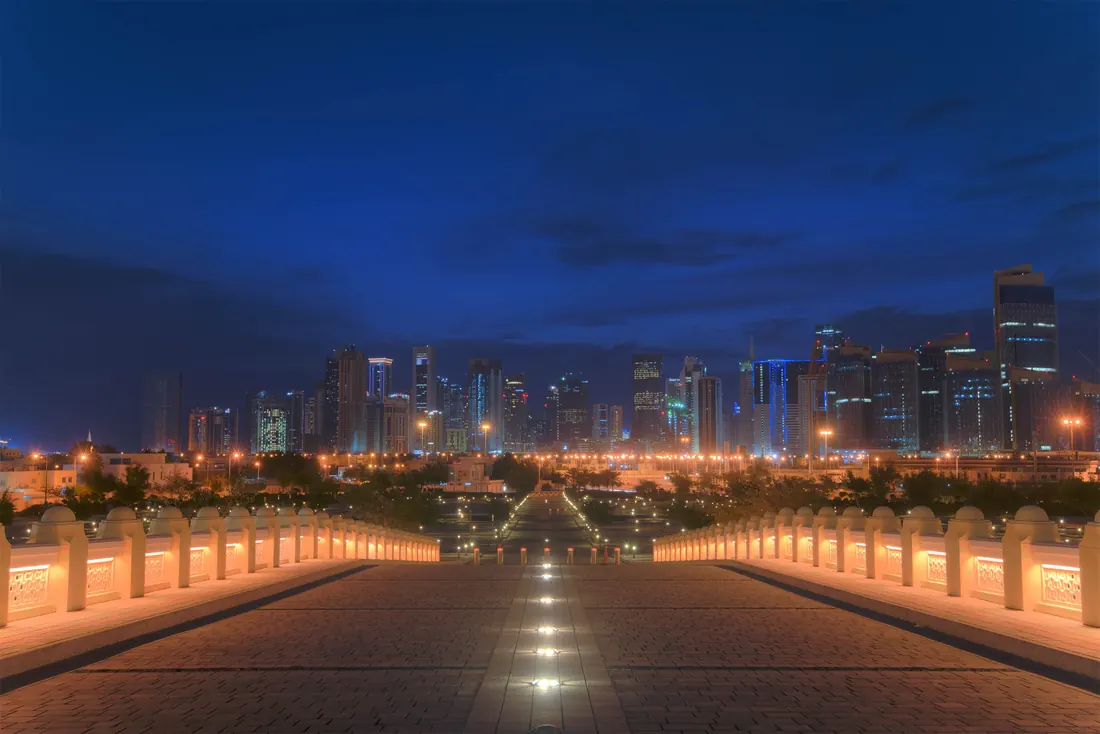
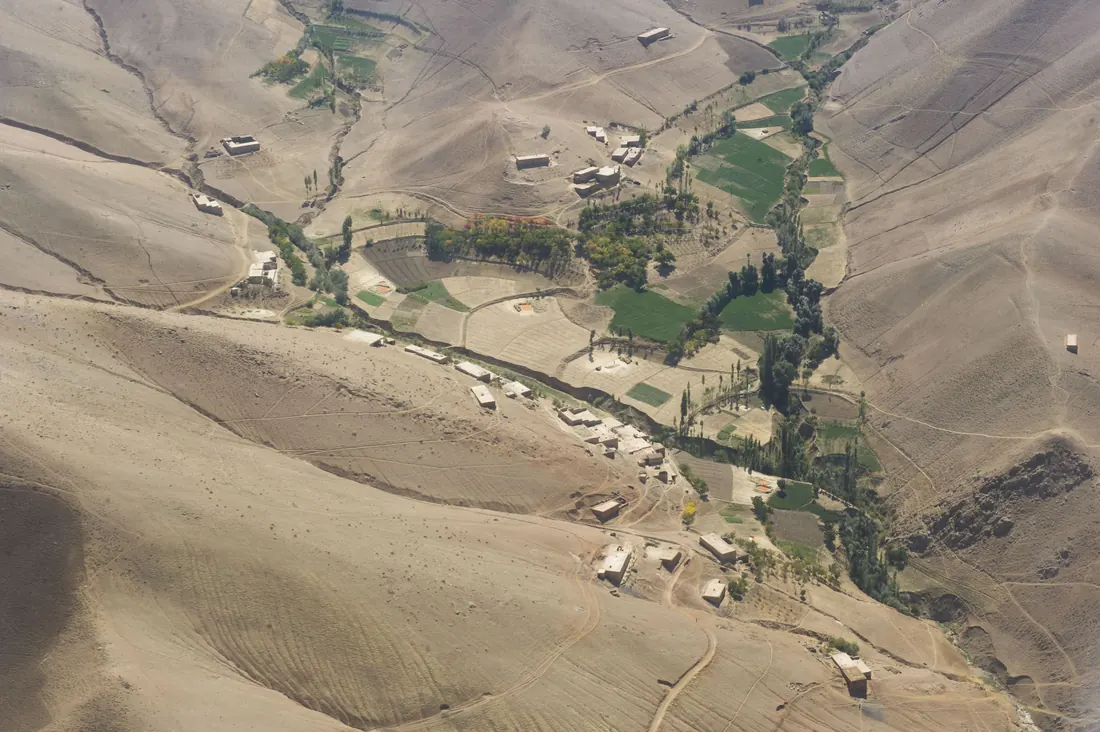
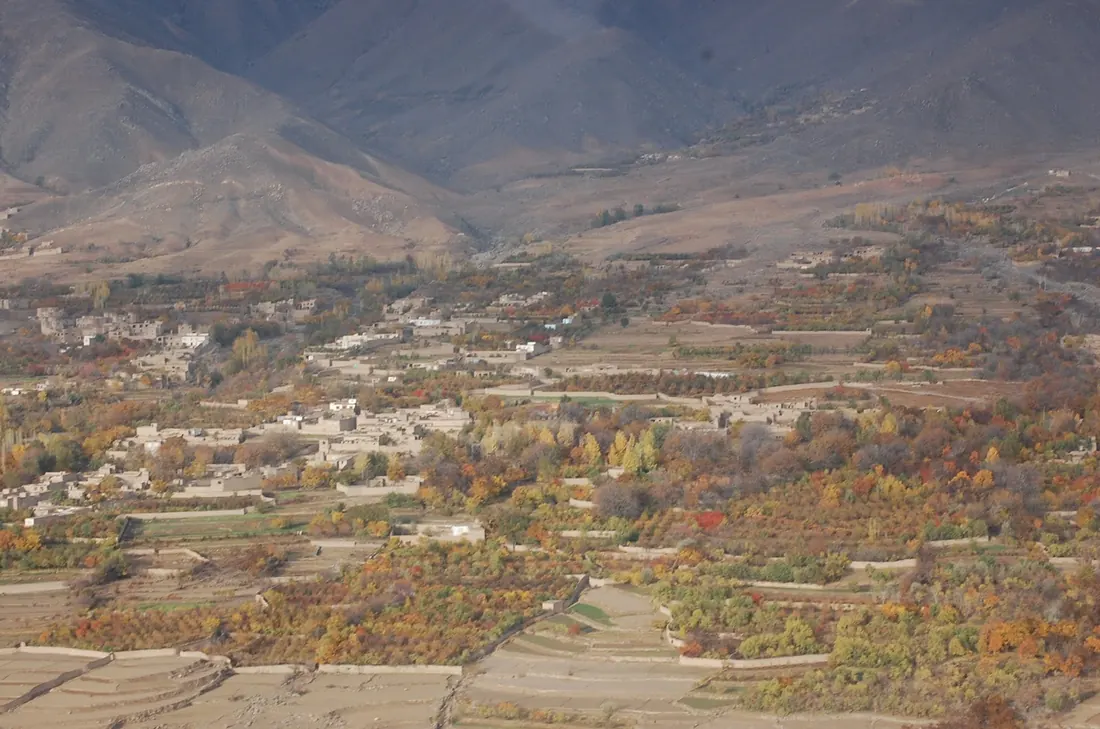
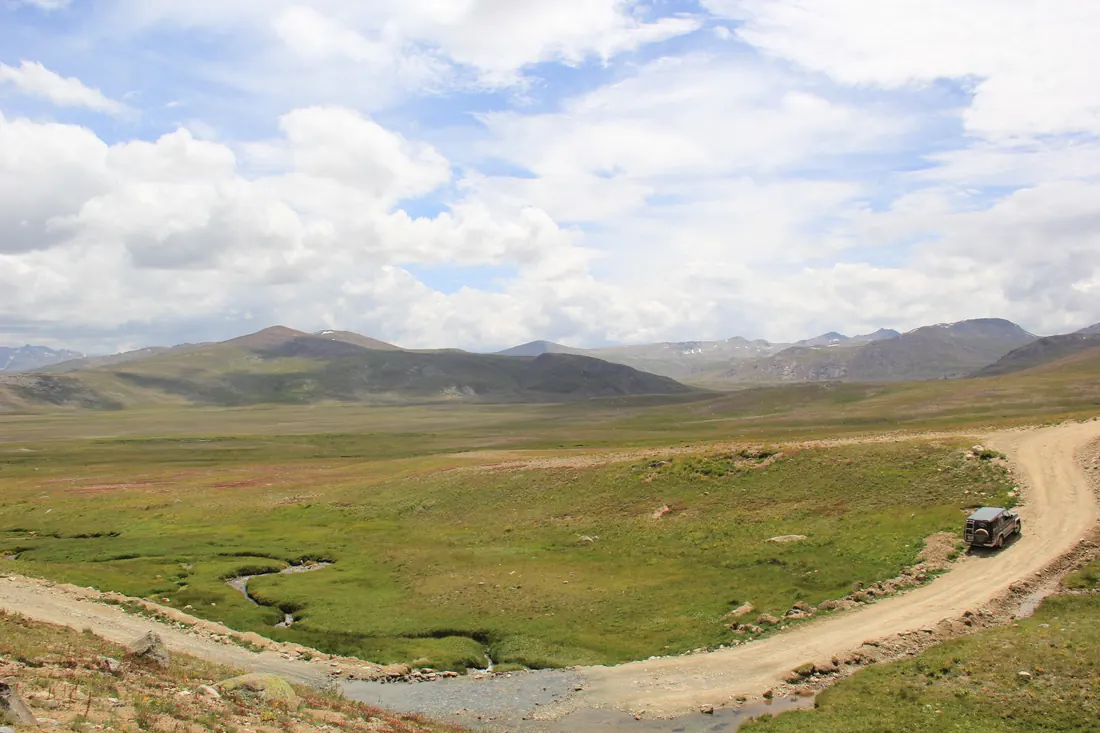
Pictures: no photo of Murtaza is shown, and none of the night in Doha: the only free photos of it come from the Flickr account of Save the Dream, a sport-for-good program that took part that night, so they are its own promotional pictures and aren’t used. Lionel Messi is at Argentina v Egypt at the 2026 FIFA World Cup on July 7, 2026 (Bryan Berlin, WikiPortraits). The village in the mountains of southern Afghanistan on October 10, 2011 (Mark Ray, U.S. Army Corps of Engineers), the rural valley in Afghanistan on November 8, 2009 (Pm4gis) and the truck on a mountain road in Pakistan on August 12, 2016 (Hashim Hussaini) are not his home or the family’s journey. Doha’s West Bay skyline is seen on April 7, 2016 (Alex Sergeev). The plastic bag in the Laos countryside on December 27, 2023 (Basile Morin), the Barcelona Messi shirt photographed in 2017 (1234chinchin) and the Argentina Messi shirt photographed on July 4, 2010 (BrokenSphere) are stand-ins, not his. The other people in these photos are not named.
Photo credits
The archive photos in this story
The photographs and illustrations in this story are in the public domain or shared under open licenses; each one is credited below with its license. Tap one to enlarge it, or follow the link to its Wikimedia Commons page for the full record. The narration, captions and graphics in the Short are our own; its music and sound effects are credited below.
Music and sound effects
Music: Schumann, Kinderszenen, Op. 15: No. 1 'Of Foreign Lands and Peoples (Musopen, public domain); Mussorgsky, Pictures at an Exhibition: IV. Bydlo (piano) (Musopen, public domain); Dvorak, Symphony No. 9 'From the New World': II. Largo (Musopen, public domain).
Sound effects: Freesound, CC0.