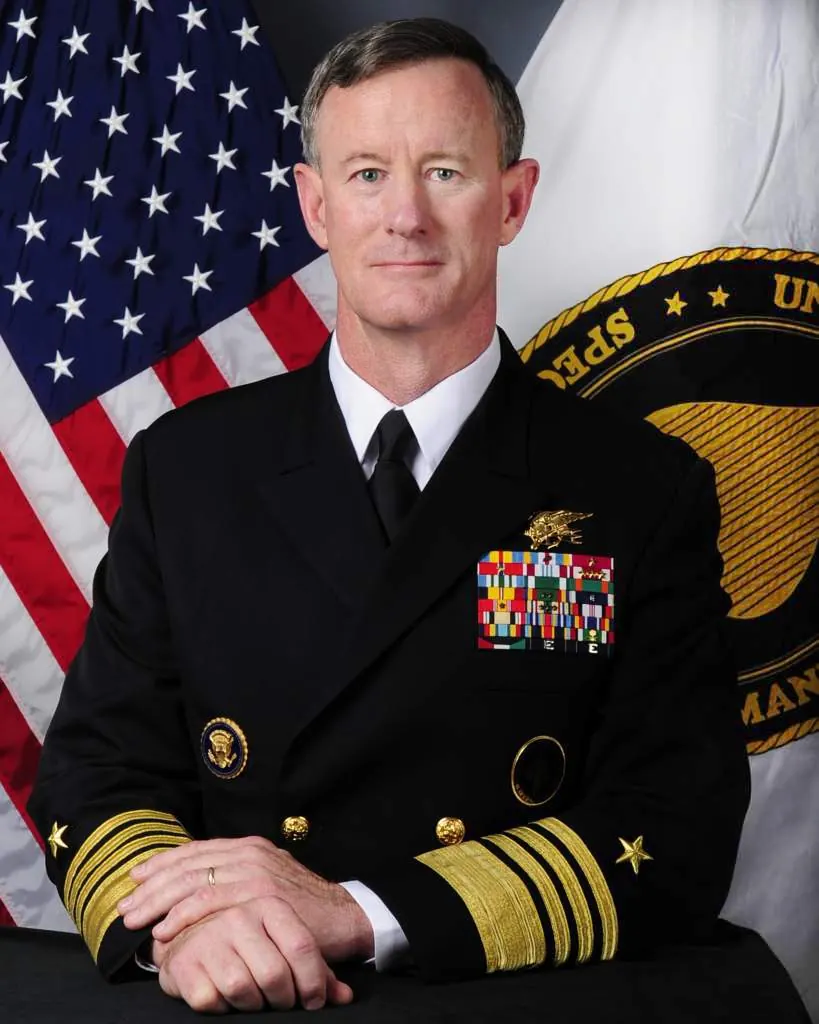
“It’s been almost 37 years to the day that I graduated from UT,” Naval Adm. William H. McRaven, “ninth commander of U.S. Special Operations Command,” told the University of Texas at Austin’s graduates on May 17, 2014. “But it all began when I left UT for Basic SEAL training in Coronado, California.” His class “began training in 1977,” and “I have been a Navy SEAL for 36 years,” he said.
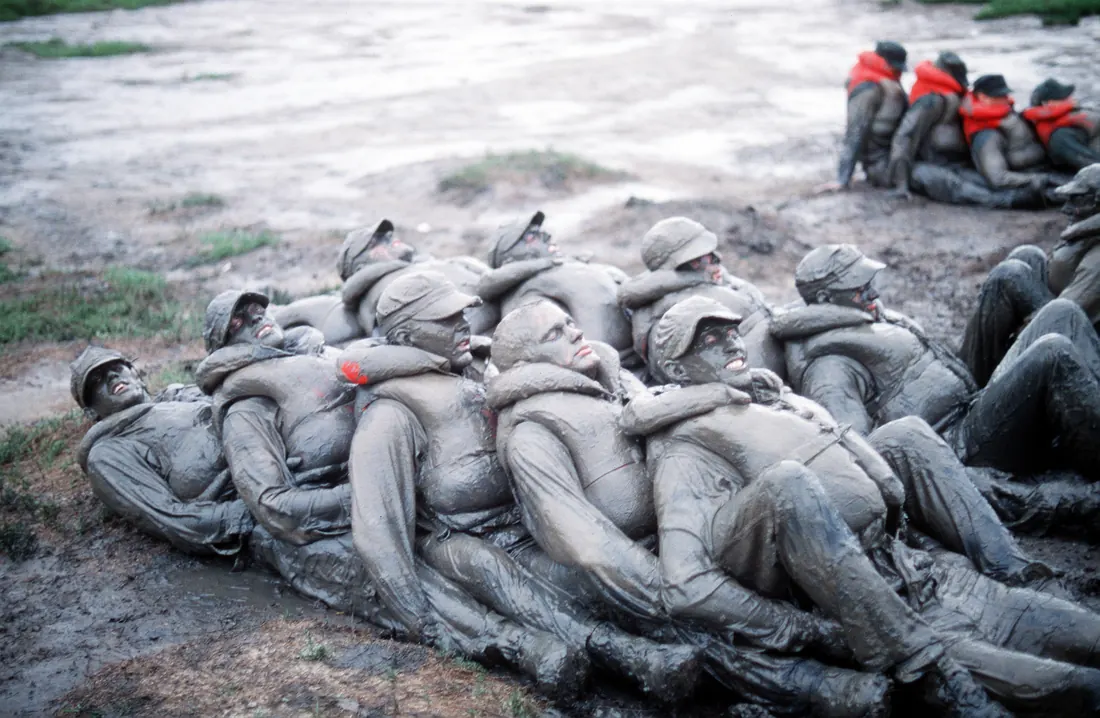
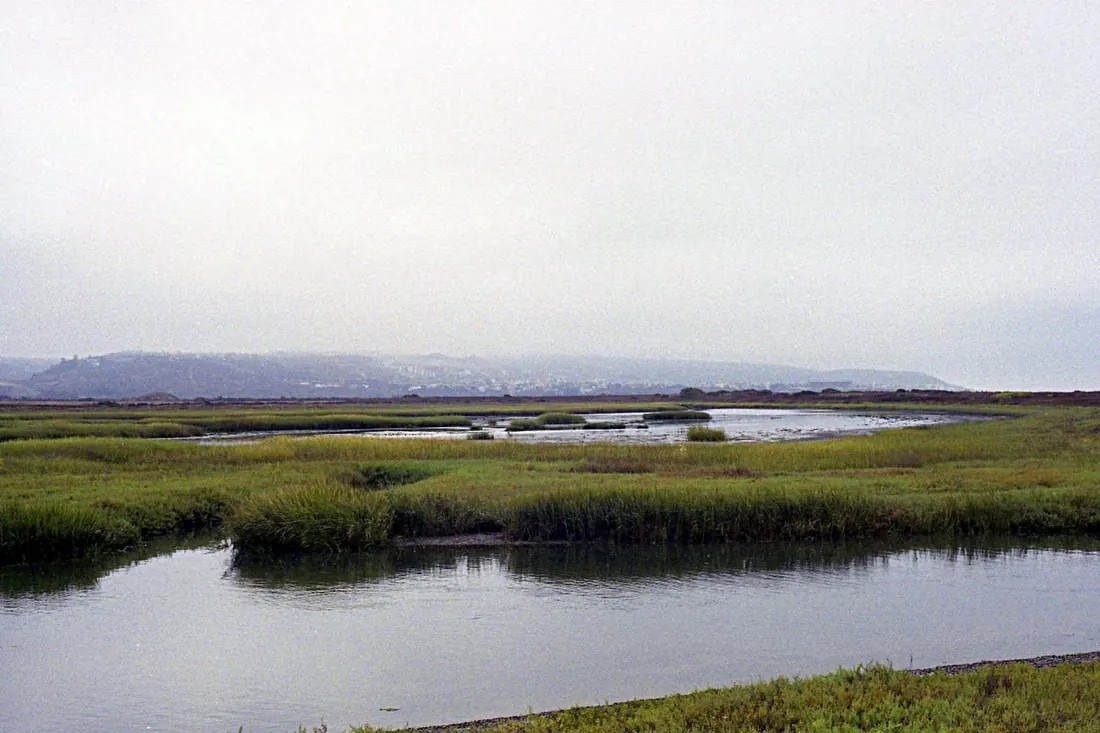
“The ninth week of training is referred to as ‘Hell Week,’” he told them. “It is six days of no sleep, constant physical and mental harassment, and one special day at the Mud Flats.” “The Mud Flats are area between San Diego and Tijuana where the water runs off and creates the Tijuana slues,” and “It is on Wednesday of Hell Week that you paddle down to the mud flats and spend the next 15 hours trying to survive the freezing cold mud.”
“As the sun began to set that Wednesday evening, my training class, having committed some ‘egregious infraction of the rules’ was ordered into the mud,” he went on. “The mud consumed each man till there was nothing visible but our heads. The instructors told us we could leave the mud if only five men would quit — just five men — and we could get out of the oppressive cold.” And “Looking around the mud flat it was apparent that some students were about to give up.”
“And then, one voice began to echo through the night, one voice raised in song. The song was terribly out of tune, but sung with great enthusiasm.” “One voice became two and two became three and before long everyone in the class was singing.” “The instructors threatened us with more time in the mud if we kept up the singing,” he said, “but the singing persisted.”
In 2019, CBS News described McRaven as a “Retired four-star Navy Admiral” who “served as commander of all U.S. Special Operations Forces and oversaw the Navy SEAL raid that led to the death of al Qaeda leader Osama bin Laden.” To the graduates (“Tonight there are almost 8,000 students graduating from UT”), he turned that night into a lesson: “So, if you want to change the world, start singing when you’re up to your neck in mud.”
Fact check
The facts and where they come from
- He was neck deep in freezing mud, and everyone could leave if just five men quit. McRaven, in his 2014 speech (UT News): “The mud consumed each man till there was nothing visible but our heads. The instructors told us we could leave the mud if only five men would quit — just five men — and we could get out of the oppressive cold”; “trying to survive the freezing cold mud.” 1
- His name is William McRaven. UT News: “Naval Adm. William H. McRaven, ninth commander of U.S. Special Operations Command.” McRaven: “I have been a Navy SEAL for 36 years.” 1
- Fresh out of college, he started SEAL training. McRaven: “It’s been almost 37 years to the day that I graduated from UT”; “But it all began when I left UT for Basic SEAL training in Coronado, California”; “The record for the obstacle course had stood for years when my class began training in 1977.” 1
- Then came Hell Week, six days with no sleep. McRaven: “The ninth week of training is referred to as ‘Hell Week.’ It is six days of no sleep, constant physical and mental harassment, and one special day at the Mud Flats.” 1
- On Wednesday, they reached the Mud Flats near Tijuana. McRaven: “The Mud Flats are area between San Diego and Tijuana where the water runs off and creates the Tijuana slues”; “It is on Wednesday of Hell Week that you paddle down to the mud flats and spend the next 15 hours trying to survive the freezing cold mud.” 1
- At sunset, the class was ordered into the mud. McRaven: “As the sun began to set that Wednesday evening, my training class, having committed some ‘egregious infraction of the rules’ was ordered into the mud.” 1
- The mud swallowed them until only their heads showed. McRaven: “The mud consumed each man till there was nothing visible but our heads.” 1
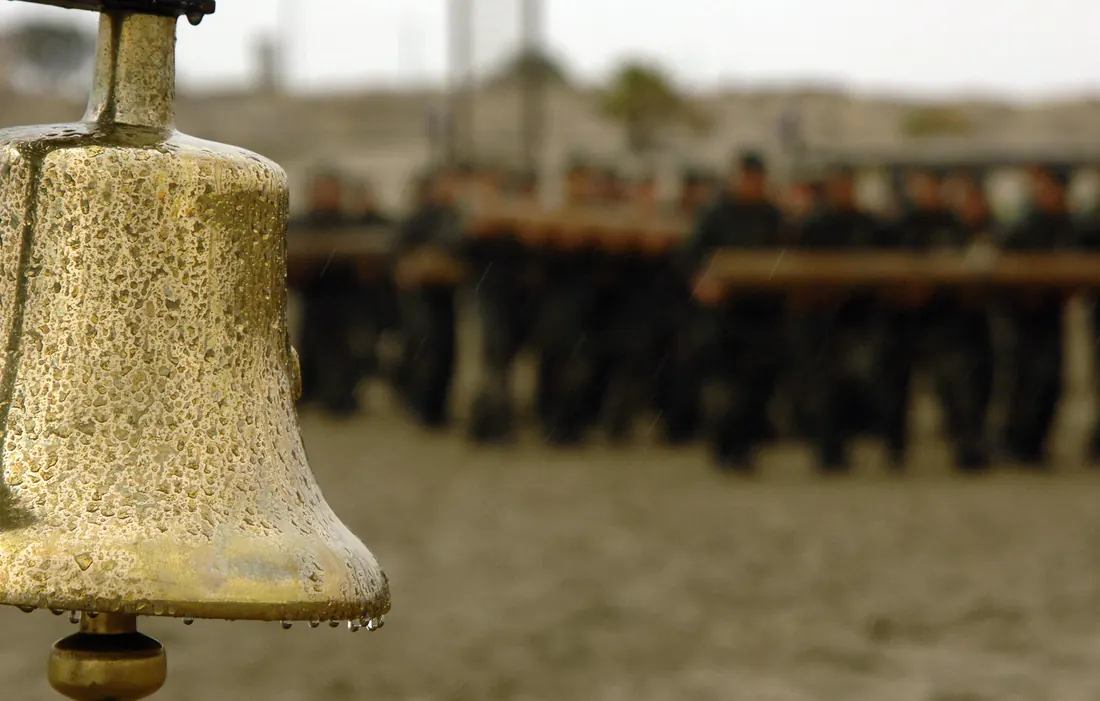
- Just five men had to quit, the instructors said. McRaven: “The instructors told us we could leave the mud if only five men would quit.” Of the bell: “All you have to do to quit is ring the bell.” 1
- Some men were about to give up. McRaven: “Looking around the mud flat it was apparent that some students were about to give up.” 1
- Then a single voice began to sing. McRaven: “And then, one voice began to echo through the night, one voice raised in song.” 1
- It was terribly out of tune. McRaven: “The song was terribly out of tune, but sung with great enthusiasm.” 1
- A second voice joined, then a third, then the whole class. McRaven: “One voice became two and two became three and before long everyone in the class was singing.” 1
- The instructors threatened more time in the mud, but the singing went on. McRaven, as UT News prints his words: “The instructors threatened us with more time in the mud if we kept up the singing” … “but the singing persisted.” 1
- He became the admiral who oversaw the raid on Osama bin Laden. CBS News (2019): “Retired four-star Navy Admiral William McRaven”; “Admiral McRaven served as commander of all U.S. Special Operations Forces and oversaw the Navy SEAL raid that led to the death of al Qaeda leader Osama bin Laden.” 2
- Years later, he told graduates, “If you want to change the world, start singing when you’re up to your neck in mud.” UT News: “The following are the remarks by Naval Adm. William H. McRaven … at the University-wide Commencement at The University of Texas at Austin on May 17.” McRaven: “So, if you want to change the world, start singing when you’re up to your neck in mud.” 1
Sources
- Adm. McRaven Urges Graduates to Find Courage to Change the World (May 16, 2014), with the full text of his commencement speech of May 17, 2014 UT News, The University of Texas at Austin
- Report on Admiral William McRaven, with his service record (David Morgan, May 20, 2019) CBS News
Notes
His account: the story is McRaven’s own, told in his commencement speech at the University of Texas at Austin on May 17, 2014, which UT News printed in full. The singer isn’t named in the speech, so he isn’t named here, and the speech doesn’t say whether anyone quit that night, so this page doesn’t either.
The singing: UT News prints “the singingbut the singing persisted” as one run of words; the quotes above split it where the words meet.
Left out: the speech’s other lessons, among them its first, “Make Your Bed,” and the size of his class, to stay on this one story.
William McRaven is alive. Only his own speech and CBS News’s summary of his service record are used; nothing here goes into his later public life or his private life.
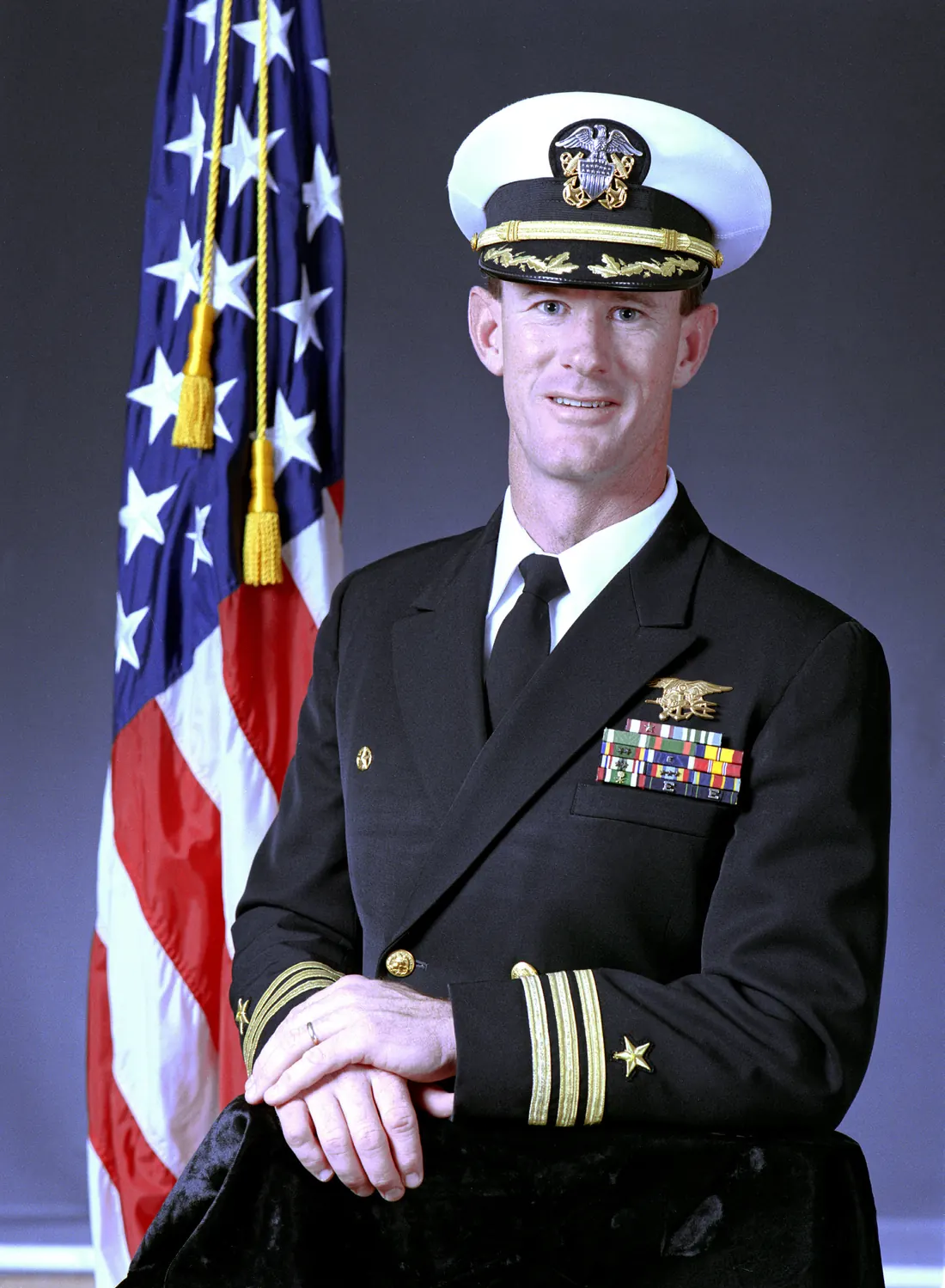
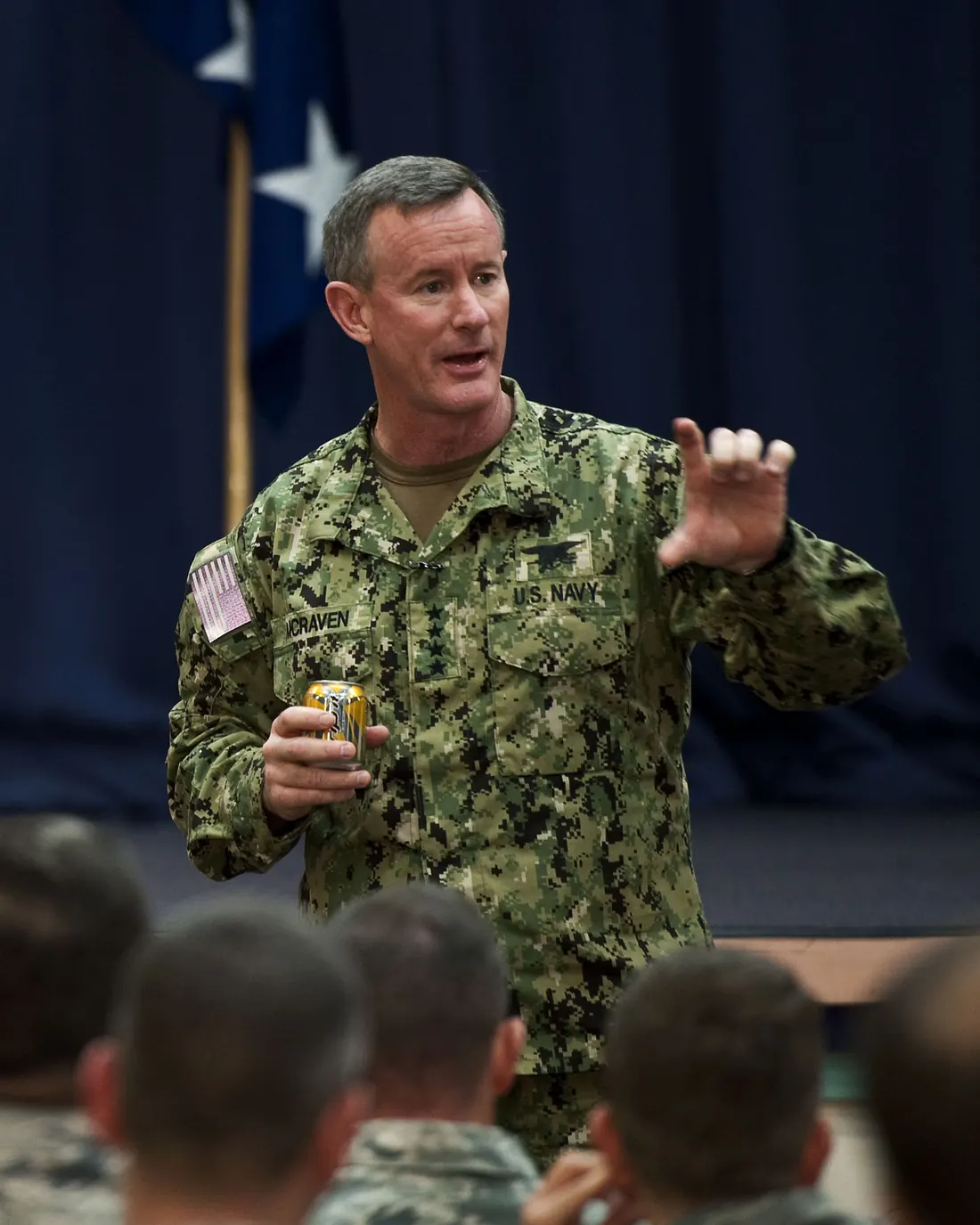
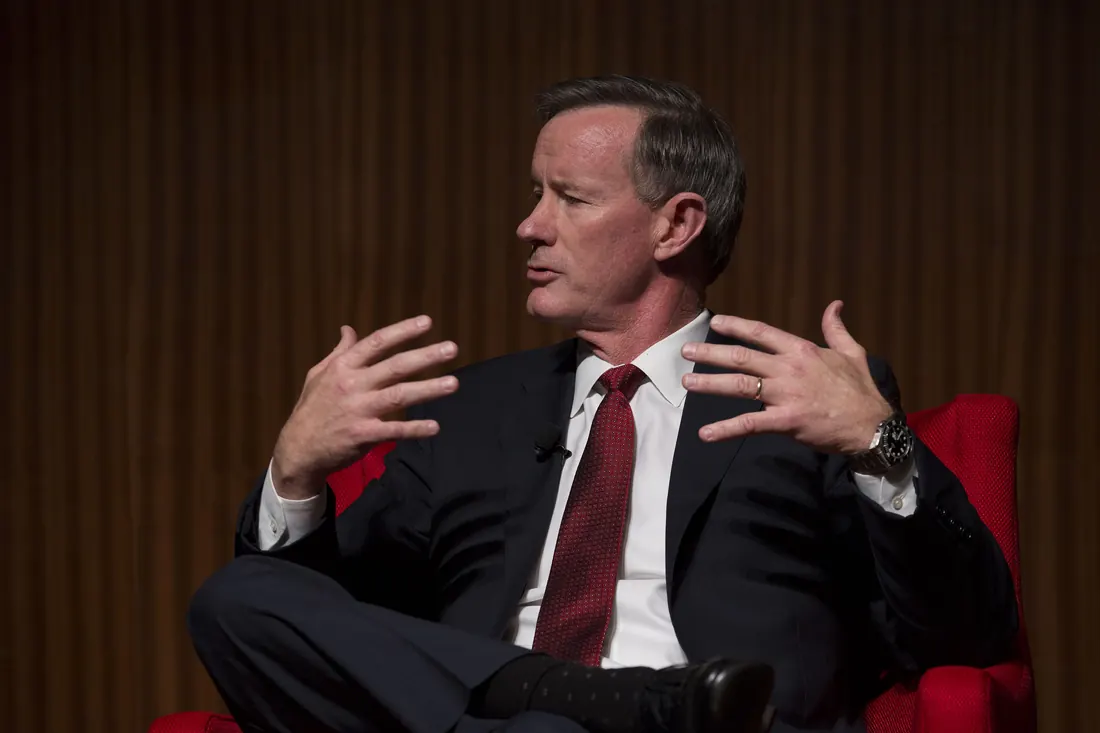
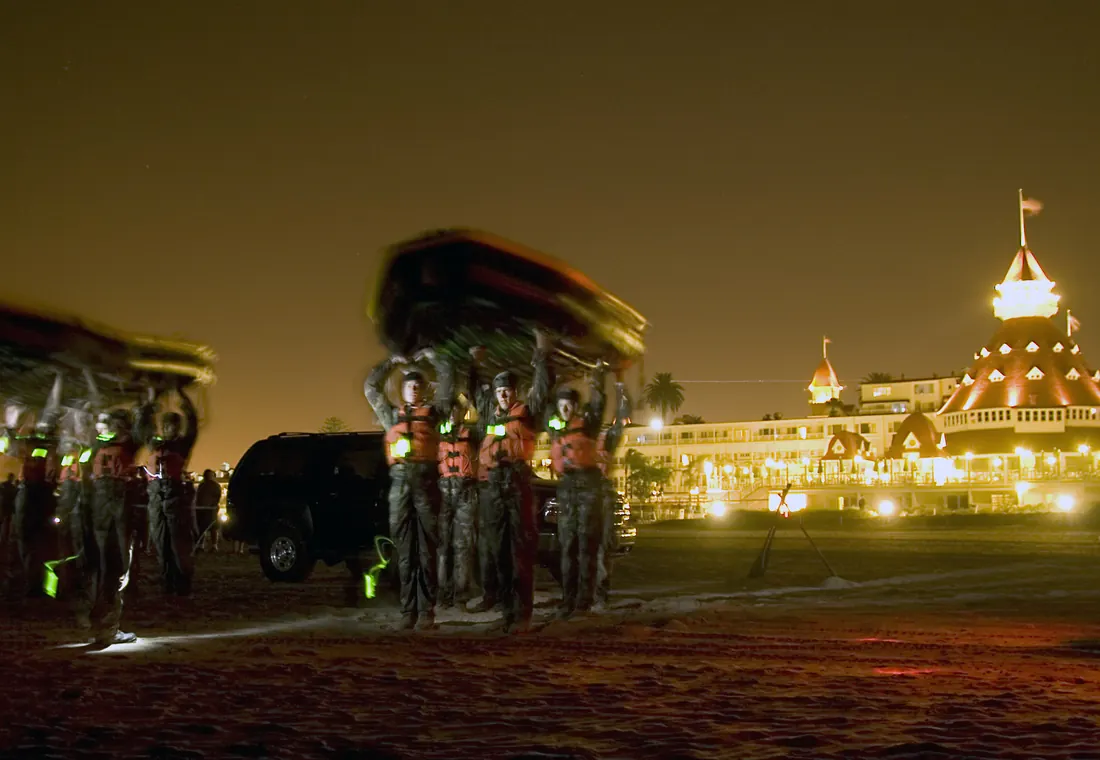
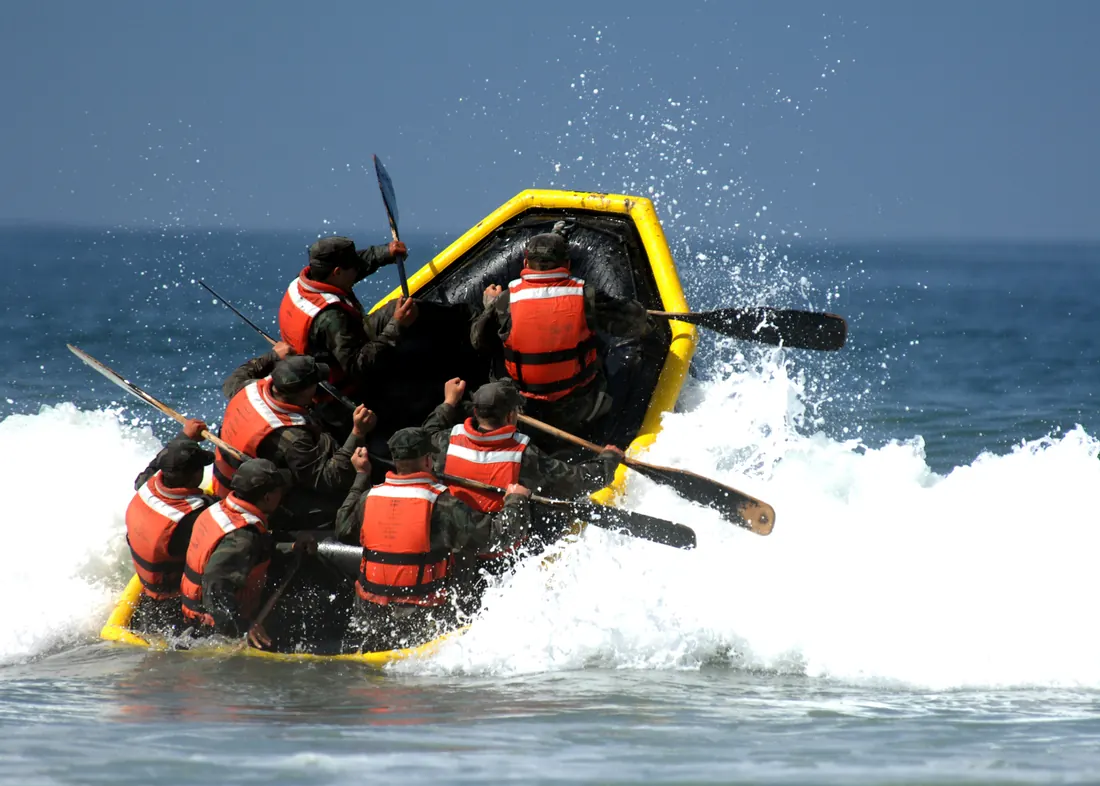
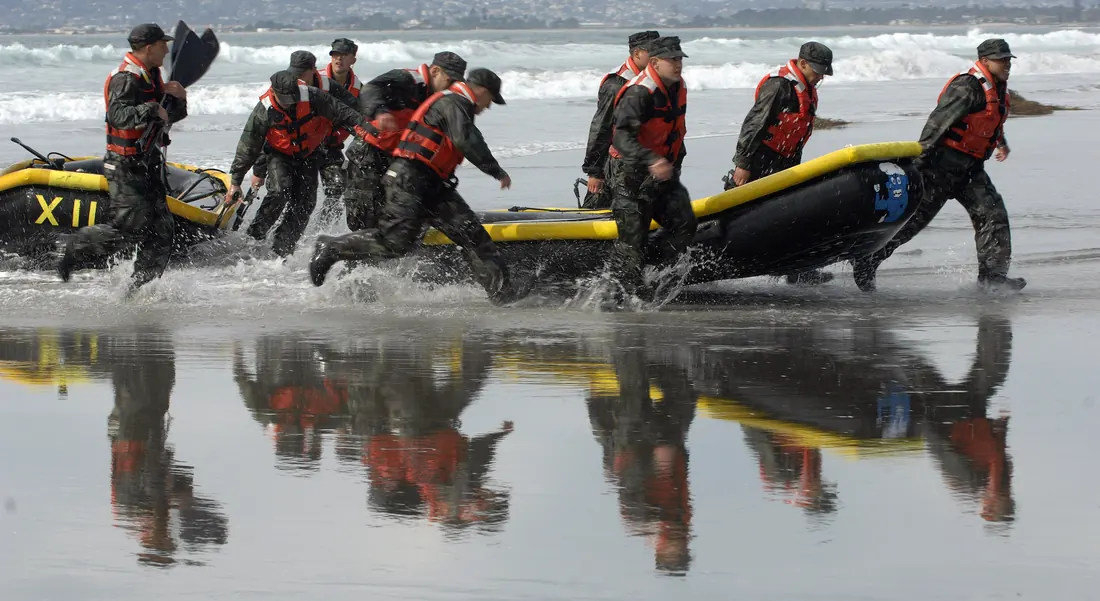
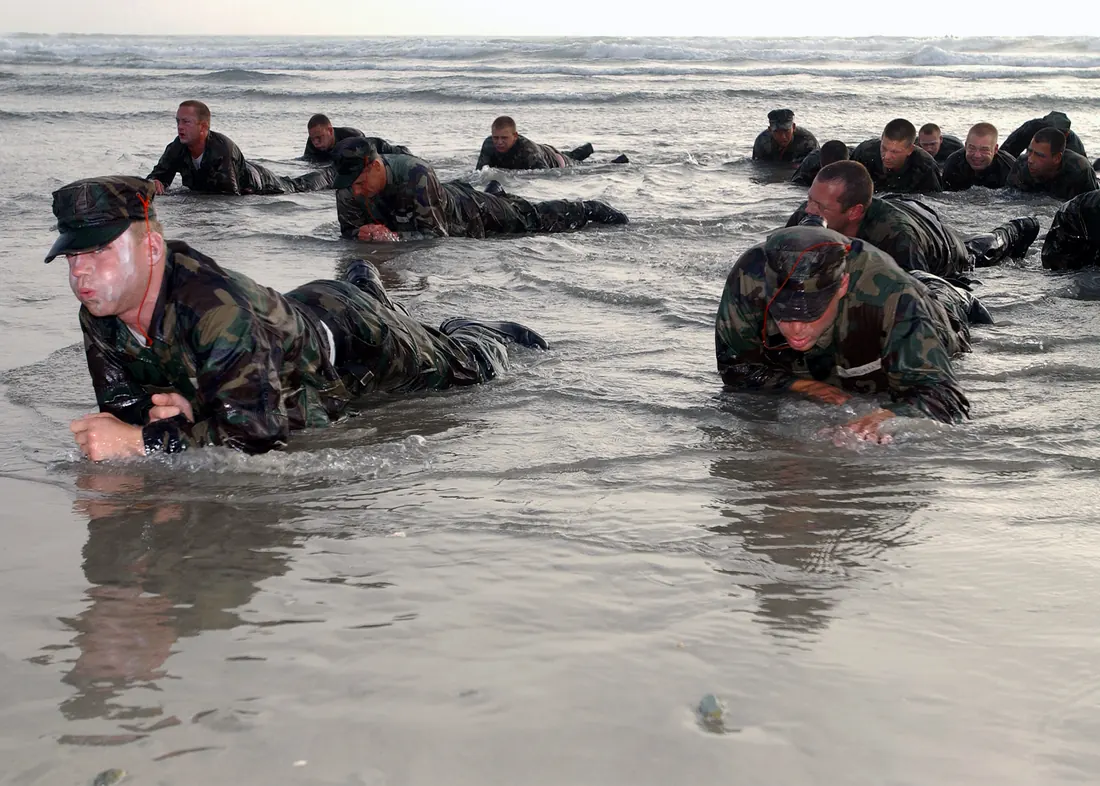
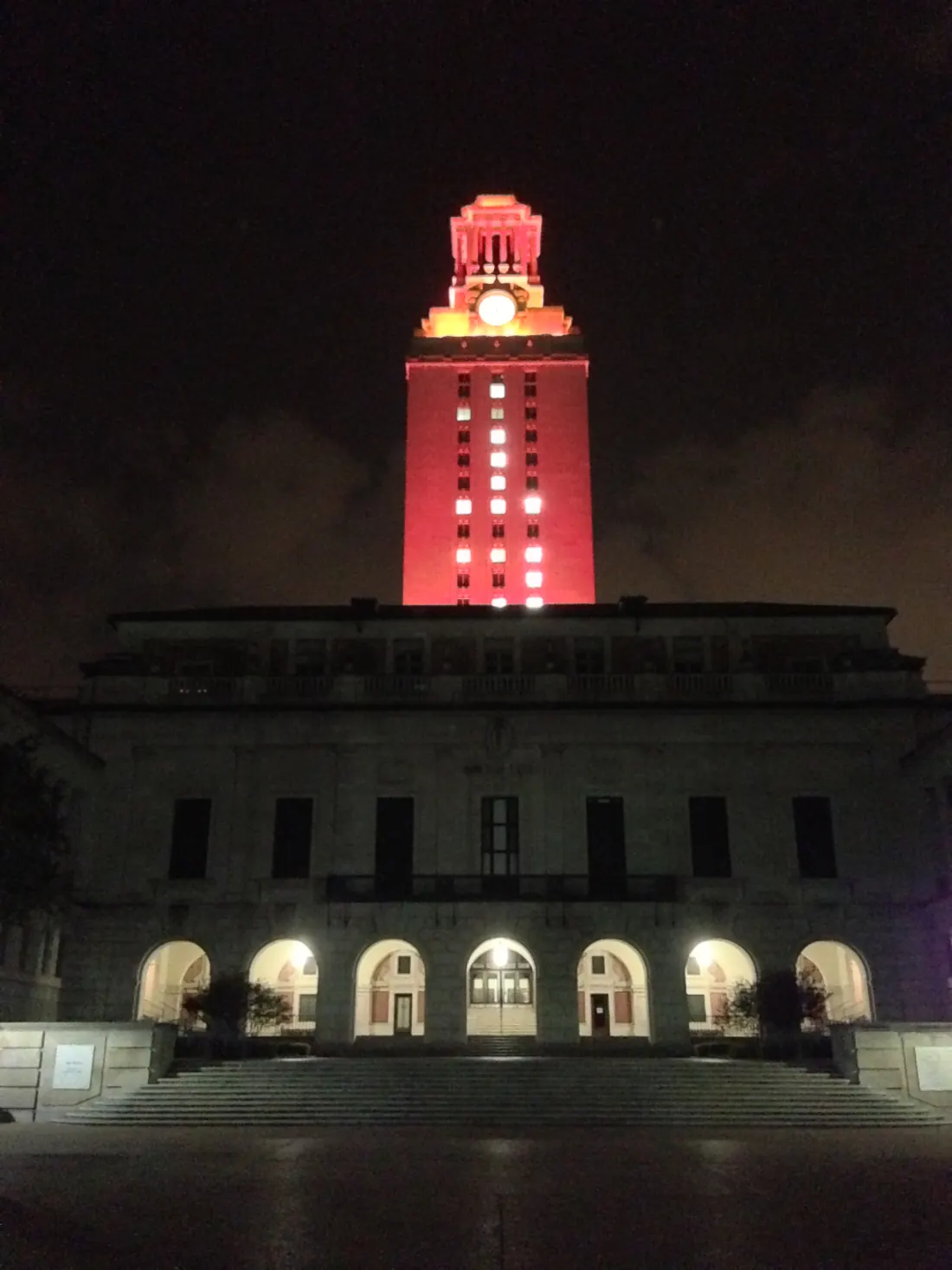
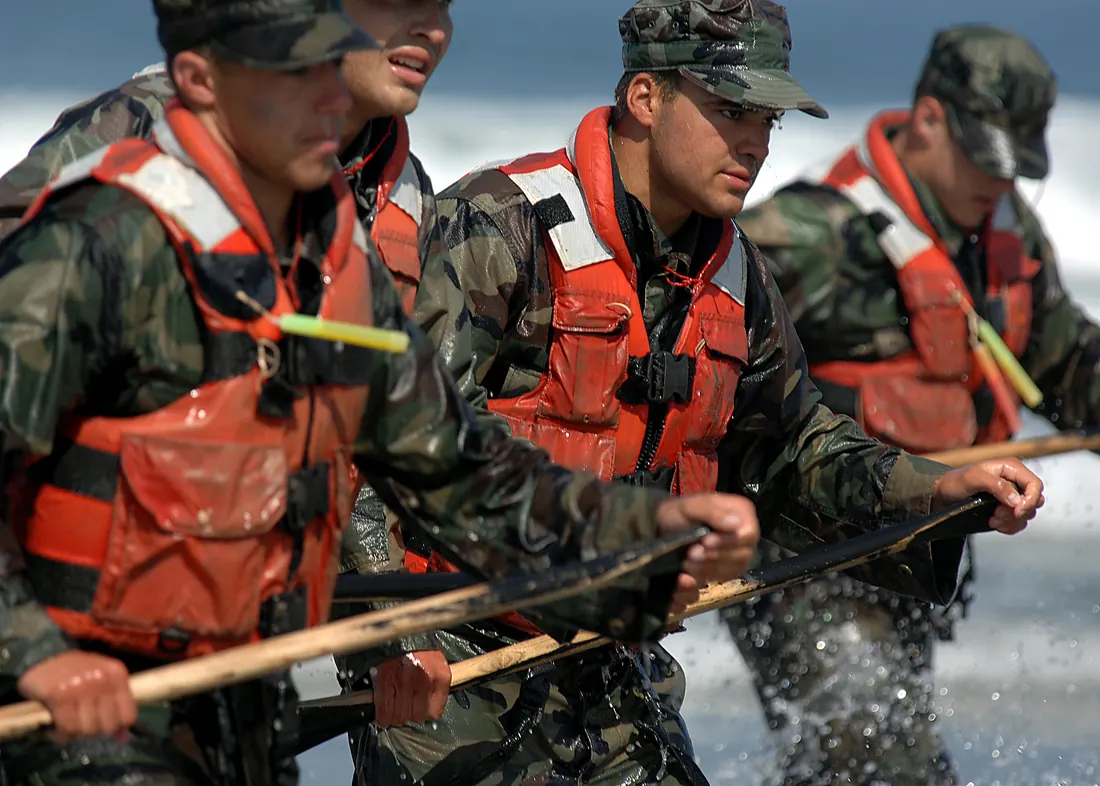
Pictures: no free photo shows McRaven’s 1977 class, the Mud Flats that night or the 2014 speech. William McRaven is in a Navy portrait as a commander on May 19, 1994 (US Department of Defense, via the National Archives); in his 2012 official portrait as commander of U.S. Special Operations Command (US Navy); speaking at Hurlburt Field, Florida, on January 30, 2012 (Christopher Williams, US Air Force); and at the LBJ Presidential Library’s Vietnam War Summit on April 28, 2016, not the 2014 speech (LBJ Library). The training photos show later SEAL classes, not his: Class 244 in the cold surf at Coronado on January 31, 2003 (John DeCoursey); the bell, which trainees ring to quit, with Log PT behind it during Hell Week on January 31, 2007, and boat crews finishing a Hell Week surf passage on January 29, 2007 (Marcos T. Hernandez); Class 267 carrying boats on the beach at night, with the Hotel del Coronado behind, on September 10, 2007; and a boat crew in the surf and students racing out of it on the last day of Hell Week, June 6, 2008 (Michelle Kapica); all US Navy. Trainees covered in mud during a Hell Week are in an undated Department of Defense photo; they are not McRaven’s class. The Tijuana River Estuary, the area the speech calls the “Tijuana slues,” is seen in a later photo, not 1977 (Osbornb), and the University of Texas Tower is lit burnt orange for the December 8, 2012, commencement, not the 2014 one (Guðsþegn). The trainees in these photos are not named.
Photo credits
The archive photos in this story
The photographs and illustrations in this story are in the public domain or shared under open licenses; each one is credited below with its license. Tap one to enlarge it, or follow the link to its Wikimedia Commons page for the full record. The narration, captions and graphics in the Short are our own; its music and sound effects are credited below.
Music and sound effects
Music: Schumann, Kinderszenen, Op. 15: No. 1 'Of Foreign Lands and Peoples (Musopen, public domain); Mussorgsky, Pictures at an Exhibition: IV. Bydlo (piano) (Musopen, public domain); Dvorak, Symphony No. 9 'From the New World': II. Largo (Musopen, public domain).
Sound effects: Freesound, CC0.