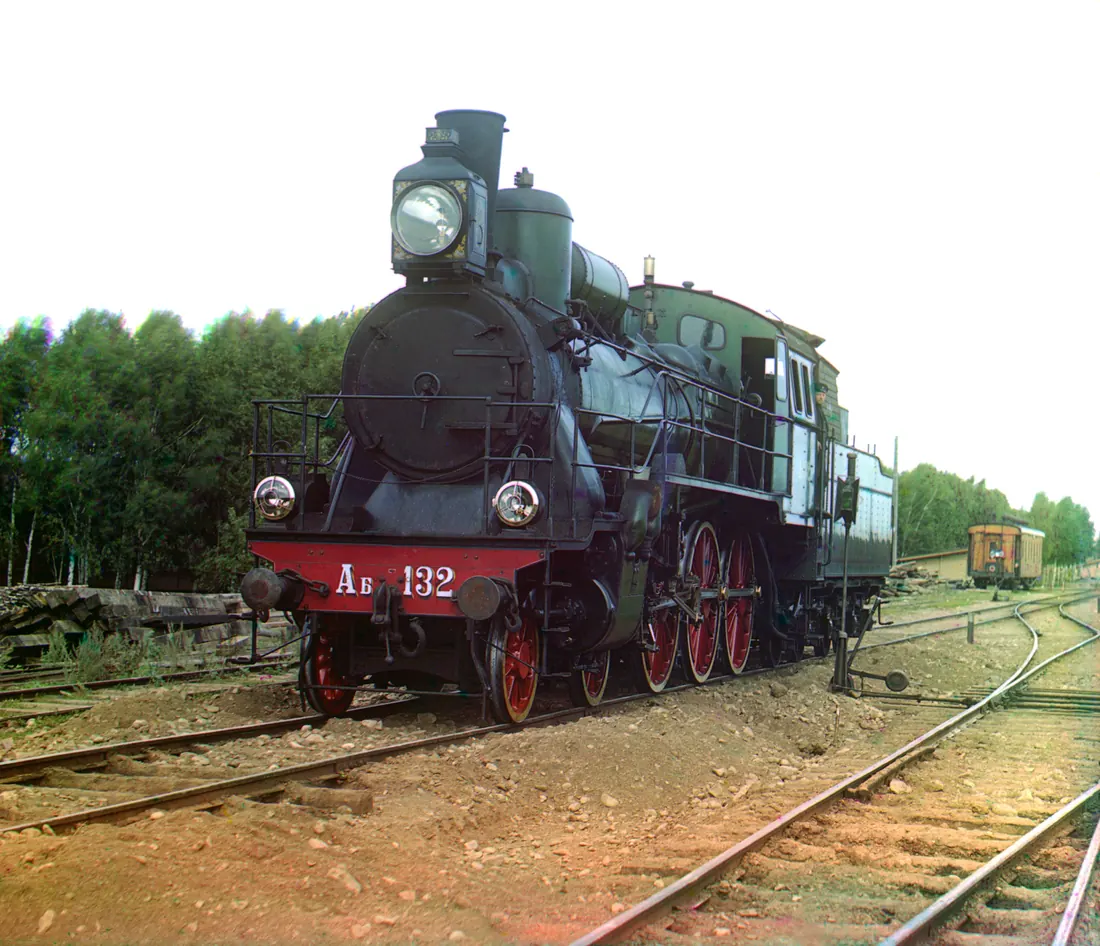
On July 14, 1912, Shizo Kanakuri started the Olympic marathon in Stockholm. Olympedia says that “Together with sprinter Yahiko Mishima, he qualified to become the first Japanese Olympian,” and in that race, Wikipedia notes, “Japan, Norway, Portugal, and Serbia each made their first appearance in Olympic marathons.” Getting there was hard: “Kanakuri had a difficult 18-day long trip to reach Stockholm for the 1912 Olympics. After travelling by ship and Trans-Siberian-Railway he had to rest for five days,” Olympedia writes.
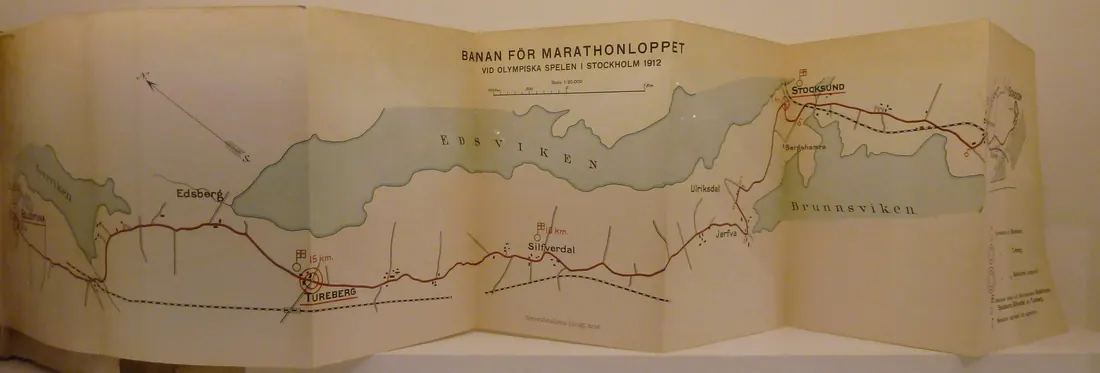
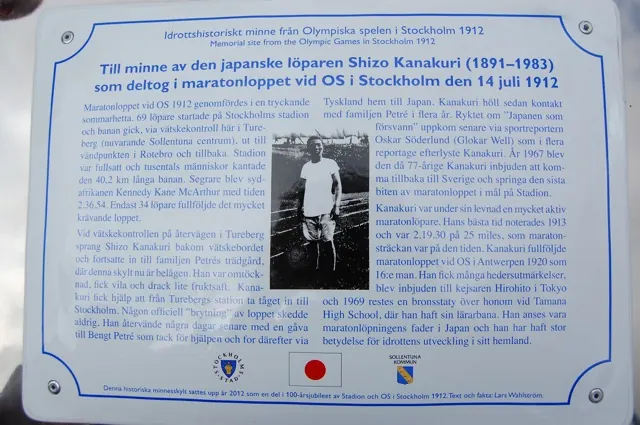
The course ran out to Sollentuna and back, 40.2 km in all, and the day was brutal. “With conditions described as ‘very hot’, only 36 of the 68 competitors finished,” Wikipedia says, and “Francisco Lázaro collapsed during the race, and died in hospital the next morning.” Guinness World Records gives temperatures of 32 °C. “After 30 km of the Olympic marathon, suffering from the heat, he stopped at a house,” Olympedia says; the plaque that now marks the spot says he left the race at the drinks station on the way back, in Tureberg, and went on into the Petré family’s garden. “The residents gave him water,” Olympedia says, and Wikipedia says he “drank orange juice for an hour.”
He never went back to the race. “Embarrassed by his failure, he silently returned to Japan without notifying race officials,” Wikipedia says. Wikipedia says he was “cited in Sweden as the ‘missing Japanese’,” and Swedish Wikipedia calls him “Japanen som försvann,” the Japanese who disappeared. He ran two more Olympic marathons: Olympedia lists him 16th in Antwerp in 1920, and he did not finish in Paris in 1924.
Then, “in 1967, Sveriges Television offered Kanakuri the chance to complete his marathon,” Wikipedia says; Outside writes that “a Swedish television crew tracked him down … and invited him back to Stockholm.” Now “age 75,” Outside says, “he ran through the finish line.” His time, as Wikipedia gives it: “54 years 8 months 6 days 5 hours 32 minutes 20.3 seconds.” Guinness World Records lists it as the “Longest time to complete a marathon,” and Olympedia calls it “the ‘slowest’ finishing time ever in an Olympic marathon.”
“It was a long trip,” Kanakuri told the press after the race, Guinness World Records reported. “Along the way I got married, had six children and 10 grandchildren.” He helped found the Hakone Ekiden relay and is called the father of the marathon in Japan; he died on November 13, 1983, aged 92. Since 2012, a plaque has marked the spot where the Petré family’s house stood in Tureberg, Sollentuna.
Fact check
The facts and where they come from
- He started an Olympic marathon, but he didn’t finish it for 54 years. Guinness World Records: he started on July 14, 1912, and finished on March 20, 1967. Olympedia: “In 1967 he returned to Stockholm … and finished his marathon run.” 23
- His name was Shizo Kanakuri, Japan’s first Olympic marathon runner. Olympedia: “Together with sprinter Yahiko Mishima, he qualified to become the first Japanese Olympian.” Wikipedia (the 1912 marathon): “Japan, Norway, Portugal, and Serbia each made their first appearance in Olympic marathons.” 35
- It took him 18 days by ship and train to reach Stockholm. Olympedia: “Kanakuri had a difficult 18-day long trip to reach Stockholm for the 1912 Olympics. After travelling by ship and Trans-Siberian-Railway he had to rest for five days.” 34
- In brutal heat, about half the runners dropped out, and one died. Wikipedia (the 1912 marathon): “With conditions described as ‘very hot’, only 36 of the 68 competitors finished”; “Francisco Lázaro collapsed during the race, and died in hospital the next morning.” Guinness World Records gives temperatures of 32 °C. 52
- Past halfway, he stopped at a family’s garden. Olympedia: “After 30 km of the Olympic marathon, suffering from the heat, he stopped at a house.” Swedish Wikipedia: after about 30 km, at a garden in Tureberg, the Petré family invited him to their table. The plaque in Sollentuna: at the drinks station on the way back, in Tureberg, he went on into the Petré family’s garden. Wikipedia (the 1912 marathon): an out-and-back course of 40.2 km to Sollentuna. 3675
- They gave him a drink, and he never went back. Olympedia: “The residents gave him water.” Wikipedia: he “drank orange juice for an hour.” Guinness World Records: “taken in by a local family.” The plaque: he rested and drank a little fruit juice, then took the train into Stockholm. 3427
- Ashamed, he went home without telling the officials. Wikipedia: “Embarrassed by his failure, he silently returned to Japan without notifying race officials.” Olympedia: “Ashamed of his actions, he at first refused to return to Japan.” 43
- In Sweden, he became the Japanese runner who vanished. Swedish Wikipedia: “Japanen som försvann” (the Japanese who disappeared). Wikipedia (the 1912 marathon): “cited in Sweden as the ‘missing Japanese’.” 65
- He ran two more Olympic marathons. Olympedia: 16th in Antwerp in 1920; did not finish in Paris in 1924. 34
- Then, in 1967, Swedish television invited him back. Wikipedia: “in 1967, Sveriges Television offered Kanakuri the chance to complete his marathon.” Outside: “a Swedish television crew tracked him down … and invited him back to Stockholm.” Guinness World Records: “Sveriges Television (Swedish Television).” 482
- At 75, he crossed the line in Stockholm. Outside: “now age 75”; “he ran through the finish line.” Guinness World Records also gives his age as 75, and Olympedia gives his birth date as August 20, 1891. The plaque: he was invited to run the last stretch to the finish at the Stadion. 8137
- His time was 54 years, 8 months, 6 days, 5 hours, 32 minutes and 20.3 seconds. Wikipedia: “54 years 8 months 6 days 5 hours 32 minutes 20.3 seconds.” Guinness World Records: “54:249:5:32:20.3 year(s):day(s):hour(s):minute(s):second(s)” (from July 14, 1966, to March 20, 1967, is 8 months and 6 days, or 249 days). 41
- He said, “It was a long trip.” Guinness World Records: “‘It was a long trip,’ Kanakuri told the press after the race.” 2
- Along the way, he said, he got married and had six children and ten grandchildren. Guinness World Records: “Along the way I got married, had six children and 10 grandchildren.” Outside has the same words with “and had.” 28
- The longest marathon on record, and he finished it. Guinness World Records, record title: “Longest time to complete a marathon.” Olympedia: “the ‘slowest’ finishing time ever in an Olympic marathon.” 13
Sources
- Longest time to complete a marathon (record page) Guinness World Records
- Longest marathon in history: the athlete that took more than half a century to cross the finish line (2019) Guinness World Records
- Shizo Kanakuri Olympedia
- Shizo Kanakuri Wikipedia
- Athletics at the 1912 Summer Olympics – Men’s marathon Wikipedia
- Shizo Kanakuri (in Swedish) Swedish Wikipedia
- The 2012 memorial plaque at the site of the Petré family’s house, Sollentuna (its text is legible on the photo) Wikimedia Commons
- The Olympic Marathoner Who Went Missing (August 4, 2020) Outside / Run
Notes
Where and why he stopped: the sources differ. He stopped after 30 km (Olympedia, Swedish Wikipedia), about 16 miles (Wikipedia), 26.7 km (Japanese Wikipedia) or around the 27-kilometer mark (Outside, which doubts it); he was given water (Olympedia), orange juice at a garden party (Wikipedia, Outside), raspberry juice and buns (Swedish Wikipedia) or fruit juice (the plaque); and he either slept there until morning (Olympedia, Japanese Wikipedia) or took the train back that evening (Swedish Wikipedia, the plaque). The Short says only “past halfway” (the course turned at Sollentuna, and he stopped on the way back, per the plaque) and “a drink.”
The field: Wikipedia says 36 of the 68 competitors finished; the plaque says 69 started and 34 finished. The Short says “about half” dropped out.
Going home: Wikipedia says he “silently returned to Japan without notifying race officials”; Olympedia says that, ashamed, “he at first refused to return to Japan.” The Short says he went home without telling the officials.
“Missing for 50 years”: Guinness World Records and Wikipedia say Sweden listed him as missing for 50 years, but Swedish Wikipedia says the “vanished” story only grew in the 1950s, and that Dagens Nyheter reported the next day where he had dropped out. So the Short says only that in Sweden he became the Japanese runner who vanished.
His age at the finish: 75 (Guinness World Records, Outside, and his birth date), 76 (Olympedia, Swedish Wikipedia) or 77 (Wikipedia’s article on the 1912 marathon, the plaque). The Short says 75.
The time: Guinness World Records’ 2019 news story gives “54 years 246 days”; its record page gives 249 days, which matches Wikipedia’s 8 months and 6 days. Swedish Wikipedia and the English article on Japan at the 1912 Olympics give 8 hours, not 5. The Short follows the record page and Wikipedia.
Who found him: a Swedish TV crew (Guinness World Records, Outside) or the sports journalist Oscar Söderlund in 1962 (Swedish Wikipedia, the plaque). The Short says only that Swedish television invited him back. The 1967 finish was at the Olympic Stadium (the plaque, Japanese Wikipedia), and Outside says he ran it in an overcoat; how far he ran that day isn’t settled, so the Short says only that he crossed the line in Stockholm.
Left out: his 1911 qualifying “world record” (the course length is disputed) and the 1916 Games, which were cancelled.
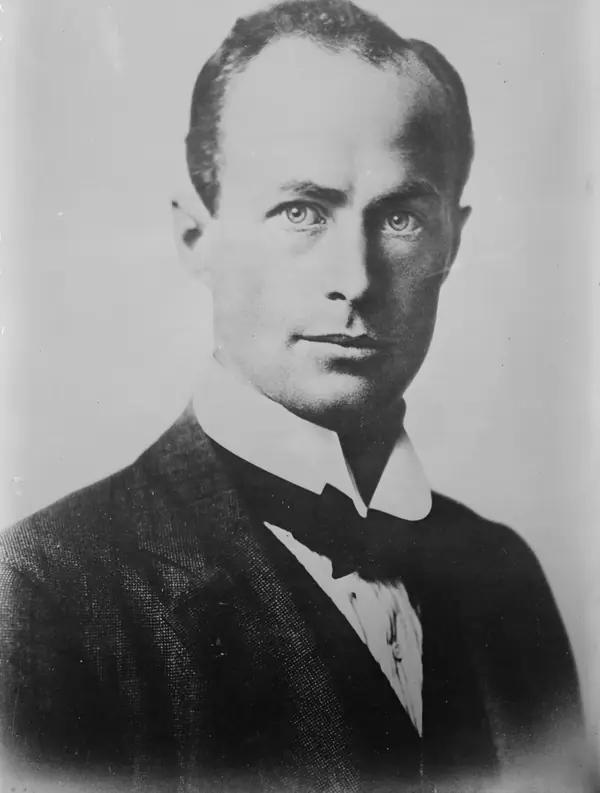
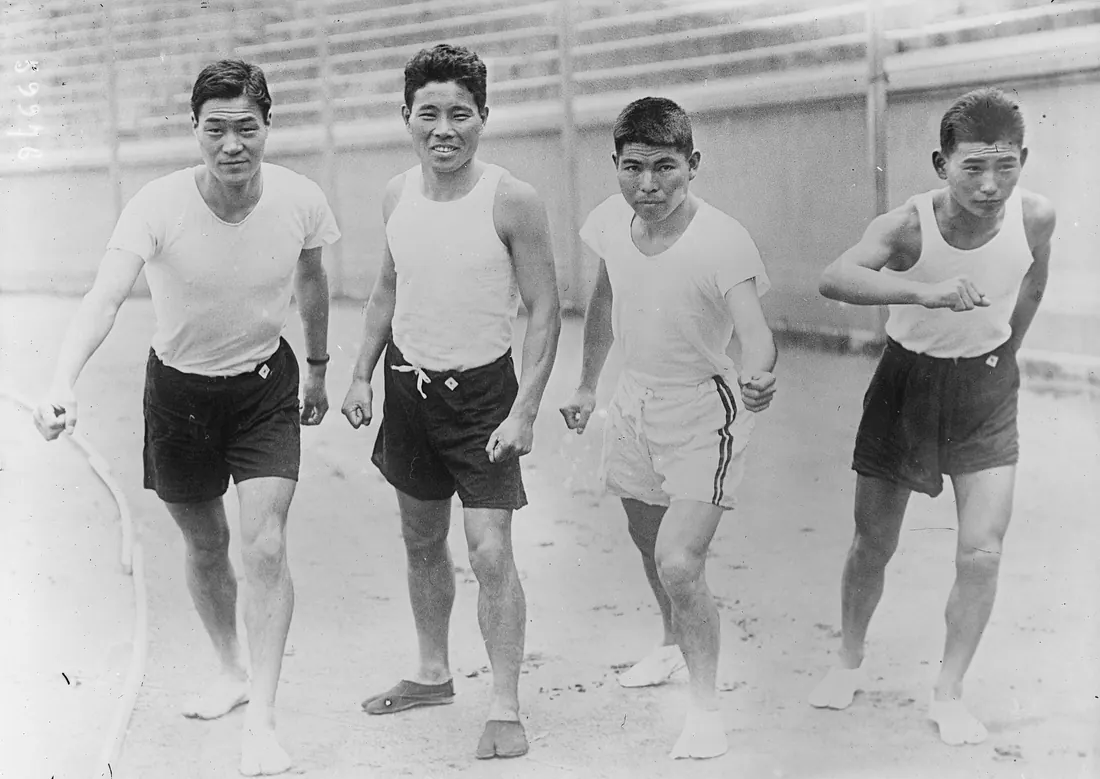
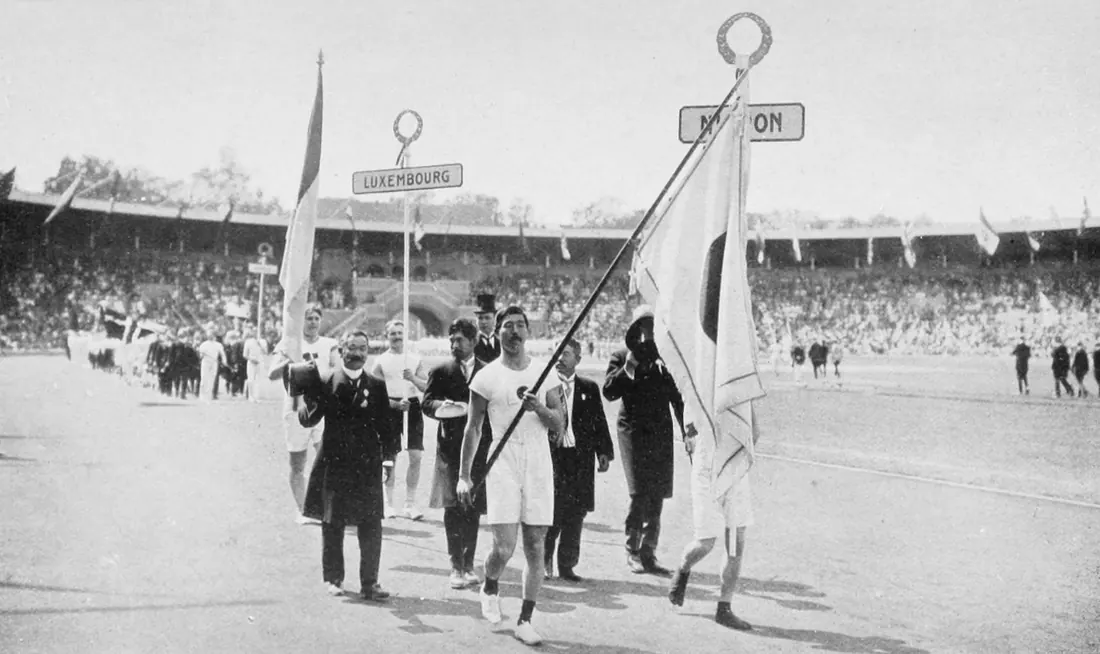
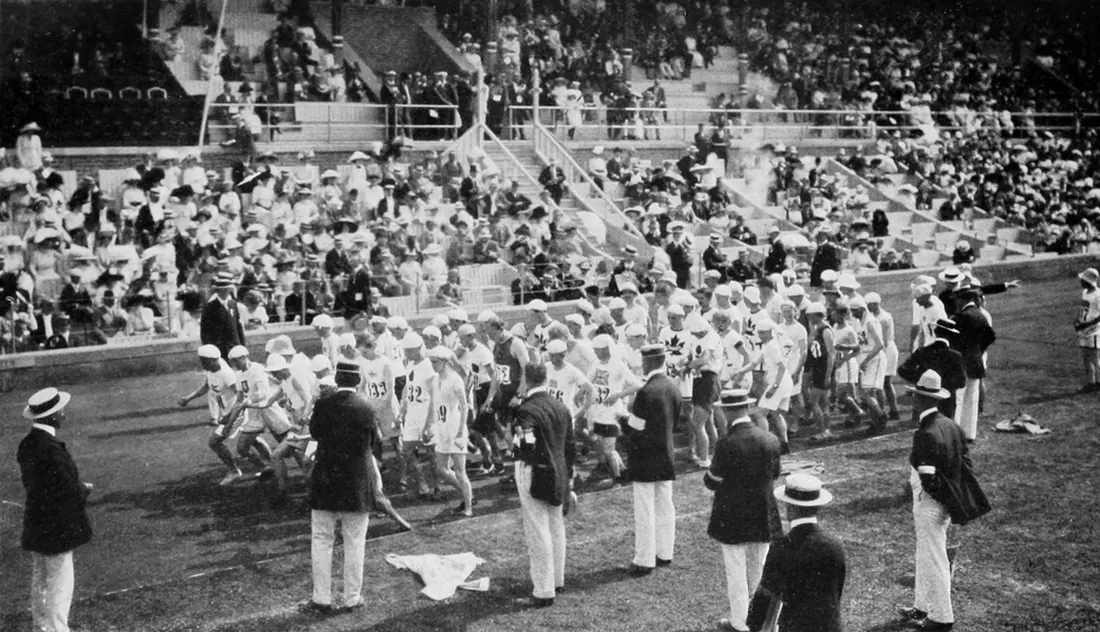
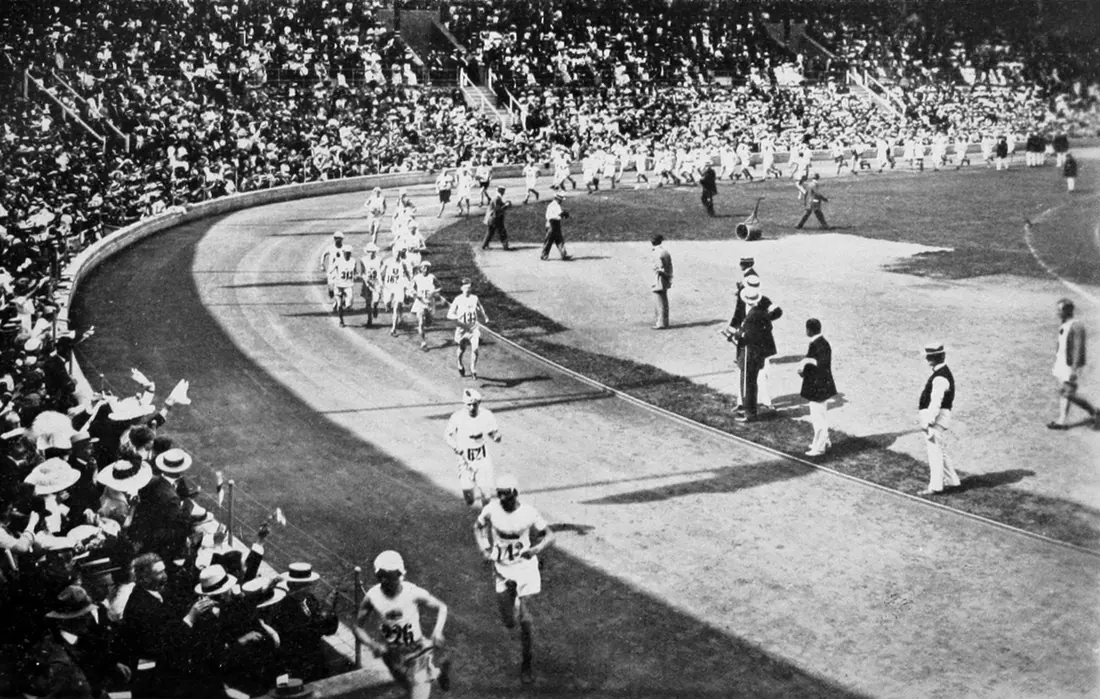
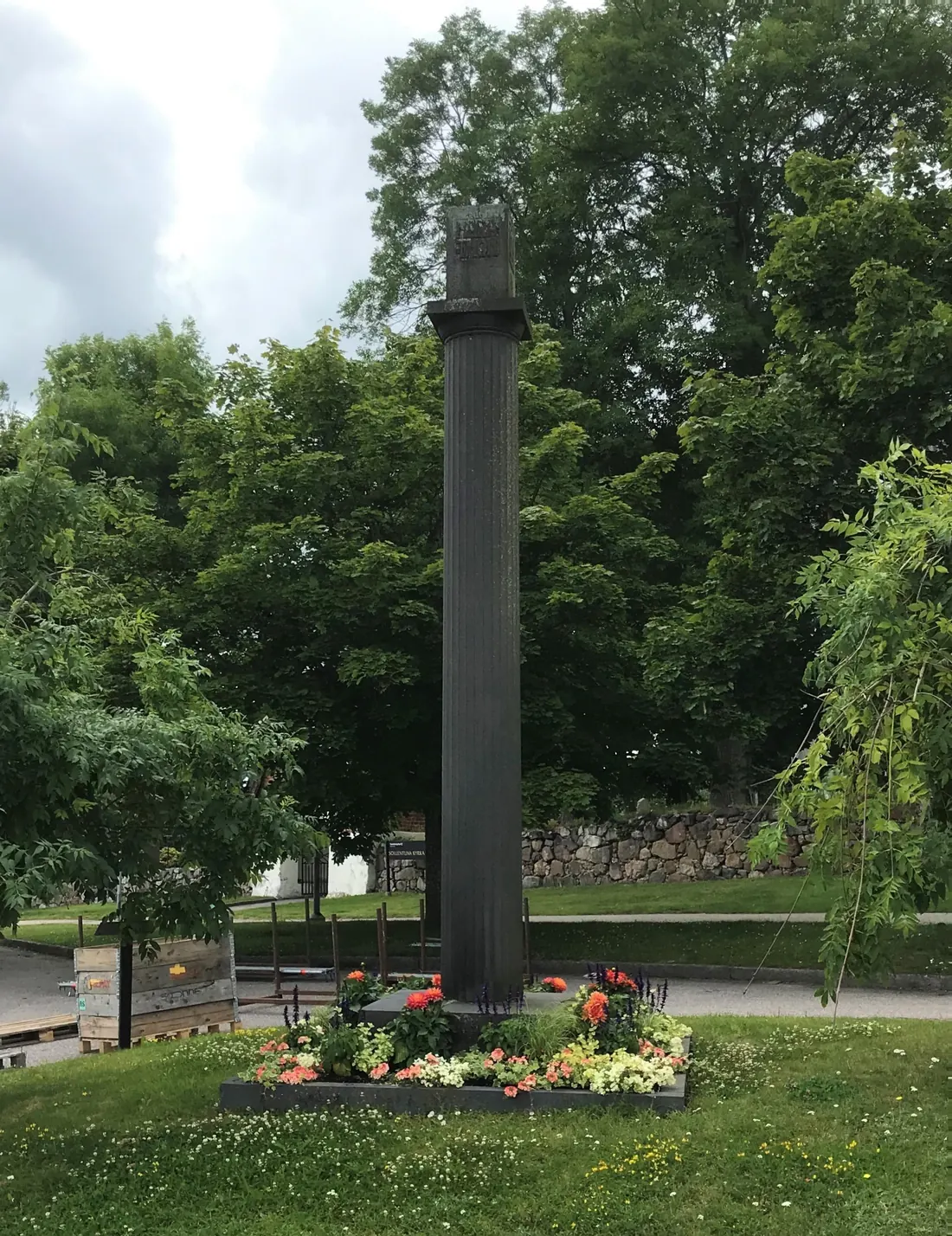
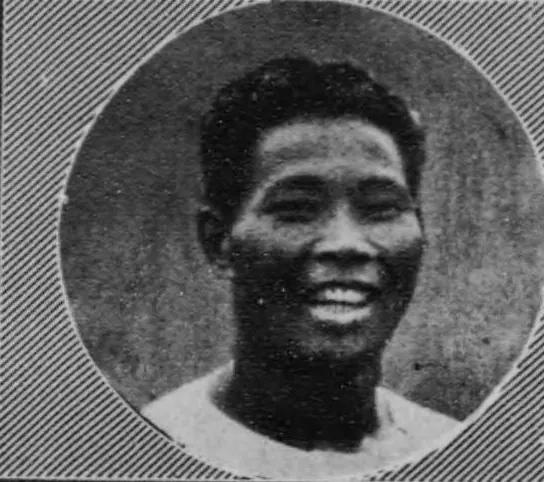
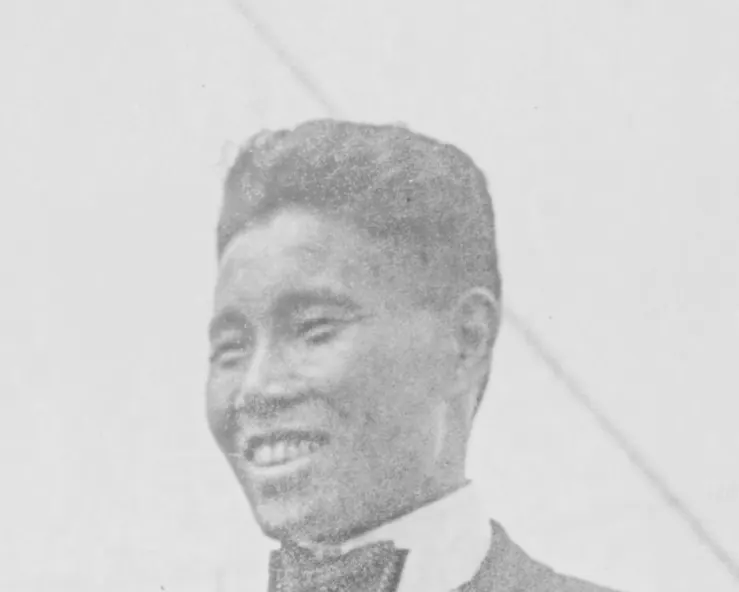
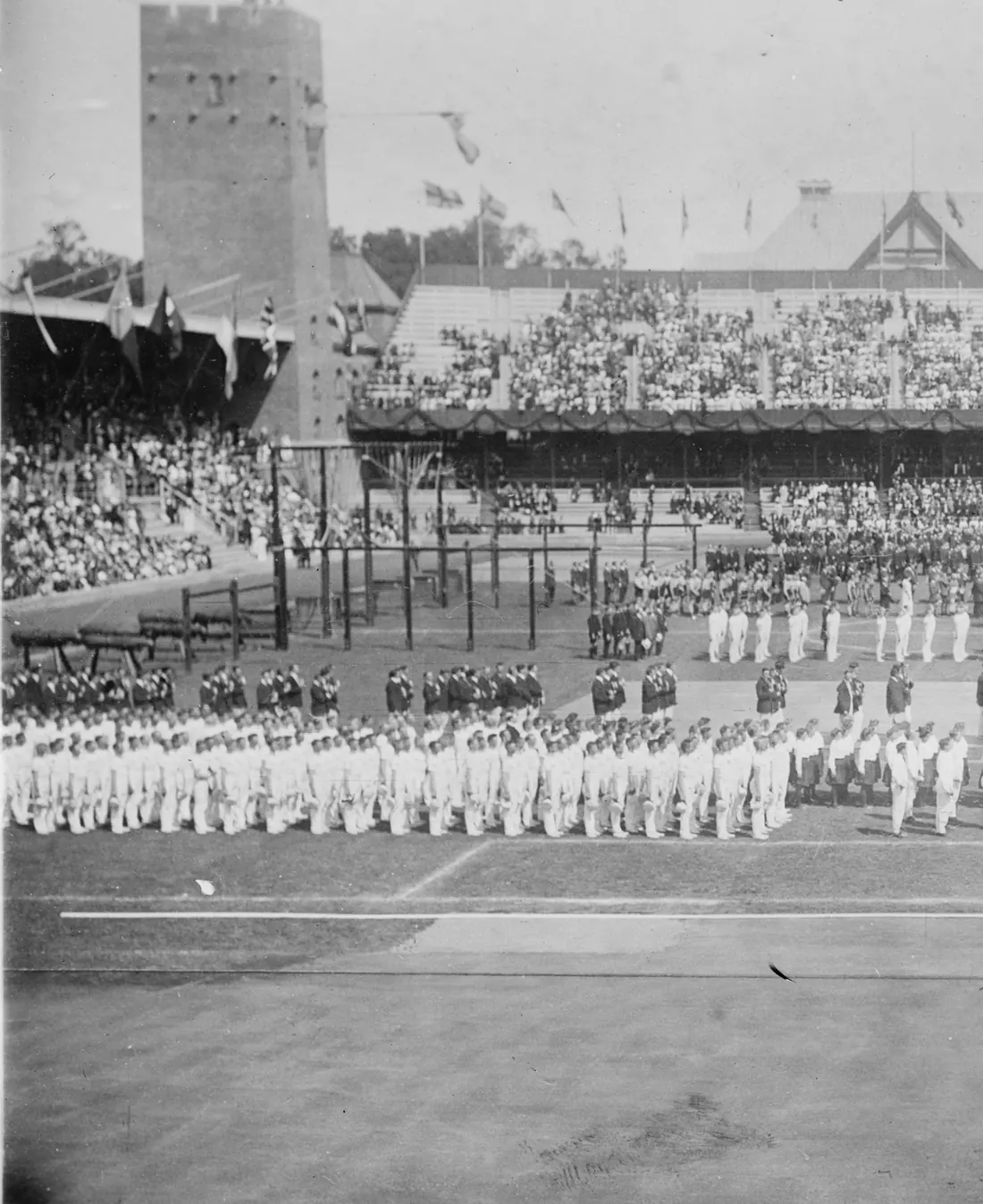
Pictures: no free photo shows Kanakuri in the 1912 race or at the 1967 finish. He is in our crop of a 1920 Bain News Service photo of the Japanese team (the Library of Congress names him, back row, right) and in his portrait in the Asahi Shimbun sports yearbook for 1924 (National Diet Library). Agence Rol’s photo from July 1920 shows four Japanese marathon runners, Yashima, Miura, Kanakuri and Motegi; its caption doesn’t say which one is him. The Official Report of the 1912 Olympics shows the Japanese team at the opening ceremony (Kanakuri is not visible), the start of the marathon and runners leaving the stadium after the start; the stadium on opening day, 1912, is in two crops of a Bain News Service photo (the negative’s handwritten caption and border cut off). The 1912 course map is at the Swedish Sports Museum. The locomotive is a Russian express engine on the Perm–Yekaterinburg line, about 1910, by Sergei Prokudin-Gorsky, not his train. The monument at the turning point of the marathon, at Norrviken, Sollentuna, was photographed in 2020 (Johannes Scherman), and the 2012 plaque where the Petré family’s house stood by Ah-Young Andersson. The other people in these photos are not named.
Photo credits
The archive photos in this story
The photographs and illustrations in this story are in the public domain or shared under open licenses; each one is credited below with its license. Tap one to enlarge it, or follow the link to its Wikimedia Commons page for the full record. The narration, captions and graphics in the Short are our own; its music and sound effects are credited below.
Music and sound effects
Music: Schumann, Kinderszenen, Op. 15: No. 1 'Of Foreign Lands and Peoples (Musopen, public domain); Mussorgsky, Pictures at an Exhibition: IV. Bydlo (piano) (Musopen, public domain); Dvorak, Symphony No. 9 'From the New World': II. Largo (Musopen, public domain).
Sound effects: Freesound, CC0.