Bobbie came home to Silverton, Oregon, on February 15, 1924, “six months to a day from the time Bobbie was lost in Indiana.” Then letters came from strangers who had seen him on the road, and three accounts printed in 1924 and 1926 retell them. His owner, Frank Brazier, wrote that “He would turn up at some house where we had stopped or some town we had passed through.” “The Braziers had parked their car in a service station each night. Their dog visited each of these stops on his journey,” Wikipedia says.
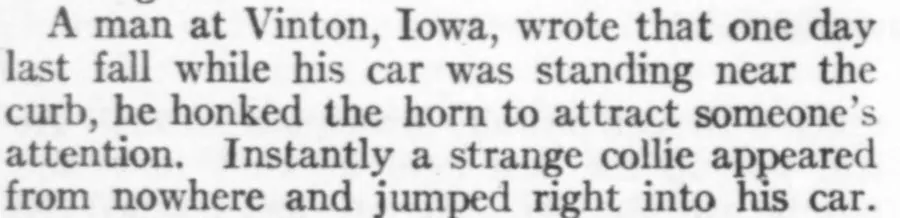
The family always called him with the car horn. “He had learned the sound of the horn on our car, and all I ever needed to do, when I wanted him, was to sound the horn and he would come jumping,” Brazier told Forest and Stream. In Everybody’s Magazine in 1926, Winifred Pickering retold a letter from Iowa: “A man at Vinton, Iowa, wrote that one day last fall while his car was standing near the curb, he honked the horn to attract someone’s attention. Instantly a strange collie appeared from nowhere and jumped right into his car.” At the man’s house, “he would touch no food until he had gone through every room in the house, upstairs and down,” and “He disappeared before breakfast and they never saw him again.” “We are told he was always looking for someone and always in a hurry,” Brazier wrote.
“Far out in one of the suburbs of Portland lives a demure little gray-haired woman who acted the good Samaritan to Bobbie,” Pickering wrote. “On the last day of January in 1924 a strange collie dog came up to the door,” and “his back was so weak he could scarcely stand.” The woman, a Mrs. Smith, “with a soft cloth, bathed his sore eyes and his bloody feet.” “She didn’t think he had many hours to live.” Then, “About five o’clock she opened the door for him to go out, thinking, of course, he would come back, but that was the last she saw of him.” Two weeks later, he was home in Silverton.
Back home, Brazier wrote, “One day we took him out to the farm where we formerly lived.” Years before, “we had a fox-terrier, Toodles,” who died when Bobbie was about a year old: “We buried him back of the barn.” “He went straight to the spot where Toodles was buried, and I must say the tears stood in our eyes to see him, digging as hard as he could, trying to get down to his old friend.”
That year a Portland contractor built Bobbie a miniature bungalow for the 1924 home show. “Over a hundred thousand persons petted Bob during that week,” Brazier wrote.
Fact check
The facts and where they come from
- This dog was lost 2,000 miles from home, but he retraced his family’s road trip, stop by stop. Forest and Stream (1924): “By Hiking 2000 Miles Across the Continent to His Home in Oregon, He Proved That He Can’t Be Lost.” Frank Brazier (1924): “He would turn up at some house where we had stopped or some town we had passed through.” Everybody’s Magazine (1926): “Probably he followed more or less the route by which the Braziers went east.” 2135
- His name was Bobbie, the dog who walked home across eight states. As Part 1 told, The Sunday Oregonian’s 1924 headline read: “Faithful Animal Crosses Eight States.” 64
- He stopped at every garage where his family had parked the car. Offbeat Oregon: “On the way back, Bobbie visited every one of the service-station-cum-livery-stables that the Braziers had garaged their car in on the way out.” Wikipedia: “The Braziers had parked their car in a service station each night. Their dog visited each of these stops on his journey.” 45
- His family always called him with the car horn. Frank Brazier, in Forest and Stream: “He had learned the sound of the horn on our car, and all I ever needed to do, when I wanted him, was to sound the horn and he would come jumping.” Brazier (1924): “Bob knew the sound of the horn and would come running whenever I sounded it.” Everybody’s Magazine: “When they wanted to call him, they honked the horn and he came flashing up on the run.” 213
- So in Iowa, when a stranger honked, Bobbie leapt into his car. Everybody’s Magazine: “A man at Vinton, Iowa, wrote that one day last fall while his car was standing near the curb, he honked the horn to attract someone’s attention. Instantly a strange collie appeared from nowhere and jumped right into his car.” 3
- At the man’s house, he searched every room before eating. Everybody’s Magazine: “But he would touch no food until he had gone through every room in the house, upstairs and down.” Frank Brazier (1924): “He would run all over the house, searching upstairs and down, before he would eat.” 31
- By breakfast, he was gone. Everybody’s Magazine: “He disappeared before breakfast and they never saw him again.” Frank Brazier (1924): he would “be off in the morning before breakfast.” 31
- People said he was always looking for someone. Frank Brazier (1924): “We are told he was always looking for someone and always in a hurry.” Everybody’s Magazine: “All those who seem most certain that it was Bobbie stress the fact that he seemed to be always looking for someone and always in a hurry.” 13
- In Portland, a woman found him so weak he could barely stand. Everybody’s Magazine: “Far out in one of the suburbs of Portland lives a demure little gray-haired woman who acted the good Samaritan to Bobbie”; “his back was so weak he could scarcely stand.” Wikipedia: “In Portland, an Irish woman took care of him for a period of time, helping him recover from serious injuries to his legs and paws.” 35
- She bathed his bloody feet. She didn’t think he would live. Everybody’s Magazine: “with a soft cloth, bathed his sore eyes and his bloody feet”; “She didn’t think he had many hours to live.” 3
- That evening, he left. Everybody’s Magazine: “About five o’clock she opened the door for him to go out, thinking, of course, he would come back, but that was the last she saw of him.” 3
- Just two weeks later, he was home in Silverton. Everybody’s Magazine: “On the last day of January in 1924 a strange collie dog came up to the door,” and he came back “Next morning”; he reached home “On February 15, 1924, six months to a day from the time Bobbie was lost in Indiana.” February 1 to February 15 is 14 days. 35
- Then they took him to their old farm. Frank Brazier (1924): “One day we took him out to the farm where we formerly lived.” 1
- He ran straight to where their terrier, Toodles, was buried. Frank Brazier (1924): “we had a fox-terrier, Toodles”; “We buried him back of the barn.” 1
- And he dug as hard as he could, trying to reach his old friend. Frank Brazier (1924): “He went straight to the spot where Toodles was buried, and I must say the tears stood in our eyes to see him, digging as hard as he could, trying to get down to his old friend.” 1
- After all those miles, he hadn’t forgotten a single friend. This last line of the Short sums up Brazier’s account of the farm and what the letters said, that he was “always looking for someone.” 13
Sources
- G. F. Brazier, “Bobbie—The Wonder Dog of Oregon,” in Animal Pals (George W. Jacobs, 1924) Internet Archive
- Bryan P. Martin, “Bobbie, a Homing Collie,” Forest and Stream (June 1924) Internet Archive
- Winifred Pickering, “The Lost Dog That Trekked 1000 Leagues,” Everybody’s Magazine (January 1926) Internet Archive
- Bobbie the Wonder Dog (Finn J.D. John) Offbeat Oregon
- Bobbie the Wonder Dog Wikipedia
- Bobbie the Wonder Dog map in The Oregonian (1924) Wikimedia Commons
Notes
The Iowa and Portland stories rest on one 1926 magazine article, Everybody’s Magazine, which retells letters the family received. Frank Brazier’s own 1924 account backs the pattern in general, and Wikipedia and Offbeat Oregon say a Portland woman nursed his injured legs and paws. The Iowa man wrote of “a strange collie,” so these are sightings the writers took to be Bobbie.
“Stop by stop” sums up the Humane Society’s reconstruction as Offbeat Oregon and Wikipedia tell it, and Brazier’s own words. He also wandered: one letter placed him in Denver, “considerably off the route” (Everybody’s Magazine).
The Portland woman: Wikipedia calls her an Irish woman who cared for him “for a period of time”; Everybody’s Magazine names her Mrs. Smith, a gray-haired woman in a Portland suburb, who had him for one day. The Short says only “a woman.” “Two weeks” is our count from February 1, the morning he came back to her door, to February 15.
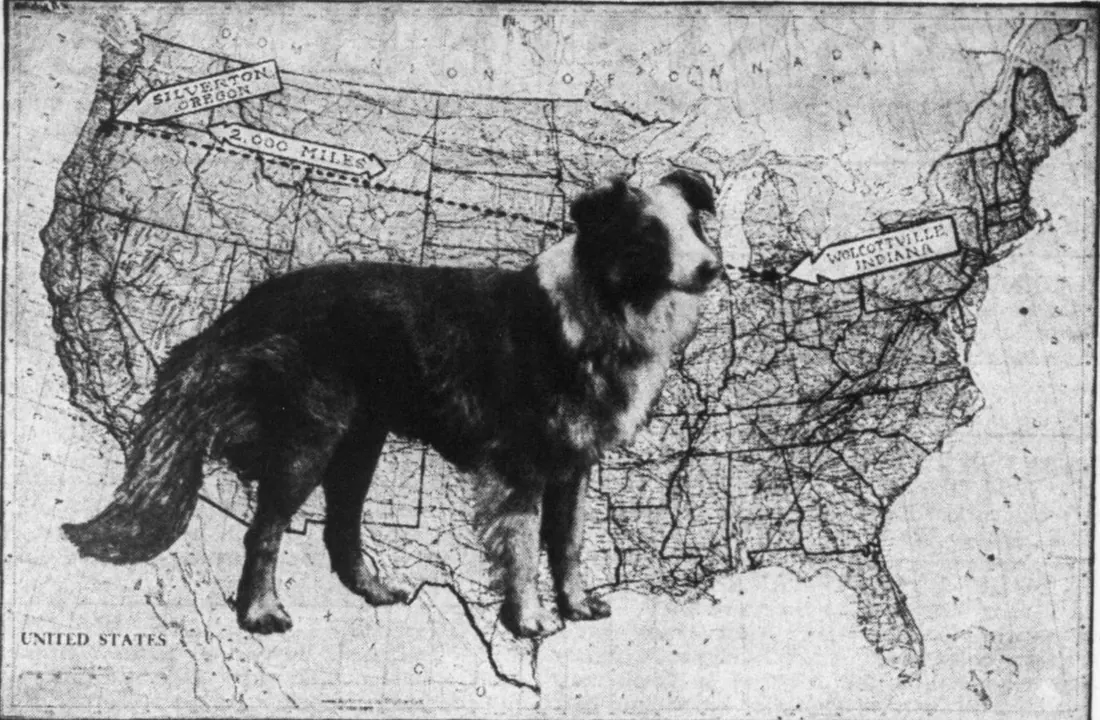
The distance: Forest and Stream’s headline says 2,000 miles; Part 1’s page gives the range of figures and says more than 2,000 miles.
Where he was lost: early 1924 reports said “somewhere in Iowa,” but Brazier’s own 1924 account and every later source say Wolcott, Indiana, as Part 1’s page does.
Left out: a 1926 quote about his feet, which Part 1’s page also left out; a letter from a Des Moines tourist camp whose dates don’t fit; the Iowa man’s daughters, who had lost a dog also named Bobbie; and the three scars that identified him (for length).
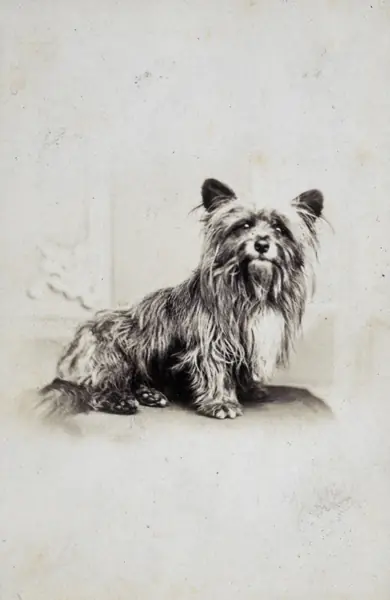
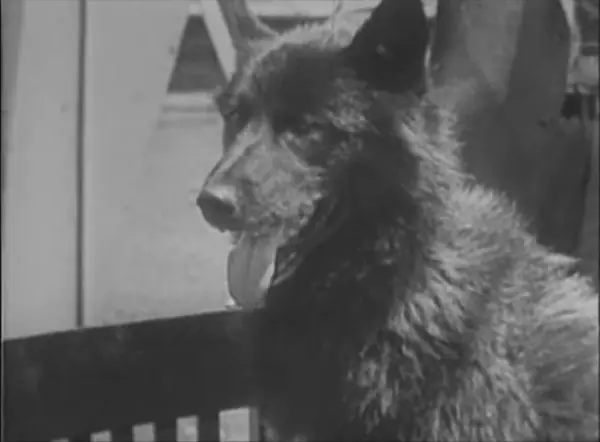
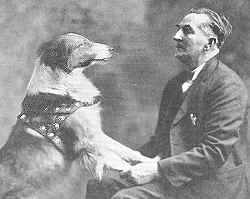
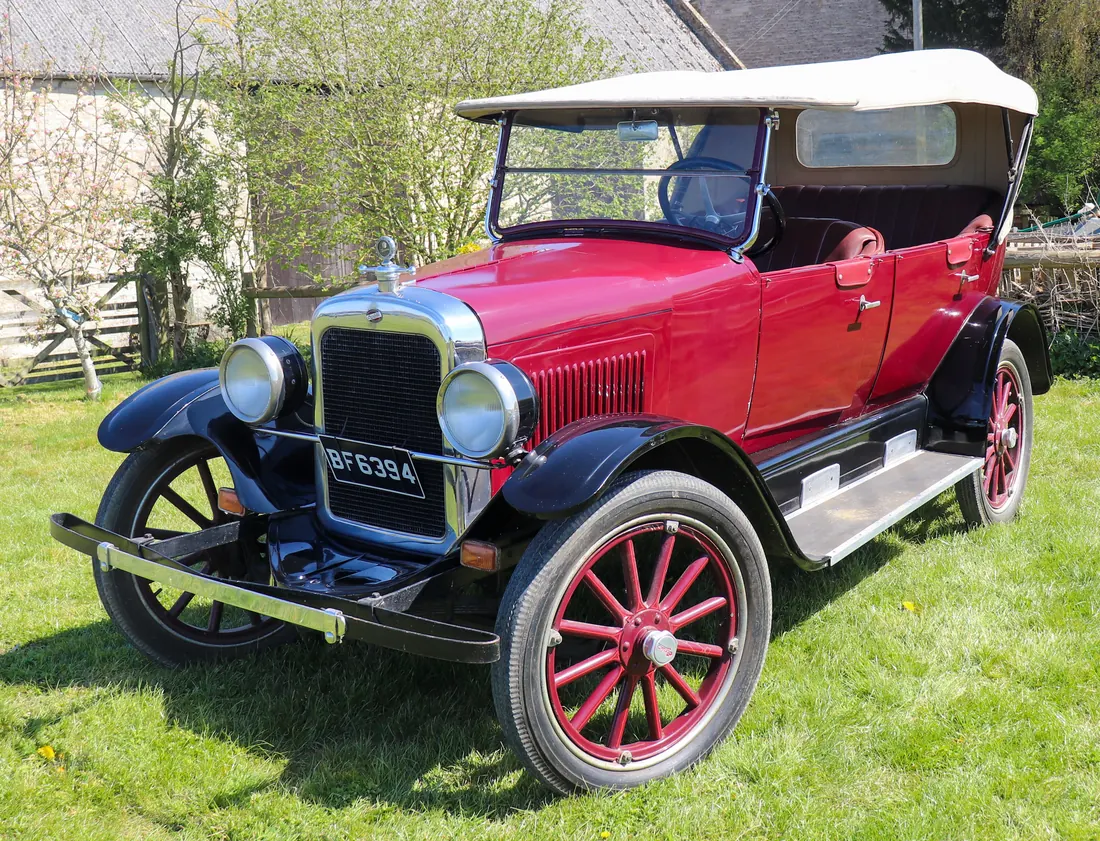
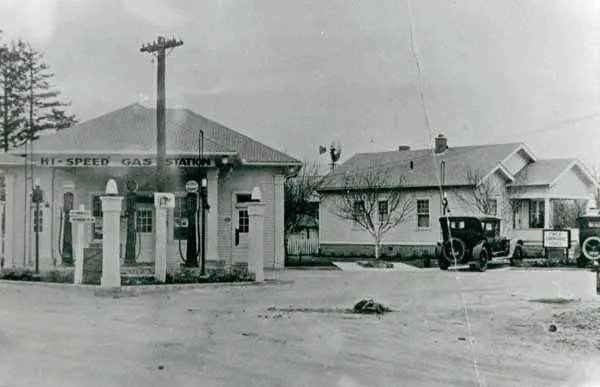
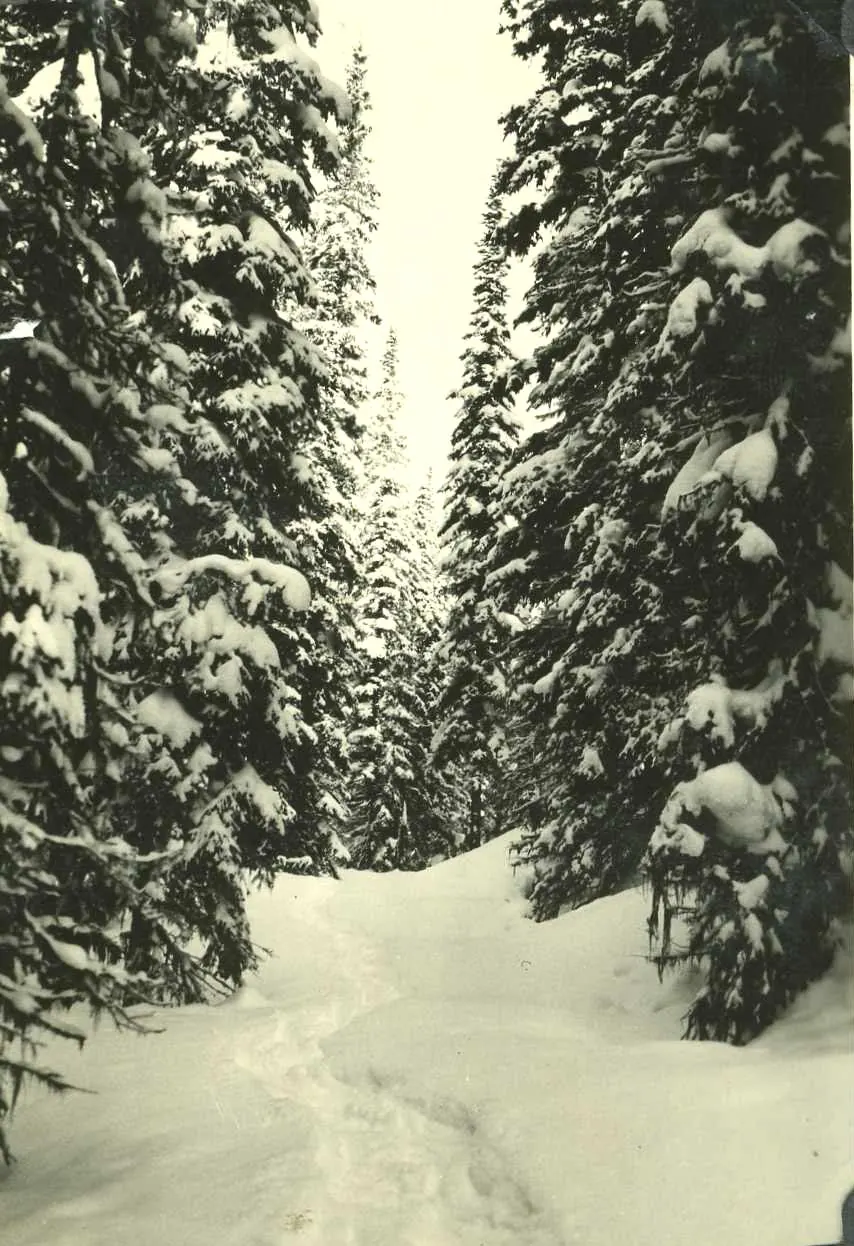
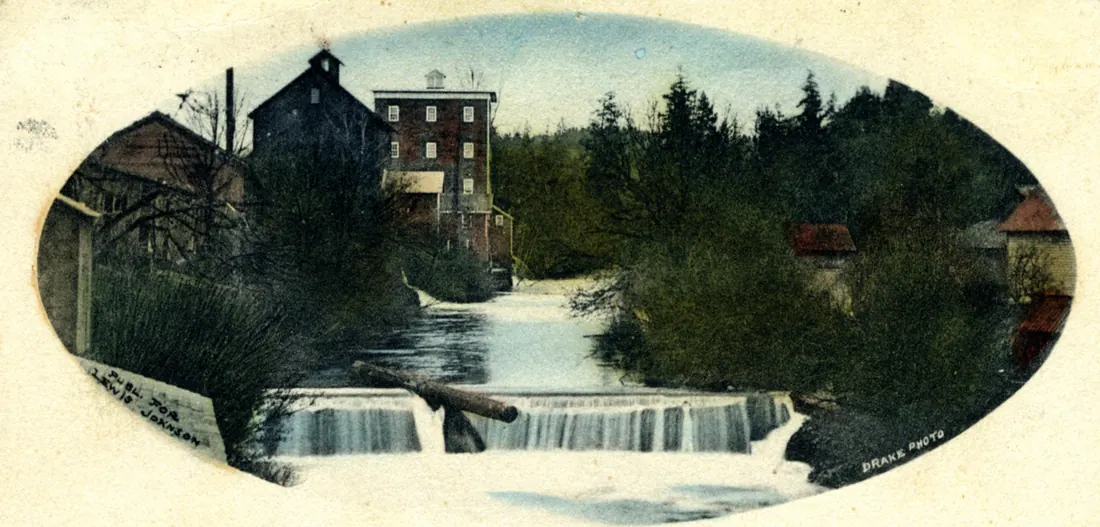
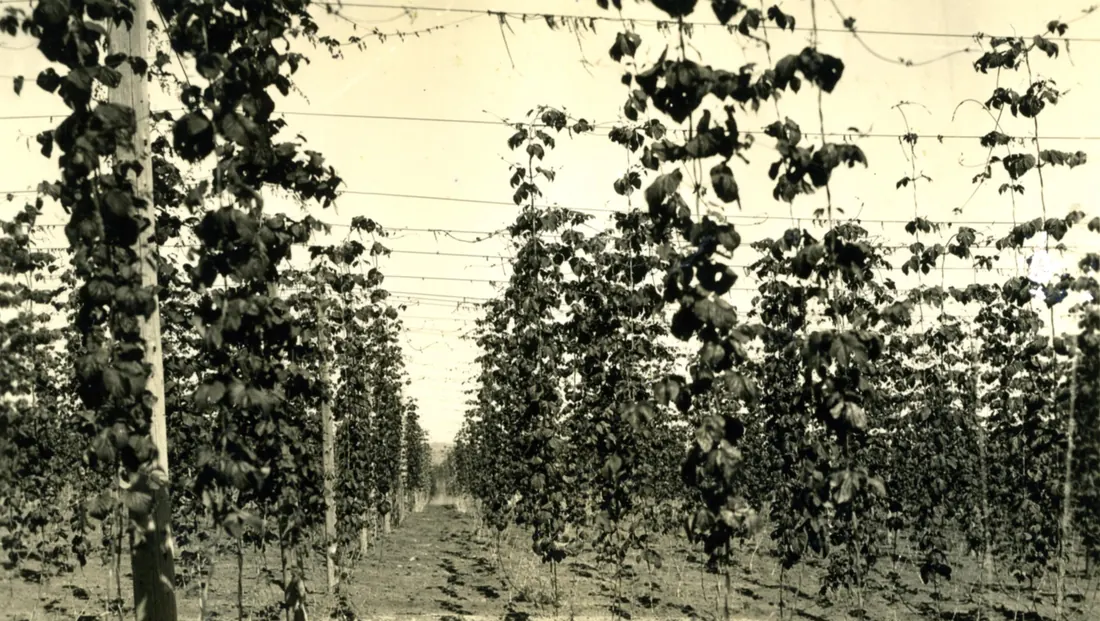
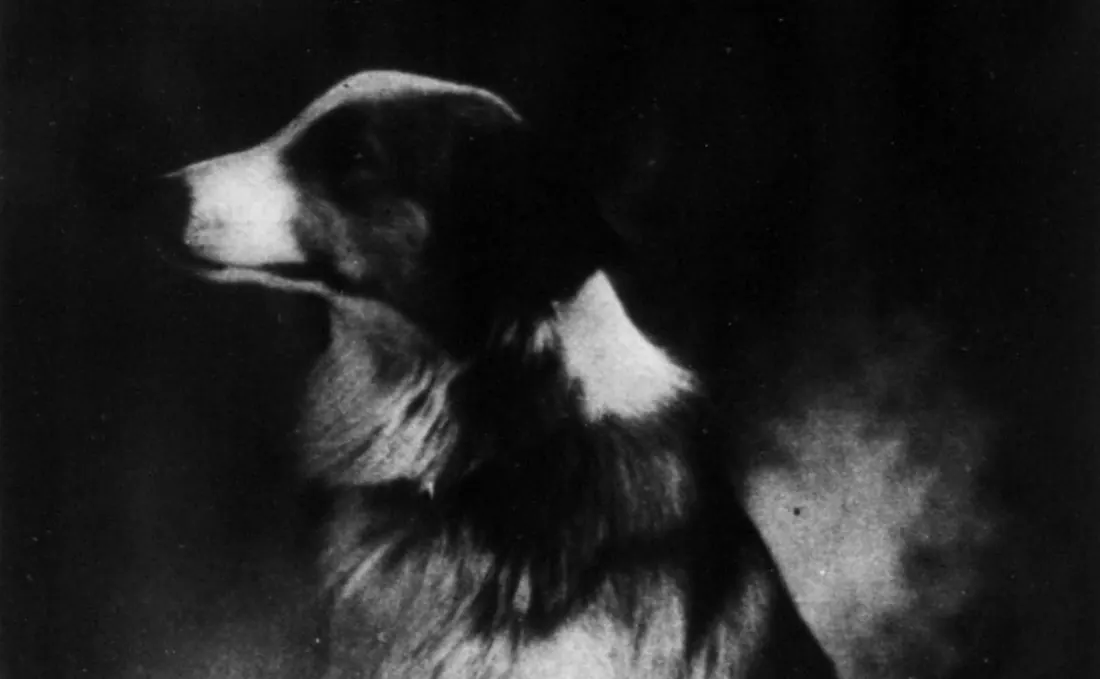
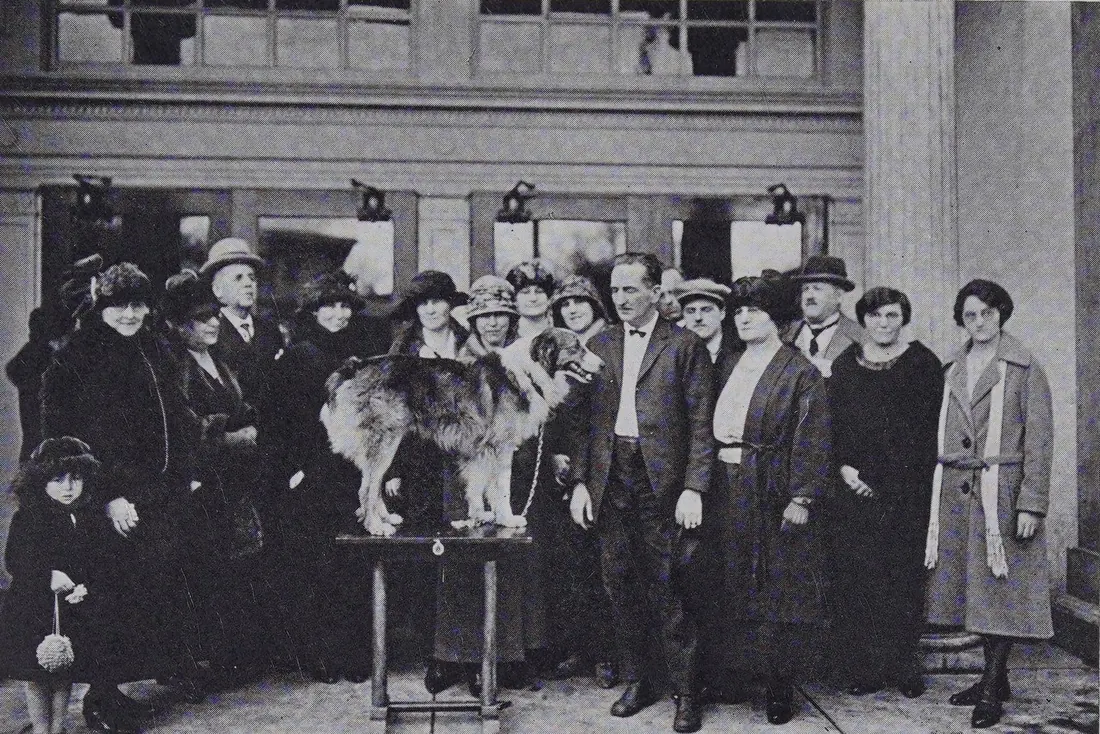
Pictures: every dog shown as Bobbie is Bobbie himself: his portrait in Everybody’s Magazine, January 1926; pasted on a map of his route in Forest and Stream, June 1924 (a photo montage; “Wolcottville” is the magazine’s spelling); on a table among admirers in Animal Pals, 1924; and alone and beside Frank Brazier, 1924–27. The three text pictures are the real 1926 lines this page quotes. The other pictures show the period and the kind of places on his journey, not the events: a 1924 filling station in Toledo, Ohio (not one where the Braziers stopped), a restored car of the model the Braziers drove (photographed in 2021), a snowy trail on the Continental Divide in Montana, a postcard of Fischer’s Mill on Silver Creek at Silverton (not from 1924) and a real-photo postcard of a hop yard in Independence, Oregon (not the Braziers’ old farm).
Photo credits
The archive photos in this story
The photographs and illustrations in this story are in the public domain or shared under open licenses; each one is credited below with its license. Tap one to enlarge it, or follow the link to its archive page for the full record. The narration, captions and graphics in the Short are our own; its music and sound effects are credited below.

Music and sound effects
Music: Schumann, Kinderszenen, Op. 15: No. 1 'Of Foreign Lands and Peoples (Musopen, public domain); Mussorgsky, Pictures at an Exhibition: IV. Bydlo (piano) (Musopen, public domain); Dvorak, Symphony No. 9 'From the New World': II. Largo (Musopen, public domain).
Sound effects: Freesound, CC0.