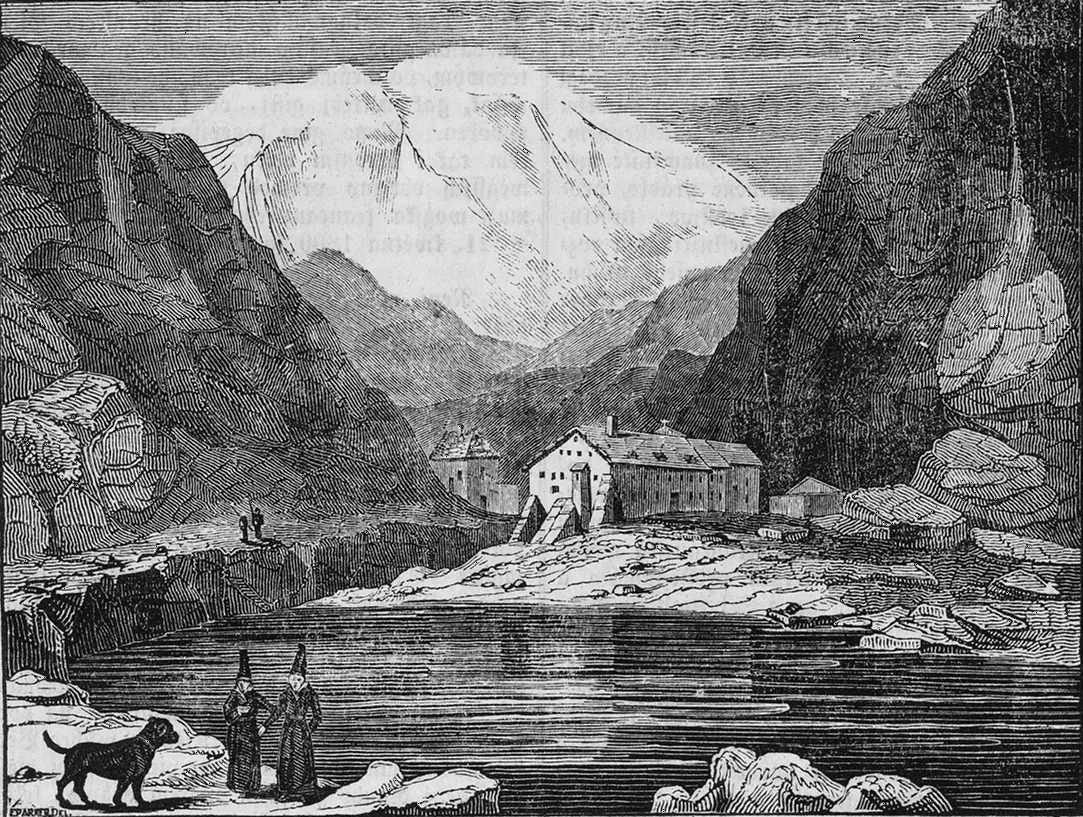
“Barry was born in 1800 in the hospice at the Great St Bernard Pass,” high in the Pennine Alps. At nearly 2,500 meters above sea level, the Natural History Museum of Bern says, “snowfall is possible in any month of the year,” and “Even a brief exposure to the cold is life-threatening to those who are not properly dressed.”
So “people from the hospice, accompanied by their dogs, would look for lost travellers every day,” and “Barry was their most tireless helper.” The Percy Anecdotes of 1823 put it this way: “Whenever the mountain was enveloped in fogs and snow, he set out in search of lost travellers.” “This animal served the hospital for twelve years, during which time he saved the lives of forty individuals.” “No details have survived, however, of Barry’s rescue actions,” the museum admits, but “all sources confirm Barry’s year of birth and the fact that he saved more than 40 people’s lives.” Altogether, “The men and their dogs are credited with saving more than 2,000 lives.”
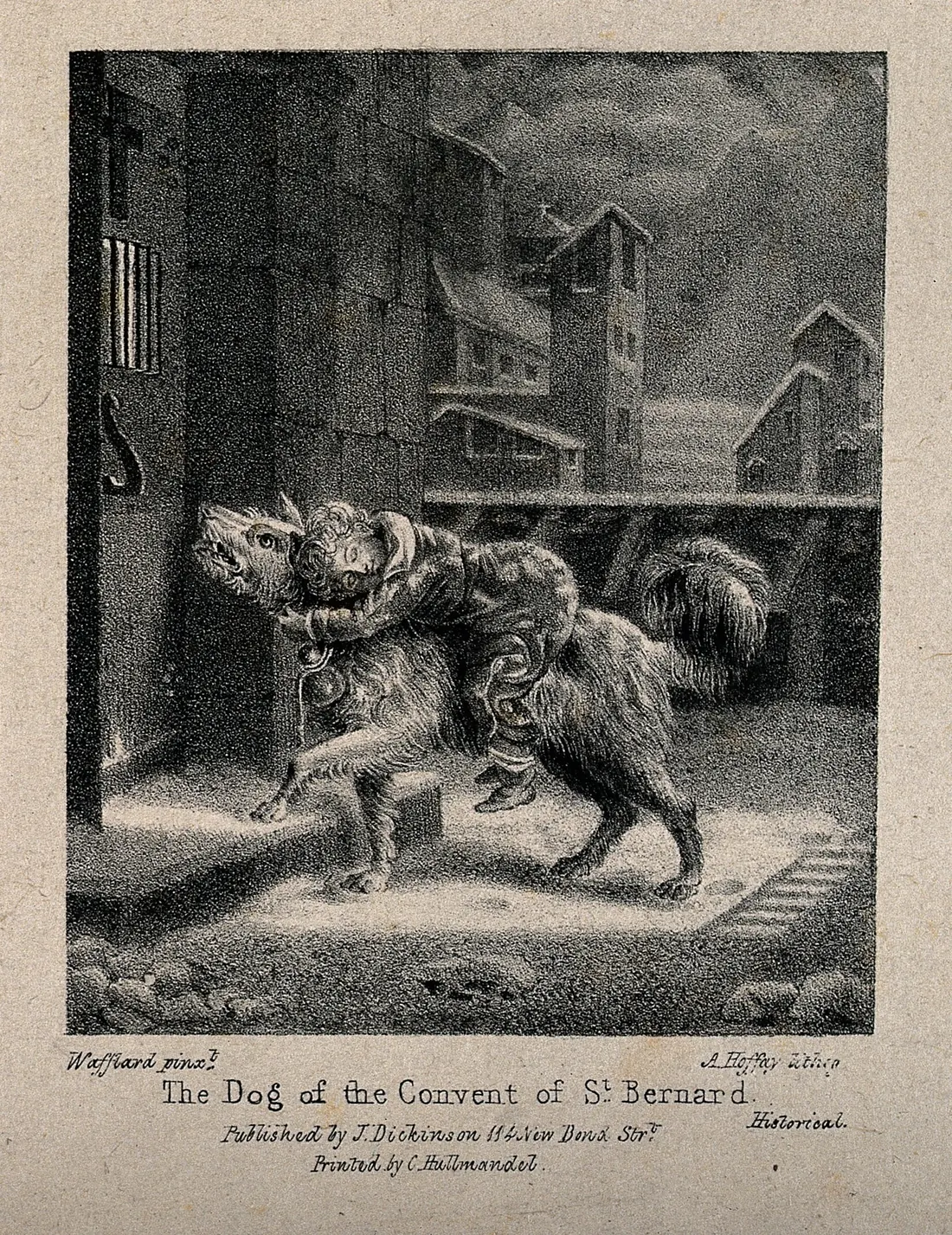
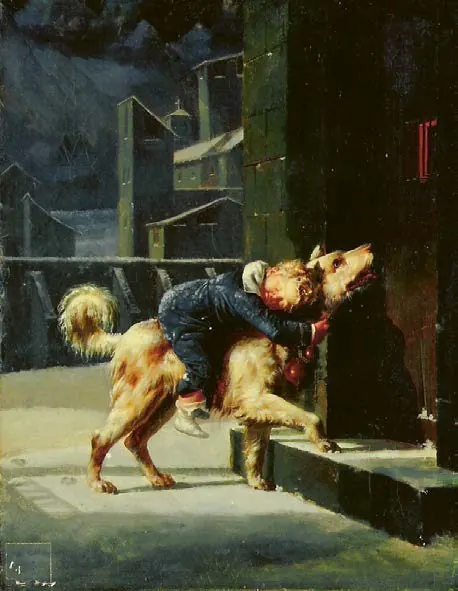
His most famous rescue is a legend. “Another touching tale is that of a half frozen boy who Barry is said to have found and carried back to the hospice on his back,” the museum writes, “Although the story has never been confirmed.” And “even the smartest and strongest Saint Bernard alive today would not be physically or mentally capable of performing such a — well — legendary rescue mission.” Nor did he die at a soldier’s hands: “Barry was definitely not killed after being tragically mistaken for a wolf.”
“In 1812, a monastery servant brought the old and tired dog from the Great St Bernard Hospice to the faraway city of Bern,” the museum says. (The Barry Foundation says that “one of the Fathers took him to Bern on foot.”) “He spent the last two years of his life in retirement,” and “he died peacefully in Bern in 1814.”
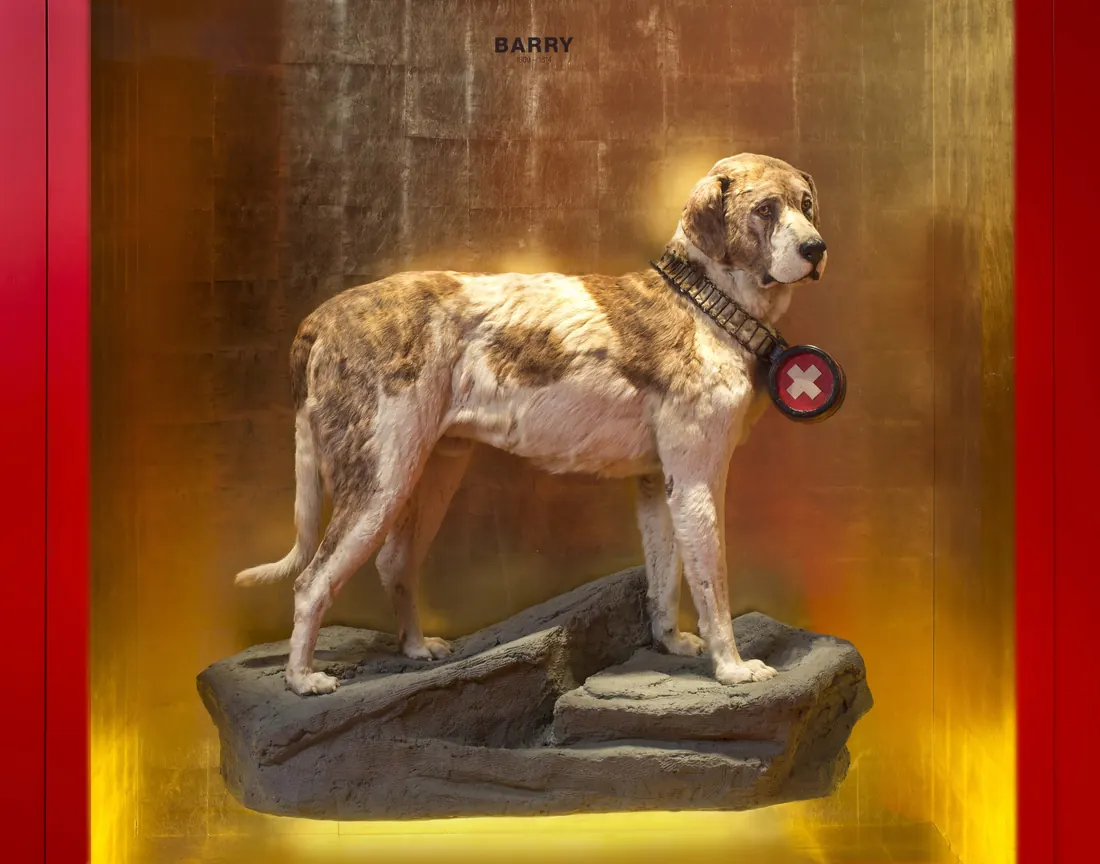
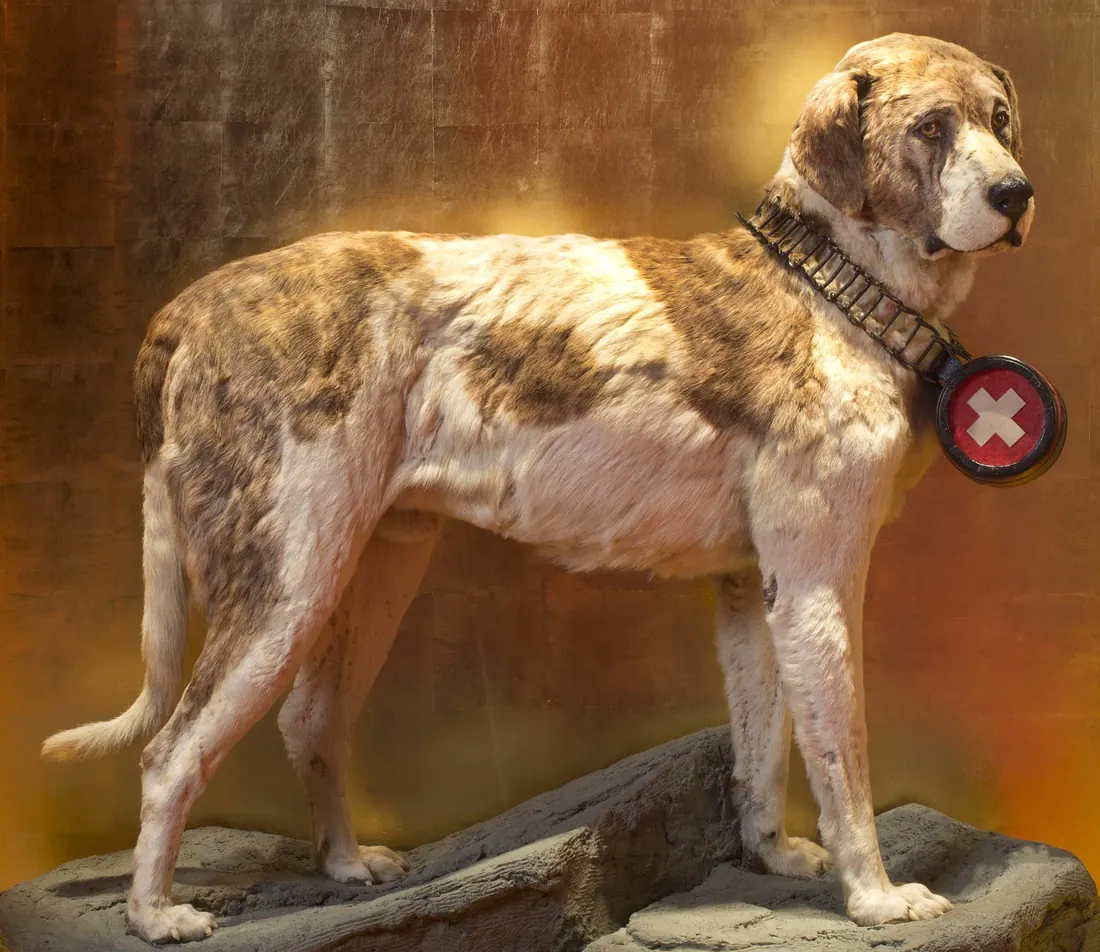
He is still there. “He has been in our museum in his current form since 1923,” the museum says, and while the rest was remodeled, “The coat, however, is original.” At the hospice, as Wikipedia puts it, “one dog has always been named Barry in his honor,” and the Barry Foundation, which took over the hospice’s dogs, says “there is always a male dog called Barry in the kennel.”
Fact check
The facts and where they come from
- This dog saved 40 people lost in the snow, but his most famous rescue couldn’t have happened. The museum: “this faithful animal is believed to have rescued more than 40 people from an icy death.” Wikipedia: “Barry’s most famous rescue was that of a young boy” and “The Natural History Museum of Bern disputes the legend.” 15
- His name was Barry. 25
- He was born in 1800 at the Great Saint Bernard Hospice in the Alps. The museum: “Barry was born in 1800 in the hospice at the Great St Bernard Pass.” Wikipedia: the hospice stands “At an elevation of 2,469 m (8,100 ft) in the Pennine Alps.” 16
- Up there, snow can fall in any month. The museum: at nearly 2,500 meters above sea level, “snowfall is possible in any month of the year.” 1
- Lost travelers froze to death. The museum: “Even a brief exposure to the cold is life-threatening to those who are not properly dressed”; the dogs “saved travellers from an icy death.” 1
- So every day, the hospice sent men and dogs out to find them. The museum: “people from the hospice, accompanied by their dogs, would look for lost travellers every day.” 1
- Whenever fog and snow came down, Barry ran out to search. The Percy Anecdotes (1823), quoted on Wikipedia: “Whenever the mountain was enveloped in fogs and snow, he set out in search of lost travellers.” The museum: “Barry was their most tireless helper.” 61
- Over 12 years, he saved more than 40 lives. The Percy Anecdotes: “This animal served the hospital for twelve years, during which time he saved the lives of forty individuals.” The Barry Foundation: “Barry I lived at the hospice from 1800 until 1812.” Wikipedia: “credited with saving more than 40 lives.” 635
- Legend says he found a frozen boy and carried him home on his back. The museum: “Another touching tale is that of a half frozen boy who Barry is said to have found and carried back to the hospice on his back.” 1
- The museum that keeps him says no dog could do that: “Although the story has never been confirmed” … “even the smartest and strongest Saint Bernard alive today would not be physically or mentally capable of performing such a — well — legendary rescue mission.” 1
- When he grew old, he was taken down to Bern to rest. The museum: “In 1812, a monastery servant brought the old and tired dog from the Great St Bernard Hospice to the faraway city of Bern”; “He spent the last two years of his life in retirement and was brought to the city at the request of the prior.” The Barry Foundation: “In 1812, when Barry I started ageing, one of the Fathers took him to Bern on foot.” 123
- He died there in 1814. The museum: “he died peacefully in Bern in 1814.” 1
- Today he still stands in Bern’s museum, in his own real coat. The museum: “He has been in our museum in his current form since 1923” and “The coat, however, is original.” swissinfo.ch: “The fur is real, everything else is a model.” 124
- And to this day, there is always a dog named Barry. The Barry Foundation: “there is always a male dog called Barry in the kennel.” Wikipedia: “At the hospice, one dog has always been named Barry in his honor.” 35
Sources
- Barry, the legendary St Bernard Dog (brochure, 2014) Natural History Museum of Bern
- Barry (exhibition) Natural History Museum of Bern
- Press kit Fondation Barry du Grand-St-Bernard
- Barry the St Bernard: from farm dog to national hero (2014) swissinfo.ch
- Barry (dog) Wikipedia
- Great St Bernard Hospice (quoting The Percy Anecdotes, 1823) Wikipedia
Notes
The 40: the hospice kept no records of single dogs, but the museum says all sources agree on more than 40, as do the Barry Foundation, Wikipedia and The Percy Anecdotes (“forty individuals”).
“Couldn’t have happened” means the famous version, carried home on his back: the museum says the boy story “has never been confirmed” and that no St Bernard could do it as told, while allowing that a dog might have found a lost boy and walked with him to a house.
Who took him to Bern differs (a monastery servant, says the museum; one of the Fathers, on foot, says the Barry Foundation), and the museum calls the reason a mystery.
“Whenever fog and snow came down” comes from The Percy Anecdotes of 1823, an early collection of anecdotes published nine years after his death; the museum’s own words (“their most tireless helper”) back the spirit of it.
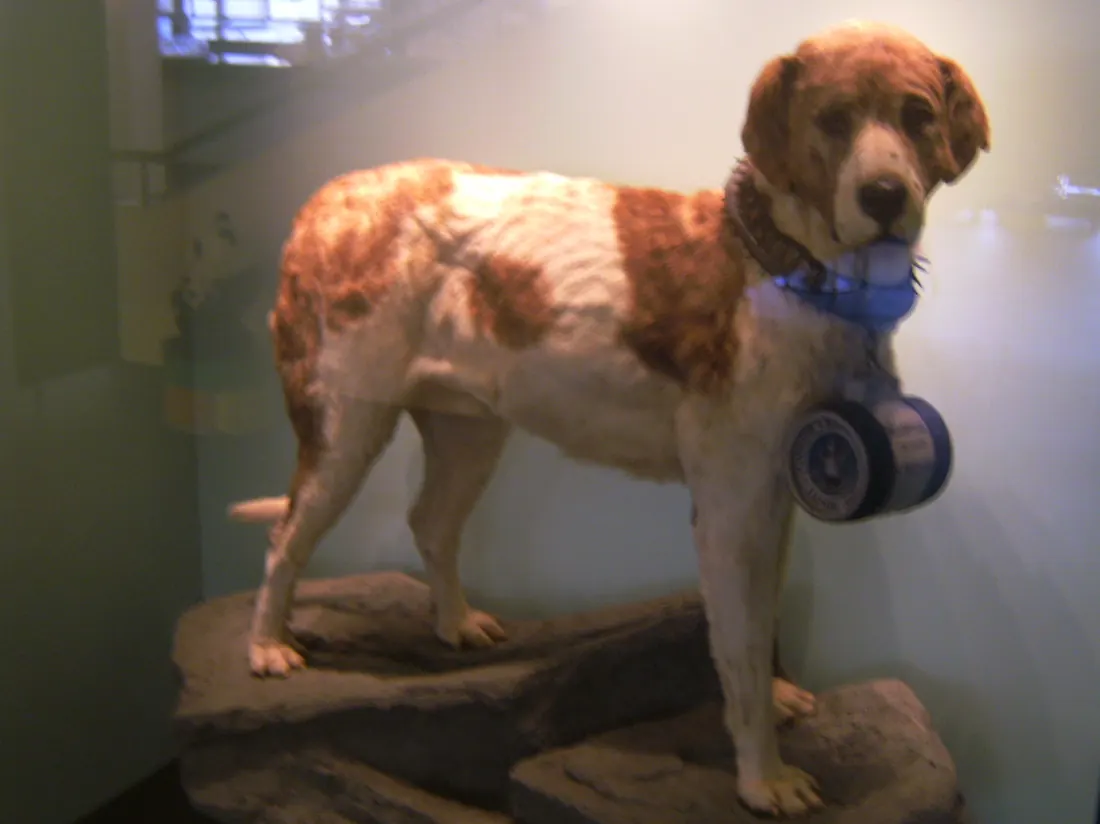
His mount was remade in 1923 with a prouder pose and a reshaped skull, so the page says he stands in his own coat, not that he looks exactly as he did. The barrel on the older display is a myth.
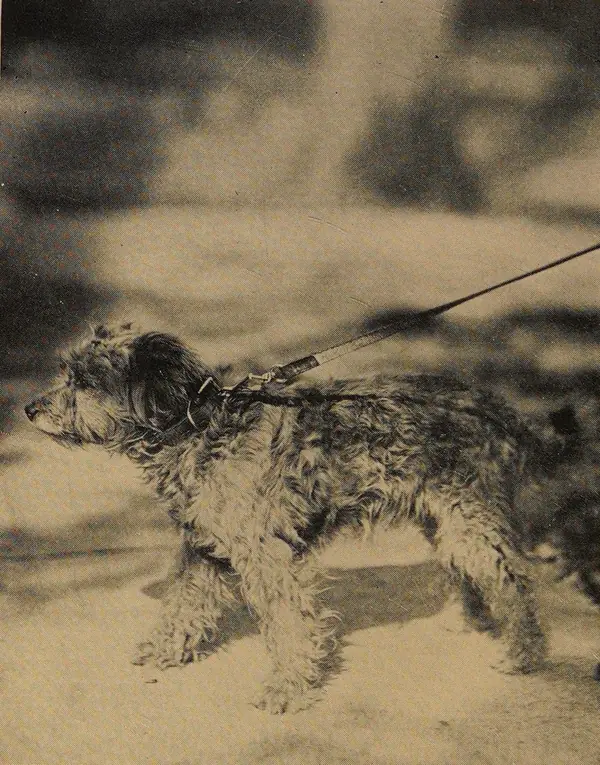
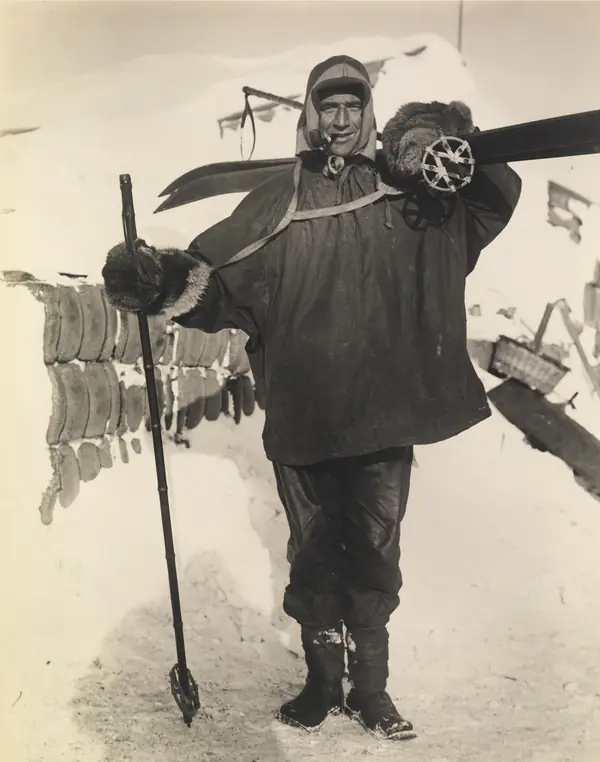
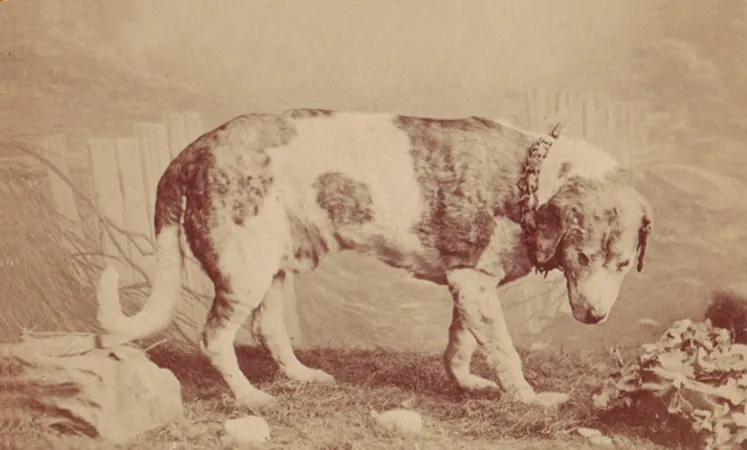
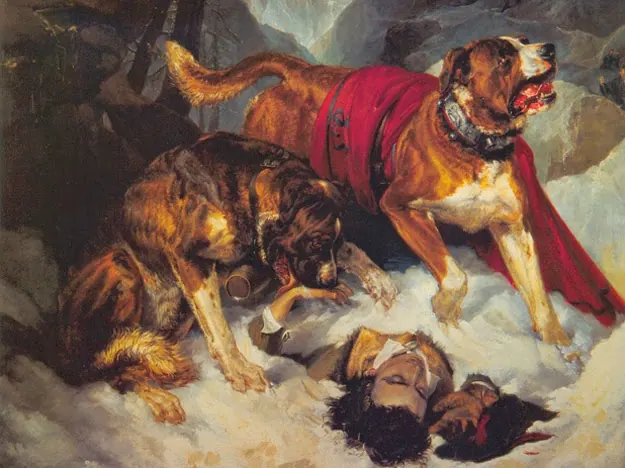
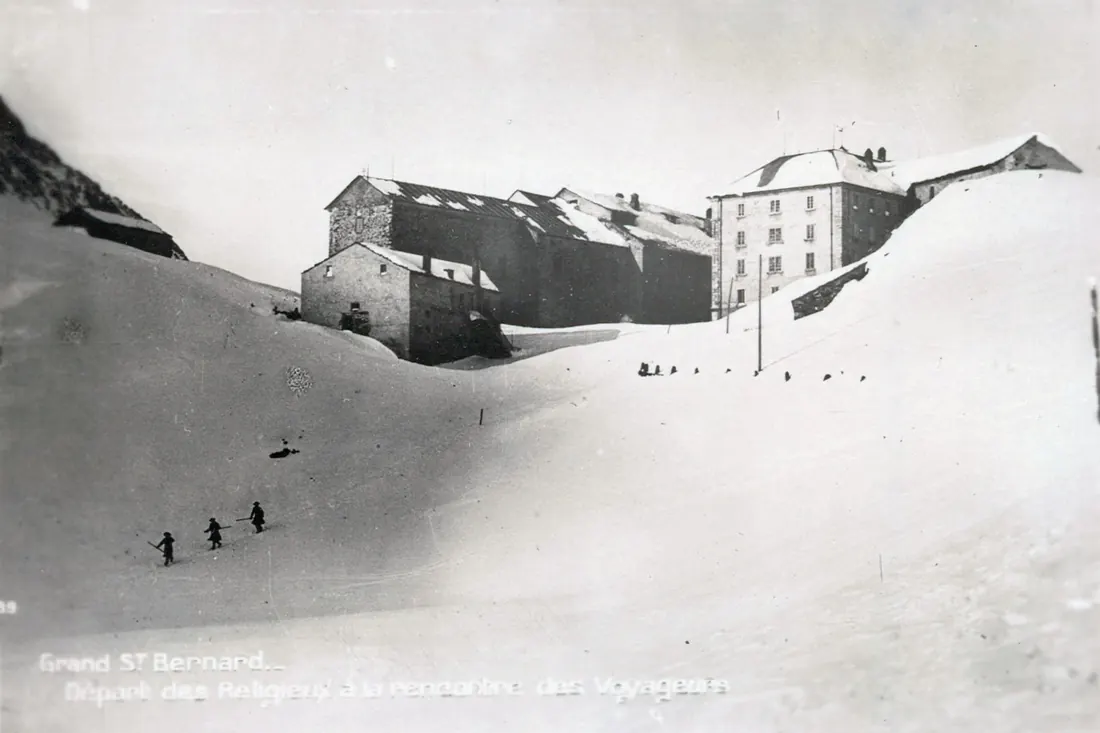
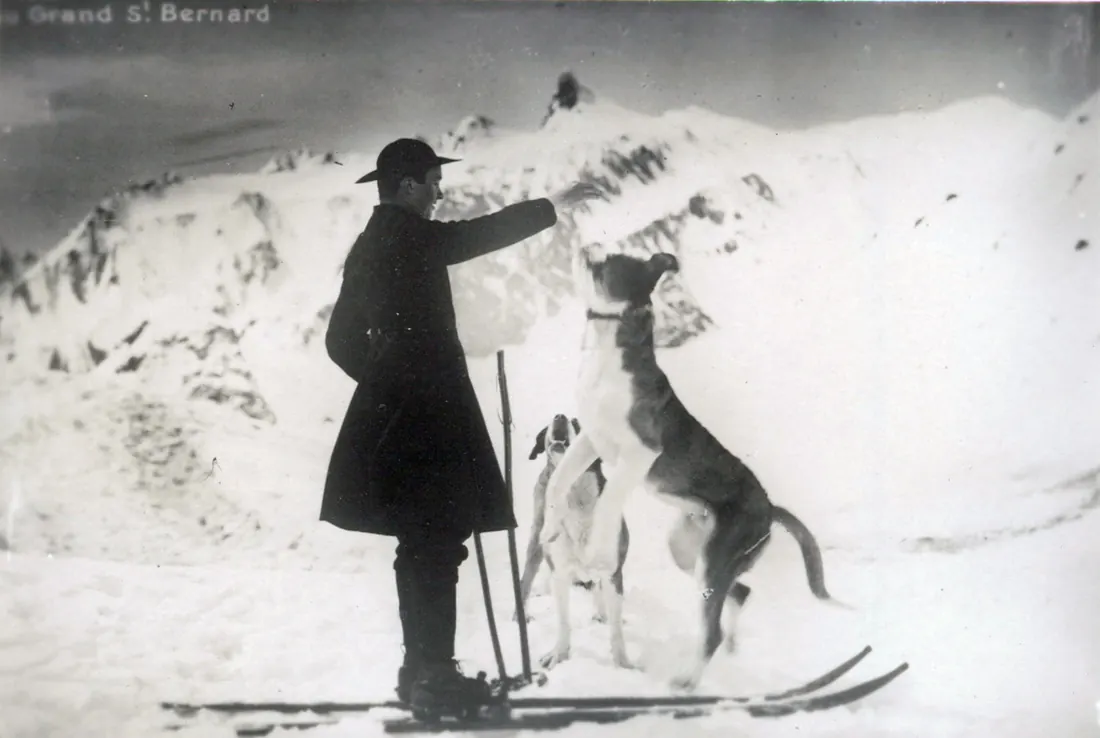
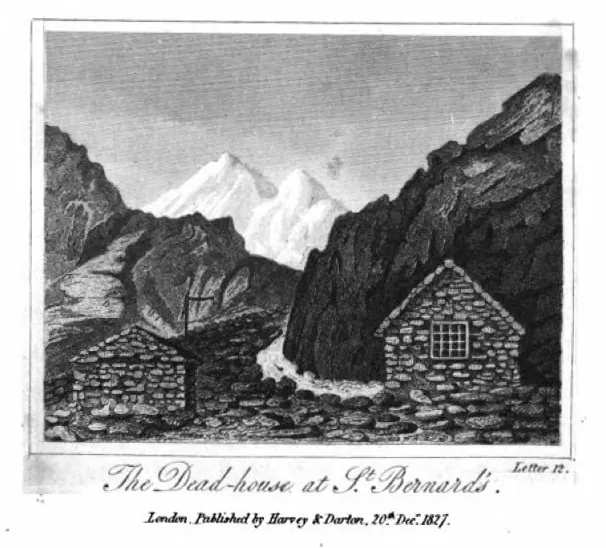
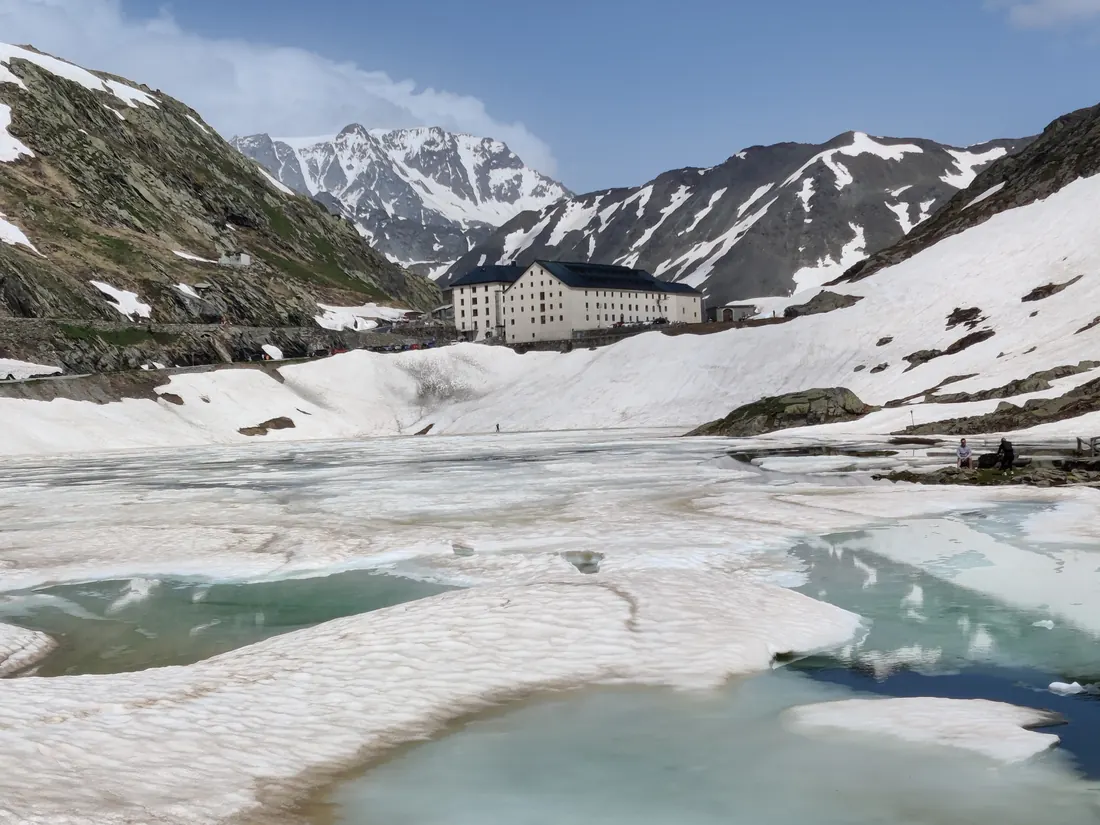
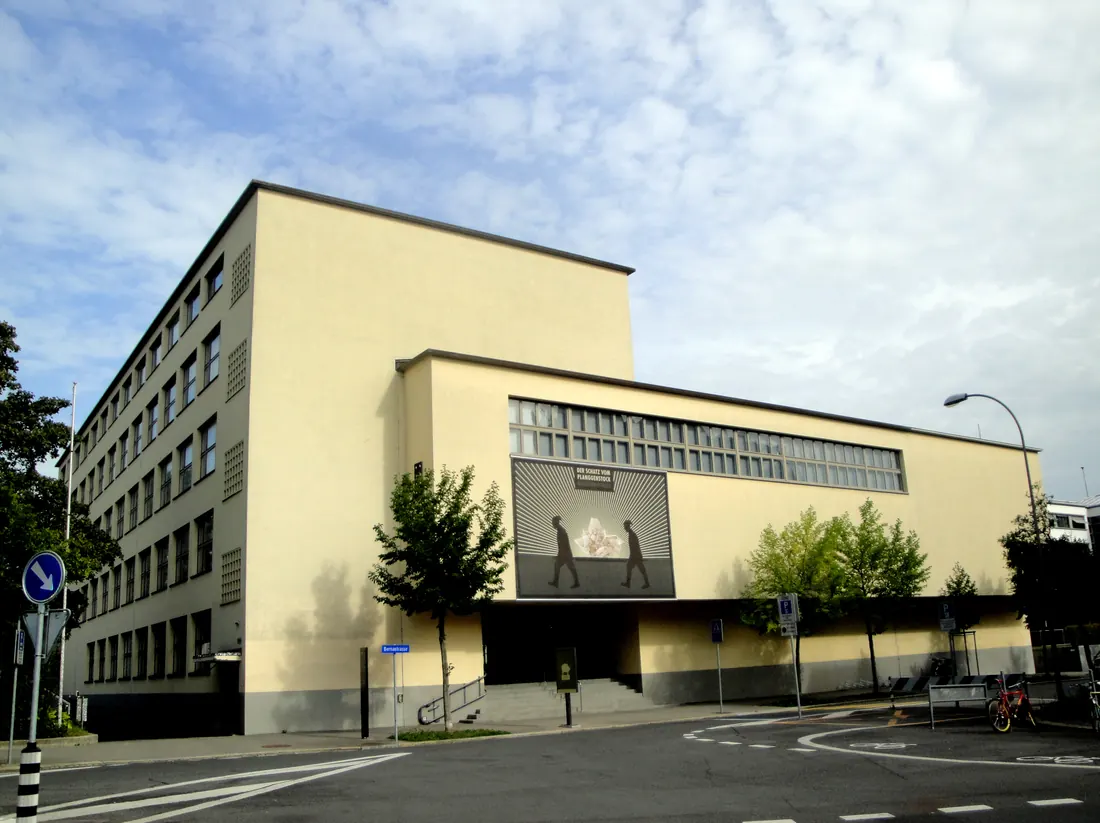
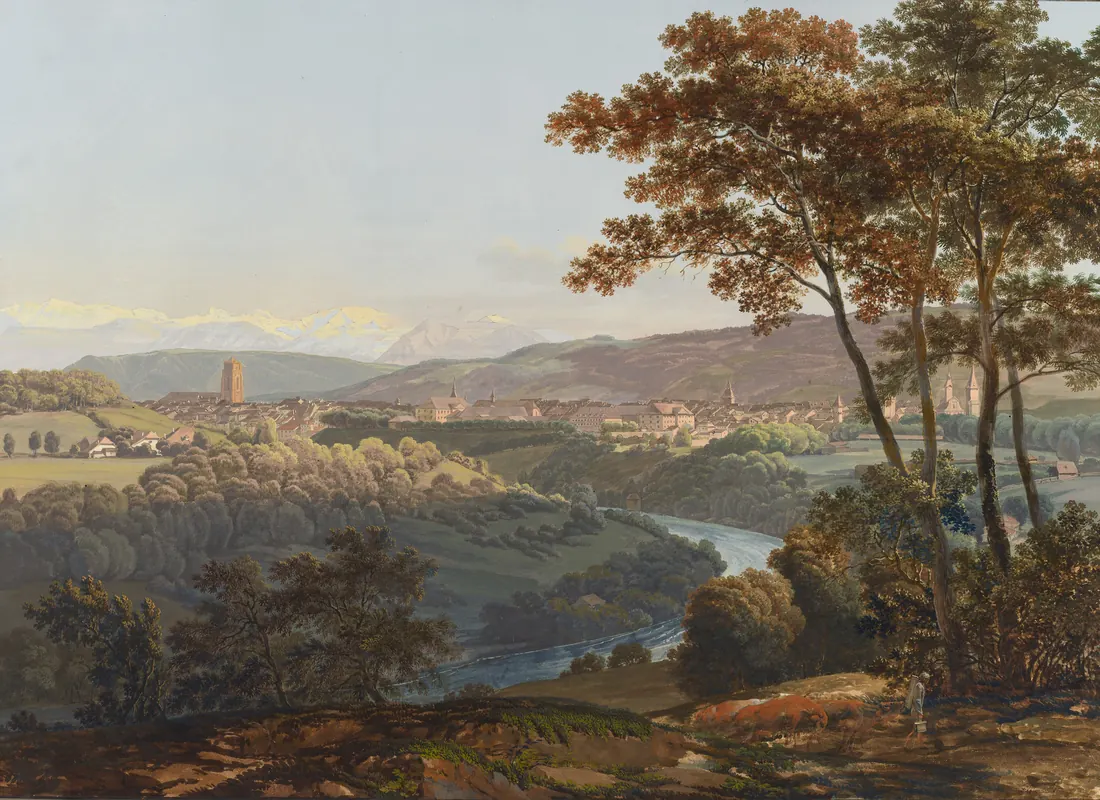
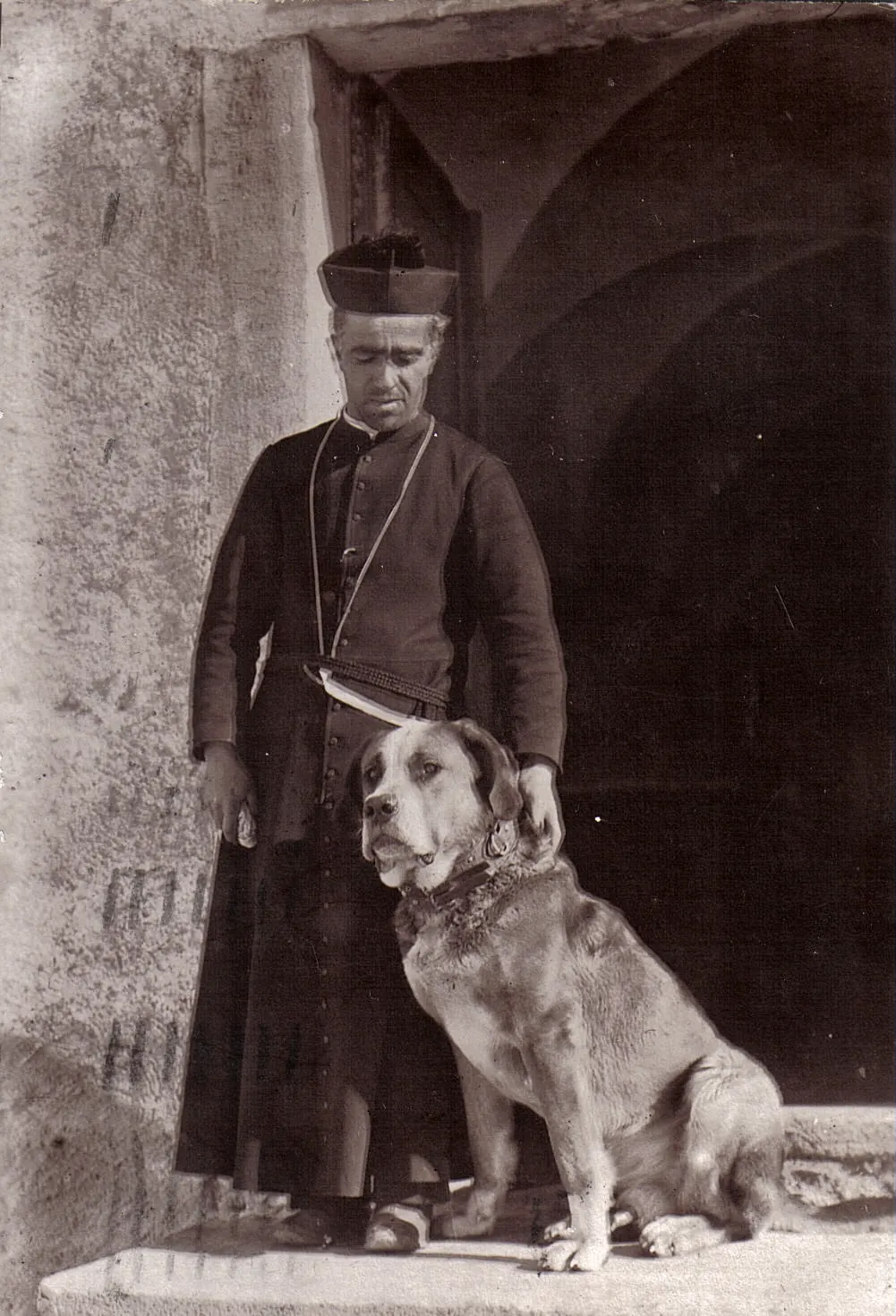
Pictures: the only pictures of Barry himself are his mount in the Natural History Museum of Bern (in his own exhibition, 2014, and a crop of that photo), the mount on its older display in 2008, and a postcard of his original mount from before the 1923 remodel, by 1883. Vafflard’s painting (Paris Salon of 1810) and the lithograph after it show the boy legend, and Landseer’s 1820 painting shows hospice dogs reviving a traveler; none of them shows Barry. The 1835 engraving shows the hospice and its lake, the 1827 print the hospice’s dead-house, and the 2024 photo the frozen lake at the pass in June. The snow and ski photos are from about 1934, not Barry’s time, and the 1924 postcard shows a later dog named Barry with a canon. Volmar’s watercolor shows Bern from the north about 1820, and the museum building was photographed in 2011.
Photo credits
The archive photos in this story
The photographs and illustrations in this story are in the public domain or shared under open licenses; each one is credited below with its license. Tap one to enlarge it, or follow the link to its Wikimedia Commons page for the full record. The narration, captions and graphics in the Short are our own; its music and sound effects are credited below.
Music and sound effects
Music: Schumann, Kinderszenen, Op. 15: No. 1 'Of Foreign Lands and Peoples (Musopen, public domain); Mussorgsky, Pictures at an Exhibition: IV. Bydlo (piano) (Musopen, public domain); Dvorak, Symphony No. 9 'From the New World': II. Largo (Musopen, public domain).
Sound effects: Freesound, CC0.