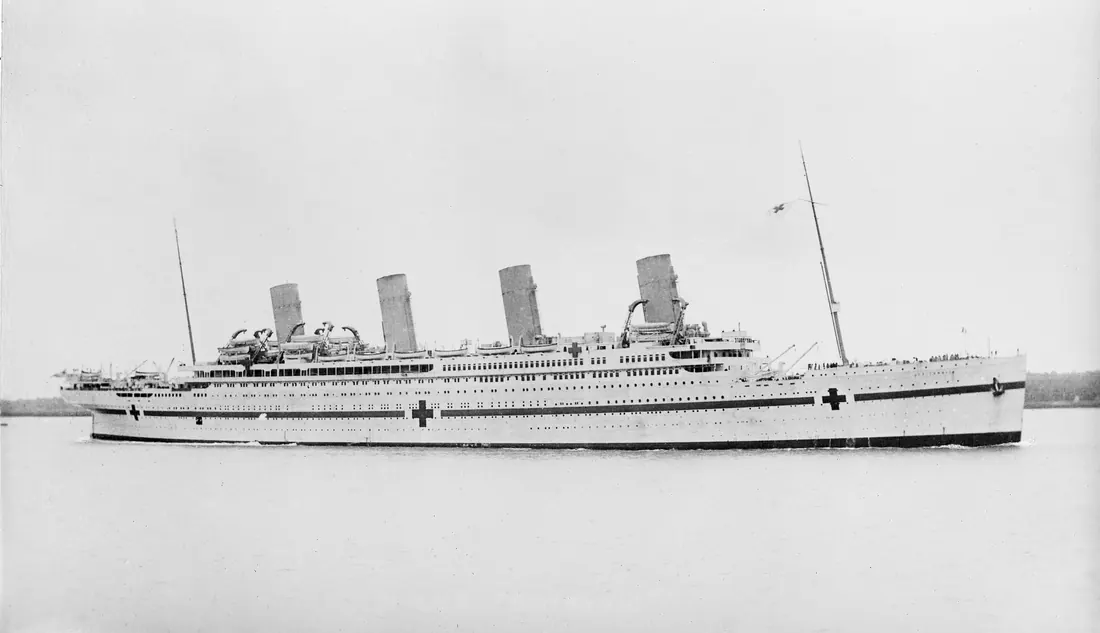
Violet Jessop had already survived the Titanic when, on November 21, 1916, she was aboard the hospital ship Britannic as it sank after hitting a German naval mine in the Aegean. The ship went down in 55 minutes, and 30 of the 1,066 people aboard died. “Ordered to the lifeboats, Jessop raced back to her cabin to gather a few valuables, including her prayer book and one particular personal care item,” National Geographic writes: her toothbrush.
After the Titanic sank in 1912, she had missed one badly. “There had always been much fun at my expense after the Titanic, when I complained of my inability to get a toothbrush,” she wrote in her memoir, as National Geographic quotes it. “This time, she had remembered to grab it before her leap overboard,” says Mental Floss. The lesson, in National Geographic’s telling: “Never undertake another disaster without first making sure of your toothbrush.”
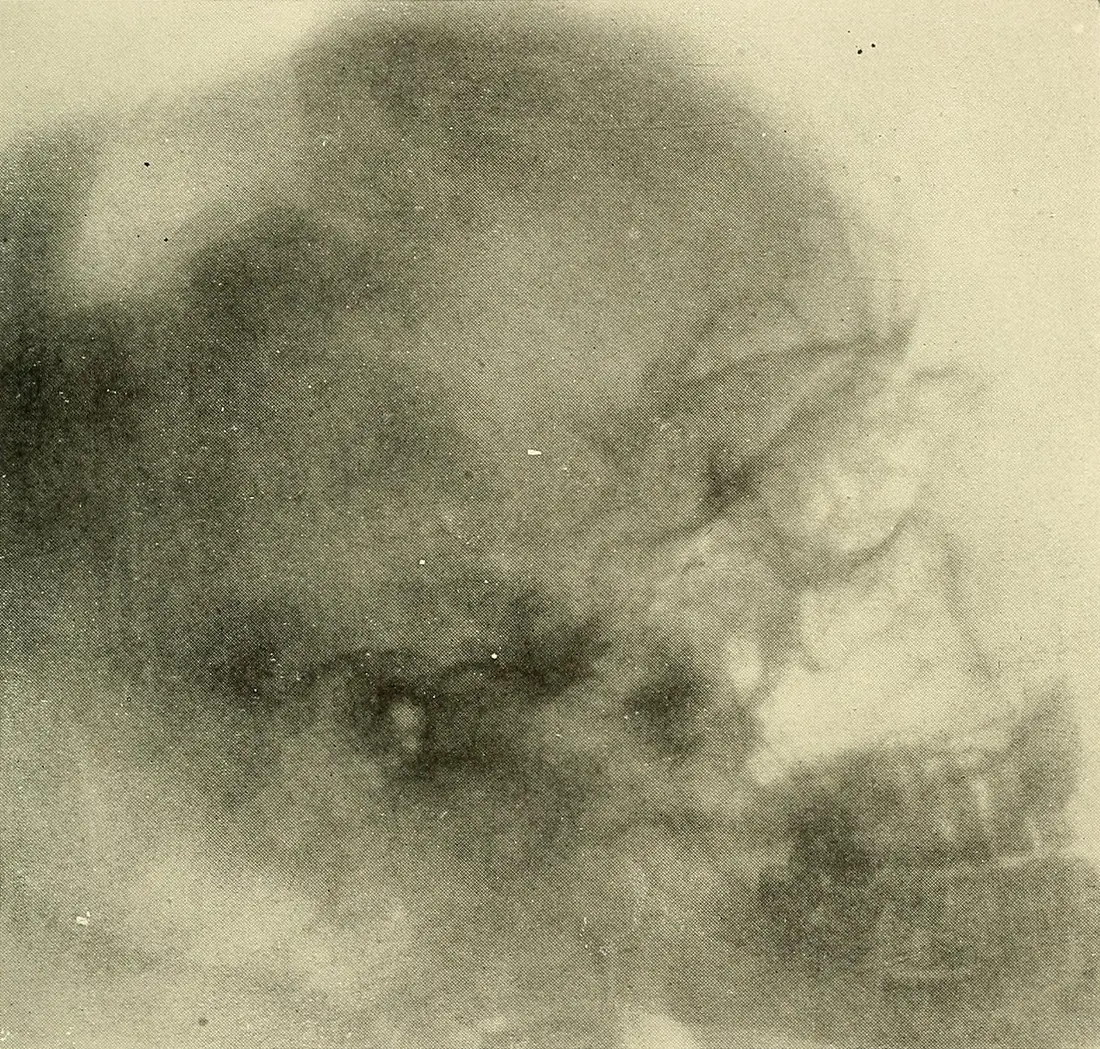
Her lifeboat “was drawn into the Britannic’s still-churning propellers” (National Geographic). In her own account, quoted by Reader’s Digest Australia and IrishCentral, she said: “I leapt into the water but was sucked under the ship’s keel which struck my head.” And: “I escaped, but years later when I went to my doctor because of a lot of headaches, he discovered I had once sustained a fracture of the skull!” “Jessop spent the next three years recovering from her injuries,” National Geographic says, and she returned to work for White Star Line in 1920.
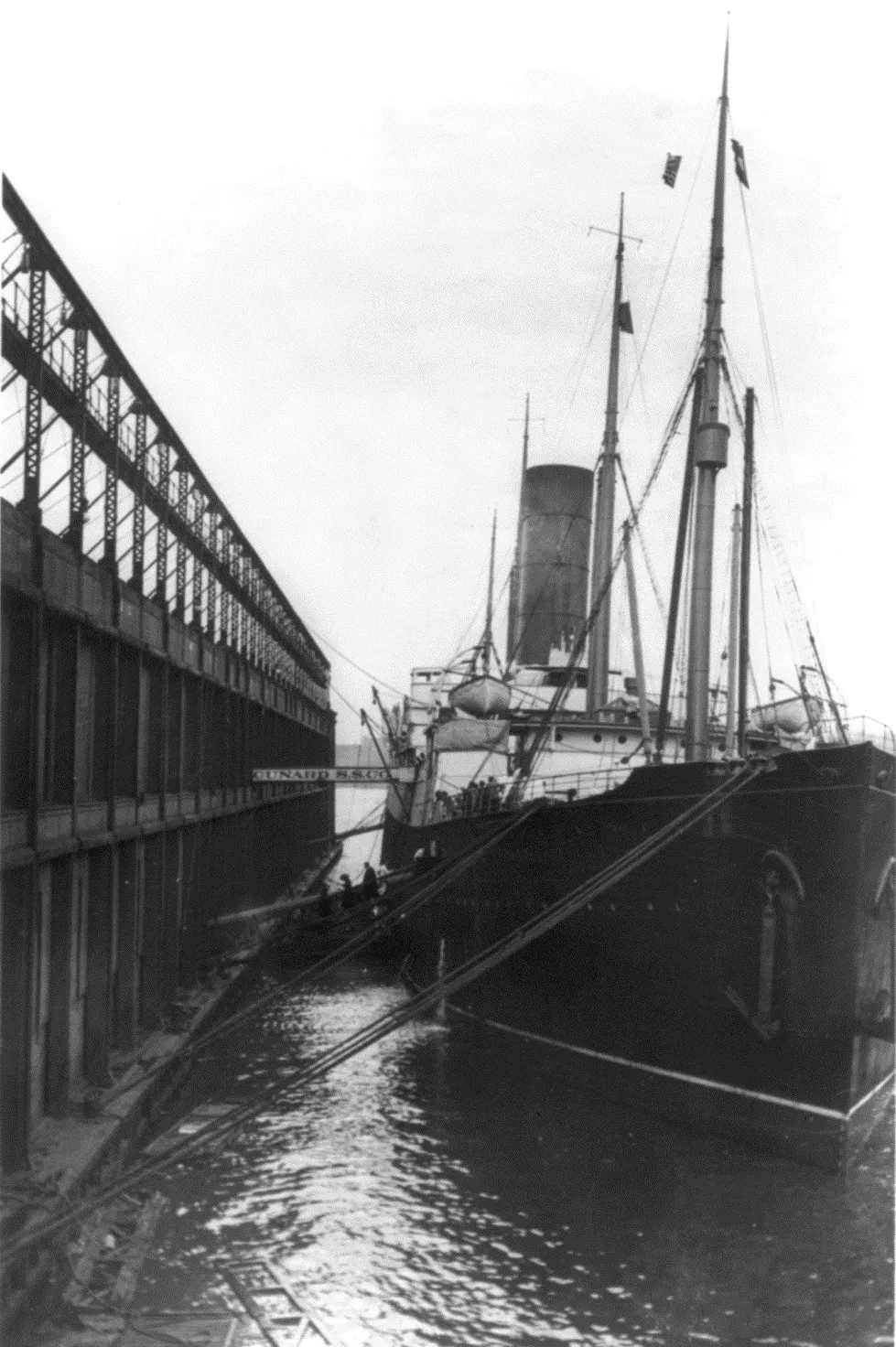
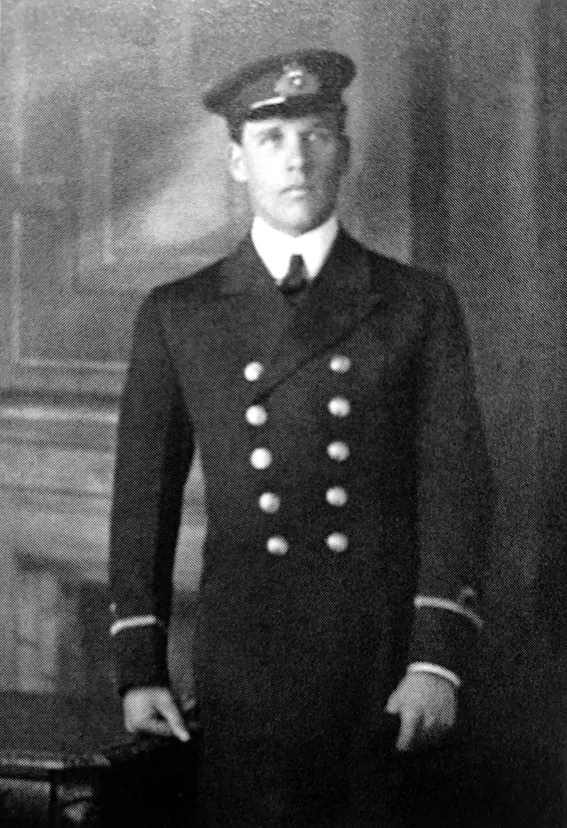
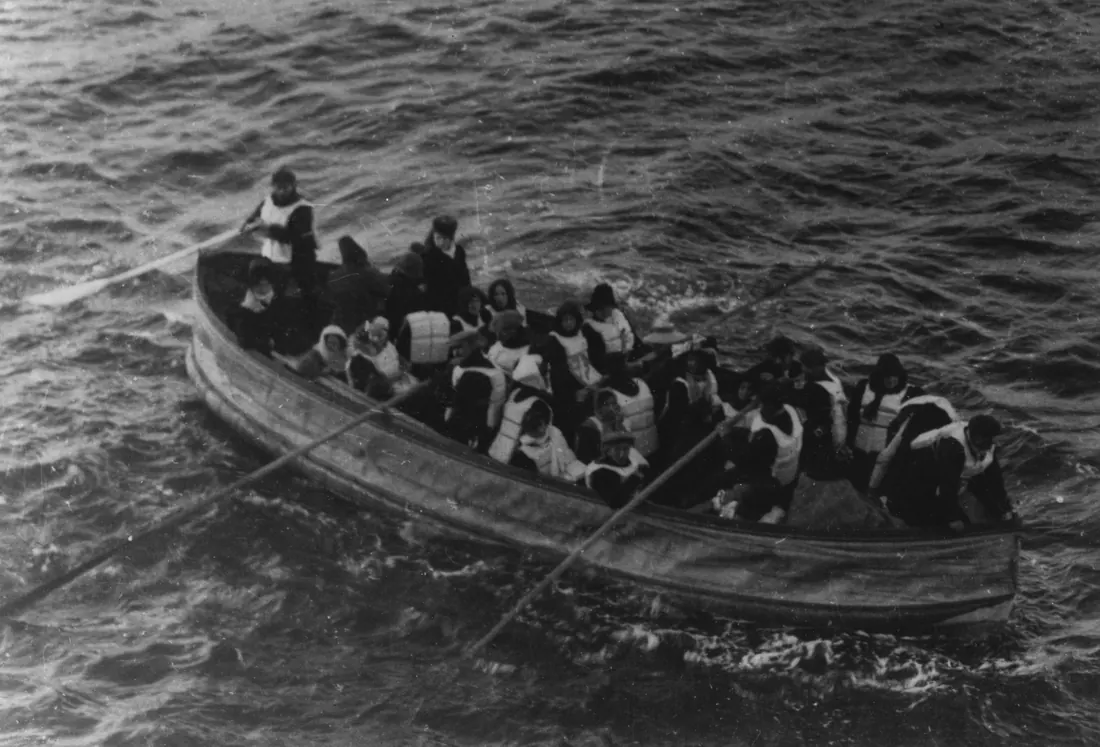
Four years before, on the Titanic, a deck officer had handed her a baby as lifeboat 16 was lowered; Wikipedia names him as the sixth officer, James Paul Moody. Out on the frigid Atlantic, she “feared, suddenly, that this stranger’s child might die in my arms,” Mental Floss quotes her. She wrapped the baby in a blanket and held it until they were rescued the next morning. “According to Jessop, while aboard Carpathia, a woman, presumably the baby’s mother, grabbed the baby she was holding and ran off crying, without saying a word” (Wikipedia).
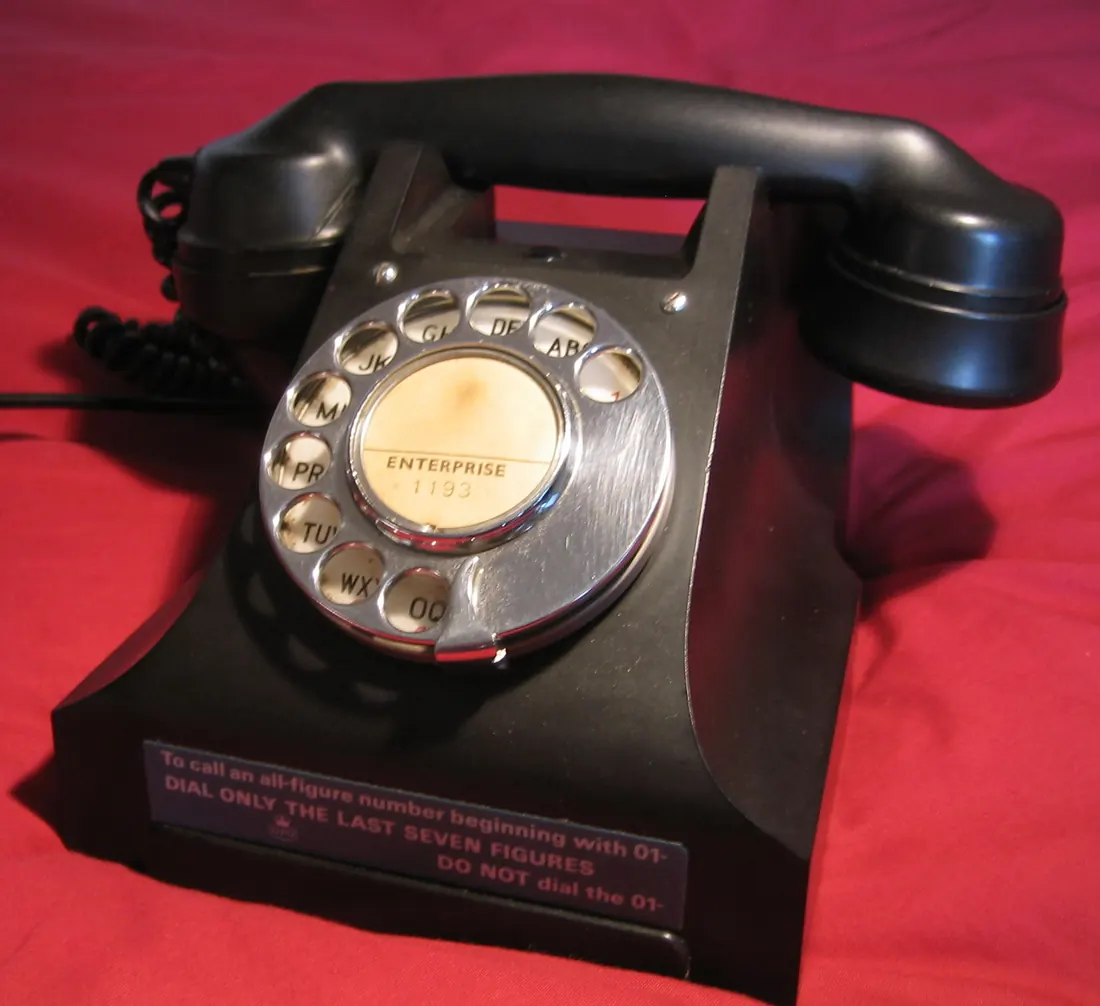
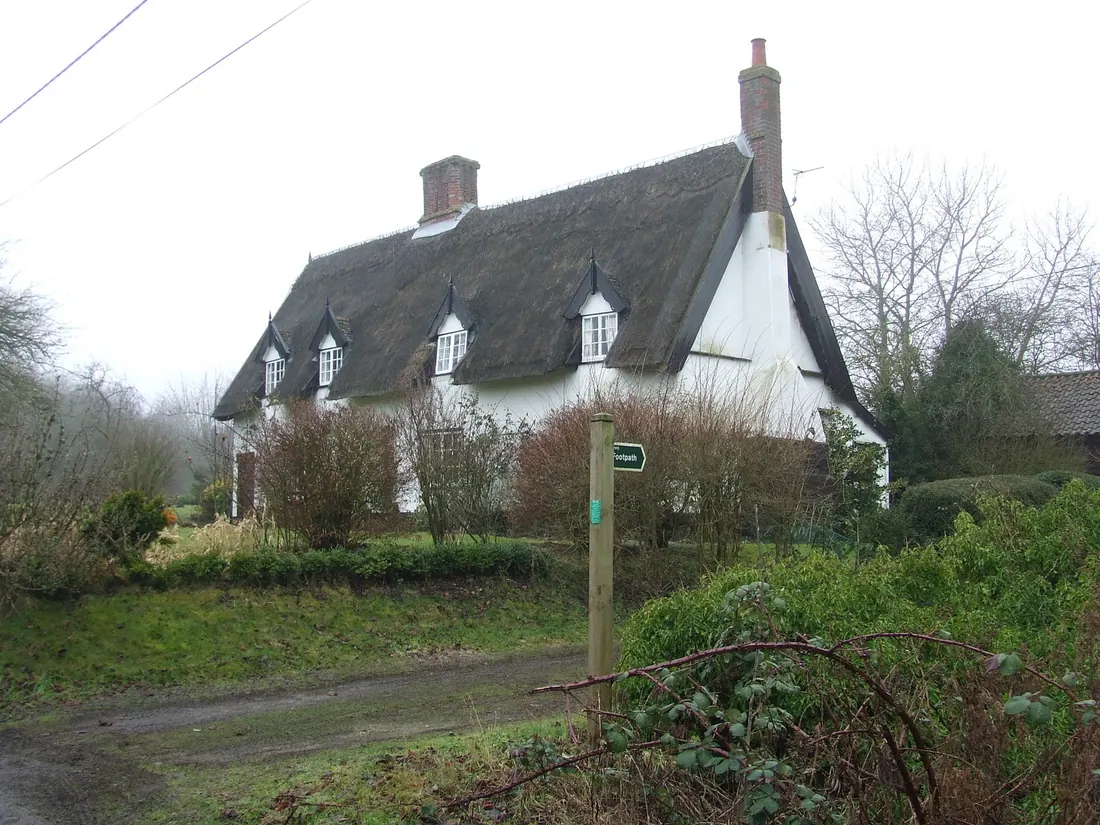
In 1950 she retired to Great Ashfield, Suffolk. “Years after her retirement, Jessop claimed to have received a telephone call, on a stormy night, from a woman who asked Jessop if she had saved a baby on the night that Titanic sank,” Wikipedia says. “‘Yes,’ Jessop replied. The voice then said ‘I was that baby,’ laughed, and hung up.” Her friend and biographer John Maxtone-Graham said it was “most likely some children in the village playing a joke on her.” She replied: “No, John, I had never told that story to anyone before I told you now.”
Fact check
The facts and where they come from
- Her hospital ship was sinking, but she ran back to her cabin for her toothbrush. National Geographic: “Ordered to the lifeboats, Jessop raced back to her cabin to gather a few valuables, including her prayer book and one particular personal care item”; “Never undertake another disaster without first making sure of your toothbrush.” The ship was the hospital ship Britannic, which sank after hitting a German naval mine on November 21, 1916 (Wikipedia). 218
- Her name was Violet Jessop, and she had already survived the Titanic: she boarded it as a stewardess on April 10, 1912, and was rescued by the Carpathia (Wikipedia). 1
- After it sank, she had been teased for complaining she had no toothbrush. National Geographic, quoting her memoir: “There had always been much fun at my expense after the Titanic, when I complained of my inability to get a toothbrush.” Mental Floss: “In the days after the RMS Titanic sunk, Jessop vividly remembered desperately missing her toothbrush.” 24
- This time, she grabbed it. Mental Floss: “This time, she had remembered to grab it before her leap overboard.” 42
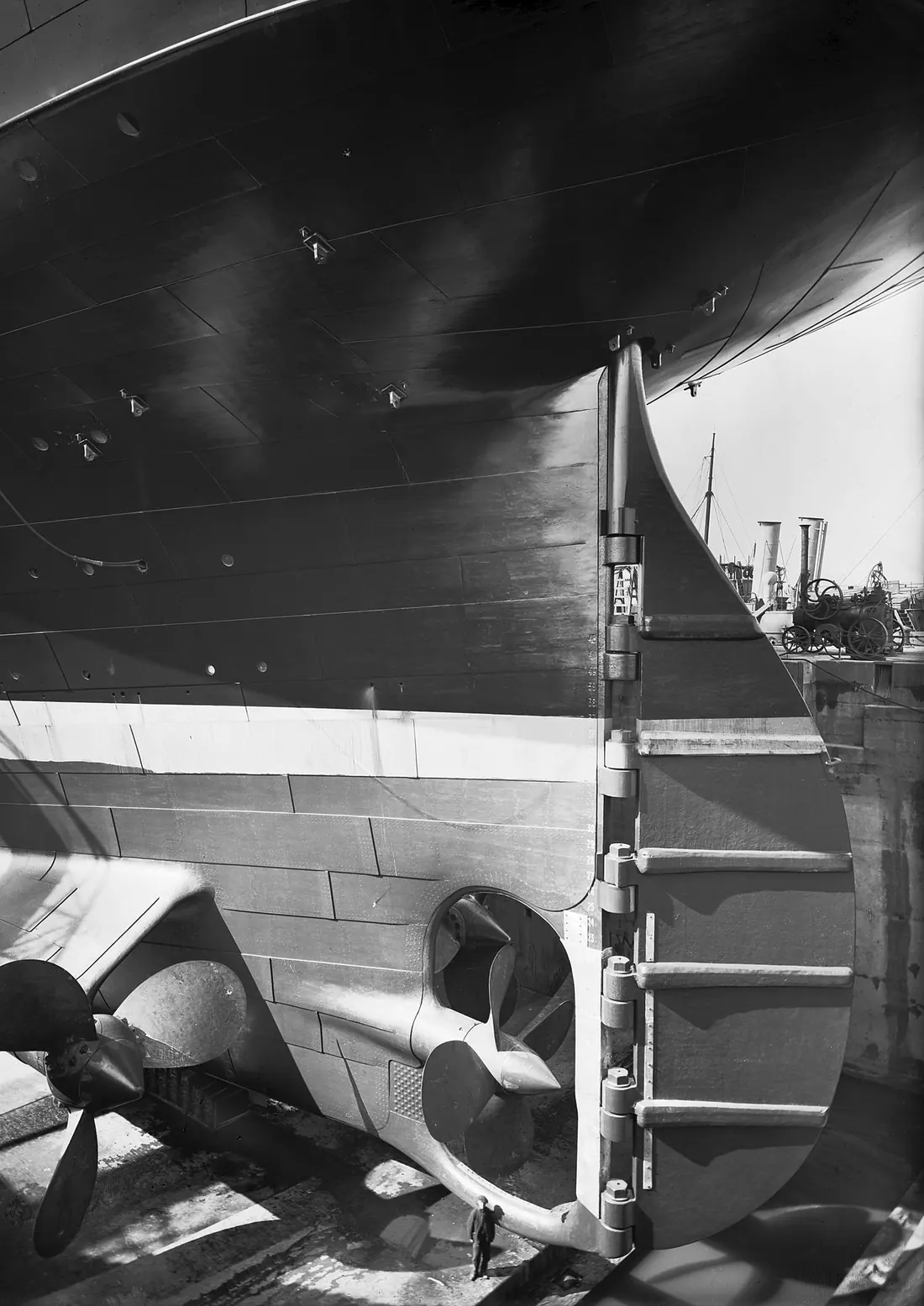
- Then her lifeboat was dragged toward the spinning propellers. National Geographic: “Jessop was in a lifeboat when it was drawn into the Britannic’s still-churning propellers.” Rosemary E. Lunn: “The lifeboat that Violet Jessop was in was being pulled into Britannic’s still rotating propellor.” Wikipedia: “her lifeboat which was being drawn into Britannic’s still turning propellers.” 271
- She jumped, was sucked under, and hit her head on the keel. Her account, quoted by Reader’s Digest Australia and IrishCentral: “I leapt into the water but was sucked under the ship’s keel which struck my head.” Rosemary E. Lunn: “In doing so Violet struck her head on the keel and suffered a fractured skull.” Mental Floss: “When she resurfaced, her head struck the ship’s keel.” 5673
- Years later, she said, a doctor found she had fractured her skull. Her account, quoted by Reader’s Digest Australia and IrishCentral: “I escaped, but years later when I went to my doctor because of a lot of headaches, he discovered I had once sustained a fracture of the skull!” National Geographic: she “suffered a severe skull fracture and deeply gashed leg.” 562
- On the Titanic, she wrote, an officer handed her a stranger’s baby. Wikipedia: “as the boat was being lowered, Titanic’s sixth officer, James Paul Moody, gave her a baby to look after.” Mental Floss: “a deck officer handed her a baby.” The boat was lifeboat 16. 139
- Through the freezing night, she held it. Mental Floss: “Stranded upon a frigid expanse of the Atlantic, Jessop ‘feared, suddenly, that this stranger’s child might die in my arms.’ She wrapped the baby in a blanket … and it fell asleep”; “She held the child.” They were rescued the next morning (Wikipedia). 31
- On the rescue ship, a woman snatched it and ran off without a word. Wikipedia: “According to Jessop, while aboard Carpathia, a woman, presumably the baby’s mother, grabbed the baby she was holding and ran off crying, without saying a word.” Mental Floss: “a woman ran up to her and grabbed the baby out of her arms”; from her memoir, “she had not expressed one word of gratitude.” 13
- Decades later, she said, her phone rang on a stormy night. Wikipedia: “Years after her retirement, Jessop claimed to have received a telephone call, on a stormy night, from a woman who asked Jessop if she had saved a baby on the night that Titanic sank.” She retired in 1950: “In 1950, she retired to Great Ashfield, Suffolk.” 1
- A woman asked if she had saved a baby when the Titanic sank (Wikipedia, as above). 1
- “Yes,” Violet said. Wikipedia: “‘Yes,’ Jessop replied.” 1
- “I was that baby,” said the voice. It laughed, and hung up. Wikipedia: “The voice then said ‘I was that baby,’ laughed, and hung up.” 1
- Her friend thought village kids were playing a joke. Wikipedia: “Her friend and biographer John Maxtone-Graham said it was most likely some children in the village playing a joke on her.” 1
- But Violet said she had never told that story to anyone. Wikipedia: “She replied, ‘No, John, I had never told that story to anyone before I told you now.’” 1
Sources
- Violet Jessop Wikipedia
- She survived the Titanic—but it wasn’t the only time she faced death at sea (David Kindy, March 13, 2023) National Geographic
- 7 Facts About ‘Titanic’ Survivor Violet Jessop (Brigit Katz, April 15, 2022) Mental Floss
- The Unsinkable Violet Jessop (Stacy Conradt, December 30, 2020) Mental Floss
- 12 Titanic survivors: what happened to them next (page 2) Reader’s Digest Australia
- Violet Jessop: Survived Titanic, Britannic, Olympic disasters IrishCentral
- Remembering Britannic’s Violet Jessop (November 21, 2016) Rosemary E. Lunn
- HMHS Britannic Wikipedia
- James Paul Moody Wikipedia
- Violet Constance Jessop Encyclopedia Titanica
Notes
The toothbrush and the prayer book are known only from her memoir, as National Geographic and Mental Floss report it. When she learned of the fracture is from her own account (“years later”); National Geographic just lists a skull fracture among her injuries.
Who pulled her from the water is disputed: a British destroyer (National Geographic), another lifeboat (Mental Floss, 2020) or one of the Britannic’s motor boats (Mental Floss, 2022), so it isn’t told here. A claim that she could not swim, found in one source only, is left out, and so is a doctor’s remark about what saved her.
The baby: Wikipedia says records show the only baby in boat 16 died in 1931, so could not have phoned, but that claim is tagged “failed verification.” Who the baby was, and who called, are left open; this page says only what she said and what her friend thought.
The officer: her memoir disguises most names, and Moody’s name rests on Wikipedia. Part 1’s page names him too.
The memoir and John Maxtone-Graham’s book are still in copyright, so only short lines are quoted, as the sources quote them.
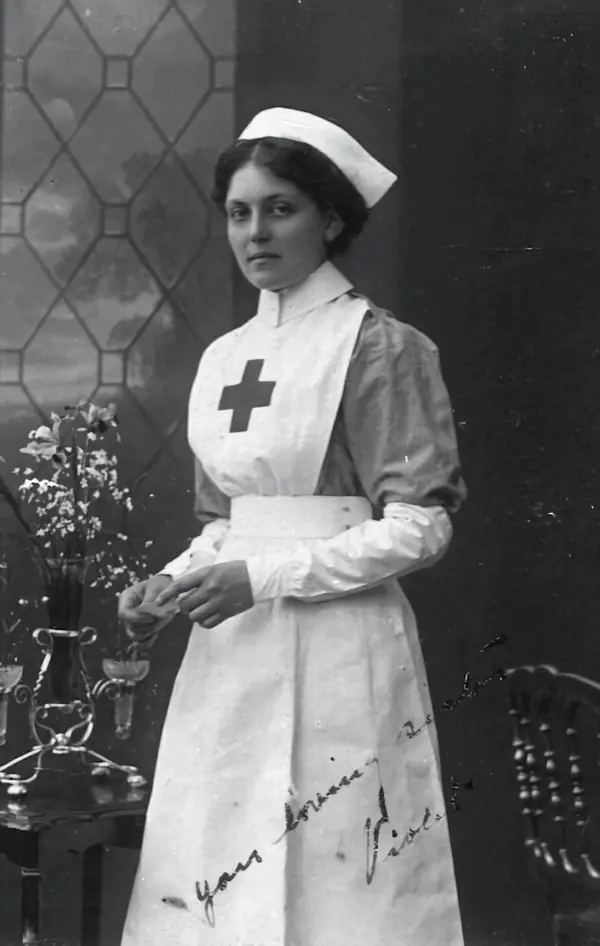
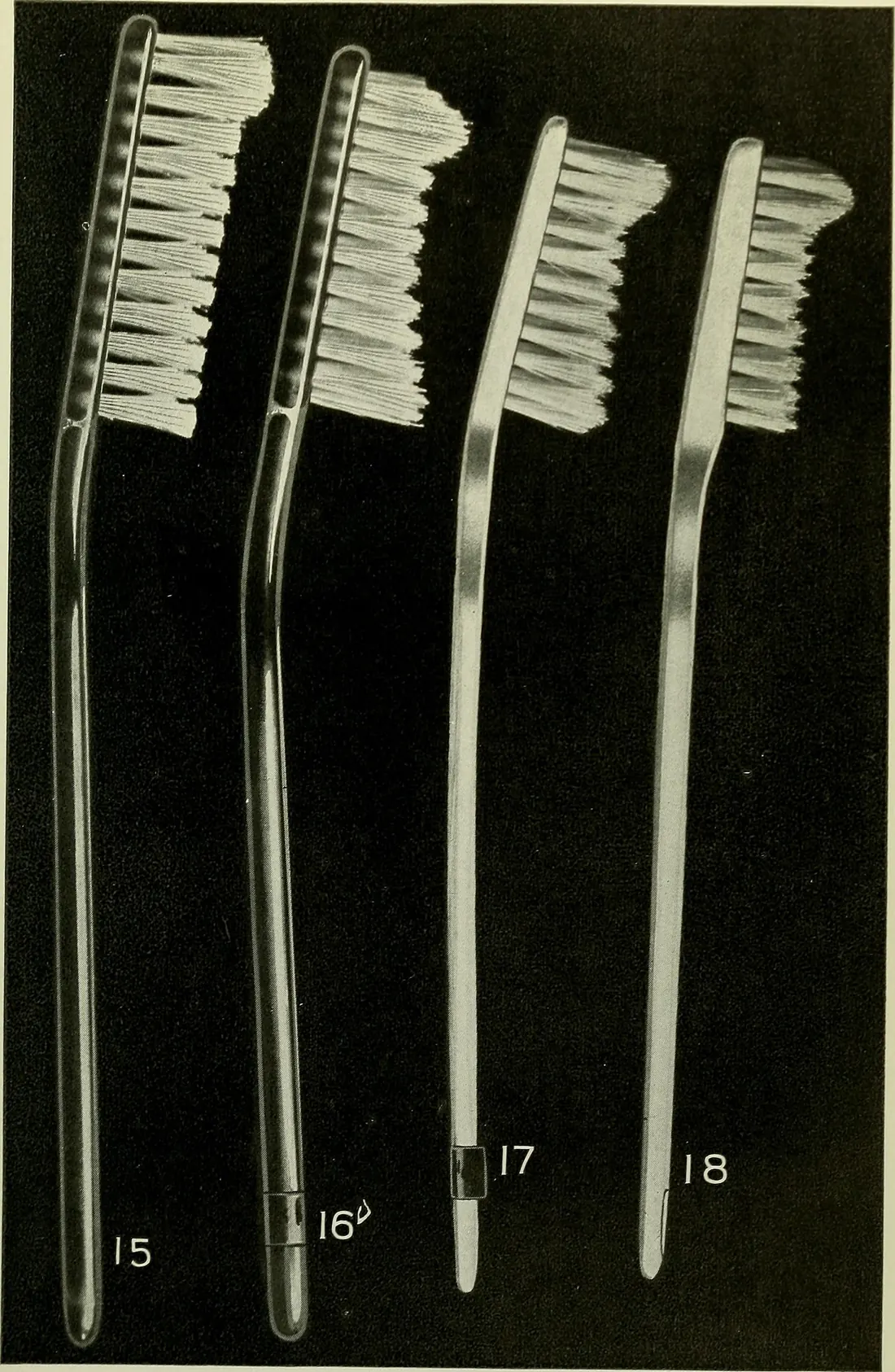
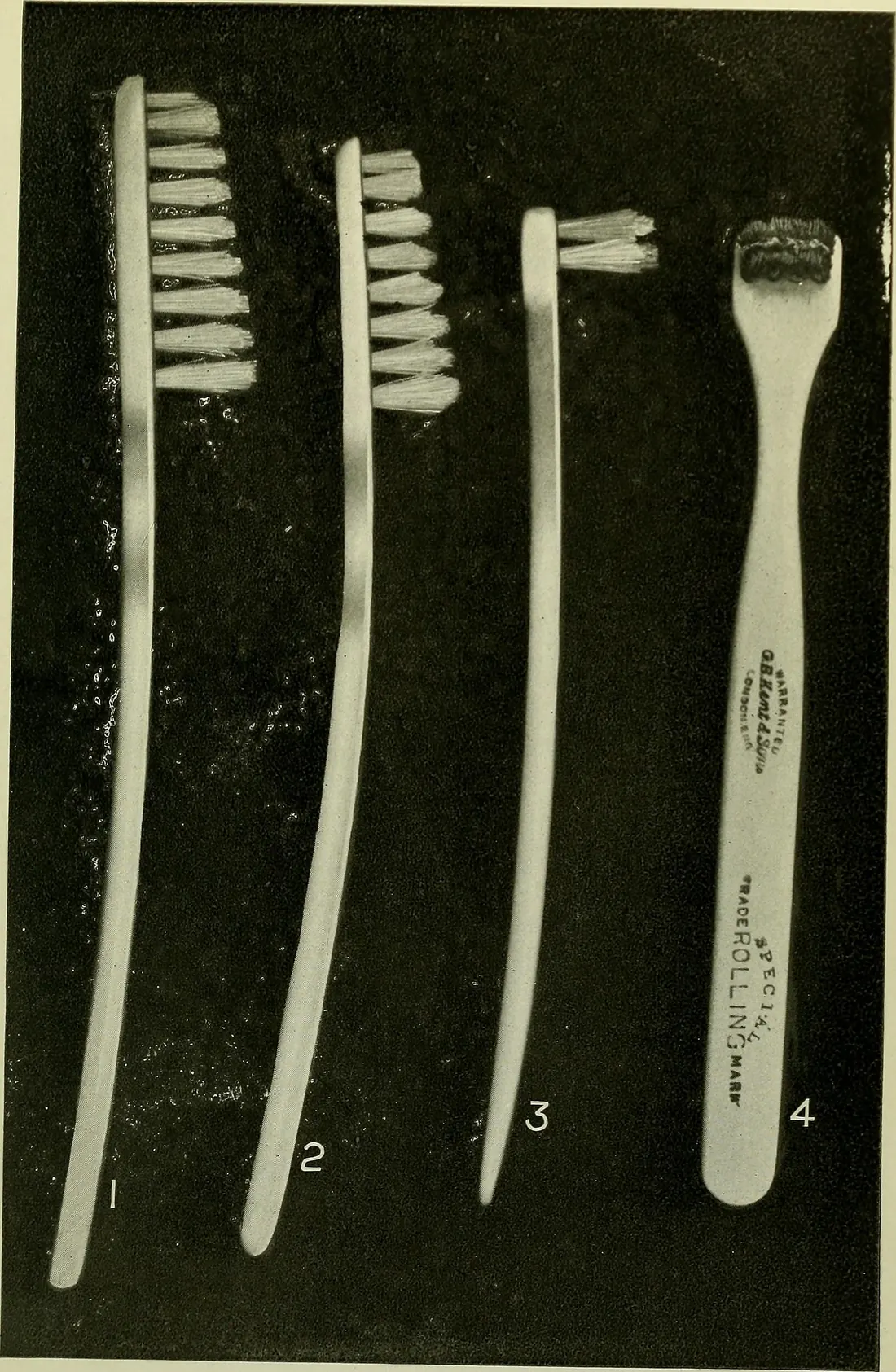
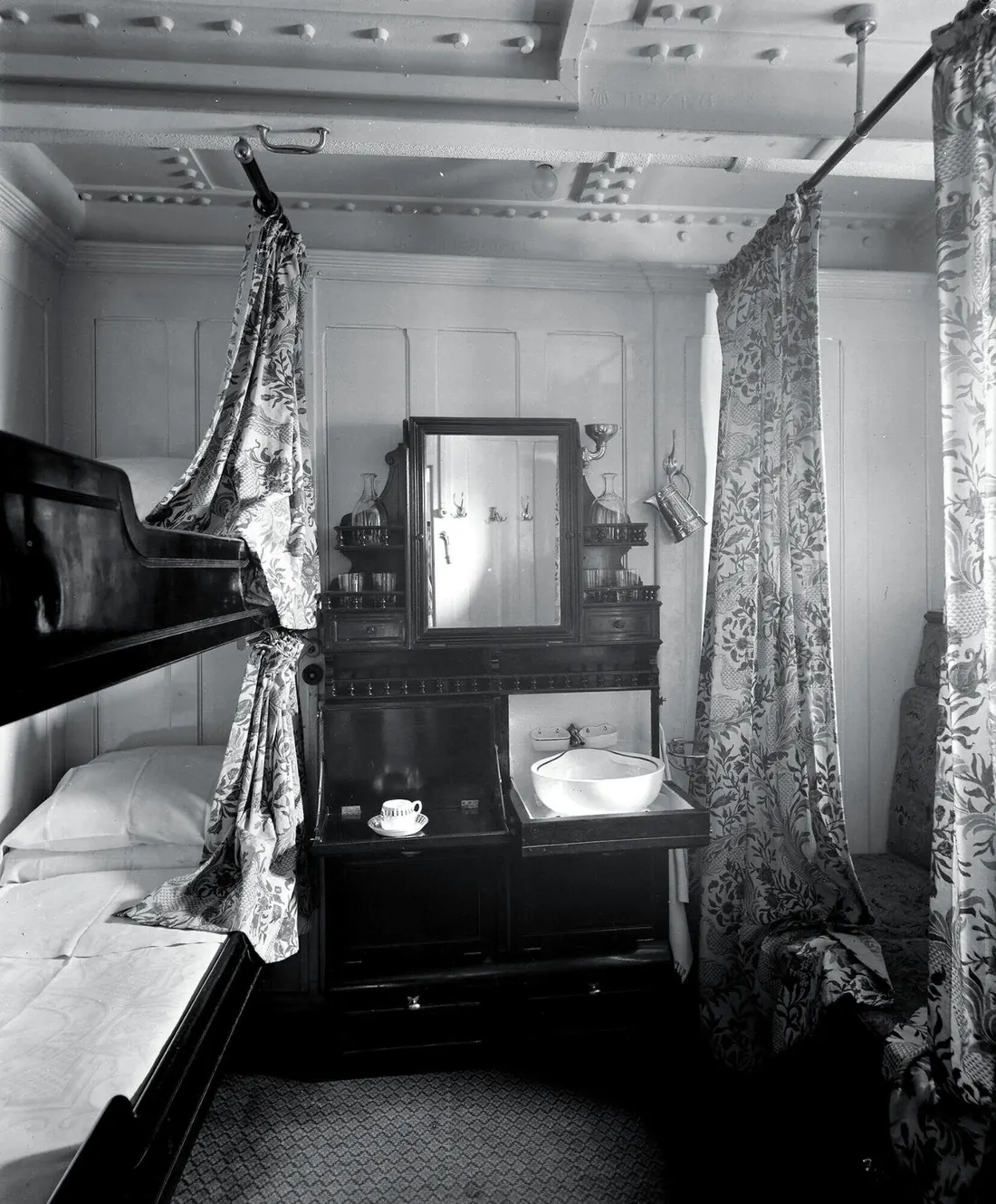
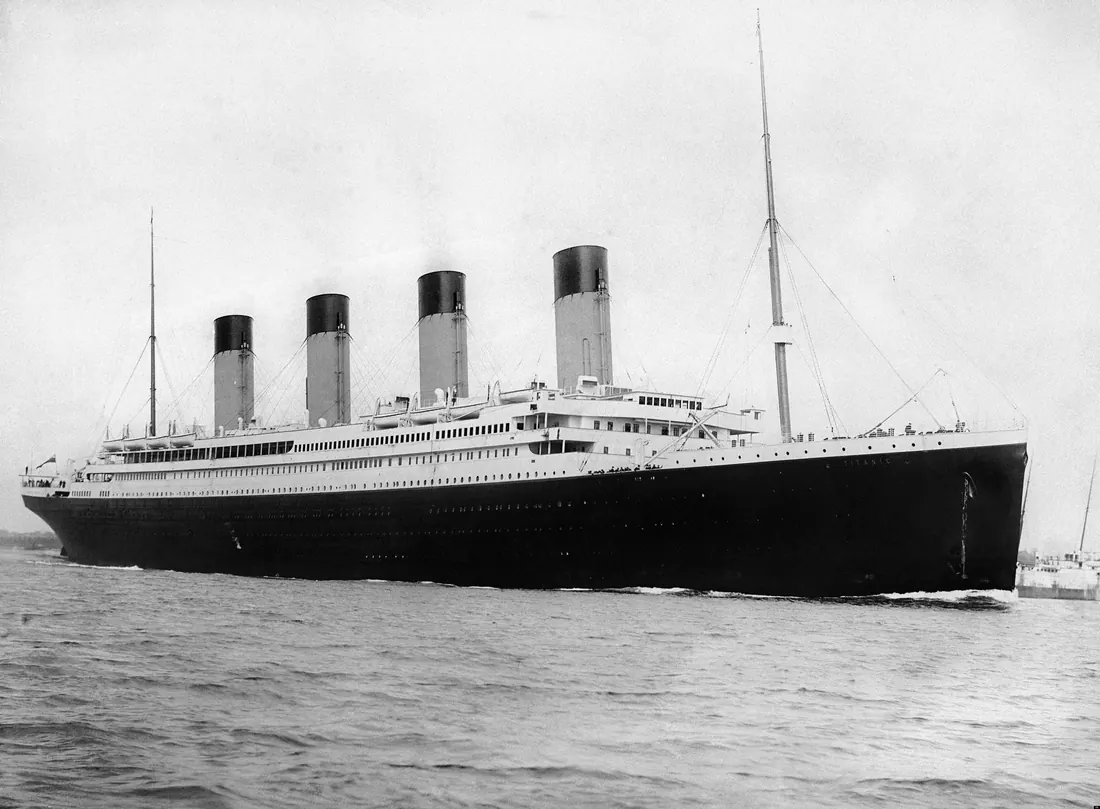
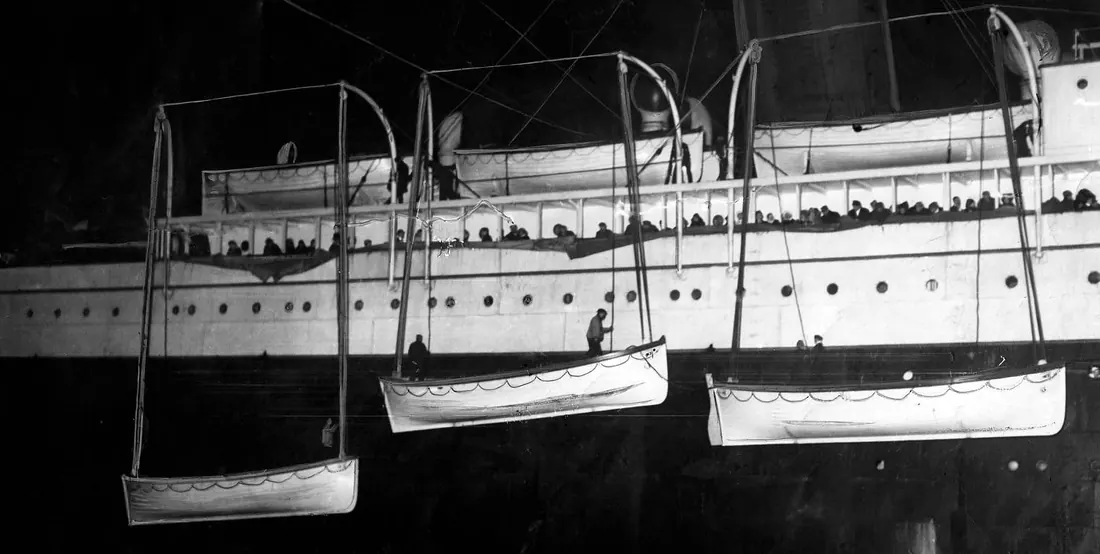
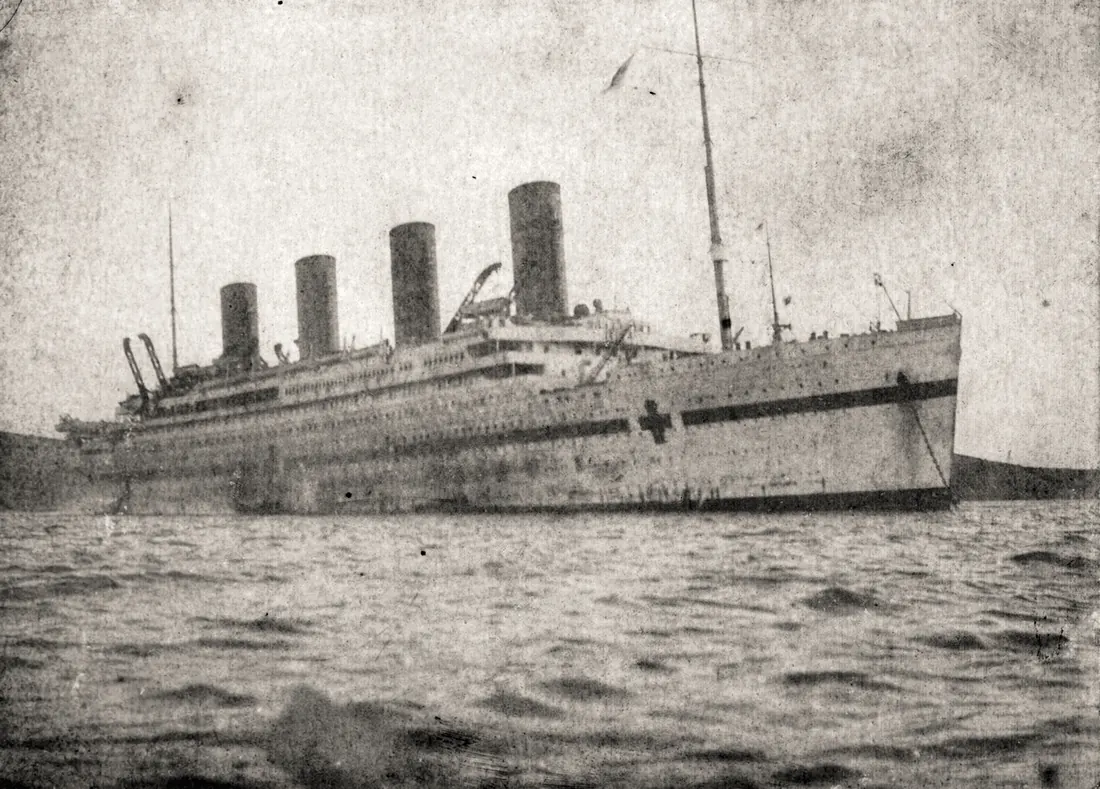
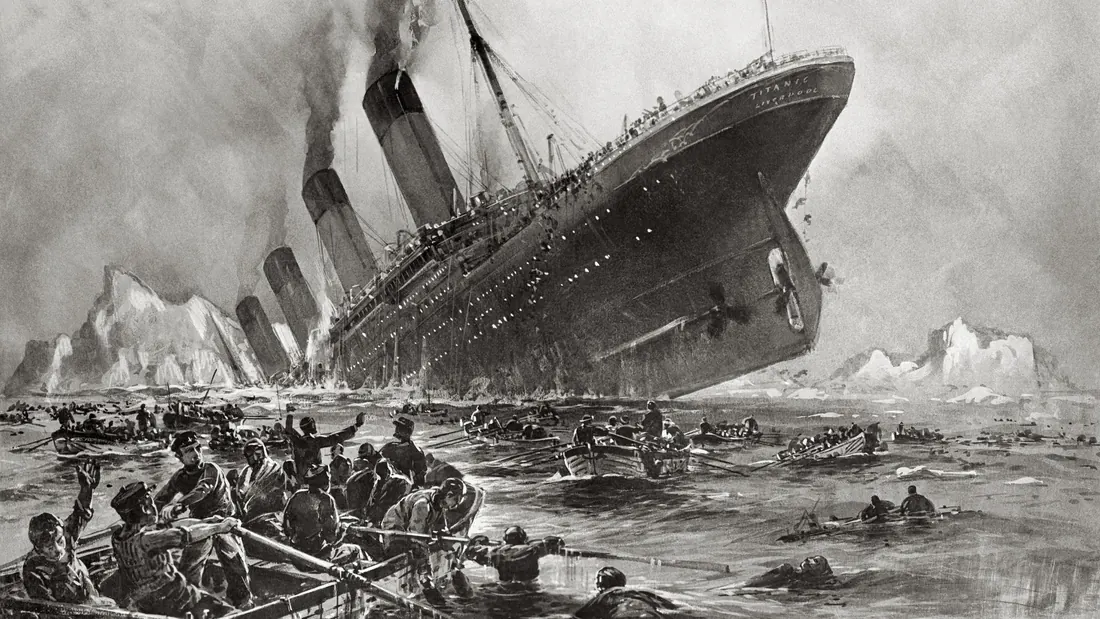
Pictures: no photo of Violet Jessop is shown here, because the rights to the known portrait couldn’t be confirmed. The Britannic is shown as a hospital ship in 1915–16 (Allan C. Green) and at Moudros around 1916. The cabin is a second-class cabin, E-90, of her sister ship the Olympic, photographed in 1914, and the propellers and hull are the Olympic’s, in dry dock in April 1911; neither is the Britannic. The toothbrushes are from a 1916 dental book, and the X-ray is a skull in a 1912 textbook, not hers. The Titanic is leaving Southampton on April 10, 1912; its lifeboats are shown aboard the Carpathia in 1912; the dawn lifeboat is collapsible D, photographed from the Carpathia on April 15, 1912, not boat 16; and the Carpathia is at Cunard’s Pier 54 in New York after the rescue. James Moody is in a White Star Line studio photo from December 1911. The sinking is Willy Stöwer’s 1912 painting, not a photo. The thatched cottage near Wortham, Suffolk, photographed in 2010, is not her home, and the GPO 332 telephone is of the kind used in Britain in her retirement years, not hers.
Photo credits
The archive photos in this story
The photographs and illustrations in this story are in the public domain or shared under open licenses; each one is credited below with its license. Tap one to enlarge it, or follow the link to its Wikimedia Commons page for the full record. The narration, captions and graphics in the Short are our own; its music and sound effects are credited below.
Music and sound effects
Music: Schumann, Kinderszenen, Op. 15: No. 1 'Of Foreign Lands and Peoples (Musopen, public domain); Mussorgsky, Pictures at an Exhibition: IV. Bydlo (piano) (Musopen, public domain); Dvorak, Symphony No. 9 'From the New World': II. Largo (Musopen, public domain).
Sound effects: Freesound, CC0.