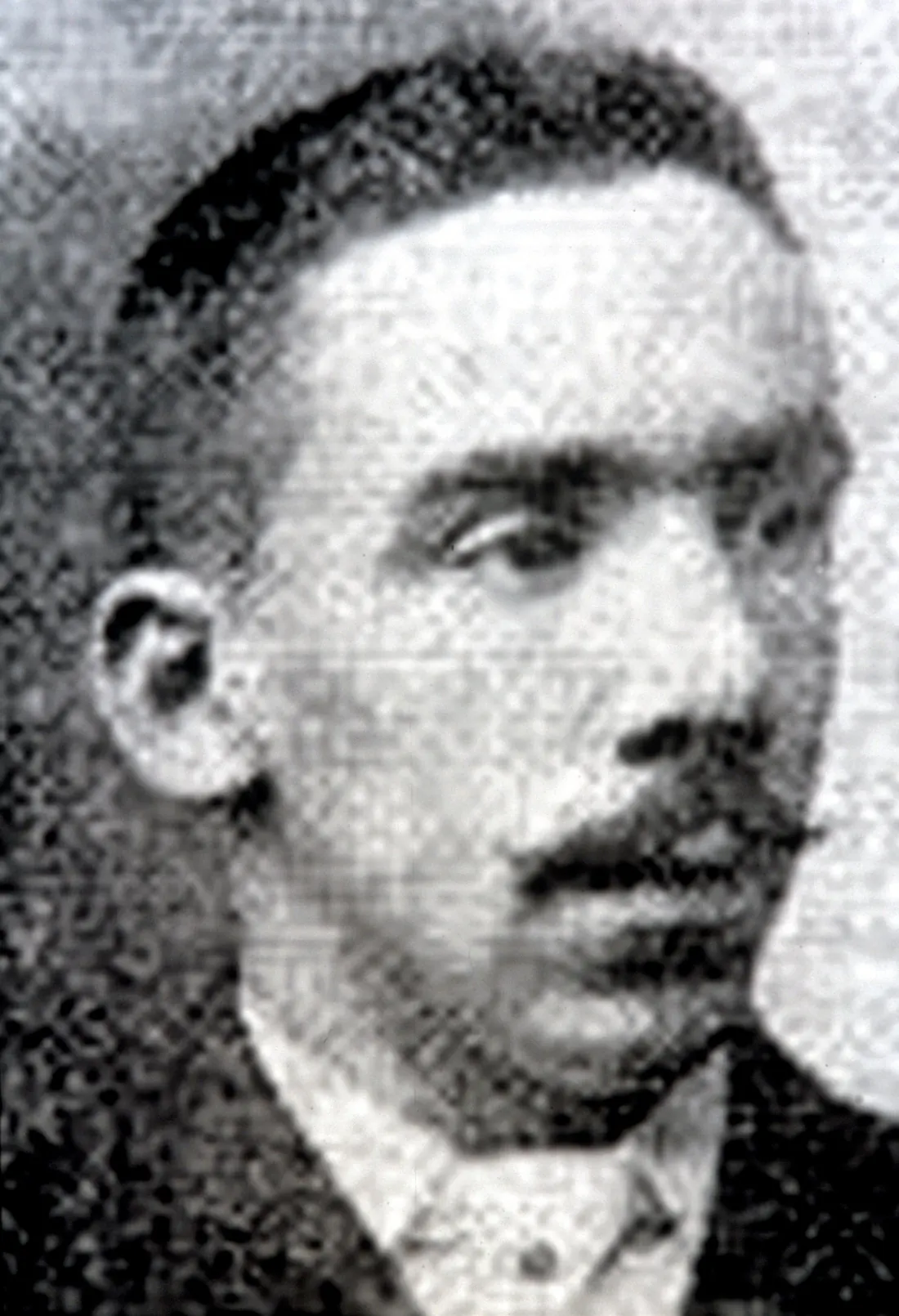
Charles Joughin was the Titanic’s chief baker, with a staff of thirteen bakers under him. To provision the boats, he told the British inquiry, “I sent thirteen men up with four loaves apiece, 40 pounds of bread each as near as I could guess.”
He was down to command lifeboat 10: “I was supposed to be captain of the boat by the crew list.” But “we had difficulty in finding ladies for it. They ran away from the boat and said they were safer where they were.” So “I myself and three or four other chaps went on the next deck and forcibly brought up women and children.” “We threw them in.” Then “they evidently thought it was full enough and I did not go in it,” and the boat was lowered without him.
“I went down to my room and had a drop of liqueur that I had down there,” he said; asked how much, “It was a tumbler half-full.” Then “I started throwing deck chairs through the large ports”—“I should say about 50”—because “I was looking out for something for myself, Sir.” He got “on to the starboard side of the poop,” and “I was just wondering what next to do when she went.” “Joughin rode it down as if it were an elevator,” Wikipedia says. “I do not believe my head went under the water at all,” he said. “It may have been wetted, but no more.”
“The water was lethally cold, with a temperature of −2 °C (28 °F),” and “Almost all of those who ended up in the water died within minutes due to the effects of cold shock and hypothermia.” Joughin said, “I was just paddling and treading water,” for “over two, hours, Sir,” until “Just as it was breaking daylight I saw what I thought was some wreckage”: a collapsible boat “not properly upturned but on its side,” with “about twenty or twenty-five men standing on the top of it.” “I tried to get on it, but I was pushed off it,” he said, but “a cook that was on the collapsible recognised me, and held out his hand and held me - a chap named Maynard.”
Then a lifeboat came near. “They got within about 50 yards and they sung out that they could only take 10.” “So I said to this Maynard, ‘Let go my hand,’ and I swam to meet it, so that I would be one of the 10.” He was taken in, and Lightoller “took charge of the boat till we reached the ‘Carpathia.’” “I felt colder in the lifeboat - after I got in the lifeboat,” Joughin said. Around 1,500 people died in the sinking. Joughin was born in Birkenhead in 1878 and died in Paterson, New Jersey, in 1956, aged 78.
Fact check
The facts and where they come from
- He survived over two hours in the Titanic’s freezing sea, by his own sworn account, but most people in it died within minutes. His testimony: “I should say over two, hours, Sir.” Asked, “That means that for some two and a half hours you were in the water?” he answered, “Practically, yes.” Wikipedia: “his claim of having survived in the frigid water for over two hours”; “Almost all of those who ended up in the water died within minutes due to the effects of cold shock and hypothermia.” 245
- His name was Charles Joughin, the ship’s chief baker. The inquiry: “Were you chief baker on the ‘Titanic’? - Yes.” 14
- He sent his 13 bakers to the lifeboats with bread: “I sent thirteen men up with four loaves apiece, 40 pounds of bread each as near as I could guess.” 1
- Some women refused to board lifeboat 10: “Then we got it about half full, and then we had difficulty in finding ladies for it. They ran away from the boat and said they were safer where they were.” 1
- He and a few others dragged them up and threw them in: “I myself and three or four other chaps went on the next deck and forcibly brought up women and children.” “We threw them in.” 14
- Then his boat left without him: “I was supposed to be captain of the boat by the crew list”; “they evidently thought it was full enough and I did not go in it.” 1
- By his own account, he drank half a tumbler of liqueur: “I went down to my room and had a drop of liqueur that I had down there.” Asked what he drank, he said, “Spirits,” and “It was a tumbler half-full.” 134
- He threw about 50 deck chairs into the sea to float on: “I started throwing deck chairs through the large ports.” “They would float, I suppose? - Yes.” How many: “I should say about 50.” Asked if it was to give something to cling to: “I was looking out for something for myself, Sir.” 1
- As the ship sank, he rode the stern down: “I eventually got on to the starboard side of the poop”; “I was just wondering what next to do when she went.” Wikipedia: “Joughin rode it down as if it were an elevator.” 24
- He said his head barely got wet: “I do not believe my head went under the water at all. It may have been wetted, but no more.” 2
- The water was below freezing. Wikipedia: “The water was lethally cold, with a temperature of −2 °C (28 °F).” 5
- Under oath, he said he paddled until dawn: “I was just paddling and treading water.” “Just as it was breaking daylight I saw what I thought was some wreckage.” 2
- A cook on an overturned lifeboat held his hand: “I tried to get on it, but I was pushed off it”; “a cook that was on the collapsible recognised me, and held out his hand and held me - a chap named Maynard.” Wikipedia: “cook Isaac Maynard, recognized him and held his hand.” 24
- Then a boat came that could take only 10: “They got within about 50 yards and they sung out that they could only take 10.” 2
- He told the cook, “Let go my hand,” and swam for it: “So I said to this Maynard, ‘Let go my hand,’ and I swam to meet it, so that I would be one of the 10.” “Did you swim to it, and were you taken in? - Yes, I was taken in.” 2
- That sea took about 1,500 lives. It couldn’t take the baker. Wikipedia: “resulting in the deaths of around 1,500 people (estimates vary).” 52
Sources
- British Wreck Commissioner’s Inquiry, Day 6: Charles Joughin’s testimony, questions 5907–6069 (May 10, 1912) Titanic Inquiry Project
- British Wreck Commissioner’s Inquiry, Day 6: Charles Joughin’s testimony, questions 6070–6225 (May 10, 1912) Titanic Inquiry Project
- British Wreck Commissioner’s Inquiry, Day 6: Charles Joughin’s testimony, question 6226 to the end (May 10, 1912) Titanic Inquiry Project
- Charles Joughin Wikipedia
- Sinking of the Titanic Wikipedia
Notes
The drink: later retellings say whisky, but under oath he said “Spirits” and “a tumbler half-full” of liqueur. The page never says the drink saved him; at the inquiry one lawyer only suggested, “I think his getting a drink had a lot to do with saving his life.”
The deck chairs were for himself: asked if they were to give something to cling to, he said, “I was looking out for something for myself, Sir.”
Over two hours in water below freezing is often doubted. It rests on his sworn testimony, and Wikipedia calls it “his claim,” so the page keeps “he said” and “by his own sworn account.”
He described Collapsible B as “not properly upturned but on its side”; the other survivors and Wikipedia call it upturned or overturned. He brought the women up with “three or four other chaps.”
“Most” people in the water died within minutes, not all: around 40 were pulled from the water by lifeboats. About 1,500 counts all the deaths of the sinking, not only those in the water.
Left out: two later claims about him that we could not trace to a source we read.
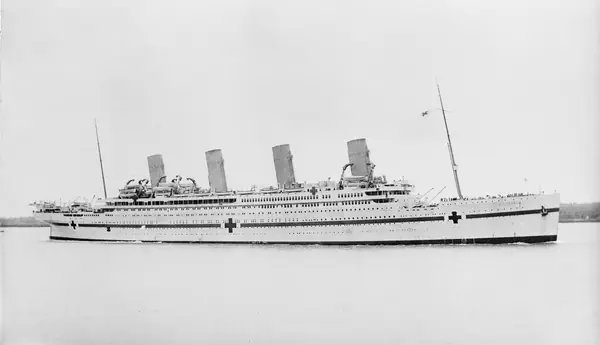
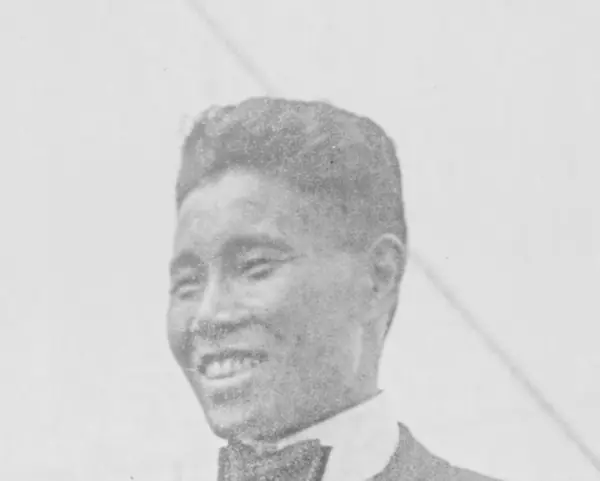
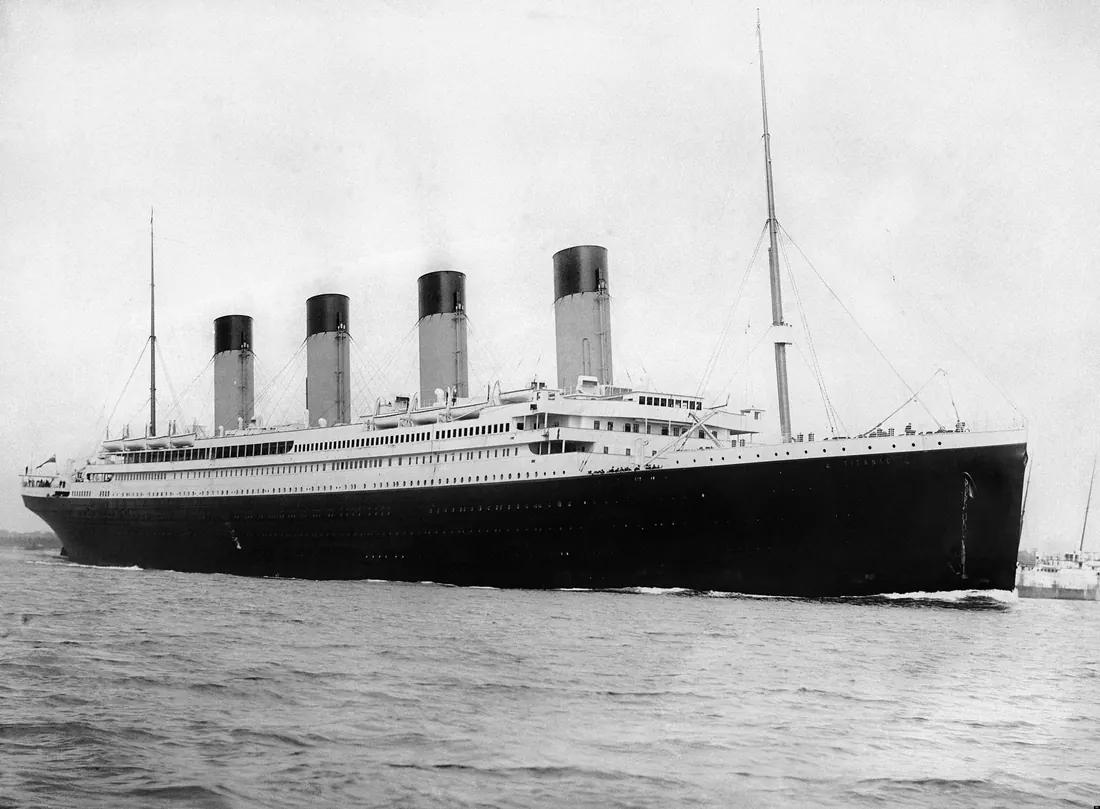
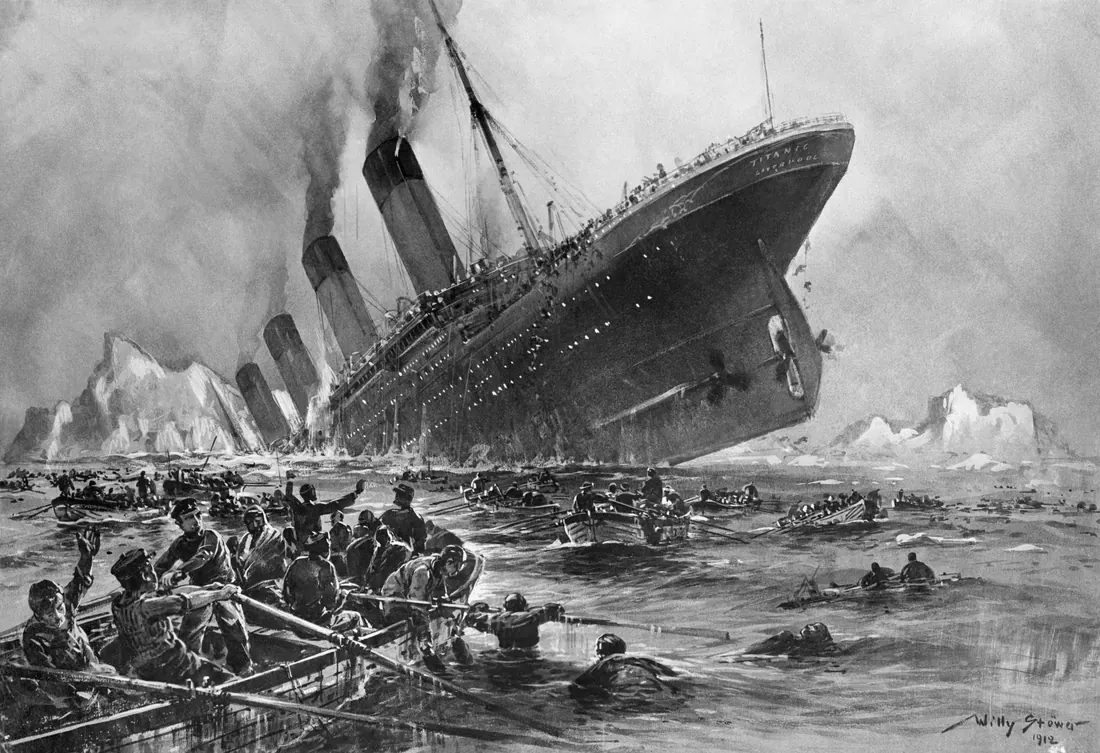
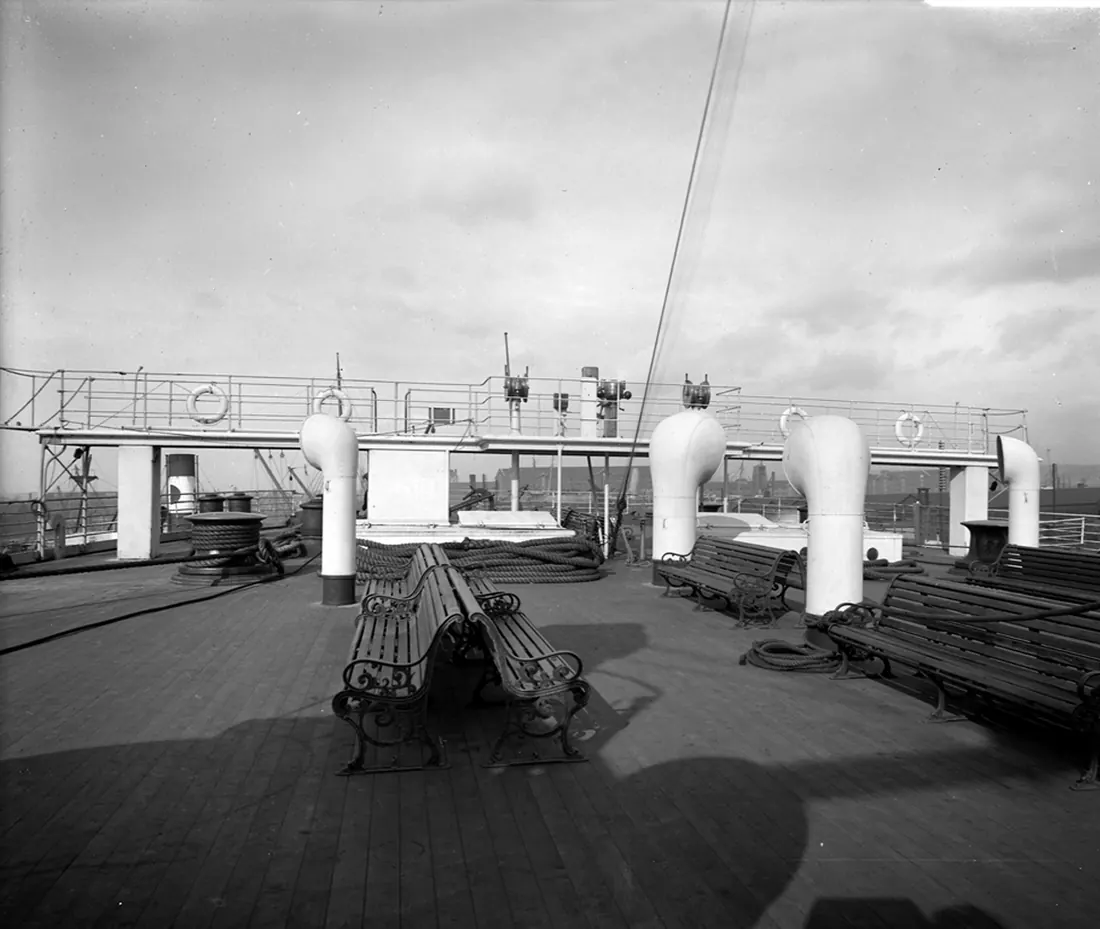
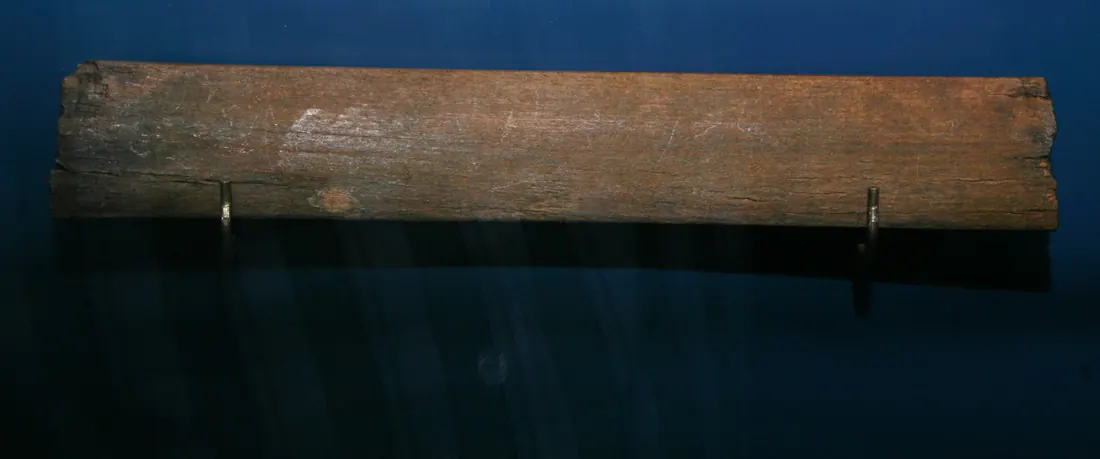
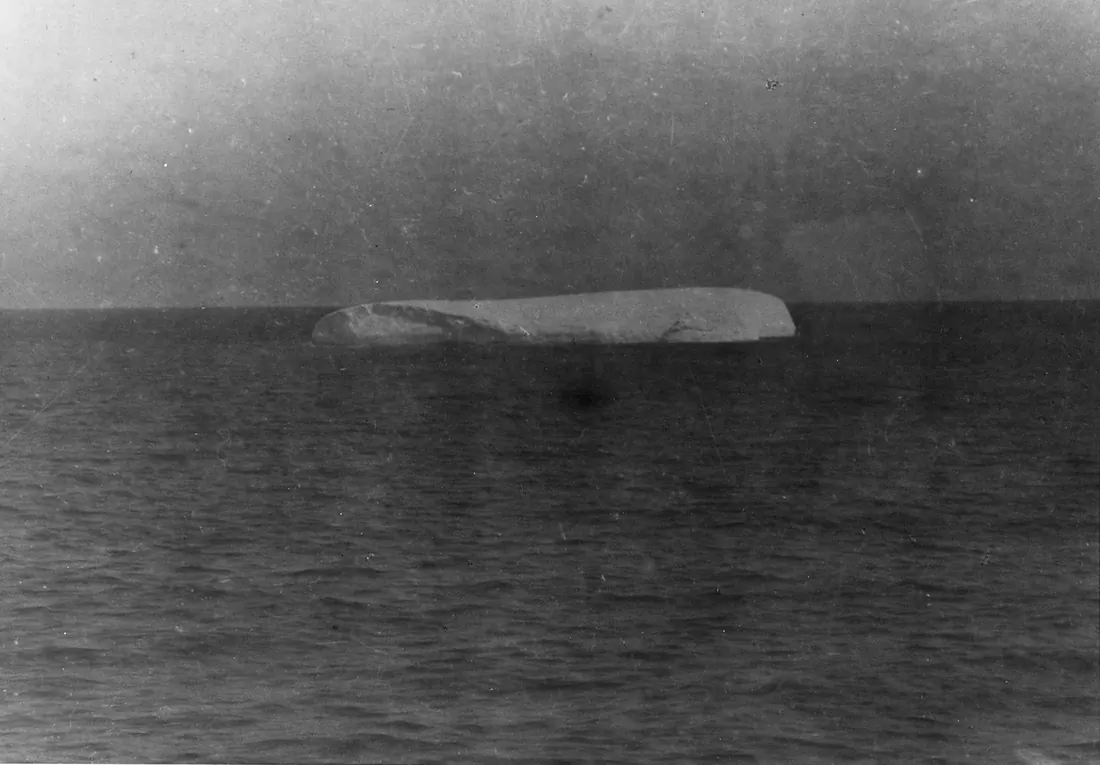
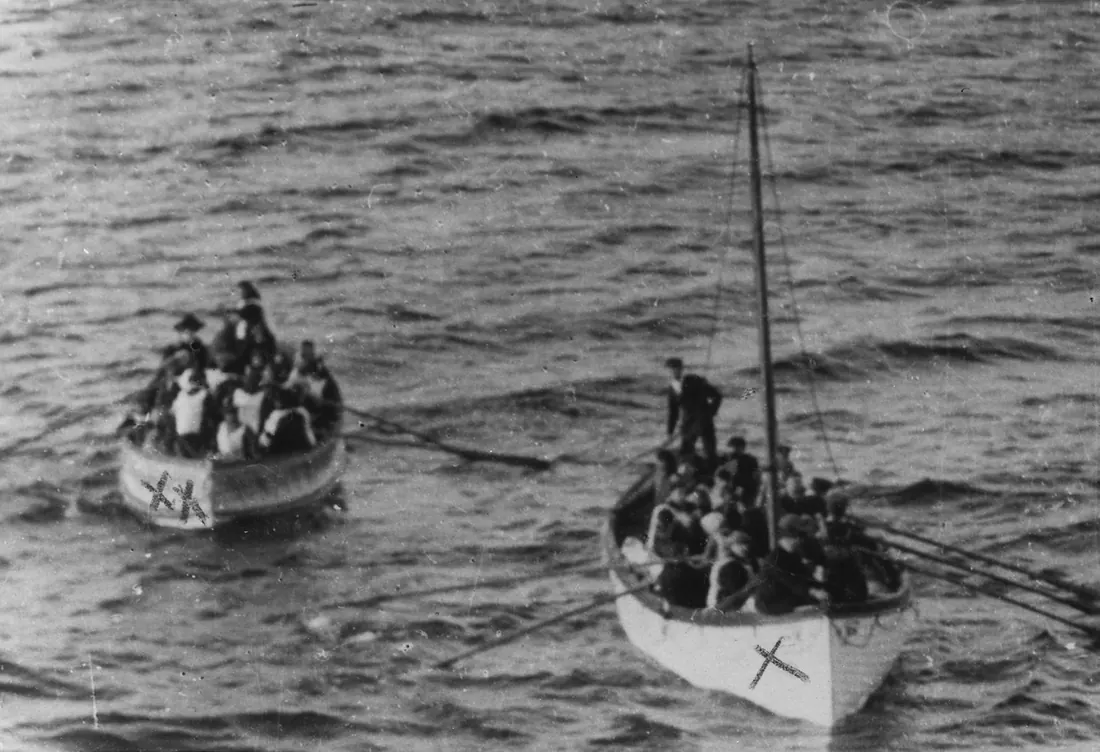
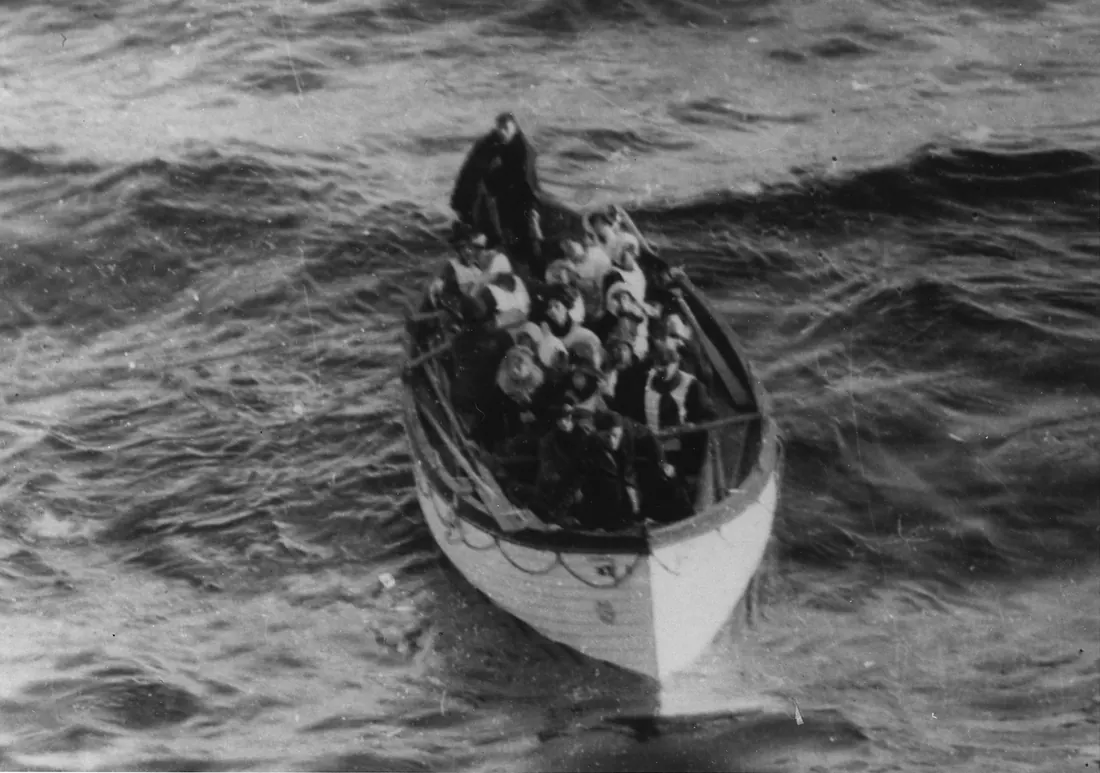
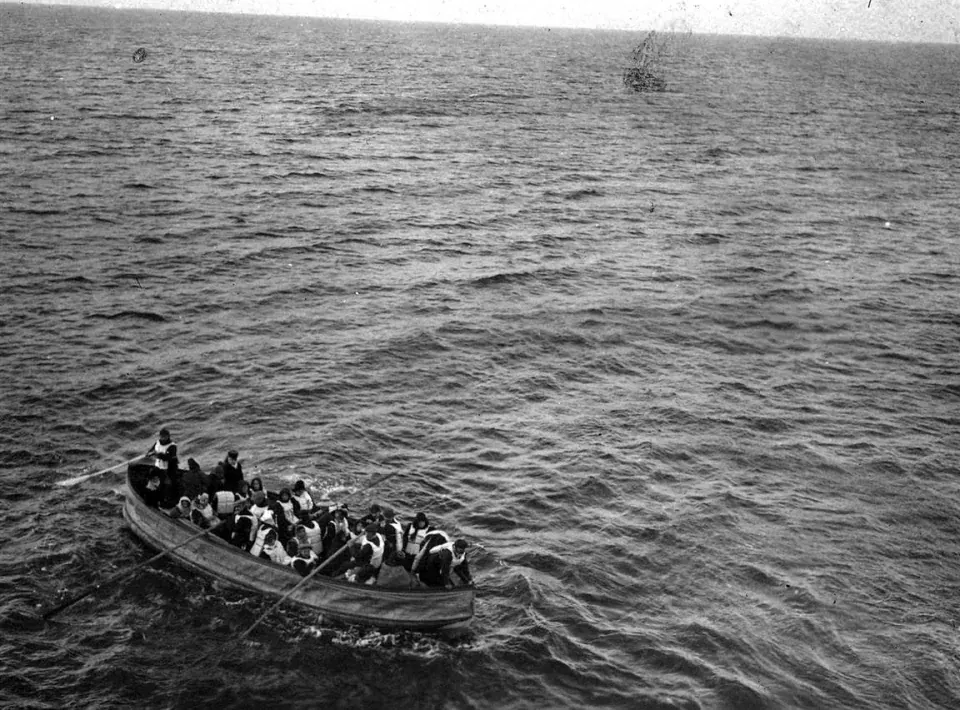
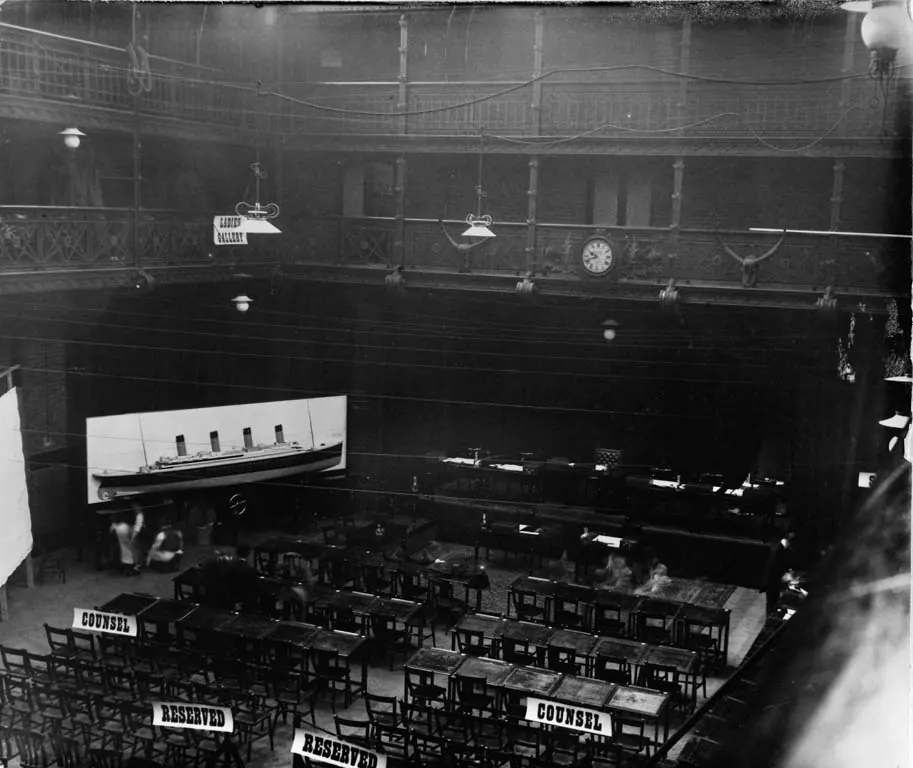
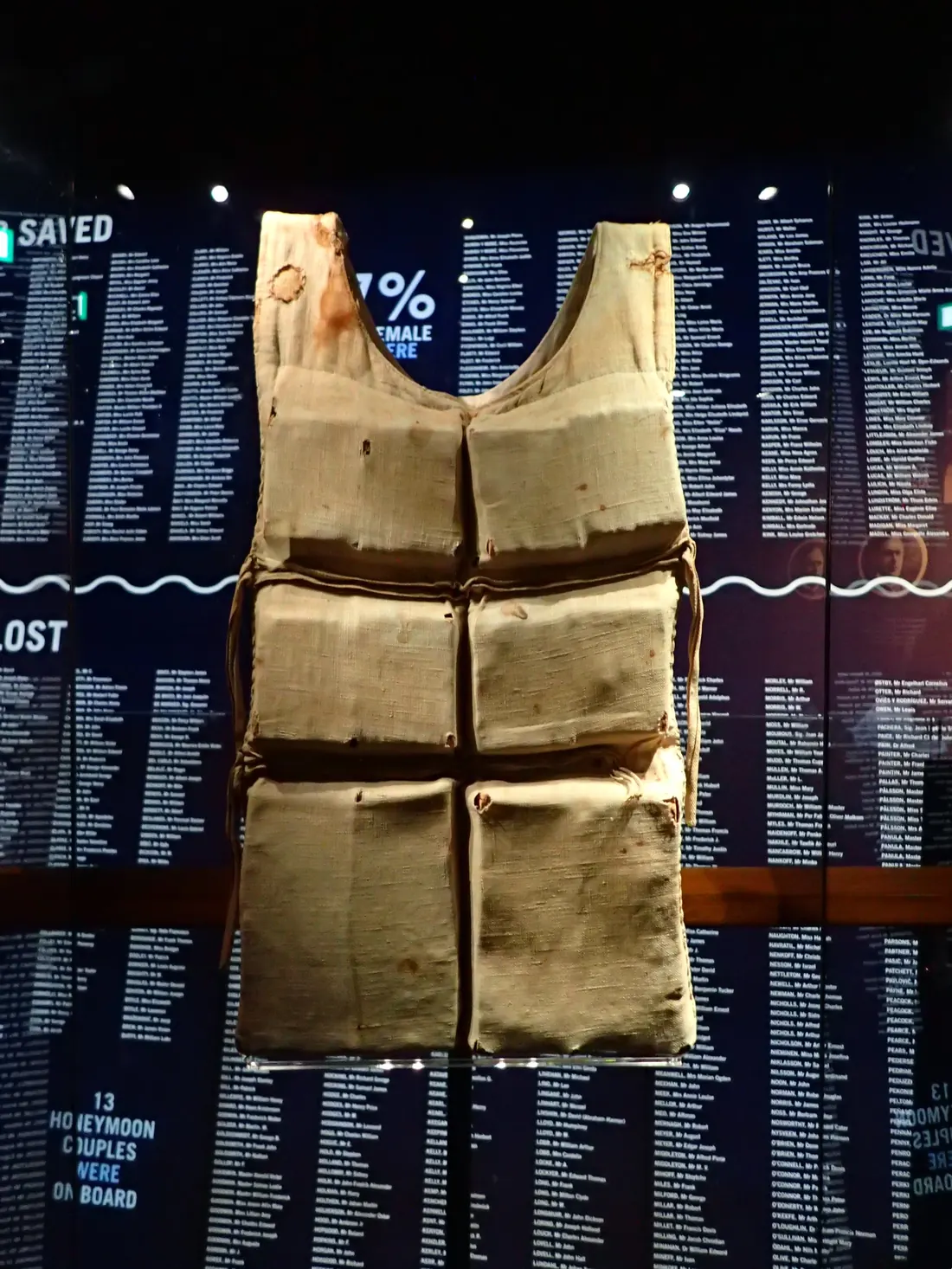
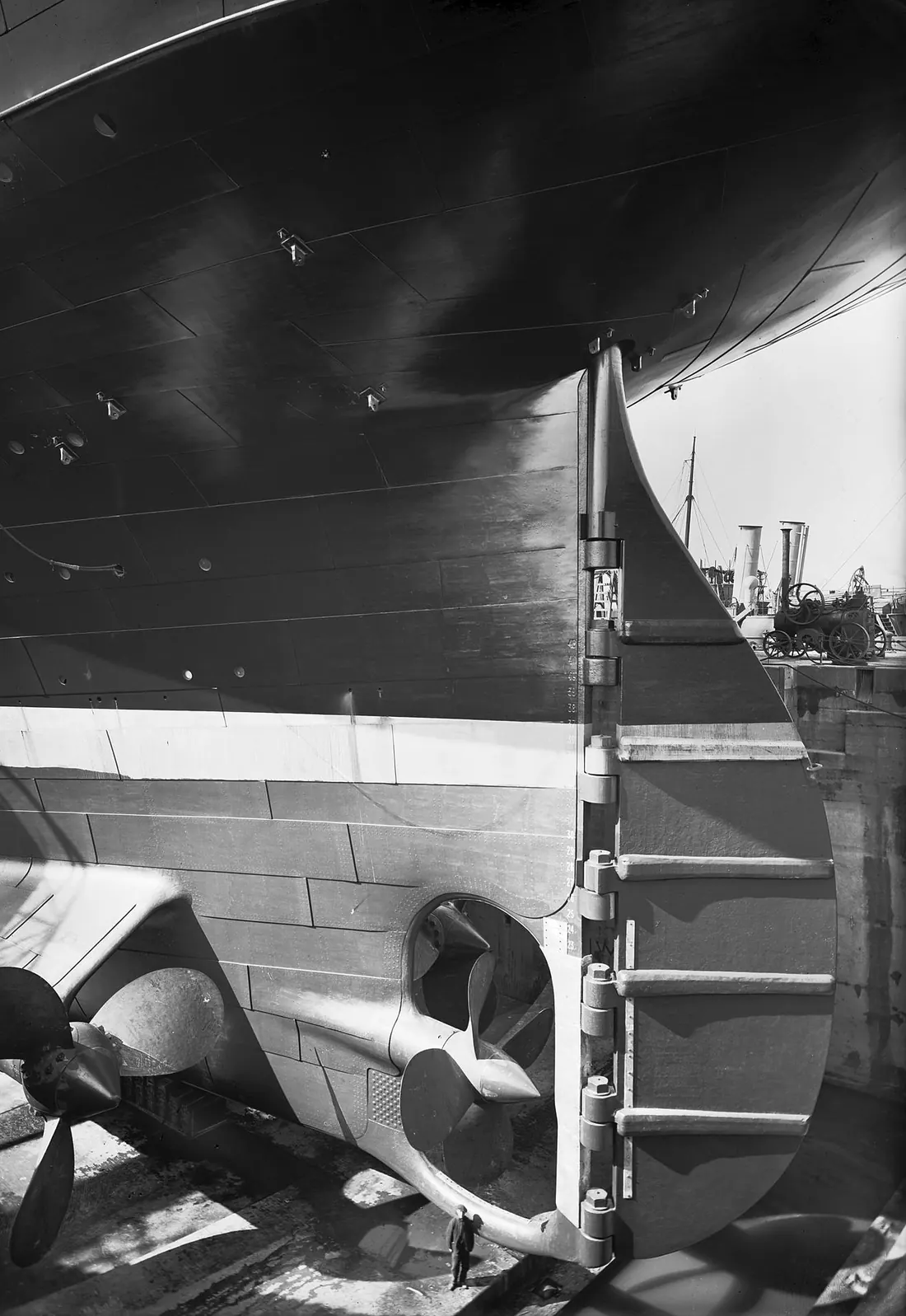
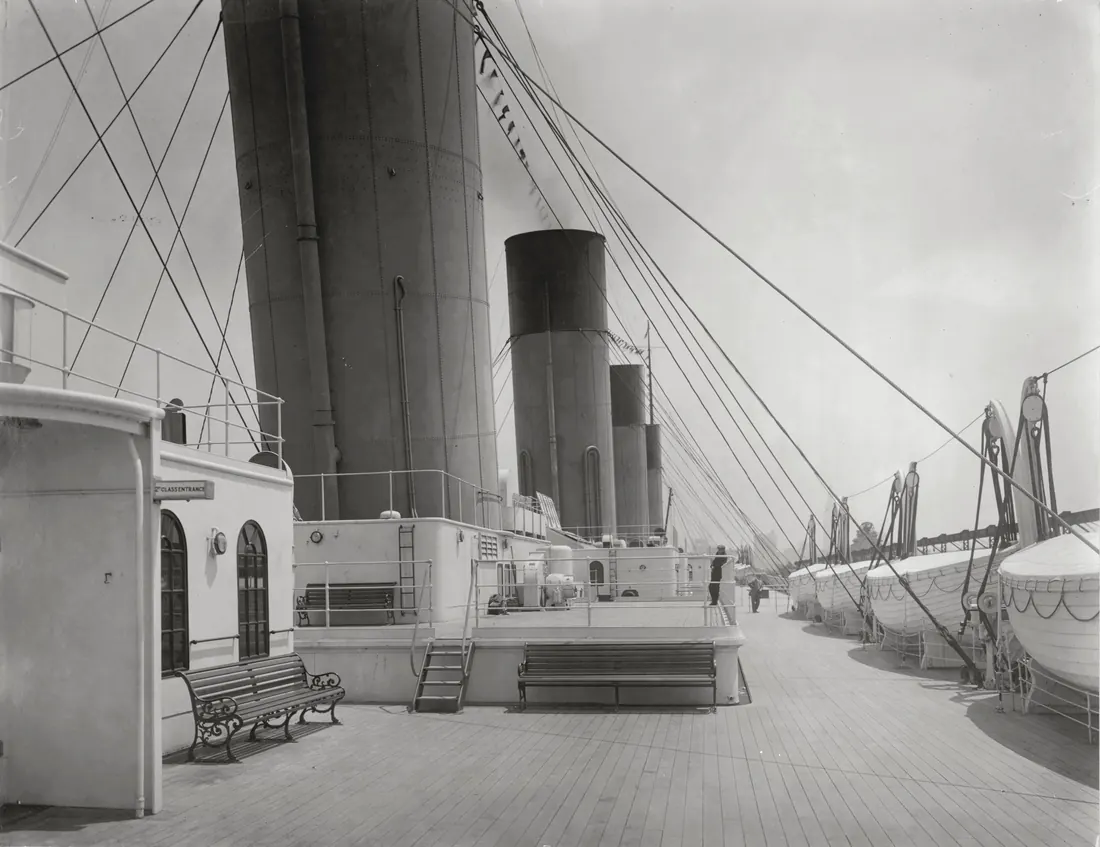
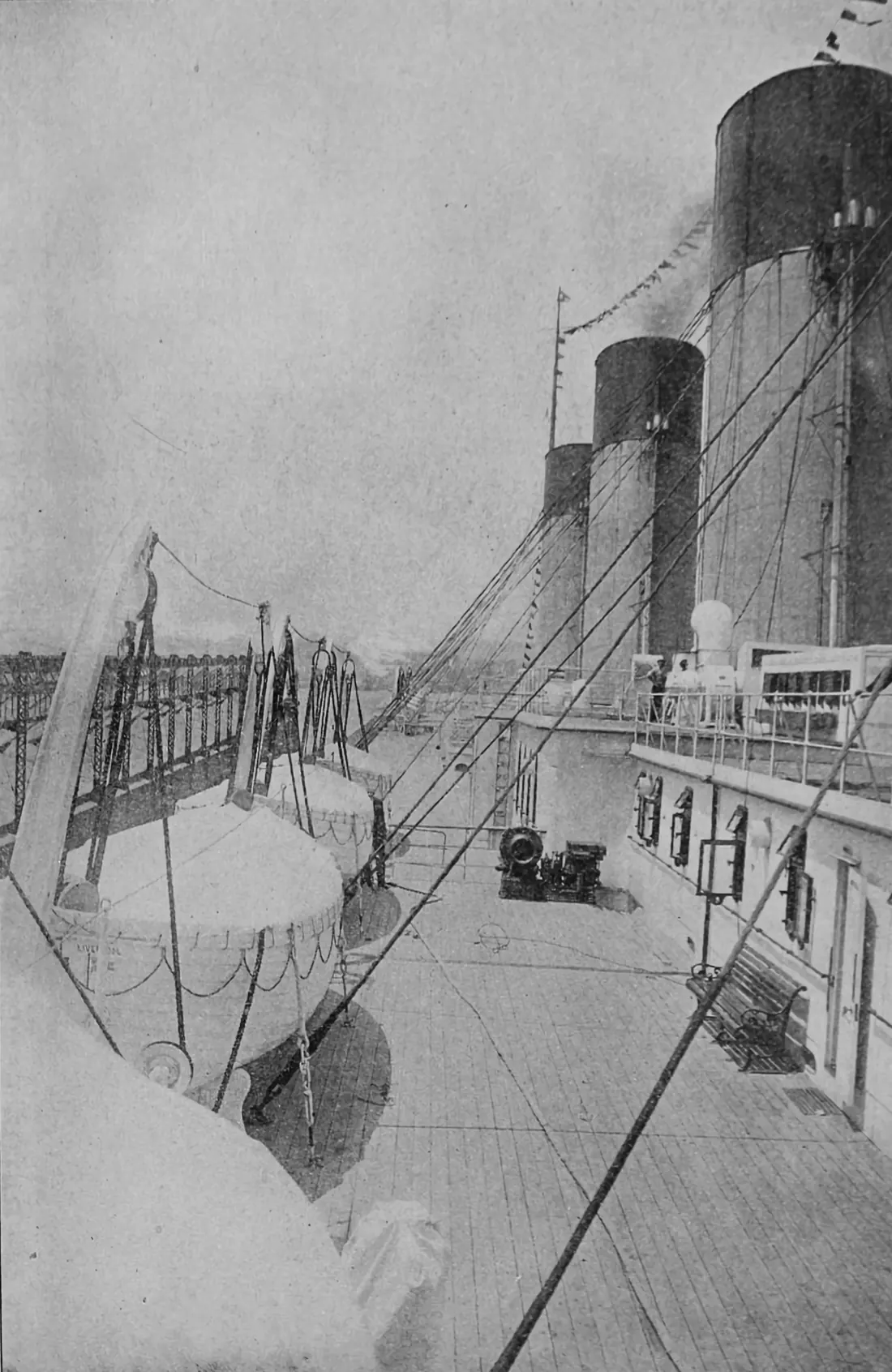
Pictures: the only photo of Joughin is a 1912 press photo from the Spaarnestad Photo collection, photographer unknown. Willy Stöwer’s 1912 engraving (and a detail of its stern) is an artist’s impression of the sinking. The Titanic is shown leaving Southampton on April 10, 1912. The boat deck, lifeboats, poop deck and stern are the Olympic’s, the Titanic’s near-identical sister, in 1911–1912. The lifeboat photos and the iceberg were taken from the Carpathia on the morning of April 15, 1912; they are not lifeboat 10, Collapsible B or the boat that picked him up, and Collapsible D is upright. The hall was set up for the British inquiry in 1912. The deck chair piece (photographed at an exhibition in 2009) is from the Titanic, and the lifejacket at Titanic Belfast (2024) is a Titanic lifejacket, not his. The other people in these photos are not named.
Photo credits
The archive photos in this story
The photographs and illustrations in this story are in the public domain or shared under open licenses; each one is credited below with its license. Tap one to enlarge it, or follow the link to its Wikimedia Commons page for the full record. The narration, captions and graphics in the Short are our own; its music and sound effects are credited below.
Music and sound effects
Music: Schumann, Kinderszenen, Op. 15: No. 1 'Of Foreign Lands and Peoples (Musopen, public domain); Mussorgsky, Pictures at an Exhibition: IV. Bydlo (piano) (Musopen, public domain); Dvorak, Symphony No. 9 'From the New World': II. Largo (Musopen, public domain).
Sound effects: Freesound, CC0.