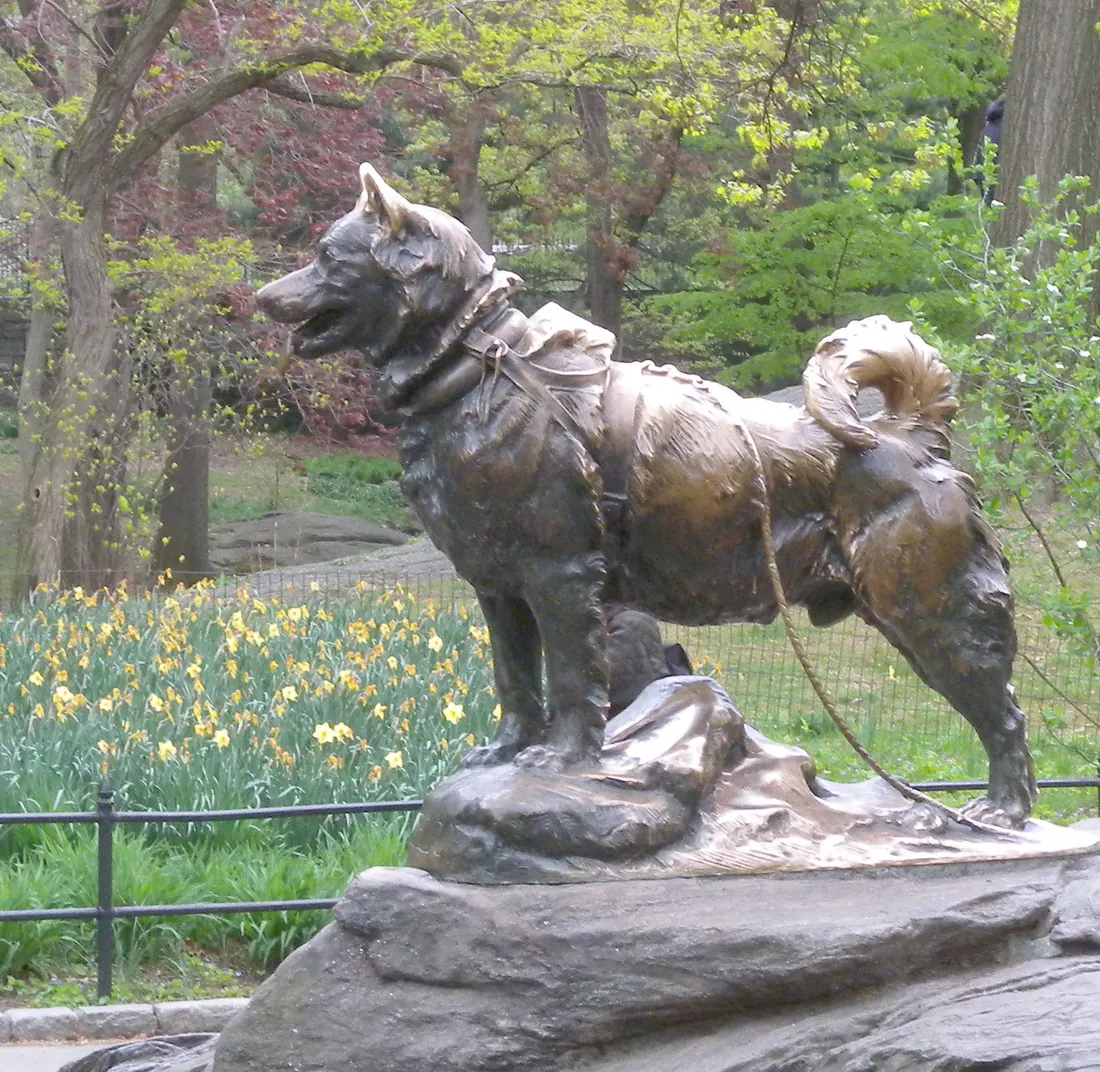
In December 1925, New York unveiled a statue of Balto in Central Park. He had led Gunnar Kaasen’s team on the serum run’s final leg into Nome, and he was a celebrity. But later, as Wikipedia puts it, “Balto and his teammates were sold to Sam Houston, owner of a traveling circus.”
By February 1927, Wikipedia says, “stories emerged of Balto and six teammates living in the back room of a ‘for men only’ dime museum in Los Angeles, also described as a freak show.” “Balto today finds himself in menial capacity of a side-show attraction in a Los Angeles dime museum,” the International News Service reported on February 19, 1927. “All day Balto and his dumb companions are tethered in the gloomy exhibition room to the sled they dragged so gallantly through the Arctic wastes,” the Austin American wrote. “They were malnourished, with their ribs showing.” And Jack Wooldridge of the Oakland Tribune wrote, as Wikipedia quotes him: “Balto will never see the snow again. He’s simply an exhibit in a museum.”
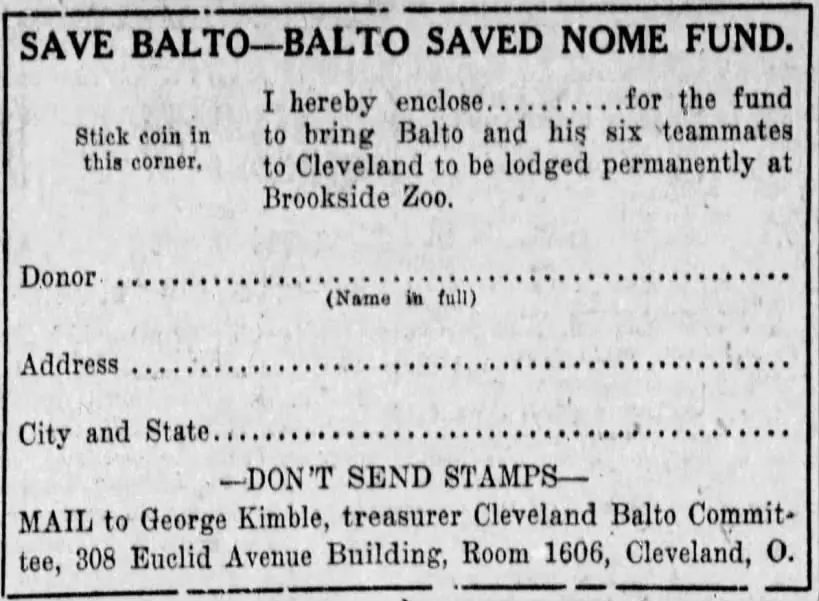
Then “Cleveland businessman George Kimble discovered Balto and his team being exhibited in a ‘dime museum,’” the Encyclopedia of Cleveland History says. He was “outraged by the animals’ poor condition and degradation,” and he negotiated to buy them, but Houston “demanded $2,000…, more than Kimble could personally afford.” So Kimble turned to his city: with businessmen, officials and The Plain Dealer he formed the Cleveland Balto Committee, the paper printed coupons and ran daily tallies, and radio stations broadcast appeals. “There are stories of school children saving their pennies,” says Renata Brown of the Cleveland Museum of Natural History, and Wikipedia tells of “Cleveland schoolchildren dropping loose change in buckets and offering their milk money.” As Alaska’s News Source put it, “And in 10 days they raised the $2,000 they needed.”
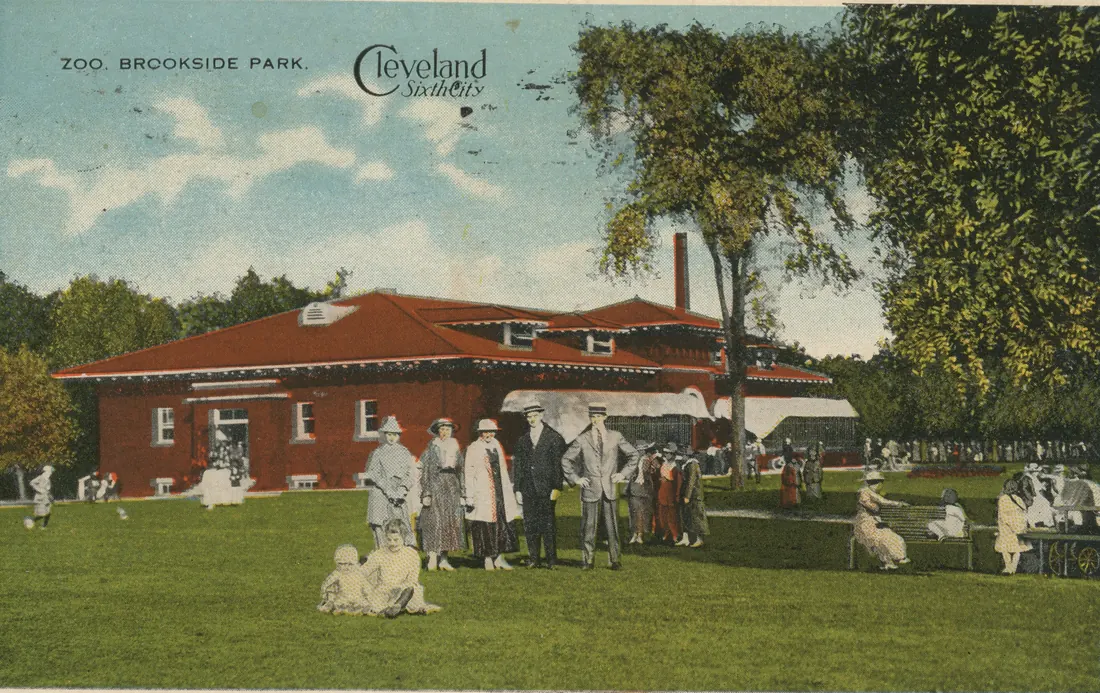
On March 19, 1927, “Balto Day,” the team paraded to City Hall: “Despite rainy conditions, thousands of people were present as the team pulled a sled,” and the dogs were presented to the city. Then they went to live at the Brookside Zoo. “An estimated 15,000 Clevelanders visited the sled team on their first day at the zoo,” Cleveland Historical says; the museum’s own panel says “More than 10,000 people came to see the dogs arrive in their new home.”
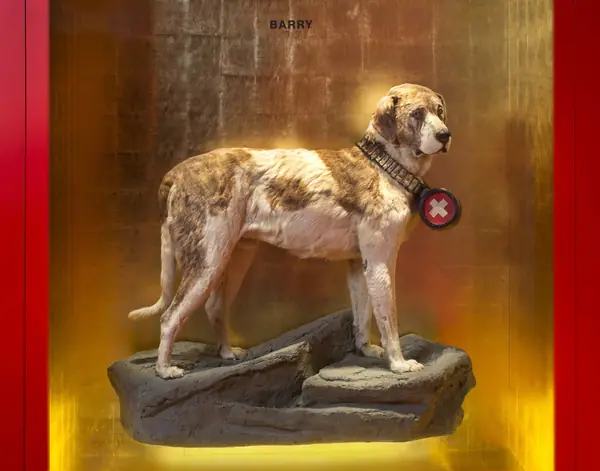
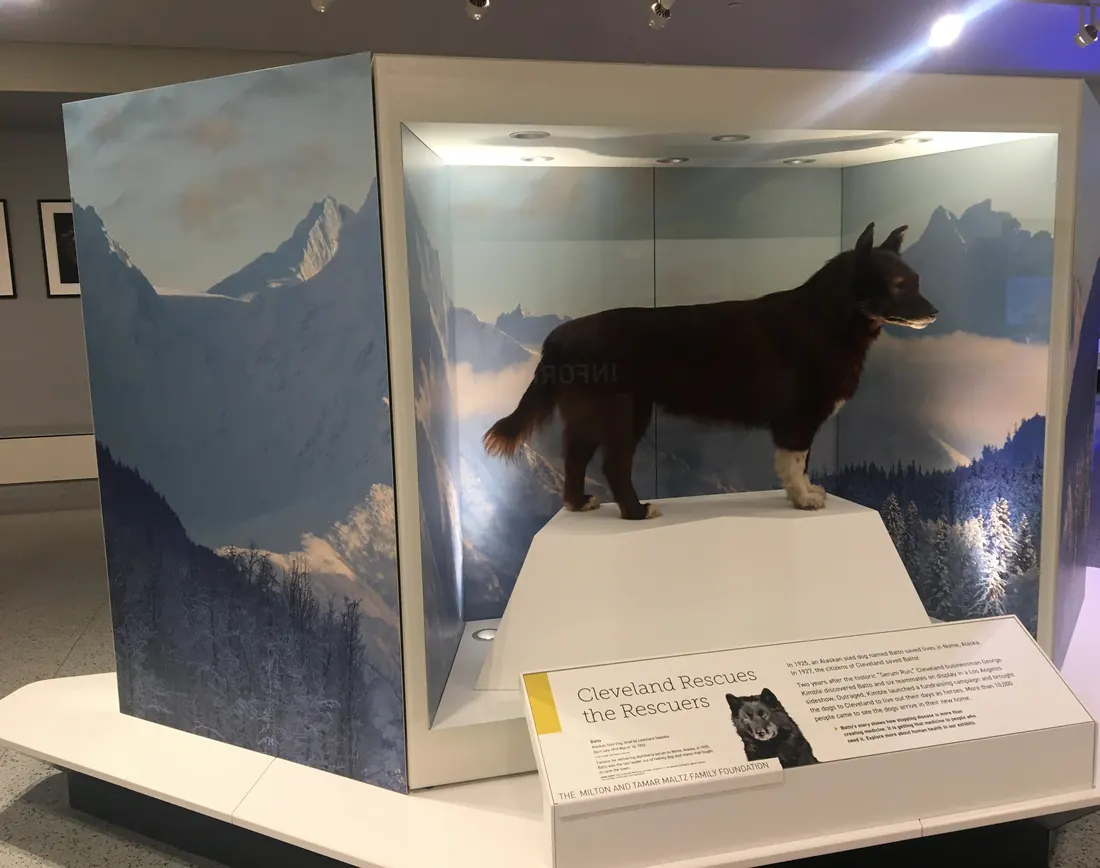
That winter, Balto ran through the snow again. “Balto and his teammates under Philip Sharp whirl onto the snowy roadway for their regular run,” The Plain Dealer reported on January 4, 1928; in Wikipedia’s words, “one snowfall in early January 1928, turned the zoo’s boulevard into an icy trail, with Balto and Fox alternating lead.” He lived at the zoo until he died on March 14, 1933, and his mount is at the Cleveland Museum of Natural History, where a panel tells his story in two lines: “In 1925, an Alaskan sled dog named Balto saved lives in Nome, Alaska. In 1927, the citizens of Cleveland saved Balto!”
Fact check
The facts and where they come from
- This dog got a statue in Central Park, and a little over a year later he was chained in a dime-museum sideshow. Wikipedia: “A statue of Balto, sculpted by Frederick Roth, was erected in New York City’s Central Park on December 17, 1925”; “By February 1927, stories emerged of Balto and six teammates living in the back room of a ‘for men only’ dime museum in Los Angeles, also described as a freak show”; “Balto and his teammates were displayed chained to a sled.” The Cleveland Museum of Natural History’s panel: “Two years after the historic ‘Serum Run,’ Cleveland businessman George Kimble discovered Balto and six teammates on display in a Los Angeles sideshow.” 12711
- His name was Balto, the famous dog of the serum run, who led Gunnar Kaasen’s team on the final leg into Nome. 12
- Later, his team was sold to a traveling circus. Wikipedia: “Balto and his teammates were sold to Sam Houston, owner of a traveling circus.” Cleveland Magazine: “sold to Sam Houston, the owner of a traveling circus.” 14
- By February 1927, they were in the back room of a Los Angeles dime museum. Oakland Tribune (Jack Wooldridge, February 27, 1927): “In the back room of a little Main street museum in Los Angeles operated for men only is Balto and the famous dog team which carried diptheria anti toxin into Nome.” International News Service (February 19, 1927): “Balto today finds himself in menial capacity of a side-show attraction in a Los Angeles dime museum.” 871
- All day, they were tied to a sled, their ribs showing. Austin American (February 27, 1927): “All day Balto and his dumb companions are tethered in the gloomy exhibition room to the sled they dragged so gallantly through the Arctic wastes.” Wikipedia: “They were malnourished, with their ribs showing.” 91
- A reporter wrote that Balto would never see snow again. Jack Wooldridge, Oakland Tribune, as Wikipedia quotes him: “Balto will never see the snow again. He’s simply an exhibit in a museum.” 18
- Then a Cleveland businessman, George Kimble, found them, and was furious. Encyclopedia of Cleveland History: “Cleveland businessman George Kimble discovered Balto and his team being exhibited in a ‘dime museum.’ Outraged by the animals’ poor condition and degradation…” Amber Anderson of the Cleveland Museum of Natural History (Alaska’s News Source): “A Cleveland business man, George Kimble, saw Balto [living] in what was known as a dime museum in Los Angeles.” 25
- The owner wanted $2,000, so Kimble asked Cleveland for help. Wikipedia: Houston “demanded $2,000…, more than Kimble could personally afford.” Cleveland Magazine: “he demanded $2,000 for the pack… and Kimble couldn’t afford the sum.” Encyclopedia of Cleveland History: Kimble “negotiated to purchase the dogs for $2,000.” With businessmen, officials and The Plain Dealer, he formed the Cleveland Balto Committee; the paper ran daily tallies, and radio carried appeals. 142
- Even schoolchildren gave their pennies and their milk money. Cleveland Magazine, quoting the museum’s Renata Brown: “There are stories of school children saving their pennies.” Wikipedia: “Cleveland schoolchildren dropping loose change in buckets and offering their milk money.” Alaska’s News Source: “School children donated dimes.” 415
- In ten days, the city raised it. Encyclopedia of Cleveland History: “Within ten days, the Balto Fund collected more than $2,300.” Cleveland Historical: “Within ten days, over $2300.00 was collected.” Alaska’s News Source: “And in 10 days they raised the $2,000 they needed.” 235
- In March, Balto’s team pulled a sled through the rain to City Hall, as thousands watched. Wikipedia, on March 19, 1927, “Balto Day”: “Despite rainy conditions, thousands of people were present as the team pulled a sled…”; the dogs were presented to the city at City Hall, and the 1927 newsreel shows the rain. 1312
- Over ten thousand people came to see him at the zoo. Cleveland Historical: “An estimated 15,000 Clevelanders visited the sled team on their first day at the zoo.” Wikipedia: “up to 15,000.” The museum’s panel: “More than 10,000 people came to see the dogs arrive in their new home.” 31116
- That winter, he pulled a sled through the snow again. Wikipedia: “one snowfall in early January 1928, turned the zoo’s boulevard into an icy trail, with Balto and Fox alternating lead.” The Plain Dealer, January 4, 1928 (“Balto And Pals Takes The Air”): “Balto and his teammates under Philip Sharp whirl onto the snowy roadway for their regular run.” 110
- He helped save a town, and then a whole city saved him. The Cleveland Museum of Natural History’s panel: “In 1925, an Alaskan sled dog named Balto saved lives in Nome, Alaska. In 1927, the citizens of Cleveland saved Balto!” Cleveland Magazine: “how the spirit of generosity in the Cleveland community still endures.” 114
Sources
- Balto Wikipedia
- Balto Encyclopedia of Cleveland History (Case Western Reserve University)
- Save Balto Campaign, 1927 Cleveland Historical
- Cleveland’s Canine Hero: Celebrating 100 Years of Balto’s Legacy (2025) Cleveland Magazine
- Balto returns: hero of the serum run visits Alaska (2017) Alaska’s News Source (KTUU)
- Cleveland’s own Balto, who saved a village and became a national hero, turns 100 (2019) News 5 Cleveland
- “Nome dog hero” (International News Service), San Francisco Examiner, February 20, 1927 Newspapers.com, via the Internet Archive
- Jack Wooldridge, “Movieland: a hero has fallen,” Oakland Tribune, February 27, 1927 Newspapers.com, via the Internet Archive
- “Heroic dog imprisoned,” The Austin American, February 27, 1927 Newspapers.com, via the Internet Archive
- “Balto And Pals Takes The Air,” The Plain Dealer, January 4, 1928 Newspapers.com, via the Internet Archive
- Balto’s display at the Cleveland Museum of Natural History, with its text panel (photo by Nathan Obral, 2023) Wikimedia Commons
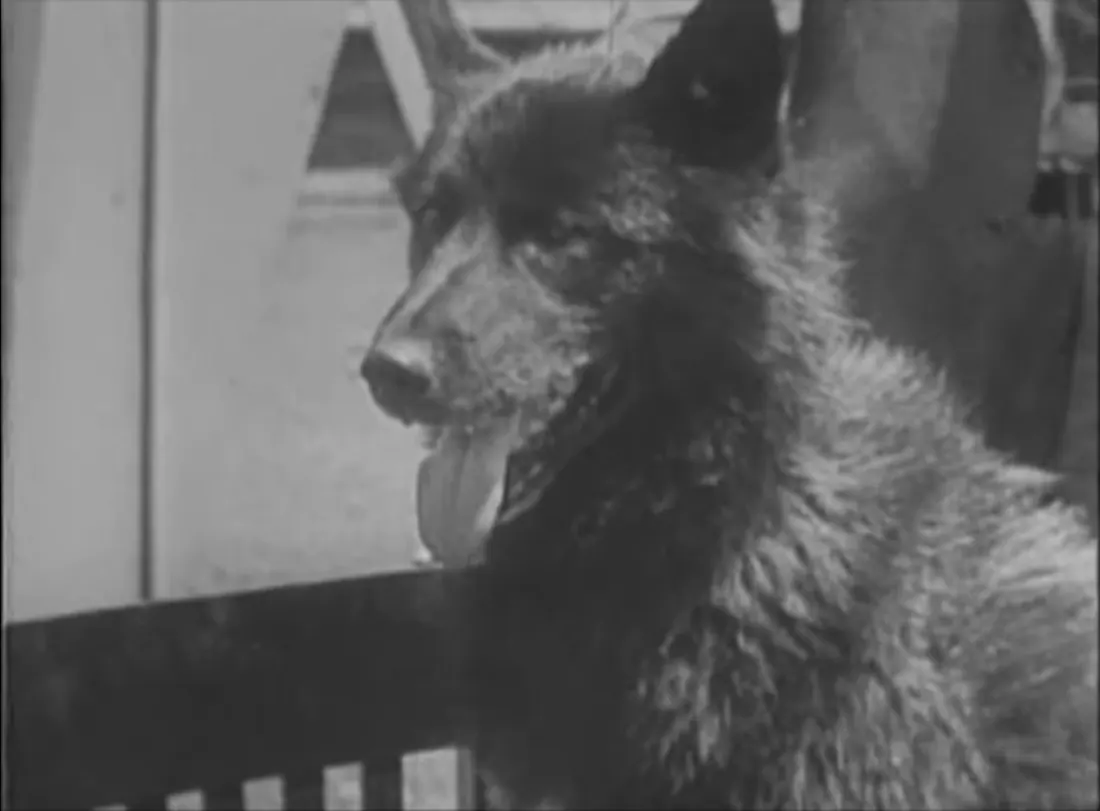
- Balto in Cleveland’s Public Square parade, March 19, 1927 (General Film Company newsreel) Wikimedia Commons
Notes
“A year later”: the statue was unveiled in December 1925, and the first reports of Balto in the Los Angeles museum date from February 19–27, 1927, 14 months later, so this page says a little over a year.
“Freak show”: the 1927 papers call it a “side-show attraction in a Los Angeles dime museum” (International News Service) and a “museum for men only, a wax figure show” (Austin American); Wikipedia says it was “also described as a freak show.” This page uses the 1927 word, sideshow.
Who sold the dogs (Kaasen, Seppala or a film producer) is disputed, so the page says only that they were sold.
The price: Houston first demanded $2,000 and later agreed to $1,500 (Wikipedia); the fund’s goal was $2,000, and the total raised is $2,245.88 (Wikipedia) or more than $2,300 (Encyclopedia of Cleveland History, Cleveland Historical).
The arrival: the Encyclopedia of Cleveland History and Cleveland Historical say the dogs arrived on March 19, 1927; Wikipedia says they arrived on March 16 and paraded on the 19th. The zoo crowd is “up to 15,000” (Wikipedia, Cleveland Historical) or “more than 10,000” (the museum’s panel), so the Short says “over ten thousand.”
The snow run rests on one contemporary source, The Plain Dealer of January 4, 1928, which Wikipedia cites.
Left out: how Kimble first noticed the dogs, which is unclear, and the six teammates’ names, for length.
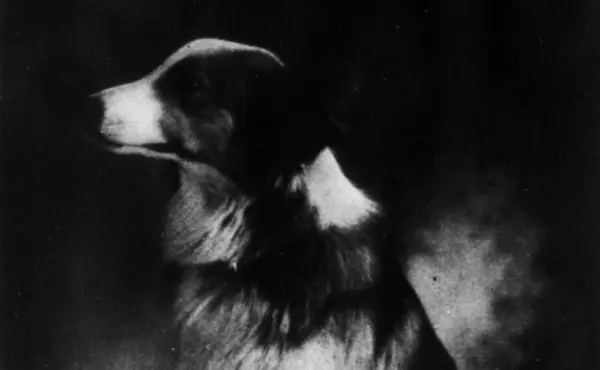
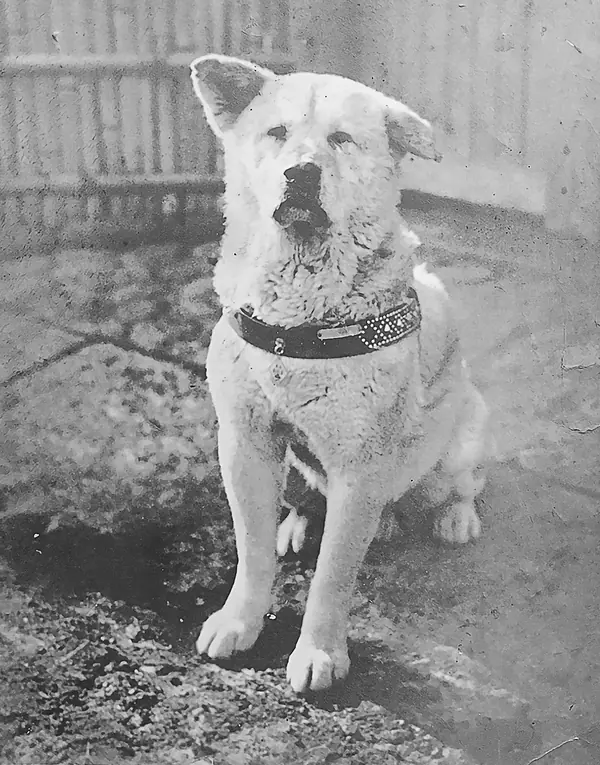
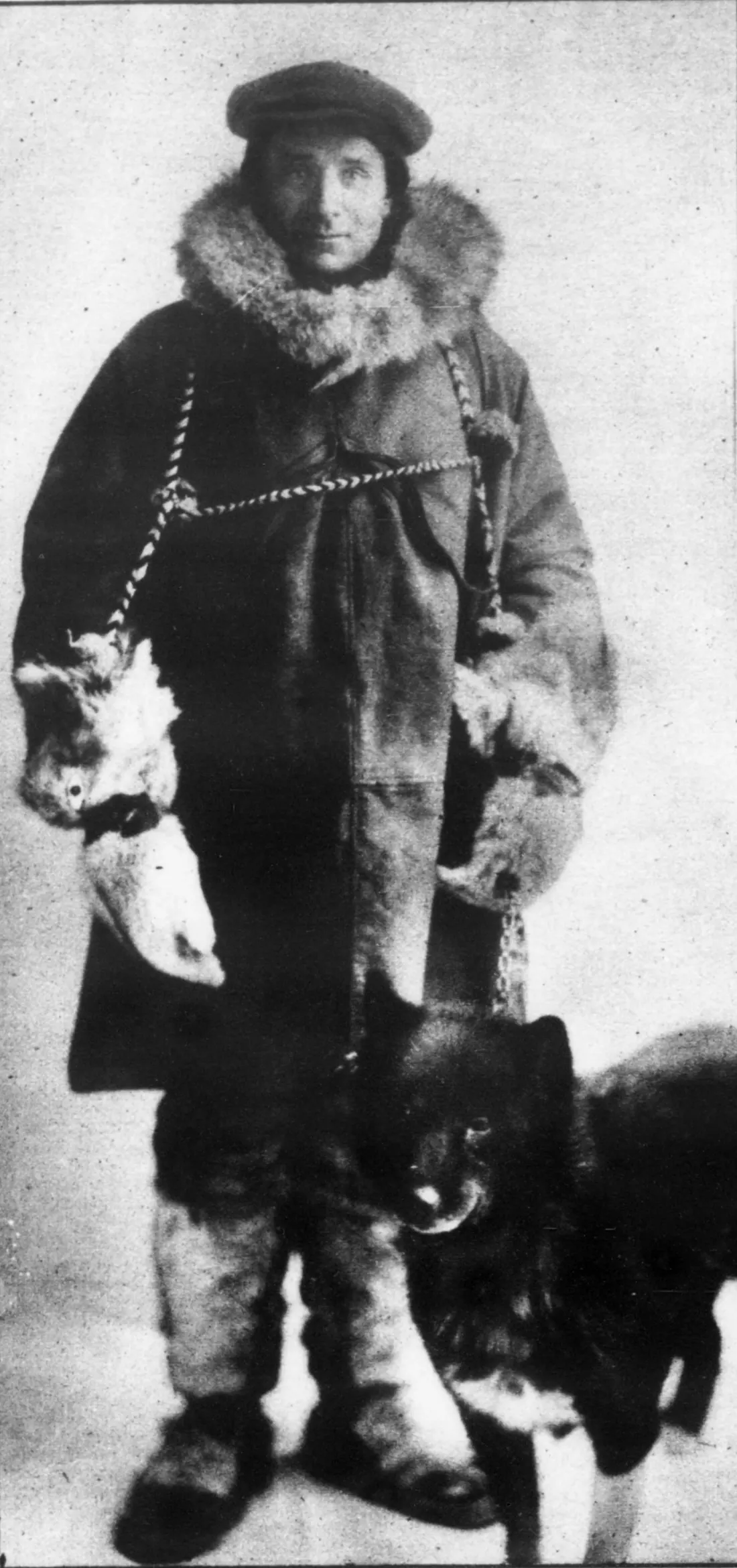
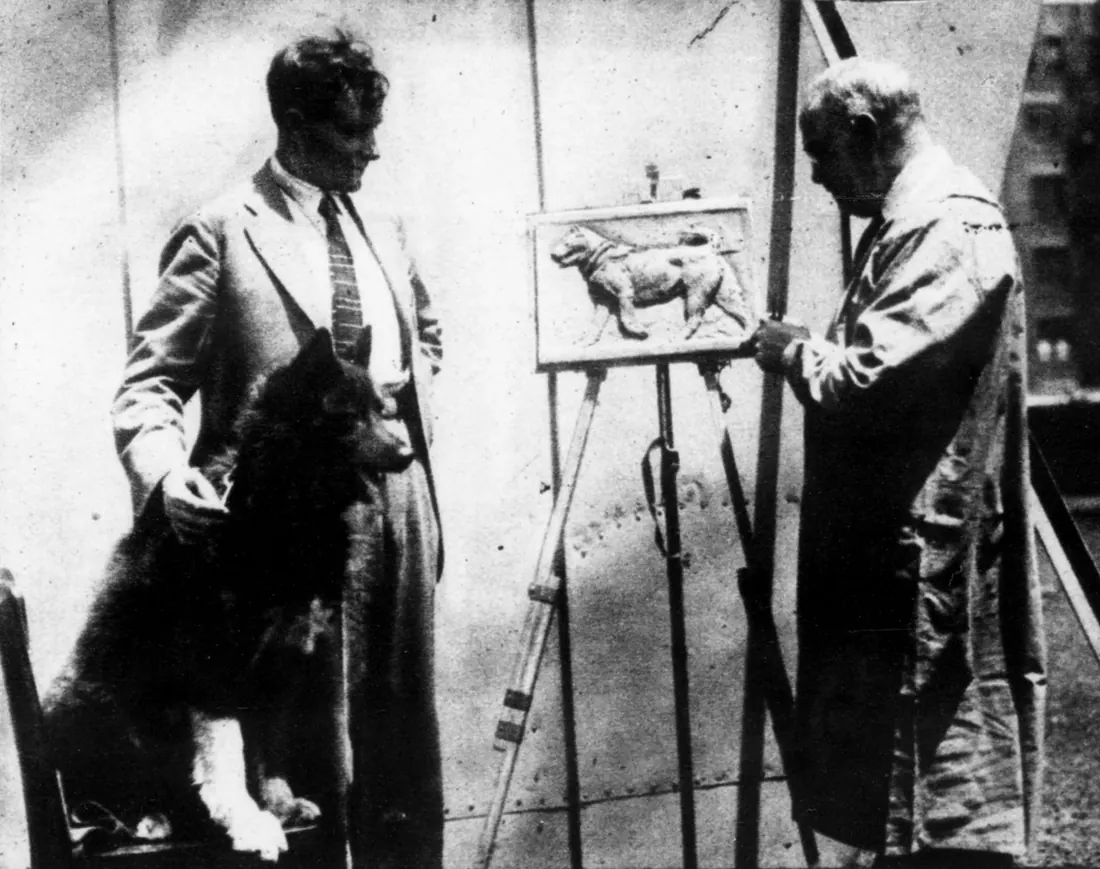
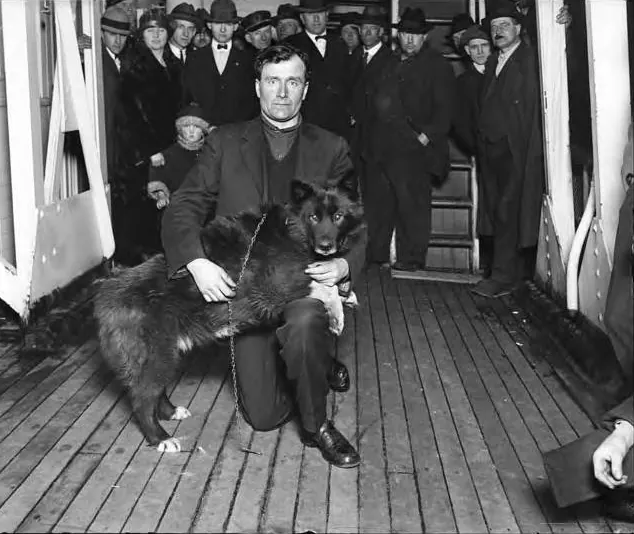
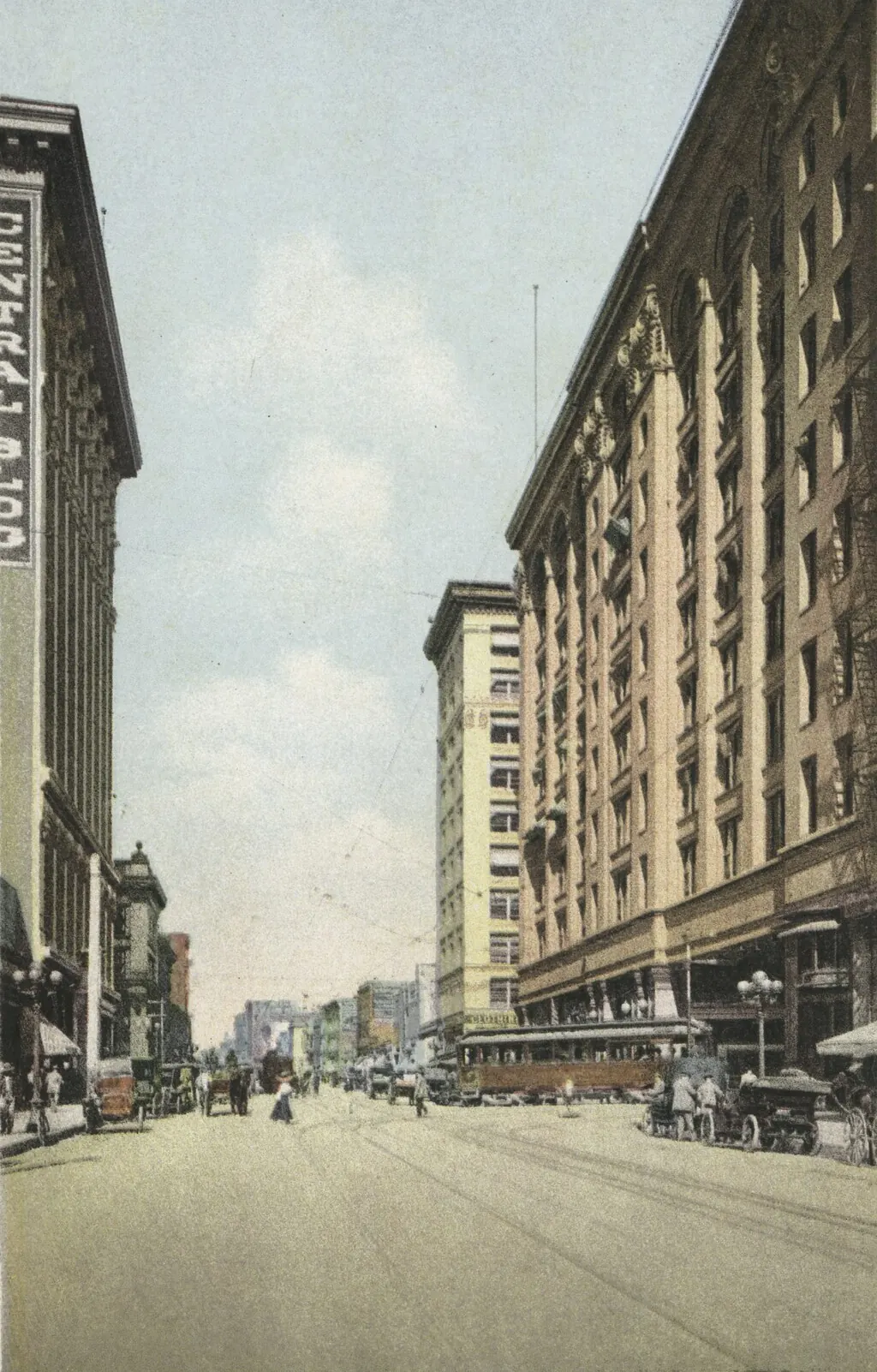
Pictures: every dog shown as Balto is Balto. The newsreel stills are from the General Film Company’s film of Balto’s team in Cleveland on March 19, 1927: Balto close up, the team and the crowd in the rain, and the dogs on the City Hall steps. Gunnar Kaasen and Balto are arriving in Seattle on March 21, 1925; Balto and Kaasen stand by as the sculptor Frederick G. R. Roth works on the statue (Mid-Week Pictorial, July 23, 1925); and Kaasen is with Balto in Mid-Week Pictorial of April 2, 1925, with a detail of Balto from the same photo. The coupon is The Plain Dealer’s, March 2, 1927. The Main Street postcard (about 1910) and the Brookside Park zoo postcard (1918) show the places, not the 1927 events. The statue in Central Park was photographed by Jim.henderson in 2010, and Balto’s mount at the Cleveland Museum of Natural History by Nathan Obral in 2023. In the Short, the snow line shows the March 1927 parade, in the rain.
Photo credits
The archive photos in this story
All the photographs and illustrations in this story are in the public domain. Tap one to enlarge it, or follow the link to its archive page for the full record. The narration, captions and graphics in the Short are our own; its music and sound effects are credited below.
Music and sound effects
Music: Schumann, Kinderszenen, Op. 15: No. 1 'Of Foreign Lands and Peoples (Musopen, public domain); Mussorgsky, Pictures at an Exhibition: IV. Bydlo (piano) (Musopen, public domain); Dvorak, Symphony No. 9 'From the New World': II. Largo (Musopen, public domain).
Sound effects: Freesound, CC0.