When Bass Reeves died in 1910, the Muskogee Phoenix wrote: “At different times his belt was shot in two, a button shot off his coat, his hat brim shot off and the bridle reins which he held in his hands cut by a bullet. However, in spite of all these narrow escapes and many conflicts in which he was engaged, Reeves was never wounded.” The National Park Service agrees: “Reeves was involved in numerous shootouts but was never wounded.”
“He was known to work in disguise in order to get information and affect the arrest of fugitives he wanted to capture,” the Park Service says. “Sometimes he would appear as a drifter, other times as a cowboy, preacher or farmer,” writes the historian Art T. Burton. Burton tells that “he once got a tip that some dangerous outlaws were holed up in a log cabin, so he dressed in farmer overalls and intentionally got his ramshackle wagon stuck on a nearby tree stump. When the four outlaws came out to help him get unstuck, he got the drop on them and brought them to justice.”
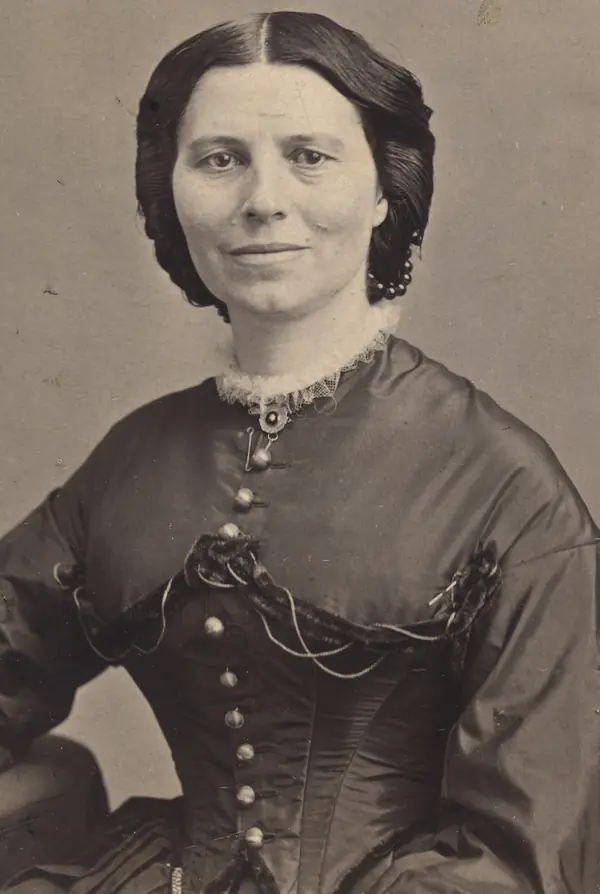
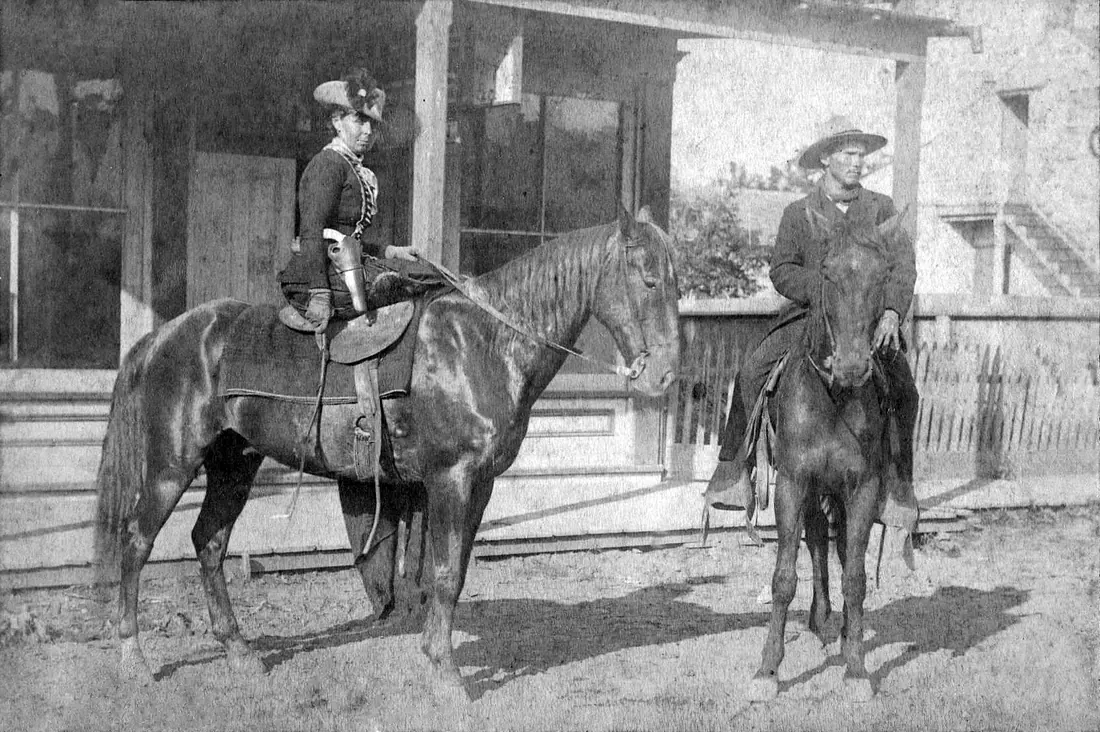
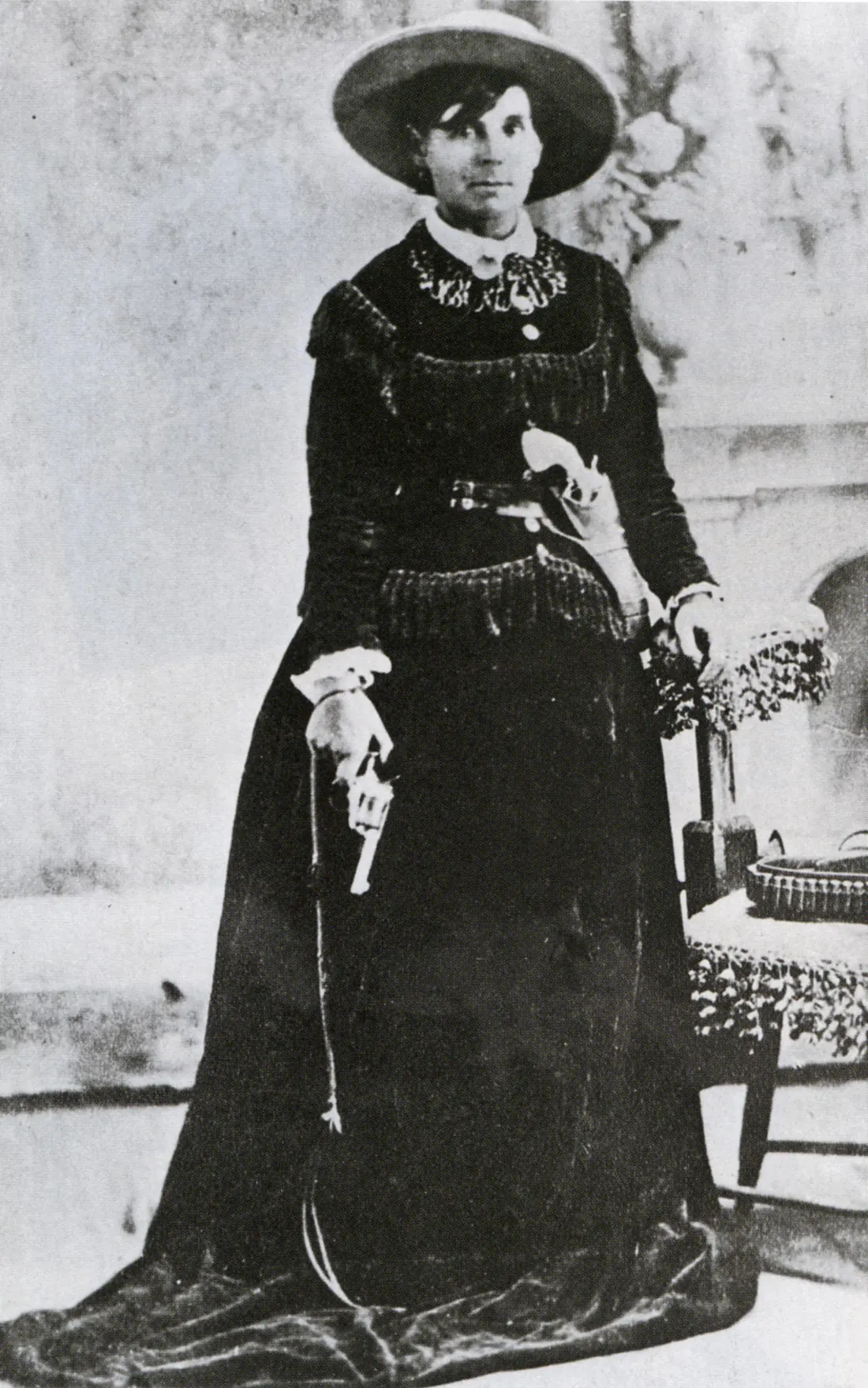
“The noted female outlaw Belle Starr turned herself in at Fort Smith when she found out Reeves had the warrant for her arrest,” says the Encyclopedia of Arkansas. The Park Service calls it “the one time she turned herself in at the Fort Smith Federal Court.”
Then the lawman stood trial himself. “In 1887, Reeves was tried for murder for the shooting of his trail cook, but he was found innocent,” the Encyclopedia of Arkansas says. In Burton’s account, the cook was William Leech, and at the trial Reeves testified that a cartridge caught in his Winchester and “the gun accidentally went off.” He “was acquitted of malicious murder, but because the murder trial had depleted his substantial savings, he had to sell his home in Van Buren.” In 1909 the Muskogee Times Democrat put it simply: “He was freed, but not until most of his money was gone.”
“At the age of 67, Bass Reeves retired from federal service at Oklahoma statehood in 1907. He was hired as a city policeman in Muskogee,” the Park Service says; other sources give his age as 68 or 69. “It is reported there was not one crime reported on his beat.” He had worked “a total of thirty–two years as a deputy U.S. marshal in the Indian Territory,” and he died on January 12, 1910.
Fact check
The facts and where they come from
- Bullets cut his belt in two and shot off his hat brim, but nobody ever wounded him. Muskogee Phoenix obituary (January 13, 1910, reprinted by Art T. Burton): “At different times his belt was shot in two, a button shot off his coat, his hat brim shot off and the bridle reins which he held in his hands cut by a bullet. However, in spite of all these narrow escapes and many conflicts in which he was engaged, Reeves was never wounded.” National Park Service: “Reeves was involved in numerous shootouts but was never wounded.” Wikipedia: “He was never wounded, despite having his hat and belt shot off on separate occasions.” 126
- His name was Bass Reeves, the lawman who arrested his own son. National Park Service: “Bass took the warrant and brought in his son for murder.” Encyclopedia of Arkansas: “In 1902, Reeves arrested his own son, Bennie, for domestic murder in Muskogee.” 23
- Another bullet cut the reins in his hands. Muskogee Phoenix obituary: “the bridle reins which he held in his hands cut by a bullet.” 1
- He also hunted outlaws in disguise. National Park Service: “He was known to work in disguise in order to get information and affect the arrest of fugitives he wanted to capture.” HistoryNet (Art T. Burton): “Sometimes he would appear as a drifter, other times as a cowboy, preacher or farmer.” 24
- Once, dressed as a farmer, he got his wagon stuck near an outlaw cabin, on purpose. HistoryNet (Art T. Burton): “he once got a tip that some dangerous outlaws were holed up in a log cabin, so he dressed in farmer overalls and intentionally got his ramshackle wagon stuck on a nearby tree stump.” 4
- Out came four outlaws to help him, and he arrested all four. HistoryNet (Art T. Burton): “When the four outlaws came out to help him get unstuck, he got the drop on them and brought them to justice.” 4
- When the outlaw Belle Starr heard he had her warrant, she turned herself in. Encyclopedia of Arkansas: “The noted female outlaw Belle Starr turned herself in at Fort Smith when she found out Reeves had the warrant for her arrest.” National Park Service: “On one occasion Bass Reeves was given the warrant for Belle Starr, it was the one time she turned herself in at the Fort Smith Federal Court.” 32
- But in 1887, Reeves himself stood trial for murder. Encyclopedia of Arkansas: “In 1887, Reeves was tried for murder for the shooting of his trail cook, but he was found innocent.” HistoryNet: indicted in January 1886, “The trial was finally held in October 1887.” Wikipedia: “At his trial before Judge Parker.” 346
- His camp cook had been shot dead, and Reeves said his rifle went off by accident. HistoryNet: “Reeves shot and killed his black cook, William Leech”; at the trial he testified that a cartridge caught in his Winchester and “the gun accidentally went off.” Wikipedia: “Reeves claimed to have shot William Leech by mistake while cleaning his gun.” 46
- He was found not guilty, but the trial cost him his savings and his home. Encyclopedia of Arkansas: “he was found innocent.” HistoryNet: “Reeves was acquitted of malicious murder, but because the murder trial had depleted his substantial savings, he had to sell his home in Van Buren.” Muskogee Times Democrat (November 19, 1909, reprinted by Burton): “He was freed, but not until most of his money was gone.” 341
- When his marshal job ended, he became a city policeman, at almost seventy. National Park Service: “At the age of 67, Bass Reeves retired from federal service at Oklahoma statehood in 1907. He was hired as a city policeman in Muskogee.” HistoryNet: “Bass Reeves, now 68, took a job with the Muskogee police department.” Handbook of Texas: “At the age of sixty-nine Reeves accepted a job as patrolman with the Muskogee city police department.” 245
- Reportedly, not one crime happened on his beat. National Park Service: “it is reported there was not one crime reported on his beat.” Handbook of Texas: “from 1907 to 1909 there was reportedly never a crime committed on his beat.” 25
- Bullets took his belt, his hat brim and his reins. Muskogee Phoenix obituary: “At different times his belt was shot in two, a button shot off his coat, his hat brim shot off and the bridle reins which he held in his hands cut by a bullet.” 1
- They never took Bass Reeves. Muskogee Phoenix obituary: “Reeves was never wounded.” National Park Service: “Reeves was involved in numerous shootouts but was never wounded.” 12
Sources
- Muskogee Phoenix obituary, January 13, 1910, and Muskogee Times Democrat, November 19, 1909 (reprinted by historian Art T. Burton) Art T. Burton (PDF)
- Bass Reeves National Park Service: Fort Smith National Historic Site
- Bass Reeves (1838–1910) Encyclopedia of Arkansas
- Lawman Legend Bass Reeves: The Invincible Man Hunter (Art T. Burton) HistoryNet
- Reeves, Bass Handbook of Texas (Texas State Historical Association)
- Bass Reeves Wikipedia
Notes
The belt, the hat brim and the reins were hit at different times, not in one fight (“at different times,” the 1910 obituary).
Which shooting led to the trial: the 1909 and 1910 Muskogee papers say he shot a man he was trying to arrest; Art T. Burton’s court-record research (HistoryNet, the Encyclopedia of Arkansas, Wikipedia) says it was his cook, William Leech (or Leach), shot in 1884, with the trial in October 1887. The page follows Burton.
His age when he joined the Muskogee police is 67 (National Park Service), 68 (HistoryNet, Wikipedia) or 69 (Handbook of Texas, the 1910 Muskogee Phoenix), so the Short says “at almost seventy.” “Not one crime on his beat” comes from old-timers’ recollections, so the Short says “reportedly.”
The wagon story is told by Art T. Burton from his research, without a dated primary source; the National Park Service confirms that he worked in disguise.
Belle Starr: HistoryNet adds that “it is not known for sure” that Reeves suggested she give herself up, so the page says only that she turned herself in when she found out he had her warrant.
Left out: a disguise story told only by popular websites, not by the National Park Service, the Oklahoma Historical Society, the Encyclopedia of Arkansas or HistoryNet; another shootout, for length; his burial place, which is disputed; the number of men he killed; and the theory that he inspired the Lone Ranger, which Wikipedia calls only “one possible inspiration.”
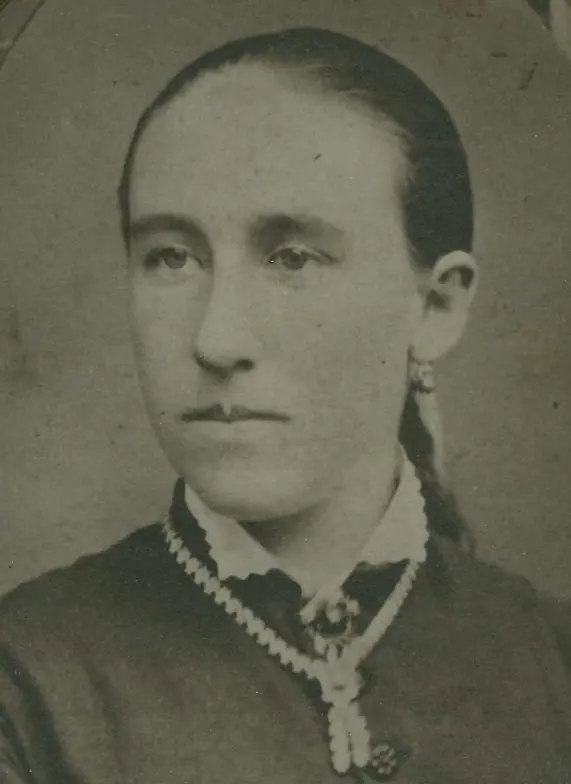
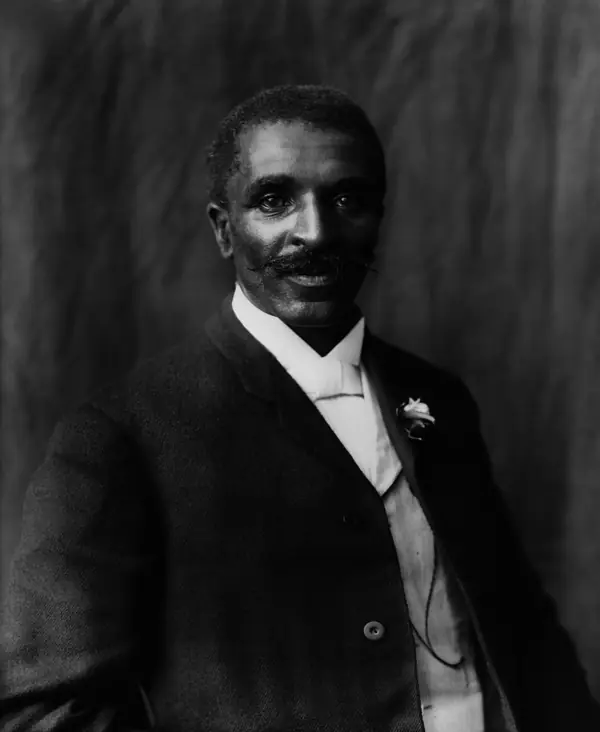
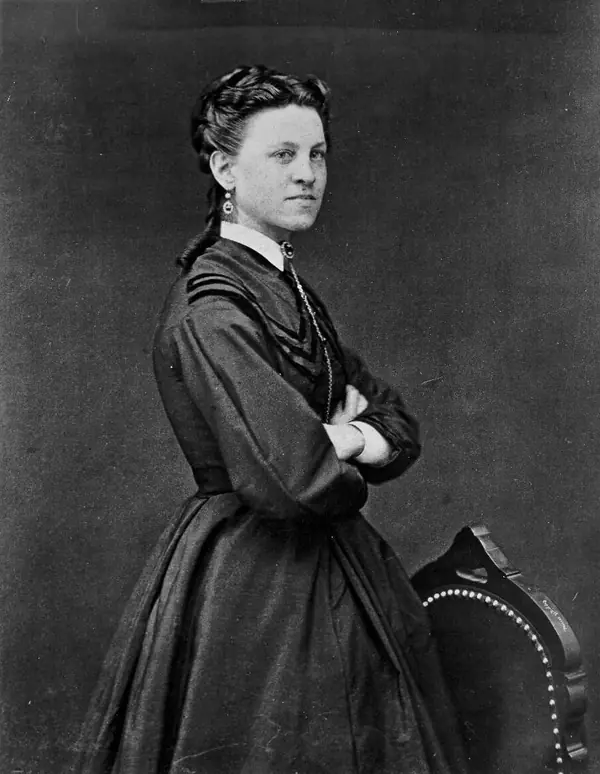
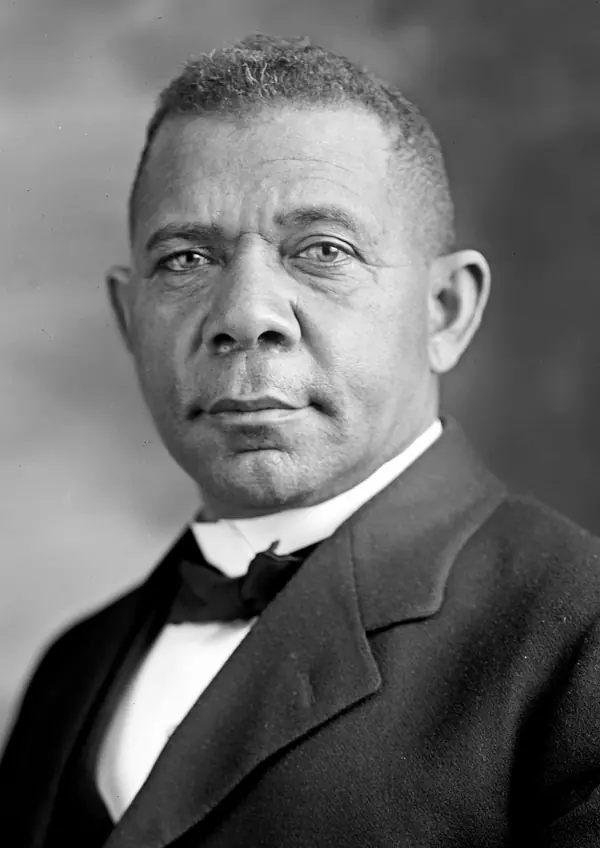
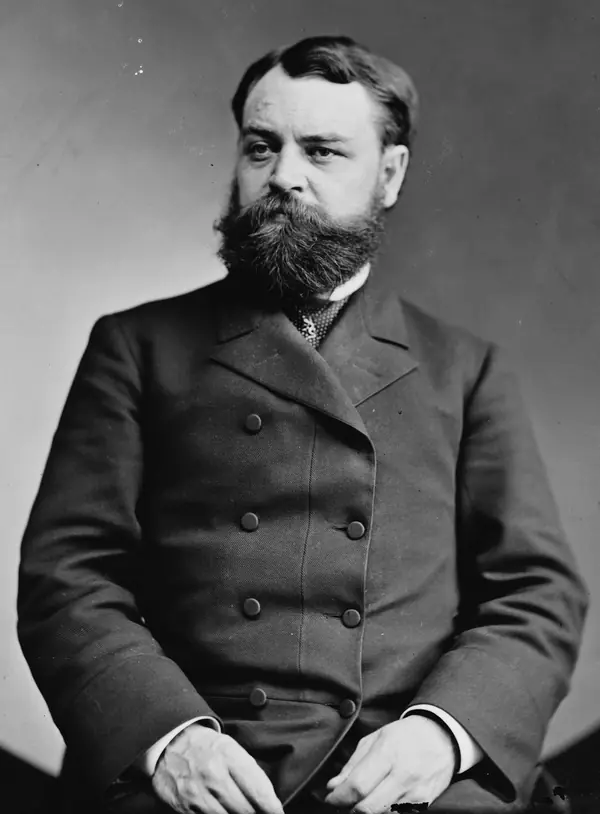
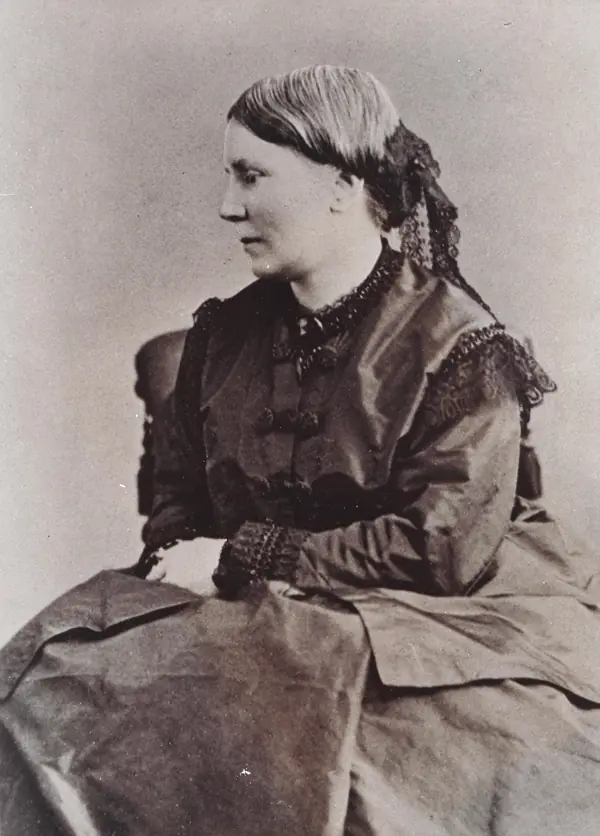
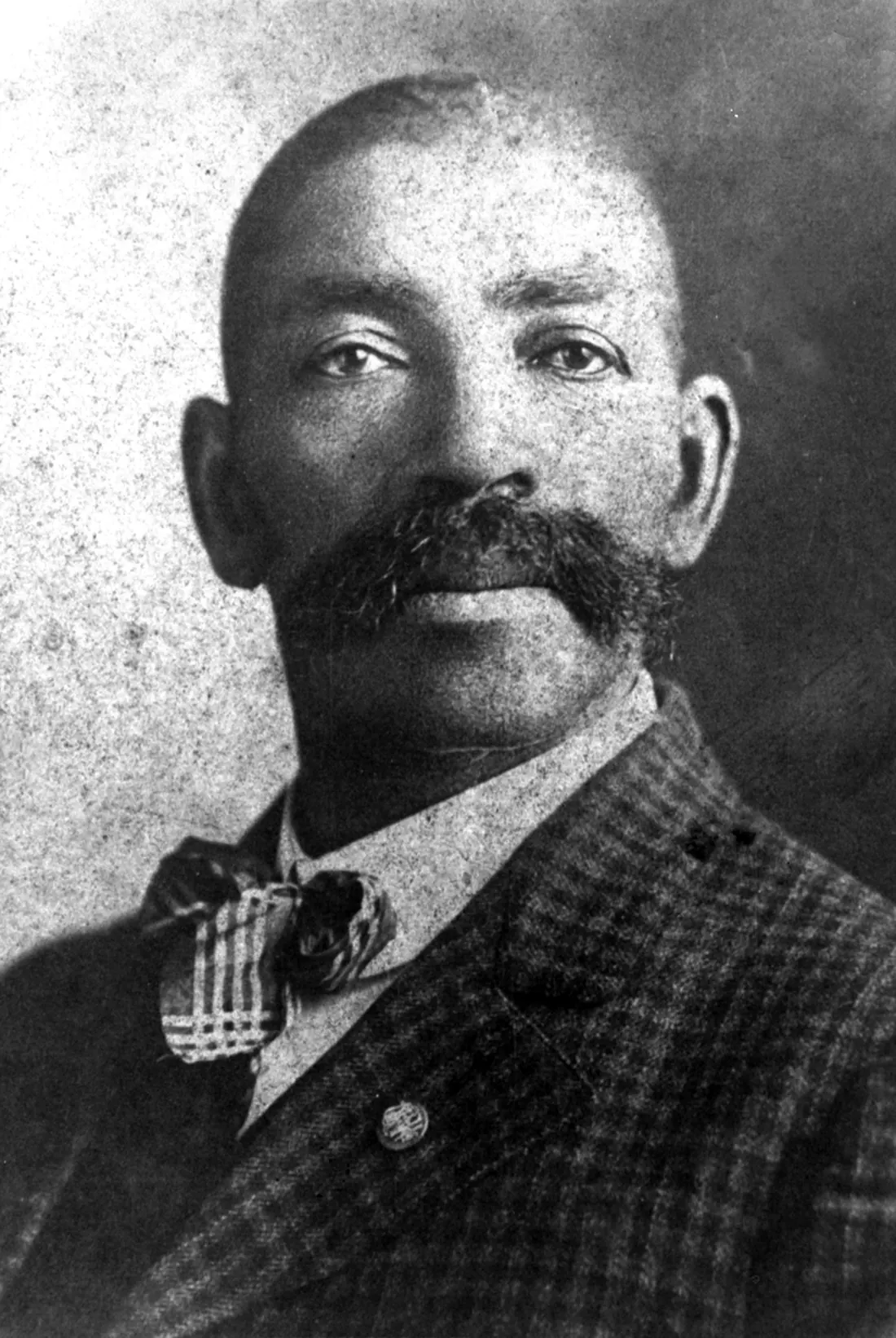
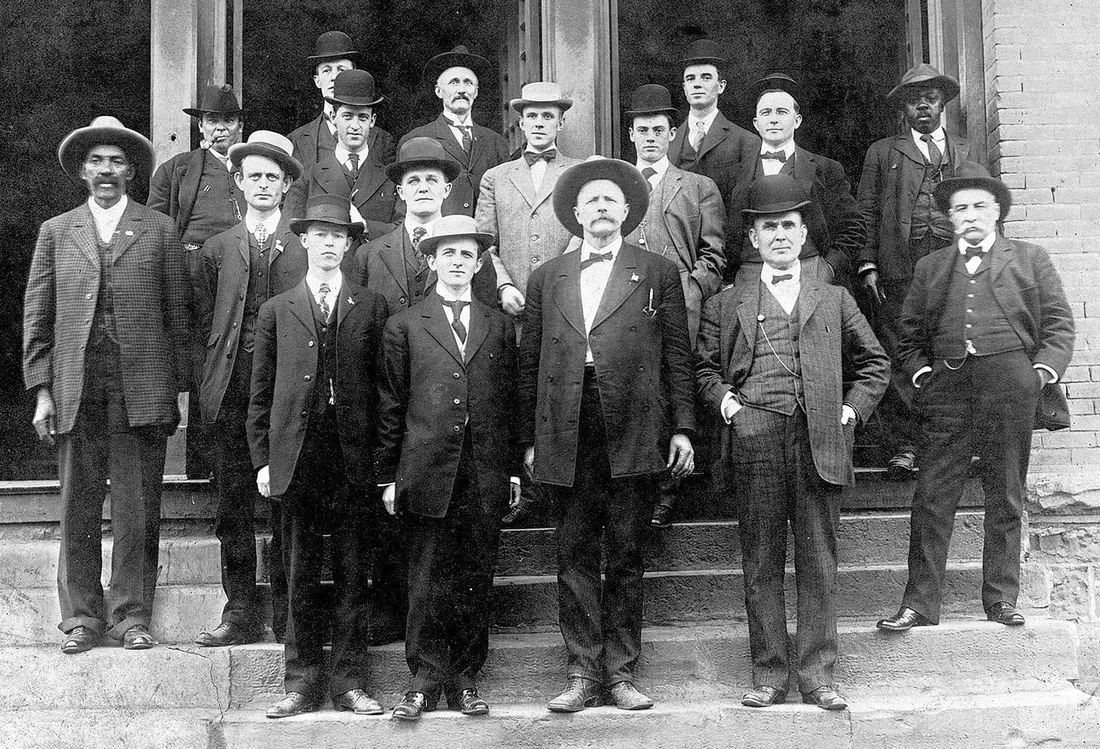
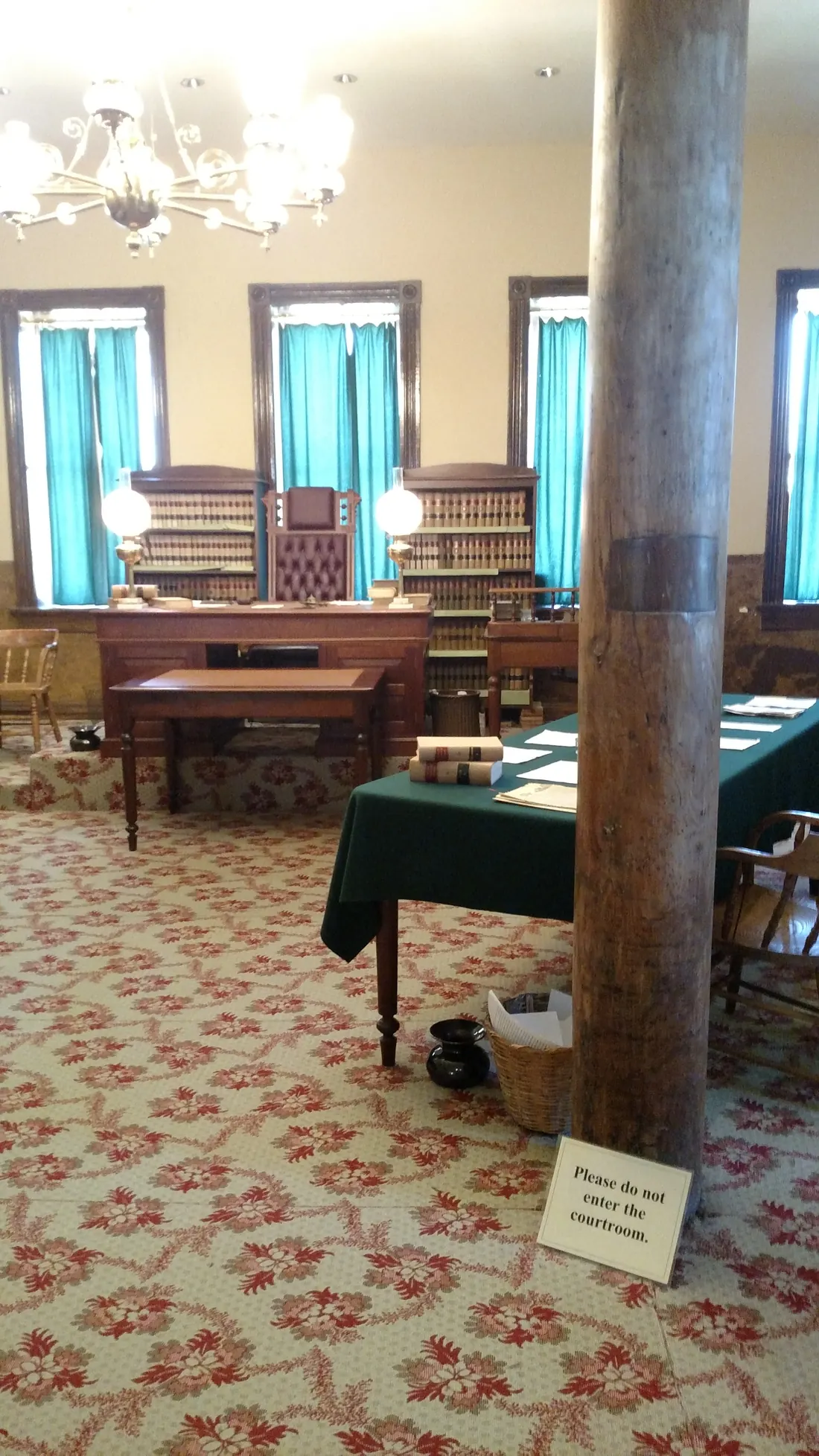
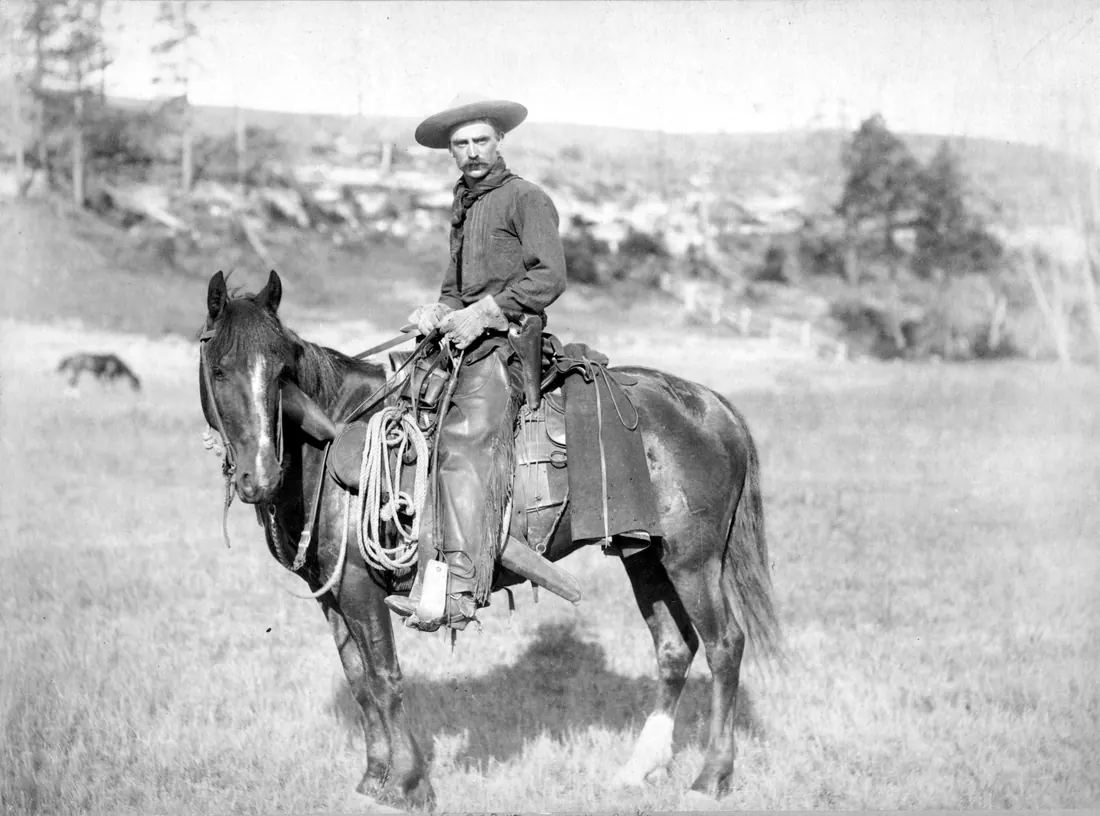
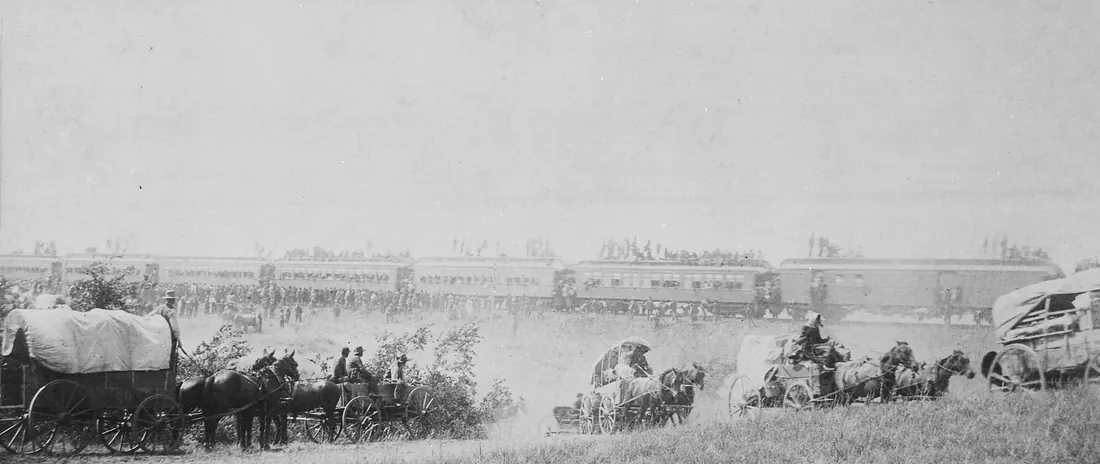
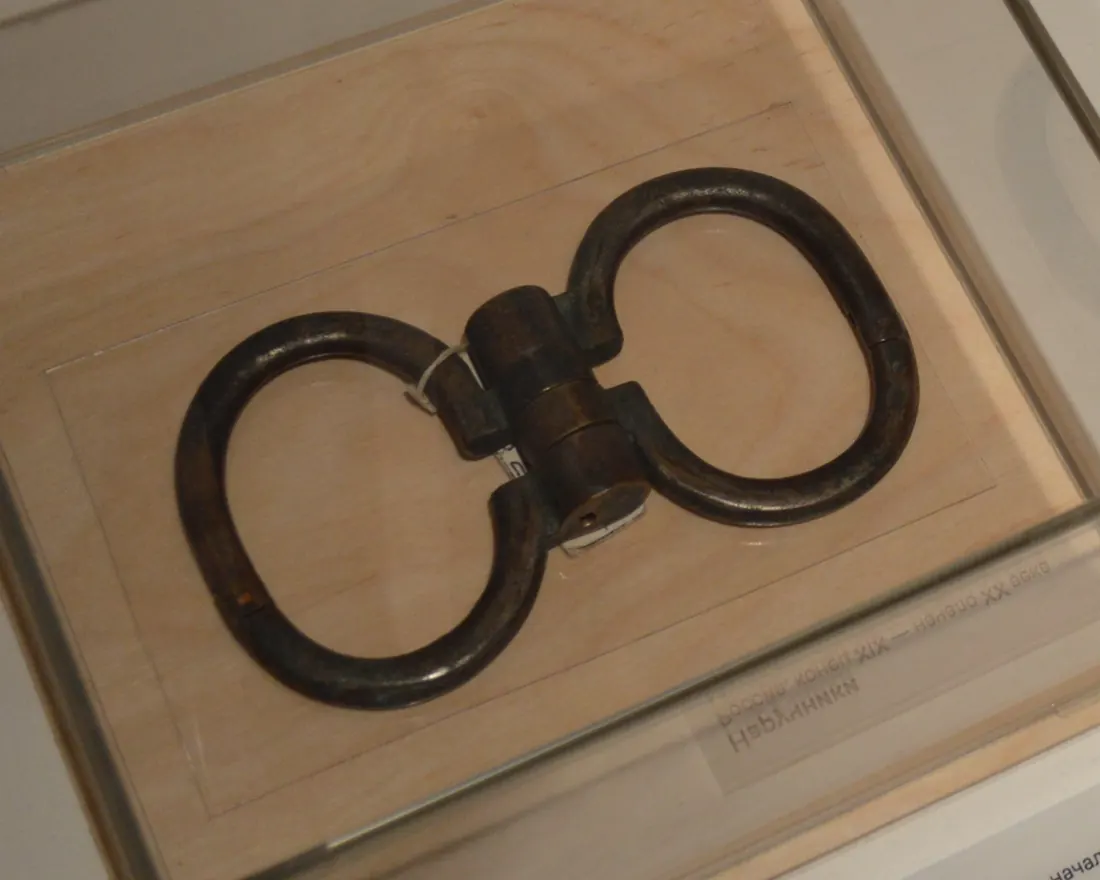
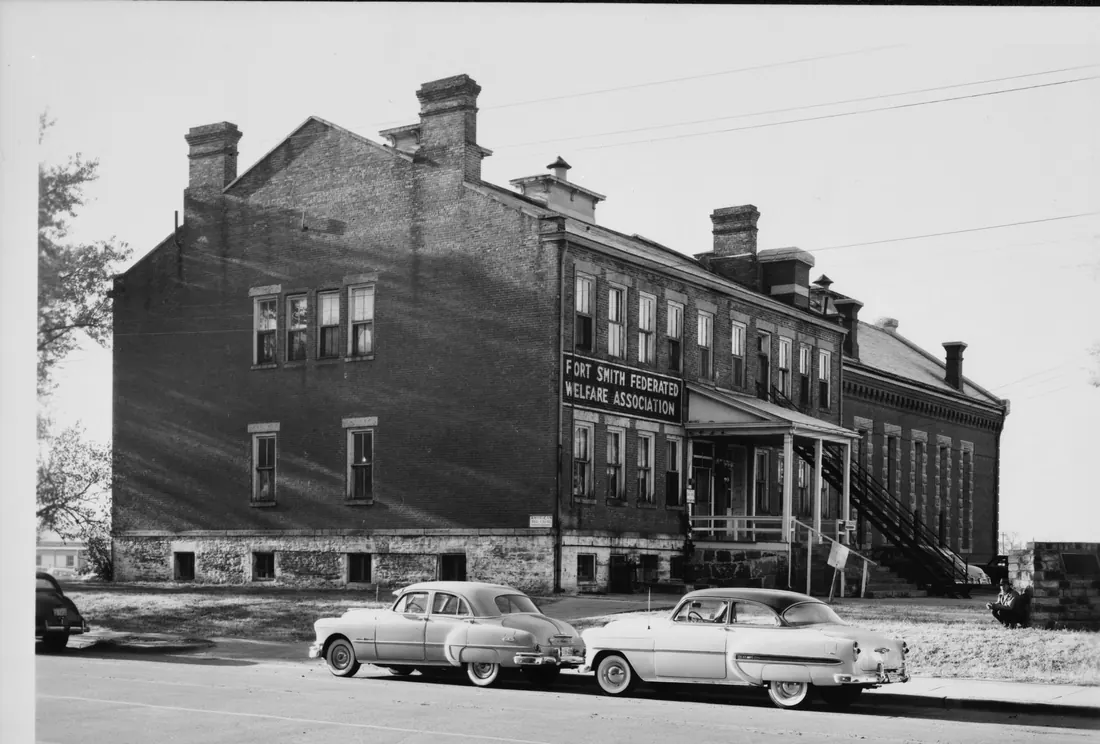
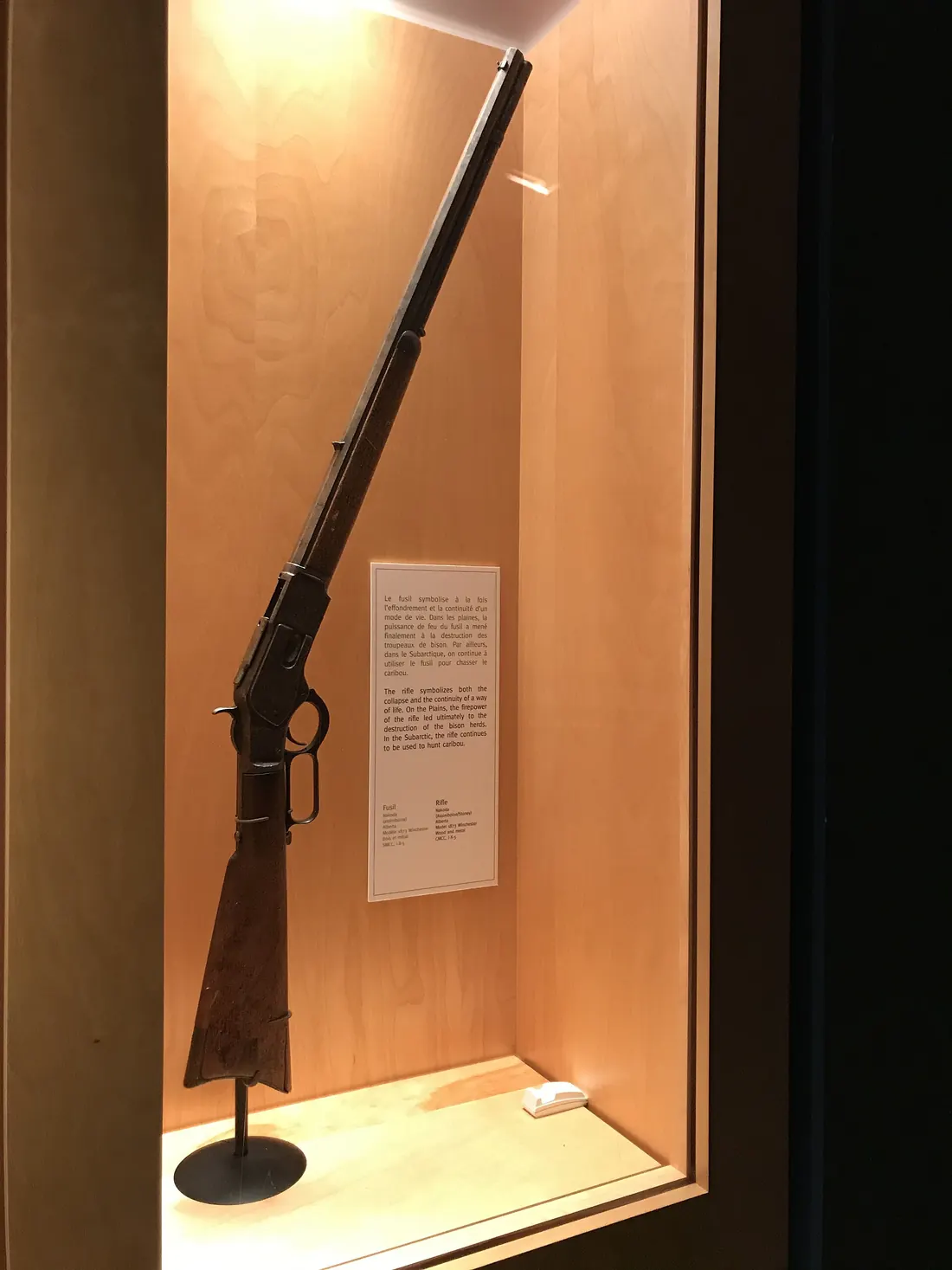
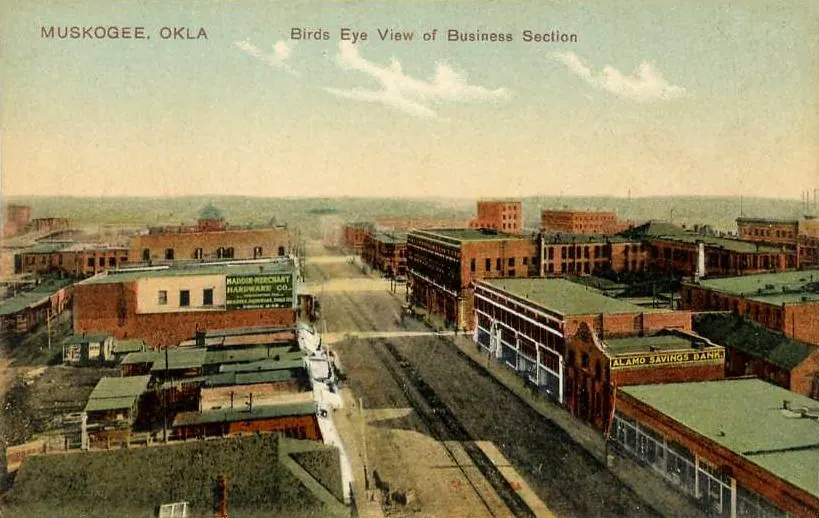
Pictures: no photo shows the shootouts, the wagon trick, the trial or his police beat. Bass Reeves himself is in his portrait, from before 1910, and at far left in the “Federal Official Family” photo of November 16, 1907. Belle Starr is in a studio portrait, probably at Fort Smith in the early 1880s, and on horseback at Fort Smith in 1886 (Roeder Bros.). The rest show the time and places, not the events: “The Cow Boy,” by John C. H. Grabill, 1887 (not Reeves); wagons leaving the line in Oklahoma Territory on September 16, 1893; 19th–20th-century handcuffs at the Museum of Moscow; the Fort Smith barracks-courthouse-jail where Judge Parker’s court sat, in a later Historic American Buildings Survey photo with 1950s cars; Judge Parker’s restored courtroom at the Fort Smith National Historic Site today; a Winchester Model 1873 at the Canadian Museum of History (photo 2019); and a postcard of Muskogee’s business section, about 1910.
Photo credits
The archive photos in this story
All the photographs and illustrations in this story are in the public domain. Tap one to enlarge it, or follow the link to its Wikimedia Commons page for the full record. The narration, captions and graphics in the Short are our own; its music and sound effects are credited below.
Music and sound effects
Music: Schumann, Kinderszenen, Op. 15: No. 1 'Of Foreign Lands and Peoples (Musopen, public domain); Mussorgsky, Pictures at an Exhibition: IV. Bydlo (piano) (Musopen, public domain); Dvorak, Symphony No. 9 'From the New World': II. Largo (Musopen, public domain).
Sound effects: Freesound, CC0.