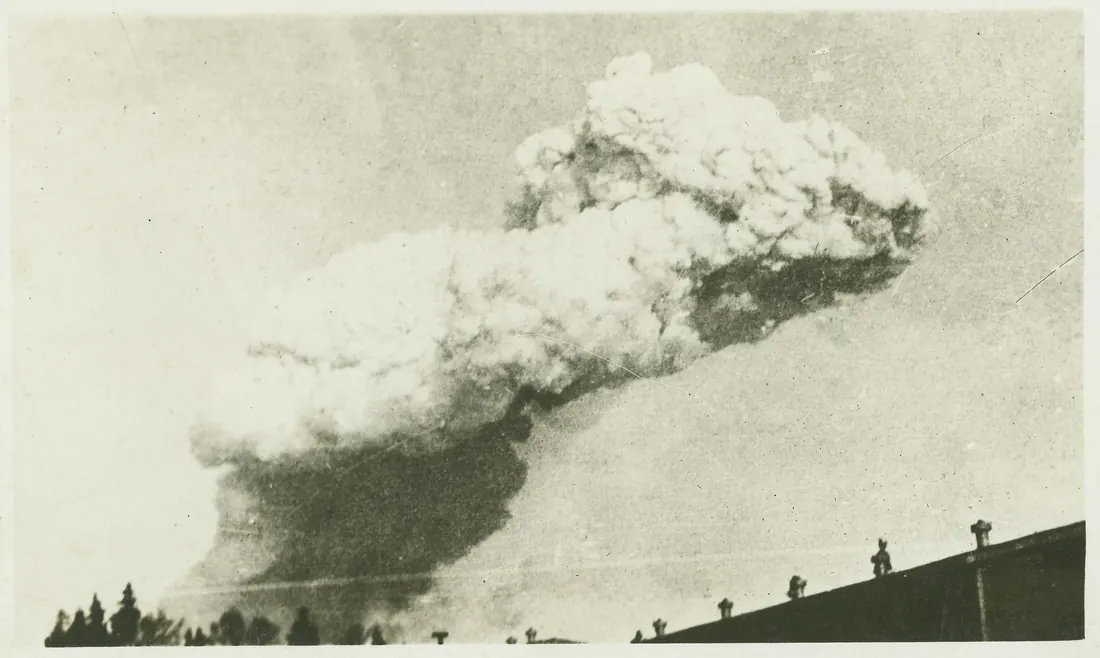
On the morning of December 6, 1917, “the French cargo ship SS Mont-Blanc and the Norwegian vessel SS Imo collided in the harbour of Halifax.” “Laden with high explosives, Mont-Blanc caught fire,” and it “drifted from near the mid-channel over to Pier 6 on the slack tide in a matter of minutes and beached herself.” Train dispatcher Vince Coleman, 45, was “working in the Richmond station, surrounded by the railway yards near the foot of Richmond Street, only a few hundred feet from Pier 6.”
“Suddenly a sailor burst through the door. He warned everyone that the burning ship was full of ammunition and about to explode,” the Maritime Museum of the Atlantic says. “Coleman started to leave with his boss, William Lovett, but then Coleman turned back to use the telegraph key to send his famous message.” He “was especially worried about Passenger Train No. 10, the overnight train from Saint John, New Brunswick.” “It had about 300 people aboard and was due in Halifax at 8:55 am.” “He returned to his post alone and continued to send out urgent telegraph messages to stop the train,” Wikipedia says.
“The newspapers of the day recorded slight variations on the exact wording of Coleman’s message, but its content is consistently reported as,” the museum says: “Hold up the train. Ammunition ship afire in harbor making for Pier 6 and will explode. Guess this will be my last message. Good-bye boys.” “At 9:05 am, Mont-Blanc exploded.” “The blast was the largest human-made explosion at the time,” and “At least 1,782 people, largely in Halifax and Dartmouth, were killed by the blast, debris, fires, or collapsed buildings.” Coleman’s station, 750 feet from the center of the blast, disappeared, and “Coleman likely died instantly at his telegraph key.”
Did his message stop the train? The Moncton Transcript of December 7, 1917, reported the conductor’s account: “His train was running on time, but was held fifteen minutes by the dispatcher at Rockingham. He says, that the explosion blew the windows out of the train at Rockingham some 4 miles from Halifax.” But Archibald MacMechan’s 1917 interviews, which the museum also reports, say the train had already passed Rockingham and was running late. “Did Coleman really stop Train No. 10 and save the 300 people aboard? The record is unclear.” What is not in doubt: “He alerted the entire Intercolonial to this catastrophe.” “The message sent by Coleman went out on the railway telegraph line and would have been heard by every station from Halifax to Truro.” Relief trains left for the city that day: “They carried firefighters, doctors, nurses, and medical supplies to Halifax.”
The museum holds “Vincent Coleman’s telegraph key, recovered from the wreckage of the station,” and his watch, which “speaks grimly of the violent forces which descended on Coleman as its crystal and hands are blown away.” His wife and children lived: “Frances and all four of her children survived and recovered.” “A Halifax harbour ferry was named Vincent Coleman, by popular vote in the spring of 2017,” and it “officially entered service in a ceremony at the Halifax ferry terminal on 14 March 2018.”
Fact check
The facts and where they come from
- He had minutes to run from a burning ammunition ship, but he turned back to his telegraph instead. CBC News: “Dispatcher Vincent Coleman, in the minutes before the harbour explosion on Dec. 6, 1917, stayed at his post, even though he realized disaster was about to strike.” The Maritime Museum of the Atlantic: “Coleman started to leave with his boss, William Lovett, but then Coleman turned back to use the telegraph key to send his famous message.” 413
- His name was Vince Coleman, a train dispatcher in Halifax, Canada. Wikipedia: “Patrick Vincent Coleman (13 March 1872 – 6 December 1917) was a train dispatcher for the Canadian Government Railways.” 21
- In December 1917, a ship full of explosives caught fire and drifted toward his station. Wikipedia: “On the morning of 6 December 1917, the French cargo ship SS Mont-Blanc and the Norwegian vessel SS Imo collided in the harbour of Halifax”; “Laden with high explosives, Mont-Blanc caught fire and detonated.” Wikipedia (Coleman): “The vessel drifted from near the mid-channel over to Pier 6 on the slack tide in a matter of minutes and beached herself.” 32
- A sailor burst in and warned that it would explode. The museum: “Suddenly a sailor burst through the door. He warned everyone that the burning ship was full of ammunition and about to explode.” 1
- Vince started to run, then remembered the overnight train from Saint John. Wikipedia: “His co-worker, William Lovett, and he learned of the dangerous cargo aboard the burning Mont-Blanc from a sailor and began to flee”; “Coleman remembered that an incoming passenger train from Saint John, New Brunswick, was due to arrive at the railyard within minutes.” The museum: “Coleman was especially worried about Passenger Train No. 10, the overnight train from Saint John, New Brunswick.” 31
- Nearly 300 passengers were due in minutes. Wikipedia: “The overnight express train No. 10 from Saint John, New Brunswick, carrying nearly 300 passengers, was due to arrive at 8:55 a.m.” The museum: “It had about 300 people aboard and was due in Halifax at 8:55 am.” 213
- So he went back to his key, alone. Wikipedia: “He returned to his post alone and continued to send out urgent telegraph messages to stop the train.” 3
- He tapped out, “Hold up the train.” The museum: “Hold up the train. Ammunition ship afire in harbor making for Pier 6 and will explode.” Wikipedia: “An accepted version of Coleman’s Morse code message reads as follows: Hold up the train.” 12
- He reportedly added, “Guess this will be my last message. Goodbye boys.” The museum: “The newspapers of the day recorded slight variations on the exact wording of Coleman’s message, but its content is consistently reported as:” “… Guess this will be my last message. Good-bye boys.” 1
- At five past nine, the ship exploded. The museum: “At 9:05 am, Mont-Blanc exploded.” Wikipedia: “At 9:04:35 am, the out-of-control fire on board Mont-Blanc set off her cargo of high explosives.” 13
- More than 1,700 people died, Vince among them. Wikipedia: “At least 1,782 people, largely in Halifax and Dartmouth, were killed by the blast, debris, fires, or collapsed buildings”; “Coleman was killed at his post.” The museum: “Coleman likely died instantly at his telegraph key.” 31
- The train’s conductor said it was held four miles out. The museum, quoting the Moncton Transcript of December 7, 1917: “His train was running on time, but was held fifteen minutes by the dispatcher at Rockingham. He says, that the explosion blew the windows out of the train at Rockingham some 4 miles from Halifax.” 12
- Historians still argue whether he did that, but the whole railway heard him. The museum: “Did Coleman really stop Train No. 10 and save the 300 people aboard? The record is unclear”; “He alerted the entire Intercolonial to this catastrophe.” Wikipedia: “historians debate whether Coleman’s initial message actually contributed to stopping the No. 10 train”; his message “was heard by other stations all along the Intercolonial Railway, helping railway officials to respond immediately.” 123
- He had minutes to save himself. CBC News: he “stayed at his post, even though he realized disaster was about to strike.” 43
- He spent them on strangers. CBC News: “The ‘ordinary man’ who died for strangers when Mont-Blanc exploded.” 4
Sources
- Vincent Coleman and the Halifax Explosion Maritime Museum of the Atlantic (Nova Scotia Museum)
- Vince Coleman (train dispatcher) Wikipedia
- Halifax Explosion Wikipedia
- The ‘ordinary man’ who died for strangers when Mont-Blanc exploded (Amy Smith, December 3, 2017) CBC News
Notes
The message: the museum says the newspapers of the day “recorded slight variations on the exact wording of Coleman’s message,” and CBC News gives a shorter version: “Munitions ship on fire. Making for Pier 6. Goodbye.” The page quotes the museum’s version, which spells it “Good-bye boys” (its pull quote says “Goodbye boys”), and keeps “reportedly” for the last words.
Whether he stopped train No. 10 is unknown. The museum gives both the Moncton Transcript report, in which the conductor said it was “held fifteen minutes by the dispatcher at Rockingham,” and Archibald MacMechan’s 1917 interviews, which say it had already passed Rockingham and was running late. Wikipedia calls it “uncertain.” The page never says he saved 300 lives.
About 300 passengers (the museum) or “nearly 300” (Wikipedia), not 700: Wikipedia notes that the Heritage Minute overstated the number as 700.
How many minutes he had isn’t known. The collision was at 8:45 a.m. and the explosion at 9:04:35 a.m. (Wikipedia; the museum says 9:05), the train was due “within minutes,” and CBC News says he stayed “in the minutes before the harbour explosion.”
The death toll is “at least 1,782” (Wikipedia, the Remembrance Book count). The museum says six relief trains were sent that day and Wikipedia says a dozen, so the page gives no number.
Left out: an uncited claim about his earlier career, and anything about his family beyond the museum’s line that they all survived.
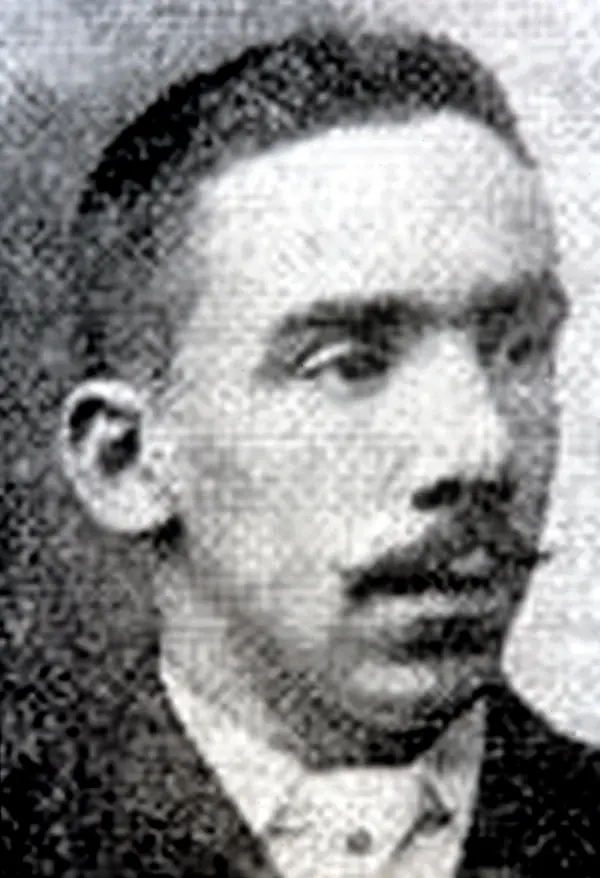
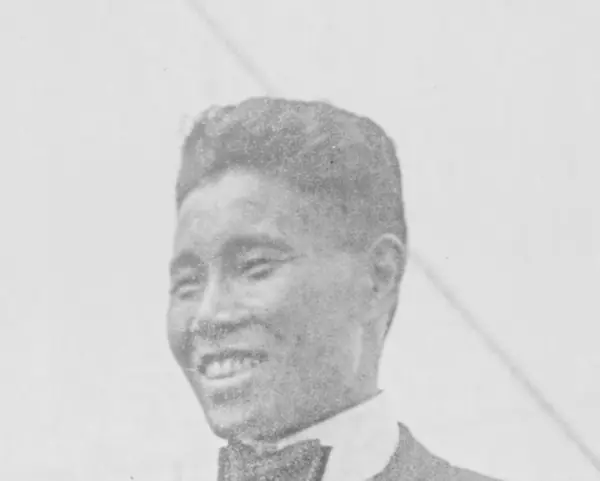
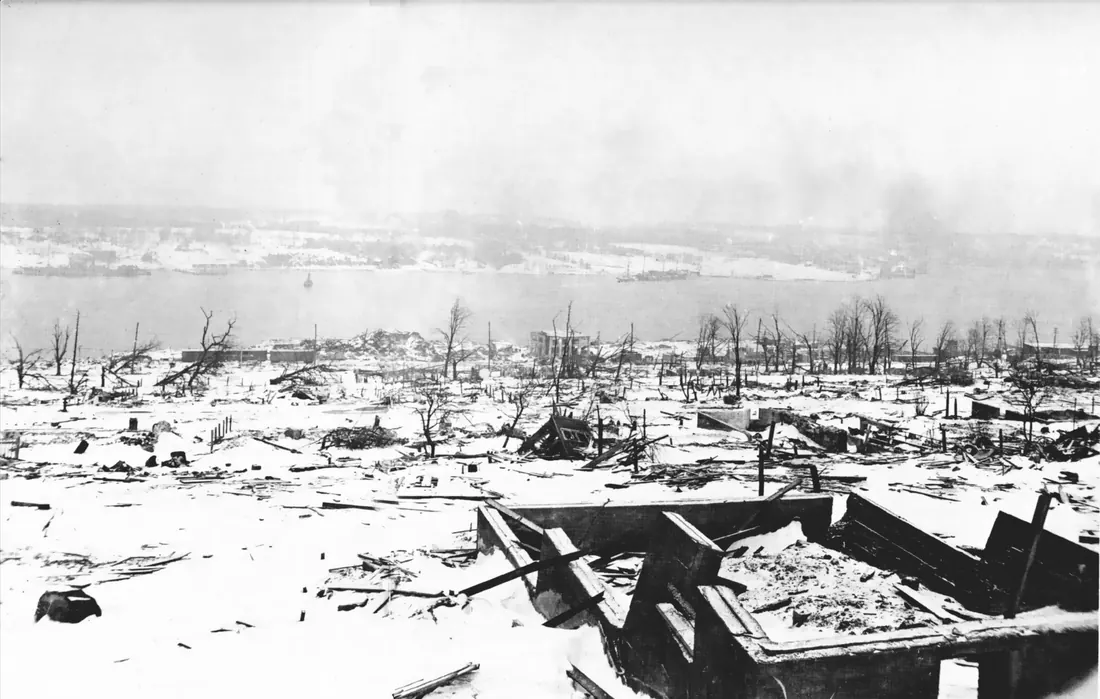
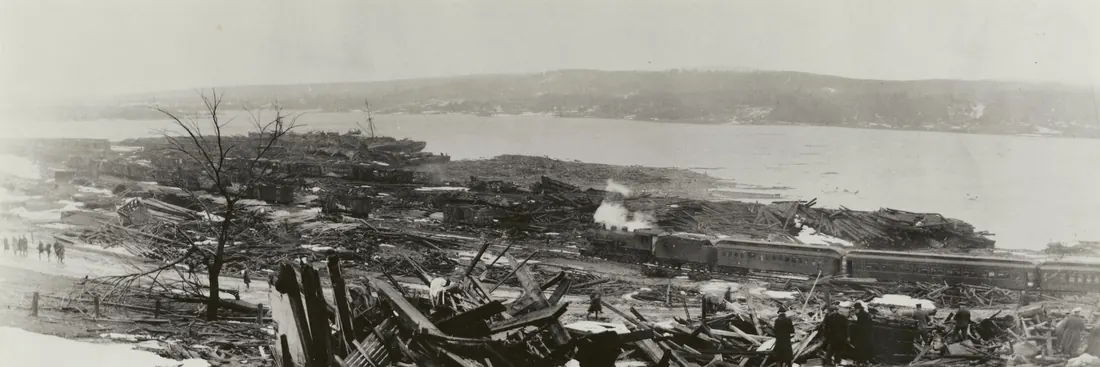
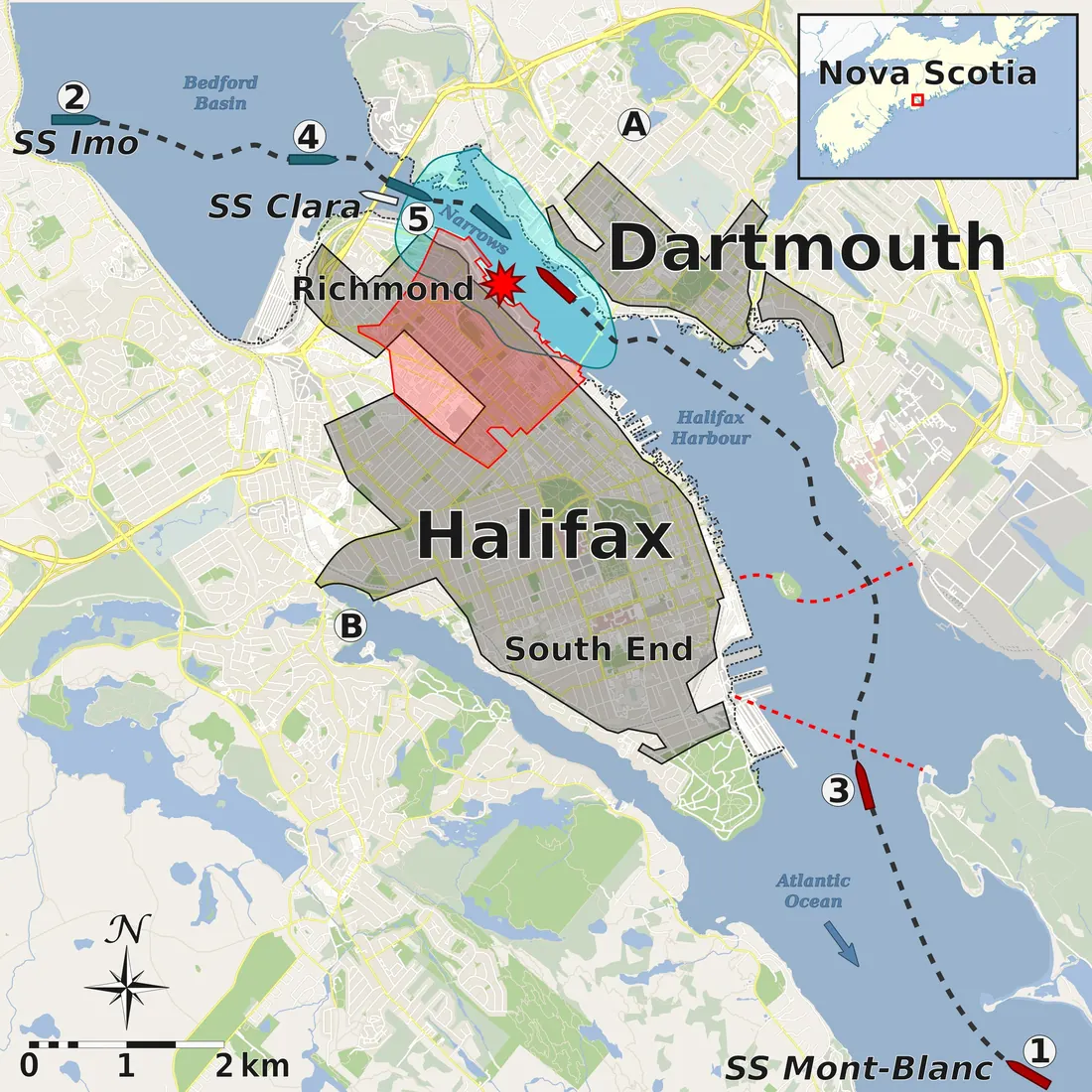
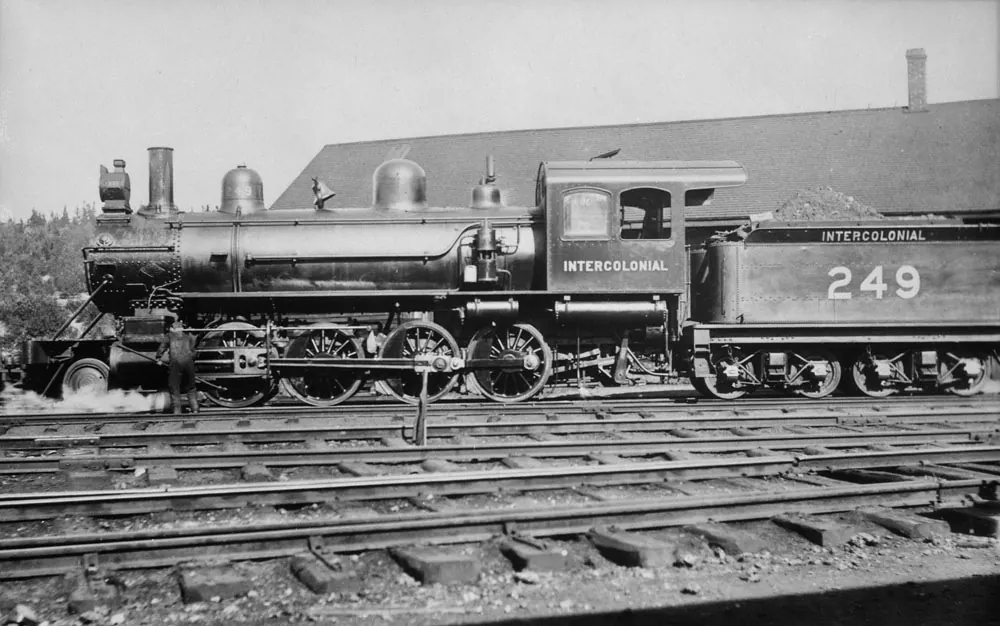
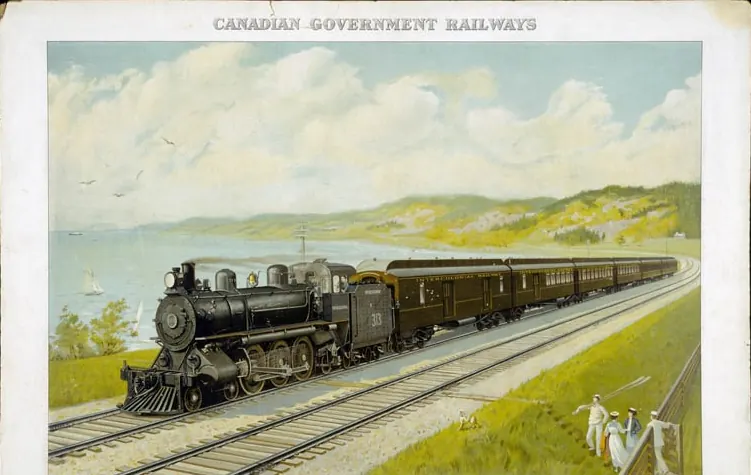
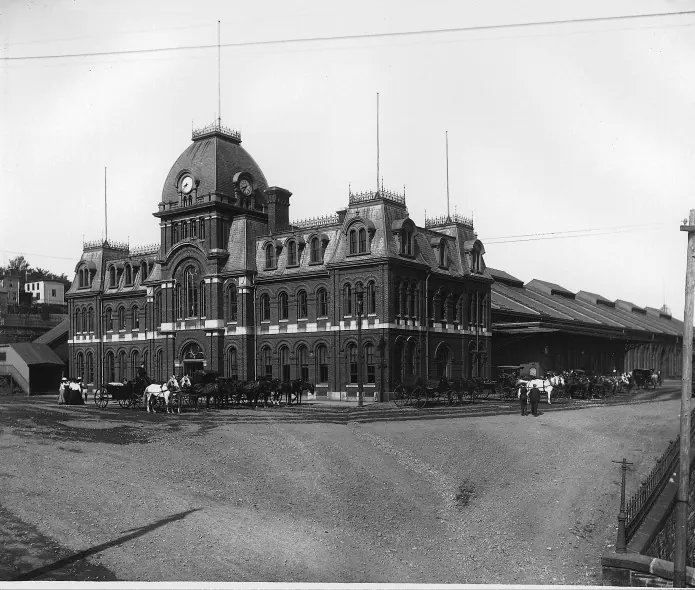
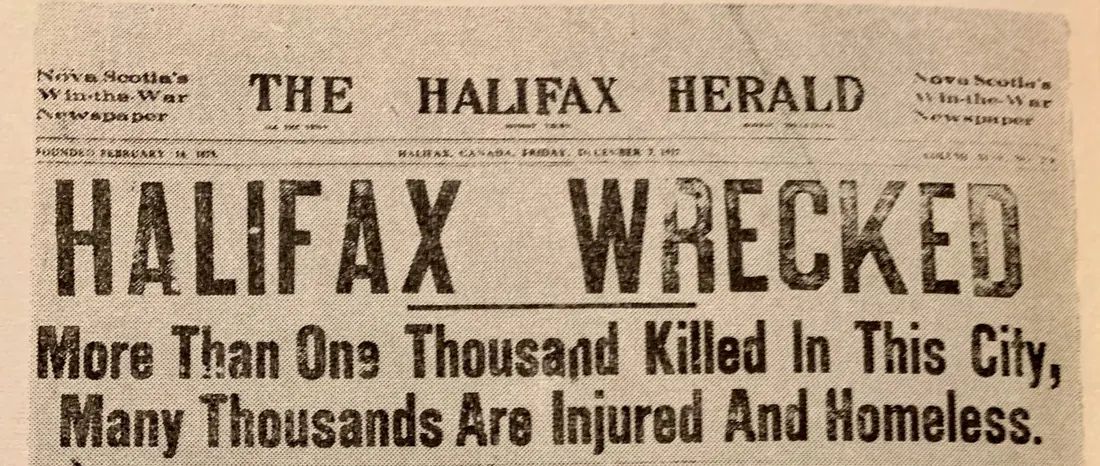
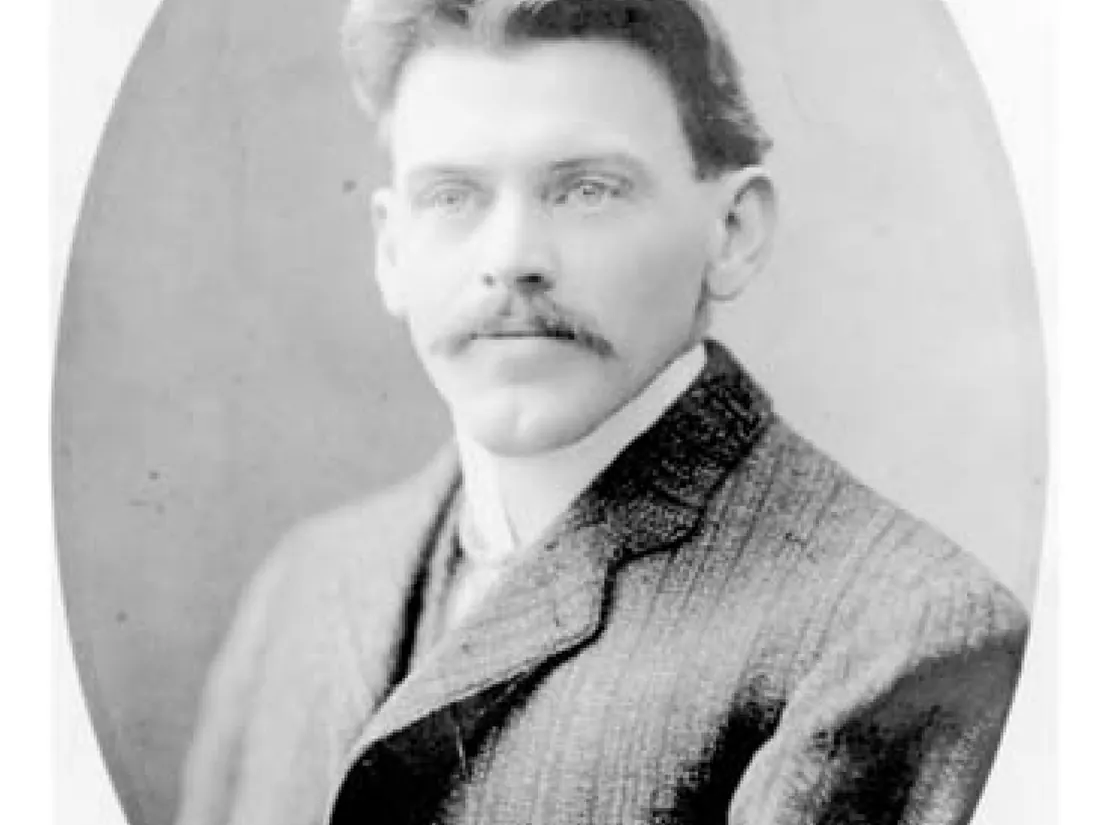
Pictures: the only photo of Vince Coleman is a portrait taken before 1917 by an unknown photographer (Nova Scotia Archives). The telegraph key and the watch are his own, photographed at the Maritime Museum of the Atlantic in 2018 by Paulo O. The locomotive (Intercolonial Railway No. 249, before 1915) and the Ocean Limited poster (1915–1918) stand in for the train; neither is train No. 10. The station is the Intercolonial Railway terminus in Halifax, where the train was due, in 1901, not the Richmond station where Coleman worked. The smoke cloud was photographed on December 6, 1917, probably off McNabs Island. The ruins of Richmond, looking across to Dartmouth with the Imo aground, and the wrecked waterfront looking north toward Pier 8 were photographed after the explosion in 1917; the train in the ruins is not train No. 10. The Halifax Herald front page is from December 7, 1917, and the map was drawn by SyntaxTerror in 2026.
Photo credits
The archive photos in this story
The photographs and illustrations in this story are in the public domain or shared under open licenses; each one is credited below with its license. Tap one to enlarge it, or follow the link to its archive page for the full record. The narration, captions and graphics in the Short are our own; its music and sound effects are credited below.

Music and sound effects
Music: Schumann, Kinderszenen, Op. 15: No. 1 'Of Foreign Lands and Peoples (Musopen, public domain); Mussorgsky, Pictures at an Exhibition: IV. Bydlo (piano) (Musopen, public domain); Dvorak, Symphony No. 9 'From the New World': II. Largo (Musopen, public domain).
Sound effects: Freesound, CC0.