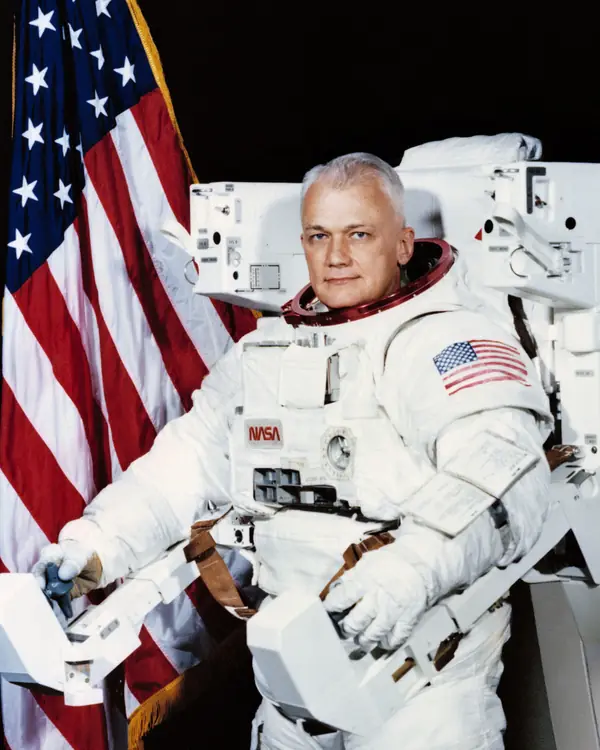
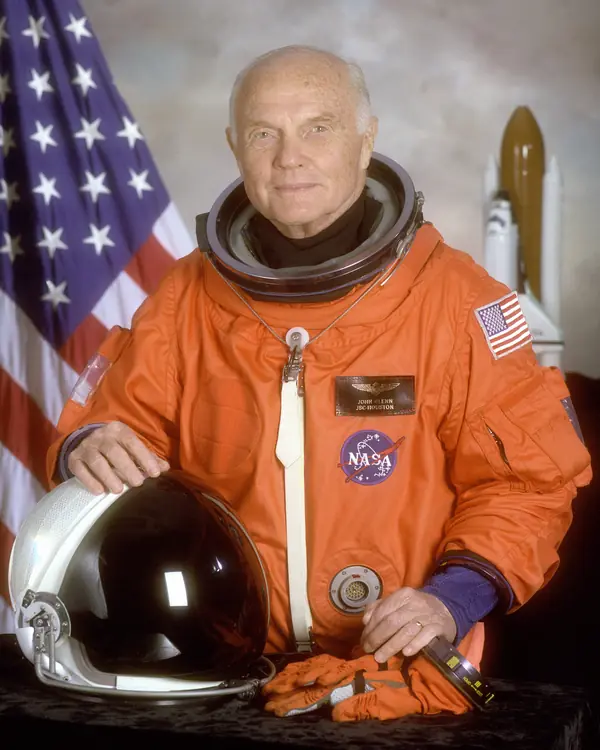
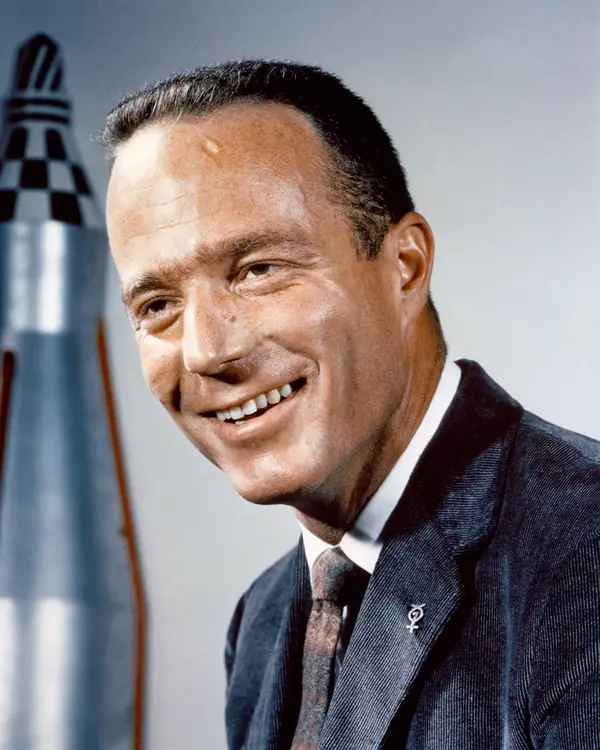
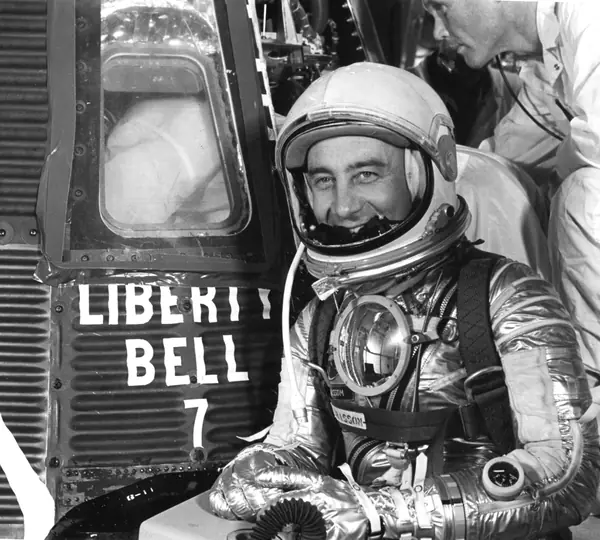
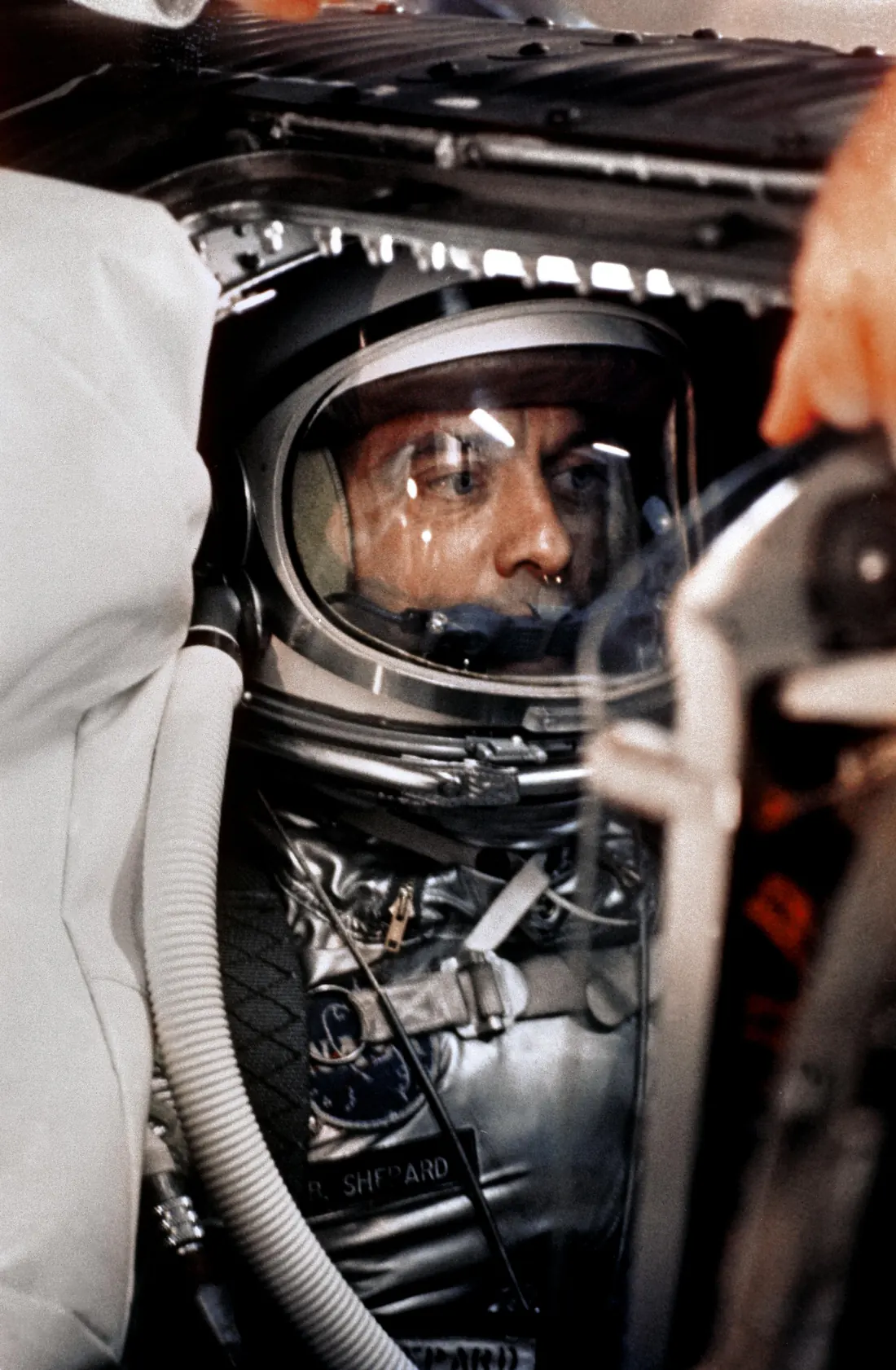
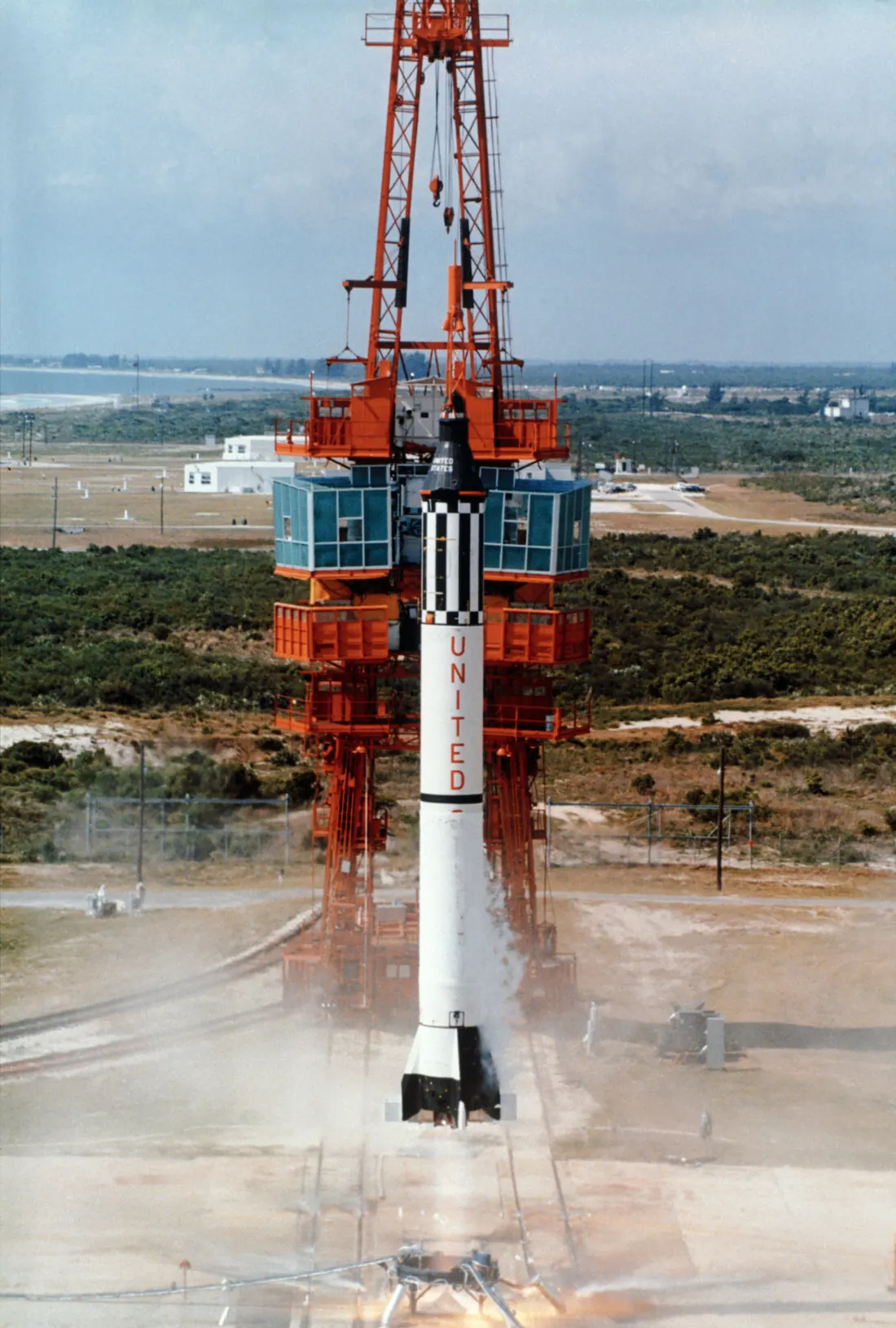
“On May 5, 1961, in the Freedom 7 spacecraft, he was launched by a Redstone vehicle on a ballistic trajectory suborbital flight,” NASA’s biography of Alan Shepard says, and so “he holds the distinction of being the first American to journey into space.” Then came “a disease called Ménière’s; it is due to elevated fluid pressure in the inner ear,” he told NASA’s oral history project in 1998. “It was so obvious that NASA grounded me right away, and they assigned another crew for the first Gemini flight.” Wikipedia says he was “grounded in October 1963 due to Ménière’s disease,” and, as Shepard put it, “Several years went by.”
The cure was a secret. “So I went out there under an assumed name,” he said. “It was Poulos, I think. Victor Poulos. The doctor knew and the nurse knew, but nobody else knew.” Wikipedia dates the surgery to 1968, and NASA says “He was restored to full flight status in May 1969, following corrective surgery for an inner ear disorder.” “Shepard made his second space flight as spacecraft commander on Apollo 14, January 31 – February 9, 1971,” “maneuvering their lunar module, ‘Antares,’ to a landing in the hilly upland Fra Mauro region of the moon,” and, Wikipedia says, “He became the fifth and, at the age of 47, the oldest man to walk on the Moon.”
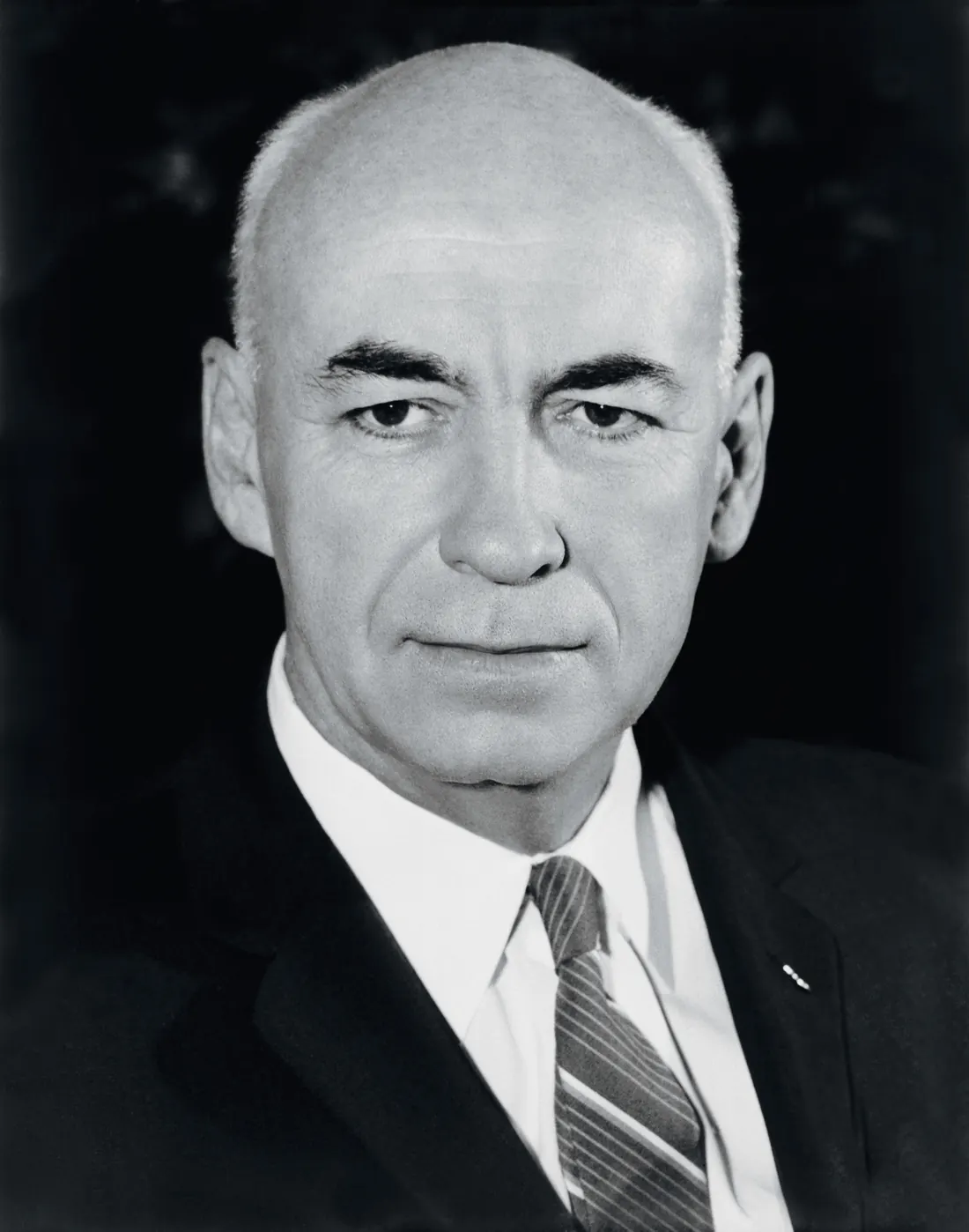
Then came the golf. Shepard took the idea to Bob Gilruth, the director of NASA’s Manned Spacecraft Center, who, the Associated Press wrote, “told him, ‘Absolutely no way.’” Shepard, who called him “Boss,” offered a deal: “If we have screwed up, if we have had equipment failure, anything has gone wrong on the surface where you are embarrassed or we are embarrassed, I will not do it. I will not be so frivolous. I want to wait until the very end of the mission, stand in front of the television camera, whack these golf balls …” “So he finally said, ‘Okay.’” The club came from “Jack Harden Sr., the former head pro at River Oaks Country Club in Houston whom Shepard asked to build him a 6-iron he could take to the moon,” AP says: “Harden managed to attach the head of a Wilson Staff Dyna-Power 6-iron to a collapsible tool used to collect lunar samples.” Shepard remembered “a club head which I had adapted to snap on this handle and two golf balls.” “The inspiration came from Bob Hope,” AP says, and “He had even practiced in his spacesuit in a bunker in Houston when no one was around.”
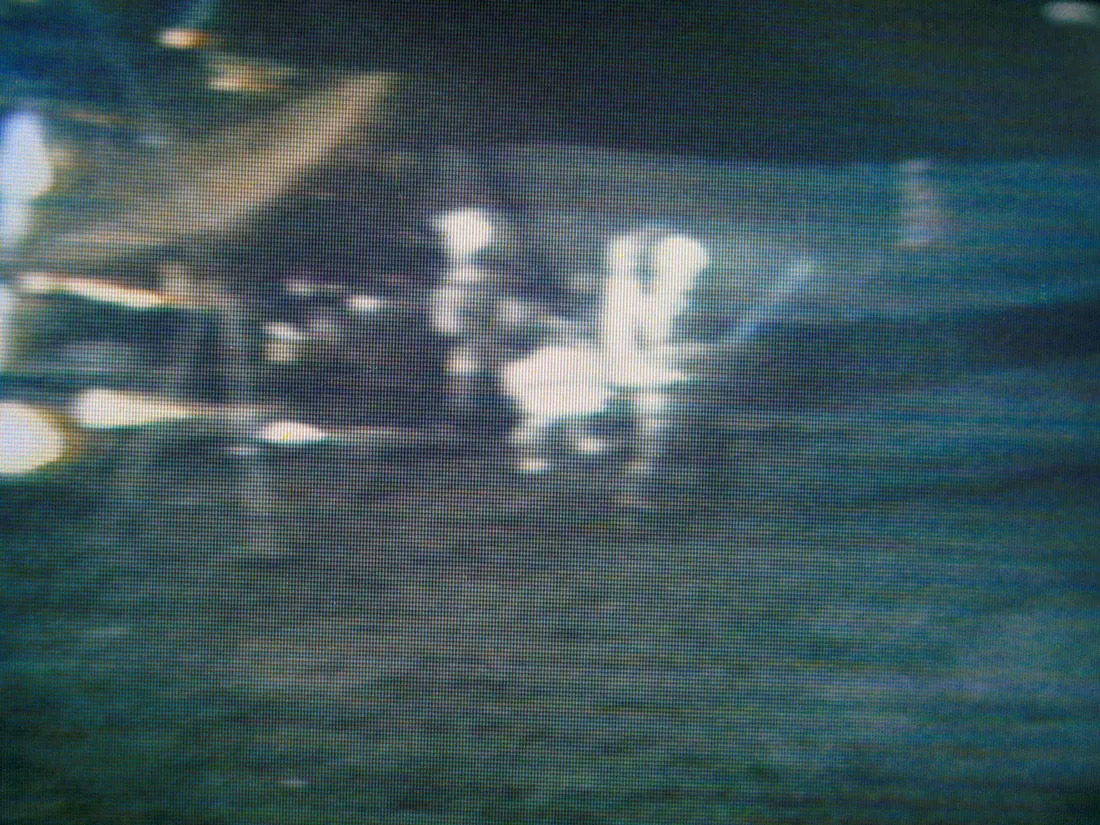
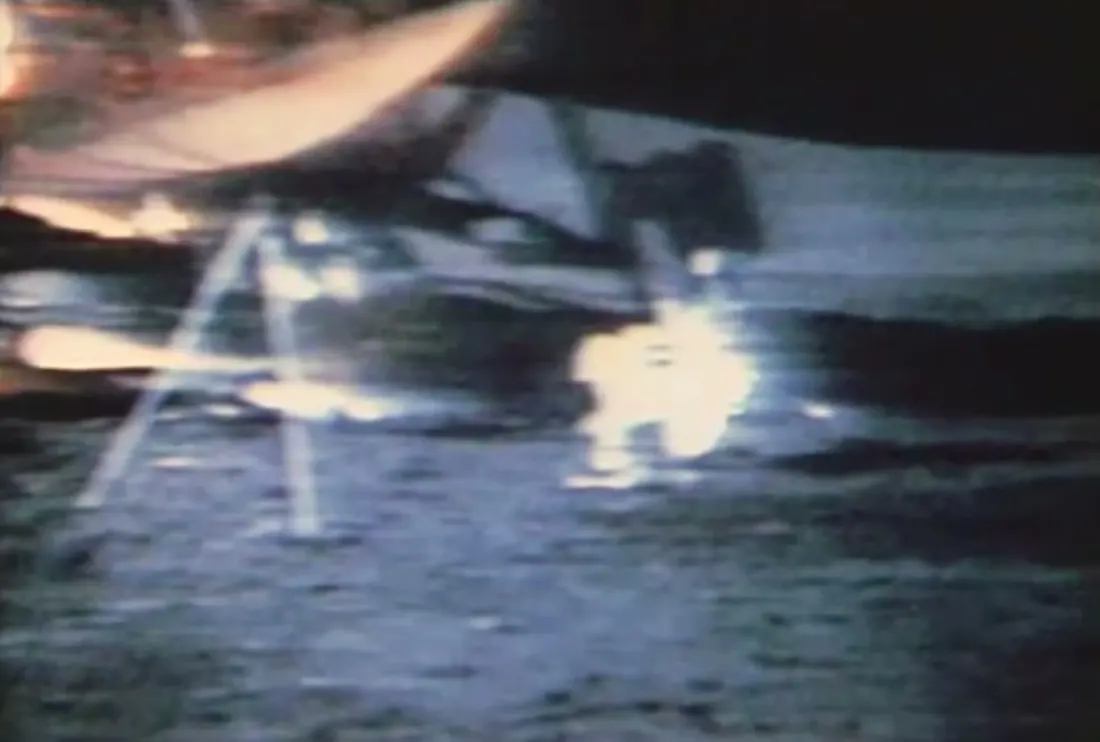
On February 6, 1971, near the close of the second and last moonwalk, Shepard faced the TV camera. “Houston, while you’re looking that up, you might recognize what I have in my hand as the handle for the contingency sample return; it just so happens to have a genuine six iron on the bottom of it,” he said. “Unfortunately, the suit is so stiff, I can’t do this with two hands, but I’m going to try a little sand-trap shot here.” “He topped and buried it on the first swing,” NASA’s Apollo Lunar Surface Journal notes, and Ed Mitchell told him, “You got more dirt than ball that time.” Then “Al’s third swing finally connects and sends the ball off-camera to the right … He drops a second ball … and connects again.” Capcom Fred Haise radioed, “That looked like a slice to me, Al,” and Shepard said, “Miles and miles and miles.”
In 2021, “imaging specialist Andy Saunders has digitally enhanced recent high-resolution scans of the original photographic film, and applied a stacking technique on smaller 16mm ‘movie’ footage shot by the crew,” BBC Sport reported; Saunders “has been working with the United States Golf Association (USGA).” “Using a known scale from images taken by the Lunar Reconnaissance Orbiter (LRO) … the point between divot and ball can be measured,” he wrote for the USGA: “ball number one (24 yards) and ball number two (40 yards).” The first ball lies in a crater beside “a pole from a solar wind experiment that was hurled like a javelin by crewmate Edgar Mitchell.” Shepard donated the club “at a ceremony at the 1974 U.S. Open,” and it “is one of the prize exhibits at the USGA Museum in New Jersey,” AP says. “So far I’m the only person to have hit a golf ball on the Moon,” he said in 1998. But of his first moments there, he remembered “a tremendous sense of accomplishment” and “A tremendous sense of realizing that, ‘Hey, not too long ago I was grounded. Now I’m on the Moon.’”
Fact check
The facts and where they come from
- He played golf on the Moon, but his boss said, “absolutely no way.” NASA’s Apollo Lunar Surface Journal (transcript), Shepard: “you might recognize what I have in my hand as the handle for the contingency sample return; it just so happens to have a genuine six iron on the bottom of it.” AP: “Left behind were two golf balls that Shepard … hit with a makeshift 6-iron.” Shepard (NASA oral history, 1998): when he told Bob Gilruth he wanted to hit golf balls, “there was absolutely no way”; AP: “the director of the Manned Spaceflight Center who told him, ‘Absolutely no way.’” In the same answer Shepard calls him “Boss.” 14212
- His name was Alan Shepard. NASA’s biography: “Shepard made his second space flight as spacecraft commander on Apollo 14, January 31 – February 9, 1971.” 3
- In May 1961, he became the first American in space. NASA’s biography: “he holds the distinction of being the first American to journey into space. On May 5, 1961, in the Freedom 7 spacecraft, he was launched by a Redstone vehicle on a ballistic trajectory suborbital flight.” 3
- Then an ear disease grounded him for years. Shepard (NASA oral history): “The problem I had was a disease called Ménière’s; it is due to elevated fluid pressure in the inner ear”; “it was so obvious that NASA grounded me right away, and they assigned another crew for the first Gemini flight”; “Several years went by.” Wikipedia: “grounded in October 1963 due to Ménière’s disease.” 28
- Secret surgery, under a fake name, fixed it. Shepard (NASA oral history): “So I went out there under an assumed name.” “It was Poulos, I think. Victor Poulos. The doctor knew and the nurse knew, but nobody else knew.” Wikipedia: “Shepard checked in under the pseudonym of Victor Poulos”; “restored to full flight status on May 7, 1969.” NASA’s biography: “He was restored to full flight status in May 1969, following corrective surgery for an inner ear disorder.” 283
- And at 47, he landed on the Moon. Wikipedia: “He became the fifth and, at the age of 47, the oldest man to walk on the Moon.” NASA’s biography: “Maneuvering their lunar module, ‘Antares,’ to a landing in the hilly upland Fra Mauro region of the moon.” 83
- He’d packed a six-iron head that snapped onto a Moon tool. Shepard (NASA oral history): “it was the handle that we use that we pulled out with a scoop on the end to scoop up samples of dust with. … Then we had a club head which I had adapted to snap on this handle and two golf balls.” AP: “Harden managed to attach the head of a Wilson Staff Dyna-Power 6-iron to a collapsible tool used to collect lunar samples.” NASA’s Apollo Lunar Surface Journal: “I assume that the six-iron was snuck on board.” “In his suit pocket.” 241
- He’d promised to use it only if everything went right. Shepard (NASA oral history): “Boss, I’ll make a deal with you. If we have screwed up, if we have had equipment failure, anything has gone wrong on the surface where you are embarrassed or we are embarrassed, I will not do it. I will not be so frivolous. I want to wait until the very end of the mission, stand in front of the television camera, whack these golf balls …” “So he finally said, ‘Okay.’” 2
- In February 1971, as his last moonwalk ended, he faced the camera. NASA’s photo caption: “during a television transmission near the close of the second Extravehicular Activity (EVA-2).” NASA’s caption of frame AS14-66-9337: “the mission’s second extravehicular activity (EVA-2) on February 6, 1971.” Wikipedia: “During the two walks on the surface.” NASA’s Apollo Lunar Surface Journal transcript: “Shepard: (Facing the TV).” 101191
- His suit was so stiff, he swung with one hand. Shepard, on the Moon (NASA’s Apollo Lunar Surface Journal): “Unfortunately, the suit is so stiff, I can’t do this with two hands, but I’m going to try a little sand-trap shot here.” Space.com: “Unfortunately, Shepard was only able to manage a one-handed shot.” 17
- His first swing hit more dirt than ball. NASA’s Apollo Lunar Surface Journal: “He topped and buried it on the first swing.” Mitchell: “You got more dirt than ball that time.” Shepard: “Got more dirt than ball.” 1
- Then he connected. “Miles and miles and miles,” he joked. NASA’s Apollo Lunar Surface Journal: “Al’s third swing finally connects and sends the ball off-camera to the right … He drops a second ball … and connects again.” Shepard: “Miles and miles and miles.” USGA: “this has always been regarded as a light-hearted exaggeration.” 15
- Half a century later, an image expert measured the shots. BBC Sport (February 4, 2021): “imaging specialist Andy Saunders has digitally enhanced recent high-resolution scans of the original photographic film, and applied a stacking technique on smaller 16mm ‘movie’ footage shot by the crew.” USGA: “Using a known scale from images taken by the Lunar Reconnaissance Orbiter (LRO) … the point between divot and ball can be measured.” AP: “On occasion of the 50-year anniversary, British-based imaging specialist Andy Saunders provided a more accurate account.” 654
- The first went 24 yards, the second 40. USGA: “We can now determine the approximate distances of both shots: ball number one (24 yards) and ball number two (40 yards).” AP: “the first shot went 24 yards. The second ball went 40 yards.” 54
- But he later said that not too long before, he had been grounded, and now he was on the Moon. Shepard (NASA oral history, 1998), on his first moments on the Moon: “the first feeling was one of a tremendous sense of accomplishment, I guess if you will. A tremendous sense of realizing that, ‘Hey, not too long ago I was grounded. Now I’m on the Moon.’” 2
Sources
- A Nice Day for a Game of Golf: EVA-2 Closeout and the Golf Shots (ed. Eric M. Jones, with the mission transcript) NASA Apollo Lunar Surface Journal
- Alan B. Shepard Jr., interviewed by Roy Neal (February 20, 1998) NASA Johnson Space Center Oral History Project (archived copy)
- Biographical Data: Alan B. Shepard, Jr. (September 1998) NASA
- Out of this world: Shepard put golf on moon 50 years ago (Doug Ferguson, February 5, 2021) The Associated Press, on WSLS
- The Mystery Behind Alan Shepard’s ‘Moon Shot’ Revealed (Andy Saunders, February 5, 2021) USGA Golf Journal
- Golf on the moon: Apollo 14 50th anniversary images find Alan Shepard’s ball and show how far he hit it (Peter Scrivener, February 4, 2021) BBC Sport
- 50 years ago, an Apollo 14 astronaut played golf on the moon. Here’s the inside story. (Elizabeth Howell, February 26, 2021) Space.com
- Alan Shepard Wikipedia
- Apollo 14 Wikipedia
- Television transmission at end of second extravehicular activity (NASA photo S71-20784 and its caption) Wikimedia Commons
- AS14-66-9337: the javelin and golf ball (NASA photo and its caption, NARA 16697764) Wikimedia Commons
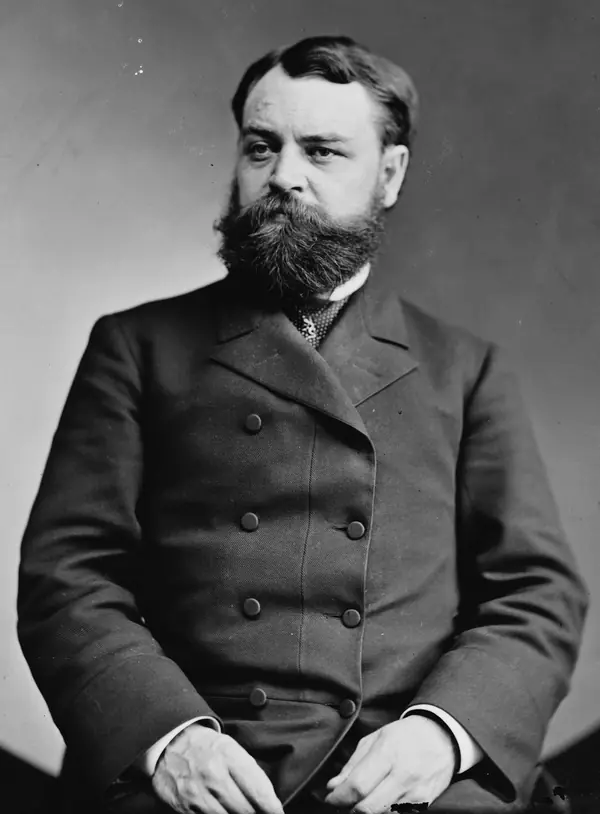
- Portrait of Dr. Robert R. Gilruth (NASA photo S65-45100 and its caption) Wikimedia Commons
Notes
Who made the club: AP says Houston club pro Jack Harden attached the six-iron head to the sample tool, while Shepard said he had adapted the club head himself; the page gives both. NASA’s Apollo Lunar Surface Journal and BBC Sport say he snuck the club head aboard (in his suit pocket or a sock), but Shepard says Gilruth finally said OK, so the Short says “He’d packed” and “He’d promised,” not “smuggled.”
His boss: Bob Gilruth was Director of the Manned Spacecraft Center, and Shepard calls him “Boss” in the same answer, so the Short calls him “his boss.” Shepard’s own words are that “there was absolutely no way”; AP quotes Gilruth as saying, “Absolutely no way.”
The swings: there were two balls (AP, the USGA, BBC Sport, Wikipedia) but several swings. NASA’s Journal shows a buried first swing, a second that pushed the ball 2 or 3 feet, a third that connected, and then a second ball; some sources speak of “three golf shots.” The Short says only that his first swing hit more dirt than ball, and then he connected.
The distances: before 2021, AP says, the second shot was often guessed at about 200 yards. Saunders’s 24 and 40 yards come from enhanced film and the Lunar Reconnaissance Orbiter’s scale, published by the USGA as “approximate distances,” so the page says “about.” Only the second ball’s position needed the new enhancement; the first had been seen before, beside Mitchell’s pole (USGA).
“Not too long ago I was grounded”: Shepard said this in 1998 about his first moments on the Moon, not about the golf shot. The Short leaves out his “Hey.”
No still photo was taken of the golf shots (NASA’s Journal, Wikipedia); the shots were seen on TV. The composite golf picture in Shepard’s book Moon Shot is, NASA’s Journal says, a fake made from other frames, so it isn’t used. A widely shared quote attributed to Shepard that could not be found in a primary source is also left out.
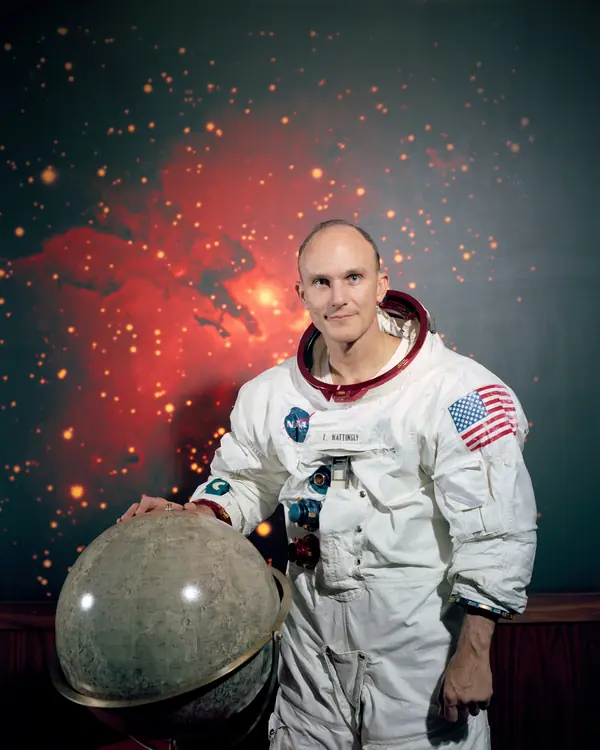
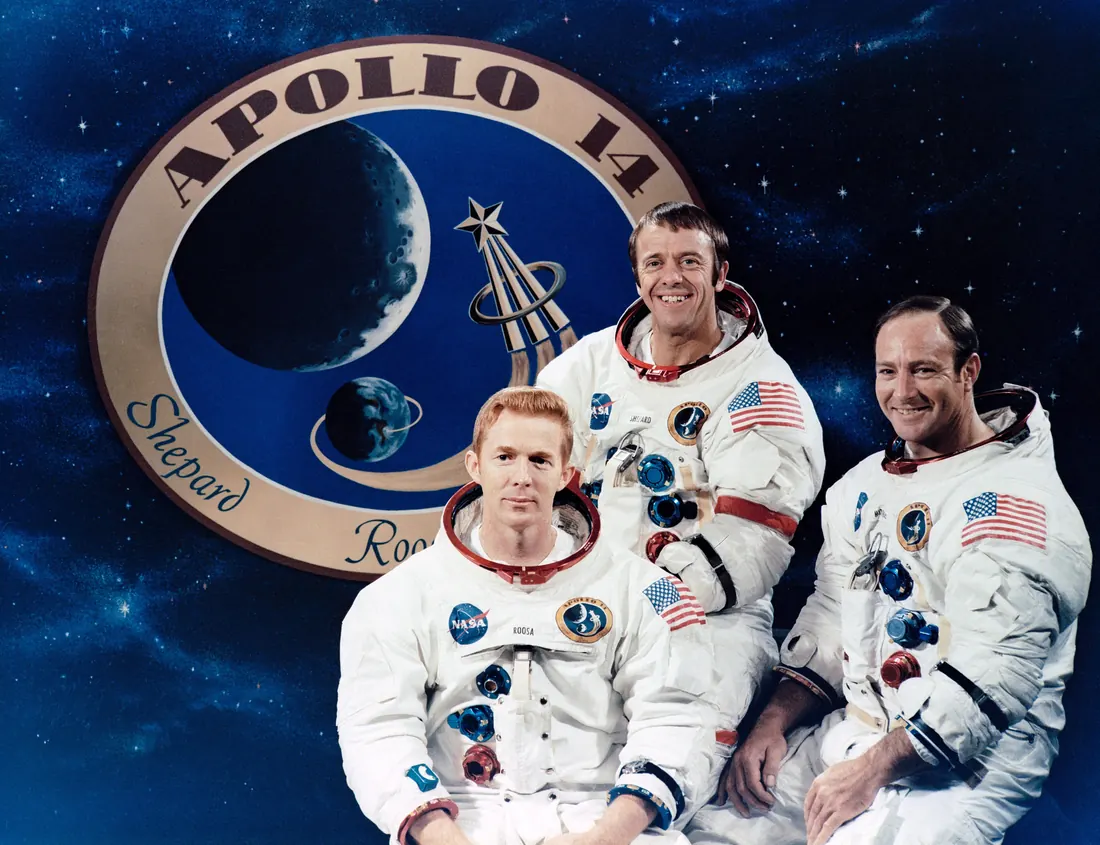
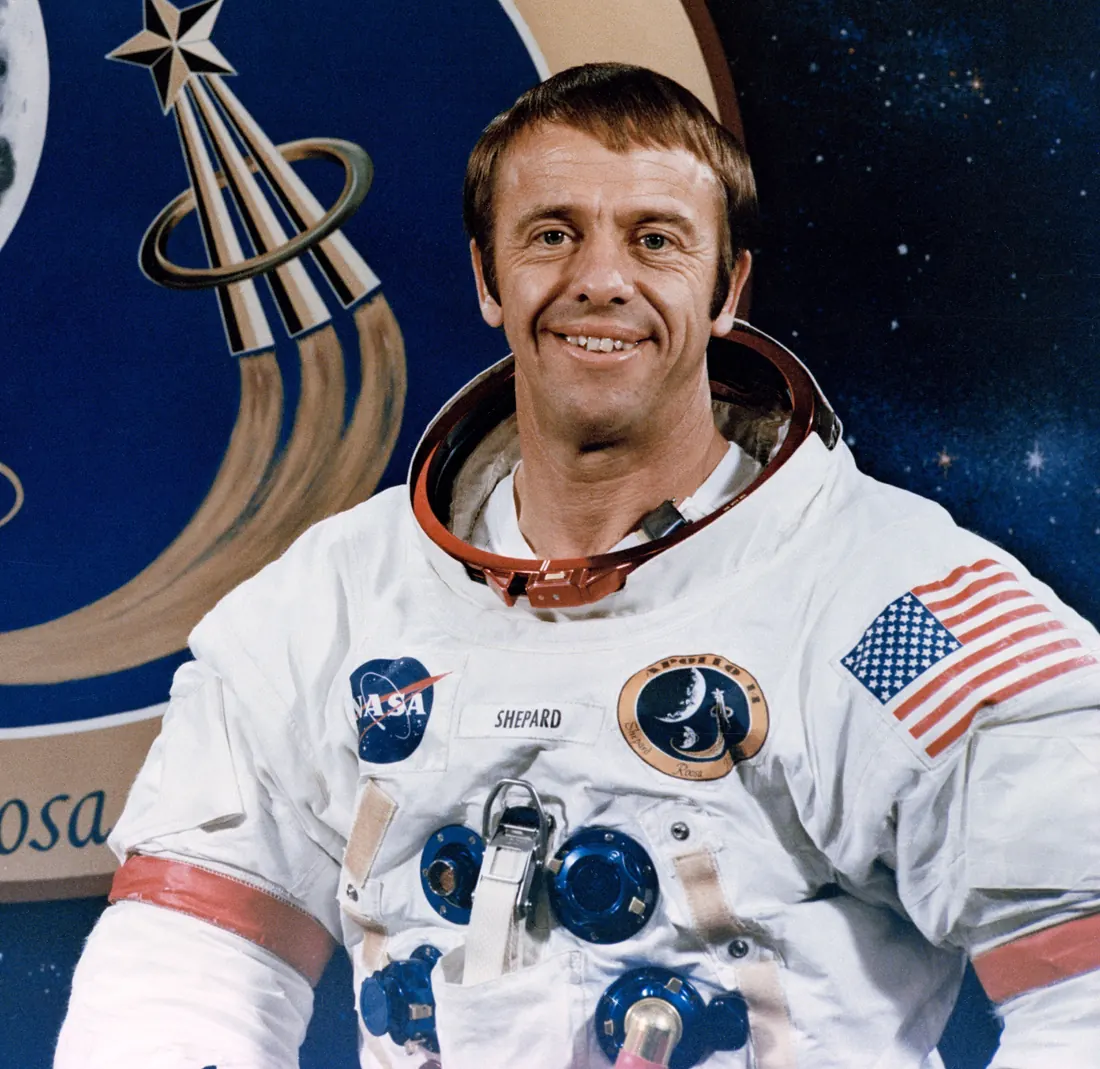
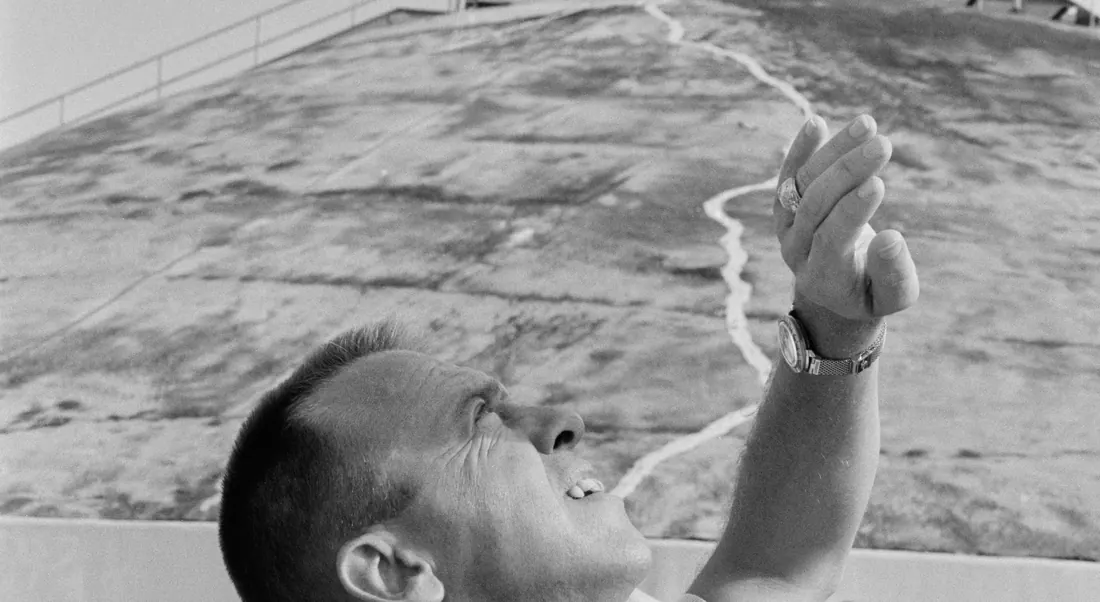
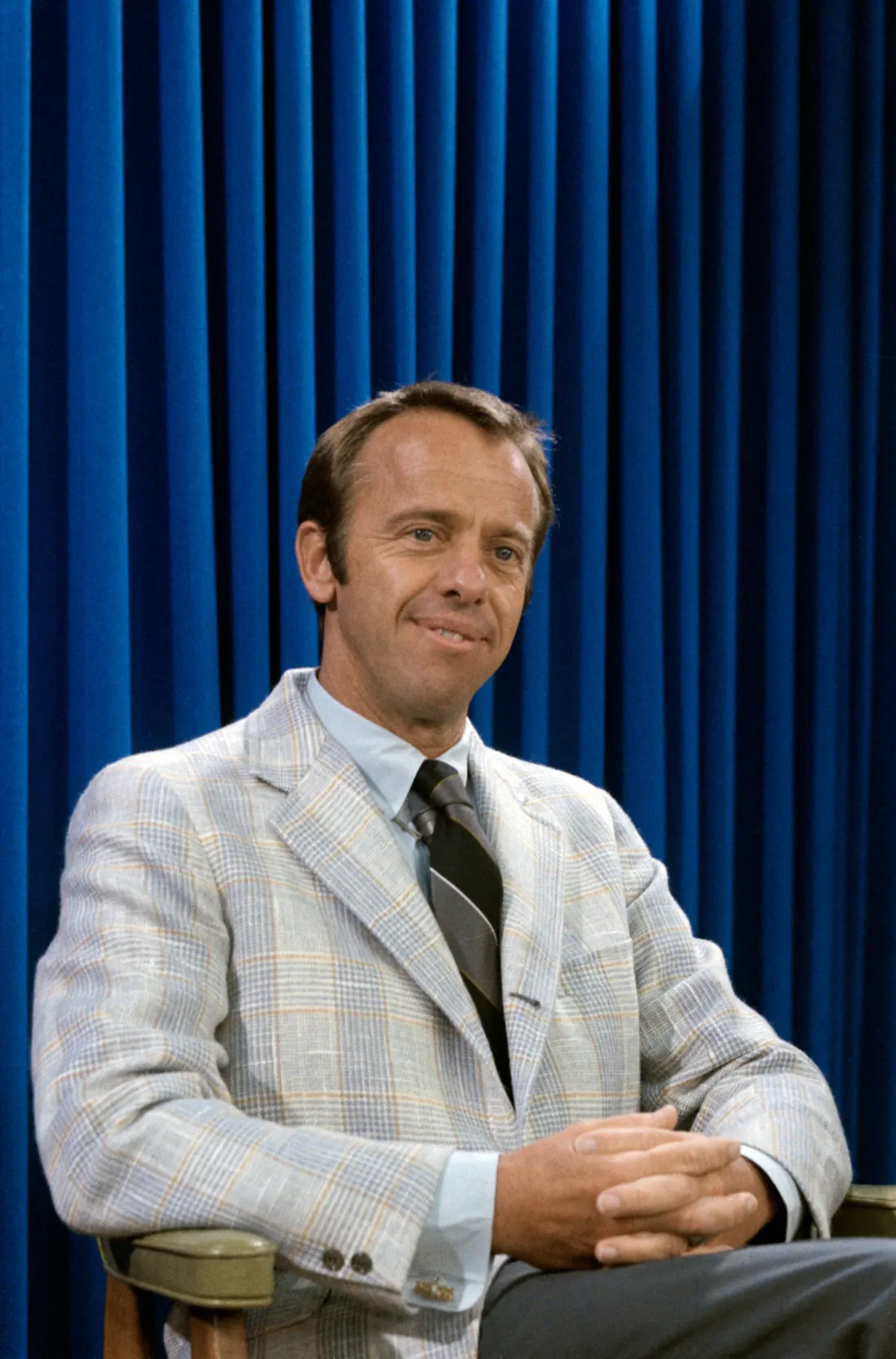
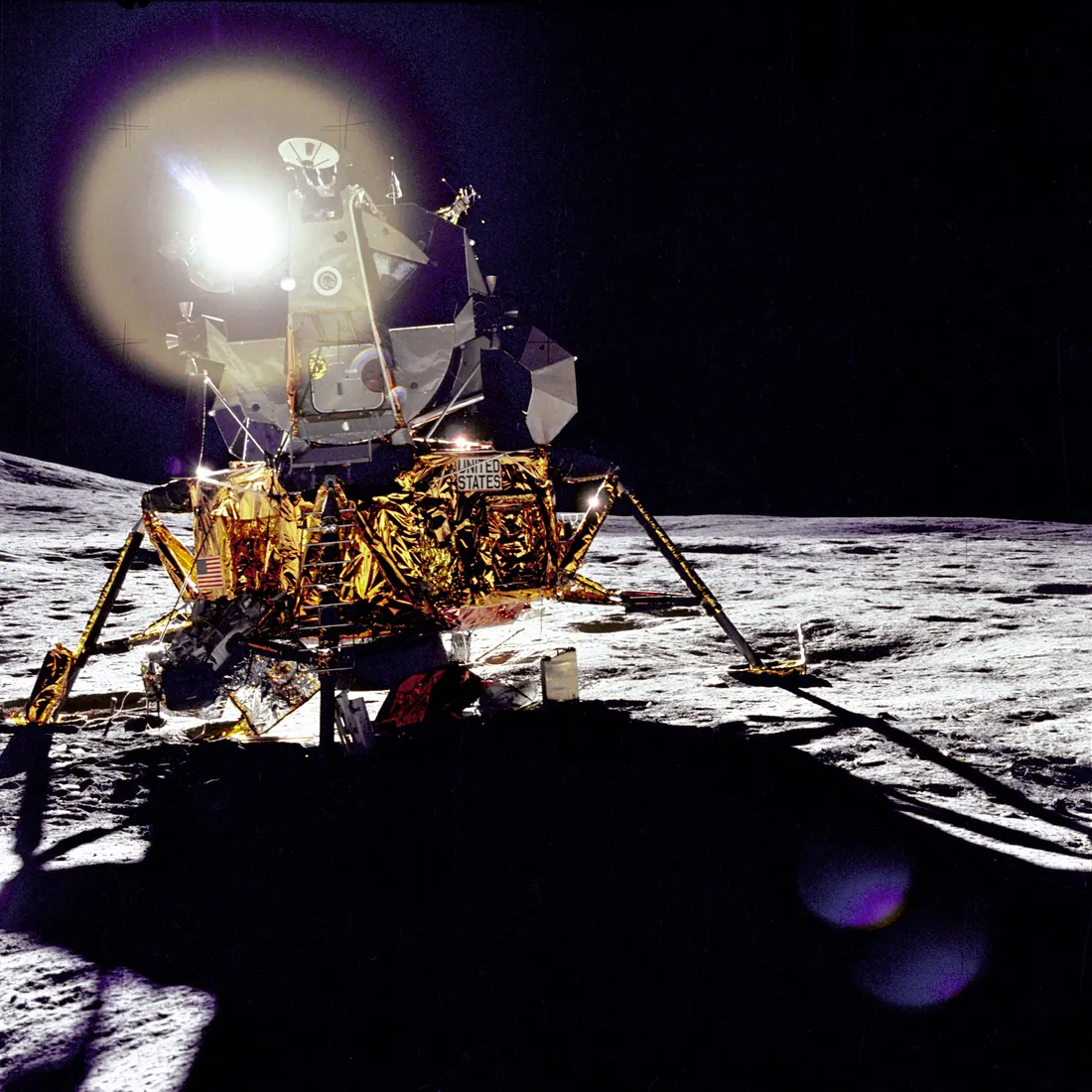
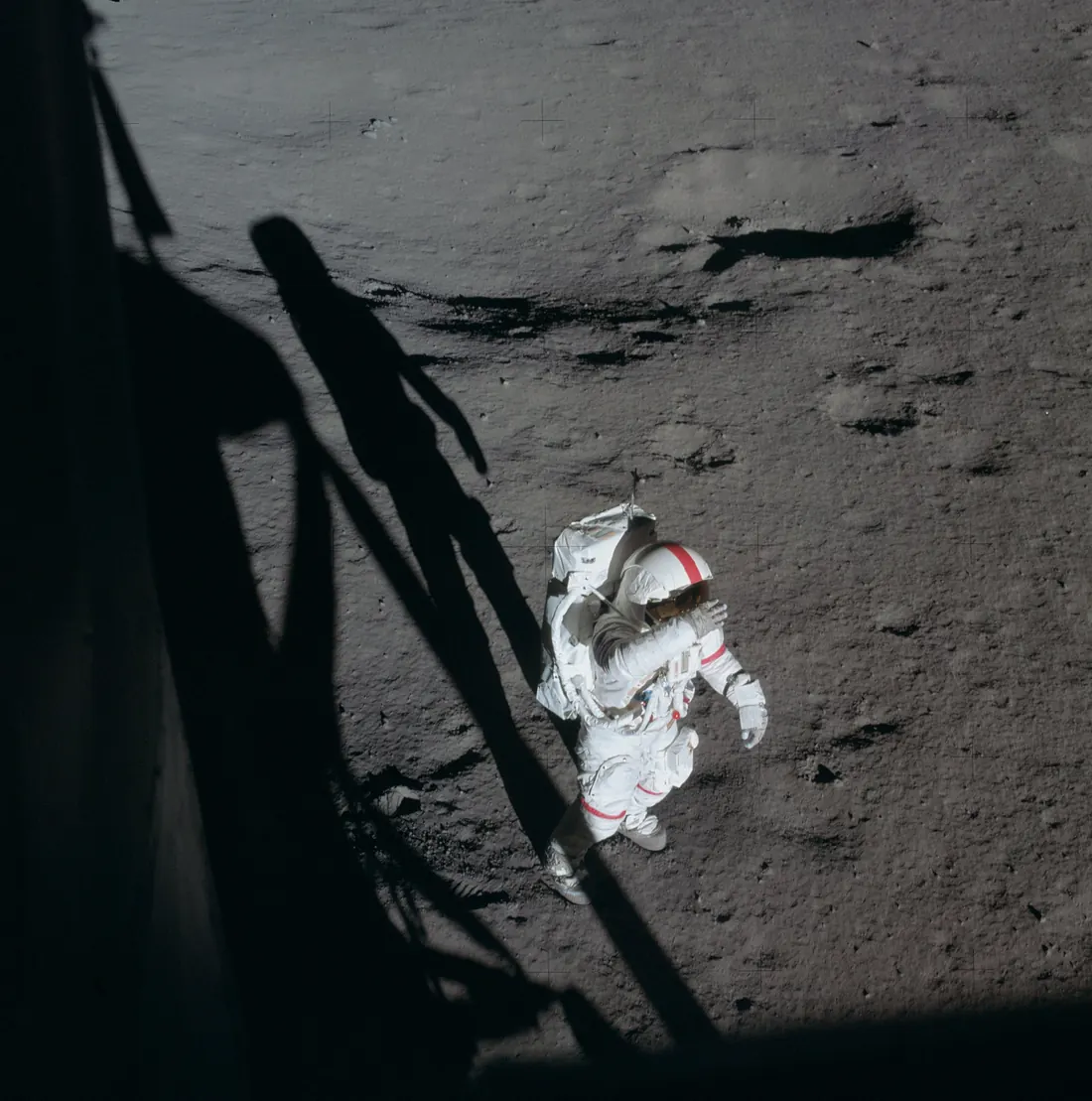
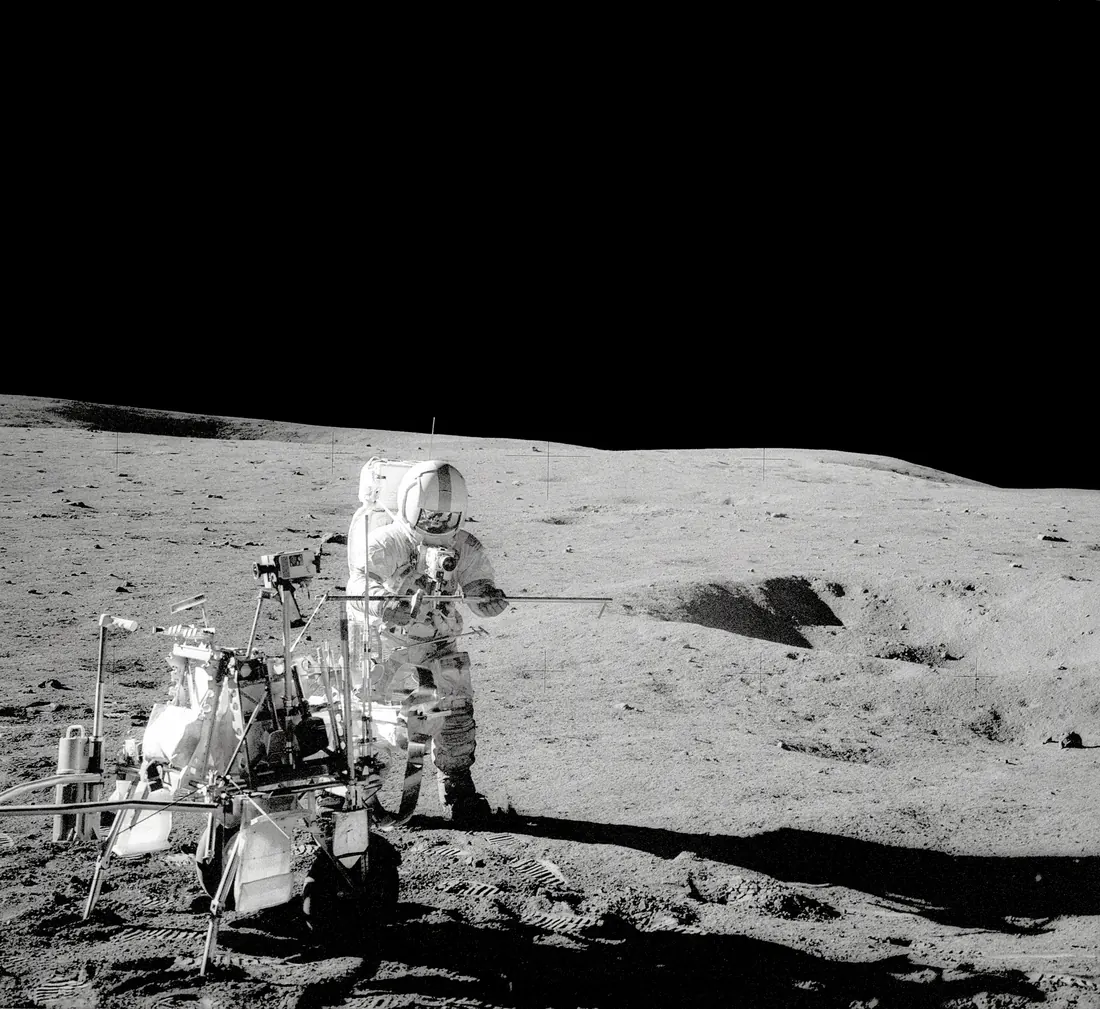
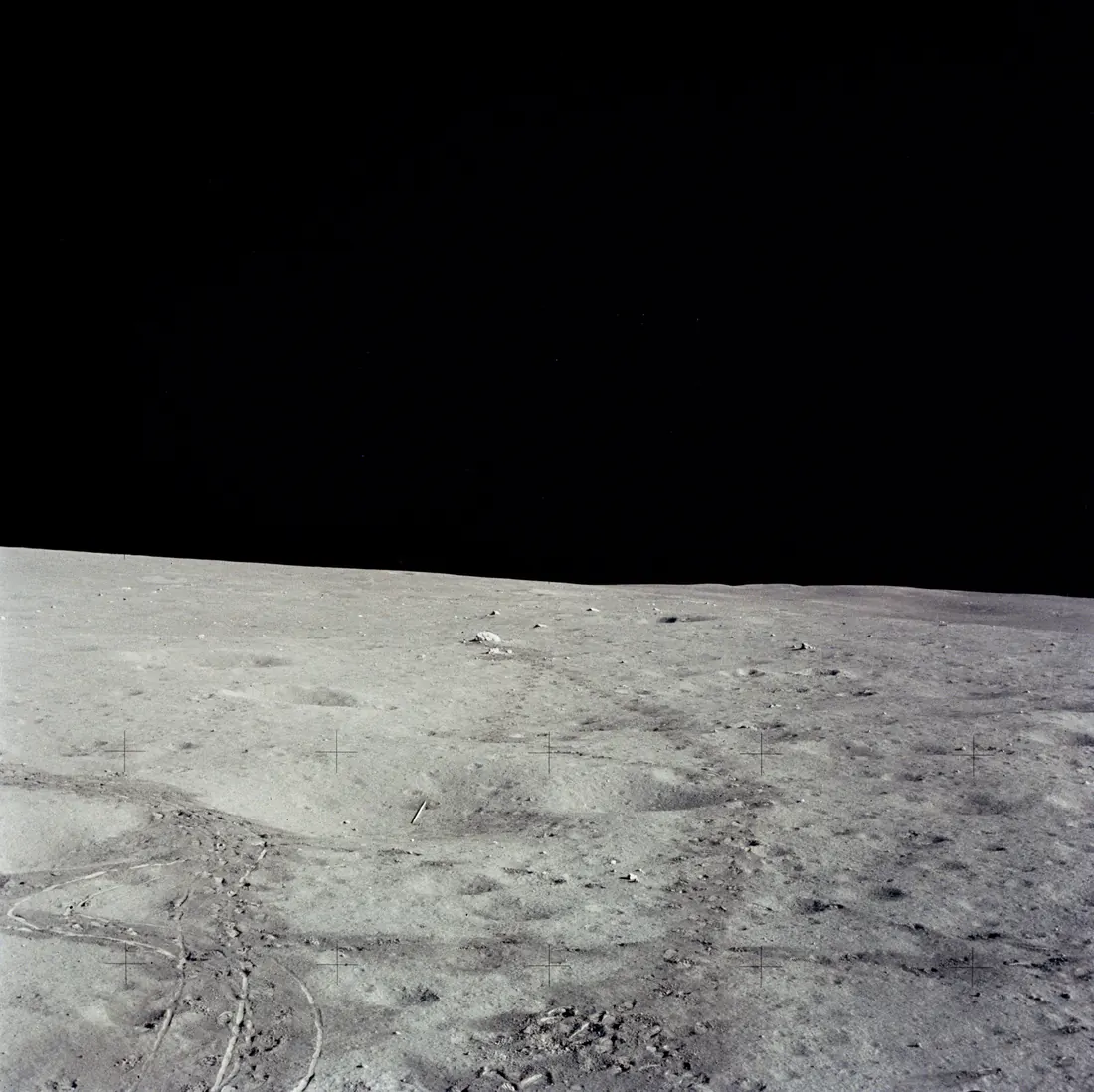
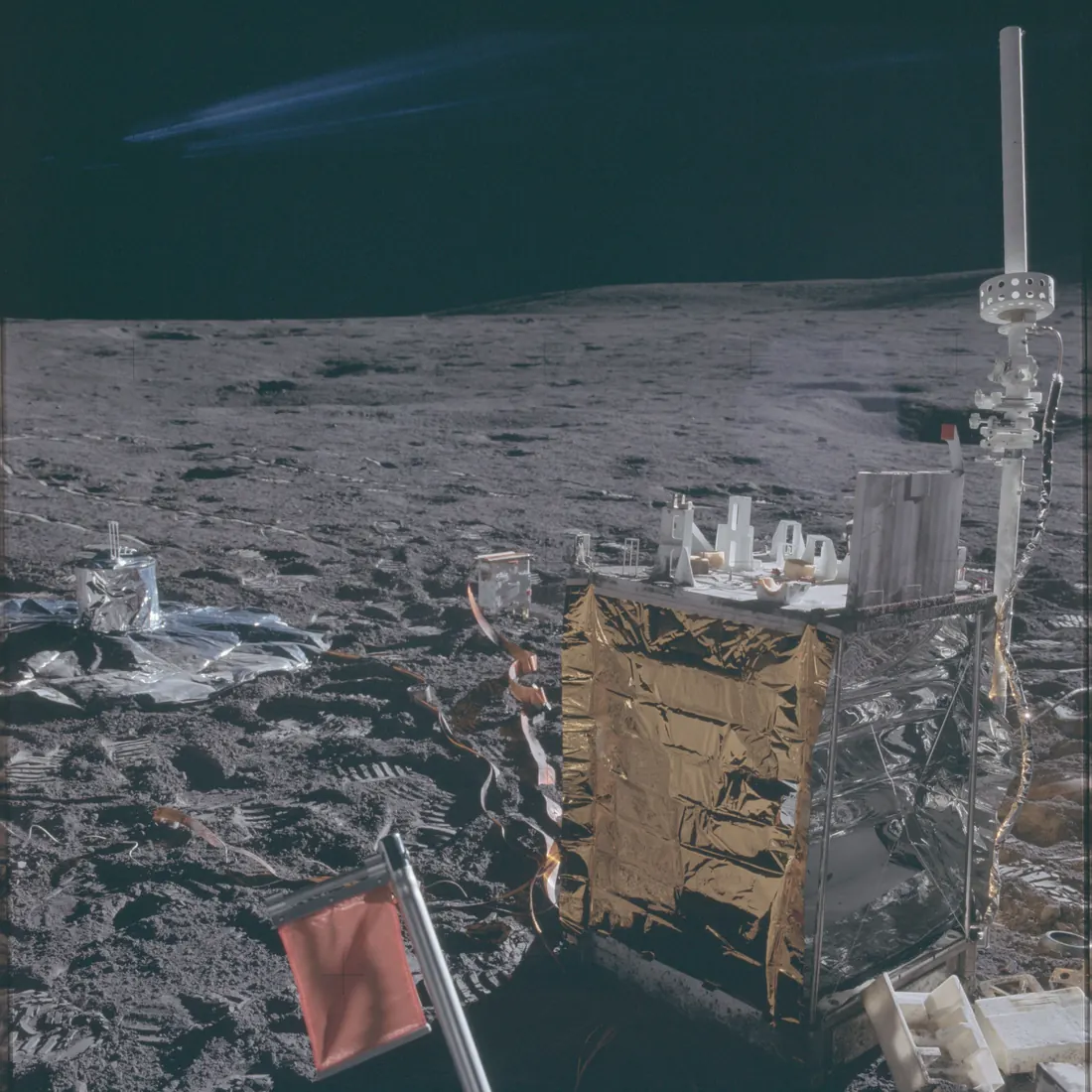
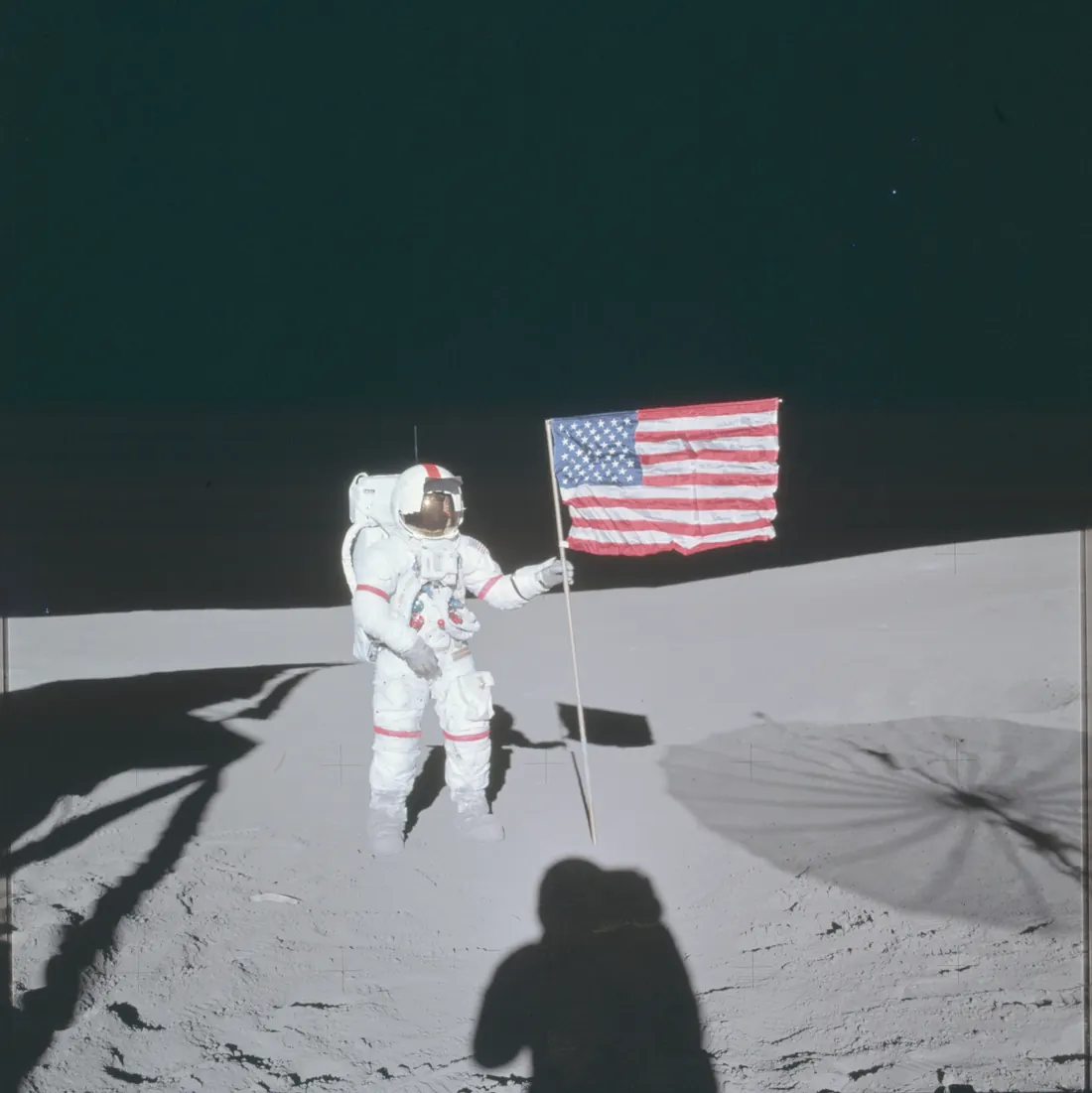
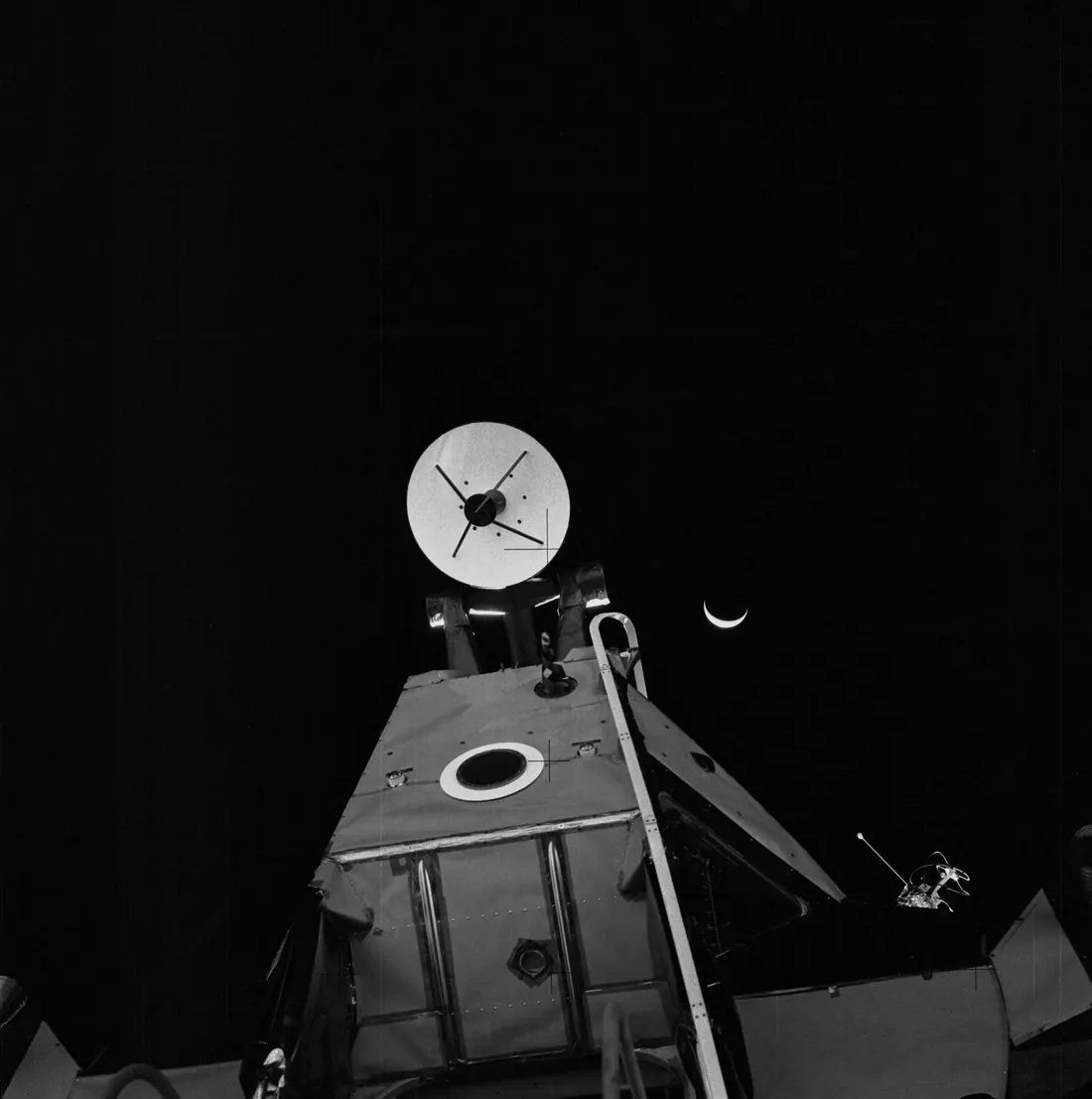
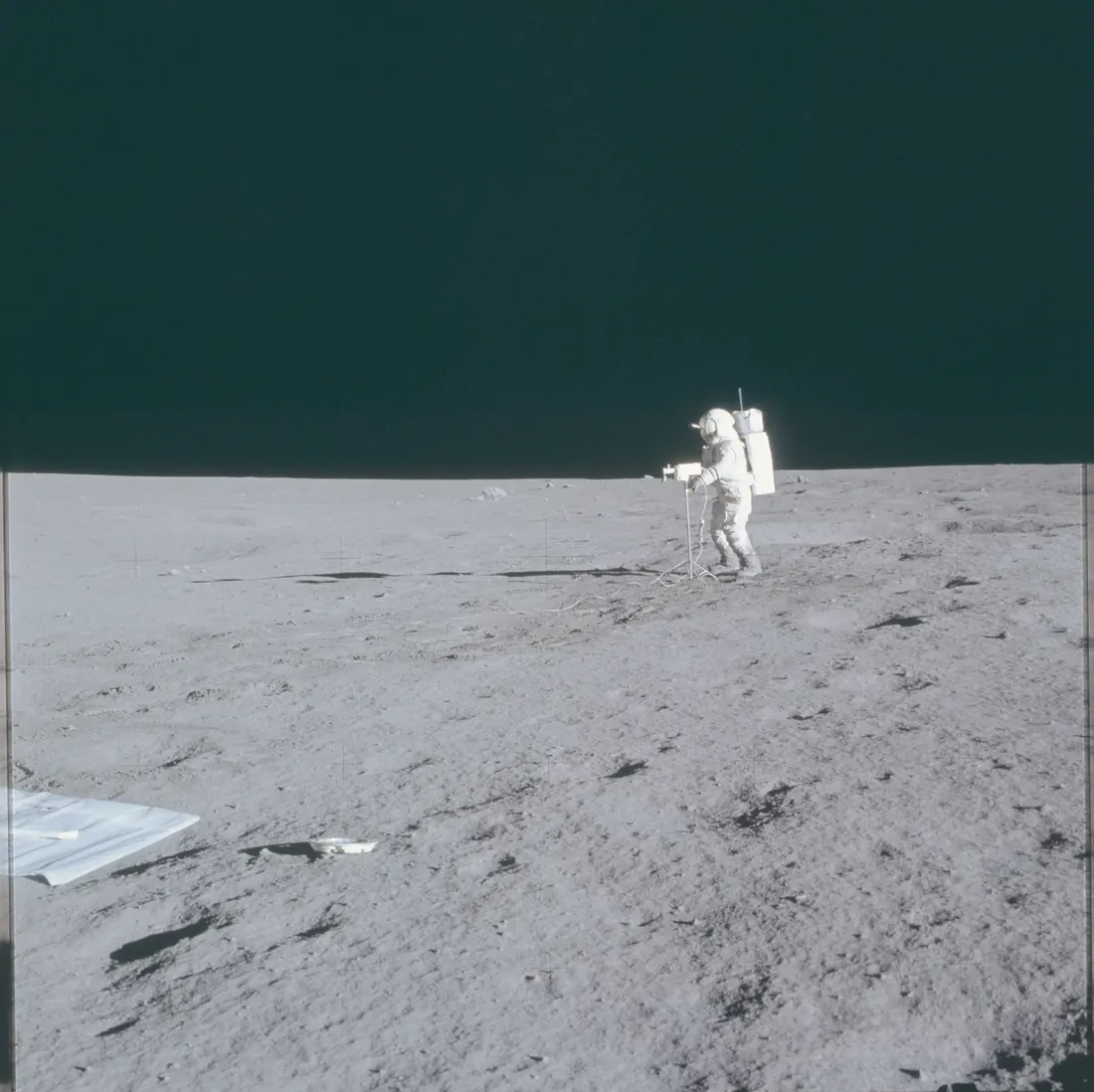
Pictures: all are NASA photos and film stills, in the public domain. The golf shot itself appears only in NASA’s photo of a TV screen near the end of the second moonwalk, February 6, 1971 (Shepard at right with the club, Mitchell at left), and in two stills of the same TV coverage from NASA’s 1971 film Apollo 14: Mission to Fra Mauro. Shepard is in his Apollo 14 portrait (December 3, 1970) and in August 1970; in Freedom 7 before launch on May 5, 1961, and at the Freedom 7 liftoff that day; shielding his eyes as he follows the Gemini 11 liftoff on September 12, 1966, as Chief of the Astronaut Office while grounded; in the 1970 Apollo 14 crew portrait with Roosa and Mitchell; on the Moon through the lunar module window and at the Modular Equipment Transporter, both photographed by Mitchell; and beside the flag, February 1971. Bob Gilruth is in his January 1965 portrait. The lunar module Antares, the crescent Earth and Venus above it, the ALSEP science station and the plain toward the horizon (with Mitchell small at the right) are Apollo 14 frames from February 1971, not the golf shot. The view toward the crater where the first ball and Mitchell’s pole lay is frame AS14-66-9337, taken from the lunar module window on February 6, 1971; the close-up of the ball beside the pole is our crop of it. The other people in the Gemini 11 photo are not named.
Photo credits
The archive photos in this story
All the photographs and illustrations in this story are in the public domain. Tap one to enlarge it, or follow the link to its Wikimedia Commons page for the full record. The narration, captions and graphics in the Short are our own; its music and sound effects are credited below.
Music and sound effects
Music: Schumann, Kinderszenen, Op. 15: No. 1 'Of Foreign Lands and Peoples' (Musopen, public domain); Mussorgsky, Pictures at an Exhibition: IV. Bydlo (piano) (Musopen, public domain); Dvorak, Symphony No. 9 'From the New World': II. Largo (Musopen, public domain).
Sound effects: Freesound, CC0.