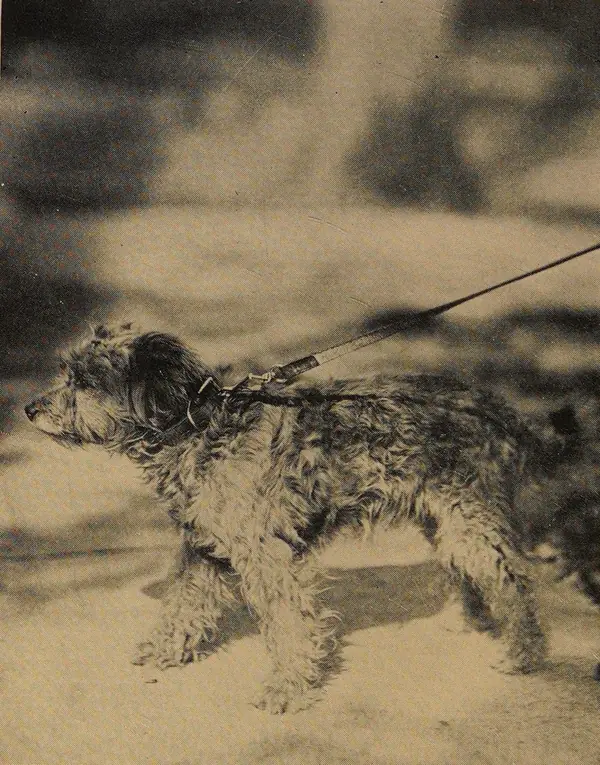
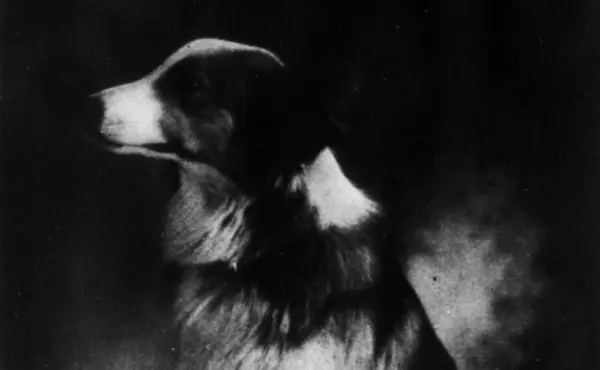
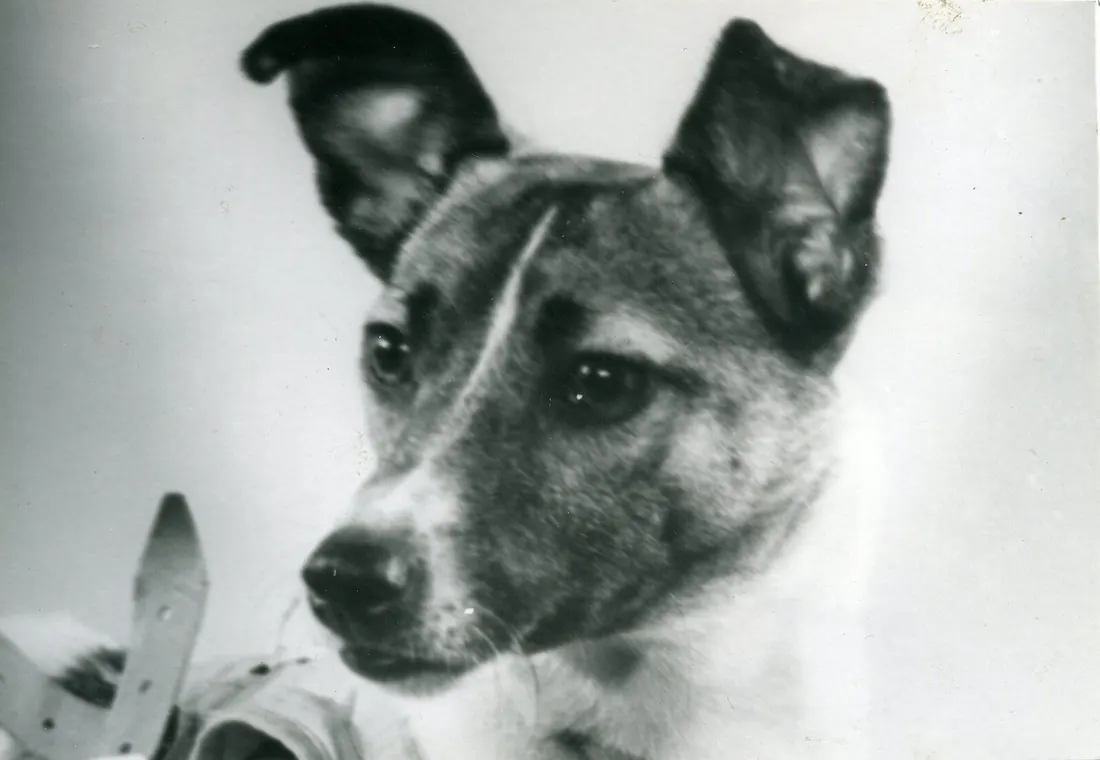
Laika “had been a stray wandering the streets of Moscow when she was captured,” BBC News reported in 2002, and NASA says “Laika was a small, stray mongrel picked up from the street.” “All dogs used in the Soviet space program were stray mongrels – doctors believed they were able to adapt quicker to harsh conditions,” the Associated Press wrote. “Laika, which is Russian for ‘Husky’ or ‘Barker,’ had the real name of Kudryavka (‘Little Curly’). In the U.S. she was eventually dubbed ‘Muttnik.’” “The American press dubbed her Muttnik (mutt + suffix -nik) as a pun on Sputnik,” Wikipedia says.
“Three dogs were trained for the Sputnik 2 flight: Albina, Laika and Mushka. Albina was the first ‘backup.’” “A great deal of work had to be done to adapt a group of dogs to the conditions in the tight cabin of Sputnik 2. They were kept in gradually smaller cages for periods up to 15-20 days.” “On November 3, 1957, Sputnik 2 blasted into Earth orbit with a dog named Laika aboard,” NASA says. She was “the first living creature to orbit the Earth,” the BBC says, but “There was no time to work out any reentry strategy” (NASA), and “Because there was no way to design a re-entry vehicle in time for the launch, the flight meant certain death” (the AP). “Shortly after launch the Soviets said that Laika was not destined to return alive and would die in space.”
She “did not live nearly as long as Soviet officials led the world to believe,” the BBC wrote. She “was said to have died painlessly in orbit about a week after blast-off,” and “According to official Soviet reports, the dog was euthanized after a week,” the AP says. On October 28, 2002, the BBC reported: “Now, it has been revealed she died from overheating and panic just a few hours after the mission started. The new evidence was presented at the recent World Space Congress in Houston.” The evidence came from Dimitri Malashenkov of the Institute for Biological Problems in Moscow. “After five to seven hours into the flight, no lifesigns were being received from Laika. By the fourth orbit it was apparent that Laika had died from overheating and stress.” It “ended more than 40 years of speculation about Laika’s fate.”
“Laika’s ‘coffin’ circled the Earth 2,570 times and burned up in the Earth’s atmosphere on 4 April 1958,” the BBC says; Wikipedia: “Over five months later, after 2,570 orbits, Sputnik 2 disintegrated during re-entry on 14 April 1958.” NASA: “Sputnik 2 finally burned up in the outer atmosphere in April 1958.” “The information she provided proved that a living organism could tolerate a long time in weightlessness and paved the way for humans in space,” the BBC says, and the AP called her “a dog whose flight to space more than 50 years ago paved the way for human space missions.”
Fact check
The facts and where they come from
- This dog circled the Earth more than 2,500 times, but she lived through only the first few. Wikipedia: “Over five months later, after 2,570 orbits, Sputnik 2 disintegrated during re-entry.” BBC: “After five to seven hours into the flight, no lifesigns were being received from Laika. By the fourth orbit it was apparent that Laika had died from overheating and stress.” 41
- Her name was Laika. NASA: “Laika, which is Russian for ‘Husky’ or ‘Barker.’” 21
- She was a stray, picked up from the streets of Moscow. BBC: “The animal had been a stray wandering the streets of Moscow when she was captured.” NASA: “Laika was a small, stray mongrel picked up from the street.” 12
- Her keepers called her Little Curly. American newspapers called her Muttnik. NASA: she “had the real name of Kudryavka (‘Little Curly’). In the U.S. she was eventually dubbed ‘Muttnik.’” Wikipedia: “Soviet personnel gave her several names and nicknames, among them Kudryavka (Russian for Little Curly)”; “The American press dubbed her Muttnik (mutt + suffix -nik) as a pun on Sputnik.” 24
- For up to 20 days, the dogs were kept in smaller and smaller cages. BBC: “They were kept in gradually smaller cages for periods up to 15-20 days.” Wikipedia: “they were kept in progressively smaller cages for periods of up to twenty days.” 14
- On November 3, 1957, Sputnik 2 blasted her into orbit. NASA: “On November 3, 1957, Sputnik 2 blasted into Earth orbit with a dog named Laika aboard.” 2
- She was the first living creature ever to orbit the Earth. BBC: “The dog Laika, the first living creature to orbit the Earth.” 1
- But there was no way to bring her home. NASA: “There was no time to work out any reentry strategy.” The AP: “Because there was no way to design a re-entry vehicle in time for the launch, the flight meant certain death.” BBC: “launched on a one-way trip.” 231
- The Soviets said she lived about a week, and died painlessly. BBC: she “was said to have died painlessly in orbit about a week after blast-off”; she “did not live nearly as long as Soviet officials led the world to believe.” The AP: “According to official Soviet reports, the dog was euthanized after a week.” 13
- Decades later, the truth came out. BBC, October 28, 2002: “The new evidence was presented at the recent World Space Congress in Houston”; it “ended more than 40 years of speculation about Laika’s fate.” 1
- The cabin overheated, and she died within hours. BBC: “Now, it has been revealed she died from overheating and panic just a few hours after the mission started.” The AP: “she apparently died of overheating after only a few hours in orbit.” NASA: “Laika expired after a few hours.” 132
- Her capsule kept circling for five more months. Wikipedia: “Over five months later, after 2,570 orbits, Sputnik 2 disintegrated during re-entry on 14 April 1958.” 41
- Then it fell, and burned up in the sky, with her still inside. BBC: “Laika’s ‘coffin’ circled the Earth 2,570 times and burned up in the Earth’s atmosphere on 4 April 1958.” NASA: “Sputnik 2 finally burned up in the outer atmosphere in April 1958.” 12
- She never came home. But she paved the way for humans in space. BBC: “the information she provided proved that a living organism could tolerate a long time in weightlessness and paved the way for humans in space.” The AP: “a dog whose flight to space more than 50 years ago paved the way for human space missions.” 13
Sources
- First dog in space died within hours (David Whitehouse, October 28, 2002) BBC News
- A Brief History of Animals in Space NASA
- Monument honors Laika, Russia’s first dog in space (Associated Press, April 2008) The Spokesman-Review
- Laika Wikipedia
Notes
The burn-up date: the BBC says April 4, 1958, and Wikipedia April 14, 1958; both are about five months after the launch, so the Short says “five more months.”
How long she lived: the BBC says no life signs came after five to seven hours and that she was dead “by the fourth orbit,” and Wikipedia also says the fourth orbit, so the Short and the page say she lived through “only the first few.”
What the Soviets said varies between accounts, so the page gives only the BBC’s and the AP’s versions (“about a week”), and only as what the Soviets said. The cages: the BBC says “periods up to 15-20 days,” Wikipedia “up to twenty days.”
Left out: her age (2 according to the AP, about 3 according to Wikipedia), why she was chosen, and remarks made years later by people in the program, whose wording differs between outlets.
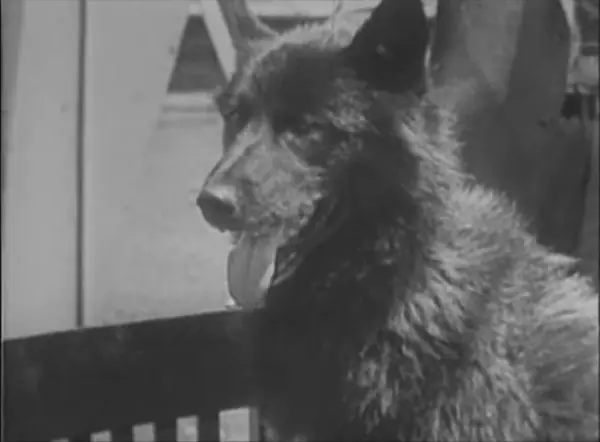
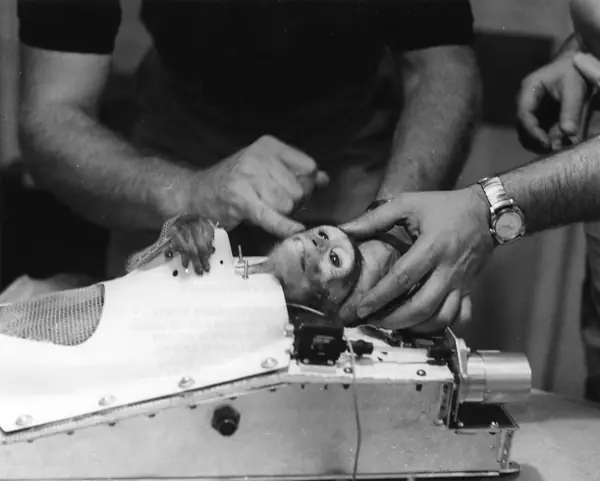
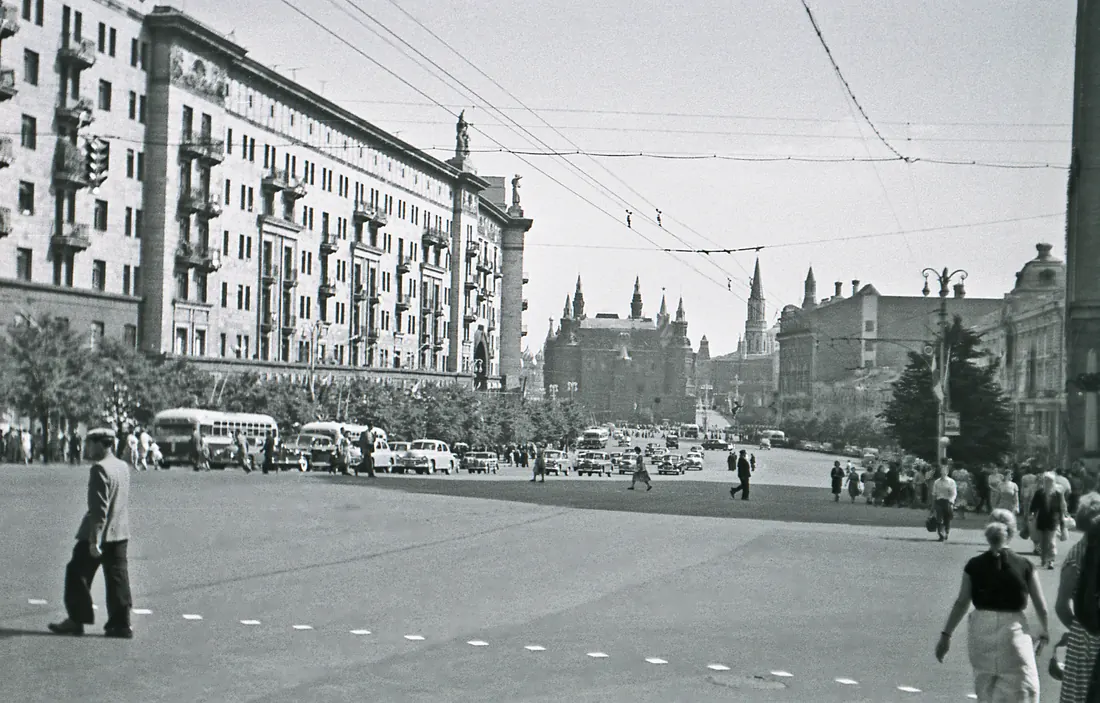
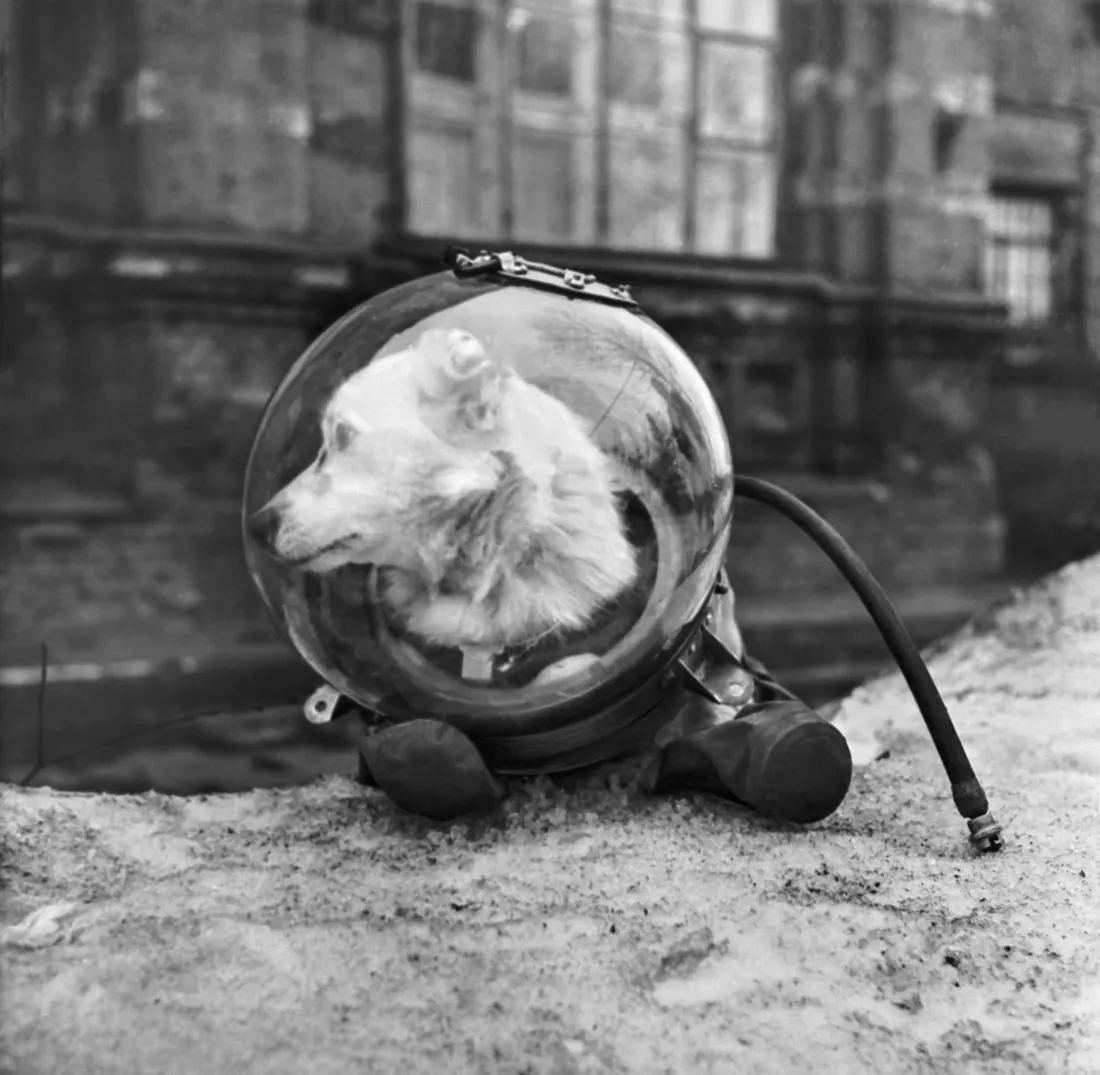
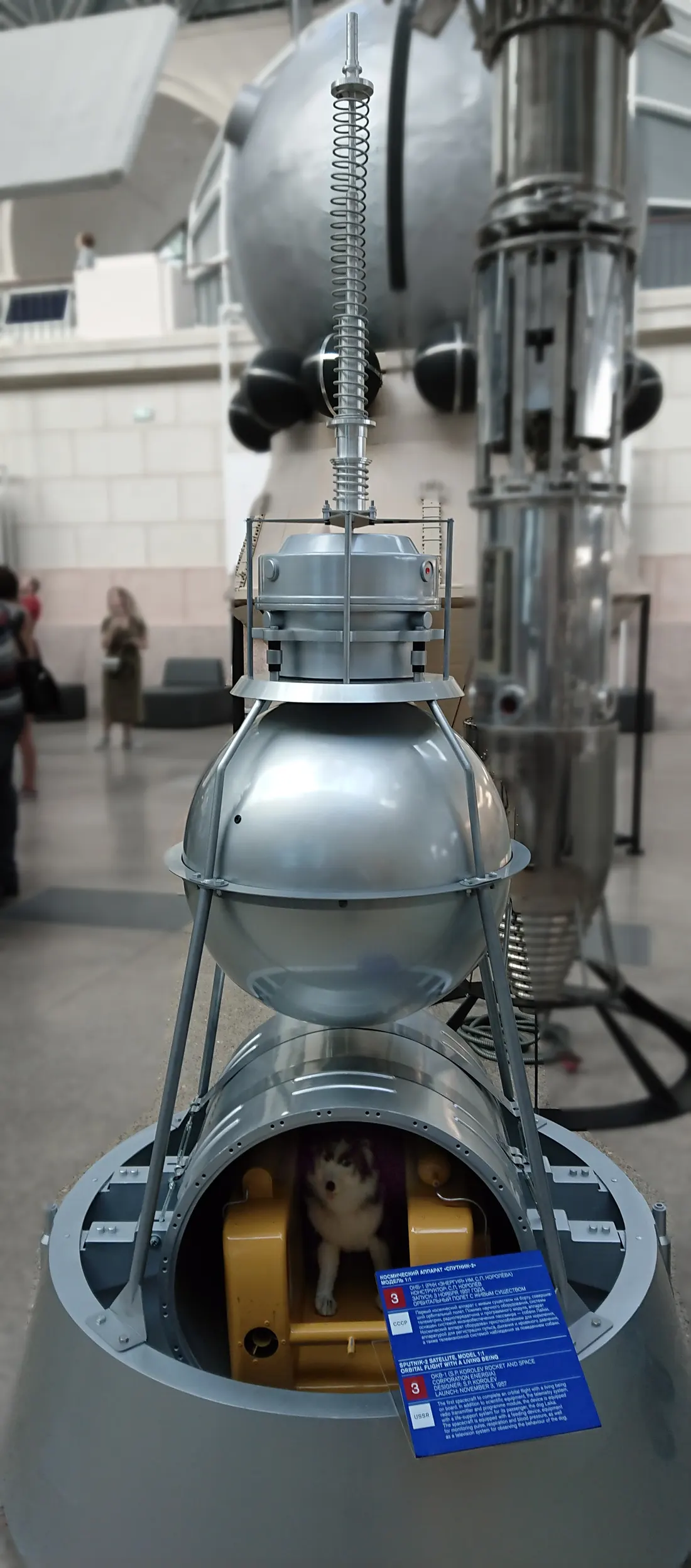
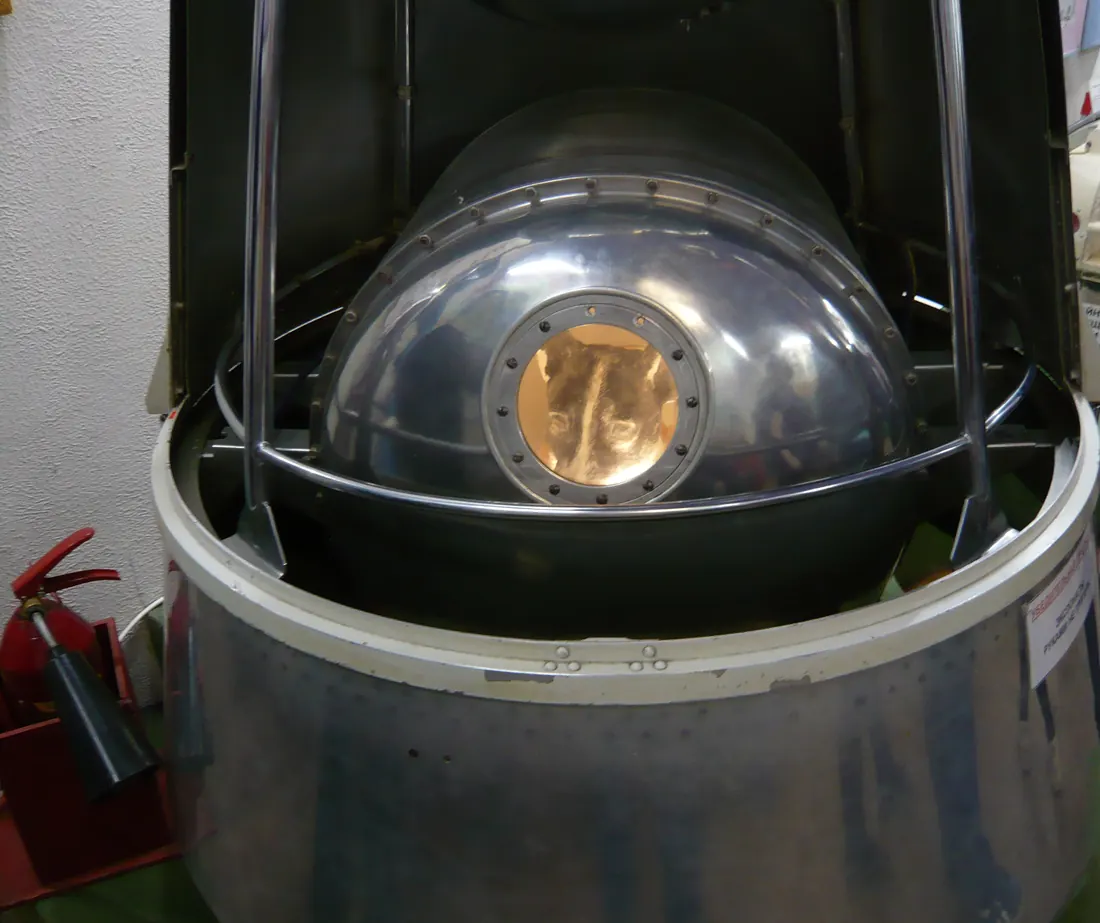
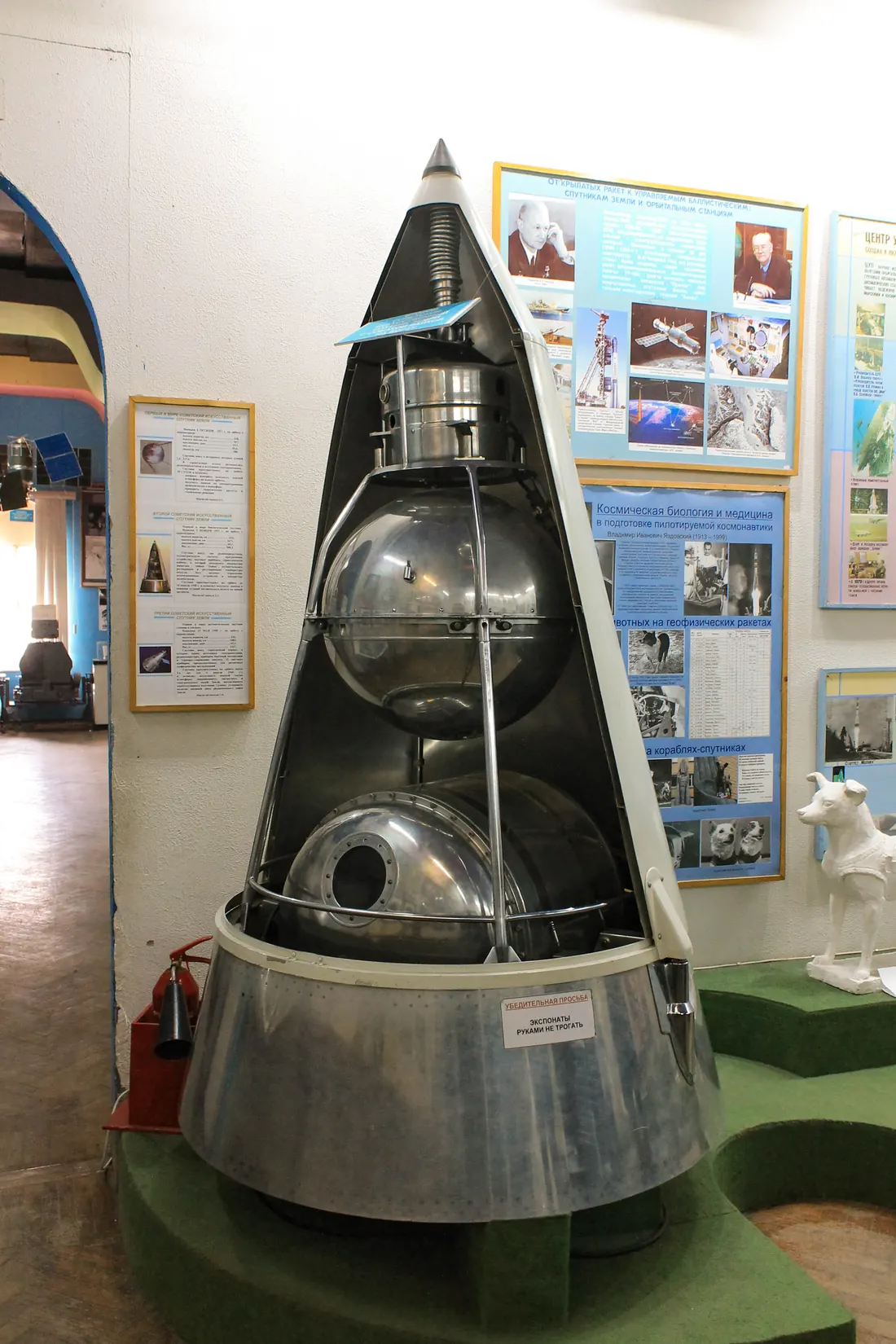
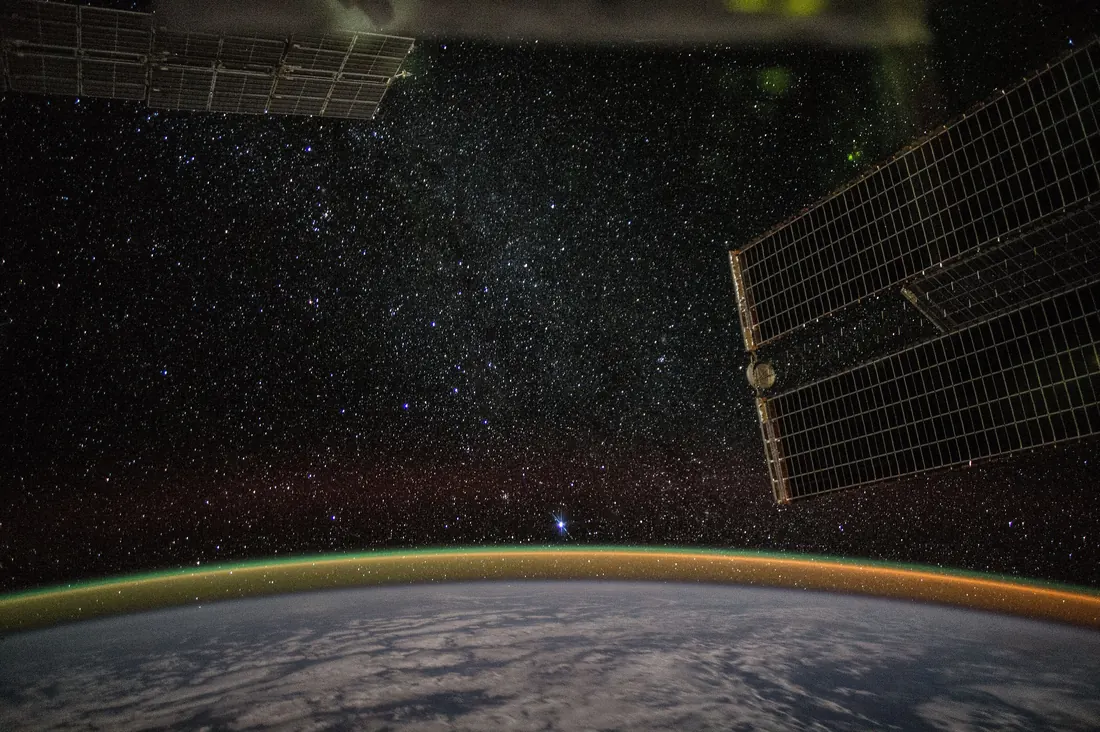
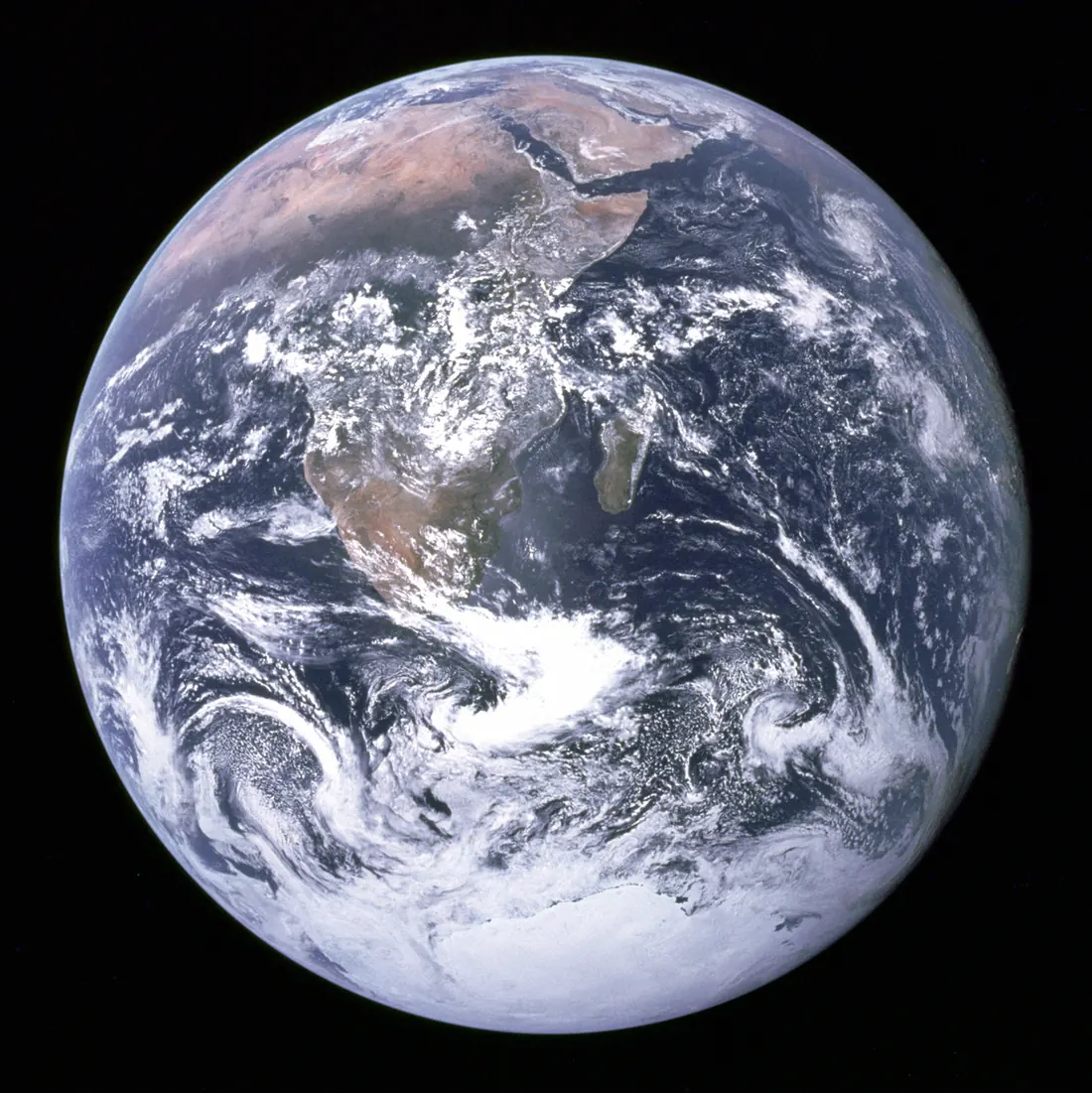
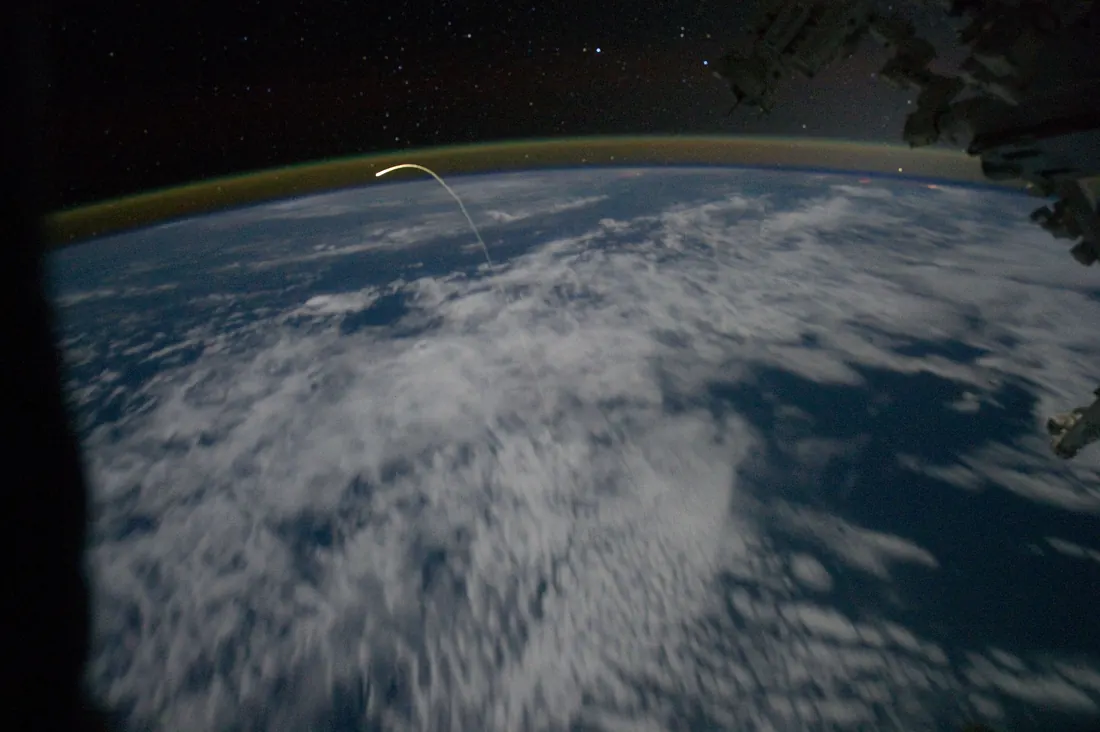
Pictures: the only photo of Laika is a 1957 photo from the Museum of Cosmonautics, released by the Moscow Main Archive (mos.ru). Albina, her first backup, is shown in a pressure helmet in 1957, photographed by S. Gurariy; she is not Laika. Gorky Street in Moscow was photographed by Manfred and Barbara Aulbach in August 1957. The Sputnik 2 pictures show museum models, not the real spacecraft: the full-size model at the VDNKh “Kosmos” pavilion in Moscow and its dog cabin with the museum’s dog figure (Stanislav Kozlovskiy, August 20, 2018), and the mock-up at the Central House of Aviation and Cosmonautics in Moscow (Just and Красный, April 19, 2021). The Earth photos are NASA’s: the Blue Marble from Apollo 17 (December 7, 1972) and the Earth’s limb at night from the International Space Station (March 2, 2016). The streak of fire is Space Shuttle Atlantis’s re-entry seen from the ISS on July 21, 2011, not Sputnik 2, whose burn-up was never photographed.
Photo credits
The archive photos in this story
The photographs and illustrations in this story are in the public domain or shared under open licenses; each one is credited below with its license. Tap one to enlarge it, or follow the link to its Wikimedia Commons page for the full record. The narration, captions and graphics in the Short are our own; its music and sound effects are credited below.
Music and sound effects
Music: Schumann, Kinderszenen, Op. 15: No. 1 'Of Foreign Lands and Peoples' (Musopen, public domain); Mussorgsky, Pictures at an Exhibition: IV. Bydlo (piano) (Musopen, public domain); Dvorak, Symphony No. 9 'From the New World': II. Largo (Musopen, public domain).
Sound effects: Freesound, CC0.