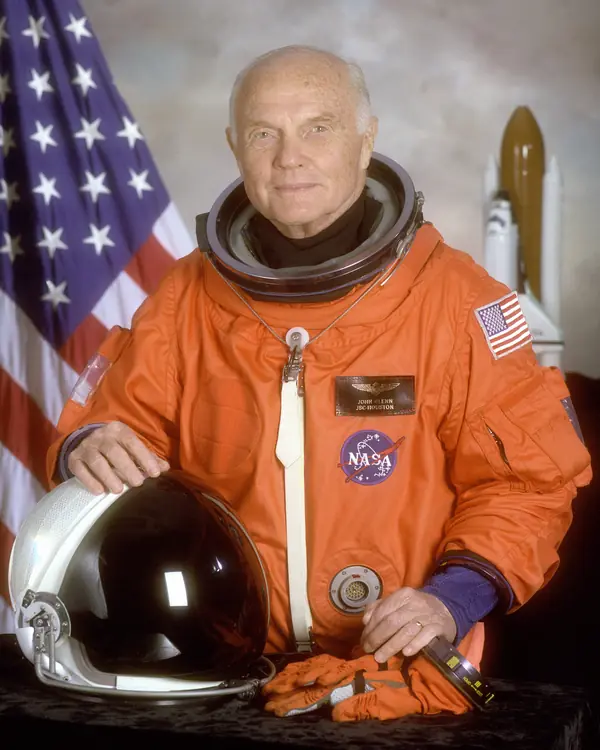
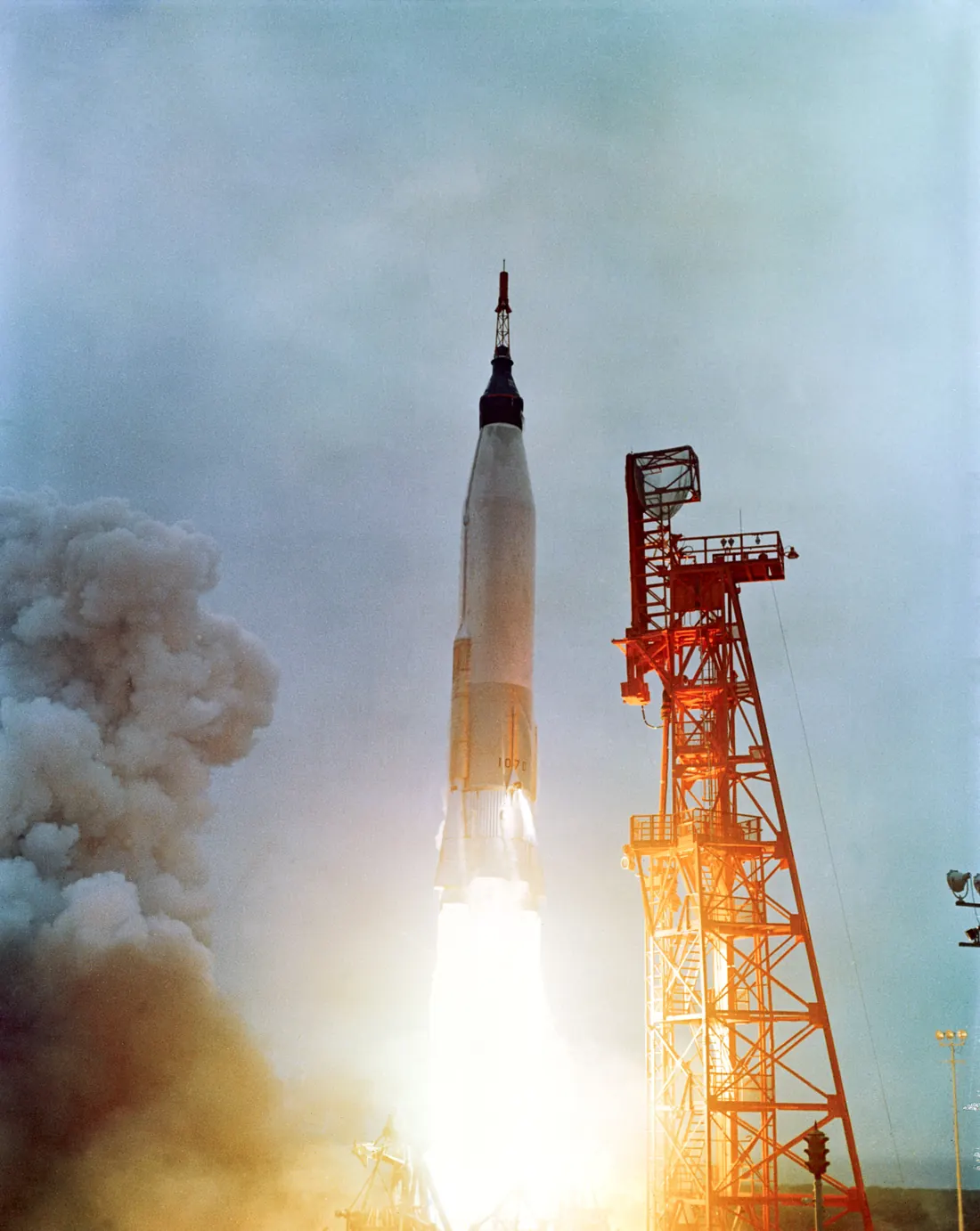
“On May 24, 1962, astronaut M. Scott Carpenter completed America’s second orbital spaceflight,” NASA History says, “during the Mercury-Atlas 7 mission.” His rocket was “launched by NASA from Pad 14, Cape Canaveral, Florida, on May 24, 1962,” and “Naming his spacecraft Aurora 7, Carpenter completed three orbits of the Earth.” Carpenter “was the second American (after John Glenn) to orbit the Earth,” Wikipedia says, and at Glenn’s launch it was Carpenter who sent him off: “Speaking from the blockhouse at the launch of Friendship 7, Carpenter said ‘Godspeed, John Glenn.’”
Coming home, “the automatic attitude control system provided bad data and he switched to manual control. When the retrorockets didn’t fire automatically as expected, Carpenter fired them manually,” NASA History says. The AP wrote that “a key instrument that told the pilot which way the capsule was pointing malfunctioned, forcing Carpenter to manually take over control of the landing.” “A problem with the spacecraft’s attitude and the late firing of its retrorockets during the critical reentry burn resulted in Aurora 7 splashing down 250 miles off course”: “the capsule’s orientation during the retrofire had been off by 25 degrees,” and the late firing was “delaying the start of ignition by three seconds.”
On the way down, “the plasma cloud formed around it prevented communications with the ground for nine minutes,” and then “Because of the landing overshoot, communications with MCC proved impossible, although Grissom, transmitting in the blind, informed Carpenter that it might take recovery forces an hour to reach him after splashdown.” “NASA’s Mission Control then announced that he would overshoot his landing zone by more than 200 miles and, worse, they had lost contact with him,” the AP wrote, “leaving a nation on edge for an hour as it watched live.” “Talking to a suddenly solemn nation, CBS newsman Walter Cronkite said, ‘We may have ... lost an astronaut.’”
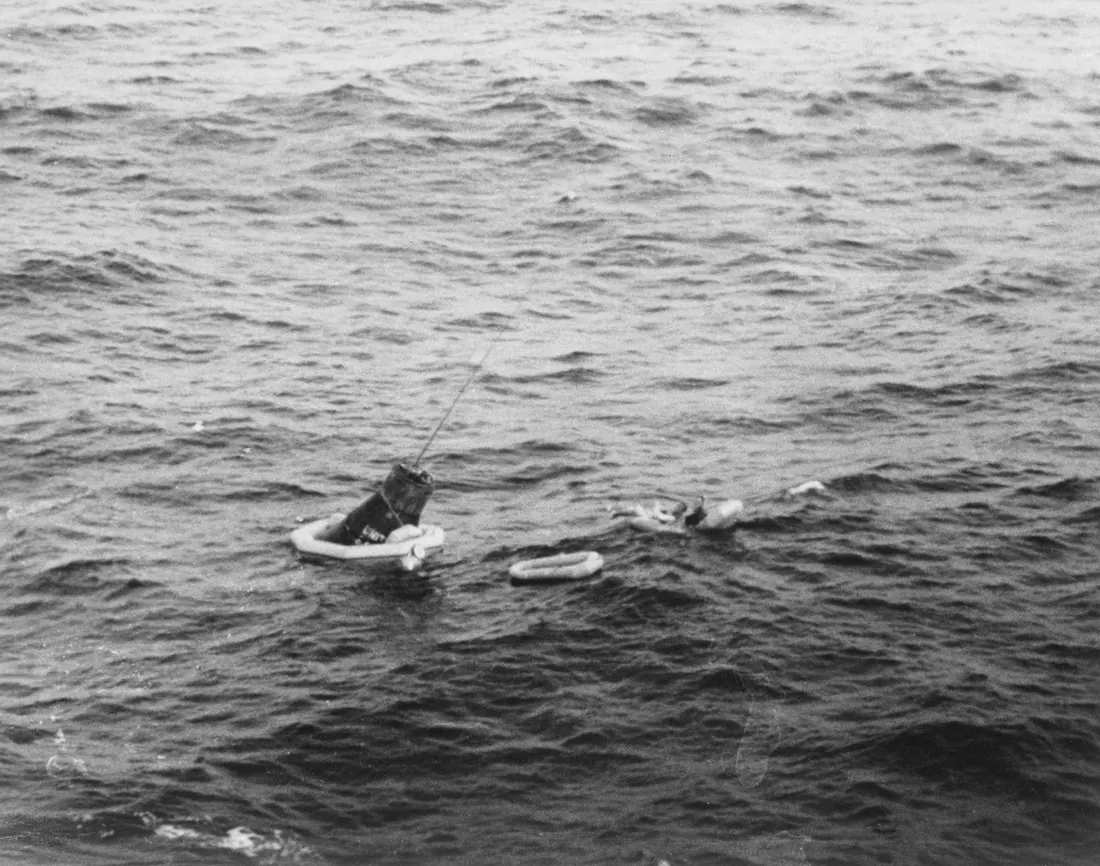
“The landing occurred several hundred miles from the prime recovery ship.” Carpenter “elected to squeeze through the small hatch at the top of the spacecraft, and lowered himself into the water, pulling his life raft after him. After getting into the life raft, he tied it to the spacecraft and awaited the recovery teams.” “A reconnaissance aircraft deployed from Naval Air Station (NAS) Roosevelt Roads, Puerto Rico, spotted Carpenter in his raft 40 minutes after splashdown,” NASA History says; Wikipedia: “After nearly an hour of searching, Carpenter was located in an area northeast of Puerto Rico.” “The Navy found him in the Caribbean, floating in his life raft with his feet propped up,” the AP wrote. “Nineteen minutes later, two Air Force pararescue frogmen parachuted into the water and swam to Carpenter.” “Carpenter offered the frogmen some of his rations, but they declined.”
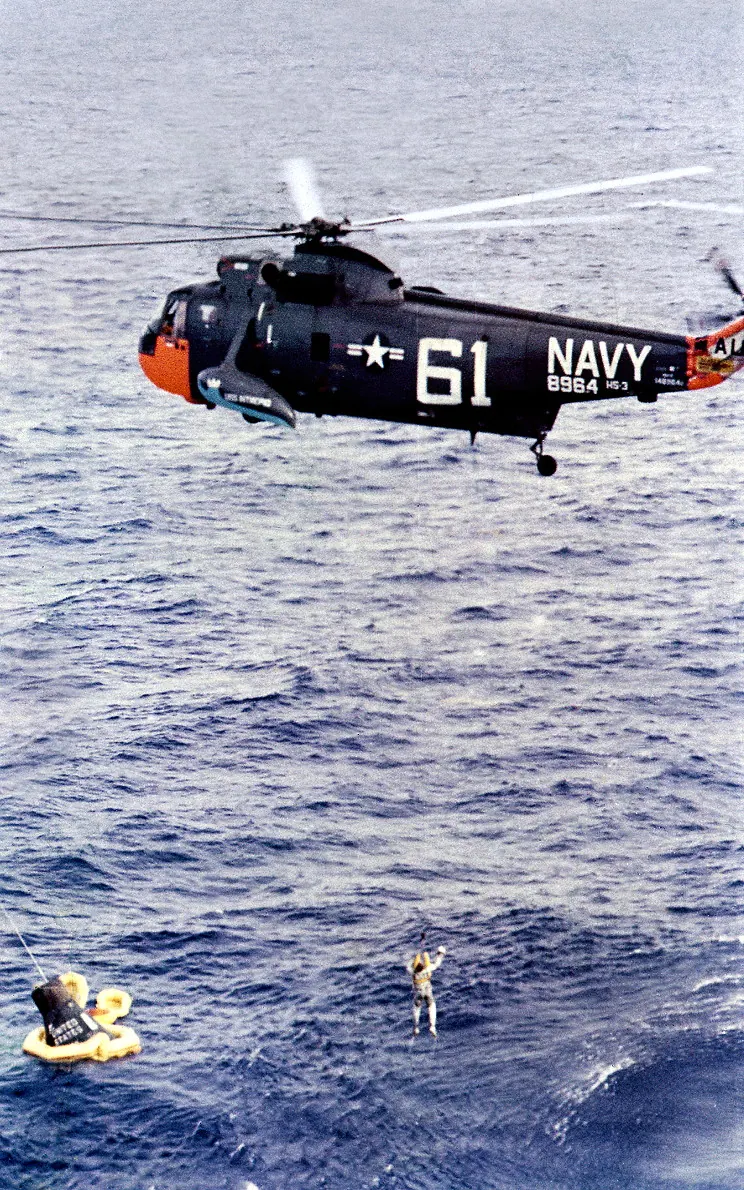
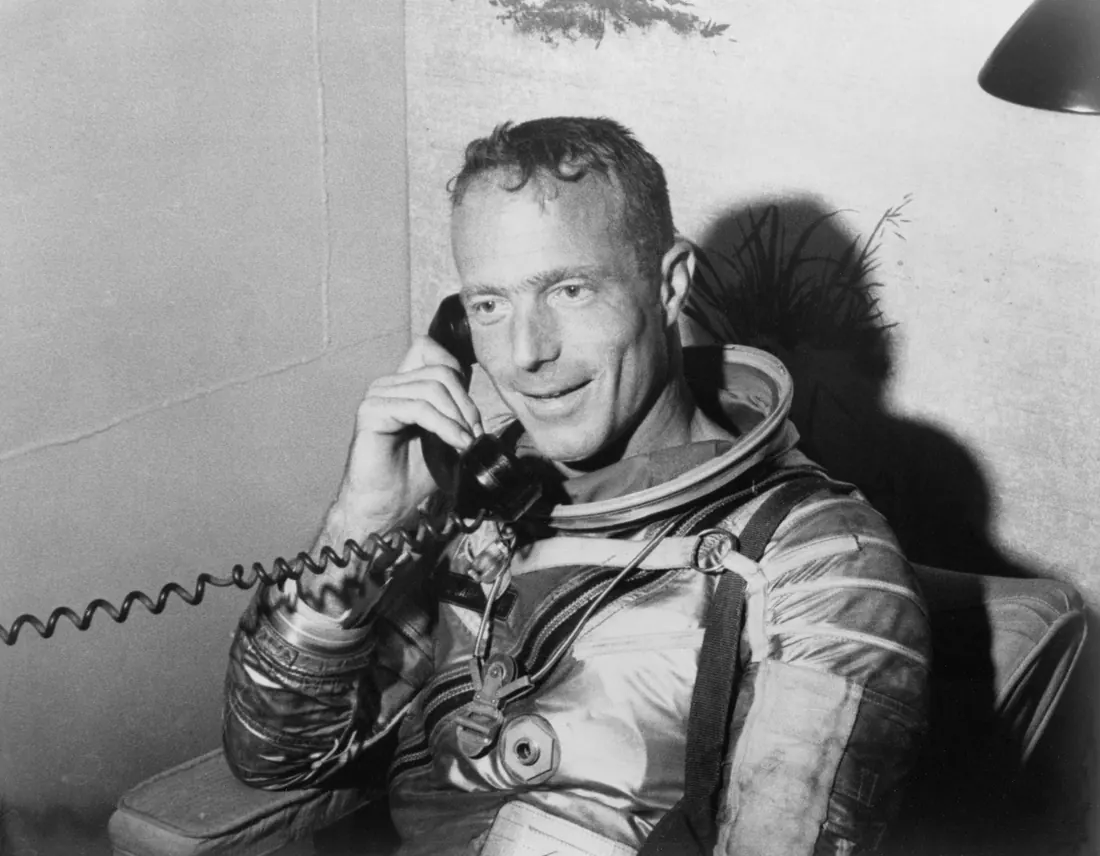
Later, “two helicopters launched from Intrepid to execute the recovery. Three hours after splashdown, rescuers hoisted Carpenter aboard one of the helicopters,” and “President John F. Kennedy telephoned to congratulate him on his mission.” “In the 1962 book ‘We Seven,’ written by the first seven astronauts, Carpenter wrote about his thoughts while waiting to be picked up after splashing down. ‘I sat for a long time just thinking about what I’d been through. I couldn’t believe it had all happened.’” “He never went back into space,” the AP wrote, but “In August and September 1965, Carpenter spent 28 days living on the ocean floor in SEALAB II at a depth of 205 feet (62 m),” Wikipedia says. “He was the only person who was both an astronaut and an aquanaut.”
Fact check
The facts and where they come from
- They lost an astronaut for an hour, and nobody could reach him. The AP: “He overshot his landing by 288 miles, giving NASA and the nation an hour-long scare that he might not have made it back alive”; “they had lost contact with him.” Wikipedia: “delaying recovery of Carpenter and the spacecraft for an hour.” NASA History: “Because of the landing overshoot, communications with MCC proved impossible.” 261
- His name was Scott Carpenter. NASA History: “astronaut M. Scott Carpenter completed America’s second orbital spaceflight during the Mercury-Atlas 7 mission.” 1
- In May 1962, he became the second American to orbit the Earth. NASA History: “On May 24, 1962, astronaut M. Scott Carpenter completed America’s second orbital spaceflight.” Wikipedia: “Carpenter was the second American (after John Glenn) to orbit the Earth.” NASA’s photo caption: “launched by NASA from Pad 14, Cape Canaveral, Florida, on May 24, 1962.” 179
- Coming home, his automatic controls failed, so he flew it by hand. NASA History: “the automatic attitude control system provided bad data and he switched to manual control. When the retrorockets didn’t fire automatically as expected, Carpenter fired them manually.” The AP: “a key instrument that told the pilot which way the capsule was pointing malfunctioned, forcing Carpenter to manually take over control of the landing.” 12
- His capsule was pointed wrong, and his rockets fired late. NASA History: “A problem with the spacecraft’s attitude and the late firing of its retrorockets during the critical reentry burn resulted in Aurora 7 splashing down 250 miles off course”; “the capsule’s orientation during the retrofire had been off by 25 degrees”; “delaying the start of ignition by three seconds.” 1
- He would land 250 miles off target. NASA History: “the overall 250-mile overshoot.” Wikipedia: “splashed down 250 miles (400 km) from the target.” 16
- Then the radio went silent. NASA History: “the plasma cloud formed around it prevented communications with the ground for nine minutes”; “Because of the landing overshoot, communications with MCC proved impossible, although Grissom, transmitting in the blind, informed Carpenter that it might take recovery forces an hour to reach him after splashdown.” 1
- On live TV, Walter Cronkite told the nation, “We may have ... lost an astronaut.” The AP: “Talking to a suddenly solemn nation, CBS newsman Walter Cronkite said, ‘We may have ... lost an astronaut’”; “leaving a nation on edge for an hour as it watched live.” 32
- Far out at sea, he squeezed out the top of his capsule into a life raft. NASA History: “The landing occurred several hundred miles from the prime recovery ship”; “He elected to squeeze through the small hatch at the top of the spacecraft, and lowered himself into the water, pulling his life raft after him.” 1
- A search plane finally spotted him. NASA History: “A reconnaissance aircraft deployed from Naval Air Station (NAS) Roosevelt Roads, Puerto Rico, spotted Carpenter in his raft 40 minutes after splashdown.” Wikipedia: “After nearly an hour of searching, Carpenter was located in an area northeast of Puerto Rico.” 16
- He was floating in his raft with his feet propped up. The AP: “The Navy found him in the Caribbean, floating in his life raft with his feet propped up.” 32
- He even offered his rescuers some of his space food. NASA History: “Nineteen minutes later, two Air Force pararescue frogmen parachuted into the water and swam to Carpenter”; “Carpenter offered the frogmen some of his rations, but they declined.” The AP: “He offered up some of his space rations.” 13
- He later wrote, “I sat for a long time just thinking about what I’d been through.” The AP: “In the 1962 book ‘We Seven,’ written by the first seven astronauts, Carpenter wrote about his thoughts while waiting to be picked up after splashing down.” 34
- And: “I couldn’t believe it had all happened.” 34
Sources
- 60 Years Ago: Scott Carpenter Orbits the Earth aboard Aurora 7 (Uri, 2022) NASA
- Associated Press obituary of Scott Carpenter (2013) The Atlanta Journal-Constitution
- The same Associated Press obituary, another copy (2013) Arab News
- The same Associated Press obituary, another copy (2013) The Durango Herald
- The same Associated Press obituary, another copy (2013) Illinois Public Media
- Mercury-Atlas 7 Wikipedia
- Scott Carpenter Wikipedia
- SEALAB Wikipedia
- Mercury-Atlas 7 liftoff (NASA photo S62-05529 and its caption) Wikimedia Commons
- Carpenter on the phone with President Kennedy (NASA photo S62-04057 and its caption) Wikimedia Commons
Notes
The overshoot: NASA History and Wikipedia say 250 miles; NASA’s mission page says “250 nautical miles,” about 288 statute miles, the AP’s figure; Mission Control announced “more than 200 miles”; and CBS and American Heritage give about 175 miles past the planned point. The Short and the page use NASA History’s 250 miles.
“For an hour”: the AP calls it “an hour-long scare” and Wikipedia says recovery was delayed “for an hour,” while NASA History says the search plane spotted him 40 minutes after splashdown and the frogmen reached him 19 minutes later. The hour is the length of the scare, as the AP puts it.
Who was to blame is disputed. Flight director Chris Kraft blamed Carpenter for wasting fuel and falling behind, and the AP says “A NASA official accused him of making poor decisions during the flight”; Carpenter wrote in 2003, “I think the data shows that the machine failed,” and engineers found the retrorockets underperformed. The page says only what happened and takes no side.
The AP prints Cronkite’s words with a pause, “We may have ... lost an astronaut”; the Short reads them straight. Where he landed: NASA History says “near Anegada Island in the U.S. Virgin Islands” (Anegada is in the British Virgin Islands), the AP says the Caribbean and NASA the Atlantic, so the page says northeast of Puerto Rico, as Wikipedia does. SEALAB II: 28 days (Wikipedia’s article on Carpenter) or “a record 30 days” (its article on SEALAB).
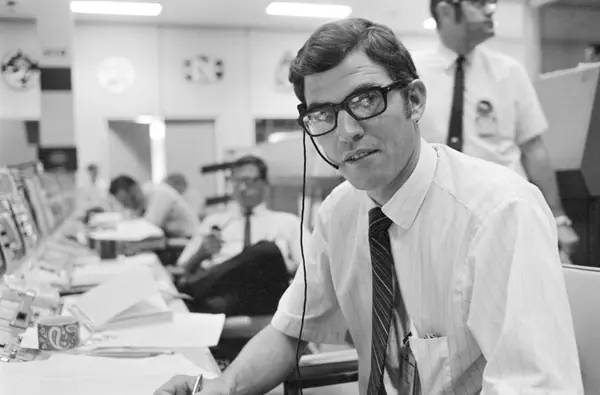
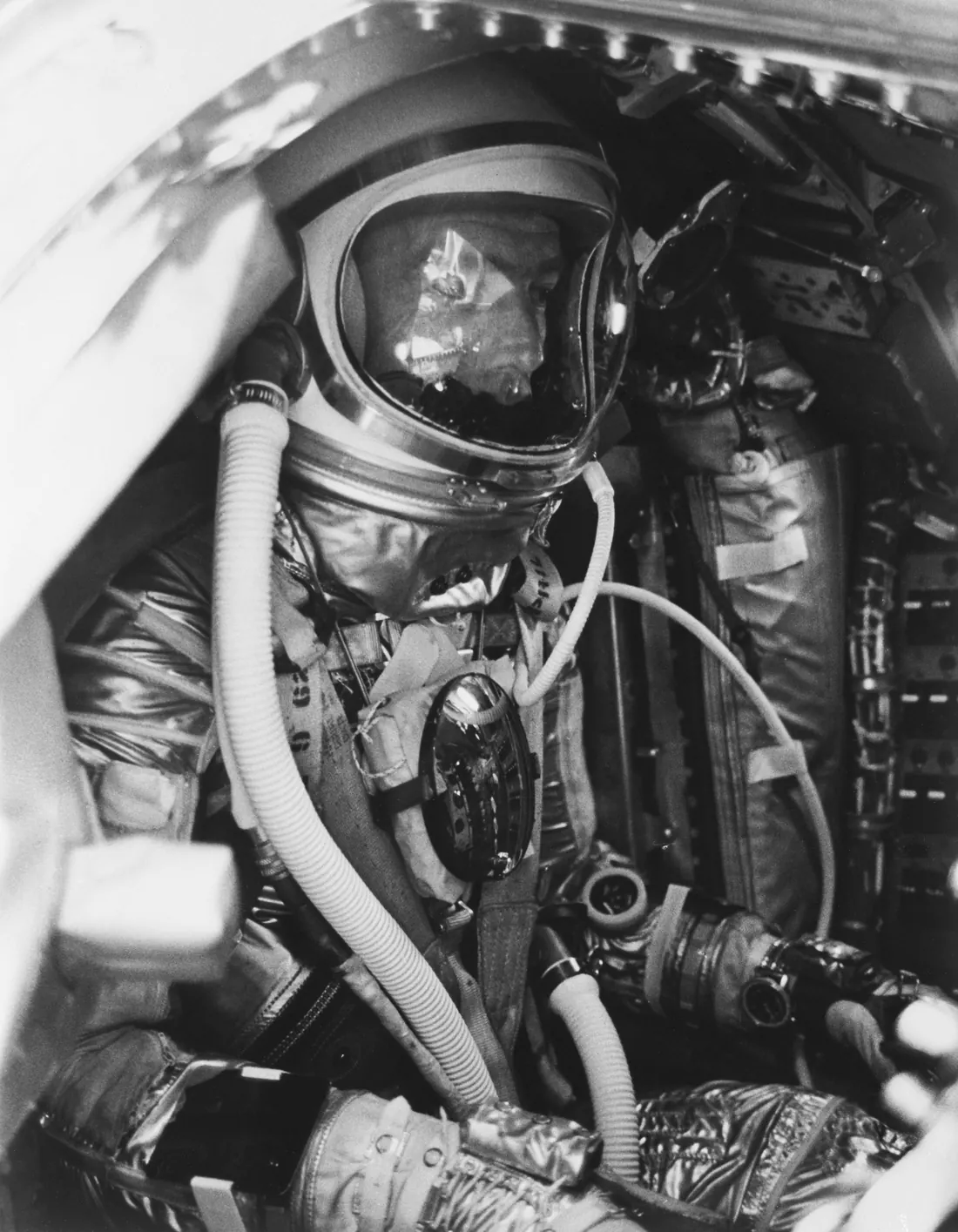
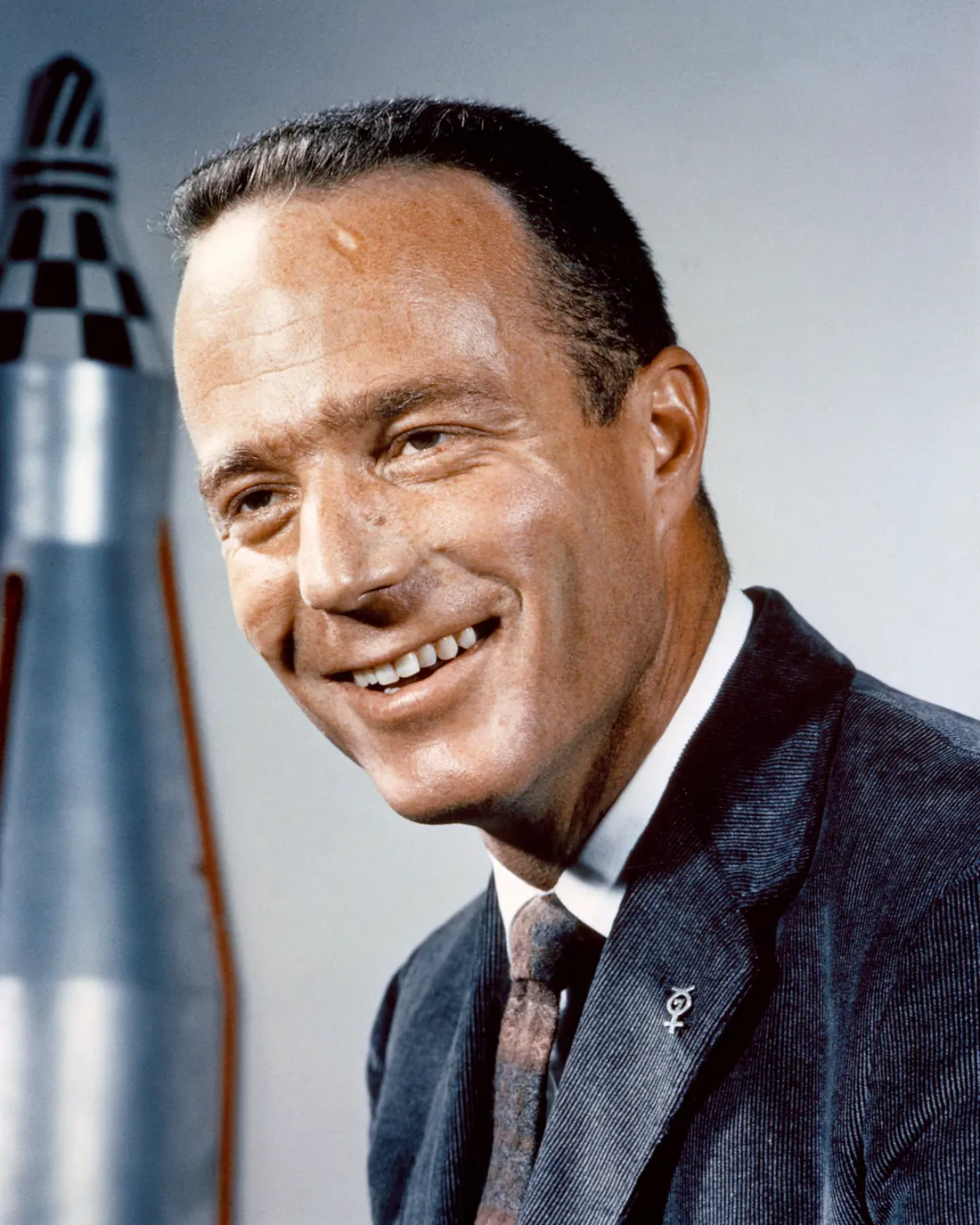
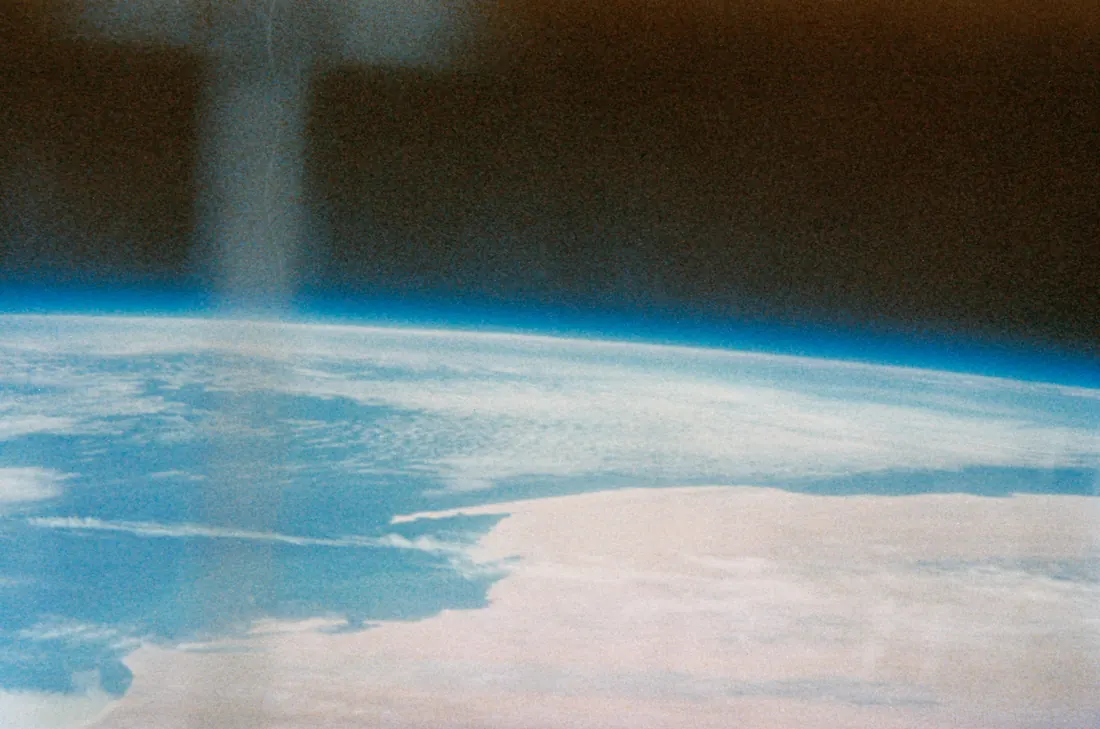
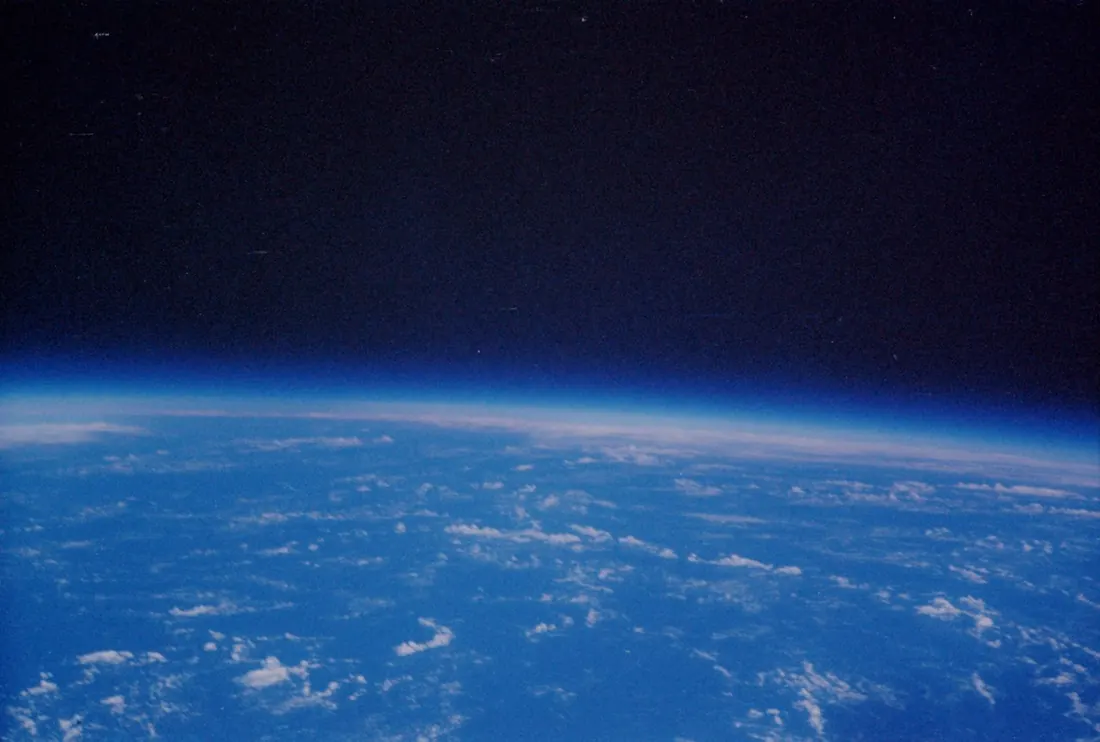
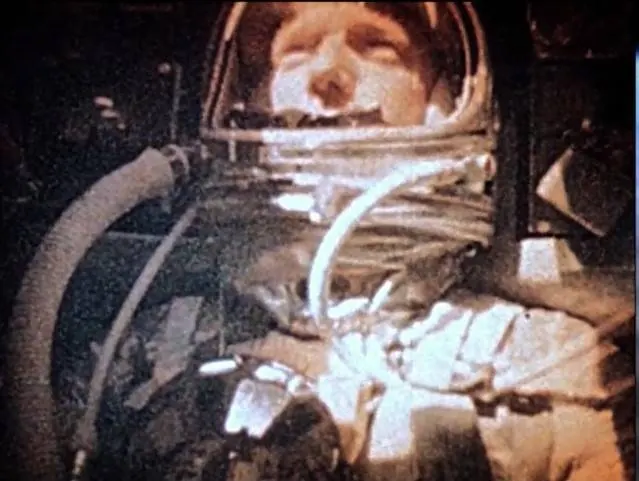
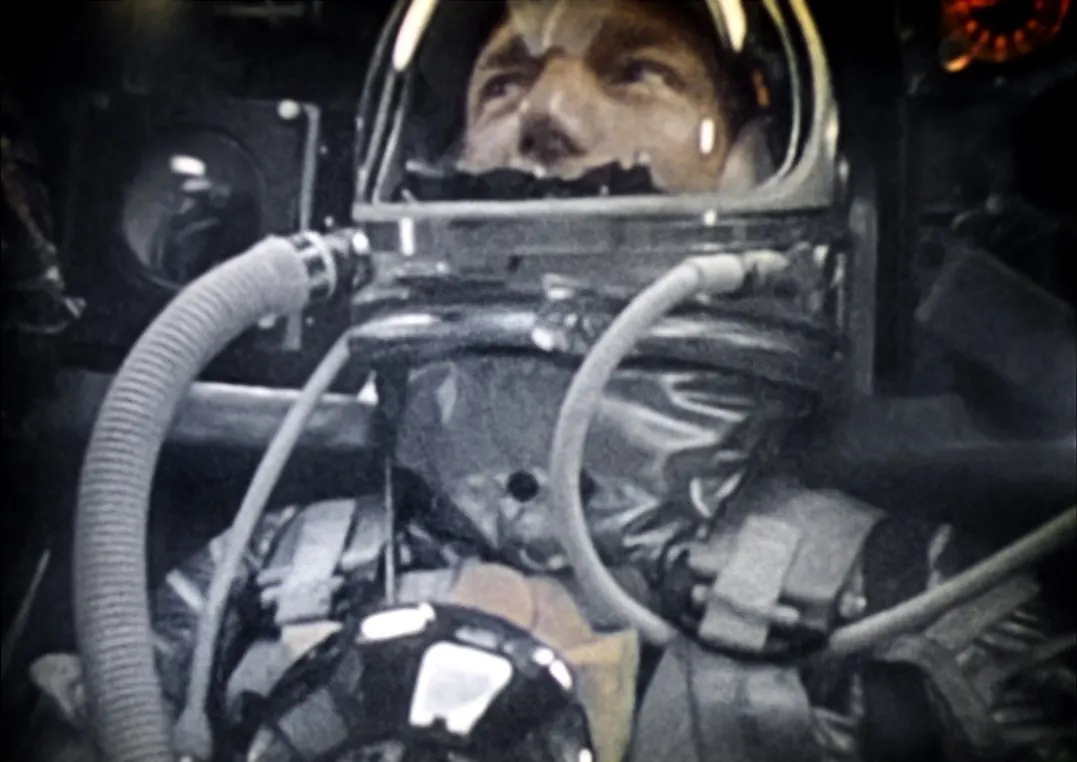
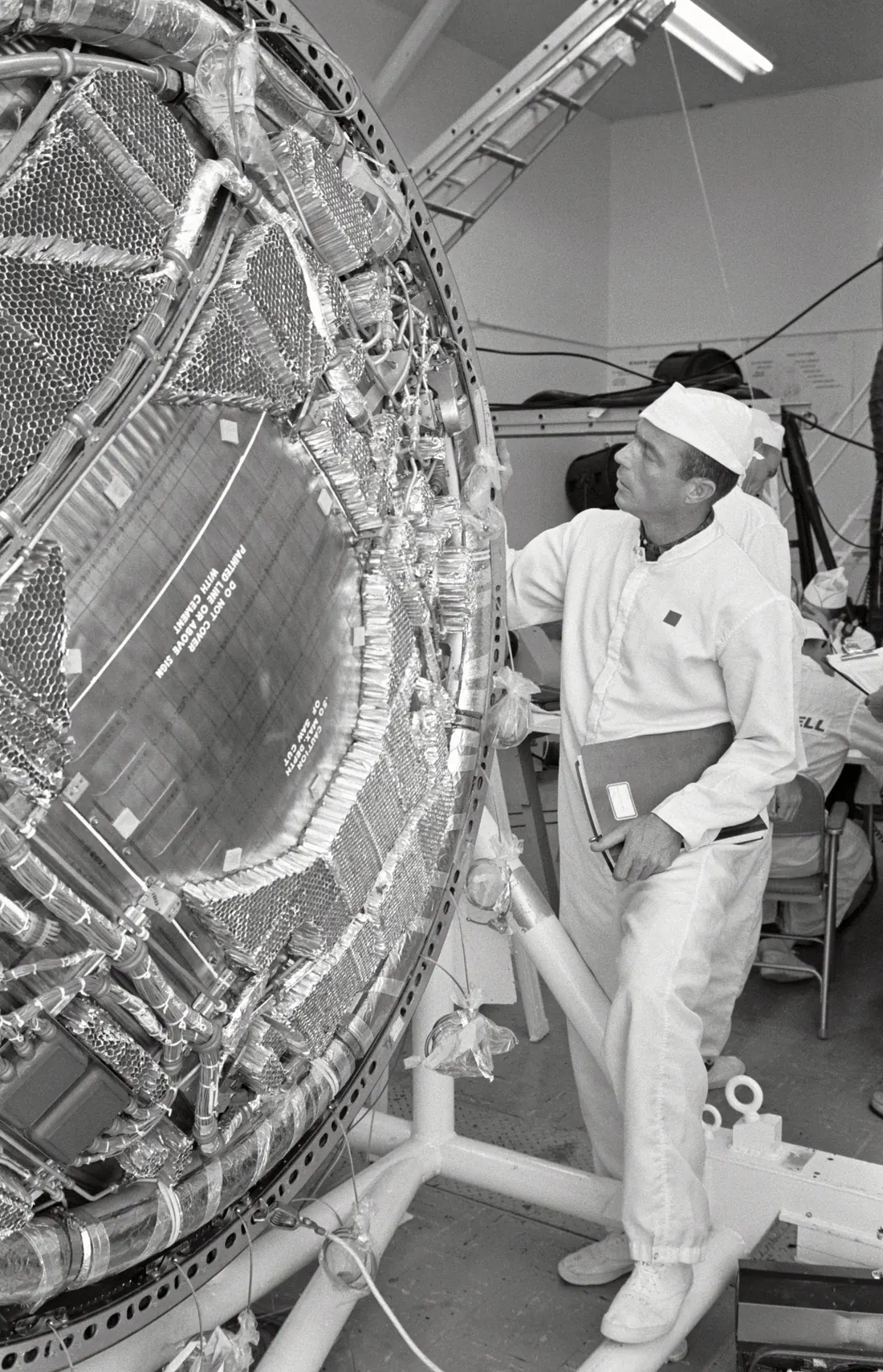
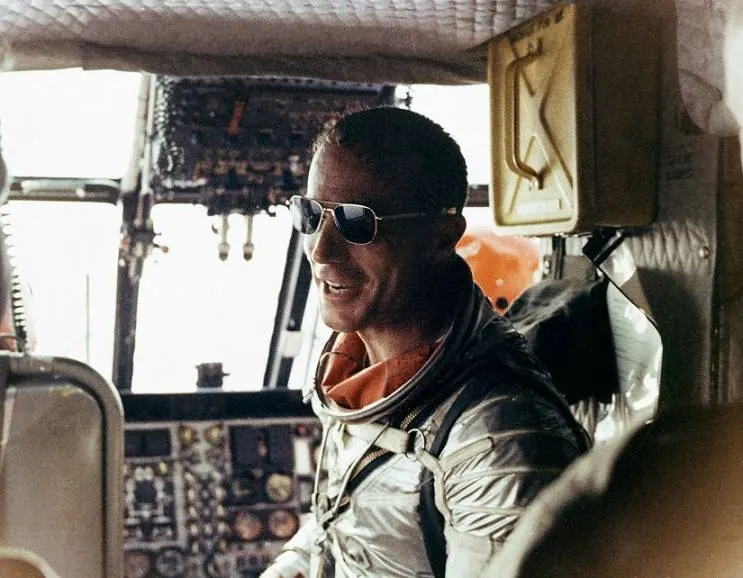
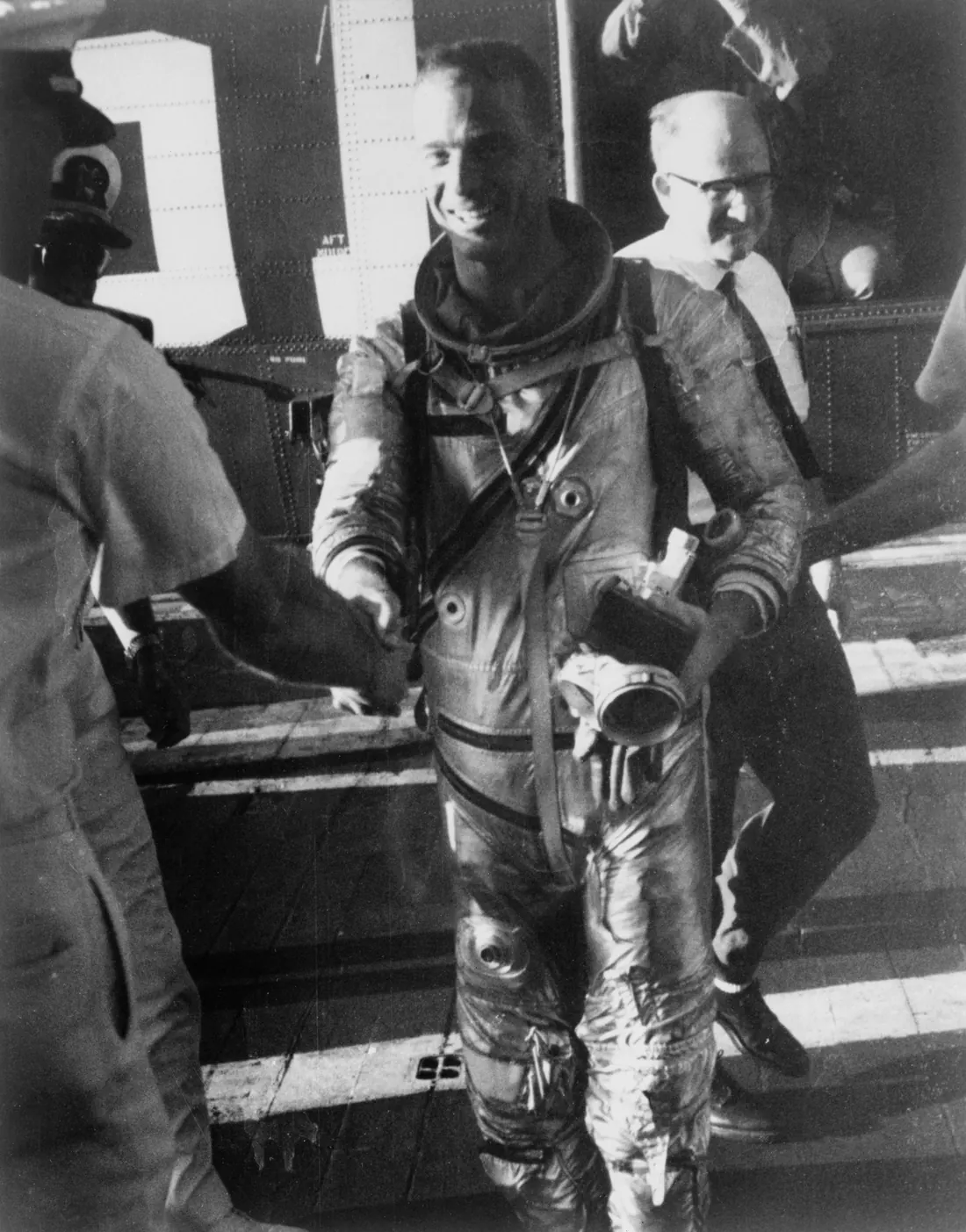
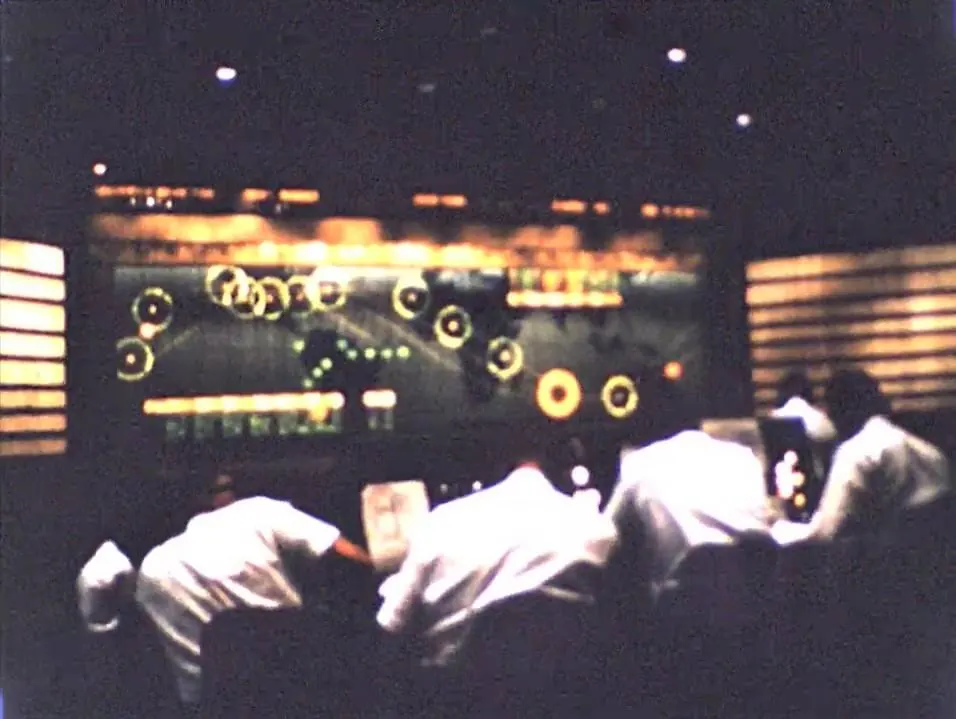
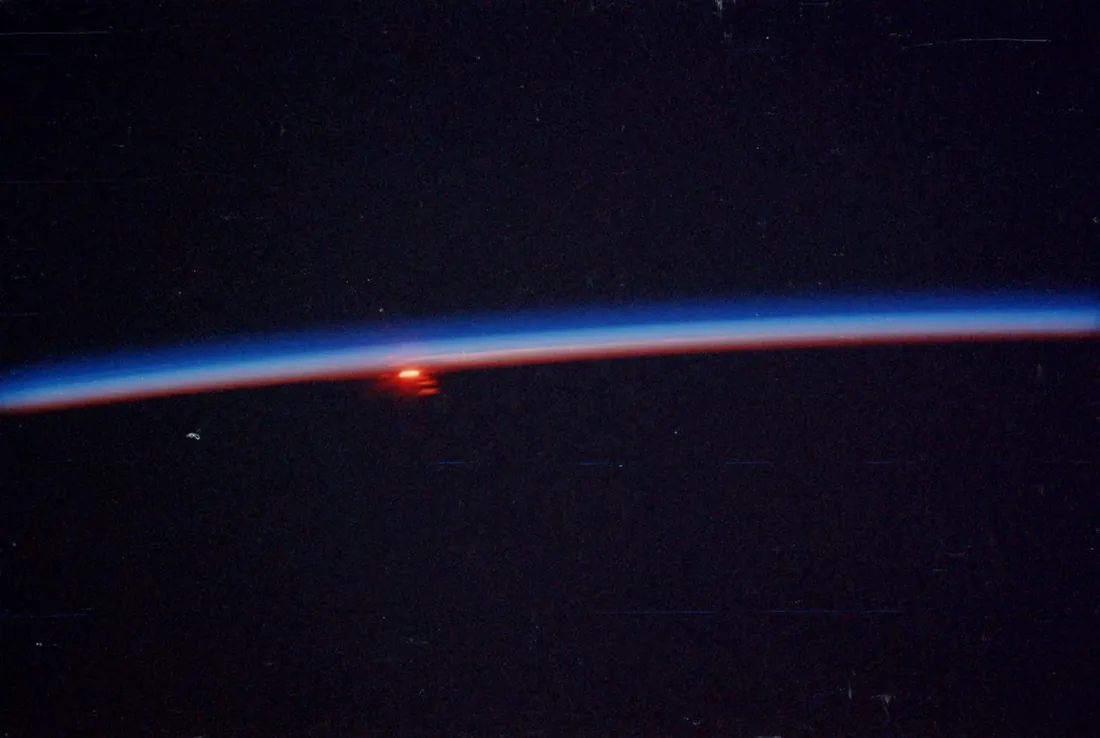
Pictures: all are NASA photos in the public domain. Carpenter inside Aurora 7 was photographed before launch on May 24, 1962, and the portrait is from December 16, 1960. The photo of him examining the heat shield of Aurora 7 in Hangar S was taken on March 6, 1962, not on the flight. The two cabin pictures are stills from the onboard film during the flight, and the Earth, ocean and horizon pictures were taken by Carpenter from Aurora 7. The Mercury Control Center photo was taken during his flight. After splashdown: Aurora 7 in its flotation collar with Carpenter and a rescue frogman on life rafts, about an hour after splashdown; Carpenter being hoisted into the Navy recovery helicopter nearly three hours after splashdown; Carpenter in the helicopter flying back to USS Intrepid; his arrival aboard Intrepid; and his radio-telephone call with President Kennedy aboard the carrier, all on May 24, 1962. No photo shows Cronkite or the newscast. The other people in these photos are not named.
Photo credits
The archive photos in this story
All the photographs and illustrations in this story are in the public domain. Tap one to enlarge it, or follow the link to its archive page for the full record. The narration, captions and graphics in the Short are our own; its music and sound effects are credited below.
Music and sound effects
Music: Schumann, Kinderszenen, Op. 15: No. 1 'Of Foreign Lands and Peoples' (Musopen, public domain); Mussorgsky, Pictures at an Exhibition: IV. Bydlo (piano) (Musopen, public domain); Dvorak, Symphony No. 9 'From the New World': II. Largo (Musopen, public domain).
Sound effects: Freesound, CC0.