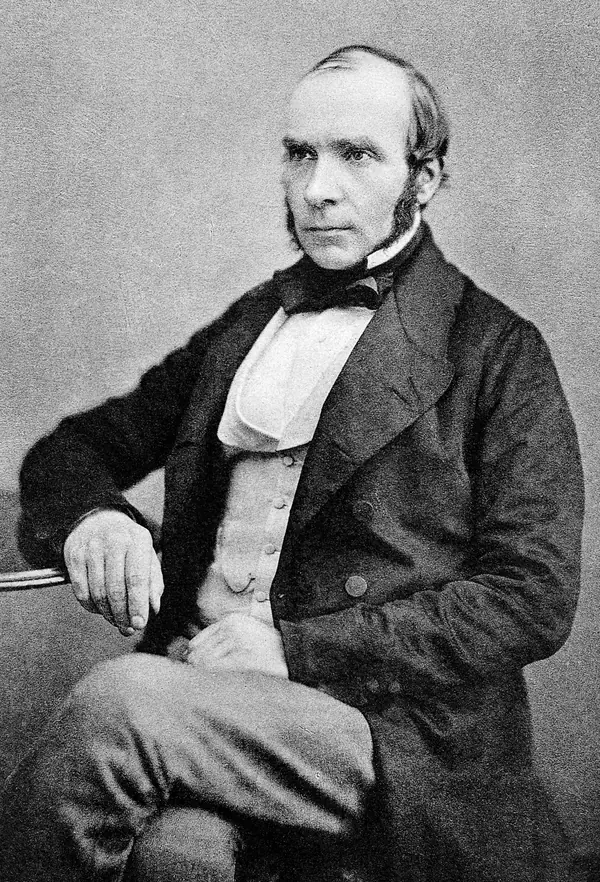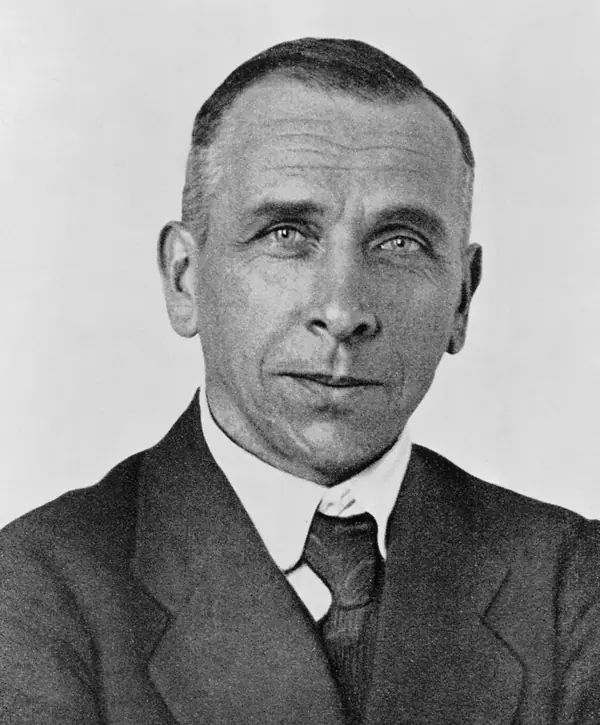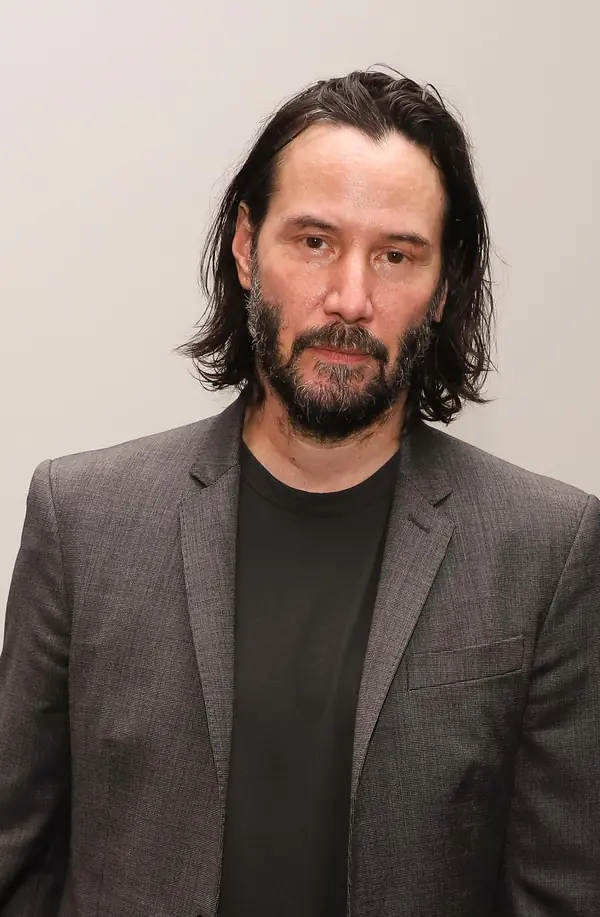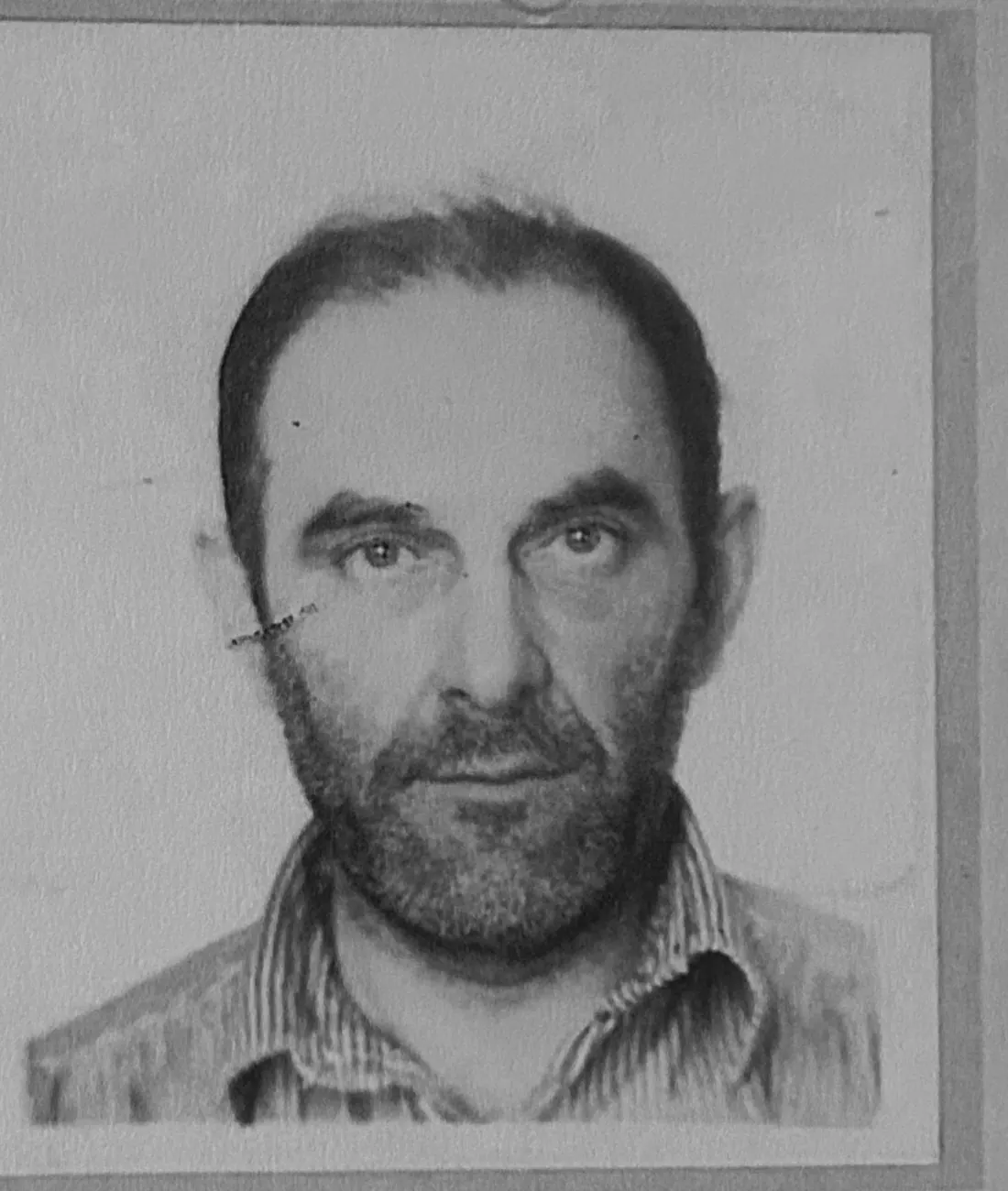
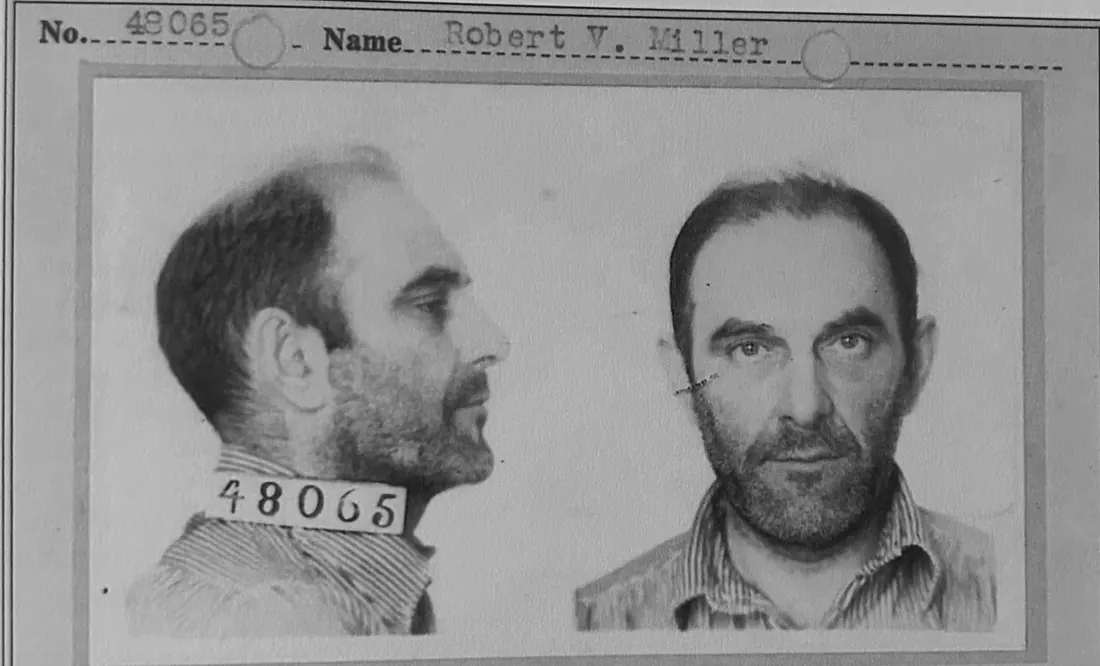
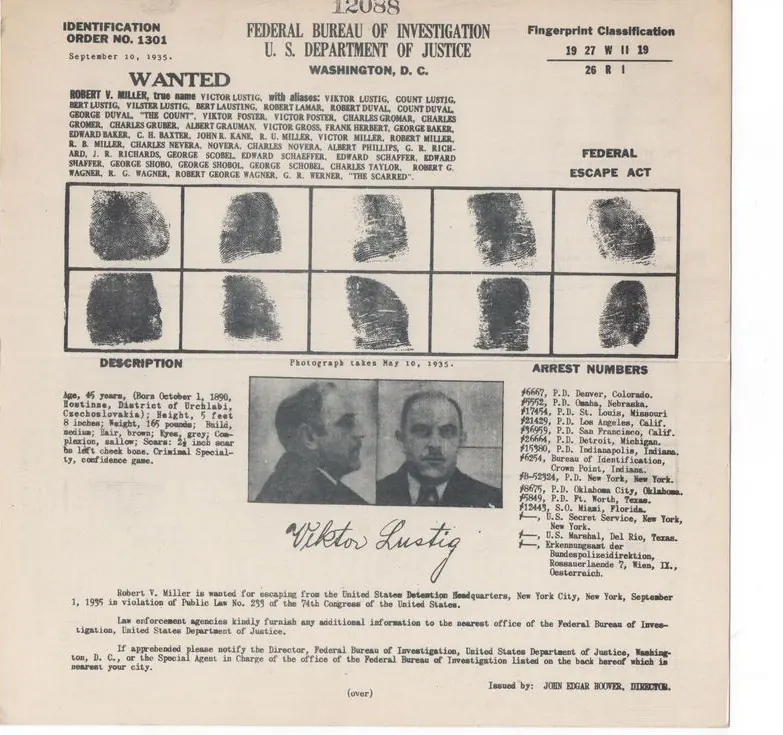
“Victor Lustig … was a con artist from Austria-Hungary,” Wikipedia says. A 1935 FBI wanted notice names him as “ROBERT V. MILLER, true name VICTOR LUSTIG,” and its list of his aliases includes “COUNT LUSTIG,” “COUNT DUVAL” and “‘THE COUNT’.” The Mob Museum says he “used at least 45 aliases,” “most famously, ‘Count Lustig.’”
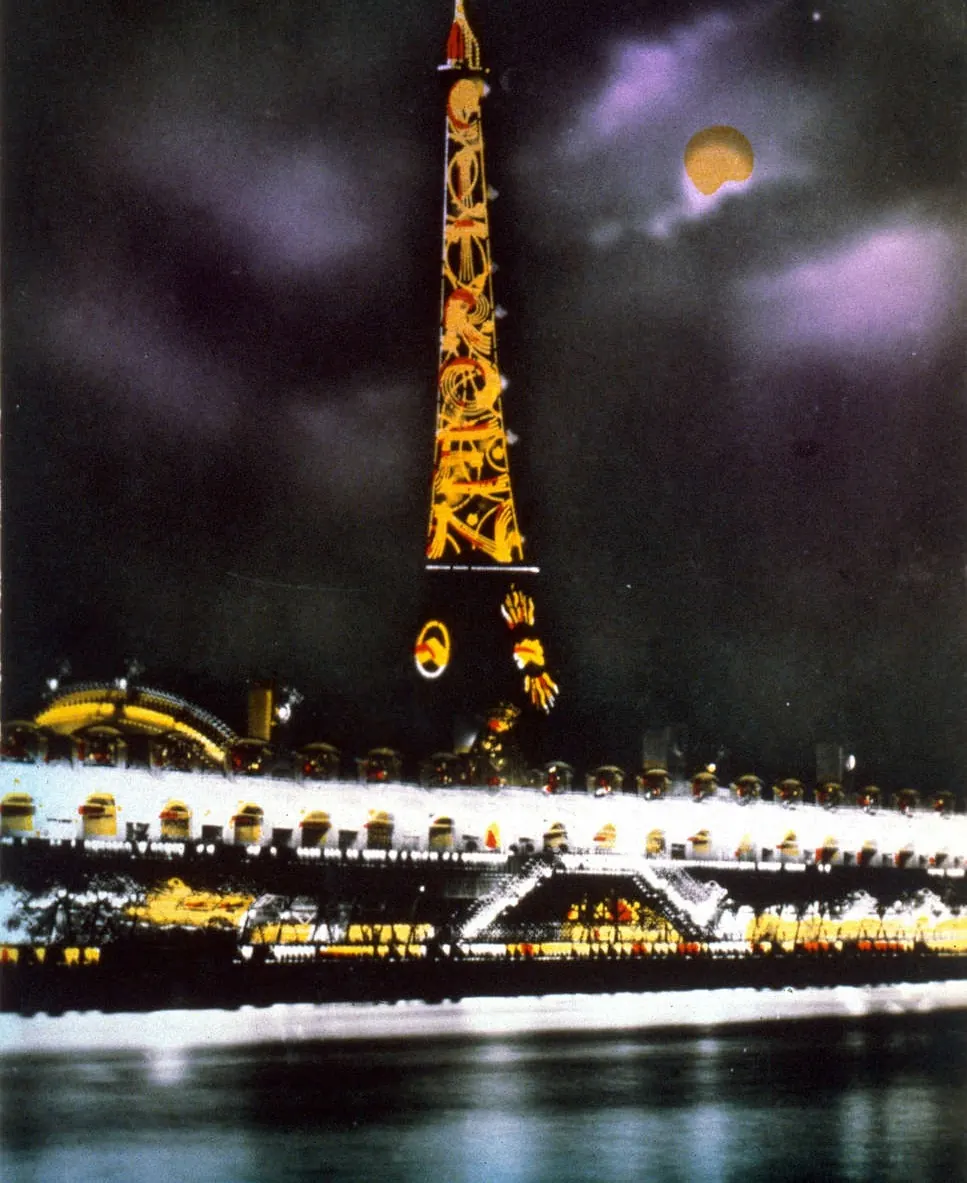
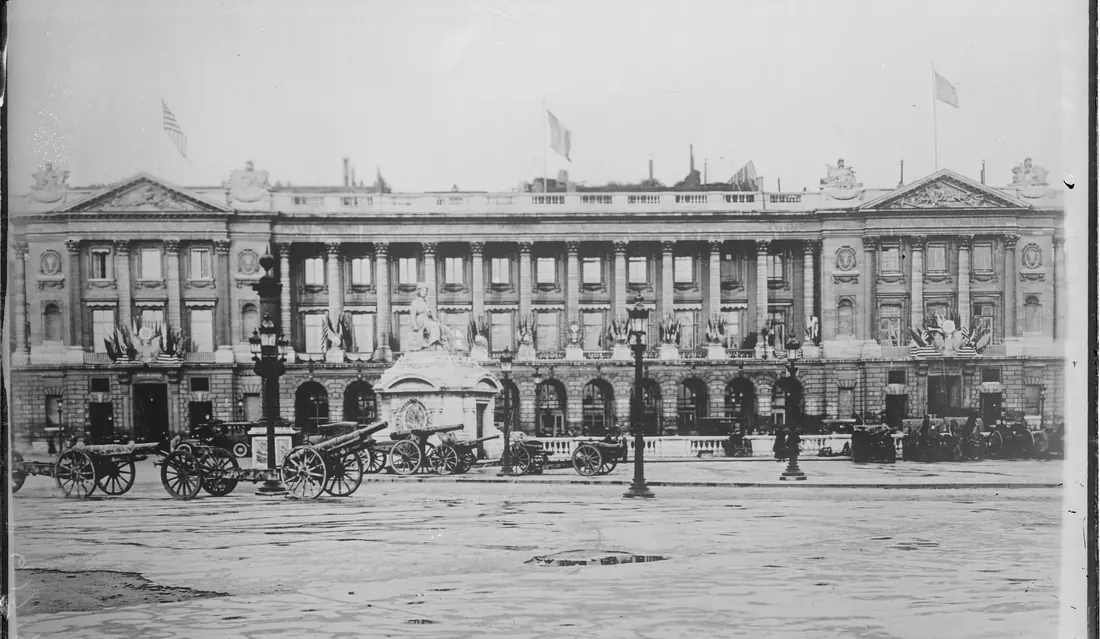
The Eiffel Tower part is a story told in later accounts. As Mental Floss tells it, “In May 1925, an article appeared in a Paris newspaper about the decaying condition of the Eiffel Tower,” and Wikipedia says “the city was finding it increasingly expensive to maintain and repaint it.” Posing as “the Deputy Director General of the Ministère de Postes et Télégraphes,” Lustig wrote to “the five most prominent scrap iron dealers in the city” and met them in “the suite of a fancy hotel,” where he told them that “the resulting 7000 tons of metal would be for sale to the highest bidder among them.” And “because such a deal would be controversial and likely spark public outcry, nothing could be disclosed until all the details were thought out,” Wikipedia says.
“Poisson understood that he was being asked for a bribe to secure the deal, and he obliged,” Mental Floss writes of the dealer, and “Lustig, with Poisson’s money in hand, fled for Austria.” Wikipedia says “Lustig suspected that when Poisson found out he had been conned, he would be too ashamed and embarrassed to inform the French police,” and “His suspicions soon proved to be correct when he could find no reference of his con within their pages.” He came back to try again, but “This time though, his mark went to the police, and the story hit the papers,” and “Lustig soon fled Europe for the United States.”
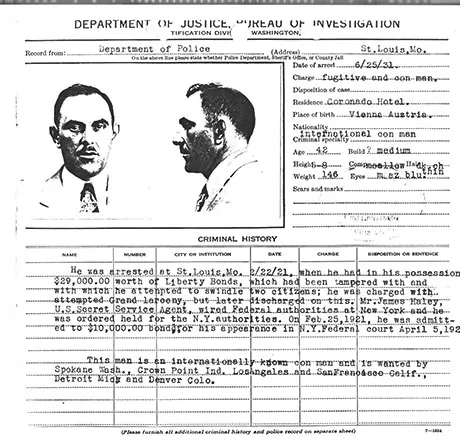
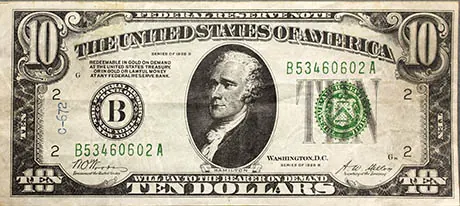
From here on, the records tell the story. A 1931 Bureau of Investigation record from St. Louis calls him a “fugitive and con man.” “The counterfeit notes that Victor Lustig distributed in New York City in 1934 were of the highest quality,” says the American Numismatic Society’s exhibit caption; “they were produced in enormous quantities and flooded the market.” “On 10 May 1935, Lustig was arrested in New York and charged with counterfeiting,” Wikipedia says, and a key he carried “was later found to open a locker in the Times Square subway station containing $51,000 in counterfeit bills and the plates with which they had been printed.” Then “Lustig escaped federal custody in New York on September 1 by tying bedsheets together and climbing out a third-story window,” The Mob Museum says, and “he was recaptured 27 days later in Pittsburgh.”
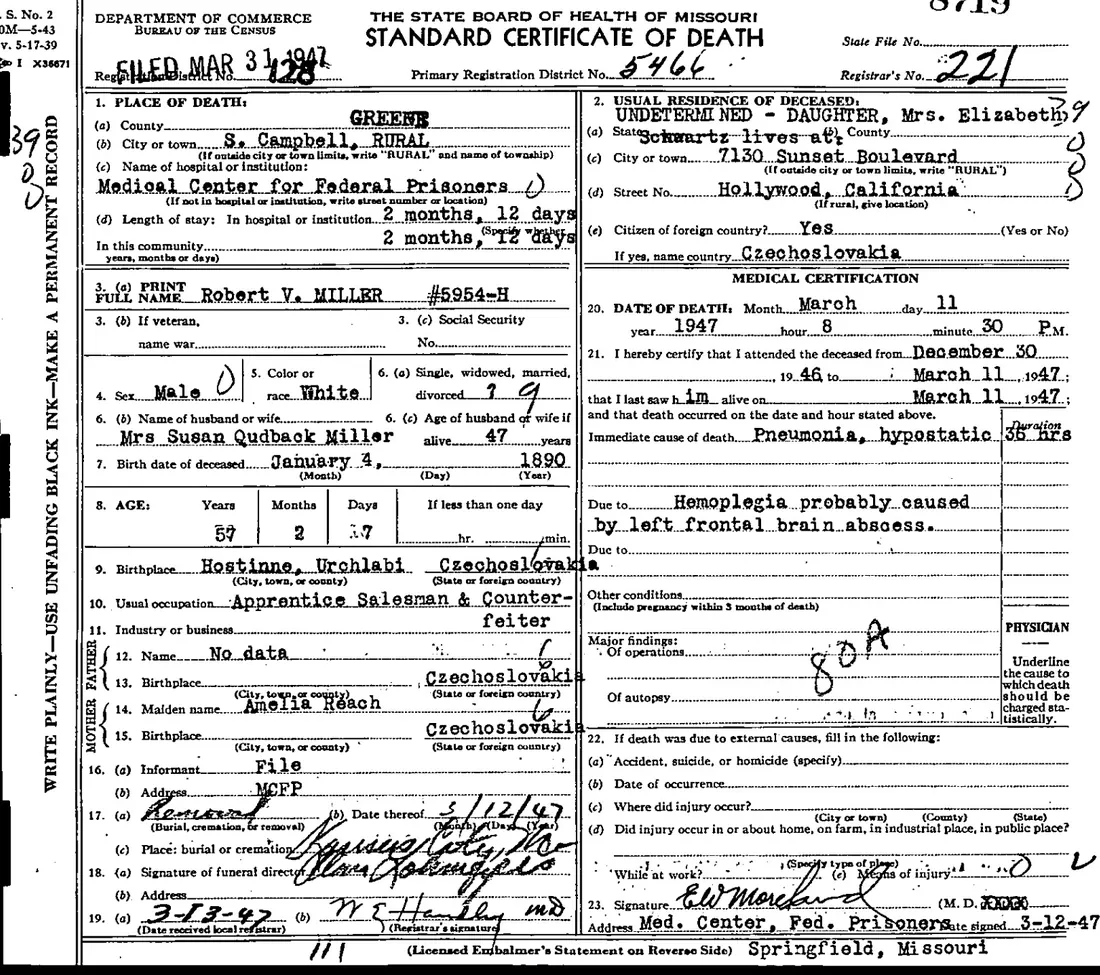
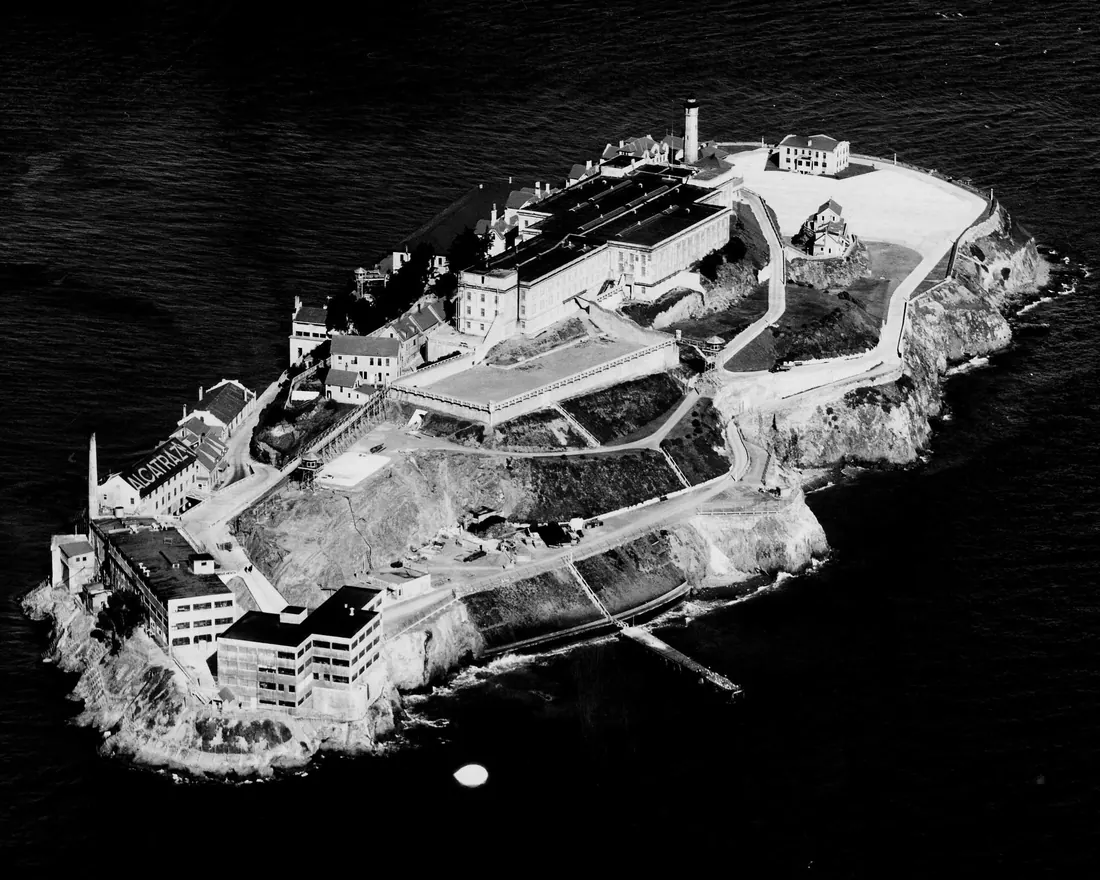
“Lustig received 20 and was sent to Alcatraz,” The Mob Museum says; Wikipedia gives “fifteen years in prison on Alcatraz Island, California for his original charge, with a further five years for his prison escape.” “He was transferred to the federal hospital in Springfield, Missouri, and died on March 11, 1947,” and his Missouri death certificate, made out to Robert V. Miller, gives his usual occupation as “Apprentice Salesman & Counter-feiter.”
Fact check
The facts and where they come from
- He reportedly sold the Eiffel Tower, but the buyer was too ashamed to tell the police. Newser: Lustig “reportedly sold the Eiffel Tower to scrap metal dealers.” Wikipedia: “Lustig suspected that when Poisson found out he had been conned, he would be too ashamed and embarrassed to inform the French police.” Mental Floss: the buyer “would be too embarrassed by how easily he fell for the ruse to go to the authorities.” 512
- His name was Victor Lustig. FBI Identification Order No. 1301: “ROBERT V. MILLER, true name VICTOR LUSTIG.” Wikipedia: “Victor Lustig … was a con artist from Austria-Hungary.” 61
- He called himself a count. The FBI’s list of his aliases: “COUNT LUSTIG,” “COUNT DUVAL,” “‘THE COUNT’.” The Mob Museum: he “used at least 45 aliases,” “most famously, ‘Count Lustig.’” Newser: “He called himself Count Victor Lustig.” 635
- The story goes that in 1925, the tower needed costly repairs. Mental Floss: “In May 1925, an article appeared in a Paris newspaper about the decaying condition of the Eiffel Tower.” Wikipedia: “The monument had begun falling into disrepair, and the city was finding it increasingly expensive to maintain and repaint it.” 21
- Posing as a government official, he invited scrap dealers to a fancy hotel. Mental Floss: he was “the Deputy Director General of the Ministère de Postes et Télégraphes,” wrote to “the five most prominent scrap iron dealers in the city” and met them in “the suite of a fancy hotel.” Wikipedia: “Lustig invited a small group of scrap metal dealers to a confidential meeting at an expensive hotel.” EBSCO names the Hôtel de Crillon. 214
- He told them, in secret, that its 7,000 tons were for sale. Mental Floss: “the resulting 7000 tons of metal would be for sale to the highest bidder among them.” Wikipedia: “because such a deal would be controversial and likely spark public outcry, nothing could be disclosed until all the details were thought out.” 21
- A dealer paid up, plus a bribe. Mental Floss: “Poisson understood that he was being asked for a bribe to secure the deal, and he obliged.” Wikipedia: “once Lustig received his bribe and the funds for the monument’s ‘sale’ (around 70,000 francs), he soon fled to Austria.” 21
- Lustig fled to Austria with the money. Mental Floss: “Lustig, with Poisson’s money in hand, fled for Austria.” 2
- When no newspaper reported it, he came back to sell it again. Wikipedia: “His suspicions soon proved to be correct when he could find no reference of his con within their pages, and thus he decided to return to Paris later that year to pull off the scheme once more.” EBSCO: “After one month, Lustig attempted to repeat the scheme.” 14
- This time, the buyer went to the police, and Lustig fled to America. Mental Floss: “This time though, his mark went to the police, and the story hit the papers”; “Lustig soon fled Europe for the United States.” Wikipedia: “the police were informed about the scam and he fled to the U.S. to evade arrest.” 21
- There, he flooded the country with fake money. The American Numismatic Society: “The counterfeit notes that Victor Lustig distributed in New York City in 1934 were of the highest quality. Engraved by William Watts, a master counterfeit engraver, they were produced in enormous quantities and flooded the market.” Wikipedia: “The operation managed to inject thousands of dollars of counterfeit money (nicknamed ‘Lustig money’) to the U.S. economy each month for the next five years.” 81
- In May 1935, federal agents finally caught him. Wikipedia: “On 10 May 1935, Lustig was arrested in New York and charged with counterfeiting.” The FBI notice: “Photograph taken May 10, 1935.” The Mob Museum: “the high-quality fake bills soon drew the attention of federal agents.” 163
- He escaped from jail on a rope of bedsheets, but was caught again. The Mob Museum: “Lustig escaped federal custody in New York on September 1 by tying bedsheets together and climbing out a third-story window.” The FBI notice: “Robert V. Miller is wanted for escaping from the United States Detention Headquarters, New York City, New York, September 1, 1935.” Wikipedia: “he was recaptured 27 days later in Pittsburgh.” 361
- He was sent to Alcatraz. Wikipedia: “he was sentenced to fifteen years in prison on Alcatraz Island, California for his original charge, with a further five years for his prison escape.” The Mob Museum: “Lustig received 20 and was sent to Alcatraz.” 13
- On his death certificate, his job said apprentice salesman, and counterfeiter. His death certificate, line 10: “Usual occupation Apprentice Salesman & Counter-feiter” (name “Robert V. MILLER,” died March 11, 1947, Medical Center for Federal Prisoners, Springfield, Missouri). Wikipedia: “On his death certificate his occupation was listed as apprentice salesman and counterfeiter.” 71
Sources
- Victor Lustig Wikipedia
- Smooth Operator: How Con Man ‘Count’ Victor Lustig Sold The Eiffel Tower—Twice (Bill DeMain, August 21, 2020) Mental Floss
- The long con of underworld grifter ‘Count’ Victor Lustig (Christian Cipollini, September 22, 2025) The Mob Museum
- Victor Lustig (K. Edgington, 2024) EBSCO Research Starters
- Our Greatest Con Man Remains a Mystery (Luke Roney, March 20, 2016, on Jeff Maysh’s Smithsonian story) Newser
- FBI Identification Order No. 1301 (September 10, 1935) Wikimedia Commons
- His Missouri death certificate, as Robert V. Miller (March 1947) Wikimedia Commons
- A counterfeit $10 note of Victor Lustig, with the American Numismatic Society’s exhibit caption Wikimedia Commons
- His 1931 Bureau of Investigation identification record, St. Louis Wikimedia Commons
Notes
The Eiffel Tower sale is a reported story, not a documented one: we found no French police file, court case or 1925 newspaper report of it. The accounts (Mental Floss, Wikipedia’s sources and EBSCO) are later retellings, the main book-length one being The Man Who Sold the Eiffel Tower by James F. Johnson and Floyd Miller (1961), and they differ on the details (five or six dealers, the hotel, the buyer’s name, about 70,000 francs). So the page, like the Short, says “reportedly” and “the story goes.” Everything from his counterfeiting in America on is in federal records (the 1935 FBI notice, his death certificate) and reliable secondary sources.
“Twice”: Mental Floss’s headline says he sold it twice, but the second attempt failed (Wikipedia: “the police were informed about the scam”), so the page never says he sold it twice.
Who he was: Newser, on Jeff Maysh’s research, says a historian in his supposed hometown of Hostinné “failed to find any evidence that ‘the world’s most flamboyant con man’ was ever born,” and his birth date differs between the FBI notice and the death certificate, so the page gives neither.
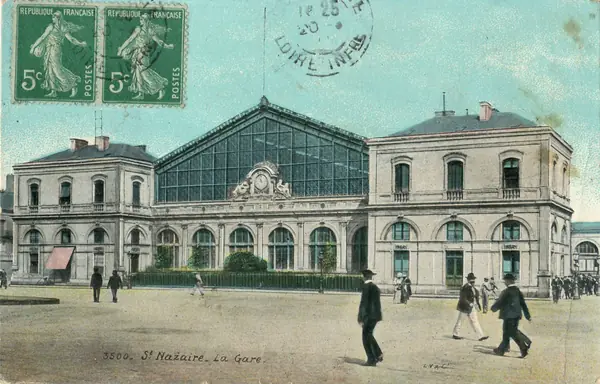
The hotel: only EBSCO names the Hôtel de Crillon; Mental Floss says “a fancy hotel,” so the Crillon photo is captioned with its name only. The escape: The Mob Museum says bedsheets and a third-story window, Wikipedia “a specially made rope”; he was caught in Pittsburgh on September 28 (The Mob Museum) or “27 days later” (Wikipedia). The arrest: Mental Floss says 1936; Wikipedia and the FBI notice (photo taken May 10, 1935) say 1935.
Left out: the Al Capone story and the “Rumanian money box,” which rest on the same kinds of retellings, and the “Ten Commandments for Con Men,” which are only attributed to him.
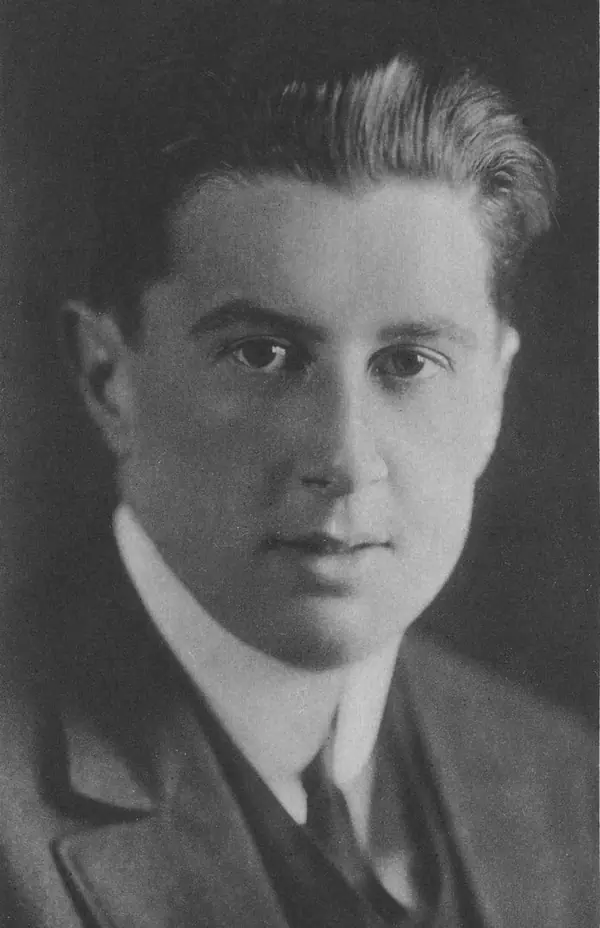
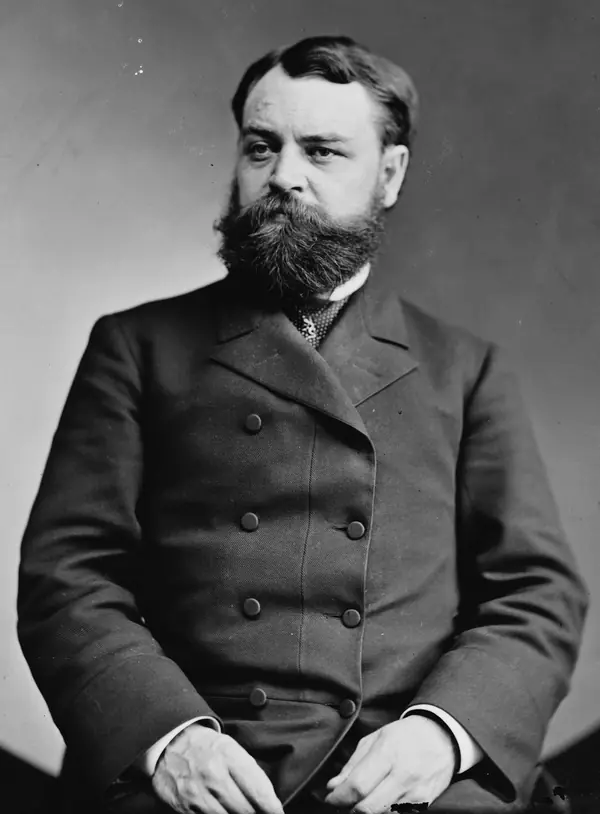
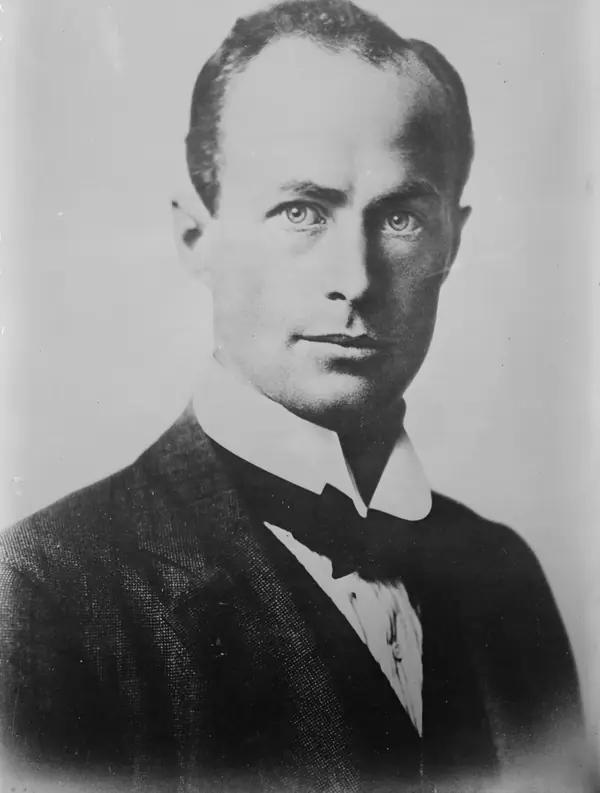
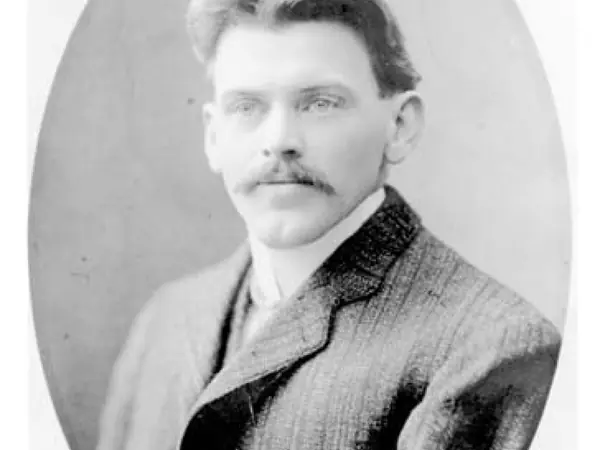
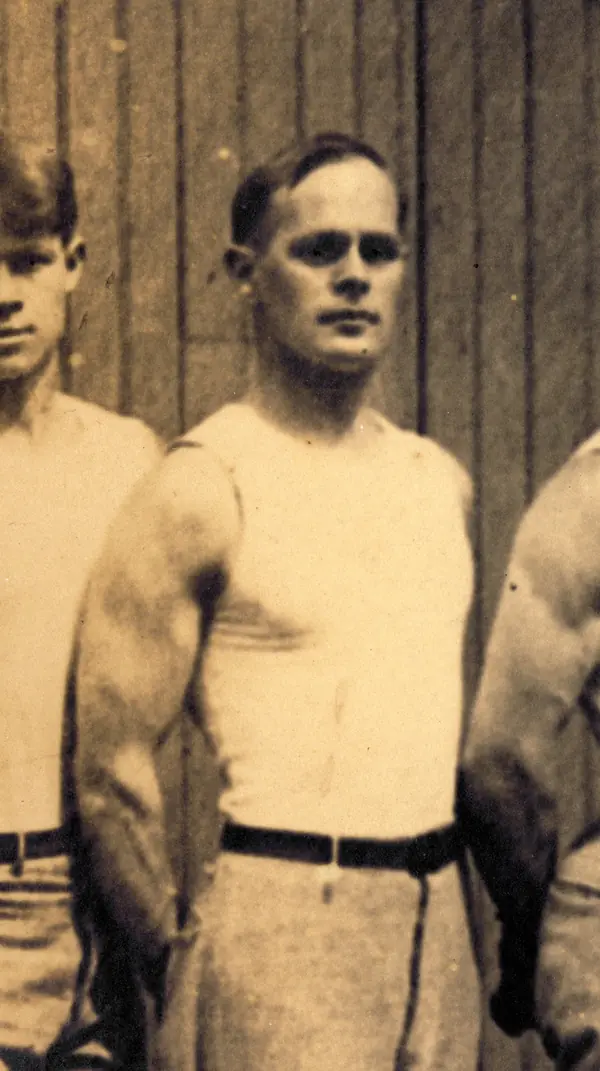
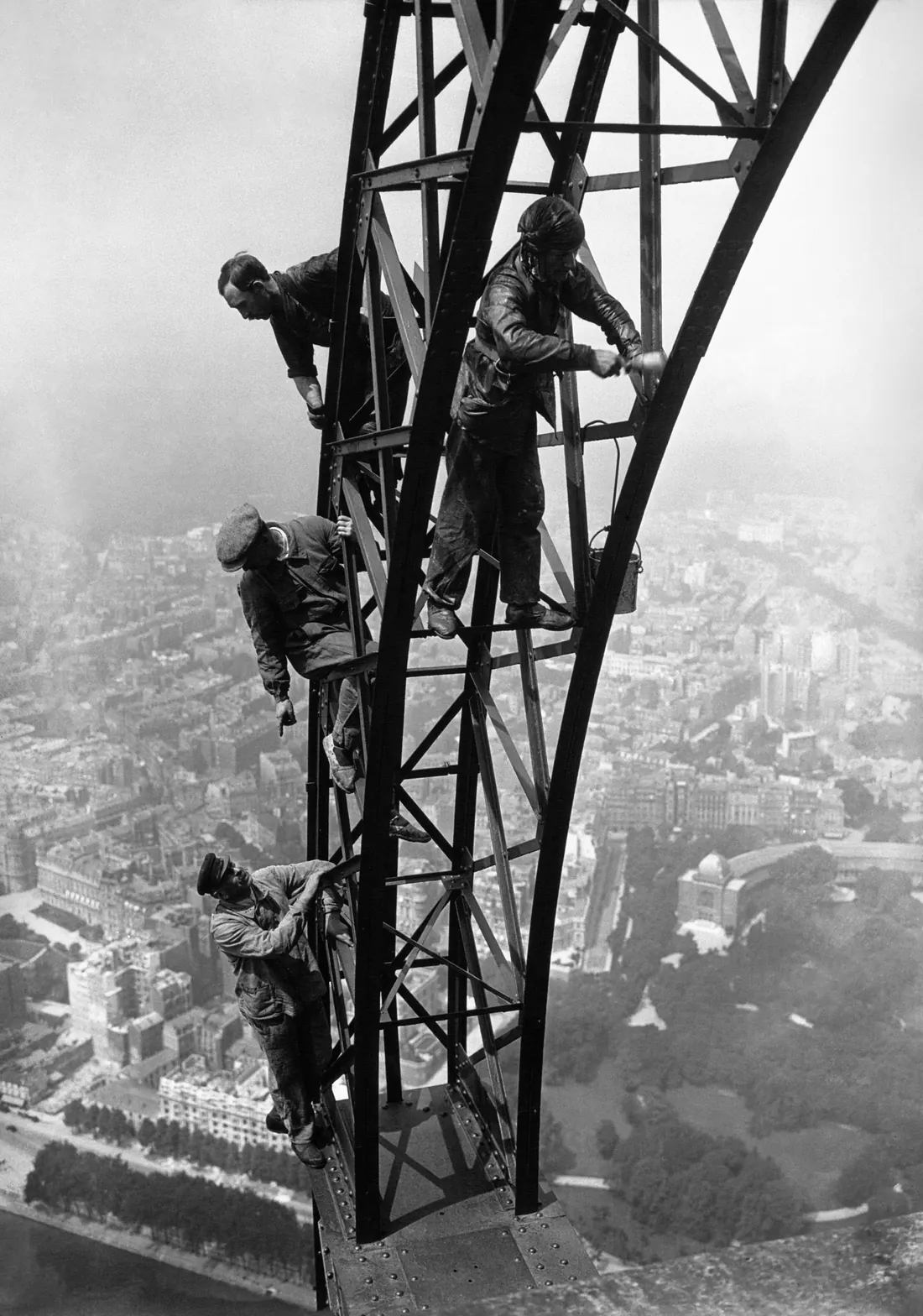
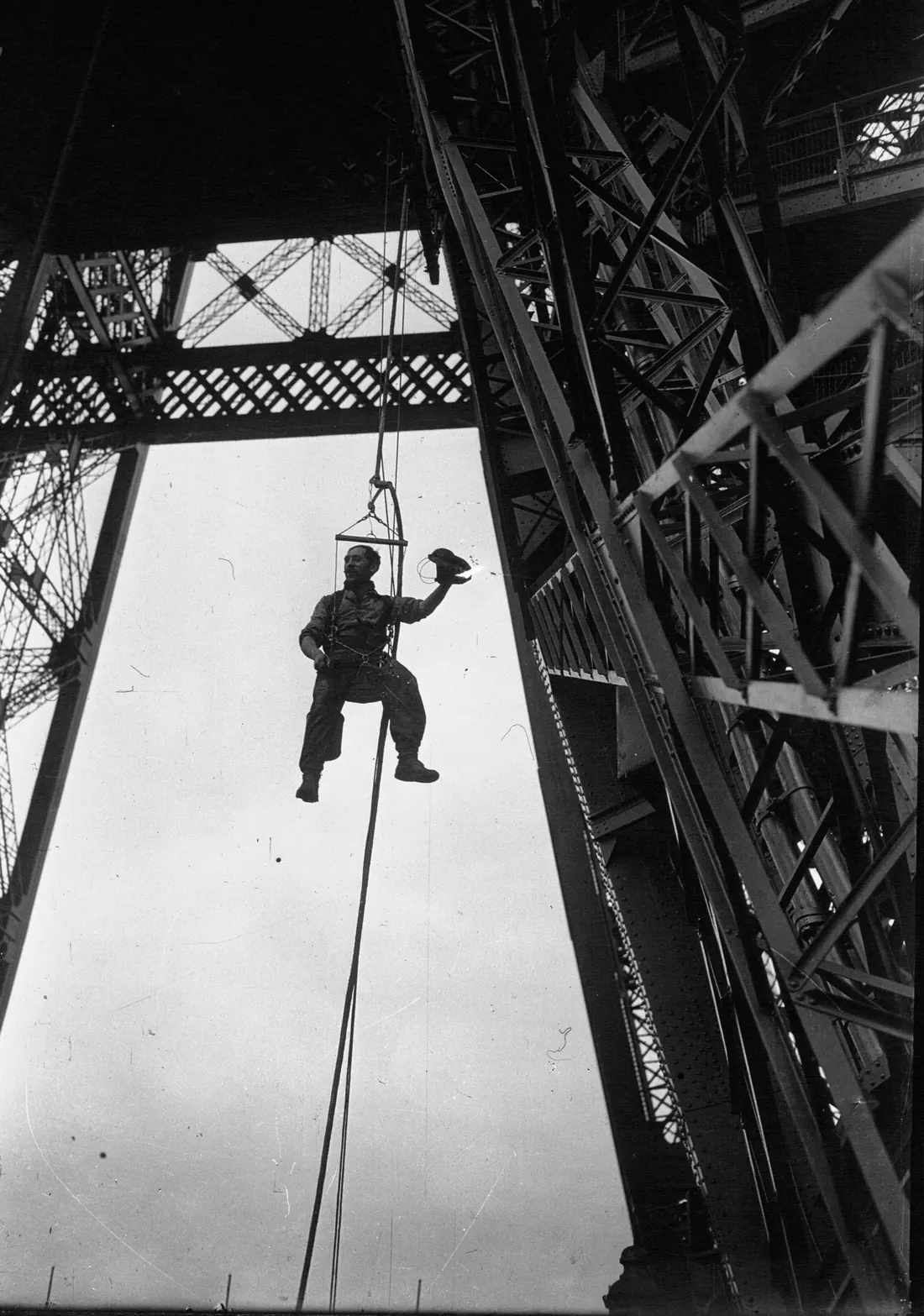
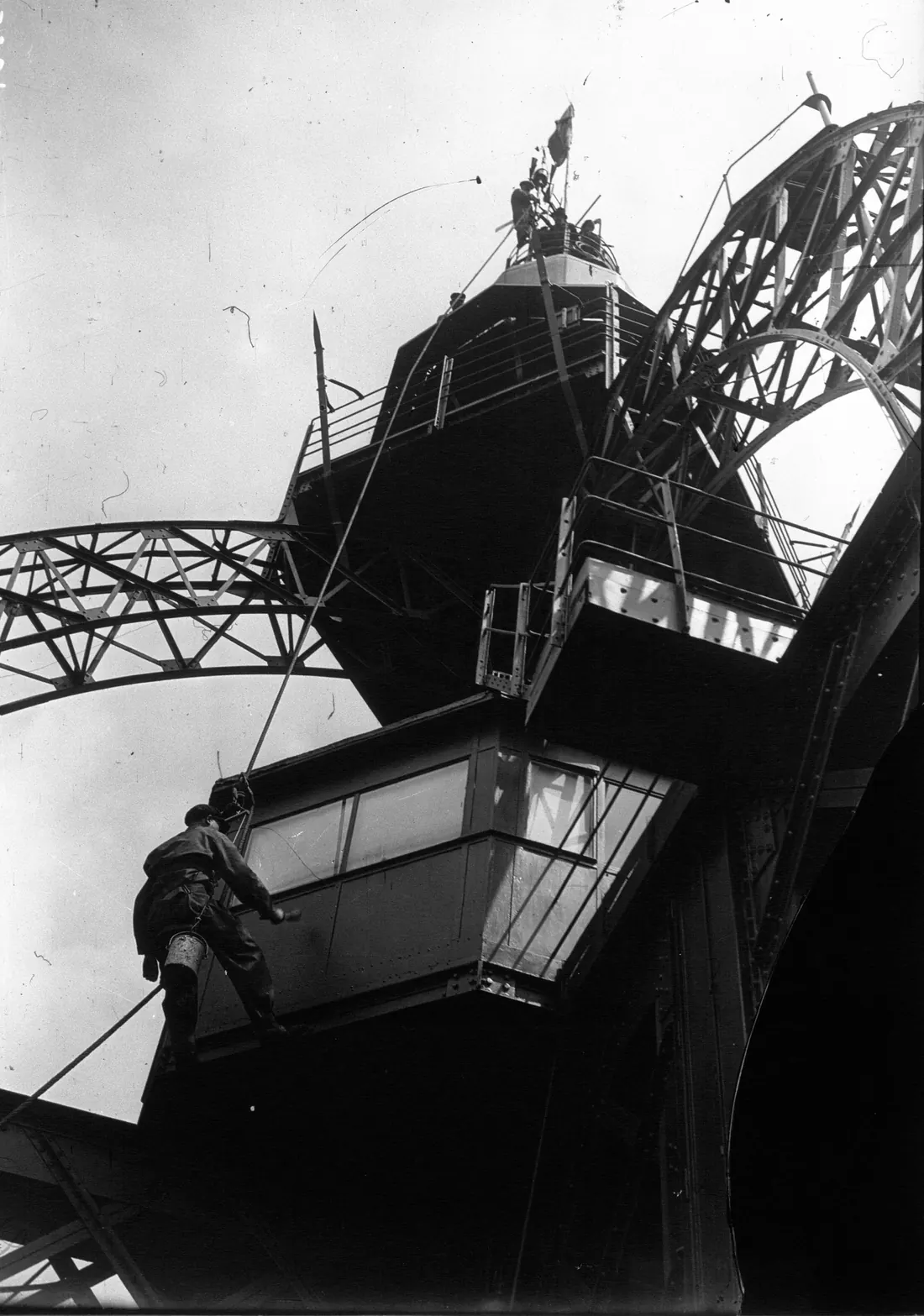
Pictures: no picture of the Eiffel Tower deal exists. Lustig’s face is from his US federal prison identification card, inmate no. 48065, under the name Robert V. Miller (three crops of one card; the Commons copy is a photo of a printed book page, with the book’s caption cropped off). The FBI’s Identification Order No. 1301 of September 10, 1935 (two crops) carries his photo taken May 10, 1935; his 1931 Bureau of Investigation identification record is from St. Louis; the $10 note is one of the counterfeits he distributed, in a US Department of Justice photo; and the death certificate is from March 1947. The painters on the Eiffel Tower are from its repainting in June 1924 (Agence Meurisse), a year before the story; the tower lit at night with the Citroën sign is a 1925 postcard; the Hôtel de Crillon in Paris is a Bain News Service photo; and Alcatraz is seen from the air on July 6, 1934, before he was sent there. The painters are not named.
Photo credits
The archive photos in this story
All the photographs and illustrations in this story are in the public domain. Tap one to enlarge it, or follow the link to its Wikimedia Commons page for the full record. The narration, captions and graphics in the Short are our own; its music and sound effects are credited below.
Music and sound effects
Music: Schumann, Kinderszenen, Op. 15: No. 1 'Of Foreign Lands and Peoples' (Musopen, public domain); Mussorgsky, Pictures at an Exhibition: IV. Bydlo (piano) (Musopen, public domain); Dvorak, Symphony No. 9 'From the New World': II. Largo (Musopen, public domain).
Sound effects: Freesound, CC0.