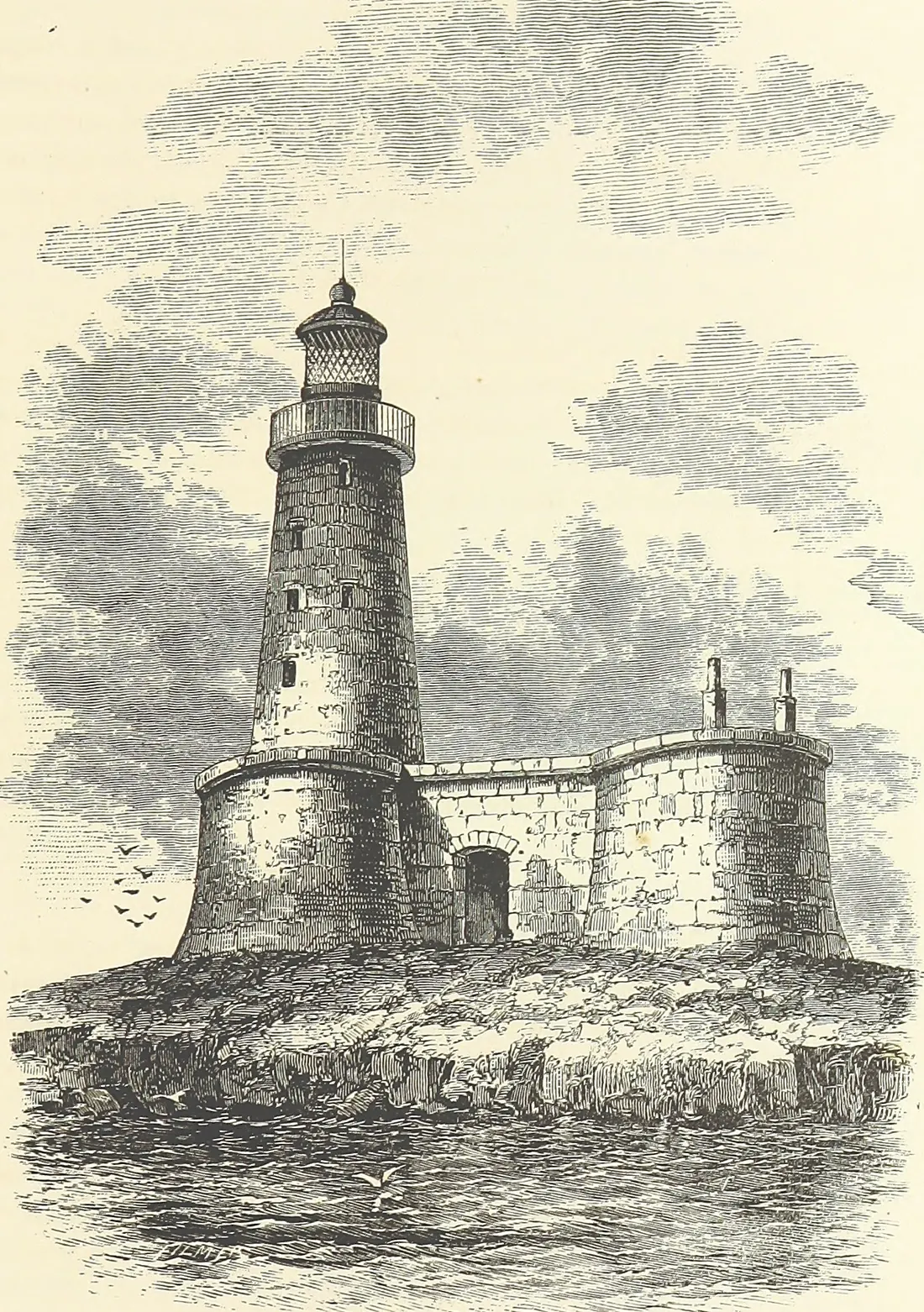
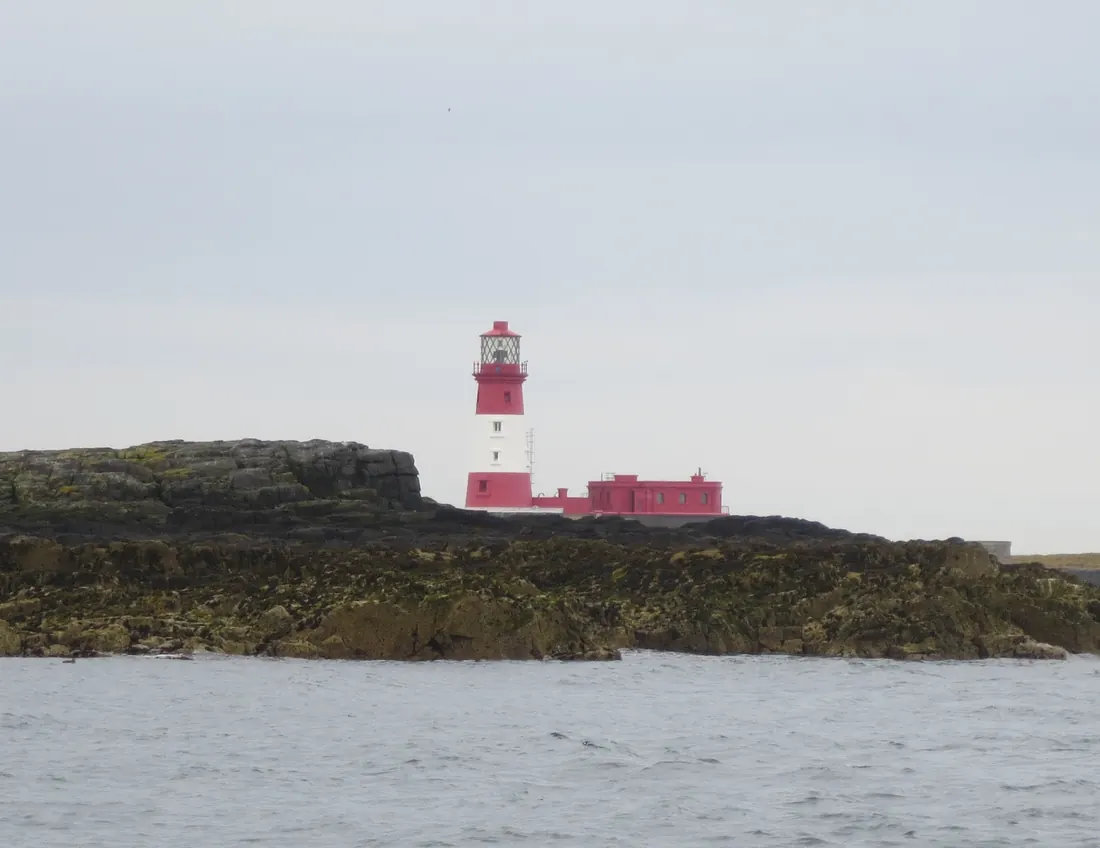
Grace Darling “was an English lighthouse keeper’s daughter,” Wikipedia says, born on November 24, 1815, and “The Darling family moved to Longstone Lighthouse in 1826.” “Grace’s father, William, was keeper of the Longstone Lighthouse on one of the islands,” Royal Museums Greenwich says: the Farne Islands, “off the coast of Northumberland in northeast England.” “By the age of 22 there’s no doubt that Grace would have known how to handle a boat.”
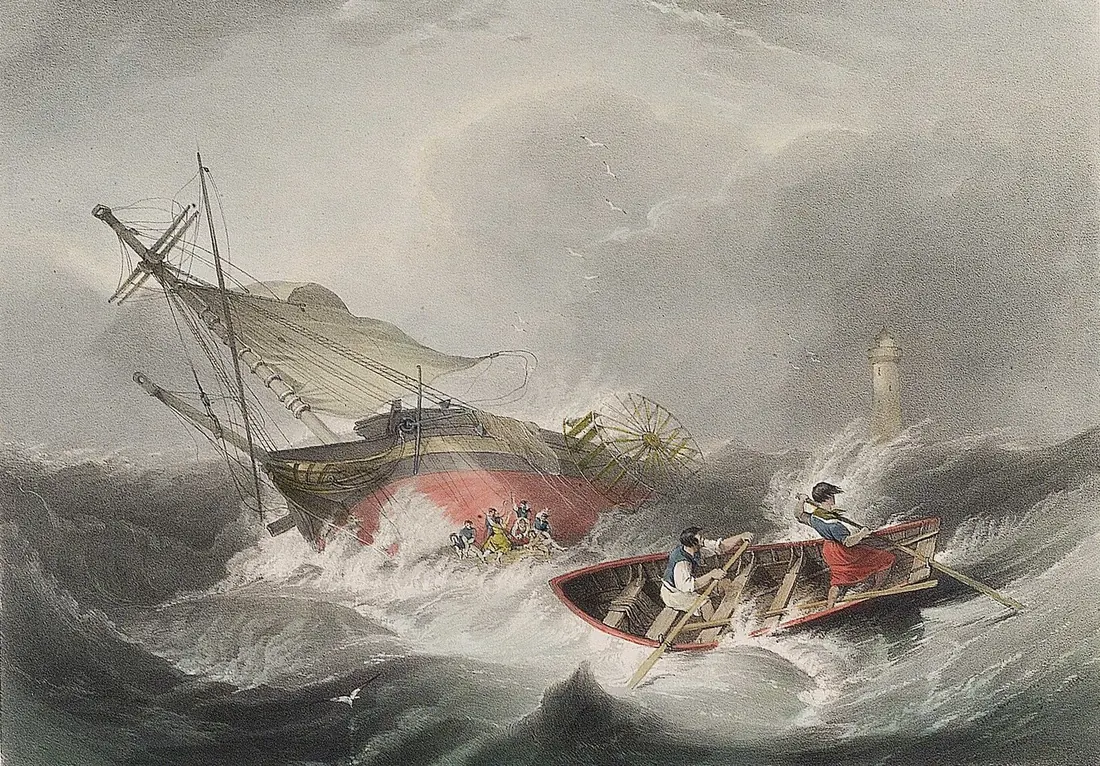
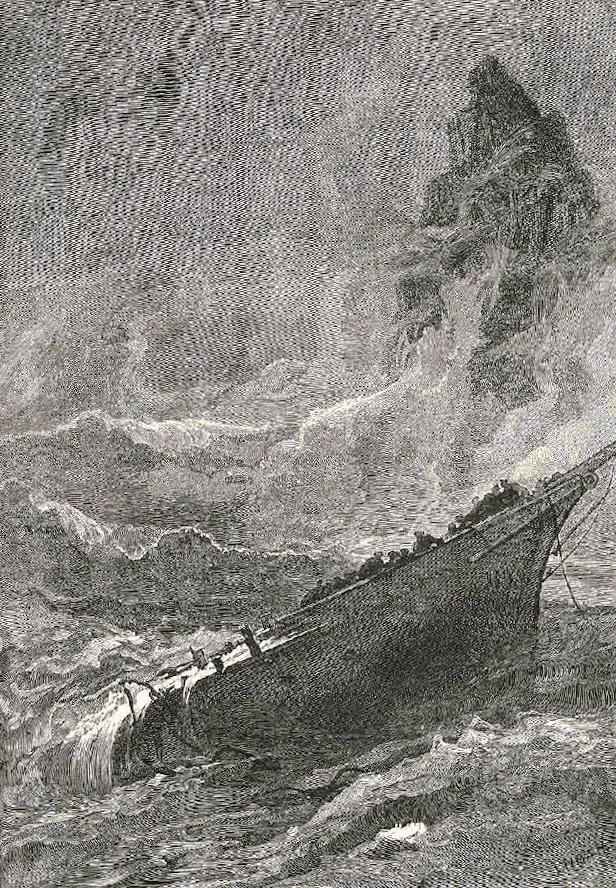
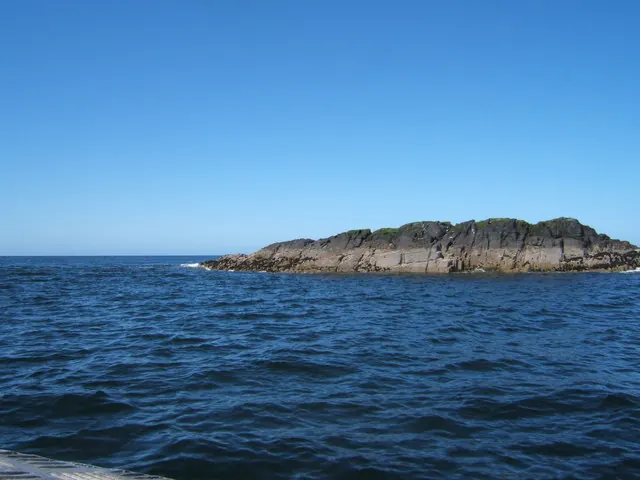
Of the paddle steamer Forfarshire, Wikipedia says, “At 3 am on 7 September, she ran aground with considerable force, on Big Harcar,” and RMG says the ship “had completely split in two on a rocky outcrop of the islands, known as Big Harcar.” “Their predicament was spotted at first light by Grace Darling”: “looking from an upstairs window,” she “spotted the wreck and survivors of the Forfarshire on Big Harcar, a nearby low, rocky island.” In her own letter, quoted by RMG, “I was the first that saw the Distressing affair and amediately acquainted my father.”
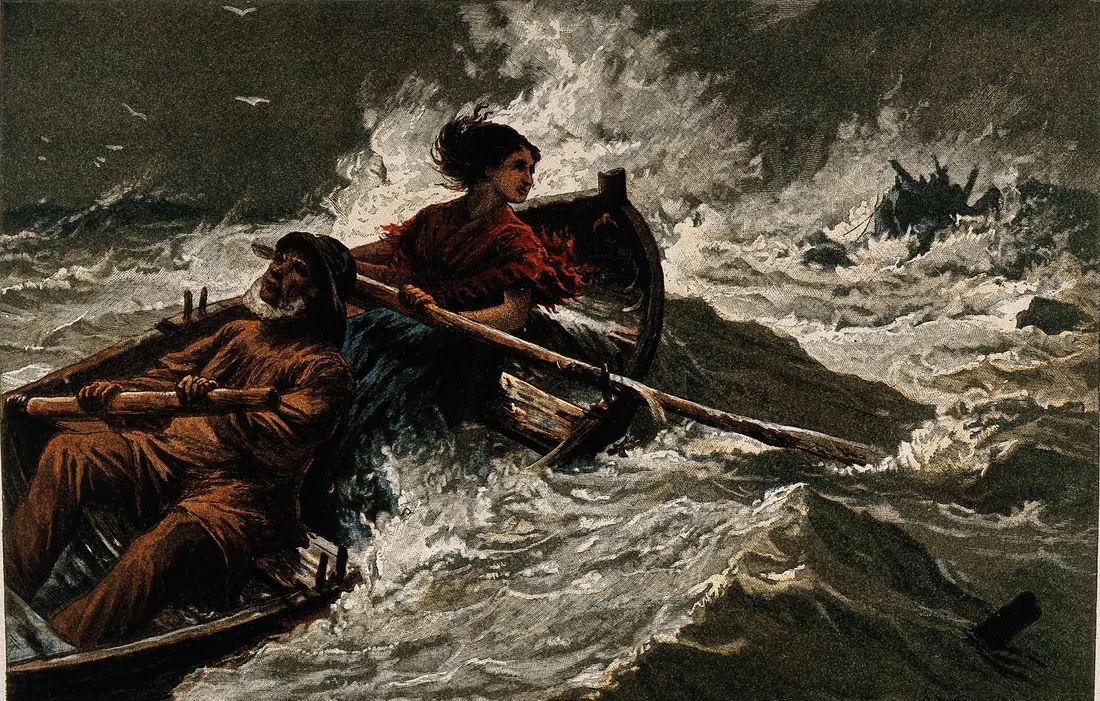
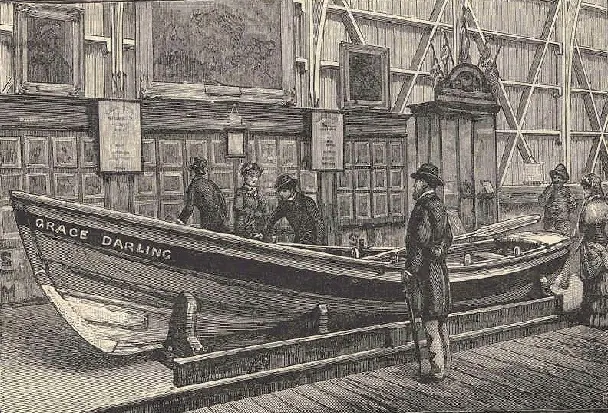
“Grace and her father thought it would be too rough for the lifeboat to set out from the nearby village of Seahouses, so they decided they would row their own small boat across to help the survivors.” It was a coble, “a 21 ft or 6.5 m, four-man Northumberland coble,” Wikipedia says. “As they launched their small boat the strong winds meant they were forced to keep to the more sheltered side of the islands, which meant they had even further to row – a distance of nearly a mile.” At the rock, “It was also considered quite a feat for Grace to steady the coble next to the rock as her father climbed out to get to the survivors.”
“Darling kept the coble steady in the water, while her father helped four men and the lone surviving woman, Sarah Dawson, into the boat.” “Although she survived the sinking, Dawson had lost her two young children … during the night.” “Darling then remained at the lighthouse while William and three of the rescued crew members rowed back and recovered four more survivors.” “Grace and her father saved all of the nine still alive on the Harcar rock,” RMG says, and William Darling’s report gives “In all 9 persons, safely to the Longstone about 9 o’clock.” “Meanwhile, the lifeboat had set out from Seahouses, but arrived at Big Harcar rock after Darling and her father had completed their rescue operation.” “Forty-three passengers and crew, including the captain and his wife, perished.”
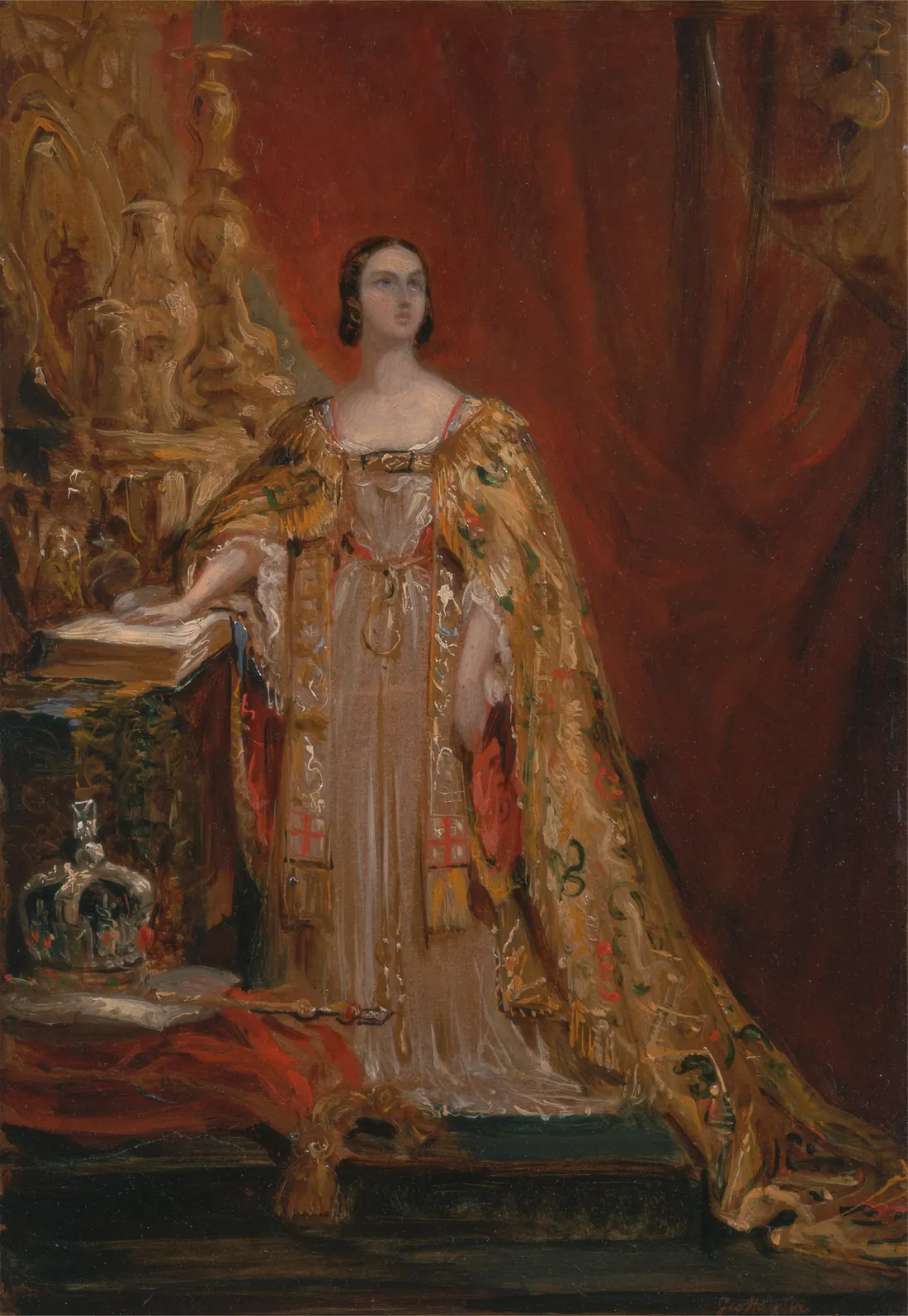
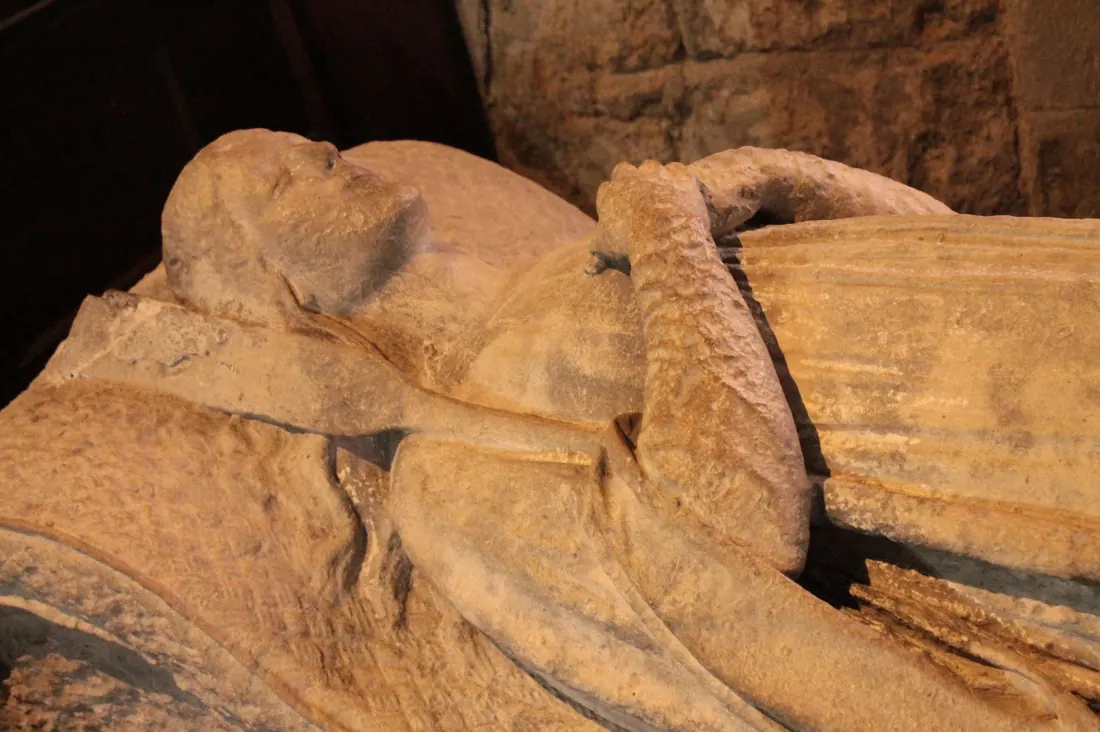
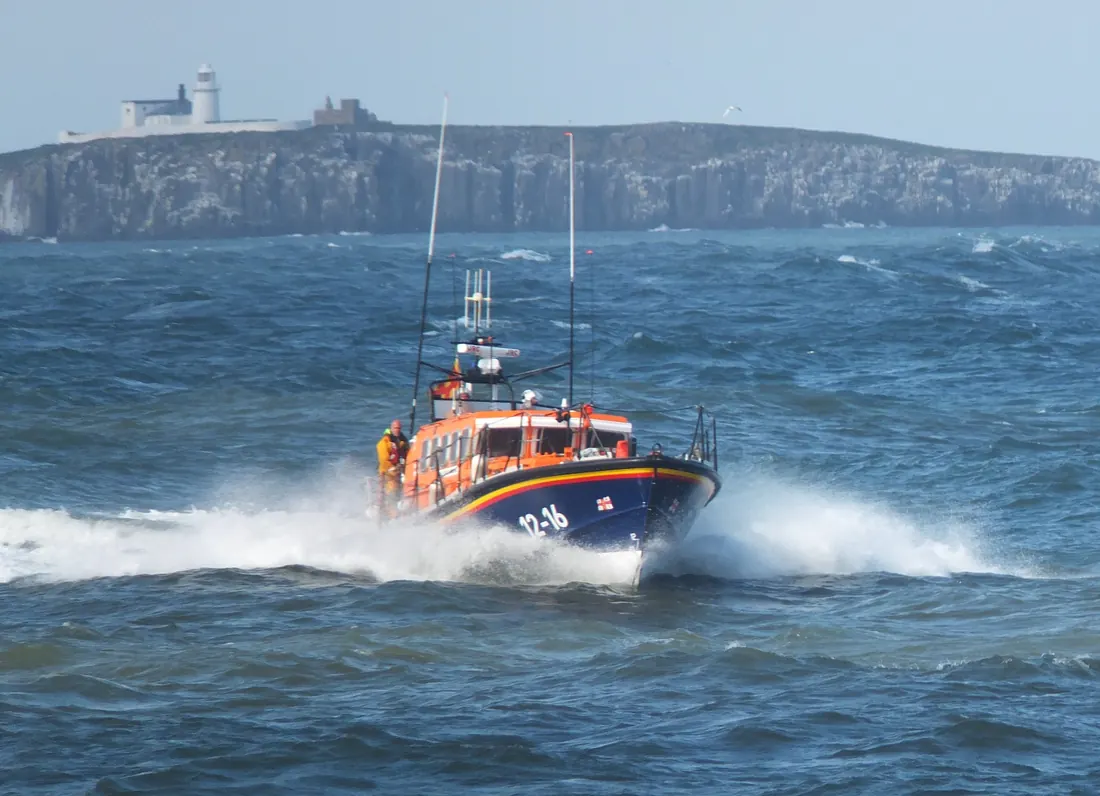
“Grace was in almost every newspaper in Britain, both local and national,” and “more than a dozen portrait painters sailed to her island home to capture her likeness, and hundreds of gifts, letters, and even marriage proposals were delivered to her.” “Her fame prompted a donation of £50 from Queen Victoria.” “It was noted that she was rendered almost bald by the number of requests for locks of her hair!” “Both William and Grace received the Royal National Lifeboat Institution’s Silver Medal in 1838 - the first recipients of this new award.” Four years later “she died, aged 26, of consumption on 20 October 1842.” “She is buried in the churchyard of St Aidan’s Church, Bamburgh,” where her monument “represents a sleeping effigy of her holding an oar.” “Eight RNLI lifeboats have carried the name Grace Darling, the first in 1851, just nine years after her death.”
Fact check
The facts and where they come from
- She rowed into a raging storm toward a ship torn in half, instead of waiting for a lifeboat. RMG: “while looking out of an upper window of the lighthouse during a raging storm, Grace spotted the wreck and survivors of the Forfarshire”; the ship “had completely split in two on a rocky outcrop of the islands, known as Big Harcar.” William Darling’s report, quoted by RMG: “we amediately launched our Boat.” Wikipedia: “Meanwhile, the lifeboat had set out from Seahouses, but arrived at Big Harcar rock after Darling and her father had completed their rescue operation.” 12
- Her name was Grace Darling, a lighthouse keeper’s daughter. Wikipedia: “Grace Horsley Darling (24 November 1815 – 20 October 1842) was an English lighthouse keeper’s daughter.” RMG: “Grace’s father, William, was keeper of the Longstone Lighthouse on one of the islands.” 21
- In 1838, she lived in a lighthouse off northern England. Wikipedia: “The Darling family moved to Longstone Lighthouse in 1826”; “The paddlesteamer ran aground on the Farne Islands off the coast of Northumberland in northeast England.” 2
- At first light, she spotted survivors stranded beside the wreck. Wikipedia (Forfarshire): “Their predicament was spotted at first light by Grace Darling.” Wikipedia (Grace Darling): “In the early hours of 7 September 1838, Darling, looking from an upstairs window, spotted the wreck and survivors of the Forfarshire on Big Harcar, a nearby low, rocky island.” 32
- She and her father thought no lifeboat could set out in that sea. RMG: “Grace and her father thought it would be too rough for the lifeboat to set out from the nearby village of Seahouses.” Wikipedia: “the weather was too rough for the lifeboat to put out from Seahouses (then North Sunderland).” 12
- So they took their own small boat. RMG: “so they decided they would row their own small boat across to help the survivors.” Wikipedia: “a 21 ft or 6.5 m, four-man Northumberland coble.” 12
- They rowed nearly a mile through the storm. RMG: “the strong winds meant they were forced to keep to the more sheltered side of the islands, which meant they had even further to row – a distance of nearly a mile.” 1
- At the rock, Grace held the boat steady while her father climbed out. RMG: “It was also considered quite a feat for Grace to steady the coble next to the rock as her father climbed out to get to the survivors.” Wikipedia: “Darling kept the coble steady in the water.” 12
- He helped five survivors aboard, one a mother who had lost both her children. Wikipedia: “her father helped four men and the lone surviving woman, Sarah Dawson, into the boat”; “Although she survived the sinking, Dawson had lost her two young children … during the night.” 2
- Then he went back for four more. RMG: “Her father and the three men returned to save another four survivors.” Wikipedia: “Darling then remained at the lighthouse while William and three of the rescued crew members rowed back and recovered four more survivors.” 12
- In all, nine people were saved. RMG: “Grace and her father saved all of the nine still alive on the Harcar rock.” William Darling, quoted by RMG: “In all 9 persons, safely to the Longstone about 9 o’clock.” 1
- Queen Victoria sent her £50. RMG: “Her fame prompted a donation of £50 from Queen Victoria.” Wikipedia: “including £50 from Queen Victoria.” 12
- Fans begged for locks of her hair until she was reportedly almost bald. RMG: “It was noted that she was rendered almost bald by the number of requests for locks of her hair!” She “answered as many letters as she could from her numerous admirers both male and female.” 1
- She died four years later, at 26. Wikipedia: “she died, aged 26, of consumption on 20 October 1842.” RMG: “she died of tuberculosis in October 1842.” 21
- Her name has been on eight lifeboats. Wikipedia: “Eight RNLI lifeboats have carried the name Grace Darling, the first in 1851, just nine years after her death.” 2
Sources
- Grace Darling Royal Museums Greenwich
- Grace Darling Wikipedia
- Forfarshire (ship) Wikipedia
Notes
Who wanted to go: later retellings say Grace begged her reluctant father to row out, but RMG says “this is unlikely” and quotes her own letter: “I was the first that saw the Distressing affair and amediately acquainted my father.” Wikipedia’s article on the Forfarshire repeats the older version. The page says only that she and her father decided together.
The time: RMG says “On the evening of 7 September 1838,” but William Darling’s own report has the survivors safe at the lighthouse “about 9 o’clock,” and Wikipedia puts the sighting “In the early hours” and “at first light,” so the page follows Wikipedia and William Darling.
How many were aboard: RMG gives 63, Wikipedia’s article on Grace Darling 62, and its article on the Forfarshire 61 passengers and crew plus the captain and his wife, so the page gives only the 43 who died.
Who rowed back: William Darling’s letter says “two of them returned with me”; RMG’s own text and Wikipedia say three of the rescued men. The Short says only that he went back for four more. The coble is “four-man” in Wikipedia’s article on Grace Darling, but its article on the Forfarshire says it was “designed for a minimum crew of three strong men.”
“Almost bald” rests on RMG’s “It was noted,” so the page says “reportedly.” The North Sunderland lifeboat did set out, but reached the rock after the Darlings had finished, so “instead of waiting for a lifeboat” means they did not wait for it.
Left out: the names and ages of Sarah Dawson’s two children, who died in the night; no picture shows them.
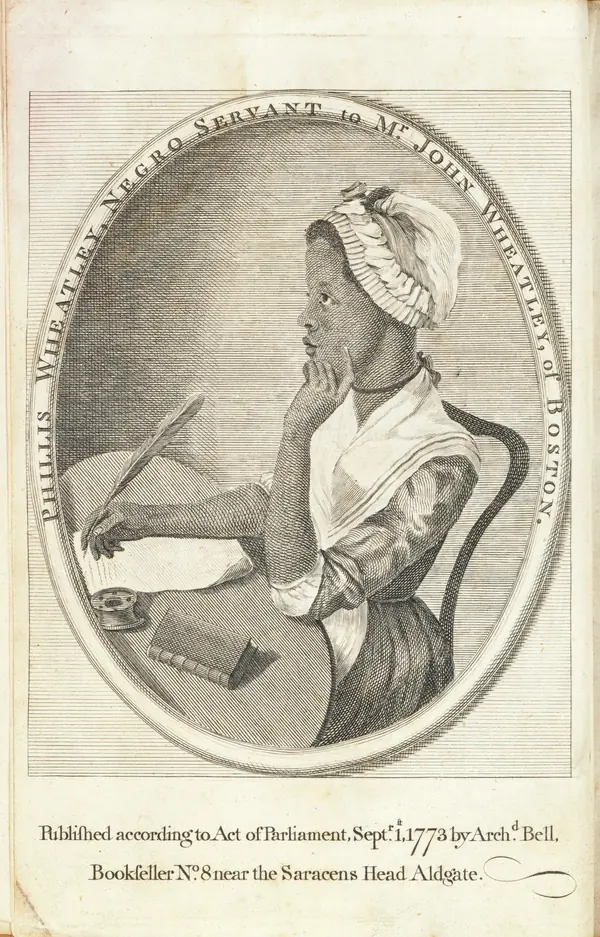
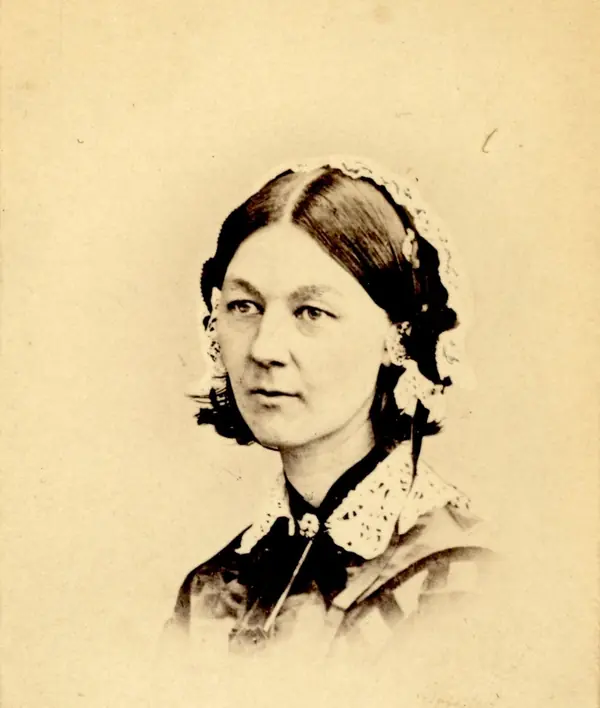
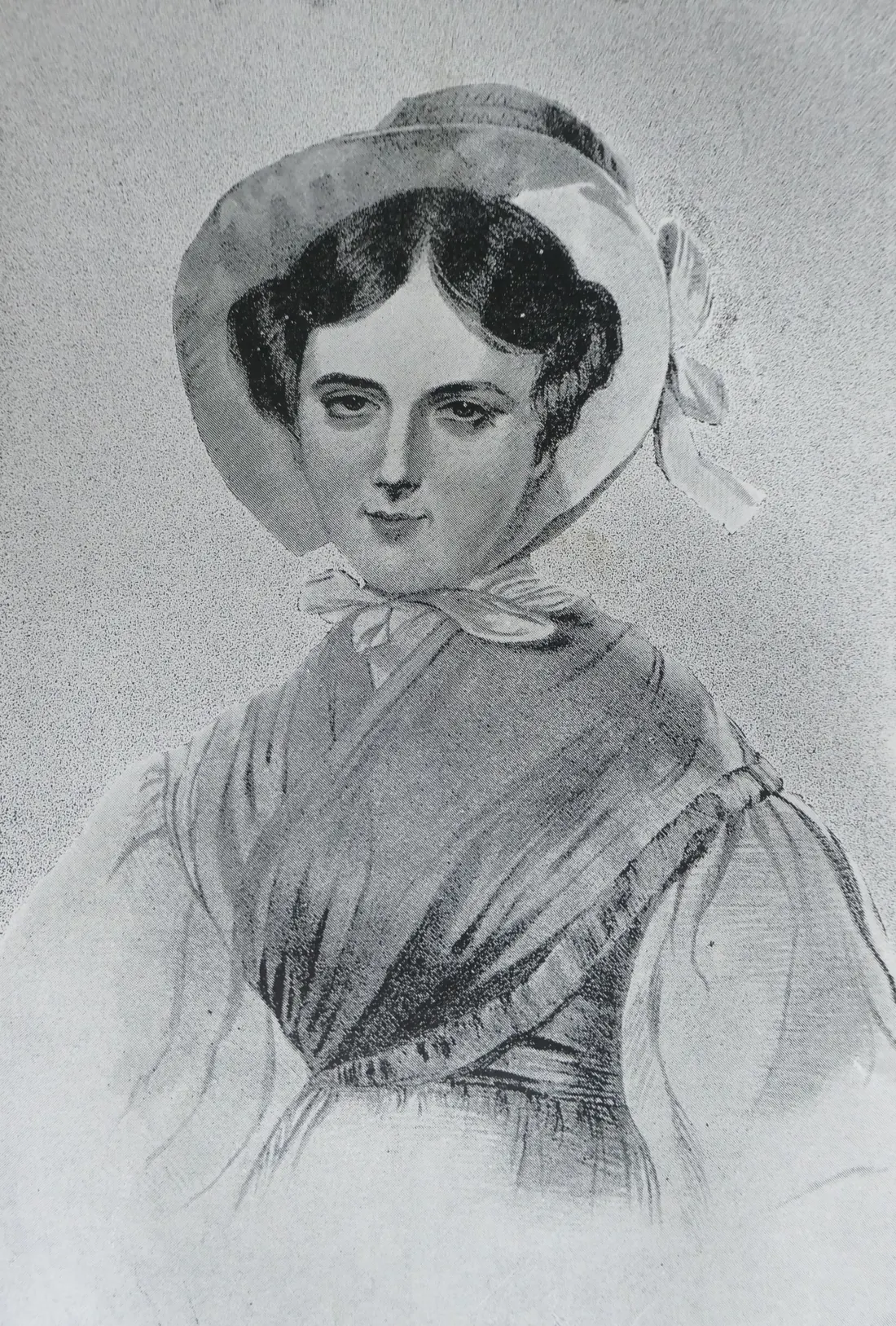
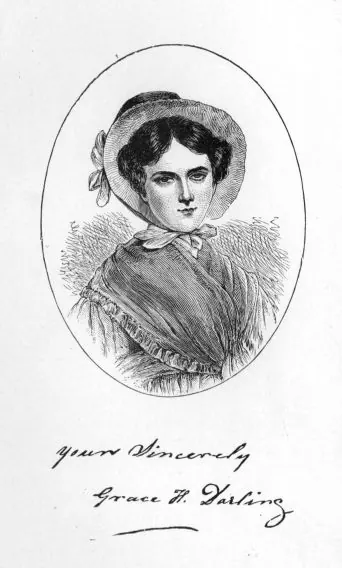
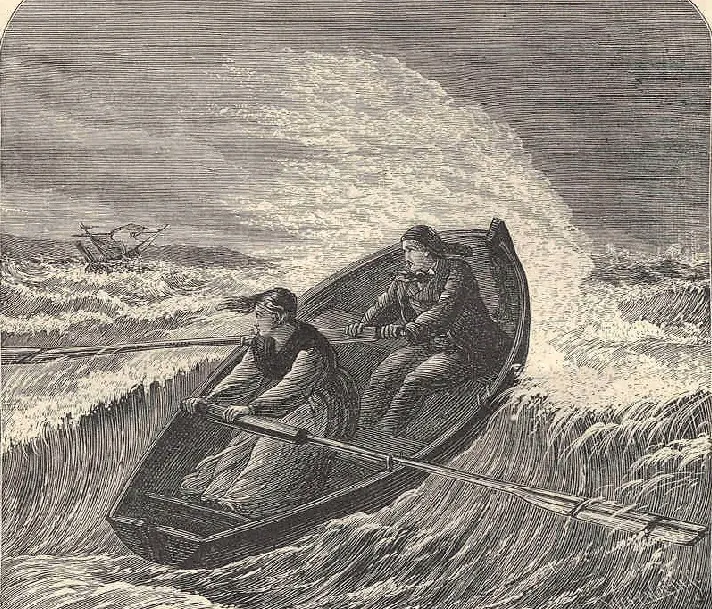
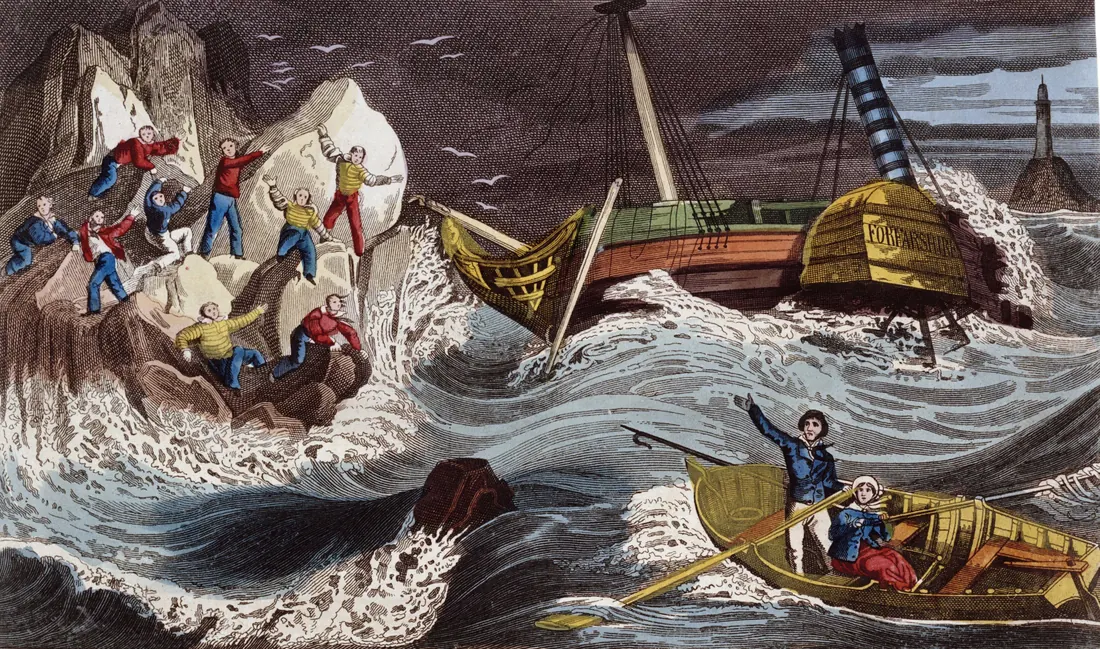
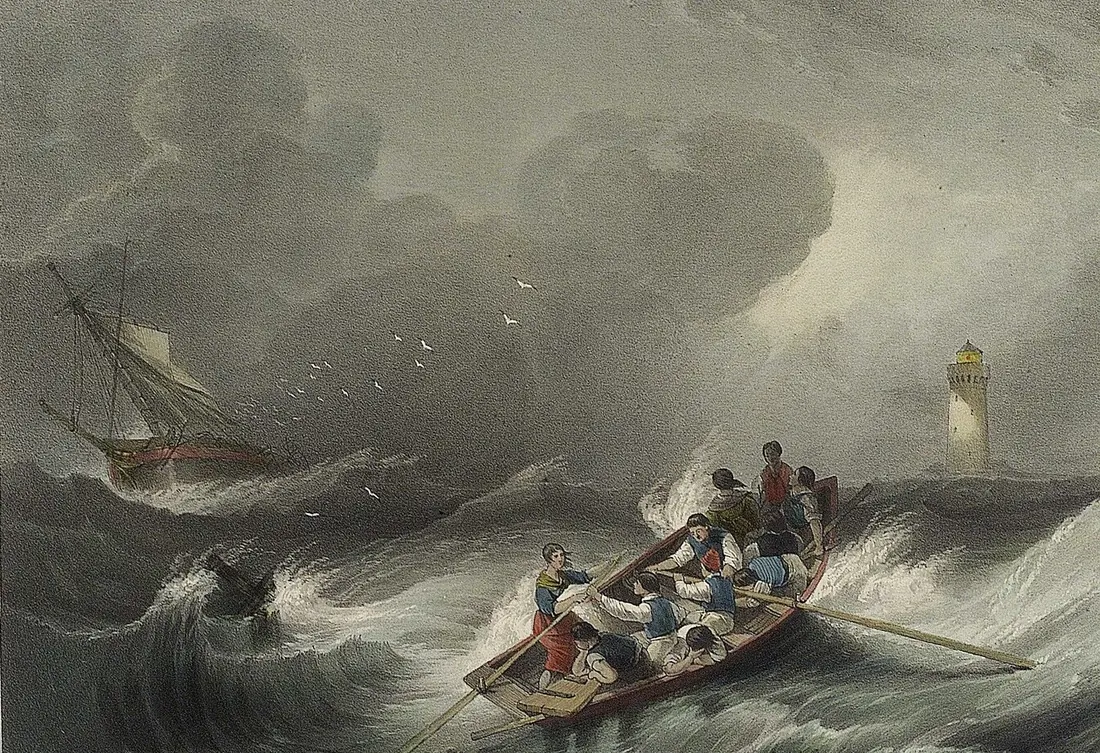
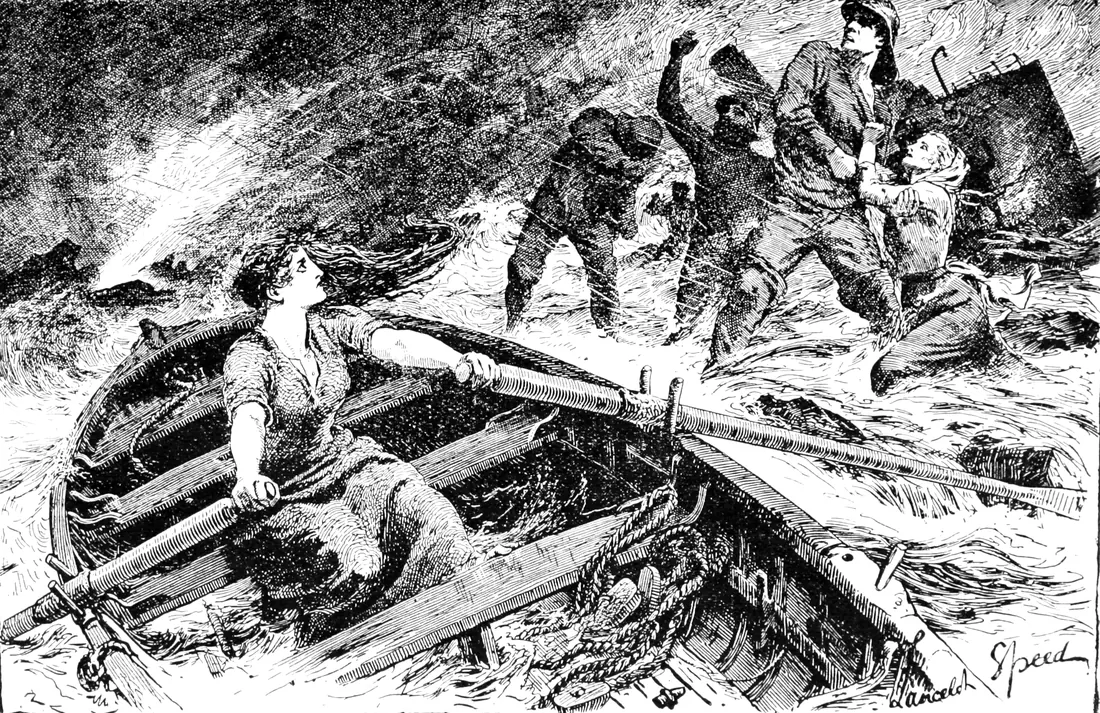
Pictures: no photograph of Grace Darling is known, so every picture of her is a print, engraving or painting, an artist’s impression. The portrait is by an unknown artist, reproduced in Christie’s Northumberland (1904), and the engraved portrait with her signature is the frontispiece of Eva Hope’s Grace Darling (1875). The wreck at daybreak and the rescue are 1838 lithographs after J. W. Carmichael, and the hand-colored print of the two going to the rescue is by an unknown artist, 1838 (National Maritime Museum, Greenwich). The color wood engraving of the two rowing is by Edmund Evans after C. J. Staniland; Lancelot Speed’s 1893 drawing shows her holding the boat while her father hauls survivors off the wreck; and the three engravings from Whymper’s Fisheries of the World (1883) show the wreck, the two rowing, and her own coble on show at the 1883 Fisheries Exhibition. The Longstone lighthouse is shown in an 1875 plate and in GermanOle’s 2012 photo, where the upper window in the white band was her bedroom. Big Harcar was photographed by Barbara Carr in 2009. George Hayter’s painting shows Queen Victoria taking the coronation oath on June 28, 1838. The effigy, by Charles Raymond Smith (1842), is in St Aidan’s Church, Bamburgh, photographed in 2019, and the RNLI lifeboat “Grace Darling” was photographed approaching Seahouses in 2013. No other person in these pictures is named.
Photo credits
The archive photos in this story
The photographs and illustrations in this story are in the public domain or shared under open licenses; each one is credited below with its license. Tap one to enlarge it, or follow the link to its Wikimedia Commons page for the full record. The narration, captions and graphics in the Short are our own; its music and sound effects are credited below.
Music and sound effects
Music: Schumann, Kinderszenen, Op. 15: No. 1 'Of Foreign Lands and Peoples' (Musopen, public domain); Mussorgsky, Pictures at an Exhibition: IV. Bydlo (piano) (Musopen, public domain); Dvorak, Symphony No. 9 'From the New World': II. Largo (Musopen, public domain).
Sound effects: Freesound, CC0.