“Pietro Vincenzo Antonio Peruggia (8 October 1881 – 8 October 1925) was an Italian decorator best known for stealing the Mona Lisa from the Louvre, a museum in Paris where he had briefly worked as glazier, on 21 August 1911,” Wikipedia says. “His job also required him to construct strong cases for some of the artwork in the museum, including the one for the Mona Lisa.” He “entered the Louvre on Monday, 21 August 1911, at around 7 am,” when “the Louvre was nearly empty, because 21 August was the weekly closure day during the summer holidays.”
“Peruggia went to the museum through the workers door and dressed in the white smock worn by all employees,” History Hit says. “When the Salon Carré, where the Mona Lisa hung, was empty, Peruggia lifted the painting off the four iron pegs that secured it to the wall,” Wikipedia says, and on a staircase “he removed the protective case and frame, hiding the discarded elements behind some student artworks stored on the staircase landing.” Then “A plumber, thinking he was an employee (Peruggia had finished working for the Louvre), unlocked the door for him, and Peruggia successfully left the museum.” History Hit names him: “The passer by was one of the Louvre’s plumbers, called Sauvet.”
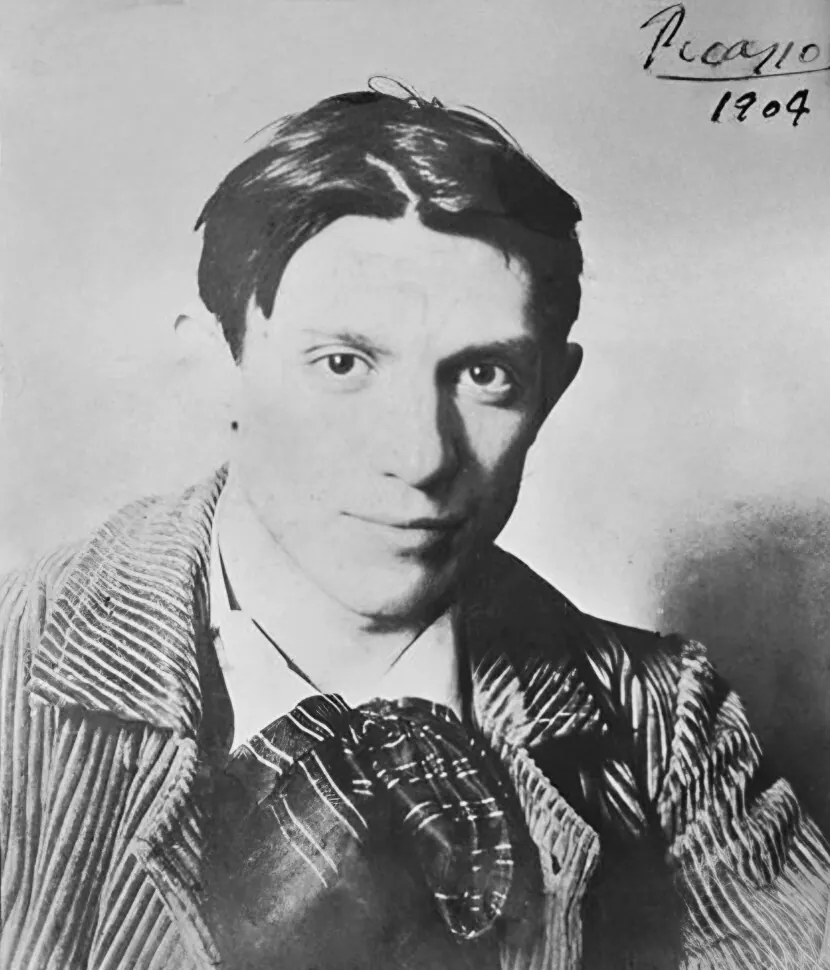
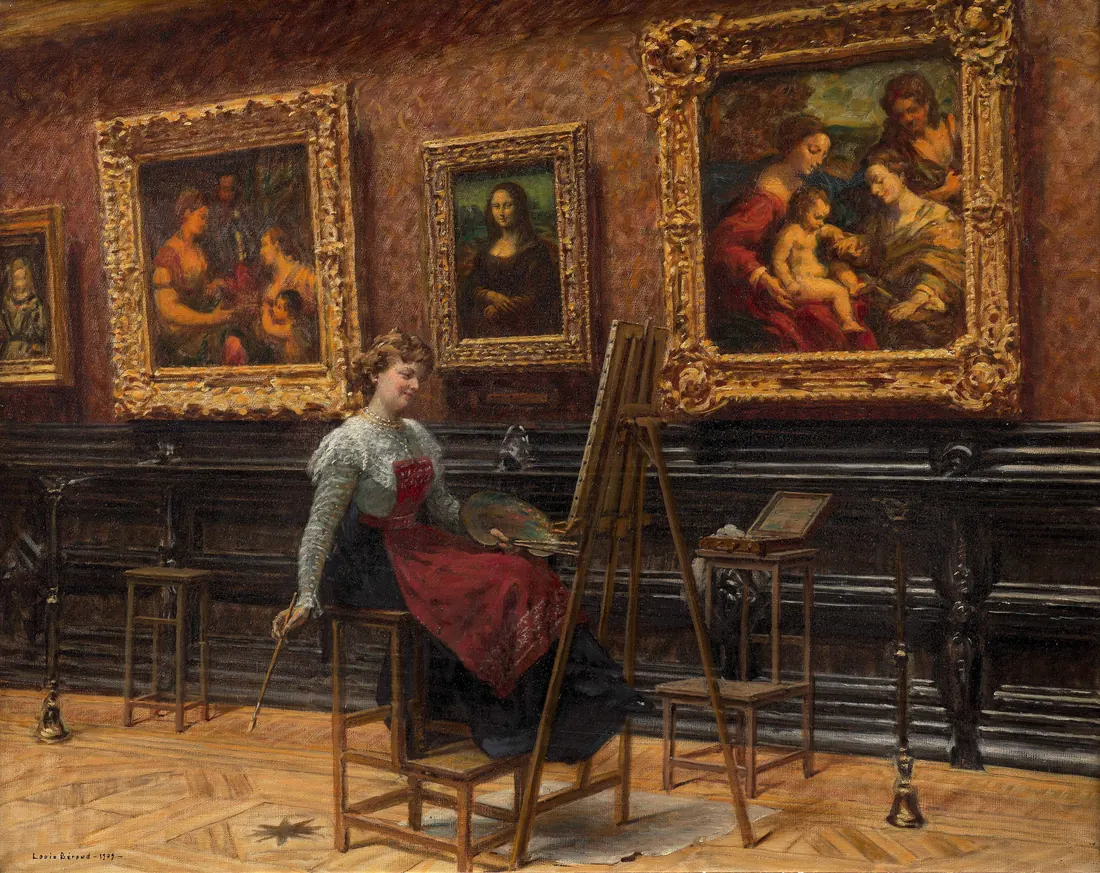
“Both staff and artists assumed the painting had been taken for cleaning or to be photographed,” History Hit says, and “For more than a day, the Louvre’s staff had no clue that the ‘Mona Lisa’ had been stolen,” HISTORY says. “The painting was first reported missing the next day by painter Louis Béroud,” Wikipedia says. “When the Louvre finally reopened a week later, thousands of people came to gawk at the empty wall where the painting had once hung.” The poet Guillaume Apollinaire “came under suspicion and was arrested and imprisoned,” and “Apollinaire implicated his friend Pablo Picasso, who was brought in for questioning. Both were later exonerated.”
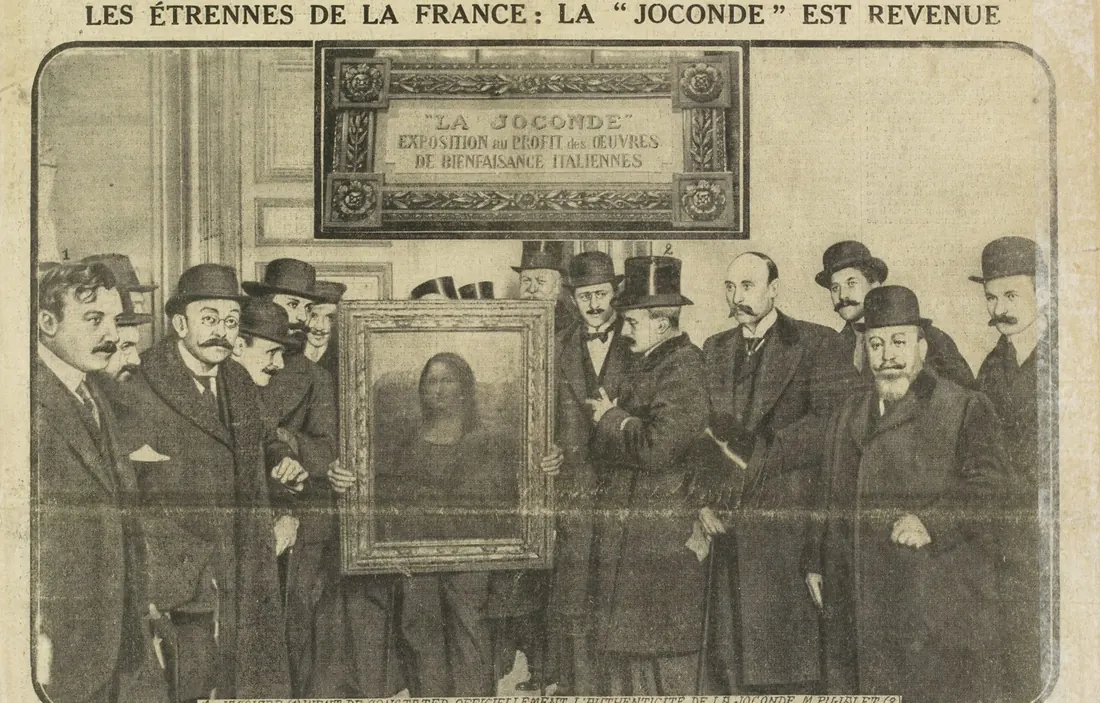
“During this period, officers visited Peruggia’s apartment and questioned him twice about his possible involvement. However, he was not considered a primary suspect.” “After keeping the painting hidden in a trunk in his apartment for two years, Peruggia returned to Italy with it by train.” In December 1913, “calling himself Leonardo Vincenzo, Peruggia wrote to an art dealer in Florence,” Alfredo Geri; “Geri called in Giovanni Poggi, director of the Uffizi, who authenticated the painting,” and “Poggi and Geri, after taking the painting for safekeeping, informed the police, who arrested Peruggia at his hotel.” “He was sentenced to one year and 15 days in prison but served just seven months,” HISTORY says.
“The Mona Lisa was returned to the Louvre on 4 January 1914,” History Hit says, and “At least 120,000 people went to see the painting in the first two days after it was returned to the Louvre,” HISTORY says. “Until the heist, Leonardo da Vinci’s portrait was known mainly to art experts,” PBS says. “The 1911 theft of the Mona Lisa and its subsequent return was reported worldwide, leading to a massive increase in public recognition of the painting,” Wikipedia says, and “In the 21st century, the Mona Lisa is considered the most famous painting in the world.”
Fact check
The facts and where they come from
- This painting was stolen from the Louvre, but nobody noticed for a whole day. HISTORY: “For more than a day, the Louvre’s staff had no clue that the ‘Mona Lisa’ had been stolen.” PBS: “An entire day passes before anyone notices the masterpiece is missing.” Wikipedia: “The theft was not discovered until the following day, when a painter who was about to do a copy of the Mona Lisa found it missing.” 351
- The thief’s name was Vincenzo Peruggia. Wikipedia: “Pietro Vincenzo Antonio Peruggia (8 October 1881 – 8 October 1925) was an Italian decorator best known for stealing the Mona Lisa from the Louvre.” 1
- He had helped build the painting’s glass case. Wikipedia: “The real culprit was Louvre employee Vincenzo Peruggia, who had helped construct the painting’s glass case”; “His job also required him to construct strong cases for some of the artwork in the museum, including the one for the Mona Lisa.” 21
- On a Monday in August 1911, the museum was closed. Wikipedia: “he entered the Louvre on Monday, 21 August 1911, at around 7 am”; “the Louvre was nearly empty, because 21 August was the weekly closure day during the summer holidays.” 1
- He walked in through the workers’ door, in a white smock. History Hit: “On 21 August 1911, Peruggia went to the museum through the workers door and dressed in the white smock worn by all employees.” Wikipedia: “through the door where the other Louvre workers were entering, wearing one of the white smocks that museum employees customarily wore.” 41
- He lifted it off the wall, and ditched the frame. Wikipedia: “Peruggia lifted the painting off the four iron pegs that secured it to the wall”; “There, he removed the protective case and frame, hiding the discarded elements behind some student artworks stored on the staircase landing.” HISTORY: “It was only then that the glass frame was discovered in the service stairwell.” 13
- A plumber even unlocked a door for him. Wikipedia: “A plumber, thinking he was an employee (Peruggia had finished working for the Louvre), unlocked the door for him, and Peruggia successfully left the museum.” HISTORY: “the plumber took the man for a trapped co-worker and assisted him in opening the door.” History Hit: “The passer by was one of the Louvre’s plumbers, called Sauvet.” 134
- Staff saw the gap, and thought it was being photographed. History Hit: “Both staff and artists assumed the painting had been taken for cleaning or to be photographed.” Wikipedia: “After some confusion as to whether the painting was being photographed somewhere, the Louvre was closed for a week for investigation.” 42
- The next day, a painter asked where it was. Wikipedia: “The painting was first reported missing the next day by painter Louis Béroud.” HISTORY: “Finally, at around noon on Tuesday, a visiting artist asked a security guard to track the painting down.” 23
- When the Louvre reopened, thousands came to stare at the empty wall. HISTORY: “When the Louvre finally reopened a week later, thousands of people came to gawk at the empty wall where the painting had once hung.” History Hit: “Crowds even queued in their thousands outside the Louvre just to see the space where it had once hung.” 34
- Even Pablo Picasso was questioned. Wikipedia: “Apollinaire implicated his friend Pablo Picasso, who was brought in for questioning. Both were later exonerated.” HISTORY: “he implicated his close friend Pablo Picasso.” History Hit: “Pablo Picasso was the next prominent suspect.” 234
- It sat in a trunk in his room for two years. Wikipedia: “After keeping the painting hidden in a trunk in his apartment for two years, Peruggia returned to Italy with it by train.” HISTORY: “stashed it in his home in a wood trunk with a false bottom.” 13
- In Florence, he tried to sell it, and was arrested. Wikipedia: “Peruggia grew impatient and was caught when he attempted to sell it to Giovanni Poggi, director of the Uffizi Gallery in Florence”; “Poggi and Geri, after taking the painting for safekeeping, informed the police, who arrested Peruggia at his hotel.” HISTORY: “On the afternoon of December 11, 1913, police arrested Peruggia at his hotel.” 213
- Before the theft, it was known mainly to art experts. PBS: “Until the heist, Leonardo da Vinci’s portrait was known mainly to art experts.” Wikipedia: “In 1911, the painting was still not popular among the lay public.” 52
- The man who stole it made it the most famous painting in the world. Wikipedia: “In the 21st century, the Mona Lisa is considered the most famous painting in the world”; “The 1911 theft of the Mona Lisa and its subsequent return was reported worldwide, leading to a massive increase in public recognition of the painting.” History Hit: the theft “transformed the Mona Lisa into one of the most recognisable and famous artworks in the world.” HISTORY’s headline: “The Heist that Made the ‘Mona Lisa’ Famous.” 243
Sources
- Vincenzo Peruggia Wikipedia
- Mona Lisa (sections “1911 theft” and “Fame”) Wikipedia
- The Heist that Made the ‘Mona Lisa’ Famous (Evan Andrews, 2016, updated 2026) HISTORY
- 10 Facts About the Audacious Theft of the Mona Lisa (Amy Irvine, April 6, 2022) History Hit
- The Mona Lisa Mystery (Secrets of the Dead, transcript) PBS
- 10 ‘Alternative Facts’ About Vincenzo Peruggia and the Theft of the Mona Lisa (Joe Medeiros, July 26, 2015) Mona Lisa Is Missing
Notes
Under his smock? The Excelsior of December 14, 1913, headlined that the Mona Lisa was carried off under a smock, and HISTORY says he left with it “tucked beneath his apron,” but Wikipedia argues that a 77 × 53 cm panel would not fit under the smock of a man 160 cm tall, and Mona Lisa Is Missing says he took the smock off and carried the painting under his arm. The Short says only that he walked in wearing the smock.
Overnight in a closet: HISTORY says he hid in a storage closet overnight; his own interrogation, as Wikipedia gives it, and Mona Lisa Is Missing say he walked in at about 7 a.m. with the workers. The Short follows the workers’-door version.
“Nobody noticed”: staff did see the empty pegs but assumed the painting had been taken to be photographed or cleaned; nobody realized it had been stolen until the next day. So the headline says nobody realized.
Picasso: Wikipedia’s article on Peruggia says he and Apollinaire were “arrested”; Wikipedia’s Mona Lisa article and HISTORY say Apollinaire was arrested and Picasso was brought in for questioning. The Short says “questioned.” The arrest: HISTORY gives December 11, 1913; Wikipedia mentions his interrogation after his arrest on December 12. The sentence: Wikipedia’s Mona Lisa article says six months served; Wikipedia on Peruggia, HISTORY and History Hit say seven.
Left out: the story that a con man planned the theft, which rests only on a 1932 magazine article (Wikipedia: “There is no external confirmation for this theory”).
“The most famous painting in the world” is a judgment, but Wikipedia says the Mona Lisa “is considered the most famous painting in the world,” and every source credits the theft and its return with making it famous.
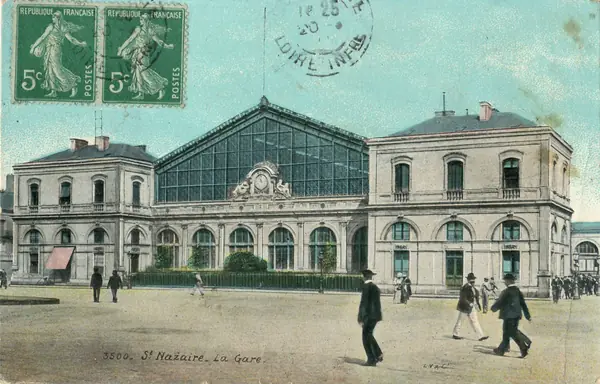
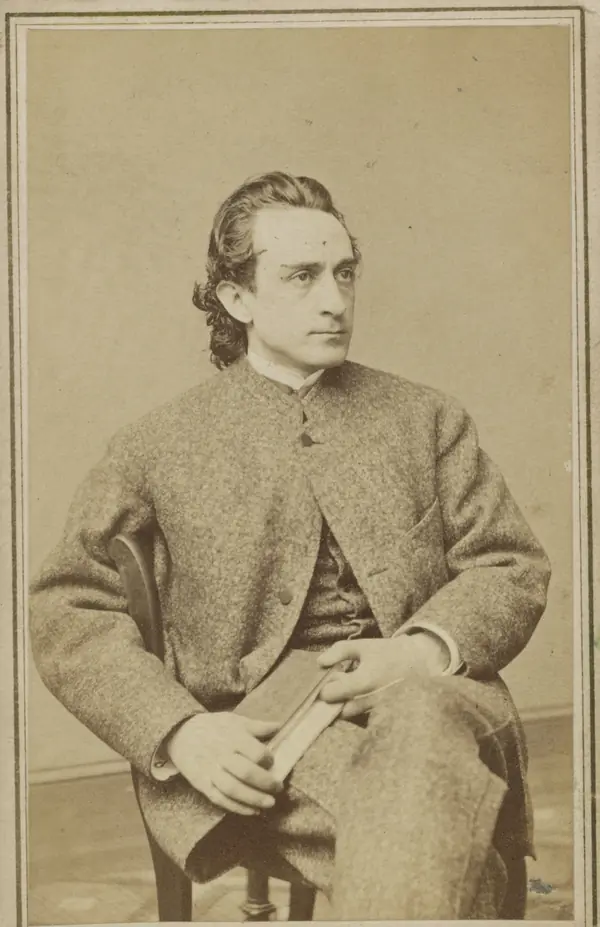
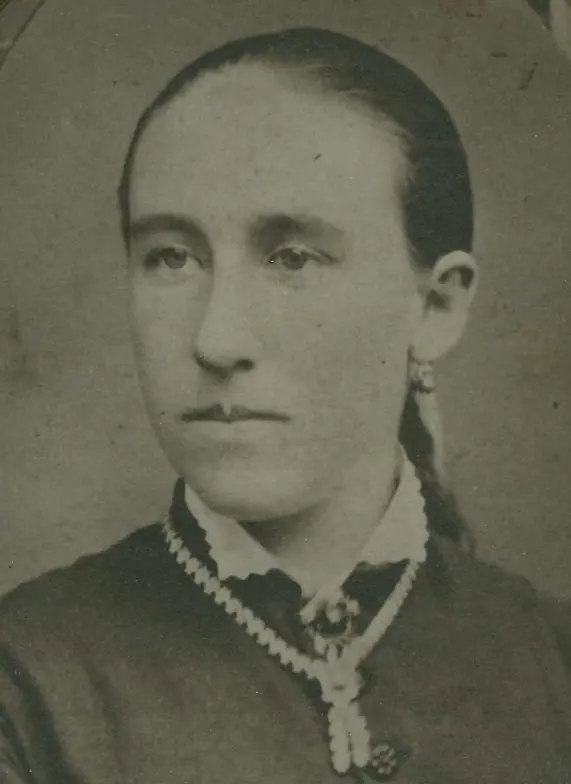
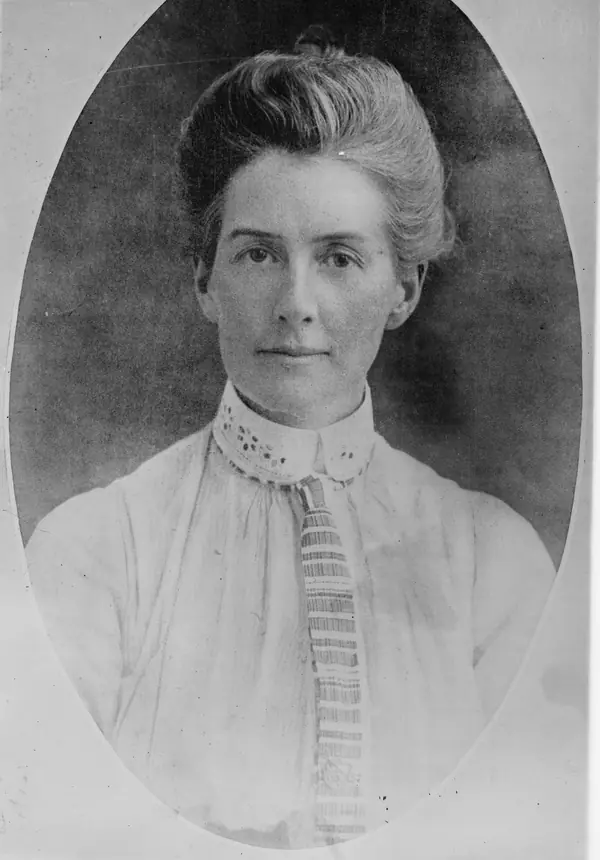
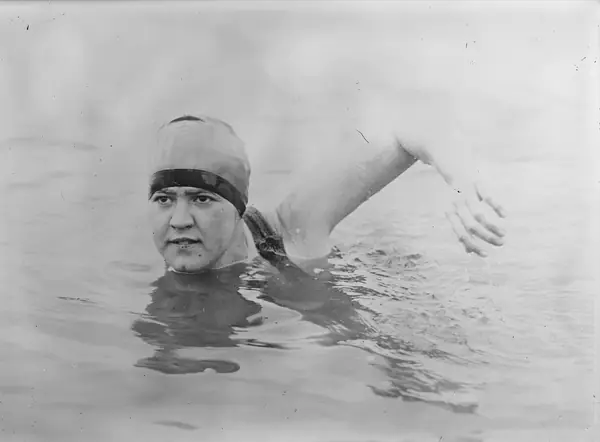
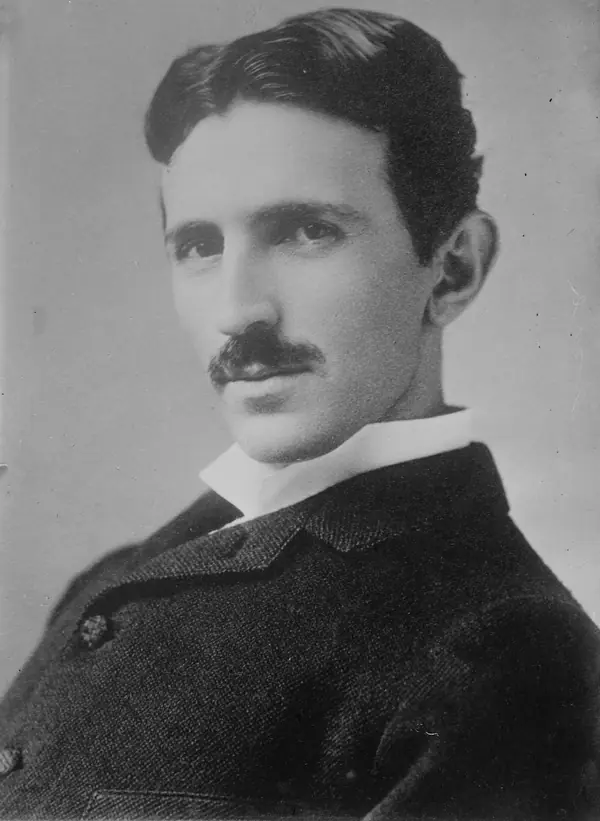
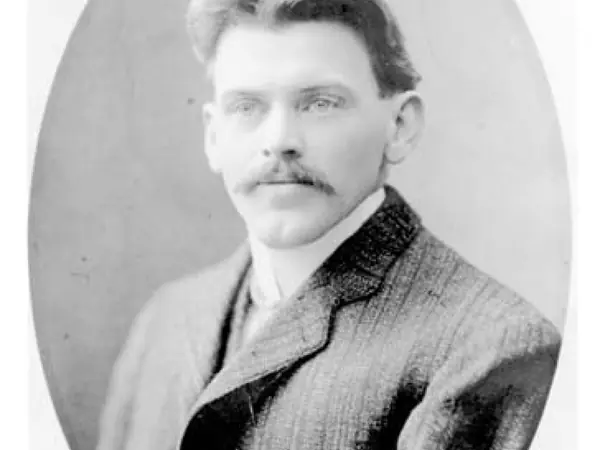
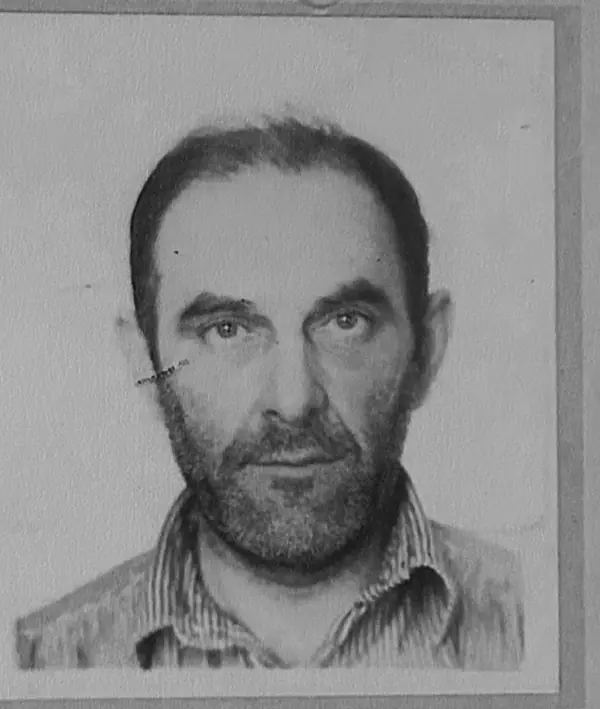
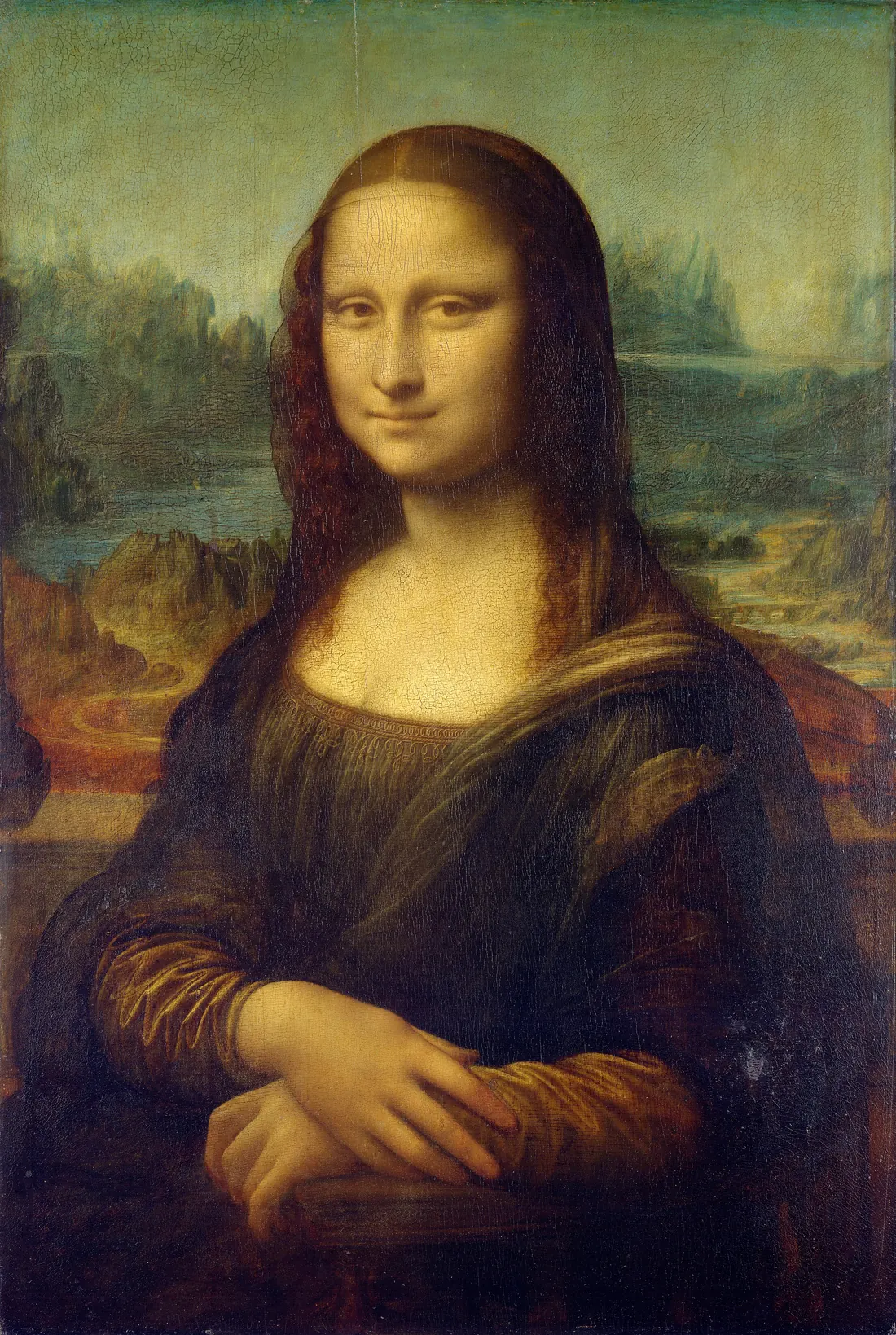
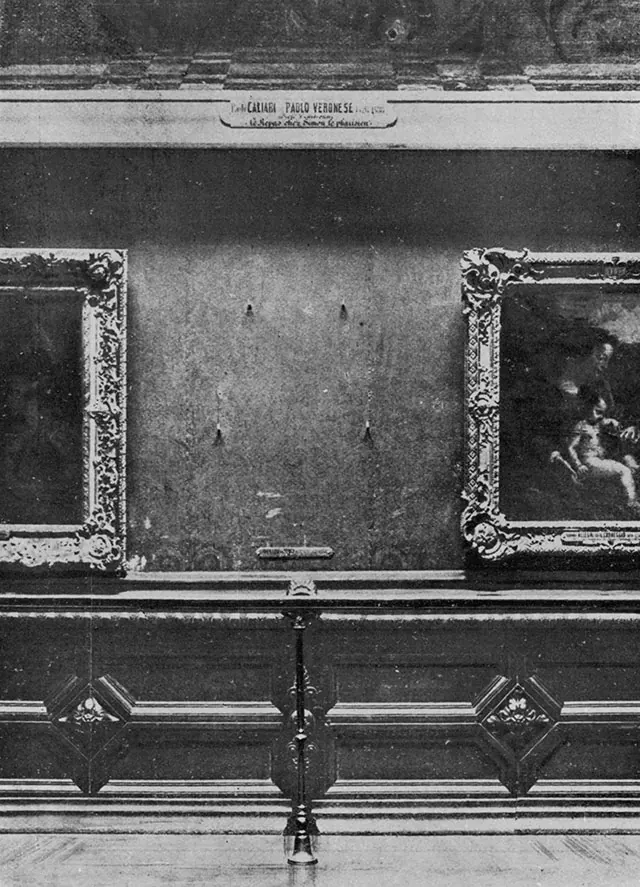
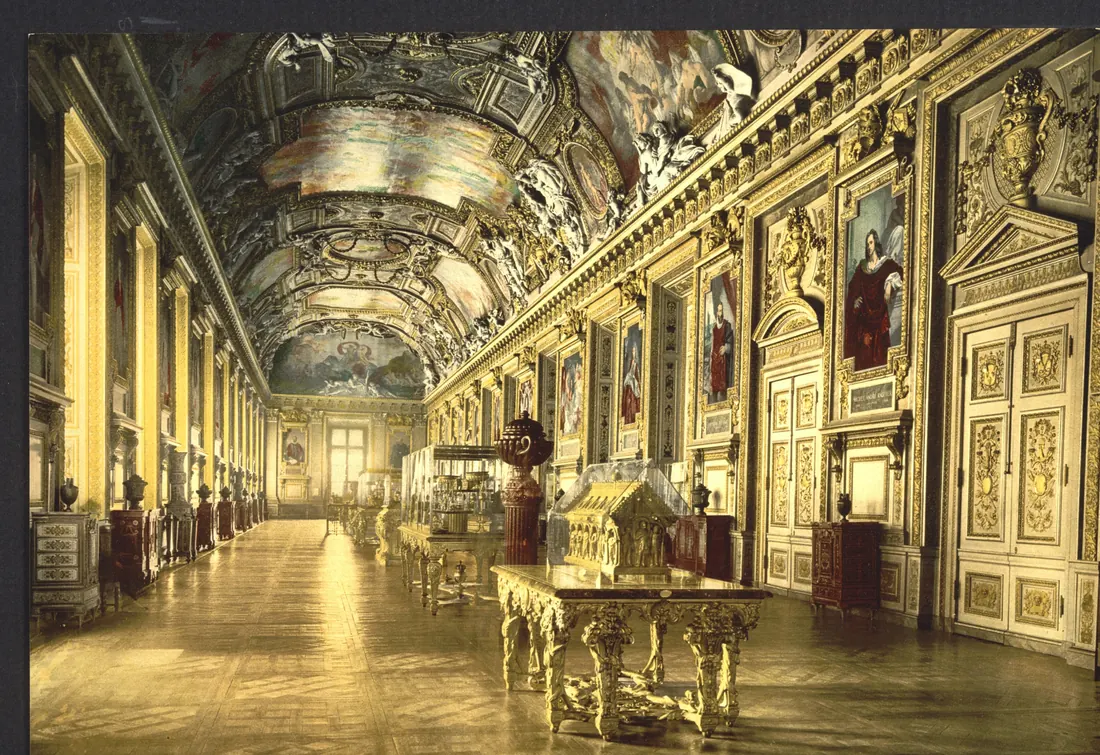
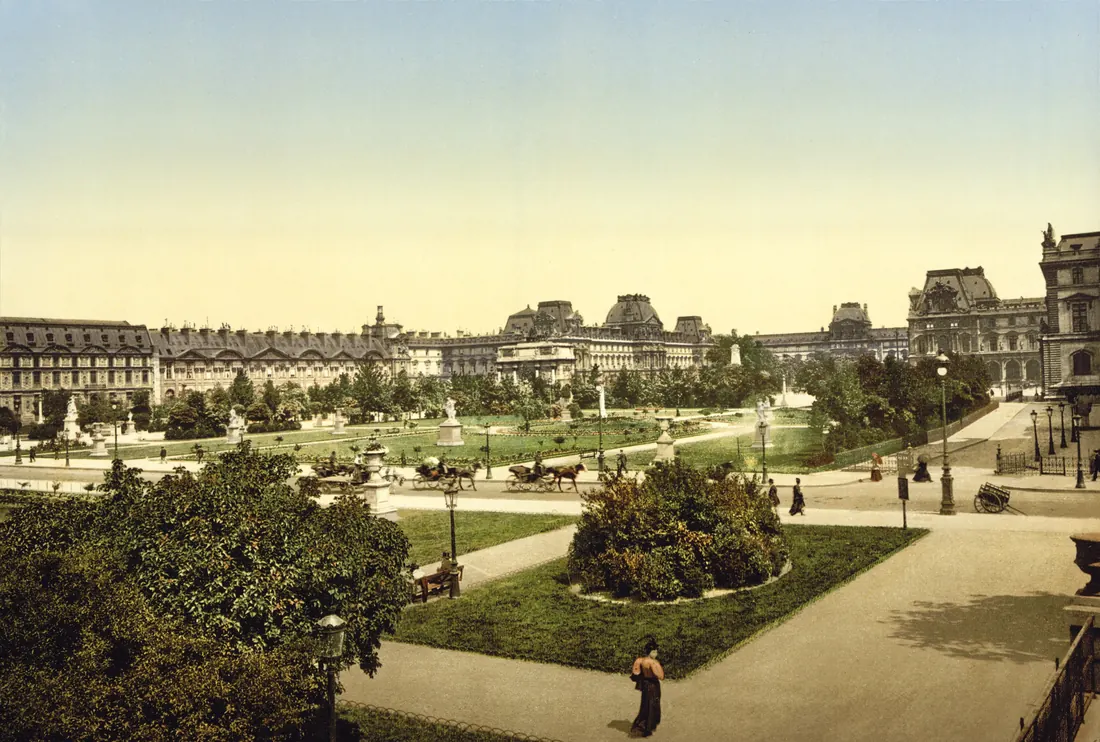
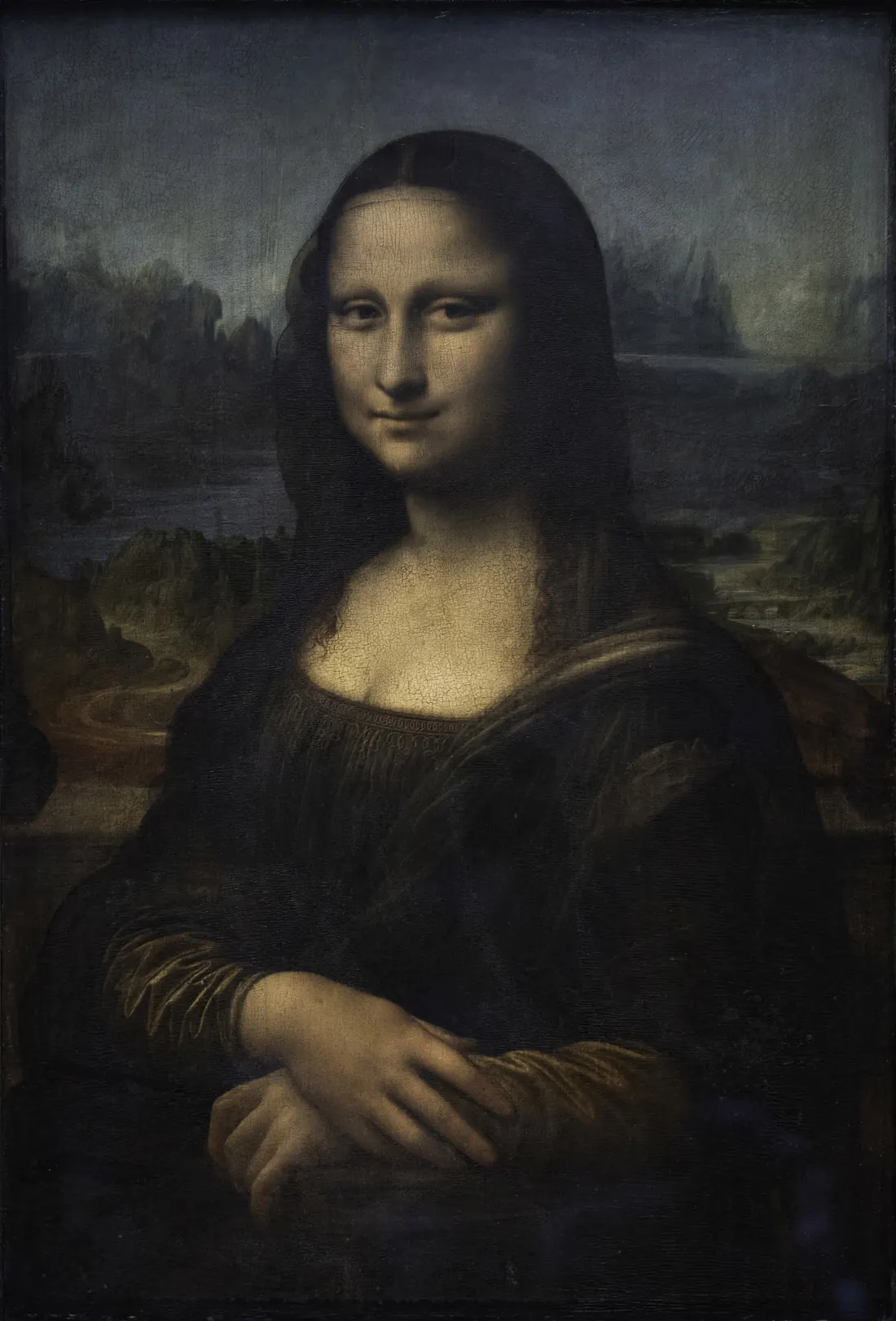
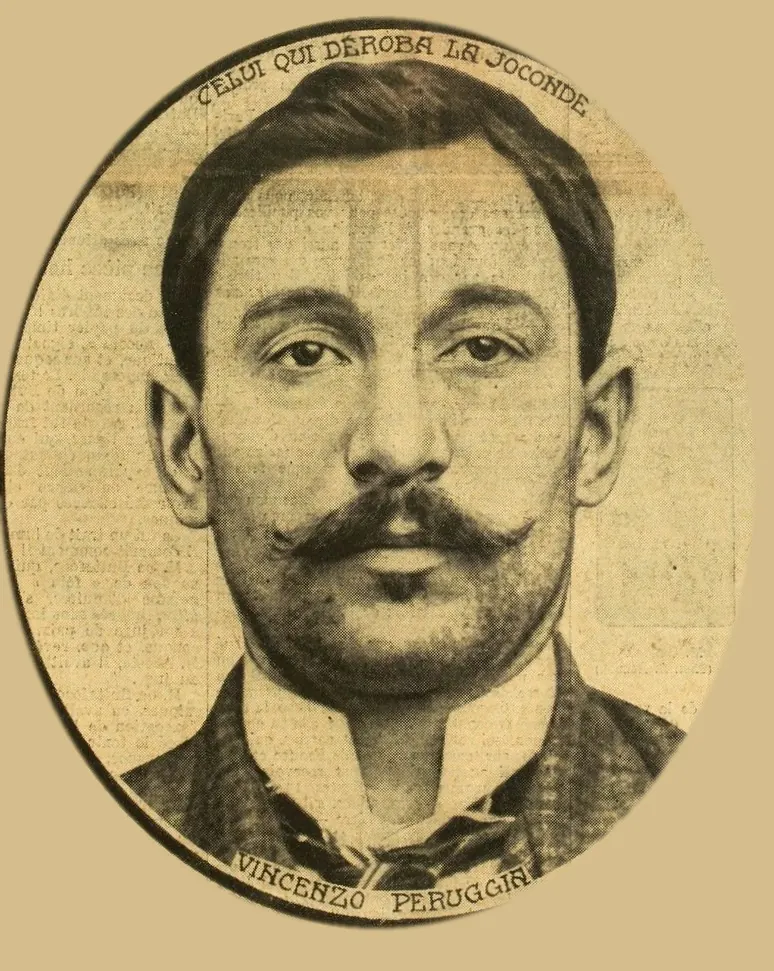
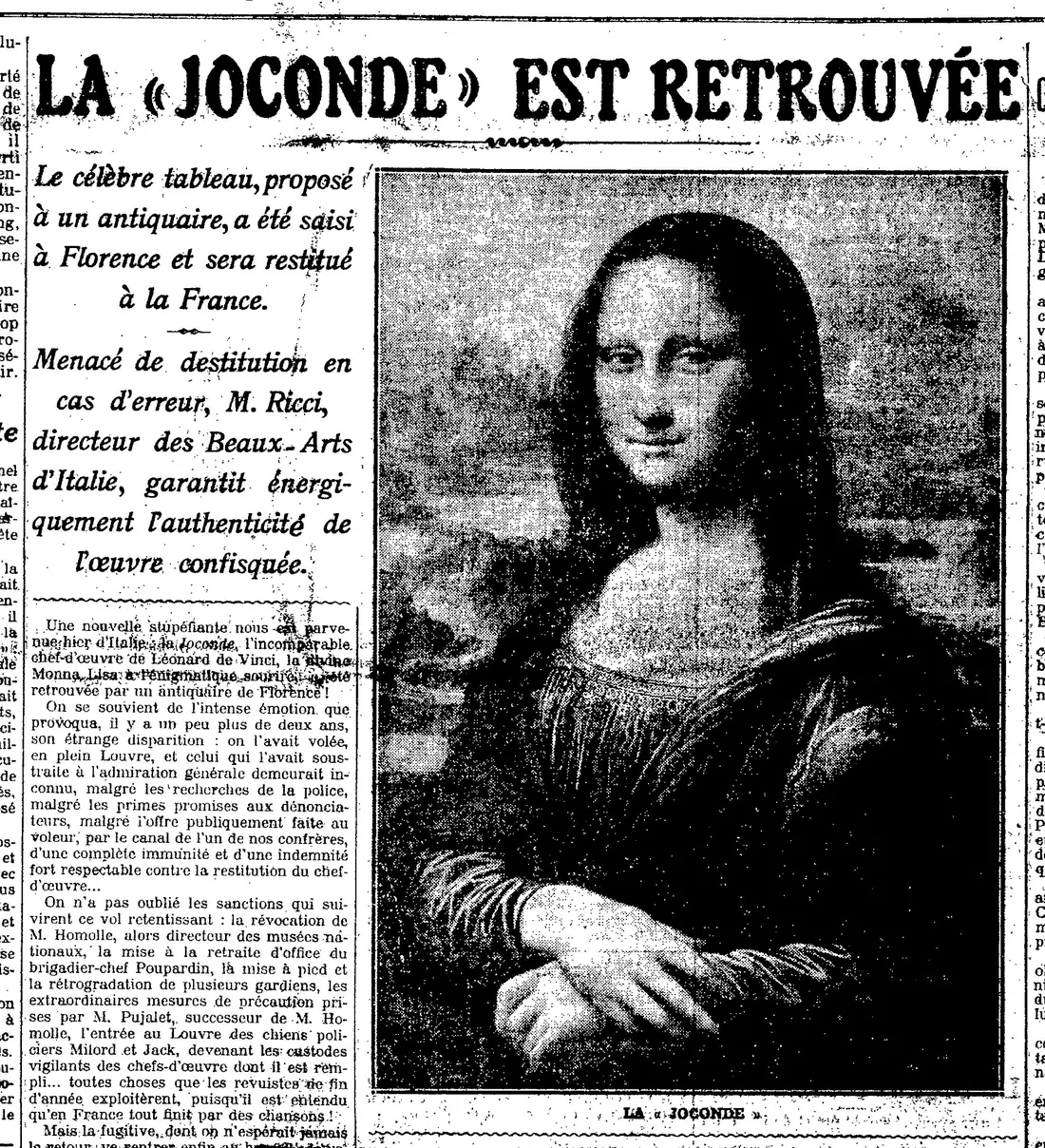
Pictures: no photo of the theft exists. The Mona Lisa is Leonardo da Vinci’s painting (C2RMF scan), and it is seen behind glass in the Louvre on January 29, 2024 (Wilfredor). The empty wall in the Salon Carré, with the four iron pegs, was photographed after the theft in 1911 and printed in The Century Magazine in February 1914. The man in six of the Excelsior pictures of December 14, 1913, is a stand-in in the newspaper’s staged re-enactment, not Peruggia; only the paper’s oval portrait, captioned with his name, shows him. Le Petit Parisien’s front page of December 13, 1913, announces the painting found, and Excelsior’s of January 1, 1914, shows officials around the painting. The two Louvre photochroms (a gallery of the Louvre and the Louvre from the Tuileries) are from about 1890–1900, before the theft. Louis Béroud’s 1909 painting shows a copyist in front of the Mona Lisa, and Pablo Picasso was photographed in Paris in 1904 by Ricard Canals. The other people in these pictures are not named.
Photo credits
The archive photos in this story
All the photographs and illustrations in this story are in the public domain. Tap one to enlarge it, or follow the link to its Wikimedia Commons page for the full record. The narration, captions and graphics in the Short are our own; its music and sound effects are credited below.
Music and sound effects
Music: Schumann, Kinderszenen, Op. 15: No. 1 'Of Foreign Lands and Peoples' (Musopen, public domain); Mussorgsky, Pictures at an Exhibition: IV. Bydlo (piano) (Musopen, public domain); Dvorak, Symphony No. 9 'From the New World': II. Largo (Musopen, public domain).
Sound effects: Freesound, CC0.